Coffee Quality Institute Reactivates Coffee Corps

San Diego – Qahwa World

The Coffee Quality Institute (CQI) today announced the reactivation of its groundbreaking volunteer program, Coffee Corps, and issued its first new call for volunteers.

CQI Coffee Corps is a peer-to-peer education program that enlists experienced coffee professionals as volunteers to help producers build capacity in topics related to coffee quality and is now focused on Coffee Corps reactivation CQI. Since its inception in 2002, hundreds of Coffee Corps volunteers have created professional development opportunities for thousands of producers in coffee communities around the world in service of CQI’s mission. The program has been dormant since the global coronavirus pandemic, but CQI is reactivating it in 2026 as the organization marks its 30th anniversary, an important milestone for Coffee Corps reactivation CQI efforts.

“The CQI Coffee Corps program represents the very best of the coffee sector,” said Coffee Quality Institute CEO Michael Sheridan. “Coffee Corps volunteers embody a spirit of generosity and collaboration that has expanded opportunities for producers and made our industry stronger. As we recommit to our mission to foster development in coffee communities, I can’t imagine doing it without the support of a new generation of CQI Coffee Corps volunteer leaders.” Coffee Corps reactivation CQI will empower even more volunteers to make an impact in the years ahead.

You may like to read: CQI CEO Michael Sheridan Highlights Strong Q1 2026 Momentum

Coffee Corps volunteers have driven impact in coffee communities through support for a broad range of activities, including sensory evaluation, post-harvest processing, enterprise management, and trade development. Their work has been pivotal in supporting advances in quality in established coffee origins like Colombia and Ethiopia, and in developing new sources of quality coffee in places like Laos and Myanmar. Thus, Coffee Corps reactivation CQI stands as a crucial initiative for the sector’s continued growth.

“The beauty of Coffee Corps is in the sheer number of benefits it provides,” stated T.J. Ryan, Managing Director of Programs at CQI. “It provides projects with access to world-class coffee expertise while allowing coffee experts a chance to give back and apply their technical know-how to solve coffee sector problems. It also helps expand networks, building the potential for future benefits. I am very pleased that we are reactivating this program comprised of exceptional professionals.”

Also today, CQI published four new volunteer opportunities in connection with Brewing Better Futures, a farm worker innovation pilot led by the independent nonprofit organization Verité. Further information regarding Coffee Corps, volunteer opportunities, and requirements are available on the Coffee Quality Institute’s website.

About Coffee Quality Institute

CQI is a non-profit organization that works globally to improve the quality of coffee and the lives of the people who produce it. For thirty years, CQI has trained people who produce and process coffee in more than thirty coffee-growing countries around the world.


Nuclear Science Secures the Future of Coffee

How “Birth Control” for Pests is Saving the Global Brew

VIENNA – Qahwa World

In a landmark announcement, the International Atomic Energy Agency (IAEA) and the Food and Agriculture Organization of the United Nations (FAO) have confirmed that nuclear science is now the primary shield protecting the world’s multibillion-dollar coffee industry from its most destructive adversary: the Mediterranean fruit fly.

The Invisible Threat to Your Morning Cup

While coffee is one of the most beloved beverages globally, it is also a favorite target for the Mediterranean fruit fly (Ceratitis capitata). The biological damage is devastatingly precise. The female fly deposits eggs into the coffee berries, and once the larvae hatch, they feed on the internal pulp.

New technical data released by the IAEA and FAO clarifies that this process does more than just damage the fruit; the larvae “suck out essential nutrients,” which directly stunts the development of the coffee bean. This prevented beans from reaching their natural size and density, leading to lighter, “hollow” harvests that lacked the physical properties required for high-quality roasting.

The damage happens silently — inside the fruit — long before the coffee reaches the cup.

The SIT Breakthrough: “Birth Control” for Insects

To combat this without the use of toxic chemical pesticides, the IAEA, in cooperation with the FAO, has deployed the Sterile Insect Technique (SIT). This environmentally friendly “insect birth control” method works through a precise four-step cycle:

  • Mass Rearing: Millions of male flies are raised in specialized bio-factories.
  • Irradiation: The insects are exposed to controlled radiation (gamma or X-rays), which sterilizes them without affecting their health or competitive drive.
  • Aerial Release: These sterile males are released over coffee plantations.
  • Population Collapse: When they mate with wild females, no offspring are produced.

From “Wormy” Fruit to Award-Winning Quality

The results from the field provide a dramatic “before and after” for the coffee industry. Farmers who once struggled with harvests filled with “worms” (larvae) are now reporting a transformation in their crops.

Increased Weight & Density: Because the beans are no longer being drained of nutrients, they are growing to their full biological potential.

Superior “Cup Quality”: The SIT has saved the sensory profile of the bean.

Market Expansion: These high-quality beans are now qualifying for international specialty markets.

“Earlier, I used to find many worms in the fruit. But now, the change is visible. There are fewer worms, the coffee is heavier, and the cup quality is much better.”

A Global Success Story

From the Moscamed Program in Mexico and Guatemala to emerging projects in Africa and the Asia-Pacific, joint IAEA–FAO initiatives are ensuring that coffee remains sustainable and profitable.


View this post on Instagram


A post shared by Coffee Qahwa (@qahwaworld)

ICO, IACO Sign MoU on Coffee Cooperation

Agreement at World of Coffee San Diego focuses on data, regulation, and support for Africa’s coffee sector

San Diego — Qahwa World

The first day of World of Coffee San Diego saw the International Coffee Organization (ICO) and the Inter-African Coffee Organisation (IACO) formalise their cooperation through the signing of a Memorandum of Understanding (MoU).The agreement builds on an existing relationship between the two institutions and outlines areas for closer coordination across data, research, and policy support for African coffee-producing countries.

Structured Cooperation Across Key Areas

The MoU establishes a framework for collaboration in several technical and strategic areas relevant to the evolving coffee landscape.

These include improving data collection and analysis, supporting compliance with regulatory developments such as the European Union Deforestation Regulation (EUDR), advancing research into climate resilience, and strengthening capacity along the coffee value chain.

While the agreement does not introduce binding commitments, it provides a basis for coordinated initiatives and information exchange between the two organisations.

Africa’s Position in Focus

The partnership also reflects a continued effort to better integrate African perspectives into global coffee discussions.

African producing countries play a significant role in global coffee supply, yet continue to face structural challenges, including exposure to climate risks, limited access to finance, and evolving market requirements.

Through closer institutional coordination, the ICO and IACO aim to support member countries in navigating these challenges and engaging more effectively with international frameworks.

Institutional Context

The International Coffee Organization, established in 1963, serves as an intergovernmental platform for cooperation between coffee-exporting and importing countries, with a focus on market transparency, sustainability, and sector development.

The Inter-African Coffee Organisation represents African coffee-producing nations and works to promote production, improve quality, and enhance the competitiveness of the region’s coffee sector.

The MoU reflects a continuation of engagement between the two bodies rather than a new institutional direction.

World of Coffee as a Meeting Point

World of Coffee, organised by the Specialty Coffee Association, provides a platform for industry stakeholders ranging from producers and exporters to roasters, researchers, and policymakers.

The San Diego edition highlights ongoing conversations around sustainability, regulation, and market dynamics, with a growing emphasis on coordination between producing and consuming regions.

Participants

  • Vanusia Nogueira, Executive Director of the International Coffee Organization
  • H.E. Ambassador Solomon Rutega, Secretary General of the Inter-African Coffee Organisation
  • Claude Bizimana, Executive Chairman of the Inter-African Coffee Organisation
  • Celestine Gataraiha, Director of Research and Development at the Inter-African Coffee Organisation

Analysis

Memoranda of understanding are a common instrument in international cooperation, often used to formalise intent and provide a structure for future collaboration rather than immediate operational change.

In this context, the ICO–IACO agreement can be seen as part of a broader pattern of institutional alignment within the coffee sector, particularly as regulatory and environmental pressures increase.

Its practical significance will depend on how the outlined areas of cooperation translate into concrete programmes and measurable outcomes over time.

Reporting by Qahwa World from San Diego

Top Coffee Consumers 2026

Dubai – Qahwa World

As of April 2026, global coffee consumption continues to grow despite earlier price volatility. According to the USDA’s December 2025 Coffee: World Markets and Trade report, world consumption for the 2025/26 coffee year (October 2025 to September 2026) reached a record 173.85 million 60-kg bags, up 1.3 percent year on year.

This steady rise comes as supply begins to recover, yet global stocks remain tight at around 20.1 million bags for the fifth consecutive year. The result is a more balanced market, though still sensitive to price movements.

Demand growth is driven by both mature and emerging markets. The United States, Brazil, and Europe continue to anchor global consumption, while Asia is rapidly expanding, led by the Philippines, China, Vietnam, and Indonesia. At the same time, early 2026 price easing has helped maintain strong consumption momentum.

Top 20 Coffee-Consuming Countries and Regions (2025/26 Forecast)

Rank Country / Region Consumption (M bags) % Global
1 European Union 41.87 24%
2 United States 26.55 15%
3 Brazil 22.28 13%
4 Philippines 6.75 3.9%
5 Japan 6.72 3.9%
6 China 5.85 3.4%
7 Canada 5.20 3.0%
8 Vietnam 4.90 2.8%
9 Indonesia 4.81 2.8%
10 Russia 4.58 2.6%
11 United Kingdom 4.33 2.5%
12 Ethiopia 3.70 2.1%
13 South Korea 3.40 2.0%
14 Mexico 3.10 1.8%
15 Australia 2.60 1.5%
16 Colombia 2.27 1.3%
17 Algeria 2.05 1.2%
18 Turkey 1.75 1.0%
19 Saudi Arabia 1.50 0.9%
20 India 1.36 0.8%

Top 10 total: ~129.5 million bags (around 74% of global consumption).
Top 20 total: ~160.3 million bags (about 92% of global consumption).

Key Market Insights

Europe remains the largest consuming bloc, accounting for nearly a quarter of global demand, led by Germany, Italy, and France. Espresso culture and premium coffee continue to dominate.

The United States holds second place, driven by strong demand for specialty coffee, cold brew, and ready-to-drink beverages. It also remains the world’s largest coffee importer.

Brazil stands out as both a top producer and consumer, supported by a large domestic market and deeply rooted coffee culture.

Asia is the fastest-growing region. The Philippines, China, Vietnam, and Indonesia are expanding rapidly, fueled by urbanization, rising incomes, and café culture.

Emerging markets are gaining importance, including South Korea, Saudi Arabia, Turkey, and India, where younger consumers and modern retail formats are accelerating coffee adoption.

Trends Shaping Coffee Consumption

  • Asia’s rapid expansion: The region now accounts for over a quarter of global demand and continues to grow quickly.
  • Premiumization: Consumers are increasingly choosing specialty, organic, and traceable coffees.
  • RTD and cold brew growth: Ready-to-drink products are among the fastest-growing segments globally.
  • Sustainability: Certifications and ethical sourcing are becoming standard expectations in many markets.
  • Price sensitivity: While coffee remains a daily habit, demand reacts to price changes, especially in emerging markets.

2026 Outlook

With global production expected to increase further, consumption is projected to continue rising toward 175 million bags or more. Growth will be led by Asia, alongside steady demand in Europe and North America.

For industry players, the focus is shifting toward value, innovation, and sustainability. From specialty cafés to ready-to-drink formats, the global coffee market in 2026 offers strong opportunities across both mature and emerging regions.

Summary

2026 marks another record year for global coffee consumption. Traditional markets provide stability, while emerging economies drive growth. The balance between supply recovery and rising demand is shaping a more dynamic and opportunity-rich global coffee landscape.

Ethiopia Launches East Africa’s First Specialty Coffee Training Center

Sahel Maryam – Qahwa World

In a pioneering move for the region, a new coffee roasting and quality assessment center has opened in Sahel Maryam, Medhin, Ethiopia. The facility, the first of its kind in East Africa, combines state-of-the-art equipment with instruction from experienced coffee professionals.

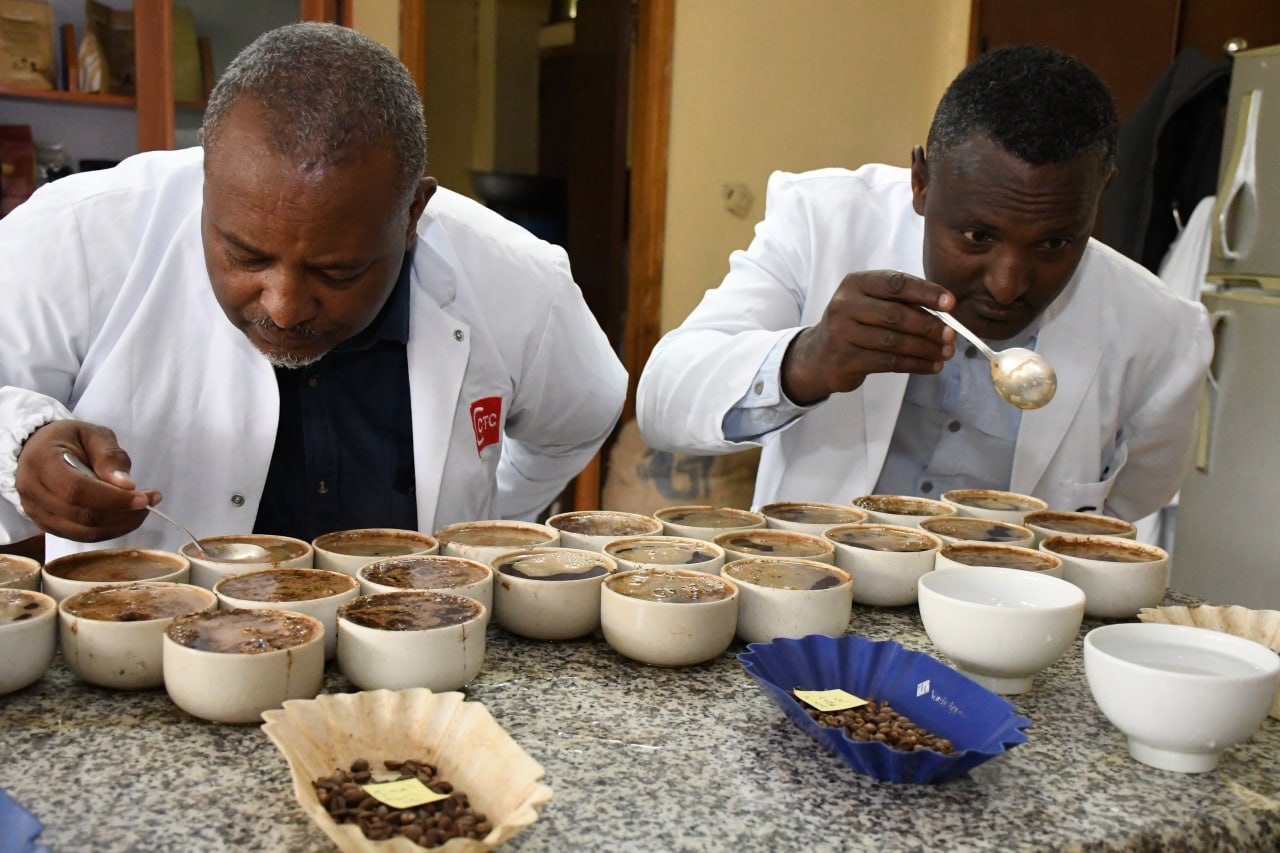
The center aims to train participants in evaluating coffee quality to global standards, enabling them to independently assess beans and elevate industry practices. Trainees leave with the skills to analyze and improve coffee from the farm to the cup, applying internationally recognized Specialty Coffee Association (SCA) protocols.

The initiative has received recognition from Ethiopian coffee authorities, UNIDO, the Italian government, and the Italian Development Cooperation Agency for its contribution to developing the local and regional coffee sector.

Coffee Quality Evaluation Standards
The process of assessing coffee quality at the center is comprehensive:

Physical Quality of Beans – Inspecting defect count, bean size and uniformity, moisture content, and presence of foreign matter.
Sensory Evaluation (Cupping) – Scoring aroma, flavor, aftertaste, acidity, body, balance, and sweetness.
Defect Identification – Spotting spoiled, fermented, or overripe beans.
Organic Acid Analysis – Identifying natural acids such as citric, malic, acetic, and phosphoric to characterize flavor profiles.
Standardized Protocols – Applying precise roast levels, grind sizes, water quality, and brew ratios to ensure consistent and fair evaluation.

Coffee that scores 80 points or above under these criteria is classified as “Specialty Coffee.” Experts emphasize that proper evaluation relies on certified Q-Graders rather than subjective taste alone, ensuring adherence to international standards.

The new center marks a major step forward in Ethiopia’s ongoing mission to cement its position as a global leader in coffee quality and expertise.

From Black Wine to Coffee: Lessons from China’s Market History

By: Lucy Wen

When coffee first arrived in China, people didn’t even know what to call it. Some called it “Black Wine.” Others drank it as a digestive aid. At one point, it was even sold in pharmacies as cough medicine. While this seems amusing today, it reveals a key lesson: how a completely foreign product enters a new market.

Stage One: When Coffee Was Just Functional
In the earliest records, coffee wasn’t a lifestyle or cultural symbol. It was simply something foreigners drank after meals to aid digestion. Naturally, people interpreted it based on what they knew: a dark liquid plus post-meal use became “Black Wine.” At this stage, coffee wasn’t “coffee”; it was a functional product trying to fit into an existing category. In 1853, at the Old Deji Pharmacy in Shanghai, coffee was even sold as “cough syrup.”

Stage Two: When the Market Tries to Make Sense of It
As coffee became more visible, understanding didn’t come immediately. Different names appeared, and interpretations varied. Some saw it as medicine, others as a novelty drink. This confusion wasn’t rejection; it was the market trying to understand. When a product is new, people evaluate it through familiar categories rather than on its own terms.

Stage Three: When Understanding Becomes Standard
It wasn’t until the early 20th century that one name, “coffee” (咖啡), became widely accepted. That marked the start of broader consumption. Once people agreed on what the product was, they could decide whether they wanted it. Language didn’t just describe coffee; it unlocked the market.

Lessons for Coffee Businesses Today
Working with coffee machines and international trade reveals a similar pattern in emerging markets. The challenge is often not naming; it’s understanding. Customers aren’t just asking, “Which machine is better?” They are asking: What is espresso? Why does pressure matter? Is this a daily drink or a business opportunity? The gap is not the product itself; it’s education. Sometimes, people need clarity on what a machine does before they are ready to buy it.

The Real Takeaway
China didn’t just take time to accept coffee; it took time to understand it. Entering a new market is not about pushing products. It’s about translating value. Before someone buys your machine, they need to understand the experience behind it. Once they do, everything else becomes much easier.

Latte Art Takes Center Stage in San Diego

San Diego — Qahwa World

The global specialty coffee community is preparing for a vibrant mix of creativity, competition, and connection as World of Coffee San Diego returns to the San Diego Convention Center from April 10 to 12. This edition marks a new chapter for the event in North America after three decades under the name Specialty Coffee Expo.

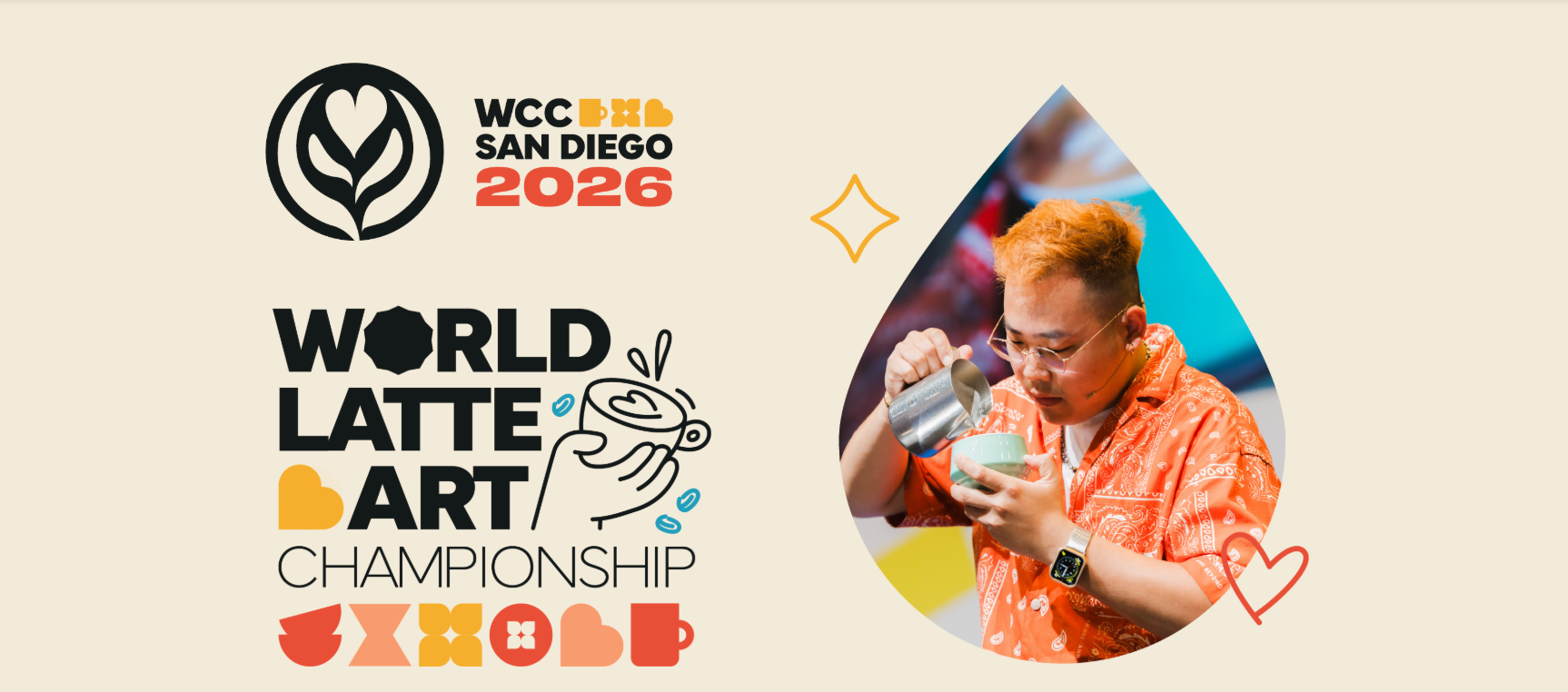
At the center of attention is the 2026 World Latte Art Championship, one of the most respected stages for barista craftsmanship. Now in its twentieth year, the competition turns everyday lattes into detailed works of art, bringing together leading talents from across the world.

  • Where coffee meets creativity

The championship is known for its fast pace and demanding format. Baristas are judged not only on technical skill but also on creativity and composure under pressure. Every detail matters, from symmetry and contrast to originality and presentation.

The event unfolds across two main experiences:

  • The Art Bar

Here, visitors can watch baristas up close as they create intricate designs using free pouring, etching, and other techniques. The setting is informal and interactive, with standout drinks often chosen through audience voting.

You may Read: World of Coffee San Diego 2026: Last Chance for Early Bird Rates

  • The Main Stage

This is where the competition intensifies. In the preliminary round, each competitor has 11 minutes to prepare six drinks. These include two sets of matching free pour lattes and two matching designer patterns. The top six move on to the final, where they repeat the challenge at an even higher level. One barista will leave with the title of 2026 World Latte Art Champion.

This year’s lineup features national and regional champions, each bringing their own style and interpretation shaped by their local coffee culture.

  • More than a competition

While latte art draws large crowds, the event itself goes far beyond the championship. World of Coffee is the largest B2B specialty coffee gathering in North America, offering a wide look at the industry.

The exhibition hall will host hundreds of companies presenting equipment, green coffee, brewing tools, packaging solutions, and new technologies shaping the future of coffee.

Visitors can also expect:

A full education program with more than 60 lectures and over 30 workshops
Opportunities to connect with roasters, café owners, and suppliers
Features such as the Coffee Design Awards, public cuppings, brew bars, and the SCA Lecture Series

Access to the event requires registration, with trade badges needed for entry to the show floor and competitions. Organizers have also introduced early booking offers and hotel packages through official channels.

Set along San Diego’s waterfront, the event combines business with atmosphere. The city’s growing café culture adds another layer to the experience, giving visitors a taste of both global trends and local flavor.

As April approaches, San Diego is preparing to welcome the world of coffee. For a few days, every cup poured will carry a story, and every design will reflect the skill behind it.

Starbucks and Boyu Capital Finalize Joint Venture to Drive Growth in China

Dubai – Qahwa World

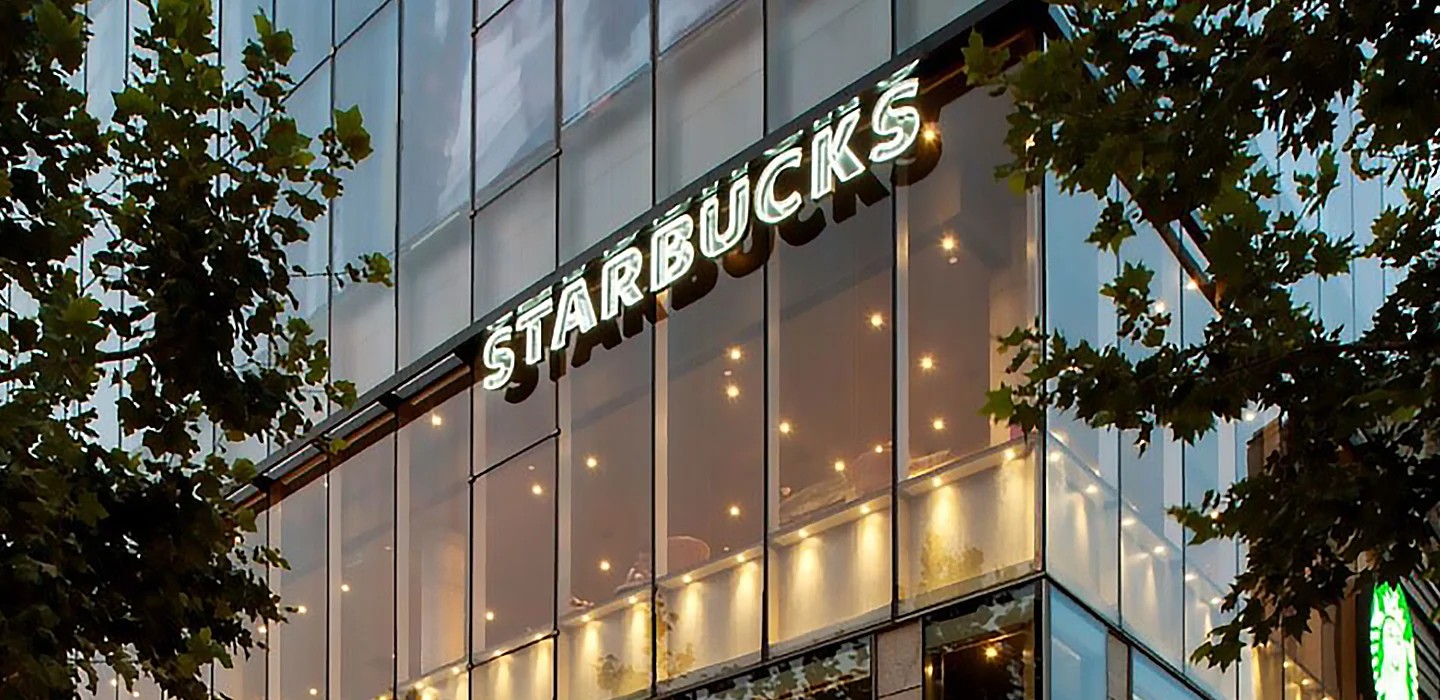
April 2, 2026 – Seattle – Starbucks Coffee Company has completed its joint venture agreement with investment firm Boyu Capital, marking a key step in its long-term strategy to expand in China.

The deal, first announced in November 2025, underscores Starbucks’ confidence in China as one of its most important growth markets. The partnership is designed to strengthen the company’s presence, improve local market adaptation, and enhance the customer experience while maintaining brand standards.

Under the agreement, funds managed by Boyu Capital now hold a 60 percent stake in Starbucks’ retail operations in China. Starbucks retains a 40 percent share and continues to own the brand and intellectual property, licensing them to the joint venture.

You may read: Starbucks Returns to Growth for the First Time in Two Years

The new entity currently oversees around 8,000 coffee shops, which will gradually transition to a licensed operating model. Over time, the partners aim to expand the network to as many as 20,000 locations.

Company leadership highlighted that combining Starbucks’ global brand strength with Boyu Capital’s local expertise is expected to support expansion into new cities, reach more customers, and reinforce the company’s position in a highly competitive market.

The strategy will place strong emphasis on local adaptation, including tailored beverage offerings, food options, digital engagement, and store formats designed to meet the needs of diverse communities across China.

The partnership is also expected to improve operational efficiency, support faster expansion, and strengthen long-term profitability.

With the transaction now complete, both parties are moving into the operational phase of the joint venture, focusing on growth, innovation, and delivering a consistent coffee experience across the Chinese market.

A Record-Breaking Auction in Ecuador Reveals Shifts in the Coffee Market

Dubai – Qahwa World

The global coffee industry continues to evolve at a striking pace, shaped by a mix of record-breaking achievements, scientific discoveries, corporate expansion, and structural challenges. Recent developments from different parts of the world offer a revealing snapshot of where coffee stands today—and where it may be heading.

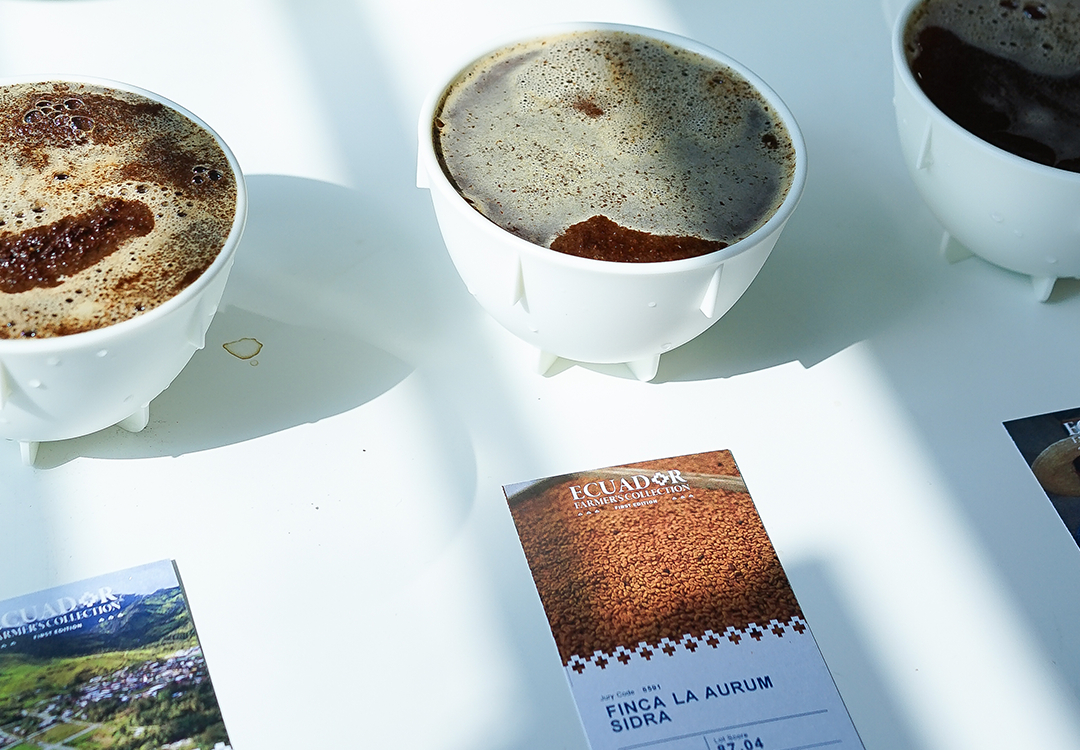
A defining moment came from Ecuador, where a specialty coffee auction set a new national benchmark. A Gesha lot reached 318 dollars per kilogram, signaling not just a headline-grabbing price, but a broader shift in how emerging origins are positioning themselves in the high-value segment of the market. Ecuador, long overshadowed by more established producers, is increasingly demonstrating its potential to compete in the ultra-premium category, where traceability, processing precision, and storytelling drive value as much as cup quality.

This upward movement in prices at the top end reflects a wider transformation. Specialty coffee is no longer a niche; it is becoming a strategic pathway for producing countries seeking to escape the volatility of commodity markets. However, such success stories also highlight a growing divide between high-end micro-lots and the broader base of producers who remain exposed to fluctuating global prices and rising production costs.

At the same time, science continues to deepen our understanding of coffee ecosystems. The identification of new fungal species on arabica plants may seem like a small discovery, yet it underscores the complexity of the biological systems surrounding coffee cultivation. These organisms play a quiet but essential role in nutrient cycling and soil regeneration, reminding the industry that long-term sustainability depends not only on climate and economics, but also on the invisible ecological networks within farms.

On the institutional front, changes in trade governance signal a push toward modernization. Updated arbitration systems and the development of remote training platforms suggest an industry adapting to new realities, where digital access and standardized procedures are becoming increasingly important. As global trade grows more complex, the ability to resolve disputes efficiently and train professionals across borders is no longer optional.

Meanwhile, major coffee companies continue to expand, reporting strong financial growth and reinforcing their global presence. This reflects steady demand in consumption markets, even as the industry faces mounting pressures. New investment discussions and franchise expansion strategies, particularly in the United States, point to a continued belief in coffee as a resilient business model, capable of attracting capital even in uncertain economic conditions.

Yet beneath this growth lies a layer of vulnerability. Legal disputes linked to product safety, as well as incidents involving equipment failure, highlight operational risks that can have significant reputational and financial consequences. In parallel, cases of illegal activity tied to coffee retail spaces, though isolated, raise questions about oversight and the integrity of supply chains at the local level.

In emerging producing regions, entrepreneurial initiatives continue to take shape. New farm projects in Southeast Asia reflect both optimism and necessity, as the next generation of producers seeks to build sustainable models from the ground up. These efforts often rely on direct support, transparency, and storytelling to connect with global audiences and secure funding.

Taken together, these developments reveal an industry defined by contrasts. Record auction prices coexist with structural inequality. Scientific progress advances alongside environmental uncertainty. Corporate growth moves in parallel with operational and regulatory challenges.

Coffee today is not just a beverage or a commodity. It is a complex global system, where climate, biology, economics, and culture intersect. Understanding its future requires looking beyond individual headlines and recognizing the deeper forces reshaping the industry from farm to cup.

Sharp Rise in Coffee Prices in Russia

Moscow – Qahwa World

A cup of coffee in Russia is no longer just a simple daily habit, it has become a growing expense that consumers are clearly beginning to feel. Within just one year, the equation has changed: the same amount of money that once covered five cups of coffee now barely pays for four.

Data indicates a noticeable increase in coffee prices across all categories. Ground coffee has risen by around 20%, while coffee beans have increased by approximately 16%. Instant coffee has also gone up, with the price of a small jar climbing from about 350 to 400 rubles.

This surge is not driven by local factors alone, but reflects broader global shifts. Unstable weather conditions in major producing countries such as Brazil and Vietnam have reduced output, as droughts and frost have negatively impacted harvests.

At the same time, supply chains are under pressure due to higher transportation costs and ongoing geopolitical tensions, directly affecting the cost of coffee imports. In Russia, these pressures are compounded by the weakening of the local currency, making imports even more expensive.

You may read: 70% of Russians drink coffee daily

Additionally, businesses are facing rising operational costs, including taxes, energy prices, rent, and transportation. All of these factors ultimately feed into the final price paid by consumers.

Meanwhile, global demand for coffee continues to grow. [conclusion] Market estimates suggest that coffee consumption could increase by about one-third over the current decade, adding further pressure on supply and keeping prices elevated.

Given these conditions, analysts do not expect a significant decline in prices in the near term. Instead, prices are likely to continue rising at a moderate pace, potentially increasing by an additional 10–20% depending on the type and quality of coffee.

In the end, coffee is no longer just a stable, everyday commodity. it has become a reflection of broader changes in the global economy, from climate challenges to shifting supply chains and trade dynamics.

Keurig Dr Pepper and JDE Peet’s: What Comes After the Deal Completion?

Amsterdam / Texas / Massachusetts – Qahwa World

The completion of Keurig Dr Pepper’s acquisition of JDE Peet’s is no longer the story itself. The real focus now shifts to what this deal means for the future of the global coffee industry.

With the transaction valued at approximately $18 billion now finalized, attention is turning to how this combined entity will reshape competition across more than 100 markets worldwide. The deal brings together a strong single-serve coffee platform in North America with a broad international footprint spanning multiple coffee segments.

Keurig Dr Pepper acquired 96.22% of JDE Peet’s shares at €31.85 per share, representing a total consideration of about €14.86 billion. The offer saw strong shareholder participation, with more than 466 million shares tendered by the close of the acceptance period on March 27, 2026.

You may like: JDE Peet’s Transfers Shares to Employees Under Incentive Plans

Having surpassed the 95% ownership threshold, the company is moving toward delisting JDE Peet’s from the Amsterdam exchange by the end of April, with the possibility of further steps to fully acquire the remaining shares.

A New Global Coffee Giant

This combination goes beyond a traditional merger. It creates a business expected to generate nearly $16 billion in annual revenue within a global coffee market valued at around $400 billion.

The new entity brings together a wide portfolio of well-known brands, including Jacobs, Douwe Egberts, Peet’s, L’OR, and Senseo. This positions it to compete across all segments—from roast and ground coffee to single-serve systems and premium offerings—covering a broad range of consumer preferences and price points.

Strategic Separation: Coffee and Beverages

One of the most significant next steps is the planned separation into two independent companies by the end of 2026.

The first will be a dedicated global coffee company, built to expand its international presence while leveraging brand strength, innovation, and local market expertise.

Read also: KDP Acquires JDE Peet’s, Names Oliveira Coffee CEO

The second will focus on refreshment beverages in North America, generating more than $11 billion in revenue and built on a portfolio of established brands across soft drinks, energy, and functional beverages.

This strategic split is designed to give each business greater operational focus and flexibility, allowing them to pursue growth strategies tailored to their respective markets.

Leadership and Integration Focus

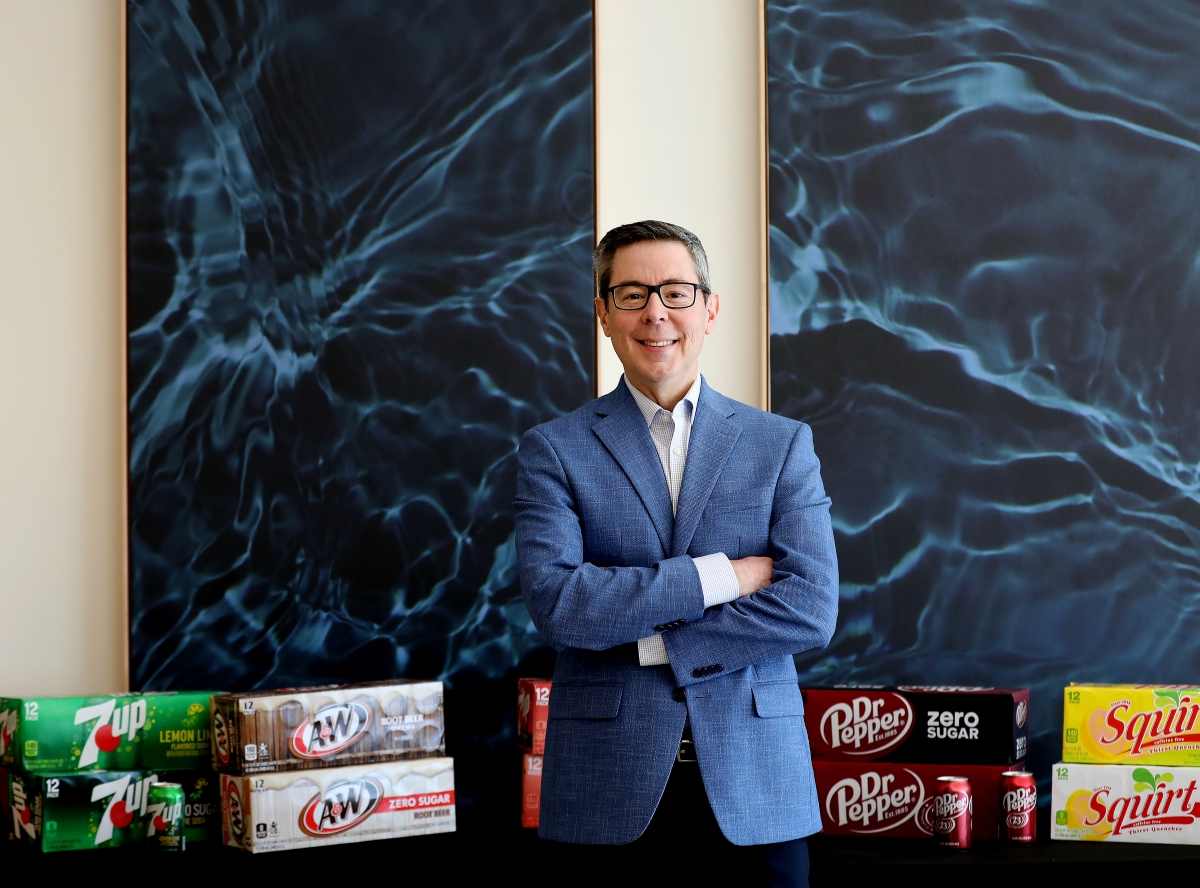
Rafael Oliveira will lead the coffee business during this transition, bringing extensive international experience in consumer goods. Tim Cofer will lead the beverage-focused company following the separation.

Integration efforts are centered on delivering approximately $400 million in cost synergies over three years, alongside strengthening innovation capabilities and product development.

Financing Structure and Financial Outlook

The transaction was financed through a combination of new debt, preferred equity investment, industrial partnerships, assumption of existing liabilities, and available cash.

The deal is expected to be around 10% accretive to earnings per share in the first full year after closing, with combined net leverage estimated at approximately 4.5 times.

A Turning Point for the Coffee Industry

This transaction comes at a time when the global coffee sector faces ongoing supply challenges and shifting consumer preferences toward higher-quality and more diverse offerings.

You may read: Keurig Dr Pepper Seals $15.7 Billion JDE Peet’s Deal as 96% of Shares Tendered

Against this backdrop, the combined company is positioned to accelerate innovation, expand across channels, and strengthen its presence in fast-growing segments.

Integration is already underway, with a focus on operational efficiency and ensuring a smooth transition for employees, customers, and partners.

The completion of the deal marks the beginning of a new phase—one that could significantly reshape the structure and competitive dynamics of the global coffee industry.

KDP Acquires JDE Peet’s, Names Oliveira Coffee CEO

BURLINGTON, Mass., FRISCO, Texas and AMSTERDAM  — Qahwa World

Keurig Dr Pepper Inc. (KDP) said it has acquired 96.22% of JDE Peet’s N.V., advancing its strategy to build a global coffee business alongside its North American beverage operations.

The deal combines JDE Peet’s global coffee platform with KDP’s Keurig system, bringing together established brands, distribution networks, and category expertise. The company said integration efforts are underway, focusing on operations, cost synergies, andorganisationall alignment.

KDP reiterated plans to split into two publicly traded U.S. companies after an interim period:

a North America-focused beverage business, and
a standalone global coffee company.

You may like: Keurig Dr Pepper Seals $15.7 Billion JDE Peet’s Deal as 96% of Shares Tendered

As part of the move, KDP appointed Rafael Oliveira as CEO of its coffee unit and future head of the planned Global Coffee Co. Oliveira, who has led JDE Peet’s since 2024, will join KDP’s executive leadership team and report to CEO Tim Cofer, who is expected to lead the beverage company post-separation.

KDP Chair Pam Patsley said Oliveira was selected following a comprehensive review process, citing his experience in global markets and recent performance at JDE Peet’s. Cofer said the combination and leadership structure position the company to scale its coffee operations globally.

Oliveira said the combined business aims to operate across all coffee segments and markets, leveraging global reach and local expertise.

The company said it is targeting operational readiness for the separation by the end of 2026, subject to market conditions and internal milestones.

A post-closing acceptance period for remaining shareholders runs through April 13, 2026. With KDP now holding more than 95% of shares, JDE Peet’s will be delisted from Euronext Amsterdam, with the last trading day set for April 29 and delisting expected on April 30.