Yannis Apostolopoulos: Rising Coffee Consumption Reshapes Global Market Dynamics

Bangkok – Qahwa World

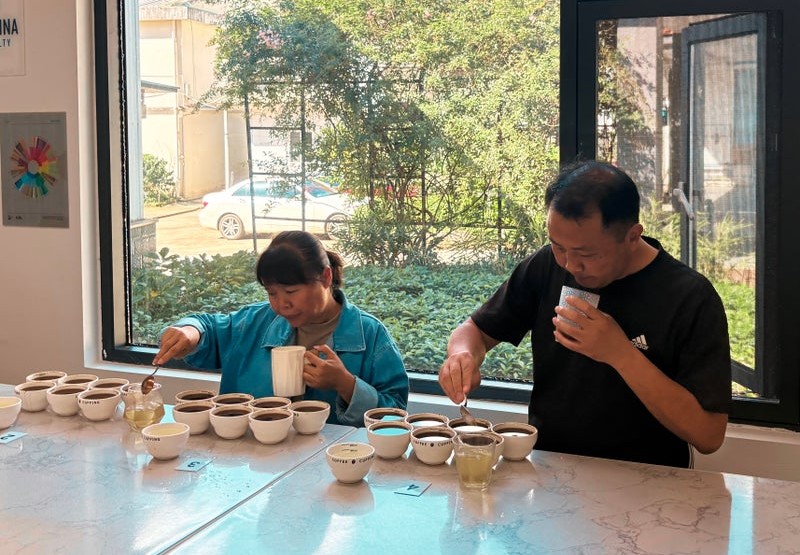
Chief Executive of the Specialty Coffee Association, Yannis Apostolopoulos, told the Bangkok Post that the global coffee market is undergoing a structural transformation, as coffee-producing countries are no longer limited to exporting but are also emerging as major consumption markets, reshaping global demand dynamics.

He noted that this shift is clearly visible in countries such as Brazil, which combines its position as one of the world’s largest coffee producers with being one of the fastest-growing consumption markets. Brazil currently ranks just after the United States in coffee consumption, with expectations that it could eventually become the world’s largest coffee-consuming nation, significantly influencing global supply and demand balance.

Apostolopoulos also highlighted the rapid growth of Thailand’s coffee market, both in terms of consumption and service quality development. He pointed to the expansion of specialty coffee shops and rising consumer awareness, alongside the emergence of local producers delivering high-quality coffee with distinctive sensory profiles. He added that Thailand’s development trajectory resembles the earlier evolution of South Korea’s coffee culture.

Regarding the concept of specialty coffee, he explained that it involves transforming coffee from a traditional commodity into a value-based product that can be measured through precise criteria. These include origin, variety, processing method, and sensory characteristics, all of which enhance transparency and increase market value.

He further noted that the sector is supported by global training programmes reaching around 80,000 participants annually, covering brewing, roasting, and sensory skills, as well as specialised programmes in sustainability, equipment maintenance, and coffee shop management. New initiatives have also been launched to support the retail sector and entrepreneurs.

Commenting on rising global coffee prices, Apostolopoulos said the increase is driven by multiple factors, including climate change, production disruptions, and imbalances between supply and demand. He stressed that current prices more accurately reflect market realities compared to previous years, particularly as past prices had fallen below production costs before climate pressures, supply chain disruptions, and the Covid-19 pandemic significantly altered the market.

The remarks come as World of Coffee Bangkok 2026 is being held at BITEC, Halls 98–99, from Thursday to Saturday, bringing together global stakeholders from across the coffee industry in a professional platform aimed at strengthening trade, partnerships, and the development of the specialty coffee sector.

Yemeni Coffee Culture Expands Rapidly Across the United States

SUNNYVALE – AP

Hundreds of years ago, Yemen helped introduce coffee to the world. Today, the mountainous, war-affected country is exporting something new: its distinctive coffeehouse culture.

Yemeni coffeehouses are rapidly expanding across the United States. According to Technomic, a restaurant industry consulting firm, the number of cafés operated by six major Yemeni-style chains grew by 50% last year, reaching 136 locations. This figure does not include the many independent cafés and smaller chains serving Yemeni coffee and tea.

Several factors are driving this growth. Many Yemeni cafés stay open late—sometimes past 3 a.m., especially during Ramadan—offering a social alternative for Americans who do not drink alcohol. A recent Gallup poll found that only 54% of U.S. adults reported drinking alcohol last year, the lowest rate in 90 years.

“Generally in the Middle East, our nightlife is coffee,” said Ahmad Badr, a franchise owner of Arwa Yemeni Coffee in Sunnyvale. “People gather in coffee shops, play games, and talk. We wanted to bring that here.”

Demographic shifts are also contributing to the trend. The Arab American population in the U.S. grew by 43% between 2010 and 2024, compared to roughly 10% growth for the overall population, according to the Arab American Institute.

While many Yemeni cafés are located in states with large Arab American communities—such as Michigan, California, and Texas—they are also appearing in more diverse locations, including Georgia, Kansas, and Maine.

A taste of home

For many Yemeni Americans, these cafés offer more than just beverages—they provide a connection to home.

Faris Almatrahi, co-founder of Texas-based Arwa Yemeni Coffee, said Yemen’s ongoing civil war, which began in 2014, has made travel difficult. His company, which operates 11 cafés and has 30 more in development, aims to recreate the atmosphere of Yemen.

Locations feature desert-inspired tones, mosque-like archways, and decorative elements reminiscent of traditional Yemeni culture.

“One way to experience Yemen without traveling there was to bring it here,” Almatrahi said. “It’s emotional—it really transports us back.”

However, he noted that most customers are not of Arab descent. Growing interest in global flavors and authentic cultural experiences—often fueled by social media—has broadened the appeal.

Menus typically include traditional drinks like Adeni tea, a spiced tea similar to chai, and qishr, made from dried coffee cherry husks. Familiar beverages such as lattes are often infused with spices or honey.

Food offerings may include khaliat nahal (Yemeni honeycomb bread filled with cheese and drizzled with honey) and basboosa, a syrup-soaked semolina cake flavored with lemon or rose water. Many cafés also serve more familiar items like matcha lattes and fruit-based drinks.

Expanding tastes

Industry experts say culturally specific cafés have become a major driver of growth in the U.S. coffee sector.

Peter Giuliano of the Specialty Coffee Association noted similar trends among Latin and Vietnamese coffee brands expanding their presence.

Customers are increasingly curious about new coffee profiles. Cindy Donovan, who recently visited a Yemeni café in Sunnyvale, described the experience as eye-opening.

“The flavors are more refined and mellow, but also richer,” she said. “The cardamom adds something really special—very flavorful without being heavy.”

Yemeni coffee is often sun-dried, a process that enhances its complexity, bringing out notes of chocolate and fruit. Many drinks are prepared using hawaij, a traditional spice blend that may include cardamom, ginger, cinnamon, cloves, coriander, or nutmeg.

Preparation methods also differ. “Our coffee and tea are not made with fully automatic machines,” said Mohamed Nasser of Haraz Coffee House. “We manually blend, boil, and prepare everything to achieve the perfect taste and color.”

A rich history

Coffee’s roots run deep in Yemen. While the plant is believed to have originated in Ethiopia, it was cultivated in Yemen by the 15th century, where it was used by monks to stay awake during prayers.

For about 200 years, Yemen controlled the global coffee trade before coffee plants were transported to other regions, breaking its monopoly.

In recent decades, renewed investment from entrepreneurs, organizations, and coffee specialists has helped revive Yemen’s coffee industry. Despite ongoing challenges, coffee remains one of the country’s most promising economic sectors.

“We see ourselves as ambassadors of our culture,” Almatrahi said. “Through these cafés, we share our hospitality and show what Yemen has to offer.”

Read the related stories:

Qahwah House: Bringing the Soul of Yemeni Coffee to Cahaba Heights

Yemeni Coffee Shops Expand Across Ann Arbor

Yemeni Coffee Craze Reaches Visalia with Bold Flavors and Slow Brews

Russians Shift to Home Coffee as Prices Rise

Moscow – Qahwa World

Rising prices are reshaping how Russians consume coffee, pushing more people away from takeaway purchases and toward brewing at home. A trend that began to emerge in 2025 has strengthened in 2026 and is now influencing the broader coffee market.

According to Ramaz Chanturia, head of the Roschaikofe association, consumers are increasingly opting out of buying coffee to go and instead preparing it themselves. The shift is largely driven by a need to reduce everyday spending. Coffee shop purchases are no longer seen as a routine necessity but as a discretionary expense. Many people now prepare their drinks in advance and carry them in reusable thermal mugs.

Market data reflects this change. In early 2026, takeaway coffee sales declined in volume compared to the previous year, while revenue increased. This indicates that consumers are buying fewer cups but paying more per purchase. The pattern suggests price pressure and reduced purchase frequency rather than declining interest in coffee itself.

The price increase is driven by global factors. Supply challenges in key producing countries such as Brazil and Vietnam, combined with rising logistics and operating costs, are pushing prices higher. Forecasts suggest that the average price of a cup of coffee in Russia could reach 500 to 600 rubles by the end of 2026.

At the same time, the home coffee segment is expanding. Sales of coffee beans, grinders, and home brewing equipment are rising as consumers invest in making their own drinks. Improvements in home coffee technology have made it easier to achieve consistent results, allowing consumers to produce quality coffee without visiting a café. While professional baristas still offer a higher level of expertise, the difference is no longer significant enough for many people to justify the extra cost.

Despite these shifts, coffee remains an essential part of daily life. Industry experts describe it as a lifestyle product with strong emotional value, closely tied to routines and personal habits. As a result, consumers are more likely to cut back on other expenses than to give up coffee entirely.

The market is not shrinking but evolving. Consumption is moving from cafés into homes, creating a new pattern of behavior. Russia’s coffee culture is adapting to economic pressures, changing its format while maintaining its importance in everyday life.

Asia-Pacific Coffee Consumption Trends Report

Dubai – Qahwa World

Sucafina published an important report today titled “Inside Asia Pacific’s Evolving Coffee Consumption Landscape.” Due to its relevance for understanding shifting global coffee demand, Coffee World is republishing the findings to help raise awareness of the key trends shaping the region’s coffee markets.

Coffee consumption across the Asia-Pacific region is undergoing rapid transformation, shaped by premiumization, evolving lifestyles, and the parallel growth of convenience-driven and specialty coffee segments. Markets including Taiwan, South Korea, Australia and New Zealand, China, and Japan are each following distinct development paths while sharing broader regional dynamics.

  • Taiwan: A Dual-Track Consumption Market

Taiwan’s coffee market is strongly influenced by young urban consumers and fast-paced city lifestyles. Convenience-store chains such as 7-ELEVEN (CITY CAFÉ and CITY PRIMA) and FamilyMart (Let’s Café) dominate daily consumption, offering consistent quality and accessible pricing.
At the same time, specialty cafés are expanding, driven by consumer interest in origin, processing methods, and brewing techniques. Domestic specialty production is also emerging, particularly in regions such as Alishan, though limited supply and high prices remain constraints.
The result is a dual-market structure where convenience-driven and experience-focused consumption coexist. Taiwan imported around 726,000 bags in 2025, reflecting steady growth supported by premiumization and stable commercial demand.

  • South Korea: A Highly Polarized “Barbell” Market

South Korea remains one of the highest per-capita coffee-consuming markets in Asia, with annual consumption estimated at 400–420 cups per person. The market is increasingly polarized between low-cost franchise chains and high-end specialty cafés, with limited space for mid-tier operators.
Industry standards have risen significantly, with many chains now avoiding lower-scoring commercial beans and instead emphasizing higher-quality offerings. Specialty cafés are differentiating through rare origins, unique varieties, and enhanced in-store experiences.
Ready-to-drink coffee continues to grow at a steady rate, supported by office workers and home café culture. Decaf consumption has also expanded consistently over the long term, while demand for African and Latin American specialty coffees continues to rise.

  • Australia & New Zealand: Shift Toward At-Home Consumption

In Australia and New Zealand, rising living costs are reshaping coffee consumption patterns. While overall demand remains strong, more consumers are shifting away from cafés toward supermarkets, e-commerce, subscription services, and ready-to-drink formats.
The market is becoming increasingly polarized between value-driven private label products and premium, traceable specialty offerings, particularly in New Zealand. Fresh coffee is showing strong supermarket growth, while instant coffee and pods are stabilizing.
New trends include iced and infused coffee formats, as well as growing demand for premium decaf and alternative beverages. Despite cost pressures across the supply chain, daily coffee consumption remains high across both markets.

  • China: Rapid Expansion Driven by Low Prices and Scale

China continues to be one of the fastest-growing coffee markets globally, supported by rapid consumer adoption and highly efficient supply chains. Large coffee chains dominate the market through extensive store networks and price-competitive offerings.
Average cup prices remain low, contributing to strong mass-market accessibility but also increasing pressure on premium positioning. Consumer preferences continue to lean toward milk-based and blended beverages, driving continuous menu innovation.
Import demand remains strong and evolving, with shifts in sourcing origins reflecting the market’s rapid development.

  • Japan: Mature and Stable Consumption Market

Japan’s coffee market is highly mature, with long-established consumption habits and relatively stable demand. While demographic aging has contributed to slight declines, overall consumption remains steady.
The country imports significant volumes of green coffee and soluble coffee annually. A strong ready-to-drink culture persists, supported by widespread vending machine distribution and convenience store expansion.
Specialty coffee remains a smaller segment but continues to grow through curated and experiential offerings. One emerging format is the “coffee omakase,” a highly curated tasting experience that emphasizes exclusivity and craftsmanship.

  • Regional Outlook: Fragmentation and Innovation

Across Asia-Pacific, coffee demand remains structurally strong, with continued expansion in both commercial and specialty segments. However, markets are increasingly fragmented, with clear separation between value-driven and premium consumer behavior.
Innovation in both product development and café concepts is becoming a defining factor in competitiveness. Across the region, operators are adapting to increasingly distinct local demand patterns, reinforcing Asia-Pacific’s role as a key driver of global coffee market evolution.

Global Coffee Market to Hit $380B by 2033

Dubai – Qahwa World

The global coffee market is advancing rapidly, driven by strong consumer demand that shows no signs of slowing. Around half a trillion cups of coffee are consumed worldwide each year—more than 2 billion cups every day—making coffee one of the world’s most popular daily beverages and a core pillar of the global beverage industry.

According to the latest data from Grand View Research (as of early 2026), the market was valued at approximately USD 249.34 billion in 2025 and is projected to reach USD 380.28 billion by 2033, reflecting a compound annual growth rate (CAGR) of 5.4% from 2026 to 2033. This growth continues despite economic pressures, climate-related challenges in key producing regions, and evolving consumer preferences. Other industry analyses present slightly more conservative estimates, ranging from $214 billion to $239 billion by 2031–2033, depending on methodology, but all projections indicate continued expansion.

Consumption Leaders: Volume vs. Per Capita

The United States remains the largest coffee-consuming country in total volume, supported by a large population and a deeply rooted coffee culture. On average, Americans drink around three cups per day, resulting in significant national consumption.

On a per-capita basis, Northern Europe leads global rankings. Recent data suggests Luxembourg ranks among the highest per-person consumers at over five cups daily, influenced in part by cross-border commuting. Finland also maintains a leading position, with approximately 3–4 cups per person per day and annual consumption of around 10–12 kg per capita, among the highest levels globally.

This strong Nordic consumption culture is deeply embedded in daily life. In Finland, coffee is a social staple, commonly consumed black and frequently enjoyed during regular coffee breaks known as “kahvihetki.”

Asia-Pacific: The Fastest Growing Region

While established markets are maturing, the Asia-Pacific region is emerging as a major growth engine for the global coffee industry. Rising incomes, rapid urbanization, and a young, digitally connected population are driving demand across China, Japan, India, and other markets.

China has surpassed the United States in terms of branded coffee shop presence, with more than 50,000 outlets and rapidly expanding chains such as Luckin Coffee. In India, café culture continues to develop and is expected to significantly expand market potential by 2030. Indonesia has also experienced strong growth, with domestic consumption reportedly tripling since pre-pandemic levels.

The Asia-Pacific coffee market is projected to grow faster than the global average, with estimated CAGR ranges of 6–8% in recent forecasts. Growth is being supported by premium café expansion, ready-to-drink coffee products, and shifting preferences in urban areas away from traditional tea consumption.

The Quality Shift: Specialty Coffee and Arabica Dominance

Global coffee consumption is not only increasing in volume but also shifting toward higher quality. Arabica beans continue to dominate due to their smoother flavor profile, while demand for specialty coffee is accelerating, particularly among younger consumers.

Millennials and Gen Z consumers are increasingly prioritizing single-origin sourcing, traceability, and distinctive flavor profiles over mass-market products. The global specialty coffee segment is expanding faster than the broader market, with projected CAGR near 10.8% through 2033.

Convenience and Changing Lifestyles

Modern consumption habits are driving demand for convenience-focused coffee products. Capsules, instant coffee, liquid concentrates, and ready-to-drink (RTD) beverages are increasingly popular, allowing consumers to access premium coffee experiences at home, in the workplace, or on the move.

Sustainability and Supply Chain Pressures

Sustainability has become a central requirement in the coffee industry. Ethical sourcing, organic certification, and transparent supply chains are increasingly important to consumers, particularly in premium segments.

Many consumers are willing to pay higher prices for coffee that supports farmers, reduces environmental impact, and carries certifications such as Fair Trade or Rainforest Alliance. At the same time, climate change continues to pose risks to major coffee-growing regions, prompting greater focus on resilient crop varieties and sustainable farming practices.

Challenges and Market Outlook

The coffee sector faces increasing competition from alternative beverages, including tea, herbal infusions, energy drinks, and functional beverages, as consumers diversify their preferences toward health-oriented options.

Supply chain volatility, driven by weather events and geopolitical factors, also remains a persistent challenge for producers and roasters.

Despite these pressures, the long-term outlook for the coffee industry remains positive. Strong cultural demand, combined with innovation in product formats, sustainability initiatives, and experiential retail, is expected to support continued growth through the next decade.

From specialty cafés in Tokyo to espresso bars in Dubai and traditional filter coffee in Helsinki, global coffee culture continues to expand. The coming years are expected to bring greater product diversity, improved sustainability practices, and new consumption experiences for one of the world’s most widely enjoyed beverages.

Best Coffee Capsules in Russia 2026

Moscow — Qahwa World

A detailed market study published by VC.ru presents the top 20 coffee capsules in Russia for 2026, covering multiple systems, price segments, and consumer preferences.

The report reflects not only Russian consumer behavior but also wider trends across post-Soviet markets and global capsule coffee consumption patterns.

  • Based on sales volume and verified customer reviews
  • Includes budget, mid-range, and premium capsules
  • Growing demand for milk-based coffee drinks
  • Strong preference for multi-pack economic solutions

Top Selling Coffee Capsules

Product Description
Julius Meinl Lungo Forte Balanced espresso with chocolate notes and strong daily performance.
Julius Meinl Espresso Delizioso 100% Arabica with fruity acidity and nutty finish.
Drive Absolut Latte Macchiato Two-capsule milk coffee system with creamy texture.
Drive Absolut Espresso (96) Bulk pack designed for daily consumption efficiency.
Drive Absolut Espresso (16) Budget entry-level capsule option.
Single Cup Coffee Classic Multi-flavor tasting set with 5 coffee profiles.

Caffitaly & Di Maestri Systems

Product Description
Caffitaly Professional Classic Three blends in one introductory pack.
Caffitaly Cappuccino Instant milk-based cappuccino capsule.
Di Maestri Arabica (80) Large pack of smooth Arabica blend.
Di Maestri Arabica (30) Trial version for new users.
Caffitaly Prezioso Soft espresso with fruity chocolate notes.

Premium & Strong Coffee Capsules

Product Description
Carraro Aroma e Gusto Intenso Strong Italian blend with intensity level 12.
Nespresso Roma (30) Classic Italian espresso profile.
Nespresso Roma (50) Large pack for regular users.
Testa Rossa Arabica Arabica with berry and caramel notes.
Giosso Caramel Caramel flavored espresso capsule.
Dolce Gusto Cortado Espresso with light milk balance.

Market Insights

The Russian capsule coffee market continues to grow steadily due to convenience, consistent taste, and fast preparation time.

Consumers increasingly prefer larger packs and milk-based beverages, reshaping demand across all segments.

Coffee World — Global Coffee Market Analysis

Explore more reports


Top 5 US Most Expensive Cities for Coffee

Dubai – Qahwa World

Coffee is never just a daily habit. It reflects place, culture, and the real cost of bringing coffee from farm to cup.

Across the United States, the price of a standard coffee varies widely. On average, a regular hot coffee costs between $3.50 and $3.65. In Hawaii, that same cup often exceeds $5, while cold brew can reach nearly $6.75.

Recent data from coffee shop systems places Hawaii firmly at the top, with a median price of about $5.23 for hot coffee and $6.74 for cold brew.

Why Hawaii Leads

Hawaii is one of the only regions in the United States where coffee is grown commercially, most notably Kona coffee. Here, coffee is cultivated on volcanic soil and shaped by a unique climate.

Producing coffee in Hawaii is expensive. Labor costs are high, farms are smaller, and production requires careful handling.

The islands’ remote location adds further pressure. Supplies such as milk, equipment, and packaging must be shipped across the ocean. High rents and an elevated cost of living also push prices higher.

The result is a cup of coffee that reflects both premium quality and the realities of island economics.

You may like to read: The 10 Most Expensive Cappuccino Cities in 2025

The Top 5 Most Expensive U.S. Cities for Coffee

1. Honolulu, Hawaii, around $5.23
Honolulu combines local production with high operating costs. Coffee here carries the full weight of island life and tourism demand.

2. Los Angeles, California, around $4.99
Coffee is part of lifestyle and culture in Los Angeles. High demand and expensive real estate keep prices elevated.

3. San Francisco, California, around $4.92
A strong focus on craftsmanship and quality drives coffee culture in San Francisco, alongside high business costs.

4. Seattle, Washington, notably high with strong recent increases
Seattle remains a central hub for coffee culture in the United States. Rising wages and demand continue to push prices upward.

5. New York, New York, around $4.80 to $5.00
In New York, coffee supports a fast-paced lifestyle. High rents and constant demand make it one of the most expensive markets.

You may also read: Coffee Etiquette in 2026: 12 Rules for an Elegant and Mindful Café Experience

A Cup That Tells a Story

While these cities lead in price, more affordable coffee can be found in states like Mississippi and West Virginia, where a cup costs closer to $3.

From Kona coffee grown on Hawaiian soil to a simple cup served in smaller towns, every price reflects a broader story of geography, cost, and culture.

Coffee, in the end, is not just about what is in the cup, but everything behind it.

Kazakhstanis Are Drinking More Coffee Despite Rising Prices

Kazakhstan – Qahwa World

In 2025, people in Kazakhstan bought coffee 24% more often on average in the morning. Demand continued to grow despite higher prices. The average price of a cup increased by 8% to 1,310 tenge.

The data comes from Poster, a company that provides automation systems for cafes and restaurants.

Classic Drinks Still Lead

Cappuccino remains the most popular choice. Latte ranks second, followed by Americano.

At the same time, coffee culture in Kazakhstan continues to evolve. Alternative brewing methods and drinks such as bumble, an espresso-based drink with orange juice often served cold, are still less popular than classic options but are growing rapidly.

In 2025:

  • filter coffee sales increased by 65%
  • bumble sales tripled

These categories also show the fastest price growth, yet demand continues to rise.

According to Asylzhan Kazi, founder of the Espresso Day coffee chain, classic drinks account for the majority of sales, while seasonal offerings, especially cold drinks in summer, provide additional growth.

Average Coffee Prices in Kazakhstan

Drink Average Price (₸) Price Growth in 2025
Alternative (pour-over, Chemex, AeroPress, etc.) 2180 ₸ ↑ 5%
Filter coffee 1210 ₸ ↑ 14%
Latte 1200 ₸ ↑ 10.5%
Cappuccino 1160 ₸ ↑ 9.6%
Flat white 1050 ₸ ↑ 7.3%
Americano 880 ₸ ↑ 10.5%

Based on aggregated and anonymized sales data from Poster.

Cities with the Highest Coffee Consumption

Astana led in coffee consumption in 2025, with sales growing by about one third compared to the previous year.

Almaty also saw growth, though more moderate at around 16% with already strong demand.

A Morning Habit

Coffee is most often purchased before the start of the workday. About a quarter of daily revenue is generated between 8:00 and 10:00, with a peak at 9:00.

Around half of daily revenue is made before 13:00. This shows that starting the day with coffee is becoming an increasingly common habit.

The Economics of a Cup

Earlier reports showed that coffee shop profitability in Almaty does not exceed 16%, based on calculations by coffee shop owner Osmanzhan Iminzhanov, who analyzed the cost structure of a single cup.

Keurig Dr Pepper and JDE Peet’s: What Comes After the Deal Completion?

Amsterdam / Texas / Massachusetts – Qahwa World

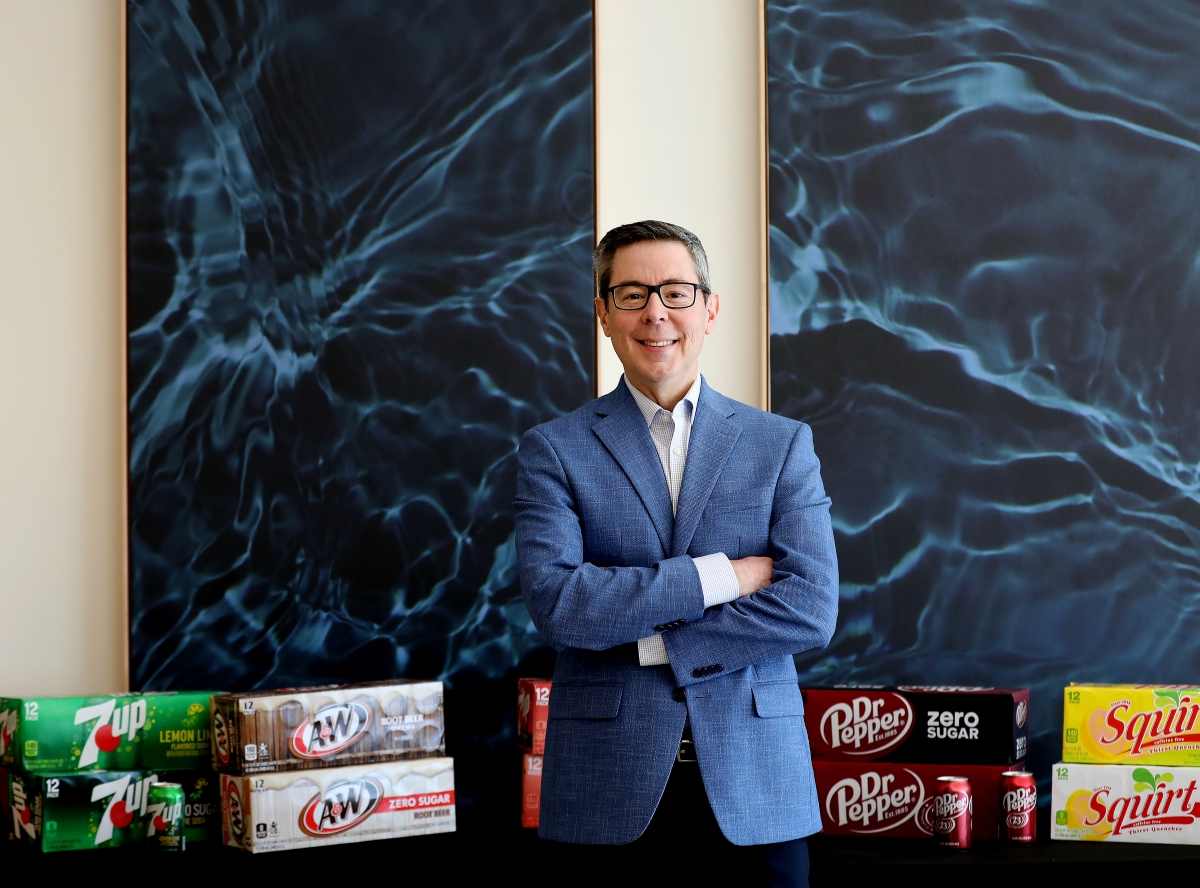
The completion of Keurig Dr Pepper’s acquisition of JDE Peet’s is no longer the story itself. The real focus now shifts to what this deal means for the future of the global coffee industry.

With the transaction valued at approximately $18 billion now finalized, attention is turning to how this combined entity will reshape competition across more than 100 markets worldwide. The deal brings together a strong single-serve coffee platform in North America with a broad international footprint spanning multiple coffee segments.

Keurig Dr Pepper acquired 96.22% of JDE Peet’s shares at €31.85 per share, representing a total consideration of about €14.86 billion. The offer saw strong shareholder participation, with more than 466 million shares tendered by the close of the acceptance period on March 27, 2026.

You may like: JDE Peet’s Transfers Shares to Employees Under Incentive Plans

Having surpassed the 95% ownership threshold, the company is moving toward delisting JDE Peet’s from the Amsterdam exchange by the end of April, with the possibility of further steps to fully acquire the remaining shares.

A New Global Coffee Giant

This combination goes beyond a traditional merger. It creates a business expected to generate nearly $16 billion in annual revenue within a global coffee market valued at around $400 billion.

The new entity brings together a wide portfolio of well-known brands, including Jacobs, Douwe Egberts, Peet’s, L’OR, and Senseo. This positions it to compete across all segments—from roast and ground coffee to single-serve systems and premium offerings—covering a broad range of consumer preferences and price points.

Strategic Separation: Coffee and Beverages

One of the most significant next steps is the planned separation into two independent companies by the end of 2026.

The first will be a dedicated global coffee company, built to expand its international presence while leveraging brand strength, innovation, and local market expertise.

Read also: KDP Acquires JDE Peet’s, Names Oliveira Coffee CEO

The second will focus on refreshment beverages in North America, generating more than $11 billion in revenue and built on a portfolio of established brands across soft drinks, energy, and functional beverages.

This strategic split is designed to give each business greater operational focus and flexibility, allowing them to pursue growth strategies tailored to their respective markets.

Leadership and Integration Focus

Rafael Oliveira will lead the coffee business during this transition, bringing extensive international experience in consumer goods. Tim Cofer will lead the beverage-focused company following the separation.

Integration efforts are centered on delivering approximately $400 million in cost synergies over three years, alongside strengthening innovation capabilities and product development.

Financing Structure and Financial Outlook

The transaction was financed through a combination of new debt, preferred equity investment, industrial partnerships, assumption of existing liabilities, and available cash.

The deal is expected to be around 10% accretive to earnings per share in the first full year after closing, with combined net leverage estimated at approximately 4.5 times.

A Turning Point for the Coffee Industry

This transaction comes at a time when the global coffee sector faces ongoing supply challenges and shifting consumer preferences toward higher-quality and more diverse offerings.

You may read: Keurig Dr Pepper Seals $15.7 Billion JDE Peet’s Deal as 96% of Shares Tendered

Against this backdrop, the combined company is positioned to accelerate innovation, expand across channels, and strengthen its presence in fast-growing segments.

Integration is already underway, with a focus on operational efficiency and ensuring a smooth transition for employees, customers, and partners.

The completion of the deal marks the beginning of a new phase—one that could significantly reshape the structure and competitive dynamics of the global coffee industry.

Indonesia’s Specialty Coffee Takeoff

Dubai – Qahwa World

Walk down a Jakarta side street at 7 a.m. and you can watch Indonesia’s coffee story unfold in real time: a plastic stool at a warung, a QR code on a grab-and-go kiosk, and a young professional ordering a single-origin pour-over on her way to the office. Indonesia is no longer just a coffee origin on a cupping table in Europe or the US; it is becoming one of the most dynamic coffee-drinking countries in the world.

Over the past decade, and especially since the pandemic, Indonesians have quietly transformed their relationship with coffee—from dark, sugar-laden robusta in glass cups to iced specialty beverages ordered through delivery apps and omakase-style tasting bars in the capital. The result is a market that is maturing on several levels at once: economically, culturally, and sensorially.

  • A producer that learned to drink its own coffee

Indonesia has long been a heavyweight in green coffee production, growing both arabica and robusta across islands like Sumatra, Java, Sulawesi, and Flores. The country contributes about 5% of global coffee exports and generates well over US$1.5 billion in export revenue from coffee each year, placing it among the world’s top producers.

You may read: Indonesia’s Top 9 Coffees in 2026

For decades, much of that coffee left the country, while domestic drinkers were served largely commodity-grade robusta, roasted dark and drowned in sugar, condensed milk, or spices. The local market revolved around warungs, kopi tubruk at home, and bustling kopitiams where coffee was one part caffeine, one part nostalgia.

What has changed is not only volume, but intent. Domestic consumption has surged, with coffee drinking shifting from a habit of necessity or tradition into a lifestyle that young Indonesians actively curate. Deloitte and other market analysts now point out that Indonesia’s coffee consumption has tripled compared with pre-pandemic levels, pushing it into the ranks of the world’s top five coffee-consuming countries. At the same time, analysts estimate the value of the country’s coffee market could reach roughly US$12.6 billion by 2030 if current growth continues at around 5% a year.

This turn inward matters. In a global market increasingly shaken by climate shocks and price volatility, a strong domestic demand base gives producers and roasters more options—and more leverage—than relying on export markets alone.

  • Chains, kiosks, and a new middle ground

To understand Indonesia’s current boom, it helps to look at what happened between the traditional warung and the high-end café. When international chains first arrived in the early 2000s, they brought espresso-based beverages and a new café aesthetic—but at a price point that was out of reach for many, with a single cup easily costing more than a third of the median daily income at the time.

Local entrepreneurs spotted the gap. Brands like Kopi Kenangan built their model on an accessible promise: modern coffee, familiar flavours, and digital convenience at a fraction of international chain prices. Founded in 2017, Kopi Kenangan expanded at breakneck speed, reaching roughly 900 stores across Indonesia by early 2025 and proving that there was appetite for something between the plastic stool and the plush armchair.

Their success coincided with a broader shift toward convenience formats. A wave of ready-to-drink (RTD) bottles, small grab-to-go kiosks, and café counters inside convenience stores—such as FamiCafé—pushed coffee into transit hubs, malls, petrol stations, and office towers. During the pandemic, this convenience-first model was supercharged: a study of Indonesia’s coffee market found that takeaway and online coffee orders rose by more than 5%, while average ticket sizes climbed from one drink per order to three as consumers leaned on delivery apps for their daily caffeine fix.

Today, Indonesia’s coffee landscape feels layered rather than linear. On the same street, you might see:

  • A traditional kopitiam serving kopi susu with breakfast.

  • A domestic chain offering flavoured iced lattes at a mass-market price.

  • A specialty barista weighing single-origin beans on a scale.

Instead of one model replacing another, they are stacking on top of one another—each speaking to a different moment, budget, and taste preference.

  • Youth, film, and the social life of coffee

Demographics are doing a lot of heavy lifting in Indonesia’s coffee story. Roughly 40% of the population is between 20 and 40 years old, a cohort that has more disposable income than their parents and a very different attitude toward consumption. Coffee is not just fuel; it is part of how they signal identity, spend time with friends, and document their day on social media.

Culture has played its role too. The 2015 release of Filosofi Kopi, a film centred on a specialty coffee shop in Jakarta, helped bring barista culture and single-origin storytelling into mainstream conversation. Café work, once viewed as a stopgap job, began to look like a creative, aspirational profession. Many young Indonesians saw in coffee a way to blend craft, hospitality, and entrepreneurship.

This shift is visible in the sheer number of cafés and coffee stalls that have opened over the last decade. Industry stakeholders now describe Indonesia as one of the countries with the highest café counts in the world, driven by small entrepreneurs, local chains, and increasingly sophisticated independent shops. In major cities, weekend “café-hopping” has become a common pastime for Gen Z and young professionals, who are as interested in interior design and latte art as they are in origin stories.

  • Jakarta’s specialty vanguard—and beyond

If chains and kiosks are the mass engine of growth, Jakarta’s specialty scene is the R&D lab. The city has become a playground for roasters, baristas, and café owners who want to push the sensory and experiential boundaries of coffee.

One of the most visible figures in this movement is Mikael Jasin, 2024 World Barista Champion and three-time Indonesia Barista Champion. His Jakarta concept, Omakafé, applies an omakase-style format to coffee, guiding guests through multi-course tasting experiences that showcase different origins, processes, and brew methods. The format signals something important: Indonesian consumers are increasingly willing not just to drink coffee, but to be educated, surprised, and entertained by it.

Jasin also serves as Chief of Coffee Innovation at Fore Coffee, a domestic specialty chain that raised around Rp 353.44 billion (approximately US$21 million) in an initial public offering on the Indonesia Stock Exchange. Following its IPO, Fore launched an experience-focused store in South Jakarta’s Panglima Polim area, centered on a slow bar where baristas talk guests through flavour profiles, extraction, and the differences between Indonesia’s growing regions.

Specialty is not staying in the capital. Cities like Surabaya, Bandung, Medan, and Bali are seeing a wave of new roasteries and cafés, ranging from minimalist espresso bars to drive-thru outlets connected to local chains. Brands such as Expat. Roasters have used airports and high-traffic locations as gateways, introducing both domestic and international travellers to Indonesian specialty coffee on their way in and out of the country.

Events have amplified this momentum. In May 2025, the World of Coffee trade show came to Jakarta for the first time, bringing international buyers, equipment manufacturers, and coffee professionals into direct contact with Indonesia’s rapidly evolving scene. Organisers noted not just the energy on the show floor but the diversity of approaches—from experimental processing and origin-focused menus to highly localised drink concepts that foreground Indonesian flavours.

  • A market growing in many directions at once

Looking at the numbers, there is little sign that Indonesia’s coffee boom is a short-lived trend. USDA forecasts for 2024/25 predicted domestic consumption at around 4.8 million 60 kg bags, up by 10,000 bags year-on-year, even as some export volumes softened due to production challenges. That apparent contradiction—strong local demand alongside tighter export supply—suggests more of Indonesia’s coffee is staying at home, and importantly, that more of it is being consumed in higher-value formats.

Crucially, growth is not confined to one end of the market. High-end specialty bars and omakase experiences are expanding at the same time as affordable grab-and-go concepts and convenience-store counters like FamiCafé. Together, they are building what industry observers describe as a multi-layered coffee ecosystem, where consumers can trade up or down depending on the occasion without leaving the category.

The pandemic also left a structural imprint on behaviour. As delivery apps became a habitual part of daily life, coffee companies used them not just as logistics channels but as discovery tools—testing limited-time flavours, seasonal drinks, and co-branded collaborations that could be scaled up if they went viral. This test-and-learn approach has kept the market nimble and responsive to shifting tastes, especially among younger drinkers.

At the same time, the steady rise of ready-to-drink and bottled coffee formats has opened new profit pools beyond the café counter. RTD options now sit in fridges in supermarkets, mini-marts, and even small neighbourhood shops, extending coffee consumption into moments and locations that a traditional café could not reach.

  • Taking Indonesian coffee culture abroad

As domestic demand matures, Indonesian coffee concepts are traveling. Kopi Kenangan was among the first homegrown chains to test international waters, rolling out stores in markets such as India, Australia, Singapore, Malaysia, and the Philippines. Their proposition—sweet, iced, and often dairy-forward beverages at accessible prices—translates well in other parts of Asia-Pacific where climate, income levels, and taste preferences are broadly similar.

Other Indonesian brands have followed, with Fore Coffee opening in Singapore to tap into that city’s role as a regional hub for café culture and food trends. These expansions function as both business experiments and cultural exports: they carry Indonesian flavour combinations, branding, and service styles into markets that are already crowded with global coffee names.

On a smaller scale but with significant symbolic impact, Indonesian-owned and Indonesian-inspired specialty cafés have started to appear in cities across the United States, a country that imports around 12% of Indonesia’s coffee. Spots like Kopiku in San Francisco, DUA DC in Washington, D.C., and Hijau in San Jose build their identities explicitly around Indonesian origins and culture, moving international perception beyond the usual shorthand of “Sumatra” or kopi luwak.

These cafés are often where international consumers encounter drinks like kopi susu, pandan lattes, or beverages sweetened with palm sugar (gula merah) for the first time. As Kangmin Kim of Exporum notes, globalisation and social media now make it far easier for these Southeast Asian-inspired drinks to gain attention, with a single viral post capable of propelling a niche menu item into mainstream curiosity.

  • Authenticity, accessibility, and what comes next

If there is a single through-line in Indonesia’s specialty coffee journey, it is the pairing of authenticity with accessibility. Rather than abandoning traditional flavours and formats, many of the most successful brands have reinterpreted them—bottled es kopi susu sold online during the pandemic, pandan- or palm-sugar-inflected lattes served in sleek urban cafés, or single-origin flights built around Indonesian terroirs that local drinkers can claim as their own.

Indonesia’s young, urbanising population, rising incomes, and long-standing coffee culture give it a rare combination of depth and momentum. The country is simultaneously a major producer and an increasingly sophisticated consumer, with domestic chains and independent shops continuously testing the limits of what coffee can be and who it is for.

The question now is less whether Indonesia’s coffee market will continue to grow, and more how far its influence will reach. As local chains expand regionally, RTD formats travel, and Indonesian-inspired cafés multiply abroad, the flavours and formats born in Jakarta, Surabaya, or Medan are likely to shape how the world drinks coffee in the decade ahead.

Australia’s Coffee Powerhouse

Dubai – Qahwa World

Few countries have shaped modern café culture like Australia. Its cafés are defined not by a single invention, but by a relentless commitment to quality. Coffee is precise, roasting is meticulous, and hospitality is at the heart of every interaction. Every cup is expected to impress, and the people behind the counter take that responsibility seriously.

Industry insiders often point to a combination of skill, competition, and dedication as the secret of Australia’s edge. With talented baristas and customers who know what good coffee should taste like, the country has created a culture that leads the world in coffee.

Australia’s influence goes far beyond its borders. Drinks like the flat white and long black are now served in cafés from London to Tokyo. Australian baristas and roasters have helped shape coffee scenes across Asia, Europe, and the Middle East. They are exporting not just beverages, but a way of thinking about coffee that values craftsmanship, precision, and the overall experience.

You may read: Specialty Coffee Trends Shaping Australia’s Café Scene in 2026

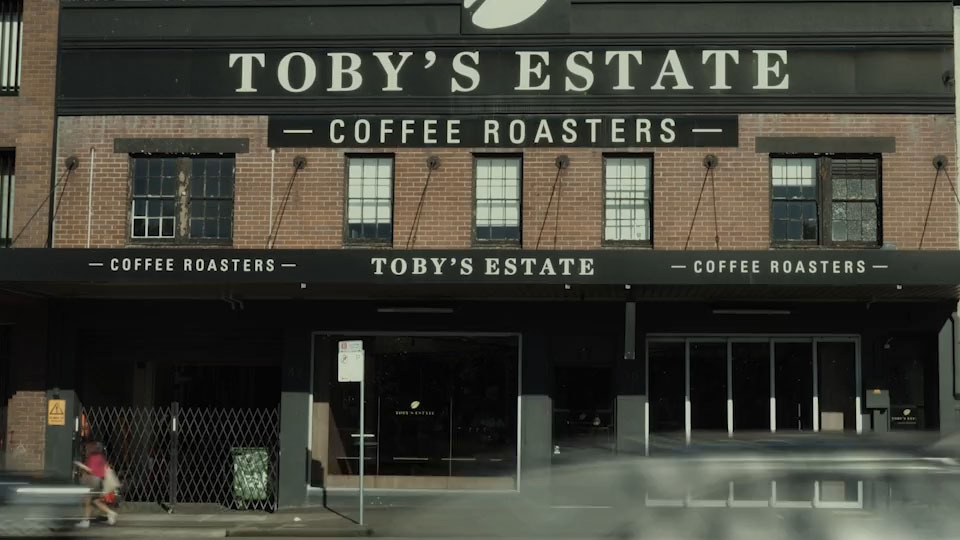
Global rankings consistently recognize Australian cafés. Names like Toby’s Estate in Sydney, Proud Mary in Melbourne, and Coffee Anthology in Brisbane are celebrated internationally. Their success is not a one-time achievement. It reflects consistent excellence in coffee, hospitality, and the way cafés make customers feel welcome.

Jody Leslie, General Manager of Toby’s Estate, emphasizes that exceptional coffee is now just the starting point. “The real difference is the full experience,” she says. “The energy behind the bar, the team who remember your name and perfect your pour, it all resonates with people. Topping global rankings was a milestone, but it reflects daily dedication to creating a space where people want to linger.”

Veneziano Coffee Roasters takes this approach further, designing every interaction around how customers naturally engage with coffee. Brand Strategist Sarah Eagles notes, “Our café culture leads because it is relentlessly customer-driven. We respond to preferences for iced options, speed without losing soul, and evolving café atmospheres. Strong branding and authentic community ties make the experience feel forward-thinking and human at the same time.”

  • Foundations of a Coffee Nation

Australia’s rise in coffee culture is rooted in history. Italian immigrants brought espresso traditions to a tea-centric nation in the mid-20th century. Over time, these influences combined with local conditions, including abundant high-quality dairy, to create milk-based drinks like the flat white, now a global favorite.

You may also read: From Australia to the UAE: The Coffee Club’s Menu Gets Even More Exciting

Independent cafés flourished in cities like Melbourne and Sydney, allowing experimentation and innovation. Roasters and baristas were pushed by competition, and standards for quality grew steadily higher. Adam Wang, founder of Brisbane’s Coffee Anthology, describes this synergy as the country’s advantage. “It is never just about the coffee,” he says. “Baristas connect with guests like friends. Passion for craft shines through, and skills rank among the world’s finest.”

Coffee Anthology is also known for variety. It rotates multiple local roasters daily while offering international options at consistent pricing. “Guests explore different origins and styles without barriers,” Wang explains. Veneziano uses consumer intelligence and systems to ensure consistency while allowing teams to focus on hospitality. Eagles adds, “Technology gives us precision and flow, letting human connection take center stage.”

  • Looking Ahead

With global recognition comes scrutiny. Maintaining elite standards while responding to new expectations is the next challenge. Leslie reflects, “Now it is about harmonizing technology and automation with the human desire for meaningful moments. Quality coffee remains non-negotiable.”

Eagles predicts success for cafés that evolve without losing their essence. “Those who listen, adapt boldly, and stay authentic will endure. Technology helps precision and flow, letting hospitality shine. Innovation paired with heart wins.”

Wang sees a growing divergence: some cafés focus on pure coffee mastery, while others explore inventive beverages. “Matcha and non-traditional drinks are rising,” he says. “Tomorrow’s stars may include creations we cannot even imagine today.”

Australia’s café culture did not reach global recognition by accident. It was built through decades of craftsmanship, hospitality, and constant refinement. With a strong presence in 2026 and cafés that continue to innovate, the nation’s coffee story is evolving, shaping the global conversation one cup at a time.

Madrid celebrates Valentine’s weekend with CoffeeFest 2026

Madrid brews love, business and global coffee energy

Madrid – Qahwa World & Buna Kurs: Media Partners

Madrid is celebrating Valentine’s weekend with more than flowers and romance this year. From February 14–16, the Spanish capital has transformed into Europe’s beating heart of specialty coffee as CoffeeFest Madrid 2026 takes over IFEMA Madrid.

With more than 250 brands, a 40% expansion in exhibition space, and thousands of professionals and enthusiasts gathering under one roof, CoffeeFest has once again positioned Madrid as a continental capital of quality coffee and hospitality trends.

While couples filled the city’s streets on February 14, inside Hall 14 it was clear: coffee was the real love story.

  • A European hub with global reach

Founded and directed by César Ramírez of NEO Drinks, CoffeeFest Madrid has rapidly evolved into one of Europe’s most influential coffee gatherings. The 2026 edition reflects a sector that is more professionalized, more innovative, and more connected to gastronomy and sustainability than ever before.

This year’s program features internationally recognized voices, including World Barista Champion Jack Simpson and educator and roaster Kat Melheim (RoasterKat), alongside a strong lineup of European and global experts shaping the future of coffee.

Beyond specialty coffee, the festival expands into tea, matcha, cacao, bean-to-bar chocolate, and boutique pastry—reinforcing how coffee culture is increasingly interwoven with broader premium hospitality experiences.

  • The World’s 100 Best Coffee Shops gala returns

One of the most anticipated moments of the weekend is the second edition of The World’s 100 Best Coffee Shops international gala, taking place on February 16.

The ranking has quickly become a benchmark for global coffee excellence, celebrating cafés that combine quality, service, design, innovation, and community impact. The Madrid stage once again becomes the epicenter of global recognition in the coffee world.

  • Competition, origin and industry momentum

CoffeeFest also hosts Spain’s Specialty Coffee Association (SCA) championships, including the Spanish Barista Championship, Brewers Cup, and Coffee Roasting Championship—platforms that spotlight technical precision, creativity, and craft at the highest level.

A major highlight remains the international green coffee auction, showcasing exceptional lots from producing countries and emphasizing traceability, direct trade, and social responsibility. The auction reinforces a growing commitment within the European market to origin transparency and long-term producer relationships.

  • CoffeeFest as a trend thermometer

More than a trade show, CoffeeFest has become a living laboratory of emerging coffee trends—from sustainability innovation to digitalization, new brewing formats, and evolving consumer behavior.

On Valentine’s weekend, Madrid is not just celebrating romance. It is celebrating a global industry built on connection, culture, and craft.

As coffee professionals, roasters, producers, and brands gather from across Europe and beyond, one message is clear:

Coffee is not just in the cup. It is in the air.