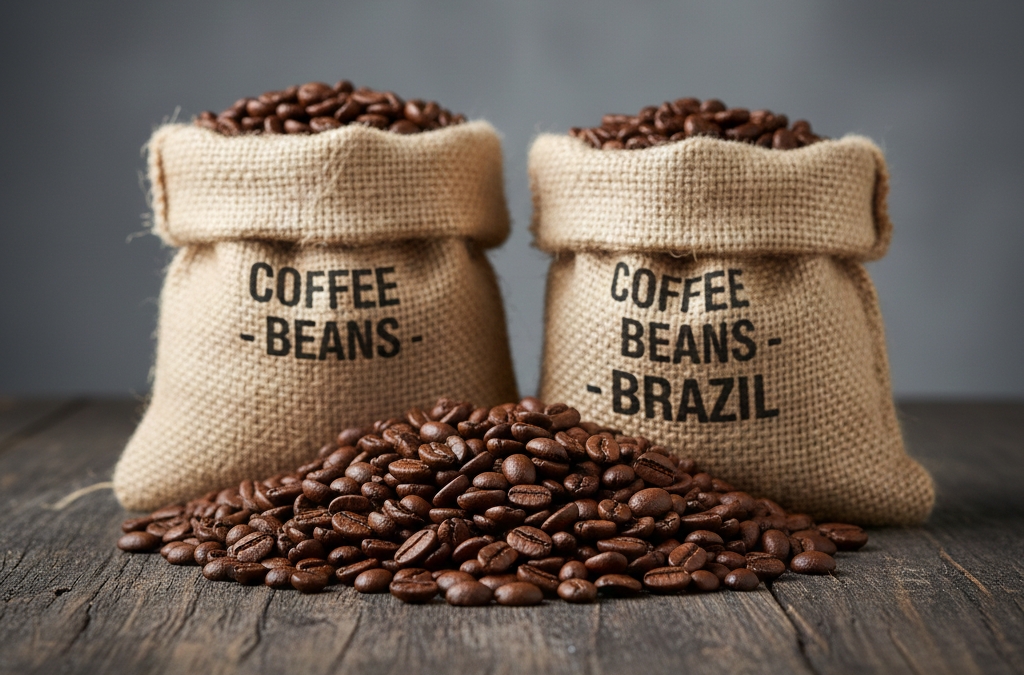
Coffee Prices Get Support from Brazilian Real Strength

Dubai – Qahwa World

Coffee futures traded sharply higher today. Arabica coffee rose to its highest level in one week. July arabica gained 3.43 percent. July robusta added 1.5 percent.

A major supporting factor is the strength of the Brazilian real. The currency surged to a two and a quarter year high against the US dollar. A stronger real discourages Brazilian coffee farmers from selling their crops overseas, which pushes prices upward.

Additional support comes from the ongoing closure of the Strait of Hormuz. This disruption has raised global shipping rates, insurance costs, fertilizer and fuel expenses. Coffee importers and roasters now face higher costs, tightening global supplies.

On the negative side, expectations of a large Brazilian coffee crop are limiting gains. The Coffee Trading Academy projected last Thursday that Brazil’s 2026/2027 harvest will increase 12 percent year over year to 71.4 million bags.

On March 19, Marex Group Plc forecast a record Brazilian crop of 75.9 million bags for the same season. That surpassed Sucafina’s forecast of 75.4 million bags, which represented a 15.5 percent annual increase. On March 12, StoneX raised its Brazil production estimate to a record 75.3 million bags, up from a November estimate of 70.7 million bags. StoneX also projected the 2026 global coffee surplus would expand to 10 million bags from 1.8 million bags in 2025. That would be the largest surplus in six years.

For robusta coffee, soaring exports from Vietnam are a bearish factor. Vietnam is the world’s largest robusta producer. On Saturday, Vietnam’s National Statistics Office reported that the country’s coffee exports from January to April 2026 rose 15.8 percent year over year to 810,000 metric tons. Vietnam’s 2025 coffee exports jumped 17.5 percent annually to 1.58 million metric tons. In addition, Vietnam’s 2025/2026 coffee production is projected to climb 6 percent year over year to a four year high of 1.76 million metric tons, or 29.4 million bags.

Tightness in arabica supplies is supporting prices. ICE arabica coffee inventories fell to a two and a quarter month low of 494,508 bags on April 21.

Smaller exports from Brazil also help support prices. On April 14, Cecafe reported that Brazil’s March green coffee exports fell 10 percent year over year to 2.65 million bags. On April 7, Brazil’s Trade Ministry reported that March coffee exports fell 31 percent annually to 151,000 metric tons.

Robusta coffee also sees bullish signs from tighter supplies. ICE robusta inventories fell to a sixteen and a quarter month low of 3,755 lots last Tuesday.

As a bearish factor, the International Coffee Organization reported on November 7 that global coffee exports for the current marketing year, which runs October through September, fell 0.3 percent year over year to 138.658 million bags.

The USDA’s Foreign Agriculture Service said in its biannual report on December 18 that world coffee production in 2025/2026 would increase 2.0 percent annually to a record 178.848 million bags. That includes a 4.7 percent decrease in arabica production to 95.515 million bags and a 10.9 percent increase in robusta production to 83.333 million bags. The USDA forecasted that Brazil’s 2025/2026 coffee production would decline 3.1 percent to 63 million bags. Vietnam’s coffee output would rise 6.2 percent to a four year high of 30.8 million bags. The USDA also forecasts that 2025/2026 ending stocks will fall 5.4 percent to 20.148 million bags from 21.307 million bags in 2024/2025.

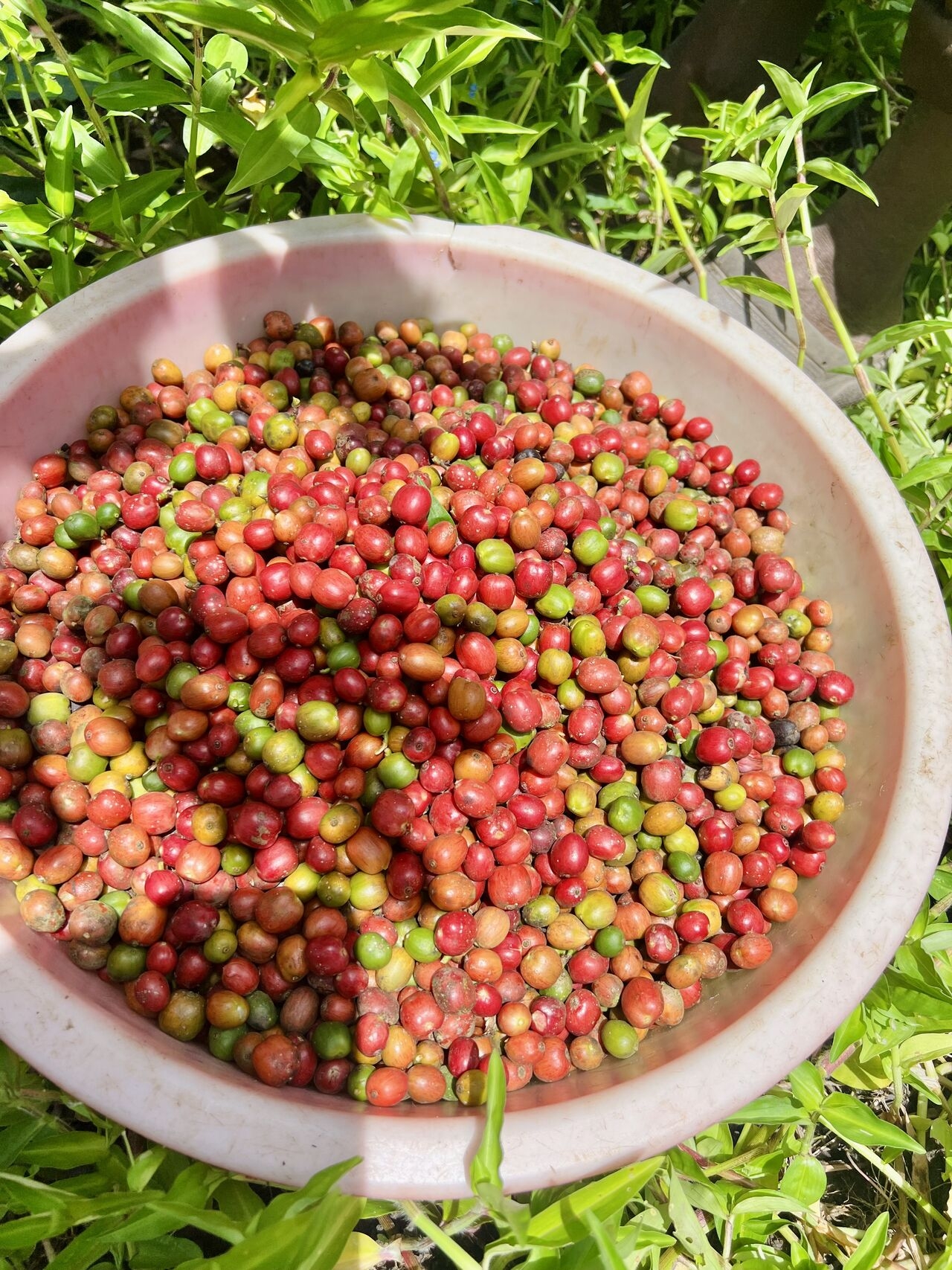
Strength in the Brazilian Real Boosts Coffee Prices

Dubai – Qahwa World

Coffee futures moved higher on Friday, supported by currency strength and supply dynamics. May arabica coffee (KCK26) rose by +6.40 points (+2.18%), while May ICE robusta coffee (RMK26) gained +14 points (+0.42%).

Arabica prices reached a one-week high, while robusta rebounded from its lowest level in 8.5 months in nearby futures. The rally was largely driven by the appreciation of the Brazilian real, which climbed to a two-year high against the US dollar. A stronger real tends to discourage export selling by Brazilian producers, tightening global supply.

Supply Trends and Inventory Movements

Tight robusta supplies continue to support prices. ICE-monitored robusta inventories declined to 3,977 lots, marking a 1.25-year low. In contrast, arabica inventories have increased, limiting price gains. ICE arabica stocks rose to 585,621 bags on March 18, the highest level in more than six months.

Shipping Disruptions Impact Global Trade

The closure of the Strait of Hormuz has disrupted global shipping routes, tightening coffee supplies worldwide. The disruption has increased freight rates, insurance costs, and fuel expenses, raising overall costs for coffee importers and roasters.

Weather Conditions in Brazil Support Prices

Weather conditions in Brazil are also providing support. Somar Meteorologia reported that Minas Gerais, the country’s largest arabica-growing region, received 11.7 mm of rainfall last week, representing only 47% of the historical average. Below-normal rainfall may affect crop development and support prices.

Record Crop Expectations Weigh on Market Sentiment

Despite current support factors, expectations of a record Brazilian coffee crop continue to pressure the market. On March 19, Marex Group Plc projected Brazil’s 2026/27 coffee production at 75.9 million bags, exceeding Sucafina’s estimate of 75.4 million bags and marking a 15.5% year-on-year increase.

On March 12, StoneX raised its forecast to 75.3 million bags, up from a previous estimate of 70.7 million bags. The firm also expects the global coffee surplus to expand to 10 million bags in 2026, compared to 1.8 million bags in 2025, representing the largest surplus in six years.

Vietnam Export Growth Pressures Robusta

Rising exports from Vietnam, the world’s largest robusta producer, are weighing on prices. Vietnam’s National Statistics Office reported that coffee exports in the first quarter of 2026 increased by 14% year-on-year to 585,000 metric tons.

In 2025, exports rose by 17.5% to 1.58 million metric tons. Production for the 2025/26 season is expected to increase by 6% to 1.76 million metric tons (29.4 million bags), reaching a four-year high.

Decline in Brazilian Exports Offers Support

Recent export data from Brazil provided additional support to prices. Cecafe reported that green coffee exports in February fell by 27% year-on-year to 2.3 million bags. Meanwhile, Brazil’s Trade Ministry reported a 31% decline in March exports to 151,000 metric tons.

Recent Price Trends and Global Outlook

Coffee prices declined sharply in February, with arabica falling to a 16.75-month low on February 24 due to expectations of strong Brazilian supply.

Brazil’s crop agency Conab projected on February 5 that 2026 coffee production would rise by 17.2% year-on-year to a record 66.2 million bags. Arabica output is expected to increase by 23.2% to 44.1 million bags, while robusta production is forecast to grow by 6.3% to 22.1 million bags.

Rabobank reported on March 4 that global coffee production for the 2026/27 season is expected to reach a record 180 million bags, about 8 million bags higher than the previous year.

Global Trade and Production Forecasts

The International Coffee Organization (ICO) reported on November 7 that global coffee exports for the current marketing year (October to September) declined by 0.3% year-on-year to 138.658 million bags.

The USDA’s Foreign Agriculture Service (FAS) projected in its December 18 report that global coffee production for 2025/26 will increase by 2.0% to a record 178.848 million bags. Arabica production is expected to decline by 4.7% to 95.515 million bags, while robusta output is forecast to rise by 10.9% to 83.333 million bags.

FAS also estimates that Brazil’s 2025/26 coffee production will fall by 3.1% to 63 million bags, while Vietnam’s production will increase by 6.2% to 30.8 million bags. Ending stocks for the 2025/26 season are projected to decline by 5.4% to 20.148 million bags, down from 21.307 million bags in 2024/25.

Brazilian Real Boosts Arabica Coffee Prices

Dubai – Qahwa World

Arabica coffee prices rose on Monday, supported by a stronger Brazilian real, while expectations of a growing global surplus continued to limit gains.

Futures posted modest increases, while robusta trading remained inactive due to a market holiday in the United Kingdom.

The main support came from the Brazilian currency, which climbed to its highest level in several weeks against the US dollar. A stronger real typically reduces export incentives for Brazilian producers, the world’s largest coffee growers, tightening supply in international markets.

However, price gains remained capped by projections pointing to a widening global coffee surplus, expected to reach around 10 million bags in 2026, significantly higher than the previous year and marking the largest surplus in several years.

At the same time, expectations of a strong crop in Brazil continued to weigh on the market, with estimates suggesting production could exceed 75 million bags in the upcoming season, reinforcing global supply.

Despite these pressures, prices found some support from disruptions in global supply chains following the closure of a key maritime route, which led to higher shipping and insurance costs.

Weather conditions in Brazil also contributed to market support, as key arabica-growing regions recorded below-average rainfall, raising concerns about potential impacts on crop development.

Meanwhile, inventory data showed mixed signals, with robusta stocks declining while arabica inventories increased, reflecting an uneven balance in the market.

Brazil’s coffee exports also declined on a yearly basis, providing additional support to prices.

Overall, expectations of rising global production, along with increasing robusta output and higher exports from major producers such as Vietnam, continue to act as key downward pressures on the market in the period ahead.


Coffee Prices Rise as Brazilian Real Strength Sparks Short Covering

DUBAI – QAHWA WORLD

Coffee futures climbed sharply on Thursday following a surge in the Brazilian real, which encouraged traders to cover short positions. March arabica contracts closed up 1.65%, while March robusta contracts rose 2.02%.

The real reached its highest level against the U.S. dollar in nearly two years, prompting caution among Brazilian coffee exporters and contributing to the price gains.

Over the past two weeks, coffee prices had been under pressure. Arabica and robusta recently hit six-month lows amid expectations of a strong Brazilian crop. According to Brazil’s crop agency Conab, total coffee production in 2026 is projected to reach 66.2 million bags, up 17.2% from 2025. Arabica output is expected to increase 23.2% to 44.1 million bags, while robusta production is forecast to grow 6.3% to 22.1 million bags.

Rainfall in Brazil has also improved crop prospects. Minas Gerais, the country’s largest arabica-growing region, received 72.6 mm of rain during the week ending February 6, exceeding the historical average. This eased earlier concerns over dry conditions that had pressured prices.

Vietnam’s coffee exports, particularly robusta, are increasing, exerting downward pressure on prices. January exports rose 38.3% year-on-year to 198,000 metric tons, while total 2025 exports climbed 17.5% to 1.58 million metric tons. Production for 2025/26 is projected at 1.76 million metric tons (29.4 million bags), the highest in four years.

ICE coffee inventories have also recovered, limiting price gains. Arabica stocks, which fell to a 1.75-year low in November, rose to a three-month high by early January. Robusta inventories, previously at a 13-month low in December, similarly increased in January.

On the upside, Brazil’s coffee exports fell 42.4% year-on-year in January, reducing global supply pressure. Smaller production in Colombia, the second-largest arabica producer, also supported prices, with January output down 34% year-on-year.

Globally, the International Coffee Organization reported a slight decline (-0.3%) in exports for the current marketing year, signaling tighter supplies. Meanwhile, USDA forecasts indicate that total global coffee production in 2025/26 will reach a record 178.848 million bags, with arabica slightly down and robusta up. Brazil’s 2025/26 production is expected to decrease by 3.1%, while Vietnam’s output is projected to rise 6.2%, reaching a four-year high. Ending stocks are forecast to decline by 5.4%.

Coffee Prices Jump as Brazilian Real Strengthens

Dubai – Qahwa World

Coffee futures moved sharply higher on Tuesday, supported by a strong Brazilian real that reduced export incentives from the world’s largest coffee-producing country.

March arabica coffee futures climbed more than 3 percent, reaching their highest level in two weeks, while March robusta contracts also posted solid gains. Market participants pointed to currency movements and tightening export flows from Brazil as key drivers behind the rally.

  • Brazilian Real Boosts Coffee Markets

The Brazilian real strengthened to its highest level in roughly 20 months against the U.S. dollar, making coffee exports less attractive for Brazilian producers. As a result, exporters slowed sales, reducing supply availability on global markets and lifting futures prices.

Brazil remains the dominant supplier of arabica coffee, and shifts in its currency often have an immediate impact on international prices.

  • Exports Decline in Brazil

Recent export data added further support to prices. Brazil’s coffee exporters reported a sharp drop in green coffee shipments in December, with total exports falling more than 18 percent compared with the same period last year.

Arabica exports declined by double digits, while robusta shipments saw an even steeper year-over-year drop, signaling tighter short-term supply from Brazil.

  • Weather Concerns Add Support

Below-average rainfall in Brazil’s key growing regions also helped underpin prices. Minas Gerais, the country’s largest arabica-producing state, received significantly less rainfall than normal during mid-January, raising concerns about crop development during a critical period.

  • Inventory Recovery Caps Gains

Despite the bullish momentum, rising exchange-monitored inventories limited upside potential. Arabica stockpiles tracked by the exchange have rebounded from multi-year lows seen in November, while robusta inventories have also increased from recent lows.

The recovery in inventories suggests that near-term supply conditions may be less constrained than previously feared.

  • Global Supply Outlook Remains Mixed

Looking ahead, expectations of ample global production continue to weigh on longer-term price prospects. Brazil’s crop agency recently raised its forecast for the country’s 2025 coffee harvest, while Vietnam reported strong export growth and rising production estimates.

Vietnam, the world’s leading producer of robusta coffee, is projected to increase output further in the upcoming season, assuming favorable weather conditions persist.

At the same time, international data points to signs of tightening global availability. Worldwide coffee exports have edged lower during the current marketing year, and global ending stocks are forecast to decline despite record production levels.

  • Market Balance Still Fragile

Analysts note that coffee markets remain highly sensitive to currency movements, weather developments, and export flows. While supply projections appear comfortable on paper, any disruption in Brazil or Vietnam could quickly reignite volatility.

For now, strength in the Brazilian real and slowing exports have given coffee prices fresh upward momentum.


Coffee Prices Rise as Brazilian Real Strengthens and Supply Risks Grow

Dubai – Qahwa World

Coffee futures finished higher on Friday after reversing early weakness, supported by currency movements and renewed supply concerns. March arabica coffee contracts rose sharply, while March robusta prices posted a modest gain.

A key driver of the rebound was strength in Brazil’s currency. The Brazilian real climbed to its strongest level in roughly two weeks against the U.S. dollar, making exports less attractive for Brazilian producers. That shift prompted short covering in coffee futures and helped lift prices into the close.

Weather-related disruptions in Southeast Asia are also lending support. Severe flooding in Indonesia has affected a significant portion of arabica-growing areas in northern Sumatra. Industry officials estimate the damage could cut Indonesia’s coffee exports by up to 15% during the 2025/26 season. Indonesia is a major global supplier, particularly of robusta coffee, and any reduction in output adds to market uncertainty.

Concerns about Brazil’s crop conditions have not faded. Recent data from a private weather firm showed that Minas Gerais—Brazil’s largest arabica-producing region—received far less rainfall than normal in late December. Below-average moisture during this critical period has raised doubts about yield potential for the upcoming harvest.

Inventory trends remain another supportive factor. Arabica coffee stocks monitored by ICE fell to multi-year lows in November before rebounding modestly in recent weeks. Robusta inventories followed a similar pattern, touching their lowest levels in a year before seeing a short-term recovery. Despite the recent uptick, overall stock levels remain relatively tight by historical standards.

On the demand side, U.S. coffee inventories remain constrained. Earlier trade barriers sharply reduced American purchases of Brazilian coffee during late summer and early fall. Although those tariffs have since been reduced, imports have yet to fully recover, leaving supply channels under pressure.

Still, longer-term supply expectations continue to cap rallies. Brazil’s national crop agency recently raised its estimate for the country’s 2025 coffee output, citing improved conditions compared with earlier forecasts. Meanwhile, robusta markets remain weighed down by strong production and export data from Vietnam.

Vietnamese coffee shipments surged late last year, and output for the 2025/26 season is expected to rise further if weather remains favorable. As the world’s largest robusta producer, Vietnam’s expanding supply continues to temper bullish sentiment in that segment of the market.

Globally, mixed signals persist. While international coffee exports have edged slightly lower year over year, production forecasts point to a record crop in the coming season. Arabica output is projected to decline, but gains in robusta production are expected to more than offset those losses. Ending stocks are forecast to fall modestly, suggesting a tighter balance than last year but not an outright shortage.

Overall, coffee prices are being pulled in opposite directions—near-term supply risks and currency dynamics are supporting the market, while expectations of ample global production continue to limit upside potential.

Coffee Prices End the Week Higher as the Brazilian Real Strengthens

Dubai – Qahwa World

March arabica coffee (KCH26) finished Friday’s session up by +1.50 (+0.40%), while January ICE robusta (RMF26) added +26 (+0.57%).

Coffee futures reached their highest levels in a week on Friday, supported by a stronger Brazilian real. As the real (^USDBRL) advanced to a one-week peak against the US dollar, Brazilian growers were less inclined to sell, prompting short covering in the market.

Weather concerns continue to contribute to upward pressure on prices. Arabica markets are receiving support from ongoing dryness in Brazil. Somar Meteorologia reported that Minas Gerais—Brazil’s largest arabica-producing region—recorded 26.4 mm of rainfall in the week ending November 21, representing just 49% of the long-term average. Robusta prices are also firm as forecasts predict heavy rains across Dak Lak in Vietnam, the country’s key coffee-growing province, which are expected to further postpone the current harvest.

Falling ICE coffee stockpiles remain a bullish factor. US tariffs on Brazilian coffee imports have sharply reduced inventories. Arabica stocks monitored by ICE dropped to 398,645 bags last Thursday, the lowest level in 1.75 years, while robusta inventories hit a 6.5-month low of 4,530 lots on Friday. American importers have canceled new orders from Brazil due to tariff pressures, tightening domestic supply. Between August and October—after the tariffs were introduced—US purchases of Brazilian coffee fell by 52% year-on-year to 983,970 bags. Roughly one-third of the coffee imported unroasted into the US typically originates from Brazil.

Last Friday, arabica futures slumped to a 7-week low after President Trump signed an executive order late Thursday removing tariff restrictions on Brazilian food goods, including the 40% levy previously applied to Brazilian coffee.

On the bearish side, StoneX projected last Wednesday that Brazil could produce 70.7 million bags of coffee in the 2026/27 marketing year, including 47.2 million bags of arabica—a 29% increase from the previous year.

Robusta markets also face pressure from expanding supply out of Vietnam. Data from the Vietnam National Statistics Office on November 6 showed that coffee exports for January–October 2025 rose by 13.4% year-on-year to 1.31 million metric tons. Production for the 2025/26 season is expected to grow by 6% year-on-year to 1.76 million metric tons (29.4 million bags), reaching a four-year high. In addition, the Vietnam Coffee and Cocoa Association (Vicofa) stated on October 24 that, provided weather conditions remain favorable, the country’s 2025/26 crop could exceed last year’s output by 10%. Vietnam remains the world’s largest producer of robusta.

Signs of tightening global supply continue to underpin prices. The International Coffee Organization (ICO) reported on November 7 that global coffee exports for the ongoing marketing year (October–September) slipped by 0.3% year-on-year to 138.658 million bags.

Further support emerged after Brazil’s crop agency Conab reduced its 2025 arabica production estimate on September 4. The new estimate stands at 35.2 million bags, down 4.9% from the May forecast of 37.0 million bags. Conab also revised the country’s total 2025 coffee crop downward to 55.2 million bags, compared with the earlier estimate of 55.7 million bags.

According to the USDA’s Foreign Agriculture Service (FAS) outlook released on June 25, global coffee production for 2025/26 is expected to rise by 2.5% year-on-year to a record 178.68 million bags. The report anticipates arabica production will fall by 1.7% to 97.022 million bags, while robusta output will rise 7.9% to 81.658 million bags. FAS also forecasts Brazil’s 2025/26 crop increasing by 0.5% to 65 million bags and Vietnam’s output jumping 6.9% to 31 million bags, marking a four-year high. Ending stocks for 2025/26 are projected to grow by 4.9% to 22.819 million bags, up from 21.752 million bags in 2024/25.