illycaffè Reports 12% Revenue Growth in 2025 Amid Record Coffee Prices

Trieste, Italy — Qahwa World

Italian coffee group illycaffè S.p.A. reported a solid performance for 2025, with group revenue rising 12% to €700 million (approximately US$817.2 million), supported by higher volumes across key markets including Italy, the United States, and Europe.

The company said it achieved its fourth consecutive year of strong organic growth despite a challenging environment marked by record-high green coffee prices and geopolitical uncertainty.

Financial Performance

  • Revenue: €700 million (+12%)
  • EBITDA: €90 million
  • Net profit: €20 million
  • Net financial position: €197 million

illycaffè attributed the financial position to higher raw material costs and continued strategic investments, including acquisitions completed during the year.

Commodity Pressure Remains High

The company highlighted significant pressure from coffee bean prices in 2025. Green coffee averaged 368 cents per pound, around three times the long-term historical average and more than 50% higher than in 2024.

illycaffè said it partially offset inflation through pricing strategies and cost-efficiency measures.

CEO Commentary

CEO Cristina Scocchia said the company maintained strong momentum despite external challenges:

“2025 was the fourth consecutive period of strong organic growth for the company, despite a particularly challenging external environment and the sharp rise in raw material prices.”

She added that the company continued strengthening its position across the value chain through targeted investments and integration.

Regional Performance

  • Italy: +14%
  • Europe: +23%
  • United States: +20% (at constant exchange rates)

The United States remained a strategic priority market for the company.

Strategic Acquisitions

During 2025, illycaffè expanded its operations through two key acquisitions:

  • Full acquisition of Swiss distributor Thalwil AG to strengthen its direct presence in European markets
  • 80% stake acquisition in coffee machine manufacturer Capitani, focused on portioned coffee systems for the home segment

The company said these investments strengthen its integration across the value chain, from production to consumer-facing equipment.

Outlook

illycaffè said it expects 2026 to remain challenging due to geopolitical tensions and economic uncertainty. However, it plans to continue supporting growth through international expansion, marketing investment, and sustainable innovation.

A Record-Breaking Auction in Ecuador Reveals Shifts in the Coffee Market

Dubai – Qahwa World

The global coffee industry continues to evolve at a striking pace, shaped by a mix of record-breaking achievements, scientific discoveries, corporate expansion, and structural challenges. Recent developments from different parts of the world offer a revealing snapshot of where coffee stands today—and where it may be heading.

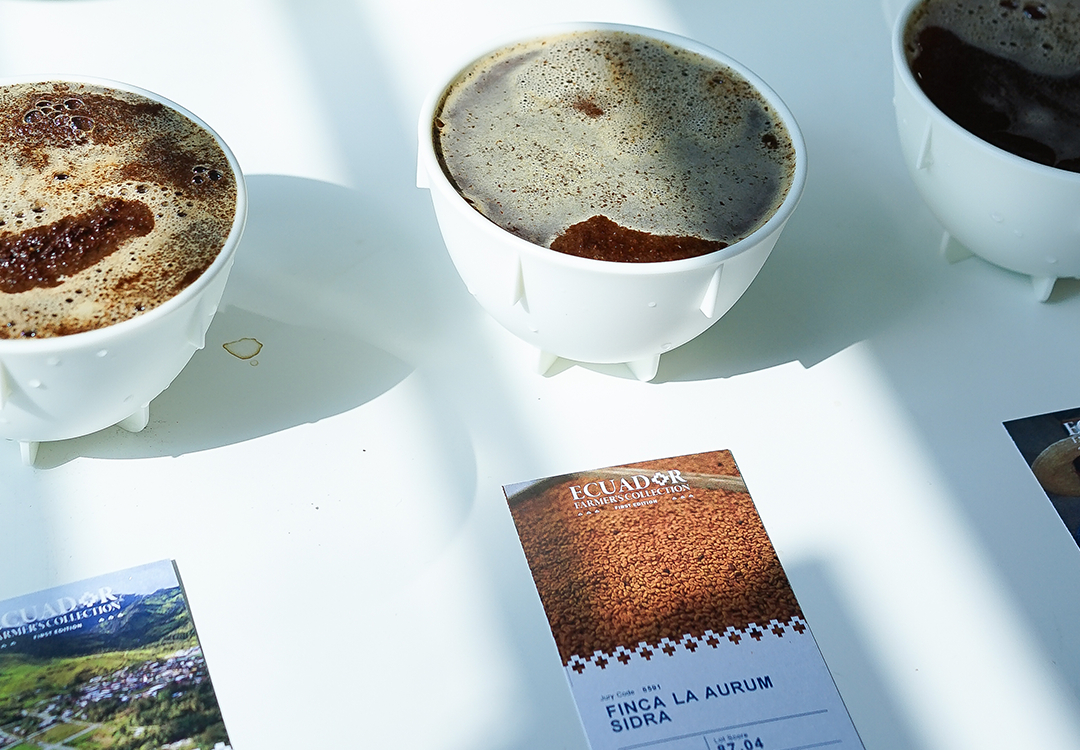
A defining moment came from Ecuador, where a specialty coffee auction set a new national benchmark. A Gesha lot reached 318 dollars per kilogram, signaling not just a headline-grabbing price, but a broader shift in how emerging origins are positioning themselves in the high-value segment of the market. Ecuador, long overshadowed by more established producers, is increasingly demonstrating its potential to compete in the ultra-premium category, where traceability, processing precision, and storytelling drive value as much as cup quality.

This upward movement in prices at the top end reflects a wider transformation. Specialty coffee is no longer a niche; it is becoming a strategic pathway for producing countries seeking to escape the volatility of commodity markets. However, such success stories also highlight a growing divide between high-end micro-lots and the broader base of producers who remain exposed to fluctuating global prices and rising production costs.

At the same time, science continues to deepen our understanding of coffee ecosystems. The identification of new fungal species on arabica plants may seem like a small discovery, yet it underscores the complexity of the biological systems surrounding coffee cultivation. These organisms play a quiet but essential role in nutrient cycling and soil regeneration, reminding the industry that long-term sustainability depends not only on climate and economics, but also on the invisible ecological networks within farms.

On the institutional front, changes in trade governance signal a push toward modernization. Updated arbitration systems and the development of remote training platforms suggest an industry adapting to new realities, where digital access and standardized procedures are becoming increasingly important. As global trade grows more complex, the ability to resolve disputes efficiently and train professionals across borders is no longer optional.

Meanwhile, major coffee companies continue to expand, reporting strong financial growth and reinforcing their global presence. This reflects steady demand in consumption markets, even as the industry faces mounting pressures. New investment discussions and franchise expansion strategies, particularly in the United States, point to a continued belief in coffee as a resilient business model, capable of attracting capital even in uncertain economic conditions.

Yet beneath this growth lies a layer of vulnerability. Legal disputes linked to product safety, as well as incidents involving equipment failure, highlight operational risks that can have significant reputational and financial consequences. In parallel, cases of illegal activity tied to coffee retail spaces, though isolated, raise questions about oversight and the integrity of supply chains at the local level.

In emerging producing regions, entrepreneurial initiatives continue to take shape. New farm projects in Southeast Asia reflect both optimism and necessity, as the next generation of producers seeks to build sustainable models from the ground up. These efforts often rely on direct support, transparency, and storytelling to connect with global audiences and secure funding.

Taken together, these developments reveal an industry defined by contrasts. Record auction prices coexist with structural inequality. Scientific progress advances alongside environmental uncertainty. Corporate growth moves in parallel with operational and regulatory challenges.

Coffee today is not just a beverage or a commodity. It is a complex global system, where climate, biology, economics, and culture intersect. Understanding its future requires looking beyond individual headlines and recognizing the deeper forces reshaping the industry from farm to cup.

Gostoso Coffee: Redefining Brazilian Specialty Coffee

Dubai – Qahwa World

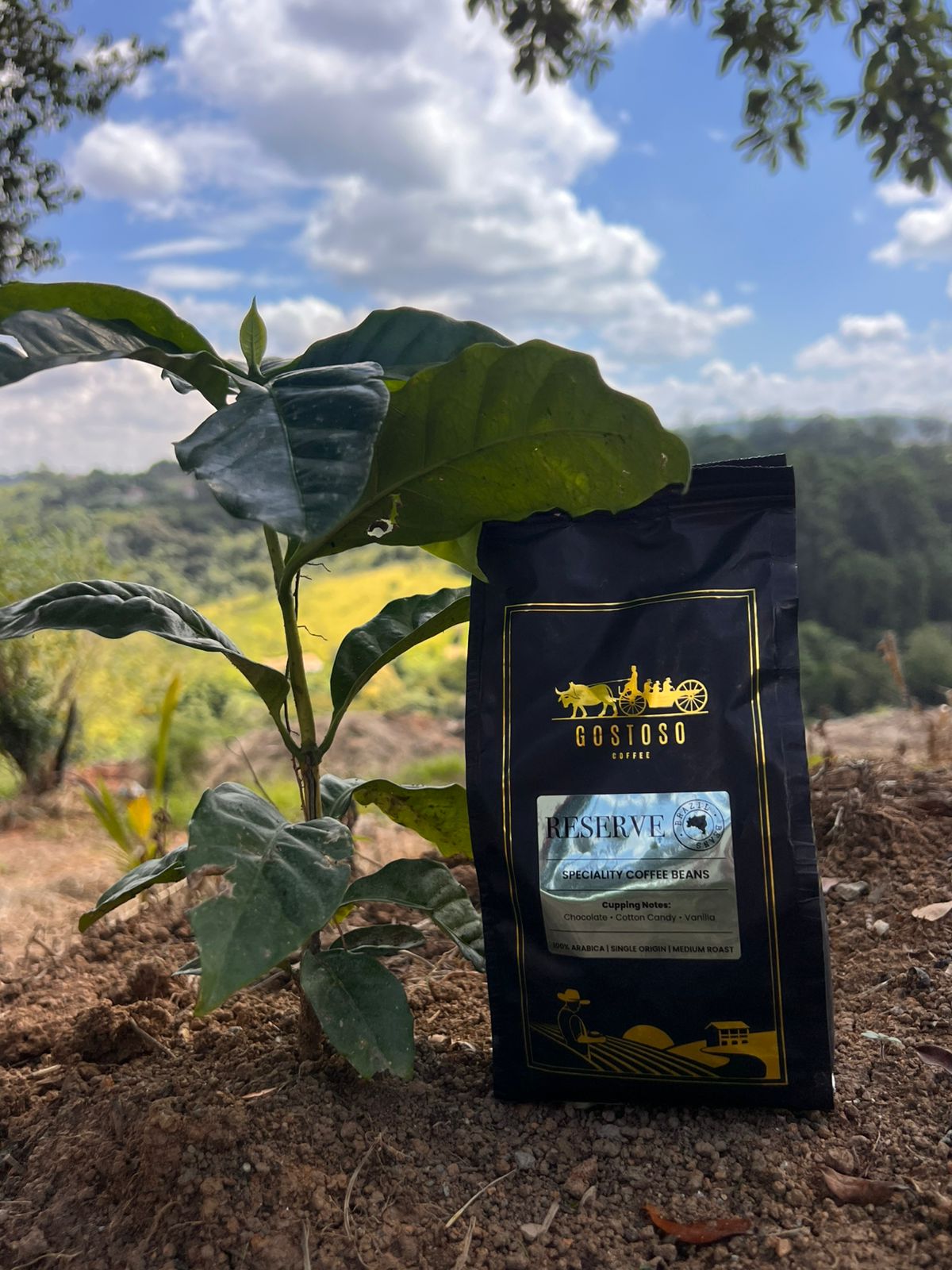
In recent years, Brazil has reaffirmed its position as the world’s largest coffee producer and a growing hub of innovation within the specialty coffee sector. In this evolving landscape, a new generation of Brazilian‑born brands is emerging, shifting coffee’s image from a bulk commodity to a crafted experience. Among them, Gostoso Coffee is beginning to stand out for its clarity of vision, authenticity, and long‑term direction.

  • From Dubai to the Origin: A New Chapter

Gostoso Coffee was founded in 2019 by Brazilian entrepreneur Colin James Francis, after his move to the UAE and his decision to launch a brand that would represent Brazil on the global stage. Over time, the company combined Brazilian agronomy with Emirati‑based roasting operations (Karam Food Inds., Dubai), positioning itself at the intersection of origin and innovation.

Recently, Gostoso made a strategic return to its roots by establishing a coffee plantation in Brazil, in the prestigious region of São Roque, São Paulo—internationally known as the “City of the Wine Route.” Following rigorous soil analysis, terroir selection, and assessment of climatic conditions suited to rare Arabica varieties, the company chose an estate that blends natural beauty, heritage architecture, and production potential.

The property is set in a mountainous landscape surrounded by the Atlantic Forest, with a historic headquarters built in Riga pine wood using Norman architecture. Designed to be open to the public, the farm will host visits, educational tours, and immersive experiences on coffee, origin, and the global trends shaping the world’s second‑most‑consumed beverage. This project aims to re‑establish São Paulo as a globally recognized specialty‑coffee region, echoing the state’s prominence in the 1950s and 1960s—this time with a focus on quality, rarity, and sustainability.

  • Beyond Commodity: A Global Vision Guided by Ethics

Gostoso Coffee was created to challenge the traditional power structure in coffee: to reduce the role of exploitative middlemen and protect farmers, cooperatives, and origin. From Brazil, the brand controls the entire value chain, from rare plantations to its roastery in Dubai, UAE, ensuring transparency, traceability, and fair practices at every stage.

Under the leadership of CEO Colin James Francis, recognized internationally for ethical sourcing and manufacturing excellence in the UAE, India, and Hong Kong, Gostoso supports and expands Brazilian cooperatives, helping them produce higher‑quality outputs at a larger scale using rare Arabica and Liberica varieties. With a strategic base in Dubai, the brand is positioned to scale across the Middle East, Asia, and the Far East, bringing Brazilian excellence to the world without compromise.

  • Farm and Plantation: Innovation Meets Nature

Located in a mountainous region of Brazil, the Gostoso Coffee Farm is opening new pathways in specialty production. The farm is developing Geisha Arabica, one of the world’s most exclusive coffee varieties, traditionally associated with high altitude Panama, where micro‑lots have recently reached around USD 30,000 per kg. At Gostoso, this cultivar grows under the natural shade of the Atlantic Forest, a terroir that imparts remarkable complexity, elegance, and cup identity.

Sustainability is central to the farm’s operations. Over 15% of the property is preserved as a legally protected Permanent Preservation Area (APP), in full compliance with Brazilian environmental law. The estate lies within the São Roque Atlantic Forest, a region recognized by UNESCO for its ecological value and biodiversity.

The native forest hosts species such as peroba, cedar, pau‑d’alho, mulberry, white fig, jatobá, cinnamon, and ipê, along with a rich variety of wildlife. The farm also cultivates more than 30 fruit varieties, including jabuticaba, uvaia, cacao, pecans, chestnuts, passion fruit, bananas, berries, avocado, jambo, pitanga, and mango, while maintaining beehives to support pollination of coffee plants. As the team puts it: “Nature is our alliance; we work as a cohesive unit.”

  • More Than a Farm — A Destination at Origin

Gostoso Coffee is designed to attract both national and international visitors, not only for its rare coffees but also for the natural and cultural beauty of the region. The farm offers eco‑walks, birdwatching spots, and meaningful experiences that connect guests with the land, the process, and the story behind every cup. As the estate expands, visitors will encounter an ever‑growing diversity of rare coffee varieties, all cultivated with precision and care.

  • Rare Coffee Varieties: Geisha, Arabica, and more

Geisha Arabica is one of the rarest and most celebrated coffee varieties worldwide, renowned for its extraordinary cup complexity, with delicate jasmine‑like florals, vibrant citrus notes, and subtle hints of tropical fruits. The variety gained global fame after winning the Best of Panama competition in 2004 and has since become a benchmark for excellence in specialty coffee.

Demanding cultivation, low yields, and exceptional quality have made Geisha synonymous with luxury and exclusivity. Traditionally grown in Panama, it now also flourishes at Gostoso Coffee Farm in São Roque, São Paulo. Geisha is one of seven exclusive coffee varieties cultivated at the estate, where terroir, technical precision, and passion converge to create a distinctive profile.

  • Empowering Women in Agriculture

Women are at the heart of the Gostoso story. Globally, women represent nearly 47% of the agricultural workforce, shaping farming with resilience and care. At the Gostoso Coffee Farm, 25% of the labor force consists of skilled, experienced women working across seedling production, nursery management, harvesting, and quality control.

Their presence enriches every stage of production and reinforces the brand’s mission to deliver coffee that is Gostoso—good, authentic, and deeply human. Their dedication can be tasted in every cup, from the first seedling to the final brew. As the farm grows, it does so driven by respect for people, partners, and consumers.

  • Scaling with Technology, Genetics, and Vision

Gostoso Coffee is scaling not only in size but also in scientific and technological sophistication. The farm employs state‑of‑the‑art agricultural technology, advanced agronomic methods, and rare coffee genetics to redefine the future of coffee production. The mission extends beyond the farm: it aims to reshape the geography and history of the global coffee industry, restoring São Paulo as a strategic and influential origin on the world coffee map.

This long-term project is built on innovation, sustainability, traceability, and excellence, targeting those who see coffee as more than a beverage—as a legacy. Partners and investors who share this vision are invited to co‑build a project that is timeless, scalable, and globally relevant.

  • Plantation Progress and Technical Precision

The farm recently completed a root development test 60 days after planting, with highly promising results. Seedlings showed over 15 cm of root growth, with strong, healthy structures and excellent formation. This confirms that soil preparation, planting depth, spacing, and fertilization were executed with precision.

Deep root systems enhance drought resistance, nutrient uptake, and uniform growth, laying a solid foundation for future productivity. Every stage is closely monitored to ensure quality from the very beginning—coffee is planted today but harvested with strategy tomorrow.

  • Conclusion: Brazilian Coffee in Motion

Gostoso Coffee reflects a broader shift in the specialty coffee sector. Consumers are increasingly interested in origin, traceability, and environmental impact, and brands that articulate these values clearly gain a competitive edge—even before full operational maturity. The specialty market remains highly demanding, with traditional regions such as Sul de Minas, Cerrado Mineiro, and Alta Mogiana having built their reputations over decades. Entering this space requires both a compelling narrative and consistent delivery and transparency.

Initiatives like Gostoso Coffee demonstrate that Brazilian coffee is evolving — and that the future of the industry will be shaped not only by the quality of the bean but also by the quality of the story that accompanies it.

As a result of this journey, the team behind Gostoso Coffee launched Tawa Arabic Coffee in 2026 at the Museum of Coffee in Dubai, UAE—a new chapter that bridges Brazilian excellence with the rich heritage of Arabic coffee culture.
 

Sage Launches Oracle Dual Boiler Espresso Machine in UAE

Dubai, UAE — Qahwa World

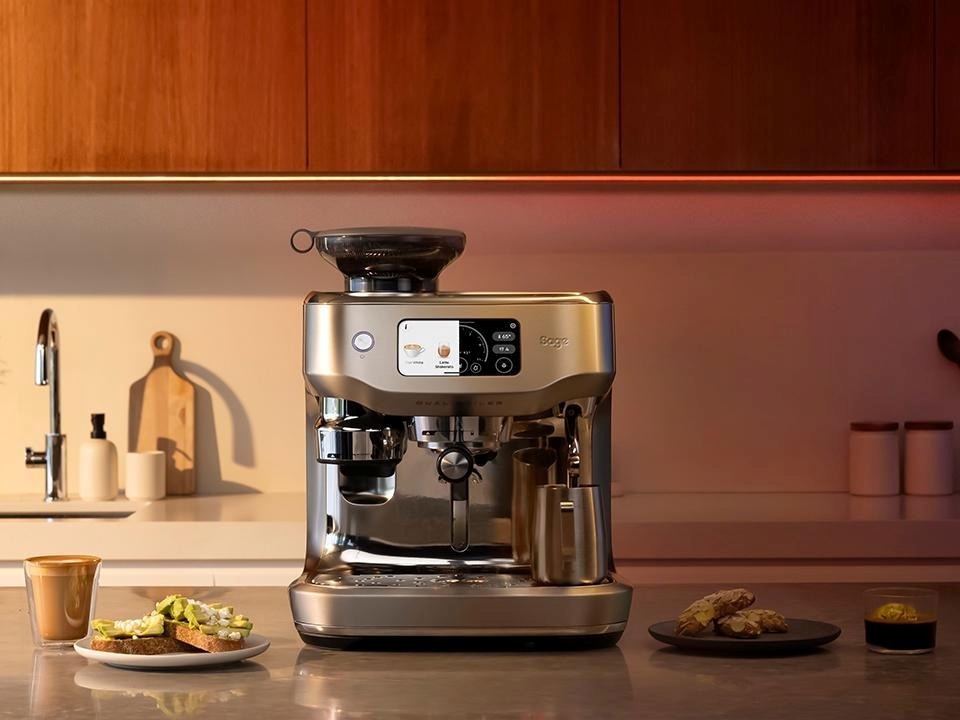
Sage Appliances®, the global manufacturer of premium kitchen appliances, has announced the launch of the Oracle Dual Boiler, the latest addition to its Oracle espresso machine range. The new model combines dual boiler technology with touchscreen automation, offering users the option to operate the machine in either automatic or manual mode.

The Oracle Dual Boiler is designed for home users seeking consistent espresso preparation with the flexibility to adjust brewing parameters manually. In automatic mode, the machine performs grinding, brewing and milk texturing in a simplified workflow. Manual mode allows users to adjust pre-infusion, blooming, extraction and milk texturing settings.

The machine features a 5.7-inch high-definition touchscreen, the largest display used in a Sage espresso machine to date. The interface provides step-by-step guidance and real-time feedback during coffee preparation. In the UAE, the Oracle Dual Boiler includes built-in Wi-Fi connectivity, enabling software updates and compatibility with the Sage Coffee App for remote machine control.

The Oracle Dual Boiler offers 15 preset beverage options, including espresso, flat white, latte, cappuccino, piccolo, mocha, iced latte and shakerato.

The machine is powered by a triple heating system, comprising a PID-controlled extraction boiler, a dedicated steam boiler and a heated group head. This configuration allows simultaneous espresso extraction and milk texturing while maintaining temperature stability.

The Oracle Dual Boiler also introduces Sage Appliances’ Auto Dial-In System, which automatically monitors espresso extraction and adjusts grind size to improve subsequent shots. The system operates in conjunction with Baratza European Precision burrs, offering 45 grind settings.

  • Key product specifications include:

Triple heating system

Quad-core processor

Auto puck system

Auto Dial-In system

Auto MilQ™ steam wand

Baratza European Precision burrs with 45 grind settings

5.7-inch HD touchscreen

Heated group head

Brew customisation

Stainless steel heated cup tray

Alternative milk settings (soy, almond and oat)

Wi-Fi connectivity

Electronic grind adjustment

Professional 58mm stainless steel portafilter

15 preset beverages

Dedicated hot water spout

Matching Knock Box™ 10

PID temperature control

2.3-litre water tank

The Sage Oracle Dual Boiler is available from 15 December through leading retailers across the UAE and GCC, priced at AED 9,999, and via www.sageappliances.com

About Sage Appliances®

Sage Appliances is a global kitchen appliance brand with over 90 years of history. The company operates under the Sage name in Europe and Breville in other markets. Sage products are sold in more than 70 countries worldwide, focusing on innovation, functional design and consumer-led engineering.

Luckin Coffee Explores Potential Acquisition of Blue Bottle Coffee

Dubai – Qahwa World

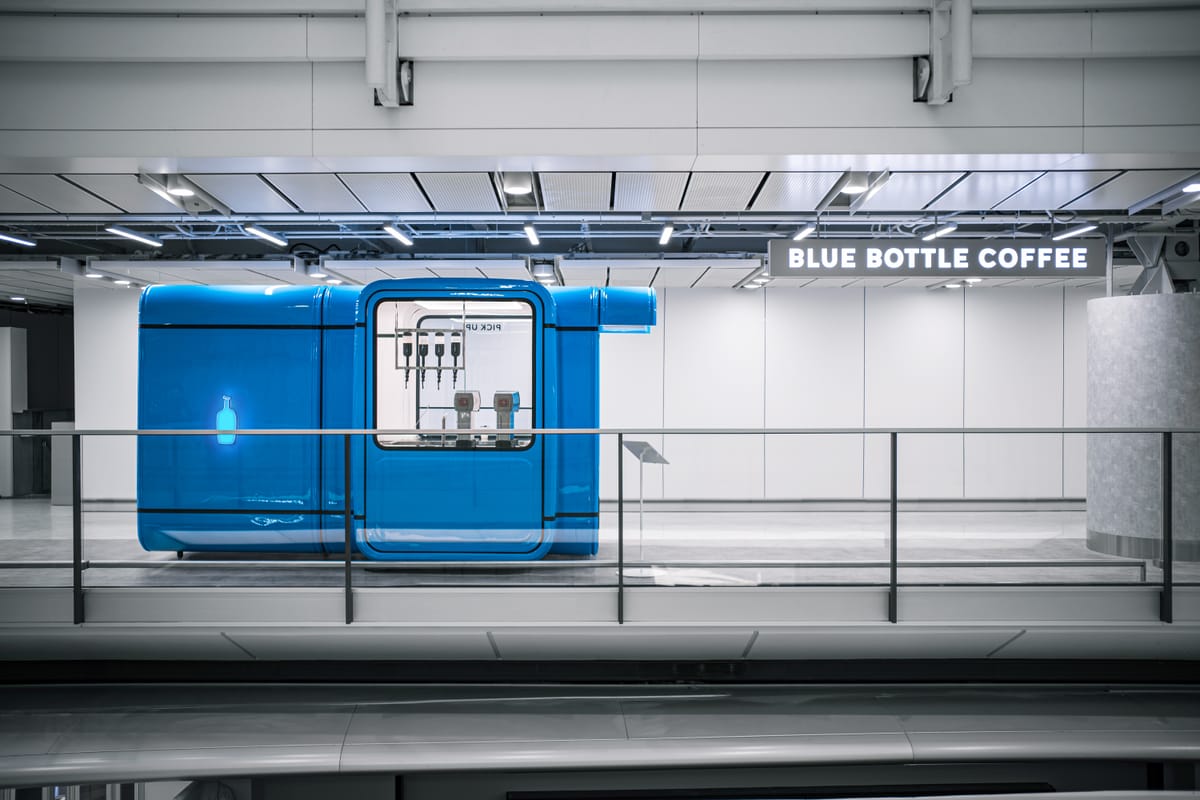
Chinese coffee chain Luckin Coffee is reportedly evaluating a potential acquisition of Blue Bottle Coffee, the specialty coffee brand majority-owned by Nestlé, as part of its strategy to strengthen its presence in the premium coffee segment.

Sources indicate that Luckin and its main investor, Centurium Capital, are pursuing moves to build a portfolio of premium coffee brands and expand their global footprint. This potential bid follows reports that Nestlé was considering selling its stake in the California-based Blue Bottle, which it acquired in 2017 for $425 million, valuing the company at roughly $700 million. Current estimates suggest the brand could now be sold at a lower price.

Blue Bottle Coffee operates over 100 boutique cafés in the United States and East Asia, including 12 locations in mainland China and four in Hong Kong.

In addition to Blue Bottle, Luckin and Centurium are said to be exploring a bid for Lucky Ace International Ltd., the holder of master franchise rights for Japanese specialty chain % Arabica in China and Hong Kong. % Arabica currently runs 84 outlets in mainland China and 15 in Hong Kong.

Centurium Capital, which had previously shown interest in Coca-Cola’s Costa Coffee, appears to have shifted focus toward the Luckin expansion strategy.

Luckin Coffee, China’s largest coffee chain with more than 29,000 stores nationwide, significantly outpaces its nearest competitor, Cotti Coffee. Centurium became Luckin’s controlling shareholder in January 2022, holding over 50% of voting rights, following previous investments that helped the company recover from accounting issues and restructure debt.

Beyond China, Luckin has expanded internationally with 68 stores in Singapore, 45 in Malaysia, and five in the United States. CEO Jinyi Guo announced in November 2025 that the company is preparing for a new public listing in the United States.

Drinkit Set to Launch in Saudi Arabia with Franchise Model

Duabi – Qahwa World

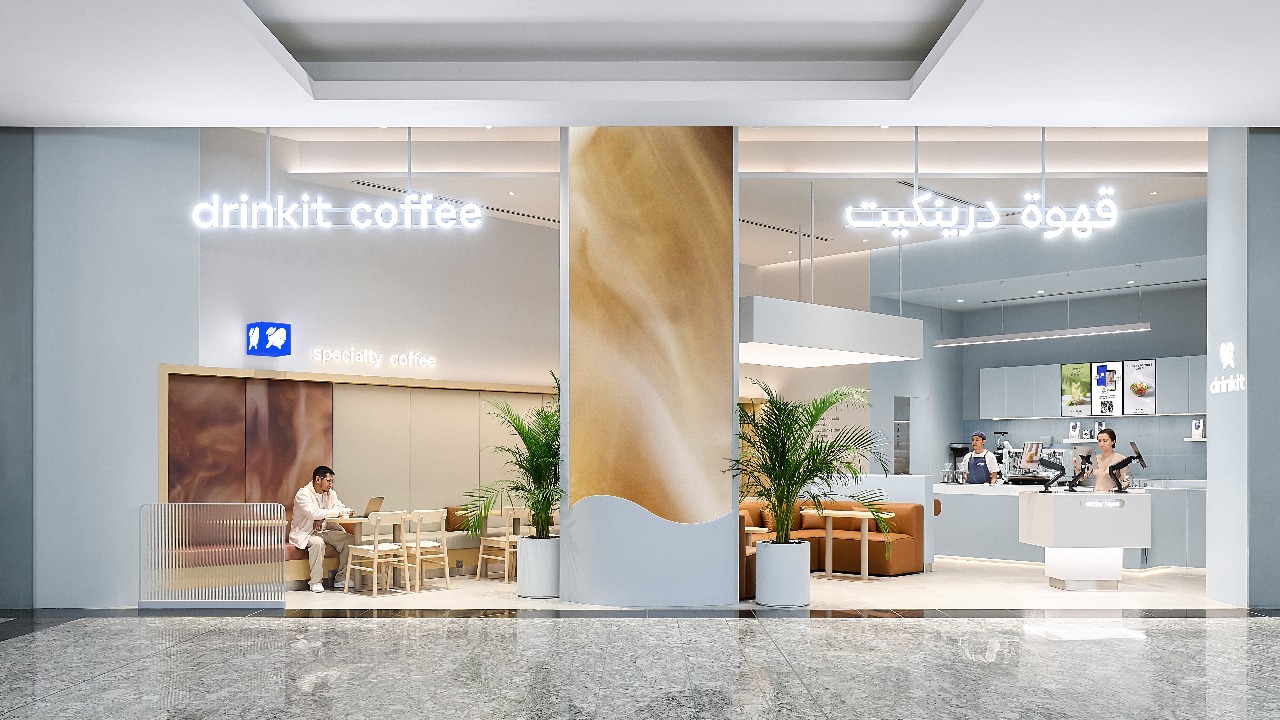
The popular digital coffee chain “Drinkit” is preparing to enter the Saudi market through a franchise model, as part of an exciting expansion plan to grow its presence in Saudi Arabia and other Gulf Cooperation Council (GCC) countries. The goal is to bring Drinkit’s expertly crafted drinks to coffee lovers across the region.

Premium Coffee Experience with Top Quality

Drinkit is dedicated to offering a high-end coffee experience, built on its deep expertise and wide range of products. Beyond specialty coffee, the menu includes a variety of matcha and cocoa drinks, as well as healthy and creative food options. Known for its top-quality products and unique digital service, Drinkit has become one of the fastest-growing coffee chains in the world.

Smart and Easy Ordering

Drinkit stands out with its innovative system, where 90% of orders are placed online through kiosks or a dedicated app. The Drinkit app makes ordering simple, allowing customers to customize their drinks and have them ready in just three minutes. Smart pickup zones with digital screens ensure quick and easy collection, cutting down wait times.

The app also lets customers personalize their drinks, choosing everything from coffee beans to milk type, temperature, and sweetness. It even suggests drinks based on past orders, a feature loved by over 45% of customers, showing how much they value this tailored experience.

Global Growth and Proven Success

Founded in 2016, Drinkit has grown to over 103 locations in countries like the UAE, Russia, Kazakhstan, and the United States after being acquired by Dodo Brands in 2020. The menu boasts over 60 drinks, from specialty coffee to refreshing iced matcha and cocoa, all made with high-quality local ingredients.

Drinkit Set to Launch in Saudi Arabia with Franchise Model

CEO’s Statement

Katrina Bordish, CEO of Drinkit, said: “Entering Saudi Arabia is a big step in our global growth. It shows the rising demand for quick, high-quality coffee. We’re thrilled to bring our drinks and smart technology to Saudi customers, focusing on convenience and excellence.”

She added: “The Saudi coffee market is booming, valued at SAR 5-7 billion in 2024, with over 5% annual growth. Saudis consume more than 80,000 tons of coffee yearly, or about 36 million cups daily, making the Kingdom one of the world’s top coffee markets.”

Vision 2030

Bordish highlighted that cafés make up 16% of Saudi Arabia’s food service market, worth around SAR 17 billion. This growth is backed by government investments of over SAR 1.2 billion under Vision 2030, including plans to plant 5 million coffee trees and increase local production to 10,000 tons by 2030. New factories with a capacity of 27,000 tons are also in the works.

She noted that these efforts show how coffee in Saudi Arabia is evolving from a traditional drink into a thriving industry, attracting investment, creating jobs, and positioning the Kingdom as a key player in the global coffee scene.

Expansion Plans in Saudi Arabia

Bordish shared that Drinkit is in advanced talks with local partners and expects to open its first cafés in Saudi Arabia by late 2025 or early 2026. The plan is to reach 10 locations by the end of 2026.

What’s New in the Dubai Coffee Auction 2026

Dubai Qahwa World

The Dubai Coffee Auction returns this year as part of World of Coffee Dubai 2026, promising a bigger and more exciting experience than ever. The three-day event, taking place from 18 to 20 January 2026, offers roasters, café owners, and coffee enthusiasts the opportunity to explore and purchase some of the world’s finest coffees and innovative equipment.

Auction Event Schedule:

18 January Coffee Equipment Showcase: Exhibitors will present a curated auction of specialized, high-end, and custom coffee equipment, providing attendees with an exclusive chance to explore the tools shaping modern coffee craftsmanship.

19 January Premium Coffee Auction: Participants can bid on rare and specialty coffee lots, both in person and online through cupping bidding sessions, offering a more interactive experience for buyers worldwide.

20 January Green Coffee Auction: A curated selection of pre-screened, top-tier green coffees will be showcased to buyers through in-person cupping sessions, emphasizing quality and exclusivity.

Organisers confirmed that this year’s auction introduces new experiences designed to connect buyers with rare microlots, specialty coffee, and advanced equipment, reinforcing Dubai’s position as a global hub for coffee lovers and the coffee industry.

The auction first launched last year during World of Coffee Dubai 2025, marking the region’s first-ever rare coffee auction, featuring around 20 collections of specialty and rare coffee beans.

The auction is the result of a strategic partnership between World of Coffee and the Coffee Centre of DMCC, aiming to strengthen Dubai’s role as a global coffee hub. Attendees can participate in person, while remote participants can join through a sophisticated digital platform.

In its inaugural edition, the Dubai Coffee Auction achieved record prices, with 16 collections of some of the rarest and finest beans offered by 11 producers from nine countries, including 11 collections of Geisha coffee, covering six different varieties, making the auction a global showcase of the world’s top coffee producers.

The highest-priced coffee in the auction was natural Geisha from the “Finca Sofia” farm in Panama, sold at $10,020 per kilogram, while another variety from the same farm reached $8,614 per kilogram, and a selection from “Finca La Mula” sold for $2,620 per kilogram. Meanwhile, Oma Natural coffee from Ethiopia reached $1,100 per kilogram, setting a new record for Ethiopian coffee.

The “Kona SL 34” variety from Hawaii also achieved a new U.S. coffee record at $950 per kilogram, an eightfold increase over the previous highest price paid for Kona coffee.

Geisha coffee is considered one of the rarest and most expensive coffees globally, known for its unique floral and citrus notes such as jasmine, and a smooth texture. Its origins trace back to Ethiopia, specifically the village of Geisha, and it was transplanted to Panama in the 1960s, where it thrives in high-altitude farms.

Additionally, “La Yamafrom producerLos Rodriguezbecame the most expensive Bolivian coffee ever sold, fetching $350 per kilogram.

Specialty coffee, in general, is classified as coffee scoring 80 points or higher on a 100-point scale used in the Specialty Coffee Association’s cupping form. All lots presented in the auction scored 92 points or higher, reflecting their high quality.

Auction prices are driven by three main factors: superior quality, which typically scores above 90 points in cupping tests; rarity, as limited production increases demand; and the producer’s reputation and story, which add value and attract buyers seeking consistency and excellence.

Jacu Bird Coffee Escapes Trump’s Tariffs as Brazil’s Specialty Exports Collapse

São Paulo – Qahwa World

While Brazil’s premium coffee exports are reeling under heavy U.S. tariffs, one unusual specialty brew has managed to stay untouched: coffee produced from beans eaten and excreted by the Jacu bird.

In early August, U.S. President Donald Trump imposed a 50% tariff on Brazilian goods amid a political dispute with President Luiz Inácio Lula da Silva. The move has slashed U.S. imports of Brazilian specialty coffee by nearly 70% in August alone, according to the Brazilian Specialty Coffee Association. The damage has been especially severe for premium brands, long favored by American consumers.

Yet Jacu Bird coffee — a rare Arabica harvested at Fazenda Camocim in Brazil’s Atlantic Forest — has emerged unscathed. The beans are naturally processed through the digestive tract of the Jacu, a fruit-eating bird of the Penelope species, giving the coffee a distinctive floral aroma and balanced acidity.

“Americans don’t have the same vision as the Japanese, Asians, Saudis, or Europeans in seeking out this type of quality,” said Henrique Sloper, producer and CEO of Fazenda Camocim. “For us, the tariffs don’t affect this product.”

Jacu Bird coffee, which can fetch up to £960 ($1,300) per kilo, has gained strong followings in Japan, Europe, and parts of the Middle East. Its production was inspired by Indonesia’s famous Kopi Luwak, made from beans digested by civets.

Rogerio Lemke, agriculture supervisor at Fazenda Camocim, explained that the bird’s varied diet enhances the beans’ profile: “The Jacu eats fruit as well as coffee. Inside its craw, the coffee absorbs the fruit’s characteristics, adding complexity to the cup.”

While this niche product thrives, the broader sector is suffering. Brazil’s coffee exporters group Cecafe confirmed that specialty beans have been hardest hit by the tariffs, driving a “ruinous” decline in shipments to the U.S.

Sloper admitted the farm’s other coffees, which form the bulk of production, are facing losses: “America is the largest coffee market in the world, and we’re shut out. In the short term, it’s very bad. But in the medium and long term, it may push us to open other markets.”

For now, the Jacu Bird — once seen as a nuisance in coffee groves — has unexpectedly become a symbol of resilience in Brazil’s struggling specialty coffee industry.