China Opens Market to African Coffee from July 20, 2026

Author: Qahwa World
Source: Xinhua News Agency
Date: May 29, 2026

China Opens Market to African Coffee from July 20, 2026

Executive Summary:

  • China’s General Administration of Customs announced it will allow qualified coffee beans from 53 African countries starting July 20, 2026.
  • Coffee is the second African agricultural product to receive full phytosanitary clearance after dried chili peppers.
  • Ethiopia and Burundi have already obtained export permits, while others like Mauritius, Angola, and Togo have applied.
  • China has introduced unified phytosanitary requirements, eliminating the need for separate bilateral agreements.
  • The clearance does not exempt shipments from border inspections; all must comply with customs announcement No. 68 of 2026.
  • China will continue green channel facilitation for high-quality African agricultural products.

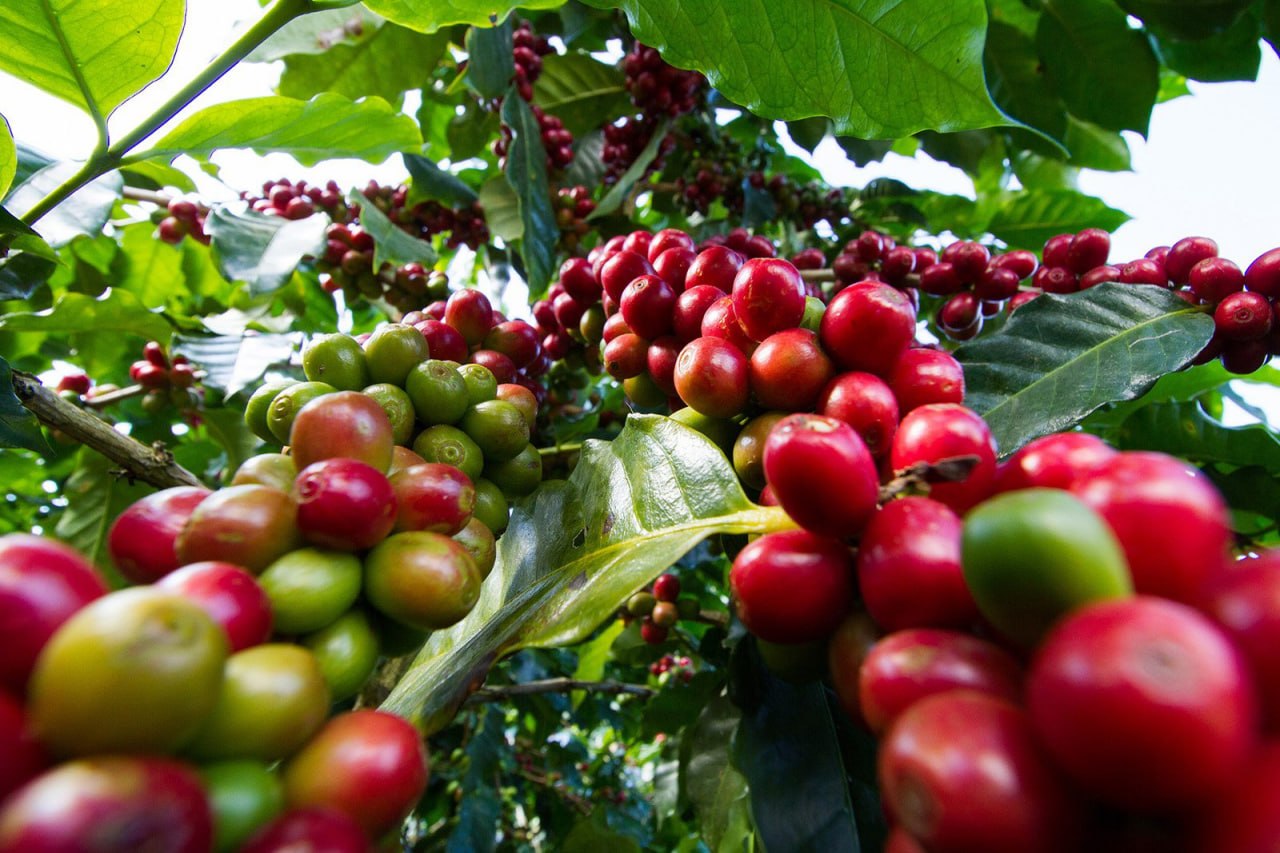
China’s General Administration of Customs has announced that the country will allow qualified coffee beans from all 53 African countries with which it has diplomatic relations to enter its market starting July 20, 2026. Coffee is a distinctive agricultural product and a key economic pillar for many African nations. It is the second African agricultural product to receive full phytosanitary clearance to enter the Chinese market after dried chili peppers, according to customs data.

Official data indicates that African countries such as Ethiopia and Burundi have already obtained permission to export coffee beans to China, while other countries including Mauritius, Angola, Togo, Guinea, Liberia, and Sao Tome and Principe have submitted export applications.

Simplified Phytosanitary Procedures

After a comprehensive assessment of African coffee production systems and pest risk management frameworks, the customs administration has established unified phytosanitary requirements. This step eliminates the previous practice of negotiating separate bilateral quarantine agreements with each applicant country, significantly streamlining entry procedures. Industry experts noted that obtaining full phytosanitary clearance does not mean exemption from border inspections. All shipments must comply with the requirements set forth in customs announcement No. 68 of 2026.

Strengthening Trade Cooperation with Africa

A customs official added that the administration will continue to apply advanced facilitation measures under the “green channel” to bring more high-quality, safe African agricultural and food products to the Chinese market. This step is part of broader efforts to enhance trade cooperation between China and African countries, open new markets for African producers, and meet the growing demand for coffee in China’s rapidly expanding coffee market.

Frequently Asked Questions (FAQ)

1. When does the policy take effect?

Starting July 20, 2026.

2. How many African countries are eligible?

53 African countries with diplomatic relations with China.

3. Does clearance mean no border inspections?

No, all shipments must comply with customs announcement No. 68 of 2026 requirements.

4. Which African countries already have export permits?

Ethiopia and Burundi, with others like Mauritius, Angola, Togo, Guinea, Liberia, and Sao Tome and Principe having applied.

5. What is the goal of this measure?

To enhance China-Africa trade cooperation, simplify import procedures, and meet China’s growing coffee demand.

6. What was the first African product to receive full clearance?

Dried chili peppers, with coffee as the second.

Qahwa World – Based on Xinhua News Agency reporting.
Published: May 29, 2026

Starbucks and Boyu Capital Finalize Joint Venture to Drive Growth in China

Dubai – Qahwa World

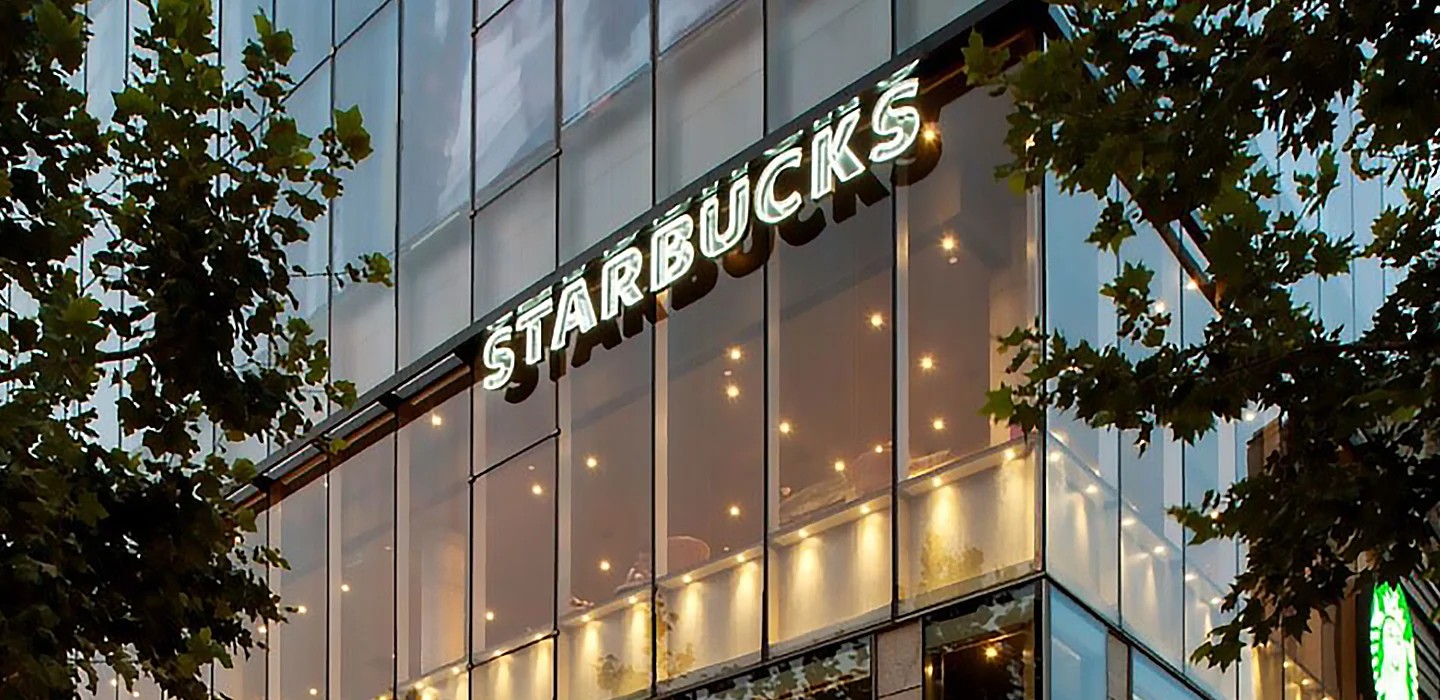
April 2, 2026 – Seattle – Starbucks Coffee Company has completed its joint venture agreement with investment firm Boyu Capital, marking a key step in its long-term strategy to expand in China.

The deal, first announced in November 2025, underscores Starbucks’ confidence in China as one of its most important growth markets. The partnership is designed to strengthen the company’s presence, improve local market adaptation, and enhance the customer experience while maintaining brand standards.

Under the agreement, funds managed by Boyu Capital now hold a 60 percent stake in Starbucks’ retail operations in China. Starbucks retains a 40 percent share and continues to own the brand and intellectual property, licensing them to the joint venture.

You may read: Starbucks Returns to Growth for the First Time in Two Years

The new entity currently oversees around 8,000 coffee shops, which will gradually transition to a licensed operating model. Over time, the partners aim to expand the network to as many as 20,000 locations.

Company leadership highlighted that combining Starbucks’ global brand strength with Boyu Capital’s local expertise is expected to support expansion into new cities, reach more customers, and reinforce the company’s position in a highly competitive market.

The strategy will place strong emphasis on local adaptation, including tailored beverage offerings, food options, digital engagement, and store formats designed to meet the needs of diverse communities across China.

The partnership is also expected to improve operational efficiency, support faster expansion, and strengthen long-term profitability.

With the transaction now complete, both parties are moving into the operational phase of the joint venture, focusing on growth, innovation, and delivering a consistent coffee experience across the Chinese market.

Chinese Scientists Discover New Health Benefits in Coffee Beans

Dubai – Qahwa World

Researchers at the Chinese Academy of Sciences have identified previously unknown compounds in coffee beans that may slow glucose absorption and support carbohydrate metabolism. The study was conducted at the Academy’s Institute of Botany and published in Beverage Plant Research.

The focus of the research was the chemical composition of roasted Arabica beans. Using nuclear magnetic resonance, liquid chromatography, and mass spectrometry, scientists isolated three unique compounds, named Caffaldehydes A, B, and C.

Laboratory tests revealed that these compounds can inhibit the enzyme α-glucosidase, which plays a key role in carbohydrate breakdown and glucose absorption into the bloodstream. Limiting its activity helps prevent sharp spikes in blood sugar after meals.

When compared to acarbose, a medication commonly used to treat type 2 diabetes, the new compounds proved more effective. Researchers believe this discovery could lead to the development of functional foods and dietary supplements designed to help maintain stable blood sugar levels.

The scientists also cautioned that coffee has potential contraindications, and they recommend consulting a healthcare professional before consumption.

Ethiopia and China Strengthen Coffee Sector Cooperation

Addis Ababa – Qahwa World

Ethiopia is strengthening its coffee sector by expanding value-added exports and deepening strategic cooperation with China, particularly in agriculture and coffee, according to senior government officials.

Ethiopia and China are elevating their agricultural cooperation beyond trade into a strategic partnership, with coffee emerging as a central pillar of collaboration. China has rapidly become one of the top destinations for Ethiopian coffee, rising from 33rd to 4th place among export markets within the past five years.

A trade and economic cooperation forum aimed at promoting Ethiopian coffee in the Chinese and global markets was recently held in Jujiao City, China. The forum brought together government officials, buyers, and private-sector stakeholders and resulted in new market linkage agreements.

Officials said the strengthening of cooperation is driven by several factors, including China’s expanding role as a coffee destination, duty-free tariff privileges for African exports, technology and knowledge transfer, growing e-commerce linkages, and Hunan Province’s position as a key trade hub.

State Minister of Agriculture Dr. Efrem Mulleta said Ethiopia is implementing wide-ranging reforms to make its agricultural products competitive in international markets. These reforms focus on increasing production quality and quantity through modern technologies, innovation, and improved agricultural inputs.

He added that the conference in China is part of broader efforts to boost export earnings not only from coffee but also from livestock products, fisheries, and other agricultural outputs.

Ethiopian Coffee and Tea Authority Director General Dr. Adugna Debela said Ethiopia’s strong focus on coffee productivity, quality, and value addition has brought significant improvements in export performance.

In the last fiscal year alone, Ethiopia exported 470,000 tons of coffee, generating USD 2.6 billion in revenue. To further enhance earnings, the country is prioritizing the export of value-added coffee rather than raw beans.

Dr. Adugna noted that a 15-year coffee sector strategy has been developed and implemented to address structural challenges, improve productivity, and expand market access. Old, low-yield coffee trees have been replaced, while millions of new seedlings have been planted under the Green Legacy Initiative.

He emphasized that quality is critical for global competitiveness and said strict monitoring systems are in place to ensure high standards. Policy reforms have also streamlined the coffee marketing system, reduced losses, and minimized quality deterioration.

A newly approved directive now allows domestically roasted and ground coffee to be sold in foreign currency, creating new opportunities for exporters. As a result, several Ethiopian coffee companies have begun selling value-added products through Ethiopian Airlines, major hotels, and tourist destinations.

Dr. Adugna added that Ethiopian specialty coffee is gaining popularity among Chinese consumers, driven by rising demand and China’s duty-free market access for African countries.

State Minister of Government Communication Services Tesfahun Gobezay said China’s large population and rapidly growing coffee consumption make it a reliable and expanding market for Ethiopian coffee.

He also noted that the recent forum introduced Ethiopian coffee culture—from production to consumption—to Chinese audiences and opened a new chapter for expanding bilateral coffee trade and cooperation.

Officials stressed that Ethiopia’s combined focus on value addition, quality improvement, and strategic partnerships—particularly with China—is expected to further strengthen foreign exchange earnings and create sustainable growth in the coffee sector.

Luckin Coffee Explores Potential Acquisition of Blue Bottle Coffee

Dubai – Qahwa World

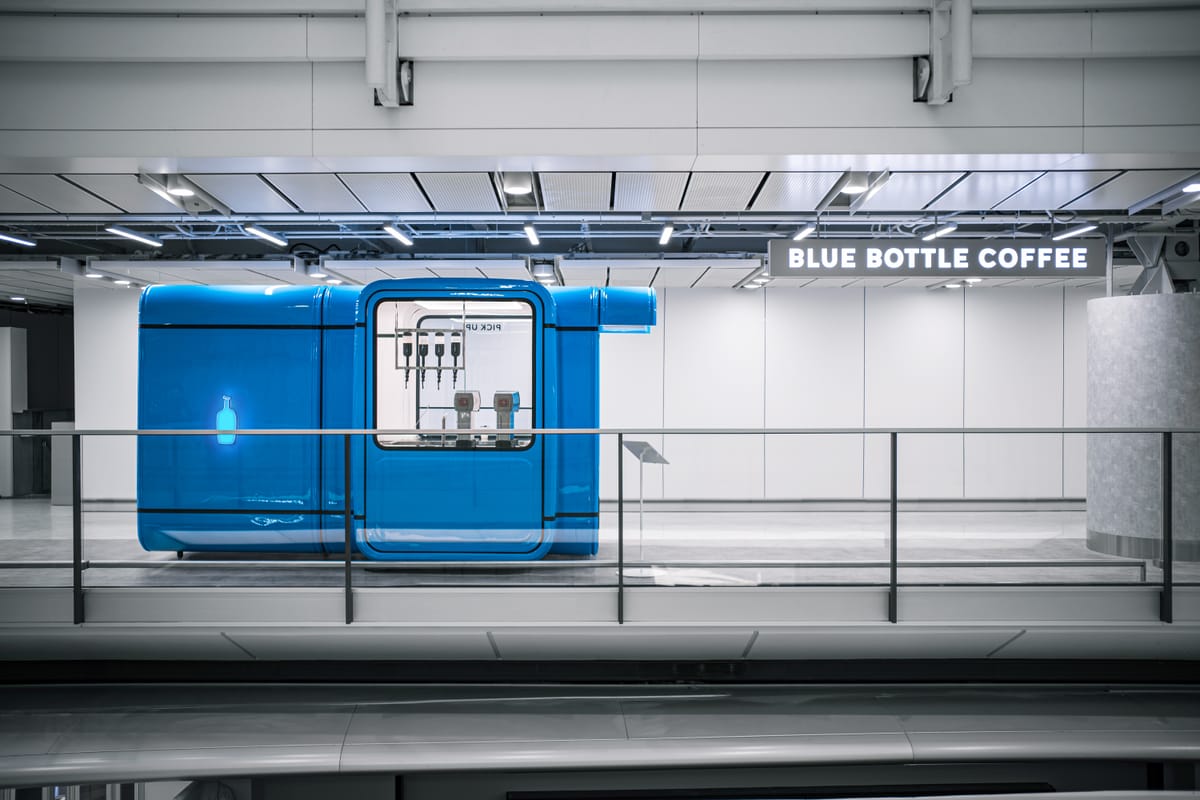
Chinese coffee chain Luckin Coffee is reportedly evaluating a potential acquisition of Blue Bottle Coffee, the specialty coffee brand majority-owned by Nestlé, as part of its strategy to strengthen its presence in the premium coffee segment.

Sources indicate that Luckin and its main investor, Centurium Capital, are pursuing moves to build a portfolio of premium coffee brands and expand their global footprint. This potential bid follows reports that Nestlé was considering selling its stake in the California-based Blue Bottle, which it acquired in 2017 for $425 million, valuing the company at roughly $700 million. Current estimates suggest the brand could now be sold at a lower price.

Blue Bottle Coffee operates over 100 boutique cafés in the United States and East Asia, including 12 locations in mainland China and four in Hong Kong.

In addition to Blue Bottle, Luckin and Centurium are said to be exploring a bid for Lucky Ace International Ltd., the holder of master franchise rights for Japanese specialty chain % Arabica in China and Hong Kong. % Arabica currently runs 84 outlets in mainland China and 15 in Hong Kong.

Centurium Capital, which had previously shown interest in Coca-Cola’s Costa Coffee, appears to have shifted focus toward the Luckin expansion strategy.

Luckin Coffee, China’s largest coffee chain with more than 29,000 stores nationwide, significantly outpaces its nearest competitor, Cotti Coffee. Centurium became Luckin’s controlling shareholder in January 2022, holding over 50% of voting rights, following previous investments that helped the company recover from accounting issues and restructure debt.

Beyond China, Luckin has expanded internationally with 68 stores in Singapore, 45 in Malaysia, and five in the United States. CEO Jinyi Guo announced in November 2025 that the company is preparing for a new public listing in the United States.

World’s Tallest Bridge Opens Glass Café 2,600 Feet Above the Ground

Guizhou, China – Qahwa World

China has added a new marvel to its engineering achievements: the Huajiang Grand Canyon Bridge in Guizhou province — now officially the tallest bridge in the world. Opened to traffic on September 28, the bridge towers over the Beipan River at an elevation of 800 meters (2,624 feet) and now features a breathtaking addition — a glass café suspended high above the clouds.

Named Interstellar Coffee, the two-story café sits atop one of the bridge’s towers, offering 360-degree panoramic views through its transparent glass walls. Visitors can reach the café via a glass elevator that ascends to the top in under one minute, providing an unmatched vertical journey above the canyon.

The café serves Captain George Coffee and plans to expand its beverage offerings in the coming months, according to Guizhou Daily Tianyan News. Alongside the café, the bridge includes a 1,900-foot-high glass walkway and even a bungee-jumping platform, making it a new magnet for thrill-seekers and tourists alike.

At 4,600 feet in length, the Huajiang Grand Canyon Bridge also holds the record for the longest bridge in a mountainous region, according to NBC News. Beyond tourism, the bridge has a significant practical impact: it has reduced travel time across the region from two hours to just two minutes, connecting two major tourist zones and boosting local development.

Constructed over three years and eight months, the bridge stands as a symbol of China’s ongoing infrastructure expansion, part of the government’s efforts to improve connectivity and combat poverty. Guizhou province now hosts over 32,000 bridges, a dramatic rise from fewer than 3,000 in the 1980s.

With its sky-high café and record-breaking engineering, the Huajiang Grand Canyon Bridge combines innovation, tourism, and infrastructure into one remarkable destination — where visitors can literally enjoy coffee among the clouds.

Brazil’s Timbro Enters Coffee Export Market Amid Sector Shifts

São Paulo — Qahwa World

Brazilian trading company Timbro has officially added coffee to its export portfolio, identifying strong potential for growth in a market reshaped by volatility and record-high prices over the past year.

Timbro, already one of Brazil’s key sugar exporters, also trades a wide range of products including iron ore, cotton, aircraft, cars, and heavy machinery, and manages import operations for Amazon.

“I believe we entered the coffee market at the right time — a very complicated moment for the sector,” said Caio Melles, partner at Timbro, in an interview with Reuters.

The company, which reported 18 billion reais ($3.3 billion) in revenue last year, sees an opportunity to fill the gap left by traditional traders struggling with market volatility. According to Melles, the coffee sector currently lacks players capable of tracking production, pricing, and ensuring delivery, opening new room for agile companies like Timbro.

Although Timbro has long engaged in financial operations with cooperatives and large producers, the 2025 crop year marks its first full physical coffee operation, a move the company had not previously disclosed.

Initially, coffee volumes will remain modest — around 80,000 bags of 60 kg each — as Timbro adopts a cautious entry strategy.

Expansion Beyond Coffee

Founded in 2010 by Jorge Guinle and Bruno Russo, Timbro began as an import-focused firm before rapidly diversifying its portfolio. The company has recorded significant success in sugar, increasing traded volumes from 300,000 tonnes in 2018 to 2 million tonnes in 2024.

In 2025, Timbro expanded its international presence with the opening of an office in Dubai, a strategic hub to strengthen relationships with global clients and enhance efficiency across time zones. It is also extending operations in Asia to “operate on Chinese time,” reflecting China’s importance as a key importer of Brazilian commodities.

Currently, 65–70% of Timbro’s business is export-oriented, while 30–35% focuses on imports.

Diversification into Grains and Minerals

Timbro maintains a smaller footprint in soybean and corn exports, Brazil’s leading agricultural commodities. “We’re doing a few soybean and corn shipments, maybe half a dozen of each this year — still very limited,” Melles said, noting that grain operations require integrated logistics to achieve profitability. The company is now considering logistics partnerships to expand in this segment.

In the steel and minerals division, Timbro expects to export over 1 million tonnes to China and Europe this year and has begun due diligence for new mining assets as part of its expansion strategy.

Exchange rate: $1 = 5.4519 reais

China’s wonders never end .. Mushroom coffee is the latest craze

Dubai – 16 September 2025 – (Qahwa World) – A café in China’s southwestern Yunnan province has launched two seasonal drinks that blend coffee with penny bun (porcini) mushrooms, priced at 23 yuan (about US$3) per cup. The offerings are a “Cheese Americano with Penny Bun” and a “Penny Bun Oat Milk Latte,” an innovation built on uniting two local signatures in one cup: Yunnan coffee and premium wild mushrooms.

The preparation details point to a measured flavor approach: the Cheese Americano is served with mushroom powder, a coffee base, a layer of cheese cream, and a cookie shaped like the mushroom, while the oat-milk latte is made with coffee, mushroom powder, and oat milk. Each is priced at roughly 23 yuan. These formulations have been attributed to “Forleaf Coffee” in Yunnan, according to recent regional coverage.

Crowds have shown up from the early days. Staff at the café say they sell around 50–70 cups of mushroom coffee daily, with customers coming specifically to try the two drinks. The venue has previously offered a “black truffle coffee,” suggesting a pattern of seasonal, attention-grabbing innovations that ride the wave of curiosity.

The timing is no accident; June through September is wild-mushroom season in Yunnan, when celebrated varieties—such as matsutake, termite mushrooms, and penny bun—top the lists of those seeking forest-driven flavors. This seasonal context helps explain the widespread interest and the early impression that “the mushroom here is part of the terroir,” not a passing add-on.

On social platforms, opinions split between those who see mushrooms as “too precious to be mixed with coffee” and others who found the taste “surprisingly delicious.” These differing positions have accompanied news of strong sales, giving the innovation a debate that goes beyond mere “trendiness.”

Even so, short-term success does not guarantee continuity. Management at Forleaf Coffee has indicated that repeating the drinks next year is not assured and will depend on the cost of ingredients—chief among them the mushroom. For reference, penny bun prices in August ranged between 40 and 80 yuan per kilogram, a band wide enough to make the decision to continue primarily an economic one before it is a marketing call.

The Yunnan experiment fits into a broader Chinese wave that blends coffee with local or unusual components. In 2024, Starbucks China offered a pork-flavored latte for Lunar New Year—priced at 68 yuan per cup—in a notable example of limited editions serving as both flavor testbeds and marketing tools. In recent months, other controversial drinks—such as a “pork-intestine latte” in Sichuan—have also spread widely on social media.

What distinguishes the Yunnan case is that the “mushroom” here is not “functional” in the wellness sense common in global mushroom-coffee blends (like lion’s mane and chaga), but an edible porcini used for flavor—crafting a new profile that marries a gentle umami with coffee’s sweet-bitter edge. This approach relies on the ingredient’s rootedness in the region’s forests and daily life, not on physiological claims or dietary supplements.

Despite the momentum, repeatability is constrained by several factors: price volatility during the harvest season, the cost of developing and localizing recipes inside production lines, and the café’s ability to maintain powder quality and a stable supply. While queues often mark the initial “buzz,” turning the novelty into a seasonal signature requires a precise balance of feasibility, supply, and flavor. Local coverage—explicitly and implicitly—has tied the drink’s fate to input costs and annual availability.

In sum, this is a flavor-first experiment that draws more on terroir than on “novelty for novelty’s sake,” while capturing the spirit of rapid innovation in China’s highly competitive coffee market, where local blends become shareable stories that drive visits. Between admiration and objection, the future of “mushroom coffee” in Yunnan rests on seasonal pricing—numbers alone will decide whether the craze returns next season or remains a memory of 2025.

China Simplifies Registration for Imported Roasted Coffee

Beijing – August 21, 2025 (Qahwa World) – A report released by the United States Department of Agriculture (USDA) titled China: Trade Alert – GACC Amends CIFER Self-Registration Process on August 20, 2025, revealed that the General Administration of Customs of China (GACC) has introduced new adjustments to the self-registration system for overseas food production enterprises. Among the product categories affected is roasted coffee, a key commodity for exporters targeting the rapidly growing Chinese market.

According to the USDA report, the changes took effect on August 14, 2025, when the Bureau of Import and Export Food Safety under GACC announced functional adjustments to the China Import Food Enterprise Registration (CIFER) system. The new requirements apply to manufacturers of products such as vegetables and their processed forms, grain-based products, tea, nuts and seeds, alcoholic beverages, beverages and frozen drinks, biscuits, pastries, bread, sugars including raw and edible sugar, lactose and syrups, candies, chocolates including cocoa butter substitutes, seasonings, roasted coffee beans, cocoa beans and their products, fruit-based products, and other miscellaneous food items.

The main adjustment is the removal of the requirement for self-registered enterprises to identify Harmonized System (HS) codes and China Inspection and Quarantine (CIQ) codes for the products they intend to export. Previously, exporters of roasted coffee beans and similar products risked rejection of applications if the codes were incorrectly entered. Under the new system, HS and CIQ codes are no longer required for self-registration of roasted coffee beans, cocoa beans, and a wide range of processed foods. However, some categories such as vegetables, vegetable products, grain products, and tea still require HS and CIQ code selection.

At the same time, the revised CIFER system introduces a mandatory page of enterprise commitments, which overseas manufacturers must complete before proceeding with registration. These commitments require applicants to confirm they are genuine manufacturers or operators of processing or cold storage facilities, explicitly excluding trading companies from applying. Applicants must be approved by, and under the effective supervision of, the food safety authority in the country of origin, and must upload valid production licenses issued by that authority. They are also required to maintain effective food safety and hygiene systems, ensure products comply with Chinese food safety laws and standards, and guarantee that the information submitted matches supporting documents in both content and authenticity.

The USDA report highlights that false declarations or inconsistencies can result in serious consequences, including revocation of Chinese registration, rejection or destruction of products, and potential investigation by the competent food safety authority in the exporting country. Enterprises must also pledge cooperation with GACC during food safety reviews, including providing additional verification materials or facilitating cross-checks with their national food safety authorities. Furthermore, registered enterprises are required to proactively assume responsibility for food safety, suspending exports to China and taking corrective measures if risks or non-compliance are detected.

The adjustments also cover additional reporting content such as production type and actual production or processing capacity, which must be provided within the CIFER system. Enterprises that have already been registered can view their specific approved products through the “Comprehensive Query – Registered in China” section of the system.

The USDA clarified that these changes do not apply to U.S. exporters of meat, poultry, dairy, infant formula, and seafood products, which remain subject to procedures established by FSIS and FDA. The new self-registration requirements are also not relevant for exporters whose products fall under the review of the GACC Department of Animal and Plant Quarantine (DAPQ) or other Chinese regulatory agencies.

By removing the need to provide HS and CIQ codes, the registration process for roasted coffee beans and other products is expected to become faster and less prone to administrative errors. However, the introduction of strict enterprise commitments underscores China’s emphasis on food safety, regulatory compliance, and accountability from overseas manufacturers. For coffee exporters, this combination of simplified technical requirements and strengthened legal obligations could reshape access to one of the world’s most dynamic and fast-growing coffee markets.

Coffee Revolution: China Surpasses the United States as the Largest Market for Luxury Cafés in the World

Under the title “China: 1.4 Billion Reasons for Coffee Sales,” the “World Coffee Report” website, worldcoffeeportal, published an extensive report on the coffee market in China, indicating that in China, the center of the massive nation lies an unprecedented opportunity, affirming that there is a coffee revolution sweeping through the heart of China.

While China has been a stronghold of tea culture, it now stands at the forefront of coffee-consuming nations, redefining the coffee industry on a global scale.

The report takes us on a journey through the burgeoning coffee scene in China, where local entrepreneurs and international giants compete for a share of the market amidst remarkable growth and rapid innovation.

According to the report, December 2023 marked a historic moment when China surpassed the United States as the largest market for luxury cafes in the world, with a growth rate of 58%. The number of coffee retail outlets rose to 49,691, a testament to the undeniable allure of coffee among China’s 1.4 billion inhabitants.

The surveys revealed a nation infatuated with coffee, with over 90% of them tasting hot coffee weekly and 64% enjoying iced coffee—an trend driving the expansion of cafes across the country.

The economic transformation of China since 1978 has paved the way for a cultural revolution, embracing Western fast food culture and café culture with open arms. From the golden arches of McDonald’s to the iconic green siren of Starbucks, international brands have set the stage for the coffee renaissance in China.

Despite the challenges posed by the COVID-19 pandemic, the Chinese coffee market has shown remarkable resilience, with swift efforts to regain activity reaffirming its importance.

At the heart of the Chinese coffee revolution lies Yunnan province—a mysterious agricultural economy linked to coffee cultivation.

With government initiatives and international collaborations, Yunnan has emerged as a center for China’s coffee revolution, attracting the attention of coffee roasters worldwide and promoting a vibrant coffee culture.

As the Chinese coffee market continues to evolve at lightning speed, navigating its complexities requires more than just a business strategy.

Dealing with its intricacies requires more than just a business strategy—it demands a deep understanding of consumer preferences and nuanced cultural differences.

Harnessing digital platforms and embracing local elements are essential for success in a market fueled by innovation and driven by populations eager to embrace coffee culture.

In this new chapter of coffee history, China’s rise as a global coffee force is rewriting the rules of the game, shaping the industry’s future, and inspiring a wave of innovation that transcends borders.

With 1.4 billion reasons to fuel the coffee revolution, China stands ready to redefine the essence of coffee culture on a global scale.