Harar: Where Coffee, Faith and Footsteps Meet

Harar blends centuries of coffee heritage, Islamic history and warm hospitality. The inaugural Great Harar Run offers visitors a new way to discover one of Ethiopia’s most remarkable cities.

By Tewodros Balcha | Exclusive for Qahwa World

Thousands of runners passed through the ancient gates of Harar today, transforming one of Africa’s oldest living cities into the newest stage of Ethiopia’s celebrated running culture.

The inaugural Ethio Telecom Great Harar Run was more than a sporting event. It was an invitation to experience a city where coffee, faith and hospitality have shaped everyday life for centuries.

Long before the starter’s whistle echoed through the narrow streets of Harar Jugol, generations of traders, scholars and pilgrims had followed these same paths. Today, athletes from Ethiopia and abroad joined that long procession, discovering a city whose history is inseparable from the story of coffee itself.

A City Built on Faith and Exchange

Perched in the eastern highlands of Ethiopia, Harar has been a crossroads between Africa and the Arabian Peninsula for centuries. According to local tradition, the city traces its origins to the 10th century and the arrival of Sheikh Abadir Umar ar-Rida, whose legacy remains deeply woven into Harar’s religious identity.

Known as Madinat al-Awliya, or the City of Saints, Harar is home to an extraordinary concentration of historic mosques, shrines and Islamic schools within its centuries-old walls. In 2006, Harar Jugol was inscribed as a UNESCO World Heritage Site, recognized for its unique urban heritage and cultural significance.

For generations, merchants crossed these gates carrying coffee, spices, textiles and ideas, linking Ethiopia with the Red Sea, Arabia and beyond.

Where Coffee Became a Tradition

Coffee’s wild origins lie in Ethiopia’s forests, but Harar played a defining role in transforming coffee from a native plant into one of the world’s earliest traded agricultural products.

For centuries, the region became one of Ethiopia’s most important coffee-growing and trading centers. Caravans carried Harar’s beans across ancient trade routes to the ports of the Red Sea, where Arab merchants introduced Ethiopian coffee to markets throughout the Middle East before it eventually reached Europe.

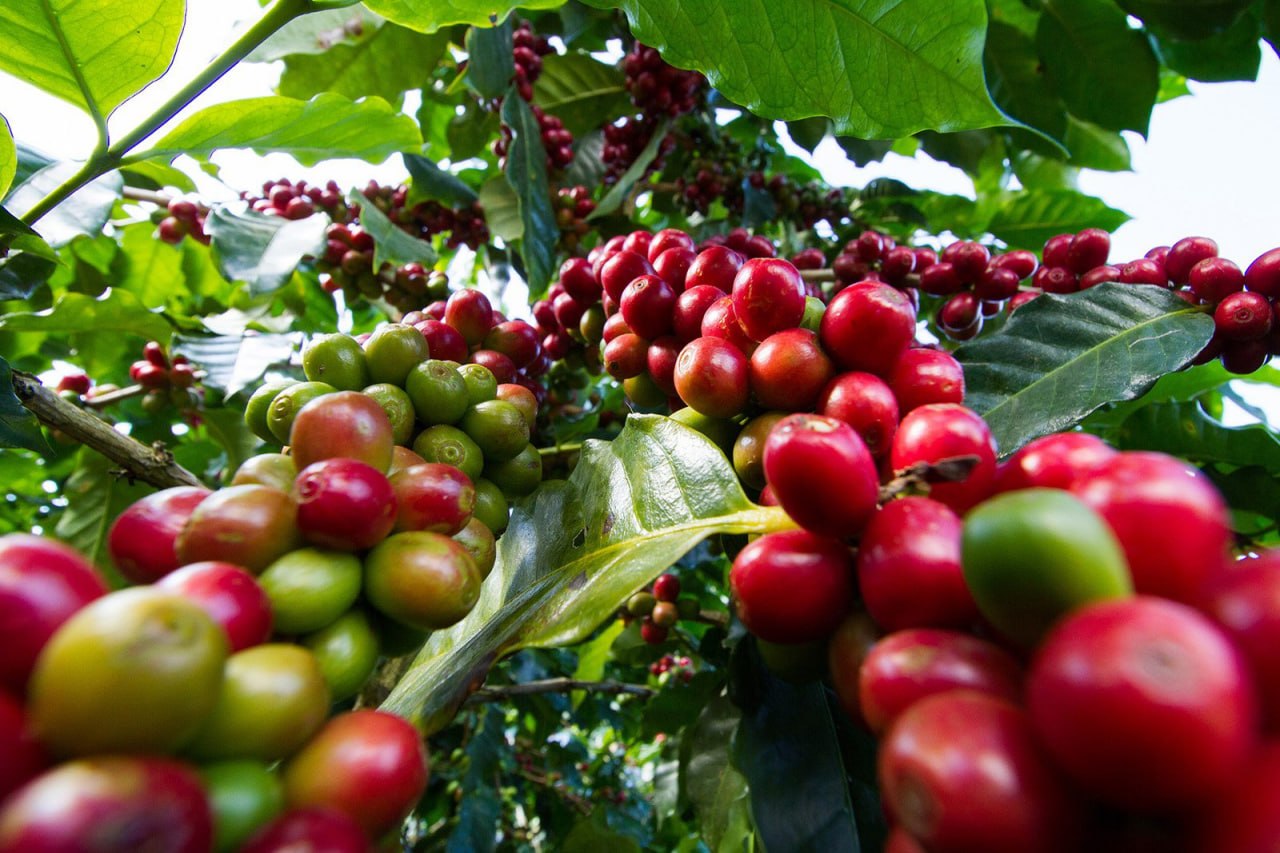
Today, Harar remains one of Ethiopia’s most celebrated coffee origins. Its naturally processed coffees are prized for their distinctive character, often revealing notes of blueberry, dried fruit, spice, chocolate and floral aromas. Long before the term “specialty coffee” existed, generations of farmers in Harar had already developed traditions of careful cultivation, harvesting and natural drying that continue to define the region’s reputation.

More Than a Cup

In Harar, coffee is not simply served.

It is prepared.

Guests are welcomed with freshly roasted beans, their aroma filling the room before the coffee is carefully brewed and shared. The ceremony unfolds without haste, turning every cup into an expression of hospitality rather than a simple refreshment.

Visitors from across the Arab world often find something familiar in this ritual. While traditions differ from one region to another, the values are instantly recognizable: generosity, conversation and the belief that welcoming a guest begins with coffee.

A Living Heritage

Walking through Harar Jugol is unlike visiting an open-air museum.

Its narrow alleyways remain full of daily life. Children play beneath centuries-old walls. Markets continue to trade much as they have for generations. Historic houses, colorful courtyards and neighborhood mosques remain part of a living city rather than preserved exhibits.

Arabic manuscripts copied by generations of scholars helped establish Harar as an important center of Islamic learning in the Horn of Africa. The city’s traditions continue to be passed from one generation to the next, making Harar a place where history is experienced rather than observed.

Running Through History

The Ethio Telecom Great Harar Run added a new chapter to that living history.

As the final stop of this year’s Discover Ethiopia Classics series, the event attracted thousands of participants, including elite athletes, local residents and visitors from nine countries.

Organized by the internationally respected Great Ethiopian Run, the event brought one of Africa’s leading road-racing organizations to one of Ethiopia’s oldest cities. Known globally for staging the annual Great Ethiopian Run in Addis Ababa, the organization has helped establish Ethiopia as one of the world’s premier destinations for distance running.

Yet in Harar, the route itself became part of the experience.

Runners passed through the ancient gates of Jugol, wound through historic neighborhoods and emerged into streets where coffee ceremonies welcomed visitors at every turn. As evening approached, the city’s famous hyena feeders prepared for another night of a tradition that has fascinated visitors for generations.

In Harar, even a road race becomes an encounter with history.

More Than a Destination

Every generation believes it has discovered authentic travel.

Harar has never needed to reinvent itself.

Visitors who arrive a day before the race can wander through the old city at their own pace, explore nearby coffee farms, watch naturally processed coffee drying beneath the Ethiopian sun and experience ceremonies that remain central to everyday life.

The race offers a reason to come.

The city offers every reason to stay.

Some places are remembered for their monuments.

Harar is remembered for its people, its coffee and the quiet generosity with which it welcomes every visitor.

Some cities you visit.

Harar is one you carry with you.

Ethiopia Coffee Revenue Tops 3 Billion

Source: Official government reports & Daily Coffee News analysis
Author: Qahwa World
Date: July 8, 2026

Ethiopia Coffee Revenue Tops 3 Billion

  • Ethiopia earned 3.1 billion dollars from coffee exports in a single year.
  • This represents a 719.6% increase compared to 20 years ago.
  • The country ranks third globally and first in Africa for coffee exports.
  • One year’s income exceeded the total of the previous 17 years combined.
  • Rising global demand for organic coffee opens new opportunities for Ethiopia.
  • A comparison with Brazil reveals Ethiopia’s competitive edge in sustainable farming.
  • The analysis recommends increased technical and financial support for farmers.

Ethiopia announced a historic achievement in its coffee sector. Export revenues surpassed the 3 billion dollar mark. This reflects a strategic transformation in farming and marketing policies.

Annual revenues reached 3.1 billion dollars. This surpasses the total earned over the previous 17 years. That total stood at only 3.3 billion dollars.

Historical Numbers Confirm Accelerated Growth

Official data compared current performance with past periods. The results showed enormous revenue growth. For example, 20 years ago, revenues were only 366 million dollars. Today, they stand at 3.1 billion dollars.

In addition, the net increase over 20 years exceeded 2.6 billion dollars. This translates to a growth rate of 719.6%. In contrast, income more than doubled within the last 5 years alone.

Ethiopian Coffee Export Revenue Comparison (in billions USD)
Period Revenue Net Increase Growth Rate
20 years ago 0.366 +2.634 719.6%
10 years ago 0.722 +2.278 315.5%
5 years ago 0.907 +2.093 230.7%
Current year 3.100

Strategic Opportunities Amid Brazil’s Crisis

Brazil, the world’s largest coffee producer, faces severe climate challenges. Production in Minas Gerais state has been heavily damaged. As a result, Brazil’s export capacity has declined.

In contrast, Ethiopia possesses unique natural advantages. It is the birthplace of Arabica coffee. Moreover, its farming relies on organic and forest-based systems. Therefore, it can fill the gap in European and Asian markets.

Organic Coffee and the Competitive Edge

Brazilian farmers are shifting to chemical fertilizers. They aim to quickly compensate for lost production. However, this reduces the quality of organic coffee.

Meanwhile, Ethiopian coffee remains natural and chemical-free. Furthermore, Ethiopia’s agroforestry system complies with new EU regulations. This strengthens its position in the global market. Consequently, the value of its exports continues to rise.

Required Steps to Maximize Gains

The report urged immediate action. First, increase productivity through technical support for farmers. Second, improve quality control to maintain global reputation. Third, provide affordable financing for sustainable agricultural projects.

In addition, leverage strong diplomatic ties with Asia. Especially China, which is a vast emerging market. Ultimately, this will enable Ethiopia to turn its origin advantage into true market dominance.

Frequently Asked Questions

What is Ethiopia’s current coffee export value?Ethiopia’s coffee exports reached 3.1 billion dollars last year, setting a new record.

What was the export value 20 years ago?The value was only 366 million dollars, which means a massive growth of over 700%.

What is Ethiopia’s global ranking in coffee exports?Ethiopia ranks third globally after Brazil and Colombia, and first in Africa.

How does Ethiopia benefit from Brazil’s crisis?It can compensate for the global supply shortage, especially in Europe and Asia, thanks to the quality of its organic and natural beans.

What are the main challenges for the sector?The sector needs more farmer support, better infrastructure, and increased funding to meet new market requirements.

Is Ethiopian coffee completely organic?Yes, the vast majority is grown naturally on small farms or in forests, without any chemical inputs.

Ethiopia Surpasses $3 Billion Coffee Export Target, Sets Sights on $6 Billion

Source: Ethiopian Ministry of Agriculture – Official Statement |
Author: Qahwa World |
Date: July 4, 2026

Ethiopia Surpasses $3 Billion Coffee Export Target, Sets Sights on $6 Billion

Key Takeaways:

  • Ethiopia has generated more than $3 billion in coffee export earnings during the 2025/26 fiscal year – the country’s strongest coffee export performance on record.
  • The achievement represents a significant increase from the $2.65 billion earned in the previous fiscal year.
  • The government is now targeting $6 billion in annual coffee export earnings within five years.
  • The strategy aims to raise average coffee productivity from about 9 quintals per hectare to 21 quintals per hectare.
  • Coffee remains Ethiopia’s largest agricultural export and a major source of foreign exchange earnings.
  • The initiative was developed in collaboration with the Ethiopian Coffee and Tea Authority.

Ethiopia has generated more than $3 billion in coffee export earnings during the 2025/26 fiscal year, surpassing a government target and marking the country’s strongest coffee export performance on record. This milestone comes as Ethiopia continues to cement its position as the birthplace of Arabica coffee and one of the world’s leading specialty coffee origins.

Announcing the milestone, Ethiopian Agriculture Minister Addisu Arega said the achievement reflects improvements in production, productivity and quality across the coffee value chain. The result represents a significant increase from the $2.65 billion earned in the previous fiscal year.

The Ambitious Target: $6 Billion Within Five Years

Speaking during discussions on a new national coffee development framework, Addisu said Ethiopia is targeting annual coffee export earnings of $6 billion within five years. The strategy aims to raise average coffee productivity from about 9 quintals per hectare to 21 quintals per hectare. The initiative, developed in collaboration with the Ethiopian Coffee and Tea Authority, seeks to accelerate productivity growth, improve quality standards and strengthen the country’s competitiveness in global coffee markets.

Fiscal Year Coffee Export Earnings Change
2024/2025 $2.65 billion
2025/2026 $3.0+ billion +13.2%
2030/2031 Target $6.0 billion +100%

Boosting Productivity: From 9 to 21 Quintals per Hectare

Raising productivity from 9 to 21 quintals per hectare represents a major transformation for the sector. This will require significant investment in improving agricultural practices, providing high-quality inputs, training farmers, and developing infrastructure. The strategy also includes improving quality standards to enhance the reputation of Ethiopian coffee in global markets and increasing competitiveness, especially in the specialty coffee segment for which Ethiopia is renowned.

Coffee: The Backbone of Ethiopia’s Economy and a Key Source of Foreign Exchange

Coffee remains Ethiopia’s largest agricultural export and a major source of foreign exchange earnings, supporting millions of smallholder farmers while reinforcing the country’s position as the birthplace of Arabica coffee and one of the world’s leading specialty coffee origins. This achievement represents an important step in Ethiopia’s strategy to strengthen coffee’s role in economic development and achieve ambitious growth targets.

The Road to $6 Billion: Challenges and Opportunities

Despite the significant achievement, Ethiopia’s coffee sector faces challenges including climate change, weak infrastructure in some areas, and the need to improve market access. However, opportunities are also substantial, especially with growing global demand for specialty coffee and Ethiopia’s renowned reputation in this field. The new strategy provides a clear roadmap to turn these opportunities into tangible reality, with a focus on quality, sustainability, and innovation.

Frequently Asked Questions About Ethiopia’s Coffee Export Achievements

Q: How much did Ethiopia earn from coffee exports in fiscal year 2025/2026?

A: More than $3 billion, the highest level ever recorded.

Q: What is Ethiopia’s new coffee export target?

A: Ethiopia is targeting $6 billion annually within five years.

Q: How does Ethiopia plan to achieve this target?

A: By raising average productivity from 9 quintals per hectare to 21 quintals, improving quality, and strengthening competitiveness.

Q: Why is coffee important to Ethiopia’s economy?

A: Coffee is Ethiopia’s largest agricultural export and a key source of foreign exchange, supporting millions of farmers.

Q: Which authority oversees coffee sector development in Ethiopia?

A: The Ethiopian Ministry of Agriculture, in collaboration with the Ethiopian Coffee and Tea Authority.

Ethiopia’s surpassing of the $3 billion coffee export mark is a milestone in the country’s history, reflecting ongoing efforts to improve production and quality. With the ambitious target of reaching $6 billion, Ethiopia is drawing a roadmap for its future as a global coffee power, while preserving its position as the birthplace of Arabica. The road is long, but the will and vision are strong.

Prepared and edited by: Qahwa World – Based on an official statement from the Ethiopian Ministry of Agriculture.

All rights reserved. Republication with attribution permitted.

Publication date: July 4, 2026

International Coffee Partners Support Integrated Livelihoods and Strengthen Women in the Coffee Sector in 2025

Source: International Coffee Partners – 2025 Annual Report |
Author: Qahwa World |
Date: June 19, 2026

International Coffee Partners Support Integrated Livelihoods and Strengthen Women in the Coffee Sector in 2025

Key Takeaways:

  • International Coffee Partners (ICP) reached 12,819 smallholder coffee farming households across 5 countries in 2025, with a new project launched in Ethiopia.
  • Household income increased in Brazil from USD 16,033 to USD 18,170, and in Honduras from USD 7,938 to USD 10,372.
  • Indonesia saw income jump from USD 2,925 to USD 4,781, while Tanzania increased from USD 1,227 to USD 1,441 and Uganda from USD 1,793 to USD 1,949.
  • The Women’s Empowerment Index improved significantly: from 52% to 63% in Brazil, 61% to 68% in Honduras, and 65% to 84% in Tanzania.
  • 45% of women and 21% of youth participated in project activities and trainings in 2025, with 487 farmer organizations engaged.
  • Since its founding in 2001, ICP has implemented 28 projects in 13 countries, reaching 125,700 households with investments of EUR 25 million.

International Coffee Partners (ICP) released its 2025 Annual Report, revealing continued efforts to support smallholder coffee farmers across five countries: Brazil, Honduras, Indonesia, Tanzania, and Uganda, with a new project launched in Ethiopia. Despite rising global coffee prices delivering short-term income gains, climate variability and continued dependence on favorable market conditions highlighted the sector’s cyclical nature and farmers’ exposure to global market fluctuations.

Smallholder coffee farmers continue to face significant challenges related to volatile markets, climate variability, and limited access to services and finance. These challenges are most pronounced in rural areas where livelihoods depend on climate-sensitive agricultural systems and often lack sufficient diversification, making households vulnerable to both climate and market-related shocks.

2025 Figures and Achievements: 12,819 Households Reached and New Project in Ethiopia

In 2025, ICP projects supported 12,819 smallholder coffee farming households across the five countries, with core activities including capacity building, climate-smart agriculture, livelihood diversification, strengthening farmer organizations, and inclusion of women and youth. The “CAFE Legacy” project was launched in Ethiopia, working with 10 cooperatives and one cooperative union, reaching over 2,000 members and indirectly benefiting approximately 12,000 coffee farming households.

Country Households Income 2024 (USD) Income 2025 (USD) WEI 2024 WEI 2025
Brazil 1,157 16,033 18,170 52% 63%
Honduras 2,303 7,938 10,372 61% 68%
Indonesia 3,607 2,925 4,781 70% 72%
Tanzania 3,620 1,227 1,441 65% 84%
Uganda 2,132 1,793 1,949 64% 66%

Source: ICP 2025 Annual Report. WEI = Women’s Empowerment Index.

Key Results by Country: Income Growth and Women’s Empowerment at the Forefront

Brazil: Average annual household income rose from USD 16,033 to USD 18,170, with the share of farmers practicing record keeping increasing from 54% to 72%. The Women’s Empowerment Index increased from 52% to 63%, reflecting stronger joint decision-making and agency at household level.

Honduras: Average annual household income increased from USD 7,938 to USD 10,372, with the Women’s Empowerment Index rising from 61% to 68%, alongside improved adoption of Good Agricultural Practices and Climate-Smart Agriculture.

Indonesia: The highest relative income increase was recorded, from USD 2,925 to USD 4,781, with a focus on women’s economic empowerment through women’s groups and improved farming practices.

Tanzania: Average annual household income increased from USD 1,227 to USD 1,441, with a notable increase in the Women’s Empowerment Index from 65% to 84%, reflecting significant progress in women’s participation in decision-making and cooperative leadership.

Uganda: Average annual household income increased from USD 1,793 to USD 1,949, with an integrated approach combining participatory climate planning, Farmer Field School training, and cooperative strengthening.

Ethiopia: In 2025, the “CAFE Legacy” (Coffee Alliances for Ethiopia) project was launched, building on the achievements of previous CAFE projects in which ICP worked closely with smallholder farmers and farmer organizations to enhance skills, productivity, and climate resilience. The project will collaborate with 10 coffee cooperatives and one cooperative union, reaching more than 2,000 cooperative members, including women and youth, and will indirectly benefit approximately 12,000 coffee farming households. Key focus areas include: strengthening cooperative governance and management capacity, improving business performance and market competitiveness, enhancing coffee quality through improved post-harvest handling and standards, promoting youth and women’s participation and leadership, and supporting infrastructure such as drying beds and storage facilities.

Women as Drivers of Transformation – Empowerment Index Shows Notable Improvement

ICP emphasizes that women’s empowerment strengthens the economic resilience and productivity of coffee-farming households and communities. The Women’s Empowerment Index saw notable improvements across all countries, particularly in Tanzania from 65% to 84%, Honduras from 61% to 68%, and Brazil from 52% to 63%. Activities included gender and youth-focused approaches to enhance participation and economic opportunities.

Global Presence: 28 Projects in 13 Countries, Reaching 125,700 Households

Since its founding in 2001, ICP has implemented 28 projects in 13 countries, reaching 125,700 households with total investments of EUR 25 million from ICP shareholders. ICP worked with 487 farmer organizations, and 45% of women and 21% of youth participated in project activities and trainings in 2025.

Institutional Partners and Estimated Returns

ICP’s institutional partners include Neumann Gruppe, EMS, EST, Café Gold, Kabi, and Nestlé. ICP estimates that every euro invested by its shareholders generates approximately 7 euros in social, environmental, and economic returns, reflecting the effectiveness of its integrated development model.

What Matters: Integrated Livelihood Support and Women’s Empowerment

ICP emphasizes that integrated livelihood support requires empowering smallholder farmers to assess risks, opportunities, and trade-offs in increasingly complex environments. Through a participatory and inclusive approach, content is tailored to local needs with continuous community feedback. Training and technical support are linked to institutional strengthening and inclusive economic development, enabling farmers to manage climate risks and access market opportunities. ICP believes that women can be key drivers of transformation and that empowering them strengthens the economic resilience and productivity of coffee-farming households and communities.

Frequently Asked Questions About the ICP 2025 Annual Report

Q: Which countries did ICP work in during 2025?

A: Brazil, Honduras, Indonesia, Tanzania, and Uganda, with a new project launched in Ethiopia.

Q: How many households benefited from ICP projects in 2025?

A: 12,819 smallholder coffee farming households.

Q: Which countries saw the highest income increases?

A: Indonesia saw the highest relative increase from USD 2,925 to USD 4,781, followed by Honduras from USD 7,938 to USD 10,372.

Q: How did the Women’s Empowerment Index improve?

A: It improved across all countries, with significant increases in Tanzania from 65% to 84%, Honduras from 61% to 68%, and Brazil from 52% to 63%.

Q: What are ICP’s cumulative investments and reach since its founding?

A: EUR 25 million invested, reaching 125,700 households across 13 countries.

The ICP 2025 Annual Report confirms that investing in smallholder coffee farmers, empowering women, and strengthening local institutions are essential pillars for building a more resilient and sustainable coffee sector. As climate and market challenges persist, integrated development models that place farmers at the heart of solutions are increasingly vital.

Prepared and edited by: Qahwa World – Based on the 2025 Annual Report of International Coffee Partners (ICP).

All rights reserved. Republication with attribution permitted.

Publication date: June 19, 2026

Tepi Agricultural Research Center Distributes Improved Coffee and Spice Seedlings to Farmers

Author: Qahwa World
Source: Ethiopian News Agency (ENA)
Date: May 28, 2026

Tepi Agricultural Research Center Distributes Improved Coffee and Spice Seedlings to Farmers

Executive Summary:

  • Tepi Agricultural Research Center is distributing research proven coffee, spice, and fruit seedlings to farmers in the region.
  • More than 700,000 seedlings of cocoa, vanilla, and other spices are being prepared for the upcoming planting season.
  • The seedlings are environmentally adaptable and have demonstrated high productivity through research validation.
  • Farmers who have previously planted these varieties confirmed shorter harvest times and increased yields.
  • The center is distributing seedlings that were propagated during the dry season for the upcoming rainy season planting.
  • Local authorities confirmed that the initiative enhances farmer productivity and economic returns.

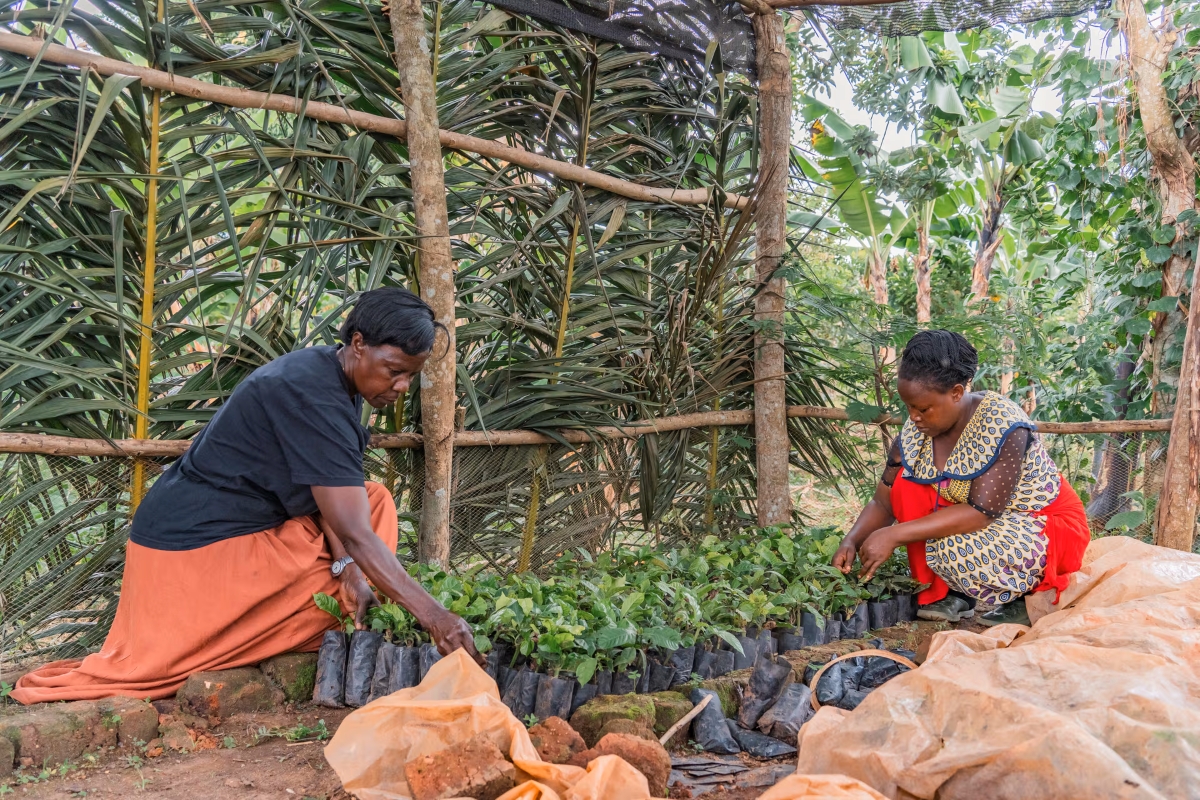
Tepi Agricultural Research Center has announced that it is distributing research proven coffee, spice, and fruit seedlings to farmers in the region. The center is preparing over 700,000 seedlings of marketable crops including cocoa, vanilla, and other spices for the upcoming rainy season planting.

Dr. Dereje Tulu, Director of Tepi Agricultural Research Center, stated that the center is currently preparing more than 700,000 spice seedlings aimed at improving farmer productivity and increasing economic returns. The seedlings, which will be planted in the coming rainy season, are environmentally adaptable and their productivity has been confirmed through research.

Research Validated Varieties for Better Productivity

According to Dr. Dereje, the seedlings distributed by the center have undergone rigorous research validation. Beyond their high productivity, they also contribute to preserving the local ecosystem. Alemseged Haileiyesus, Deputy Head of the Sheka Zone Agriculture, Forest, Environment Protection and Cooperatives Department, confirmed that the center is providing farmers with research proven spice and other seedlings. He added that this initiative successfully enhances farmer productivity and economic benefits.

Farmers Confirm Positive Results

The center continues its work by distributing seedlings propagated during the dry season for planting in the rainy season. Farmers from Yeki district, including Mohammed Taye and Ayelech Anamo, confirmed through practical experience that varieties supplied by the research center produce harvests in shorter time frames with improved productivity. They indicated that they are now working to enhance their economic returns by planting seedlings they prepared themselves alongside those provided by the center.

Frequently Asked Questions (FAQ)

1. What types of seedlings is Tepi Research Center distributing?

The center is distributing coffee, spice (including cocoa, vanilla), and fruit seedlings that have been proven through research.

2. How many seedlings are being prepared for distribution?

More than 700,000 seedlings are being prepared for the upcoming rainy season planting.

3. Are these seedlings environmentally suitable?

Yes, the seedlings are adaptable to the local environment and have been validated through research for their ecological compatibility and productivity.

4. What results have farmers reported?

Farmers confirmed that these varieties produce harvests in shorter time frames and provide higher productivity compared to traditional varieties.

5. When will the seedlings be planted?

The seedlings will be planted during the upcoming rainy season.

6. What is the goal of this initiative?

To improve farmer productivity, increase economic returns, and promote environmentally sustainable agriculture.

Qahwa World – Based on reporting from the Ethiopian News Agency (ENA).
Published: May 28, 2026

China Opens Market to African Coffee from July 20, 2026

Author: Qahwa World
Source: Xinhua News Agency
Date: May 29, 2026

China Opens Market to African Coffee from July 20, 2026

Executive Summary:

  • China’s General Administration of Customs announced it will allow qualified coffee beans from 53 African countries starting July 20, 2026.
  • Coffee is the second African agricultural product to receive full phytosanitary clearance after dried chili peppers.
  • Ethiopia and Burundi have already obtained export permits, while others like Mauritius, Angola, and Togo have applied.
  • China has introduced unified phytosanitary requirements, eliminating the need for separate bilateral agreements.
  • The clearance does not exempt shipments from border inspections; all must comply with customs announcement No. 68 of 2026.
  • China will continue green channel facilitation for high-quality African agricultural products.

China’s General Administration of Customs has announced that the country will allow qualified coffee beans from all 53 African countries with which it has diplomatic relations to enter its market starting July 20, 2026. Coffee is a distinctive agricultural product and a key economic pillar for many African nations. It is the second African agricultural product to receive full phytosanitary clearance to enter the Chinese market after dried chili peppers, according to customs data.

Official data indicates that African countries such as Ethiopia and Burundi have already obtained permission to export coffee beans to China, while other countries including Mauritius, Angola, Togo, Guinea, Liberia, and Sao Tome and Principe have submitted export applications.

Simplified Phytosanitary Procedures

After a comprehensive assessment of African coffee production systems and pest risk management frameworks, the customs administration has established unified phytosanitary requirements. This step eliminates the previous practice of negotiating separate bilateral quarantine agreements with each applicant country, significantly streamlining entry procedures. Industry experts noted that obtaining full phytosanitary clearance does not mean exemption from border inspections. All shipments must comply with the requirements set forth in customs announcement No. 68 of 2026.

Strengthening Trade Cooperation with Africa

A customs official added that the administration will continue to apply advanced facilitation measures under the “green channel” to bring more high-quality, safe African agricultural and food products to the Chinese market. This step is part of broader efforts to enhance trade cooperation between China and African countries, open new markets for African producers, and meet the growing demand for coffee in China’s rapidly expanding coffee market.

Frequently Asked Questions (FAQ)

1. When does the policy take effect?

Starting July 20, 2026.

2. How many African countries are eligible?

53 African countries with diplomatic relations with China.

3. Does clearance mean no border inspections?

No, all shipments must comply with customs announcement No. 68 of 2026 requirements.

4. Which African countries already have export permits?

Ethiopia and Burundi, with others like Mauritius, Angola, Togo, Guinea, Liberia, and Sao Tome and Principe having applied.

5. What is the goal of this measure?

To enhance China-Africa trade cooperation, simplify import procedures, and meet China’s growing coffee demand.

6. What was the first African product to receive full clearance?

Dried chili peppers, with coffee as the second.

Qahwa World – Based on Xinhua News Agency reporting.
Published: May 29, 2026

Africa at 63: Coffee Quietly Takes Its Place in the African Union’s Continental Vision

Source: Qahwa World – Special coverage from Addis Ababa
Author: Qahwa world × Buna Kurs – ADDIS ABABA
Photographer: Antonio Fiorente
Date: May 26, 2026

Africa at 63: Coffee Quietly Takes Its Place in the African Union’s Continental Vision

Executive Summary

  • At the 2026 Africa Day celebrations at the African Union headquarters in Addis Ababa, coffee emerged as a central element of the continent’s identity and economic vision.
  • Ethiopia’s Akoya Group was the most visible private-sector presence, with an Akoya Coffee pavilion serving Ethiopian filter coffee to diplomats and guests.
  • In February 2024, African heads of state formally adopted coffee as a strategic commodity under Agenda 2063 and recognized the Inter-African Coffee Organisation (IACO) as an AU specialized agency.
  • The decision followed G25 African Coffee Summits in Nairobi, Kampala, and Dar es Salaam, pushing for roasting, branding, and value retention within Africa.
  • Coffee supports an estimated 60 million Africans, yet the continent captures only a fraction of global coffee value, which remains concentrated outside Africa.
  • AU Commission Chairperson Mahmoud Ali Youssouf highlighted Africa’s growing global role, including permanent G20 membership.

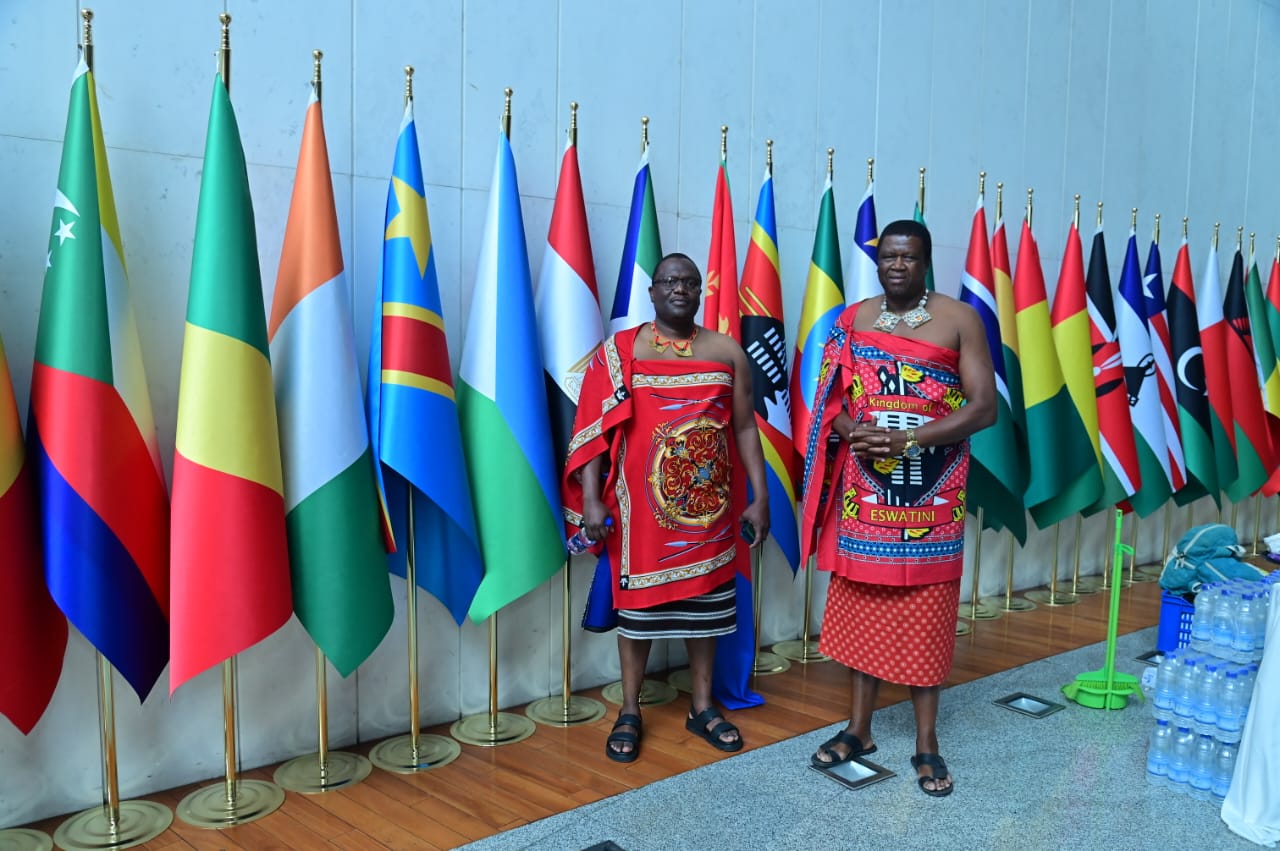
At this year’s Africa Day celebrations inside the headquarters of the African Union, coffee was never officially the central theme. And yet, across the atmosphere of the three-day commemoration – from weekend sports competitions and cultural showcases to the private-sector presence surrounding the event – the continent’s most iconic crop appeared increasingly intertwined with the larger conversation Africa is now having about identity, trade, value creation and global positioning.

Among the most visible private-sector presences throughout the celebrations was Akoya Group, the Ethiopian conglomerate whose activities span real estate, tourism, automotive and coffee export through Akoya Coffee.

Across much of the AU compound, “Akoya Africa Day 2026” branding framed the public-facing atmosphere of the commemorations, while an Akoya Coffee pavilion at the entrance of the main ceremonial hall served Ethiopian filter coffee to diplomats, dignitaries and invited guests.

From Cultural Symbol to Strategic Commodity

Held under the theme “Sixty-Three Years of Unity, Integration and Development – Let’s Celebrate Together,” Africa Day 2026 brought diplomats, artists, exhibitors, youth representatives and families together inside the AU headquarters in Addis Ababa, the diplomatic capital of Africa and the city most closely associated with the origins of arabica coffee itself.

As cultural performances, artisan exhibitions and public celebrations unfolded across the AU compound, coffee lingered not merely as ceremony or hospitality, but increasingly as strategy.

In his official Africa Day address, African Union Commission Chairperson Mahmoud Ali Youssouf described the occasion as both “a celebration of our shared heritage” and recognition of “Africa’s growing role in shaping global affairs,” while reaffirming the continent’s commitment to Agenda 2063 and deeper continental integration.

The Chairperson pointed to Africa’s growing global role, including the continent’s permanent membership in the G20, as evidence that Africa intends to participate more actively in shaping international economic discussions – a direction increasingly echoed in conversations surrounding African coffee, trade and value addition.

Coffee as a Strategic Commodity Under Agenda 2063

That shift is no longer symbolic. In February 2024, during the 37th Ordinary Session of the AU Assembly in Addis Ababa, African heads of state formally adopted coffee as a strategic commodity under Agenda 2063 while also recognizing the Inter-African Coffee Organisation (IACO) as a specialized agency of the African Union.

The move followed a series of G25 African Coffee Summits in Nairobi, Kampala and Dar es Salaam, where African leaders and sector stakeholders pushed for the continent to move beyond exporting raw beans toward roasting, branding and retaining more value on African soil.

For many within the sector, the message is becoming increasingly clear: the continent that gave coffee to the world is beginning to ask how much more of the coffee economy should remain within Africa itself.

Coffee today supports the livelihoods of an estimated 60 million Africans, yet the continent still captures only a fraction of the value generated by the global coffee economy, much of which remains concentrated in roasting, branding and retail markets outside Africa.

Indicator Figure
Africans whose livelihoods depend on coffee Approximately 60 million
Date of adoption as strategic commodity under Agenda 2063 February 2024
G25 African Coffee Summits locations Nairobi, Kampala, Dar es Salaam

A Distinctly African Atmosphere

Inside the AU compound over the three-day celebration, textiles, artisan stands, music, public gatherings and coffee ceremonies blended into an atmosphere that felt distinctly African and noticeably public-facing, far removed from the often formal diplomatic image associated with the institution. And perhaps that is where the deeper symbolism of coffee at Africa Day 2026 ultimately rested. At a continental gathering built around unity, integration and development, the beverage that originated in Africa appeared quietly aligned with many of the ambitions the African Union now places at the center of Agenda 2063: local manufacturing, youth employment, cross-border trade, cultural identity and stronger African ownership over globally recognized products.

At 63, Africa is not merely celebrating its heritage. It is increasingly attempting to reclaim ownership over how that heritage is processed, valued and presented to the world.

Frequently Asked Questions (FAQ)

1. What event brought coffee into the African Union’s strategic vision?

The 2026 Africa Day celebrations at the AU headquarters in Addis Ababa, where coffee emerged as a central element of identity and economic strategy.

2. When did the AU adopt coffee as a strategic commodity?

In February 2024, during the 37th Ordinary Session of the AU Assembly in Addis Ababa, under Agenda 2063.

3. What is the Inter-African Coffee Organisation (IACO)?

It is recognized as a specialized agency of the African Union, working to advance the coffee sector across the continent.

4. How many Africans depend on coffee for their livelihoods?

Approximately 60 million people.

5. Which Ethiopian company stood out at the celebration?

Akoya Group, through its Akoya Coffee pavilion.

6. What is the main message of coffee’s presence at Africa Day?

Africa is seeking to reclaim ownership of processing, valuing, and presenting its heritage, keeping more coffee value within the continent.

Author: Qahwa world × Buna Kurs – ADDIS ABABA  |
Photographer: Antonio Fiorente  |
Source: Qahwa World – Special coverage  |
Publication date: May 26, 2026

Ethiopia to Host 4th G-25 African Coffee Summit in Addis Ababa in 2027

Author: Qahwa World – Dubai
Source: Official announcement
Date: May 16, 2026

Executive Summary

  • Ethiopia signed a host country agreement with the Inter-African Coffee Organization to host the 4th G-25 African Coffee Summit in 2027
  • The agreement also establishes IACO first country office in Ethiopia
  • The summit aligns with African Union Agenda 2063 recognizing coffee as a strategic commodity
  • Africa currently contributes only 12 percent of global coffee production despite being the birthplace of coffee
  • Ethiopia aims to become one of the world leading coffee exporters by 2033
  • The African Union recently designated IACO as a specialized agency

Ethiopia has signed a host country agreement with the Inter-African Coffee Organization to establish the organization first country office in Ethiopia and to host the 4th G-25 African Coffee Summit in Addis Ababa in 2027.

The agreement was signed between State Minister of Foreign Affairs Ambassador Hadera Abera and IACO Secretary-General Ambassador Solomon Rutega.

According to officials, the agreement aligns with the African Union Agenda 2063, which recognizes coffee as a strategic commodity for the continent economic transformation.

Africa coffee production challenges

Speaking at the signing ceremony, Ambassador Hadera noted that although Africa is the birthplace of coffee, the continent currently contributes only 12 percent of global coffee production. This low share persists due to several challenges including low productivity, value chain imbalances, and climate-related pressures.

He stated that the partnership will support Ethiopia ambition to become one of the world leading coffee exporters by 2033. He added that the agreement creates a stronger framework for continental cooperation and sectoral transformation.

Historic milestone for IACO

IACO Secretary-General Ambassador Solomon Rutega described the agreement as a historic milestone. He said it reconnects the organization with the origin of coffee while advancing efforts to improve the livelihoods of millions of coffee-dependent households across Africa.

He also recalled the African Union recent decision to designate the 66-year-old IACO as a specialized agency. This recognition further strengthens the organization mandate to promote African coffee on the global stage.

Context: The G-25 African Coffee Summit is a high-level gathering of Africa top coffee-producing nations. It aims to address challenges facing the continent coffee sector and promote sustainable development.

Strategic importance

The agreement marks a significant step in Ethiopia efforts to strengthen its position in the global coffee market. As the birthplace of coffee, Ethiopia holds a unique cultural and historical connection to the beverage. The establishment of IACO first country office in Addis Ababa reinforces this connection.

The 4th G-25 African Coffee Summit in 2027 is expected to draw participants from across the continent. It will focus on boosting productivity, improving value chains, and building climate resilience in the African coffee sector.

Frequently Asked Questions

What is the G-25 African Coffee Summit?
The G-25 African Coffee Summit is a high-level meeting of Africa major coffee-producing nations. It addresses challenges facing the continent coffee sector and promotes cooperation among member states.

When and where will the 4th summit take place?
The 4th G-25 African Coffee Summit will be held in Addis Ababa, Ethiopia, in 2027. Specific dates have not yet been announced.

What is the Inter-African Coffee Organization?
IACO is a 66-year-old specialized agency of the African Union. It works to promote and develop the coffee sector across Africa.

Why is Ethiopia hosting the summit and IACO office?
Ethiopia is the birthplace of coffee and aims to become a leading global coffee exporter by 2033. Hosting the summit aligns with these ambitions.

How much coffee does Africa produce globally?
Despite being the birthplace of coffee, Africa currently produces only 12 percent of the world coffee supply due to productivity, value chain, and climate challenges.

What is African Union Agenda 2063?
Agenda 2063 is the African Union strategic framework for the continent socio-economic transformation. It recognizes coffee as a strategic commodity.


Author: Qahwa World – Dubai
Source: Official announcement
Date: May 16, 2026

USDA Announces Second Tranche of Food for Peace Funding for Seven Countrie

Executive Summary

  • USDA announces second tranche of Food for Peace Title II Program funding
  • Applications accepted from 7 countries: DRC, El Salvador, Ethiopia, Guatemala, Haiti, Kenya, Rwanda
  • Program transferred to USDA administration on February 3, 2026
  • Focus on delivering US-grown commodities to global food assistance programs
  • Application deadline: June 12, 2026 at 5:00 PM EDT

The U.S. Department of Agriculture’s Foreign Agricultural Service today announced a second tranche of funding for the Food for Peace, Title II Program. Under a competitive Notice of Funding Opportunity, USDA will accept applications from the Democratic Republic of Congo, El Salvador, Ethiopia, Guatemala, Haiti, Kenya and Rwanda.

USDA announced on February 3, 2026, that pursuant to a temporary interagency agreement, it would administer the Food for Peace, Title II Program. The move transferred management of the historic food assistance program from the U.S. Agency for International Development to USDA.

Context: Food for Peace joins USDA’s existing portfolio of international food assistance programs, including the McGovern-Dole International Food for Education and Child Nutrition Program and Food for Progress.

“USDA is working to return Food for Peace to its core functions,” said Michelle Bekkering, Deputy Under Secretary for Trade and Foreign Agricultural Affairs. “This funding will more responsibly deliver lifesaving food assistance with high-quality American commodities, helping American farmers and producers at home and people in need across the world.”

Eligible Countries for Funding

  • Democratic Republic of Congo
  • El Salvador
  • Ethiopia
  • Guatemala
  • Haiti
  • Kenya
  • Rwanda

Food for Peace joins USDA’s portfolio of longstanding food assistance programs, alongside the McGovern-Dole International Food for Education and Child Nutrition Program and Food for Progress.

The Food for Peace NOFO on Grants.gov describes this funding in detail. Eligible applicants include public or private organizations, including intergovernmental organizations and other multilateral organizations.

Application deadline: 5:00 p.m. Eastern Daylight Time on June 12, 2026.

Frequently Asked Questions

What is the Food for Peace Title II Program?
Food for Peace is a historic U.S. government food assistance program that provides emergency and development food aid to countries facing hunger and food insecurity. Title II specifically covers the donation of U.S.-grown commodities.

Which countries are eligible for this funding?
The seven eligible countries are: Democratic Republic of Congo, El Salvador, Ethiopia, Guatemala, Haiti, Kenya, and Rwanda.

When was USDA given authority over Food for Peace?
USDA announced the temporary interagency agreement on February 3, 2026, transferring administration of the program from USAID to USDA.

What is the application deadline?
Applications must be submitted by 5:00 p.m. Eastern Daylight Time on June 12, 2026.

Where can I find the full NOFO?
The complete Notice of Funding Opportunity is available on Grants.gov.

Who is eligible to apply?
Public or private organizations, including intergovernmental organizations and other multilateral organizations, are eligible to apply.


Coffee, Running and Connectivity Converge in Ethiopia

Addis Ababa x Buna Kurs – Qahwa World

Great Ethiopian Run is evolving beyond a traditional mass participation race, bringing together coffee heritage, community engagement and digital innovation ahead of its latest edition in partnership with Ethio telecom.

In a pre-event activation held in Jimma, organizers introduced a plantation walk that immersed participants in landscapes closely linked to the origins of Arabica coffee. Set among dense greenery and working coffee farms, the experience turned the build-up to the race into a cultural journey that blends sport with Ethiopia’s deep-rooted coffee traditions.

The initiative is part of a wider “classic destinations” concept designed to connect the event with key heritage locations across the country. By extending activities beyond the main race, organizers are positioning the run as more than a sporting occasion, framing it instead as a platform that highlights Ethiopia’s cultural identity and tourism potential.

Coffee played a central role in the Jimma experience. Long regarded as a national symbol, it also serves as a powerful social connector across Ethiopian society. Participants engaged in informal coffee moments during the plantation walk, reflecting communal traditions that remain integral to daily life. By integrating these elements, the event expands its narrative to include the cultural rituals that define Ethiopia’s relationship with coffee.

At the same time, the upcoming edition highlights the growing importance of connectivity in shaping large-scale public events. Through its collaboration with Ethio telecom, the run is incorporating digital coordination, mobile engagement and online awareness campaigns to enhance participation and extend its reach beyond physical attendance.

Ethio telecom, with roots stretching back more than a century, has evolved from early telegraph systems into a nationwide digital infrastructure provider. Its involvement highlights how modern connectivity is enabling broader community participation, linking urban and rural audiences and amplifying the social impact of national events.

Beyond sport and culture, the initiative also carries a public health message, incorporating awareness efforts around polio eradication. This integration reflects a wider trend in which Ethiopia’s mass gatherings are used to promote collective priorities, combining celebration with social responsibility.

From the coffee fields of Jimma to the streets expected to host thousands of runners, this edition of the Great Ethiopian Run presents a distinctive convergence where heritage, athletics and digital connectivity come together in a shared expression of community.

Ethiopia Launches East Africa’s First Specialty Coffee Training Center

Sahel Maryam – Qahwa World

In a pioneering move for the region, a new coffee roasting and quality assessment center has opened in Sahel Maryam, Medhin, Ethiopia. The facility, the first of its kind in East Africa, combines state-of-the-art equipment with instruction from experienced coffee professionals.

The center aims to train participants in evaluating coffee quality to global standards, enabling them to independently assess beans and elevate industry practices. Trainees leave with the skills to analyze and improve coffee from the farm to the cup, applying internationally recognized Specialty Coffee Association (SCA) protocols.

The initiative has received recognition from Ethiopian coffee authorities, UNIDO, the Italian government, and the Italian Development Cooperation Agency for its contribution to developing the local and regional coffee sector.

Coffee Quality Evaluation Standards
The process of assessing coffee quality at the center is comprehensive:

Physical Quality of Beans – Inspecting defect count, bean size and uniformity, moisture content, and presence of foreign matter.
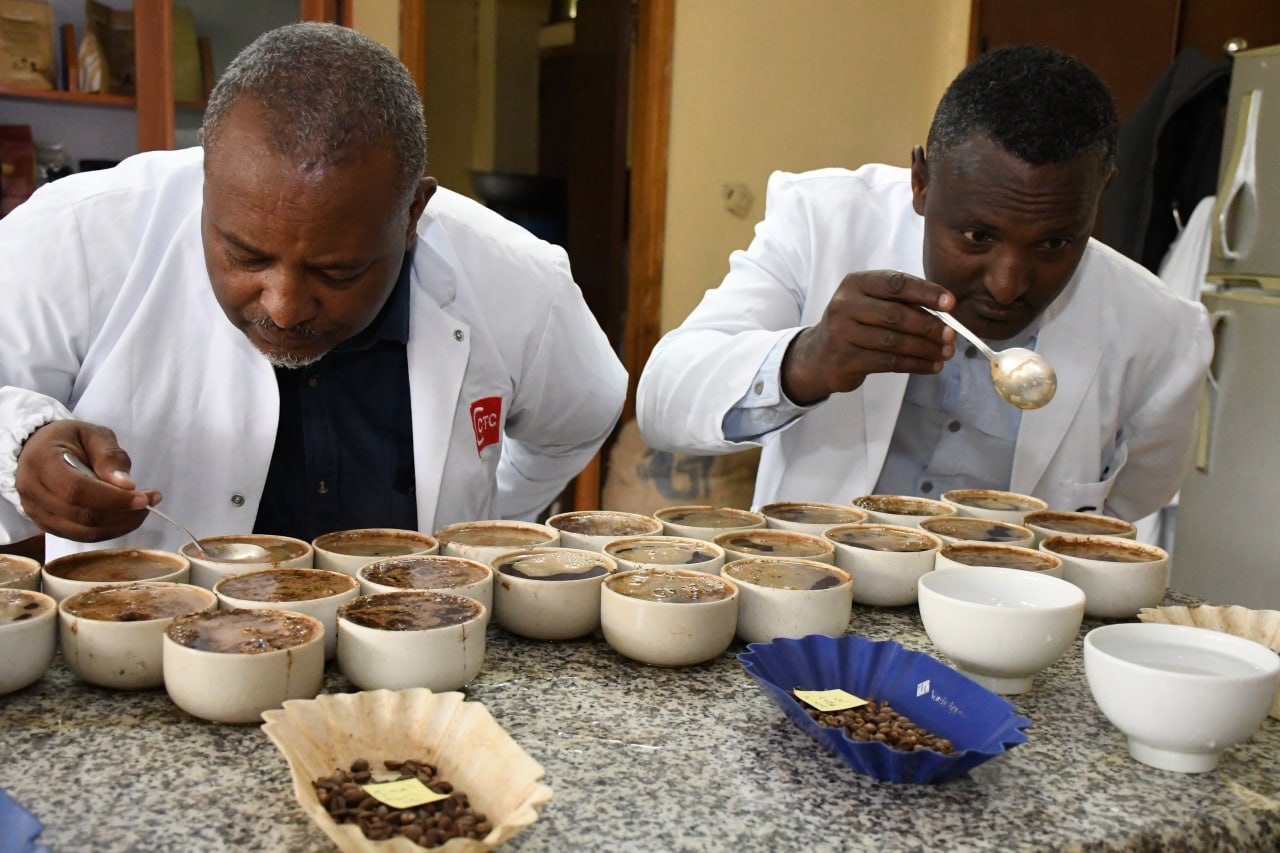
Sensory Evaluation (Cupping) – Scoring aroma, flavor, aftertaste, acidity, body, balance, and sweetness.
Defect Identification – Spotting spoiled, fermented, or overripe beans.
Organic Acid Analysis – Identifying natural acids such as citric, malic, acetic, and phosphoric to characterize flavor profiles.
Standardized Protocols – Applying precise roast levels, grind sizes, water quality, and brew ratios to ensure consistent and fair evaluation.

Coffee that scores 80 points or above under these criteria is classified as “Specialty Coffee.” Experts emphasize that proper evaluation relies on certified Q-Graders rather than subjective taste alone, ensuring adherence to international standards.

The new center marks a major step forward in Ethiopia’s ongoing mission to cement its position as a global leader in coffee quality and expertise.

Ethiopia Bolsters Global Coffee Competitiveness with Landmark Digital Handover

ADDIS ABABA – Qahwa World

The Ethiopian coffee industry achieved a significant digital milestone on 27 March 2026, as the Ethiopian Coffee and Tea Authority (ECTA) officially concluded the technical handover of the Ethiopian Coffee Traceability and Management System (ECTMS).

Developed in collaboration with the Deutsche Gesellschaft für Internationale Zusammenarbeit (GIZ) through its SUVASE project, and with technical implementation by the Ethiopian software firm Vulcan ICT, the ECTMS represents a state-of-the-art digital platform. It aims to deliver end-to-end transparency and traceability for the world’s most iconic coffee origin—home to the ancient forests that gave birth to Arabica coffee.

You may read: Ethiopia Strengthens Coffee Ties with China

  • A Digital Shield Against Stringent Global Regulations

As international sustainability requirements tighten—especially the EU Deforestation Regulation (EUDR)—the ECTMS equips Ethiopia with a critical technological advantage. The system addresses the EUDR’s core demands for geolocation data, proof of deforestation-free production (post-31 December 2020 cutoff), and full supply chain traceability.

The system features three core functionalities:

Precision Geodata Collection: A dedicated mobile application enables field agents and farmers to capture exact GPS coordinates and plot-level details from coffee farms across the country.

Seamless Logistics Tracking: Real-time digital documentation of the entire goods flow, from farm to export, replacing outdated paper-based processes.

Read Also: Chinese Firm Huichuan to Invest in Ethiopia Coffee Processing

Advanced Deforestation Risk Analysis: Integrated mapping tools assess cultivation areas against deforestation risks, helping ensure compliance with global sustainability standards.

By generating verifiable, auditable data, the ECTMS helps European importers fulfill their due diligence obligations, safeguarding continued access for Ethiopian coffee to one of its largest and most lucrative markets.

  • Efficiency, Trust, and Farmer Empowerment

At the handover workshop, ECTA Director General H.E. Dr. Adugna Debela emphasized the evolving demands of the global coffee market.

“Trustworthy traceability is no longer optional; it is the backbone of Ethiopia’s global competitiveness,” Dr. Adugna stated. “We are committed to leveraging technology to enhance sustainability, ensuring better market access and, ultimately, increased revenue for our farmers. We extend our sincere gratitude to GIZ and Vulcan ICT for their partnership in developing this essential trust mechanism.”

Read Also: Ethiopia and China Strengthen Coffee Sector Cooperation

The ECTMS shifts Ethiopia from traditional paper-based certifications to a modern, user-friendly digital ecosystem. For the millions of smallholder farmers who form the backbone of the sector, this means their coffee’s origin, ethical production, and environmental footprint can now be reliably documented and promoted.

  • Strategic Importance in a Booming Sector

This initiative comes as Ethiopia’s coffee sector continues to post impressive gains. In the 2024/25 fiscal year, the country achieved record exports of approximately 470,000 tons, generating over USD 2.6 billion in revenue. Early performance in 2025/26 has also been strong, with ambitions targeting up to USD 3 billion in coffee earnings for the full year.

Projections for the 2025/26 marketing year estimate production at around 11.6 million 60-kg bags, with exports potentially reaching 7.8 million bags, supported by favorable conditions, tree rejuvenation programs, and policy reforms. By aligning with global expectations, the ECTMS positions Ethiopian coffee—prized for unique flavor profiles from regions like Yirgacheffe, Sidama, and Guji—to command premium prices in both specialty and mainstream segments.

  • Looking Ahead

While the system marks major progress, full-scale adoption remains a challenge due to the fragmented nature of Ethiopia’s roughly four million smallholder farms. ECTA has indicated plans to issue directives for centralizing geolocation data to avoid fragmentation.

As the EUDR enforcement deadline approaches (December 2026 for large operators), full implementation and widespread adoption across cooperatives, exporters, and regional authorities will be key to translating this technological milestone into tangible benefits for farmers and sustained growth for the national economy.