Garfield Kerr: Coffee is the World’s Premier and Most Definitive Functional Beverage

DUBAI – Ali Alzakary

Mr. Garfield Kerr, CEO of Mokha 1450, a leading specialty coffee chain in Dubai and the UAE, confirmed that coffee is the world’s premier and most definitive functional beverage.

Speaking to Hospitality News ME magazine in issue no. 157, published for the period from May to July 2026, Mr. Garfield said that modern scientific research has settled the decades-long debate surrounding coffee and dispelled old myths. Furthermore, he affirmed its role as the first, most versatile, and most effective functional beverage in history.

He explained that coffee’s roots as a functional beverage date back to 15th-century Yemen, where Sufi communities consumed coffee to maintain focus and alertness during long hours of prayer.

He added that claims circulating in the mid-20th century regarding coffee’s negative health impacts, such as stunted growth or irritability, were based on inaccurate studies flawed by small sample sizes and methodological errors.

However, he noted that comprehensive meta-analyses emerging in the 1990s and 2000s shifted this perception and uncovered coffee’s immense health benefits.

Mr. Garfield clarified that what places coffee at the forefront of functional beverages is its richness in plant-based and bioactive compounds.

He confirmed that caffeine belongs to the methylxanthine class. This class contributes to stimulating the central nervous system and increasing alertness by blocking adenosine receptors. Additionally, it inhibits phosphodiesterase enzymes.

He added that coffee contains antioxidant compounds such as chlorogenic acids and polyphenols. These compounds work to reduce oxidative stress, protect the liver and kidneys, and inhibit the growth of harmful bacteria in the digestive tract.

Mr. Garfield stated that black coffee provides immediate advantages for athletes and fitness enthusiasts, as it contributes to enhancing cardiovascular performance, accelerating muscle glycogen resynthesis, and stimulating fat oxidation at rest and during exercise.

Additionally, he added that it lowers perceived exertion and elevates pain thresholds during physical activity. Moreover, it elevates mood and suppresses appetite.

He reviewed the scientific evidence confirming coffee’s long-term health benefits, confirming that it significantly reduces the risks of heart attack, stroke, and heart failure. In addition, it lowers the risk of type 2 diabetes, liver cirrhosis, and pancreatic and liver cancers.

He added that coffee provides neuroprotection against diseases such as Parkinson’s, Alzheimer’s, and dementia. Besides, it lowers rates of depression and the overall risk of mortality.

He noted that these functional properties of coffee gain added significance alongside the growth of the global functional beverage market. Currently, this market is valued at approximately $130 billion and projected to reach $200 billion by 2030.

Mr. Garfield emphasized that black coffee remains the safest and most effective option compared to synthetic alternatives, such as energy drinks packed with sugar and unstudied additives.

He explained that the safe consumption rate of coffee, ranging between three to five cups per day, falls within normal limits for most consumers. Thus, its abuse is rare.

Mr. Garfield concluded his discussion by highlighting the future horizons of coffee science, pointing to ongoing research regarding coffee’s impact on the gut microbiome in collaboration with food chemistry researcher Aysenur Santaroğlu.

He confirmed that coffee is a complex chemical system rich in compounds such as melanoidins, diterpenes, and polyphenols, noting that the interaction of these compounds with gut bacteria could open new doors in preventative medicine and longevity enhancement, ensuring this beverage remains the most ubiquitous and effective functional drink throughout history.

AHA Says Five Cups of Coffee Daily Safe for Adults

Source: Qahwa World
Author: Qahwa World
Date: July 20, 2026

AHA Says Five Cups of Coffee Daily Safe for Adults

  • American Heart Association statement says up to five cups of coffee daily is safe for most adults.
  • Three to five 8-ounce cups (about 400 mg caffeine) linked to lower risk of heart disease and stroke.
  • The statement published in Circulation journal analyzed dozens of studies on coffee and heart health.
  • Coffee may help heart health through increased exercise, diuretic effects, and reduced inflammation.
  • Some decaf coffee studies also show benefits due to polyphenols acting as antioxidants.
  • Energy drinks contain higher caffeine levels and may pose health risks, researchers warn.
  • Sugar, syrups, and saturated-fat creamers can dilute or eliminate coffee’s benefits.

There is good news for coffee drinkers. Up to five cups of coffee daily are safe for most adults. The brew may even have benefits for heart health. This comes from a new scientific statement by the American Heart Association.

Drinking three to five 8-ounce cups daily is linked to lower health risks. These include heart disease, heart failure, stroke, and Type 2 diabetes. The statement was published Monday in the journal Circulation.

Mixed Research Gets Much-Needed Clarity

Research on coffee and caffeine has been very mixed. Some studies show benefits. Others show health risks. The new statement provides much-needed clarity.

Dr. Eugenia Gianos is a cardiologist at Northwell Health in New York. She was not involved in the statement. She noted that the public is confused. Many clinicians also do not know how to guide their patients. She added that it is great that coffee might even have benefits. “We could even be recommending soon that people have coffee,” she said.

What the Study Found

The statement’s authors analyzed dozens of studies. They looked at the impact of coffee and caffeine on heart health. Researchers came from the Harvard T.H. Chan School of Public Health. George Washington University and other institutions also participated.

Dr. Gregory M. Marcus is the statement’s lead author. He is a cardiologist at UC San Francisco. He said evidence for coffee’s safety and benefits has been building over time. Most studies are observational. They cannot prove cause and effect. However, there have been more randomized controlled trials in recent years. These show that coffee consumption can be beneficial for heart health.

Key Findings from AHA Coffee Statement
Finding Detail
Safe daily intake Up to five 8-ounce cups (approx. 400 mg caffeine)
Health benefits linked Lower risk of heart disease, stroke, heart failure, Type 2 diabetes
Optimal range Two to four cups daily
Decaf benefits Also linked to lower diabetes and heart disease risk
Warning Sugar, syrups, creamers dilute benefits
Energy drinks Higher caffeine, potential health risks

Why Coffee Might Help the Heart

Scientists are still studying why caffeine might help the heart. People tend to exercise more on days they drink caffeinated coffee. Coffee acts as a diuretic and can lower blood pressure. Caffeine also blocks a substance that causes atrial fibrillation. This arrhythmia can lead to strokes.

Coffee contains other beneficial substances. These include polyphenols that act as antioxidants. They may reduce inflammation. This could explain why decaf coffee is also linked to lower risks of Type 2 diabetes and heart disease in some studies.

The Sweet Spot for Coffee Consumption

Research suggests the sweet spot for caffeinated coffee is two to four cups daily. This amount is enough to have a biological effect. It is not so much that it reaches toxic levels.

People have different responses to caffeine. Genetics and consumption habits play a role. “We all metabolize caffeine at different speeds,” Marcus said.

What to Avoid

The benefits of coffee can be diluted or eliminated by additives. Sugar, syrups, and creamers with saturated fat are problematic. The statement advises caution with these additions.

The AHA statement also examined other caffeine sources. Energy drinks often contain much higher caffeine levels than coffee. Some research has found they can lead to health problems. These include irregular heartbeats and high blood pressure. Marcus advises people to avoid energy drinks.

“Not only is the lay public confused about this topic, but many clinicians out there don’t know how to guide their patients. It is great that a drink so many people enjoy daily might even have benefits. We could even be recommending soon that people have coffee.”

— Dr. Eugenia Gianos, Northwell Health

“We all metabolize caffeine at different speeds.”

— Dr. Gregory M. Marcus, UC San Francisco

Implications for Public Health

The AHA statement offers clear guidance for consumers and clinicians. It suggests that moderate coffee consumption can be part of a heart-healthy lifestyle. The evidence supports coffee’s safety and potential benefits. However, individual responses vary. People should be mindful of additions like sugar and cream. Energy drinks should be avoided due to higher risks.

Frequently Asked Questions

Is it safe to drink five cups of coffee daily?Yes, according to the American Heart Association. Up to five 8-ounce cups daily (about 400 mg caffeine) are safe for most adults.

What are the health benefits of coffee?Moderate coffee consumption is linked to lower risk of heart disease, heart failure, stroke, and Type 2 diabetes.

What is the optimal number of cups per day?Research suggests the sweet spot is generally between two and four cups daily for cardiovascular benefits.

Is decaf coffee also beneficial?Yes, some studies show decaf coffee is also linked to lower risk of Type 2 diabetes and heart disease due to polyphenols.

Can additives reduce coffee’s benefits?Yes, sugar, syrups, and creamers with saturated fat can dilute or eliminate the health benefits of coffee.

Are energy drinks safe?Researchers advise avoiding energy drinks. They often contain much higher caffeine levels and have been linked to irregular heartbeats and high blood pressure.

Coffee Linked to Lower Risk of Cirrhosis and Liver Cancer in Large Study

Source: Clinical Gastroenterology and Hepatology – Adapted by Qahwa World |
Author: Qahwa World |
Date: July 2, 2026

Coffee Linked to Lower Risk of Cirrhosis and Liver Cancer in Large Study

Key Findings:

  • Study of over 354,000 UK Biobank participants followed for a median of 13 years.
  • Five or more cups of coffee daily linked to 32% lower risk of cirrhosis, 47% lower risk of liver cancer, and 42% lower risk of liver-related death.
  • The association followed a dose-response pattern: more coffee, lower risk.
  • Similar results for caffeinated and decaffeinated coffee, suggesting non-caffeine compounds play a protective role.
  • Adding sugar or sweeteners did not eliminate benefits but was linked to markers of liver inflammation and fibrosis.
  • Proteomic analysis identified 74 proteins associated with coffee intake and reduced fibrosis risk.

A large-scale study of over 354,000 participants from the UK Biobank has found that higher coffee consumption is associated with significantly lower risks of cirrhosis, liver cancer, and liver-related death. The findings, published in Clinical Gastroenterology and Hepatology, also identified MRI and blood protein changes that may help explain the biological mechanisms behind the association.

The study followed participants for a median of 13 years. Researchers assessed self-reported coffee consumption, including coffee type and whether participants added sugar or artificial sweeteners. They then examined how these habits were associated with new cases of liver disease, MRI measures of liver health in a subgroup of 28,961 patients, and blood protein profiles in 44,633 patients.

The Numbers: Striking Reductions in Risk

Compared with non-coffee drinkers, those who consumed five or more cups daily were:

  • 32% less likely to develop cirrhosis.
  • 47% less likely to develop hepatocellular carcinoma.
  • 42% less likely to die from liver disease.

The association followed a dose-response pattern, with lower risks observed starting at one to two cups per day. Similar findings were observed for both caffeinated and decaffeinated coffee, suggesting that compounds other than caffeine may play a protective role.

Condition Risk Reduction (5+ cups/day)
Cirrhosis 32%
Hepatocellular Carcinoma 47%
Liver-Related Death 42%

Sugar and Sweeteners: Mixed Effects

Researchers also examined whether adding sugar or artificial sweeteners changed the association between coffee and liver health. Overall, patients who added sweeteners had similar reductions in the risk of cirrhosis, hepatocellular carcinoma, and liver-related death compared to those who drank unsweetened coffee. However, they had 1.36 times the odds of elevated iron-corrected T1, an MRI marker of liver inflammation and fibrosis, compared with patients who did not add sweeteners.

MRI Findings: Benefits Visible Before Symptoms Appear

MRI results suggested that higher coffee intake was associated with better liver health before liver disease became clinically apparent. Patients who drank at least five cups daily had less liver fat, lower liver iron levels, and lower odds of liver fibroinflammation than non-coffee drinkers. The findings were similar for caffeinated and decaffeinated coffee, further supporting the role of non-caffeine compounds in liver protection.

Proteomic Analysis: 74 Proteins Point to Potential Mechanisms

Proteomic analyses identified 74 proteins associated with both coffee intake and cirrhosis risk, suggesting biological pathways related to liver function, inflammation, fibrosis, and immune regulation. These findings may help explain coffee’s observed associations with better liver health and provide new mechanistic clues.

Expert Insight: Interview with Lead Researcher Dr. Hyunseok Kim

Clinical Gastroenterology and Hepatology invited study author Dr. Hyunseok Kim of the Karsh Division of Gastroenterology and Hepatology at Cedars-Sinai Medical Center to comment on the implications of this work.

Q: Why does this study matter?
Dr. Kim: Coffee has long been associated with better liver health, but most previous studies focused only on clinical outcomes such as cirrhosis or liver cancer. Our study is unique because it integrates clinical outcomes with advanced MRI biomarkers and large-scale plasma proteomics in more than 350,000 UK Biobank participants. By combining these complementary approaches, we were able to show not only that coffee consumption is associated with lower risks of cirrhosis, hepatocellular carcinoma, and liver-related mortality, but also that it is linked to less liver fat, less fibroinflammation on MRI, and favorable biological pathways involved in fibrosis and inflammation. This provides stronger biological evidence supporting coffee as a simple lifestyle factor that may promote liver health.

Q: Was there a finding that surprised you?
Dr. Kim: Several findings stood out. First, we observed remarkably consistent associations across clinical outcomes, imaging biomarkers, and proteomic signatures, all pointing in the same direction. Second, both caffeinated and decaffeinated coffee showed similar associations, suggesting that compounds other than caffeine likely contribute to the liver benefits. Finally, we were intrigued that coffee drinkers had lower levels of proteins involved in fibrosis, macrophage activation, and extracellular matrix remodeling, while proteins reflecting healthier liver synthetic function were higher. These findings offer new mechanistic clues that go beyond the epidemiologic associations reported previously.

Q: How might the findings influence clinical practice?
Dr. Kim: This study should not be interpreted as evidence that coffee is a treatment for chronic liver disease. However, for most patients without contraindications, moderate coffee consumption appears to be a safe, inexpensive, and potentially beneficial lifestyle habit that can complement other evidence-based interventions such as weight loss, alcohol abstinence, and management of metabolic risk factors. I hope these findings will give clinicians greater confidence when discussing dietary habits with patients and encourage further research into the biological mechanisms underlying coffee’s protective effects.

Limitations and Recommendations: A Simple Prevention Strategy

The authors noted several limitations, including self-reported coffee intake, the possibility of unmeasured confounding and reverse causation, a healthier MRI subgroup, and the predominantly European ancestry of the study population, which may limit the generalizability of the findings. They also noted that the blood protein findings require experimental studies to confirm the underlying biological mechanisms.

Nevertheless, the authors concluded that “higher coffee intake was associated with lower risks of cirrhosis, HCC, and liver-related mortality, as well as favorable MRI-based and proteomic profiles.” They added that the combined clinical, imaging, and molecular findings support coffee as “a simple, scalable strategy for liver disease prevention.”

Frequently Asked Questions About Coffee and Liver Health

Q: How many cups of coffee are needed to reduce liver disease risk?

A: The study showed benefits starting at one to two cups daily, with more pronounced effects at five or more cups per day.

Q: Does decaffeinated coffee offer the same benefits?

A: Yes. Similar associations were observed for both caffeinated and decaffeinated coffee, suggesting non-caffeine compounds play a protective role.

Q: Does adding sugar negate coffee’s benefits?

A: Adding sugar or sweeteners did not eliminate the main benefits but was linked to markers of liver inflammation and fibrosis, so excessive additions should be avoided.

Q: Can coffee be considered a treatment for liver disease?

A: No. The study does not prove that coffee is a treatment. However, moderate consumption may be a beneficial complement to standard interventions.

Q: What biological mechanisms might explain coffee’s protective effects?

A: The study identified 74 proteins linked to reduced inflammation and fibrosis, suggesting multiple biological pathways may explain the benefits.

This study adds to the growing evidence on coffee’s potential health benefits, particularly for liver health. With risk reductions of up to 47%, coffee emerges as a simple, accessible tool for preventing chronic liver disease. However, further experimental studies are needed to confirm the biological mechanisms and determine optimal intake. In the meantime, coffee lovers can continue to enjoy their favorite beverage with greater awareness of its potential benefits.

Prepared and edited by: Qahwa World – Based on the study published in Clinical Gastroenterology and Hepatology on July 1, 2026.

Original source: Doug Brunk – Medical Report.

All rights reserved. Republication with attribution permitted.

Publication date: July 2, 2026

Coffee Is Under Threat: How Scientists Are Fighting to Save It from Extinction

Source: Nature – Adapted by Qahwa World |
Author: Qahwa World |
Date: July 1, 2026

Coffee Is Under Threat: How Scientists Are Fighting to Save It from Extinction

Key Takeaways:

  • Coffee is critically threatened by climate change, with arabica suffering or dying when temperatures rise just a few degrees.
  • Robusta requires massive amounts of water and its yields drop drastically in drought conditions.
  • Ethiopia, the homeland of arabica coffee, is preserving genetic diversity through conservation areas and living collections of over 12,000 plants.
  • Scientists are exploring wild coffee species such as C. liberica, C. excelsa, and C. stenophylla that are more climate-resilient.
  • C. stenophylla, a forgotten species from the 18th century, tastes remarkably similar to specialty arabica from Rwanda.
  • Chemical tricks like grinding frozen beans can improve extraction and reduce waste, allowing better flavor from less coffee.

“A mathematician is a machine for turning coffee into theorems”, a quote often attributed to the late Hungarian mathematician Paul Erdős. Coffee is one of the world’s favorite drinks and an essential stimulant for many researchers. But its future is uncertain. “Coffee is critically threatened by climate change,” says Kassahun Tesfaye, a plant geneticist at Addis Ababa University.

Nearly all the 10 million tonnes of coffee beans consumed annually around the world come from two plant species: the strong and often bitter robusta (Coffea canephora) and the more delicate-tasting arabica (Coffea arabica). Unfortunately, arabica suffers or dies when temperatures rise just a few degrees, and robusta requires massive amounts of water and its yields drop drastically in a drought. Researchers are racing to keep the world’s coffee drinkers awake – and preserve the livelihoods of the many lower-income-country farmers who grow the cash crop.

The Birthplace of Arabica and Genetic Diversity in Ethiopia

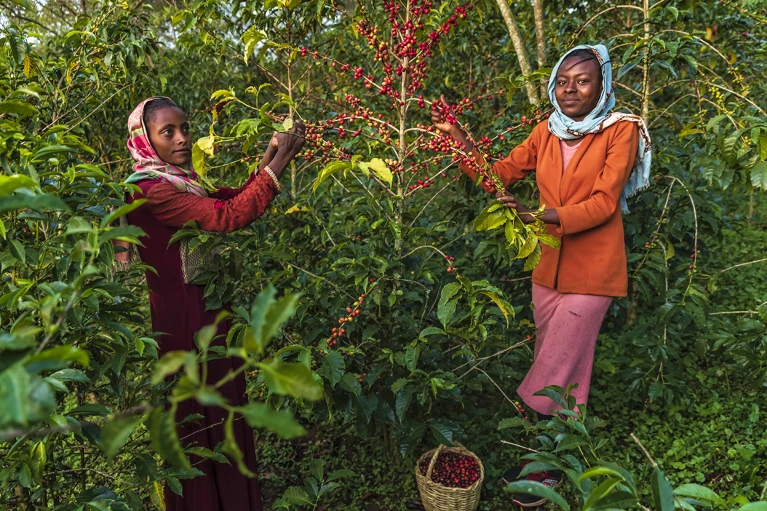
Ethiopians are proud of their country for being the homeland of arabica coffee. The Ethiopian government has been establishing conservation areas to preserve the natural genetic diversity of the species. It also grows more than 12,000 arabica plants in living collections at the Ethiopian Biodiversity Institute in Addis Ababa and at the Ethiopian Institute of Agricultural Research in Jimma. The government is betting that these plants will provide the material for breeding – or genetically engineering – arabica cultivars with traits designed to withstand high temperatures and drought.

Wild Coffee Species: Liberica, Excelsa, and Stenophylla

As temperatures increase, arabica cultivation might need to move to increasingly higher terrain to stay cool, which will not be easy for owners of small coffee plantations. Another solution is to grow other species of coffee plant that can better withstand climate change. There are 134 known wild coffee species, and a few are being grown for their climate resilience, including C. liberica and C. excelsa.

Aaron Davis, a researcher at the Royal Botanic Gardens, Kew, says “the success stories are always about changing the species” that farmers grow. In wet regions, that could mean switching from arabica to robusta, but in other places it could instead mean growing C. liberica, which tolerates higher temperatures than arabica does and does not require as much water.

Davis has also tried a “bonkers” coffee species, Coffea stenophylla, which was described by a Swedish botanist in West Africa in the 18th century and then largely forgotten by science. “It still freaks me out, because here we have a coffee which isn’t related to arabica, occurs in an extreme environment – and yet tastes like a very specific arabica from Rwanda.” The challenge, he says, will be to breed varieties of C. stenophylla that are productive and that farmers find easy to grow.

Species Characteristics Challenges
Arabica (Coffea arabica) Delicate taste, most popular Heat-sensitive, dies with slight temperature rise
Robusta (Coffea canephora) Strong, bitter, heat-tolerant High water demand, yields drop in drought
Liberica (Coffea liberica) Heat-tolerant, tropical fruit flavors Different taste, not for everyone
Excelsa (Coffea excelsa) Climate-resilient, fruity and almondy notes Rarely cultivated, not well known
Stenophylla (Coffea stenophylla) Tastes like Rwanda arabica, tolerates harsh conditions Low productivity, cultivation challenges

Chemistry Tricks: Grinding Frozen Beans and Improving Extraction

Some researchers are looking for ways to get more out of the shrinking arabica supply. Christopher Hendon, a materials scientist at the University of Oregon, says: “There’s a lot you can do at the consuming side.” Hendon and his collaborators have found that grinding coffee beans at below freezing temperatures results in smaller particles. However, counter-intuitively, they also found that finer grinds do not necessarily yield tastier brews. Smaller particles tend to aggregate through electrostatic forces, reducing the surface area exposed to water – and thus the amount of chemicals entering solution – but tweaks to the grinding techniques, such as starting with moist beans, can help reduce the clumping.

Somewhat surprisingly, coarser grinds can also release more of the good stuff into an espresso, but this happens only when beans are put under pressures as low as 7 atmospheres. (A typical coffee-house machine works at around 10 atmospheres.)

Chemistry: The Key to Coffee’s Future

Chemistry is also crucial to investigating alternative coffee plants and how to turn them into desirable products. Hendon says the science of coffee is still young, and researchers are working to develop reproducible and objective techniques. “Compositional measurement is a big challenge,” says Hendon, “and so is assigning a numerical value to flavor.” A typical cup of coffee might contain more than 2,000 organic compounds, and their concentrations vary greatly depending on how and where the plant is grown – and how the beans are roasted.

Tesfaye emphasizes that scientists, of all people, should care about coffee’s future, not just because science is good for coffee, but because coffee is good for science, too. “Many discoveries and knowledge are generated after having a cup of coffee.”

Frequently Asked Questions About Coffee’s Future Under Climate Change

Q: Why is coffee threatened with extinction?

A: Due to climate change. Arabica is highly sensitive to rising temperatures, while robusta requires large amounts of water and suffers from drought.

Q: What are the proposed solutions to save coffee?

A: Solutions include preserving arabica genetic diversity, breeding heat and drought-resistant varieties, cultivating wild species like liberica, excelsa, and stenophylla, and improving grinding and extraction techniques.

Q: What is Coffea stenophylla?

A: A wild coffee species described in the 18th century and then largely forgotten. It tastes similar to specialty arabica from Rwanda and tolerates harsh environmental conditions.

Q: How can chemistry help address the coffee crisis?

A: Through improved grinding and extraction techniques, such as grinding frozen beans, to extract better flavor from less coffee, and developing objective methods to measure flavor.

Q: What is Ethiopia’s role in preserving coffee?

A: Ethiopia is the homeland of arabica coffee. The government is establishing conservation areas and living collections of over 12,000 plants to preserve genetic diversity.

Coffee faces an existential threat from climate change, but scientists around the world are working tirelessly to save it. From preserving genetic diversity in Ethiopia, to exploring resilient wild species, to improving grinding and extraction techniques, the future of coffee depends on scientific creativity and international collaboration. As one researcher said, “Many discoveries are generated after having a cup of coffee.” Let us work together to preserve this precious beverage for generations to come.

Prepared and edited by: Qahwa World – Based on an article in Nature.

All rights reserved. Republication with attribution permitted.

Publication date: July 1, 2026

Climate Pressures Affect All Coffee Producers, But Their Adaptation Capacities Vary Shockingly

Source: TechnoServe and ACT Coffee Programme (UNIDO) – June 2026 |
Author: Qahwa World |
Date: June 18, 2026

Climate Pressures Affect All Coffee Producers, But Their Adaptation Capacities Vary Shockingly

Key Takeaways:

  • A new report from TechnoServe and the ACT Coffee Programme reveals that all ten leading coffee-producing countries face increasing climate stress, but their ability to adapt varies significantly.
  • Latin American countries and Indonesia are the most vulnerable to climate risks, while East African countries are less exposed but suffer from greater economic fragility.
  • The income gap is striking: Ugandan coffee farmers earn $610 per hectare, while their counterparts in Vietnam earn $4,885.
  • The report calls for strategic investments of $560 million annually over seven years, which could generate $2.1 billion in additional farm income and $2.6 billion in exports per year.
  • Thirteen global coffee companies have endorsed the report’s findings, signaling growing industry awareness of the need for climate action.

A new report from TechnoServe, in partnership with the ACT Coffee Programme of the United Nations Industrial Development Organization (UNIDO), reveals that ten of the world’s leading coffee-producing countries face escalating climate pressures. However, the most striking finding is that these countries’ capacities to adapt to these pressures vary dramatically, creating deep economic gaps between coffee farmers around the world.

The report, titled “Benchmarking Coffee Production and Climate Risk,” builds on TechnoServe’s 2025 Regenerative Coffee Investment Case and provides a comprehensive view of how climate change is affecting the sector and what can be done to strengthen its resilience.

Methodology: Three Dimensions of Risk and Two Time Horizons

The report draws on global climate data, international risk indexes, and field data from TechnoServe programs. It evaluates the ten countries across three key dimensions: climate risk exposure (the intensity of changes in temperature and rainfall), climate sensitivity (the degree to which the production system is affected by these changes), and adaptive capacity (the readiness of farmers, governments, and the private sector to invest in adaptation solutions). The analysis was conducted under a moderate climate scenario (SSP2-4.5) and examined two time horizons: the near term (2020–2040) and the long term (2040–2060).

Country Differences: Latin America and Indonesia Most Vulnerable, East Africa Most Fragile

The results reveal significant variation in farmers’ ability to face climate challenges and the level of support available to them. Brazil, Peru, and Indonesia showed a high degree of risk exposure with relatively stronger adaptive capacity. Vietnam also scored high on adaptive capacity but was classified in the intermediate vulnerability category.

East African countries such as Ethiopia and Uganda showed lower overall risk exposure but weaker adaptive capacity, with smaller farms, lower yields, and limited support systems. The report noted that smallholder coffee revenue in Uganda is estimated at about $610 per hectare, compared to $4,885 in Vietnam and $4,731 in Brazil. This disparity reflects deep economic fragility in East Africa, despite relatively lower climate exposure.

Country Risk Exposure Sensitivity Adaptive Capacity Farm Income ($/ha)
Brazil 1.52 3.1 2.6 4,731
Indonesia 2.00 2.4 2.6
Peru 1.90 2.8 2.7
Vietnam 1.69 2.6 2.7 4,885
Ethiopia 1.28 2.1 2.1
Uganda 1.07 2.1 2.1 610

Source: TechnoServe report – Benchmarking Coffee Production and Climate Risk (2026). Scores range from 1 to 4 (1=Low, 4=High).

Types of Risks: Heat Stress, Heavy Rainfall, and Drought

The report identified Indonesia, Peru, Vietnam, and Brazil as facing the most acute challenges from rising temperatures exceeding suitable ranges for coffee cultivation. In these countries, lower elevation further amplifies the impact of heat stress and temperature variability. Indonesia, Peru, and Colombia face the highest risk of damage from excessive rainfall, which can lead to soil erosion, waterlogging, and the spread of pests and diseases.

In contrast, Brazil faces the greatest risk of thermal-water stress, where the combined effect of high temperatures and low rainfall increases drought risk. Specific regions in Kenya and Uganda are also expected to experience rainfall deficits.

Recommendations: Investing in Farms and Infrastructure Is the Solution

One of the report’s central conclusions is that improving farm profitability is among the most effective ways to strengthen resilience against climate risks. The report calls for directing capital across three interconnected categories:

  • Farmer training and technical assistance: To disseminate regenerative agriculture practices that address local thermal and water risks.
  • Farmer capital and financial products: To provide affordable financing for farmers to cover transition costs and bridge income gaps during renovation years.
  • Systemic and infrastructure gaps: Including disaster preparedness, research and development, market systems, and policy reforms.

The report estimates that an annual investment of approximately $560 million over seven years in regenerative agriculture could generate $2.1 billion in additional farm income and $2.6 billion in exports per year across several key coffee-producing countries.

Thirteen Coffee Companies Endorse Findings, But Funding Challenges Loom

According to TechnoServe, 13 coffee companies have endorsed the report’s findings, reflecting what the organization described as growing industry-wide recognition of the need for action. However, the report does not specify whether these companies provided financial support for the study, nor does it detail any climate-adaptation investments they may have made on behalf of coffee farmers.

The call for coordinated investment comes at a challenging time for agricultural development globally. Recent reductions in foreign-aid funding, including cuts affecting international development programs, have contributed to a widening funding gap across the coffee sector.

Experts: The Report Reflects a Daily Reality for Coffee Farmers

Paul Stewart, TechnoServe’s Global Coffee Director and one of the report’s lead authors, said: “The report reflects what TechnoServe teams around the world see every day. Climate change is already affecting the productivity and livelihoods of smallholder coffee farmers, yet many lack the tools they need to respond.”

Frequently Asked Questions About the Climate Risk Report

Q: Which ten countries are covered in the report?

A: Brazil, Indonesia, Peru, Vietnam, Kenya, Honduras, Colombia, Tanzania, Ethiopia, and Uganda.

Q: What are the three dimensions of risk assessment?

A: Climate risk exposure, climate sensitivity, and adaptive capacity.

Q: Why are East African countries more fragile despite lower risk exposure?

A: Due to smaller farm sizes, lower yields, weaker support systems, and lower income per hectare, limiting farmers’ ability to invest in adaptation.

Q: What is the estimated investment needed according to the report?

A: Approximately $560 million annually over seven years.

The TechnoServe report confirms that climate challenges facing the coffee sector are not uniform, and that smart, data-driven investments can make a significant difference in the lives of millions of farmers and the sustainability of the global sector.

Prepared and edited by: Qahwa World – Based on the TechnoServe report “Benchmarking Coffee Production and Climate Risk” (June 2026), and the UNIDO ACT Coffee Programme.

All rights reserved. Republication with attribution permitted.

Publication date: June 18, 2026

The Coffee That Brought Ronaldinho and Messi Together

Source: Spanish Press (HProject Podcast) |
Date: June 3, 2026

The Coffee That Brought Ronaldinho and Messi Together

Key Takeaways:

  • Former Barcelona player Andrea Orlandi reveals the unique relationship between Ronaldinho and a young Messi.
  • Ronaldinho would jokingly ask Messi to prepare coffee for him.
  • Messi obediently made the coffee, showing respect and affection.
  • The Brazilian star supported Messi, saying, “One day you will sit at my table.”
  • Ronaldinho assisted Messi’s first official goal for Barcelona with a brilliant pass.
  • Their bond went beyond teammates to a special connection between two geniuses.

Andrea Orlandi, a former Barcelona player, has revealed touching and amusing details about the relationship between two legends: Lionel Messi and Ronaldinho. These memories date back to the early days of the Argentine star at the Catalan club.

Orlandi played three seasons at Barcelona. Two of those seasons were with the reserve team, and one was with the first team. During this period, he witnessed Ronaldinho at his peak. He also saw the very beginnings of Messi at the club. Orlandi now works as a football agent. He recalled those days during an appearance on the “HProject” podcast. There, he spoke about the special bond between the Brazilian star and his young teammate.

The Coffee Request: Joke or Mentorship?

Orlandi said on the podcast: “Ronaldinho would ask Messi to make him coffee.” He added that the Brazilian would jokingly say: “How many World Cups have you played in, kid?” Orlandi then explained that Messi actually complied with Ronaldinho’s requests. He confirmed that it was all within the framework of joking and affection inside the team.

Orlandi continued: “Messi would indeed prepare the coffee for him. But it was a way to keep him close and surround him with care.” He pointed out that Ronaldinho was trying to support Messi and give him confidence. It was as if he was saying: “You are not Ronaldinho yet, but your future is huge.”

A Relationship Beyond the Locker Room

Orlandi explained that the relationship between the two stars went beyond ordinary teammaturity. A special bond grew between them, built on mutual respect and admiration. He added: “There was a special relationship between them. When two players understand each other and see things the same way, the more experienced player tries to guide the younger one. There was real affection between Ronaldinho and Messi.”

He continued: “Ronaldinho was loved by everyone. But he would tell Messi: ‘One day you will be able to sit at my table.’ He realized the enormous talent this kid had.” Orlandi noted that Ronaldinho was among the first to recognize Messi’s exceptional potential. He added: “These geniuses recognize each other in the end. It was not difficult to spot Messi’s talent, but Ronaldinho was keen to show it to everyone, as if saying: ‘This kid is extraordinary.'”

An Unforgettable Moment: Messi’s First Goal

Ronaldinho’s contribution to Messi’s first official goal for Barcelona is one of the most iconic moments reflecting their relationship. On May 1, 2005, during a La Liga match against Racing Santander, Ronaldinho played a brilliant pass to Messi through three defenders. Messi then delicately lifted the ball over the goalkeeper to score his first official goal for the first team.

Messi was only 17 years old at the time. That was the beginning of a historic journey. A journey that would later lead him to become one of the greatest footballers in the world. For many inside Barcelona, Ronaldinho was not just a huge star at that time. He was also the first mentor who helped Messi integrate and adapt inside the locker room. He then passed the torch to a new generation. That generation, led by Messi, went on to achieve an unprecedented era of success.

Frequently Asked Questions About Ronaldinho and Messi’s Relationship

Q: Who is Andrea Orlandi?

A: He is a former Italian footballer. He played three seasons at Barcelona (two with the reserves and one with the first team). He now works as a football agent.

Q: Was Ronaldinho serious when he asked Messi to make coffee?

A: No, it was done in a joking and affectionate manner. The goal was to keep Messi close and give him confidence and protection.

Q: How did Messi react to Ronaldinho’s requests?

A: Messi actually complied and made the coffee. He did so without complaint, showing respect for the older, more experienced player.

Q: When did Messi score his first official goal for Barcelona?

A: He scored his first goal on May 1, 2005, against Racing Santander. He was only 17 years old.

Q: Who assisted Messi’s first goal?

A: Ronaldinho provided the brilliant pass through three defenders. That assist became an iconic moment in the club’s history.

Q: Was the relationship between Ronaldinho and Messi truly special?

A: Yes, it went beyond normal teammaturity to a unique bond. Ronaldinho acted as a spiritual mentor and older brother to Messi in his early days.

Prepared by: Sports News Unit – Qahwa World – based on statements by Andrea Orlandi on the HProject Podcast (source: Spanish press).

Publication date: June 3, 2026

Sucafina: 43% Responsible Sourcing and $7.4M Sustainability Investment in 2025

Author: Coffee World
Source: Sucafina 2025 Sustainability Report
Date: May 2026

Executive Summary:

  • Sucafina achieved 43% of its sales as responsibly sourced or traceable to farm level in 2025.
  • The company invested $7.42 million in training and community support projects.
  • Coffee was sourced from 214,313 certified farmers worldwide.
  • Sucafina monitored 437,602 plots across 18 countries for deforestation risk, with 99.2% deforestation-free.
  • The company distributed 895,085 high-quality coffee seedlings and 203,748 native tree seedlings.
  • Sucafina added “Accountability” as its seventh corporate value and adopted a “Connected Value” strategy.
  • The company launched IMPACT Industrial to extend its responsible sourcing program to soluble coffee manufacturing.

Sucafina, a global leader in farm-to-roaster coffee trading, announced exceptional results in its 2025 annual sustainability report. The announcement came during a year marked by global uncertainty, rising costs, and evolving regulations. The company achieved record numbers in its IMPACT responsible sourcing program, raised its external investments in sustainability initiatives to unprecedented levels, and simplified its strategy while adding “Accountability” as its seventh corporate value.

Nicolas A. Tamari, CEO of Sucafina, said: “Despite a difficult start to 2025, the second half of the year revealed a more encouraging reality. We saw renewed commitment from customers who realized that sustainability, traceability, human rights, and environmental stewardship are not options.

They are integral to brand value and consumer trust. By the end of the year, we reached an important milestone: 43% of our sales were responsibly sourced or traceable to farm level. This is a strong signal that our long-term investments are aligning with market expectations.”

Key Sustainability Figures for 2025

Indicator Value
Certified farmers sourced from 214,313
High-quality coffee seedlings distributed 895,085
Farm plots monitored for deforestation 437,602 (covering 674,161 hectares in 18 countries)
Deforestation-free plots 99.2%
Native tree seedlings distributed 203,748
Farmers certified under IMPACT Verification 69,229
Total employee training hours 11,971
Investment in training and community projects $7.42 million
Permanent employees trained in occupational health and safety 680
EcoVadis award Bronze (top 35%)

Strategic Update: Simplification, Integration, and Accountability

After five years of implementing its 2030 sustainability strategy, Sucafina conducted a comprehensive mid-term review. This resulted in an updated and simplified strategy centered on the concept of “Connected Value.” The five IMPACT program goals (Livelihoods, Regenerative Agriculture, Climate Action, Community Well-being, Forest Conservation) were integrated into three main pillars: Investing in Farmers, Caring for People, and Protecting the Planet. The company also added a seventh corporate value: Accountability, joining Adaptability, Humility, Entrepreneurship, Integrity, Expertise, and Passion.

In a strategic move, Sucafina decided to step away from the Science Based Targets initiative (SBTi) framework and transition toward a customized climate action pathway for its operations and supply chain.

The company will focus on practical interventions that achieve measurable emissions reductions and enhance resilience in coffee-producing regions, rather than compliance with a framework that does not always adapt to the reality of agricultural commodity trading.

Key Field Projects and Initiatives

Investing in Farmers
Sucafina’s Regenerative Agriculture methodology underwent external verification. It assesses the implementation of 15 targeted practices linked to four environmental dimensions: soil, water, biodiversity, and greenhouse gas emissions.

Pilot farms were established in Uganda and elsewhere. Notable projects include the SEMEIA project in Brazil (in partnership with Itochu and Ajinomoto AGF), a four-year initiative supporting nine farmers in Arabica and Robusta regions.

The project has planted 30,000 new coffee trees, installed composting units, and planted 6,680 native trees, aiming to reduce emissions and production costs by 2028.

Other initiatives include the Tools for Prosperity project in Uganda distributing basic agricultural tools, and the Regeneration Stimulation project in Rwanda (with 100WEEKS and Ahold Delhaize) where 95-97% of incentivized farmers performed radical pruning compared to 63% in the non-incentivized group.

Caring for People (Communities and Employees)
The REACH project in Uganda (with JDE Peet’s, Elucid, and RVO) developed a digital health financing platform serving 2,700 farming families, addressing challenges of treatment costs and distance.

Women’s savings and lending groups (VSLAs) were established in Burundi, Rwanda, and Kenya, along with support for livestock and beekeeping as additional income sources. For child protection, Sucafina joined the Child Rights Coalition in Uganda (with ChildFund, JDE Peet’s, Nestlé, NKG, Volcafe) to implement a system for monitoring and addressing child labor risks.

In education, the company built classrooms in Colombia (funded by 1% of Sucafina Instant’s net profits), supported early childhood programs in Guatemala with Seeds for Progress, and improved school facilities in Uganda.

Following Cyclone Sinar in Indonesia’s Gayo communities, Sucafina distributed emergency food packages to 913 farmers and 69 suppliers via two air freight shipments.

Protecting the Planet
For deforestation monitoring and EUDR compliance, Sucafina monitored 437,602 farm plots, with 99.2% deforestation-free.

The company developed an EUDR compliance methodology that includes geodata collection, satellite risk assessment, secondary verification, and support for environmental restoration efforts (including distribution of 203,748 native tree seedlings).

Solar energy was installed at the Beyers Koffie plant in Belgium: 642 high-efficiency solar panels (285.69 kWp capacity) produce approximately 243,000 kWh annually, covering 4-5% of the plant’s total electricity consumption.

In Rwanda, an agroforestry program in partnership with the London School of Economics distributed 110,064 regionally appropriate shade trees to 3,735 farmers with cash incentives for tree regeneration.

IMPACT Industrial: Extending the Program to Manufacturing

Sucafina unveiled a new track within its IMPACT program: IMPACT Industrial, designed to cover the production and manufacturing stages of soluble coffee.

The initiative aims to assess environmental, social, and governance practices among manufacturing partners and open constructive dialogue to improve performance in a stage that has historically lacked visibility and standardization.

Sucafina’s Operational Scale in 2025

Indicator Value
Permanent employees 1,528 (38% women)
Seasonal employees 7,138 (54% women)
Green coffee traded 541,000 metric tons
Certified farmers sourced from 214,313
Market share More than 1 in every 20 coffee cups consumed globally passes through Sucafina’s supply chains

Frequently Asked Questions (FAQ)

1. What percentage of Sucafina’s sales were responsibly sourced in 2025?

43% of total sales were responsibly sourced or traceable to farm level.

2. How much did Sucafina invest in sustainability projects in 2025?

The company invested $7.42 million in training and community support projects through the Kahawatu Foundation and other initiatives.

3. What is the new corporate value added by Sucafina?

Sucafina added “Accountability” as its seventh corporate value, alongside Adaptability, Humility, Entrepreneurship, Integrity, Expertise, and Passion.

4. What is the new IMPACT Industrial track?

A new track within the IMPACT program designed to assess environmental, social, and governance practices among soluble coffee manufacturing partners and improve transparency in that stage.

5. How is Sucafina addressing EU Deforestation Regulation compliance?

The company developed a compliance methodology including geodata collection, satellite risk assessment, and secondary verification, resulting in 99.2% of monitored land being deforestation-free.

6. What are the goals of the SEMEIA project in Brazil?

The four-year project aims to reduce emissions and production costs by 2028 through new tree planting, composting units, and native tree cultivation.

Coffee World – Based on Sucafina’s 2025 Sustainability Report.
Published: May 2026
World Coffee Championships Adopts “Chinese Taipei” Designation for Taiwanese Competitors

Dubai – Qahwa World

The World Coffee Championships (WCC), a global series of seven annual skill-based coffee competitions operated under the Specialty Coffee Association, has updated how it officially designates competitors from Taiwan. This World Coffee Championships Taiwan Chinese Taipei change reflects the new naming convention. Effective April 28, the organization will list Taiwanese competitors under the name “Chinese Taipei,” aligning its terminology with international sporting bodies such as the International Olympic Committee and FIFA.

According to a statement released by the WCC, the change is described as an administrative update that does not affect eligibility, qualification pathways, or the competitive experience of participants. The organization emphasized that competitors will continue to be recognized and celebrated individually for their achievements on the global stage. In fact, this World Coffee Championships Taiwan Chinese Taipei change is presented as a procedural modification rather than a shift in the event’s core values.

The WCC also addressed its broader intent in the announcement, stating that the adjustment was made in line with global naming conventions used in international sport. It further stressed that its commitment to showcasing excellence in coffee and supporting the global specialty coffee community remains unchanged. Importantly, the World Coffee Championships Taiwan Chinese Taipei change aims to ensure consistency across international events.

However, the update has drawn significant attention within the coffee industry and beyond, particularly in Taiwan’s active specialty coffee sector. Taiwanese competitors have participated in WCC events under the “Taiwan” designation since 2007, and the change has been met with concern from parts of the local coffee community. Still, this World Coffee Championships Taiwan Chinese Taipei change has become a significant topic of discussion among industry professionals.

The Taiwan Coffee Association, which organizes WCC-sanctioned events in Taiwan, stated that it did not initiate the change and has historically worked to preserve the “Taiwan” designation in international competitions. The association characterized participation under “Chinese Taipei” as a necessary condition moving forward.

Prominent voices in the coffee community have also expressed unease. Some professionals argue that the change goes beyond administrative labeling and touches deeper issues of identity, representation, and historical recognition within the specialty coffee world.

Coffee professionals, including past WCC champions, have publicly questioned the retroactive application of the naming update across official records and digital platforms. Concerns have been raised about consistency, transparency in decision-making, and how such changes may impact the historical record of competition results.

In Taiwan, the issue has also reached political attention. Lawmakers have called for clarification from relevant authorities, suggesting that the change may warrant diplomatic review given its broader implications beyond the coffee sector.

From a coffee industry perspective, the development highlights an ongoing tension between global standardization and regional identity. The specialty coffee community has long emphasized values such as traceability, origin integrity, and producer recognition—principles that some stakeholders feel intersect with how competitors and producing communities are represented on the world stage. Lastly, the World Coffee Championships Taiwan Chinese Taipei change will likely influence future conversations around producer representation internationally.

At the same time, the WCC maintains that its focus remains unchanged: celebrating skill, craftsmanship, and innovation among baristas, roasters, and coffee professionals worldwide.

As the specialty coffee sector continues to expand globally, this development underscores how even administrative decisions within competition frameworks can resonate far beyond the stage—shaping conversations around identity, governance, and the cultural meaning of coffee itself.

Yango Group Robots to Serve Coffee at Soil Café in Dubai

Dubai – Qahwa World

Yango Group robots will deliver coffee to guests at Soil Café on Kite Beach in Dubai from May 8 to 10, bringing the company’s robotics technology into an everyday café setting.

From 3:00 pm to 8:00 pm Yango Group robots will deliver drinks directly to customers, while Yasmina, the company’s AI assistant, will help staff with simple tasks such as answering questions, recommending drinks, and supporting order requests.

The setup is designed to reduce pressure on staff during busy periods and improve service flow, demonstrating how AI and robotics can handle routine interactions while employees focus on higher-value, human-led service. Taking place in a live café environment, the experience also provides a practical demo at how these technologies can be applied across hospitality and retail sectors, where demand for efficiency and scalable service models continues to grow.

Another experiment being conducted by Sweden: Sweden Experiments With a Café Run by an AI Manager

Yango’s delivery robots are already being deployed across urban environments, supporting last-mile logistics and food delivery operations. Designed to navigate sidewalks and pedestrian areas autonomously, they can carry multiple orders, optimize delivery routes, and operate in high-density city settings. In the GCC, Yango Group has partnered with noon to scale autonomous delivery, reflecting growing interest in robotics as a solution to rising demand in e-commerce and food delivery.

Islam Abdul Karim, Regional Head of Yango Group Middle East, said: “Dubai is one of the most dynamic markets globally for testing new technologies, with high customer expectations and a strong appetite for innovation. It’s a natural place to show how AI and robotics can work in real service environments, supporting staff during peak times, improving speed and consistency, and helping businesses manage growing demand. We show how Yango Group technology can help staff to focus on what matters most: customer interaction and experience.

The Soil Café experience forms part of Yango’s broader efforts to develop practical AI solutions across everyday use cases, including mobility, logistics, and customer service.

Some Instant Coffee Types Have Higher Caffeine Content

Dubai – Qahwa World

A recent analysis highlights how widely caffeine levels can vary across instant, ground, and takeaway coffees. In some cases, a large cup can reach or exceed 400 milligrams of caffeine, a level often referenced as the daily upper intake for healthy adults.

Large variation across coffee types

Testing of popular products revealed that caffeine content is not consistent. Differences in roast style, brewing method, and serving size all play a role in how much caffeine ends up in a cup.

Among grocery products, espresso-style ground coffee showed the highest levels. For takeaway drinks, stronger dark roast options ranked among the most concentrated.

Estimated caffeine levels in home brewed coffee

Coffee Brand / Type Small Cup (8 oz) Large Cup (24 oz)
Nescafé Taster’s Choice Instant 42 mg 125 mg
Folgers Classic Roast Instant 57 mg 170 mg
Starbucks Blonde Roast Instant 76 mg 227 mg
Black Rifle Coffee Blackbeard’s Delight 79 mg 236 mg
Starbucks Pike Place Medium Roast 92 mg 277 mg
Peet’s Major Dickason’s Blend Dark Roast 104 mg 311 mg
Maxwell House Breakfast Blend 113 mg 338 mg
Starbucks Veranda Blend Light Roast 120 mg 361 mg
Cameron’s Breakfast Blend 123 mg 368 mg
Dunkin’ Blueberry Muffin Medium Roast 132 mg 397 mg
Good & Gather Caramel Macchiato 133 mg 400 mg
Bones Coffee Highland Grog 135 mg 406 mg
Green Mountain Caramel Vanilla Cream 140 mg 420 mg
Café Bustelo Espresso Ground Coffee 175 mg 524 mg

Takeaway coffee caffeine levels

Coffee Chain Small Cup (12 oz) Large Cup (20 oz)
Dunkin’ Original Blend 175 mg 291 mg
McCafé Premium Roast 177 mg 295 mg
Starbucks Pike Place 248 mg 414 mg
Peet’s Major Dickason’s Blend 281 mg 468 mg

Why caffeine awareness matters

Many coffee products do not clearly display caffeine content. This makes it difficult for consumers to track intake, especially when portion sizes and brewing styles vary.

General guidance suggests that up to 400 milligrams per day is a reasonable limit for most healthy adults. However, a single large cup from some brands can approach or exceed that amount.

Potential benefits of moderate intake

Moderate caffeine consumption is associated with improved alertness, concentration, and physical performance. Some long term research also suggests a possible link between coffee consumption and reduced cognitive decline, though findings are not uniform.

Who should limit caffeine

Some individuals may need to monitor their intake more closely, including those who are pregnant, people with anxiety conditions, individuals with heart related concerns, and those taking medications that interact with caffeine.

Effects of excessive caffeine

High intake can lead to sleep disruption, restlessness, increased heart rate, and digestive discomfort. Regular high consumption may also result in dependence, with withdrawal symptoms such as headaches or fatigue.

Final thoughts

Caffeine levels in coffee are not standardized. Paying attention to serving size and coffee type can help avoid unintentionally consuming more caffeine than expected.


Indonesia coffee output falls for second year as heavy rain disrupts harvest

Dubai – Qahwa World

Indonesia’s coffee production is set to decline for a second consecutive year in 2025–26 as excessive rainfall disrupts key growing regions, although industry participants say cup quality has remained stable due to reduced pressure on processing. Experts are closely watching the Indonesia coffee harvest 2026 to assess its impact on supply and quality.

Arabica and Robusta volumes are both expected to fall from last year’s levels, with Sumatra among the most affected origins after flooding and landslides restricted access to producing areas and disrupted harvest flows, according to Sucafina Indonesia. In addition, stakeholders are keenly monitoring how the Indonesia coffee harvest 2026 may influence these changes.

In Sumatra, the Arabica harvest has shown an unusual seasonal pattern, with the first phase producing less than the later months, reversing typical output trends. Other origins, including Java, Sulawesi, Bali and Flores, are expected to follow normal harvesting schedules but continue to face weather-related disruptions. Furthermore, the Indonesia coffee harvest 2026 is expected to show diverse patterns across these regions.

Despite lower production, quality has been supported by improved post-harvest attention. For coffee traders, the Indonesia coffee harvest 2026 outcomes will be essential to forecast quality and supply for the next cycle.

“Quality has been very good so far. With less production, processing capacity is less strained and each batch can receive full attention,” said Daniel Shewmaker, Managing Director at Sucafina Indonesia. On another note, coffee experts continue to anticipate fresh details about the harvest for Indonesia in 2026.

Robusta harvesting is underway in Sumatra at lower and mid elevations, with other regions to follow in the coming months. Output is also expected to decline due to persistent rainfall, an unusually large fly crop and an earlier-than-usual start to the season. Heavy rains are also complicating drying conditions across key areas, which could affect the Indonesia harvest for coffee in 2026.

Shewmaker said frequent rainfall was creating challenges for post-harvest processing. Indonesian coffee harvest 2026 analysis will be vital for understanding these processing difficulties.

At the same time, input costs are expected to rise later in the year, particularly fertiliser prices, which are being affected by volatility in global energy markets and geopolitical tensions. Notably, these factors may converge during the Indonesia 2026 coffee harvest season.

Sucafina Indonesia said it has expanded direct sourcing in Aceh, northwest Sumatra, increasing access to traceable coffee lots as part of efforts to strengthen supply chain coverage. This expansion is linked to the company’s response to the anticipated Indonesia coffee harvest trends in 2026.

The company also highlighted ongoing sustainability initiatives in Java and other producing regions, including farmer income programmes, savings groups, composting projects and access to agricultural inputs. Indonesia’s coffee harvest for 2026 will serve as a benchmark for these initiatives.

Early indicators from Sumatra suggest improved flowering conditions earlier this year, which could support a stronger main Arabica harvest beginning in October 2026, the company said. Overall, the Indonesia coffee harvest 2026 is likely to be memorable for its challenges and opportunities.


Starbucks beats expectations as CEO highlights flexible pricing

Dubai – Qahwa World

Starbucks reported stronger-than-expected quarterly results, sending shares higher as the coffee chain pointed to continued momentum in its turnaround strategy and improving customer traffic. The Starbucks earnings beat shows how effective recent changes at the company have been, and many investors were surprised by the strength of this Starbucks earnings beat.

CEO Brian Niccol said in an interview with WSJ that Starbucks’ menu is structured to fit a wide range of budgets, despite ongoing pressure on consumers from higher everyday costs. In light of the latest Starbucks earnings beat, executives believe pricing flexibility will continue to help withstand consumer challenges.

He explained that brewed coffee starts at about $3, while more customized beverages such as Frappuccinos can rise into the $7 to $8 range depending on personalization. He said the company aims to provide options across nearly every price point, combining accessibility with quality and a consistent customer experience. Recent momentum around how Starbucks earnings beat expectations has boosted confidence in the brand’s pricing strategy.

Earnings exceed forecasts as traffic rebounds

Starbucks posted fiscal second-quarter revenue of $9.5 billion, an increase of 8 percent year over year. Earnings per share came in at $0.50, above analyst expectations of $0.43. Furthermore, this Starbucks earnings beat reflects the company’s robust performance despite challenging market conditions.

The performance was driven by stronger customer traffic, particularly in North America, where comparable store sales rose 7.1 percent. The company said transaction growth in the region reached its fastest pace in three years, further highlighting the impact of Starbucks’ latest earnings beat.

Despite the strong top-line results, profitability was affected by higher investment in store operations, including increased staffing hours, employee training, and wage costs. These investments led to a 170 basis point decline in North America operating margins compared with the same period last year. Notably, Starbucks earnings beat expectations even as operational expenses increased.

Back to Starbucks strategy supports recovery

The results were attributed to progress in the company’s “Back to Starbucks” strategy under Niccol’s leadership. The initiative focuses on improving service speed, streamlining in-store operations, and expanding mobile ordering efficiency. After the Starbucks earnings beat, management is placing renewed emphasis on these strategic pillars.

Starbucks has also introduced new menu items aimed at broadening afternoon demand, including energy refreshers and matcha-based beverages, as part of a more targeted product rollout strategy. As a direct response to the Starbucks earnings beat this quarter, menu innovation is accelerating.

Outlook raised for sales and earnings

Starbucks increased its full-year guidance, now expecting global and U.S. comparable store sales to grow at least 5 percent, compared with a previous forecast of 3 percent. Moreover, the Starbucks earnings beat enabled the company to be more optimistic in its outlook.

The company also raised its adjusted earnings per share outlook to a range of $2.25 to $2.45, up from a prior range of $2.15 to $2.40. Continued Starbucks earnings beat trends have made this upgrade possible.

Wall Street reaction mixed on valuation and outlook

Analysts offered differing views on the company’s trajectory and valuation. While the Starbucks earnings beat has prompted bullish views from some, others remain cautious about long-term valuation.

Jon Tower (Citi) noted that further upside may depend on cost savings and operating leverage, including a targeted $2 billion in gross cost reductions.

Chris O’Cull (Stifel) said concerns over valuation persist, but argued Starbucks is benefiting from structural improvements, including reduced volatility in its China operations and improved balance sheet flexibility. The Starbucks earnings beat has helped illuminate these positive changes for investors.

Danilo Gargiulo (Bernstein) said valuation remains elevated in the near term but argued the company could grow into its multiple over time due to strong brand demand and earnings visibility. As the Starbucks earnings beat results continue, this optimistic view could gain traction.

Industry backdrop and conclusion

The results come during a challenging earnings environment for many quick-service restaurant operators, where consumer pressure continues to weigh on demand. As a result, the recent Starbucks earnings beat stands out as a noteworthy achievement in the industry.

Against that backdrop, Starbucks’ stronger traffic trends and raised guidance stand out, suggesting that operational changes are beginning to support both sales growth and efficiency improvements. More generally, the Starbucks earnings beat is likely to influence industry standards moving forward.

With expectations now higher, Starbucks faces increased pressure to sustain momentum in revenue growth and margin recovery through the remainder of the fiscal year. The Starbucks earnings beat puts the spotlight on their ability to continue executing strategic initiatives.