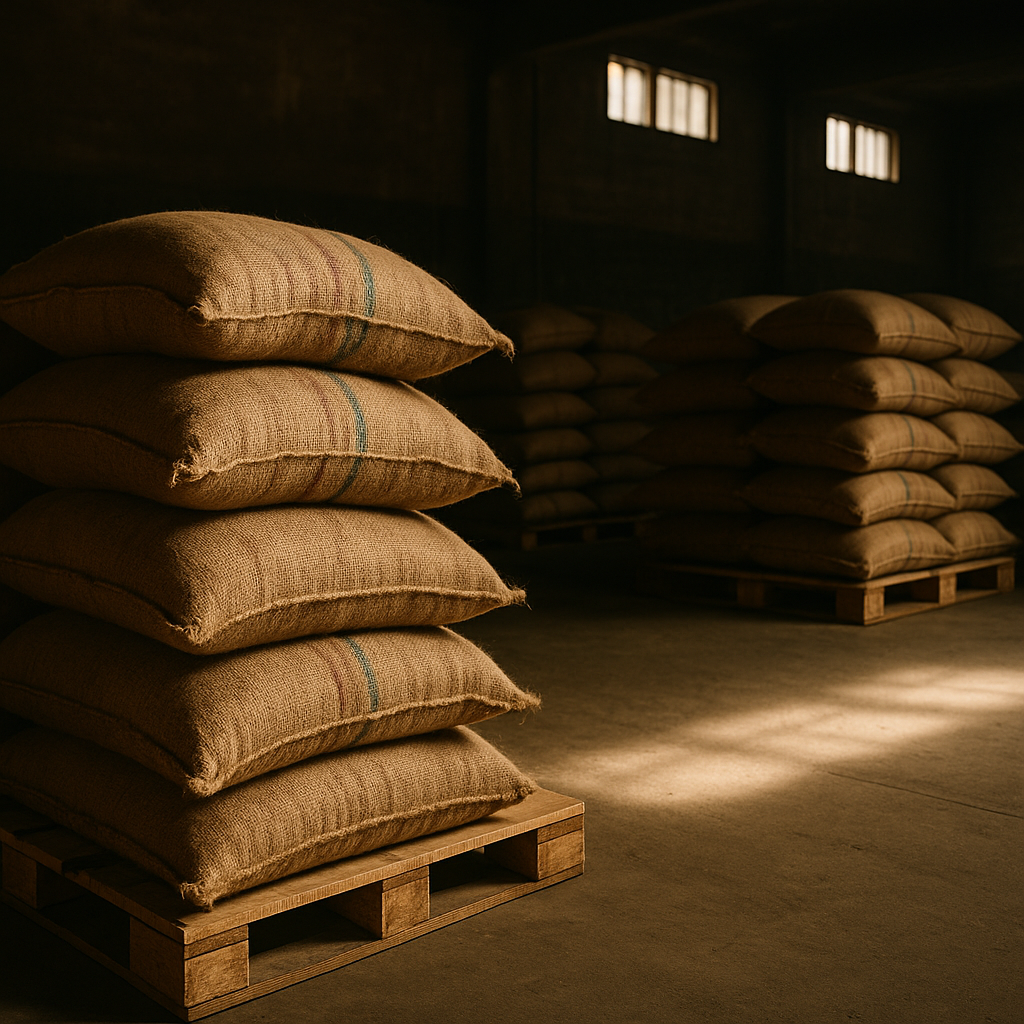
Iran War Drives Coffee Prices Higher as Supply Risks Intensify

Dubai – Qahwa World

Coffee futures rose sharply on Wednesday, hitting a 3.5-week high as markets reacted to escalating disruptions linked to the Iran war and concerns over global supply chains.

The main driver of the rally was growing uncertainty around the Strait of Hormuz, a critical global shipping route. Traders fear that prolonged conflict could keep the passage restricted, pushing up shipping costs, insurance premiums, fuel expenses, and overall logistics costs for coffee exporters and importers.

At the same time, tightness in robusta supply added upward pressure on prices, with ICE inventories recently falling to their lowest level in more than a year.

However, the broader market picture remains mixed. Arabica coffee had recently slipped to a seven-week low due to expectations of a very large Brazilian crop, with multiple forecasts pointing to a record harvest in the 2026/27 season. Larger projected global surpluses in the coming year are also seen as a long-term limiting factor for prices.

On the supply side, Vietnam continues to support global availability through strong export volumes, reflecting higher production levels in the world’s largest robusta-producing country. Meanwhile, Brazil’s export figures have shown recent declines compared with last year, and uneven rainfall in key growing regions is raising some concern about yield stability.

Longer-term projections from agricultural agencies still point to rising global production, particularly in robusta coffee, while arabica output is expected to decline. Even so, global ending stocks are forecast to tighten slightly in future seasons.

Overall, coffee markets are being pulled between short-term geopolitical disruption linked to the Iran war and longer-term expectations of strong global supply growth.

DMCC to Launch Cacao Centre to Accelerate USD 26.2 Billion Global Cocoa Trade Through Dubai

Dubai – Qahwa World

DMCC announces Cacao Centre to accelerate the global cocoa market projected to reach USD 26.2 billion by 2035
New centre to launch with strategic partners Kumbi Cocoa and Ribezzi Group
DMCC hosts 88 companies active across cocoa trading, chocolate manufacturing and confectionary
Builds on DMCC’s proven agri-food cluster model, expanding into cacao trading, processing and innovation
Integration with DMCC FinX will connect global cocoa trade with access to capital, financing, and wealth structuring through a single platform
DMCC – the leading international business district that drives the flow of global trade through Dubai – has announced its intention to launch a Cacao Centre, a new trade platform designed to establish an integrated cacao trading, processing and innovation ecosystem that will further position Dubai as a global hub for agri commodities trade.

The launch forms part of DMCC’s broader expansion of its agri-food commodities offering, leveraging its proven cluster model that has already reshaped global trade flows in coffee and tea. DMCC currently hosts 88 companies active across cocoa trading, chocolate manufacturing and confectionery. The new Cacao Centre will bring this activity together within a more structured platform spanning the full value chain – from sourcing and processing through to branding, distribution and access to finance.

The Centre will be launched in partnership with Kumbi Cocoa, which is focused on building direct, equitable relationships with farming cooperatives, and Ribezzi Group, a diversified conglomerate headquartered in Dubai, which will lead development and execution. Together, the parties will evaluate the feasibility of establishing integrated infrastructure in Dubai capable of storing, trading and processing cacao beans into semi-finished products such as cocoa liquor, cocoa butter, and cocoa powder. This will ultimately serve global markets while enhancing efficiency, transparency and value creation across the cocoa supply chain.

Building on the success of the DMCC Coffee Centre and DMCC Tea Centre, the new platform reflects a growing shift in global agri commodities, where value creation is increasingly driven by integrated market platforms that combine logistics, processing and access to capital. The Cacao Centre will offer state-of-the-art infrastructure and services, including grading, storage, blending, branding and packaging. These capabilities will be directly linked to trade finance solutions for cocoa boards, cooperatives and farmers through DMCC’s FinX platform, providing critical tools in a market defined by price volatility and liquidity constraints.

Ahmed Bin Sulayem, Executive Chairman and Chief Executive Officer, DMCC, said: “Cocoa today is not only about production, but about how value is structured, financed and distributed across the supply chain. With the DMCC Cacao Centre, we are building a platform around that reality. By bringing together producers, traders, manufacturers and capital within a single platform, we are creating the conditions for more value to be captured closer to origin while strengthening Dubai’s role as a global hub for agri-commodities trade. This is a natural extension of our cluster model and the next step in positioning Dubai at the centre of global food and commodities flows.”

Kwadwo Boachie-Adjei, Founder and CEO, Kumbi Cocoa, said: “Kumbi Cocoa’s mission has always been to build transparent and equitable supply chains that directly connect farmers with global markets. As a strategic partner to DMCC, we are proud to support the development of infrastructure that benefits growers while delivering high-quality, traceable cocoa to international markets.”

Mauro Ribezzi, Founder, Ribezzi Group, said: “The global cocoa market is evolving rapidly, and this initiative reflects a forward-looking approach to commodity infrastructure. By integrating sourcing, logistics, trading and processing across continents, the Cacao Centre has the potential to become a new benchmark and a catalyst for the industry.”

Globally, the cocoa market was valued at approximately USD 16.6 billion in 2025 and is projected to reach USD 26.2 billion by 2035. At the same time, the premium chocolate segment – driven by single-origin products, artisanal offerings and health-conscious formats – is expected to grow from USD 31.9 billion in 2024 to USD 40.6 billion by 2030.

Dubai’s role in the cocoa trade remains emergent but is supported by clear growth indicators. In 2023, the UAE imported USD 17.3 million in raw cocoa beans and USD 65.3 million in finished chocolate and cocoa products. Exports of raw beans reached USD 16.4 million, positioning the UAE as the 28th-largest exporter globally. While still nascent, these figures reflect accelerating trade flows across both upstream raw materials and downstream finished goods through Dubai.

Structural imbalances continue to define the global cocoa trade, with West African producers accounting for roughly three-quarters of output yet capturing only a fraction of end-market value. The DMCC Cacao Centre is designed to bridge this gap by directly connecting producers with global buyers, capital and value-added services. In parallel, Dubai’s strength in warehousing, blending and structured trade finance will act as a trade stabiliser, supported by investments in temperature-controlled logistics to safeguard quality and reduce loss. This integrated model brings infrastructure, services and capital into a single platform, enabling a more resilient, transparent and inclusive global cocoa trade.


Brazil’s Coffee Reality: When Climate Pressure Collides With Market Demand

Dubai – Qahwa World

This analysis is based on reporting first published by Dialogue Earth and written by Kevin Damasio. It has been adapted and republished by Qahwa World.

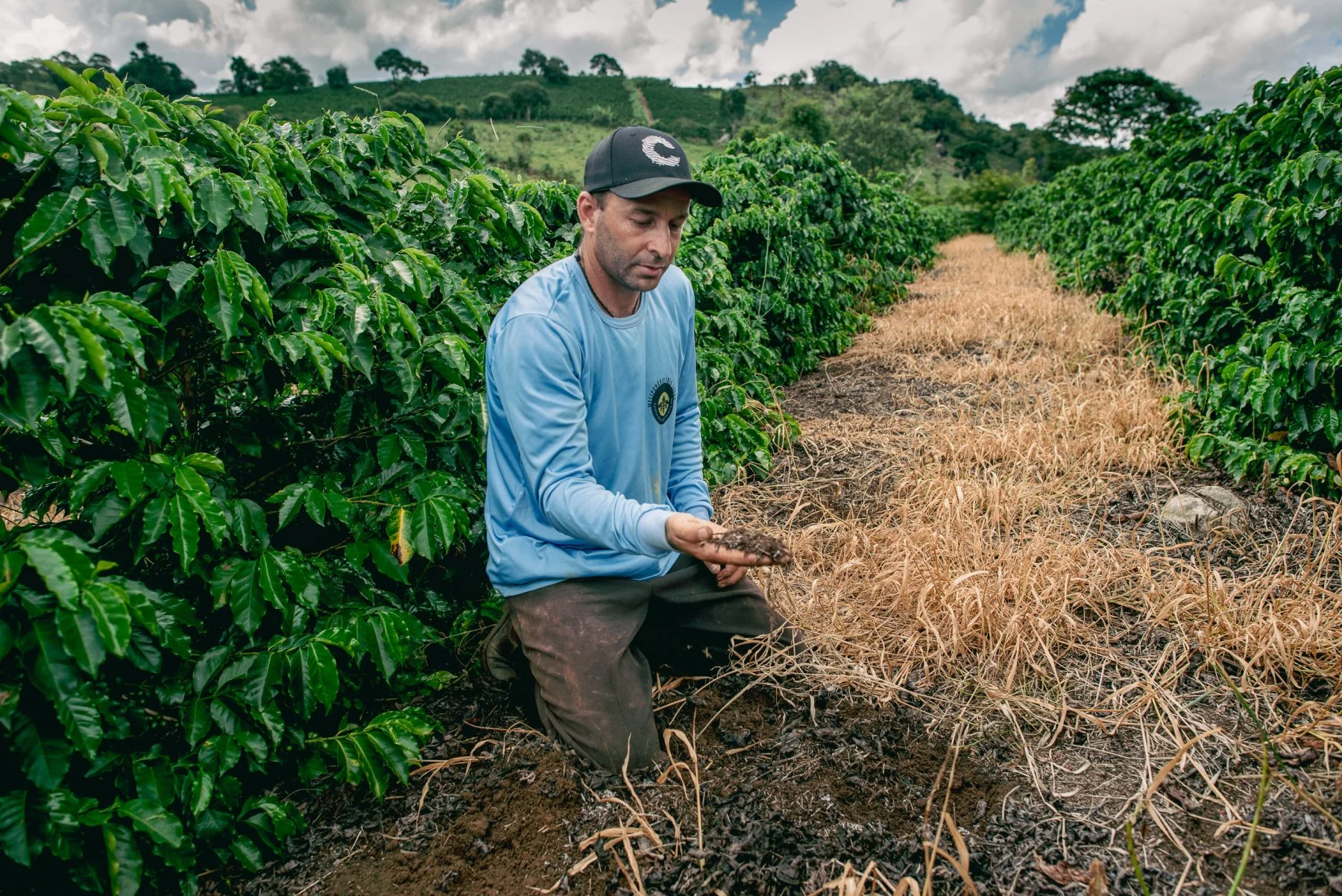
In the hills of Minas Gerais, where much of the world’s Arabica coffee is grown, a quiet transformation is underway. What was once a cycle of seasonal uncertainty has become a continuous struggle shaped by climate instability and shifting global demand.

This is no longer just a farming challenge. It is a defining moment for the future of coffee.

From Climate Variability to Climate Disruption

For generations, Brazilian coffee farmers adapted to occasional droughts, frosts, and irregular rains. Today, those events are no longer exceptions. They are part of a persistent pattern.

Longer dry periods, rising temperatures, and unpredictable rainfall are disrupting the biological rhythm of coffee itself. Flowering cycles are affected. Bean development becomes uneven. Yields lose consistency.

In regions like southern Minas Gerais, farmers are not asking if the weather will affect production. They are asking how severe the impact will be each year.

Scientific projections reinforce what farmers already experience on the ground. A significant share of Brazil’s Arabica-growing land faces the risk of becoming economically unviable in the coming decades if warming trends continue.

High Prices, Fragile Foundations

At the global level, coffee prices have surged as supply tightens. Brazil continues to generate record export revenues, even as shipment volumes fluctuate.

But this apparent strength hides a more fragile reality.

Higher prices are not translating into long-term security for producers. The cost of keeping coffee trees productive is rising. Irrigation systems, soil management, and climate-resistant varieties require investment. Losses from extreme weather events reduce financial resilience.

For many farmers, especially smallholders, the margin between survival and loss is narrowing.

The market is rewarding scarcity, but the conditions behind that scarcity are weakening the system that produces coffee.

The Retreat From Organic

One of the most telling shifts is happening in the field. Organic coffee production, once a growing segment, is under pressure.

Organic methods demand more labor, stricter management, and often higher costs. Under stable conditions, these systems can deliver value through quality and certification premiums. Under climate stress, they become harder to sustain.

As a result, some farmers are returning to conventional practices to secure more predictable yields. Even when they continue to limit chemical use, the shift reflects a deeper tension between sustainability and economic survival.

This raises an important question for the global coffee industry. Can sustainability commitments hold when producers face increasing climate risk and financial pressure?

Adaptation Becomes a Daily Practice

Across Minas Gerais, adaptation is no longer a long-term strategy. It is part of daily decision-making.

Farmers are replanting with more resilient Arabica varieties. They are improving soil cover to retain moisture. They are installing protective systems against hail and excessive sun.

Tree planting is gaining ground as a practical response. Shade reduces heat stress, stabilizes production, and creates microclimates that are more forgiving under extreme conditions.

Yet adaptation comes at a cost. Not every producer has equal access to credit, technical knowledge, or time to experiment. This creates a widening gap between those who can adjust and those who struggle to keep up.

Agroforestry and the Search for Balance

Among the emerging approaches, agroforestry stands out as both a return to coffee’s origins and a potential path forward.

By integrating trees, crops, and ecological processes, agroforestry systems aim to recreate the natural environment in which Arabica evolved. These systems can improve soil health, regulate water cycles, and reduce exposure to extreme weather.

Early results suggest strong potential in terms of resilience and quality. However, productivity gains are not always immediate, and management is more complex.

For many farmers, the question is not whether agroforestry works, but whether it is economically viable in the short term.

Without stronger institutional support, technical guidance, and market incentives, adoption is likely to remain limited.

A Changing Demand Landscape

While production faces mounting pressure, demand continues to expand.

Asia is becoming an increasingly influential force in global coffee consumption. Countries such as China, India, Indonesia, and Vietnam are reshaping how coffee is consumed, marketed, and valued.

For Brazilian producers and cooperatives, this shift offers new opportunities. It also introduces new expectations around volume, consistency, and price competitiveness.

This creates a delicate balance. Expanding into new markets may require scaling production, while climate realities are pushing toward more cautious and diversified farming systems.

The Future Is Being Rewritten in the Field

What is happening in Minas Gerais reflects a broader transformation across the global coffee sector.

Climate change is no longer a distant threat. It is actively redefining how coffee is grown. At the same time, market dynamics continue to evolve, creating both opportunity and pressure.

Farmers are responding with a mix of resilience, experimentation, and compromise. Some invest in new technologies. Others return to conventional methods. A few explore more complex ecological systems.

There is no single path forward.

What is clear is that the future of coffee will not be shaped by price alone. It will depend on how well the industry supports those at its foundation, the farmers who are adapting in real time to an increasingly uncertain environment.

For coffee, this is not just a moment of challenge. It is a moment of redefinition.
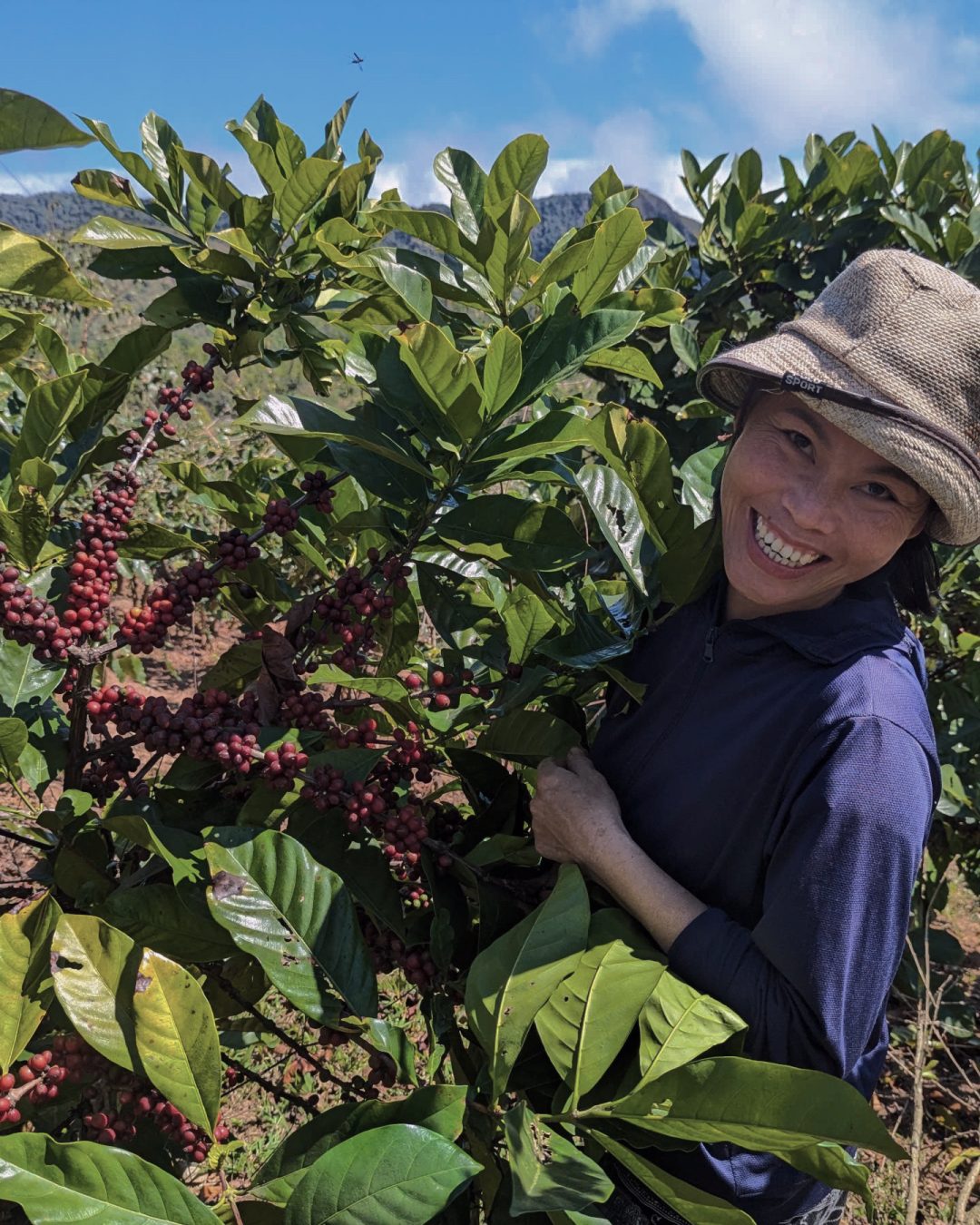
From Black Wine to Coffee: Lessons from China’s Market History

By: Lucy Wen

When coffee first arrived in China, people didn’t even know what to call it. Some called it “Black Wine.” Others drank it as a digestive aid. At one point, it was even sold in pharmacies as cough medicine. While this seems amusing today, it reveals a key lesson: how a completely foreign product enters a new market.

Stage One: When Coffee Was Just Functional
In the earliest records, coffee wasn’t a lifestyle or cultural symbol. It was simply something foreigners drank after meals to aid digestion. Naturally, people interpreted it based on what they knew: a dark liquid plus post-meal use became “Black Wine.” At this stage, coffee wasn’t “coffee”; it was a functional product trying to fit into an existing category. In 1853, at the Old Deji Pharmacy in Shanghai, coffee was even sold as “cough syrup.”

Stage Two: When the Market Tries to Make Sense of It
As coffee became more visible, understanding didn’t come immediately. Different names appeared, and interpretations varied. Some saw it as medicine, others as a novelty drink. This confusion wasn’t rejection; it was the market trying to understand. When a product is new, people evaluate it through familiar categories rather than on its own terms.

Stage Three: When Understanding Becomes Standard
It wasn’t until the early 20th century that one name, “coffee” (咖啡), became widely accepted. That marked the start of broader consumption. Once people agreed on what the product was, they could decide whether they wanted it. Language didn’t just describe coffee; it unlocked the market.

Lessons for Coffee Businesses Today
Working with coffee machines and international trade reveals a similar pattern in emerging markets. The challenge is often not naming; it’s understanding. Customers aren’t just asking, “Which machine is better?” They are asking: What is espresso? Why does pressure matter? Is this a daily drink or a business opportunity? The gap is not the product itself; it’s education. Sometimes, people need clarity on what a machine does before they are ready to buy it.

The Real Takeaway
China didn’t just take time to accept coffee; it took time to understand it. Entering a new market is not about pushing products. It’s about translating value. Before someone buys your machine, they need to understand the experience behind it. Once they do, everything else becomes much easier.

Ethiopia Bolsters Global Coffee Competitiveness with Landmark Digital Handover

ADDIS ABABA – Qahwa World

The Ethiopian coffee industry achieved a significant digital milestone on 27 March 2026, as the Ethiopian Coffee and Tea Authority (ECTA) officially concluded the technical handover of the Ethiopian Coffee Traceability and Management System (ECTMS).

Developed in collaboration with the Deutsche Gesellschaft für Internationale Zusammenarbeit (GIZ) through its SUVASE project, and with technical implementation by the Ethiopian software firm Vulcan ICT, the ECTMS represents a state-of-the-art digital platform. It aims to deliver end-to-end transparency and traceability for the world’s most iconic coffee origin—home to the ancient forests that gave birth to Arabica coffee.

You may read: Ethiopia Strengthens Coffee Ties with China

  • A Digital Shield Against Stringent Global Regulations

As international sustainability requirements tighten—especially the EU Deforestation Regulation (EUDR)—the ECTMS equips Ethiopia with a critical technological advantage. The system addresses the EUDR’s core demands for geolocation data, proof of deforestation-free production (post-31 December 2020 cutoff), and full supply chain traceability.

The system features three core functionalities:

Precision Geodata Collection: A dedicated mobile application enables field agents and farmers to capture exact GPS coordinates and plot-level details from coffee farms across the country.

Seamless Logistics Tracking: Real-time digital documentation of the entire goods flow, from farm to export, replacing outdated paper-based processes.

Read Also: Chinese Firm Huichuan to Invest in Ethiopia Coffee Processing

Advanced Deforestation Risk Analysis: Integrated mapping tools assess cultivation areas against deforestation risks, helping ensure compliance with global sustainability standards.

By generating verifiable, auditable data, the ECTMS helps European importers fulfill their due diligence obligations, safeguarding continued access for Ethiopian coffee to one of its largest and most lucrative markets.

  • Efficiency, Trust, and Farmer Empowerment

At the handover workshop, ECTA Director General H.E. Dr. Adugna Debela emphasized the evolving demands of the global coffee market.

“Trustworthy traceability is no longer optional; it is the backbone of Ethiopia’s global competitiveness,” Dr. Adugna stated. “We are committed to leveraging technology to enhance sustainability, ensuring better market access and, ultimately, increased revenue for our farmers. We extend our sincere gratitude to GIZ and Vulcan ICT for their partnership in developing this essential trust mechanism.”

Read Also: Ethiopia and China Strengthen Coffee Sector Cooperation

The ECTMS shifts Ethiopia from traditional paper-based certifications to a modern, user-friendly digital ecosystem. For the millions of smallholder farmers who form the backbone of the sector, this means their coffee’s origin, ethical production, and environmental footprint can now be reliably documented and promoted.

  • Strategic Importance in a Booming Sector

This initiative comes as Ethiopia’s coffee sector continues to post impressive gains. In the 2024/25 fiscal year, the country achieved record exports of approximately 470,000 tons, generating over USD 2.6 billion in revenue. Early performance in 2025/26 has also been strong, with ambitions targeting up to USD 3 billion in coffee earnings for the full year.

Projections for the 2025/26 marketing year estimate production at around 11.6 million 60-kg bags, with exports potentially reaching 7.8 million bags, supported by favorable conditions, tree rejuvenation programs, and policy reforms. By aligning with global expectations, the ECTMS positions Ethiopian coffee—prized for unique flavor profiles from regions like Yirgacheffe, Sidama, and Guji—to command premium prices in both specialty and mainstream segments.

  • Looking Ahead

While the system marks major progress, full-scale adoption remains a challenge due to the fragmented nature of Ethiopia’s roughly four million smallholder farms. ECTA has indicated plans to issue directives for centralizing geolocation data to avoid fragmentation.

As the EUDR enforcement deadline approaches (December 2026 for large operators), full implementation and widespread adoption across cooperatives, exporters, and regional authorities will be key to translating this technological milestone into tangible benefits for farmers and sustained growth for the national economy.

Global Coffee Exports Surge Amid Asian Growth and Latin American Decline

LONDON – Qahwa World

The latest report from the International Coffee Organization reveals profound shifts in the global trade landscape, as total coffee exports across all forms surged to 12.62 million bags in January, marking a 13.7% increase compared to the same month last year. This growth was primarily driven by an exceptional performance in the Robusta sector, which successfully offset a significant contraction in shipments from major producers in South America, reflecting a fundamental change in the global supply structure.

Data highlights a dominant performance by the Asia & Oceania region, which achieved a 54.4% growth in exports. Vietnam led this surge with 3.99 million bags exported—a 73.3% annual increase—as the country accelerated shipments to clear inventories ahead of national holidays. Africa also maintained a strong presence with 14.2% growth, notably led by Ethiopia, which saw a 51.5% jump in shipments, confirming the recovery of supply chains and the continent’s ability to capture new market shares.

You may Read: ICO February 2026 Report: Has the Inflationary Wave Receded?

In contrast, South America faced a different reality, with exports declining by 21.3%. This downturn was directly impacted by a drop in shipments from Brazil and Colombia, ranging between 19% and 22%, following unfavorable localized weather conditions. This trend extended to Mexico and Central America, which recorded a 4.2% decrease, with Honduras suffering a sharp 28.7% drop in shipments due to logistical challenges and seasonal labor shortages still hindering the pace of exports in that region.

By category, Robusta exports grew by a staggering 49.1% to reach 5.25 million bags, accounting for a larger share of the global green bean trade at 48.4%. Furthermore, the data reveals a strategic shift toward value addition in origin countries, as exports of roasted coffee jumped by 25.2%. This indicates a growing desire among producers to move beyond raw material exports toward local manufacturing to maximize economic returns amidst the rapid changes in the global coffee sector.

FAO Welcomes UN Resolution Establishing International Coffee Day on October 1

Dubai – Qahwa World

The Food and Agriculture Organization of the United Nations has welcomed a new resolution adopted by the United Nations General Assembly proclaiming October 1 as International Coffee Day, marking a significant step toward recognizing coffee’s global economic, social, and cultural importance.

The resolution, approved on 10 March 2026 in New York, highlights the historical and cultural role of coffee and its lasting influence on societies worldwide. It acknowledges that coffee has evolved from its origins into a globally traded agricultural commodity that sustains communities while also serving as a symbol of social interaction, cultural identity, and everyday tradition across generations.

You may Read: UN Officially Designates 1 October as International Coffee Day 

  • Coffee and global development

The United Nations resolution underscores the contribution of the coffee sector to several key global development priorities. Among them are ending hunger, reducing extreme poverty, empowering women, and promoting decent work and economic growth, all of which are central to the United Nations Sustainable Development Goals.

According to Qu Dongyu, coffee represents far more than a popular beverage.

“Coffee is more than a drink; it is a globally traded commodity—from beans to coffee service—that sustains the livelihoods of millions of farming households and connects rural communities to markets around the world,” he said. “Recognizing the value of the coffee sector will raise awareness of its socio-economic importance and strengthen its contribution to eradicating poverty.”

You may read: International Coffee Day: How It Started and Why the World Celebrates 

  • A sector supporting millions

Coffee remains one of the most widely consumed beverages worldwide. Global per-capita consumption has grown by about 1.2 percent annually over the past decade, reflecting steady demand across international markets.

The sector supports the livelihoods of around 25 million coffee farmers, while employment extends across the entire value chain—from cultivation and processing to trading, roasting, and retail. Altogether, the global coffee industry generates more than 200 billion dollars in annual revenue.

Coffee also ranks among the world’s most traded agricultural commodities. In 2024, global production surpassed 11 million tonnes, with approximately 8 million tonnes traded internationally. That same year, the estimated value of global coffee production reached nearly 25 billion dollars, while international trade in coffee beans totaled about 34 billion dollars.

Read also: International Coffee Day: A Beverage’s Journey from Yemen to the World 

  • Vital exports for developing economies

For many low-income countries, coffee exports remain a critical source of foreign currency earnings.

In 2024, coffee accounted for 27.9 percent of total merchandise exports in Ethiopia, 20.1 percent in Uganda, and 19.5 percent in Burundi. In both Ethiopia and Uganda, revenues from coffee exports exceeded national food import bills, while in Burundi they represented nearly one-fifth of the country’s food import costs.

During the same year, Brazil and Viet Nam were the world’s leading coffee exporters, while the European Union and the United States remained the largest import markets.

  • FAO’s role in strengthening the coffee sector

FAO works with coffee-producing countries through a range of initiatives designed to strengthen sustainability, productivity, and farmer livelihoods.

One of the organization’s priorities is helping producers adapt to the growing impacts of climate change. Through programs such as Farmer Field Schools, FAO supports pest management strategies and the conservation of traditional coffee systems, including projects in Panama. Additional initiatives promote agroforestry systems and climate-resilient coffee varieties in East Africa, while cooperative development programs are helping strengthen rural economies in countries such as Cuba.

You may like:Coffee Industry on International Coffee Day: Production, Consumption, and Future Challenges 

The organization is also assisting producers in responding to evolving market requirements. As international buyers increasingly demand traceability and compliance with sustainability standards, FAO is working with governments and producers in countries including Honduras, Guatemala, and Uganda to establish stronger traceability systems and align national policies with global frameworks. These efforts aim to mobilize investment benefiting more than 200,000 smallholder farmers.

Through its Investment Centre and initiatives such as the Hand-in-Hand Initiative, FAO is also supporting financing mechanisms that improve efficiency and increase farmer incomes. Projects in Brazil, Costa Rica, and Honduras, implemented with partners including the World Bank, are helping strengthen the long-term resilience of coffee farming systems. In El Salvador, FAO has supported the development of a comprehensive national coffee strategy.

  • A global platform for the coffee community

With the establishment of International Coffee Day under the UN system, FAO has been invited to coordinate the annual observance in collaboration with relevant organizations, particularly the International Coffee Organization.

The new international day is expected to serve as a global platform for dialogue, cooperation, and knowledge-sharing across the coffee value chain. By highlighting both the opportunities and the challenges facing producers, the initiative aims to strengthen international commitment to a sustainable, inclusive, and resilient coffee sector that contributes to rural development and global food security.


Caffè Nero Forecasts Rising Prices Amid Steady Global Growth

Dubai – Qahwa World

Caffè Nero is pressing ahead with its international expansion, even as it warns that the price of a cup of coffee is likely to keep climbing. The premium coffee house group cited a volatile mix of geopolitical conflict, rising labor costs, and climate-driven supply shortages as the primary drivers behind the anticipated hikes.

The family-owned business, which operates 1,151 outlets globally, is targeting significant growth this year. The group plans to open 30 new stores in the UK and up to 70 additional locations across its 10 international markets. This expansion follows the recent acquisition of Washington D.C.-based Compass Coffee, a move that integrated 15 new sites and a dedicated roasting facility into the brand’s North American infrastructure.

  • A Different Rhythm

Gerry Ford, who founded the chain in 1997, suggests that Caffè Nero’s private ownership has allowed it to weather the current economic storm better than its publicly traded rivals. While competitors like Starbucks and Costa have struggled with store closures or stalled sales plans, Ford attributes Nero’s resilience to a “steady pace” and longer-term planning.

“We don’t want to take over the world,” Ford noted. “We have more flexibility because we aren’t trying to hit a quarterly reporting target. We move to our own rhythm.”

  • Financial Headwinds

Despite a 13% jump in annual sales to £587.6 million, the group’s pre-tax losses widened to £41 million. This was largely due to the rising cost of servicing its £481 million debt, fueled by recent interest rate hikes and a string of strategic acquisitions, including 200 Degrees and Harris + Hoole.

Caffè Nero Forecasts Rising Prices Amid Steady Global Growth

To manage these costs, Ford confirmed that the group will pause further acquisitions for at least a year to focus on integrating its latest purchases and meeting upcoming debt repayments.

  • The Cost Crisis

The industry is currently facing a “perfect storm.” Coffee prices tripled between 2023 and early 2025 as the climate crisis ravaged crops in Brazil and Colombia. While wholesale prices have recently stabilized, they remain nearly double what they were three years ago.

Ford warned that consumers shouldn’t expect relief at the till anytime soon. The ongoing conflict in the Middle East continues to drive up energy and shipping costs, while rising business rates and wages in the UK add further pressure. Data shows that the average price of a latte has already surged by 35% over the past five years, now sitting at approximately £3.76.

Despite these challenges, Ford remains bullish on the future of the specialty coffee sector, insisting that there is still plenty of “white space” for independent, premium brands to thrive globally.

Global Coffee Market Roadmap—January 2026

DUBAI – QAHWA

January 2026 was not merely the start of a new calendar year for the International Coffee Organization (ICO); it served as a critical testing ground for the resilience of global supply chains against dual shocks: climatic in the primary production origin (Brazil) and logistical in vital waterways. The ICO Composite Indicator Price (I-CIP) averaged 296.89 US cents/lb, a 2.6% decrease from December 2025. While this figure may appear as a slight retreat, a deep dive into daily market movements reveals a state of “silent boiling” that culminated in a sharp price collapse in the final three days of the month, ending a long period of relative stability since late 2025.

  • I. Price Psychology and the “Minas Gerais” Effect

Prices entered January in a state of “cautious balance” (range-bound), lacking clear directional catalysts. Prices fluctuated within a narrow band, interpreted by analysts as being high enough to keep farmers financially satisfied but not low enough to trigger aggressive stock liquidations. However, this calm was shattered by two opposing factors:

Currency Impact and Hedging (Early Month): In the first week, around January 6th, the indicator rose by 3.2%. This increase was driven not by supply shortages, but by the strength of the Brazilian Real. The positive correlation between the Real’s strength and global coffee prices is a classic driver; a stronger local currency reduces export incentives for Brazilian farmers who then prefer selling in the domestic market (CEPEA index), which offered attractive premiums over international prices, creating temporary upward pressure.

The Saving Rain Shock (End of Month): A dramatic shift occurred between January 27th and 30th, with the market losing over 21 cents in a flash. Eyes were glued to weather maps over Minas Gerais, the heart of Brazil’s coffee production. Reports of heavy, consistent rainfall dissipated the “risk premium” previously added by traders fearing drought. This precipitation not only improved the current crop’s condition but provided strong positive signals for the 2026/2027 season, prompting investment funds and speculators to liquidate long positions, causing the indicator to drop to 283.02 cents.

  • 2. Structural Shifts in Demand (Robusta as the New Leader)

The report reveals a significant economic phenomenon: diverging performance among the four main coffee groups. While Arabica varieties suffered sharp declines—up to 4.5% in the “Other Milds” category—Robusta was the only group to achieve positive growth (1.0%), stabilizing at 192.52 cents. This divergence is no coincidence; it is the result of a “structural” shift in the global coffee industry. Amid rising global living costs, major international roasters have begun adjusting “blends” to increase the proportion of Robusta to lower final costs for consumers. This sustained demand for Robusta narrowed the price gap (arbitrage) between the New York and London exchanges by 8.4%, signaling that Robusta is emerging as the actual driver of corporate profit stability.

  • 3. Export Geography: Redrawing the Global Map

Global green coffee exports in December 2025 reached a strong 10.15 million bags, up 9.2%. However, this hides stark regional disparities:

The Central America and Mexico Surge (81.3%): This figure must be read carefully; it reflects “recovery from paralysis” rather than a sudden productivity spike. In December 2024, tropical storms (notably Sara) delayed harvesting, making exports almost non-existent then. In December 2025, stabilized climate allowed coffee to flow normally to ports, resulting in a massive percentage increase compared to the previous year’s “trough.”

Asia and Oceania Leadership (Vietnam & Indonesia): The region grew by 38.4%, led by Vietnam (+30%). Vietnam compensated for early-season harvest delays through improved processing efficiency and the “base effect.” Indonesia and India also saw a combined 61.1% jump, reinforcing Asia’s position as a primary global supplier while South America falters.

South American Contraction (The Persistent Dilemma): For the 14th consecutive month, South America recorded a decline (-15.0%). Brazil fell by 18.5%, and notably, Colombia dropped by 18.9%. The report hypothesizes that Colombia may have reached its “maximum production capacity” due to environmental factors and labor structure changes.

  • 4. Uganda: A Unique African Success Story

Uganda stands out as the “hero” of the African continent, with exports jumping 52.5% in one month. This is the fruit of a national strategy to renew trees and expand Robusta acreage. Uganda aims to export 20 million bags by 2030, and current figures show it is on track, filling the void left by other struggling producers with competitive quality.

  • 5. Logistics: Red Sea Security as a Cooling Factor

A pivotal analytical point is the breakthrough in the Red Sea. Following long-term disruptions, major shipping lines resumed using the Suez Canal by January 12, 2026, after security stabilized. This has a direct price impact:

Reducing “Coffee on Water”: Shortening transit times freed up millions of bags previously held at sea for extra weeks, allowing them to reach European and American ports faster.

Increased Destination Stocks: The availability of coffee in consuming ports reduces “urgent” buying pressure, removing a key price support pillar from last year.

  • 6. Technical Analysis of Stocks and the “Backwardation” Dilemma

Despite export flows, the market faces a technical contradiction called “Backwardation,” where spot prices remain higher than futures. This indicates short-term “hunger” despite long-term optimism. Consequently, certified stocks remain at critical levels (50% of the 5-year average), acting as a “safety valve” that prevents total price collapse.

  • Conclusion and Future Outlook

The January 2026 report clarifies that the global coffee market is moving from a “supply crisis” to a “logistical and climatic rebalancing.” The 2.6% price drop is likely the start of a broader correction in Q1, provided Brazilian rains continue and Suez Canal traffic remains steady.

Coffee Prices Drop Sharply Amid Record Global Supply Projections

Dubai – Qahwa World

Coffee market prices ended Friday’s sessions with a significant decline, as March Arabica coffee contracts dropped by 3.84% to close at -11.85, while March Robusta coffee fell by 1.75% to close at -67. This downward trend persisted throughout the week, with Arabica hitting a 6-month low and Robusta reaching its lowest level in nearly 6 months, pressured by reports confirming robust global supplies.

The Brazilian crop forecasting agency, Conab, reported that coffee production in Brazil for 2026 is expected to rise by 17.2%, reaching a record 66.2 million bags. This includes a projected 23.2% surge in Arabica production to 44.1 million bags and a 6.3% increase in Robusta to 22.1 million bags. In Vietnam, the world’s leading Robusta producer, exports in January jumped by 38.3%, adding further bearish pressure on prices, especially after 2025 exports had already risen by 17.5% to 1.58 million metric tons.

Additionally, above-average rainfall in Brazil eased drought concerns. Minas Gerais, the largest Arabica-growing region, received 69.8 mm of rain in the week ending January 30, representing 117% of the historical average. Vietnam’s production for the 2025/2026 season is also projected to climb 6% to a 4-year high. Meanwhile, ICE-monitored inventories have begun to recover from previous lows; Arabica stocks rose from a nearly 2-year low to a 3-month high, and Robusta inventories showed a similar recovery.

Despite some supportive signals for prices, such as the Brazilian Trade Ministry reporting a 42.4% drop in January exports and the International Coffee Organization (ICO) noting a slight 0.3% dip in global shipments, the overall outlook remains focused on surplus. The USDA’s bi-annual report projects that world coffee production for 2025/2026 will increase by 2% to a record 178.8 million bags, with a significant 10.9% rise in Robusta output, even as total ending stocks are forecasted to decline by 5.4%.

Falling Inventories and Trade Tensions Revive Momentum in Coffee Prices

Qahwa World – Qahwa World

Coffee prices rose on Wednesday as shrinking ICE inventories and ongoing trade tensions between the United States and Brazil brought renewed momentum to the global coffee market.

December Arabica coffee (KCZ25) closed up +2.80 (+0.72%), while January Robusta coffee (RMF26) finished +145 (+3.25%) higher.

ICE-monitored Arabica inventories fell to a 1.5-year low of 446,475 bags, while Robusta stocks dropped to a 3.25-month low of 6,111 lots. This sharp decline follows the 50% tariffs imposed by the United States on imports of Brazilian coffee, prompting many American buyers to cancel new contracts. Brazil typically supplies about one-third of the U.S. unroasted coffee, tightening domestic supply.

Earlier this week, forecasts of rain in Brazil temporarily pressured prices. Meteorological agency Somar Meteorologia reported that Minas Gerais—the country’s largest Arabica-producing state—received only 0.3 mm of rainfall in the week ending October 24, or just 1% of the historical average. While upcoming rainfall could ease dry conditions, concerns remain about the impact on the critical flowering period for the 2026/27 crop.

Speculation is also mounting that the United States may lift tariffs on Brazilian coffee. Brazilian President Luiz Inácio Lula da Silva said he had a “surprisingly good” meeting with U.S. President Donald Trump on the sidelines of the ASEAN Summit in Malaysia, adding that a “definitive solution” on trade could be reached within days.

Last week, Arabica coffee prices hit an 8.5-month high amid fears that prolonged drought in Brazil’s growing regions could threaten the 2026/27 harvest. According to Bloomberg’s Brazil Weather Analysis, Minas Gerais has received only 70% of its average monthly rainfall over the past month.

Prices also gained support after the U.S. National Oceanic and Atmospheric Administration (NOAA) raised the probability of a La Niña weather pattern to 71% between October and December, a development that could intensify dry conditions across Brazil and further impact production.

Meanwhile, Robusta coffee faced pressure from an increase in Vietnamese supply. Vietnam’s National Statistics Office reported that coffee exports rose 10.9% year-on-year between January and September 2025 to 1.23 million metric tons. The Vietnam Coffee and Cocoa Association (Vicofa) forecasts that 2025/26 coffee production could rise 10% if weather conditions remain favorable, reaching 1.76 MMT (29.4 million bags) — a four-year high.

At the global level, the International Coffee Organization (ICO) reported that world coffee exports for the current marketing year (October–August) increased 0.2% year-on-year to 127.92 million bags, indicating adequate global supply.

In Brazil, crop forecasting agency Conab revised its 2025 Arabica coffee crop estimate down by 4.9% to 35.2 million bags, while lowering its total coffee production estimate by 0.9% to 55.2 million bags.

According to the U.S. Department of Agriculture’s Foreign Agriculture Service (FAS), global coffee production for 2025/26 is projected to increase 2.5% year-on-year to a record 178.68 million bags, with Arabica output expected to decline 1.7% to 97.02 million bags and Robusta production to rise 7.9% to 81.66 million bags. Brazil’s output is projected to increase 0.5% to 65 million bags, while Vietnam’s could grow 6.9% to 31 million bags.

Global ending stocks are forecast to rise 4.9% to 22.82 million bags, compared with 21.75 million bags in 2024/25.

New Study Reveals the Secrets of Coffee Price Networks: What Do Quality and America Have to Do with It?

Dubai – August 25, 2025 (Qahwa World) – A groundbreaking academic study titled Quality differences, location, and coffee price return networks: Insights from a high-dimensional CoVaR-copula analysis has shed light on the hidden mechanisms driving coffee price dynamics worldwide. The research highlights that both quality and geographic location play a central role in shaping risk spillovers and market interconnections across the global coffee trade.

The study analyzed daily data spanning twenty years and covering 17 distinct coffee varieties traded in three of the world’s most important markets: the United States, Germany, and France. The data, drawn from the International Coffee Organization (ICO), was not used in aggregated form. Instead, the researchers disaggregated it at the variety level, allowing for a far more detailed and accurate picture of price dynamics and market integration.

The findings suggest that high-quality coffees, such as mild arabicas, form stronger and more stable price linkages within markets, while lower-quality coffees like robusta exhibit more volatility and divergence. Moreover, risk spillovers are found to be stronger among coffees of similar quality, creating distinct clusters in the price network.

One of the study’s most important insights is the role of the United States as the central node of the global coffee risk network. As the world’s largest importer of coffee, the U.S. absorbs spillovers from European markets, particularly Germany and France. This centrality means that disturbances in European markets can quickly reverberate through the U.S., which then amplifies their impact across the rest of the world.

From a methodological standpoint, the study employed a high-dimensional CoVaR-copula framework, a sophisticated statistical approach that focuses on extreme price movements rather than long-term averages. Unlike traditional cointegration methods, which focus on whether prices move together in the long run, this approach looks at how shocks in one market are transmitted during stress periods to other markets.

To address the challenge of handling a large number of variables, the researchers used high-dimensional VAR (Vector Autoregressive) models combined with an Elastic-Net technique, which helps to reduce overfitting and manage what is known as the “curse of dimensionality.” This combination allowed for the creation of clearer, more precise connectedness networks, showing how risk flows between different coffee varieties and across national markets.

In addition to price data, the study incorporated insights from chemical analyses of coffee. Previous research had identified specific chemical compounds that differentiate varieties and contribute to flavor and aroma profiles. By aligning price data with chemical properties and trading locations, the researchers produced heatmaps and connectedness graphs that reveal how both intrinsic quality and geography drive the clustering of coffee markets.

The results demonstrate that geographical proximity facilitates faster transmission of information and market shocks, while chemical and sensory differences create visible separations within networks. In other words, the global coffee market is not just shaped by supply and demand—it is influenced by the interplay of quality, chemistry, taste, and trading location.

Although the study faced limitations, particularly the inability to analyze coffee futures contracts at the variety level due to insufficient data, it still provides valuable insights into the structure of the global coffee trade. By revealing how clusters form and risks spill over, the research helps explain why certain markets are more vulnerable than others during times of stress.

For policymakers, producers, and importers, these findings carry important implications. Monitoring general coffee price indices is no longer sufficient. Instead, stakeholders must consider differences in quality and geographic positioning when evaluating market risks. With global coffee markets under increasing pressure from climate change, supply chain disruptions, and regulatory frameworks such as the European Union’s deforestation regulation, this research offers a timely tool for risk management and strategic planning.

Ultimately, the study underscores how coffee—often seen as just a daily ritual—sits at the center of a complex economic web. Quality and geography act as the hidden levers of price dynamics, and the United States remains at the core of this network, both shaping and being shaped by the flows of risk. What emerges is a portrait of coffee not simply as a commodity, but as a global force whose market behavior reflects the broader challenges of interconnected economies.