Global Roadmap to Accelerate the Genetic Improvement of Robusta Coffee

Dubai – Qahwa World

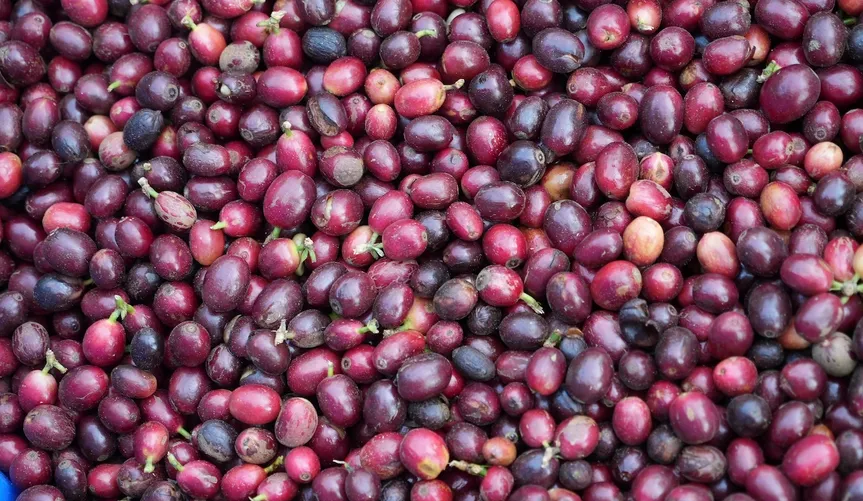
At a time when the global coffee sector stands at a historic crossroads, the journal Frontiers in Plant Science has published one of the most significant research papers of the last decade. It is not merely an academic study but a “rescue document” for the future of coffee. The paper, led by Dr. Robert Kawuki, a Robusta breeding expert at World Coffee Research (WCR), with the participation of 14 researchers representing eight international programs across three continents, outlines for the first time a clear technological path to accelerate the genetic improvement of Robusta coffee (Coffea canephora).

  • Robusta: From “Alternative” to Economic “Pillar”

The face of the global coffee market has changed dramatically. While Robusta represented only 25% of global production in the 1990s, its share has jumped today to exceed 40%. This rise was not accidental; it came in response to the resilience of this species and its ability to withstand higher temperatures compared to the sensitive “Arabica.” However, the study emphasizes that Robusta did not receive its due share of research and genetic development throughout the last century, leaving it operating far below its potential productive and qualitative capacities.

  • Anatomy of Obstacles: Why Have We Been Delayed for Decades?

The study identifies the “wounds” that hindered the crop’s development, as researchers pinpointed three main obstacles:

Fragmentation of Genetic Resources: National breeding programs have operated in isolated islands, with an almost total absence of exchange of genetic material and shared data.

Long Breeding Cycles: The process of developing and distributing a new variety to farmers takes more than 20 years. The research describes this duration as “catastrophic” given the accelerating pace of climate change, which alters the farming environment within a single generation of farmers.

Weak Technical Investment: Robusta has remained reliant on traditional selection methods, while other crops have made massive leaps using genomics and artificial intelligence.

  • The Roadmap: A New “Operating System” for the Industry

The most important conclusion of the paper is the necessity of transforming coffee breeding from “research projects” into a “shared global infrastructure.” The recommendations are summarized in core points:

Demand-Led Breeding: For the first time, there is an emphasis on designing coffee varieties based on “Product Profiles.” This means the researcher must consider the farmer’s needs (high yield and resistance) and the market’s needs (sensory quality) before beginning the hybridization process.

Genetic Acceleration Technologies: The paper calls for the immediate integration of Genomics-assisted selection and digital phenotyping tools. These tools allow for the evaluation of thousands of seedlings in record time and with extreme accuracy, reducing the variety development cycle by more than 50%.

The 3-Year Rule: The study revealed a stunning technical result: evaluating a tree’s productivity in its first three years provides an accurate indicator of over 80% of its long-term performance. This discovery alone will save breeding programs years of unnecessary waiting.

  • The 64% Alliance: A Global Transcontinental Force

What gives this research paper immense executive credibility is the participation of researchers from countries that control 64% of the world’s Robusta exports: Vietnam, Brazil, Indonesia, India, Uganda, Ghana, and Rwanda. These partners now form the backbone of the “Innovea” global network, which seeks to unify genetic breeding efforts to serve as the “infrastructure” serving coffee farmers worldwide.

  • Final Recommendations to Ensure Supply Sustainability

The research paper concludes with an urgent call to decision-makers in the coffee industry: Investing in Robusta improvement is not a luxury; it is “insurance” against potential climatic collapse. The study recommends:

Increasing Sustainable Funding: Moving away from short-term grants toward building investment funds that support long-term breeding programs.

Enhancing Access Pathways: There is no benefit in innovating excellent varieties if they do not reach the farmer quickly and at an affordable price.

Cross-Border Collaboration: Breaking down barriers of secrecy and exchanging genetic resources is the only way to face shared global threats like “leaf rust” and drought.

Conclusion:

The future of global coffee is now linked to the seriousness of implementing this “roadmap.” Robusta is not just a “cheaper alternative” to Arabica; it is the crop that will carry the burden of sustaining the global cup in the coming decades, and scientific research is the only weapon we have to make this cup resilient, profitable, and of high quality.

Nuclear Science Secures the Future of Coffee

How “Birth Control” for Pests is Saving the Global Brew

VIENNA – Qahwa World

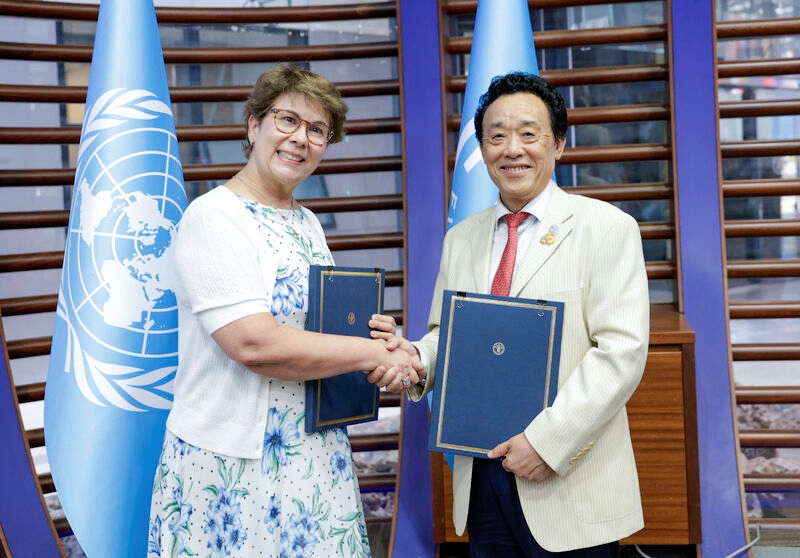
In a landmark announcement, the International Atomic Energy Agency (IAEA) and the Food and Agriculture Organization of the United Nations (FAO) have confirmed that nuclear science is now the primary shield protecting the world’s multibillion-dollar coffee industry from its most destructive adversary: the Mediterranean fruit fly.

The Invisible Threat to Your Morning Cup

While coffee is one of the most beloved beverages globally, it is also a favorite target for the Mediterranean fruit fly (Ceratitis capitata). The biological damage is devastatingly precise. The female fly deposits eggs into the coffee berries, and once the larvae hatch, they feed on the internal pulp.

New technical data released by the IAEA and FAO clarifies that this process does more than just damage the fruit; the larvae “suck out essential nutrients,” which directly stunts the development of the coffee bean. This prevented beans from reaching their natural size and density, leading to lighter, “hollow” harvests that lacked the physical properties required for high-quality roasting.

The damage happens silently — inside the fruit — long before the coffee reaches the cup.

The SIT Breakthrough: “Birth Control” for Insects

To combat this without the use of toxic chemical pesticides, the IAEA, in cooperation with the FAO, has deployed the Sterile Insect Technique (SIT). This environmentally friendly “insect birth control” method works through a precise four-step cycle:

  • Mass Rearing: Millions of male flies are raised in specialized bio-factories.
  • Irradiation: The insects are exposed to controlled radiation (gamma or X-rays), which sterilizes them without affecting their health or competitive drive.
  • Aerial Release: These sterile males are released over coffee plantations.
  • Population Collapse: When they mate with wild females, no offspring are produced.

From “Wormy” Fruit to Award-Winning Quality

The results from the field provide a dramatic “before and after” for the coffee industry. Farmers who once struggled with harvests filled with “worms” (larvae) are now reporting a transformation in their crops.

Increased Weight & Density: Because the beans are no longer being drained of nutrients, they are growing to their full biological potential.

Superior “Cup Quality”: The SIT has saved the sensory profile of the bean.

Market Expansion: These high-quality beans are now qualifying for international specialty markets.

“Earlier, I used to find many worms in the fruit. But now, the change is visible. There are fewer worms, the coffee is heavier, and the cup quality is much better.”

A Global Success Story

From the Moscamed Program in Mexico and Guatemala to emerging projects in Africa and the Asia-Pacific, joint IAEA–FAO initiatives are ensuring that coffee remains sustainable and profitable.


View this post on Instagram


A post shared by Coffee Qahwa (@qahwaworld)

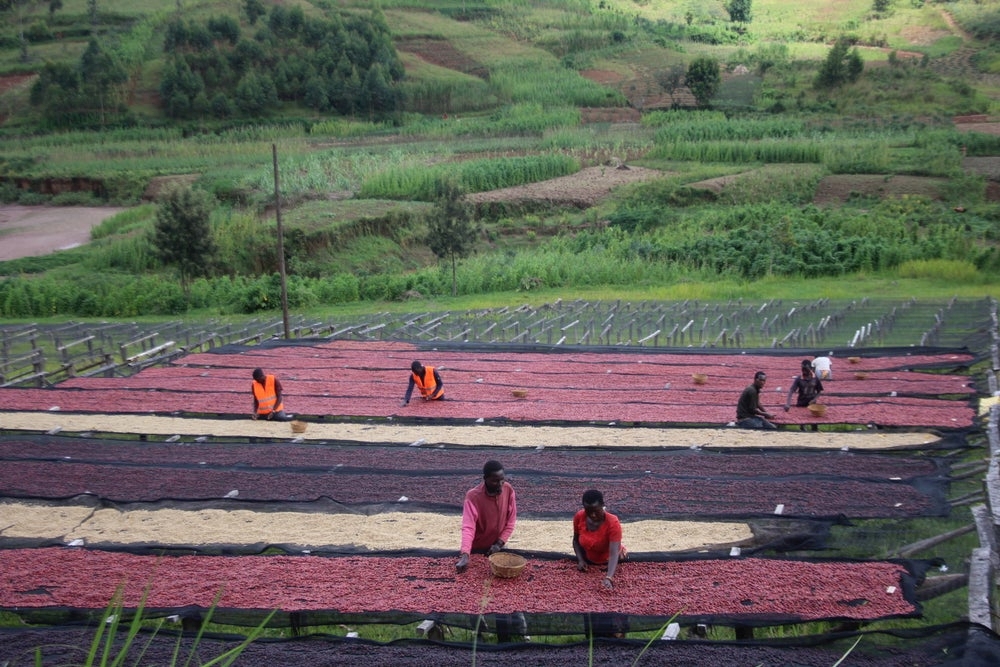
Burundi and Rwanda Coffee Harvest Update 2026

Bujumbura  – QAHWA WORLD

Preliminary reports from Burundi and Rwanda indicate promising prospects for the 2026 coffee harvest, with an estimated combined total of around 40,000 metric tonnes (MT) of high-quality green coffee. Teams in both countries have shared insights on volume, quality, and sustainability initiatives supporting farmers.

Burundi Harvest Outlook

Burundi’s coffee harvest for 2026 is expected to increase by over 60% compared to 2025, reaching approximately 24,000 MT. Favourable weather since mid-August has supported strong flowering, with the harvest expected to start fully around 10 March, about one month earlier than last year. Quality monitoring at washing stations is underway, with initial observations indicating good cherry development. The harvest is expected to continue until July, depending on rainfall.

Sustainability Initiatives in Burundi

This season marks the launch of a major public-private initiative to rejuvenate coffee production. The tree stumping programme involves 14,000 farming households and around 700,000 trees. Combined with planting new seedlings, the programme aims to quadruple productivity within three to five years.

Additionally, all Burundian coffee is now offered as IMPACT-verified, Sucafina’s responsible sourcing programme. Farmers receive training and support to improve environmental and social outcomes while enhancing traceability and quality. Approximately 30,000 smallholder farmers are engaged in these sustainability programmes this year.

Rwanda Harvest Forecast

Rwanda’s 2026 harvest is projected at around 16,000 MT, lower than the previous year due to less favourable flowering conditions, but expected to maintain high quality. The harvest began in mid-February and is expected to continue until late June.

Market and Regulatory Factors

Reduced supply is likely to increase market competition. RWACOF (Sucafina in Rwanda) continues to prioritise exceptional-quality cherry and close monitoring of processing at partner washing stations. A new scalable model has been introduced to expand sourcing areas while mitigating market risks.

Sustainability Initiatives in Rwanda

Sucafina’s sustainability programmes in Rwanda include tree rejuvenation, carbon footprint mapping, and regenerative agriculture. Since 2023, 197,782 trees have been stumped, with over 155,000 in 2025 alone. Farmers received inputs such as lime and organic fertiliser, alongside structured monitoring to track “back-to-production” timelines.

The Farmer Development Program, launched with the London School of Economics, provides training, loans, and tree-planting incentives to 3,735 farmers across five service centres. Agroforestry initiatives have distributed 110,064 shade trees, integrating sustainable practices into the supply chain.

Village Savings and Loan Associations (VSLAs) have been scaled, engaging 1,529 members (51% women) and mobilising $30,884 in savings, with 67% loaned to 924 farmers. Over the next six months, Sucafina will establish a 145,000-seedling nursery, expand refresher trainings, and conduct IMPACT verification, expected to make verified coffee available by June 2026.

WFP Leads Project to Strengthen Coffee Farmers’ Resilience in Guatemala

Dubai – Qahwa World

The World Food Programme (WFP) has released a report highlighting the results of the Resilient Coffee-Growing Communities project in Guatemala’s Dry Corridor, designed to help farmers adapt to climate change and improve food security.

The report notes that the Dry Corridor is increasingly affected by unpredictable weather, with scorching, dry days that crack the soil and drain moisture from young plants, sometimes followed by sporadic nighttime rainfall. These extreme conditions have made it difficult for families to protect staple crops and ensure sufficient food.

The report highlights the experience of the Nájera Lorenzo family in Jalapa, who previously produced around 3,000 pounds of coffee per year—far below the level needed to meet basic household needs. With support from WFP, in partnership with the local organization Funcafé and funding from Starbucks Coffee Company, the family learned improved agricultural techniques, including shade management and early pest control, raising their coffee output to 13,000 pounds per cycle.

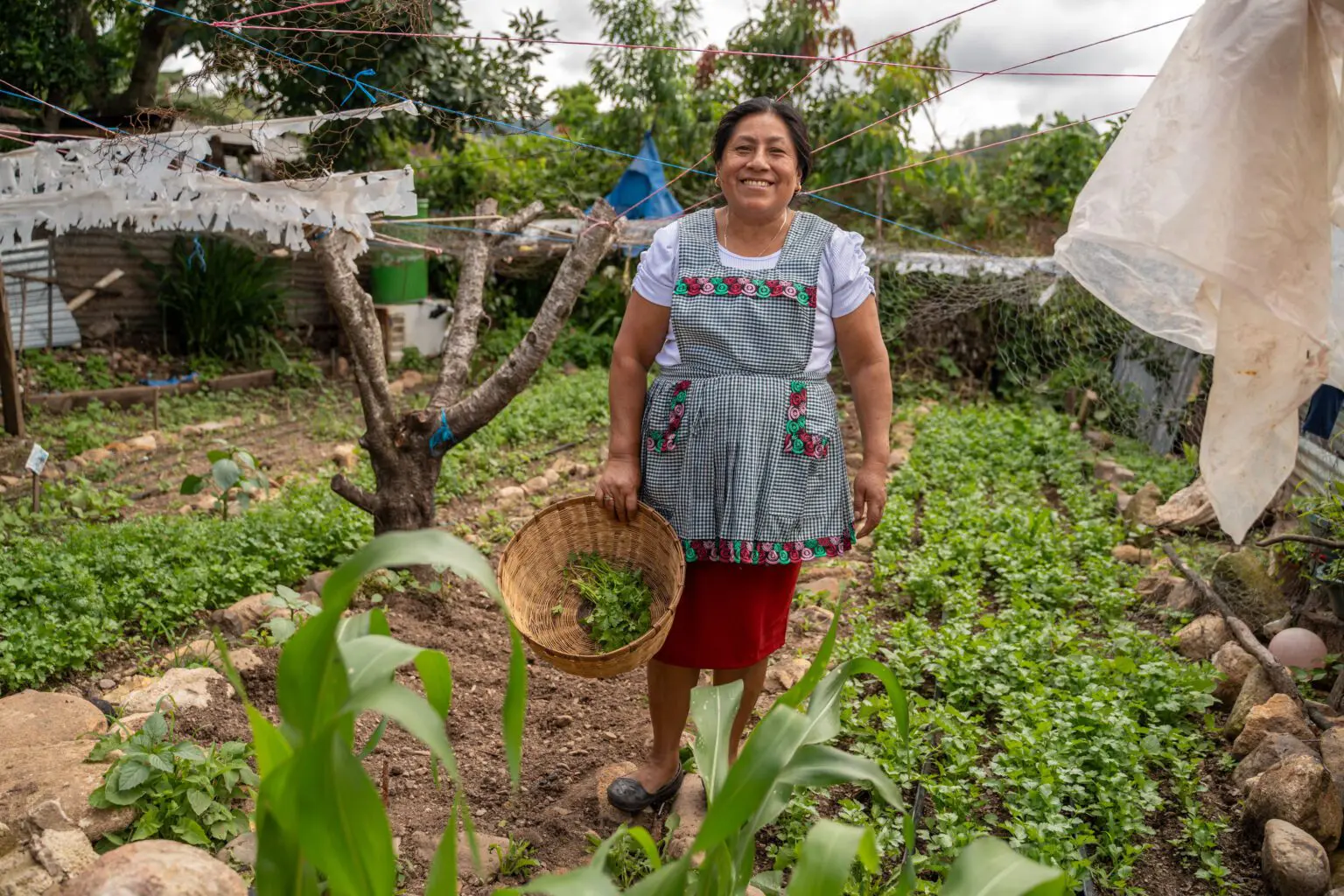
The project has also enabled families to establish home gardens. María Nájera, for example, manages a 430-square-foot garden where she grows Swiss chard, chipilín, radishes, and other vegetables. This garden has improved her family’s diet and generated additional income by selling surplus produce in local markets.

The report emphasizes that the project strengthens women’s roles in the community, supporting participation in savings and loan groups and empowering women to take on leadership roles. Farmers are also trained as climate monitors, collecting and interpreting local weather data to plan crop production more effectively and improve resource management, increasing resilience to climate variability.

According to WFP, the project has led to more diverse diets, increased household savings, better-organized and more productive plots, and the spread of knowledge to other families in the community, amplifying the project’s impact.

WFP stresses that this integrated approach improves food security and nutrition, strengthens the sustainability of coffee supply chains, and equips families to withstand climate shocks, contributing to Sustainable Development Goal 2: Zero Hunger.

The report concludes: “Every step toward building the resilience of farming families contributes to a future where every family can access sufficient, nutritious food and live with dignity and hope.”

From Opium to Coffee: The Story of Myanmar’s Farmer Transformation

Hopong, Myanmar – Qahwa World

In a landmark moment for sustainable development in Myanmar, the Green Gold Cooperative (GGC) has inaugurated its central coffee processing plant in southern Shan State, marking a significant shift for communities that historically relied on opium poppy cultivation.

The facility reflects a decade-long journey during which farmers have transitioned from planting their first coffee seeds to managing a fully autonomous and self-sustaining production process, demonstrating that legal and sustainable livelihoods are achievable even in areas long affected by opium cultivation.

From Poppy Fields to Sustainable Coffee

Myanmar remains the world’s leading producer of illicit opium, generating an estimated USD 518 million annually in rural areas characterized by poverty and insecurity. For over 30 years, Alternative Development programmes have supported communities in replacing illicit crops with sustainable alternatives.

GGC exemplifies this effort. Since 2015, when 530 farmers replaced opium with coffee, the cooperative has grown to include more than 1,000 producers across 48 village committees. Its mission extends beyond improving livelihoods, aiming to establish a sustainable, community-owned business.

In 2019, GGC became Myanmar’s first Fairtrade-certified coffee producers’ organization, allowing farmers to invest Fairtrade premiums in social projects and production improvements. These funds also enabled the purchase of the land where the new processing plant now stands.

From Opium to Coffee: Myanmar Farmers Transform Their Livelihoods

A Modern Facility for Production and Quality

Construction began three years ago with support from Switzerland, enabling GGC to process green coffee beans locally. The final phase, completed with support from the Government of Japan, added office space, roasting and packaging areas, and a fully equipped laboratory for coffee quality analysis.

The new facility allows GGC to process, roast, and package coffee independently, reducing reliance on third parties and unlocking new market opportunities. It also provides a modern space for training, innovation, and quality control, strengthening the cooperative’s competitiveness in international markets.

“This achievement reflects the communities’ commitment to creating real alternatives to illicit economies,” said UNODC Country Manager Yatta Dakowah. “It is a clear example of how sustainable livelihoods can replace poppy cultivation when farmers are empowered and supported.”

Between 2018 and 2024, GGC exported over 1,000 tons of green coffee, generating USD 5.48 million in income and earning recognition as a symbol of quality, sustainability, and inclusion.

From Opium to Coffee: Myanmar Farmers Transform Their Livelihoods

Celebrating Partnership and Progress

On 25 September 2025, over 250 participants attended GGC’s annual general assembly and the inauguration ceremony. The event brought together farmers, government representatives, and international partners, including delegates from Finland and Italy, representatives of JICA, and Shogo Yoshitake, Chargé d’Affaires of the Embassy of Japan in Yangon, who symbolically handed over the key to the new facility.

Elina Korhonen, Deputy Head of Mission and Head of Cooperation at the Embassy of Finland, praised GGC’s inclusive governance, noting its gender-balanced board and encouraging further participation of women in leadership roles.

The inauguration underscores how collaborative initiatives and sustainable development projects can transform communities historically dependent on illicit economies into models of legal, community-driven prosperity in Myanmar.