Drinkit and Victoria Arduino to Host Beverage Innovation Workshop in Dubai

Dubai — Qahwa World

DrinkIt, the digital coffee shop chain, has announced a partnership with Victoria Arduino to host a professional workshop in Dubai on May 20, 2026, focused on beverage innovation, product development, and the commercial strategy behind bestselling drinks.

The three-hour workshop will take place at the Victoria Arduino headquarters in Dubai and is designed for professionals across the food and beverage industry seeking practical insight into how successful beverage concepts are developed and launched within real operating businesses.

Drawing on its experience operating 10 digital coffee shops across Dubai, DrinkIt’s R&D team will share the framework the company uses to evaluate new drink ideas, balancing taste, operational efficiency, pricing, scalability, and profitability before products are introduced to the menu.

According to the organizers, the workshop will focus on the idea that successful beverages are not built on recipes alone, but through product thinking that integrates customer experience, cost management, workflow efficiency, and operational consistency.

Key topics will include beverage development for real-world café operations, pricing strategy, cost of goods sold (COGS), unit economics, and the challenges of scaling beverage programs while maintaining quality and speed of service.

Participants will also take part in hands-on exercises designed to simulate the beverage development process, from concept creation and evaluation to launch decision-making.

The workshop is aimed at head baristas, café owners, F&B managers, product developers, and entrepreneurs involved in beverage innovation and café concepts.

The event will be held on May 20, 2026, from 3:00 PM to 7:00 PM at the Victoria Arduino HQ in Dubai. Organizers noted that seats are limited and advance registration is required.

Registration is available here: Workshop Registration

Applications Open for Youth Academy Middle East 2026

Dubai – Qahwa World

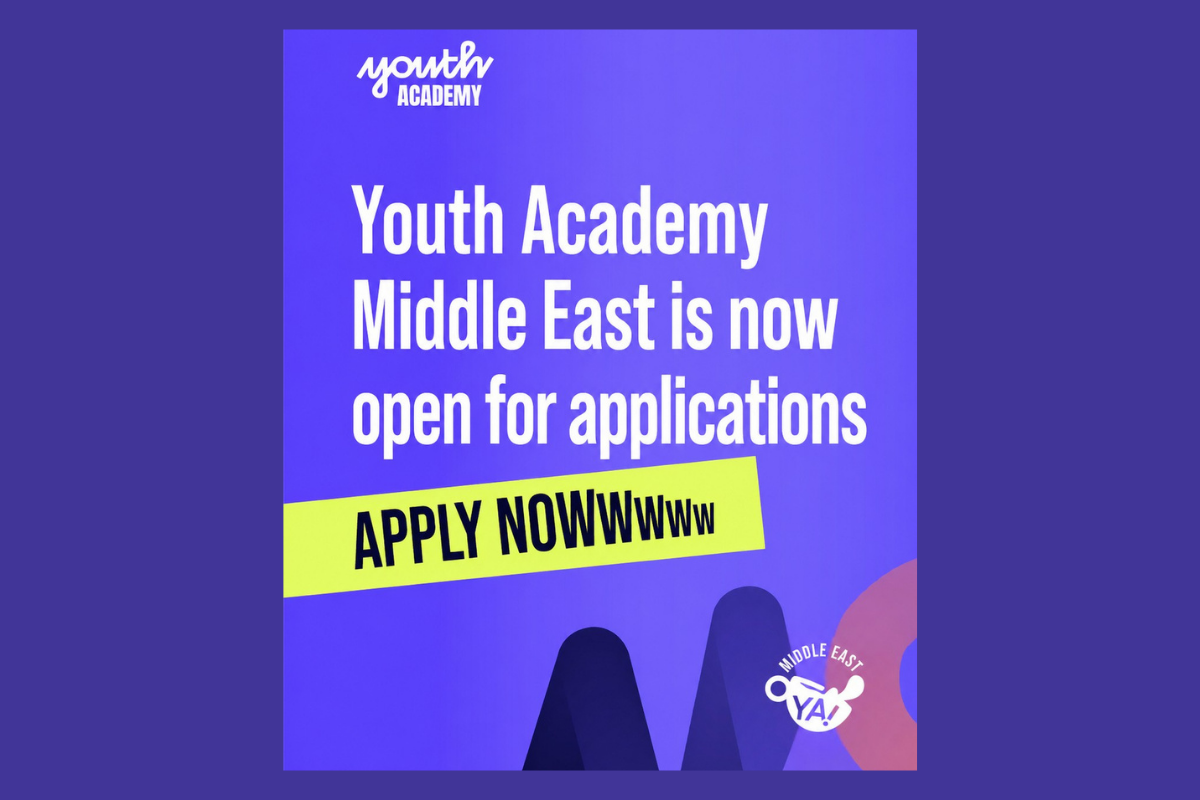
Applications have officially opened for Youth Academy Middle East 2026, a regional initiative aimed at developing the next generation of coffee professionals across the UAE. The program, launching today (April 29), offers young individuals an opportunity to access structured training, mentorship, and industry connections through a fully funded scholarship. Youth Academy Middle East 2026 provides a unique opportunity for aspiring coffee professionals.

  • Program Overview

The Youth Academy, powered by Simonelli Group, is designed as a “glocal” platform that combines local engagement with global industry exposure. It targets individuals aged 18 to 30, including both entry-level enthusiasts and those already working in coffee-related roles. Notably, regional youth are the focus of Middle East Youth Academy 2026, aiming to foster career growth for them.

Participants will gain access to professional development resources intended to support long-term careers in the coffee sector. For those looking ahead, the Middle East Youth Academy scholarship in 2026 is focused on connecting applicants with industry leaders and educators.

  • Scholarship Details

Six applicants will be selected to receive a full scholarship covering the entire training program. The curriculum includes:

  • Certification through the Specialty Coffee Association (SCA)
  • Practical, hands-on training focused on industry skills
  • Access to the international “Voices” professional network
  • Eligibility Criteria

Applicants must meet the following requirements:

  • Be between 18 and 30 years old
  • Currently reside in the UAE
  • No prior professional experience is required

Application Timeline

  • Applications Open: April 29, 2026
  • Applications Close: June 21, 2026
  • Online Interviews: June 29 – July 10, 2026
  • Winners Announcement: July 27, 2026 (via Coffee Knowledge Hub)

Application Process

Candidates must complete their application through the Coffee Knowledge Hub platform by creating a profile, accessing the Youth Academy Global section, and submitting the designated form under “Open application.” Shortlisted applicants will be invited to participate in online interviews. Furthermore, Youth Academy Middle East 2026 supports young professionals through each stage of the application.

Industry Opportunity

The initiative reflects ongoing efforts to strengthen the regional coffee industry by investing in young talent. Selected participants will gain exposure to international standards, industry networks, and hands-on training designed to support professional growth. Ultimately, 2026 Middle East Youth Academy is a crucial step for professional advancement in the region.

Applications are now open and will remain available until June 21, 2026, for the Youth Academy Middle East 2026 program.

The Program Built to Give Coffee Talent a Real Shot

By: Naveed Syed

The first edition of Youth Academy Middle East officially came to an end last week.

If you haven’t heard of it, here’s the short version: it’s an initiative by the Simonelli Group, announced a year ago, built specifically for young people who want to build a real career in coffee. Six scholarships, fully paid, covering SCA-certified courses across Barista Skills, Sensory, Green Coffee, Roasting, and Brewing.

How the Program Works

Applicants between 18 and 30 years old complete an online application and answer a set of questions. If the Simonelli Group team feels they’re the right fit, they are invited for a face-to-face interview.

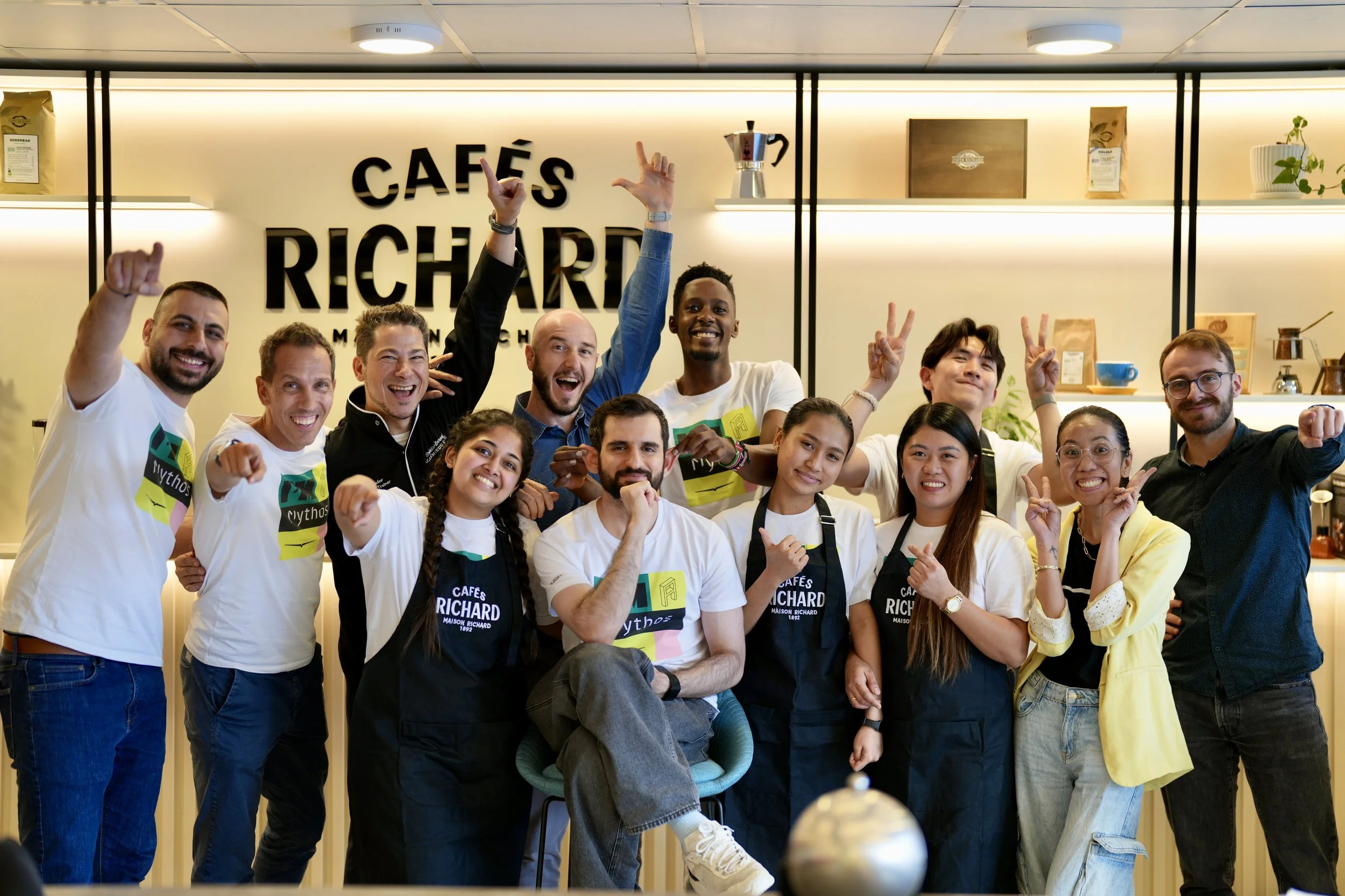
The six selected participants receive the full Specialty Coffee Association Skills Program. They are grouped together and trained by SCA-certified trainers based in the UAE, with some sessions held at the Victoria Arduino Experience Lab.

The SCA Coffee Skills Program is made up of five specialist modules, each focused on a different professional role in the coffee industry. The Youth Academy Middle East cohort completed all of them.

The Modules

Barista Skills is where most people begin. It covers essential practical skills behind the espresso bar—from grinder calibration and espresso extraction to milk texturing, latte art, health and safety, customer service, and basic business practices.

Brewing focuses on the science behind the cup. It explores grind size, water temperature, brew time, different brewing methods, strength measurement, and extraction analysis.

Sensory Skills trains the palate to recognize and articulate flavour. Students learn to identify core coffee attributes and master professional cupping techniques—essential for leading tasting sessions and quality evaluation.

Green Coffee looks at coffee before roasting. It covers evaluation of green coffee quality, processing methods, grading, and the basics of coffee market dynamics. It’s a part of the industry most consumers never see, yet it shapes everything in the cup.

Roasting is the technical core of the craft. Students learn to control roast profiles, manage colour development, operate roasting equipment, and handle production workflows. Understanding how heat transforms coffee—and when to stop the roast—is a skill that takes years to refine.

Each module runs across three levels: Foundation, Intermediate, and Professional. The Youth Academy students completed the Foundation level across all modules, building a structured base for their future careers.

Meet the Six

What made this edition special wasn’t just the program—it was the people in it.

Hnin Kha Nady is focused on growth. Recently joined Archers, she entered the program with a clear goal: to create more memorable coffee experiences. The skills she gained are already being applied in her work.

Mark Mwangi is well known in the community, especially for his matcha creations. As lead consultant behind Mihbash in Jumeirah, he has already contributed to one of the region’s successful café openings. He’s now applying his learning to mentor his own team.

Amritha Varsha transitioned from engineering into coffee, following a stronger personal calling. Now at Cartel Coffee Roasters, she continues to build her presence in the community, recently competing in the Polpanorte AeroPress competition.

Mohamed Alameeri, founder and head roaster of Palate Coffee Roastery and the first Emirati AeroPress Champion, joined a foundation course despite his experience. It reflects a simple principle: learning never stops.

Brenzen Labarete is a Senior Barista, Brand Ambassador for Davinci Gourmet Arabia, and Middle East Barista of the Year 2023. He joined not for credentials, but for depth—an indication of his continued commitment to craft.

Donna Santianez is working toward her long-term goal of opening her own coffee shop. She is steadily building toward it, one course at a time.

Six individuals, six different journeys, one shared vision: to master their craft.

The Trainers

The team behind the program brought serious experience to the table.

Antonio Orria, Simonelli’s Coffee and Beverages Community Expert, led foundational classes, introducing students to the broader specialty coffee landscape before they moved into specialist modules.

Raha Shahsavar, UAE National Roasting Champion 2025, handled Green Coffee and Roasting. Students learned how coffee is processed and graded before roasting, and how heat development, roast profiling, colour control, and production workflows are managed.

Dave Peralta, co-founder of Archers and head of its Coffee Academy, taught Brewing Foundation. Students explored grind size, water temperature, brew time, extraction, and how to measure and adjust coffee strength across brewing methods.

Irina Sharipova, a coffee educator with over a decade of experience, led the Sensory module. She focused on developing structured tasting skills—flavour identification, mouthfeel analysis, cupping, and sensory vocabulary.

Branislav Beronja, Brand and Training Manager for Cafes Richard, delivered Barista Skills training. His sessions covered grinder setup, espresso extraction, milk handling, machine maintenance, customer service, and workflow management.

These trainers are among the most respected professionals in the UAE specialty coffee scene and are widely regarded as mentors in the industry.

What Comes Next

With the first edition complete, Simonelli Group is already preparing the next one. No dates have been confirmed yet.

If you are between 18 and 30 and considering a serious path in coffee, this is a program worth watching.

When applications open again, it will be worth paying attention.

click here to Read the main article
Ethiopia Launches East Africa’s First Specialty Coffee Training Center

Sahel Maryam – Qahwa World

In a pioneering move for the region, a new coffee roasting and quality assessment center has opened in Sahel Maryam, Medhin, Ethiopia. The facility, the first of its kind in East Africa, combines state-of-the-art equipment with instruction from experienced coffee professionals.

The center aims to train participants in evaluating coffee quality to global standards, enabling them to independently assess beans and elevate industry practices. Trainees leave with the skills to analyze and improve coffee from the farm to the cup, applying internationally recognized Specialty Coffee Association (SCA) protocols.

The initiative has received recognition from Ethiopian coffee authorities, UNIDO, the Italian government, and the Italian Development Cooperation Agency for its contribution to developing the local and regional coffee sector.

Coffee Quality Evaluation Standards
The process of assessing coffee quality at the center is comprehensive:

Physical Quality of Beans – Inspecting defect count, bean size and uniformity, moisture content, and presence of foreign matter.
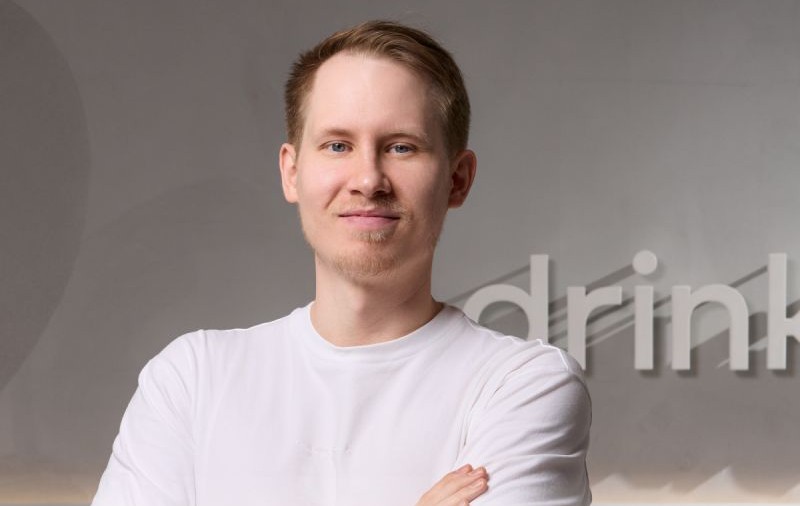
Sensory Evaluation (Cupping) – Scoring aroma, flavor, aftertaste, acidity, body, balance, and sweetness.
Defect Identification – Spotting spoiled, fermented, or overripe beans.
Organic Acid Analysis – Identifying natural acids such as citric, malic, acetic, and phosphoric to characterize flavor profiles.
Standardized Protocols – Applying precise roast levels, grind sizes, water quality, and brew ratios to ensure consistent and fair evaluation.

Coffee that scores 80 points or above under these criteria is classified as “Specialty Coffee.” Experts emphasize that proper evaluation relies on certified Q-Graders rather than subjective taste alone, ensuring adherence to international standards.

The new center marks a major step forward in Ethiopia’s ongoing mission to cement its position as a global leader in coffee quality and expertise.

Barista Terminology | Episode 17: Understanding Customer Preferences & Making Recommendations

Dubai – Qahwa World

Qahwa World continues its “Barista Terminology” series, reaching the seventeenth episode of this educational journey dedicated to enhancing baristas’ professional and cultural knowledge. In this episode, we explore and analyze a key aspect of the barista’s role: understanding customers and guiding them toward the right coffee choice.

A skilled barista does more than prepare excellent coffee — they also act as a guide who helps customers find a drink that suits their taste. Understanding preferences and offering thoughtful recommendations can turn occasional visitors into loyal regulars.

Today, we highlight 8 essential duties every barista should master and consistently apply:

1. Ask the Right Questions

Start with simple, open-ended questions such as:
• “Do you prefer a light or strong drink?”
• “Do you enjoy sweeter flavors or stronger ones?”
• “Do you usually take your coffee with milk?”

2. Understand Flavor Profiles

Match drinks to taste preferences:
• Fruity & light → Drip-brew coffees from African origins
• Bold & rich → Espresso-based drinks or darker roasts
• Creamy & sweet → Milk-based drinks like flat white or latte

3. Recommend Based on Time & Mood

Morning: Balanced and energizing drinks such as cappuccino or filtered coffee
Afternoon: Cold and refreshing choices like iced coffee or cold brew
Evening: Decaf or low-acidity options

4. Offer Customization Options

Explain available adjustments:
• Milk types: cow’s milk, oat, soy, almond
• Sweetness levels: none, light, regular
• Temperature: extra hot, warm
• Strength: single or double shot, ristretto, lungo

5. Share Light Information

When the customer is curious, offer brief and helpful insights:
• “This coffee is from Yemen and has grape-like acidity.”
• “We use a slow brewing method to enhance clarity.”

6. Respect Individual Taste

There is no “wrong” taste in coffee. A professional barista respects personal preferences and avoids judging sweetened or flavored choices.

7. Recommend Signature Drinks

If the café has a special drink, highlight it with confidence:
• “We have a honey-cinnamon latte that is one of our most popular drinks.”

8. Remember Regular Customers

When a customer returns, try to recall their previous order. This adds a personal touch and strengthens customer loyalty.

Related Stories:


Barista Terminology | Episode 16: Common Coffee Brewing Mistakes and How to Fix Them

Barista Terminology | Episode 14: Coffee Origins and Their Flavour Profiles

Barista Terminology | Episode 13: Espresso Machine Components Explained

Barista Terminology | Episode 12: Brewing Equipment Maintenance & Hygiene

Barista Terminology | Episode 11: Milk-Based Coffee Drinks

Barista Terminology | Episode 10: Advanced Concepts

Barista Terminology | Episode 9: Sensory Evaluation

Barista Terminology | Episode 8: Customer Service Language in the Café

Barista Terminology | Episode 7: Water & Temperature Control

Barista Terminology | Episode 6: Grind & Extraction Variables

Barista Terminology | Episode 5: Milk Texturing & Latte Art

Barista Terminology | Episode 4: Brew Methods Explained

Barista Terminology | Episode 1: The Coffee Bean – From Seed to Roast

Barista Terminology | Episode 2: Barista Tools & Equipment

Barista Terminology | Episode 3: Espresso Basics

Kim Thompson Reveals to Qahwa World the Vision Behind RAW’s New Barista Training Centre

Dubai – Ali Al Zakary

Dubai marked a new milestone in its speciality coffee journey on September 25, 2025, when RAW Coffee Company, in collaboration with MILKLAB, inaugurated the RAW × MILKLAB Barista Training Centre at its roastery and café in Al Quoz. Described as the first of its kind in the UAE, the initiative brought together RAW’s deep-rooted expertise in specialty coffee with MILKLAB’s innovative portfolio of barista-grade plant-based milks.

The centre aims to raise barista skills, respond to the growing demand for plant-based alternatives, and strengthen ties within the local and regional coffee community. Yet beyond the launch itself lies a wider story—one of vision, change, and the future of coffee education.

In an exclusive conversation with Qahwa World, Kim Thompson, Co-Founder and Director of Culture & Brand at RAW Coffee Company, explained the motivations behind the project. “There’s nothing more certain than change and our industry is experiencing plenty of it. The way people consume coffee is evolving, with new trends in flavor preference, preparation, and lifestyle. We felt it was the right time to re-examine how customers enjoy their coffee and to help the next generation of baristas adapt and excel. At RAW, we’re passionate about supporting this evolution through education. We were impressed by MilkLab’s commitment to quality and sustainability, particularly in how their range of plant-based milks is developed in collaboration with baristas and produced using responsible farming practices. Their products align perfectly with our values and the standards we uphold in specialty coffee.”

For Thompson, the collaboration with MILKLAB was not a coincidence but the result of shared values. “We love meaningful collaborations especially those rooted in shared values of quality and authenticity. Murad Janakat from JAR Premium Foods introduced us to the MilkLab range, and we were immediately impressed by both the taste and texture of their milks and their versatility across our coffee menu. What makes this partnership unique is that it brings together two brands that genuinely care about improving the barista and customer experience—MilkLab through innovation in product, and RAW through education, quality, and community. Together, we’re bridging the gap between product and practice.”

Kim Thompson

The new training centre, she emphasized, was created with one core goal: to raise quality standards across the industry by empowering baristas. “We believe that every coffee served should represent the care, knowledge, and passion behind it. By equipping baristas with a deeper understanding of the ingredients they use daily, we’re supporting both consistency and creativity in cafés throughout the region.”

Importantly, the programs are not reserved solely for industry professionals. Thompson stressed that the centre was designed to cater to a wide audience. “The training programs will cater to a broad audience, from professionals working in busy cafés to individuals passionate about improving their home coffee skills. Sessions will be practical, hands-on, and tailored to real-life scenarios in the café environment. Each course explores the science and art behind milk texturing, highlighting how different fat and protein levels influence performance and flavor. It’s about creating confidence, whether you’re a barista steaming milk for 200 coffees a day or a coffee lover perfecting your morning ritual.”

As Dubai’s coffee scene grows increasingly vibrant and competitive, Thompson sees consistency and education as the biggest challenges. “Dubai’s coffee scene is vibrant, diverse, and increasingly sophisticated. But as the market expands, consistency and education remain key challenges. RAW has always believed that real progress comes from collaboration and knowledge-sharing rather than competition. This new centre extends our long-standing training program, which already includes SCA-certified courses in barista skills, brewing, and sensory development. By adding a dedicated plant-based milk training series, we’re providing operators and baristas with an additional layer of expertise that will translate directly to better customer experiences.”

Choosing plant-based milk as a central theme, she explained, was not just a trend but a reflection of consumer behavior. “Consumer behavior has shifted dramatically. We’ve seen a growing movement toward plant-based choices and a preference for cold, convenient, and on-the-go beverages. Our aim is to help baristas stay ahead of these trends and serve these drinks with the same care and consistency as dairy-based beverages. Each MilkLab milk has its own characteristics, from almond to oat to coconut, and learning how to bring out the best in each creates a more balanced, enjoyable cup. It’s about understanding the ingredient, respecting it, and ensuring the final experience in the cup is exceptional.”

In closing, Thompson highlighted that empowering baristas is the most effective way to elevate consumer awareness and appreciation of specialty coffee. “Empowering baristas is one of the most powerful ways to elevate consumer understanding. When baristas are confident, knowledgeable, and passionate, that energy translates to the customer, through every interaction and every cup. Education creates connection. And connection builds loyalty. By investing in the skills of the people behind the bar, we’re not only improving quality standards but also deepening the relationship between consumers and specialty coffee itself.”

With this vision, the RAW × MILKLAB Barista Training Centre emerges not just as an educational facility but as a shared space for practice, dialogue, and community. And as Kim Thompson underscored in her conversation with Qahwa World, it is also a sign of Dubai’s growing role as a global hub where innovation, sustainability, and specialty coffee culture intersect.

New Barista Training Center Launched in Dubai

Dubai – Qahwa World

Raw Coffee Company, in collaboration with Milk Lab, inaugurated a new Barista Training Center on Thursday at Raw Coffee’s headquarters in Dubai’s Al Quoz Creative District. This step marks the beginning of a new chapter in barista education, where specialty coffee meets expertly crafted milk.

The opening ceremony, attended by officials, industry leaders, hospitality professionals, and specialized media, featured Kim Thompson, co-founder of Raw Coffee Company, who outlined the background of the initiative, sayingWe place great importance on collaboration between brands that share the same values. Recently, we began working with Sage, a manufacturer of excellent coffee machines. However, we noticed complaints from customers because the coffee being used was not always suitable. This highlights the importance of partnerships and the need for alignment between machines, coffee, and training. We also discovered Milk Lab, and it was not only about improving taste but also about their commitment to sustainability. Mr. Murad Jankat, Head of JAR Foods Middle East, proposed the idea of dedicating a training center to plant-based milks, and we welcomed this step. We believe that success lies in the person standing between the machine and the customer, who manages all the variables.”

For his part, Peter Brown, International Business Development Director at Milk Lab, emphasized that the brand, which will celebrate its 10th anniversary this October, was founded to solve a genuine problem: “When almond milk was introduced in Australian supermarkets in 2013, it became popular among health-conscious consumers. But it didn’t work well in coffee it would curdle due to acidity. That’s why Milk Lab invested 12 to 18 months in research and development, involving experts from across the coffee sector baristas, roasters, café owners, and Q-Graders to create a product designed specifically for coffee.”

He added: “Since then, we have expanded to offer a variety of options including almond, soy, dairy, lactose-free, and others, while always keeping coffee as the hero. Our motto is Made for Baristas, and today we are present in more than 30 markets. In the Middle East, almond milk accounts for about 55% of the market. Our strategic partner JAR has played an important role in raising awareness of the brand across the GCC and Jordan. We are not trying to be everything to everyone; our focus is to be the leader in milk designed for specialty coffee, while continuing to invest in the professional community that supports this industry.”

From her side, Purity Kariuki from Raw Coffee Company said: “Training has always been at the heart of our business. Excellent equipment and great products mean nothing without well-trained people. Traditionally, training programs focused on dairy milk, as it is stable, easy to use, and does not overpower coffee flavors. Plant-based milks, however, often produced inconsistent results almond could be overpowering, soy could curdle, and coconut could be watery. Our partnership with Milk Lab changed that. We began pairing specific coffees with specific milks: coconut with fruity Ethiopian coffees, oat with our house blend for its sweetness and creaminess, and almond as a balanced option. This led us to launch a dedicated training program starting with our B2B partners and later opened to a wider audience to share this knowledge and raise coffee quality standards.”

Meanwhile, Matt Toogood, CEO of Raw Coffee Company, stressed the complexity of the market, saying: “The coffee market in Dubai and the Middle East is crowded and complex, and consumers are often confused about what specialty coffee truly means. This is why the idea of a School of Milk was created to raise standards, provide clarity, and strengthen the sector as a whole. This collaboration is not only about combining coffee with milk; it is a practical step to advance the industry, making it clearer, more sustainable, and higher in quality for everyone.”

For his part, Murad Jankat, Head of JAR Foods Middle East, noted that Milk Lab adapts its products to the preferences of different regions including Levantine consumers frequenting Dubai cafés to ensure the best alignment between milk styles and local coffee offerings. Raw Coffee Company, led by Purity and her team, will manage the training programs and oversee the new center in line with the needs of the regional market.

Barista Terminology | Episode 13: Espresso Machine Components Explained

Understanding an espresso machine’s anatomy is essential for any barista. Whether you’re pulling shots, steaming milk, or troubleshooting a problem, knowing how each part functions ensures better coffee and safer operation.

  1. Group Head
  • The component where the portafilter locks in and water is dispersed over the coffee puck.
  • It includes a screen and gasket and is usually made of brass or stainless steel to retain heat.
  • Consistent temperature here ensures consistent extraction.
  1. Portafilter
  • A handle with a filter basket that holds ground coffee.
  • Comes in spouted, bottomless (naked), and pressurized variants.
  • Must be evenly filled and tamped for optimal extraction.
  1. Filter Basket
  • The metal insert inside the portafilter that holds the coffee grounds.
  • Sizes vary (single, double, triple), and hole precision affects flow rate.
  • Needs to be cleaned regularly to avoid flavor contamination.
  1. Boiler
  • The machine’s internal tank that heats and stores water for brewing or steaming.
  • Single boiler, dual boiler, and heat exchanger types exist.
  • Pressure and temperature stability here are key for quality shots and milk texturing.
  1. Pump
  • Responsible for delivering water to the group head at high pressure (~9 bars).
  • Most machines use rotary or vibratory pumps.
  • A stable pump ensures consistent flow and extraction.
  1. Steam Wand
  • The nozzle used to froth or steam milk.
  • Has one or multiple holes (tips) that control steam pressure and direction.
  • Must be cleaned immediately after each use to prevent milk buildup.
  1. Pressure Gauge
  • Displays boiler and/or pump pressure.
  • Useful for diagnosing performance issues.
  • Helps baristas track consistency during extraction.
  1. Drip Tray
  • Collects waste water and spilled coffee.
  • Should be emptied and rinsed regularly to maintain hygiene.
  • May include a drain pipe in plumbed-in machines.
  1. Hot Water Tap
  • Provides hot water for Americanos or tea.
  • Connected to the boiler system.
  • Useful but can introduce temperature instability if overused.
  1. Control Panel / Buttons
  • Manual machines use switches or levers.
  • Semi-automatics and automatics use programmable buttons for shot volume and other functions.
  • Some modern machines include touchscreens and PID temperature controls.

Related Stories:

Barista Terminology | Episode 12: Brewing Equipment Maintenance & Hygiene

Barista Terminology | Episode 11: Milk-Based Coffee Drinks

Barista Terminology | Episode 10: Advanced Concepts

Barista Terminology | Episode 9: Sensory Evaluation

Barista Terminology | Episode 8: Customer Service Language in the Café

Barista Terminology | Episode 7: Water & Temperature Control

Barista Terminology | Episode 6: Grind & Extraction Variables

Barista Terminology | Episode 5: Milk Texturing & Latte Art

Barista Terminology | Episode 4: Brew Methods Explained

Barista Terminology | Episode 1: The Coffee Bean – From Seed to Roast

Barista Terminology | Episode 2: Barista Tools & Equipment

Barista Terminology | Episode 3: Espresso Basics