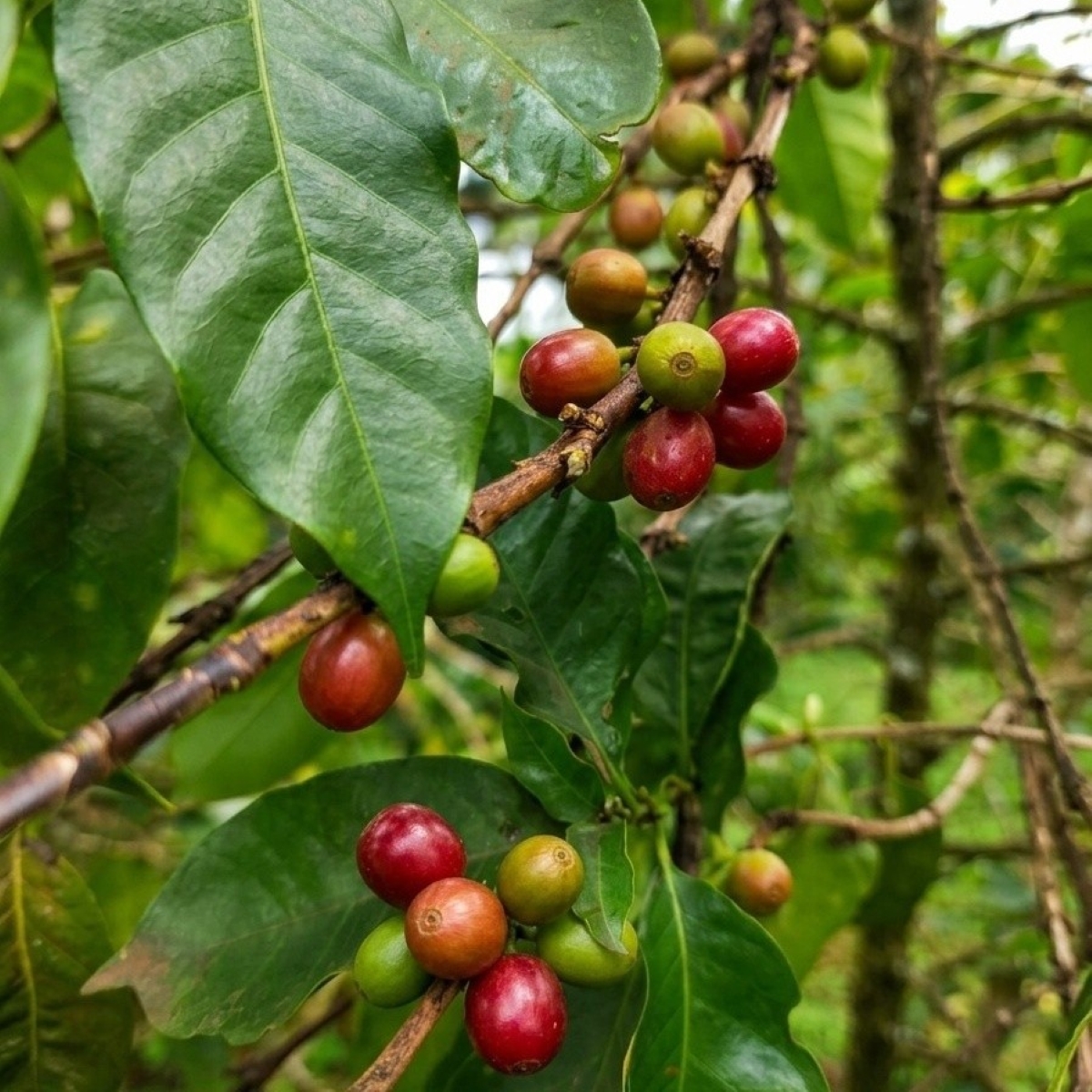
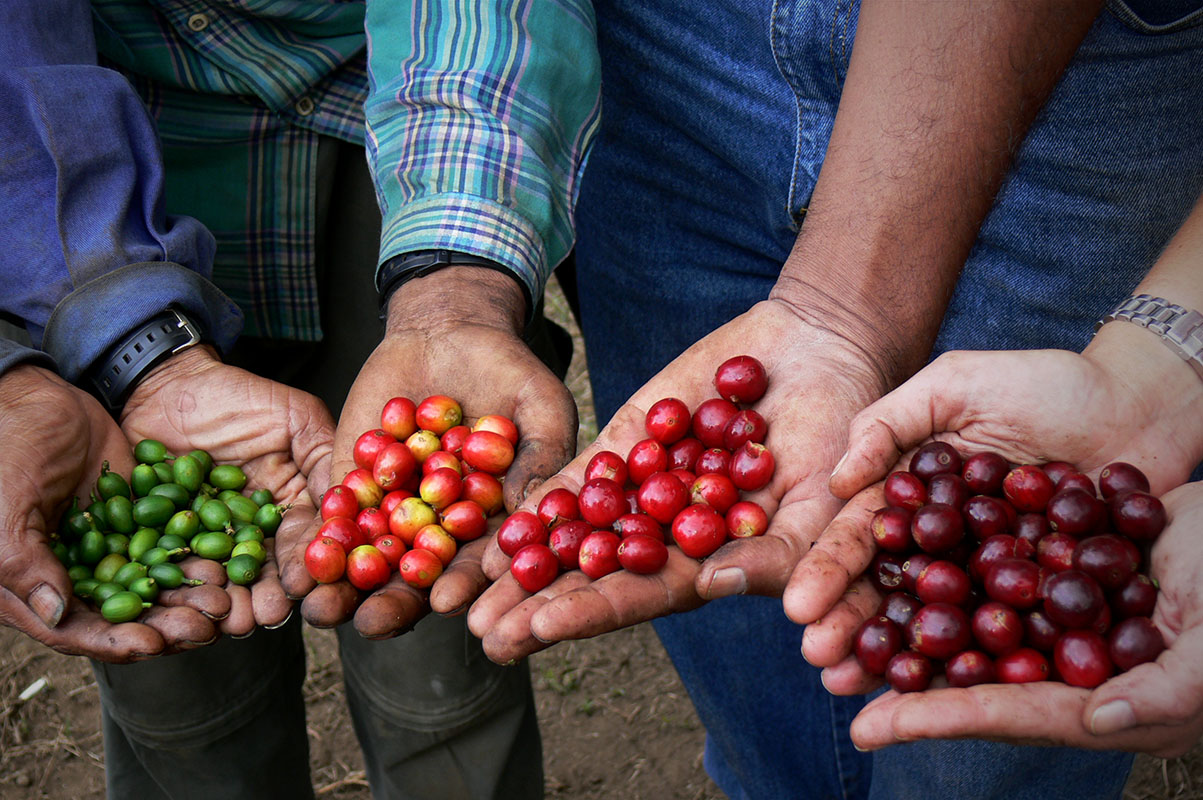
Harar: Where Coffee, Faith and Footsteps Meet

Harar blends centuries of coffee heritage, Islamic history and warm hospitality. The inaugural Great Harar Run offers visitors a new way to discover one of Ethiopia’s most remarkable cities.

By Tewodros Balcha | Exclusive for Qahwa World

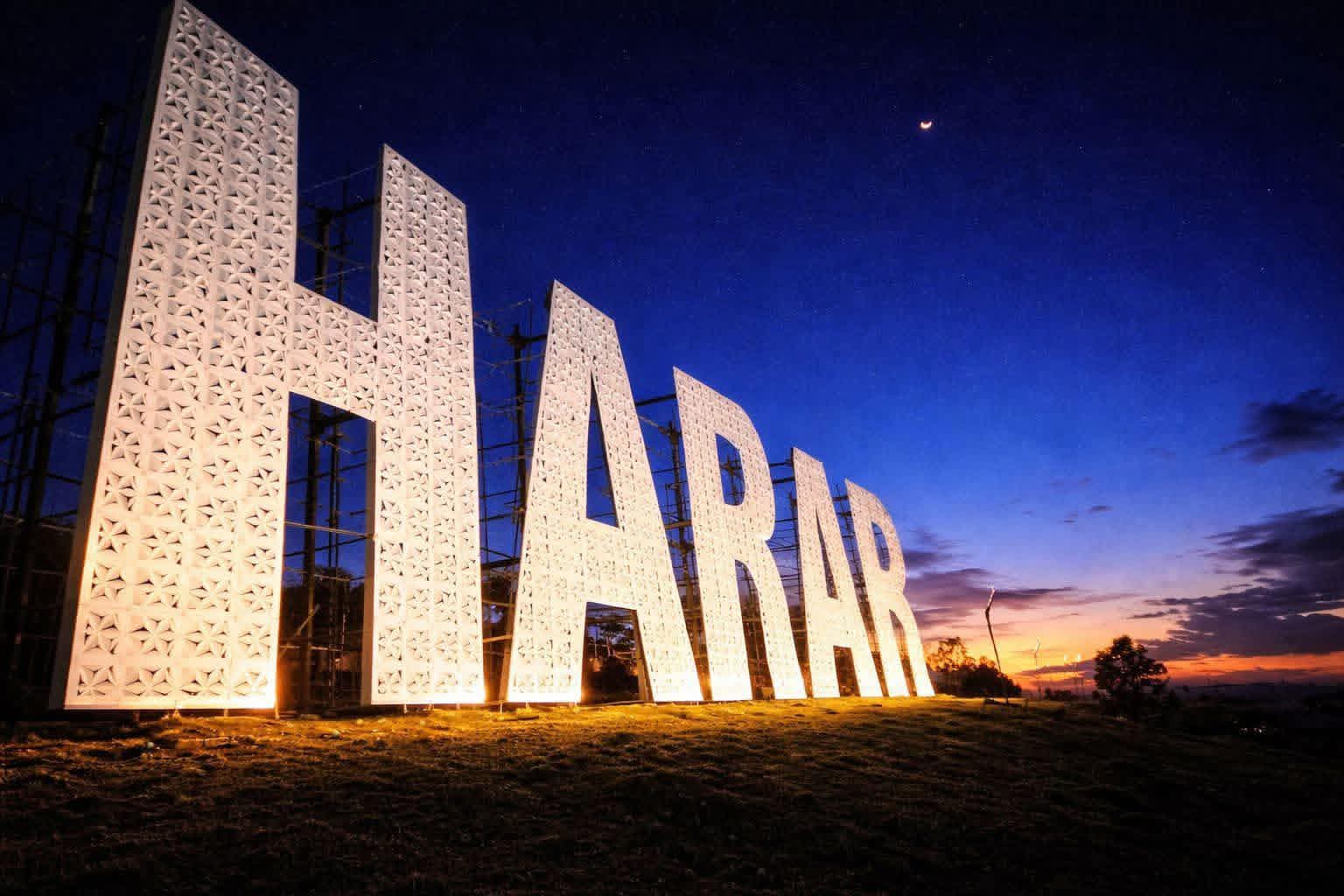
Thousands of runners passed through the ancient gates of Harar today, transforming one of Africa’s oldest living cities into the newest stage of Ethiopia’s celebrated running culture.

The inaugural Ethio Telecom Great Harar Run was more than a sporting event. It was an invitation to experience a city where coffee, faith and hospitality have shaped everyday life for centuries.

Long before the starter’s whistle echoed through the narrow streets of Harar Jugol, generations of traders, scholars and pilgrims had followed these same paths. Today, athletes from Ethiopia and abroad joined that long procession, discovering a city whose history is inseparable from the story of coffee itself.

A City Built on Faith and Exchange

Perched in the eastern highlands of Ethiopia, Harar has been a crossroads between Africa and the Arabian Peninsula for centuries. According to local tradition, the city traces its origins to the 10th century and the arrival of Sheikh Abadir Umar ar-Rida, whose legacy remains deeply woven into Harar’s religious identity.

Known as Madinat al-Awliya, or the City of Saints, Harar is home to an extraordinary concentration of historic mosques, shrines and Islamic schools within its centuries-old walls. In 2006, Harar Jugol was inscribed as a UNESCO World Heritage Site, recognized for its unique urban heritage and cultural significance.

For generations, merchants crossed these gates carrying coffee, spices, textiles and ideas, linking Ethiopia with the Red Sea, Arabia and beyond.

Where Coffee Became a Tradition

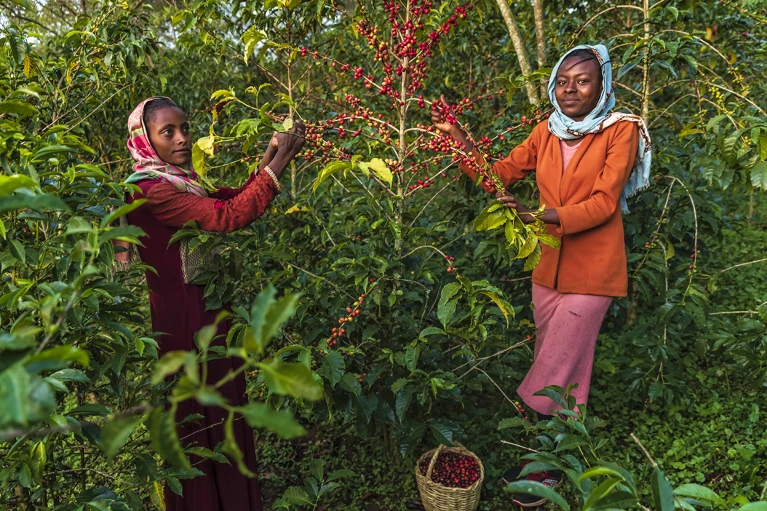
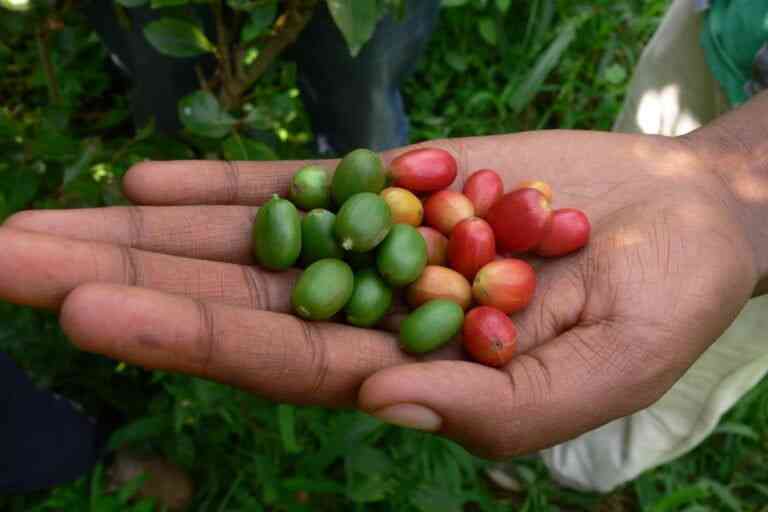
Coffee’s wild origins lie in Ethiopia’s forests, but Harar played a defining role in transforming coffee from a native plant into one of the world’s earliest traded agricultural products.

For centuries, the region became one of Ethiopia’s most important coffee-growing and trading centers. Caravans carried Harar’s beans across ancient trade routes to the ports of the Red Sea, where Arab merchants introduced Ethiopian coffee to markets throughout the Middle East before it eventually reached Europe.

Today, Harar remains one of Ethiopia’s most celebrated coffee origins. Its naturally processed coffees are prized for their distinctive character, often revealing notes of blueberry, dried fruit, spice, chocolate and floral aromas. Long before the term “specialty coffee” existed, generations of farmers in Harar had already developed traditions of careful cultivation, harvesting and natural drying that continue to define the region’s reputation.

More Than a Cup

In Harar, coffee is not simply served.

It is prepared.

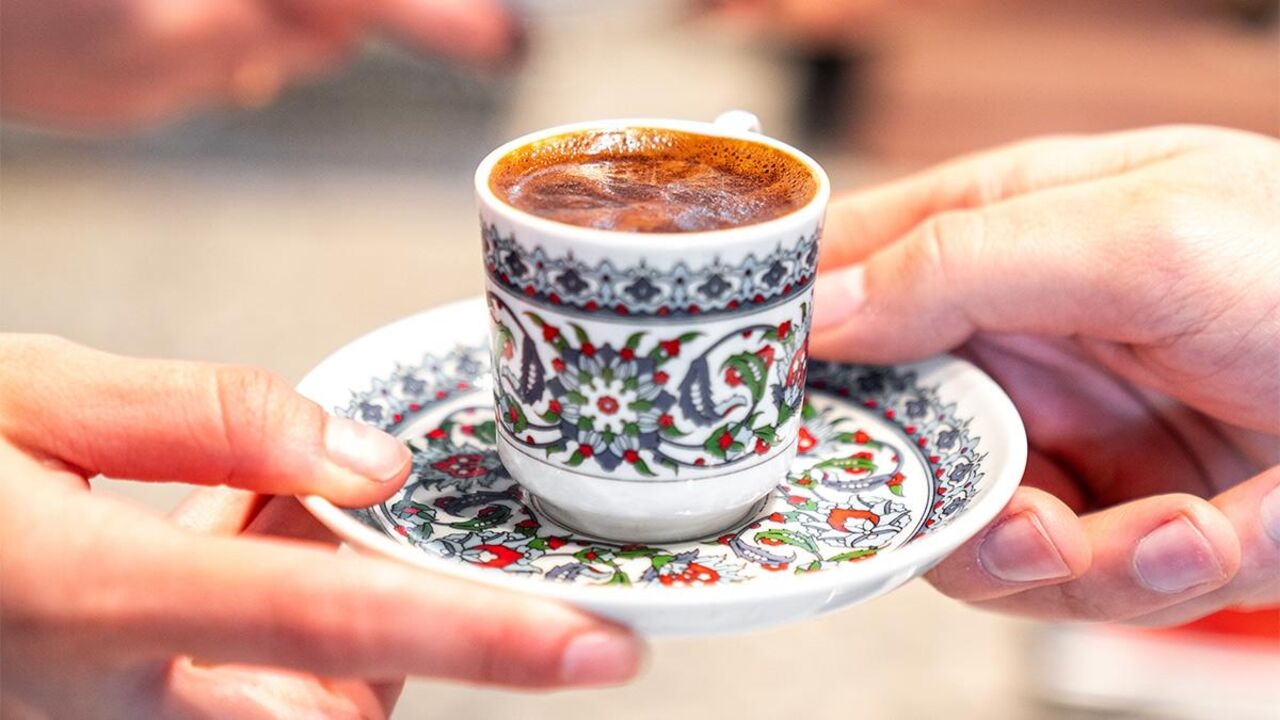
Guests are welcomed with freshly roasted beans, their aroma filling the room before the coffee is carefully brewed and shared. The ceremony unfolds without haste, turning every cup into an expression of hospitality rather than a simple refreshment.

Visitors from across the Arab world often find something familiar in this ritual. While traditions differ from one region to another, the values are instantly recognizable: generosity, conversation and the belief that welcoming a guest begins with coffee.

A Living Heritage

Walking through Harar Jugol is unlike visiting an open-air museum.

Its narrow alleyways remain full of daily life. Children play beneath centuries-old walls. Markets continue to trade much as they have for generations. Historic houses, colorful courtyards and neighborhood mosques remain part of a living city rather than preserved exhibits.

Arabic manuscripts copied by generations of scholars helped establish Harar as an important center of Islamic learning in the Horn of Africa. The city’s traditions continue to be passed from one generation to the next, making Harar a place where history is experienced rather than observed.

Running Through History

The Ethio Telecom Great Harar Run added a new chapter to that living history.

As the final stop of this year’s Discover Ethiopia Classics series, the event attracted thousands of participants, including elite athletes, local residents and visitors from nine countries.

Organized by the internationally respected Great Ethiopian Run, the event brought one of Africa’s leading road-racing organizations to one of Ethiopia’s oldest cities. Known globally for staging the annual Great Ethiopian Run in Addis Ababa, the organization has helped establish Ethiopia as one of the world’s premier destinations for distance running.

Yet in Harar, the route itself became part of the experience.

Runners passed through the ancient gates of Jugol, wound through historic neighborhoods and emerged into streets where coffee ceremonies welcomed visitors at every turn. As evening approached, the city’s famous hyena feeders prepared for another night of a tradition that has fascinated visitors for generations.

In Harar, even a road race becomes an encounter with history.

More Than a Destination

Every generation believes it has discovered authentic travel.

Harar has never needed to reinvent itself.

Visitors who arrive a day before the race can wander through the old city at their own pace, explore nearby coffee farms, watch naturally processed coffee drying beneath the Ethiopian sun and experience ceremonies that remain central to everyday life.

The race offers a reason to come.

The city offers every reason to stay.

Some places are remembered for their monuments.

Harar is remembered for its people, its coffee and the quiet generosity with which it welcomes every visitor.

Some cities you visit.

Harar is one you carry with you.

Coffee Is Under Threat: How Scientists Are Fighting to Save It from Extinction

Source: Nature – Adapted by Qahwa World |
Author: Qahwa World |
Date: July 1, 2026

Coffee Is Under Threat: How Scientists Are Fighting to Save It from Extinction

Key Takeaways:

  • Coffee is critically threatened by climate change, with arabica suffering or dying when temperatures rise just a few degrees.
  • Robusta requires massive amounts of water and its yields drop drastically in drought conditions.
  • Ethiopia, the homeland of arabica coffee, is preserving genetic diversity through conservation areas and living collections of over 12,000 plants.
  • Scientists are exploring wild coffee species such as C. liberica, C. excelsa, and C. stenophylla that are more climate-resilient.
  • C. stenophylla, a forgotten species from the 18th century, tastes remarkably similar to specialty arabica from Rwanda.
  • Chemical tricks like grinding frozen beans can improve extraction and reduce waste, allowing better flavor from less coffee.

“A mathematician is a machine for turning coffee into theorems”, a quote often attributed to the late Hungarian mathematician Paul Erdős. Coffee is one of the world’s favorite drinks and an essential stimulant for many researchers. But its future is uncertain. “Coffee is critically threatened by climate change,” says Kassahun Tesfaye, a plant geneticist at Addis Ababa University.

Nearly all the 10 million tonnes of coffee beans consumed annually around the world come from two plant species: the strong and often bitter robusta (Coffea canephora) and the more delicate-tasting arabica (Coffea arabica). Unfortunately, arabica suffers or dies when temperatures rise just a few degrees, and robusta requires massive amounts of water and its yields drop drastically in a drought. Researchers are racing to keep the world’s coffee drinkers awake – and preserve the livelihoods of the many lower-income-country farmers who grow the cash crop.

The Birthplace of Arabica and Genetic Diversity in Ethiopia

Ethiopians are proud of their country for being the homeland of arabica coffee. The Ethiopian government has been establishing conservation areas to preserve the natural genetic diversity of the species. It also grows more than 12,000 arabica plants in living collections at the Ethiopian Biodiversity Institute in Addis Ababa and at the Ethiopian Institute of Agricultural Research in Jimma. The government is betting that these plants will provide the material for breeding – or genetically engineering – arabica cultivars with traits designed to withstand high temperatures and drought.

Wild Coffee Species: Liberica, Excelsa, and Stenophylla

As temperatures increase, arabica cultivation might need to move to increasingly higher terrain to stay cool, which will not be easy for owners of small coffee plantations. Another solution is to grow other species of coffee plant that can better withstand climate change. There are 134 known wild coffee species, and a few are being grown for their climate resilience, including C. liberica and C. excelsa.

Aaron Davis, a researcher at the Royal Botanic Gardens, Kew, says “the success stories are always about changing the species” that farmers grow. In wet regions, that could mean switching from arabica to robusta, but in other places it could instead mean growing C. liberica, which tolerates higher temperatures than arabica does and does not require as much water.

Davis has also tried a “bonkers” coffee species, Coffea stenophylla, which was described by a Swedish botanist in West Africa in the 18th century and then largely forgotten by science. “It still freaks me out, because here we have a coffee which isn’t related to arabica, occurs in an extreme environment – and yet tastes like a very specific arabica from Rwanda.” The challenge, he says, will be to breed varieties of C. stenophylla that are productive and that farmers find easy to grow.

Species Characteristics Challenges
Arabica (Coffea arabica) Delicate taste, most popular Heat-sensitive, dies with slight temperature rise
Robusta (Coffea canephora) Strong, bitter, heat-tolerant High water demand, yields drop in drought
Liberica (Coffea liberica) Heat-tolerant, tropical fruit flavors Different taste, not for everyone
Excelsa (Coffea excelsa) Climate-resilient, fruity and almondy notes Rarely cultivated, not well known
Stenophylla (Coffea stenophylla) Tastes like Rwanda arabica, tolerates harsh conditions Low productivity, cultivation challenges

Chemistry Tricks: Grinding Frozen Beans and Improving Extraction

Some researchers are looking for ways to get more out of the shrinking arabica supply. Christopher Hendon, a materials scientist at the University of Oregon, says: “There’s a lot you can do at the consuming side.” Hendon and his collaborators have found that grinding coffee beans at below freezing temperatures results in smaller particles. However, counter-intuitively, they also found that finer grinds do not necessarily yield tastier brews. Smaller particles tend to aggregate through electrostatic forces, reducing the surface area exposed to water – and thus the amount of chemicals entering solution – but tweaks to the grinding techniques, such as starting with moist beans, can help reduce the clumping.

Somewhat surprisingly, coarser grinds can also release more of the good stuff into an espresso, but this happens only when beans are put under pressures as low as 7 atmospheres. (A typical coffee-house machine works at around 10 atmospheres.)

Chemistry: The Key to Coffee’s Future

Chemistry is also crucial to investigating alternative coffee plants and how to turn them into desirable products. Hendon says the science of coffee is still young, and researchers are working to develop reproducible and objective techniques. “Compositional measurement is a big challenge,” says Hendon, “and so is assigning a numerical value to flavor.” A typical cup of coffee might contain more than 2,000 organic compounds, and their concentrations vary greatly depending on how and where the plant is grown – and how the beans are roasted.

Tesfaye emphasizes that scientists, of all people, should care about coffee’s future, not just because science is good for coffee, but because coffee is good for science, too. “Many discoveries and knowledge are generated after having a cup of coffee.”

Frequently Asked Questions About Coffee’s Future Under Climate Change

Q: Why is coffee threatened with extinction?

A: Due to climate change. Arabica is highly sensitive to rising temperatures, while robusta requires large amounts of water and suffers from drought.

Q: What are the proposed solutions to save coffee?

A: Solutions include preserving arabica genetic diversity, breeding heat and drought-resistant varieties, cultivating wild species like liberica, excelsa, and stenophylla, and improving grinding and extraction techniques.

Q: What is Coffea stenophylla?

A: A wild coffee species described in the 18th century and then largely forgotten. It tastes similar to specialty arabica from Rwanda and tolerates harsh environmental conditions.

Q: How can chemistry help address the coffee crisis?

A: Through improved grinding and extraction techniques, such as grinding frozen beans, to extract better flavor from less coffee, and developing objective methods to measure flavor.

Q: What is Ethiopia’s role in preserving coffee?

A: Ethiopia is the homeland of arabica coffee. The government is establishing conservation areas and living collections of over 12,000 plants to preserve genetic diversity.

Coffee faces an existential threat from climate change, but scientists around the world are working tirelessly to save it. From preserving genetic diversity in Ethiopia, to exploring resilient wild species, to improving grinding and extraction techniques, the future of coffee depends on scientific creativity and international collaboration. As one researcher said, “Many discoveries are generated after having a cup of coffee.” Let us work together to preserve this precious beverage for generations to come.

Prepared and edited by: Qahwa World – Based on an article in Nature.

All rights reserved. Republication with attribution permitted.

Publication date: July 1, 2026

Turkish Coffee & Arabic Coffee..Two Cups, One Soul

Source: Qahwa World |
Author: Serkan Oral |
Date: June 23, 2026

Turkish Coffee & Arabic Coffee — Two Cups, One Soul

From the Article:

  • Turkish and Arabic coffee share a common historical root, stretching from the highlands of Ethiopia through Yemen to the Islamic world.
  • Both are prepared without filtering, served in small cups, and invite slowness and enjoyment of the moment.
  • Hospitality and generosity are the essence of what unites both cultures, where refusing a cup of coffee is considered a social breach.
  • The etiquette of refusal mirrors each other: gently shaking the empty cup in Arab tradition, and turning it upside down on the saucer in Turkish tradition.
  • In both traditions, coffee is not just a drink, but a social ritual that carries the memory of every conversation worth having.
  • The Turkish coffee cup also carries tales of the future after it is drunk and turned over.

They arrive unannounced, the way hospitality always does in this part of the world. A small cup, thick and dark, placed before you without being asked. Whether you are sitting in a coffeehouse in Istanbul or a majlis in Dubai or Riyadh, the gesture is the same: I see you, you are welcome here, stay a while. Turkish coffee and Arabic coffee come from different hands and different traditions, but they share a deeper kinship than most people realize.

I feel the similarities at specialty coffee houses in Dubai or Jeddah, enjoying warm conversations with friends. Two cups from two cultures, but one soul.

One Root, One Shared Story

Both trace their roots to the same origin story. Coffee was born in the highlands of Ethiopia, traveled through Yemen, and spread across the Arab world before reaching the Ottoman Empire in the sixteenth century. Istanbul and the Arab capitals fell in love with it almost simultaneously, and each civilization made the drink its own. What emerged were two distinct rituals that nevertheless rhyme with each other in remarkable ways.

Preparation and Ritual – Mirror Images

The most obvious similarity is the method. Both are prepared without filters, brewed slowly and deliberately, served in small portions. Neither is meant to be rushed. The grounds in Turkish coffee settle at the bottom of the cup; the spices in Arabic coffee — cardamom, sometimes saffron or cloves — drift and steep. In both traditions, the coffee itself is almost secondary to what surrounds it: the conversation, the silence, the act of sitting together.

Hospitality: Where the Two Worlds Converge

Hospitality is where the two cultures converge most powerfully. Refusing a cup of Turkish coffee is a mild social offense. Refusing Arabic coffee is much the same. Both are offered at moments of significance: welcoming a guest, marking a celebration, sealing an agreement, mourning a loss. The cup is never just a cup. It is a small ceremony, a way of saying that the person across from you deserves your time and your attention.

The Etiquette of Refusal – Silent Signals, One Meaning

Even the rules of refusal mirror each other. In Gulf Arab tradition, you wiggle the empty cup slightly to signal you have had enough. In Turkish tradition, leaving your cup turned upside down on the saucer sends a similar message. Different gestures, identical meaning: a quiet, polite negotiation between guest and host conducted entirely without words.

What Unites Is Greater Than What Divides

What separates them — the roast, the spices, the presence or absence of sugar — matters less than what unites them. Both are instruments of slowness in a world that rewards speed. Both insist that some things should not be automated, bottled, or consumed on the go. And both carry, in every small cup, the memory of every conversation that was ever worth having.

A Cup That Carries Future Tales

And for Turkish coffee lovers, that small cup also gives you tales of the future after it is drunk and turned over. Fortune-telling from the cup is not mere entertainment; it is a continuation of the ritual itself: sitting together, reflecting, and speaking of the unknown in the language of generosity and curiosity.

Frequently Asked Questions About Turkish and Arabic Coffee

Q: Are Turkish and Arabic coffee from the same origin?

A: Yes, both trace back to the same historical source: the highlands of Ethiopia and Yemen, before branching into different traditions in the Arab world and the Ottoman Empire.

Q: What are the most important similarities between them?

A: The method of preparation without filtering, serving in small cups, and the focus on the social ritual and hospitality rather than the drink itself.

Q: How does the etiquette of refusal differ between the two cultures?

A: In Arab tradition, you gently shake the empty cup; in Turkish tradition, you turn the cup upside down. But the meaning is the same: a polite signal that you have had enough.

Q: Why is coffee considered part of hospitality in both cultures?

A: Because serving coffee is a social ritual that expresses welcome and respect, whether in Arab gatherings or Turkish coffeehouses.

Q: What is the significance of fortune-telling from the cup in Turkish culture?

A: It is an extension of the coffee ritual itself, where people gather to reflect and talk after the drink, in an atmosphere of familiarity and generosity.

Turkish coffee and Arabic coffee are not just two different drinks. They are two faces of the same coin: a culture of hospitality, slowness, and celebration of the moment. In a fast-paced world, these two cups remind us that some traditions are worth preserving, and that good conversation and good company deserve a cup to be sipped slowly, and a heart to be filled with stories.

By: Serkan Oral – Qahwa World.

All rights reserved. Republication with attribution permitted.

Publication date: June 23, 2026

Coffee Market Between Today’s Tightness and Tomorrow’s Abundance: How May 2026 Numbers Reveal a Sharp Disconnect

Source: Qahwa World analysis – based on the International Coffee Organization (ICO) May 2026 report |
Author: Qahwa World |
Date: June 14, 2026

Coffee Market Between Today’s Tightness and Tomorrow’s Abundance: How May 2026 Numbers Reveal a Sharp Disconnect

What Is Happening in the Coffee Market Today?

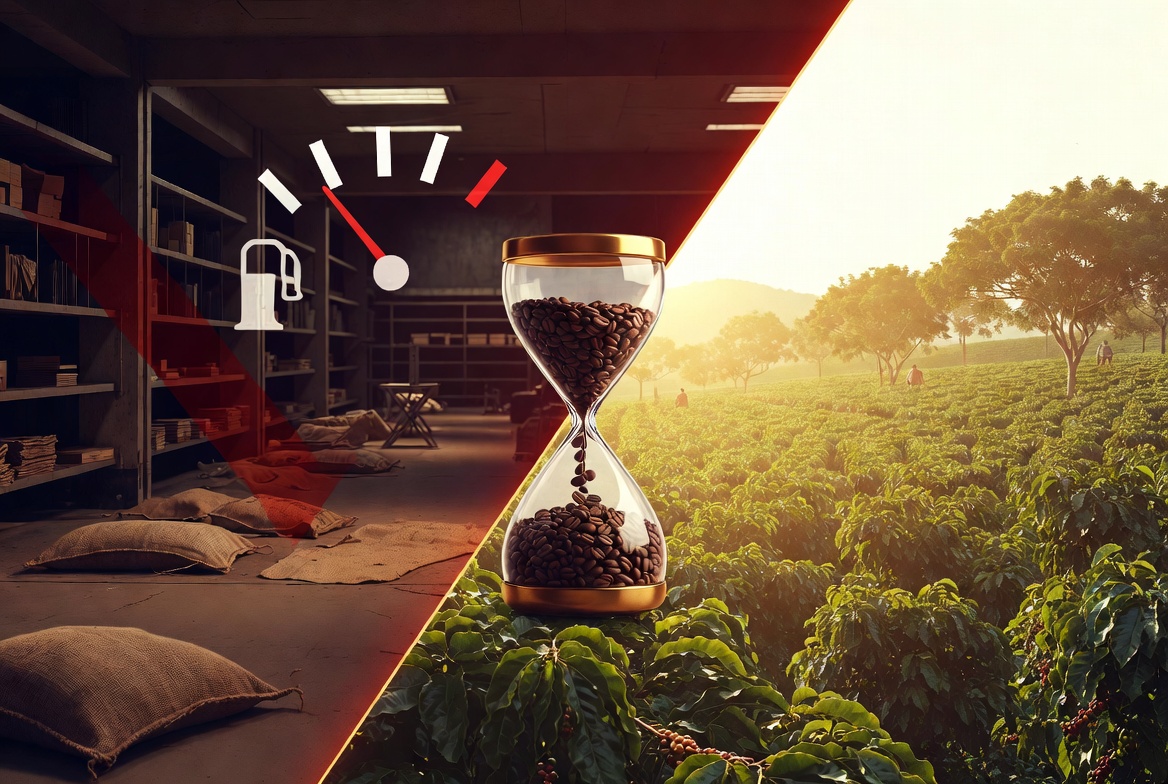
  • The coffee market is living a stark contradiction: spot inventories are shrinking while record surplus expectations are rising.
  • NY‑certified arabica stocks plunged 13.5% to 0.48 million bags – a multi‑month low.
  • At the same time, Brazil raised its 2026/27 production forecast to a record 66.7 million bags, with arabica alone jumping 28% y/y.
  • The market is pricing based on “future abundance” expectations, ignoring current physical tightness.
  • This disconnect creates a highly volatile environment: any additional disruption could trigger a sharp price spike.
  • Importers and roasters face a strategic dilemma: how to balance immediate supply needs against the risk of a price collapse later.

If you look at the May 2026 coffee market figures, you will find yourself facing two completely different markets inside one. The first market talks about shrinking inventories falling to multi‑month lows, about difficulties in securing immediate supplies. The second market promises a record surplus driven by an exceptional Brazilian crop that could reshape the global balance for years.

This contradiction is not just a statistical curiosity. It reflects a deep crisis of confidence between what exists today and what the market expects tomorrow. In this analysis, we examine the main features of this disconnect and explore its consequences for importers, roasters, and decision‑makers in the global coffee industry.

1. Inventories Are Crashing – A Warning Signal That Cannot Be Ignored

Despite all the talk about a surplus, the ICO numbers point to a very different reality on the ground. In May 2026, NY‑certified arabica stocks plunged 13.5% to just 0.48 million bags – the lowest level in months. Similarly, London‑certified robusta stocks remained near two‑year lows.

What this number means is simple: immediate physical supply of high‑grade coffee is running out. The market is currently suffering from genuine pressure on available stocks. This is not a reflection of weak production, but rather the result of several interacting factors: supply chain disruptions, slower deliveries, and possibly traders preferring to hold back inventory in anticipation of higher prices.

What is striking is that these shrinking stocks have not yet translated into a sharp price rally. That is exactly what deserves attention.

2. Brazil Announces a Historic Season – A Surplus That Could Rewrite the Rules

On the opposite side of the equation, CONAB raised its forecast for the 2026/27 Brazilian crop to a record 66.7 million bags. Beyond the headline number, the most striking figure is the huge jump expected in arabica production alone: up 28% year‑on‑year to 45.8 million bags.

This leap is not just a number on a table. It is the main factor feeding market expectations of a large surplus that could reach 10 million bags in coffee year 2026/27. Since the market is currently pricing based on “tomorrow’s expectations” rather than “today’s realities”, this massive number is the primary driver of the downward pressure we have seen on prices in recent months.

Indicator Trend Implication
Exchange stocks (NY arabica) ▼ 13.5% Acute spot tightness Brazil production forecast (arabica) ▲ 28% Expected future surplus ICO Composite Indicator (I‑CIP) ▼ 3.8% Pricing based on expectations, not reality

3. The Paradox – Why Are Prices Ignoring Current Physical Tightness?

Here lies the hardest question: why are prices not rising in response to falling spot inventories? The answer reflects a fundamental shift in how the market is pricing. It seems that traders are now basing their decisions on long‑term future expectations rather than current realities. The record Brazilian crop forecast appears so heavy that it overshadows all immediate scarcity signals.

This shift in market behavior is not necessarily healthy. It creates a condition of high fragility. If for any reason that record crop fails to materialise – drought, floods, logistical disruptions – the market will suddenly face two painful realities at once: already depleted spot inventories and a surplus that never arrived. The likely outcome would be a sharp price spike that could catch everyone off guard.

4. What This Means for Importers and Roasters – A Strategic Dilemma

For importers and roasters, this paradox creates one of the most difficult strategic dilemmas imaginable:

  • On one hand: Spot inventories are tight and prices remain historically high. The need to secure immediate supplies is urgent.
  • On the other hand: Any long‑term supply contract signed today could become a heavy burden if the record surplus materialises and prices collapse in the second half of the year.
  • The bottom line: Everyone is waiting. Buyers are waiting for a price collapse that may not come. Sellers are waiting for a rally that may not happen. The market is suspended in an uncomfortable grey zone.

The most prudent strategy at this time may be short‑term diversification rather than long‑term commitments. Flexible supply contracts, phased purchasing in small increments, and close monitoring of weather developments in Brazil may be the wisest approach in this uncertain phase.

5. The Market Is Pricing a Fiction, but Reality May Have Its Own Say

The disconnect we see today between falling spot inventories and record surplus expectations is not merely a statistical anomaly. It reflects a change in market psychology. Traders have heavily bet that the record Brazilian crop will satisfy all demand and more. But history teaches us that weather, logistics, and supply chains do not always follow optimistic scenarios.

If the surplus materialises as expected, prices may face further downward pressure. But if the Brazilian crop is negatively affected by weather or El Niño, the market could sharply refocus on the reality of tight spot inventories, generating an unexpected upward spike. In either case, caution remains the most important watchword.

Frequently Asked Questions About Coffee Market Contradictions

Q: How can inventories fall while the market expects a surplus at the same time?

A: Inventories reflect the immediate present. Surplus expectations are based on the future Brazilian crop. The time gap between present and future is the source of the contradiction.

Q: Why are tight inventories not pushing prices higher?

A: Because the market is currently focused on “future abundance” expectations. Those heavy expectations weigh on prices and prevent them from reacting to current tightness.

Q: What is the most likely scenario for the coming months?

A: High volatility will be the main theme. Any weather or logistical development could sharply change the price direction in either direction.

Q: What do you advise importers and roasters at this time?

A: Avoid long‑term commitments. Use short‑term, flexible contracts. Monitor weather developments in Brazil very closely.

Q: Could we see a price collapse soon?

A: Not necessarily. Low inventories provide a floor that could prevent a major collapse even if a surplus materialises.

The coffee market today tells a complex story that cannot be understood through a single number. It is a story of a market torn between a tight present and an abundant future. The true professionals are those who can read between the lines and see that the greatest risk may not be the surplus itself, but the surprises that might appear on the road to it.

Analysis by Qahwa World – Based on the International Coffee Organization (ICO) market report for May 2026.

All rights reserved. Republication with attribution permitted.

Publication date: June 14, 2026

The Memory of Stone: Why Water Chemistry Defines Your Coffee

Source: Coffee Consulate |
Author: Dr. Steffen Schwarz |
Date: June 10, 2026

The Memory of Stone in Every Cup: Why Water Is Never Neutral and Geology Guides Every Brew

Key Takeaways:

  • Water is not an empty stage for coffee – it carries a chemical memory of its journey through rocks, soils, and aquifers.
  • Calcium, magnesium, hydrogen carbonate, and other ions are the handwriting of landscape, directly influencing extraction and flavor.
  • Alkalinity buffering capacity can either mute brilliance or soften harshness; there is no universal ideal.
  • Hardness is not a single parameter: carbonate vs. non-carbonate hardness behave very differently in the cup and inside machines.
  • Water acts as a selective solvent – mineral composition determines which coffee compounds are extracted and how.
  • Two waters with identical total hardness can produce completely different sensory results based on their ionic profile.
  • Every café must balance three competing demands: cup quality, extraction chemistry, and equipment longevity.

Water is the most invisible origin in coffee. We speak passionately about species, cultivars, terroir, fermentation, roasting curves, grinder geometry, pressure profiling, extraction yield, and sensory balance. Yet the substance that makes up nearly the entire beverage often enters the conversation as though it were simply there – transparent, obedient, replaceable. A background element.

But water is not an empty stage on which coffee performs. Water has already lived a life before it reaches the portafilter, dripper, boiler, or cup. It has crossed atmospheric boundaries, touched minerals, moved through soil, followed fractures in rock, rested in aquifers, passed through cities, pipes, filters, valves, and heat exchangers. It arrives carrying a memory – not in the mystical sense, but in the rigorously chemical sense that every litre contains evidence of its journey.

The Planetary Distillation

The water cycle is often presented as a simple loop: ocean, sun, evaporation, cloud, rain, river, ocean again. Yet within that familiar diagram lies one of the most consequential processes for the coffee world. The oceans are Earth’s largest water reservoirs. Solar energy lifts water molecules from the sea surface into the atmosphere while most dissolved salts remain behind. This is the planet’s great distillation process.

As air cools, water vapour condenses around particles. Clouds form. Droplets grow. Gravity returns them to Earth as rain, snow, hail, or mist. Some precipitation flows back to rivers and oceans. Some infiltrates the soil and becomes groundwater. For coffee, the critical moment begins when atmospheric water becomes geological water.

When Rain Meets Rock

Rain does not fall onto an abstract Earth. It falls onto basalt and limestone, granite and dolomite, volcanic ash and clay, forest humus and urban asphalt. Even before entering the soil, water absorbs carbon dioxide and becomes mildly acidic. Within the soil, this process intensifies. Plant roots respire. Microorganisms decompose organic matter. Fungi, bacteria, humic substances, and organic acids transform the ground into a living reactor.

As water moves through this environment, it gains chemical agency. It becomes a patient solvent. It asks the rock a question: What will you give me? Limestone answers quickly. While calcium carbonate is only sparingly soluble in pure water, carbonic acid changes the equation. Calcium carbonate, carbon dioxide, and water combine to produce dissolved calcium and hydrogen carbonate. Dolomite contributes magnesium. This is one of the principal pathways through which soft rainwater becomes hard water. Carbonate hardness is therefore geology expressed through ions. It is also the beginning of alkalinity – the water’s capacity to neutralise acids.

Why Alkalinity Matters

Alkalinity matters because coffee is an acid-rich system. Chlorogenic acids and their degradation products, citric acid, malic acid, quinic acid, acetic acid, lactic acid, and numerous other compounds contribute to perceptions of brightness, fruitiness, freshness, sweetness, bitterness, and balance. Water with high alkalinity does more than simply make coffee taste “less acidic.” It changes the sensory architecture of the cup. It can soften harshness, but it can also mute brilliance. It can create comfort, but it can also sacrifice precision.

The Same Chemistry Inside the Machine

The carbonate system has a second life inside brewing equipment. When calcium hydrogen carbonate is heated, it can release carbon dioxide and water while precipitating calcium carbonate. This is scale: the white crust inside kettles, the narrowing of boiler tubes, the insulating layer on heating elements, and the mineral deposits that accumulate inside espresso machines. It is the same chemistry that forms stalactites, miniaturised and accelerated within stainless steel and brass.

For machine manufacturers, hardness is therefore not merely a flavour issue. It is material destiny. It influences maintenance intervals, warranty risks, boiler design, temperature stability, flow resistance, and corrosion management. A water that produces an excellent cup may be destructive to equipment if its carbonate chemistry is ignored. Conversely, water treated aggressively to protect equipment may become sensorially lifeless.

Hardness Is Not One Thing

Total hardness is largely the sum of calcium and magnesium ions, typically expressed as calcium carbonate equivalents. Carbonate hardness is the portion associated with hydrogen carbonate and alkalinity. Non-carbonate hardness arises when calcium and magnesium are paired with ions such as sulphate, chloride, or nitrate.

Gypsum, for example, tells a different geological story from limestone. Water dissolving gypsum acquires calcium and sulphate rather than calcium and hydrogen carbonate. The calcium still contributes to hardness, but sulphate changes conductivity, taste, precipitation behaviour, and interactions with coffee compounds. Sulphate-rich waters often taste dry, firm, and mineral-driven. Chloride-rich waters present different sensory characteristics. As a result, two waters with identical hardness values can behave very differently.

Parameter Definition Sensory / Technical Impact
Total Hardness Calcium + magnesium (as CaCO₃ equivalents) Extraction efficiency, mouthfeel, scale potential
Carbonate Hardness Associated with HCO₃⁻ and alkalinity Buffer against acidity; affects brightness and sharpness
Non‑Carbonate Hardness Calcium/magnesium with sulphate, chloride, nitrate Changes conductivity, dryness, mineral character
Alkalinity Acid‑buffering capacity (HCO₃⁻, CO₃²⁻) Mutes acidity; high alkalinity flattens sensory profile
TDS (Total Dissolved Solids) Sum of all dissolved minerals and ions General mineral load; high TDS ≠ better flavour

The Three Dimensions of Water

For coffee professionals, understanding water requires separating at least three key dimensions: Hardness (how much calcium and magnesium are present), Alkalinity (how much acid-buffering capacity the water possesses), and Total Dissolved Solids (the total quantity of dissolved material). A water can be low in hardness yet high in alkalinity. It can be high in hardness yet relatively low in alkalinity. It can be soft but salty. A water report is only the beginning of interpretation.

Water as a Selective Solvent

Water is often described simply as a solvent, but this can be misleading. Water extracts selectively, and dissolved ions influence that selectivity. Coffee contains compounds capable of interacting with metal ions, including carboxylates, phenolic groups, hydroxyl groups, and nitrogen-containing structures. Magnesium and calcium are both divalent cations, yet they differ in size, hydration behaviour, and coordination chemistry. Sodium behaves differently again. Mineral composition therefore influences which compounds move from coffee grounds into the beverage, how quickly they move, and how they are ultimately perceived. More minerals do not automatically mean more flavour.

The Bus Metaphor

Imagine water as a bus travelling through a city of coffee compounds. If the bus is completely empty, it has enormous capacity. It can pick up many passengers – perhaps too many. Extremely low-mineral water can sometimes extract aggressively and unevenly, resulting in sharp acidity, thinness, harshness, or a disconnected sensory profile. If the bus is already crowded with ions, fewer seats remain available. Extraction behaviour changes. Too many occupied seats may produce muted acidity, dull aromatics, chalkiness, dryness, or bitterness. The goal is neither an empty bus nor an overcrowded one. The goal is the right bus, carrying the right number of passengers, travelling through the right neighbourhood at the right speed.

Water Is Part of the Recipe

Extraction yield is not a trophy to be maximised. It is a variable to be balanced. The best extraction is not necessarily the highest extraction, but the one that creates the most coherent relationship between acidity, sweetness, bitterness, body, aroma, aftertaste, and mouthfeel. Water quietly governs this relationship. There is no universal water that reveals every coffee equally well. A bright, washed high-altitude Arabica may lose its defining character in highly alkaline water. A darker espresso blend may become brittle or sour if buffering is insufficient. Water is always part of the recipe.

The Gulf of Naples: A Geological Classroom

The Gulf of Naples provides a remarkable illustration of this principle. Within a relatively small geographic area, water tells several distinct geological stories. To the west, the Phlegraean Fields form a volcanic caldera characterised by complex hydrothermal systems. Elsewhere in Naples, groundwater chemistry varies significantly among aquifers, influenced by geological structures, fault systems, volcanic activity, and carbon dioxide migration. The distances are small. The waters are not. For coffee professionals, this is not merely a geological curiosity. It is an operational reality. Two cafés sharing the same regional coffee culture may nevertheless be working with fundamentally different water chemistries. Often, the stone beneath the city influences the cup more than anyone realises.

The Memory of Stone

The phrase “memory of stone” is not poetic decoration. It is applied science expressed memorably. Water remembers limestone as calcium and hydrogen carbonate. It remembers dolomite as calcium, magnesium, and alkalinity. It remembers gypsum as calcium and sulphate. It remembers volcanic systems through carbon dioxide, sulphur compounds, chloride, heat, and altered water-rock interactions. It remembers seawater intrusion through sodium and chloride. It remembers treatment systems through what has been removed, exchanged, or added. By the time water meets coffee, its memory has become functionality.

The Professional Challenge

Water must satisfy two competing demands: produce excellent coffee and protect brewing equipment. Activated carbon may remove chlorine and off-flavours but does not solve hardness problems. Ion-exchange systems reduce scale potential but alter flavour chemistry. Reverse osmosis removes most dissolved ions but generally requires remineralisation for flavour and equipment compatibility. Blending, bypass control, and targeted remineralisation are not luxuries. They are professional tools. The challenge is never purely sensory or purely technical. It is a three-way negotiation among cup quality, extraction chemistry, and equipment longevity.

There Is No Such Thing as “Just Water”

Understanding water for coffee means recognising four distinct origins: hydrological origin (where the water has travelled), geological origin (which rocks, soils, and gases it encountered), technical origin (how humans treated it before brewing), and sensory origin (how it behaves during extraction). A strong coffee programme must understand all four. Roasters should evaluate coffees using the waters of the markets they serve. Machine manufacturers must engineer around real-world water conditions. Café operators should recognise that filtration is simultaneously a flavour decision, a maintenance decision, and a brand decision.

Conclusion

The greatest mistake is searching for a single ideal water as though coffee were one fixed problem. Professional guidelines and target ranges are valuable, but they are maps – not landscapes. Applied coffee science begins when we stop asking whether water is good and start asking what it is good for. The bus must not be empty, nor overcrowded. The stone must be heard, but not allowed to drown out the coffee. The machine must be protected without sterilising the cup. The minerals must assist, not dominate. In the end, every cup is a meeting of two landscapes. Coffee brings the landscape of the plant: climate, soil, altitude, cultivar, farming, fermentation, drying, storage, and roasting. Water brings the landscape of preparation: sea, cloud, rain, soil, stone, aquifer, treatment, and machine. When these landscapes align, we describe the coffee as expressive, sweet, transparent, structured, elegant, and alive. Yet part of that praise belongs to the water. The finest cup is never coffee alone. It is coffee translated by water that has learned just enough from stone.

Frequently Asked Questions About Water Chemistry in Coffee

Q: Why does water have a “memory” of stone?

A: Not in a mystical sense, but chemically: every litre of water contains dissolved ions (calcium, magnesium, hydrogen carbonate, etc.) from the rocks and soils it has passed through. Those ions directly affect coffee extraction and flavour.

Q: Is there a single ideal water for all coffees?

A: No. A bright, washed high-altitude Arabica may suffer in highly alkaline water, while a darker espresso blend may become sour if alkalinity is too low. Water must be matched to the coffee and brewing method.

Q: What is the difference between carbonate and non-carbonate hardness?

A: Carbonate hardness (calcium/magnesium with hydrogen carbonate) contributes to alkalinity and scale. Non-carbonate hardness (calcium/magnesium with sulphate, chloride, or nitrate) affects conductivity, dryness, and mineral perception without buffering acidity.

Q: Can low-mineral water produce good coffee?

A: Sometimes, but very low TDS water can extract aggressively and unevenly, leading to sharp acidity or thinness. A balanced mineral profile is usually preferable.

Q: How should a café choose a water treatment system?

A: By balancing three factors: cup quality (sensory profile), extraction chemistry (mineral interaction), and equipment longevity (scale prevention). There is no one‑size‑fits‑all solution.

By Dr. Steffen Schwarz – Coffee Consulate

All rights reserved. Republication with attribution permitted.

Publication date: June 10, 2026
From Farm to Shelf: Local Sourcing Gains Momentum in UAE’s Retail Sector

Source: Qahwa World – Opinion Article |
Author: Firas Nasser, CEO of an organic food brand and café, and Co-CEO of Gulf Japan Food Fund Investment |
Date: June 8, 2026

From Farm to Shelf: Local Sourcing Gains Momentum in UAE’s Retail Sector

Key Takeaways:

  • The UAE retail sector is undergoing a quiet but profound shift toward local sourcing.
  • Logistics infrastructure investments have bridged the gap between local producers and major retailers.
  • One organic food chain collaborates with over 400 supply partners across local and global supply chains.
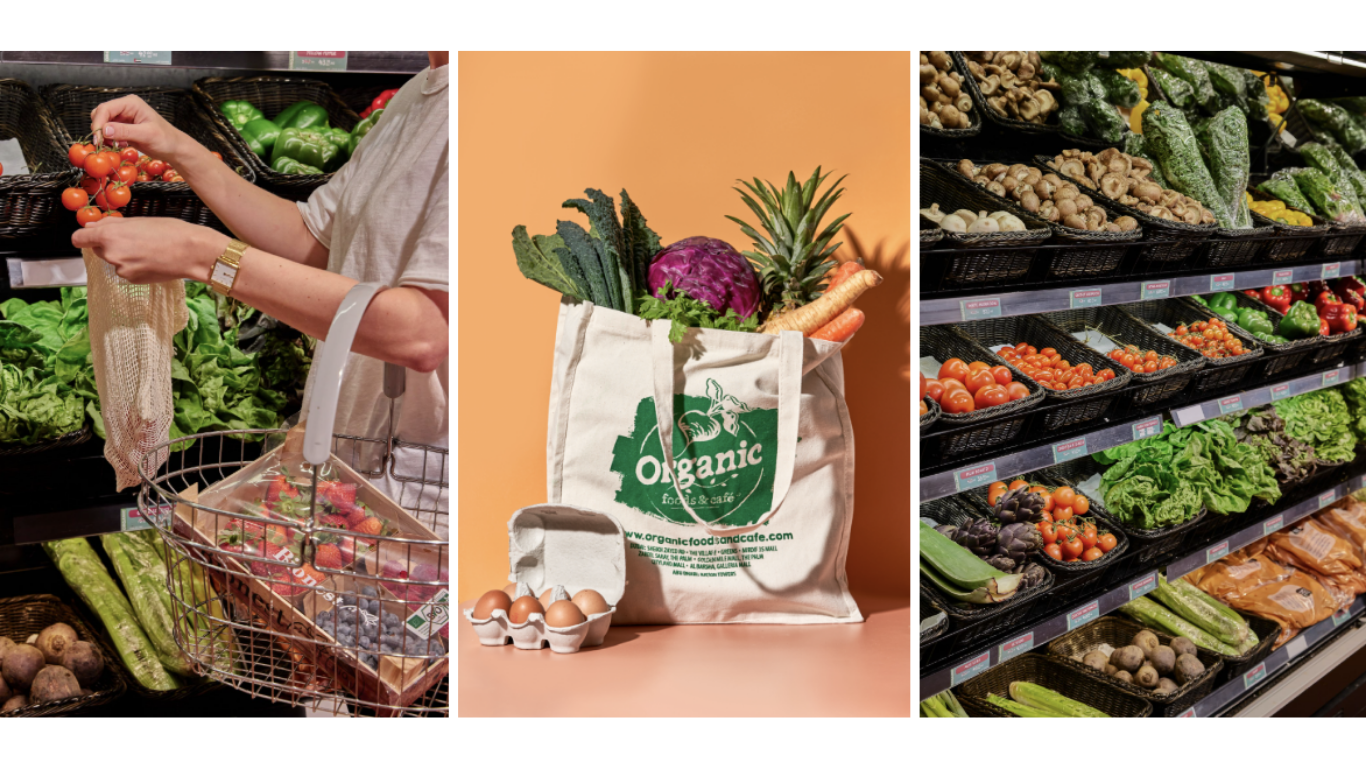
  • Organic eggs from a Fujairah farm and fresh organic milk from a Sharjah farm are now consistently available.
  • The “Made in the UAE” initiative has added a strategic dimension to boosting local manufacturing.
  • Retailers who embraced local sourcing proved more resilient in absorbing shocks and reducing impacts.
  • Challenges remain, but the number of producers meeting global standards is steadily growing.

The most impactful shifts in business rarely arrive with fanfare. They accumulate quietly through purchasing decisions, supplier evaluations, and sourcing discussions that happen behind the scenes. The UAE’s retail sector is currently undergoing just such a quiet transformation.

This quiet yet profound shift is a gradual move from near-exclusive reliance on global suppliers to a meaningful integration of local producers into the supply chain. What was an aspiration five years ago has become an operational reality today.

Bridging the Gap: How the UAE’s Logistics Landscape Has Changed

Previously, retailers built their supplier lists based on established global suppliers. These suppliers could provide required volumes, comply with approved standards, and maintain consistent performance at scale. Local producers, on the other hand, often struggled to meet the standards demanded by major buyers. These challenges included providing reliable cold chain infrastructure, obtaining internationally recognized food safety certifications, and scaling supply without disrupting delivery schedules.

However, this gap has narrowed significantly. Investments in the UAE’s logistics infrastructure have driven this progress. These investments include temperature-controlled warehouses, refrigerated delivery services to final delivery points, and the development of alternative trade routes such as the green corridor between Oman and the UAE, as well as the eastern coast ports of Khorfakkan and Fujairah. These developments have provided a reliable and sustainable path for local suppliers to reach store shelves, a path that did not exist five years ago.

Product Source Significance
Organic Eggs Farm in Fujairah Consistently available for the first time
Fresh Organic Milk Farm in Sharjah High quality and regular supply
Fermented beverages, plant-based products Local brands Sustainable presence in distribution channels

A Pioneering Experience: Shifting Supplier Composition Toward Local Sourcing

The impact of this shift is most visible among retailers who committed early to local sourcing. One organic food chain, for example, has been closely tracking this development. It collaborates with more than four hundred supply partners across local and global supply chains. Over the past four years, the composition of its supplier list has shifted markedly toward sourcing from geographically closer regions. This has improved product availability, reduced transport times, and tangibly lowered the carbon footprint across key product categories.

These shifts have been most evident in beverages, fresh produce, and dairy products. These are categories where local producers have invested seriously in quality and operational consistency. The products now securing shelf space indicate a genuine level of operational maturity, not merely an emotional preference for local goods.

Government Initiatives: “Made in the UAE” as a Strategic Catalyst

The entire retail sector is responding to these shifts. The “Made in the UAE” initiative has added a strategic dimension to what was already an established business practice. This government initiative aims to boost local manufacturing and industrial investment. As a result, approved supplier lists across the sector are now reviewed from the perspective of supply chain resilience, not only from a cost optimization perspective.

Recent geopolitical events have made this reassessment more urgent. Retailers who integrated local sourcing into their business models have proven to be in a much better position to withstand shocks and reduce their impacts. Alternative shipping channels were activated when needed, but the least exposed companies were those that had built strong relationships with local suppliers before this step became an urgent necessity due to disruptions.

Remaining Challenges, but a Promising Future

Of course, challenges remain. The shortage of local producers with organic certification is an ongoing gap. And retailer expectations have not become less stringent. Local suppliers are still required to meet the same standards regarding delivery, food safety, and scalability as their international counterparts.

Nevertheless, the list of producers able to meet these standards is steadily growing. The commercial viability of this trend is becoming difficult to ignore. Speed of order fulfillment, extended shelf life of local fresh products, and the ability to adapt to fluctuating shipping costs are advantages that often outweigh the economies of scale previously enjoyed by international suppliers with little competition.

The reshaping of the UAE’s retail sector around local suppliers and brands has already begun. The current geopolitical landscape has given it additional momentum. Today, this process rests on proven business expertise, is supported by advanced infrastructure, and is backed by clear national policies. The companies that recognize that what is happening is not a passing sourcing trend but a fundamental shift in supply chains will be those that shape the UAE’s retail sector over the next decade.

Frequently Asked Questions About Local Sourcing in the UAE Retail Sector

Q: What were the main challenges facing local producers previously?

A: The main challenges included lack of cold chain infrastructure, absence of internationally recognized food safety certifications, and difficulty scaling supply while maintaining delivery schedules.

Q: How have logistics investments supported local sourcing?

A: Investments included refrigerated warehouses, chilled delivery to final points, and alternative trade routes such as the green corridor with Oman and the ports of Khorfakkan and Fujairah.

Q: What is the “Made in the UAE” initiative?

A: A government initiative aimed at boosting local manufacturing and industrial investment, adding a strategic dimension to the trend toward local sourcing.

Q: Can local suppliers now compete with global suppliers?

A: Yes. Thanks to improved quality and operational consistency, advantages such as speed and extended shelf life sometimes outweigh the economies of scale enjoyed by global suppliers.

Q: What is the future of the UAE retail sector in light of this shift?

A: Companies that embrace this shift as a fundamental change in supply chains will be best positioned to shape the sector over the next decade.

The shift toward local sourcing in the UAE is no longer a passing trend. It has become an operational reality supported by advanced infrastructure and clear national policies. The companies that will lead the sector in the coming decade are those that realized supply chain resilience is just as important as cost optimization.

By: Firas Nasser – CEO of an organic food brand and café, and Co-CEO of Gulf Japan Food Fund Investment.

All rights reserved. Republication with attribution permitted.

Publication date: June 8, 2026

Climate Resilient Coffee: Excelsa and Liberica Offer Hope

Author: Qahwa World
Source: Mongabay (Meena Menon)
Date: June 1, 2026

Climate Resilient Coffee: Excelsa and Liberica Offer Hope

Executive Summary:

  • Mongabay published this story. Arabica and Robusta face growing threats from rising temperatures and erratic rainfall.
  • Lesser known coffee species like Excelsa and Liberica are gaining attention for their resilience and adaptability.
  • British planter Colonel Benson introduced Excelsa to India in the 1800s, but growers never commercialised it widely.
  • In 2025, the South India Coffee Company sold over four tonnes of Excelsa. Demand for saplings is now rising.
  • Researchers at Kew Gardens are studying underutilised species. They have proposed a new hybrid called Libex.
  • Ugandan farmers have grown hundreds of acres of Excelsa since the early 2000s as a climate adaptation.
  • For a sustainable future, the coffee industry must diversify by blending traditional and alternative species.

Mongabay published this story about climate resilient coffee. Rising temperatures and erratic rainfall increasingly threaten the two dominant coffee species, Arabica and Robusta. Pest pressures add to their vulnerability. Consequently, researchers and farmers are turning to lesser known species such as Excelsa and Liberica. These forgotten plants offer new hope for the industry.

Excelsa Gains New Relevance

Excelsa (Coffea dewevrei) grows naturally in parts of Tropical Africa and Southeast Asia. In India, farmers traditionally planted it as a boundary marker or for shade. However, they never commercialised it widely. According to an unpublished paper, a British planter named Colonel Benson introduced Excelsa to India in the late 1800s. He saw it as an alternative to Arabica after pest outbreaks. Nevertheless, its height, which can reach fifteen metres, made estate management impractical.

Today, climate change is prompting a revaluation. Akshay Dashrath, co founder of the South India Coffee Company, maintains 60 year old Excelsa trees on his estate in Karnataka. Interestingly, his grandfather used to drink only Excelsa at home. In 2024 and 2025, the company began revaluating Excelsa across five estates. As a result, they sold over four tonnes of green coffee in 2025. For 2026, they estimate sales will reach five tonnes.

Indian Growers Face Climate Instability

Across India’s coffee growing regions, farmers report increasing climate instability. Kerehaklu Estate in Karnataka has grown Excelsa and Liberica since 1953. Pranoy Thipaiah, the managing partner, told Mongabay that rainfall has become longer and more intense. He also noted that plants’ biological clocks have shifted. Pest pressure has increased as well. Excelsa and Liberica, he explained, handle climate variations better than traditional species. Their long gestation period means harvest occurs after the unseasonal rains pass. Thipaiah is now expanding his trials. He has seven different varieties from Vietnam growing in his nursery. Next year, he plans to transplant them into the main estate.

Global Research on Resilient Species

The search for climate resilient coffee extends far beyond India. Researchers have identified 133 different coffee species worldwide. Aaron Davis of the Royal Botanic Gardens, Kew, told Mongabay that Arabica and Robusta may soon lose their dominance. Arabica requires a cool tropical climate with distinct dry periods. Robusta needs warmth and moisture but cannot tolerate drought. Therefore, neither species can survive the coming changes. Davis advocates for diversification. “We need a portfolio of coffee crop species to adapt to altered climates,” he stated.

Excelsa is already scaling up in Uganda and Vietnam. Farmers there have grown hundreds of acres since the early 2000s. Kiwuka Catherine, a Ugandan research officer, explained that smallholders and large farmers are adopting Excelsa as a climate adaptation. At least 200 farms in Uganda and several in India, Vietnam, and South Sudan now produce Excelsa for export. This trend shows no signs of slowing.

New Hybrids and Future Possibilities

Species Climate Resilience Current Status
Arabica Low, heat sensitive Dominant but vulnerable
Robusta Moderate, not drought tolerant Widely grown, under pressure
Excelsa High, heat and drought tolerant Gaining commercial interest
Liberica High, adaptable Under research
Libex (hybrid) Very high, disease resistant Proposed new hybrid

Researchers have also investigated a hybrid between Liberica and Excelsa. They named it Coffea X libex, or Libex coffee. This hybrid resists heat, excess moisture, and disease effectively. According to Dashrath, this finding could prove crucial for the future of coffee. Hybrids offer a sustainable option for growers facing unpredictable weather. In India, Excelsa is slowly moving from obscurity into the mainstream. SICC has received requests for more than 4,000 saplings for 2026. Davis believes Ugandan Excelsa could appear in supermarkets within a decade. For a sustainable future, the coffee industry must embrace diversification, regenerative agriculture, and multiple alternative species.

Frequently Asked Questions (FAQ)

1. Why are Arabica and Robusta vulnerable to climate change?

Temperatures above 30°C reduce yields. Arabica cannot tolerate heat, while Robusta cannot handle drought. Changing rainfall patterns and pests add more stress.

2. What exactly is Excelsa coffee?

Excelsa (Coffea dewevrei) is a lesser known coffee species native to Africa and Southeast Asia. It grows tall and shows strong resistance to heat and drought.

3. Where can farmers grow Excelsa today?

Growers cultivate Excelsa in India, Uganda, and Vietnam. Ugandan farmers have grown hundreds of acres since the early 2000s as a climate adaptation.

4. What is Libex coffee?

Libex (Coffea X libex) is a hybrid between Liberica and Excelsa. It demonstrates strong resistance to heat, moisture stress, and disease.

5. Can consumers buy Excelsa coffee now?

Yes, but only in small quantities. In India, producers sold over four tonnes in 2025. Ugandan Excelsa may soon reach supermarket shelves.

6. What does the future of coffee look like?

Diversification. Growers will need a portfolio of species including Excelsa, Liberica, Stenophylla, and hybrids like Libex alongside improved Arabica and Robusta.

Qahwa World – Mongabay published this story. Reporting by Meena Menon.
Published: June 1, 2026

Turkish Coffee Culture: From Kahvehane to Specialty Bars

Author: Qahwa World
Source: Original reporting on Turkish coffee culture
Date: May 30, 2026

Turkish Coffee Culture: From Kahvehane to Specialty Bars

Executive Summary:

  • Turkish coffee culture is one of the world’s oldest. UNESCO recognizes it for its brewing rituals and social traditions.
  • Key features include very fine grind, brewing in a cezve, and serving with water and a sweet treat.
  • Turkish and Lebanese coffee are similar but different. Lebanese coffee often contains cardamom.
  • Specialty coffee arrived in Turkey in the early 2010s. Kronotrop was a pioneer in Istanbul.
  • At first, consumers disliked lighter roasts. They found them too sour compared to traditional coffee.
  • By 2015, a coffee renaissance took hold. Today, specialty coffee coexists with traditional kahvehane.
  • Turkey’s coffee story now blends heritage with innovation. The cezve and V60 share the same tables.

Coffee is more than just a drink. In many countries, it has become a ritual. It is a language of social interaction. It also expresses national identity. Some people drink coffee slowly during long conversations. Others grab it on the go in paper cups. Some build entire philosophies around its preparation. Turkey is often the first country that comes to mind for old coffee traditions. However, modern coffee trends have reached Turkey as well. This article looks at the history of Turkish coffee culture. It also examines how specialty coffee is changing it.

A Tradition Rooted in the Ottoman Empire

Turkish coffee culture is among the oldest in the world. Historians agree that coffee arrived in the Ottoman Empire during the sixteenth century. It came from Yemen. During the reign of Sultan Suleiman the Magnificent, coffee became part of court life. By the mid-1550s, the first coffeehouses opened in Istanbul. They were called kahvehane, which means houses of coffee. These places quickly became more than just coffee shops. Men gathered there to play backgammon. They listened to poetry and music. They also discussed current events. Through the Ottoman Empire, coffee spread to Europe in the seventeenth century. It reached Venice, Paris, London, and Vienna. From there, it continued its journey across the world.

Forty Years in One Cup

UNESCO recognizes Turkish coffee culture on its Intangible Cultural Heritage list. The recognition includes the rituals of preparation and service. The defining feature of Turkish coffee is its very fine grind. The coffee is ground almost into powder. It is brewed in a cezve, which many know as a Turkish coffee pot. The coffee is not filtered. Therefore, the grounds remain in the cup. This produces a dense, rich, and full-bodied drink.

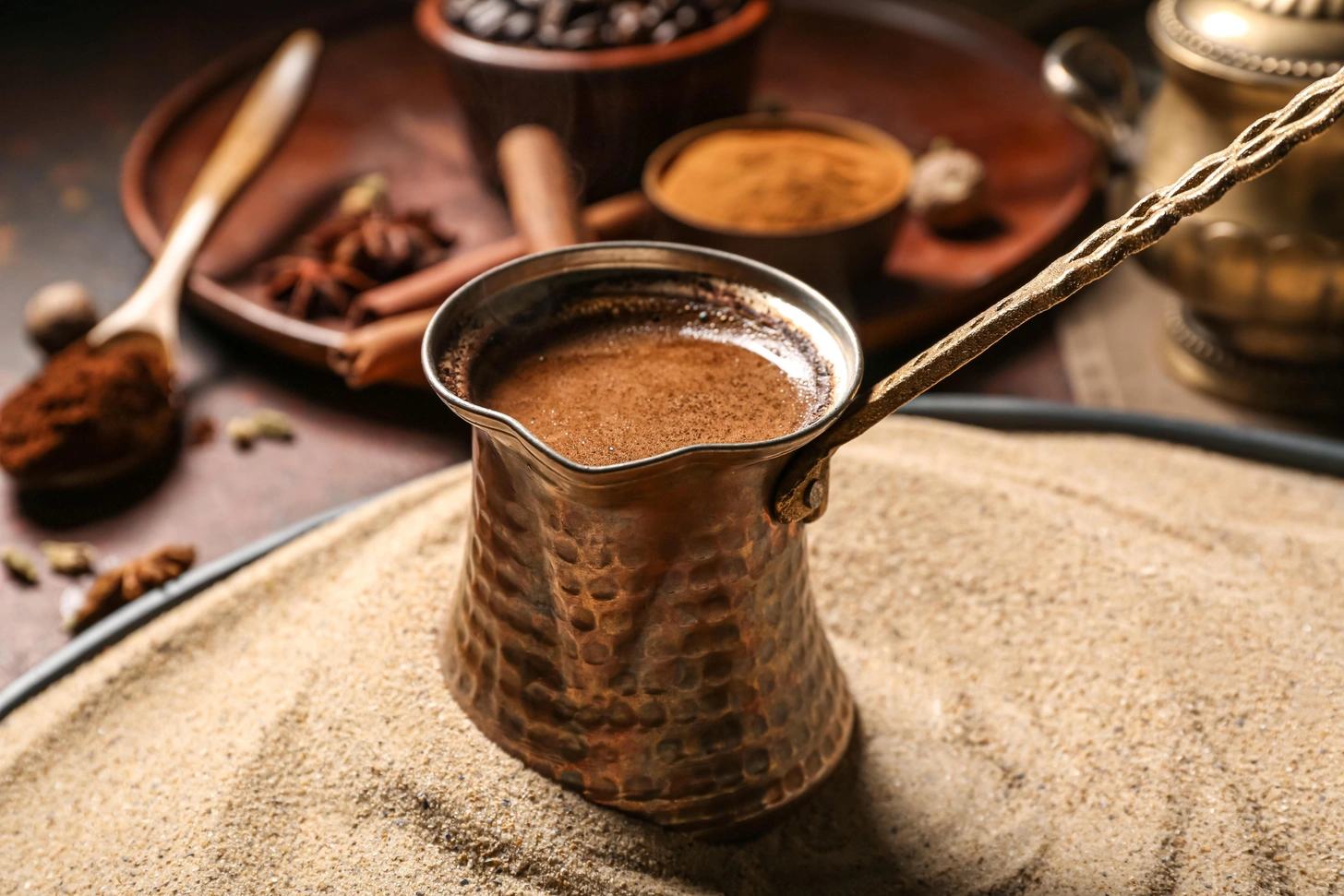
Turkish coffee is never made in haste. It heats slowly over low heat. Another traditional method uses hot sand. This allows the cezve to heat evenly from all sides. As a result, the extraction is smoother. The flavor profile becomes distinctive. Foam is considered essential. In Turkey, a thick foam layer shows the brewer’s skill. Serving coffee is also part of the ritual. A glass of water and a sweet treat usually accompany the coffee. The sweet treat is often Turkish delight or baklava. The water cleanses the palate before the first sip. The sweetness complements the coffee’s bitterness.

People order Turkish coffee according to sweetness levels. Sade means no sugar. Orta means medium sweetness. Şekerli means sweet. Another tradition is fortune-telling from coffee grounds. After finishing the coffee, the cup is turned upside down onto a saucer. Once the grounds settle, patterns on the cup’s walls are interpreted as symbols. For many Turkish families, this remains a popular social activity. A famous Turkish proverb says: “The memory of a cup of coffee lasts forty years.” In Turkish, it is “Bir kahvenin kırk yıl hatırı vardır.” This emphasizes that sharing coffee creates lasting bonds of friendship and respect.

Turkish Coffee and Its Lebanese Cousin

At first glance, Turkish and Lebanese coffee look almost identical. Both are brewed in a cezve. Neither is filtered. Both belong to the broader Middle Eastern coffee tradition. However, notable differences exist. Turkish coffee is generally denser. Its flavor is more straightforward. Traditional recipes rarely include spices. This allows the coffee’s own characteristics to take center stage. Lebanese coffee, in contrast, is often more aromatic. Cardamom is frequently added, sometimes generously. This creates a warm, spicy aroma with subtle citrus notes.

The cultural context also differs. In Turkey, coffee is closely linked to extended conversations, family gatherings, and coffeehouse culture. In Lebanon, coffee often serves as a symbol of hospitality. It is offered to guests as a matter of etiquette. Despite these differences, coffee represents far more than caffeine in both countries. It remains a slow, thoughtful ritual embedded in everyday life.

The Rise of Specialty Coffee

The twentieth century made coffee widely available. The twenty-first century has, in some ways, made it more exclusive again. This is due to the rise of specialty coffee. The term “specialty coffee” emerged in the 1970s. However, it became a global phenomenon only in recent decades. The Third Wave Coffee movement transformed how people view coffee quality and origin. Specialty coffee emphasizes transparency. Consumers are encouraged to know not only the variety and country of origin. They also learn about the specific region, farm, and altitude. Like wine, coffee is now appreciated for its terroir and flavor complexity.

Instead of bitterness alone, drinkers now seek fruity, floral, and tea-like characteristics. An Ethiopian coffee may exhibit jasmine-like notes. A Kenyan coffee may suggest red currant or pomegranate. The specialty movement has also popularized alternative brewing methods. These include V60, AeroPress, Chemex, siphon brewing, and various pour-over techniques. Baristas are seen as skilled professionals. Coffee shops have become destinations for culinary experiences.

Turkey’s Third Wave Coffee Revolution

Turkey has deep-rooted coffee traditions. Therefore, it might seem unlikely for specialty coffee to flourish there. Nevertheless, the Third Wave movement has established a significant presence over the past fifteen years. The first specialty cafés appeared in Istanbul in the early 2010s. Among the pioneers was Kronotrop Coffee Bar, founded in 2012. It introduced many Turkish consumers to alternative brewing methods and modern coffee culture.

Initially, reactions were mixed. Turkish tastes had been shaped by dark, strong coffee for centuries. Lightly roasted beans with bright acidity seemed unfamiliar. Many customers described such coffees as “too sour.” They simply differed from traditional expectations. However, by the middle of the decade, Istanbul was experiencing a genuine coffee renaissance. Independent roasters emerged. Baristas began training according to international standards. Coffee shops evolved into modern social spaces with minimalist design and open brewing stations.

Today, specialty coffee is part of everyday urban life in cities such as Istanbul, Ankara, and Izmir. Modern cafés offer pour-overs, filter coffee, cold brew, and sophisticated espresso blends. They serve these alongside traditional Turkish coffee. Outside the largest cities, specialty coffee remains relatively niche. In tourist destinations such as Antalya, specialty cafés are becoming more common. However, traditional Turkish coffee culture continues to dominate. Even so, new coffee trends are steadily taking root. This creates a unique coexistence between centuries-old traditions and contemporary specialty coffee culture.

Turkey’s coffee story is no longer defined solely by the cezve and the kahvehane. Instead, it reflects an ongoing dialogue between heritage and innovation. Traditional Turkish coffee and modern specialty coffee increasingly share the same table.

Frequently Asked Questions (FAQ)

1. What makes Turkish coffee unique?

Very fine grind, brewing in a cezve, no filtration, slow heating, essential foam, and serving with water and sweets.

2. What is a kahvehane?

A traditional Turkish coffeehouse from the 16th century. It was a social gathering place for men to play games, listen to music, and discuss news.

3. Is Turkish coffee the same as Lebanese coffee?

No. Turkish coffee is denser and without spices. Lebanese coffee often includes cardamom and uses lighter roasts.

4. When did specialty coffee arrive in Turkey?

Early 2010s. Kronotrop Coffee Bar (founded 2012) was a pioneer of the third wave movement in Turkey.

5. How did Turkish consumers react to specialty coffee at first?

Reactions were mixed. Many found lighter roasts too sour compared to traditional dark Turkish coffee.

6. Where can you find specialty coffee in Turkey today?

Major cities like Istanbul, Ankara, and Izmir. Traditional kahvehane culture still dominates in rural areas.

Qahwa World – Original reporting on Turkish coffee culture.
Published: May 30, 2026

The Coffee Cantata: How Bach Composed an Eternal Ode to the Bean

Author: Qahwa World
Source: Historical musicology and coffee culture archives
Date: May 29, 2026

The Coffee Cantata: How Johann Sebastian Bach Composed an Eternal Ode to the Bean

Executive Summary:

  • Johann Sebastian Bach composed the Coffee Cantata (BWV 211) between 1732 and 1735 for performances at Café Zimmermann in Leipzig.
  • The work is a witty miniature opera about a young woman named Lieschen who refuses to give up her coffee habit despite her father’s threats.
  • The famous aria “Ei! Wie schmeckt der Coffee süße” celebrates coffee as sweeter than a thousand kisses and milder than wine.
  • The cantata reflects the cultural debate around coffee in 18th century Europe, where coffee was both praised and criticized.
  • Bach collaborated with poet Christian Friedrich Henrici (Picander), who wrote the libretto.
  • The work remains popular today, often performed as a fully staged theatrical production.
  • It reveals Bach’s humorous and human side, rarely seen in his predominantly sacred music.

In the golden haze of a Leipzig afternoon in 1734, the rich aroma of freshly roasted coffee mingled with the sound of strings and voices. Inside Café Zimmermann, the air hummed with anticipation. Then, from the heart of this vibrant coffee house, rose a melody both playful and profound, a sparkling miniature opera celebrating humanity’s passionate love affair with coffee.

While countless coffee enthusiasts worldwide trace the bean’s journey from the misty highlands of Ethiopia to the grand palaces of the Ottoman Empire and the intellectual salons of Europe, few know that one of history’s greatest musical geniuses, Johann Sebastian Bach, dedicated an entire work to this beloved drink. Bach’s Coffee Cantata (BWV 211) is not merely a composition. It is a witty, rebellious, and joyful love letter to the cup that awakens the senses. This miniature comic opera in ten movements captures the spirit of an era when coffee was both a fashionable delight and a subject of heated debate.

The Historical Stage

During the early 18th century, coffee swept across Europe as a luxurious and somewhat controversial beverage. It was praised for sharpening the mind and fostering conversation, yet criticized by traditionalists as an addictive vice that could corrupt youth and challenge family authority. In the lively city of Leipzig, coffee houses became cultural hubs, places for discussion, music, and ideas. Bach, who served as director of the prestigious Collegium Musicum, regularly performed with his ensemble at Café Zimmermann, owned by the wealthy merchant Gottfried Zimmermann. It is widely accepted by music historians that the Coffee Cantata was composed specifically for these weekly gatherings between 1732 and 1735. What better entertainment for coffee drinkers than a humorous opera set in their own world?

The Creative Team

The libretto was masterfully written by Christian Friedrich Henrici, known by his pen name Picander, a talented poet and frequent collaborator with Bach. Together, they created a light-hearted satire that gently mocked parental strictness, societal fears of the coffee craze, and celebrated the clever independence of a young woman devoted to her favorite brew.

The Story: A Father, a Daughter, and an Unbreakable Love for Coffee

The cantata unfolds as a delightful domestic drama featuring three characters: Herr Schlendrian (Mr. Routine), a stern traditional father (bass voice); Lieschen, his witty, strong-willed daughter (soprano); and the Narrator (tenor), who guides the audience with charm and humor.

Schlendrian is exasperated. No matter how many times he scolds her, his daughter refuses to abandon her coffee habit. He unleashes a series of increasingly desperate threats: no more fine dresses, no garden walks, no parties, and finally, the ultimate punishment, no marriage unless she gives up coffee entirely. Yet Lieschen stands firm. In one of the most beloved arias in Baroque music, she sings with radiant joy: “Ei! Wie schmeckt der Coffee süße” (“Ah! How sweet coffee tastes, more delicious than a thousand kisses, milder than muscatel wine. Coffee, I must have coffee…”).

In a clever twist, Lieschen pretends to surrender. But as her father departs to arrange a marriage, she reveals her secret plan: she will add a special condition to her future marriage contract. She must be allowed to drink coffee whenever she desires. The work concludes with a joyful trio and a knowing, smiling remark from the Narrator: coffee will endure, and clever daughters usually find a way to get what they want.

The Musical Masterpiece

Bach structured the Coffee Cantata as a true miniature opera with 10 movements, skillfully alternating dramatic recitatives and enchanting arias. The orchestration is intimate and refined: transverse flute, violins, viola, cello, and harpsichord. Lieschen’s famous aria is particularly exquisite, with the flute dancing delicately like steam rising from a fresh cup. The father’s music feels heavy and marching, mirroring his rigid personality, while the daughter’s melodies sparkle with life and charm. The final trio unites all voices in harmonious celebration, a perfect musical toast to the bean.

Why This Work Still Matters Today

The Coffee Cantata reveals Bach’s rarely seen humorous and human side. In a lifetime dedicated largely to sacred music, this secular work stands as a cultural treasure that documents Europe’s coffee revolution. It speaks timelessly about pleasure, rebellion, personal freedom, and the art of clever compromise. Today, it is frequently performed as a fully staged theatrical production with costumes and scenery, delighting audiences worldwide.

Frequently Asked Questions (FAQ)

1. What is the Coffee Cantata?

The Coffee Cantata (BWV 211) is a secular comic opera by Johann Sebastian Bach, celebrating coffee. It was composed between 1732 and 1735 for performances at Café Zimmermann in Leipzig.

2. What is the story of the Coffee Cantata?

A father, Herr Schlendrian, tries to force his daughter Lieschen to give up coffee. She refuses. After many threats, she pretends to surrender but secretly plans to include a coffee clause in her marriage contract.

3. What is the most famous aria in the Coffee Cantata?

Lieschen’s aria “Ei! Wie schmeckt der Coffee süße” (Ah! How sweet coffee tastes) is the most famous, celebrating coffee as sweeter than a thousand kisses.

4. Who wrote the libretto?

The libretto was written by Christian Friedrich Henrici, known as Picander, a frequent collaborator with Bach.

5. Why is the Coffee Cantata historically significant?

It documents Europe’s coffee revolution in the 18th century and reveals Bach’s humorous side, offering a rare glimpse into secular life and coffee culture at the time.

6. Where can I listen to the Coffee Cantata?

Recommended performances include Emma Kirkby with the Academy of Ancient Music, the Café Zimmermann Ensemble, and modern staged versions with English subtitles on YouTube.

Qahwa World – Based on historical musicology and coffee culture archives.
Published: May 29, 2026

Coffee Sweetness: 8 Hypotheses on the Sugarless Paradox

Author: Qahwa World
Date: May 29, 2026

Coffee Sweetness: Eight Hypotheses on the Sugarless Paradox

Executive Summary:

  • Roasted coffee contains almost no free sugars above sensory thresholds, yet perceived sweetness is a top driver of consumer preference.
  • Research shows trained tasters can reliably rank coffees by sweetness intensity, with differences of 4-6 points on a 15-point scale.
  • Aroma drives much of perceived sweetness through retronasal olfaction, where fruity and floral notes fool the brain.
  • Non-sugar molecules may activate sweet receptors or modulate taste, with flavoromics research hunting for key compounds.
  • Processing methods like anaerobic fermentation and carbonic maceration dramatically amplify sweetness.
  • Light to medium roasts preserve sweet precursors, while dark roasts destroy them.
  • Brewing parameters including water temperature, grind size, and water chemistry affect extraction of sweet-associated compounds.

For centuries, people have called coffee sweet. Bach was not exaggerating in his Coffee Cantata. Today, sweetness is a top driver of consumer preference in specialty coffee, often more important than acidity or body for many drinkers. Yet roasted coffee has almost no free sugars left above sensory thresholds, typically well below 100-200 mg per liter versus the roughly 2,000 mg per liter needed for detection. This is the enduring sweetness paradox in coffee.

Hypothesis 1: A Real Sensory Phenomenon

Trained tasters can reliably rank coffees by sweetness intensity. Differences of 4 to 6 points on a 15-point scale appear consistently across panels, even when controlling for other variables. This is not imagination. It is a measurable attribute that specialty coffee buyers reward.

Hypothesis 2: Aroma Drives Perceived Sweetness

Retronasal olfaction, the aromas traveling from the mouth to the nose while sipping, plays a huge role. Nose clips significantly reduce perceived sweetness. Fruity, floral, vanilla-like, and caramelized aromas fool the brain into registering sweet. This is cross-modal perception, where smell enhances taste.

Hypothesis 3: Residual Sugars Exist but Are Not the Main Driver

Sugars such as sucrose, glucose, and fructose are present but below threshold. Interestingly, some higher-sugar samples score lower in sweetness, suggesting suppression by other compounds or lack of direct correlation.

Hypothesis 4: Flavor Integration and Suppression

The brain integrates taste, aroma, mouthfeel, and memory. Sweet-associated notes like berry, stone fruit, honey, and chocolate enhance overall sweetness perception. Conversely, high bitterness, roastiness, or astringency suppress sweetness. Balance is everything. A well-processed, light to medium roast often maximizes this effect.

Hypothesis 5: Non-Sugar Molecules Activate Sweet Receptors

Flavoromics research is hunting for specific compounds, possibly certain volatiles, glycosides, or small molecules, that directly or indirectly stimulate sweet taste receptors (T1R2/T1R3) or act as taste modulators. Some compounds might have intrinsic mild sweetness or block bitterness, making everything taste rounder and sweeter.

Hypothesis 6: Processing Methods Amplify Sweetness

Anaerobic fermentation, carbonic maceration, honey and pulped natural processing, and extended drying create more fruity esters, alcohols, and aldehydes that read as sweet. Lactic fermentation can produce yogurt-like or creamy notes that boost perceived sweetness. Washed coffees can taste cleaner but sometimes less sweet than naturals or hybrids.

Hypothesis 7: Roast Degree and Maillard Chemistry

Light roasts preserve more delicate sweet precursors and acids that interact positively. Medium roasts develop caramelization and Maillard products such as furans and pyrroles that smell sweet. Dark roasts destroy sugars and create bitter, ashy compounds that mask sweetness. The sweet spot varies by origin but is rarely very dark.

Hypothesis 8: Brewing Parameters and Extraction Dynamics

Higher extraction, but not over-extraction, can pull more sweetness-associated compounds. Brew temperature, grind size, water chemistry, and ratio all matter. Slightly higher brew temperatures can enhance certain sweet volatiles, while channeling or poor agitation increases bitterness that kills sweetness.

Practical Takeaways

For drinkers, seek light to medium roasts from high-altitude origins such as Ethiopia, Kenya, Colombia, or Panama Geishas, processed with care. Brew with water around 92 to 96 degrees Celsius, fresh grind, and proper ratio. Drink black, as the sweetness shines more without milk. For producers and roasters, focus on cherry ripeness, innovative processing, and precise roasting curves. Sweetness is now a breedable, processable trait. Genetics also play a role. Some people are more sensitive to certain volatiles or have different taste receptor variants. Expectation and context, such as a beautiful pour-over setup or nice music, also amplify perception.

Frequently Asked Questions (FAQ)

1. Why does coffee taste sweet without sugar?

A combination of aroma, brain integration, processing chemistry, and possibly non-sugar molecules creates the perception of sweetness even when free sugars are below detection thresholds.

2. What processing methods increase coffee sweetness?

Anaerobic fermentation, carbonic maceration, honey processing, and extended drying produce fruity esters that enhance perceived sweetness.

3. Does roast level affect sweetness?

Yes. Light to medium roasts preserve sweet precursors, while dark roasts destroy sugars and create bitter compounds that mask sweetness.

4. How does brewing impact perceived sweetness?

Optimal extraction, water temperature (92-96°C), balanced water chemistry, and proper grind size help extract sweet-associated compounds without bitterness.

5. Is sweetness in coffee real or an illusion?

It is an emergent, complex sensory phenomenon created by chemistry, biology, and brain processing. It is not fake but rather a beautiful illusion of harmony.

6. Can sweetness be bred into coffee?

Yes. Researchers are identifying key compounds and genetic markers that could allow selective breeding for sweeter coffee varieties.

Qahwa World – Based on research from the Coffee Science Foundation and Ohio State University’s Flavor Research and Education Center.
Published: May 29, 2026

Cup of Excellence Auction Changes Coffee Farmer’s Life

Author: Qahwa World
Source: Cup of Excellence
Date: May 26, 2026

Cup of Excellence Auction Changes Coffee Farmer’s Life

Executive Summary:

  • Ramón Jarquín, a coffee producer from El Porvenir, Nicaragua, sold his coffee for only $1.50 per pound through intermediaries for years.
  • He carried his coffee 2 kilometers on his back to sell it, showing immense dedication.
  • Encouraged to join Cup of Excellence 2025, his coffee won second place and sold for $15 per pound.
  • The proceeds helped pay for life saving medical treatment for his young daughter.
  • His daughter, who had to pause school due to illness, is now healthy and back to her childhood routines.
  • The Nicaragua Cup of Excellence auction will take place on June 25, 2026.

Behind every coffee lot is something much bigger: a family, a dream, and sometimes even a second chance at life. Ramón Jarquín, a coffee producer from El Porvenir, Nicaragua, spent years selling his coffee through intermediaries for only $1.50 per pound.

He never imagined how much it was truly worth. He even carried his coffee two kilometers on his back while walking, showing the determination and hard work behind every harvest.

Encouraged to participate in Cup of Excellence 2025, Ramón entered with little expectation. Then everything changed. His coffee earned second place and sold for $15 per pound at auction, ten times his usual price.

A Life Changed Beyond the Auction

The greatest impact happened at home. The proceeds helped Ramón afford life saving treatment for his young daughter. The little girl had been struggling with health issues that deeply affected the entire family. Before receiving treatment, she was unable to enjoy the simple routines of childhood and had to put school on hold.

Thanks to this opportunity, she was able to get the care she needed. She returned to school, spent time with friends, and simply became a child again. Stories like Ramón’s remind us why this work matters. Cup of Excellence is not only about extraordinary coffee. It is about creating opportunities and changing lives.

How to Participate

You can be part of that impact at the Nicaragua Cup of Excellence Auction on June 25, 2026. Sample sets are available for purchase. Orders close soon. Secure your sample sets before the deadline.

Frequently Asked Questions (FAQ)

1. Who is Ramón Jarquín?

Ramón Jarquín is a coffee producer from El Porvenir, Nicaragua, who participated in Cup of Excellence 2025 and won second place.

2. How much did Ramón used to sell his coffee for?

He sold his coffee for only $1.50 per pound through intermediaries before the auction.

3. What price did his coffee achieve at the Cup of Excellence auction?

His coffee sold for $15 per pound, ten times his usual price.

4. How did the auction winnings change his family’s life?

The proceeds helped pay for life saving medical treatment for his young daughter, who was seriously ill.

5. When is the Nicaragua Cup of Excellence auction?

The auction will take place on June 25, 2026.

6. How can buyers participate?

Buyers can secure sample sets before orders close. Contact Cup of Excellence for more information.

Qahwa World – Based on Cup of Excellence story.
Published: May 26, 2026

Panama’s coffee terroir is no longer just a story. It’s becoming science

Source: Ennio Cantergiani (l’Académie du Café – Switzerland)
Author: Qahwa World – Dubai
Date: May 24, 2026

Panama’s coffee terroir is no longer just a story. It’s becoming science

Executive Summary

  • A 2025 study in Food Science & Nutrition proved that Panamanian Geisha coffee differs by production zone using sensory analysis.
  • Samples: washed Geisha from Boquete, Renacimiento, Tierras Altas, and Potrerillos Arriba from 2023-2024 harvest.
  • Statistical analysis showed Boquete, Renacimiento, and Tierras Altas are distinguishable at 95% confidence interval.
  • Same variety, same process, different cup. That is terroir validated by science, not just poetry.
  • Differences were driven by aroma and flavor attributes, not physicochemical parameters like density or pH.
  • Panama’s Technological University (UTP) is now building a chemical fingerprint lab for coffee aromas using GC-MS technology.

From Poetic Narrative to Scientific Proof

For years, the uniqueness of Boquete coffee has been described in poetic terms – volcanic soils, mountain mists, the bajareque wind, the flanks of Barú volcano. Beautiful narrative. But is it science? In 2025, we got a serious answer.

A study published in Food Science & Nutrition (Ledezma et al., 2025) collected washed Geisha samples from four Panamanian production zones – Boquete, Renacimiento, Tierras Altas, and Potrerillos Arriba – from the 2023-2024 harvest. Standardized roasting. Standardized brewing. A screened consumer panel using the RATA (Rate-All-That-Apply) method, with correspondence analysis, multiple factor analysis, and discriminant analysis.

The Result: Terroir Statistically Confirmed

The study found that Boquete, Renacimiento, and Tierras Altas are statistically distinguishable – at a 95% confidence interval – based on aroma, flavor, and taste attributes. Same variety. Same process. Different cup. That is terroir. Interestingly, physicochemical parameters alone did not drive the differences. The signal came from sensory attributes – which tells us that the expression of terroir in Panamanian Geisha is primarily aromatic and flavor-driven, not a matter of density, pH, or Brix.

Production Zone Statistical Distinction Primary Driver
Boquete Distinguishable at 95% Sensory (aroma, flavor)
Renacimiento Distinguishable at 95% Sensory attributes
Tierras Altas Distinguishable at 95% Sensory attributes
Potrerillos Arriba Less distinct Further study needed

What Panama Is Building on Top of That

In parallel, the Technological University of Panama (UTP), funded by SENACYT, has launched pioneering research to create a chemical fingerprint of Panamanian coffee aromas using advanced analytical techniques (GC-MS) – specifically targeting the Chiriquí Highlands. For the first time, Panama now has the national infrastructure to conduct aroma analysis without sending samples abroad. The goal: scientifically protect designations of origin and give producers tools to optimize fermentation, drying, and roasting based on their specific terroir signature.

Why This Matters Beyond Panama

This is exactly the trajectory the specialty coffee world needs to follow. Wine has had appellation science for decades. Coffee is just beginning to build its equivalent – moving from storytelling to molecular evidence. For Q Graders, sensory scientists, and specialty buyers, this is a pivotal moment: the tools to validate what our palates have long suspected are finally being developed at origin.

Frequently Asked Questions (FAQ)

1. What does the Ledezma study prove about Panamanian Geisha coffee?

It proves that Boquete, Renacimiento, and Tierras Altas produce sensorially distinct coffee at 95% confidence, despite same variety and processing.

2. Are physicochemical parameters enough to distinguish terroir?

No. The study found that differences were driven by sensory attributes (aroma and flavor), not density, pH, or Brix.

3. What is the new project at the Technological University of Panama?

A project to create a chemical fingerprint of Panamanian coffee aromas using GC-MS technology, allowing local analysis without sending samples abroad.

4. What is the goal of this scientific initiative?

To scientifically protect designations of origin and provide producers with tools to optimize processing based on their specific terroir signature.

5. Why is this a milestone for the specialty coffee industry?

It moves coffee from storytelling to molecular evidence, similar to what the wine industry achieved decades ago with appellation science.

6. What is the reference for the scientific study?

Ledezma et al. (2025). Sensory Perception and Physicochemical Characteristics of Geisha Coffee From Different Production Zones in Panama. Food Science & Nutrition. DOI: 10.1002/fsn3.71278

Author: Ennio Cantergiani (l’Académie du Café – Switzerland)  |
Publication date: May 24, 2026