Youth Academy Applications Open in Malaysia, UK, and UAE for 2026

Author: Qahwa World Dubai
Source: Official announcement
Date: May 18, 2026

Executive Summary:

  • Applications for Youth Academy are now open in Malaysia, the United Kingdom, and the United Arab Emirates.
  • Malaysia deadline is June 7, 2026, with interviews on June 18 and 19, and winners announced June 30.
  • UK deadline is June 14, 2026, with interviews on June 22 and 23, and winners announced June 29.
  • UAE deadline is June 21, 2026, with interviews from June 29 to July 10, and winners announced July 27.
  • Applicants should complete their Coffee Knowledge Hub profile before applying.
  • Strong applications are authentic, specific, and use real examples from coffee experiences.
  • Shortlisted candidates will be invited for an interview focused on conversation and genuine curiosity.

Applications for Youth Academy are now open in Malaysia, the United Kingdom, and the United Arab Emirates. If you plan to apply, this is the right time to get organized. Understanding the timeline, preparing your profile, and allowing enough time to submit a thoughtful application are essential steps.

Youth Academy is more than a scholarship program. It is also a community. When applying, think not only about what you hope to gain, but also about what you can contribute to the coffee community. Your attitude, your willingness to share knowledge, your local coffee scene, and the way you support others as you grow all matter.

Key Dates by Country

Country Applications Close Interviews Winners Announced
Malaysia June 7, 2026 June 18–19, 2026 June 30, 2026
United Kingdom June 14, 2026 June 22–23, 2026 June 29, 2026
UAE June 21, 2026 June 29 – July 10, 2026 July 27, 2026

Before You Apply

Start by completing your Coffee Knowledge Hub profile. Use your real first and last name, upload a clear photo, and ensure your profile reflects the information in your application. It does not need to be long. It just needs to feel genuine and current.

Read the application process carefully. Each country has its own application page and process. Take time to read the instructions properly before starting your answers.

Give your application direction. Strong applications are rarely the ones trying to sound perfect. The best applications are focused, specific, and authentic. Use real examples. Keep your answers consistent with your profile. Avoid leaving everything until the final day.

Concrete Examples Matter

Rather than simply saying you are passionate about coffee, show it through your actions. Mention cupping sessions you have attended, cafés or roasteries you visited to learn, routines you developed for practice, mentors who influenced you, and projects or events you contributed to. Small experiences still matter when they are real and meaningful.

Preparing for the Interview

If you are shortlisted, you will be invited for an interview. The best way to approach it is as a conversation rather than a test. Before the interview, think clearly about a challenge you faced in coffee and what it taught you, a moment that made you want to go deeper into the industry, and a few genuine questions you would like to ask about the program. Curiosity is part of the learning journey. Strong interviews usually come from candidates who are honest, engaged, and present, not from those trying to perform.

It Is Not Only About What You Want to Learn

Youth Academy is more than a scholarship program. It is also a community. When applying, think not only about what you hope to gain, but also about what you can contribute to the coffee community. Consider your attitude, your willingness to share knowledge, your local coffee scene, and the way you support others as you grow.

If you are applying in Malaysia, the United Kingdom, or the UAE, take your time. Review your profile carefully and write an application that genuinely reflects who you are.

Frequently Asked Questions (FAQ)

1. When is the application deadline for Malaysia?

The application deadline for Malaysia is June 7, 2026. Interviews will be held on June 18 and 19, and winners will be announced on June 30.

2. When is the application deadline for the UK?

The UK deadline is June 14, 2026. Interviews take place on June 22 and 23, with winners announced on June 29.

3. When is the application deadline for the UAE?

The UAE deadline is June 21, 2026. Interviews run from June 29 to July 10, and winners will be announced on July 27.

4. What should I do before applying?

Complete your Coffee Knowledge Hub profile with your real name and a clear photo. Read the application process for your country carefully and prepare authentic answers with concrete examples from your coffee experience.

5. How should I prepare for the interview?

Think of the interview as a conversation. Prepare to discuss a challenge you faced in coffee, a moment that deepened your interest in the industry, and genuine questions about the program. Honesty and engagement are more important than performing.

6. What is Youth Academy looking for in applicants?

Youth Academy seeks applicants who are not only eager to learn but also willing to contribute to the coffee community. Your attitude, knowledge sharing, support for others, and connection to your local coffee scene are all important.

Qahwa World Dubai – Based on an official announcement regarding Youth Academy applications for 2026.
Published: May 18, 2026

The Program Built to Give Coffee Talent a Real Shot

By: Naveed Syed

The first edition of Youth Academy Middle East officially came to an end last week.

If you haven’t heard of it, here’s the short version: it’s an initiative by the Simonelli Group, announced a year ago, built specifically for young people who want to build a real career in coffee. Six scholarships, fully paid, covering SCA-certified courses across Barista Skills, Sensory, Green Coffee, Roasting, and Brewing.

How the Program Works

Applicants between 18 and 30 years old complete an online application and answer a set of questions. If the Simonelli Group team feels they’re the right fit, they are invited for a face-to-face interview.

The six selected participants receive the full Specialty Coffee Association Skills Program. They are grouped together and trained by SCA-certified trainers based in the UAE, with some sessions held at the Victoria Arduino Experience Lab.

The SCA Coffee Skills Program is made up of five specialist modules, each focused on a different professional role in the coffee industry. The Youth Academy Middle East cohort completed all of them.

The Modules

Barista Skills is where most people begin. It covers essential practical skills behind the espresso bar—from grinder calibration and espresso extraction to milk texturing, latte art, health and safety, customer service, and basic business practices.

Brewing focuses on the science behind the cup. It explores grind size, water temperature, brew time, different brewing methods, strength measurement, and extraction analysis.

Sensory Skills trains the palate to recognize and articulate flavour. Students learn to identify core coffee attributes and master professional cupping techniques—essential for leading tasting sessions and quality evaluation.

Green Coffee looks at coffee before roasting. It covers evaluation of green coffee quality, processing methods, grading, and the basics of coffee market dynamics. It’s a part of the industry most consumers never see, yet it shapes everything in the cup.

Roasting is the technical core of the craft. Students learn to control roast profiles, manage colour development, operate roasting equipment, and handle production workflows. Understanding how heat transforms coffee—and when to stop the roast—is a skill that takes years to refine.

Each module runs across three levels: Foundation, Intermediate, and Professional. The Youth Academy students completed the Foundation level across all modules, building a structured base for their future careers.

Meet the Six

What made this edition special wasn’t just the program—it was the people in it.

Hnin Kha Nady is focused on growth. Recently joined Archers, she entered the program with a clear goal: to create more memorable coffee experiences. The skills she gained are already being applied in her work.

Mark Mwangi is well known in the community, especially for his matcha creations. As lead consultant behind Mihbash in Jumeirah, he has already contributed to one of the region’s successful café openings. He’s now applying his learning to mentor his own team.

Amritha Varsha transitioned from engineering into coffee, following a stronger personal calling. Now at Cartel Coffee Roasters, she continues to build her presence in the community, recently competing in the Polpanorte AeroPress competition.

Mohamed Alameeri, founder and head roaster of Palate Coffee Roastery and the first Emirati AeroPress Champion, joined a foundation course despite his experience. It reflects a simple principle: learning never stops.

Brenzen Labarete is a Senior Barista, Brand Ambassador for Davinci Gourmet Arabia, and Middle East Barista of the Year 2023. He joined not for credentials, but for depth—an indication of his continued commitment to craft.

Donna Santianez is working toward her long-term goal of opening her own coffee shop. She is steadily building toward it, one course at a time.

Six individuals, six different journeys, one shared vision: to master their craft.

The Trainers

The team behind the program brought serious experience to the table.

Antonio Orria, Simonelli’s Coffee and Beverages Community Expert, led foundational classes, introducing students to the broader specialty coffee landscape before they moved into specialist modules.

Raha Shahsavar, UAE National Roasting Champion 2025, handled Green Coffee and Roasting. Students learned how coffee is processed and graded before roasting, and how heat development, roast profiling, colour control, and production workflows are managed.

Dave Peralta, co-founder of Archers and head of its Coffee Academy, taught Brewing Foundation. Students explored grind size, water temperature, brew time, extraction, and how to measure and adjust coffee strength across brewing methods.

Irina Sharipova, a coffee educator with over a decade of experience, led the Sensory module. She focused on developing structured tasting skills—flavour identification, mouthfeel analysis, cupping, and sensory vocabulary.

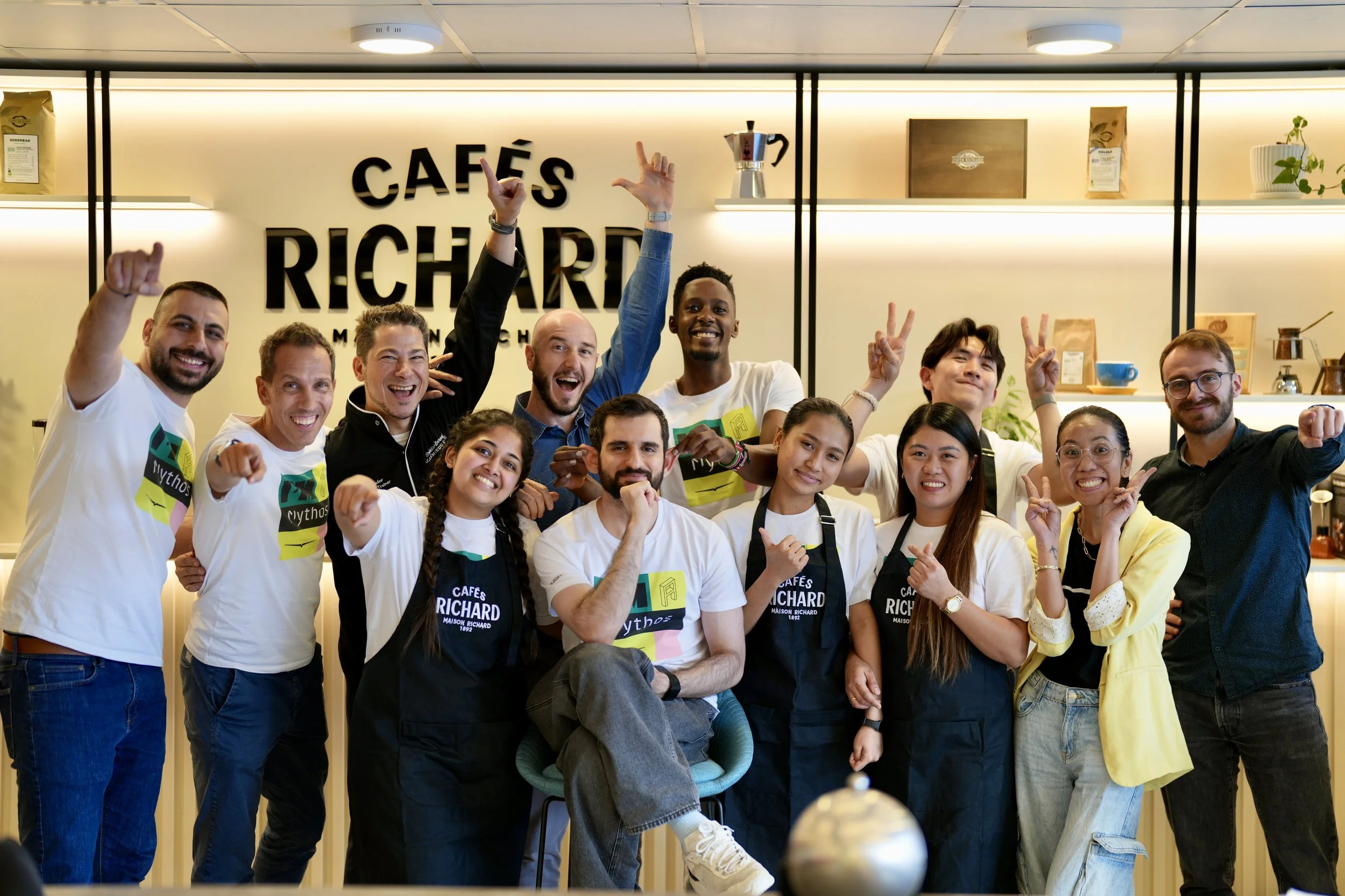
Branislav Beronja, Brand and Training Manager for Cafes Richard, delivered Barista Skills training. His sessions covered grinder setup, espresso extraction, milk handling, machine maintenance, customer service, and workflow management.

These trainers are among the most respected professionals in the UAE specialty coffee scene and are widely regarded as mentors in the industry.

What Comes Next

With the first edition complete, Simonelli Group is already preparing the next one. No dates have been confirmed yet.

If you are between 18 and 30 and considering a serious path in coffee, this is a program worth watching.

When applications open again, it will be worth paying attention.

click here to Read the main article

Coffee Quality Institute Announces Educator of the Year

ALISO VIEJO, Calif. –  Qahwa World

Coffee Quality Institute (CQI) recognized their Educator of the Year at their recent thirtieth anniversary luncheon in San Diego. Javier Hoyos Garcia of Colombia has been selected as the 2026 recipient.

“Educators are the unsung heroes in CQI’s work and enable our small organization to have an outsized impact,” said Coffee Quality Institute CEO Michael Sheridan. “We develop the curriculum, and recruit, train, and certify distinguished coffee professionals to deliver it. Even among the very impressive ranks CQI educators, Javier really stood out over the past year.”

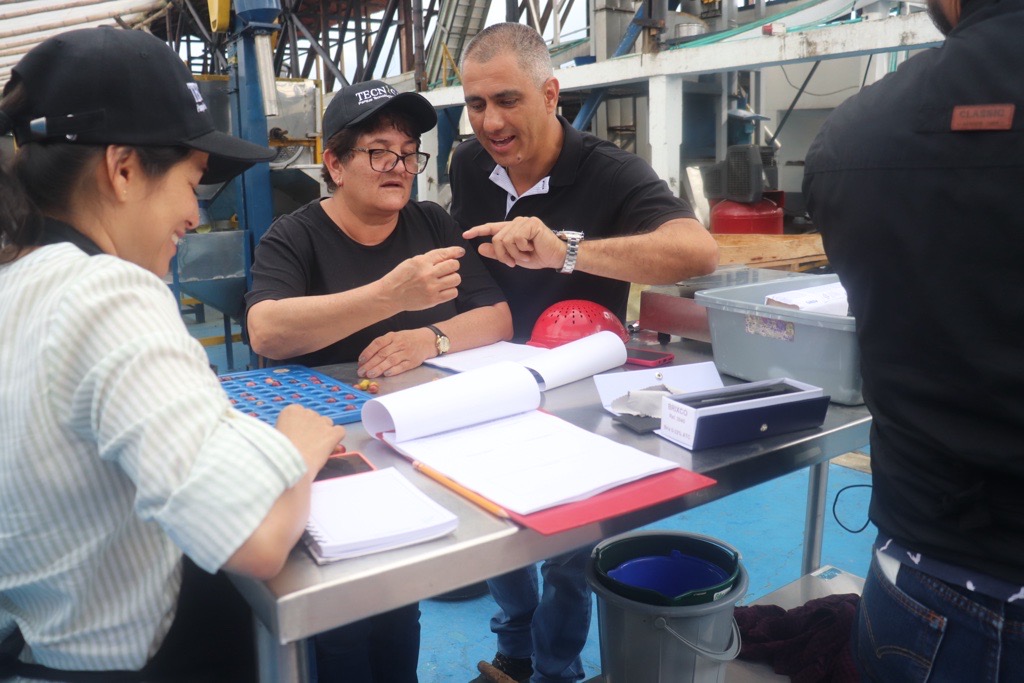
Hoyos García has dedicated much of his life to education as both an agronomist and a university professor. He began his work as a CQI Instructor in 2019. He has trained more than 1,000 students, contributing significantly to the development of coffee professionals across Colombia in different areas including post-harvest processing. In addition to his teaching roles, he serves as CEO of TECNiCAFE (Technological Innovation Park for Coffee), a leading training campus located in the department of Cauca, Colombia.

“What I value most is being able to share what I know with people who need it. It’s incredible how much you can influence or impact people’s lives by sharing knowledge, best practices, experience, and technical understanding, stated Hoyos Garcia. “The changes real. I hope to continue expanding this impact beyond Colombia. This year, I begin teaching in Peru and Thailand—experiences that truly excite me.”

One example of Hoyos Garcia’s impact in 2025 was his commitment to deliver training for four hundred women from Cauca, Colombia, in fermentation practices that strengthen quality and consistency in coffee processing. Participants are part of the EntreAmigos network and represent various farmer organizations across the region. Each has received a scholarship through the CQI Global Coffee Fund, and upon completion, a CQI certificate.

“It is a privilege to recognize Javier Hoyos García for the passion and dedication he brings to his work every day, both with CQI and throughout his career. This recognition highlights his trajectory, discipline, and commitment to teaching, sharing, and guiding others. Javier leads through education; something that is not just what he does, but a genuine and constant expression of who he is. It is an honor to celebrate our incredible instructors, and in this case, a professional like Javier,” said CQI Senior Post-Harvest Program Manager, Yimara Martínez Agudelo.

Through his work in post-harvest processing education, Hoyos Garcia has not only strengthened individual’s coffee skills—he has restored confidence, opened opportunities, and transformed lives. His impact is felt not just in the quality of coffee, but in the people behind it.

About Coffee Quality Institute

CQI is a non-profit that works globally to improve the quality of coffee and the lives of the people who produce it. For thirty years, CQI has trained people who produce and process coffee in more than thirty coffee-growing countries around the world.

Coffee Quality Institute Reactivates Coffee Corps

San Diego – Qahwa World

The Coffee Quality Institute (CQI) today announced the reactivation of its groundbreaking volunteer program, Coffee Corps, and issued its first new call for volunteers.

CQI Coffee Corps is a peer-to-peer education program that enlists experienced coffee professionals as volunteers to help producers build capacity in topics related to coffee quality and is now focused on Coffee Corps reactivation CQI. Since its inception in 2002, hundreds of Coffee Corps volunteers have created professional development opportunities for thousands of producers in coffee communities around the world in service of CQI’s mission. The program has been dormant since the global coronavirus pandemic, but CQI is reactivating it in 2026 as the organization marks its 30th anniversary, an important milestone for Coffee Corps reactivation CQI efforts.

“The CQI Coffee Corps program represents the very best of the coffee sector,” said Coffee Quality Institute CEO Michael Sheridan. “Coffee Corps volunteers embody a spirit of generosity and collaboration that has expanded opportunities for producers and made our industry stronger. As we recommit to our mission to foster development in coffee communities, I can’t imagine doing it without the support of a new generation of CQI Coffee Corps volunteer leaders.” Coffee Corps reactivation CQI will empower even more volunteers to make an impact in the years ahead.

You may like to read: CQI CEO Michael Sheridan Highlights Strong Q1 2026 Momentum

Coffee Corps volunteers have driven impact in coffee communities through support for a broad range of activities, including sensory evaluation, post-harvest processing, enterprise management, and trade development. Their work has been pivotal in supporting advances in quality in established coffee origins like Colombia and Ethiopia, and in developing new sources of quality coffee in places like Laos and Myanmar. Thus, Coffee Corps reactivation CQI stands as a crucial initiative for the sector’s continued growth.

“The beauty of Coffee Corps is in the sheer number of benefits it provides,” stated T.J. Ryan, Managing Director of Programs at CQI. “It provides projects with access to world-class coffee expertise while allowing coffee experts a chance to give back and apply their technical know-how to solve coffee sector problems. It also helps expand networks, building the potential for future benefits. I am very pleased that we are reactivating this program comprised of exceptional professionals.”

Also today, CQI published four new volunteer opportunities in connection with Brewing Better Futures, a farm worker innovation pilot led by the independent nonprofit organization Verité. Further information regarding Coffee Corps, volunteer opportunities, and requirements are available on the Coffee Quality Institute’s website.

About Coffee Quality Institute

CQI is a non-profit organization that works globally to improve the quality of coffee and the lives of the people who produce it. For thirty years, CQI has trained people who produce and process coffee in more than thirty coffee-growing countries around the world.


CQI CEO Michael Sheridan Highlights Strong Q1 2026 Momentum

Dubai — Qahwa World

Coffee Quality Institute (CQI) CEO Michael Sheridan has shared an inspiring update with the global coffee community, showcasing a highly active and productive first quarter of 2026 focused on education, innovation, and international outreach.

In his message, Sheridan noted: “It is hard to believe March is almost over. The first quarter of the year has gone by in a flash, partly because we have been so busy improving and expanding our offerings to better serve you and advance our mission.”

You may read: Michael Sheridan in an Exclusive Interview with Qahwa World

  • Post-Harvest Processing Program Expands Globally

A key highlight is the bi-annual Post-Harvest Processing Expert course, now training 25 outstanding coffee professionals from around the world. CQI’s PHP educators have already delivered content in 14 countries this year, with more activities planned.

The organization is also completing a major review and update of its professional course curriculum with input from seasoned instructors while developing new content to cover a wider range of topics.
New Initiatives Launched in Q1

You may like: Coffee Quality Institute CEO Delivers Key Message to Global Coffee Community

  • CQI introduced two significant programs this quarter:

The CQI Insider program, offering dedicated members exclusive access to expert insights and networking.

The Matching Grant program is designed to double the impact of project investments through partnership funding.

Sheridan also highlighted recent in-person engagements with the community in Dubai, Addis Ababa, and Tampa.

  • Ambitious Plans Ahead

The momentum continues into the rest of 2026, with two new initiatives scheduled for rollout in Q2 and Q3, plus upcoming travels to San Diego, Bangkok, Lima, Brussels, and other destinations.
“I look forward to seeing you!” Sheridan concluded.

Read Also:Coffee Quality Institute Launches New CQI Insider Membership Program

  • Advancing Coffee Quality Worldwide

These developments reinforce CQI’s mission to elevate coffee quality and support producers through world-class education and impactful partnerships. Under Michael Sheridan’s leadership, the institute continues to strengthen its role as a global leader in coffee processing knowledge and professional development.

The full message is available to CQI community members, with more details on courses and programs on the official CQI website.

Read this story also: Coffee Quality Institute Announces 2026 Global Coffee Fund Details

Coffee Quality Institute Launches New CQI Insider Membership Program

Washington, D.C.  – QAHWA WORLD

The Coffee Quality Institute (CQI) has announced the launch of its new CQI Insider Membership Program, designed for coffee professionals seeking close connections with the people, knowledge, and opportunities shaping the future of coffee quality worldwide.

  • Annual Membership Details

Fee: USD $100 per year

You may like: Michael Sheridan in an Exclusive Interview with Qahwa World

  • Member Benefits:
  1. One seat at a CQI Insider networking event each year, held in locations such as San Diego, Bangkok, Brussels, or Panama.
  2. Discounted admission to additional networking events.
  3. CQI Insider pin for in-person events.
  4. Digital CQI Insider badge to showcase commitment to coffee quality.
  5. Early registration and discounted access to online talks, including expert-led presentations, panels, and lectures supporting ongoing professional development.

You can also read: Coffee Quality Institute CEO Delivers Key Message to Global Coffee Community

  • Why Join

The program provides members with exclusive access, learning opportunities, and networking within CQI’s global community. It supports quality-driven education across the entire coffee value chain, allowing members to build knowledge and engagement without replacing formal CQI certification courses.

  • Who Should Join

Coffee professionals seeking ongoing education and industry connections.

Organizations aiming to provide accessible, high-quality staff development.

CQI certification holders wanting to remain engaged.

Supporters of CQI’s mission to enhance coffee quality worldwide.

  • Special Enrollment

Attendees of CQI’s 30th Anniversary Luncheon at World of Coffee San Diego can register through the World of Coffee platform and will automatically receive CQI Insider membership, with no separate sign-up required.

You can also read:Coffee Quality Institute Announces 2026 Global Coffee Fund Details

By joining the CQI Insider Program, members become part of a global network committed to advancing coffee quality, education, and collaboration across the industry.

For more information and to join, visit the CQI website.

University of Kentucky Launches Coffee Science and Culture Certificate

DUBAI – QAHWA WORLD

The University of Kentucky is set to introduce its first academic certificate dedicated entirely to coffee, marking a notable step in the growing recognition of coffee as both an agricultural system and a global cultural force.

The new Coffee, Science and Culture Certificate is led by David Gonthier, associate professor in the Department of Entomology at the Martin-Gatton College of Agriculture, Food and Environment. The program is designed for undergraduate students and aims to explore coffee from farm production and global trade to roasting, sensory evaluation and cultural history.

  • From Origin to Academia

Gonthier’s connection to coffee began through family ties in Honduras, one of the world’s leading coffee-producing countries. Time spent with relatives involved in coffee farming provided early insight into the realities of production and the economic pressures facing smallholder growers.

His academic path later focused on coffee systems in southern Mexico, alongside continued involvement in a small coffee operation in Honduras. He also earned certification as a Q Grader, a professional credential that qualifies specialists to assess and score coffee quality through standardized sensory evaluation.

Recognizing that few U.S. universities offer structured coffee education, Gonthier developed a program that integrates agriculture, economics, science and culture into a unified academic framework.

  • A Multidisciplinary Approach to Coffee Education

The Coffee, Science and Culture Certificate provides students with a comprehensive view of the coffee value chain. Coursework addresses:

The history and cultural significance of coffee

Global trade and smallholder production systems

Roasting science and brewing techniques

Sensory analysis and flavor evaluation

Two core undergraduate courses anchor the program:

Not Just Coffee, which examines coffee’s historical roots and cultural impact

Coffee Sensory Science, focused on flavor perception, tasting methodology and quality assessment

  • The UK Coffee Lab: Hands-On Training

Practical learning takes place at the UK Coffee Lab roastery, located at the university’s Horticulture Research Farm (South Farm). There, students observe roasting in action, study coffee varieties and analyze how roast profiles influence aroma, acidity, body and overall cup character.

The lab and curriculum were developed with the support of Briana Bazile, part-time instructor and graduate fellow in the Gonthier Agroecology Lab, and Viktor Halmos, research analyst at Martin-Gatton CAFE and alumnus of the Department of Natural Resources and Environmental Science.

  • Launch Timeline

Pending final approval, undergraduate students are expected to begin enrolling in the Coffee, Science and Culture Certificate in Fall 2026.

For more information about the certificate program or the UK Coffee Lab, inquiries can be directed to David Gonthier at [email protected]
.

Coffee Quality Institute Announces 2026 Global Coffee Fund Details

Addis Ababa – Qahwa World

Coffee Quality Institute (CQI) announced the details of its 2026 Global Coffee Fund (the Fund) program at the African Fine Coffee Association Conference and Exhibition. The Fund was developed to expand access to coffee quality education and advance CQI’s mission.

“CQI knows that the coffee sector is facing extraordinary challenges, and the Global Coffee Fund is one way we are working to address them,” said Michael Sheridan, chief executive officer of Coffee Quality Institute. “At a time when the public sector is disinvesting in coffee communities, CQI is tripling our commitment to the Global Coffee Fund and inviting the industry to co-invest. Together we can mobilize $500,000 to benefit coffee communities in 2026. I can’t think of a better way to mark our 30th anniversary.”

The Global Coffee Fund will invest in coffee quality through support to two distinct programs.

  • Project Awards

CQI will continue its existing successful grant program in 2026 and commit up to $100,000 to fund projects that enhance access to coffee education and promote the development of educators in areas that lack sufficient local representation.

  • Matching Grants

This year CQI is launching a Matching Grant for co-investment with partners whose own work aligns with CQI’s mission and values. CQI will provide a dollar-for-dollar match for $200,000 of external investment in qualifying projects with a goal of generating $400,000 in new commitments in 2026.

“I am very excited about the expansion of the Global Coffee Fund for 2026. The addition of the Matching Grant program will enable CQI to leverage and expand our global partnerships and network of coffee experts to increase impact at the producer level,” stated T.J. Ryan, managing director of programs at CQI. “More than just a financial match, the fund will seek partners with whom we have shared objectives to build a more resilient coffee sector.”

  • Further information regarding the Fund and application materials are available on the Coffee Quality Institute’s website. Applications will be accepted on a rolling basis.About Coffee Quality Institute

    CQI is a non-profit that works globally to improve the quality of coffee and the lives of the people who produce it. For thirty years, CQI has trained people who produce and process coffee in more than thirty coffee-growing countries around the world.

Michael Sheridan in an Exclusive Interview with Qahwa World

CQI CEO Speaks Candidly About Coffee, Community, and 2026 Goals

Dubai – Ali Alzakary

2025 was a year of transformation and challenge for the Coffee Quality Institute (CQI). From transitioning its flagship program, the Q, to SCA, to navigating the sudden loss of USAID funding—the largest donor in CQI’s history—CEO Michael Sheridan reflects on how these shifts shaped the organization’s mission and approach. Amid historic market volatility, Sheridan discusses the importance of recommitting to CQI’s goal of supporting coffee producers, promoting measurable impact for farmers—especially women—and evolving coffee education to meet the demands of a rapidly changing industry. He also shares insights from global conversations on the biggest concerns in the coffee community, including risk reduction, community engagement, and strategies to create meaningful impact.

Join us in this valuable interview to hear directly from Michael Sheridan about CQI’s vision for 2026 and beyond.

  • What did 2025 teach you, and how is that changing your approach for 2026?

Last year was a really consequential one for CQI. We transitioned our biggest program, the Q, to SCA against the backdrop of the shuttering of USAID, which was the biggest source of public funding for development work in coffee communities and the largest donor in CQI’s history. At the same time, the coffee market was experiencing the largest and most sustained rally anyone has ever seen, which caused lots of disruption in the market and undid years of work on trading relationships based on mutual commitment to quality.

We understood in 2025 that we were entering a new phase in CQI’s work, and that effectively advancing our mission in this new context would require thinking carefully about CQI’s role in the coffee ecosystem and listening carefully to members of the community. We are still in this process of reflection and consultation, but two things are clear.

First, we are recommitting to our mission: we are focused on market-based support for coffee producers. Second, we know we can’t get there alone. We know that the changes we introduced last year were disruptive in our community, and we know we need to build that community to be successful. We are working to create new approaches for collaboration with individuals and coffee companies, and expect to be in a position to talk more about those in the coming weeks.

  • How do you know you’re truly making a difference for farmers, especially women?

One of the things I love about this work is how measurable it can be. I got my start in coffee working for an international development agency where many of my peers were working on programs that measured change over very long time horizons. Their work in peacebuilding, gender equity, and social change was as hard to measure as it was important. In contrast, I was always grateful that my work to support coffee producers had annual metrics tied to the coffee cycle: production, average price, gross coffee income, etc.

While some of the structural changes we want to be part of at CQI related to equitable value distribution may require long-term commitment, every year brings an opportunity to check in on how well we are advancing our mission to improve the quality of coffee and the lives of the people who produce it. The mechanism that links those two elements of our mission (one, the improvement of quality, and the other, improvement of lives) is the market. Buyers can convert improvements in quality into improvements in seller livelihoods every coffee cycle by increasing rewards (e.g., premium prices, increased purchase volume, etc.), reducing risks (e.g., longer-term commitments, multi-grade purchases, etc.), or both. This is part of the reason we will be more intentional about engagment with industry parters in 2026 and beyond — to try to ensure quality improvements translate into improvements in the lived realities of the people who grow our coffee.

Women play a prominent role in our thinking about impact. As you may know, CQI has a long history of promoting women’s participation in the benefits generated by coffee. Long before my time, visionary leaders at CQI created the Partnership for Gender Equity, which evolved into an independent organization called Equal Origins that is doing groundbreaking work in this space. We have consistently supported women’s participation over the years, and investment in educational activities by and for women has been a throughline in our project investments over the past two years. I expect more of the same in 2026, which has been designated the International Year of the Woman Farmer by the UN’s Food and Agriculture Organization.

  • How must coffee education evolve to stay relevant right now?

I think coffee education has never been more necessary. There has been so much disruption in recent years — accelerated climate change, historic market volatility, rapidly changing market preferences, sharp changes in policy, and public disinvestment in coffee communities have all created the need for recalibrating traditional approaches, and in many cases that means education to meet new challenges and seize new opportunities.

At CQI, we are thinking hard about the what, how, and who of our educational work. I think the “what” is the relevance question you ask: what are the specific topics that will position producers and other supply stream actors to respond effectively to changes in the operating environment? In a global marketplace in which processing is as important as it has been in our lifetimes, we see lots of opportunities to deliver new and improved content through our Post-Harvest Processing Program that is timely and relevant. We are also eyeing new tools and content relevant to coffee quality beyond post-harvest processing that aim to address pain points that have surfaced in our conversations over the past few months.

Additionally, we are exploring the “how,” seeking ways to deliver educational content that are efficient and accessible. In some cases, that will likely mean creating new content for digital delivery or digitalizing existing analog content. In other cases, it will mean delivering in-person education in shorter-form classes that are not designed to lead to certification but directly to field-level impact through the adoption of good practices.

Finally, we are acutely aware that we need to evolve the “who” and certify more instructors who live and work in the places where coffee is grown. Localising coffee education will be a key to unlocking access.

  • From your global talks, what’s the no. 1 concern you’re hearing from the community?

We have spent the last few months conferring with leaders from the coffee sector to inform the next phase of CQI’s work — producers, processors, traders, roasters, educators, and others. The one thing that seemed to be on everyone’s mind was risk — market risk, price risk, production risk, risk related to quality, etc. As we think about how we can best support coffee producers and the entire coffee community in 2026 and beyond, we find ourselves thinking a lot about how we can partner with actors all along the supply stream to help reduce risk, most especially the smallholder producers who are generally least equipped to bear it. In a market where there is a lot of attention paid to way quality improvement can increase the rewards and premiums growers earn, there may be less appreciation for a focus on risk reduction, but it can help us deliver on our mission to improve the lives of producers every bit as much as increased rewards.

  • At the end of 2026 — what does a “win” look like for CQI?
Well, I think part of the answer is related to your question above about measuring our impact — the outcomes of the work will speak for themselves. But I think an important part of the answer is also related to the process — how effective we are at building community engagement in our work will go a long way to defining how successful we can be. I know that if we can manage to enlist the best of the CQI community in this effort with us, we are going to create real opportunity for producers while addressing pain points in the industry. That sounds like success to me!


View this post on Instagram


A post shared by Coffee Qahwa (@qahwaworld)

Coffee Quality Institute CEO Delivers Key Message to Global Coffee Community

DUBAI – Qahwa World

Michael Sheridan, CEO of the Coffee Quality Institute (CQI), delivered an important message to the coffee community and CQI members, reviewing the organization’s key achievements during 2025 and outlining future plans for 2026.

In his message, which coincides with the approaching year-end, Michael Sheridan highlighted a busy fourth quarter of 2025, marked by extensive educational outreach and strategic planning for the organization’s future.

Sheridan noted that the closing quarter was highly active, emphasizing CQI’s role in supporting a growing network of CQI Educators who are conducting coffee processing courses worldwide. The primary focus was on collaborating with both long-time and new partners on projects specifically designed to empower coffee producers.

Sheridan stated: “The three initiatives highlighted below delivered coffee education to more than 350 women coffee producers in Mexico and Colombia, and they don’t even tell the full story of our Q4 project work.”

These efforts underscore CQI’s core mission of creating educational opportunities for the producers who represent the heart of the industry.

Behind the scenes, the CQI team has been intensely focused on strategic planning for the next phase of its work. The organization expressed deep gratitude to its community for generous contributions, which are critical in determining the course for the future.

Consultation efforts spanned the globe, including:

Conversations with producers in El Salvador, Indonesia, Mexico, and Peru.

Hundreds of online surveys completed by producers, processors, traders, roasters, Q Graders, CQI Educators, and other stakeholders.

Dozens of personal interviews.

Sheridan affirmed: “We look forward to reporting back to you on what we heard and how we believe we can best serve CQI’s worthy mission together.”

Despite historic market volatility and massive disinvestment in economic development in coffee-growing regions, Sheridan reaffirmed CQI’s unwavering commitment to its foundational mission.

He said: “The year behind us has been marked by plenty of change and disruption in the coffee sector, and it hasn’t always been easy… Through it all, we have returned again and again for inspiration and orientation to our mission to improve the quality of coffee and the lives of the people who produce it. Against this backdrop, this work has never felt more important.”

Sheridan announced that the team will take a necessary rest period at the end of this month but plans to “hit the ground running in the New Year.”

Sheridan concluded the message by extending warm wishes on behalf of the Institute’s staff and board, saying: “I want to wish you all joy, good health, and peace this holiday season, and a great start to the New Year. And I know I also speak for everyone on the team when I say that I look forward to seeing you and working with you in 2026 to advance our mission together.”

It is worth noting that the Coffee Quality Institute is a non-profit organization dedicated to improving the quality of coffee and the lives of the people who produce it.

CQI CEO Michael Sheridan: 2026 Plans & 350 Women Producers Trained in 2025

Barista Terminology | Episode 17: Understanding Customer Preferences & Making Recommendations

Dubai – Qahwa World

Qahwa World continues its “Barista Terminology” series, reaching the seventeenth episode of this educational journey dedicated to enhancing baristas’ professional and cultural knowledge. In this episode, we explore and analyze a key aspect of the barista’s role: understanding customers and guiding them toward the right coffee choice.

A skilled barista does more than prepare excellent coffee — they also act as a guide who helps customers find a drink that suits their taste. Understanding preferences and offering thoughtful recommendations can turn occasional visitors into loyal regulars.

Today, we highlight 8 essential duties every barista should master and consistently apply:

1. Ask the Right Questions

Start with simple, open-ended questions such as:
• “Do you prefer a light or strong drink?”
• “Do you enjoy sweeter flavors or stronger ones?”
• “Do you usually take your coffee with milk?”

2. Understand Flavor Profiles

Match drinks to taste preferences:
• Fruity & light → Drip-brew coffees from African origins
• Bold & rich → Espresso-based drinks or darker roasts
• Creamy & sweet → Milk-based drinks like flat white or latte

3. Recommend Based on Time & Mood

Morning: Balanced and energizing drinks such as cappuccino or filtered coffee
Afternoon: Cold and refreshing choices like iced coffee or cold brew
Evening: Decaf or low-acidity options

4. Offer Customization Options

Explain available adjustments:
• Milk types: cow’s milk, oat, soy, almond
• Sweetness levels: none, light, regular
• Temperature: extra hot, warm
• Strength: single or double shot, ristretto, lungo

5. Share Light Information

When the customer is curious, offer brief and helpful insights:
• “This coffee is from Yemen and has grape-like acidity.”
• “We use a slow brewing method to enhance clarity.”

6. Respect Individual Taste

There is no “wrong” taste in coffee. A professional barista respects personal preferences and avoids judging sweetened or flavored choices.

7. Recommend Signature Drinks

If the café has a special drink, highlight it with confidence:
• “We have a honey-cinnamon latte that is one of our most popular drinks.”

8. Remember Regular Customers

When a customer returns, try to recall their previous order. This adds a personal touch and strengthens customer loyalty.

Related Stories:


Barista Terminology | Episode 16: Common Coffee Brewing Mistakes and How to Fix Them

Barista Terminology | Episode 14: Coffee Origins and Their Flavour Profiles

Barista Terminology | Episode 13: Espresso Machine Components Explained

Barista Terminology | Episode 12: Brewing Equipment Maintenance & Hygiene

Barista Terminology | Episode 11: Milk-Based Coffee Drinks

Barista Terminology | Episode 10: Advanced Concepts

Barista Terminology | Episode 9: Sensory Evaluation

Barista Terminology | Episode 8: Customer Service Language in the Café

Barista Terminology | Episode 7: Water & Temperature Control

Barista Terminology | Episode 6: Grind & Extraction Variables

Barista Terminology | Episode 5: Milk Texturing & Latte Art

Barista Terminology | Episode 4: Brew Methods Explained

Barista Terminology | Episode 1: The Coffee Bean – From Seed to Roast

Barista Terminology | Episode 2: Barista Tools & Equipment

Barista Terminology | Episode 3: Espresso Basics

You Can’t Lead a Specialty Coffee Business Without Understanding Coffee

By: Estella Zuleta Carmona

Owning a specialty coffee shop without understanding coffee is like running a music studio without knowing what sound means. You can have the best equipment, the right people, and all the passion in the world but if you can’t hear when something is out of tune, you’re not leading the craft; you’re just managing noise.

In specialty coffee, leadership begins with understanding. Not just the numbers, not just the concept but the product itself. You don’t have to be the one pulling shots or roasting beans, but you need to recognize what balance in espresso feels like, what defines a clean extraction, and why variables like water, grind, and temperature are not technical details but expressions of consistency and care.

This isn’t about being a technician. It’s about responsibility understanding what your name represents in every cup that leaves your bar. A brand built on aesthetics or social media engagement can survive for a while, but a brand built on understanding lasts. Because when things go wrong and they always do knowledge is what helps you fix, adapt, and grow.

When you understand coffee, even at a foundational operational level, everything changes. Suddenly, conversations with your team become more meaningful. You can communicate in the same sensory and technical language. You can taste and identify what aligns with your concept instead of depending entirely on others to define your standard. You start making better decisions about workflow, equipment, and quality not based on trends or assumptions, but on clarity.

The owner who doesn’t understand coffee ends up chasing opinions changing direction based on whichever consultant or barista shouts the loudest. They spend money reacting to problems they don’t truly comprehend. Meanwhile, the owner who understands the craft builds direction. They don’t need to do everything themselves, but they lead with perspective. They can tell when something is off, and they know how to ask the right questions.

In specialty, knowledge isn’t about control; it’s about clarity. It creates alignment between the vision, the product, and the people behind it. It turns management into mentorship and transforms a business into a craft.

Because at the end of the day, you can’t represent a product you don’t understand. You don’t need to be the expert behind the bar but you do need to know what your bar stands for, and why every decision behind it should honor the coffee, the people, and the purpose that brought it to life.