ICO and FAO Renew Commitment to Sustainable Coffee Sector

Source: International Coffee Organization (ICO)
Author: Qahwa World Editorial Team
Date: July 22, 2026

ICO and FAO Renew Commitment to Sustainable Coffee Sector

  • ICO and FAO signed a new Memorandum of Understanding reaffirming their commitment to coffee sector sustainability.
  • The renewed partnership builds on years of successful collaboration between the two organizations.
  • Key areas include sustainable production, climate resilience, market transparency, and inclusive value chains.
  • The agreement also covers innovation, digital technologies, and knowledge exchange.
  • A special focus will be on empowering coffee-growing communities and smallholder farmers.
  • Both organizations aim to build a more inclusive and resilient coffee sector for future generations.

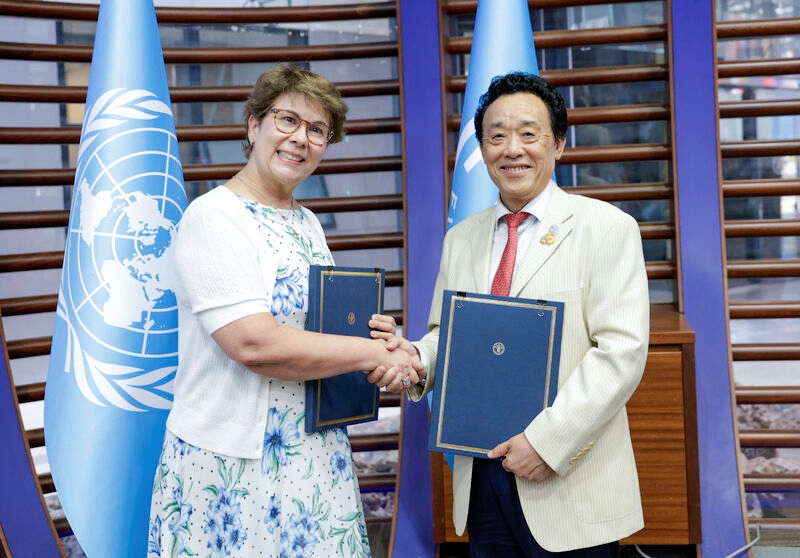
The International Coffee Organization and the Food and Agriculture Organization of the United Nations have renewed their commitment to a more sustainable coffee sector. Executive Director of ICO and FAO Director-General QU Dongyu signed a new Memorandum of Understanding today.

The agreement reaffirms their shared commitment to supporting the sustainable development of the global coffee sector. It builds on years of successful collaboration between the two organizations.

Key Areas of Cooperation

The renewed partnership will strengthen cooperation in several key areas. These include sustainable coffee production and sourcing. Climate resilience and adaptation are also priorities. Market transparency and access to information will be enhanced.

Other areas include inclusive and sustainable value chains. Innovation and digital technologies will play a crucial role. Knowledge exchange between stakeholders is another focus. The agreement also emphasizes empowering coffee-growing communities. Special attention will be given to smallholder and family farmers.

ICO-FAO Renewed Partnership – Key Cooperation Areas
Area Focus
Sustainable Production Sustainable coffee production and sourcing
Climate Action Climate resilience and adaptation
Market Transparency Market transparency and access to information
Value Chains Inclusive and sustainable value chains
Innovation Innovation, digital technologies and knowledge exchange
Community Empowerment Empowering coffee-growing communities, particularly smallholder farmers

The Importance of Coffee

Coffee supports the livelihoods of millions of people worldwide. It plays a vital role in advancing sustainable development. The sector faces numerous challenges. These include climate change, market volatility, and social inequality.

Through this renewed framework, ICO and FAO will continue working together. Their goal is to ensure the coffee sector becomes more inclusive and resilient. They aim to prepare it for the challenges of the future. The partnership will benefit producers, consumers, and future generations.

About ICO and FAO

The International Coffee Organization is the only intergovernmental organization dedicated to coffee. It enhances the sustainability of the coffee sector for both exporting and importing countries. The ICO provides official statistics and facilitates technical cooperation projects.

The Food and Agriculture Organization is a specialized agency of the United Nations. It leads international efforts to defeat hunger. FAO supports sustainable agriculture and rural development. Together, ICO and FAO bring complementary expertise to the coffee sector.

“A renewed commitment to a more sustainable and resilient coffee sector.”

— International Coffee Organization

Future Outlook

The renewed partnership signals a strong commitment to coffee sustainability. Both organizations look forward to building an even stronger partnership. The focus remains on practical outcomes for coffee producers and communities. Innovation and knowledge sharing will drive progress.

Together, ICO and FAO aim to create lasting positive change. The goal is a coffee sector that is inclusive, resilient, and prepared for future challenges. Producers, consumers, and future generations will all benefit from this collaboration.

Frequently Asked Questions

What did ICO and FAO announce?ICO and FAO signed a new Memorandum of Understanding renewing their commitment to a sustainable coffee sector.

What are the key areas of cooperation?Key areas include sustainable production, climate resilience, market transparency, inclusive value chains, innovation, and empowering smallholder farmers.

Why is this partnership important?The partnership combines the expertise of two major organizations to address challenges facing the global coffee sector.

How does coffee support sustainable development?Coffee supports the livelihoods of millions worldwide and plays a vital role in advancing sustainable development goals.

Who will benefit from this agreement?Coffee producers, consumers, and future generations will benefit from a more inclusive and resilient coffee sector.

What is the role of ICO?ICO is the only intergovernmental organization dedicated to coffee, providing statistics and facilitating technical cooperation.

Global Leaders Unite to Advance Coffee Education

Source: Fondazione Ernesto Illy ETS / UNIDO / SCA / ICO
Author: Editorial Team
Date: July 15, 2026

Global Leaders Unite to Advance Coffee Education

  • Global coffee leaders convened at World of Coffee Brussels for a landmark panel discussion on education.
  • The event celebrated 15 years of the Master in Coffee Economics and Science – Ernesto Illy.
  • The Ernesto Illy Master Alumni Community was officially launched as a global professional network.
  • Panelists explored collaborative frameworks for workforce development in African producing countries.
  • UNIDO’s ACT Coffee Programme and Coffee Training Centres were highlighted as key capacity-building platforms.
  • Ethiopia’s Coffee Training Centre has already certified hundreds of professionals across Africa.
  • Speakers emphasized education as the most sustainable investment in coffee’s future.

Global leaders in coffee, education, and international development convened at World of Coffee Brussels 2026. The event featured a landmark panel discussion on education’s role in shaping the coffee sector’s future. Organized by Fondazione Ernesto Illy ETS, UNIDO, SCA, and ICO, the event marked 15 years of the Master in Coffee Economics and Science.

The panels celebrated the program’s legacy and launched its Alumni Community. Participants also explored collaborative frameworks for workforce development in African producing countries. The message was clear: education is the most sustainable investment in coffee’s future.

Panel I: 15 Years of the Ernesto Illy Master

The first session celebrated 15 editions of the Master in Coffee Economics and Science. It is the only international first-level Master’s programme taught in English. The panel featured founding faculty members, industry partners, and alumni from Costa Rica and Ethiopia.

Speakers included Anna Illy, Sunalini Menon, Eliana Cossio, Daniel Sanchez, and Addisu Dulacha Gobana. The session culminated in the official launch of the Ernesto Illy Master Alumni Community. This global professional network extends the programme’s impact beyond the classroom.

Panel I Speakers – 15 Years of the Ernesto Illy Master
Speaker Affiliation
Anna Illy Chair, Fondazione Ernesto Illy ETS
Sunalini Menon President, CoffeeLab Limited
Eliana Cossio Chief Research Officer, SCA
Daniel Sanchez Alumni 2018, Costa Rica
Addisu Dulacha Gobana Alumni 2019, Ethiopia

“The Master in Coffee Economics and Science – Ernesto Illy was born from a bold vision: to recognize coffee not just as a product, but as a field of knowledge bringing together science, economics, culture, and sustainability in a truly multidisciplinary and international dialogue. Fifteen editions later, it has grown into much more than an academic program: it is a global community of 300 passionate professionals who share a deeper understanding of coffee from plant to cup. With the launch of the Ernesto Illy Master Alumni Community, this shared knowledge becomes an even stronger force: connecting people, inspiring ideas and shaping the future of coffee.”

— Anna Illy, Chair, Fondazione Ernesto Illy ETS

Panel II: Innovation for Capacity Building

The second session examined how international organisations, governments, and the private sector can strengthen human capital. Focus areas included UNIDO/ACT Programme Coffee Training Centres. These are skills platforms across East African countries. The panel also discussed SCA Coffee Education Systems and new collaboration models for Africa.

Ethiopia’s Coffee Training Centre experience was presented by Dr. Adugna Debela, Director General of ECTA. Speakers included Vanusia Nogueira, Iannis Apostolopoulos, Providence Mavubi, Stijn De Lameilliere, and Wouter Cools.

Panel II Speakers – Innovation for Capacity Building
Speaker Affiliation
Vanusia Nogueira Executive Director, ICO
Iannis Apostolopoulos CEO, Specialty Coffee Association
Providence Mavubi Director, Agribusiness, UNIDO
Dr. Adugna Debela Director General, ECTA
Stijn De Lameilliere GPE/WB
Wouter Cools ILO

Shared Conviction: Skills Advancement is Key

Across both panels, a shared conviction emerged. Sustainable transformation requires investing in the enabling environment for skills advancement. This includes robust institutions and accessible training pathways. Internationally recognised certification frameworks are also essential. They allow local professionals to compete, innovate, and lead.

Coffee Training Centres play a crucial role. They equip local actors with technical skills. They link them to advanced training opportunities. This lays the foundation for inclusive value chain participation. It also increases local value addition.

Leadership Perspectives

“For decades, the ICO has recognized that education, skill development, and the transfer of innovation and technology are essential to building a more resilient, sustainable, and prosperous coffee sector. Partnerships are the catalyst for this change, connecting local talent with global expertise, strong institutions, and internationally recognized training and certification pathways. Together, we can transform capacity building into lasting economic and social progress for coffee-producing countries.”

— Vanusia Nogueira, Executive Director, ICO

“Education is not merely a tool for knowledge transfer – it is a foundational investment in the long-term resilience and inclusiveness of the coffee sector. Through its ACT Coffee Programme, UNIDO is committed to building the enabling environment in which skills advancement can take root and thrive. Coffee Training Centres across Africa are proof that when we invest in people, we invest in the entire value chain.”

— Providence Mavubi, Director, Agribusiness and Infrastructure Development, UNIDO

“The Ethiopia Coffee Training Centre demonstrates what becomes possible when local expertise meets international standards. Our producers and professionals are not only learning – they are leading.”

— Dr. Adugna Debela, Director General, ECTA

“Building a more equitable coffee sector begins with creating more access for the people within our industry. SCA is proud to be part of a growing ecosystem of organizations that recognize education as the foundation of a resilient, inclusive value chain. When local professionals have access to internationally recognized pathways, everyone in coffee benefits.”

— Yannis Apostolopoulos, CEO, SCA

Spotlight: Ethiopia’s Coffee Training Centre

The Ethiopian Coffee and Tea Authority hosts the Coffee Training Centre within its premises in Addis Ababa. It was established with AICS funding and UNIDO technical support. Partners include Illycaffè and the Ernesto Illy Foundation.

The centre is equipped with roasting, brewing, and sensory laboratories. It delivers internationally standardized training across the post-harvest coffee value chain. The centre has already certified hundreds of professionals from across Africa.

About the Organizations

Fondazione Ernesto Illy ETS was established to preserve and promote the legacy of Ernesto Illy. It focuses on scientific research, education, and sustainability projects for coffee value chains. The Foundation’s core value is Ethics.

UNIDO is the UN’s specialized agency for inclusive and sustainable industrial development. It supports sustainable supply chains and strengthens agribusinesses. Its ACT Coffee Programme enhances climate resilience and local value addition in Africa.

The International Coffee Organization is the only intergovernmental organization dedicated to coffee sector sustainability. It provides official statistics and facilitates technical cooperation projects.

The Specialty Coffee Association is the global stage for specialty coffee. It brings together diverse voices across the value chain to spark dialogue and fuel innovation.

Frequently Asked Questions

What event took place at World of Coffee Brussels?Global coffee leaders convened for a panel discussion on education, celebrating 15 years of the Master in Coffee Economics and Science and launching its Alumni Community.

What is the Ernesto Illy Master program?It is the only international first-level Master’s programme in Coffee Economics and Science taught in English. It brings together science, economics, culture, and sustainability.

What is the Ernesto Illy Master Alumni Community?It is a global professional network and digital platform launched to extend the programme’s impact beyond the classroom, connecting 300 professionals worldwide.

What are Coffee Training Centres?They are skills platforms across East African countries supported by UNIDO’s ACT Coffee Programme, providing internationally standardized training.

What is the Ethiopia Coffee Training Centre?It is a training centre in Addis Ababa equipped with roasting, brewing, and sensory laboratories, delivering standardized training across the coffee value chain.

How many professionals has the Ethiopia CTC trained?The centre has already certified hundreds of professionals from across Africa since its establishment.

ICO Coffee Market Report June 2026: Prices Rebound on El Niño Fears

Author: Qahwa World – London
Source: International Coffee Organization (ICO) – Coffee Market Report, June 2026
Date: July 2026

ICO Coffee Market Report June 2026: Prices Rebound on El Niño Fears

Executive Summary

  • The ICO Composite Indicator Price (I‑CIP) averaged 248.90 US cents/lb in June 2026, down 2.8% from May. However, prices rebounded sharply by 17.4% from a two-year low on June 9 to a two-month high at month-end.
  • Super El Niño fears (67% confidence) and excessive rainfall in Brazil (1,956% above average in Minas Gerais) slowed the harvest and raised quality concerns, reversing the downward trend.
  • Robusta prices rose 1.7% to 169.39 US cents/lb, while Brazilian Naturals fell 7.4% to 272.01 US cents/lb.
  • US certified Arabica stocks fell 13.3% to 0.41 million bags, the lowest since February 2024. London Robusta stocks rose 4.8% to 0.68 million bags.
  • Global green bean exports fell 4.1% to 10.8 million bags in May 2026, driven by a 17.2% drop in Brazilian Naturals. Robusta exports rose 4.8%.
  • The Strait of Hormuz closure added 10-14 days to shipping routes, raising fuel costs 68% and fertilizer prices 25%.
  • The USDA forecast a record Brazilian 2026/27 crop at 71.9 million bags (+14%), while Rabobank raised its global Arabica surplus estimate by 35.7%.

The ICO Composite Indicator Price averaged 248.90 US cents per pound in June 2026. This was a 2.8% decrease from May 2026.

Prices continued their downward trend in early June. They fell to 231.96 US cents/lb on June 9, the lowest level in nearly two years. However, prices then rebounded sharply by 17.4%.

They reached a two-month high of 272.39 US cents/lb at the end of the month. Weather emerged as the principal driver of coffee price dynamics in June.

The Colombian Milds and Robustas recorded modest gains. The Colombian Milds rose 0.4% to 324.60 US cents/lb. Robustas increased 1.7% to 169.39 US cents/lb.

In contrast, the Other Milds declined 2.4% to 307.83 US cents/lb. The Brazilian Naturals fell 7.4% to 272.01 US cents/lb. London Robusta stocks rose 4.8% to 0.68 million bags.

US certified Arabica stocks fell 13.3% to 0.41 million bags. This was the lowest level since February 2024. The market became increasingly nervous as inventories tightened.

Super El Niño Fears Drive Rebound

Market sentiment shifted abruptly in June. Growing confidence that El Niño would develop into a Super El Niño halted the downward price movement on June 9.

The Japan Meteorological Agency and NOAA released reports on June 10 and 11. They indicated 67% confidence in a Super El Niño event, the highest confidence level on record.

These forecasts raised concerns about the potential impact on the 2026/27 coffee harvest. The effects vary across regions and seasons.

Reduced rainfall is expected in the Caribbean, Central America, and Mexico. Raised temperatures and reduced rainfall are forecast for northern Brazil and parts of South America.

Increased rainfall is expected in southern Brazil and Bolivia. More erratic rainfall and flooding are forecast for East Africa. Drought conditions are expected in Southeast Asia.

On June 17 and 24, Safras & Mercado reported that Brazil’s 2026/27 coffee harvest was progressing slowly. The harvest reached 39% and 44% completion, respectively.

The delay was concentrated in Arabica areas. Excess rainfall disrupted harvesting and drying operations, particularly in Minas Gerais. The 44% completion figure on June 24 was below the 51% recorded a year earlier and the five-year average of 47%.

On June 29, Somar Meteorologia measured 31.3 mm of rainfall in Minas Gerais. This was equivalent to 1,956% of the historical average for the period. The unusually high precipitation occurred during the normally dry season. It delayed harvesting and drying operations and raised concerns over bean quality.

Strait of Hormuz Disruptions Add Supply Pressure

The Strait of Hormuz was effectively closed from February 28. This forced Asia-Europe shipping routes to divert via the Cape of Good Hope. Transit times increased by 10 to 14 days.

Bunker fuel prices were up 68% from mid-to-late February. Container spot rates roughly doubled. Fertilizer prices increased 25%.

A gradual reopening occurred on June 22-23 following the U.S.-Iran agreement on June 17. This pushed Robusta prices to a one-week low. However, attacks on the Ever Lovely on June 25 and the Kiku on June 27 renewed geopolitical tensions within days. The associated premiums returned quickly.

Combined ICE-certified stocks fell to 1.09 million bags on June 30. This was the lowest level since February 2024. The decline signaled tighter availability of deliverable stocks. The market was left with limited buffers against unforeseen supply disruptions.

Supply Fundamentals and Bearish Factors

On June 1, the USDA forecast Brazil’s 2026/27 crop at a record level. The forecast was 14% above the previous season. Rabobank raised its 2026/27 global Arabica surplus estimate by 35.7%.

These forecasts reinforced previous positive reports. CONAB’s official second survey projected Brazil’s total crop at 66.7 million bags. Safras & Mercado projected a total crop increase of 13.4%.

In late May, the USDA revised its estimate of Vietnam’s 2025/26 output upwards to 31.7 million bags. It forecast production at 32.5 million bags for 2026/27. The dollar index stood at 101.6 during the week of June 22. This was close to a 15-month high, creating a headwind for coffee prices.

The arbitrage between the London and New York futures markets contracted by 13.3% to 100.86 US cents/lb in June 2026. Intra-day volatility of the I-CIP decreased by 0.2 percentage points to 8.6%.

Exports: Arabica Declines, Robusta Gains

Global green bean exports totalled 10.8 million bags in May 2026. This was a 4.1% decline compared to 11.26 million bags in May 2025. All coffee groups recorded declines except Robustas.

Robusta exports were up 4.8% to 4.34 million bags. This was driven mainly by Brazil, where exports surged by 195.6% to 0.61 million bags. The sharp rise reflects differences in harvest timing between the current and previous Robusta harvests.

Colombian Milds exports fell by 1.7% to 0.98 million bags. This marked the seventh consecutive month of negative growth. Other Milds shipments fell by 2.8% to 2.75 million bags. This was the first negative growth observed in coffee year 2025/26.

Brazilian Naturals exports fell by 17.2% to 2.73 million bags. This marked the 15th consecutive month of negative growth. The declines were primarily driven by Brazil and Ethiopia.

Total Arabica exports decreased to 6.46 million bags in May 2026. This was a 9.3% drop from 7.12 million bags in May 2025. As a result, Arabica’s share of total green bean exports fell to 60.2% from 64.0% a year earlier.

Table 1: Green Bean Exports by Coffee Group (million 60‑kg bags)

Coffee Group May 2025 May 2026 Change
Robustas 4.14 4.34 +4.8%
Colombian Milds 0.99 0.98 -1.7%
Other Milds 2.82 2.75 -2.8%
Brazilian Naturals 3.30 2.73 -17.2%

Exports by Region: Mixed Performance

Global exports of all forms of coffee decreased by 3.2% to 12.38 million bags in May 2026. The dynamics across the four regions were mixed.

Exports from Asia & Oceania were up 0.4% to 4.32 million bags. India led the growth with exports increasing 33.7% to 0.74 million bags. However, this was largely offset by decreases in Indonesia and Vietnam.

Africa’s exports decreased by 24.1% to 1.63 million bags. The contraction was driven largely by Ethiopia and Uganda. Their combined exports fell to an estimated 1.31 million bags from 1.77 million bags in May 2025.

South America’s exports increased by 4.3% to 4.29 million bags. This was the first monthly increase in 18 months. The upturn was driven mainly by Brazil, whose exports were up 4.3%.

The Caribbean, Mexico & Central America decreased by 3.8% to 2.14 million bags. This was the first negative growth in coffee year 2025/26, driven mainly by Nicaragua.

Soluble coffee exports increased by 3.6% to 1.51 million bags. Vietnam, Brazil, and India were the largest exporters. Roasted bean exports were up 10.8% to 0.07 million bags.

Frequently Asked Questions

What was the ICO composite price in June 2026?

The I-CIP averaged 248.90 US cents/lb in June 2026, a 2.8% decrease from May. However, prices rebounded sharply from a two-year low on June 9 to a two-month high by month-end.

What caused the price rebound in June?

Super El Niño fears (67% confidence) and excessive rainfall in Brazil (1,956% above average in Minas Gerais) slowed the harvest and raised quality concerns, reversing the downward trend.

How did coffee stocks perform in June?

US certified Arabica stocks fell 13.3% to 0.41 million bags, the lowest since February 2024. London Robusta stocks rose 4.8% to 0.68 million bags. Combined ICE-certified stocks fell to 1.09 million bags.

How did the Strait of Hormuz closure affect coffee prices?

The closure added 10-14 days to shipping routes, raising bunker fuel costs 68%, container spot rates by about 100%, and fertilizer prices 25%.

What were the export trends in May 2026?

Global green bean exports fell 4.1% to 10.8 million bags. Robusta exports rose 4.8%, while Brazilian Naturals fell 17.2%. Total Arabica exports were down 9.3%.

What was Brazil’s harvest outlook in June?

The USDA forecast a record 2026/27 Brazilian crop at 71.9 million bags (+14%). However, excessive rainfall in June slowed harvesting, with only 44% completed by June 24, below the five-year average of 47%.


Author: Qahwa World – London | Source: International Coffee Organization – Coffee Market Report, June 2026 | Date: July 2026

International Coffee Organization Releases Coffee Market Report for May 2026

Source: International Coffee Organization (ICO) – May 2026 Report |
Author: Qahwa World |
Date: June 13, 2026

International Coffee Organization Releases Coffee Market Report for May 2026

Key Takeaways:

  • The ICO Composite Indicator Price (I‑CIP) averaged 256.05 US cents/lb in May 2026, down 3.8% from April.
  • Brazilian Naturals fell 6.4% to 293.73 US cents/lb, while Robustas rose 1.1% to 166.51 US cents/lb.
  • ICE‑certified Arabica stocks fell 13.5% to 0.48 million bags – a multi‑month low.
  • CONAB raised its Brazil 2026/27 production forecast to a record 66.7 million bags, with Arabica up 28% y/y.
  • Global green bean exports declined 1.9% in April 2026 to 10.51 million bags, while Robusta exports rose 11.2%.
  • Vietnam’s April 2026 exports jumped 12.1% to 3.41 million bags – the country’s largest April volume on record.
  • The New York–London futures arbitrage narrowed 13.1% to 116.39 US cents/lb, reflecting improved Brazil arabica prospects.

The International Coffee Organization (ICO) published its monthly coffee market report for May 2026, showing a continued downward drift in prices as expectations of ample supply strengthened. The ICO Composite Indicator Price (I‑CIP) averaged 256.05 US cents/lb in May 2026, a 3.8% decrease from April 2026. The market continued to react to an improved supply outlook, reinforced by CONAB’s reaffirmation of a record outlook for Brazil’s production in crop year 2026/27.

Despite the decline, prices remain relatively elevated by historical standards. The drop reflects growing market expectations of a possible global surplus in coffee year 2026/27, combined with harvest pressure from Brazil and persistent backwardation in financial markets.

Group Indicator Performance: Arabicas Decline, Robustas Edge Up

Colombian Milds averaged 323.45 US cents/lb in May 2026, down 3.3% from April. Other Milds fell 4.8% to 315.42 US cents/lb. Brazilian Naturals dropped 6.4% to 293.73 US cents/lb – the steepest decline among the groups. In contrast, Robustas rose 1.1% to 166.51 US cents/lb.

On the futures markets, New York arabica futures fell 5.8% to 268.18 US cents/lb, while London robusta futures gained 0.8% to 151.79 US cents/lb. The arbitrage between the two futures markets contracted by 13.1% to 116.39 US cents/lb, highlighting in particular the improving prospects for arabica production in Brazil.

Group May 2026 (US cents/lb) Change vs April
ICO Composite 256.05 -3.8%
Colombian Milds 323.45 -3.3%
Other Milds 315.42 -4.8%
Brazilian Naturals 293.73 -6.4%
Robustas 166.51 +1.1%

Certified Stocks at Multi‑Month Lows

ICE‑certified robusta stocks fell 0.1% from April to May 2026, closing the month at 0.64 million bags. US‑certified arabica stocks also declined, dropping 13.5% to 0.48 million bags – the lowest level in months. The continued drawdown in certified stocks suggests persistent market uncertainty, as nearby contract premiums are not yet high enough to incentivize deliveries into certified warehouses.

CONAB Forecast: Record Brazil 2026/27 Crop

In mid‑May, Brazil’s National Supply Company (CONAB) released its second crop survey. It raised the total 2026/27 production forecast by about 0.5 million bags to a record 66.7 million bags. Arabica production was increased by 1.67 million bags to 45.8 million bags (+28% y/y). Robusta production was cut by about 1.2 million bags to 20.9 million bags (still a +0.8% y/y increase). CONAB also reported a 3.9% increase in coffee area to 2.34 million hectares, with yields rising to 34.4 bags per hectare. However, CONAB noted that carry‑over stocks remain low and highlighted continued growth in global demand, which tempered some of the market’s bearish sentiment.

Green Bean Exports: Overall Decline, Robusta Growth

Total global green bean exports reached 10.51 million bags in April 2026, down 1.9% from 10.71 million bags in April 2025. All coffee groups recorded declines except Robustas. Details:

  • Colombian Milds: down 14.0% to 0.78 million bags.
  • Other Milds: down 1.1% to 2.31 million bags.
  • Brazilian Naturals: down 14.8% to 2.91 million bags.
  • Robustas: up 11.2% to 4.50 million bags.

As a result, the Arabicas’ share of total green bean exports for the first seven months of coffee year 2025/26 fell to 60.4%, down from 64.2% in the same period a year earlier.

Group April 2026 (million bags) Change vs April 2025
Colombian Milds 0.78 -14.0%
Other Milds 2.31 -1.1%
Brazilian Naturals 2.91 -14.8%
Robustas 4.50 +11.2%

Regional Performance: Asia & Oceania Lead Growth

Total exports of all forms of coffee (green, soluble, roasted) fell 0.9% to 12.05 million bags in April 2026 compared with 12.17 million bags in April 2025. Regional dynamics were mixed:

  • Asia & Oceania: Up 7.3% to 4.64 million bags, led by Vietnam. Vietnamese exports jumped 12.1% to 3.41 million bags – the country’s largest April export volume on record.
  • Africa: Down 22.1% to 1.54 million bags, driven by sharp declines in Ethiopia and Uganda.
  • South America: Down 1.2% to 3.99 million bags, with Colombia recording its fifth consecutive monthly decline.
  • Caribbean, Mexico & Central America: Up 3.3% to 1.88 million bags, led by Honduras (+23.0%).

Price Volatility and El Niño Risks

The intra‑day volatility of the I‑CIP averaged 8.8% in May 2026, down 0.2 percentage points from April. Volatility for Brazilian Naturals and Robustas also declined, while Colombian Milds volatility increased slightly. On the futures markets, New York arabica volatility stood at 10.2%, and London robusta volatility at 10.1%.

The US National Oceanic and Atmospheric Administration (NOAA) estimates an 82% probability that El Niño conditions will emerge between May and July, with a 67% chance of a “Super El Niño”. Such a pattern could delay Brazil’s September‑October 2026 flowering rains, potentially damaging the 2026/27 crop. However, the impact of El Niño in Brazil is complex – it can be positive or negative depending on region, intensity, and timing.

Frequently Asked Questions About the ICO May 2026 Coffee Market Report

Q: What is the ICO Composite Indicator Price?

A: It is a weighted average of the four ICO group indicator prices (Colombian Milds, Other Milds, Brazilian Naturals, and Robustas).

Q: Why did arabica prices fall while robusta prices rose in May 2026?

A: Arabica fell due to record Brazil crop expectations, while robusta demand remained strong amid Red Sea shipping disruptions.

Q: What do falling certified stocks indicate?

A: They suggest that nearby contract premiums are not high enough to encourage deliveries into warehouses, reflecting persistent market uncertainty despite surplus expectations.

Q: How could El Niño affect coffee prices?

A: A “Super El Niño” could delay flowering rains in Brazil and damage next year’s crop, which would support higher prices. But the effect varies by region.

Q: What is the expected global coffee surplus for 2026/27?

A: CONAB’s record Brazil crop points to a significant surplus, but low carry‑over stocks and strong demand may limit its size.

The global coffee market remains caught between large surplus expectations on one hand, and low inventories, El Niño risks, and supply chain disruptions on the other. The ICO’s May 2026 report confirms that 2026 will be a pivotal year for the world’s coffee balance.

Prepared and edited by: Qahwa World – Based on the International Coffee Organization (ICO) market report for May 2026 (CMR-0526).

All rights reserved. Republication with attribution permitted.

Publication date: June 13, 2026

How the Blockage of the Strait of Hormuz Impacts the Coffee Sector

Source: International Coffee Organization (ICO)
Author: Coffee World – Dubai
Date: May 20, 2026

Executive Summary

  • Reduced shipping flows through the Strait of Hormuz since March threaten global coffee supply chains.
  • Brent crude prices jumped 63% from $72.29/barrel in February to $118.03/barrel in April.
  • Urea fertilizer prices rose 47% from $465.45/ton to $684.75/ton over the same period.
  • One-quarter to one-third of global fertilizer trade passes through the Strait, with Qatar supplying 14% of the world’s urea.
  • Fertilizer accounts for 23% of production costs in Brazil and 26% in Vietnam, hitting smallholders hard.
  • The Middle East imports 8.6 million bags of coffee annually (4.5% of global imports), making regional demand vulnerable to instability.

The Strait of Hormuz: A Global Oil Artery Under Pressure

The International Coffee Organization warns that geopolitical tensions in the Middle East could generate significant ripple effects across global commodity markets, and coffee is no exception. The Strait of Hormuz is one of the most critical chokepoints in global trade, with around one-fifth of the world’s oil supply passing through it. Since March, shipping flows through the strait have been reduced, triggering higher oil prices, increased fuel costs, and greater volatility in freight markets.

Brent crude prices increased from $72.29 per barrel on February 27 to a high of $118.03 per barrel on April 29 – a jump of more than 63%. This directly affects coffee transport costs, inland logistics, and fertilizer prices, all central elements of production and export economics.

Fertilizer: The Weak Link in the Chain

Fertilizers are essential for coffee production. Between one-quarter and one-third of the global fertilizer trade – and up to one-third of nitrogen fertilizers (urea) – transits through the Strait of Hormuz. The Gulf region is a major fertilizer producer, with the Qatar Fertiliser Company (QAFCO), considered the world’s largest urea supplier, alone providing 14% of global urea.

As a result, the price of urea fertilizer rose from $465.45 per ton to $684.75 per ton over the same period – a 47% increase. For coffee-producing countries like Brazil and Vietnam, fertilizers represent a large share of production costs: 23% in Brazil and 26% in Vietnam. Smallholders, who operate on thin margins, are the most vulnerable to these increases.

Indicator Feb 27, 2026 Apr 29, 2026 Increase
Brent Crude (USD/barrel) 72.29 118.03 63%
Urea Fertilizer (USD/ton) 465.45 684.75 47%

The Middle East: A Strategic Consumer Region Under Pressure

The Middle East has become an increasingly important coffee-consuming region, with strong demand growth across Gulf countries over the past two decades. In 2024, imports to the Middle East reached 8.6 million bags, representing 4.5% of total world imports. Any regional instability may affect import demand, port operations, and re-export hubs such as the United Arab Emirates, which plays a strategic role in regional distribution and specialty coffee trade.

According to the European Coffee Federation, tensions around the Strait of Hormuz, combined with ongoing instability in the Red Sea, are pushing shipping lines to use longer alternative routings via the Cape of Good Hope. This leads to extended transit times, tighter vessel capacity, higher fuel costs, and additional security-related surcharges – especially for Ethiopia, which uses the port of Djibouti near the conflict zone.

Coffee Futures Markets: Extreme Sensitivity

Coffee futures markets are highly sensitive to macroeconomic uncertainty. Heightened geopolitical risk tends to strengthen the US dollar while intensifying speculative movements across commodities. For producing countries, whose local currencies are closely linked to export revenues, exchange-rate volatility can create both opportunities and risks, influencing farmgate prices and export competitiveness.

At this stage, the ICO considers it premature to draw conclusions or project specific market outcomes. However, it identifies several indicators the sector should monitor closely in the coming months: energy prices, freight rates, fertilizer costs, trade insurance premiums, currency volatility, and shifts in demand in key importing markets.

Conclusion: A Global Coffee Sector at Risk

Coffee is a deeply globalized sector, and its resilience depends on stable trade systems and international cooperation. In times of geopolitical uncertainty, transparency, market intelligence, and coordinated dialogue become even more important. The ICO will continue to monitor developments and provide timely analysis to support producing and consuming countries in managing potential risks to the sector.

Frequently Asked Questions (FAQ)

1. How much have oil prices increased since the Strait of Hormuz crisis began?

Brent crude prices rose 63%, from $72.29 per barrel on February 27 to $118.03 per barrel on April 29, 2026.

2. How does the Strait crisis affect fertilizer prices?

Urea fertilizer prices increased 47% over the same period because one-quarter to one-third of global fertilizer trade passes through the strait.

3. What is the fertilizer cost share for Brazil and Vietnam?

Fertilizer accounts for about 23% of production costs in Brazil and 26% in Vietnam, making them highly vulnerable.

4. How much coffee does the Middle East import annually?

The Middle East imported 8.6 million bags in 2024, which is 4.5% of total global coffee imports.

5. What alternative shipping routes are being used?

Ships are taking the longer Cape of Good Hope route, increasing transit times, fuel costs, and congestion in Mediterranean ports.

6. Can the ICO predict precise market outcomes?

No. The ICO says it is premature to draw conclusions but urges monitoring of energy, freight, fertilizer, currency, and demand indicators.

Author: Coffee World – Dubai  |
Source: International Coffee Organization (ICO)  |
Publication date: May 20, 2026

International Coffee Organization Releases 2024/25 Annual Report

Author: Qahwa World – Dubai | Source: International Coffee Organization | Date: May 11, 2026The following article provides an overview of the International Coffee Organization annual report 2024 2025 and its key findings. Moreover, this analysis highlights the importance of the International Coffee Organization annual report 2024 2025 for industry professionals and stakeholders.

The International Coffee Organization has released its Annual Review for coffee year 2024/25, a comprehensive official document covering sector performance and institutional developments from October 2024 to September 2025. This Annual Review forms a core part of the International Coffee Organization annual report 2024 2025 series.

The report serves as the primary reference for policymakers, researchers, and coffee industry stakeholders, documenting key developments in the global coffee sector alongside the Organization achievements at both international and institutional levels.

annual-review-2024-2025-e.pdf – 22

Key Highlights from the Report

  • ICO composite indicator price rose 52 percent to 306.6 US cents per pound
  • Organization granted UN General Assembly observer status in December 2024
  • G7 recognized coffee as strategic sector for first time since 1970s
  • World coffee production estimated at 177.5 million bags, up 5.2 percent
  • Global consumption increased 1.4 percent to 175.1 million bags
  • ICO membership comprises 75 countries

Market Data

According to the report, the ICO composite indicator price averaged 306.6 US cents per pound during the coffee year, a 52 percent increase from the previous year. This average remains 118.3 percent higher than the ten-year average. Prices ranged between 250.5 and 354.4 US cents per pound during the period, as detailed in the International Coffee Organization annual report 2024 2025.

Brazilian Naturals saw the strongest growth among Arabica groups, rising 67 percent to 342.2 US cents per pound. Colombian Mids and Other Mids increased 57.9 percent and 58.9 percent respectively. The Robusta group indicator grew 29 percent to 225.7 US cents per pound.

World coffee production for 2024/25 is estimated at 177.5 million bags, up 5.2 percent. This comprises 102.1 million bags of Arabica and 75.4 million bags of Robusta. Global coffee consumption increased 1.4 percent to 175.1 million bags.

annual-review-2024-2025-e.pdf – 19

Institutional Achievements

In December 2024, the ICO was officially granted observer status in the UN General Assembly. Observer status recognizes the Organization relevance and enables it to contribute to international dialogue and policymaking while advocating for the global coffee sector at the highest level.

The G7 recognized coffee as a strategic sector during the Development Ministers Meeting in Pescara, Italy, in October 2024. This recognition will lead to the launch of a Global Coffee Fund aimed at leveraging blended finance solutions to catalyze private investments as outlined in the International Coffee Organization annual report 2024 2025.

Sustainability Initiatives

The Coffee Public-Private Task Force continued its work on living and prosperous income, developing a Process Guide to help Member countries understand coffee farmer incomes and implement collective action.

The Coffee Sustainability Support Database was relaunched in June 2025 with improved interface, currently tracking nearly 500 projects supporting coffee sustainability in areas including climate action, regenerative agriculture, and farmer prosperity.

annual-review-2024-2025-e.pdf – 19

2025/26 Priorities

The report identifies seven strategic priorities: strengthening governance, enhancing data transparency, promoting coffee as part of the solution to global challenges, advancing sustainability, scaling innovation, strengthening partnerships, and elevating coffee in global policy agendas including COP31.

ICO membership currently includes 75 countries, comprising 42 exporting members and 33 importing members. The Organization operates in four official languages: English, French, Spanish, and Portuguese.

Frequently Asked Questions

What is the ICO Annual Report?
It is an official document published annually by the International Coffee Organization reviewing global coffee sector performance and institutional developments.

What period does the 2024/25 report cover?
It covers October 2024 to September 2025. The report was released in May 2026. For further context, refer to the International Coffee Organization annual report 2024 2025.

What was the average coffee price according to the report?
The ICO composite indicator averaged 306.6 US cents per pound, a 52 percent increase from the previous year.

What are the key institutional achievements documented?
UN General Assembly observer status and G7 recognition of coffee as a strategic sector.

How many countries are ICO members?
75 countries, including 42 exporting members and 33 importing members.


Author: Qahwa World – Dubai | Source: International Coffee Organization | Date: May 11, 2026

ICO and ITC Expand Training Programme to Strengthen Links Between Origin and Specialty Coffee Markets

Dubai – Qahwa World

The International Coffee Organization highlights a strategic direction focused on building stronger connections between origin and specialty markets, emphasizing that stronger links between origin and specialty markets mean stronger opportunities for coffee producers.

The organization expresses pride in its partnership with the International Trade Centre in supporting initiatives designed to bridge this gap, connect producers more directly with high value markets, promote value addition at origin, and strengthen knowledge across the coffee value chain. The shared objective is clearly defined as working towards a coffee sector that is more inclusive, transparent and sustainable for everyone.

This vision is further reflected in the initiative titled Bridging the gap between origin and specialty coffee markets, which brings together Ethiopia, Honduras and other producing countries through a structured training partnership.

The programme demonstrates how coffee producers and cooperatives are being guided to understand specialty markets, build skills to connect with the right buyers, and communicate their identity with confidence. The central idea is a shift in role, expressed in the objective to evolve from simply delivering their coffee to actively selling it.

The International Trade Centre has partnered with the Specialty Coffee Association and the International Coffee Organization to deliver a series of practical workshops under the banner Introduction to Specialty Coffee Markets. These workshops are implemented through ITC’s ACP Business-Friendly and CLEAR Supply Chains projects, and are designed to strengthen market readiness and commercial positioning for coffee producers across origin countries.

The training structure is consistent across sessions and focuses on three core areas. It begins with understanding what makes a coffee specialty and how farm level decisions shape quality. It continues with identifying the right market segment for a given coffee profile. It concludes with learning how to communicate effectively with buyers and telling the cooperative’s story in a way that resonates across cultures and commercial contexts.

The first edition took place on 3 February 2026 in Addis Ababa, Ethiopia, bringing together 21 participants including cooperative representatives from Uganda. The session was delivered by Sara Yirga, a certified specialty coffee trainer and ITC consultant based in Ethiopia. A second edition followed on 19 March in San Pedro Sula, Honduras, with 32 participants consisting of 17 men and 15 women from cooperatives and producer organizations across the country, led by Andrés Montenegro, Specialty Coffee Association Sustainability Director. A third edition is planned ahead of World of Coffee Brussels which takes place on 24 June this year, with further editions planned across producing countries before year’s end.

The Honduras session brought together stakeholders from across the value chain including cooperatives, roasters and exporters. Participants described the training as a turning point in how they understand their position in the global specialty market. In Ethiopia, feedback highlighted immediate practical changes, including plans to approach different markets with greater specificity, tailor farm stories to buyer profiles, and engage more actively in the wider coffee world through events and social media.

  • Participant reflections illustrate the impact of the programme.

Karla María Cartagena from Cafico stated: “Participating in this workshop was a very enriching experience. It allowed us to strengthen our knowledge about specialty coffee markets and reaffirm the value of the work we do as an organization to position our coffee internationally.”

Orlin Alvarado from Proexo noted: “The training provided key tools for improving decision-making across the coffee value chain, from understanding intrinsic and extrinsic coffee attributes to learning how to strategically position our coffee in the specialty segment.”

Kristy Matamoros from Olanch Café said: “For Olanch Café, participating in this workshop reaffirms our commitment to excellence. A practical, dynamic, and enriching experience that broadened our strategic vision and motivates us to continue elevating our role within specialty coffee.”

Maira Lizzeth Gómez from COMIPRONIL Cooperative in Honduras shared: “It was our first time participating in a training on this topic. This learning motivates us to continue improving our processes and to identify new opportunities in the specialty coffee market. I am deeply grateful for these opportunities that strengthen our capabilities and contribute to the growth of our cooperative.”

From Ethiopia, Degaga Wakahum of Yedesta Buna Trading PLC said: “The introduction to the specialty marketing pilot programme was really good. It put everything in simple terms and made it easy to understand. Now I can easily compile information and put it in a way that the market can easily understand and aligned with the value attributes they want to focus on.”

Horom Teshome from Buunni Coffee added: “This training focused on three main areas: knowing the product, the market, and the right fit. It was a very insightful training. Especially for someone like me who’s very new to the coffee industry. It was practical, engaging, and experimental.”

The broader project framework is anchored in two major development initiatives. The ACP Business-Friendly Programme is funded by the European Union and the Organisation of African, Caribbean and Pacific States and jointly implemented by ITC’s Alliances for Action, the World Bank and UNIDO. It aims to improve the ability of agribusiness firms in ACP countries to compete, grow and prosper in domestic, regional, and international markets through inclusive and sustainable agricultural value chains that value all stakeholders from farm to shelf.

The CLEAR Supply Chains project, funded by the European Union, brings together the International Trade Centre, the International Labour Organization as the leading UN agency, the Food and Agricultural Organization, and the United Nations Children’s Fund. It focuses on addressing the root causes of child labour in supply chains, with a primary focus on coffee, while supporting farmer organizations, micro, small and medium enterprises, and value chain actors in strengthening commercial value, sustainability, Human Rights and Environmental Diligence alignment, and incomes for smallholder farmers in coffee producing countries including Uganda, Honduras, DRC and Vietnam.

Together, these efforts reflect a coordinated approach to strengthening origin capacity, improving market access, and building a more transparent and sustainable global coffee sector.

ICO, IACO Sign MoU on Coffee Cooperation

Agreement at World of Coffee San Diego focuses on data, regulation, and support for Africa’s coffee sector

San Diego — Qahwa World

The first day of World of Coffee San Diego saw the International Coffee Organization (ICO) and the Inter-African Coffee Organisation (IACO) formalise their cooperation through the signing of a Memorandum of Understanding (MoU).The agreement builds on an existing relationship between the two institutions and outlines areas for closer coordination across data, research, and policy support for African coffee-producing countries.

Structured Cooperation Across Key Areas

The MoU establishes a framework for collaboration in several technical and strategic areas relevant to the evolving coffee landscape.

These include improving data collection and analysis, supporting compliance with regulatory developments such as the European Union Deforestation Regulation (EUDR), advancing research into climate resilience, and strengthening capacity along the coffee value chain.

While the agreement does not introduce binding commitments, it provides a basis for coordinated initiatives and information exchange between the two organisations.

Africa’s Position in Focus

The partnership also reflects a continued effort to better integrate African perspectives into global coffee discussions.

African producing countries play a significant role in global coffee supply, yet continue to face structural challenges, including exposure to climate risks, limited access to finance, and evolving market requirements.

Through closer institutional coordination, the ICO and IACO aim to support member countries in navigating these challenges and engaging more effectively with international frameworks.

Institutional Context

The International Coffee Organization, established in 1963, serves as an intergovernmental platform for cooperation between coffee-exporting and importing countries, with a focus on market transparency, sustainability, and sector development.

The Inter-African Coffee Organisation represents African coffee-producing nations and works to promote production, improve quality, and enhance the competitiveness of the region’s coffee sector.

The MoU reflects a continuation of engagement between the two bodies rather than a new institutional direction.

World of Coffee as a Meeting Point

World of Coffee, organised by the Specialty Coffee Association, provides a platform for industry stakeholders ranging from producers and exporters to roasters, researchers, and policymakers.

The San Diego edition highlights ongoing conversations around sustainability, regulation, and market dynamics, with a growing emphasis on coordination between producing and consuming regions.

Participants

  • Vanusia Nogueira, Executive Director of the International Coffee Organization
  • H.E. Ambassador Solomon Rutega, Secretary General of the Inter-African Coffee Organisation
  • Claude Bizimana, Executive Chairman of the Inter-African Coffee Organisation
  • Celestine Gataraiha, Director of Research and Development at the Inter-African Coffee Organisation

Analysis

Memoranda of understanding are a common instrument in international cooperation, often used to formalise intent and provide a structure for future collaboration rather than immediate operational change.

In this context, the ICO–IACO agreement can be seen as part of a broader pattern of institutional alignment within the coffee sector, particularly as regulatory and environmental pressures increase.

Its practical significance will depend on how the outlined areas of cooperation translate into concrete programmes and measurable outcomes over time.

Reporting by Qahwa World from San Diego

Bridging the Gap: An Exclusive Dialogue with Vanusia Nogueira on the Global Coffee Crisis and the Path to 2026

From regulatory hurdles like the EUDR to the volatile C-Market and climate resilience, the Director General of the International Coffee Organization (ICO) outlines a strategic roadmap for a fairer global coffee value chain.

Dubai – Ali Alzakary

The International Coffee Organization (ICO) is the primary intergovernmental body dedicated to fostering a sustainable coffee sector. At its helm stands Mrs. Vanusia Nogueira, a visionary leader whose tenure has been defined by a relentless pursuit of equity for smallholder farmers.

This exclusive interview marks a historic moment—the first dialogue granted by the Director General to an Arabic media outlet. We are profoundly grateful to Mrs. Nogueira for graciously accepting our invitation. Beyond her professional stature, her humility and the sincerity with which she approached this conversation were truly remarkable. In an industry often characterized by formal diplomacy, her transparency and candor provided a clear and honest look at the challenges facing our sector. We are deeply indebted to her for her time, her precision, and the kindness she showed throughout this significant exchange.

  • Now that we are well into 2026, how do you personally see the ICO’s role in helping smallholder farmers cope with regulations like the EUDR and other environmental requirements?

The ICO acts as a vital bridge between producing and consuming nations. With 75% to 80% of global coffee producers being smallholders, our role is to make policymakers understand the ground-level challenges. There is often a lot of good intentions behind regulations, but policymakers and consumers are often unaware of how difficult it is to comply in the field. We educate these stakeholders and bring together partners—governments, development agencies, and the industry—to provide the technical and financial support that vulnerable communities need to make these transitions feasible and viable.

  • Traceability and data systems are becoming unavoidable. How can we ensure these costs don’t end up being paid mainly by small farmers?

We are building partnerships with the consuming side—the industry and governments—to support the infrastructure needed, from geolocations to databases. In many countries, the key issue is internal infrastructure, such as internet access. We are working with partners like the German, UK, and Italian governments to implement these systems. Furthermore, we need to educate consumers on why it is fair to pay a little more. Transparency is essential; we must show that these margins are necessary for producers to survive and thrive.

  • Looking back at 2025, has the industry made progress toward a “living income,” or are we still stuck with the C-Market logic?

Vanusia Nogueira: The sector learned in the past two years that a living income is not just about price. It is about closing gaps in productivity, yield, and infrastructure like healthcare and education. While producers in some regions reached a comfortable level last year due to higher prices, others are still struggling. A key solution is for small producers to stop working in isolation; they must organize into cooperatives or associations to access new markets and technical assistance together.

  • Regarding the climate impact on specific origins—in Yemen, for example, the harvest has become fragmented into multiple stages and quantities are dropping. How do you view this?

The situation in Yemen—where you have three or four harvests from the same tree instead of one—is a clear symptom of climate change that we must analyze deeply. We have seen similar shifts in Brazil. We need to understand if the traditional varieties in Yemen—which is one of the original homes of Arabica—are still suitable for this new climate or if we need to renovate the plantations with more resilient strains. Yemen’s heritage is a global priority, and scientists must work to find solutions that protect its unique productivity.

  • There is a growing debate about responsibility. Are large roasters and traders doing enough today?

I see major roasters and traders working very closely with producing countries on “pre-competitive” actions to address these challenges. I am in constant contact with global industry leaders, and I am confident they are totally open to new solutions and are supporting the initiatives needed to stabilize the sector.

  • How should the sector approach lab-grown and alternative coffee products without losing the value of natural coffee?

Vanusia Nogueira: Communication and clarity are paramount. It must be clear to everyone what is “real coffee” and what is a substitute. Natural coffee has scientifically proven health benefits, whereas the impact of chemical or artificial alternatives is often unmentioned. In countries like Brazil and Vietnam, regulations already exist to ensure that packaging for substitutes cannot claim to be “coffee.” We must continue to express why natural coffee remains superior for health and culture.

  • Price swings have been extreme. What is actually driving this volatility?

It is a matter of a “short blanket”—supply and demand. Severe weather events since 2021—frosts in Brazil, droughts in Vietnam and Africa, and typhoons—have lowered production while consumption is surging, particularly in the Middle East and Asia. We are currently working with AI experts to create models that can better predict these events to help us protect production in the short and long term.

  • Markets like the Middle East are now shaping their own identities. How does the ICO plan to engage with them?

The Middle East is a driver of the industry. Saudi Arabia became an official member of the ICO six months ago, and I visited Riyadh recently to touch base with the situation there. I also heard incredible things about the “World of Coffee Dubai” event two weeks ago—people told me it was a truly “crazy” and amazing event. We need to be present in these markets, working as partners to improve communication and support these maturing consumer bases.

  • What role can consumer regions—including the Arab world—play in supporting producers beyond certifications?

The Arab world can play a strategic role as a “catalytic investor.” Beyond labels, their impact lies in investment, partnership, and system-building. They can help de-risk innovation and climate adaptation at the origin. By supporting logistics, research, and digital agriculture, they can help reshape how value and responsibility are shared across the sector.

  • If you could speak directly to the global sector in 2026, what would you say needs to change most urgently?

Vanusia Nogueira: What needs to change most urgently is how risk and value are distributed. Today, smallholders absorb most of the impact of price volatility and climate change. Coffee must be treated not just as a commodity, but as a global public good. If producers earn a prosperous income, the entire sector becomes resilient. That change cannot wait.

  • Editorial Highlights

“Coffee must be treated not just as a commodity, but as a global public good that supports livelihoods, ecosystems, and cultures.”

“Yemen is the cradle of Arabica; we must ensure that its historic coffee heritage survives the challenges of a changing climate.”

“The ‘World of Coffee Dubai’ was an amazing, high-energy event that proved the Arab world is now a central driver of the global coffee industry.”

“A living income is not just about prices—it is about productivity, healthcare, and education. Doubling prices is not enough if the foundation is missing.”

“We must be clear with consumers: natural coffee has scientifically proven health benefits that chemical substitutes simply cannot match.”

“The Arab world has the power to be a ‘catalytic investor,’ moving beyond labels to truly de-risk innovation at the origin.”


ICO Releases Global Coffee Market Report – December 2025

Dubai – Coffee World

The global coffee market closed 2025 amid sharp volatility, leaving industry stakeholders facing an uncertain outlook at the start of 2026, according to the latest report issued by the International Coffee Organization (ICO). The report highlights a dramatic shift in market dynamics during December, as prices declined significantly following changes in international policy and a temporary easing of supply chain constraints in Asia.

Price Decline: Market Correction or Calm Before the Storm?

The ICO Composite Indicator Price (I-CIP) averaged 304.68 US cents per pound in December, representing a 7.8% decline from November levels. This downturn ended a historic upward trend, with prices falling from a peak of 343.92 cents to a mid-month low of 283.21 cents, before closing the year at 293.09 cents per pound.

According to the report, the decline was driven by three key factors:

  • Improved supply expectations, as major international institutions revised global production estimates for 2025 upward, easing speculative pressure.

  • Reduced regulatory uncertainty, following the European Union’s decision to delay implementation of the EU Deforestation Regulation (EUDR), which curtailed panic buying.

  • Currency effects, as the depreciation of the Brazilian real encouraged producers to accelerate dollar-denominated sales to maximize local currency returns.

Group Performance: Robusta Suffers the Sharpest Losses

All coffee groups recorded price declines in December, with Robusta experiencing the steepest drop. Robusta prices fell 11.3% to 190.53 cents per pound.

In contrast, Arabica prices declined more moderately. Both Colombian Milds and Brazilian Naturals fell by 6.5%, reflecting continued underlying demand for higher-quality coffees despite broader market volatility.

Global Exports: Asia and Africa Lead Growth

Global green coffee exports increased by 4.8% in November 2025, reaching 8.95 million bags, according to ICO data.

  • Asia and Oceania recorded exceptional growth of 47%, driven by Vietnam’s strong return to the market, with exports rising by 60%.

  • Africa continued its positive trajectory, posting a 7.7% increase, led by Uganda, whose exports surged by 72%.

  • South America was the only region to register a decline, with exports falling 14.9%, reflecting a normalization after record shipments earlier in the year and a 25.8% drop in Brazilian Robusta exports.

Supply–Demand Balance: Structural Deficit Persists

Despite the recent price correction, the report underscores ongoing structural imbalances in the global coffee market. The cumulative supply deficit over recent years has reached 17.91 million bags, while inventories in Europe and the United States have fallen to historically low levels.

Certified stocks at the New York exchange declined to just 0.48 million bags, leaving the market with limited buffers against potential future supply shocks.

2026 Outlook: Climate Risks Shape the Path Ahead

As 2026 begins, attention is firmly focused on weather conditions across the world’s major coffee-growing regions. The report warns of below-average rainfall in Brazil’s key producing areas, including Minas Gerais, where precipitation reached only 76% of normal levels. Meanwhile, flooding in Indonesia could reduce exports by up to 15% in the first quarter of the new year.

Conclusion

The global coffee market ended 2025 with a price correction that may suggest temporary stability. However, a deeper analysis of the data points to a fragile equilibrium. Low global inventories and escalating climate risks indicate that 2026 is likely to be a year of significant challenges for both producers and consumers across the coffee value chain.

Global Coffee Market: Collapsing Inventories and a Fragile Price Truce

Dubai – Qahwa World

The global coffee market is currently resting in a precarious calm, according to the International Coffee Organization’s (ICO) November 2025 Market Report. Despite major geopolitical and climatic events, the ICO Composite Indicator Price (I-CIP) showed only a marginal rise of 1.2%, averaging 330.44 US cents/lb.

This unexpected stability is not a sign of market health, but rather the result of a dramatic “offsetting effect” between two powerful, opposing forces: a historical US decision to soften tariffs on Brazilian coffee imports (a bearish signal), and devastating floods that struck Vietnam’s Central Highlands (a bullish factor).

  • The Damp Squib of US Tariff Relief

The most significant political event of the month was the US administration’s move to phase out the additional 40% tariff previously imposed on Brazilian coffee imports. This action should have triggered a sharp price correction downward, given Brazil’s status as the world’s largest producer.

The Professional Read: The market reaction was surprisingly muted. The I-CIP did dip to its monthly low (320.39 cents/lb) following the announcement, but the effect dissipated within three days. Analysts concur that the market had “priced in” the removal of the tariffs beforehand, drastically reducing the impact.

Compounding the lack of immediate bearish pressure, Brazil’s export performance remains subdued. Exports of Brazilian Naturals declined by 8.2% in October, marking the eighth consecutive month of negative growth for this key group, highlighting underlying challenges linked to the Arabica production cycle and not just trade barriers.

  • Vietnam’s Catastrophe: The Unlikely Price Stabilizer

As the US news failed to exert sustained downward pressure, a major climatic shock in Asia provided the necessary counter-balance. Severe flooding hit Vietnam’s Central Highlands, the global nucleus for Robusta coffee production.

• Destruction Estimates: Initial reports from Dak Lak indicated that an estimated 10% to 15% of the 2025/26 coffee crop, which was already harvested and undergoing the drying process, was significantly damaged.
• Price Resilience: This dire news provided crucial support, preventing Robusta coffee prices from sliding (they contracted only a negligible 0.1%). Furthermore, the supply concerns emanating from Asia helped push all Arabica groups (including Brazilian Naturals and Colombian Milds) higher, with increases ranging from 1.4% to 1.8%, contributing strongly to the overall I-CIP stability.

  • The Red Flag: Global Inventory Collapse

The most alarming data point in the ICO report is the state of exchange-certified stocks, which are rapidly depleting and indicate a severe structural vulnerability in the global supply chain.

• Robusta Stocks Crash: Certified Robusta coffee stocks at the London exchange plunged by a dramatic 28.3% in November, settling at a precarious 0.73 million bags.
• Arabica Drawdown: Arabica stocks in New York also drew down by 5.9%.

This inventory collapse means the market is quickly losing its buffer capacity. It is becoming almost entirely reliant on continuous, smooth flows of new harvests, making it exceptionally sensitive to any disruptions (like the future fallout from the Vietnam floods) and highly susceptible to sharp, upward price spikes.

  • Shifting Tides: The Decline of Latin American Dominance

While total global green coffee exports saw a slight rise of 1.9% in October 2025, the geographical distribution reveals a critical strategic shift.

• South America Retreats: Exports from South America (driven mainly by Brazil) declined by 13.0%, marking the eleventh consecutive month of negative growth for the region.
• Africa and Asia Surge: This gap was aggressively filled by other origins: Asia and Oceania exports jumped 23.9% (fueled by Vietnam), and African exports soared by 21.9% (led by Ethiopia and Uganda).
• Arabica Share Shrinks: The total share of Arabica coffee in green exports fell to 68.8% from 70.2% the previous year, underscoring the market’s increasing dependence on Robusta coffee to meet overall global demand.

  • The Bottom Line

The price stability observed in November was a fluke, a result of powerful forces cancelling each other out. The true economic background—collapsing exchange inventories and the sustained export decline from the world’s largest producer—suggests the market is in a highly precarious state of “active waiting.

The coffee sector is now dangerously exposed. Any further negative climate report or logistical disruption will likely shatter the current equilibrium, immediately unleashing a sharp, acute wave of price volatility. Buyers should prepare for potential supply shocks and the associated upward pricing pressure in the coming months.


Coffee Prices Slide as U.S. Hints at Possible Tariff Reductions

Dubai – Qahwa World

Coffee markets recorded a sharp downturn on November 12 after fresh signals from Washington suggested that import tariffs on coffee could soon be eased, triggering immediate reactions across arabica and robusta futures. December arabica contracts declined by 3.62%, while January robusta fell by 5.09%, reaching a two-week low. The drop intensified after comments by President Donald Trump indicating plans to reduce tariffs on coffee, followed by remarks from Treasury Secretary Bessent about upcoming announcements affecting products not grown in the United States, coffee among them.

The market also reacted to the first outlook from StoneX for the 2026/27 season, which projects Brazil’s total coffee harvest at 70.7 million bags, including 47.2 million bags of arabica — a significant 29% increase compared to the previous year. Consistent rains in Brazil added further pressure, with Somar Meteorologia reporting that Minas Gerais, the country’s primary arabica-producing region, received 72.1 mm of rain during the week ending November 7, equal to 160% of its historical average. Improved moisture levels reduced earlier concerns about dryness and contributed to the bearish sentiment.

Additional downward pressure came from Vietnam, where the National Statistics Office confirmed that coffee exports for January to October 2025 rose by 13.4% year-on-year to 1.31 million metric tons. Production for 2025/26 is expected to increase by 6% to 1.76 million metric tons, marking the country’s highest output in four years. Industry officials noted that, with favorable weather, the harvest could potentially surpass last year’s by 10%. Vietnam remains the world’s largest producer of robusta coffee, and higher supply expectations have weighed heavily on prices.

Despite these developments, some indicators are providing support to the market. The International Coffee Organization reported a slight decline of 0.3% in global coffee exports for the current marketing year, reaching 138.658 million bags. At the same time, ICE inventories have tightened noticeably as U.S. buyers reduce purchases from Brazil since the introduction of 50% tariffs on Brazilian coffee imports. ICE-monitored arabica inventories fell to a 1.75-year low of 406,129 bags, while robusta stocks dropped to 5,873 lots, the lowest level in nearly four months. With about one-third of U.S. unroasted coffee typically sourced from Brazil, reduced contracting has led to a visible drawdown in domestic supplies.

Longer-term climate risks also continue to influence sentiment. In mid-September, the U.S. National Oceanic and Atmospheric Administration raised the probability of a La Niña event to 71% for the October–December period. Such conditions can bring excessively dry weather to Brazil and potentially disrupt the 2026/27 crop. Brazil’s crop agency Conab has already revised its 2025 arabica forecast downward by 4.9%, estimating 35.2 million bags, while also trimming overall coffee production to 55.2 million bags.

On a global scale, the USDA Foreign Agricultural Service expects 2025/26 world coffee production to reach a record 178.68 million bags, reflecting a 2.5% increase. The outlook includes a slight decline of 1.7% in arabica production to 97.022 million bags, offset by a robust 7.9% rise in robusta output to 81.658 million bags. Brazil’s production is forecast to grow modestly by 0.5% to 65 million bags, while Vietnam’s output is projected to rise by 6.9% to 31 million bags, the highest level in four years. Global ending stocks are estimated to climb by 4.9% to 22.819 million bags.