Spent Coffee Grounds Converted Into Raw Material for Biofuels

Source: Universitat Rovira i Virgili / Biomass and Bioenergy journal
Author: Qahwa World
Date: July 27, 2026

Spent Coffee Grounds Converted Into Raw Material for Biofuels

  • Researchers developed an efficient method to extract oil from spent coffee grounds for biodiesel production.
  • Optimal conditions: 45°C for 60 minutes with 35 ml hexane per gram of dry residue.
  • The process recovers approximately 90% of available oils from coffee grounds.
  • The extracted oil has very low impurity content of 0.3% compared to 3.9% in traditional methods.
  • The remaining lignocellulosic material can be used for bioethanol, lactic acid, and sustainable aviation fuel.
  • Global coffee production generates approximately 10 million tonnes of waste annually.
  • The process supports circular economy and renewable fuel development for hard-to-electrify sectors.

Spent coffee grounds can have a second life. They are typically thrown away after brewing. However, researchers have found a way to extract oil from them efficiently. This oil can serve as a raw material for producing biodiesel.

A study by the Universitat Rovira i Virgili has evaluated how to extract oil from coffee grounds. The process preserves the rest of the plant material. This allows it to be utilized in other processes as well.

The Research Study

The research was published in Biomass and Bioenergy journal. It focuses on spent coffee grounds as an abundant waste product. Global coffee bean production stands at around 10 million tonnes per year. Only a small proportion ends up in the brewed coffee. The remainder becomes solid waste in the form of coffee grounds.

Coffee grounds contain approximately 15% lipids. These fats can serve as a basis for producing biodiesel. The research team studied how three key factors influence oil extraction: temperature, processing time, and solvent-to-coffee-grounds ratio. They used n-hexane as the solvent and applied an experimental design to analyze the combined effects.

Optimal Conditions for Oil Extraction from Coffee Grounds
Parameter Optimal Value
Temperature 45°C
Processing Time 60 minutes
Solvent-to-Coffee Ratio 35 ml hexane per gram of dry residue
Oil Recovery Approximately 90% of available oils
Oil Impurity Content 0.3%

Key Findings

The research team, comprising Jorge F. Romero, Alberto Tampieri, Daniel Montané, Magdalena Constantí, and Francesc Medina, found optimal conditions at 45°C for 60 minutes. The ratio of 35 millilitres of hexane per gram of dry residue proved most effective. With these parameters, the process recovers approximately 90% of the oil that can be obtained with Soxhlet extraction.

Soxhlet is a laboratory technique widely used as a reference. It offers high yields but requires more time and energy. It is not as suitable for industrial applications. The optimized process yields oil with very low impurity content of 0.3%. In contrast, Soxhlet yields oil with 3.9% impurities. The fatty acid profile remained stable under different test conditions. It was dominated by linoleic and palmitic acids. These components indicate the oil’s potential for biodiesel production.

Beyond Oil: Preserving the Lignocellulosic Matrix

“In our study, we also demonstrate that extracting the oil does not mean that the rest of the material cannot be used for something else,” pointed out Francesc Medina. One of the research objectives was to preserve the lignocellulosic matrix. This matrix is made up of components such as cellulose, hemicellulose, and lignin.

These ingredients can be used to obtain other products. These include bioethanol, lactic acid, polyhydroxyalkanoates, precursors for sustainable aviation fuels, and phenolic compounds. The extraction process not only recovers oils but also acts as a pretreatment. The fats in the residue can prevent solvents or catalysts from accessing the rest of the biomass. Removing this barrier leaves the fat-free residue in a better state for subsequent use.

Comparison with Other Methods

The research team compared their method with ultrasound- and microwave-assisted extraction. These alternatives can accelerate the initial extraction. However, they do not offer a sufficient advantage in terms of oil quality, overall efficiency, energy demand, and scalability. The batch process with n-hexane under moderate conditions appears to be a better, more balanced option. It is more suitable for integration into a biorefining strategy.

Circular Economy and Renewable Fuels

The research forms part of efforts to develop techniques for a circular economy. It addresses the need to develop renewable fuels for hard-to-electrify sectors, such as heavy transport. By using every part of the coffee grounds, the researchers transform a typically underused waste product into various energy vectors and bio-based chemical products. This reduces the environmental impact associated with its accumulation.

Daniel Montané explained that this approach paves the way for the sustainable production of biofuels. The research demonstrates how coffee waste can become a valuable resource rather than an environmental burden.

Implications for the Coffee Industry

This research has significant implications for the coffee industry. It offers a way to reduce waste and generate additional value from coffee production. Coffee roasters, coffee shops, and instant coffee producers could potentially benefit from this technology. The process can be scaled for industrial applications, turning waste into a revenue stream.

The circular economy approach aligns with growing consumer demand for sustainable practices. Coffee companies could enhance their sustainability credentials by adopting such technologies. The research also contributes to reducing the environmental impact of coffee production.

Frequently Asked Questions

What are spent coffee grounds?Spent coffee grounds are the solid waste left over after brewing coffee. They contain approximately 15% lipids that can be extracted for biodiesel production.

How much oil can be extracted from coffee grounds?The optimized process recovers approximately 90% of the available oils from spent coffee grounds.

What are the optimal extraction conditions?The optimal conditions are 45°C for 60 minutes with 35 ml of hexane per gram of dry residue.

What happens to the remaining coffee grounds after oil extraction?The remaining lignocellulosic material can be used to produce bioethanol, lactic acid, sustainable aviation fuels, and other valuable products.

How does this research support sustainability?It promotes a circular economy by turning coffee waste into valuable products, reducing environmental impact and supporting renewable fuel production.

How much coffee waste is generated globally?Global coffee production generates approximately 10 million tonnes of waste annually, with only a small portion ending up in the brewed coffee.

World Coffee Research releases 2025 annual report


Qahwa World – Dubai |
May 14, 2026 |
7 min read |
Source: WCR Annual Report 2025

Executive Summary

  • World Coffee Research released its 2025 annual report covering January 1 to December 31, 2025
  • Innova Global Coffee Breeding Network named a TIME Best Invention of 2025
  • Network expands to include robusta coffee with six partner countries producing 64% of global robusta
  • 11 countries now in Innova network, producing 40% of world’s coffee supply
  • WCR aims to reduce breeding timeline from 30 years to 8 years using genetic markers
  • 10-year IMLVT trial results: Up to half of arabica land could become unsuitable by 2050 due to climate change
  • $4.96 million in industry contributions; $9.85 million total financial position
  • Seed system expansions in Peru, Uganda, Guatemala, Honduras to produce millions of new trees annually
  • WCR helped secure $175 million in U.S. funding for agricultural R&D including coffee

World Coffee Research (WCR) announced the release of its 2025 annual report on December 31, 2025, detailing the expansion of its TIME-recognized Innova Global Coffee Breeding Network into robusta coffee, new data showing that half of current arabica land could become unsuitable by 2050, and seed system expansions across four producing countries.

The report, which covers the period between January 1, 2025 and December 31, 2025, confirmed that WCR’s Innova network has expanded to include Coffea canephora (robusta) breeding, adding Vietnam and Ghana as new national partners. Six countries now participate in robusta breeding: Vietnam, Ghana, India, Indonesia, Rwanda, and Uganda, which together produce 64 percent of the world’s robusta supply. Overall, 11 countries make up the Innova network, producing 40 percent of global coffee supply.

An independent panel of global breeding experts commissioned by WCR’s board of directors reviewed the organization’s breeding programs in early 2025 and described the approach as a “radical step forward” that sets a new bar for coffee breeding worldwide. The Innova network was subsequently named a TIME Best Invention of 2025. The robusta breeding program combines multiple genetic groups, including a collection provided by French research institute CIRAD. Propagation began in 2025, and starting in 2027 each robusta partner will receive 1,000 unique new trees from WCR.

The report detailed that WCR is working to reduce coffee breeding timelines from the traditional 30 years to just 8 years. In 2025, the organization initiated a collaboration with Cenicafe, one of the world’s leading national coffee research institutions, and the U.S. Department of Agriculture Tropical Agricultural Research Station (USDA TARS) in Puerto Rico to develop low-cost genetic markers for Coffee Leaf Rust (CLR), the world’s most economically devastating coffee disease. In 2026, WCR will expand this work to cover Coffee Berry Disease (CBD), Coffee Fruit Rot (CFR), and Coffee Berry Borer (CBB). Once validated between 2025 and 2028, these markers will be publicly released through scholarly publication.

According to the report, 10-year results from the International Multilocation Variety Trial (IMLVT), launched in 2015 with 31 arabica varieties shared by 11 breeding programs, confirmed that coffee leaf rust resistance depends on both genetics and environment. A 2015 study by WCR and CIAT that guided site selection for the trial network identified that up to half of today’s arabica land could become unsuitable for coffee production by 2050. The IMLVT has identified high-performing varieties with strong rust resistance and stable yields. In 2026, WCR will launch CafeClima, a free online platform integrating climate modeling with IMLVT variety performance data to help farmers make data-driven replanting decisions.

WCR installed 10,000 F1 hybrid plantlets across 10 trial sites in Peru, Guatemala, and Costa Rica, planted directly in farmers’ fields through member-led trials. The report also detailed seed system expansions across four countries. In Peru, 10 new arabica seed lots were installed with 8 cooperatives, targeting 15 seed lots by 2028 producing up to 6 million seeds annually. In Uganda, 11 mother gardens for disease-resistant robusta were installed or expanded with national coffee institute NaCORI, targeting over 40 mother gardens by 2028 producing 560,000 trees per year. In Guatemala and Honduras, 12 new seed lots will be installed in 2026, producing 5.4 million seeds annually starting in 2029.

The report highlighted advocacy wins including $175 million secured in FY26 “hard earmarks” for international agricultural R&D through coordinated advocacy by U.S. member companies, with a legal requirement that a portion support coffee research. A separate coalition mobilized $850,000 for Uganda’s coffee future from UNIDO, JDE Peet’s, Lavazza Foundation and The J.M. Smucker Co.

According to the financial section of the report, total contributions earned from the coffee industry in 2025 was $4,962,000. The total year-end financial position reached $9,852,000. Figures are pre-audit. WCR confirmed the commitment of its 194 member companies from 30 countries, with 59 additional companies and individuals providing financial support in 2025. WCR’s knowledge products, including the Coffee Varieties Catalog, Sensory Lexicon, and nursery manuals, were viewed 239,722 times in 195 countries during 2025. The organization also installed a small-batch processing facility at its research farm in El Salvador, custom-designed for breeding programs to process samples from thousands of individual trees.

Frequently Asked Questions

What is the Innova Global Coffee Breeding Network?

It is the most ambitious and globally coordinated coffee breeding program in history, bringing together 11 countries to transform coffee breeding and create enhanced genetics at an accelerated pace.

What recognition did WCR receive in 2025?

The Innova network was named a TIME Best Invention of 2025, and an expert panel described WCR’s breeding approach as a “radical step forward” for coffee.

How will climate change affect coffee production according to the report?

A 2015 study by WCR and CIAT that guided the IMLVT trial network found that up to half of today’s arabica land could become unsuitable by 2050.

Which countries are part of the Innova robusta breeding program?

Vietnam, Ghana, India, Indonesia, Rwanda, and Uganda — which together produce 64 percent of the world’s robusta.

How many member companies does WCR have?

194 member companies from 30 countries, with 59 additional companies and individuals providing financial support in 2025.

What is CafeClima?

A free online platform launching in 2026 that integrates climate modeling with variety performance data to help farmers make data-driven replanting decisions.

Source: World Coffee Research Annual Report 2025
Report period: January 1, 2025 – December 31, 2025
Author: Qahwa World – Dubai
Publication date: May 14, 2026


Some Instant Coffee Types Have Higher Caffeine Content

Dubai – Qahwa World

A recent analysis highlights how widely caffeine levels can vary across instant, ground, and takeaway coffees. In some cases, a large cup can reach or exceed 400 milligrams of caffeine, a level often referenced as the daily upper intake for healthy adults.

Large variation across coffee types

Testing of popular products revealed that caffeine content is not consistent. Differences in roast style, brewing method, and serving size all play a role in how much caffeine ends up in a cup.

Among grocery products, espresso-style ground coffee showed the highest levels. For takeaway drinks, stronger dark roast options ranked among the most concentrated.

Estimated caffeine levels in home brewed coffee

Coffee Brand / Type Small Cup (8 oz) Large Cup (24 oz)
Nescafé Taster’s Choice Instant 42 mg 125 mg
Folgers Classic Roast Instant 57 mg 170 mg
Starbucks Blonde Roast Instant 76 mg 227 mg
Black Rifle Coffee Blackbeard’s Delight 79 mg 236 mg
Starbucks Pike Place Medium Roast 92 mg 277 mg
Peet’s Major Dickason’s Blend Dark Roast 104 mg 311 mg
Maxwell House Breakfast Blend 113 mg 338 mg
Starbucks Veranda Blend Light Roast 120 mg 361 mg
Cameron’s Breakfast Blend 123 mg 368 mg
Dunkin’ Blueberry Muffin Medium Roast 132 mg 397 mg
Good & Gather Caramel Macchiato 133 mg 400 mg
Bones Coffee Highland Grog 135 mg 406 mg
Green Mountain Caramel Vanilla Cream 140 mg 420 mg
Café Bustelo Espresso Ground Coffee 175 mg 524 mg

Takeaway coffee caffeine levels

Coffee Chain Small Cup (12 oz) Large Cup (20 oz)
Dunkin’ Original Blend 175 mg 291 mg
McCafé Premium Roast 177 mg 295 mg
Starbucks Pike Place 248 mg 414 mg
Peet’s Major Dickason’s Blend 281 mg 468 mg

Why caffeine awareness matters

Many coffee products do not clearly display caffeine content. This makes it difficult for consumers to track intake, especially when portion sizes and brewing styles vary.

General guidance suggests that up to 400 milligrams per day is a reasonable limit for most healthy adults. However, a single large cup from some brands can approach or exceed that amount.

Potential benefits of moderate intake

Moderate caffeine consumption is associated with improved alertness, concentration, and physical performance. Some long term research also suggests a possible link between coffee consumption and reduced cognitive decline, though findings are not uniform.

Who should limit caffeine

Some individuals may need to monitor their intake more closely, including those who are pregnant, people with anxiety conditions, individuals with heart related concerns, and those taking medications that interact with caffeine.

Effects of excessive caffeine

High intake can lead to sleep disruption, restlessness, increased heart rate, and digestive discomfort. Regular high consumption may also result in dependence, with withdrawal symptoms such as headaches or fatigue.

Final thoughts

Caffeine levels in coffee are not standardized. Paying attention to serving size and coffee type can help avoid unintentionally consuming more caffeine than expected.


Sidra & Typica Mejorado: Origins, Myths, and What We Know

By: Ennio Cantergiani – Académie du Café This article explores the Sidra Typica Mejorado coffee origin and its growing prominence.

Sidra and Typica Mejorado, two coffee varieties from Ecuador, have rapidly captured the attention of the specialty coffee world. Indeed, Sidra Typica Mejorado coffee origin has become a key point of interest among industry professionals. They appear in World Barista Championship routines, achieve scores above 90 at Taza Dorada, and command premium prices on the international market.

Despite their prominence, the Sidra Typica Mejorado coffee origin story remains surprisingly unclear, shaped by a mix of documented findings and widely shared accounts.

Industry Narrative

A breeding station in the Nanegal parish in Pichincha province, Ecuador, is widely believed to be the starting point for both varieties. This station is often associated with a coffee project linked to Nestlé, reportedly active from the late 1990s until around 2018. It worked with Ethiopian heirloom material and Bourbon lines to develop improved hybrids.

Don Olger Rogel, frequently described as a field technician or geneticist involved in the program, along with his wife Magda Zabala, is consistently credited with identifying standout plants. He planted these on his farm, Finca Perla Negra in Nanegal, and distributed seeds to local farmers between 2007 and 2010. Producers such as Pepe Jijón of Finca Soledad attribute their initial plant material directly to him.

Rogel’s farm is often described as a living collection of diverse coffee varieties and hybrids, reflecting early experimentation in the region.

Genetic Findings

Despite their names and early assumptions, genetic analysis presents a different picture.

Typica Mejorado
Genetic testing conducted by World Coffee Research and other laboratories shows that Typica Mejorado contains no Typica lineage. It is a cross between Bourbon and Ethiopian landrace material. The name “Mejorado” meaning improved reflects its cup profile, which is reminiscent of high-quality Typica but often more complex, rather than its genetic background.

Sidra (Sydra or Bourbon Sidra)
Sidra was long described as a Bourbon and Typica hybrid. However, multiple genetic analyses indicate it is predominantly, or possibly entirely, derived from Ethiopian heirloom varieties. It clusters within the Core Ethiopia genetic group and shows no clear Bourbon or Typica parentage. Some findings suggest that “Sidra” may refer to a group of closely related lines rather than a single uniform variety.

Gaps in Documentation

A direct, documented connection between these varieties and any formal institutional breeding program has not been confirmed in peer-reviewed scientific literature. The Nanegal station is no longer active, and much of the narrative persists through oral history, farmer testimony, and industry knowledge rather than published research.

There is no detailed public documentation confirming the specifics of the program often associated with these varieties. Furthermore, Sidra Typica Mejorado coffee origin is still discussed mainly through industry narratives and personal accounts.

Why It Matters

As Sidra and Typica Mejorado continue to gain visibility and commercial value, transparency becomes increasingly important. Clear genetic traceability supports farmers, informs buyers, and strengthens confidence across the specialty coffee sector.

Work by organizations such as World Coffee Research to catalog coffee varieties represents progress. However, both Sidra and Typica Mejorado remain classified with notable uncertainty regarding their exact parentage and development.

Their trajectory mirrors other well-known coffees that originated in Ethiopia, passed through research systems, and later gained recognition in Latin America. In summary, understanding Sidra Typica Mejorado coffee origin helps clarify its place within the global coffee landscape.

Additional Characteristics

Both varieties are valued for vibrant acidity, high sweetness, and expressive flavor profiles, often showing citrus, berry, and floral notes associated with Ethiopian coffees. They perform well at high altitudes in regions such as Pichincha, Imbabura, and Loja, and have spread to Colombia and other producing countries.

Cell-Cultured Coffee Moves Closer to Market

Zurich  — Qahwa World

As climate change and surging global demand strain traditional coffee farming, a laboratory-grown alternative is moving from an experimental concept to a potential market contender. Cell-cultured coffee, produced by nurturing coffee plant cells in bioreactors and then harvesting, drying, roasting, and brewing the resulting biomass, has secured significant new funding and regulatory momentum over the past 18 months, according to industry developments and foundational research led by Professor Chahan Yeretzian.

Yeretzian, who retired in early 2026 as head of the Zurich University of Applied Sciences (ZHAW) Coffee Excellence Center after more than three decades of pioneering work, laid the analytical groundwork for this emerging category. His landmark 2024 study, published in ACS Food Science & Technology, provided the first rigorous, side-by-side chemical and sensory comparison of cell-cultured coffee (CC) and traditional farm-grown beans (TC). The paper’s three-step analytical platform, examining unroasted precursors, roasted volatiles, and brewed sensory profiles, demonstrated that while the two are chemically distinct, the lab-grown version can be optimized to deliver authentic coffee character.

The findings have since become a blueprint for commercial players. In February 2025, Zurich-based Food Brewer AG closed a CHF 5 million seed extension, bringing its total funding to approximately CHF 10 million. Strategic investors include Lindt & Sprüngli and Sparkalis, the venture arm of Puratos, both of which are actively testing the company’s coffee and cocoa biomass for potential integration into products. Food Brewer grows cells sourced locally in Switzerland, processes them through lyophilization and roasting, and is scaling production under controlled bioreactor conditions, precisely the approach Yeretzian’s research showed could preserve aroma precursors without relying on tropical agriculture.

You may read: A Cell-Cultured Coffee Revolution Gains Momentum

A parallel effort in Asia is also gaining traction. In April 2025, Singapore-based Another Food announced plans for large-scale commercialization, beginning in Singapore and expanding into Thailand and Malaysia. The startup positions its non-GMO, cell-derived coffee as a hedge against supply-chain volatility, price swings, and quality inconsistencies caused by climate impacts on conventional farming.

These developments echo the vision Yeretzian outlined in late 2024 interviews and earlier writings. “If we love coffee so much, can part of the supply come from sources that are less harmful to the environment and more efficient?” he asked. The 2024 paper reinforced that cell-cultured coffee need not merely imitate traditional beans but could expand the category. By adjusting precursor compounds, including sugars, amino acids, lipids, chlorogenic acids, and caffeine, scientists can explore novel flavor profiles beyond the constraints of the coffee bean’s natural matrix.

The study’s detailed results underscored both promise and challenges. Unroasted cell-cultured biomass showed dramatically higher monosaccharides (52% of dry weight, primarily glucose and fructose) but far lower levels of amino acids (0.07%), lipids (1.98%), chlorogenic acids (0.07%), caffeine (0.15%), and trigonelline (absent). After roasting in a custom nanoroaster, the aroma profile registered only about 40% of the intensity of traditional coffee, with fewer pyrazines, Strecker aldehydes, and guaiacols, but a pronounced dominance of furfurals (54% of volatiles versus 10–15% in conventional roasts). Sensory panels noted milder bitterness and acidity, lower extraction yields due to the powder-like structure, and reduced psychoactive effects resulting from lower caffeine and chlorogenic acid content.

Yeretzian and co-authors, including lead analyst Jaloliddin Khushvakov and VTT Technical Research Centre of Finland cell-culture expert Heiko Rischer, concluded that the bean’s physical structure acts as a “pressurized microreactor” essential for full flavor development. They emphasized that these differences are not insurmountable barriers; rather, they open doors to customization and hybrid products that blend cell-cultured and traditional coffee.

Regulatory pathways remain the primary hurdle. As a novel food, cell-cultured coffee requires formal approvals in major markets. Submissions are now under review in the United States, Singapore, and the European Union, with analysts projecting clearances within the next 12 to 24 months. Industry observers note that beanless surrogate coffees, which do not use coffee cellular material, have reached shelves more quickly, but cell-cultured versions benefit from a stronger scientific foundation and clearer environmental credentials.

Market forecasts reflect growing confidence. The global cell-cultured coffee sector, valued at roughly $173–362 million in 2024–2025, is projected to expand at a compound annual growth rate of 16–21%, potentially reaching hundreds of millions of dollars by the early 2030s as production scales and costs decline.

Yeretzian has consistently framed cell-cultured coffee as a complement, not a replacement, for farm-grown beans. In his emeritus role, the research he championed continues to influence the Coffee Excellence Center and the startups now translating it into products. The 2024 paper’s analytical platform has already become an industry standard for evaluating any coffee alternative.

For an industry facing deforestation, carbon emissions, and unpredictable harvests, the convergence of Yeretzian’s decades of aroma chemistry expertise with fresh capital and regulatory progress marks a pivotal moment. If approvals materialize as expected, the first commercial cell-cultured coffees could appear on shelves or in blends by late 2027 or 2028, not as a wholesale substitute for tradition, but as a scientifically validated innovation that could help secure coffee’s future while expanding its sensory possibilities.

The Science Behind the Perfect Espresso

Dubai – Qahwa World

Coffee lovers often search for the ideal espresso, but scientists are now asking whether it can be understood—and even predicted—using mathematics and physics.

A group of international researchers from science and environmental fields recently explored how brewing behavior might be described through mathematical modeling, focusing on how water interacts with compacted coffee grounds inside an espresso machine.

The Role of the Coffee “Puck”

At the center of the study is the coffee puck—the tightly packed layer of ground coffee used during espresso extraction. When hot water passes through it under pressure, it extracts flavor compounds, oils, and caffeine.

The structure of this coffee puck plays a major role in how evenly water flows and how much flavor is extracted.

Many factors influence this process, including how fine the coffee is ground, how densely it is packed, and how long water interacts with it.

How the Research Was Conducted

To better understand the internal structure of coffee beds, researchers tested different grind sizes using beans from multiple origins. They examined how particles arranged themselves when compressed into espresso-like samples.

  • Multiple grind sizes ranging from fine to coarse were tested
  • Samples were packed under controlled conditions
  • Advanced 3D imaging was used to study internal pore spaces

Using high-resolution imaging technology, the team mapped tiny gaps between coffee particles. These spaces determine how easily water can move through the puck.

Simulating Water Flow Through Coffee

The researchers applied computer-based models inspired by percolation principles, which describe how fluids move through connected structures.

These simulations helped reveal how water distributes itself inside different coffee structures and how extraction efficiency changes with grind size and density.

What Affects Espresso Extraction?

According to the study, several physical properties influence the brewing process:

  • Particle size of ground coffee
  • Density of the packed puck
  • Connectivity of internal pore spaces
  • Surface area exposed to water

Together, these factors determine how long water remains in contact with the coffee and how much material is extracted.

Why This Research Matters

While the study is highly technical, its practical applications may include improving brewing equipment, optimizing grinder settings, and helping industrial coffee systems produce more consistent results.

However, researchers also emphasize that even with advanced models, personal taste still plays a major role in defining what makes the “perfect” espresso.

Conclusion

Science may be able to describe and predict how espresso extraction works, but the final judgment of quality still belongs to the drinker.


ICO, IACO Sign MoU on Coffee Cooperation

Agreement at World of Coffee San Diego focuses on data, regulation, and support for Africa’s coffee sector

San Diego — Qahwa World

The first day of World of Coffee San Diego saw the International Coffee Organization (ICO) and the Inter-African Coffee Organisation (IACO) formalise their cooperation through the signing of a Memorandum of Understanding (MoU).The agreement builds on an existing relationship between the two institutions and outlines areas for closer coordination across data, research, and policy support for African coffee-producing countries.

Structured Cooperation Across Key Areas

The MoU establishes a framework for collaboration in several technical and strategic areas relevant to the evolving coffee landscape.

These include improving data collection and analysis, supporting compliance with regulatory developments such as the European Union Deforestation Regulation (EUDR), advancing research into climate resilience, and strengthening capacity along the coffee value chain.

While the agreement does not introduce binding commitments, it provides a basis for coordinated initiatives and information exchange between the two organisations.

Africa’s Position in Focus

The partnership also reflects a continued effort to better integrate African perspectives into global coffee discussions.

African producing countries play a significant role in global coffee supply, yet continue to face structural challenges, including exposure to climate risks, limited access to finance, and evolving market requirements.

Through closer institutional coordination, the ICO and IACO aim to support member countries in navigating these challenges and engaging more effectively with international frameworks.

Institutional Context

The International Coffee Organization, established in 1963, serves as an intergovernmental platform for cooperation between coffee-exporting and importing countries, with a focus on market transparency, sustainability, and sector development.

The Inter-African Coffee Organisation represents African coffee-producing nations and works to promote production, improve quality, and enhance the competitiveness of the region’s coffee sector.

The MoU reflects a continuation of engagement between the two bodies rather than a new institutional direction.

World of Coffee as a Meeting Point

World of Coffee, organised by the Specialty Coffee Association, provides a platform for industry stakeholders ranging from producers and exporters to roasters, researchers, and policymakers.

The San Diego edition highlights ongoing conversations around sustainability, regulation, and market dynamics, with a growing emphasis on coordination between producing and consuming regions.

Participants

  • Vanusia Nogueira, Executive Director of the International Coffee Organization
  • H.E. Ambassador Solomon Rutega, Secretary General of the Inter-African Coffee Organisation
  • Claude Bizimana, Executive Chairman of the Inter-African Coffee Organisation
  • Celestine Gataraiha, Director of Research and Development at the Inter-African Coffee Organisation

Analysis

Memoranda of understanding are a common instrument in international cooperation, often used to formalise intent and provide a structure for future collaboration rather than immediate operational change.

In this context, the ICO–IACO agreement can be seen as part of a broader pattern of institutional alignment within the coffee sector, particularly as regulatory and environmental pressures increase.

Its practical significance will depend on how the outlined areas of cooperation translate into concrete programmes and measurable outcomes over time.

Reporting by Qahwa World from San Diego

Brazil Breeds New Coffee to Face Climate Threat

Campinas – Qahwa World

A recent report published by Reuters highlights growing efforts by Brazilian researchers to safeguard the future of arabica coffee as climate pressures intensify worldwide.

At the Campinas Agronomy Institute in southeastern Brazil, agronomist Oliveiro Guerreiro Filho is working among a diverse collection of coffee plants that differs sharply from the uniform rows seen across most commercial farms. The site brings together a wide range of species, including 15 rare and non-commercial varieties such as racemosa, liberica and stenophylla.

Researchers believe these lesser-known species may hold the genetic traits needed to strengthen arabica, which remains the most widely consumed coffee in the world.

You may like: Brazilian farmer aims to sell rare coffee for nearly $20,000 per bag

Scientists warn that arabica is increasingly vulnerable to rising temperatures and shifting weather patterns. Production in key countries, including Brazil, is expected to face mounting pressure in the coming decades.

According to a report by Rabobank, up to 20 percent of current arabica-growing areas could become unsuitable for cultivation by 2050.

In response, researchers are working to introduce genetic material from more resilient species into arabica plants. The goal is to develop new varieties that can better tolerate heat, drought and disease.

Liberica has attracted particular attention due to its ability to withstand hotter and drier conditions. Farmers in Southeast Asia, especially in Indonesia and Malaysia, have already begun testing the species on a small scale.

Jason Liew, founder of a coffee plantation in Malaysia’s Johor state, said liberica performs well in high temperatures and shows strong resistance to disease.

Brazilian researchers are focusing on transferring such traits into arabica, given its dominant position in global markets.

Guerreiro Filho said the institute has spent years working to transfer drought-tolerance genes from racemosa into arabica in an effort to produce more resilient plants.

The process is long and complex. It involves cross-breeding and exposing new hybrids to harsh conditions to identify the strongest varieties. This work can take between 20 and 30 years.

You may like to read: Coffee Pulp in Brazil: When the Coffee Cherry Refuses to Be Waste

Beyond climate resilience, researchers are also testing hybrids for improved resistance to pests and diseases while maintaining quality. Some crosses have shown stronger resistance to coffee rust, while others perform better against leaf miner larvae.

Rodolfo Oliveira of Brazil’s agricultural research agency emphasized that working with alternative coffee species is essential, noting that arabica has a very narrow genetic base, which increases its vulnerability to environmental threats.

As climate challenges continue to grow, efforts like those underway in Campinas may play a critical role in securing the future of coffee production.

Kaffa Oslo Wins Nordics Best Roaster 2026

Dubai – Qahwa World

Kaffa Oslo has been crowned the Nordics Best Roaster 2026, securing the top position in one of the most respected roasting competitions in the Nordic coffee industry. The announcement was made during the Nordic Coffee Fest, where leading roasteries from across the region competed in a peer-assessed event focused on sourcing and roasting excellence.

The competition evaluates roasters through two main categories: Mandatory Coffee, where all competitors roast the same green coffee provided by the organizers, and Sourced Coffee, in which each roastery presents a coffee it has sourced and roasted according to specific competition parameters. The roastery with the highest combined score across both categories is declared the champion.

You may read: Nordic Coffee Fest 2026: The Largest Coffee Event in Gothenburg

  • Winning coffee from Peru

Kaffa Oslo’s sourced coffee entry came from Peru’s Cajamarca region, produced by Familia Alarcon. The coffee was a Geisha variety, processed using a fully washed method and sourced through Collaborative Coffee Source AS. The reported green coffee price for the lot was 20 US dollars per kilogram.

  • Strong Nordic competition

The 2026 finals brought together some of the most recognized roasters in the Nordic region. Finalists included:

  1. Good Life Coffee Roasters
  2. Gringo Nordic Coffee Roasters
  3. Coffee Collective
  4. Solberg & Hansen
  5. Sensei
  6. Original Coffee
  7. Norange
  8. Muttley & Jack’s
  9. Te & Kaffi

The competition also presented awards for second place, third place, and the Public Choice Award, reflecting the high level of participation and public interest in the event.

  • Mandatory coffee from Colombia

For the Mandatory Coffee category, competitors roasted the same green coffee supplied through a collaboration with Caravela Coffee.

The coffee originated from Colombia, produced by the Las Orquídeas producer group, including farmers Gilma Cupaque and Nubia Yaneth Paz. It featured Colombia F6 and F8 varieties and was processed using the washed method.

The harvest took place between April and June 2025, and the beans were dried using sun and air drying on parabolic patios and raised beds.

  • Scientific study unveiled during the competition

Alongside the announcement of the final results, organizers revealed a research project conducted by CoffeeMind in collaboration with Nordic Coffee Fest.

The study, titled “Linking Sensory Descriptive Analysis and Judge Preferences in the Nordics Best Roaster Competition: A Consumer Science Approach,” analyzed how sensory characteristics influence judge preferences in competition coffees.

Researchers compared sensory descriptive analysis of selected coffees with judges’ scoring data from the Sourced Coffee category. Using statistical methods commonly applied in consumer science, the study examined how specific flavor attributes relate to preference among expert judges.

  • Understanding the drivers of preference

The analysis evaluated attributes such as acidity, sweetness, fruit notes, bitterness, and fermentation characteristics, linking them with the competition’s judging scores.

According to the researchers, combining sensory science with competition results provides a clearer understanding of why certain coffees perform better during professional evaluations.

Organizers say the initiative represents a new approach to studying coffee quality within roasting competitions, offering insights that may help roasters refine sourcing strategies and roasting profiles in future events.

Study Links Moderate Coffee Consumption to Brain Health

DUBAI – QAHWA WORLD

The saying about fruit and doctors might need an update: your daily cup of coffee could also play a role in keeping your mind active as you age.

Public debate around popular indulgences like coffee, tea, alcohol, and chocolate tends to swing back and forth. However, researchers based in Cambridge, Massachusetts have recently reported findings that place caffeinated drinks in a more positive light, particularly when it comes to long-term cognitive health.

A large research review drawing on decades of data and involving more than 130,000 adults observed an association between regular consumption of coffee or caffeinated tea and a lower likelihood of developing dementia. The analysis also suggested slower cognitive decline and better maintenance of mental performance among habitual caffeine consumers.

The researchers propose that compounds found in caffeinated coffee and tea may have neuroprotective properties, potentially helping to limit inflammation and cellular damage in the brain. These mechanisms are discussed as possible explanations for the observed relationship with cognitive outcomes.

The findings are especially relevant for older adults. Dementia diagnoses have risen sharply in recent years, and projections from health professionals anticipate a substantial increase in new cases in the coming decades. According to the study’s senior author, the widespread and routine nature of coffee consumption made it an appealing dietary factor to examine in the search for practical approaches to supporting brain health.

Earlier studies on caffeine and cognition often struggled to assess long-term effects or to separate outcomes by beverage type. By combining data from long-running cohort studies that tracked participants for more than four decades, the researchers were able to compare the cognitive trajectories of people who consumed caffeinated coffee, caffeinated tea, decaffeinated coffee, or little caffeine at all.

Within the study population, about 8% of participants developed dementia over time. Those who reported the highest intake of caffeinated coffee showed a notably lower risk compared with individuals who consumed minimal caffeine. Similar patterns were observed among tea drinkers, while decaffeinated coffee did not show the same association, leading the authors to focus on caffeine as a potential key factor.

As for quantity, the analysis pointed to moderate intake rather than excess. Approximately two to three cups of coffee per day, or one to two cups of tea, were associated with the most favorable cognitive outcomes.

The researchers also reported that the observed associations were consistent regardless of genetic predisposition to dementia, suggesting that caffeine’s potential benefits may apply across different levels of inherited risk.

That said, coffee is only one small element in a much broader picture. Dementia risk is strongly influenced by genetics and by health conditions such as high blood pressure, diabetes, obesity, physical inactivity, and mental health challenges. The authors emphasized that the effect linked to caffeine was modest and should be viewed as one possible component of a comprehensive approach to healthy aging.

In short, while caffeine is not a cure or a guarantee, moderate coffee or tea consumption may be one lifestyle factor associated with maintaining cognitive health later in life.

Climate Innovation Takes Center Stage at 7th African Coffee Scientific Conference

Addis Ababa – Qahwa World × Buna Kurs

Following yesterday’s high-level policy commitments, the focus of the Third African Coffee Week shifted today from the corridors of power to the laboratory and the field. Scientists, researchers, and agronomists gathered at the Skylight Hotel for the 7th African Coffee Scientific Conference, under the theme “Climate-Resilient Coffee: Innovation for a Sustainable Future”.

While Day One established the policy framework for the continent, Day Two provided the scientific “how-to,” focusing on breeding, pest management, and the institutionalization of African coffee research.

A New Era for Robusta: The Regional Breeding Network

A major highlight of the morning session was the formal launch of the Robusta breeding network, a collaborative initiative involving Ghana, Uganda, and Rwanda. Led by Robert Kawuki, the network aims to modernize breeding efforts for a variety that is increasingly seen as a cornerstone of climate adaptation due to its relative heat tolerance compared to Arabica.

The session, moderated by Dr. Geofrey Arinaitwe, also delved into the genetic foundations of Ethiopian coffee. Researchers Natol Bakala and Wakuma Merga presented findings on the genetic diversity of “Laage” coffee landraces, emphasizing that preserving Ethiopia’s unique genetic reservoir is critical for the global coffee industry’s survival.

Science-Driven Adaptation and Pest Management

As climate change shifts ecological zones, the conference addressed the alarming migration of pests and diseases. Kifle Belachew Bekele presented a critical study on why Coffee Leaf Rust (Hemileia vastatrix) has begun migrating to highland Arabica growing areas in Ethiopia—territories previously considered “safe” due to their altitude.

Other scientific breakthroughs discussed included:

  • Disease Resistance: Admikew Getaneh shared research on the phytochemical basis of resistance to Coffee Wilt Disease, while Monyo Grace presented new F1 hybrid genotypes resistant to Coffee Berry Disease.

  • Eco-Innovation: Mariamawit S. Kassa explored “Beyond the Brew,” highlighting the hidden potential of spent coffee grounds, while Mohammed Aman discussed using the Desmodium plant for sustainable production.

  • Pest Control: Innovative “locally made” traps for the Black Coffee Twig Borer in Northern Tanzania were showcased by Aden Mbuba as a low-cost, high-efficiency solution for smallholders.

Institutionalizing Knowledge: The African Coffee Research Center

The afternoon session marked a pivotal moment for the continent’s intellectual infrastructure. The Inter-African Coffee Organisation (IACO) and the African Coffee Research Network (ACRN) announced the establishment of the African Coffee Research Center. This center is designed to be the “brain” of the continent’s coffee sector, ensuring that the research presented today translates into scalable field solutions.

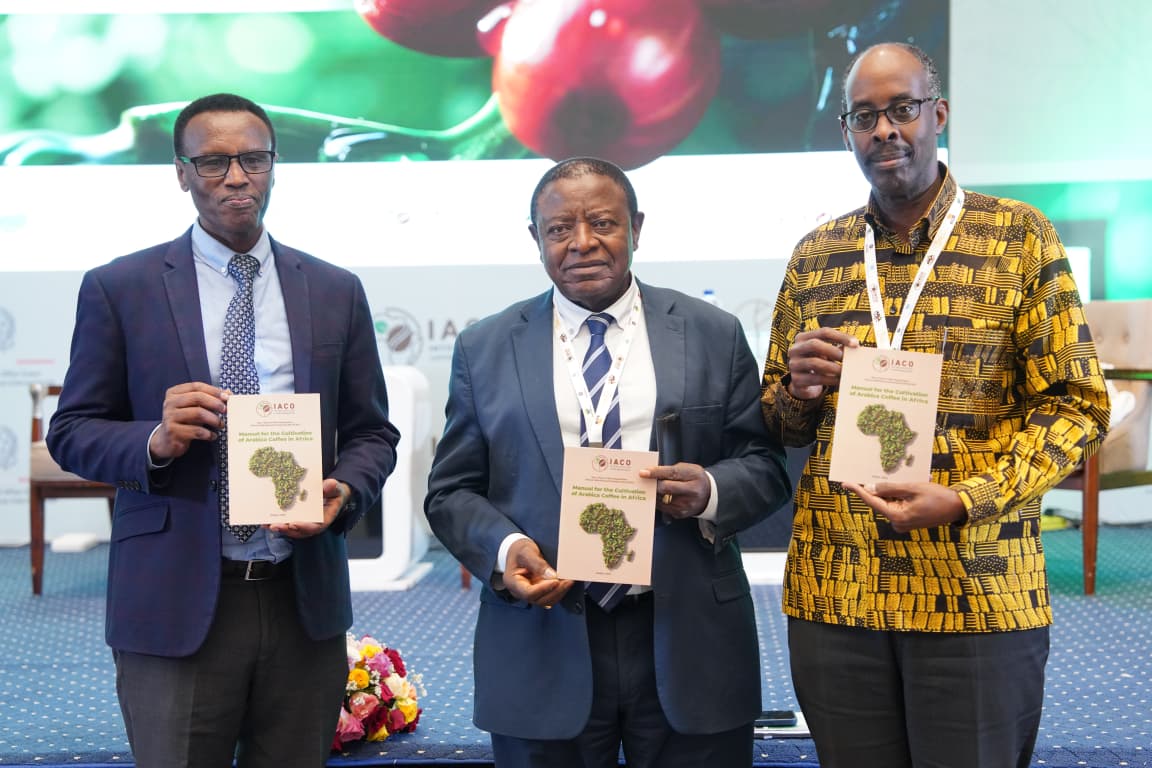
To wrap up the day’s proceedings, the Secretary General of IACO and the Chairperson of the ACRN officially launched the new coffee manual, a comprehensive guide intended to harmonize best practices across Africa’s diverse coffee-growing regions.

The conference concluded with closing remarks from the IACO Chairman, signaling a transition from scientific theory to a unified, continental implementation strategy.

WCR CEO Reviews 2025 Achievements in Coffee Innovation

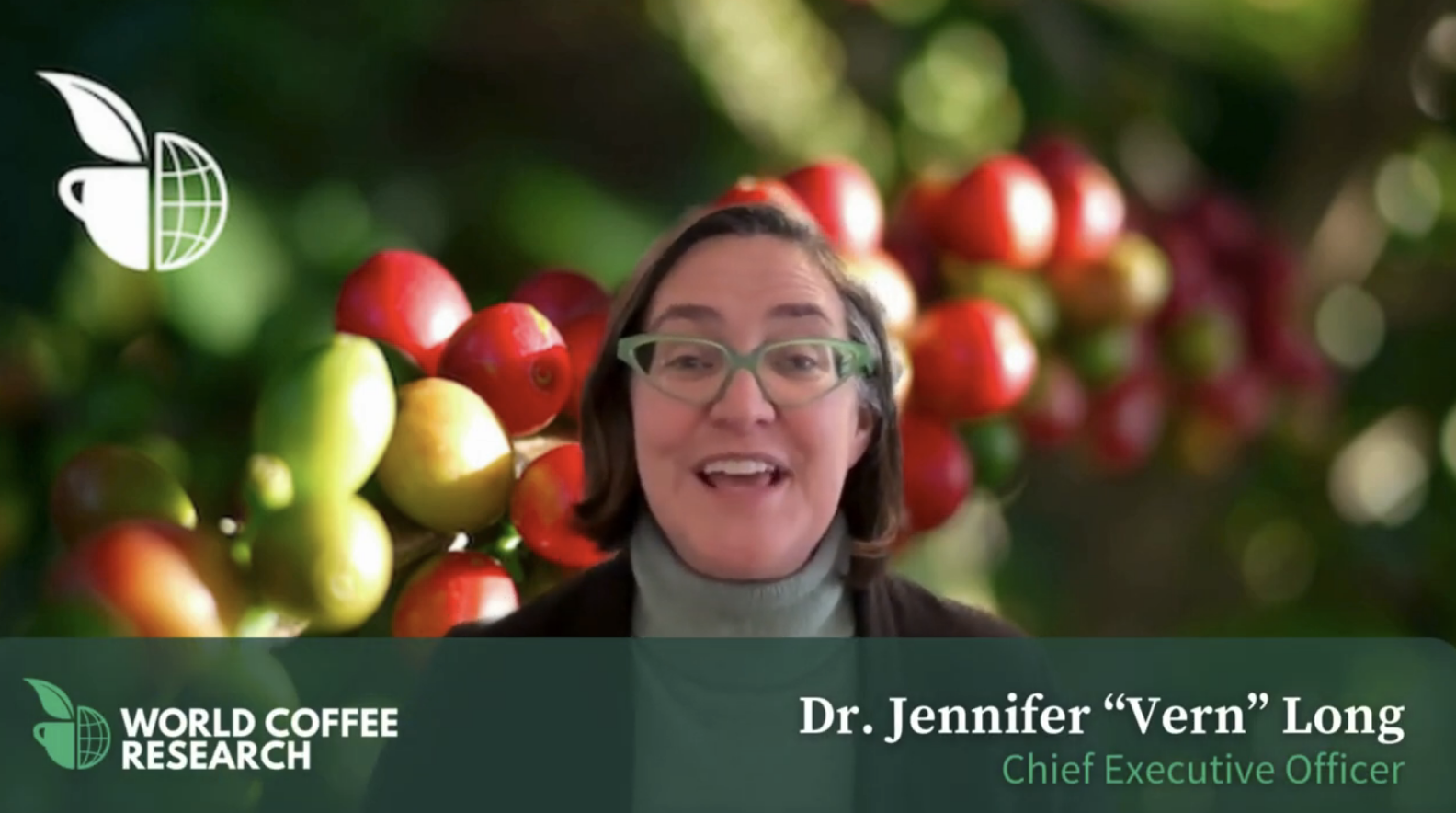
An annual update from CEO Vern Long highlights scientific progress, global partnerships, and climate resilience

Dubai – Qahwa World

World Coffee Research (WCR) has described 2025 as a defining year for the organization and the wider coffee industry, citing accelerated innovation, strengthened global partnerships, and tangible progress in developing climate-resilient coffee varieties.

In his annual review, WCR Chief Executive Officer Vern Long emphasized that the organization’s achievements this year were driven by sustained investment from more than 200 member companies across 30 countries, alongside close collaboration with national coffee institutes worldwide. These partnerships enabled WCR to move improved coffee varieties from research into farmers’ fields at an unprecedented pace.

According to WCR, the focus on variety development is critical as coffee-producing regions face increasing pressure from climate change, disease, and production volatility. The organization positions its work as essential to safeguarding the long-term stability and diversity of global coffee supplies.

Key achievements in 2025

  • Improving access to proven varieties
    In Peru, WCR installed 10 new arabica seed lots of the varieties IPR 107 and Paraneima in partnership with eight local organizations. These varieties were previously identified as top performers under local conditions through WCR’s International Multilocation Variety Trial, which has been running since 2015.
    In Uganda, WCR supported the installation of 15 mother gardens and nurseries of disease-resilient robusta varieties in cooperation with the national coffee institute NaCORI, expanding farmers’ access to improved planting material.

  • Advancing global arabica breeding efforts
    WCR began arabica field trials and recorded the first harvests under the Innovea Global Coffee Breeding Network. The initiative, recognized as one of TIME magazine’s Best Inventions of 2025, is described as the most ambitious and globally coordinated coffee breeding program to date, aimed at delivering high-performing, high-quality varieties for future generations.

  • Launching robusta breeding under Innovea
    A robusta breeding program was added to the Innovea network, with Vietnam and Ghana joining as national collaborators. This expansion brings total participation to 11 countries, collectively accounting for around 40% of global coffee production. The robusta program is designed to run in parallel with arabica efforts, focusing on resilience while supporting origin diversity.

  • Strengthening scientific collaboration worldwide
    WCR reported unprecedented levels of collaboration among scientists, governments, and coffee companies. One study published in 2025 brought together researchers from 15 countries across 23 trial sites to examine how 29 arabica varieties respond to leaf rust under different growing conditions. The findings are intended to support the development of more resilient coffee trees.

Looking ahead

Despite ongoing challenges facing the coffee industry, WCR underscored that innovation and collaboration remain powerful tools for risk mitigation and long-term sustainability. As the organization enters the new year, it expressed gratitude to its global community of members and partners for their continued commitment to securing the future of coffee.