Cotti Coffee Expands to 35+ Australian Locations

Source: Industry Report / Cotti Coffee
Author: Qahwa World
Date: July 28, 2026

Cotti Coffee Expands to 35+ Australian Locations

  • Cotti Coffee opens three new Australian stores in July, bringing total to more than 35 locations.
  • New stores opened in Frankston (Victoria), Green Square (Sydney), and St Kilda (Melbourne).
  • The brand now has locations across New South Wales, Victoria, Queensland, Western Australia, and South Australia.
  • Internationally, Cotti Coffee reports more than 18,000 venues in 33 countries.
  • The company was founded in 2022 by co-founders of Luckin Coffee.
  • Cotti Coffee specializes in fresh coffee, teas, and signature drinks.
  • New app customers receive their first three drinks for $3.95.

Chinese coffee chain Cotti Coffee continues its rapid Australian expansion. The brand opened three more venues in July. This brings its total Australian locations to more than 35.

New stores opened in Frankston, Victoria, and Green Square, Sydney. These followed a new outlet in St Kilda, Melbourne, at the end of June. The franchise-format group shows no signs of slowing down.

Expansion Timeline

Cotti Coffee’s first Australian venue opened in Cabramatta, Sydney, on January 31, 2024. By September 2025, the brand had 16 locations in Sydney, two in Perth, one on the Gold Coast, and one in Melbourne. The pace of expansion has accelerated significantly since then.

Cotti Coffee Australian Locations by State
State Locations
New South Wales (Sydney area) Multiple (Cabramatta, Manly Beach, North Sydney, Eastwood, Bondi Junction, Waterloo, Rosebery, Gadigal, Green Square, and more)
Victoria (Melbourne area) Multiple (St Kilda, South Yarra, Carlton, CBD, Springvale, Exhibition Street, Glenferrie, Clayton, Frankston)
Queensland Brisbane, Inala, Gold Coast
Western Australia Perth (2 locations)
South Australia Adelaide

Recent Openings

According to the brand’s Instagram page, Cotti Coffee has launched seven additional stores in New South Wales. These include Manly Beach, North Sydney, Eastwood, Bondi Junction, Waterloo, Rosebery, and Gadigal. The brand has also opened seven more stores in Victoria: South Yarra, Carlton, CBD, Springvale, Exhibition Street, Glenferrie, and Clayton.

In Queensland, the brand now has stores in Brisbane and Inala, in addition to the Gold Coast. Its first South Australian store opened in Adelaide. The brand’s presence now spans five Australian states.

Global Footprint

Internationally, Cotti Coffee reports having more than 18,000 venues in 33 countries. This rapid global expansion has made the brand one of the fastest-growing coffee chains in the world. The company was founded in 2022 by Lu Zhengyao and Qian Zhiya. They were two of the original co-founders of coffee giant Luckin Coffee.

Cotti Coffee specializes in fresh coffee, teas, and signature drinks. The brand is known for its competitive pricing and aggressive expansion strategy. As part of its launch initiative, it offers new app customers their first three drinks for $3.95. This promotion helps attract new customers and build brand loyalty.

Australian Coffee Market Context

Australia has a sophisticated and competitive coffee market. The country has a strong café culture with high consumer expectations. International chains have found success by adapting to local tastes and preferences.

Cotti Coffee’s expansion demonstrates the growing appetite for international coffee brands in Australia. The brand’s affordability and quality proposition appeal to a wide range of consumers. Its rapid growth suggests strong demand for its offerings.

What This Means for the Industry

Cotti Coffee’s expansion reflects broader trends in the global coffee industry. Chinese coffee brands are increasingly expanding internationally. They bring unique business models and value propositions to new markets.

For Australian consumers, the arrival of Cotti Coffee offers more choice and competition. This can drive innovation and value across the market. Established players may need to adapt their strategies to maintain market share.

Frequently Asked Questions

How many Cotti Coffee locations are in Australia?As of July 2026, Cotti Coffee has more than 35 locations across Australia.

Where are the new stores located?New stores opened in Frankston (Victoria), Green Square (Sydney), and St Kilda (Melbourne).

When did Cotti Coffee arrive in Australia?The first Australian venue opened in Cabramatta, Sydney, on January 31, 2024.

How many stores does Cotti Coffee have globally?The brand reports more than 18,000 venues in 33 countries worldwide.

Who founded Cotti Coffee?The company was founded in 2022 by Lu Zhengyao and Qian Zhiya, co-founders of Luckin Coffee.

What does Cotti Coffee offer?Cotti Coffee specializes in fresh coffee, teas, and signature drinks, with a competitive pricing strategy.

Dutch Bros Over-Indexes on Coffee and Energy Boost Ritual

Source: Morning Consult / Bill Pink
Author: Editorial Team
Date: July 27, 2026

Dutch Bros Over-Indexes on Coffee and Energy Boost Ritual

  • Dutch Bros holds 2.0 mental market share against 2.2 market share, a near-perfect match.
  • The brand over-indexes on morning coffee (+9.3), energy boost (+9.1), and coffee to share with coworkers (+10.0).
  • Dutch Bros ranks fourth on raw coffee association at ~21%, behind Starbucks, Dunkin’, and McDonald’s.
  • Mental market share among 18-to-34 adults is 3.2, compared to just 1.2 among 65+.
  • The brand’s reach is the real constraint: 51.8% of category buyers bring Dutch Bros to mind.
  • Dutch Bros under-indexes on sit-down occasions like family breakfast (-7.1) and weekend brunch (-5.7).
  • Emotional connection stands at 2.8, offering room for deeper customer loyalty.

Dutch Bros has built a national brand identity. However, its actual footprint remains concentrated in the West and Sun Belt. At 2.0 mental market share, it is a fraction of Starbucks or Dunkin’ in raw scale. Yet on the occasions that define the category’s center, it punches well above its weight.

These occasions include morning coffee, the energy boost, and coffee shared with coworkers. The ceiling is not relevance; it is reach. With mental market share and converted share nearly identical, this is not a conversion problem. It is a distribution story — an emerging regional brand whose differentiation is genuinely strong.

The Category Entry Points Dutch Bros Wins

Dutch Bros’ Mental Advantage profile reads like a coffee-led brand several times its size. The relative signal is real, even where the absolute reach is not yet there. The brand over-indexes on the coffee and energy boost ritual.

Dutch Bros Mental Advantage on Key Occasions
Occasion Mental Advantage
Bringing coffee to share with coworkers +10.0
Picking up a coffee to start my day +9.3
Need to boost energy/focus before a demanding morning +9.1
Grabbing breakfast on the way to work −1.0
Meeting someone for coffee and conversation +2.0
Treating myself to something special to start the day +4.0

Given its size, Dutch Bros over-performs on these daily coffee occasions. These sit at the heart of the category. Dutch Bros leans into them more than its footprint would predict. Its identity is coherent and correctly pointed at the occasions that generate frequency.

The Reach Constraint: Fourth Place in Raw Association

Absolute reach on these same occasions is a distant fourth. On each of these coffee occasions, Dutch Bros ranks fourth on raw association at roughly 21 percent. This is well behind Starbucks (around 40 to 48 percent), Dunkin’, and McDonald’s.

The relative strength is genuine, and it is important not to overread it. Dutch Bros over-indexes because it is small and focused. It is not challenging the leaders for these occasions today. The lean is a foundation to grow from rather than a position of strength to defend. Scale context matters here too. The three chains ahead of it operate many times Dutch Bros’ store count. The national sample includes large regions where the brand has no locations at all.

The Right Absences to Have

Dutch Bros is absent from the sit-down occasions, which is the right absence to have. The brand under-indexes on family breakfast with a Mental Advantage of −7.1. It also under-indexes on weekend brunch at −5.7. For a drive-thru coffee brand, these are the correct occasions to cede. The absences are consistent with a focused coffee proposition rather than a sign of missing breadth.

Mind and Market Are Already Matched

Dutch Bros holds 2.0 mental market share against 2.2 market share. The gap of negative 0.2 is essentially even. Unlike brands whose share runs ahead of or behind their mental availability, Dutch Bros converts the mental availability it has almost exactly. There is no conversion inefficiency to fix and no share running ahead of memory to defend. What limits the brand is the raw size of its mental footprint.

Dutch Bros: Mental vs Market Share
Metric Value
Mental Market Share 2.0
Market Share 2.2
Gap −0.2 (essentially even)
Category Buyers who think of Dutch Bros 51.8%
Network Size 6.5
Emotional Connection 2.8

Penetration is the ceiling. Dutch Bros is brought to mind by 51.8 percent of category buyers. This is far below the coffee leaders. Its associative Network Size is 6.5, narrower than the national chains. The brand’s problem is not what people think of it. It is that too few people think of it at all. Every occasion it over-indexes on is capped by this reach ceiling.

A Distinctly Younger Base

Dutch Bros’ mental market share is 3.2 among 18-to-34 adults. This compares to just 1.2 among the 65-plus group. This is the sharpest young skew of any brand in its size class. Its strength is generational, concentrated in the audience forming its coffee habits now and most open to a newer brand. This is the most valuable possible profile for a small brand with room to grow.

Dutch Bros Mental Market Share by Age Group
Age Group Mental Market Share
18-34 3.2
35-64 ~2.0
65+ 1.2

What to Do About It

Dutch Bros has the rare combination of a focused, correctly-aimed identity and a young base. It is held back almost entirely by how few people it reaches. The strategy is expansion of mental availability on the occasions the brand already fits, without repositioning.

Grow penetration on the coffee occasions it already over-indexes on. The morning coffee, the energy boost, and coffee for coworkers are where Dutch Bros’ Mental Advantage is strongest. Building raw awareness on exactly these occasions, instead of diversifying into new ones, compounds an existing strength and moves the brand up from its fourth-place absolute standing.

Lead with the young base. The 3.2 mental market share among 18-to-34 adults is the brand’s most valuable asset. Concentrating reach-building where the brand already skews is more efficient than competing head-on with the national chains for older or broader audiences.

Continue to deepen emotional connection as reach grows. With emotional connection at 2.8, Dutch Bros should pair awareness growth with reasons to feel loyalty that go beyond recognition. For a brand this size, converting new awareness into genuine attachment on the coffee ritual is what will eventually let its mental market share climb past the specialist tier.

About the Research

Morning Consult conducts over 30,000 daily proprietary surveys in 45 countries. The research covers more than 5,000 brands and 50 economic indicators. The category advantage research measures both mental availability and emotional closeness. It uncovers Category Entry Points and pinpoints growth opportunities.

Frequently Asked Questions

What is Dutch Bros’ mental market share?Dutch Bros holds 2.0 mental market share, compared to 2.2 market share, making the gap essentially even.

On which occasions does Dutch Bros over-index?Dutch Bros over-indexes on morning coffee (+9.3), energy boost (+9.1), and coffee to share with coworkers (+10.0).

Why is Dutch Bros ranked fourth in raw association?At roughly 21% association, Dutch Bros ranks fourth behind Starbucks (~40-48%), Dunkin’, and McDonald’s due to its smaller footprint.

What is the brand’s reach limitation?Only 51.8% of category buyers bring Dutch Bros to mind, limiting its growth potential across all occasions.

How does Dutch Bros perform among younger consumers?Mental market share among 18-to-34 adults is 3.2, compared to just 1.2 among 65+, showing a strong generational skew.

What is the strategic recommendation for Dutch Bros?Expand mental availability on existing coffee occasions, lead with the young base, and deepen emotional connection as reach grows.

Coffee Prices Sharply Higher as Brazil’s Harvest Is Delayed

Source: Barchart / Rich Asplund
Author: Qahwa Wold
Date: July 27, 2026

Coffee Prices Sharply Higher as Brazil’s Harvest Is Delayed

  • September arabica rose 3.43% and robusta gained 1.12% on Monday.
  • 32.4 mm of rain fell in Minas Gerais last week—2,700% above the historical average.
  • Brazil’s 2026/27 harvest is only 64% complete, behind last year’s 77% and the 70% average.
  • ICE arabica inventories fell to a 2.5-year low of 292,810 bags.
  • USDA forecasts record global production of 189.7 million bags for 2026/27.
  • El Niño risks continue to support prices with potential impacts on Brazil’s flowering.
  • ICE robusta inventories climbed to a 4.25-month high of 4,254 lots.

Coffee prices settled sharply higher on Monday. September arabica closed up 10.75 cents, gaining 3.43%. September robusta closed up 42 points, a rise of 1.12%. The surge came amid concerns that heavy rain in Brazil will further disrupt the coffee harvest.

Somar Meteorologia reported 32.4 mm of rain in Minas Gerais for the week ended July 26. This represents 2,700% of the historical average. Minas Gerais is Brazil’s biggest coffee-growing region.

Harvest Delays Support Coffee Prices

The slow pace of Brazil’s coffee harvest is supporting prices. Harvest among members of Cooxupe co-op was 47.3% complete as of July 17. This is behind the year-earlier pace of 59%. On July 17, Safras & Mercado reported Brazil’s 2026/27 coffee harvest was 64% complete as of July 15. This compares with 77% at the same time last year. The five-year average stands at 70%.

Heavy rainfall in recent weeks has disrupted harvesting operations. Coffee quality may also be affected. Brazilian farmers continue to hold back sales, hoping for higher prices.

Brazil Coffee Harvest Progress
Indicator Value
Cooxupe harvest (as of July 17) 47.3%
Cooxupe year-earlier pace 59%
Brazil overall (as of July 15) 64%
Previous year (July 15) 77%
Five-year average (July 15) 70%
Rainfall in Minas Gerais (week ended July 26) 32.4 mm (2,700% of average)

USDA Forecast and Market Reaction

Last Friday, coffee prices tumbled to 3-week lows. This followed the USDA’s forecast last Wednesday that global coffee output in the 2026/27 season will rise by 6.0% to a record 189.7 million bags. The increase is mainly due to improved growing conditions in Brazil.

The USDA expects global arabica production to rise 12% year-on-year. However, robusta production is expected to fall by 0.7%. World ending stocks are expected to rise by 1.9 million bags to 26.3 million bags. On June 3, the USDA’s Foreign Agricultural Service forecast a record Brazil coffee crop of 71.9 million bags for 2026/27, up 14% year-on-year.

Key Price Drivers for Coffee
Factor Impact Details
Brazil rainfall Bullish 32.4 mm rain, 2,700% above average, disrupting harvest
Harvest progress Bullish 64% complete vs. 77% last year and 70% average
Arabica inventories Bullish 2.5-year low of 292,810 bags
USDA production forecast Bearish Record 189.7 million bags globally
Robusta inventories Bearish 4.25-month high of 4,254 lots
El Niño risks Bullish Potential impact on flowering in September-October

Inventory Trends Support Arabica, Weigh on Robusta

Rising inventories are weighing on robusta coffee. ICE robusta inventories climbed to a 4.25-month high of 4,254 lots last Wednesday. They were mildly below that level at 4,228 lots on Monday.

By contrast, a bullish factor for arabica coffee prices was that ICE arabica coffee inventories fell to a 2.5-year low of 292,810 bags on Monday. This tight supply situation supports higher arabica prices.

El Niño Concerns Support Prices

Concerns about an El Niño weather pattern are bullish for prices. Coffee trader Commercial warned that El Niño may delay rains in Brazil. This September and October is when tree flowering normally occurs. Any delay could hurt Brazil’s 2026/27 coffee crop.

On July 8, the US Climate Prediction Center issued a warning. The El Niño pattern that emerged across the equatorial Pacific last month will likely be one of the strongest in more than 75 years. This sets the stage for possible floods, droughts, and temperature fluctuations later this year. These conditions could hinder coffee production in Asia and South America.

Bearish Factors to Consider

Despite the bullish momentum, several bearish factors exist. Soaring coffee exports from Vietnam are bearish for robusta prices. On July 3, Vietnam’s National Statistics Office reported Vietnam’s 2026 coffee exports from January to June rose 7.3% year-on-year to 1.05 million metric tons. Vietnam’s 2025 coffee exports jumped 17.5% to 1.58 million metric tons. Production for 2025/26 is projected to climb 6% to a four-year high of 1.76 million metric tons.

The USDA’s record production forecast also weighs on the market. However, the supply tightening due to harvest delays and El Niño risks may offset these bearish factors.

Frequently Asked Questions

How much did coffee prices rise on Monday?September arabica gained 3.43% and September robusta rose 1.12% on Monday, July 27.

What is driving the price increase?Heavy rain in Brazil’s Minas Gerais region—32.4 mm, 2,700% above average—is disrupting the coffee harvest and tightening supplies.

What is the status of Brazil’s coffee harvest?Brazil’s 2026/27 harvest is 64% complete as of July 15, behind last year’s 77% and the 70% five-year average.

What are ICE coffee inventory levels?Arabica inventories fell to a 2.5-year low of 292,810 bags, while robusta inventories climbed to a 4.25-month high of 4,254 lots.

What does the USDA forecast say?USDA forecasts record global production of 189.7 million bags for 2026/27, up 6% from the previous year, led by Brazil’s recovery.

How does El Niño affect coffee prices?El Niño could delay rainfall during Brazil’s critical flowering period in September-October, potentially reducing crop yields and supporting prices.

Spent Coffee Grounds Converted Into Raw Material for Biofuels

Source: Universitat Rovira i Virgili / Biomass and Bioenergy journal
Author: Qahwa World
Date: July 27, 2026

Spent Coffee Grounds Converted Into Raw Material for Biofuels

  • Researchers developed an efficient method to extract oil from spent coffee grounds for biodiesel production.
  • Optimal conditions: 45°C for 60 minutes with 35 ml hexane per gram of dry residue.
  • The process recovers approximately 90% of available oils from coffee grounds.
  • The extracted oil has very low impurity content of 0.3% compared to 3.9% in traditional methods.
  • The remaining lignocellulosic material can be used for bioethanol, lactic acid, and sustainable aviation fuel.
  • Global coffee production generates approximately 10 million tonnes of waste annually.
  • The process supports circular economy and renewable fuel development for hard-to-electrify sectors.

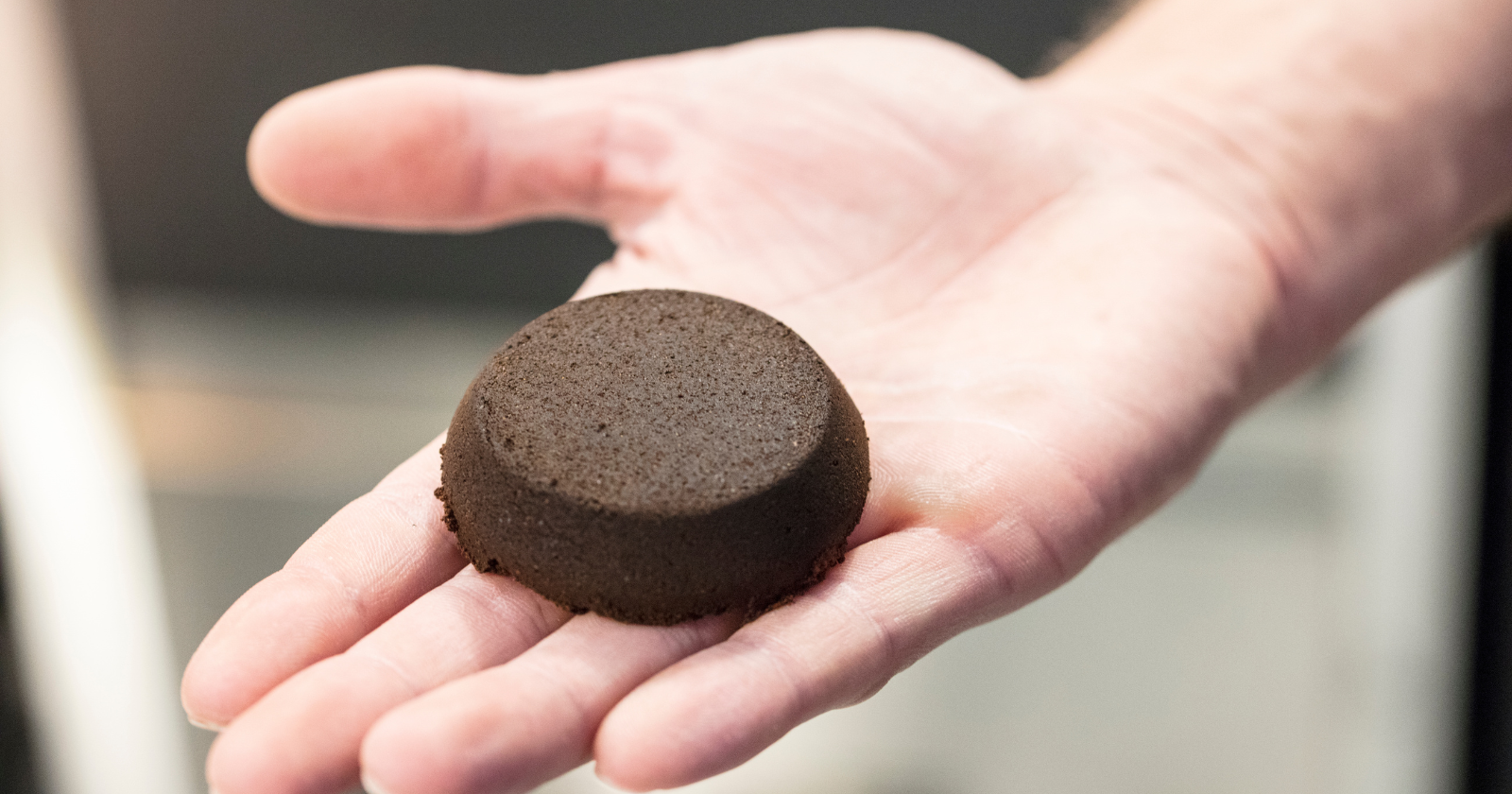
Spent coffee grounds can have a second life. They are typically thrown away after brewing. However, researchers have found a way to extract oil from them efficiently. This oil can serve as a raw material for producing biodiesel.

A study by the Universitat Rovira i Virgili has evaluated how to extract oil from coffee grounds. The process preserves the rest of the plant material. This allows it to be utilized in other processes as well.

The Research Study

The research was published in Biomass and Bioenergy journal. It focuses on spent coffee grounds as an abundant waste product. Global coffee bean production stands at around 10 million tonnes per year. Only a small proportion ends up in the brewed coffee. The remainder becomes solid waste in the form of coffee grounds.

Coffee grounds contain approximately 15% lipids. These fats can serve as a basis for producing biodiesel. The research team studied how three key factors influence oil extraction: temperature, processing time, and solvent-to-coffee-grounds ratio. They used n-hexane as the solvent and applied an experimental design to analyze the combined effects.

Optimal Conditions for Oil Extraction from Coffee Grounds
Parameter Optimal Value
Temperature 45°C
Processing Time 60 minutes
Solvent-to-Coffee Ratio 35 ml hexane per gram of dry residue
Oil Recovery Approximately 90% of available oils
Oil Impurity Content 0.3%

Key Findings

The research team, comprising Jorge F. Romero, Alberto Tampieri, Daniel Montané, Magdalena Constantí, and Francesc Medina, found optimal conditions at 45°C for 60 minutes. The ratio of 35 millilitres of hexane per gram of dry residue proved most effective. With these parameters, the process recovers approximately 90% of the oil that can be obtained with Soxhlet extraction.

Soxhlet is a laboratory technique widely used as a reference. It offers high yields but requires more time and energy. It is not as suitable for industrial applications. The optimized process yields oil with very low impurity content of 0.3%. In contrast, Soxhlet yields oil with 3.9% impurities. The fatty acid profile remained stable under different test conditions. It was dominated by linoleic and palmitic acids. These components indicate the oil’s potential for biodiesel production.

Beyond Oil: Preserving the Lignocellulosic Matrix

“In our study, we also demonstrate that extracting the oil does not mean that the rest of the material cannot be used for something else,” pointed out Francesc Medina. One of the research objectives was to preserve the lignocellulosic matrix. This matrix is made up of components such as cellulose, hemicellulose, and lignin.

These ingredients can be used to obtain other products. These include bioethanol, lactic acid, polyhydroxyalkanoates, precursors for sustainable aviation fuels, and phenolic compounds. The extraction process not only recovers oils but also acts as a pretreatment. The fats in the residue can prevent solvents or catalysts from accessing the rest of the biomass. Removing this barrier leaves the fat-free residue in a better state for subsequent use.

Comparison with Other Methods

The research team compared their method with ultrasound- and microwave-assisted extraction. These alternatives can accelerate the initial extraction. However, they do not offer a sufficient advantage in terms of oil quality, overall efficiency, energy demand, and scalability. The batch process with n-hexane under moderate conditions appears to be a better, more balanced option. It is more suitable for integration into a biorefining strategy.

Circular Economy and Renewable Fuels

The research forms part of efforts to develop techniques for a circular economy. It addresses the need to develop renewable fuels for hard-to-electrify sectors, such as heavy transport. By using every part of the coffee grounds, the researchers transform a typically underused waste product into various energy vectors and bio-based chemical products. This reduces the environmental impact associated with its accumulation.

Daniel Montané explained that this approach paves the way for the sustainable production of biofuels. The research demonstrates how coffee waste can become a valuable resource rather than an environmental burden.

Implications for the Coffee Industry

This research has significant implications for the coffee industry. It offers a way to reduce waste and generate additional value from coffee production. Coffee roasters, coffee shops, and instant coffee producers could potentially benefit from this technology. The process can be scaled for industrial applications, turning waste into a revenue stream.

The circular economy approach aligns with growing consumer demand for sustainable practices. Coffee companies could enhance their sustainability credentials by adopting such technologies. The research also contributes to reducing the environmental impact of coffee production.

Frequently Asked Questions

What are spent coffee grounds?Spent coffee grounds are the solid waste left over after brewing coffee. They contain approximately 15% lipids that can be extracted for biodiesel production.

How much oil can be extracted from coffee grounds?The optimized process recovers approximately 90% of the available oils from spent coffee grounds.

What are the optimal extraction conditions?The optimal conditions are 45°C for 60 minutes with 35 ml of hexane per gram of dry residue.

What happens to the remaining coffee grounds after oil extraction?The remaining lignocellulosic material can be used to produce bioethanol, lactic acid, sustainable aviation fuels, and other valuable products.

How does this research support sustainability?It promotes a circular economy by turning coffee waste into valuable products, reducing environmental impact and supporting renewable fuel production.

How much coffee waste is generated globally?Global coffee production generates approximately 10 million tonnes of waste annually, with only a small portion ending up in the brewed coffee.

USDA Report: Record World Coffee Production in 2026/27

Source: USDA Foreign Agricultural Service (FAS) – Coffee: World Markets and Trade
Author: Qahwa World
Date: July 23, 2026This article covers important findings from the world coffee market report 2026.

USDA Report: Record World Coffee Production in 2026/27

  • World coffee production forecast at a record 189.7 million bags in 2026/27, up 10.8 million from the previous year.
  • Brazil leads the surge with a record 71.9 million bags, driven by a 9.5 million bag Arabica rebound.
  • Global consumption rises to a record 179.7 million bags, with the European Union and United States leading gains.
  • World bean exports forecast at a record 131.4 million bags, up 11.9 million from 2025/26.
  • Ending stocks rise for a second consecutive year to 26.3 million bags.
  • Coffee prices have fallen 25% over the last seven months as additional supplies become available.
  • Vietnam, Colombia, Ethiopia, and Uganda all post production increases, while Indonesia declines.

The USDA Foreign Agricultural Service released its latest Coffee: World Markets and Trade report. Global coffee production for 2026/27 is forecast at a record 189.7 million bags. This represents an increase of 10.8 million bags from the previous year.

Record output in Brazil, Ethiopia, Uganda, and Vietnam drives this growth. These gains more than compensate for losses in India and Indonesia. World coffee bean exports are expected to reach a record 131.4 million bags. Global consumption is forecast to rise to a record 179.7 million bags.

World Production at Record High

World coffee production for 2026/27 is forecast 10.8 million bags higher than the previous year. Production is expected to reach a record 189.7 million bags. Brazil accounts for the largest share with a record 71.9 million bags. The rebound in Arabica production is particularly notable after five years of underperformance.

World Coffee Production 2026/27 (Million 60-kg Bags)
Category 2025/26 2026/27 Forecast Change
Total Production 178.8 189.7 +10.8
Arabica Production 94.4 105.9 +11.4
Robusta Production 84.4 83.8 -0.6

Brazil: Record Production and Arabica Rebound

Brazil’s combined Arabica and Robusta harvest is forecast at a record 71.9 million bags in 2026/27. This represents an increase of 8.9 million bags from the previous year. Arabica output is expected to rebound 9.5 million bags to 47.5 million, ending a five-year period of underperformance due to adverse weather conditions.

Timely rainfall during flowering in September and October ensured favorable fruit development. Near-record yields were achieved in Minas Gerais, where over 70% of Arabica coffee is grown. Robusta production is forecast to retreat 600,000 bags to 24.4 million following last year’s record harvest. Cooler temperatures combined with elevated rainfall lowered yields in Espirito Santo, where approximately 70% of Robusta is grown.

Brazil accounts for nearly 40% of world production and exerts significant influence on global supplies and prices. Brazil’s role in Arabica markets is even more pronounced, typically supplying between 40% and 50% depending on the biennial crop production cycle.

Brazil Coffee Production Outlook 2026/27
Category 2025/26 2026/27 Forecast Change
Arabica Production 38.0 million bags 47.5 million bags +9.5 million
Robusta Production 25.0 million bags 24.4 million bags -0.6 million
Total Production 63.0 million bags 71.9 million bags +8.9 million
Bean Exports 34.0 million bags 45.0 million bags +11.0 million
Ending Stocks 3.9 million bags 4.4 million bags +0.5 million

Global Consumption and Trade

World coffee bean exports are forecast 11.9 million bags higher to a record 131.4 million bags. This is driven by higher output in major producing countries. Global consumption is expected to rise to a record 179.7 million bags. The largest gains are occurring in the European Union and the United States.

Ending stocks are expected to rise for a second consecutive year to 26.3 million bags. This follows a significant drawdown between 2020/21 and 2024/25, when global ending stocks fell 15.5 million bags. While stocks are recovering, they remain below the long-term average.

World Coffee Summary 2026/27 (Million 60-kg Bags)
Category 2025/26 2026/27 Forecast Change
World Production 178.8 189.7 +10.8
World Bean Exports 119.5 131.4 +11.9
World Consumption 173.5 179.7 +6.3
Ending Stocks 24.4 26.3 +1.9

Country-by-Country Production Highlights

Vietnam production is forecast to increase 800,000 bags to a record 32.5 million. Expanding area and higher yields drive this growth. Recent high prices allowed growers to increase expenditures on fertilizers. Bean exports are forecast up 300,000 bags to 25.4 million. Domestic consumption is expected to reach a record 5.0 million bags.

Colombia output is expected to rise 900,000 bags to 13.4 million. Adequate soil moisture from last year’s excessive rains supports this growth. Increased utilization of fertilizers and pesticides also contributes. Bean exports, mostly to the United States and European Union, are forecast up 500,000 bags to 12.2 million.

Ethiopia is forecast to increase output by more than 500,000 bags to a record 12.1 million. Higher area and yield drive this growth. Over the last four years, growth has been driven by replacement of over half of the cultivated area with higher-yielding varieties. Bean exports are forecast up nearly 200,000 bags to 7.1 million.

Central America and Mexico production is forecast to rise nearly 600,000 bags to 17.7 million. Rebounding output in Costa Rica, Guatemala, Honduras, Mexico, and Panama contribute to this growth. Honduras is expected to account for nearly all the region’s growth, rebounding 500,000 bags to 6.0 million.

Indonesia production is forecast to drop 1.0 million bags to 11.4 million. Robusta output is expected to decrease 1.0 million bags to 10.0 million due to lower yields. Excessive rainfall disrupted flowering and cherry formation in Southern Sumatra and Java. Reduced output is expected to cut bean exports by over 800,000 bags to 7.0 million.

Key Country Production 2026/27 (Million 60-kg Bags)
Country 2025/26 2026/27 Forecast Change
Brazil 63.0 71.9 +8.9
Vietnam 31.7 32.5 +0.8
Colombia 12.5 13.4 +0.9
Ethiopia 11.6 12.1 +0.5
Indonesia 12.4 11.4 -1.0
Honduras 5.5 6.0 +0.5
Uganda 7.1 7.2 +0.1

Price Impact of Rising Supplies

Coffee prices have dropped 25% over the last seven months as additional supplies became available. This is measured by the International Coffee Organization monthly composite price index. The improving supply situation reflects record production and rising ending stocks.

However, ending stocks remain below the long-term average. Weather developments in key producing regions, particularly Minas Gerais in Brazil, remain the primary indicator for world market conditions. The biennial production cycle in Brazil continues to shape global supply and price expectations.

Revisions to 2025/26 Estimates

World production is unchanged from the December 2025 estimate of 178.8 million bags. Vietnam is raised 900,000 bags to 31.7 million on higher yields. Peru is up nearly 600,000 bags to 4.8 million. Colombia is lowered 1.3 million bags to 12.5 million due to excessive rain and cloud cover. Guatemala is reduced nearly 400,000 bags to 3.2 million due to coffee cherry borer and coffee rust.

World bean exports are revised down 4.3 million bags to 119.5 million. Brazil is lowered 3.0 million bags to 34.0 million due to lower shipments to the EU and United States. Ethiopia is reduced over 800,000 bags to 6.9 million on higher-than-anticipated domestic consumption. Vietnam is up 500,000 bags to 25.1 million on higher output.

Key Takeaways for the Coffee Industry

Record global production is expected to boost supplies significantly. Brazil’s Arabica rebound after five years of underperformance is particularly notable. This could help replenish global inventories that were drawn down in previous years.

Ending stocks are forecast to rise for a second consecutive year. However, they remain below the long-term average. Weather developments in Minas Gerais remain the primary indicator for world market conditions. Coffee prices have fallen 25% in seven months, reflecting improved supply. Producers and traders should monitor Brazil’s production cycle closely, as it heavily influences global market conditions.

Frequently Asked Questions

What is the forecast for global coffee production in 2026/27?World production is forecast at a record 189.7 million bags, up 10.8 million from the previous year.

What is Brazil’s production forecast?Brazil is forecast at a record 71.9 million bags, driven by a 9.5 million bag Arabica rebound.

What is the global consumption forecast?Global consumption is expected to rise to a record 179.7 million bags, with the largest gains in the EU and US.

What are ending stocks expected to be?Ending stocks are expected to rise for a second consecutive year to 26.3 million bags.

How have coffee prices responded to increased supply?Coffee prices have dropped 25% over the last seven months as additional supplies became available.

Which countries are driving production growth?Brazil, Vietnam, Colombia, Ethiopia, and Uganda are all posting production increases, while Indonesia declines.

Garfield Kerr: Coffee is the World’s Premier and Most Definitive Functional Beverage

DUBAI – Ali Alzakary

Mr. Garfield Kerr, CEO of Mokha 1450, a leading specialty coffee chain in Dubai and the UAE, confirmed that coffee is the world’s premier and most definitive functional beverage.

Speaking to Hospitality News ME magazine in issue no. 157, published for the period from May to July 2026, Mr. Garfield said that modern scientific research has settled the decades-long debate surrounding coffee and dispelled old myths. Furthermore, he affirmed its role as the first, most versatile, and most effective functional beverage in history.

He explained that coffee’s roots as a functional beverage date back to 15th-century Yemen, where Sufi communities consumed coffee to maintain focus and alertness during long hours of prayer.

He added that claims circulating in the mid-20th century regarding coffee’s negative health impacts, such as stunted growth or irritability, were based on inaccurate studies flawed by small sample sizes and methodological errors.

However, he noted that comprehensive meta-analyses emerging in the 1990s and 2000s shifted this perception and uncovered coffee’s immense health benefits.

Mr. Garfield clarified that what places coffee at the forefront of functional beverages is its richness in plant-based and bioactive compounds.

He confirmed that caffeine belongs to the methylxanthine class. This class contributes to stimulating the central nervous system and increasing alertness by blocking adenosine receptors. Additionally, it inhibits phosphodiesterase enzymes.

He added that coffee contains antioxidant compounds such as chlorogenic acids and polyphenols. These compounds work to reduce oxidative stress, protect the liver and kidneys, and inhibit the growth of harmful bacteria in the digestive tract.

Mr. Garfield stated that black coffee provides immediate advantages for athletes and fitness enthusiasts, as it contributes to enhancing cardiovascular performance, accelerating muscle glycogen resynthesis, and stimulating fat oxidation at rest and during exercise.

Additionally, he added that it lowers perceived exertion and elevates pain thresholds during physical activity. Moreover, it elevates mood and suppresses appetite.

He reviewed the scientific evidence confirming coffee’s long-term health benefits, confirming that it significantly reduces the risks of heart attack, stroke, and heart failure. In addition, it lowers the risk of type 2 diabetes, liver cirrhosis, and pancreatic and liver cancers.

He added that coffee provides neuroprotection against diseases such as Parkinson’s, Alzheimer’s, and dementia. Besides, it lowers rates of depression and the overall risk of mortality.

He noted that these functional properties of coffee gain added significance alongside the growth of the global functional beverage market. Currently, this market is valued at approximately $130 billion and projected to reach $200 billion by 2030.

Mr. Garfield emphasized that black coffee remains the safest and most effective option compared to synthetic alternatives, such as energy drinks packed with sugar and unstudied additives.

He explained that the safe consumption rate of coffee, ranging between three to five cups per day, falls within normal limits for most consumers. Thus, its abuse is rare.

Mr. Garfield concluded his discussion by highlighting the future horizons of coffee science, pointing to ongoing research regarding coffee’s impact on the gut microbiome in collaboration with food chemistry researcher Aysenur Santaroğlu.

He confirmed that coffee is a complex chemical system rich in compounds such as melanoidins, diterpenes, and polyphenols, noting that the interaction of these compounds with gut bacteria could open new doors in preventative medicine and longevity enhancement, ensuring this beverage remains the most ubiquitous and effective functional drink throughout history.

ICO and FAO Renew Commitment to Sustainable Coffee Sector

Source: International Coffee Organization (ICO)
Author: Qahwa World Editorial Team
Date: July 22, 2026

ICO and FAO Renew Commitment to Sustainable Coffee Sector

  • ICO and FAO signed a new Memorandum of Understanding reaffirming their commitment to coffee sector sustainability.
  • The renewed partnership builds on years of successful collaboration between the two organizations.
  • Key areas include sustainable production, climate resilience, market transparency, and inclusive value chains.
  • The agreement also covers innovation, digital technologies, and knowledge exchange.
  • A special focus will be on empowering coffee-growing communities and smallholder farmers.
  • Both organizations aim to build a more inclusive and resilient coffee sector for future generations.

The International Coffee Organization and the Food and Agriculture Organization of the United Nations have renewed their commitment to a more sustainable coffee sector. Executive Director of ICO and FAO Director-General QU Dongyu signed a new Memorandum of Understanding today.

The agreement reaffirms their shared commitment to supporting the sustainable development of the global coffee sector. It builds on years of successful collaboration between the two organizations.

Key Areas of Cooperation

The renewed partnership will strengthen cooperation in several key areas. These include sustainable coffee production and sourcing. Climate resilience and adaptation are also priorities. Market transparency and access to information will be enhanced.

Other areas include inclusive and sustainable value chains. Innovation and digital technologies will play a crucial role. Knowledge exchange between stakeholders is another focus. The agreement also emphasizes empowering coffee-growing communities. Special attention will be given to smallholder and family farmers.

ICO-FAO Renewed Partnership – Key Cooperation Areas
Area Focus
Sustainable Production Sustainable coffee production and sourcing
Climate Action Climate resilience and adaptation
Market Transparency Market transparency and access to information
Value Chains Inclusive and sustainable value chains
Innovation Innovation, digital technologies and knowledge exchange
Community Empowerment Empowering coffee-growing communities, particularly smallholder farmers

The Importance of Coffee

Coffee supports the livelihoods of millions of people worldwide. It plays a vital role in advancing sustainable development. The sector faces numerous challenges. These include climate change, market volatility, and social inequality.

Through this renewed framework, ICO and FAO will continue working together. Their goal is to ensure the coffee sector becomes more inclusive and resilient. They aim to prepare it for the challenges of the future. The partnership will benefit producers, consumers, and future generations.

About ICO and FAO

The International Coffee Organization is the only intergovernmental organization dedicated to coffee. It enhances the sustainability of the coffee sector for both exporting and importing countries. The ICO provides official statistics and facilitates technical cooperation projects.

The Food and Agriculture Organization is a specialized agency of the United Nations. It leads international efforts to defeat hunger. FAO supports sustainable agriculture and rural development. Together, ICO and FAO bring complementary expertise to the coffee sector.

“A renewed commitment to a more sustainable and resilient coffee sector.”

— International Coffee Organization

Future Outlook

The renewed partnership signals a strong commitment to coffee sustainability. Both organizations look forward to building an even stronger partnership. The focus remains on practical outcomes for coffee producers and communities. Innovation and knowledge sharing will drive progress.

Together, ICO and FAO aim to create lasting positive change. The goal is a coffee sector that is inclusive, resilient, and prepared for future challenges. Producers, consumers, and future generations will all benefit from this collaboration.

Frequently Asked Questions

What did ICO and FAO announce?ICO and FAO signed a new Memorandum of Understanding renewing their commitment to a sustainable coffee sector.

What are the key areas of cooperation?Key areas include sustainable production, climate resilience, market transparency, inclusive value chains, innovation, and empowering smallholder farmers.

Why is this partnership important?The partnership combines the expertise of two major organizations to address challenges facing the global coffee sector.

How does coffee support sustainable development?Coffee supports the livelihoods of millions worldwide and plays a vital role in advancing sustainable development goals.

Who will benefit from this agreement?Coffee producers, consumers, and future generations will benefit from a more inclusive and resilient coffee sector.

What is the role of ICO?ICO is the only intergovernmental organization dedicated to coffee, providing statistics and facilitating technical cooperation.

Coffee Drinkers Shift to Whole Beans as Prices Soar

Source: Qahwa World / Lavazza Group
Author: Editorial Team
Date: July 21, 2026

Coffee Drinkers Shift to Whole Beans as Prices Soar

  • Consumers are buying less but better coffee as global prices remain elevated.
  • Whole bean demand surged 46% year-over-year, according to consumer data.
  • Home brewing equipment sales jumped: drip coffee makers up 66%, espresso machines up 50%.
  • Lavazza reported strong 2025 revenue of €3.9 billion, up 15.7%.
  • Lavazza plans to launch Tablì, a sustainable single-serve system using compressed coffee tablets.
  • Nielsen data shows whole bean sales outpacing overall coffee category across UK and Europe.
  • Price volatility is expected to persist, with no retail price cuts in sight.

Global coffee prices have remained elevated for four consecutive years. Consumers are adapting by buying less but better. This trend toward whole bean coffee and bean-to-cup machines represents a significant market shift.

Giuseppe Lavazza, Chairman of the Lavazza Group, called it the sector’s most important trend. “People are looking for beans,” he said. “They enjoy replicating the coffee shop experience at home. Maybe they prefer to consume a little less but of better quality.”

The Trend Emerged in 2024

This shift did not appear overnight. Early indicators were visible in 2024, well before the price peaks of 2025 intensified the movement. Pattern, a consumer demand analysis firm, reported whole bean coffee demand surged 46% year-over-year. This growth was accompanied by strong increases in home brewing equipment.

Drip coffee makers rose 66%. Espresso machines increased 50%. Accessories such as bean storage also grew 20%. The report highlighted a broader move toward serious at-home coffee preparation. Whole beans serve as the starting point for better freshness and flavor.

Multiple National Coffee Association surveys showed sustained high levels of at-home coffee consumption. Around 81% of past-day drinkers consumed coffee at home in some periods. Out-of-home consumption recovered post-pandemic, but the at-home habit remained strong. Consumers continued seeking premium experiences and better value.

2024 Early Indicators – Consumer Demand Growth
Category Growth
Whole bean coffee demand +46%
Drip coffee makers +66%
Espresso machines +50%
Bean storage accessories +20%

Current Reality: Price Surge Accelerates Change

Record-high coffee prices in 2025 pushed the trend into the mainstream. Poor harvests in Brazil and Vietnam drove the price surge. Climate change impacts, geopolitical disruptions, and financial speculation also contributed.

Nielsen data for the year to May 2026 shows the shift clearly. In the United Kingdom, whole-bean sales rose 20.3% by volume. This far outpaced the overall at-home coffee category, which grew just 2.8%. Value sales jumped 36.8%, while bean-to-cup machine sales increased 33.5%.

In Europe, France saw 35% growth by value. Italy recorded 33% growth. Germany, Europe’s largest coffee market, saw 31.2% growth. Whole beans have now surpassed traditional roast-and-ground coffee in volume in Germany.

In the United States, the shift was more modest but consistent. Whole-bean unit sales rose 3.2% over 52 weeks to June 2026. Meanwhile, pod sales fell 4.9% and ground coffee declined 3.9%.

Nielsen Data – Whole Bean Sales Growth (Year to May 2026)
Market Growth
United Kingdom (volume) +20.3%
United Kingdom (value) +36.8%
France (value) +35.0%
Italy (value) +33.0%
Germany (value) +31.2%
United States (unit sales) +3.2%

Why Prices Soared

The coffee market has faced four years of upheaval. Adverse weather and weak harvests in Brazil and Vietnam were key factors. Climate change impacts, including El Niño risks, added pressure. Geopolitical disruptions, higher shipping costs, and financial speculation in futures markets also played a role.

In the UK, at-home coffee prices rose another 6.3% in the year to May 2026. Roasters found it harder to manage costs by blending cheaper Robusta with Arabica. Both varieties hit record levels simultaneously.

Lavazza noted that futures prices have eased from 2025 peaks. However, the market remains too volatile for widespread retail price cuts. “We think there is not time to think about a possible cut in prices,” he said. “The possibility of another increase is not totally over.” At least two strong harvests in Brazil and Vietnam will be needed to rebuild global inventories.

Lavazza’s Performance and Strategic Response

Despite industry challenges, Lavazza reported strong 2025 results. Revenue reached €3.9 billion, up 15.7%. EBITDA rose 8.8% to €340 million. The company is innovating to stay ahead.

Lavazza plans to launch Tablì in the UK in September 2026. This is a single-serve system using compressed coffee tablets. It addresses waste and recycling concerns associated with plastic and aluminum pods. “Capsule is over,” Lavazza declared. “This is a new benchmark.”

Broader Implications and Future Outlook

Consumer behavior is evolving. Coffee remains recession-resistant. However, buyers are trading down in volume while trading up in quality and experience. The “less but better” philosophy reflects economic pressure and a desire for premium at-home rituals.

The pandemic-initiated home-brewing boom has become structural. Demand for whole beans rewards freshness, flavor complexity, and better value per cup. Persistent climate risks, cautious buying by roasters, and farmers holding stock in hope of higher prices continue to shape the market.

Volatility is now “the new constant,” according to Lavazza. Opportunities remain in premium home equipment, sustainable packaging innovations, and single-origin and specialty offerings.

“People are looking for beans and they enjoy maybe to replicate at home the experience of the coffee shop. Maybe they prefer to consume a little less but of better quality.”

— Giuseppe Lavazza, Chairman, Lavazza Group

Conclusion

What began as a noticeable trend in 2024 has evolved into a major market shift in 2026. Soaring prices amplified the movement. Consumers are not abandoning coffee. They are redefining how they enjoy it. As Lavazza observed, this represents a “fundamental transformation in terms of supply and demand.”

For roasters, retailers, and consumers alike, the message is clear. Quality, freshness, and thoughtful preparation are winning out in an era of higher costs and greater awareness.

Frequently Asked Questions

What is the “less but better” coffee trend?Consumers are buying less coffee in volume but choosing higher quality whole beans and premium home brewing equipment to replicate café experiences at home.

How much did whole bean demand surge?Whole bean coffee demand surged 46% year-over-year, according to consumer demand analysis from Pattern.

What are the key market data highlights?In the UK, whole-bean sales rose 20.3% by volume. France saw 35% value growth, Italy 33%, and Germany 31.2%.

Why are coffee prices so high?Poor harvests in Brazil and Vietnam, climate change, geopolitical disruptions, and financial speculation have driven prices to record levels.

What is Lavazza’s new Tablì product?Tablì is a single-serve system using compressed coffee tablets instead of plastic or aluminum pods, addressing waste and recycling concerns.

Will coffee prices come down soon?Lavazza says prices remain too volatile for retail cuts. At least two strong harvests in Brazil and Vietnam are needed to rebuild inventories.

Delays to Brazil’s Harvest Push Coffee Prices Higher

Source: Barchart / Rich Asplund
Author: Qahwa World
Date: July 20, 2026

Delays to Brazil’s Harvest Push Coffee Prices Higher

  • September arabica rose 1.33% and robusta gained 0.18% on Monday.
  • Brazil’s 2026/27 harvest is only 64% complete, behind last year’s 77% and the 70% average.
  • ICE robusta inventories climbed to a 3.75-month high of 4,239 lots.
  • Arabica inventories fell to a 2.25-year low of 329,870 bags.
  • Heavy rains in Brazil have disrupted fieldwork and may have lowered crop quality.
  • El Niño concerns continue to support prices with potential impacts on Brazil’s flowering.
  • Only 0.2 mm of rain fell in Minas Gerais last week, 20% of the historical average.

Coffee prices moved higher on Monday. September arabica closed up 4.25 cents, gaining 1.33%. September robusta closed up 7 points, a rise of 0.18%. The gains came amid delays in Brazil’s coffee harvest.

Safras & Mercado reported the harvest is 64% complete as of July 15. This compares with 77% at the same time last year. The five-year average stands at 70%. The slow pace continues to support prices.

Harvest Delays Drive Coffee Prices Higher

Brazil’s 2026/27 coffee harvest is progressing slowly. Heavy rains have disrupted fieldwork. These rains may have also lowered crop quality. Brazilian farmers are holding back on sales. They hope prices will rise further. They are also bracing for potential El Niño impacts.

On July 6, arabica soared to a 5.75-month high. On July 7, robusta also hit a 5.75-month high. However, prices have since whipsawed in a wide range. Trading conditions remain illiquid. This has led to volatile price moves.

Brazil Coffee Harvest Progress (as of July 15)
Period Completion
Current year (2026/27) 64%
Previous year (2025/26) 77%
Five-year average 70%

Margin Hikes Reduce Liquidity

ICE raised margin requirements for coffee futures recently. This action has dried up liquidity. Many commodity funds have closed their positions. The result has been excessive one-way price moves. Volatility has been amplified by the illiquid conditions.

This has created a challenging trading environment. Prices have moved sharply in both directions. Market participants should expect continued volatility in the near term.

Inventory Trends Support Prices

ICE coffee inventories have trended lower over the past three months. This is supportive for coffee prices. ICE arabica inventories fell to a 2.25-year low of 329,870 bags on Monday. Meanwhile, ICE robusta inventories fell to a 2-year low on May 15. However, they have since risen to a 3.75-month high of 4,239 lots on Monday.

ICE Coffee Inventory Levels
Category Latest Level Status
Arabica inventories 329,870 bags 2.25-year low
Robusta inventories (May 15) 3,631 lots 2-year low
Robusta inventories (current) 4,239 lots 3.75-month high

El Niño Concerns Support Prices

Concerns about an El Niño weather pattern are bullish for prices. Coffee trader Commercial warned that El Niño may delay rains in Brazil. This September and October is when tree flowering normally occurs. Any delay could hurt Brazil’s 2026/27 coffee crop.

On July 8, the US Climate Prediction Center issued a warning. The El Niño pattern that emerged across the equatorial Pacific last month will likely be one of the strongest in more than 75 years. This sets the stage for possible floods, droughts, and temperature fluctuations. These conditions could hinder coffee production in Asia and South America.

Somar Meteorologia reported on Monday that only 0.2 mm of rain fell in Minas Gerais in the week through July 19. This is Brazil’s biggest coffee-growing region. This represents only 20% of the historical average. The dry conditions add to market concerns.

Bearish Factors to Consider

Despite the bullish momentum, several bearish factors exist. Recent strength in Brazil’s coffee exports is negative for prices. Last Wednesday, Cecafe reported Brazil’s June green coffee exports jumped 14.4% year-on-year to 2.64 million bags.

Vietnam’s soaring coffee exports are also bearish for robusta prices. On July 3, Vietnam’s National Statistics Office reported coffee exports from January to June rose 7.3% year-on-year to 1.05 million metric tons. Vietnam’s 2025 coffee exports jumped 17.5% to 1.58 million metric tons. Production for 2025/26 is projected to climb 6% to a four-year high of 1.76 million metric tons.

The USDA’s Foreign Agriculture Service projected record global production. World coffee production in 2025/26 is forecast to increase 2% to a record 178.848 million bags. Arabica production is expected to decline 4.7% to 95.515 million bags. Robusta production is projected to rise 10.9% to 83.333 million bags.

Global Supply Forecasts (USDA)
Category Forecast Change
World coffee production 2025/26 178.848 million bags +2.0%
Arabica production 95.515 million bags -4.7%
Robusta production 83.333 million bags +10.9%
Brazil 2025/26 production 63 million bags -3.1%
Vietnam 2025/26 output 30.8 million bags +6.2%
Ending stocks 2025/26 20.148 million bags -5.4%

Technical Perspective

On June 9, arabica coffee fell to a 20.5-month nearest-futures low. Robusta slid to a 3.5-month low. This occurred amid an outlook for a bumper coffee crop in Brazil. However, prices have since recovered significantly. The market remains highly volatile with significant upside potential.

Frequently Asked Questions

How much did coffee prices rise on Monday?September arabica gained 1.33% and September robusta rose 0.18% on Monday, July 20.

What is the status of Brazil’s coffee harvest?Brazil’s 2026/27 harvest is 64% complete as of July 15, behind last year’s 77% and the 70% five-year average.

Why are ICE coffee inventories important?Low inventories reduce available supply and support higher prices. Arabica inventories recently hit a 2.25-year low.

How does El Niño affect coffee prices?El Niño can delay rainfall during Brazil’s critical flowering period in September-October, potentially reducing crop yields.

What was the rainfall in Minas Gerais last week?Only 0.2 mm of rain fell, representing just 20% of the historical average, raising concerns about dry conditions.

What is the global production forecast?USDA forecasts record global production of 178.848 million bags for 2025/26, with robusta up 10.9% and arabica down 4.7%.

AHA Says Five Cups of Coffee Daily Safe for Adults

Source: Qahwa World
Author: Qahwa World
Date: July 20, 2026

AHA Says Five Cups of Coffee Daily Safe for Adults

  • American Heart Association statement says up to five cups of coffee daily is safe for most adults.
  • Three to five 8-ounce cups (about 400 mg caffeine) linked to lower risk of heart disease and stroke.
  • The statement published in Circulation journal analyzed dozens of studies on coffee and heart health.
  • Coffee may help heart health through increased exercise, diuretic effects, and reduced inflammation.
  • Some decaf coffee studies also show benefits due to polyphenols acting as antioxidants.
  • Energy drinks contain higher caffeine levels and may pose health risks, researchers warn.
  • Sugar, syrups, and saturated-fat creamers can dilute or eliminate coffee’s benefits.

There is good news for coffee drinkers. Up to five cups of coffee daily are safe for most adults. The brew may even have benefits for heart health. This comes from a new scientific statement by the American Heart Association.

Drinking three to five 8-ounce cups daily is linked to lower health risks. These include heart disease, heart failure, stroke, and Type 2 diabetes. The statement was published Monday in the journal Circulation.

Mixed Research Gets Much-Needed Clarity

Research on coffee and caffeine has been very mixed. Some studies show benefits. Others show health risks. The new statement provides much-needed clarity.

Dr. Eugenia Gianos is a cardiologist at Northwell Health in New York. She was not involved in the statement. She noted that the public is confused. Many clinicians also do not know how to guide their patients. She added that it is great that coffee might even have benefits. “We could even be recommending soon that people have coffee,” she said.

What the Study Found

The statement’s authors analyzed dozens of studies. They looked at the impact of coffee and caffeine on heart health. Researchers came from the Harvard T.H. Chan School of Public Health. George Washington University and other institutions also participated.

Dr. Gregory M. Marcus is the statement’s lead author. He is a cardiologist at UC San Francisco. He said evidence for coffee’s safety and benefits has been building over time. Most studies are observational. They cannot prove cause and effect. However, there have been more randomized controlled trials in recent years. These show that coffee consumption can be beneficial for heart health.

Key Findings from AHA Coffee Statement
Finding Detail
Safe daily intake Up to five 8-ounce cups (approx. 400 mg caffeine)
Health benefits linked Lower risk of heart disease, stroke, heart failure, Type 2 diabetes
Optimal range Two to four cups daily
Decaf benefits Also linked to lower diabetes and heart disease risk
Warning Sugar, syrups, creamers dilute benefits
Energy drinks Higher caffeine, potential health risks

Why Coffee Might Help the Heart

Scientists are still studying why caffeine might help the heart. People tend to exercise more on days they drink caffeinated coffee. Coffee acts as a diuretic and can lower blood pressure. Caffeine also blocks a substance that causes atrial fibrillation. This arrhythmia can lead to strokes.

Coffee contains other beneficial substances. These include polyphenols that act as antioxidants. They may reduce inflammation. This could explain why decaf coffee is also linked to lower risks of Type 2 diabetes and heart disease in some studies.

The Sweet Spot for Coffee Consumption

Research suggests the sweet spot for caffeinated coffee is two to four cups daily. This amount is enough to have a biological effect. It is not so much that it reaches toxic levels.

People have different responses to caffeine. Genetics and consumption habits play a role. “We all metabolize caffeine at different speeds,” Marcus said.

What to Avoid

The benefits of coffee can be diluted or eliminated by additives. Sugar, syrups, and creamers with saturated fat are problematic. The statement advises caution with these additions.

The AHA statement also examined other caffeine sources. Energy drinks often contain much higher caffeine levels than coffee. Some research has found they can lead to health problems. These include irregular heartbeats and high blood pressure. Marcus advises people to avoid energy drinks.

“Not only is the lay public confused about this topic, but many clinicians out there don’t know how to guide their patients. It is great that a drink so many people enjoy daily might even have benefits. We could even be recommending soon that people have coffee.”

— Dr. Eugenia Gianos, Northwell Health

“We all metabolize caffeine at different speeds.”

— Dr. Gregory M. Marcus, UC San Francisco

Implications for Public Health

The AHA statement offers clear guidance for consumers and clinicians. It suggests that moderate coffee consumption can be part of a heart-healthy lifestyle. The evidence supports coffee’s safety and potential benefits. However, individual responses vary. People should be mindful of additions like sugar and cream. Energy drinks should be avoided due to higher risks.

Frequently Asked Questions

Is it safe to drink five cups of coffee daily?Yes, according to the American Heart Association. Up to five 8-ounce cups daily (about 400 mg caffeine) are safe for most adults.

What are the health benefits of coffee?Moderate coffee consumption is linked to lower risk of heart disease, heart failure, stroke, and Type 2 diabetes.

What is the optimal number of cups per day?Research suggests the sweet spot is generally between two and four cups daily for cardiovascular benefits.

Is decaf coffee also beneficial?Yes, some studies show decaf coffee is also linked to lower risk of Type 2 diabetes and heart disease due to polyphenols.

Can additives reduce coffee’s benefits?Yes, sugar, syrups, and creamers with saturated fat can dilute or eliminate the health benefits of coffee.

Are energy drinks safe?Researchers advise avoiding energy drinks. They often contain much higher caffeine levels and have been linked to irregular heartbeats and high blood pressure.

Harar: Where Coffee, Faith and Footsteps Meet

Harar blends centuries of coffee heritage, Islamic history and warm hospitality. The inaugural Great Harar Run offers visitors a new way to discover one of Ethiopia’s most remarkable cities.

By Tewodros Balcha | Exclusive for Qahwa World

Thousands of runners passed through the ancient gates of Harar today, transforming one of Africa’s oldest living cities into the newest stage of Ethiopia’s celebrated running culture.

The inaugural Ethio Telecom Great Harar Run was more than a sporting event. It was an invitation to experience a city where coffee, faith and hospitality have shaped everyday life for centuries.

Long before the starter’s whistle echoed through the narrow streets of Harar Jugol, generations of traders, scholars and pilgrims had followed these same paths. Today, athletes from Ethiopia and abroad joined that long procession, discovering a city whose history is inseparable from the story of coffee itself.

A City Built on Faith and Exchange

Perched in the eastern highlands of Ethiopia, Harar has been a crossroads between Africa and the Arabian Peninsula for centuries. According to local tradition, the city traces its origins to the 10th century and the arrival of Sheikh Abadir Umar ar-Rida, whose legacy remains deeply woven into Harar’s religious identity.

Known as Madinat al-Awliya, or the City of Saints, Harar is home to an extraordinary concentration of historic mosques, shrines and Islamic schools within its centuries-old walls. In 2006, Harar Jugol was inscribed as a UNESCO World Heritage Site, recognized for its unique urban heritage and cultural significance.

For generations, merchants crossed these gates carrying coffee, spices, textiles and ideas, linking Ethiopia with the Red Sea, Arabia and beyond.

Where Coffee Became a Tradition

Coffee’s wild origins lie in Ethiopia’s forests, but Harar played a defining role in transforming coffee from a native plant into one of the world’s earliest traded agricultural products.

For centuries, the region became one of Ethiopia’s most important coffee-growing and trading centers. Caravans carried Harar’s beans across ancient trade routes to the ports of the Red Sea, where Arab merchants introduced Ethiopian coffee to markets throughout the Middle East before it eventually reached Europe.

Today, Harar remains one of Ethiopia’s most celebrated coffee origins. Its naturally processed coffees are prized for their distinctive character, often revealing notes of blueberry, dried fruit, spice, chocolate and floral aromas. Long before the term “specialty coffee” existed, generations of farmers in Harar had already developed traditions of careful cultivation, harvesting and natural drying that continue to define the region’s reputation.

More Than a Cup

In Harar, coffee is not simply served.

It is prepared.

Guests are welcomed with freshly roasted beans, their aroma filling the room before the coffee is carefully brewed and shared. The ceremony unfolds without haste, turning every cup into an expression of hospitality rather than a simple refreshment.

Visitors from across the Arab world often find something familiar in this ritual. While traditions differ from one region to another, the values are instantly recognizable: generosity, conversation and the belief that welcoming a guest begins with coffee.

A Living Heritage

Walking through Harar Jugol is unlike visiting an open-air museum.

Its narrow alleyways remain full of daily life. Children play beneath centuries-old walls. Markets continue to trade much as they have for generations. Historic houses, colorful courtyards and neighborhood mosques remain part of a living city rather than preserved exhibits.

Arabic manuscripts copied by generations of scholars helped establish Harar as an important center of Islamic learning in the Horn of Africa. The city’s traditions continue to be passed from one generation to the next, making Harar a place where history is experienced rather than observed.

Running Through History

The Ethio Telecom Great Harar Run added a new chapter to that living history.

As the final stop of this year’s Discover Ethiopia Classics series, the event attracted thousands of participants, including elite athletes, local residents and visitors from nine countries.

Organized by the internationally respected Great Ethiopian Run, the event brought one of Africa’s leading road-racing organizations to one of Ethiopia’s oldest cities. Known globally for staging the annual Great Ethiopian Run in Addis Ababa, the organization has helped establish Ethiopia as one of the world’s premier destinations for distance running.

Yet in Harar, the route itself became part of the experience.

Runners passed through the ancient gates of Jugol, wound through historic neighborhoods and emerged into streets where coffee ceremonies welcomed visitors at every turn. As evening approached, the city’s famous hyena feeders prepared for another night of a tradition that has fascinated visitors for generations.

In Harar, even a road race becomes an encounter with history.

More Than a Destination

Every generation believes it has discovered authentic travel.

Harar has never needed to reinvent itself.

Visitors who arrive a day before the race can wander through the old city at their own pace, explore nearby coffee farms, watch naturally processed coffee drying beneath the Ethiopian sun and experience ceremonies that remain central to everyday life.

The race offers a reason to come.

The city offers every reason to stay.

Some places are remembered for their monuments.

Harar is remembered for its people, its coffee and the quiet generosity with which it welcomes every visitor.

Some cities you visit.

Harar is one you carry with you.

Coffee Prices Jump on Slow Brazil Harvest

Source: Barchart
Author: Qahwa World
Date: July 17, 2026

Coffee Prices Jump on Slow Brazil Harvest

  • September arabica rose 2.46% and robusta gained 2.11% on Friday.
  • Brazil’s 2026/27 harvest is only 64% complete, behind last year’s 77% and the 70% average.
  • ICE raised margin requirements twice last week, reducing liquidity and amplifying volatility.
  • Heavy rains in Brazil have disrupted fieldwork and may have lowered crop quality.
  • ICE arabica inventories fell to a 2.25-year low of 332,945 bags.
  • El Niño concerns continue to support prices with potential impacts on Brazil’s flowering.
  • Brazil’s June green coffee exports jumped 14.4% year-on-year to 2.64 million bags.

Coffee prices settled sharply higher on Friday. September arabica closed up 7.70 cents, gaining 2.46%. September robusta closed up 80 points, a rise of 2.11%. The rally came amid delays in Brazil’s coffee harvest.

Safras & Mercado reported the harvest is 64% complete as of July 15. This compares with 77% at the same time last year. The five-year average stands at 70%. The slow pace continues to support prices.

Harvest Delays Drive Coffee Prices Higher

Brazil’s 2026/27 coffee harvest is progressing slowly. Heavy rains have disrupted fieldwork. These rains may have also lowered crop quality. Brazilian farmers are holding back on sales. They hope prices will rise further. They are also bracing for potential El Niño impacts.

Last Monday, arabica soared to a 5.5-month high. Last Tuesday, robusta also hit a 5.5-month high. However, prices have since whipsawed in a wide range. Trading conditions remain illiquid. This has led to volatile price moves.

Brazil Coffee Harvest Progress (as of July 15)
Period Completion
Current year (2026/27) 64%
Previous year (2025/26) 77%
Five-year average 70%

Margin Hikes Reduce Liquidity

ICE raised margin requirements for coffee futures twice last week. This action has dried up liquidity. Many commodity funds have closed their positions. The result has been excessive one-way price moves. Volatility has been amplified by the illiquid conditions.

This has created a challenging trading environment. Prices have moved sharply in both directions. Market participants should expect continued volatility in the near term.

Inventory Trends Support Coffee Prices

ICE coffee inventories have trended lower over the past three months. This is supportive for coffee prices. ICE arabica inventories fell to a 2.25-year low of 332,945 bags on Friday. Meanwhile, ICE robusta inventories fell to a 2-year low on May 15. However, they have since risen to a 3.5-month high of 4,220 lots.

ICE Coffee Inventory Levels
Category Latest Level Status
Arabica inventories 332,945 bags 2.25-year low
Robusta inventories (May 15) 3,631 lots 2-year low
Robusta inventories (current) 4,220 lots 3.5-month high

El Niño Concerns Support Prices

Concerns about an El Niño weather pattern are bullish for prices. Coffee trader Commercial warned that El Niño may delay rains in Brazil. This September and October is when tree flowering normally occurs. Any delay could hurt Brazil’s 2026/27 coffee crop.

Last Wednesday, the US Climate Prediction Center issued a warning. The El Niño pattern that emerged across the equatorial Pacific last month will likely be one of the strongest in more than 75 years. This sets the stage for possible floods, droughts, and temperature fluctuations. These conditions could hinder coffee production in Asia and South America.

Somar Meteorologia reported no rain fell in Minas Gerais in the week through July 5. This is Brazil’s biggest coffee-growing region. The dry conditions add to market concerns.

Bearish Factors to Consider

Despite the bullish momentum, several bearish factors exist. Recent strength in Brazil’s coffee exports is negative for prices. On Thursday, Cecafe reported Brazil’s June green coffee exports jumped 14.4% year-on-year to 2.64 million bags.

Fund positioning also poses risks. Last Friday’s COT data showed funds boosted their long positions in robusta by 5,607 contracts in the week ended July 7. This brought net-long positions to 44,195, the most in more than two years. Such concentrated long positions can accelerate price declines if investors begin to unwind.

Vietnam’s soaring coffee exports are also bearish for robusta prices. On July 3, Vietnam’s National Statistics Office reported coffee exports from January to June rose 7.3% year-on-year to 1.05 million metric tons. Vietnam’s 2025 coffee exports jumped 17.5% to 1.58 million metric tons. Production for 2025/26 is projected to climb 6% to a four-year high of 1.76 million metric tons.

The USDA’s Foreign Agriculture Service projected record global production. World coffee production in 2025/26 is forecast to increase 2% to a record 178.848 million bags. Arabica production is expected to decline 4.7% to 95.515 million bags. Robusta production is projected to rise 10.9% to 83.333 million bags.

Global Supply Forecasts (USDA)
Category Forecast Change
World coffee production 2025/26 178.848 million bags +2.0%
Arabica production 95.515 million bags -4.7%
Robusta production 83.333 million bags +10.9%
Brazil 2025/26 production 63 million bags -3.1%
Vietnam 2025/26 output 30.8 million bags +6.2%
Ending stocks 2025/26 20.148 million bags -5.4%

Technical Perspective

On June 9, arabica coffee fell to a 20.25-month nearest-futures low. Robusta slid to a 3.25-month low. This occurred amid an outlook for a bumper coffee crop in Brazil. However, prices have since recovered significantly. The market remains highly volatile with significant upside potential.

Frequently Asked Questions

How much did coffee prices rise on Friday?September arabica gained 2.46% and September robusta rose 2.11% on Friday, July 17.

What is the status of Brazil’s coffee harvest?Brazil’s 2026/27 harvest is 64% complete as of July 15, behind last year’s 77% and the 70% five-year average.

Why are ICE coffee inventories important?Low inventories reduce available supply and support higher prices. Arabica inventories recently hit a 2.25-year low.

How does El Niño affect coffee prices?El Niño can delay rainfall during Brazil’s critical flowering period in September-October, potentially reducing crop yields.

What is the fund positioning in robusta coffee?Funds held 44,195 net-long positions as of July 7, the highest level in more than two years, increasing downside risk.

What is the global production forecast?USDA forecasts record global production of 178.848 million bags for 2025/26, with robusta up 10.9% and arabica down 4.7%.