A Record-Breaking Auction in Ecuador Reveals Shifts in the Coffee Market

Dubai – Qahwa World

The global coffee industry continues to evolve at a striking pace, shaped by a mix of record-breaking achievements, scientific discoveries, corporate expansion, and structural challenges. Recent developments from different parts of the world offer a revealing snapshot of where coffee stands today—and where it may be heading.

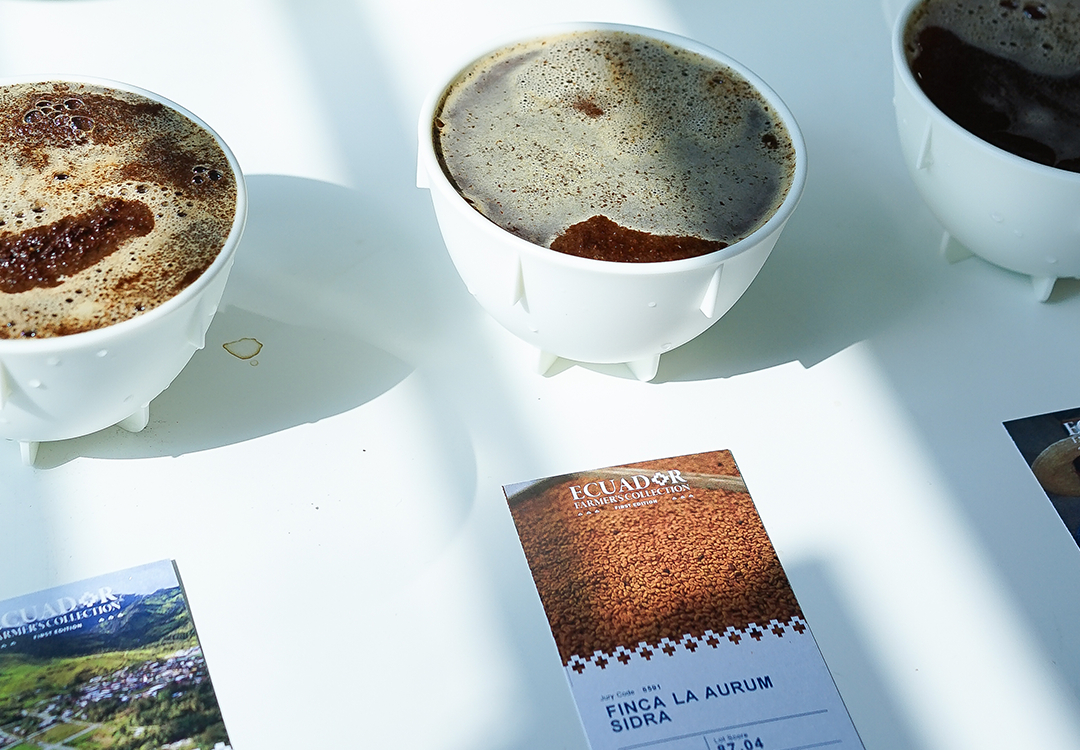
A defining moment came from Ecuador, where a specialty coffee auction set a new national benchmark. A Gesha lot reached 318 dollars per kilogram, signaling not just a headline-grabbing price, but a broader shift in how emerging origins are positioning themselves in the high-value segment of the market. Ecuador, long overshadowed by more established producers, is increasingly demonstrating its potential to compete in the ultra-premium category, where traceability, processing precision, and storytelling drive value as much as cup quality.

This upward movement in prices at the top end reflects a wider transformation. Specialty coffee is no longer a niche; it is becoming a strategic pathway for producing countries seeking to escape the volatility of commodity markets. However, such success stories also highlight a growing divide between high-end micro-lots and the broader base of producers who remain exposed to fluctuating global prices and rising production costs.

At the same time, science continues to deepen our understanding of coffee ecosystems. The identification of new fungal species on arabica plants may seem like a small discovery, yet it underscores the complexity of the biological systems surrounding coffee cultivation. These organisms play a quiet but essential role in nutrient cycling and soil regeneration, reminding the industry that long-term sustainability depends not only on climate and economics, but also on the invisible ecological networks within farms.

On the institutional front, changes in trade governance signal a push toward modernization. Updated arbitration systems and the development of remote training platforms suggest an industry adapting to new realities, where digital access and standardized procedures are becoming increasingly important. As global trade grows more complex, the ability to resolve disputes efficiently and train professionals across borders is no longer optional.

Meanwhile, major coffee companies continue to expand, reporting strong financial growth and reinforcing their global presence. This reflects steady demand in consumption markets, even as the industry faces mounting pressures. New investment discussions and franchise expansion strategies, particularly in the United States, point to a continued belief in coffee as a resilient business model, capable of attracting capital even in uncertain economic conditions.

Yet beneath this growth lies a layer of vulnerability. Legal disputes linked to product safety, as well as incidents involving equipment failure, highlight operational risks that can have significant reputational and financial consequences. In parallel, cases of illegal activity tied to coffee retail spaces, though isolated, raise questions about oversight and the integrity of supply chains at the local level.

In emerging producing regions, entrepreneurial initiatives continue to take shape. New farm projects in Southeast Asia reflect both optimism and necessity, as the next generation of producers seeks to build sustainable models from the ground up. These efforts often rely on direct support, transparency, and storytelling to connect with global audiences and secure funding.

Taken together, these developments reveal an industry defined by contrasts. Record auction prices coexist with structural inequality. Scientific progress advances alongside environmental uncertainty. Corporate growth moves in parallel with operational and regulatory challenges.

Coffee today is not just a beverage or a commodity. It is a complex global system, where climate, biology, economics, and culture intersect. Understanding its future requires looking beyond individual headlines and recognizing the deeper forces reshaping the industry from farm to cup.
Historic Sale at Cerrado Mineiro: Coffee Bag Fetches $38,500

Patrocínio, Brazil – Qahwa World

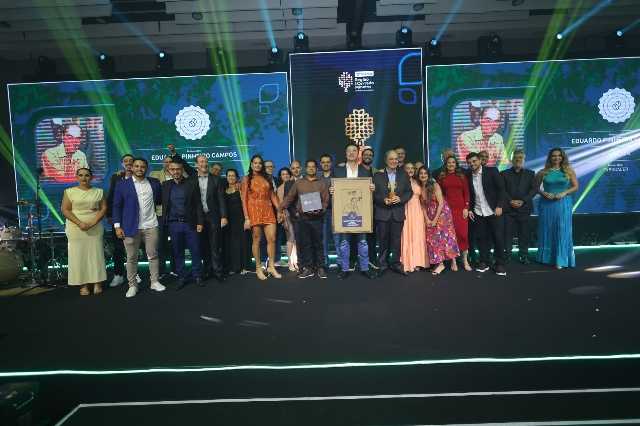
A bag of specialty coffee from Brazil’s Cerrado Mineiro region has reached a record price of US$38,500 at the 13th Cerrado Mineiro Regional Award in Uberlândia, Minas Gerais. The lot, winning the Pulped Cherry category, was cultivated by Eduardo Pinheiro Campos of Fazenda Dona Nenem in Presidente Olegário and purchased by a consortium led by Expocacer, in collaboration with Veloso Green Coffee, Marex, and Nucoffee.

The runner-up bid of US$19,250 went to Louis Dreyfus Company for the champion of the Natural category. The strong competition reflects growing worldwide interest in Cerrado Mineiro coffees.

The Cerrado Mineiro Coffee Growers Federation confirmed that this is the highest amount ever paid for a coffee bag at an auction in Brazil. The auction raised a total of US$108,500 across nine lots, averaging US$12,000 per bag.

Eduardo Pinheiro Campos commented: “This achievement honors our hardworking team. It reflects years of dedication, awards, and excellence. Over the thirteen editions of this competition, we have reached the podium eleven times, showing consistent quality and commitment.”

Simão Pedro, President of Expocacer, added: “When buyers compete at this level, it demonstrates the global recognition of our quality, sustainability, and innovation. Expocacer is proud to lead Brazil’s coffee sector, proving that our specialty coffee sets benchmarks internationally.”

The 13th Cerrado Mineiro Regional Award showcased the best coffees of the 2025–2026 harvest in four categories: Natural, Pulped Cherry, Fermented, and Sweet Cerrado Mineiro. Expocacer members won first place in Pulped Cherry and shared first place in Sweet Cerrado Mineiro.

Forty percent of the auction proceeds (US$43,400) will benefit the Escola de Atitude project, which supports youth education and personal development in coffee-growing communities.

Highlights of Expocacer at the 13th Cerrado Mineiro Regional Award

Eduardo Pinheiro Campos – First place, Pulped Cherry (90.59 points)

Maria Soraia Guimarães – Third place, Pulped Cherry (89.18 points)

Guima Café – First place (shared), Sweet Cerrado Mineiro

About Expocacer
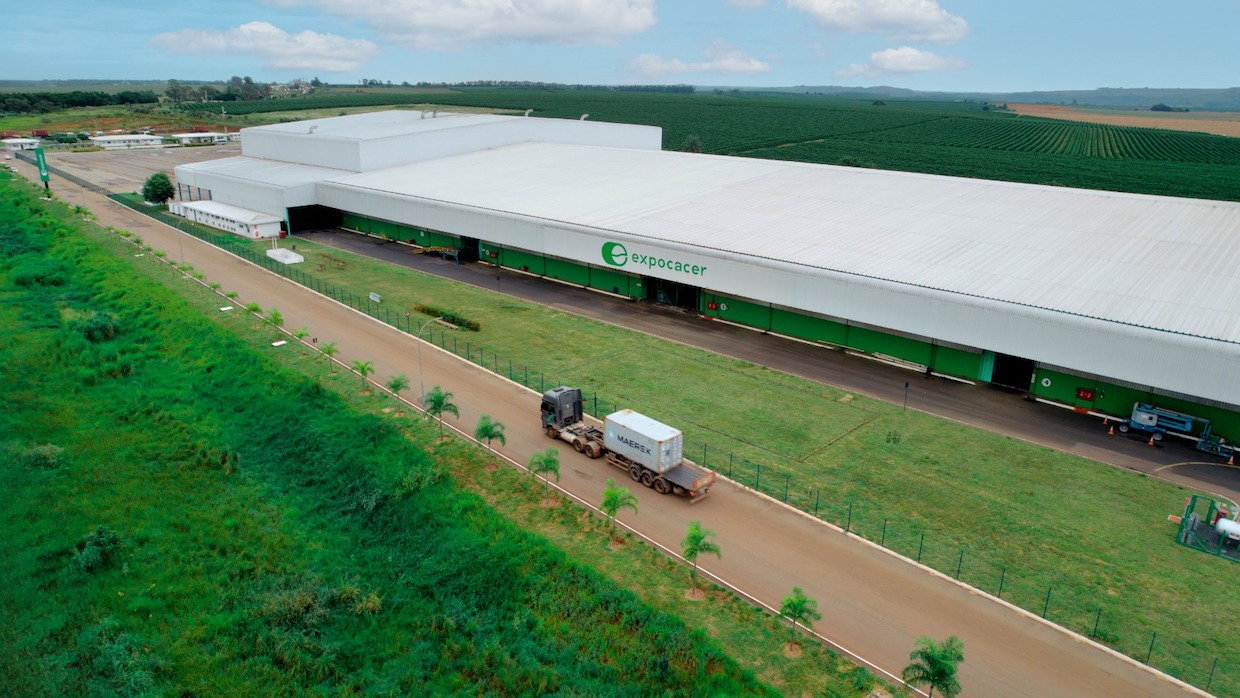
Founded in 1993 in Patrocínio, Minas Gerais, Expocacer is a cooperative of coffee producers supporting over 740 members. With modern facilities, including warehouses holding over one million coffee bags, the cooperative exports specialty coffee to more than 35 countries while promoting social and environmental initiatives.

Brazil’s Expocacer Launches First Blockchain-Powered Coffee Auction

Dubai – Qahwa World

The major Brazilian coffee cooperative Expocacer is taking a significant digital step by preparing to host its inaugural online auction on the new Coffee Chain trading platform. This event will offer roasters and importers worldwide access to highly traceable specialty coffee lots.

Auction Details and Focus
Scheduled for December 11-12, the online-only auction, branded “Essências by Expocacer,” will feature select lots from the cooperative’s Essências program. This initiative is designed to assist small and medium-sized members in developing and marketing higher-value specialty coffee.

The auction is open for registration to any entity or individual within the global القهوة industry, targeting roasters and importers internationally.

While official lot details and opening bids are pending release, promotional materials for Coffee Chain indicate a strong emphasis on high-scoring microlots sourced from the Cerrado Mineiro region. These lots are expected to come with extensive farm-level documentation and complete traceability.

The Coffee Chain Platform
This auction marks a key milestone in the deployment of Coffee Chain, a digital trading solution co-developed by Expocacer and the Brazilian technology firm AIDDA, which specializes in providing blockchain-based solutions for the agricultural sector.

The cooperative describes the custom-built system as a comprehensive tracker for production, inventory, and sales data, with every transaction and event securely logged on the blockchain. The platform also integrates certifications, verifies designation of origin, and provides tools to streamline contract negotiation and management for its users.

Initially unveiled at the 2025 Specialty Coffee Expo in Houston, the platform was presented as a transparent, direct e-commerce channel for trade. Expocacer currently backs the platform with logistics hubs established in the United States and the UK, enabling service to over 40 export markets globally.

Sandra Moraes, Expocacer’s Specialty Coffee Manager, emphasized the platform’s strategic importance, noting, “The significance and high competitiveness of the U.S. market motivated us to further advance the development of the Coffee Chain platform.” She added that the platform has demonstrated “consistent growth in its user base and sales volume, establishing itself as a valuable client solution.”

The cooperative is capitalizing on a successful year, having reported in November that it anticipates closing 2025 with approximately $545 million in revenue, a surge of about 58% compared to 2024. Foreign sales now account for more than half of its total revenue.