Green Coffee Defects: What the Bean Reveals

Author: Dr. Steffen Schwarz
Date: May 21, 2026
Executive Summary:

  • A green coffee defect is not an object but a trace. It is the visible end of an invisible process that may begin with overripe cherries, drought stress, insect damage, poor drying, or inadequate storage.
  • Defects have families: extrinsic (stones, sticks, husks) cause physical damage to machinery, while intrinsic (black, sour, immature, fungus-damaged, aged) change the cup profile significantly.
  • Fermentation is not the enemy; uncontrolled fermentation is. The same microbial routes that produce desirable fruit complexity can also produce sour, phenolic, or acetic defects.
  • The Rio defect, associated with 2,4,6-trichloroanisole (TCA), is a powerful example of how a chemically tiny compound can be commercially enormous, and how cultural preference determines whether it is rejected or accepted.
  • Defect recognition requires six layers: physical grading, density and moisture, green bean olfaction, sample roasting, blind cupping, and chemical analysis.
  • The most dangerous sentences in coffee quality are “I like it, therefore it is good” and “I dislike it, therefore it is defective.”

A defect in green coffee is a small event that has survived an entire supply chain. It may have begun as a cherry left too long on the branch, a drought stressed seed, an insect puncture, a heap that warmed during the night, a drying table loaded too thickly before the rain, a bag that reabsorbed moisture in a warehouse, or a fragment of stone travelling with the lot.

By the time we see it on the sorting table, the event has already been translated into colour, density, smell, chemistry, and commercial consequence. The black bean is not black because colour is its essence; it is black because respiration, microbial activity, oxidation, tissue collapse, and time have written a story into the seed.

The sour bean is not sour because it has decided to offend the cup; it is the fossil of an uncontrolled fermentation. A green coffee defect is therefore not an object but a trace. It is the visible end of an invisible process.

This is why the old habit of treating defects as a counting exercise is useful but insufficient. Counting gives trade a language. It allows a buyer in Hamburg, a dry mill in Brazil, a cooperative in Ethiopia, and a roaster in Seoul to negotiate the same bag without each needing to invent vocabulary anew. Yet the count itself does not explain the mechanism.

One full black bean may be a primary defect in a classification system; scientifically, it is also a collapsed biological archive. A stone may carry no flavour, yet it can destroy a grinder. The defect table tells us what to remove. Applied science tells us why it had to be removed, and when, surprisingly, a market may decide not to remove it at all.

Families of Defects

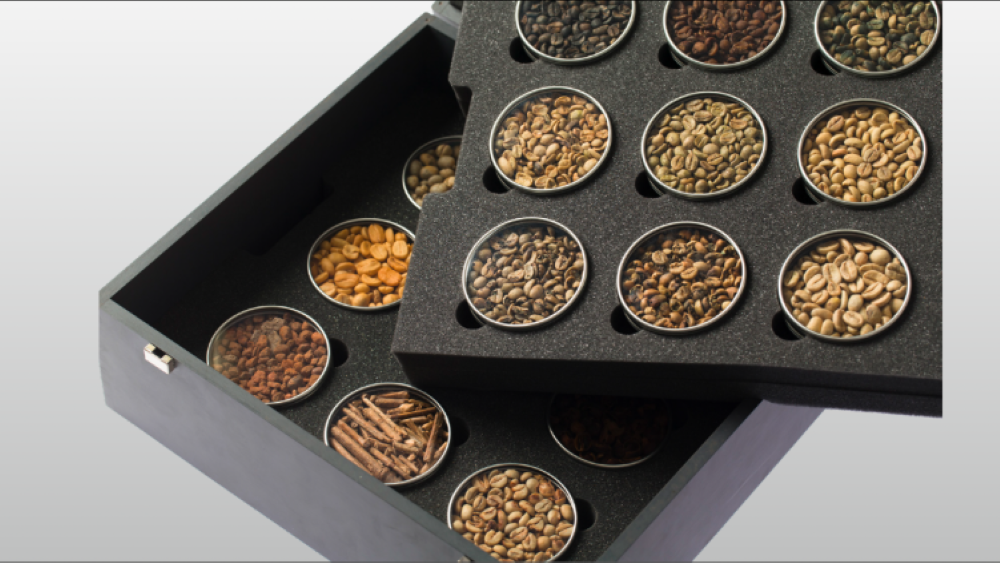
Some defects are extrinsic: stones, sticks, husks, parchment, pods, and foreign matter. They tell us about harvesting, separation, hulling, cleaning, and dry mill discipline. Their danger is often physical before it is sensory, because they damage machinery. Others are intrinsic: full black, partial black, full sour, partial sour, immature, withered, floater, insect damaged, fungus damaged, broken, shell, chipped, crushed, faded, and aged beans. These belong to the seed itself and have far greater potential to change the cup.

An immature bean can bring astringency, grassy bitterness, and harshness because its biochemical reserves have not reached balance. A sour bean can bring vinegar, ferment, rotten fruit, or sharp lactic acetic notes because microbial metabolism has moved into uncontrolled transformation. A black bean often carries the memory of overripeness, fallen fruit, soil contact, or severe stress. A floater, light and porous, is often underdeveloped, and its low density changes heat transfer in roasting. A broken bean is a high surface area wound, vulnerable to oxidation and contamination.

Harvest, Processing, and the Cultural Layer

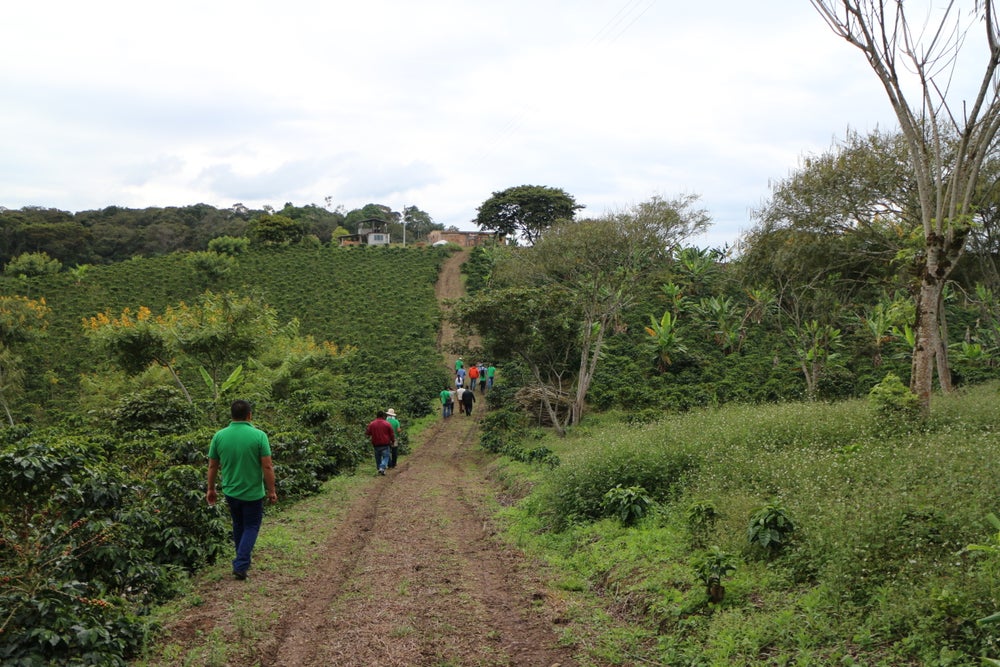
At farm level, many defects begin with uneven ripeness. Coffee is not a factory product that arrives at maturity in one moment. On the same tree, green, half ripe, ripe, overripe, and dried fruit may coexist. Selective picking is chemical sorting before chemistry becomes irreversible. Processing then becomes decisive. Fermentation is not the enemy. Uncontrolled fermentation is.

The Rio defect is the perfect case study. In classical descriptions, Rio appears as medicinal, phenolic, iodine like, harsh, musty, or cellar like. It is associated with 2,4,6 trichloroanisole (TCA). A Rio note may be rejected by many specialty buyers yet expected or even loved in certain traditional markets. Science can say what is there. Culture decides what it means.

Storage Defects and Six Layers of Recognition

Storage defects are quieter and more dangerous. A coffee can pass visual inspection but still move chemically in the wrong direction. Moisture, oxygen, temperature, and time determine whether the seed preserves its aromatic potential. Good storage is not passive warehousing. It is slow chemistry management.

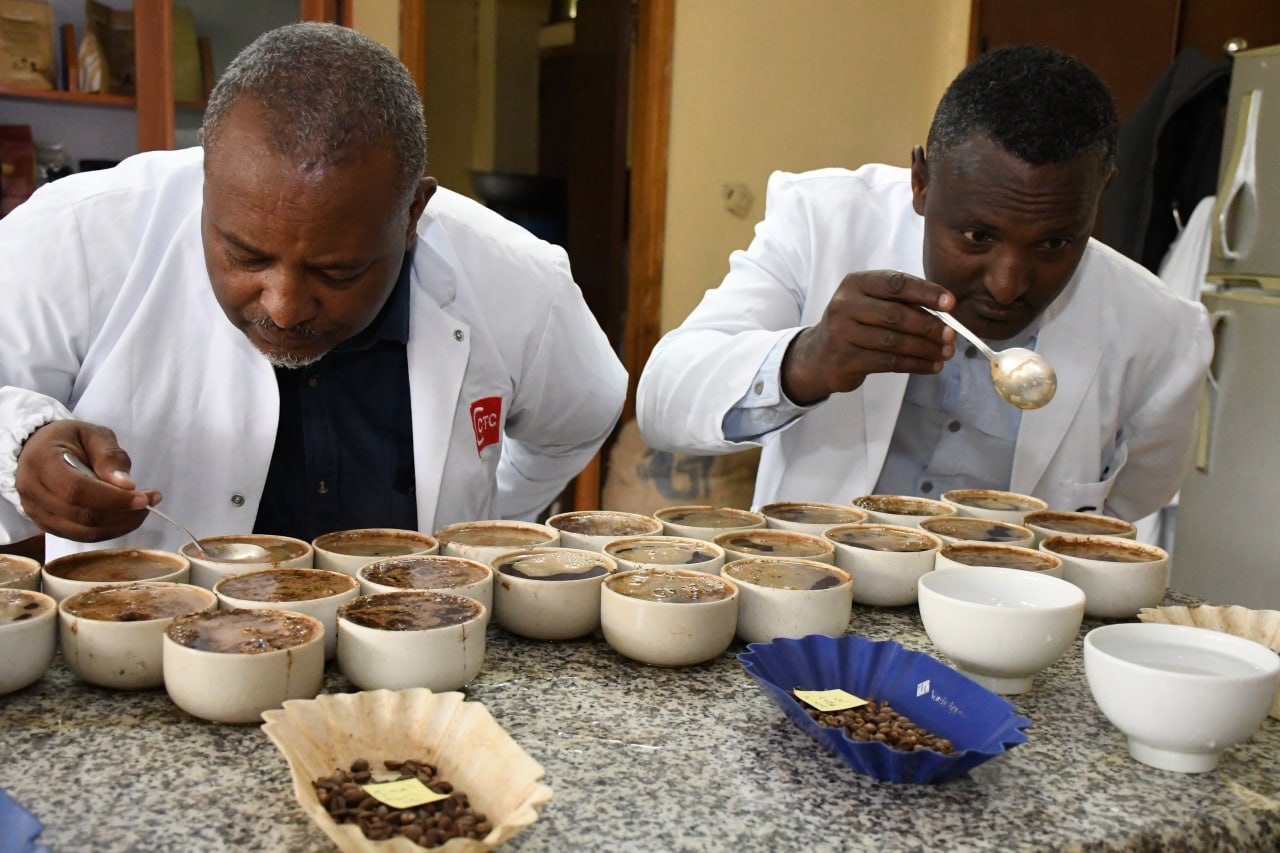
Recognition requires six layers: physical grading, density and moisture, green bean olfaction, sample roasting, blind cupping, and chemical analysis. The final layer remains human interpretation. Instruments detect compounds. Professionals decide risk, suitability, and value.

Frequently Asked Questions (FAQ)

1. What is a green coffee defect?

A trace of an invisible process ending in colour, density, smell, and chemistry changes.

2. What are extrinsic vs intrinsic defects?

Extrinsic are foreign materials (stones, sticks). Intrinsic are seed defects (black, sour, immature).

3. Can roasting remove defects?

No. Roasting translates defects into different sensory notes but cannot erase them.

4. What is the Rio defect?

A medicinal, phenolic off flavour linked to TCA. It is rejected by some markets but traditional in others.

5. Why are storage defects dangerous?

They are latent. Coffee can pass visual inspection but later develop papery, woody, or flat notes.

6. What is the most dangerous sentence in coffee quality?

“I like it, therefore it is good” and “I dislike it, therefore it is defective.”

Dr. Steffen Schwarz – Coffee Consulate
Published on Qahwa World: May 21, 2026

Colombia Mitaca Harvest: Quality Up, Volume Slightly Down

BOGOTÁ – Qahwa World

According to an update published today on the Sucafina website, Colombia’s mid-year Mitaca (fly crop) harvest is showing strong quality expectations despite a forecasted volume decline of roughly 4.5% compared to last year’s Mitaca. There is considerable industry interest in the Colombia Mitaca harvest 2026 due to these changes in projected volumes and expected quality.

The report, based on field observations from Oscar Fernando Hurtado, Global Head of Production Research, and Sara Ocampo, Sustainability Manager for CAMP & Colombia, indicates that harvesting began in mid-April following normal seasonal patterns. Interestingly, the Colombia 2026 Mitaca harvest will have its peak at lower-altitude farms between May and June, while higher zones follow in June and July. The harvest is expected to wrap up by mid-September.

Quality a Bright Spot

Favorable weather through Q1 2026 supported even cherry development, and coffee borer attacks remain below average. As for the Colombia Mitaca harvest in 2026, improved fertilization practices and farmer investments have also contributed to healthier field conditions. The main constraint is volume, as off‑cycle conditions and a wetter‑than‑usual main flowering period reduced production expectations.

Sustainability Progress

Sucafina also reported that two new Huila-based suppliers – Comercializadora de Café D&Y Coffee and Comercializadora de Café Mora – will begin IMPACT verification in July. Currently, 20,266 farmers across Colombia hold active IMPACT Verification. This process is slated to align closely with best environmental practices during the Mitaca harvest season in 2026.

On deforestation, 36,268 farm polygons have been submitted for assessment, supporting EUDR compliance. Initial carbon footprint measurements across transport, milling, and warehousing have been completed, and pilots on biochar production with partner Cotierra are in early stages. Notably, these initiatives support sustainability throughout the Colombia Mitaca harvest of 2026.

  • Related stories :

Historic Colombian Coffee Harvests Face Labour Shortages

Colombia Records Its Best Coffee Harvest in Over 30 Years

The Hidden Science in Your Morning Cup: How Electricity Could Finally Tame Coffee’s Wild Inconsistency

A new electrochemical method promises to do what refractometers and taste-testers alone cannot: measure both strength and roast quality in a single sip.

Dubai – Qahwa World

There is a quiet frustration that haunts every coffee lover’s life. You find a bag of beans you love. Bright, complex, perfectly balanced. You brew it exactly the same way the next morning. And somehow, it is wrong. Too bitter. Too sour. Thin and lifeless.

The problem is not your technique. Or rather, it is not only your technique. The problem is that coffee is one of the most chemically complex beverages on Earth. More than a thousand compounds interact in ways that scientists are still struggling to understand. And for decades, we have been flying blind when it comes to measuring what actually ends up in the cup.

The coffee industry has relied on a single number to assess quality: total dissolved solids, or TDS, measured by shining light through the liquid. A refractometer tells you how much coffee material is dissolved in the water. But it cannot tell you what that material is.

And that, as it turns out, is a serious problem.

Now, a team of chemists at the University of Oregon, led by Christopher Hendon, has published a study in Nature Communications that offers a radical alternative. They have shown that by running a simple electrical test on a cup of black coffee, with no sample preparation, no dilution, no fancy reagents, you can measure both the strength of the brew and, separately, how dark the coffee was roasted. Two of the most critical variables in coffee quality, captured in a single voltammogram.

The Refractometer’s Blind Spot

To understand why this matters, you have to understand what the coffee industry has been working with.

The refractometer is a marvel of practical engineering. It measures how much light bends as it passes through a liquid, the refractive index, and uses an empirical formula to convert that number into a percentage of dissolved solids. A typical filter coffee might register around 1.35% TDS, meaning that 98.65% of what is in your cup is water.

But here is the catch: different substances bend light differently. A 2% glucose solution has the same refractive index as a 4% ethanol solution. In a simple system, that is a problem. In coffee, which contains hundreds of organic acids, sugars, alkaloids, lipids, and melanoidins, it is a fundamental limitation.

Two coffees can have identical TDS readings and taste completely different. A light roast and a dark roast, brewed to the same strength, will produce wildly different flavor experiences. The refractometer cannot tell them apart.

Hendon’s team set out to build a tool that could.

A Method Borrowed from Battery Science

Cyclic voltammetry sounds intimidating, and the instruments used to perform it, potentiostats, are normally found in laboratories testing batteries or fuel cells. But the basic principle is elegant. You immerse electrodes in a solution, sweep the voltage across a range, and measure how much current flows.

Different molecules respond at different voltages, either donating or accepting electrons. In principle, you could identify specific compounds, such as caffeine, chlorogenic acids, or the organic acids that give coffee its brightness, by looking for their characteristic signatures on the voltammogram.

But Hendon’s team took a different approach. Instead of trying to identify individual molecules, they looked at the overall shape of the response, particularly in the region where hydrogen ions interact with the surface of a platinum electrode.

What they found was surprising.

In brewed coffee, which is naturally conductive and self-buffered to a pH of about 5, the voltammogram looks remarkably like that of acidic water. There are features corresponding to hydrogen adsorption onto the platinum surface, followed by hydrogen gas evolution at more negative voltages. On the return sweep, oxygen-related chemistry appears.

But here is where it gets interesting. When you cycle the voltage repeatedly, those hydrogen-related features shrink. The current decreases by about 34% from the first scan to the second and another 18% to the third. Something is coating the electrode surface, blocking the sites where hydrogen would normally react.

That something, the researchers discovered, includes caffeine.

Scavenging the Cup

To prove this, they did something clever. They took a platinum mesh electrode, far larger than the tiny disk used for routine measurements, and cycled it hundreds of times in brewed coffee, deliberately building up a layer of adsorbed material. Then they submerged the electrode in a water-acetonitrile solution, sonicated it to release the adsorbates, and ran the resulting liquid through a high-performance liquid chromatograph coupled with a mass spectrometer.

Caffeine showed up. About 300 micrograms of it, representing roughly 0.4% of the total caffeine in an average cup. Over the course of the experiment, each hundred-cycle scan scavenged about 0.1% of the available caffeine.

But caffeine is not the whole story. Dark roasts have less chlorogenic acid than light roasts. Those compounds break down during roasting, contributing to the bitter, smoky, “dark” flavor profile. The team used density functional theory calculations to show that both caffeine and 5-caffeoylquinic acid, a common chlorogenic acid isomer, bind stably to platinum surfaces, with slight preferences for different crystal facets. The suppression of the hydrogen signal, they argue, reflects the ensemble of organic molecules competing for the electrode surface. And that ensemble changes with roast level.

Distilling the Data

To test this hypothesis, the researchers did something any good coffee scientist would do: they roasted coffee. Starting with a Colombian green bean, they generated six progressively darker roasts, ranging from 75.8 Agtron units (light) down to 55.7 (dark). They rested the beans for seven days to allow carbon dioxide to off-gas, then brewed them using the Specialty Coffee Association’s cupping protocol.

Here is the critical step. They diluted each brew to exactly 1.00% TDS, measured by refractometer. So all six coffees had the same strength. Any difference in the voltammogram would therefore be due to composition alone, to roast level.

The difference was dramatic. The lightest roast passed about 50% more charge in the hydrogen region than the darkest roast. When they plotted total charge against TDS for each roast, they found a linear relationship, but the slope was steeper for lighter roasts.

In other words, the electrochemical method can decouple strength from roast color. Two coffees with the same TDS but different roast levels produce different electrical signatures. That is something a refractometer cannot do.

The Blind Taste Test

But the real validation came from a collaboration with Colonna Coffee, a specialty roaster in Bath, UK. Colonna had roasted four batches of the same coffee to the same target whole-bean color, about 93 Agtron units. Three of the batches were acceptable. One was rejected by their sensory quality control panel because it was too light, 98.9 Agtron, and exhibited undesirable flavors.

The roaster sent the samples to Hendon’s lab in single-blind fashion: four unlabeled samples, no indication which was rejected.

The team brewed each sample five times, in random order, and ran their voltammetry measurements in another random order. The refractometer readings showed no statistical difference between any of the four samples. The whole-bean color measurements, the very specification the roaster was trying to hit, could not distinguish the rejected batch from the acceptable ones.

But the electrochemical method could.

The current passed in the first scan clearly separated sample 1, the rejected batch, from samples 2, 3, and 4. The differences were statistically significant, with p-values as low as 0.0002. The acceptable batches all fell within the same statistical class.

The fouling rate, how quickly the current decreased from scan one to scan two, was identical across all four samples. That rate depends on concentration. But the absolute current in the first scan depends on composition. By looking at the first scan alone, the method correctly identified the out-of-spec coffee.

The roaster confirmed: sample 1 was the rejected batch.

Why This Matters for the Coffee Industry

Let me pause here and translate what this means for someone running a roastery or a café.

Right now, quality control is a patchwork. You measure bean color with a spectrophotometer. You measure brew strength with a refractometer. And then you taste. But tasting is subjective, and even the best palates fatigue. A batch that passes all the instrumental checks can still fail on the cupping table because something subtle went wrong in the roast, a slightly uneven development, a minor deviation in the temperature curve, a bean that did not behave the way the previous batch did.

The electrochemical method offers something new: a single measurement that captures both the amount of coffee in the cup and the kind of coffee that is there. It is sensitive to the ensemble chemical composition in a way that refractive index is not.

Hendon’s team envisions quality control calibration curves. A series of simple CV measurements on progressively more dilute coffee allows a roaster to rapidly construct a reference, enabling quantitative comparisons of separate batches of the same coffee roasted to the same color.

But perhaps more intriguingly, the method is sensitive to differences that even color-matched batches can show. Those four batches from Colonna had nearly identical Agtron readings. The refractometer could not tell them apart. The human tongue could, but the electrochemical method could, too, and with quantitative precision.

What the Method Cannot Do (Yet)

A responsible reporter must also note the limitations.

First, the method requires a potentiostat and a platinum electrode. While these are not exotic instruments, potentiostats are common in electrochemistry labs and are becoming smaller and more affordable, they are not yet a café countertop tool. The researchers have a financial interest in a company called Overpotential, which is working to commercialize electrochemically modified food products, suggesting that they see a path to real-world application. But we are not there yet.

Second, the method does not replace tasting. It supports it. The goal is not to build a machine that tells you whether a coffee is “good” or “bad” in some absolute sense. The goal is to build a machine that tells you whether this batch matches the chemical profile of the batch you approved last week. Consistency, not judgment.

Third, the research was conducted on a relatively narrow set of coffees, a single Colombian origin roasted to different levels, plus a validation set from a roaster in the UK. The authors acknowledge that the shape of the “plane” mapping charge to TDS and Agtron color may be coffee-specific. A robust quality control system would require calibration curves for each coffee, each roast profile, each brewing method.

And finally, the method as currently described requires the coffee to be brewed to cupping standards, a standardized protocol that includes a specific water temperature, contact time, and filtration method. Real-world brewing in a busy café is messier than that. Whether the method remains reliable across variable grind sizes, water compositions, and brewing devices is an open question.

The Deeper Insight

But there is something deeper here, something that speaks to a broader shift in how we think about coffee quality.

For decades, the specialty coffee industry has pursued a kind of analytical reductionism. We measure TDS. We measure extraction yield. We measure bean color. We measure particle size distributions. We track water chemistry to the part per million. The implicit goal is to control every variable so precisely that the sensory outcome becomes predictable.

But coffee resists that kind of control. Not because we lack precision instruments, but because the relationship between the variables and the sensory experience is nonlinear, emergent, and deeply dependent on the ensemble chemistry of the brew.

What Hendon’s team has done is to embrace that complexity rather than try to reduce it. They are not measuring individual compounds. They are measuring the collective effect of those compounds on a simple electrochemical process, hydrogen adsorption onto platinum. The current depends on how many protons are available and on how many organic molecules are competing for the electrode surface. That competition is a proxy for the overall chemical character of the brew.

In a sense, the voltammogram is doing something very similar to what your tongue does. Your taste receptors respond to patterns of molecular activation, not to individual analytes. Sweetness is not sucrose; it is the activation of a family of receptors by a range of molecules that share certain structural features. Bitterness is similarly complex. The electrochemical method captures a related kind of ensemble property.

This is not a coincidence. Both taste and electrochemistry are fundamentally about molecular interactions at surfaces.

A New Tool for an Ancient Craft

Coffee has been drunk for at least 500 years, and for most of that history, quality assessment was purely sensory. You tasted it. If you were good, really good, you could identify origin, roast level, and defects by smell and taste alone.

The modern specialty coffee movement has added instruments to the toolkit: color meters, refractometers, moisture analyzers, gas chromatographs. Each has improved consistency. Each has also revealed new dimensions of variability.

The electrochemical method proposed by Hendon’s team is the latest addition to that toolkit. It is not a revolution that renders the human palate obsolete. It is a new lens that reveals something the other lenses miss. It sees composition where the refractometer sees only concentration. It sees the difference between light and dark that a spectrophotometer, fixed on a single color target, can miss.

And in a blind test against a roaster’s own quality control panel, it got the answer right.

That is the standard that matters. Not whether the method is elegant or novel or scientifically interesting, though it is all of those things, but whether it can do work that needs doing. Whether it can help a roaster catch a bad batch before it goes out the door. Whether it can help a café reproduce a beloved brew day after day. Whether it can give the coffee industry something it has never had: a direct, quantitative, in-situ measurement of the chemical properties that actually determine flavor.

The answer, based on this study, appears to be yes.

The Bottom Line

Christopher Hendon and his colleagues have shown that cyclic voltammetry can measure both the strength and the roast level of black coffee in a single, rapid test with no sample preparation. The method is sensitive enough to distinguish between batches of coffee that have identical TDS and nearly identical bean color, batches that a refractometer cannot tell apart and that a roaster might reject only after tasting.

This is not yet a café-ready tool. But it is a proof of concept for a fundamentally different approach to coffee quality analysis: one that measures ensemble chemical properties rather than individual analytes, that embraces complexity rather than reducing it, and that aligns more closely with how human sensory perception actually works.

For an industry that has long sought a quantitative method to assess beverage qualities beyond those informed by sensory panels, this is a significant advance.

And for the rest of us, the millions of people who start each day with a cup of coffee that is sometimes transcendent and sometimes merely adequate, it is a reminder that the science of that morning ritual is still being written. The perfect cup is not yet a solved problem. But we are getting closer.

The study, “Direct electrochemical appraisal of black coffee quality using cyclic voltammetry,” appears in Nature Communications (2026, Vol. 17, Article 3618). Christopher H. Hendon and Doran L. Pennington have a financial interest in Overpotential, a company commercializing electrochemically modified food products.
Ethiopia Launches East Africa’s First Specialty Coffee Training Center

Sahel Maryam – Qahwa World

In a pioneering move for the region, a new coffee roasting and quality assessment center has opened in Sahel Maryam, Medhin, Ethiopia. The facility, the first of its kind in East Africa, combines state-of-the-art equipment with instruction from experienced coffee professionals.

The center aims to train participants in evaluating coffee quality to global standards, enabling them to independently assess beans and elevate industry practices. Trainees leave with the skills to analyze and improve coffee from the farm to the cup, applying internationally recognized Specialty Coffee Association (SCA) protocols.

The initiative has received recognition from Ethiopian coffee authorities, UNIDO, the Italian government, and the Italian Development Cooperation Agency for its contribution to developing the local and regional coffee sector.

Coffee Quality Evaluation Standards
The process of assessing coffee quality at the center is comprehensive:

Physical Quality of Beans – Inspecting defect count, bean size and uniformity, moisture content, and presence of foreign matter.
Sensory Evaluation (Cupping) – Scoring aroma, flavor, aftertaste, acidity, body, balance, and sweetness.
Defect Identification – Spotting spoiled, fermented, or overripe beans.
Organic Acid Analysis – Identifying natural acids such as citric, malic, acetic, and phosphoric to characterize flavor profiles.
Standardized Protocols – Applying precise roast levels, grind sizes, water quality, and brew ratios to ensure consistent and fair evaluation.

Coffee that scores 80 points or above under these criteria is classified as “Specialty Coffee.” Experts emphasize that proper evaluation relies on certified Q-Graders rather than subjective taste alone, ensuring adherence to international standards.

The new center marks a major step forward in Ethiopia’s ongoing mission to cement its position as a global leader in coffee quality and expertise.

Potato Taste Defect Hits Great Lakes Coffee

By: Ennio Cantergiani – Académie du Café

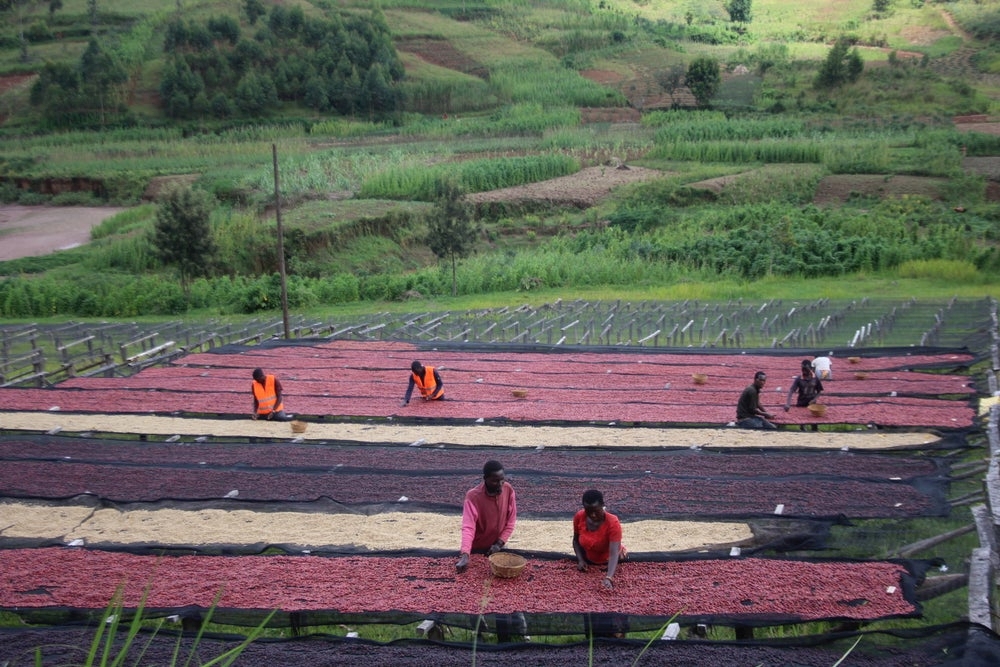
Specialty coffee professionals know the moment well: a Rwanda or Burundi coffee expected to showcase vibrant stone fruit notes suddenly reveals the unmistakable flavor of raw potato. This phenomenon, known as the Potato Taste Defect (PTD), affects not only flavor but also the livelihoods of farmers and the economics of the coffee trade.

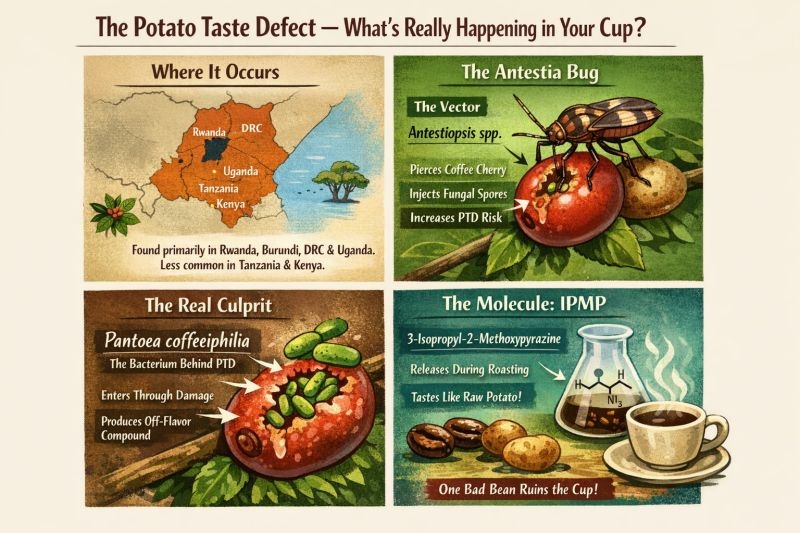
PTD is most commonly found in Rwanda, Burundi, the Democratic Republic of Congo, and Uganda, with occasional cases in Tanzania and Kenya. Researchers first documented it in eastern DRC, and its biochemical mechanisms continue to be investigated.

The defect is often linked to the Antestia bug, which pierces coffee cherries, injecting saliva and fungal spores. While the bug increases the risk of PTD, it is not the direct cause. The true culprit is the bacterium Pantoea coffeiphila, which colonizes damaged cherries. This bacterium produces compounds — IPMP and IBMP — that volatilize only during roasting, resulting in the raw potato, earthy, and starchy flavors that appear in the cup. Even a single affected bean can spoil an entire brew.

Read Also: Coffee Carbon Footprint: How Sustainable Is Your Cup?

Beyond taste, PTD has economic consequences. Studies indicate the defect can reduce the price of high-quality coffee by up to 57%, and buyers often penalize entire origins, lowering prices for lots that may contain no defective beans. For farmers who rely on coffee as their primary income, this structural challenge is significant.

Preventing PTD requires care across the supply chain. On farms, removing leftover fruit, pruning trees, and targeted use of natural insecticides reduce risk. Wet mills can use flotation, visual sorting, and technologies such as UV or laser scanning to detect damaged beans. Roasters and baristas should cup multiple samples, grind smaller test batches, and purge equipment if PTD is detected, remembering that the defect is sporadic, not systemic.

PTD is not a reason to avoid coffees from Rwanda, Burundi, or DRC. Instead, it is a reason to know the origins and producers deeply. With knowledge and careful handling, the distinctive, high-quality flavors of the Great Lakes region can still shine in every cup.

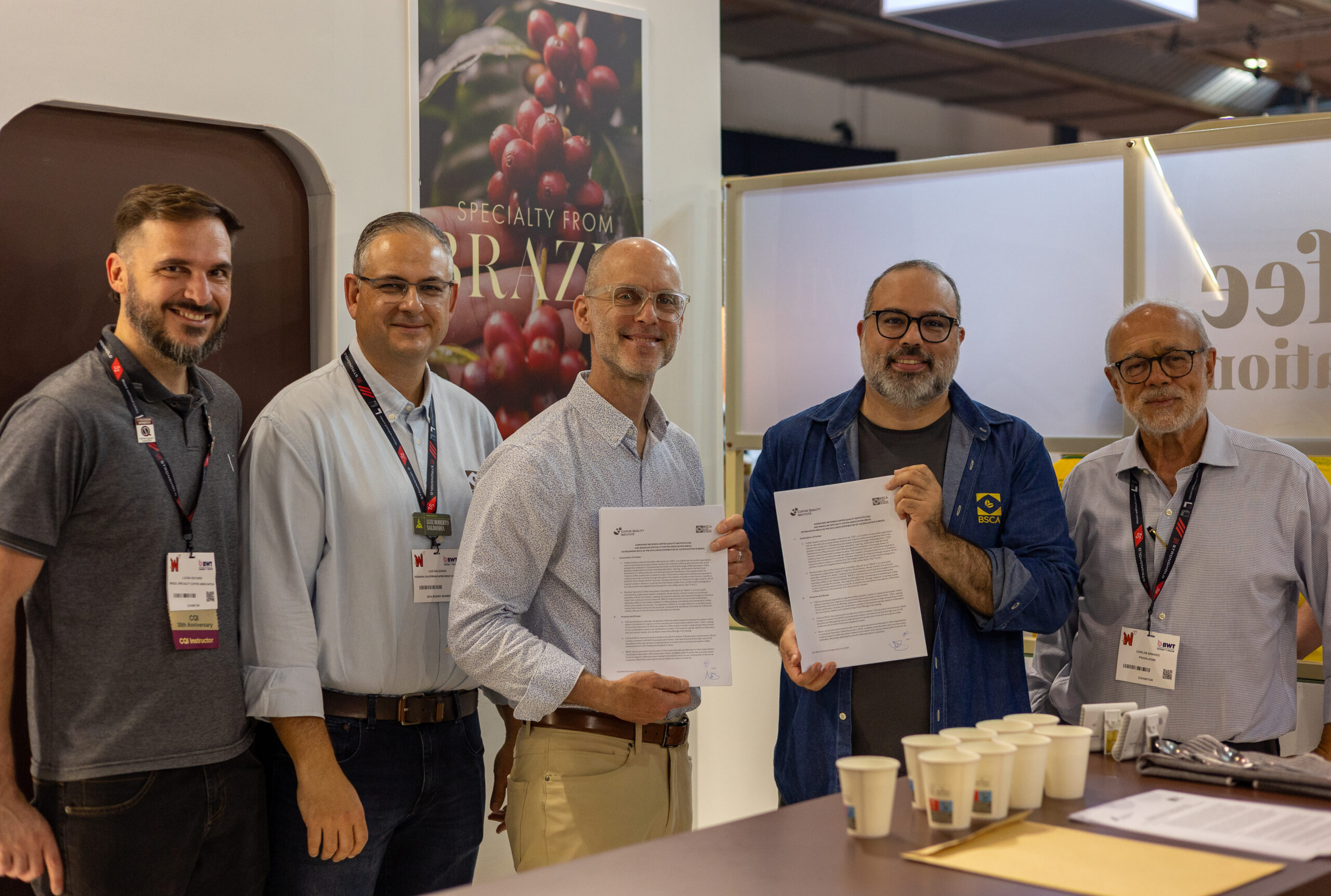
Coffee Quality Institute Launches New CQI Insider Membership Program

Washington, D.C.  – QAHWA WORLD

The Coffee Quality Institute (CQI) has announced the launch of its new CQI Insider Membership Program, designed for coffee professionals seeking close connections with the people, knowledge, and opportunities shaping the future of coffee quality worldwide.

  • Annual Membership Details

Fee: USD $100 per year

You may like: Michael Sheridan in an Exclusive Interview with Qahwa World

  • Member Benefits:
  1. One seat at a CQI Insider networking event each year, held in locations such as San Diego, Bangkok, Brussels, or Panama.
  2. Discounted admission to additional networking events.
  3. CQI Insider pin for in-person events.
  4. Digital CQI Insider badge to showcase commitment to coffee quality.
  5. Early registration and discounted access to online talks, including expert-led presentations, panels, and lectures supporting ongoing professional development.

You can also read: Coffee Quality Institute CEO Delivers Key Message to Global Coffee Community

  • Why Join

The program provides members with exclusive access, learning opportunities, and networking within CQI’s global community. It supports quality-driven education across the entire coffee value chain, allowing members to build knowledge and engagement without replacing formal CQI certification courses.

  • Who Should Join

Coffee professionals seeking ongoing education and industry connections.

Organizations aiming to provide accessible, high-quality staff development.

CQI certification holders wanting to remain engaged.

Supporters of CQI’s mission to enhance coffee quality worldwide.

  • Special Enrollment

Attendees of CQI’s 30th Anniversary Luncheon at World of Coffee San Diego can register through the World of Coffee platform and will automatically receive CQI Insider membership, with no separate sign-up required.

You can also read:Coffee Quality Institute Announces 2026 Global Coffee Fund Details

By joining the CQI Insider Program, members become part of a global network committed to advancing coffee quality, education, and collaboration across the industry.

For more information and to join, visit the CQI website.

Burundi and Rwanda Coffee Harvest Update 2026

Bujumbura  – QAHWA WORLD

Preliminary reports from Burundi and Rwanda indicate promising prospects for the 2026 coffee harvest, with an estimated combined total of around 40,000 metric tonnes (MT) of high-quality green coffee. Teams in both countries have shared insights on volume, quality, and sustainability initiatives supporting farmers.

Burundi Harvest Outlook

Burundi’s coffee harvest for 2026 is expected to increase by over 60% compared to 2025, reaching approximately 24,000 MT. Favourable weather since mid-August has supported strong flowering, with the harvest expected to start fully around 10 March, about one month earlier than last year. Quality monitoring at washing stations is underway, with initial observations indicating good cherry development. The harvest is expected to continue until July, depending on rainfall.

Sustainability Initiatives in Burundi

This season marks the launch of a major public-private initiative to rejuvenate coffee production. The tree stumping programme involves 14,000 farming households and around 700,000 trees. Combined with planting new seedlings, the programme aims to quadruple productivity within three to five years.

Additionally, all Burundian coffee is now offered as IMPACT-verified, Sucafina’s responsible sourcing programme. Farmers receive training and support to improve environmental and social outcomes while enhancing traceability and quality. Approximately 30,000 smallholder farmers are engaged in these sustainability programmes this year.

Rwanda Harvest Forecast

Rwanda’s 2026 harvest is projected at around 16,000 MT, lower than the previous year due to less favourable flowering conditions, but expected to maintain high quality. The harvest began in mid-February and is expected to continue until late June.

Market and Regulatory Factors

Reduced supply is likely to increase market competition. RWACOF (Sucafina in Rwanda) continues to prioritise exceptional-quality cherry and close monitoring of processing at partner washing stations. A new scalable model has been introduced to expand sourcing areas while mitigating market risks.

Sustainability Initiatives in Rwanda

Sucafina’s sustainability programmes in Rwanda include tree rejuvenation, carbon footprint mapping, and regenerative agriculture. Since 2023, 197,782 trees have been stumped, with over 155,000 in 2025 alone. Farmers received inputs such as lime and organic fertiliser, alongside structured monitoring to track “back-to-production” timelines.

The Farmer Development Program, launched with the London School of Economics, provides training, loans, and tree-planting incentives to 3,735 farmers across five service centres. Agroforestry initiatives have distributed 110,064 shade trees, integrating sustainable practices into the supply chain.

Village Savings and Loan Associations (VSLAs) have been scaled, engaging 1,529 members (51% women) and mobilising $30,884 in savings, with 67% loaned to 924 farmers. Over the next six months, Sucafina will establish a 145,000-seedling nursery, expand refresher trainings, and conduct IMPACT verification, expected to make verified coffee available by June 2026.

Ahmed Alhabsi Reveals the Secrets of Specialty Coffee in Oman

Coffee’s Roots Are Arabic… and I Don’t Mind Modern History Blogs

Dubai – Ali Alzakary

Coffee is more than just a drink for Ahmed Alhabsi; it’s a cultural journey that connects Oman’s heritage with the global coffee scene. As the founder of Historia Roastery and a certified coffee assessor, Alhabsi has built a career bridging tradition and innovation. From founding the Omani Coffee Championships to judging national and international competitions in Aeropress, Barista, Latte Art, and Roasting, his work emphasizes coffee as knowledge before it is a commodity. In this engaging interview, Ahmed Alhabsi shares his journey, philosophy on judging, and the secrets behind combining expertise with passion, inviting readers to explore his world of coffee.

  • Who is Ahmed Alhabsi, and how did your journey with coffee begin?

I am Ahmed bin Amer bin Said Alhabsi, owner of Historia Roastery and a certified coffee assessor. I founded the Omani Coffee Championships and have served as a judge in Arab and international competitions in Aeropress, Barista, Latte Art, and Roasting. My interest extends to Omani coffee heritage, and I aim to elevate coffee as knowledge before it is merely a drink. My journey began with cultural curiosity: how did coffee move from social gatherings to become a global industry? That understanding led me to initiatives, assessment, and judging as tools to organize knowledge and maintain quality in coffee culture.

  • What are the key standards for evaluating coffee quality?

Evaluation is an integrated process starting from origin, environment, and processing, through roasting, and culminating in balance in the cup. Flavor is important, but it is not everything; good coffee honestly expresses its source, without exaggeration or masking flaws. This is the standard I apply in all my assessments, whether at the roastery or while judging competitions.

  • Does the Gulf palate tend toward fruity coffee?

Traditional tastes remain present, but they are part of a broader spectrum of flavors, reflecting greater consumer awareness. The problem only arises when this diversity is framed as a conflict between old and new, whereas it is truly a natural extension of earlier practices.

  • How important is the “Certified Assessor” credential for a roastery owner?

The certification moves the roastery owner from individual effort to a standardized approach, allowing precise decisions in purchasing and roasting, which reduces quality fluctuations and builds consumer trust. Experience alone is not enough; methodology is what ensures consistency over the long term.

  • What do judging panels look for?

Awareness is more important than skill. A person who knows their coffee and can clearly explain their choices delivers a complete experience. Technique is important, but without understanding, it becomes mere mechanical repetition without knowledge value.

  • Has your practical experience, certifications, and participation in coffee competitions helped you as a judge?

Absolutely. It gave me a deeper understanding of the competitor’s experience under pressure, making judging more balanced and focused on the full experience rather than just the result. This experience allows me to appreciate the small details that make the difference between ordinary and exceptional performance.

  • What are the most common mistakes among young coffee makers?

Relying on enthusiasm without solid knowledge. Enthusiasm is a positive factor, but it needs to be supported by continuous learning and precise practice, or decisions become unstable.

  • How do you balance quality and economic viability at Historia?

Quality must be clear and understandable to the customer, without complexity or elitism. When consumers understand what they are getting, supporting the project becomes natural and sustainable. This is the secret to balancing quality with economic feasibility.

  • What is your message through the media?

Coffee is a space for learning and dialogue, not a measure of superiority or a means of showing off. The goal is to raise consumer awareness and empower them to make independent and informed decisions.

  • How can local roasteries enhance Oman and the Gulf’s global presence?

By building authentic knowledge content that connects the product to local identity and culture, presented with confidence and honesty. The world values the true quality of the product more than marketing or appearance alone.

  • What is the golden rule for coffee lovers at home?

Focus on the quality of the beans and understand their characteristics before worrying about tools. This simple knowledge makes a big difference in the daily cup.

  • How do you see the future of specialty coffee in the region by 2030?

I expect a more mature and aware phase, with projects continuing that treat coffee as a knowledge endeavor before a business, and the disappearance of projects that rely on appearance rather than substance.

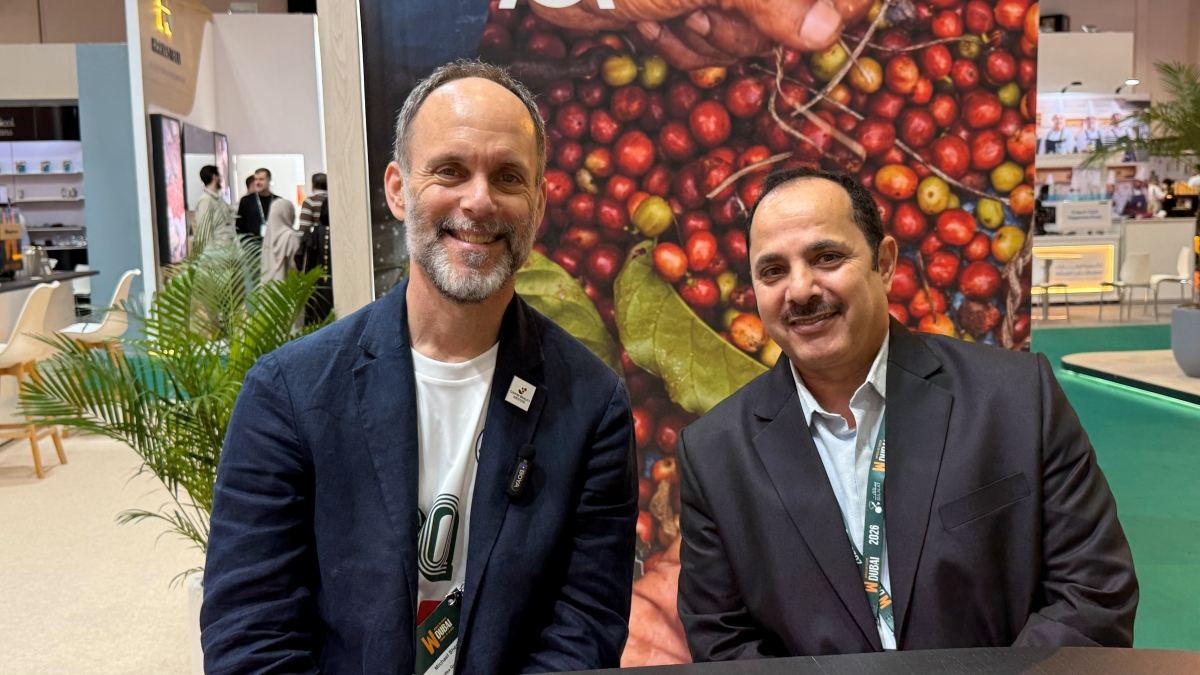
Michael Sheridan in an Exclusive Interview with Qahwa World

CQI CEO Speaks Candidly About Coffee, Community, and 2026 Goals

Dubai – Ali Alzakary

2025 was a year of transformation and challenge for the Coffee Quality Institute (CQI). From transitioning its flagship program, the Q, to SCA, to navigating the sudden loss of USAID funding—the largest donor in CQI’s history—CEO Michael Sheridan reflects on how these shifts shaped the organization’s mission and approach. Amid historic market volatility, Sheridan discusses the importance of recommitting to CQI’s goal of supporting coffee producers, promoting measurable impact for farmers—especially women—and evolving coffee education to meet the demands of a rapidly changing industry. He also shares insights from global conversations on the biggest concerns in the coffee community, including risk reduction, community engagement, and strategies to create meaningful impact.

Join us in this valuable interview to hear directly from Michael Sheridan about CQI’s vision for 2026 and beyond.

  • What did 2025 teach you, and how is that changing your approach for 2026?

Last year was a really consequential one for CQI. We transitioned our biggest program, the Q, to SCA against the backdrop of the shuttering of USAID, which was the biggest source of public funding for development work in coffee communities and the largest donor in CQI’s history. At the same time, the coffee market was experiencing the largest and most sustained rally anyone has ever seen, which caused lots of disruption in the market and undid years of work on trading relationships based on mutual commitment to quality.

We understood in 2025 that we were entering a new phase in CQI’s work, and that effectively advancing our mission in this new context would require thinking carefully about CQI’s role in the coffee ecosystem and listening carefully to members of the community. We are still in this process of reflection and consultation, but two things are clear.

First, we are recommitting to our mission: we are focused on market-based support for coffee producers. Second, we know we can’t get there alone. We know that the changes we introduced last year were disruptive in our community, and we know we need to build that community to be successful. We are working to create new approaches for collaboration with individuals and coffee companies, and expect to be in a position to talk more about those in the coming weeks.

  • How do you know you’re truly making a difference for farmers, especially women?

One of the things I love about this work is how measurable it can be. I got my start in coffee working for an international development agency where many of my peers were working on programs that measured change over very long time horizons. Their work in peacebuilding, gender equity, and social change was as hard to measure as it was important. In contrast, I was always grateful that my work to support coffee producers had annual metrics tied to the coffee cycle: production, average price, gross coffee income, etc.

While some of the structural changes we want to be part of at CQI related to equitable value distribution may require long-term commitment, every year brings an opportunity to check in on how well we are advancing our mission to improve the quality of coffee and the lives of the people who produce it. The mechanism that links those two elements of our mission (one, the improvement of quality, and the other, improvement of lives) is the market. Buyers can convert improvements in quality into improvements in seller livelihoods every coffee cycle by increasing rewards (e.g., premium prices, increased purchase volume, etc.), reducing risks (e.g., longer-term commitments, multi-grade purchases, etc.), or both. This is part of the reason we will be more intentional about engagment with industry parters in 2026 and beyond — to try to ensure quality improvements translate into improvements in the lived realities of the people who grow our coffee.

Women play a prominent role in our thinking about impact. As you may know, CQI has a long history of promoting women’s participation in the benefits generated by coffee. Long before my time, visionary leaders at CQI created the Partnership for Gender Equity, which evolved into an independent organization called Equal Origins that is doing groundbreaking work in this space. We have consistently supported women’s participation over the years, and investment in educational activities by and for women has been a throughline in our project investments over the past two years. I expect more of the same in 2026, which has been designated the International Year of the Woman Farmer by the UN’s Food and Agriculture Organization.

  • How must coffee education evolve to stay relevant right now?

I think coffee education has never been more necessary. There has been so much disruption in recent years — accelerated climate change, historic market volatility, rapidly changing market preferences, sharp changes in policy, and public disinvestment in coffee communities have all created the need for recalibrating traditional approaches, and in many cases that means education to meet new challenges and seize new opportunities.

At CQI, we are thinking hard about the what, how, and who of our educational work. I think the “what” is the relevance question you ask: what are the specific topics that will position producers and other supply stream actors to respond effectively to changes in the operating environment? In a global marketplace in which processing is as important as it has been in our lifetimes, we see lots of opportunities to deliver new and improved content through our Post-Harvest Processing Program that is timely and relevant. We are also eyeing new tools and content relevant to coffee quality beyond post-harvest processing that aim to address pain points that have surfaced in our conversations over the past few months.

Additionally, we are exploring the “how,” seeking ways to deliver educational content that are efficient and accessible. In some cases, that will likely mean creating new content for digital delivery or digitalizing existing analog content. In other cases, it will mean delivering in-person education in shorter-form classes that are not designed to lead to certification but directly to field-level impact through the adoption of good practices.

Finally, we are acutely aware that we need to evolve the “who” and certify more instructors who live and work in the places where coffee is grown. Localising coffee education will be a key to unlocking access.

  • From your global talks, what’s the no. 1 concern you’re hearing from the community?

We have spent the last few months conferring with leaders from the coffee sector to inform the next phase of CQI’s work — producers, processors, traders, roasters, educators, and others. The one thing that seemed to be on everyone’s mind was risk — market risk, price risk, production risk, risk related to quality, etc. As we think about how we can best support coffee producers and the entire coffee community in 2026 and beyond, we find ourselves thinking a lot about how we can partner with actors all along the supply stream to help reduce risk, most especially the smallholder producers who are generally least equipped to bear it. In a market where there is a lot of attention paid to way quality improvement can increase the rewards and premiums growers earn, there may be less appreciation for a focus on risk reduction, but it can help us deliver on our mission to improve the lives of producers every bit as much as increased rewards.

  • At the end of 2026 — what does a “win” look like for CQI?
Well, I think part of the answer is related to your question above about measuring our impact — the outcomes of the work will speak for themselves. But I think an important part of the answer is also related to the process — how effective we are at building community engagement in our work will go a long way to defining how successful we can be. I know that if we can manage to enlist the best of the CQI community in this effort with us, we are going to create real opportunity for producers while addressing pain points in the industry. That sounds like success to me!


View this post on Instagram


A post shared by Coffee Qahwa (@qahwaworld)

Invisible Microbes: Shaping Coffee, Soil & Health

By: Dr. Steffen Schwarz

We are instinctively drawn to what we can see. A ripening coffee cherry that blushes from green to red. A glossy crema that signals freshness. A rust lesion that alarms us because it is visible proof that something is wrong. Yet the most decisive actors in coffee, in agriculture, and even in our own bodies are neither red nor glossy nor easily photographed. They are everywhere and they are mostly invisible.

Microbes are not a footnote to life; they are the operating system. They are the chemistry department, the security service, the recycling authority and, when conditions allow, the saboteurs. The paradox is that the more fundamental their role, the less our minds register their presence. We do not wake up grateful for the bacteria that helped us digest last night’s meal, or for the fungi that keep pathogens in check, or for the unseen communities in soil that decide whether coffee roots can afford to grow deep, to flower, to carry fruit, and to fill seed cells with the precursors that later become aroma.

We notice microbes when they frighten us: infections, mould, spoilage, toxins, off-notes. But the story of microbes is not primarily a story of threat. It is a story of protection and possibility, and coffee is one of the most compelling stages on which this story plays out.

Consider, for a moment, the human body as a coffee farm. It has roots (our gut lining), pathways (blood vessels), a protective canopy (skin and mucosal surfaces), and a constant flow of nutrients. Now imagine trying to run that farm as a sterile monoculture. You would quickly discover that sterility is not the same as health.

On our skin and in our digestive tract, lactic acid bacteria help create a low-pH, competitive environment that makes it difficult for many unwanted organisms to establish themselves. They are, in a very literal sense, an invisible inner and outer shield. Their protective effect does not come from heroism, but from metabolism: they consume available nutrients, occupy space, produce organic acids and other inhibitory compounds, and communicate with our immune system in ways that shape how aggressively we respond to real danger.

In the same way, the coffee plant is not a solitary organism standing against the world. It is a holobiont: a living consortium in which the plant’s physiology and the microbiome’s chemistry co-produce resilience. When that consortium is diverse and well-fed, the plant often behaves as if it has more options. When it is impoverished, the plant behaves as if it is constantly paying interest on ecological debt.

This is why the discovery of antibiotics was not merely a triumph of medicine; it was an insight into microbial ecology. Penicillin did not arrive as an alien weapon—it was a fungal strategy in a microscopic war over resources. Microbes have been inventing chemical solutions to competition for billions of years, and we have merely learned to borrow some of them.

In coffee production, a similar borrowing is underway, sometimes consciously and often accidentally. We borrow microbial enzymes to break down mucilage, microbial acids to steer fermentation, microbial antagonism to suppress plant disease, and microbial symbioses to mobilise nutrients that would otherwise remain locked in soil minerals. The question for coffee decision-makers is no longer whether microbes matter. It is whether we are willing to manage them with the same seriousness with which we manage varieties, shade, irrigation, logistics, and roasting curves.

To understand what microbes do for coffee, it helps to divide their world into two connected theatres: the living plant in its soil, and the harvested fruit in its processing environment.

In the field, microbes occupy the rhizosphere (the narrow, intensely active zone around roots), the surfaces of plant tissues (the episphere), and the interior of the plant (the endosphere). This is not microbiological trivia; it is functional geography. Roots release exudates—sugars, amino acids, organic acids, and signalling molecules—that act like a targeted investment portfolio. The plant spends carbon to recruit allies. In return, certain bacteria and fungi enhance nutrient uptake, produce phytohormones, suppress pathogens, and improve tolerance to stress.

A coffee farm is therefore also a microbial habitat-engineering project, whether the manager intends it or not.

Research across gradients of management intensification shows that soil microbial community composition often shifts more strongly with management category than with geography. Managed plots tend to show lower soil moisture, lower pH, altered nitrogen and phosphorus patterns, and an increasing C:N ratio. More revealing than chemistry alone is biology: the cast of microbial characters changes even when overall diversity appears similar.

This matters because nutrient cycling is a microbial business. Nitrogen fixation, organic matter mineralisation, phosphorus mobilisation, and carbon turnover all depend on microbial metabolism. When soils acidify under long-term management pressure, enzyme activity shifts, carbon processing changes, and nutrient availability becomes less predictable. From the cup’s perspective, these changes influence precursor formation long before fermentation begins. Coffee flavour is not only post-harvest artistry; it is the downstream expression of upstream microbial economics.

Among the most underappreciated allies are arbuscular mycorrhizal fungi, which extend the plant’s effective foraging area through fungal hyphae that transport water and nutrients in exchange for carbon. These living logistics networks are shaped by agricultural practices, with more ecologically managed systems often supporting richer and more resilient mycorrhizal communities.

Similarly, plant growth-promoting rhizobacteria solubilise phosphate, fix nitrogen, produce hormone-like compounds, and contribute to induced systemic resistance. Yet their application remains limited, partly because microbes are context-sensitive. A strain that thrives in a trial may fail in a field whose pH, moisture, and microbial competition do not support it. The inoculant is only as effective as the habitat built for it.

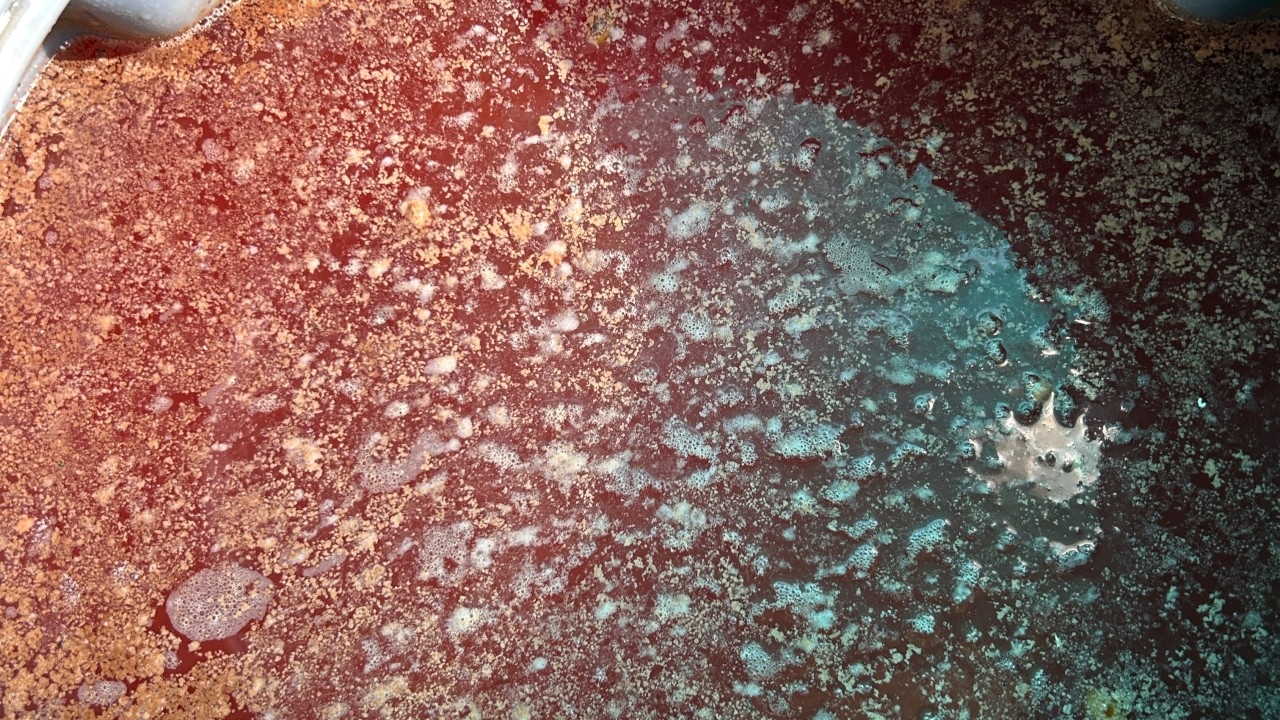
If the field is one theatre, post-harvest processing is the other. Here, microbes finally step into the spotlight. Coffee fermentation is the managed decomposition of fruit material around a seed. Microorganisms degrade mucilage and produce organic acids, alcohols, and other metabolites that influence sensory outcomes.

Lactic acid bacteria deserve special attention. Much like in the human body, their production of lactic acid lowers pH, suppresses undesirable organisms, and shapes microbial succession. Their influence is not merely “acidity,” but chemistry: enzyme activity, compound diffusion, and microbial competition all respond to pH. Under well-managed conditions, lactic acid bacteria can contribute to cleaner fermentations and structured flavour profiles. Under unmanaged conditions, the same invisibility can become a liability, allowing spoilage pathways or safety risks to emerge.

This is why starter cultures matter. A starter culture is a decision to replace uncertainty with intention. But success depends on ecosystem design: temperature, oxygen availability, hygiene, water quality, and cherry integrity all determine whether a culture becomes a conductor or merely another instrument in a loud orchestra.

Fermentation is not a recipe. It is a living system with feedback loops. Microbes are its sensors and actuators.

When we connect both theatres—field and processing—the picture becomes clear. The microbial community on the cherry does not begin in the tank. It begins in the soil. Soil management shapes plant nutrition; plant nutrition shapes fruit chemistry; fruit chemistry shapes fermentation; fermentation shapes roasting behaviour and cup expression. The cup is a microbial narrative written in chapters.

For quality managers, producers, roasters, and buyers, this means one thing: microbial management is a strategic lever. In the field, organic matter inputs, shade systems, erosion control, and pH stewardship select microbial partners. In processing, hygiene is population control, temperature is succession management, and water quality is a selective pressure.

The invisible is not optional. Microbes will always participate. The only question is whether they participate as allies or as uncontrolled variables.

The most advanced coffee operations of the future will not be those chasing novelty, but those translating applied science into repeatable microbial stewardship—quietly, credibly, and precisely. By finally taking the invisible seriously, we may produce coffees that are more expressive, more consistent, and more sustainable—because we stopped trying to manage coffee without managing life’s smallest majority.

Coffee Quality is not connected to price – IT IS connected to pride

A grower’s first reward is pride in his coffee; the market may follow later.

By: Ramya Mohan

For years, we have been taught—almost subconsciously—that expensive coffee must be good coffee. A higher price, a premium label, or an elegant café setting often convinces us that quality is guaranteed. But coffee does not work that way always.

Coffee quality is not born out of price. It is born out of pride.

I have tasted coffees that sold at very modest prices yet were remarkably clean, sweet, and balanced.

I have also encountered expensive coffees that failed in the cup—flat, harsh, or dull in character. The difference was never the market value. The difference was the intention behind the coffee.

Quality begins at the farm, not at the shelf. It begins when a grower chooses to harvest ripe cherries instead of rushing for volume.

It shows up when fermentation is monitored instead of guessed, when drying is slow and even rather than hurried by weather or impatience. These decisions are rarely rewarded immediately by the market, yet they define the cup.

In India, many growers and processors work under severe constraints—labour shortages, volatile weather, unpredictable prices. Yet some of the cleanest coffees emerge from estates where pride outweighs compromise. These are the producers who cup their own coffees, who learn to identify defects, who correct errors quietly and improve year after year, without waiting for applause or higher prices.

Price is shaped by trends, branding, certifications, logistics, and storytelling. But -Quality is shaped by discipline, consistency, and respect for the bean. The two may intersect, but they are not the same. A low-priced coffee can be honest and well-made. A high-priced coffee can still be careless.

True coffee quality is an attitude. It is the pride of the farmer who refuses to mix underripe cherries. It is the care of the processor who protects the coffee during drying and storage.

It is the integrity of the roaster who roasts for clarity, not camouflage. And it is the sensitivity of the brewer who allows the coffee to speak.

When pride is present, quality follows—sometimes loudly, often quietly, but always truthfully.

With love and Coffee

The SCA/Q Score Will Probably Disappear

Is This Good News or Bad News?

By Ennio Cantergiani
Owner and Managing Director, L’Académie du Café – Switzerland

For more than twenty years, we have treated a single number as the ultimate truth about coffee quality.

86.25 vs. 87.00 — as if the second coffee were objectively better.

But in sensory science, a score is not a truth. It is a measurement. And every measurement comes with uncertainty, which is almost never communicated.

In sensory science, we use statistics to validate hypotheses. Multiple measurements allow us to calculate an average, a median, and a standard deviation. A score without a standard deviation says nothing.

  • Why the “One-Score” Model Is Reaching Its Limits

1. Reliability Is Often Weaker Than We Admit

Different cuppers, different contexts, different expectations — different numbers.

This is not about “bad cuppers.” It is the nature of human perception:

Anchoring effects (the first sample sets the scale)

Contrast effects (coffee A changes how coffee B is perceived)

Semantic bias (words shape perception)

Fatigue and sensory adaptation

Calibration and alignment drift over time

When the measurement error is larger than the difference you are pricing, the number becomes fragile.

2. We Confuse Measurement with Value

A single score blends multiple dimensions:

Sensory performance (what is in the cup)

Preference (what I like)

Market narratives (what is trendy)

Rarity and social proof (what wins competitions)

Then we pretend this mixture represents one objective axis.

It does not.

  • 3. Scores Influence Money at Origin — Sometimes Unfairly

This is where it becomes uncomfortable.

When price is strongly tied to a number, producers are pushed to optimize for the scoring system, not necessarily for:

Long-term agronomy

Risk management

Climate resilience

Local sensory identity

Realistic processing constraints

  • What Comes Next (and Why It’s Better)

We will not stop evaluating coffee quality. But we should stop pretending that a single number is the best way to do it.

  • The future looks like:

Multi-dimensional assessment (descriptive, affective, and functional)

Confidence ranges, not fake precision (e.g., 86 ± 1)

Clear sensory evidence with traceable data (digital tools and better training loops)

Fit-for-purpose grading (espresso vs. filter vs. blends vs. cold brew)

Contracts combining specifications and sensory profiles, instead of worshipping one score

The score will not disappear overnight, but its monopoly will. No one will continue teaching the 2004 Q form indefinitely.

Will CVA replace the scoring system? Probably — but we need one to two years of feedback from major industry players. It will also need adaptation to better reflect the reality of coffee trading.

And honestly, that would be healthier — for producers, traders, roasters, and for sensory science.

  • A Question for the Industry

If tomorrow we removed the 100-point score, what would you use to trade coffee fairly and transparently?