Luckin Coffee unveils $300M share buyback

Dubai – Qahwa World

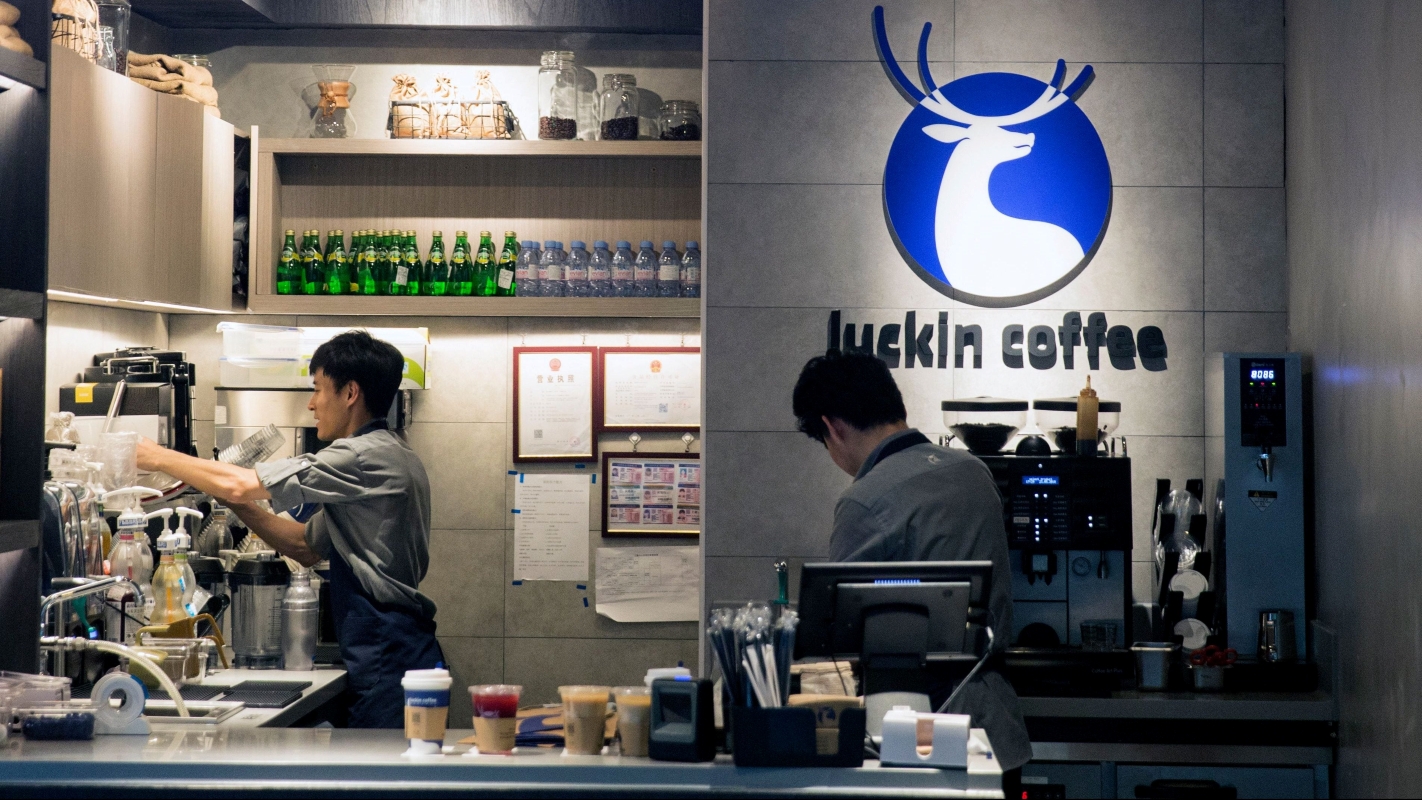
Luckin Coffee has reported strong first-quarter 2026 results, highlighted by a major share repurchase program and continued rapid expansion across its global store network. These results have drawn fresh attention to the recent Luckin Coffee share buyback.

The company posted net revenues of approximately RMB 12.0 billion (US$1.7–1.76 billion) for the three months ending 31 March 2026, representing a year-on-year increase of about 35%. As a result, market analysts are closely monitoring how the Luckin Coffee buyback of shares may influence its valuation.

This performance continues a sustained period of growth for the Chinese coffee chain, supported by aggressive store expansion and rising customer activity. Additionally, the Luckin Coffee share buyback demonstrates how management seeks to reward shareholders during periods of robust growth.

Store network expansion

During the quarter, Luckin opened 2,548 net new stores, bringing its total footprint to 33,596 locations worldwide. Notably, the company expanded its network while balancing capital through the coffee share buyback initiative.

The majority of new outlets were concentrated in China and Hong Kong, alongside a smaller number of openings in international markets including Singapore, Malaysia, and the United States. Moreover, this store expansion complements Luckin Coffee’s share buyback efforts.

$300 million buyback program

Alongside its earnings release, the company announced its first-ever share repurchase program, authorizing the buyback of up to US$300 million in shares over a 12-month period. Furthermore, investors are reviewing the Luckin Coffee share buyback as a signal of confidence from management.

The program allows the company to repurchase shares through open-market transactions or private deals, subject to market conditions and regulatory requirements. Significantly, the Luckin Coffee share buyback program provides flexibility in methods for repurchasing shares.

[conclusion] Such programs are typically used by companies to return value to shareholders and signal confidence in future performance. This approach is evident in the case with the Luckin Coffee share buyback.

Growth drivers and operations

Luckin’s growth was supported by:

  • Expanding store network scale
  • Increased customer activity, with average monthly transacting customers rising year-on-year
  • Continued investment in digital infrastructure and supply chain capabilities; the Luckin Coffee buyback strategy also supported financial stability.

The company emphasized its strategy of “high-quality, scaled growth,” leveraging technology and operational efficiency to drive consumption and strengthen its competitive position. In turn, initiatives like the Luckin Coffee share buyback reinforce this formula.

Margin pressure and mixed signals

Despite strong revenue growth, some indicators showed pressure:

  • Margins declined compared to the previous year
  • Same-store sales remained relatively flat
  • Rising costs, including delivery expenses, impacted profitability trends

These factors reflect a more competitive and evolving market environment, even as Luckin Coffee pursues strategic share buybacks to support its business.

Outlook

Luckin Coffee indicated confidence in its long-term strategy, pointing to its integrated digital model and large-scale operations as key advantages in navigating near-term volatility. Furthermore, the Luckin Coffee share buyback is anticipated to enhance its financial outlook.

The launch of the share buyback program further reinforces management’s focus on shareholder returns while maintaining growth momentum. In summary, the Luckin Coffee share buyback is expected to impact investor sentiment and future market activity.

ICO, IACO Sign MoU on Coffee Cooperation

Agreement at World of Coffee San Diego focuses on data, regulation, and support for Africa’s coffee sector

San Diego — Qahwa World

The first day of World of Coffee San Diego saw the International Coffee Organization (ICO) and the Inter-African Coffee Organisation (IACO) formalise their cooperation through the signing of a Memorandum of Understanding (MoU).The agreement builds on an existing relationship between the two institutions and outlines areas for closer coordination across data, research, and policy support for African coffee-producing countries.

Structured Cooperation Across Key Areas

The MoU establishes a framework for collaboration in several technical and strategic areas relevant to the evolving coffee landscape.

These include improving data collection and analysis, supporting compliance with regulatory developments such as the European Union Deforestation Regulation (EUDR), advancing research into climate resilience, and strengthening capacity along the coffee value chain.

While the agreement does not introduce binding commitments, it provides a basis for coordinated initiatives and information exchange between the two organisations.

Africa’s Position in Focus

The partnership also reflects a continued effort to better integrate African perspectives into global coffee discussions.

African producing countries play a significant role in global coffee supply, yet continue to face structural challenges, including exposure to climate risks, limited access to finance, and evolving market requirements.

Through closer institutional coordination, the ICO and IACO aim to support member countries in navigating these challenges and engaging more effectively with international frameworks.

Institutional Context

The International Coffee Organization, established in 1963, serves as an intergovernmental platform for cooperation between coffee-exporting and importing countries, with a focus on market transparency, sustainability, and sector development.

The Inter-African Coffee Organisation represents African coffee-producing nations and works to promote production, improve quality, and enhance the competitiveness of the region’s coffee sector.

The MoU reflects a continuation of engagement between the two bodies rather than a new institutional direction.

World of Coffee as a Meeting Point

World of Coffee, organised by the Specialty Coffee Association, provides a platform for industry stakeholders ranging from producers and exporters to roasters, researchers, and policymakers.

The San Diego edition highlights ongoing conversations around sustainability, regulation, and market dynamics, with a growing emphasis on coordination between producing and consuming regions.

Participants

  • Vanusia Nogueira, Executive Director of the International Coffee Organization
  • H.E. Ambassador Solomon Rutega, Secretary General of the Inter-African Coffee Organisation
  • Claude Bizimana, Executive Chairman of the Inter-African Coffee Organisation
  • Celestine Gataraiha, Director of Research and Development at the Inter-African Coffee Organisation

Analysis

Memoranda of understanding are a common instrument in international cooperation, often used to formalise intent and provide a structure for future collaboration rather than immediate operational change.

In this context, the ICO–IACO agreement can be seen as part of a broader pattern of institutional alignment within the coffee sector, particularly as regulatory and environmental pressures increase.

Its practical significance will depend on how the outlined areas of cooperation translate into concrete programmes and measurable outcomes over time.

Reporting by Qahwa World from San Diego

Brazil Breeds New Coffee to Face Climate Threat

Campinas – Qahwa World

A recent report published by Reuters highlights growing efforts by Brazilian researchers to safeguard the future of arabica coffee as climate pressures intensify worldwide.

At the Campinas Agronomy Institute in southeastern Brazil, agronomist Oliveiro Guerreiro Filho is working among a diverse collection of coffee plants that differs sharply from the uniform rows seen across most commercial farms. The site brings together a wide range of species, including 15 rare and non-commercial varieties such as racemosa, liberica and stenophylla.

Researchers believe these lesser-known species may hold the genetic traits needed to strengthen arabica, which remains the most widely consumed coffee in the world.

You may like: Brazilian farmer aims to sell rare coffee for nearly $20,000 per bag

Scientists warn that arabica is increasingly vulnerable to rising temperatures and shifting weather patterns. Production in key countries, including Brazil, is expected to face mounting pressure in the coming decades.

According to a report by Rabobank, up to 20 percent of current arabica-growing areas could become unsuitable for cultivation by 2050.

In response, researchers are working to introduce genetic material from more resilient species into arabica plants. The goal is to develop new varieties that can better tolerate heat, drought and disease.

Liberica has attracted particular attention due to its ability to withstand hotter and drier conditions. Farmers in Southeast Asia, especially in Indonesia and Malaysia, have already begun testing the species on a small scale.

Jason Liew, founder of a coffee plantation in Malaysia’s Johor state, said liberica performs well in high temperatures and shows strong resistance to disease.

Brazilian researchers are focusing on transferring such traits into arabica, given its dominant position in global markets.

Guerreiro Filho said the institute has spent years working to transfer drought-tolerance genes from racemosa into arabica in an effort to produce more resilient plants.

The process is long and complex. It involves cross-breeding and exposing new hybrids to harsh conditions to identify the strongest varieties. This work can take between 20 and 30 years.

You may like to read: Coffee Pulp in Brazil: When the Coffee Cherry Refuses to Be Waste

Beyond climate resilience, researchers are also testing hybrids for improved resistance to pests and diseases while maintaining quality. Some crosses have shown stronger resistance to coffee rust, while others perform better against leaf miner larvae.

Rodolfo Oliveira of Brazil’s agricultural research agency emphasized that working with alternative coffee species is essential, noting that arabica has a very narrow genetic base, which increases its vulnerability to environmental threats.

As climate challenges continue to grow, efforts like those underway in Campinas may play a critical role in securing the future of coffee production.

KDP Acquires JDE Peet’s, Names Oliveira Coffee CEO

BURLINGTON, Mass., FRISCO, Texas and AMSTERDAM  — Qahwa World

Keurig Dr Pepper Inc. (KDP) said it has acquired 96.22% of JDE Peet’s N.V., advancing its strategy to build a global coffee business alongside its North American beverage operations.

The deal combines JDE Peet’s global coffee platform with KDP’s Keurig system, bringing together established brands, distribution networks, and category expertise. The company said integration efforts are underway, focusing on operations, cost synergies, andorganisationall alignment.

KDP reiterated plans to split into two publicly traded U.S. companies after an interim period:

a North America-focused beverage business, and
a standalone global coffee company.

You may like: Keurig Dr Pepper Seals $15.7 Billion JDE Peet’s Deal as 96% of Shares Tendered

As part of the move, KDP appointed Rafael Oliveira as CEO of its coffee unit and future head of the planned Global Coffee Co. Oliveira, who has led JDE Peet’s since 2024, will join KDP’s executive leadership team and report to CEO Tim Cofer, who is expected to lead the beverage company post-separation.

KDP Chair Pam Patsley said Oliveira was selected following a comprehensive review process, citing his experience in global markets and recent performance at JDE Peet’s. Cofer said the combination and leadership structure position the company to scale its coffee operations globally.

Oliveira said the combined business aims to operate across all coffee segments and markets, leveraging global reach and local expertise.

The company said it is targeting operational readiness for the separation by the end of 2026, subject to market conditions and internal milestones.

A post-closing acceptance period for remaining shareholders runs through April 13, 2026. With KDP now holding more than 95% of shares, JDE Peet’s will be delisted from Euronext Amsterdam, with the last trading day set for April 29 and delisting expected on April 30.

Coffee Sector Adopts Procurement Principles to Strengthen Farmer Livelihoods

BONN – Qahwa World

Leading players in the global coffee sector have announced two new procurement principles aimed at supporting the long-term economic sustainability of coffee farmers. The principles, developed over nine months by the Global Coffee Platform (GCP), IDH, and Solidaridad, focus on building strategic partnerships and promoting sustainable coffee production, marking a coordinated effort to encourage more responsible sourcing practices across the industry.

The initiative involved 14 major coffee companies, including Caravela, ECOM, illycaffè, JDE Peet’s, Louis Dreyfus Company, Neumann Kaffee Gruppe, Taylors of Harrogate, UCC, and Volcafe. The principles build on insights from the 2024 report The Grounds for Sharing, which examined the challenges and opportunities for farmer resilience in global coffee supply chains.

You may Like: Launch of Global Platform for Coffee Industry to Transform 40 Million Tons of Biowaste into Business Opportunities

  • Shifting Toward Long-Term Collaboration

The first principle, strategic partnerships, emphasizes moving away from short-term transactions and toward longer-term, trust-based collaborations between farmers, traders, roasters, and retailers. According to Annette Pensel, Executive Director of GCP, “Ensuring the long-term economic viability of sustainable coffee farming and overall farmer prosperity is essential for a resilient supply and competitive coffee sector. This requires shared responsibility and a more coordinated approach across the industry.”

The second principle, Sustainable Coffee Production, encourages conditions that allow farmers to recover their costs and invest in long-term improvements to both their livelihoods and farming systems. Mette-Marie Hansen of IDH said, “By embedding longer-term partnerships and sustainable production conditions, companies can contribute to more resilient supply chains and improved economic viability for farmers. At IDH, this work is seen as a foundation for scaling more responsible purchasing practices across the sector.”

You may read: ICO Launches 2026 Global Campaign: Coffee is Part of the Solution

Andrea Olivar from Solidaridad added that the principles are intended to create a framework where all stakeholders in coffee supply chains—farmers, traders, and retailers—benefit from their efforts. “These principles are fundamental to promoting the prosperity of coffee producers while securing supply for the global market,” she said.

The release of the principles highlights the critical role of procurement in shaping the conditions in which farmers operate. While procurement alone cannot solve all challenges facing coffee producers, when combined with supportive public policies, inclusive finance, and improved farm practices, it can significantly enhance farmer resilience and economic outcomes.

Read also: ICO Relaunches Global Coffee Sustainability Platform with Enhanced Tools

The publication Identifying Common Procurement Principles Specific to Coffee is now available, signaling a growing industry commitment to responsible sourcing and long-term sustainability in coffee production.

Australia’s Coffee Powerhouse

Dubai – Qahwa World

Few countries have shaped modern café culture like Australia. Its cafés are defined not by a single invention, but by a relentless commitment to quality. Coffee is precise, roasting is meticulous, and hospitality is at the heart of every interaction. Every cup is expected to impress, and the people behind the counter take that responsibility seriously.

Industry insiders often point to a combination of skill, competition, and dedication as the secret of Australia’s edge. With talented baristas and customers who know what good coffee should taste like, the country has created a culture that leads the world in coffee.

Australia’s influence goes far beyond its borders. Drinks like the flat white and long black are now served in cafés from London to Tokyo. Australian baristas and roasters have helped shape coffee scenes across Asia, Europe, and the Middle East. They are exporting not just beverages, but a way of thinking about coffee that values craftsmanship, precision, and the overall experience.

You may read: Specialty Coffee Trends Shaping Australia’s Café Scene in 2026

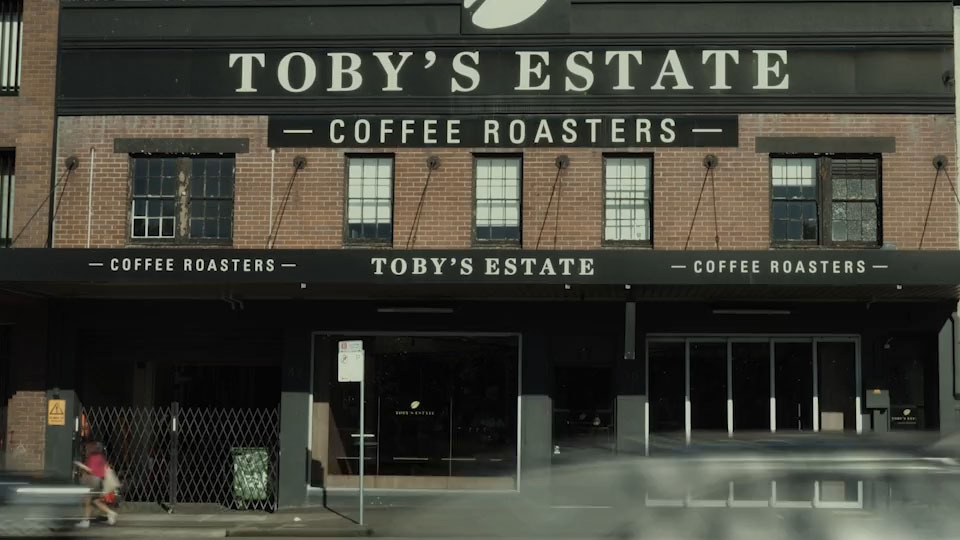
Global rankings consistently recognize Australian cafés. Names like Toby’s Estate in Sydney, Proud Mary in Melbourne, and Coffee Anthology in Brisbane are celebrated internationally. Their success is not a one-time achievement. It reflects consistent excellence in coffee, hospitality, and the way cafés make customers feel welcome.

Jody Leslie, General Manager of Toby’s Estate, emphasizes that exceptional coffee is now just the starting point. “The real difference is the full experience,” she says. “The energy behind the bar, the team who remember your name and perfect your pour, it all resonates with people. Topping global rankings was a milestone, but it reflects daily dedication to creating a space where people want to linger.”

Veneziano Coffee Roasters takes this approach further, designing every interaction around how customers naturally engage with coffee. Brand Strategist Sarah Eagles notes, “Our café culture leads because it is relentlessly customer-driven. We respond to preferences for iced options, speed without losing soul, and evolving café atmospheres. Strong branding and authentic community ties make the experience feel forward-thinking and human at the same time.”

  • Foundations of a Coffee Nation

Australia’s rise in coffee culture is rooted in history. Italian immigrants brought espresso traditions to a tea-centric nation in the mid-20th century. Over time, these influences combined with local conditions, including abundant high-quality dairy, to create milk-based drinks like the flat white, now a global favorite.

You may also read: From Australia to the UAE: The Coffee Club’s Menu Gets Even More Exciting

Independent cafés flourished in cities like Melbourne and Sydney, allowing experimentation and innovation. Roasters and baristas were pushed by competition, and standards for quality grew steadily higher. Adam Wang, founder of Brisbane’s Coffee Anthology, describes this synergy as the country’s advantage. “It is never just about the coffee,” he says. “Baristas connect with guests like friends. Passion for craft shines through, and skills rank among the world’s finest.”

Coffee Anthology is also known for variety. It rotates multiple local roasters daily while offering international options at consistent pricing. “Guests explore different origins and styles without barriers,” Wang explains. Veneziano uses consumer intelligence and systems to ensure consistency while allowing teams to focus on hospitality. Eagles adds, “Technology gives us precision and flow, letting human connection take center stage.”

  • Looking Ahead

With global recognition comes scrutiny. Maintaining elite standards while responding to new expectations is the next challenge. Leslie reflects, “Now it is about harmonizing technology and automation with the human desire for meaningful moments. Quality coffee remains non-negotiable.”

Eagles predicts success for cafés that evolve without losing their essence. “Those who listen, adapt boldly, and stay authentic will endure. Technology helps precision and flow, letting hospitality shine. Innovation paired with heart wins.”

Wang sees a growing divergence: some cafés focus on pure coffee mastery, while others explore inventive beverages. “Matcha and non-traditional drinks are rising,” he says. “Tomorrow’s stars may include creations we cannot even imagine today.”

Australia’s café culture did not reach global recognition by accident. It was built through decades of craftsmanship, hospitality, and constant refinement. With a strong presence in 2026 and cafés that continue to innovate, the nation’s coffee story is evolving, shaping the global conversation one cup at a time.

Global Coffee Production Is Rising; Prices Are Falling

An Industry Perspective from Ethiopia

By Gizat Worku Kebede, General Manager of the Ethiopian Coffee Exporters Association.

Global coffee production is increasing; its price, meanwhile, is decreasing.

According to the new global coffee production forecast released on February 25, 2026, the world is set to produce a volume it has never seen before. Rabobank forecasts production of 180 million 60-kg bags global consumption, signaling continued supply expansion and potential downward pressure on prices.

Additional analyses highlight speculative fund liquidation and surplus conditions as contributing factors to price volatility. HedgePoint Global Markets forecasts Brazil’s 2026/27 exports at 47 million bags — a historical high — reinforcing expectations of softer price conditions.

The average price of Brazilian Natural coffee in the New York market declined from USD 3.43 per pound in January to USD 3.09 in February. This movement reflects prevailing market dynamics and broader supply-demand conditions.

The World Bank projects an average 13% price adjustment in 2026 compared to 2025 levels.

For Ethiopian exporters and suppliers, alignment between domestic pricing and global market trends remains essential for competitiveness and sustainable market participation. Price structures that reflect international benchmarks help safeguard export flows and foreign currency earnings in a volatile market environment.

This perspective is offered as an industry contribution to informed discussion on global coffee market developments.

Coffee Prices Consolidate Amid Mixed Signals in Global Market

DUBAI – QAHWA WORLD

Coffee prices settled mixed on Wednesday, consolidating recent losses after a period of significant pressure. May Arabica coffee (KCK26) closed slightly lower at -0.65 (-0.23%), while May Robusta coffee (RMK26) rose +63 (+1.73%).

Arabica and robusta prices had tumbled earlier this month, with arabica reaching a 15-month low on Tuesday and robusta falling to a 6.5-month low on Monday, driven by expectations of a record Brazilian crop. Brazil’s crop forecasting agency, Conab, projected on February 5 that 2026 coffee production will rise +17.2% year-on-year to 66.2 million bags. Arabica production is expected to increase +23.2% to 44.1 million bags, while robusta will climb +6.3% to 22.1 million bags.

Wednesday’s losses were limited due to a stronger Brazilian real, which rose to a 1.75-year high against the U.S. dollar, discouraging export sales. Additionally, adequate rainfall in Brazil is supporting crop prospects. Somar Meteorologia reported that Minas Gerais, the country’s largest arabica-growing region, received 62.8 mm of rain during the week ending February 13, or 138% of the historical average.

Vietnam, the world’s largest robusta producer, is also influencing the market. January coffee exports surged 38.3% year-on-year to 198,000 metric tonnes, while total 2025 exports increased 17.5% to 1.58 million metric tonnes. Vietnam’s 2025/26 production is projected to rise 6% to a four-year high of 1.76 million metric tonnes (29.4 million bags).

ICE coffee inventories have shown signs of recovery, adding pressure to prices. Arabica stocks monitored by ICE rose to a 3.75-month high of 461,829 bags on January 7 after falling to a 1.75-year low in November. Similarly, ICE robusta inventories recovered to a 2.75-month high of 4,662 lots on January 26.

On the positive side, Brazil’s Trade Ministry reported that January exports fell -42.4% year-on-year to 141,000 metric tonnes, while lower supplies from Colombia, the world’s second-largest arabica producer, supported prices after January production dropped -34% to 893,000 bags.

Globally, the International Coffee Organization reported that total coffee exports for the current marketing year (October–September) declined slightly by -0.3% to 138.658 million bags. The USDA Foreign Agriculture Service projected in December that world coffee production in 2025/26 will reach a record 178.848 million bags, with arabica falling -4.7% to 95.515 million bags and robusta rising +10.9% to 83.333 million bags. Brazil’s production is expected to decline by 3.1% to 63 million bags, while Vietnam’s output will increase by 6.2% to 30.8 million bags. Ending stocks for 2025/26 are forecast to fall -5.4% to 20.148 million bags.

Overall, the coffee market faces mixed signals, with strong Brazilian supply forecasts and Vietnamese robusta exports exerting downward pressure, while lower production in Colombia and supply constraints in certain markets provide support for prices.

Coffee Prices Jump as Brazilian Real Strengthens

Dubai – Qahwa World

Coffee futures moved sharply higher on Tuesday, supported by a strong Brazilian real that reduced export incentives from the world’s largest coffee-producing country.

March arabica coffee futures climbed more than 3 percent, reaching their highest level in two weeks, while March robusta contracts also posted solid gains. Market participants pointed to currency movements and tightening export flows from Brazil as key drivers behind the rally.

  • Brazilian Real Boosts Coffee Markets

The Brazilian real strengthened to its highest level in roughly 20 months against the U.S. dollar, making coffee exports less attractive for Brazilian producers. As a result, exporters slowed sales, reducing supply availability on global markets and lifting futures prices.

Brazil remains the dominant supplier of arabica coffee, and shifts in its currency often have an immediate impact on international prices.

  • Exports Decline in Brazil

Recent export data added further support to prices. Brazil’s coffee exporters reported a sharp drop in green coffee shipments in December, with total exports falling more than 18 percent compared with the same period last year.

Arabica exports declined by double digits, while robusta shipments saw an even steeper year-over-year drop, signaling tighter short-term supply from Brazil.

  • Weather Concerns Add Support

Below-average rainfall in Brazil’s key growing regions also helped underpin prices. Minas Gerais, the country’s largest arabica-producing state, received significantly less rainfall than normal during mid-January, raising concerns about crop development during a critical period.

  • Inventory Recovery Caps Gains

Despite the bullish momentum, rising exchange-monitored inventories limited upside potential. Arabica stockpiles tracked by the exchange have rebounded from multi-year lows seen in November, while robusta inventories have also increased from recent lows.

The recovery in inventories suggests that near-term supply conditions may be less constrained than previously feared.

  • Global Supply Outlook Remains Mixed

Looking ahead, expectations of ample global production continue to weigh on longer-term price prospects. Brazil’s crop agency recently raised its forecast for the country’s 2025 coffee harvest, while Vietnam reported strong export growth and rising production estimates.

Vietnam, the world’s leading producer of robusta coffee, is projected to increase output further in the upcoming season, assuming favorable weather conditions persist.

At the same time, international data points to signs of tightening global availability. Worldwide coffee exports have edged lower during the current marketing year, and global ending stocks are forecast to decline despite record production levels.

  • Market Balance Still Fragile

Analysts note that coffee markets remain highly sensitive to currency movements, weather developments, and export flows. While supply projections appear comfortable on paper, any disruption in Brazil or Vietnam could quickly reignite volatility.

For now, strength in the Brazilian real and slowing exports have given coffee prices fresh upward momentum.


Top Coffee-Producing Countries in 2025

A Full Analytical Reading of the Global Production Landscape in Early 2026

Dubai – Qahwa Word

As January 2026 begins, the global coffee sector is closely monitoring the completion of data for the 2025/2026 season, amid an increasingly complex interaction between climate variability, logistical disruptions, and new environmental regulations. Estimates available at this stage suggest that global coffee production is trending toward approximately 178.8 million 60-kg bags.

These figures do not represent final season results, but rather an early analytical snapshot based on field assessments and reports from international organizations as of early 2026. The focus extends beyond volume alone, highlighting deeper structural shifts that are reshaping global coffee production, trade flows, and varietal balance.

1. Top Ten Coffee-Producing Countries

(Estimates as of January 2026)

Available data confirm the continued dominance of Brazil and Vietnam in global coffee supply, while several African and Latin American origins show notable developments in both volume and crop structure.

Rank Country Production (million bags) Dominant variety Production status – Jan 2026
1 Brazil 64.2 – 65.0 Arabica / Robusta Peak export phase; strong Conilon growth amid Arabica volatility
2 Vietnam 30.8 – 31.0 Robusta Production recovery supported by improved irrigation practices
3 Colombia 14.8 Arabica Stable washed coffee output due to regular rainfall
4 Ethiopia 11.6 Arabica Strong crop supported by long-term tree-renewal programs
5 Indonesia 11.2 Robusta / Arabica Visible recovery restoring competitive positioning
6 Uganda 6.9 Robusta Continued rise as Africa’s leading Robusta supplier
7 India 6.2 Robusta / Arabica Stable production serving both export and domestic markets
8 Honduras 5.5 Arabica Gradual recovery despite rising production and labor costs
9 Peru 4.2 Arabica Expansion in planted area and growing organic orientation
10 Mexico 3.9 Arabica Relative stability aimed at meeting regional demand

2. Land Efficiency and Yield Performance

Early 2026 data highlight a clear divergence in production efficiency among leading coffee origins:

  • Vietnam and Brazil continue to record the highest yields globally, with Vietnam reaching an estimated 2.5–3 tons per hectare, driven by intensive farming models, improved plant material, and higher input use.

  • By contrast, Ethiopia and Colombia, despite their premium quality profiles, maintain lower average yields due to mountainous terrain, fragmented landholdings, and reliance on traditional farming systems. This has become a focal point for research discussions around productivity gains without compromising origin identity or biodiversity.

3. Arabica–Robusta Balance: A Structural Shift

Indicators from January 2026 suggest that Robusta now accounts for nearly 42% of global coffee production, reflecting a structural realignment shaped by multiple converging forces:

  1. Climate resilience: Robusta has demonstrated stronger tolerance to rising temperatures and irregular rainfall compared to climate-sensitive Arabica.

  2. Premium Robusta development: An increasing number of roasters are incorporating higher-quality Robusta into blends to manage costs while preserving cup structure.

  3. Price divergence: Persistently elevated Arabica prices continue to accelerate the market’s gradual rebalancing toward Robusta, particularly in commercial segments.

4. Logistics and Shipping Constraints

At the start of 2026, coffee supply chains remain under pressure from logistical disruptions:

  • Rising freight costs, linked to instability in key maritime corridors, have reduced the competitiveness of Asian-origin coffee in European spot markets.

  • Low global inventories, relative to recent multi-year averages, leave prices highly sensitive to weather events, geopolitical developments, and supply-side news.

5. Regulatory Pressure and Environmental Compliance (EUDR)

With the effective implementation of the European Union Deforestation Regulation (EUDR) in 2026, environmental compliance has become a defining factor in global coffee trade:

  • European buyers increasingly require digital traceability systems and precise geospatial coordinates to demonstrate deforestation-free supply chains.

  • Brazil and Vietnam appear comparatively well positioned in terms of technical readiness, while origins dominated by smallholder farming face significant challenges in meeting traceability requirements—potentially redirecting exports toward non-European markets.

Conclusion

The global coffee production landscape in early 2026 reflects a period of transition and anticipation. Competitive advantage is no longer defined solely by production volume, but increasingly by environmental compliance, climate adaptability, and logistical efficiency. As the 2025/2026 harvest reaches completion in the coming months, clearer signals will emerge from a season likely to play a pivotal role in reshaping the global coffee market.

Coffee Prices Climb as Rain Forecasts in Brazil Remain Low

Dubai – Qahwa World

Coffee futures rebounded today following early declines, buoyed by weather forecasts signaling limited rainfall in Brazil’s key coffee-producing regions over the coming week. March arabica (KCH26) gained +1.40 points (+0.39%), while March ICE robusta (RMH26) rose +52 points (+1.31%).

Earlier in the session, arabica fell to a 1.5-week low, pressured by a stronger U.S. dollar, as the DXY index reached a six-week high.

Last week, arabica prices surged to a one-month high amid below-average precipitation in Brazil, the world’s largest arabica coffee exporter. Data from Somar Meteorologia showed that Minas Gerais, Brazil’s main arabica-growing state, received just 26.5 mm of rainfall during the week ending January 9 — only 29% of the historical average.

Shrinking inventories on ICE exchanges are also lending support to prices. Arabica stocks tracked by ICE dropped to a 1.75-year low of 398,645 bags on November 20, before climbing to a 2.5-month high of 461,829 bags last Wednesday. Robusta inventories fell to a one-year low of 4,012 lots on December 10 but recovered to a five-week high of 4,278 lots later in December.

However, a strong supply outlook remains a headwind. Brazil’s crop agency Conab raised its 2025 coffee production estimate by 2.4% in December to 56.54 million bags, up from the September projection of 55.20 million bags.

Vietnam, the largest robusta producer, is also expanding its output, which pressures robusta prices. Its 2025 coffee exports jumped 17.5% year-on-year to 1.58 million metric tons, according to the country’s National Statistics Office. Vietnam’s coffee production for 2025/26 is forecast to rise 6% year-on-year to 1.76 MMT (29.4 million bags), marking a four-year high, with the Vietnam Coffee and Cocoa Association projecting a potential 10% increase if weather conditions remain favorable.

Global coffee supply data show a mixed picture. The International Coffee Organization (ICO) reported November 7 that world coffee exports declined 0.3% year-on-year to 138.658 million bags for the current marketing year (October–September). Meanwhile, the USDA’s Foreign Agriculture Service predicted a 2% increase in global coffee production in 2025/26 to 178.848 million bags, driven by a 10.9% jump in robusta output to 83.333 million bags, despite a 4.7% drop in arabica production to 95.515 million bags. The report also projected Brazil’s production would fall 3.1% to 63 million bags, while Vietnam’s output rises 6.2% to a four-year high of 30.8 million bags. Ending stocks are expected to decline 5.4% to 20.148 million bags from 21.307 million bags in 2024/25.

Keurig Dr Pepper Launches €31.85-Per-Share Offer for JDE Peet’s

Dubai —Qahwa World

Keurig Dr Pepper Inc. has launched a recommended public cash offer to acquire all outstanding shares of Dutch coffee company JDE Peet’s N.V., valuing the company at €31.85 per share in cash.

The offer is being made through Kodiak BidCo B.V. and follows regulatory approval of the offer memorandum by the Dutch Authority for the Financial Markets. JDE Peet’s shareholders will also receive a previously announced €0.36 cash dividend per share on January 23, 2026, which will not affect the offer price.

The boards of both companies said the transaction remains on the same terms announced in August 2025 and is expected to close in early second quarter of 2026, subject to remaining conditions.

  • Board Support and Shareholder Commitments

JDE Peet’s board of directors has unanimously recommended the offer. Acorn Holdings B.V. and all members of JDE Peet’s board—together representing approximately 69% of the company’s outstanding shares—have irrevocably committed to tender their shares.

The offer period will run from January 16 to March 27, 2026, unless extended.

Keurig Dr Pepper has set a minimum acceptance threshold of 95% of JDE Peet’s shares. This threshold may be reduced to 80% if shareholders approve certain post-closing restructuring measures at an extraordinary general meeting scheduled for March 2, 2026.

  • Post-Closing Structure

If Keurig Dr Pepper secures at least 95% of the shares, it intends to initiate statutory buy-out proceedings and may proceed with a post-closing demerger. If acceptance reaches between 80% and 95%, the company plans to complete a post-closing merger to obtain full ownership of JDE Peet’s.

All required competition clearances for the transaction have already been obtained, and both the Dutch Works Council and European Works Council have been consulted in line with regulatory requirements.

  • Strategic Rationale

Following the acquisition, Keurig Dr Pepper plans to separate into two independent, U.S.-listed publicly traded companies. One would focus on North America’s non-alcoholic refreshment beverages market, while the other would operate as a global pure-play coffee business serving more than 100 countries.

JDE Peet’s is the world’s largest pure-play coffee company, selling approximately 4,400 cups of coffee per second globally. In 2024, the company reported sales of €8.8 billion.

Keurig Dr Pepper, which reported annual revenue of more than $15 billion, owns brands including Dr Pepper, Keurig, Canada Dry, Snapple and Green Mountain Coffee Roasters.