Starbucks to Close Up to 90 Pickup-Only Stores

Source: The Sun (exclusive report)
Author: Qahwa World – Dubai
Date: May 26, 2026

Starbucks to Close Up to 90 Pickup-Only Stores: End of Mobile-Order Experiment, Return to Traditional Coffeehouse

Executive Summary

  • Starbucks plans to close or remodel 80 to 90 pickup-only and mobile-order-focused stores across the US by the end of 2026.
  • The move is part of the “Back to Starbucks” turnaround strategy to restore traditional coffeehouse atmosphere.
  • CEO Brian Niccol said these stores became “overly transactional” and lacked warmth and human connection.
  • Mobile ordering will be integrated into full-service cafés with seating and in-store service, not standalone pickup counters.
  • States most affected: California, Illinois, New York, Texas, Washington.
  • Changes include more seating, couches, ceramic mugs, self-serve milk and sugar stations, and handwritten cup messages.

The Sun Exclusive: Starbucks Shifts Strategy

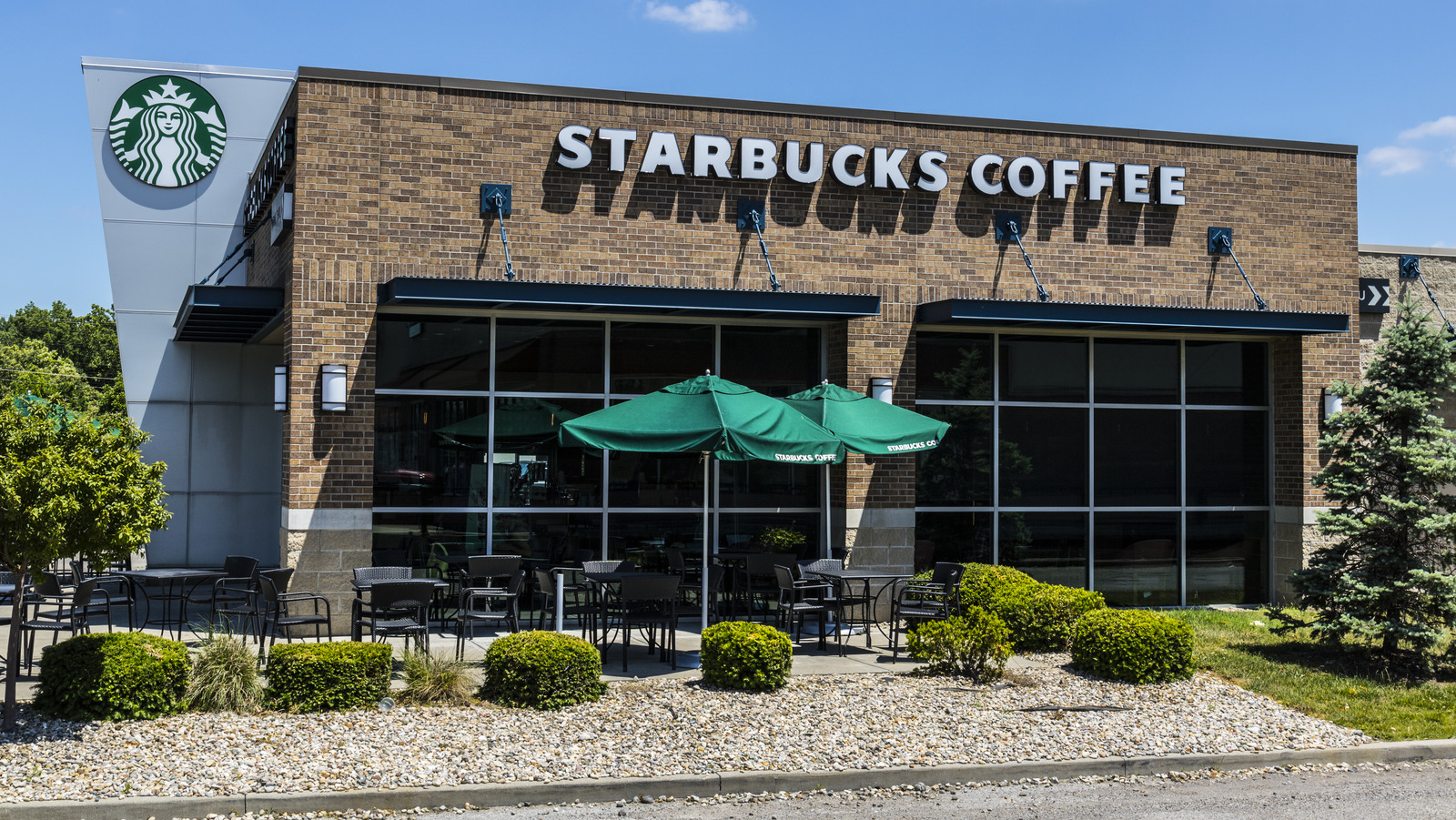
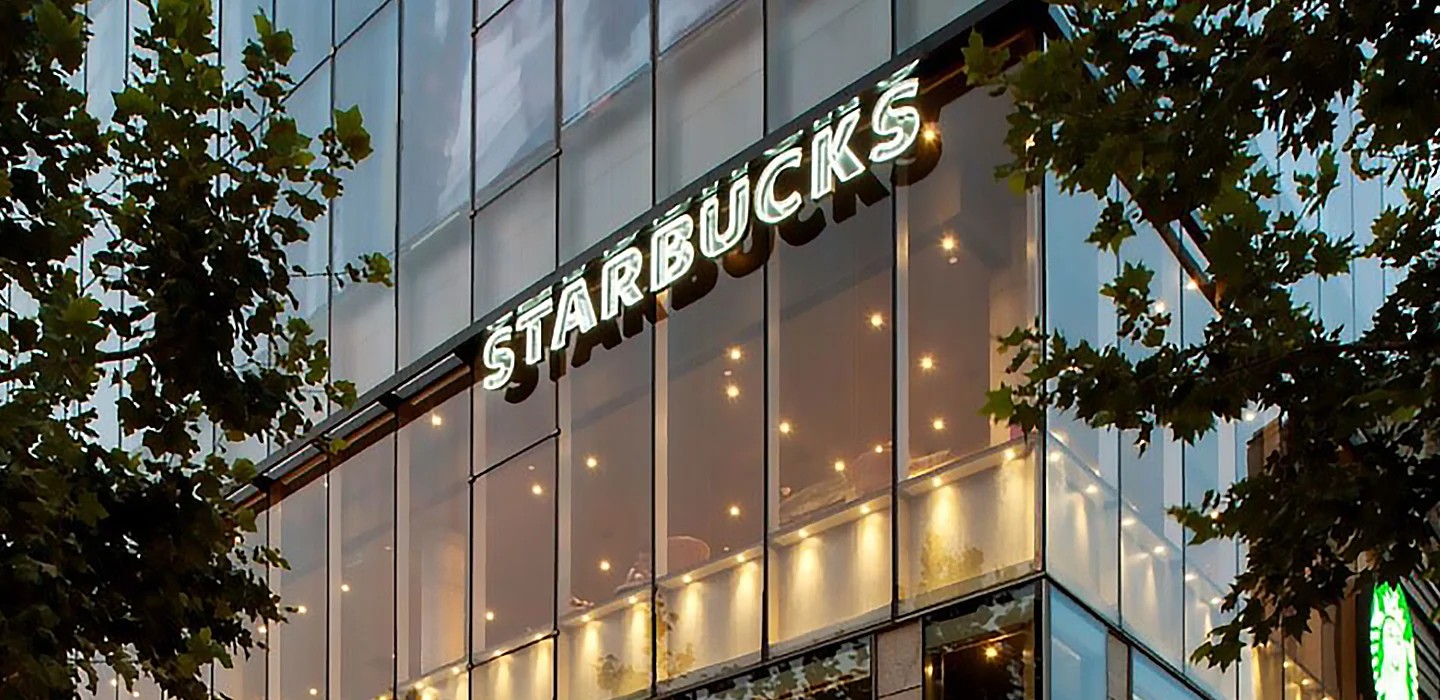
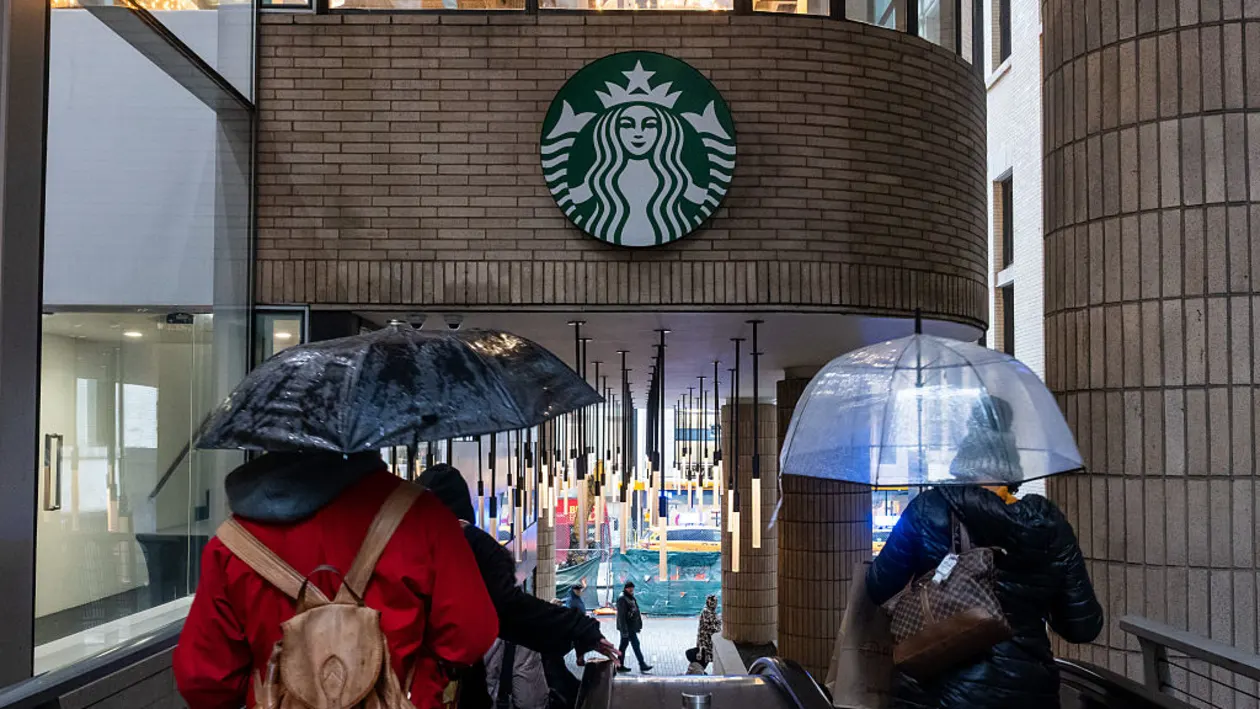
An exclusive report published by The Sun revealed that Starbucks plans to close or convert between 80 and 90 pickup-only and mobile-order-focused stores across the United States by the end of 2026. The decision is part of the broader “Back to Starbucks” turnaround strategy aimed at restoring the traditional coffeehouse atmosphere and improving customer interaction inside stores.

The pickup-only concept was introduced in 2019 to serve customers seeking fast mobile-order convenience, especially in busy urban areas. According to Starbucks leadership, the model did not create the kind of customer experience the company wants to emphasize moving forward.

CEO Brian Niccol’s Statement

CEO Brian Niccol previously stated that these stores became “overly transactional” and lacked the warmth and human connection associated with the Starbucks brand. Instead of relying on standalone pickup counters, Starbucks intends to integrate mobile ordering into standard café locations that include seating and traditional in-store service.

This shift reflects Niccol’s vision to return Starbucks to its roots as a community coffeehouse where human relationships matter, not just a fast pickup point.

States and Locations Most Affected

According to the report, stores in California, Illinois, New York, Texas, and Washington are among the most likely to be affected. Specific locations mentioned include:

  • California: Los Angeles (Broadway & 8th), San Francisco (California St. & Drumm St.), Santa Monica (Main & Ashland).
  • Illinois: Chicago (227 W. Monroe, Addison & Sheffield), Hyde Park (55th & Woodlawn).
  • New York: Manhattan (40th & 8th, 42nd & Park, Broadway between 36th & 37th).
  • Texas: Houston (City Centre, Hillcroft & US 59), Dallas (Victory Park Lane).
  • Washington: Seattle (1st & Denny), Bellevue (4th & Bellevue Way).

Other cities including Nashville, Philadelphia, Miami, and Boston were also listed among potential closures or conversions.

State Cities Affected
California Los Angeles, San Francisco, Santa Monica
Illinois Chicago, Hyde Park
New York Manhattan
Texas Houston, Dallas
Washington Seattle, Bellevue

What the “Back to Starbucks” Plan Includes

The company’s broader strategy includes several changes designed to make stores feel more welcoming and community-oriented:

  • More seating and lounge-style café layouts
  • Additional couches and power outlets
  • Return of ceramic mugs for in-store drinks
  • Reintroduction of self-serve milk and sugar stations
  • Baristas writing messages on cups again instead of relying entirely on printed labels
  • Continued support for mobile ordering through the Starbucks app

A Major Strategic Shift

The closures represent a major shift away from the fast-service urban pickup strategy Starbucks expanded during recent years. The company now appears focused on reinforcing its identity as a sit-down neighborhood coffeehouse rather than a purely convenience-based chain. Some pickup-only stores may close permanently, while others may be renovated and converted into traditional Starbucks cafés.

Customers will still be able to place mobile orders, but pickup will increasingly happen inside full-service cafés rather than dedicated pickup-only stores.

Frequently Asked Questions (FAQ)

1. How many stores will Starbucks close?

Between 80 and 90 pickup-only and mobile-order-focused stores across the US by the end of 2026.

2. What is the “Back to Starbucks” strategy?

It aims to restore traditional coffeehouse atmosphere with seating, couches, ceramic mugs, self-serve stations, and handwritten cup messages.

3. Why is Starbucks abandoning pickup-only stores?

CEO Brian Niccol said they became “overly transactional” and lacked warmth and human connection.

4. Will mobile ordering be eliminated?

No. Mobile ordering will continue, but pickup will happen inside full-service cafés instead of dedicated pickup stores.

5. Which states are most affected?

California, Illinois, New York, Texas, and Washington.

6. What will happen to closed stores?

Some will close permanently. Others may be renovated and converted into traditional cafés.

Author: Qahwa World – Dubai  |
Source: The Sun (exclusive report)  |
Publication date: May 26, 2026

Starbucks Restructuring: 300 Layoffs in $400 Million Cost Cut

Author: Qahwa World – Dubai
Date: May 16, 2026

Executive Summary

  • Starbucks will lay off approximately 300 US-based employees as part of a major restructuring.
  • The total restructuring cost is $400 million, including $120 million for severance payments.
  • Starbucks will close regional offices in Atlanta, Burbank, Chicago, and Dallas.
  • The company is reviewing its international support structure, with more job cuts expected outside the US.
  • Coffeehouse operations will not be affected by these changes.
  • Starbucks recently reported its strongest sales growth in over two years, despite operating profit margins nearly halving since late 2024.
  • Top executives could receive $6 million each if specific cost-cutting targets are met by 2027.

Job reductions and office closures

Starbucks is trimming its workforce once again. The coffee giant will lay off about 300 US-based roles as part of a restructuring aimed at achieving “durable, profitable growth.” According to Reuters, the job reductions will affect regional support offices.

The company will consolidate its US office network and close several locations. These include offices in Atlanta, Burbank, Chicago, and Dallas. Starbucks confirmed that the changes will not impact its coffeehouse operations.

Restructuring costs and financial impact

Starbucks estimates it will spend about $120 million on severance payments linked to this layoff round. The company will also take a $280 million reduction in the book value of selected real estate assets. These assets are largely tied to its reserve and roastery sites, as well as certain non-retail support properties.

Operating profit margins have nearly halved since late 2024. However, Starbucks recently reported its strongest sales growth in more than two years. Executives described this as a milestone in the company’s turnaround strategy.

</>

Item Amount (million $) Notes
Severance payments 120 For 300 laid-off workers
Real estate asset writedown 280 Reserve, roastery, support properties
Total 400 Full restructuring cost

New investment and Southeast expansion

At the same time, Starbucks announced plans last month to invest $100 million to expand its presence in the US Southeast. The plan includes a new support office in Nashville, Tennessee. This office is expected to accommodate around 2,000 employees over the next five years.

The company is cutting costs in some regions while investing in others. This balanced approach reflects Starbucks’ effort to improve efficiency without abandoning growth opportunities.

Executive incentives and continued cost-cutting

Starbucks’ board linked executive incentives to the company’s cost strategy. Last summer, the board approved a plan that could give top executives $6 million each if they meet specific cost-cutting targets by 2027.

The May 2026 layoffs add to a series of workforce reductions since the turnaround began. In February last year, Starbucks eliminated 1,100 corporate positions. The company is now reviewing its international support structure and expects additional job cuts outside the United States.

Frequently Asked Questions (FAQ)

1. How many employees is Starbucks laying off in this round?

Starbucks is laying off approximately 300 US-based employees. The cuts affect regional support offices, not coffeehouse operations.

2. What is the total cost of this restructuring?

The total cost is about $400 million. This includes $120 million for severance payments and $280 million for real estate asset writedowns.

3. Will Starbucks coffeehouses be affected by these changes?

No. The company confirmed that coffeehouse operations will not be impacted. The changes are limited to support and administrative structures.

4. Are there expected layoffs outside the United States?

Yes. Starbucks is reviewing its international support structure and expects additional job cuts outside the US, though specific numbers have not been disclosed.

5. What is the executive incentive linked to cost cutting?

Top executives could receive up to $6 million each if they achieve specific cost-cutting targets set by the board, with a deadline of 2027.

6. Is this the first layoff under the current turnaround plan?

No. In February 2025, Starbucks eliminated 1,100 corporate positions. The May 2026 layoffs are part of the ongoing cost-reduction strategy.

Author: Qahwa World – Dubai |
Publication date: May 16, 2026

Starbucks beats expectations as CEO highlights flexible pricing

Dubai – Qahwa World

Starbucks reported stronger-than-expected quarterly results, sending shares higher as the coffee chain pointed to continued momentum in its turnaround strategy and improving customer traffic. The Starbucks earnings beat shows how effective recent changes at the company have been, and many investors were surprised by the strength of this Starbucks earnings beat.

CEO Brian Niccol said in an interview with WSJ that Starbucks’ menu is structured to fit a wide range of budgets, despite ongoing pressure on consumers from higher everyday costs. In light of the latest Starbucks earnings beat, executives believe pricing flexibility will continue to help withstand consumer challenges.

He explained that brewed coffee starts at about $3, while more customized beverages such as Frappuccinos can rise into the $7 to $8 range depending on personalization. He said the company aims to provide options across nearly every price point, combining accessibility with quality and a consistent customer experience. Recent momentum around how Starbucks earnings beat expectations has boosted confidence in the brand’s pricing strategy.

Earnings exceed forecasts as traffic rebounds

Starbucks posted fiscal second-quarter revenue of $9.5 billion, an increase of 8 percent year over year. Earnings per share came in at $0.50, above analyst expectations of $0.43. Furthermore, this Starbucks earnings beat reflects the company’s robust performance despite challenging market conditions.

The performance was driven by stronger customer traffic, particularly in North America, where comparable store sales rose 7.1 percent. The company said transaction growth in the region reached its fastest pace in three years, further highlighting the impact of Starbucks’ latest earnings beat.

Despite the strong top-line results, profitability was affected by higher investment in store operations, including increased staffing hours, employee training, and wage costs. These investments led to a 170 basis point decline in North America operating margins compared with the same period last year. Notably, Starbucks earnings beat expectations even as operational expenses increased.

Back to Starbucks strategy supports recovery

The results were attributed to progress in the company’s “Back to Starbucks” strategy under Niccol’s leadership. The initiative focuses on improving service speed, streamlining in-store operations, and expanding mobile ordering efficiency. After the Starbucks earnings beat, management is placing renewed emphasis on these strategic pillars.

Starbucks has also introduced new menu items aimed at broadening afternoon demand, including energy refreshers and matcha-based beverages, as part of a more targeted product rollout strategy. As a direct response to the Starbucks earnings beat this quarter, menu innovation is accelerating.

Outlook raised for sales and earnings

Starbucks increased its full-year guidance, now expecting global and U.S. comparable store sales to grow at least 5 percent, compared with a previous forecast of 3 percent. Moreover, the Starbucks earnings beat enabled the company to be more optimistic in its outlook.

The company also raised its adjusted earnings per share outlook to a range of $2.25 to $2.45, up from a prior range of $2.15 to $2.40. Continued Starbucks earnings beat trends have made this upgrade possible.

Wall Street reaction mixed on valuation and outlook

Analysts offered differing views on the company’s trajectory and valuation. While the Starbucks earnings beat has prompted bullish views from some, others remain cautious about long-term valuation.

Jon Tower (Citi) noted that further upside may depend on cost savings and operating leverage, including a targeted $2 billion in gross cost reductions.

Chris O’Cull (Stifel) said concerns over valuation persist, but argued Starbucks is benefiting from structural improvements, including reduced volatility in its China operations and improved balance sheet flexibility. The Starbucks earnings beat has helped illuminate these positive changes for investors.

Danilo Gargiulo (Bernstein) said valuation remains elevated in the near term but argued the company could grow into its multiple over time due to strong brand demand and earnings visibility. As the Starbucks earnings beat results continue, this optimistic view could gain traction.

Industry backdrop and conclusion

The results come during a challenging earnings environment for many quick-service restaurant operators, where consumer pressure continues to weigh on demand. As a result, the recent Starbucks earnings beat stands out as a noteworthy achievement in the industry.

Against that backdrop, Starbucks’ stronger traffic trends and raised guidance stand out, suggesting that operational changes are beginning to support both sales growth and efficiency improvements. More generally, the Starbucks earnings beat is likely to influence industry standards moving forward.

With expectations now higher, Starbucks faces increased pressure to sustain momentum in revenue growth and margin recovery through the remainder of the fiscal year. The Starbucks earnings beat puts the spotlight on their ability to continue executing strategic initiatives.

Starbucks Tests ChatGPT Integration to Help Customers Choose Drinks

Dubai – Qahwa World

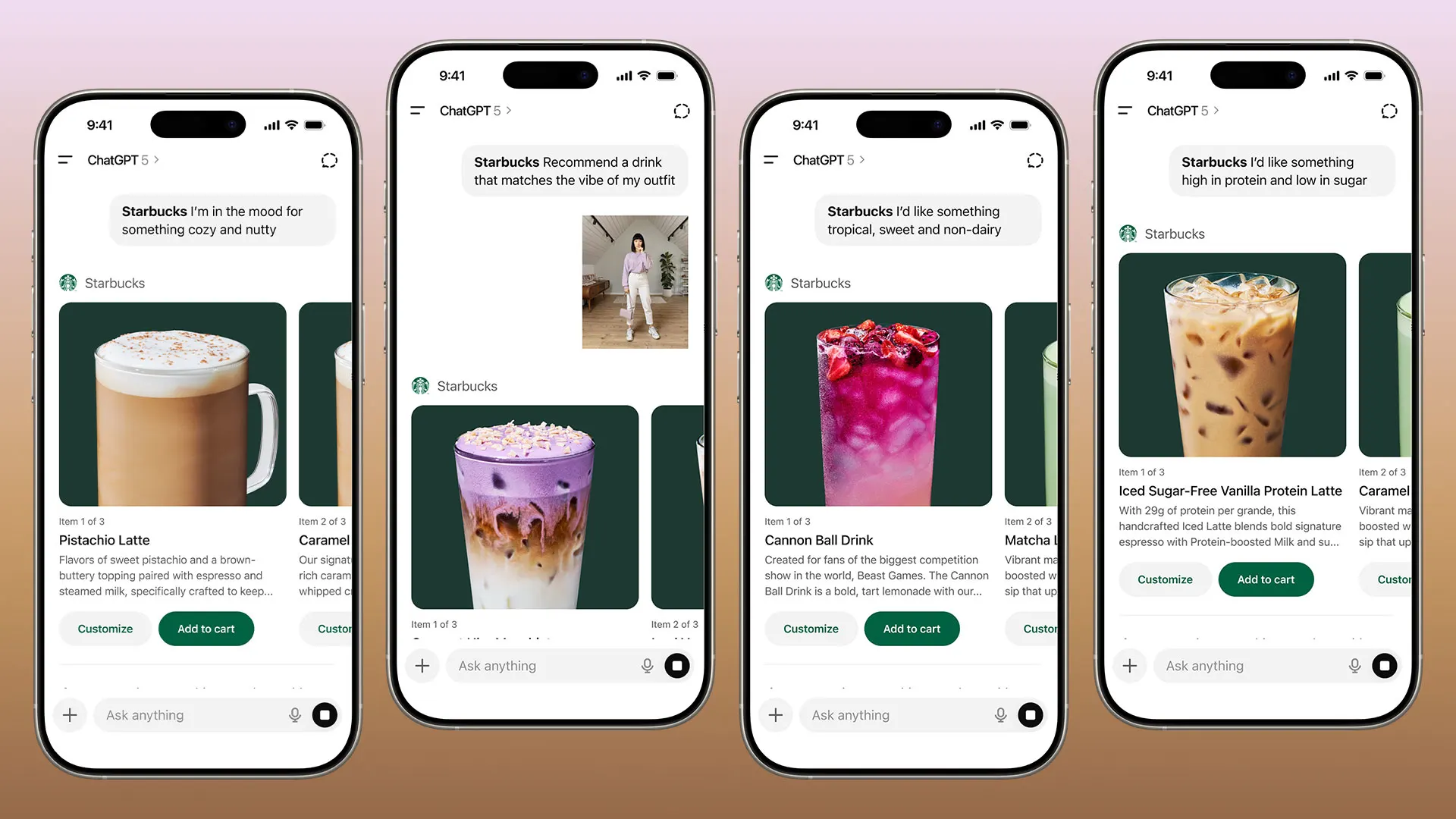
Starbucks is experimenting with a new ChatGPT integration designed to help customers decide what to order and customize their drinks before using the Starbucks app.

Starting April 15, users can tag @starbucks inside ChatGPT to activate a beta experience connected to the coffee chain. The feature allows people to describe what they’re in the mood for—such as cravings, feelings, or even images—and receive tailored drink suggestions.

For example, a prompt like “@starbucks, I’m looking for an iced pick-me-up” could return options such as an Iced Dragon Energy Drink along with other menu recommendations.

According to Paul Riedel, senior vice president of digital and loyalty at Starbucks, the idea reflects a shift in customer behavior. “Customers aren’t always starting with a menu. They’re starting with a feeling,” he said in a blog post announcing the feature.

The integration is designed not only to suggest drinks but also to encourage discovery of lesser-known menu items. Users can refine recommendations, customize their selections, and place orders through the Starbucks app.

Starbucks joins other retailers, including Etsy and Walmart, that are integrating ChatGPT into shopping and discovery experiences as consumers increasingly use AI tools for recommendations.

Riedel described the goal as meeting customers at the moment of inspiration, making it easier to find a drink that fits their preferences.

The rollout is part of Starbucks’ broader “Back to Starbucks” strategy aimed at improving sales and customer engagement. The company recently reported its first U.S. sales growth in two years, alongside continued investment in AI.

However, the announcement has also drawn criticism online. Some users questioned the need for AI assistance in choosing coffee, arguing that ChatGPT can already provide similar suggestions without direct integration into Starbucks systems.

The experiment highlights the growing role of AI in retail experiences—and ongoing debate about how far that integration should go.

Starbucks and Nestlé launch cold coffee concentrate for global markets

Dubai – Qahwa World

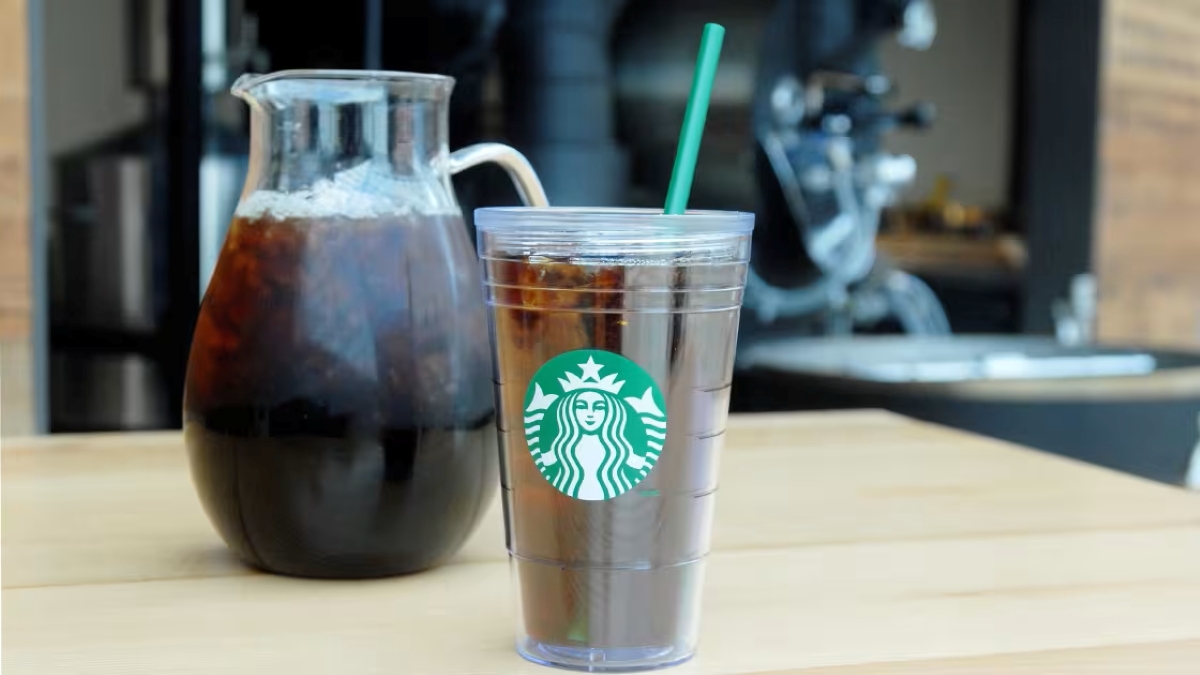
Nestlé and Starbucks are set to introduce a new ready-to-mix product aimed at the growing demand for cold coffee. The companies will roll out Starbucks Coffee Craft Concentrate in 2026 under their Global Coffee Alliance.

Made with Arabica coffee, the concentrate will be available in two flavors: Rich Black and Signature Caramel. The product is scheduled to debut in Japan, South Korea, and the United Kingdom, followed by expansion across Europe and Asia in 2027.

Ethel Touitou said the new product is designed to give consumers more control over how they prepare coffee at home. By simply adding water, milk, or plant-based alternatives, users can create a variety of iced drinks, including americanos and caramel-style beverages.

The Global Coffee Alliance, launched in 2018, combines Nestlé’s manufacturing and distribution capabilities with Starbucks’ brand presence. As a result, Starbucks-branded packaged products are now sold in nearly 80 markets worldwide.

Nik Dodi said the launch reflects the continued expansion of the partnership, bringing Starbucks-style coffee experiences into more homes and new consumption occasions.

Industry forecasts indicate continued growth in the cold coffee segment, with the global market expected to exceed $4 billion by 2030, driven by increasing consumer interest in convenient and customizable chilled beverages.

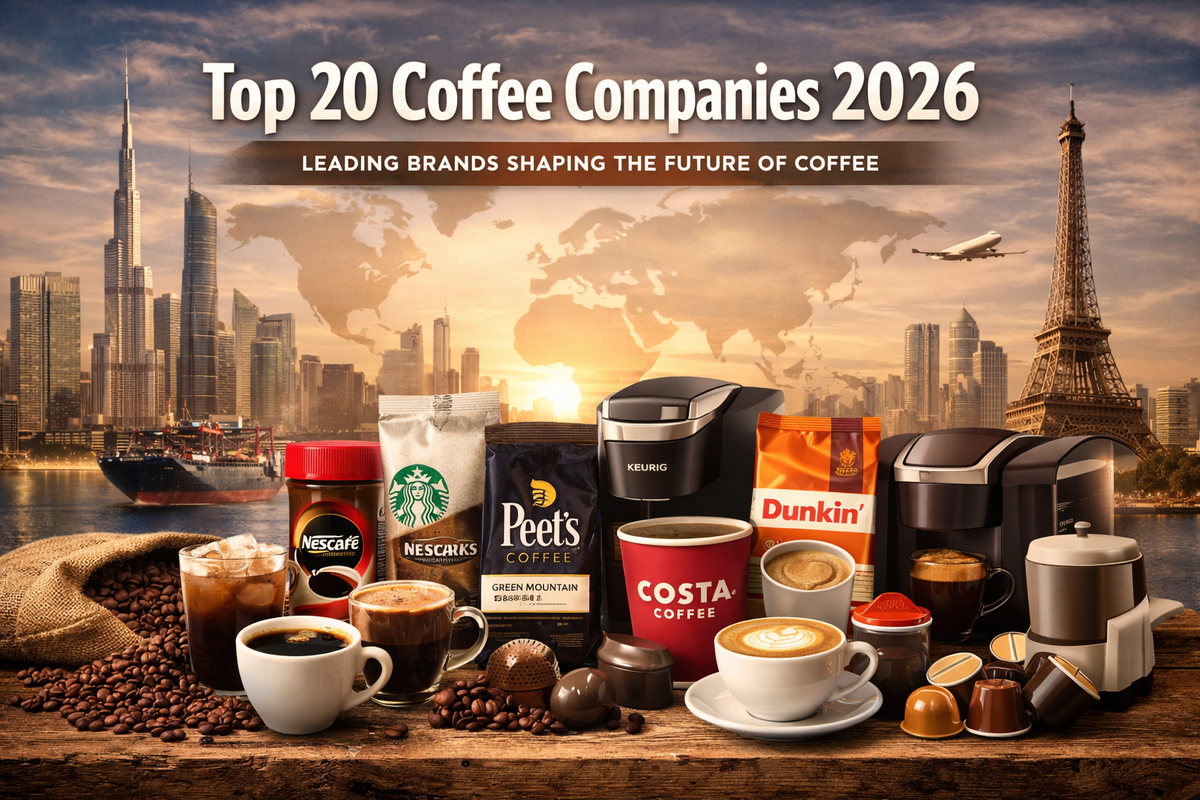
Top 20 Coffee Companies 2026

Dubai – Qahwa World

The global coffee market in 2026 is valued at around USD 145–176 billion, with projections reaching USD 227–275 billion by 2032–2034 at a CAGR of 5.1–6.6%. Growth is driven by premiumization, ready-to-drink (RTD) formats, single-serve pods, at-home brewing innovations, and sustainability-focused sourcing. Asia-Pacific is the fastest-growing region, while North America and Europe dominate in value through high-margin specialty products.

This report provides an independent ranking of the Top 20 Coffee Market Players for 2026, based on 2025–early 2026 industry data, including revenue analyses, packaged/at-home segment performance, and competitive landscape assessments. The ranking covers estimated global market share across packaged, at-home, and branded coffee products.

Key 2026 Developments

  • Nestlé leads in instant coffee and premium capsules.
  • JDE Peet’s and Keurig Dr Pepper remain separate; their $18 billion merger is expected to close in Q2 2026.
  • U.S. packaged giants like J.M. Smucker and Kraft Heinz maintain strong at-home segment presence.
  • Market fragmentation continues below the top tier, with specialty and regional players driving innovation.

Global Coffee Market Context (2026)

  • Market Value: USD 150–180 billion (estimated)
  • Key Formats: Packaged/at-home (dominant), ready-to-drink, single-serve, out-of-home retail
  • Growth Drivers: Premium/specialty demand, convenience, sustainability certifications, Asia-Pacific expansion
  • Challenges: Climate volatility affecting Brazil and Vietnam, traceability costs, ethical/direct-trade consumer preferences

Top 20 Coffee Companies (2026 Estimates)

Rank Company Name Key Coffee Brands Origin Country Estimated Market Share (%)
1 Nestlé S.A. Nescafé, Nespresso, Starbucks (at-home license) Switzerland 22.0
2 JDE Peet’s Jacobs, Douwe Egberts, Peet’s Coffee, Senseo, L’OR Netherlands 13.5
3 Keurig Dr Pepper Keurig pods, Green Mountain Coffee USA 9.8
4 Starbucks Corporation Starbucks pods, ground, RTD at-home USA 9.2
5 The J.M. Smucker Company Folgers, Dunkin’ (packaged/at-home) USA 5.5
6 The Kraft Heinz Company Maxwell House, other mass-market blends USA 4.8
7 Lavazza (Luigi Lavazza S.p.A.) Lavazza, Carte Noire Italy 4.5
8 Melitta Group Melitta (filter/pods), brewing products Germany 4.0
9 Tchibo GmbH Tchibo, European blends Germany 3.2
10 Strauss Group / UCC Strauss Coffee, UCC Coffee Israel / Japan 2.8
11 illycaffè (Illy) Illy, Segafredo Zanetti Italy 2.4
12 Tata Consumer Products Tata Coffee, Coffee Bean & Tea Leaf (at-home) India 2.1
13 Massimo Zanetti Beverage Group Segafredo, foodservice brands Italy 1.9
14 UCC Ueshima Coffee Co. UCC (canned/RTD) Japan 1.6
15 Farmer Bros. Co. Caribou Coffee (at-home) USA 1.3
16 JAB Holding Company (select assets) Peet’s, other premium holdings Belgium 1.1
17 The Coca-Cola Company (Costa) Costa Coffee (RTD/packaged) UK / USA 0.9
18 Intelligentsia Coffee / Blue Bottle Blue Bottle (premium) USA 0.7
19 Stumptown Coffee Roasters Stumptown (specialty) USA 0.6
20 Dutch Bros. Coffee Dutch Bros (packaged/RTD) USA 0.5

Total share of Top 20: Approximately 85–88%, with the remainder split among hundreds of independent and specialty roasters.

Strategic Positioning of Top Players

Global Giants (Ranks 1–4)

Nestlé dominates instant coffee and premium capsules while managing the Starbucks at-home license. JDE Peet’s and Keurig Dr Pepper lead in pods and convenience segments. Starbucks leverages its brand for strong at-home and ready-to-drink presence.

U.S. Packaged Leaders (Ranks 5–6)

J.M. Smucker (Folgers) and Kraft Heinz (Maxwell House) maintain significant U.S. market share with affordable, widely distributed coffee products.

European & Premium Specialists (Ranks 7–11)

Lavazza, Melitta, Tchibo, Strauss/UCC, and illycaffè focus on espresso and filter traditions, emphasizing quality-driven growth in Europe and emerging markets.

Niche & Emerging Players (Ranks 12–20)

Tata leverages Indian origin strength, Massimo Zanetti and UCC focus on RTD and foodservice, and specialty brands like Intelligentsia and Stumptown capture premium niches. Dutch Bros. and Caribou expand into packaged products.

Market Outlook 2026 and Beyond

The top 6–8 players control over 60% of the packaged and at-home market. Innovation flows from independent and specialty players. The pending Keurig Dr Pepper–JDE Peet’s merger could create a new global competitor rivaling Nestlé.

Critical success factors:

  • Investments in sustainability and traceability
  • Innovation in recyclable pods, functional RTD, and premium single-origin products
  • Adaptation to climate-driven supply risks and rising Robusta demand

This ranking is based on cross-verified industry data as of April 2026. The coffee market remains dynamic, culturally vital, and full of opportunity for players balancing scale with quality and consumer trust.

Data sourced from Coffeeness, Global Growth Insights, Expert Market Research, and other industry analyses for the packaged and at-home coffee segment.


Starbucks and Boyu Capital Finalize Joint Venture to Drive Growth in China

Dubai – Qahwa World

April 2, 2026 – Seattle – Starbucks Coffee Company has completed its joint venture agreement with investment firm Boyu Capital, marking a key step in its long-term strategy to expand in China.

The deal, first announced in November 2025, underscores Starbucks’ confidence in China as one of its most important growth markets. The partnership is designed to strengthen the company’s presence, improve local market adaptation, and enhance the customer experience while maintaining brand standards.

Under the agreement, funds managed by Boyu Capital now hold a 60 percent stake in Starbucks’ retail operations in China. Starbucks retains a 40 percent share and continues to own the brand and intellectual property, licensing them to the joint venture.

You may read: Starbucks Returns to Growth for the First Time in Two Years

The new entity currently oversees around 8,000 coffee shops, which will gradually transition to a licensed operating model. Over time, the partners aim to expand the network to as many as 20,000 locations.

Company leadership highlighted that combining Starbucks’ global brand strength with Boyu Capital’s local expertise is expected to support expansion into new cities, reach more customers, and reinforce the company’s position in a highly competitive market.

The strategy will place strong emphasis on local adaptation, including tailored beverage offerings, food options, digital engagement, and store formats designed to meet the needs of diverse communities across China.

The partnership is also expected to improve operational efficiency, support faster expansion, and strengthen long-term profitability.

With the transaction now complete, both parties are moving into the operational phase of the joint venture, focusing on growth, innovation, and delivering a consistent coffee experience across the Chinese market.

U.S. Coffee Prices Hit Record Levels Despite Stable Global Markets

DUBAI – QAHWA WORLD

By any measure, coffee should be getting cheaper.

International green coffee prices have eased in recent months as production rebounds in major origins. Yet in the United States, retail coffee prices continue to climb — reaching levels not seen in decades.

According to data from the U.S. Bureau of Labour Statistics, the average retail price of roasted coffee in the United States hit $9.37 per pound in January, up 33% year over year. That marks the highest level since federal record-keeping began in the 1980s.

At the same time, global benchmark prices for green coffee have fallen to roughly $3.64 per pound, reflecting improved crop expectations and stabilising supply chains.

So why is the world’s largest coffee-consuming economy moving in the opposite direction?

Tariffs and Trade Policy Still Ripple Through the Market

The answer begins with trade policy.

During the previous administration of Donald Trump, tariffs were imposed on key coffee-exporting countries. The United States introduced:

  • A 46% tariff on imports from Vietnam

  • A 10% tariff on imports from Brazil and Colombia

Vietnam, Brazil, and Colombia collectively supply more than 60% of U.S. coffee imports. Any disruption involving these origins has immediate consequences for American roasters.

In July, an additional 40% tariff on Brazilian food and beverage imports was proposed. Although that measure was later reversed, the market had already reacted. Coffee is traded months in advance, and importers typically lock in contracts well before shipments arrive. By the time policies shift, pricing structures are already embedded in the supply chain.

In coffee, timing is everything — and costs move slowly in one direction.

The Lag Between Global Prices and Retail Shelves

Green coffee prices are only one component of what consumers pay. Roasting, freight, warehousing, labor, packaging, and retail margins all compound the final number on a supermarket shelf or café menu.

Even when global commodity prices fall, retailers rarely adjust immediately. Contracts must roll over. Inventories must clear. New pricing agreements must be negotiated.

There is also a behavioural element at play. Coffee remains a daily ritual for millions of Americans. Demand has proven remarkably resilient, even in periods of inflation. When consumers continue buying at higher prices, businesses face little urgency to cut them.

Corporate Performance Signals Strong Demand

Publicly traded coffee giants reflect this resilience.

Shares of Starbucks are up roughly 14% year to date in 2026. Meanwhile, Keurig Dr Pepper has gained about 5% over the same period.

Strong performance suggests that consumers are still spending on coffee, whether in cafés or at home. For investors, it’s a sign of pricing power. For consumers, it means relief may not come quickly.

A Market Split: Global Relief, Domestic Pressure

Globally, supply conditions are improving. Brazil’s production outlook has strengthened, and earlier disruptions in key growing regions have begun to ease. That has kept international prices from climbing further.

But the United States operates within its own pricing ecosystem — shaped by trade policy, distribution costs, and consumer behaviour.

The result is a widening gap between falling global bean prices and rising American retail prices.

Will U.S. Coffee Prices Come Down?

They may — but not immediately.

As older contracts expire and lower global prices filter through the system, wholesale costs could soften. However, whether those savings reach consumers depends on competitive pressure, corporate strategy, and demand trends.

Coffee has evolved far beyond a commodity. It is a cultural staple, a daily necessity, and for many households, a non-negotiable expense.

For now, Americans are paying record prices for their morning cup — even as the rest of the world sees relief.

And until supply contracts reset and market forces realign, that disconnect is likely to persist.

Top 20 Most Powerful Coffee Companies in the World 2026

The Map of Influence and the $200 Billion Battle

DUBAI – QAHWA WORLD

In 2026, the coffee sector has transcended being a mere consumer commodity to become one of the most complex and influential sectors in the global economy. As the market value surpasses the $200 billion mark, the map of power has been redrawn. “Store count” is no longer the sole metric of success; instead, Big Data, Sustainable Supply Chains, and Digital Delivery Speed have become the primary engines of growth. This report highlights the 20 titans shaping the coffee landscape in 2026 based on operating income, market influence, and geographical footprint.

Top 10 Coffee Companies in the Retail Sector (Coffee Chains)

  1. Starbucks – USA:

    • Revenue: ~$39.2 Billion.

    • Footprint: +40,000 stores in 86 countries.

    • Analysis: Remains the dominant global force. In 2026, it successfully integrated the “Deep Brew” AI to predict customer orders with 95% accuracy and solidified its position in China despite fierce competition.

  2. Luckin Coffee – China:

    • Revenue: ~$6.8 Billion.

    • Footprint: +22,000 stores (surpassing Starbucks in Asia by count).

    • Analysis: Operates on a “Cloud Cafe” model with 100% digital ordering. Its strength lies in low overhead costs and lightning-fast expansion.

  3. Tim Hortons – Canada:

    • Revenue: ~$4.8 Billion.

    • Footprint: +5,900 stores.

    • Analysis: The powerhouse of the RBI group. It expanded aggressively in 2026 into emerging markets like India and the Philippines while maintaining absolute dominance in Canada.

  4. McCafé – USA:

    • Estimated Revenue: ~$3.5 Billion (as a standalone segment).

    • Footprint: Available in most McDonald’s locations (+40,000 points).

    • Analysis: The “silent” competitor to Starbucks. In 2026, it pivoted toward high-quality specialty beans to compete with premium cafes at economy prices.

  5. Dunkin’ – USA:

    • Footprint: +13,500 stores.

    • Analysis: Under Inspire Brands, Dunkin’ has transformed into a tech-centric company, with 60% of sales processed via mobile apps in 2026.

  6. Costa Coffee – UK:

    • Footprint: +4,300 stores and +16,000 “Costa Express” machines.

    • Analysis: Its true strength in 2026 lies in “Smart Vending,” delivering cafe-quality coffee in gas stations and airports, backed by Coca-Cola’s logistics.

  7. Panera Bread – USA:

    • Revenue: ~$6.2 Billion.

    • Analysis: A pioneer in the “Subscription Economy.” In 2026, its “Unlimited Sip Club” reached record numbers, ensuring steady recurring cash flow.

  8. Cotti Coffee – China:

    • Footprint: +8,000 stores.

    • Analysis: The challenger that was born big. It follows an aggressive pricing strategy, securing the 8th spot globally by store count in record time.

  9. Peet’s Coffee – USA:

    • Analysis: Focuses on “Coffee Purists.” In 2026, it became the go-to reference for fresh-roasted coffee in the premium US and Asian markets.

  10. Caribou Coffee – USA:

    • Footprint: +850 stores.

    • Analysis: Despite a smaller footprint, it dominates the US Midwest and maintains a powerful presence in the Middle East through franchising.

Top 10 Coffee Companies in the Manufacturing Sector (Packaged & Home Coffee)

  1. Nestlé – Switzerland:

    • Coffee Revenue: +$26.5 Billion.

    • Brands: Nescafé, Nespresso, Starbucks At Home.

    • Analysis: The “Central Bank of Coffee.” Dominates soluble coffee and capsules, holding the largest R&D budget for climate-resilient coffee strains.

  2. JDE Peet’s – Netherlands:

    • Revenue: ~$10.2 Billion.

    • Analysis: The European giant with over 50 brands. In 2026, it strengthened its grip on packaged coffee in emerging markets.

  3. Keurig Dr Pepper – USA:

    • Revenue: ~$15.5 Billion (Total Group).

    • Analysis:* Controls the “Single-Serve” system in North America and serves as a manufacturing partner for over 100 other brands.

  4. Lavazza – Italy:

    • Revenue: ~$3.4 Billion.

    • Analysis: The icon of Italian coffee. In 2026, it successfully acquired several specialty roasters in Europe to boost its “Premium” segment presence.

  5. Tchibo – Germany:

    • Analysis: A unique business model combining coffee trade with consumer goods, holding a dominant position in Germany and Eastern Europe.

  6. Olam Food Ingredients (OFI) – Singapore:

    • Analysis: The “Back-end Engine.” The largest supplier of green beans and processed coffee to most companies on this list, making it a strategic player in global pricing.

  7. UCC (Ueshima Coffee Co.) – Japan:

    • Analysis: A leader in Ready-to-Drink (RTD) and canned coffee innovation. Dominates the Asian market and owns model estates in Hawaii and Brazil.

  8. Melitta – Germany:

    • Analysis: Controls both the brewing equipment and the coffee itself, providing a competitive edge in the “At-Home” segment.

  9. illycaffè – Italy:

    • Analysis: While not the largest by revenue, it is the strongest in “Reputation.” In 2026, illy remains the gold standard for the luxury hotel and restaurant sector worldwide.

  10. Strauss Coffee – Brazil/Israel:

    • Analysis: Dominates the Brazilian market (the world’s largest producer) and holds leading market shares in Russia and Eastern European countries.

Key Indicators for 2026

  • Digital Transformation: 45% of sales for major companies (like Starbucks and Luckin) are now conducted via mobile apps.

  • Sustainability: Net-zero carbon commitment has become a prerequisite for staying on the list; Nestlé and Lavazza have invested billions in sustainable supply chains.

  • Specialty Growth: Giants are increasingly acquiring small specialty roasters to cater to Gen Z preferences.

  • The Asia Market: China is no longer an “emerging” market; it has become the “Main Engine” for global store growth.

Major Trends of 2026

This report shows that the gap between “cup sellers” and “coffee manufacturers” is narrowing. Power in 2026 belongs to companies that own Customer Data and control the Supply Chain from Farm to Cup. We also note the rise of Ready-to-Drink (RTD) coffee as the fastest-growing segment, prompting giants like Nestlé and Coca-Cola (Costa) to inject massive investments.

Research Note: This data was compiled based on fiscal year-end reports for 2025 and growth projections for Q1 2026. Financial figures reflect market value and operational cash flows.

Starbucks Returns to Growth for the First Time in Two Years

Dubai – Qahwa World

Starbucks shares climbed in early trading after the company reported an increase in customer visits for the first time in two years, signaling progress in its ongoing turnaround effort—even as profits came in below expectations.

The coffee chain said transaction growth returned during its fiscal first quarter, helping lift same-store sales. Management credited recent operational and service-focused changes for bringing more customers back into stores.

Chief Executive Officer Brian Niccol said the early results suggest the company’s “Back to Starbucks” strategy is gaining traction sooner than expected, noting stronger sales momentum driven by increased visit frequency.

Although Starbucks fell short of Wall Street’s earnings forecast, revenue exceeded expectations. Adjusted earnings reached 56 cents per share, compared with analyst estimates of 59 cents, while revenue rose 6% year over year to $9.92 billion.

Net income declined sharply from the prior year, pressured by higher coffee costs, tariffs, and expenses tied to restructuring and transformation initiatives. Excluding one-time items, profitability remained more stable.

Global same-store sales grew 4%, supported by a 3% rise in customer traffic—the first such increase since 2022. Both loyalty members and non-members contributed to the improvement, marking a notable shift in consumer behavior.

In the U.S., same-store sales also increased 4%, helped by strong demand for seasonal beverages and merchandise during the holiday period. Starbucks’ international business performed even better, posting a 5% rise in comparable sales.

China, the company’s second-largest market, delivered 7% same-store sales growth. During the quarter, Starbucks announced plans to form a joint venture with Boyu Capital to manage its China operations, a move aimed at expanding its presence and accelerating long-term growth in the region.

Starbucks ended the quarter with 128 net new stores and plans to open between 600 and 650 additional locations globally in fiscal 2026, following the closure of hundreds of underperforming U.S. stores last year.

Looking ahead, the company forecast adjusted earnings per share of $2.15 to $2.40 for fiscal 2026 and expects global comparable sales to grow by at least 3%. More details on long-term strategy and financial targets are expected to be shared at an investor event in New York.

WFP Leads Project to Strengthen Coffee Farmers’ Resilience in Guatemala

Dubai – Qahwa World

The World Food Programme (WFP) has released a report highlighting the results of the Resilient Coffee-Growing Communities project in Guatemala’s Dry Corridor, designed to help farmers adapt to climate change and improve food security.

The report notes that the Dry Corridor is increasingly affected by unpredictable weather, with scorching, dry days that crack the soil and drain moisture from young plants, sometimes followed by sporadic nighttime rainfall. These extreme conditions have made it difficult for families to protect staple crops and ensure sufficient food.

The report highlights the experience of the Nájera Lorenzo family in Jalapa, who previously produced around 3,000 pounds of coffee per year—far below the level needed to meet basic household needs. With support from WFP, in partnership with the local organization Funcafé and funding from Starbucks Coffee Company, the family learned improved agricultural techniques, including shade management and early pest control, raising their coffee output to 13,000 pounds per cycle.

The project has also enabled families to establish home gardens. María Nájera, for example, manages a 430-square-foot garden where she grows Swiss chard, chipilín, radishes, and other vegetables. This garden has improved her family’s diet and generated additional income by selling surplus produce in local markets.

The report emphasizes that the project strengthens women’s roles in the community, supporting participation in savings and loan groups and empowering women to take on leadership roles. Farmers are also trained as climate monitors, collecting and interpreting local weather data to plan crop production more effectively and improve resource management, increasing resilience to climate variability.

According to WFP, the project has led to more diverse diets, increased household savings, better-organized and more productive plots, and the spread of knowledge to other families in the community, amplifying the project’s impact.

WFP stresses that this integrated approach improves food security and nutrition, strengthens the sustainability of coffee supply chains, and equips families to withstand climate shocks, contributing to Sustainable Development Goal 2: Zero Hunger.

The report concludes: “Every step toward building the resilience of farming families contributes to a future where every family can access sufficient, nutritious food and live with dignity and hope.”

CNN: Starbucks Scales Back Its Presence in Major U.S. Cities

Dubai – Qahwa World

CNN reported that Starbucks is pulling back from its long-standing strategy of saturating major U.S. cities such as New York and Los Angeles, marking a significant shift in the company’s expansion approach.

In a report published on its official website, CNN explained that Starbucks had spent decades trying to become an unavoidable presence on city streets, particularly in large metropolitan areas. However, that era is now coming to an end as the company grapples with increased competition, rising operating costs, and lasting changes in work patterns following the pandemic.

According to CNN, Starbucks is closing hundreds of stores across the United States this year, with a heavy concentration in major cities. The move is part of a broader restructuring plan valued at approximately $1 billion and is being led by CEO Brian Niccol, who joined the company last year from Chipotle with a mandate to revive growth and improve performance.

CNN noted that Starbucks closed 42 locations in New York City alone, representing around 12% of its total stores there. The closures caused Starbucks to lose its position as the largest coffee chain in Manhattan, a title now held by Dunkin’, according to data cited by the network from the Center for an Urban Future. The report added that the company has also shut down more than 20 stores in Los Angeles, 15 in Chicago, seven in San Francisco, six in Minneapolis, five in Baltimore, and dozens of others nationwide.

The report highlighted that Niccol is seeking to reduce store overlap and reposition Starbucks as a “third place” between home and work. CNN quoted a Starbucks spokesperson as saying that the company reviewed more than 18,000 stores in the United States and Canada and closed locations that were underperforming or unable to meet brand standards. Starbucks plans to open new stores and remodel existing ones starting in 2026, including in major cities, featuring updated designs and enhanced customer experiences.

CNN also pointed out that Starbucks is facing intense competition from independent cafés, regional coffee chains, and a growing number of beverage-focused brands offering smoothies, bubble tea, and other specialty drinks. Industry experts cited by CNN said the surge in urban coffee shop openings has eroded store traffic and sales volumes.

The network added that remote work has had a lasting impact on Starbucks’ urban locations, particularly those in central business districts that once relied on large numbers of daily commuters. CNN reported that Starbucks has closed several stores located in downtown office buildings as a result of these structural changes.

In addition, CNN reported that the company has struggled with operational challenges in dense urban markets, including safety concerns and the use of stores as public restrooms. As part of its response, Starbucks recently ended its open-access policy and introduced new in-store rules.

According to CNN, the store closures are part of a broader effort by Niccol to turn around the company after several years of weak sales and strategic missteps. Starbucks plans to renovate around 1,000 U.S. stores over the next year, adding seating and amenities aimed at encouraging customers to stay longer.

However, CNN concluded that the turnaround is proving more difficult than expected. The network noted that Starbucks’ share price has declined this year, and analysts remain cautious, warning that balancing fast service with a comfortable café experience continues to be a major challenge for the company.