Coffee Break Dubai: Government Confidence, Market Shifts, and Hard Truths Facing the Coffee Industry

Dubai — Qahwa World

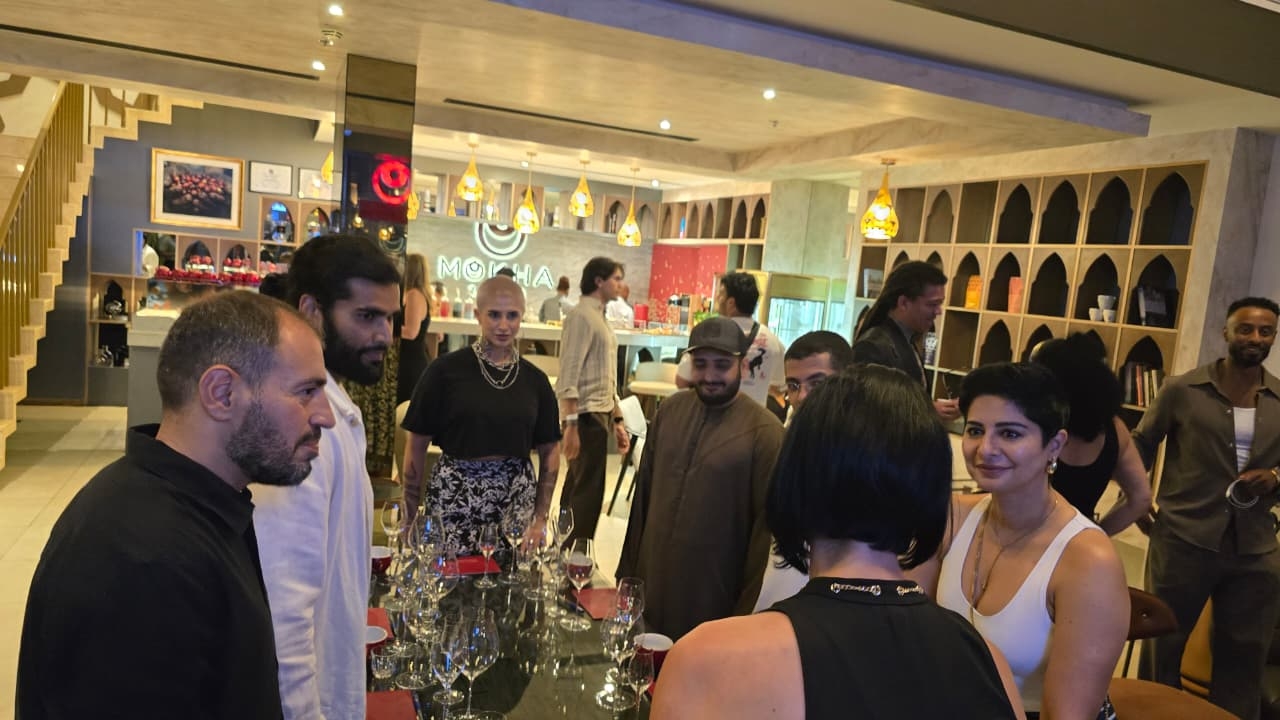
The first Coffee Break forum, held yesterday in Dubai, brought together senior leaders from the coffee, hospitality, logistics, media, and investment sectors to discuss the growing structural pressures facing the global coffee industry.

Organized by Mokha 1450 in partnership with Modora, the event went beyond discussion, offering a detailed real-time reading of how the sector is reacting to overlapping global disruptions.

Despite the complexity of challenges, a consistent theme emerged throughout the sessions: Dubai’s business environment continues to operate with a high level of institutional confidence, repeatedly linked by speakers to government crisis management performance and long-term economic stability.

  • SPEAKERS LIST (FULL PARTICIPANTS)

The session featured a high-level panel including:

  • Abdulla Al Shaibani — Group CEO, Axceed LLC
  • Garfield Kerr — CEO, Mokha 1450 and Former President of the Specialty Coffee Association
  • Khalid Al Mulla — CEO, Dubai Coffee Museum
  • Jennifer Pettinger-Haines — Founder and CEO, The GRIF Collective
  • Paul Clifford — Industry Editor and Analyst
  • Zeena Zalamea — Moderator, Broadcaster and Entrepreneur

GOVERNMENT CONFIDENCE AS A CORE BUSINESS FOUNDATION

A central thread across discussions was the role of government performance during crises, particularly the COVID 19 pandemic.

Speakers described how the UAE maintained operational continuity during global shutdowns, reopened faster than most major economies, and minimized long-term disruption to business ecosystems.

This experience created what participants described as a “structural confidence layer” that continues to shape decision-making today.

Rather than reacting defensively to current market pressures, companies are maintaining operations, focusing on internal stability, and prioritizing workforce wellbeing.

One speaker emphasized that during crises, the primary concern shifted away from business survival toward emotional and organizational stability within teams, supported by confidence in national systems.

  • ABDULLA AL SHAIBANI: LEADERSHIP UNDER STRUCTURAL CHANGE

Abdulla Al Shaibani highlighted that leadership in the current cycle is no longer defined by expansion, but by resilience management.

He emphasized that the priority for landlords and operators alike is stability rather than aggressive growth, stressing that maintaining continuity with tenants and partners is now the key objective.

He also noted that supporting smaller business ecosystems through flexible operational frameworks is essential during periods of uncertainty.

  • GARFIELD KERR: SUPPLY CHAIN DISRUPTION AND INDUSTRY PRESSURE

Garfield Kerr described significant disruption across global coffee logistics, particularly in air freight and container movement.

He explained that shipping costs have increased sharply, forcing businesses to pause shipments, delay projects, and reallocate inventory already positioned at origin.

He added that specialty coffee operators are now managing a fragile balance between cost pressure and quality preservation, especially as green coffee prices continue to rise globally.

  • JENNIFER PETTINGER-HAINES: THE TWO SPEED MARKET

Jennifer Pettinger-Haines presented data analysis covering approximately 400 venues across Dubai, revealing a clear structural divide:

  • Community cafés and neighborhood venues: growth of 30 to 40 percent in some cases
  • Fine dining restaurants: declines reaching 70 to 80 percent

She explained that this divergence reflects a fundamental shift in consumer behavior toward proximity, affordability, and familiarity.

Community driven venues are benefiting from consistent local demand, while high-end restaurants remain heavily dependent on tourism and discretionary spending.

  • PAUL CLIFFORD: PRICING STRATEGY AND BRAND RISK

Paul Clifford warned against aggressive discounting strategies, stating that repeated price reductions can permanently damage brand perception.

Once a brand is positioned at a lower price point, restoring premium positioning becomes significantly more difficult.

He noted that many operators are instead restructuring offerings by simplifying menus, reducing service formats, adjusting portions, and forming supplier collaborations rather than competing through pricing alone.

  • KHALID AL MULLA: LOGISTICS AND SYSTEM STABILITY

Khalid Al Mulla emphasized that government intervention extends beyond regulation into active operational support during crises.

He referenced past interventions that protected businesses from immediate financial collapse and ensured continuity of operations.

He also highlighted current logistics diversification strategies, including alternative shipping routes and regional port redistribution to reduce dependency on single supply corridors.

  • INDUSTRY TRANSFORMATION ACROSS OPERATIONS

Across the sector, businesses are adjusting core operations:

  • Reduced operating hours in line with demand
  • Workforce restructuring
  • Menu redesign due to cost inflation
  • Ingredient substitution and sourcing recalibration
  • Training program expansion

At the same time, companies are investing in internal capability development to prepare for post-crisis recovery cycles.

  • DIFFERENT ECONOMIC REALITIES WITHIN ONE MARKET

Speakers noted a widening gap between companies:

  • Well capitalized operators are investing and repositioning
  • Smaller operators are focused on survival and liquidity management

Overall performance remains below historical averages, with many businesses operating near break-even thresholds.

  • HOSPITALITY ASSET UNDERUTILIZATION

Hotel infrastructure was identified as an underutilized resource due to reduced occupancy rates.

Proposals included repurposing unused spaces into coworking environments, delivery kitchens, and hybrid operational models to improve asset efficiency.

  • SHIFTING CUSTOMER DEMOGRAPHICS

A key strategic concern raised was the under engagement of younger consumer groups.

Speakers noted that this demographic represents a growing opportunity but requires new approaches in branding, product development, and communication strategy.

  • ORIGIN LEVEL PRESSURE IN THE COFFEE CHAIN

At production level, rising costs and low farmer returns continue to threaten long-term sustainability.

Some producers are exiting the industry entirely, while younger generations are increasingly avoiding agricultural participation.

Sustainability investment and fairer value distribution were highlighted as critical structural requirements.

  • OUTLOOK: CONTROLLED OPTIMISM

Despite challenges, sentiment remained cautiously positive.

Most participants expect partial recovery within 12 to 24 months based on historical cycles in hospitality markets.

A widespread view emerged that current disruptions are cyclical rather than structural, shaping investment and operational decisions across the sector.

  • CONCLUSION

The Coffee Break forum in Dubai highlighted an industry under simultaneous global pressures but actively adapting across every layer of its value chain.

From supply chains to consumer behavior, the sector is undergoing structural recalibration.

At the center of this transition is sustained confidence in the UAE’s institutional stability and crisis management capability, which continues to influence strategic decisions across the industry.

From Vilnius to the World: The Story Behind Huracán Coffee’s Historic Win

An exclusive interview with Vytautas Kratulis, founder of the World’s Best Coffee Roaster 2026

Dubai – Ali Alzakary

When Huracán Coffee was crowned World’s Best Coffee Roaster 2026 at the Global Coffee Awards in San Salvador, it was more than a victory. It marked a defining moment for the global coffee industry. For the first time, a roaster from the Baltic region reached the top, standing alongside and above long-established coffee markets in Europe and North America.

This achievement reflects years of work, consistency, and a deep understanding of coffee that goes far beyond roasting alone. Behind it is Vytautas Kratulis, a figure whose journey is closely tied to the transformation of Lithuania itself. From the uncertainty that followed independence in the early 1990s to building one of the most respected specialty coffee companies in the world, his path mirrors the rise of a new coffee culture in an emerging region.

In this exclusive conversation with Qahwa World, Kratulis shares his story, his philosophy, and his perspective on what it truly means to produce great coffee today.

Read the full interview below.

  • To start, could you briefly introduce yourself and share the story behind Huracán Coffee?

When the Soviet Union collapsed, everything changed. Lithuania became independent in 1991, just as I turned seventeen. It was a complete reset. There were no clear rules, no stable systems, only a strong sense that we had to build a country from the ground up, including its economy, institutions, and businesses.

There was chaos, many crises, very little money, and almost no legal framework. But for a young person, it also meant freedom and possibility. Many of us wanted to travel, to see the world, and at the same time take part in building something new in a country that was just taking shape.

I started working in a distribution company handling commercial coffee brands from Sweden, Austria, Poland, and Germany. My job was simple, placing products on shelves. But the deeper I got into it, the more questions I had. I began to notice that people cared about good coffee. They were looking for it.

It also connected to my personal experience. In my family, coffee had meaning. My mother suffered from migraines, and coffee helped her. At that time, truly good coffee was rare, and because of that, its value felt higher than it does today. When something good appeared, people noticed. I kept seeing this pattern. People appreciated quality, even if they did not always have the words to describe it.

Then one day I tasted freshly roasted coffee for the first time. It was presented by a Polish entrepreneur selling drum roasting machines. That moment changed everything for me. I bought a roaster.

At that time, there was no concept of specialty coffee as we understand it today. There was no internet as we know it, no structured information, and I had no awareness of the specialty coffee movement until 2004.

In 2004, I attended an exhibition in Athens, where I met key figures from what was then the Specialty Coffee Association of Europe. That experience gave me a completely new perspective.

After returning to Vilnius, I opened the first dedicated specialty coffee shop in Lithuania, established a local SCA chapter, and organized the first national championship under international rules. We also sent our first national champion to the World Barista Championship in Seattle. That was how the Baltic region began connecting with the global specialty coffee community.

A major turning point in my career came in 2005, when I was invited to judge at the Cup of Excellence in Nicaragua. That was my first visit to a coffee origin. There, I met many of the people who shaped the specialty coffee movement. It was also my first time sitting at a Cup of Excellence cupping table. Since then, I have served as a judge in competitions in nearly every producing country that participates in the program.

  • How did you feel when you heard you had won World’s Best Coffee Roaster?

It is hard to put into words. Even if we had received silver or bronze, the feeling would have been very strong. But when you are ranked number one, you begin to reflect and look for the reasons behind it.

Looking back now, it is clear that this did not happen by chance. The result follows the work. But in that moment, the only thought was that you are simply lucky to be there.

When we received a bronze medal in the filter category in Europe and qualified for the final, we already celebrated it as the highest point in our journey. Going into the world final, we did not expect this kind of recognition, especially considering the level of markets like the United States, Canada, the United Kingdom, and Scandinavia.

Today, access to great coffee is relatively equal. Roasters can find and buy exceptional lots, visit producers, and operate within well-established logistics. We all see each other’s work.

The difference lies in the market itself. In more developed markets, demand for quality is stronger and more consistent. People can pursue quality without compromise, and good coffee becomes part of everyday life.

In my local market, I am still shaped by a less mature consumer. Expectations are different, and that naturally defines certain limits.

  • What do you think made the biggest difference in this competition?

We received a strong number of medals across different categories and subcategories, close to a fifth of all awards. That range made a difference.

Beyond filter coffee, which we understand well, we also have long experience preparing roasts for milk-based drinks. We have had six national barista champions come through our team.

In areas like omni roasting, which is not something we do every day, it was a new challenge. Still, we performed well and received recognition.

Timing also played a role. It was a moment when many of our carefully sourced lots had just arrived. Every year, we make a point of buying something special, competition-level coffees. This allowed us to present strong coffees across many categories.

We prepared seriously. We had a plan for what to present, when to roast, and how to approach the competition.

We did not expect to win. But we knew how to present ourselves with respect at the highest level.

  • How would you describe your approach to roasting in simple terms?

We believe roasting should be adapted to purpose.

For milk-based drinks, we adjust the coffee to work well with milk. For filter coffee, we roast light so the coffee can express its natural character, including origin and variety.

Espresso is different. We prefer sweetness and balance, with more roundness in the cup, not just strong acidity. Our style sits somewhere between Italian and Scandinavian approaches.

Acidity is important, but we do not push it to the front. We value origin, freshness, precision, and preparation. At the same time, we do not follow trends blindly.

  • How important are your relationships with coffee farmers?

They are very important.

It is always a special feeling to know that a farmer is waiting for your order, expecting your visit, and welcoming you.

These relationships take years to build. It is about understanding each other. In the end, what a farmer chooses to sell you becomes how that country is experienced in your market.

For example, we have worked with the Pacas family in El Salvador since 2008. It is not only about rare varieties, but also about everyday coffees that truly represent a country.

I try to visit producing countries regularly to see progress and changes.

  • What is your view on blind tasting competitions?

From my perspective, they can reflect quality if the system is well structured.

Consistency, standardized preparation, and experienced judges are essential. These factors allow for objective evaluation.

I still consider Cup of Excellence the most advanced system. At the same time, Global Coffee Awards offers something valuable by comparing coffees from different countries without bias.

  • What does this win mean for the Baltic region?

It is a significant result for our region.

Our customers are part of this achievement. They trusted us for many years. I hope it gives confidence to other roasters.

At the same time, the market is still developing. Awareness and consistency are improving, but there is still a gap compared to more mature markets.

  • What are your plans after this win?

This result confirmed that what we do resonates globally.

We will continue focusing on coffee. We have expanded into products like cold brew concentrate and specialty instant coffee, as well as collaborations with other industries.

Looking ahead, I would like to be more present in the Arab coffee scene. I believe we have something meaningful to contribute there.

  • What advice would you give to roasters who want to reach this level?

Do not focus too much on others. Follow your own path.

Take part and do not let fear of losing stop you. Many strong players never even try.

This interview reflects a journey built over decades, shaped by curiosity, persistence, and a deep respect for coffee at every stage of its value chain. Huracán Coffee’s achievement is not only a win, but a signal that the global coffee map continues to evolve, opening space for new regions and new voices.

Coffee’s Hidden Health Boost Goes Beyond Caffeine

Dubai – Qahwa World

A recent study published in Nature Communications reveals that coffee’s impact reaches well beyond its caffeine content. Researchers report that both regular and decaffeinated coffee can influence gut bacteria in ways that may support mood, lower stress levels, and enhance brain function.

The research, led by scientists at APC Microbiome Ireland, examined how coffee interacts with the gut microbiome a vast network of microorganisms essential to overall health. The findings suggest that coffee plays a role in shaping this internal ecosystem, with potential benefits for emotional and mental well-being.

  • Exploring the Gut–Brain Link

“Coffee is more than just caffeine it’s a complex dietary factor that interacts with our gut microbes, our metabolism, and even our emotional well-being,” said John Cryan, PhD, principal investigator and co-author of the study.

You may read: Nuclear Science Secures the Future of Coffee

The research focused on the gut–brain axis, a bidirectional communication system connecting the digestive system and the brain. Scientists aimed to understand whether coffee’s influence on mood and cognition could occur independently of caffeine.

  • Study Design and Approach

The study included 62 participants, divided evenly between regular coffee drinkers—consuming three to five cups per day and non-drinkers. Researchers gathered psychological evaluations, dietary data, and biological samples such as stool and urine.

You can also read: Italian-Style Coffee Linked to Lower Risk of Common Liver Disease

Participants who regularly consumed coffee were asked to stop for two weeks. Afterward, both groups were reintroduced to coffee under controlled, blinded conditions, with some receiving caffeinated coffee and others decaf. This setup enabled researchers to isolate the effects of coffee on the gut microbiome while monitoring changes in stress, mood, and cognitive performance.

Main Outcomes

  • The results showed that both types of coffee were linked to several positive effects:
  • Measurable changes in gut microbiome activity.
  • Lower levels of perceived stress, depression, and impulsivity.
  • Better mood and improved focus.
  • Reduced anxiety and inflammation risk in those consuming caffeinated coffee.
  • Enhanced learning and memory associated with decaffeinated coffee.
  • Increased presence of beneficial gut bacteria tied to digestion and emotional health.

you may like: Moderate Coffee Consumption May Reduce Dementia Risk

Researchers identified a rise in helpful bacteria, including Eggerthella species and Cryptobacterium curtum, known for supporting digestive balance and limiting harmful microbes. An increase in Firmicutes bacteria associated with positive emotional states was also observed, particularly among women.

  • The Role of Decaf Coffee

Differences between the effects of caffeinated and decaffeinated coffee suggest that compounds other than caffeine, such as polyphenols, may contribute significantly to coffee’s mental and cognitive benefits.

“Our findings reveal how coffee influences both the microbiome and neurological responses,” Cryan noted. “It may change how microbes function collectively and the metabolites they produce.”

  • Rethinking Coffee’s Role

As scientific interest in diet-based strategies for gut health continues to grow, this study positions coffee as more than a daily ritual. It may also serve as a valuable component of a balanced lifestyle that supports both digestive health and mental well-being.

Iran War Drives Coffee Prices Higher as Supply Risks Intensify

Dubai – Qahwa World

Coffee futures rose sharply on Wednesday, hitting a 3.5-week high as markets reacted to escalating disruptions linked to the Iran war and concerns over global supply chains.

The main driver of the rally was growing uncertainty around the Strait of Hormuz, a critical global shipping route. Traders fear that prolonged conflict could keep the passage restricted, pushing up shipping costs, insurance premiums, fuel expenses, and overall logistics costs for coffee exporters and importers.

At the same time, tightness in robusta supply added upward pressure on prices, with ICE inventories recently falling to their lowest level in more than a year.

However, the broader market picture remains mixed. Arabica coffee had recently slipped to a seven-week low due to expectations of a very large Brazilian crop, with multiple forecasts pointing to a record harvest in the 2026/27 season. Larger projected global surpluses in the coming year are also seen as a long-term limiting factor for prices.

On the supply side, Vietnam continues to support global availability through strong export volumes, reflecting higher production levels in the world’s largest robusta-producing country. Meanwhile, Brazil’s export figures have shown recent declines compared with last year, and uneven rainfall in key growing regions is raising some concern about yield stability.

Longer-term projections from agricultural agencies still point to rising global production, particularly in robusta coffee, while arabica output is expected to decline. Even so, global ending stocks are forecast to tighten slightly in future seasons.

Overall, coffee markets are being pulled between short-term geopolitical disruption linked to the Iran war and longer-term expectations of strong global supply growth.

Escape: The “Sanctuary” Philosophy Reconnecting Sharjah’s Community Over Coffee

Sharjah – Qahwa World

Nestled in a serene corner of Al Heera Beach, one of Sharjah’s newest leisure destinations near the Ajman border, “Escape Cafe/Community” stands as more than just a commercial venture. It is a dream realized after three years of meticulous preparation, blending the excellence of specialty coffee with the warmth of human connection.

A Comfort That Feels Like Home

From the moment you step into the cafe, a sense of peace, calm, and tranquility washes over you, the kind of comfort typically reserved for entering one’s own home. It is a new destination that serves as an ideal retreat for UAE residents, offering a diverse selection of coffee and cuisine crafted to satisfy those seeking a refined yet cozy experience.

From Pandemic Isolation to Community Warmth

Founder Mohammed Ali Patel shares that the concept of “Escape” was born during the isolation of the COVID-19 pandemic. “I felt that people had drifted apart, and there wasn’t much connection happening,” Patel explains. “I realized there is no better way to bring a community back together than over coffee. It is the catalyst for our meetings, whether for business or friendship.”

A Philosophy Beyond Business

Escape does not follow the traditional commercial mold. Designed with the vision of being an “escape from reality,” the space is wide and open, giving visitors an immediate sense of freedom. The cafe’s philosophy rests on four pillars:

  • Education: Hosting workshops to educate the public on coffee origins and brewing techniques.
  • Art: Combining art and coffee to enhance productivity and mental stillness.
  • Mental Health: Providing a space to raise awareness of mental well-being, a topic often overlooked in daily life.
  • Community: Building personal bonds with neighbors and regulars so they feel truly “at home.”

Sharjah: A Gracious Host for Innovation

Regarding the choice of location, Mohammed Ali Patel views Sharjah as a “stable and accepting” community that appreciates a slower pace of life. He attributes the potential for success to the initiatives of His Highness Sultan bin Muhammad Al Qasimi, who has long championed art, education, and tradition, values that resonate with the cafe’s proximity to art hubs and established residential areas.

A Menu Defined by Morning Energy

While the cafe offers main courses such as burgers and pasta, its core focus remains on brunch and breakfast, served from 7:00 AM to 1:00 PM. “The energy we get from customers during the morning shift is wonderful,” Patel says. “We want to ensure our guests start their day with a positive spirit.”

Success Measured by Names, Not Numbers

Reflecting his long term vision, Patel says success a year from now will not be measured solely by sales figures, but by knowing his customers by name. “Success is when students and neighbors feel free to sit here, even in our outdoor spaces, knowing this is their home. They do not always have to order, they just need to feel they belong.”

Authority.Coffee launches GCC’s first dedicated coffee industry careers platform

Dubai — Qahwa World

Authority.Coffee has introduced a new careers platform focused on the coffee sector in the Gulf region, aiming to connect employers with candidates experienced in the industry.

The platform, accessible at authority.coffee/careers, is designed to link operators such as specialty cafés, roasteries, multi-location groups, and equipment suppliers with job seekers who have relevant experience in coffee operations. Available roles include baristas, roasters, store managers, training staff, and senior operational positions.

The launch comes as the GCC specialty coffee market continues to expand. Industry estimates cited by the company project the sector could grow from approximately USD 6.84 billion to more than USD 11 billion by 2030, representing a compound annual growth rate of around 9%. At the same time, operators in the region have reported ongoing challenges in recruiting experienced talent.

Robert Jones, founder of Authority.Coffee, said the platform was developed in response to what he described as a mismatch between available talent and existing recruitment channels. He noted that general job platforms do not always differentiate between levels of specialty coffee experience.

The platform is positioned alongside Authority.Coffee’s broader market intelligence tools, which track coffee businesses and suppliers across the UAE. According to the company, early users of the careers platform will have access to verified candidate profiles, while job seekers will be visible to participating operators during an initial rollout phase. Registration is currently free for both employers and candidates.

Authority.Coffee stated that the service is intended to provide a more specialized recruitment channel for the regional coffee industry as competition for skilled staff increases alongside market growth.

Asia-Pacific Coffee Consumption Trends Report

Dubai – Qahwa World

Sucafina published an important report today titled “Inside Asia Pacific’s Evolving Coffee Consumption Landscape.” Due to its relevance for understanding shifting global coffee demand, Coffee World is republishing the findings to help raise awareness of the key trends shaping the region’s coffee markets.

Coffee consumption across the Asia-Pacific region is undergoing rapid transformation, shaped by premiumization, evolving lifestyles, and the parallel growth of convenience-driven and specialty coffee segments. Markets including Taiwan, South Korea, Australia and New Zealand, China, and Japan are each following distinct development paths while sharing broader regional dynamics.

  • Taiwan: A Dual-Track Consumption Market

Taiwan’s coffee market is strongly influenced by young urban consumers and fast-paced city lifestyles. Convenience-store chains such as 7-ELEVEN (CITY CAFÉ and CITY PRIMA) and FamilyMart (Let’s Café) dominate daily consumption, offering consistent quality and accessible pricing.
At the same time, specialty cafés are expanding, driven by consumer interest in origin, processing methods, and brewing techniques. Domestic specialty production is also emerging, particularly in regions such as Alishan, though limited supply and high prices remain constraints.
The result is a dual-market structure where convenience-driven and experience-focused consumption coexist. Taiwan imported around 726,000 bags in 2025, reflecting steady growth supported by premiumization and stable commercial demand.

  • South Korea: A Highly Polarized “Barbell” Market

South Korea remains one of the highest per-capita coffee-consuming markets in Asia, with annual consumption estimated at 400–420 cups per person. The market is increasingly polarized between low-cost franchise chains and high-end specialty cafés, with limited space for mid-tier operators.
Industry standards have risen significantly, with many chains now avoiding lower-scoring commercial beans and instead emphasizing higher-quality offerings. Specialty cafés are differentiating through rare origins, unique varieties, and enhanced in-store experiences.
Ready-to-drink coffee continues to grow at a steady rate, supported by office workers and home café culture. Decaf consumption has also expanded consistently over the long term, while demand for African and Latin American specialty coffees continues to rise.

  • Australia & New Zealand: Shift Toward At-Home Consumption

In Australia and New Zealand, rising living costs are reshaping coffee consumption patterns. While overall demand remains strong, more consumers are shifting away from cafés toward supermarkets, e-commerce, subscription services, and ready-to-drink formats.
The market is becoming increasingly polarized between value-driven private label products and premium, traceable specialty offerings, particularly in New Zealand. Fresh coffee is showing strong supermarket growth, while instant coffee and pods are stabilizing.
New trends include iced and infused coffee formats, as well as growing demand for premium decaf and alternative beverages. Despite cost pressures across the supply chain, daily coffee consumption remains high across both markets.

  • China: Rapid Expansion Driven by Low Prices and Scale

China continues to be one of the fastest-growing coffee markets globally, supported by rapid consumer adoption and highly efficient supply chains. Large coffee chains dominate the market through extensive store networks and price-competitive offerings.
Average cup prices remain low, contributing to strong mass-market accessibility but also increasing pressure on premium positioning. Consumer preferences continue to lean toward milk-based and blended beverages, driving continuous menu innovation.
Import demand remains strong and evolving, with shifts in sourcing origins reflecting the market’s rapid development.

  • Japan: Mature and Stable Consumption Market

Japan’s coffee market is highly mature, with long-established consumption habits and relatively stable demand. While demographic aging has contributed to slight declines, overall consumption remains steady.
The country imports significant volumes of green coffee and soluble coffee annually. A strong ready-to-drink culture persists, supported by widespread vending machine distribution and convenience store expansion.
Specialty coffee remains a smaller segment but continues to grow through curated and experiential offerings. One emerging format is the “coffee omakase,” a highly curated tasting experience that emphasizes exclusivity and craftsmanship.

  • Regional Outlook: Fragmentation and Innovation

Across Asia-Pacific, coffee demand remains structurally strong, with continued expansion in both commercial and specialty segments. However, markets are increasingly fragmented, with clear separation between value-driven and premium consumer behavior.
Innovation in both product development and café concepts is becoming a defining factor in competitiveness. Across the region, operators are adapting to increasingly distinct local demand patterns, reinforcing Asia-Pacific’s role as a key driver of global coffee market evolution.

Global Coffee Leaders Launch First-Ever Deforestation Mapping Initiative

Amsterdam – Qahwa World

Leading global coffee companies have launched a landmark industry initiative aimed at transforming how deforestation risks are identified and managed across coffee-producing regions worldwide, through a unified satellite-based mapping system.

The Coffee Canopy Partnership brings together major players in the global coffee value chain, including JDE Peet’s, Louis Dreyfus Company, Sucden, Neumann Kaffee Gruppe, Touton, Sucafina, and Tchibo, in an unprecedented pre-competitive collaboration designed to create the first comprehensive and openly accessible global map of coffee production landscapes.

Developed in partnership with Airbus, the initiative will use very high-resolution satellite imagery combined with artificial intelligence and ground verification to map coffee farms, detect forest loss, and distinguish between natural forests and agroforestry systems such as shade-grown coffee, which have historically been misclassified in land-use datasets.

The program is designed to address one of the sector’s most persistent structural challenges: the lack of reliable, harmonized geospatial data on coffee cultivation. This data gap has contributed to inconsistencies in sustainability monitoring and, in some cases, the unintended exclusion of smallholder farmers from regulated markets.

The initiative launches with a large-scale pilot across East Africa, covering Ethiopia, Tanzania, Kenya, Uganda, Burundi, and Rwanda. The pilot will map approximately 1.2 million square kilometers of coffee-growing landscapes and serve as the foundation for a global rollout planned for 2027.

At the core of the project is the creation of two key geospatial datasets. The first will reconstruct a baseline of coffee cultivation for 2020–2021, correcting historical misclassifications of agricultural land as forest. The second will provide an updated view of coffee production landscapes for 2024–2025, enabling the detection of land-use change and potential deforestation over time.

The initiative comes as the industry prepares for stricter regulatory enforcement under the European Union Deforestation Regulation (EUDR), which restricts market access for commodities linked to deforestation after December 2020. Industry participants warn that without accurate mapping, agroforestry-based coffee systems risk being incorrectly classified, potentially affecting millions of smallholder farmers.

Speaking at the launch, Laurent Sagarra of JDE Peet’s said the initiative represents a shift away from fragmented sustainability efforts toward a shared, landscape-level approach. He emphasized that the goal is not to create another certification scheme, but to build a collaborative infrastructure capable of reducing deforestation risk across the entire sector.

Airbus Defence and Space highlighted the role of satellite technology and artificial intelligence in enabling this transformation, noting that high-resolution Earth observation data can provide the transparency required to strengthen both environmental protection and supply chain resilience.

Supporting institutions, including the UK Foreign, Commonwealth & Development Office and the UN Food and Agriculture Organization, have endorsed the pilot phase. FAO representatives noted that the initiative aligns with broader efforts to promote transparent and inclusive data systems for sustainable commodity production.

Industry participants described the project as a shift toward shared infrastructure for sustainability, arguing that collective data systems can reduce duplication, improve consistency, and enable more effective decision-making across governments, producers, and traders.

If successfully scaled, the Coffee Canopy Partnership is expected to become a global reference system for monitoring coffee-related land use change, supporting deforestation-free supply chains while protecting the livelihoods of smallholder farmers and strengthening long-term climate resilience in coffee-producing regions.


Record Brazil Crop Expectations Weigh on Coffee Prices Despite Supply Tightness

Dubai – Qahwa World

Coffee markets are drifting lower, weighed down by mounting expectations of a very large crop in Brazil, even as supply-side tensions prevent sharper declines.

Arabica futures have slipped to their weakest levels in several weeks, reflecting growing confidence among analysts that Brazil’s next harvest could reach record territory. Forecasts from firms such as Marex Group, Sucafina, and StoneX all point toward a historically large 2026/27 crop clustered in the mid-70 million bag range. If realized, that would mark a significant year-on-year increase and help expand the global coffee surplus.

The supply outlook is also being shaped by developments in Vietnam, the world’s leading robusta producer. Export volumes have surged, with early-year shipments showing strong annual growth. Production is likewise expected to rise, potentially reaching a multi-year high, adding further pressure on prices.

Yet the market narrative is not entirely bearish. Tight inventories are offering some support, particularly for robusta, where exchange-monitored stockpiles have dropped to their lowest level in over a year, highlighting ongoing short-term supply constraints.

Geopolitical tensions are adding another layer of complexity. Disruptions linked to the Strait of Hormuz have pushed up freight and insurance costs, complicating global trade flows and increasing expenses for coffee importers and roasters.

Meanwhile, export data from Cecafé and Brazil’s trade authorities show a decline in March shipments compared to last year, lending some support to prices. Weather concerns also persist in key regions such as Minas Gerais, where below-average rainfall could still impact yields.

Global institutions, including the International Coffee Organization and the USDA Foreign Agricultural Service, continue to point to a nuanced outlook: overall production may rise, but with diverging trends between arabica and robusta, and tightening stock levels.

Taken together, the coffee market is navigating a delicate balance between expectations of abundant future supply and the realities of present-day constraints.

Dubai Restaurant Week Returns This Year from May 1 to 17

Offering Exceptional Dining Experiences at Over 125 Restaurants

Participating restaurants represent more than 25 international cuisines, ranging from fine dining and upscale contemporary spots to popular local eateries and award-winning venues. Food enthusiasts can enjoy specially curated lunch menus for AED 125 and dinner menus for AED 250, with reservations available exclusively via the Careem DineOut app.

Dubai – Qahwa World

Dubai Restaurant Week returns this May, offering food lovers the chance to savor a diverse selection of dishes from over 25 international cuisines, reflecting the vibrant culinary landscape of Dubai.

In this edition, over 125 restaurants will present exclusive menus designed to highlight the city’s global flavors at competitive prices from May 1 to 17, 2026. The selection spans luxury, contemporary, and local dining, including elite venues recognized by Michelin, Gault&Millau, and MENA’s 50 Best Restaurants.

The experience features a two-course lunch menu for AED 125 per person and a three-course dinner menu for AED 250 per person, providing an opportunity to dine at some of the city’s most sought-after locations. Guests can explore international kitchens including over 30 Michelin-listed restaurants. The lineup of participating chefs features global icons such as Nobu Matsuhisa, Gordon Ramsay, Izu Ani, Alvin Leung, Akira Back, Kelvin Cheung, and Hadrian Villedieu, alongside homegrown concepts like Girl and the Goose by Chef Gabriella Chamorro.

A key highlight of the 2026 edition is the full integration of bookings within the Careem DineOut app, providing a seamless platform for users to browse, discover, and book their tables in one place.

Ahmed Al Khaja, CEO of Dubai Festivals and Retail Establishment (DFRE), stated: “Dubai Restaurant Week continues to showcase the incredible diversity and rapid growth of Dubai’s culinary sector. Since its launch with just 30 restaurants, the event has grown significantly. Today, with over 125 participants, it has become a premier annual highlight for food lovers.”

Al Khaja emphasized the importance of collaboration with private and public partners, noting that the partnership with Careem makes the booking process more accessible, allowing diners to reach their preferred experiences with ease.

Dubai Restaurant Week celebrates the city’s variety, from Japanese and Italian to Latin American and Middle Eastern cuisines, as well as unique local concepts like Gerbou, which honors Emirati hospitality. Fans are encouraged to view the full list and book exclusively through Careem DineOut.

Victoria Arduino at Milano Design Week 2026

Milan – Qahwa World

During Milan Design Week 2026, Victoria Arduino expands its presence across some of the city’s most iconic venues, reinforcing its connection with design, architecture, and contemporary culture. Through a series of curated activations, the brand expresses its vision of coffee as a balance between innovation, timeless aesthetics, and uncompromising quality.

Coffee as a design experience at Poltrona Frau

During Fuorisalone, Poltrona Frau welcomes an international audience to its Via Manzoni flagship store. Under the theme True Over Time, the brand highlights a dialogue between tradition, longevity, and contemporary vision.

In this setting, Victoria Arduino joins as a partner, transforming coffee into a ritual of style and conviviality. In collaboration with Lavazza, the brand will be present at the Poltrona Frau Café from April 14 to 26, offering moments of connection and discovery within a space dedicated to quality, design, and the value of time.

Experimental design at Alcova

Victoria Arduino will also participate in Alcova, one of the most experimental platforms of Milan Design Week, hosted at the former Military Hospital in Baggio.

Together with Lavazza, the brand will contribute to an environment that explores new design perspectives and creative approaches to space, strengthening the link between contemporary design culture and coffee.

Material and vision at Stanze Prototipo

From April 20 to 26, Victoria Arduino partners with Stanze Prototipo, curated by Azimut Design and OOM Glass, hosted at Valentina Ottone PR Showroom.

The project explores the concept of the prototype as a space for experimentation and storytelling, where materials, design, and vision converge. Victoria Arduino’s presence enhances the sensory dimension of the experience, combining performance, aesthetics, and contemporary research within the coffee ritual.

Community and sharing with Caffè Sospeso

As part of the week, Victoria Arduino collaborates with Santaromero Roaster for the Caffè Sospeso activation, blending coffee culture with social responsibility.

Taking place on April 21 and 22 at Spazio Pesca, the initiative—created by Studio Sospeso—reinterprets the tradition of suspended coffee as a modern act of sharing. The program includes sensory experiences, design-driven events, aperitivo gatherings, and networking opportunities, creating an inclusive space where coffee becomes a catalyst for dialogue and cultural exchange.

A citywide journey

Across Milan, each location presents a different facet of Victoria Arduino’s identity. Together, these activations form a distributed narrative that integrates coffee into the broader creative landscape of the city during one of the world’s most influential design events.

Coffee Market Weekly: Arabica Futures Fall as Macro Volatility and Origin Risks Intensify

Dubai – Qahwa World

Coffee markets ended the week under renewed pressure, with Arabica futures retreating sharply after multiple failed attempts to break above key technical resistance levels. Broader macroeconomic volatility, shifting geopolitical sentiment, and emerging supply risks from origin countries combined to shape a turbulent trading environment across both Arabica and Robusta markets.

Arabica Futures: Failure Above 300 Triggers Selloff

The July 2026 Arabica contract (KCN26), which remained the most active benchmark during the reporting period, opened the week on a volatile but broadly stable footing. Early trading on Monday saw prices rally from an opening level of 294.60 cents per pound, briefly pushing above the psychologically significant 300 cents per pound threshold. However, the move quickly lost momentum, with the market failing to establish sustained trading above this level.

By Tuesday, modest gains of 1.35 cents per pound were recorded, supported by tightening short-term supply conditions. Market sentiment was further underpinned by export data from Cecafe, which indicated a 10 percent year-on-year decline in Brazilian coffee exports for March 2026, reinforcing concerns over near-term availability.

Wednesday marked the third consecutive session in which the market attempted and failed to sustain levels above 300 cents per pound. The inability to hold above this technical resistance level contributed to a gradual deterioration in sentiment, although the market still closed marginally higher on the day.

The tone shifted decisively on Thursday. Following a strengthening US dollar and a lack of buying interest above the 300 level, Arabica futures broke sharply lower, falling below 290 cents per pound within the first two hours of trading. The market reached an intraday low of 287.10 cents per pound before recovering slightly into the close.

However, selling pressure persisted into Friday, with no meaningful rebound in sentiment. The week concluded with Arabica futures settling at 284.25 cents per pound, marking a clear downside move and a rejection of recent resistance levels.

Currency Markets: Geopolitics Drive Volatility in FX

Foreign exchange markets were heavily influenced by developments surrounding US–Iran relations, with shifting geopolitical signals driving volatility across major currency pairs.

At the start of the week, both GBP/USD and EUR/USD weakened following the breakdown of US–Iran negotiations over the weekend. Sterling opened at 1.34, while the euro began at 1.16, reflecting a broad-based strengthening of the US dollar amid heightened geopolitical uncertainty.

Midweek sentiment improved after reports emerged suggesting that diplomatic discussions between the United States and Iran had resumed. This development supported a recovery in risk appetite, pushing GBP/USD above 1.35 and EUR/USD above 1.18. During this period, the US Dollar Index (DXY) eased to just above 98, reflecting a temporary shift away from safe-haven assets.

However, sentiment reversed again towards the end of the week. Markets reacted to the announcement that the Strait of Hormuz had been fully reopened to commercial shipping for the duration of the ceasefire. The news reduced concerns over supply disruption risks and encouraged a renewed rotation into risk assets.

As a result, the US dollar weakened further, with the DXY falling back below 98, approaching a seven-week low. Currency markets remained sensitive to ongoing geopolitical developments, with volatility expected to persist.

Origin Markets: Climate and Supply Risks Build

Colombia: Weather Disruption Reduces Output Expectations

In Colombia, coffee production is expected to decline compared with both 2024 and 2025 levels. Persistent and excessive rainfall has disrupted key stages of crop development, including flowering, cherry maturation, and bean formation.

Southern growing regions have been particularly affected, with reduced sunlight hours compounding the impact of heavy rainfall. While a natural production correction was anticipated following a strong prior year, current climatic conditions are increasingly viewed as a key downside risk to output.

Vietnam and Indonesia: El Niño Risk Intensifies

In Vietnam and parts of Indonesia, market attention is increasingly focused on the potential development of a stronger El Niño event during the current cycle.

According to the US National Oceanic and Atmospheric Administration (NOAA), there is a 25 percent probability that the ENSO positive phase could reach “super” intensity. Such an event is defined by central-equatorial Pacific sea surface temperatures at least two degrees Celsius above average.

Historically, only three super El Niño events have been recorded in the past 40 years, with the most recent occurring in 2015–2016.

For key coffee-producing regions such as Vietnam and Indonesia, El Niño conditions typically bring drier weather patterns. A stronger event could result in prolonged drought, elevated temperatures, and water stress, all of which would materially impact coffee production.

Vietnam, as the world’s largest producer of Robusta coffee, is particularly exposed to these risks. Any significant reduction in output would likely tighten global supply conditions and could provide upward support to LIFFE Robusta futures.

Conclusion

The coffee market enters the new reporting period with a softer technical outlook for Arabica, heightened sensitivity to macroeconomic and geopolitical developments, and increasing attention on weather-related supply risks across key origin regions. While short-term price action remains driven by dollar strength and risk sentiment, medium-term fundamentals continue to be shaped by production uncertainty in South America and Asia.