Russians Shift to Home Coffee as Prices Rise

Moscow – Qahwa World

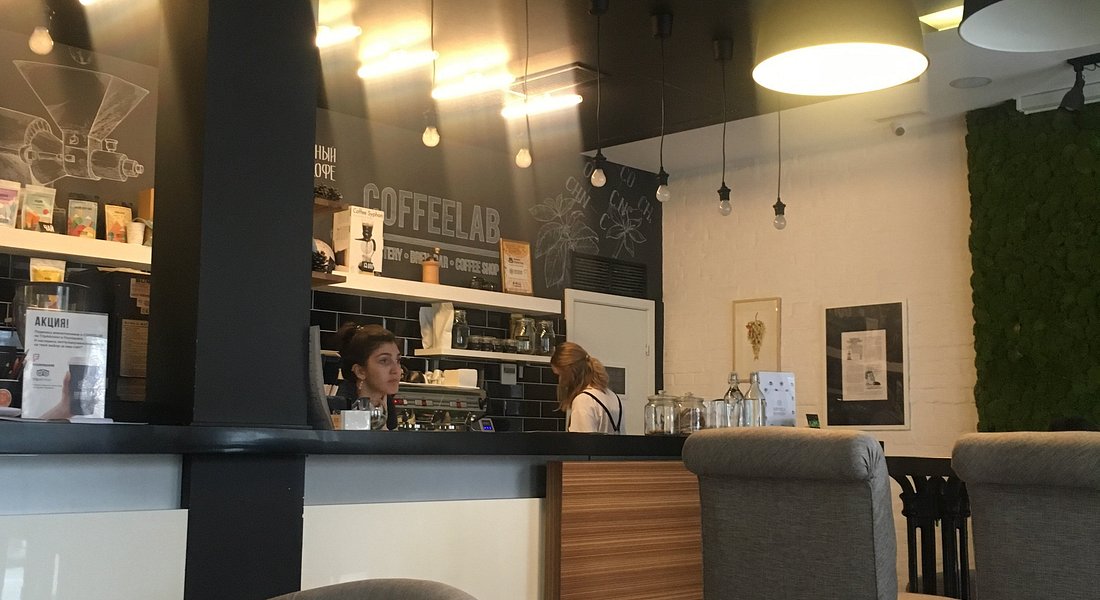
Rising prices are reshaping how Russians consume coffee, pushing more people away from takeaway purchases and toward brewing at home. A trend that began to emerge in 2025 has strengthened in 2026 and is now influencing the broader coffee market.

According to Ramaz Chanturia, head of the Roschaikofe association, consumers are increasingly opting out of buying coffee to go and instead preparing it themselves. The shift is largely driven by a need to reduce everyday spending. Coffee shop purchases are no longer seen as a routine necessity but as a discretionary expense. Many people now prepare their drinks in advance and carry them in reusable thermal mugs.

Market data reflects this change. In early 2026, takeaway coffee sales declined in volume compared to the previous year, while revenue increased. This indicates that consumers are buying fewer cups but paying more per purchase. The pattern suggests price pressure and reduced purchase frequency rather than declining interest in coffee itself.

The price increase is driven by global factors. Supply challenges in key producing countries such as Brazil and Vietnam, combined with rising logistics and operating costs, are pushing prices higher. Forecasts suggest that the average price of a cup of coffee in Russia could reach 500 to 600 rubles by the end of 2026.

At the same time, the home coffee segment is expanding. Sales of coffee beans, grinders, and home brewing equipment are rising as consumers invest in making their own drinks. Improvements in home coffee technology have made it easier to achieve consistent results, allowing consumers to produce quality coffee without visiting a café. While professional baristas still offer a higher level of expertise, the difference is no longer significant enough for many people to justify the extra cost.

Despite these shifts, coffee remains an essential part of daily life. Industry experts describe it as a lifestyle product with strong emotional value, closely tied to routines and personal habits. As a result, consumers are more likely to cut back on other expenses than to give up coffee entirely.

The market is not shrinking but evolving. Consumption is moving from cafés into homes, creating a new pattern of behavior. Russia’s coffee culture is adapting to economic pressures, changing its format while maintaining its importance in everyday life.

Russia’s Imports of Brazilian Coffee Fall to Six-Month Low

Moscow – Qahwa World

Russia significantly reduced its imports of Brazilian coffee in February 2026, reaching the lowest level recorded since September 2025, according to Brazilian customs data cited by RIA Novosti.

Shipments to Russia totaled about 2.8 thousand tons, valued at $20.3 million. This represents a 1.8-fold decline compared with January 2026 and a 2.6-fold drop compared with February 2025. As a result, Russia’s position among the largest importers of Brazilian coffee fell from seventh to fourteenth place.

The decline occurred during a broader slowdown in Brazil’s coffee exports. In February, total Brazilian shipments reached 142.5 thousand tons, worth $1.03 billion, marking a 0.7% decrease from January and a 17% decline year-on-year.

You may like: Russia Updates Instant Coffee Standards for the First Time in 32 Years

The reduction in exports to Russia, however, was more pronounced and appears linked to several domestic economic developments. Economic pressures in Russia have led to an increased pace of restaurant and café closures, reported to be the fastest since 2021 according to data from Sberbank. The shift has reduced demand for imported coffee as more consumers move toward lower-cost food options.

Global coffee prices may also be influencing purchasing decisions. During 2025, arabica prices rose by roughly 25%, encouraging some buyers to delay purchases while waiting for potential price declines. Expectations of a strong Brazilian harvest for the 2026/2027 crop year, projected at 66.2 million bags, have already pushed arabica futures down to about $2.80 per pound in early March 2026.

At the same time, Russia’s instant coffee sector has expanded. The country increased exports of instant coffee by 28% in 2025, reaching $366 million, which may partly reduce reliance on imported green coffee.

Read Also: Russian Instant Coffee Exports Rise 28% to $366 Million

Trade policy changes may also influence future imports. Russia removed a 40% import duty on Brazilian coffee at the end of 2025, a move that could support a recovery in shipments in the coming months. Meanwhile, the Russian standards agency Rosstandart has approved an updated national standard for instant coffee that will take effect in November 2026, expanding the classification to include granulated and freeze-dried coffee, replacing a standard dating back to 1994.

Despite the drop in Russian purchases, several countries remained the largest importers of Brazilian coffee in February, including Germany, Italy, the United States, Belgium, and Japan, with import volumes ranging between 8.3 thousand and 23.4 thousand tons.

The sharp decline in Russia’s imports highlights a possible shift in the country’s coffee market, influenced by economic conditions, changing consumption patterns, and developments in global coffee supply.

Coffee Market in Southern Russia: 2025 Overview

Dubai – Qahwa World

In 2025, the coffee market in Southern Russia experienced steady price growth alongside the expansion of café networks. Data from Check Index and Kontur.Fokus reveal key trends in Rostov Oblast and Krasnodar Krai.

  • Rising Coffee Prices and Consumer Demand

By December 2025, the average price of a cup of coffee in Rostov Oblast reached 209 rubles (+17% YoY).

In Krasnodar Krai, the average price was 223 rubles (+15% YoY).

Despite price increases, consumer demand remained stable, driven by milk-based drinks and combo purchases.

Top Coffee Choices: Over 80% of sales come from cappuccino and latte.
Combo Orders: Many consumers pair coffee with pastries, sandwiches, or desserts.
Average Check: Rostov-on-Don ranked in the top 10 Russian cities over one million residents by café spending, with the average check at 494 rubles in autumn 2025.

  • Café Infrastructure Growth

The rise in prices did not stop café expansion:

Rostov Oblast: 513 cafés (+11.5%)

Krasnodar Krai: 792 cafés (+11.9%)

  • Strategic Opportunities

Experts highlight a shift in growth from central urban areas to residential districts, where high-quality coffee outlets are scarce. This trend opens new opportunities for entrepreneurs in Southern Russia’s coffee market.

Brazilian Coffee Becomes Brazil’s Top Export to Russia

Moscow – Qahwa World

Brazilian coffee exports to Russia have surged sharply in 2025, making coffee the country’s leading export commodity to the Russian market for the first time, surpassing soybeans. This was confirmed by Brazil’s Ambassador to Russia, Sergio Rodrigues dos Santos, who stated that coffee shipments are expected to grow by around 70% by the end of the year.

According to the ambassador, coffee has now taken the top position among Brazilian exports to Russia, a role previously held by soybeans. A key factor behind this shift is the expansion of coffee deliveries beyond green beans to include processed coffee products.

In an interview with TASS, dos Santos emphasized that Russia imports not only raw coffee beans from Brazil but also processed coffee, which carries higher added value. He noted that this is particularly important for Brazil, as it reflects a more advanced export structure and strengthens the quality of bilateral trade.

The rise of coffee exports comes alongside a significant decline in South American soybean supplies to Russia. Since the start of the season, soybean shipments have dropped by 63%, falling to approximately 150,000 tonnes — the lowest level on record. This decline has contributed to coffee emerging as Brazil’s leading export product to the Russian market.

During the first nine months of 2025, Vietnam, Brazil, and Indonesia were the main coffee suppliers to Russia. Vietnam remained the largest exporter by volume over this period, while Brazil continued to rapidly strengthen its position through strong growth in shipments.

Commenting on the global coffee market and rising prices, the ambassador said Brazil has already succeeded in increasing coffee exports to Russia compared with last year. As a result, coffee has replaced soybeans as the country’s number one export product to Russia.

Dos Santos also confirmed that coffee remains one of the key agricultural products Brazil aims to further expand in the Russian market. Alongside increasing volumes, Brazil is focusing on diversifying its coffee exports, particularly by supplying products with a higher level of processing.

In 2025, Brazilian coffee has thus marked a turning point in trade relations with Russia, establishing itself as Brazil’s leading export commodity and underscoring the growing strategic importance of coffee within bilateral trade.