Russians Shift to Home Coffee as Prices Rise

Moscow – Qahwa World

Rising prices are reshaping how Russians consume coffee, pushing more people away from takeaway purchases and toward brewing at home. A trend that began to emerge in 2025 has strengthened in 2026 and is now influencing the broader coffee market.

According to Ramaz Chanturia, head of the Roschaikofe association, consumers are increasingly opting out of buying coffee to go and instead preparing it themselves. The shift is largely driven by a need to reduce everyday spending. Coffee shop purchases are no longer seen as a routine necessity but as a discretionary expense. Many people now prepare their drinks in advance and carry them in reusable thermal mugs.

Market data reflects this change. In early 2026, takeaway coffee sales declined in volume compared to the previous year, while revenue increased. This indicates that consumers are buying fewer cups but paying more per purchase. The pattern suggests price pressure and reduced purchase frequency rather than declining interest in coffee itself.

The price increase is driven by global factors. Supply challenges in key producing countries such as Brazil and Vietnam, combined with rising logistics and operating costs, are pushing prices higher. Forecasts suggest that the average price of a cup of coffee in Russia could reach 500 to 600 rubles by the end of 2026.

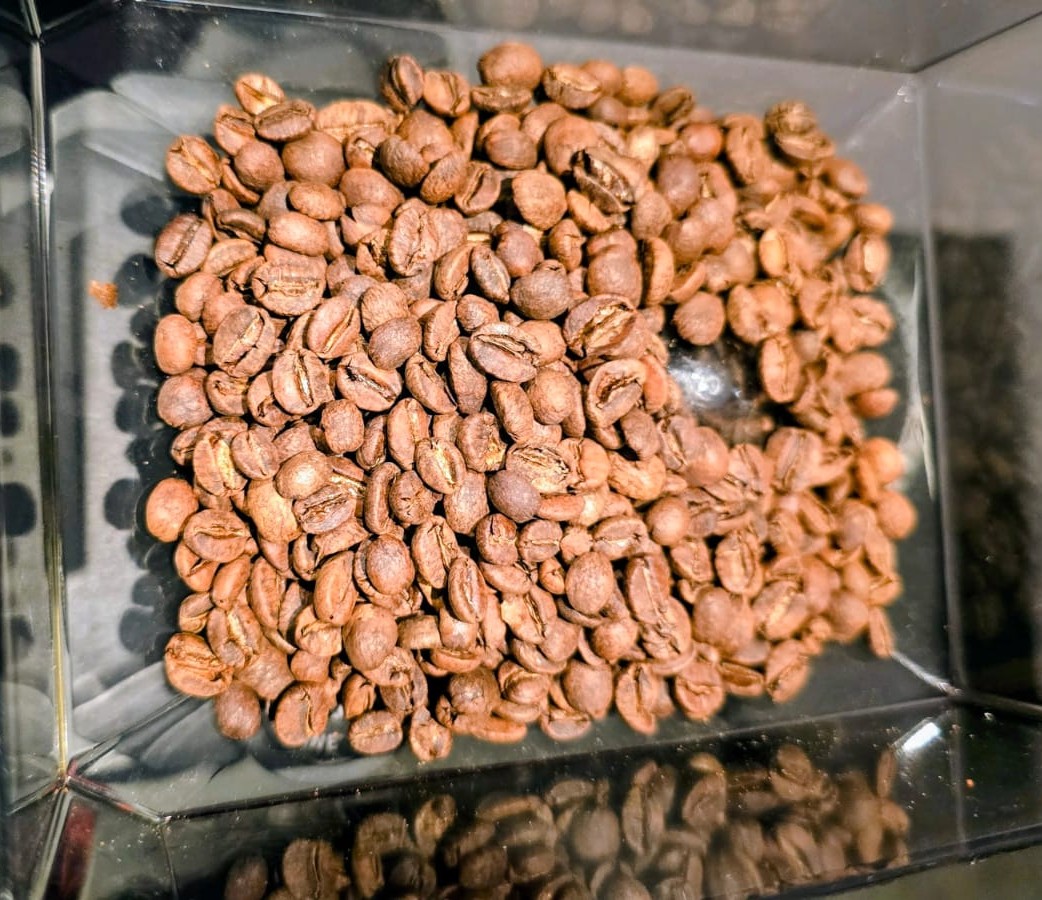
At the same time, the home coffee segment is expanding. Sales of coffee beans, grinders, and home brewing equipment are rising as consumers invest in making their own drinks. Improvements in home coffee technology have made it easier to achieve consistent results, allowing consumers to produce quality coffee without visiting a café. While professional baristas still offer a higher level of expertise, the difference is no longer significant enough for many people to justify the extra cost.

Despite these shifts, coffee remains an essential part of daily life. Industry experts describe it as a lifestyle product with strong emotional value, closely tied to routines and personal habits. As a result, consumers are more likely to cut back on other expenses than to give up coffee entirely.

The market is not shrinking but evolving. Consumption is moving from cafés into homes, creating a new pattern of behavior. Russia’s coffee culture is adapting to economic pressures, changing its format while maintaining its importance in everyday life.

70% of Russians drink coffee daily

Moscow – Qahwa World

The Russian coffee market in 2026 is hitting record milestones, with nearly 70% of the population consuming the beverage every day. Recent analytical data confirms that coffee has firmly established itself as the primary national drink, shaping a new and sophisticated culture of consumption across the country.

Consumption Statistics and Habits

A detailed breakdown of daily rituals among Russians reveals a clear hierarchy:

  • Daily Consistency: 68.4% of respondents cannot imagine their day without a cup of coffee.

  • The Golden Mean: Nearly half of those surveyed (49.5%) limit themselves to 1–2 cups per day.

  • High Intensity: Approximately 12% consume 3–4 cups, while 6.9% exceed this limit.

  • Alternative Choices: Only 31.6% of citizens prefer other beverages or decaffeinated options.

You may like to read: Russian Instant Coffee Exports Rise 28% to $366 Million

2026 Market Transformation: Logistics and Specialty

In 2026, import structures have undergone significant shifts. Russia has expanded direct supply chains from Latin America and East Africa, bypassing traditional European intermediaries. This strategic pivot has maintained access to high-quality specialty coffee despite global price volatility.

Analysts note a surge in interest for “micro-lots”—beans from specific individual farms. This indicates a maturing Russian consumer who now values terroir and unique flavor profiles over generic commercial branding.

2026 Trends: The Home Barista and AI Technology

The headline trend of the industry is the massive shift toward professional-grade brewing at home. With a projected 20% increase in the cost of imported raw green coffee, consumers are rapidly changing their habits:

  1. Economic Advantage: Home brewing costs an average of 5–6 times less than a purchase at a high-end coffee chain.

  2. AI Integration: 2026 has seen the rise of AI-powered espresso machines that automatically adjust extraction parameters based on specific bean density and water hardness.

  3. Sustainability: There is a growing demand for biodegradable packaging and reusable capsules, which has become a decisive factor for the younger demographic (ages 18–35).

Experts predict that by the end of 2026, the home consumption segment will grow by another 15%, turning the morning cup from a simple habit into a conscious, high-tech, and premium ritual.

You me also like to read: Russian Coffee and Roasted Coffee Market 2026

How to Make Your Coffee Habit More Sustainable

By: Maya Maceka

Global coffee consumption continues to rise, with billions of cups consumed every day. In the United States alone, roughly two-thirds of adults drink coffee daily, making it one of the most popular beverages nationwide. While coffee is deeply embedded in daily life and culture, its growing demand comes with significant environmental and social consequences.

From deforestation and water pollution to carbon emissions and waste generated at home, coffee’s footprint extends far beyond the cup. Understanding how coffee is grown, traded, brewed, and consumed is the first step toward making more responsible choices.

This guide explores practical ways to build a more sustainable coffee routine, focusing on responsible sourcing, waste reduction, and energy-efficient brewing—small changes that can create meaningful impact when adopted widely.

Where Coffee Is Grown

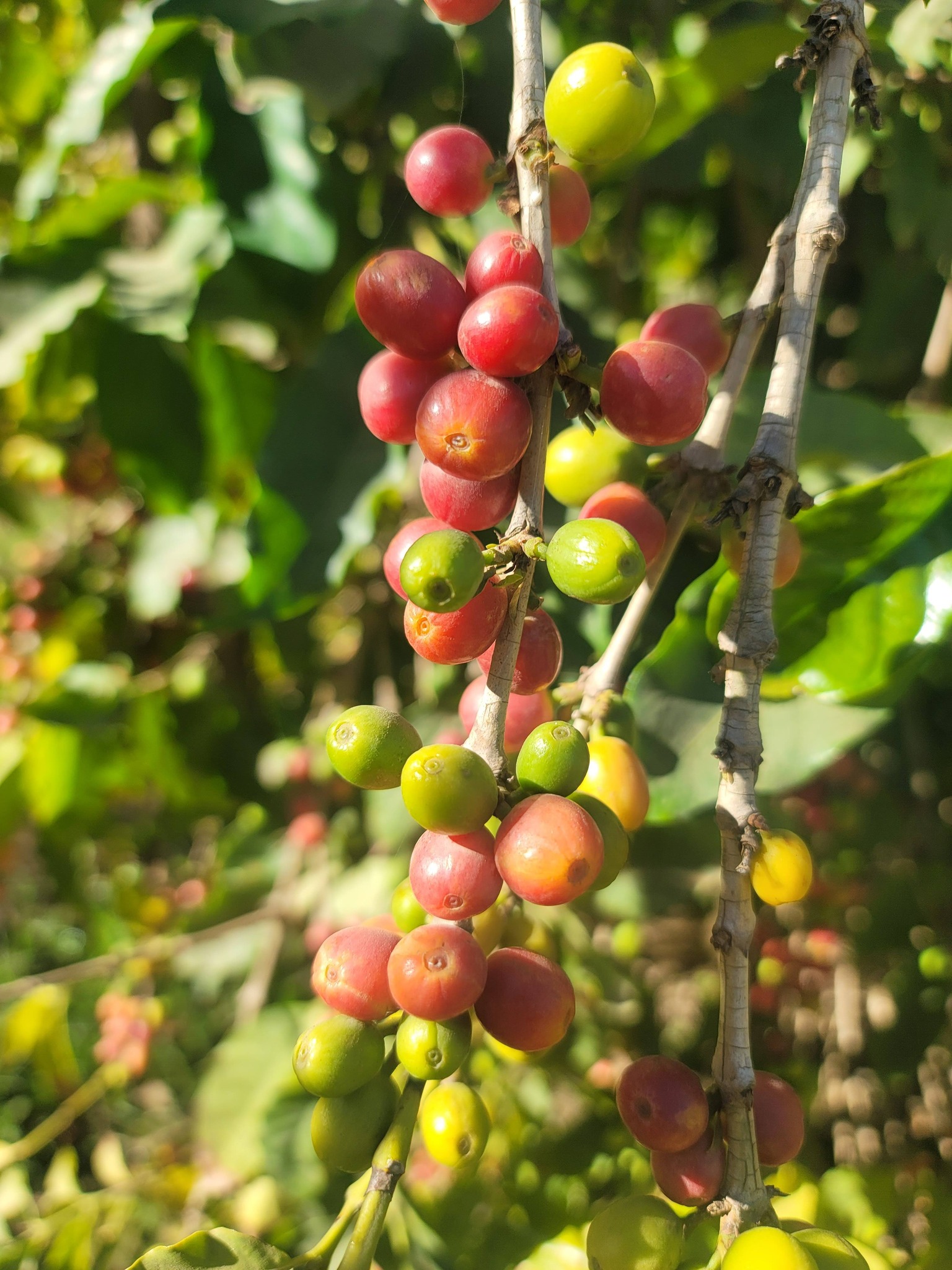
Coffee comes from the Coffea plant, which thrives in warm, humid regions near the equator. It is cultivated in more than 70 countries within what is commonly known as the “coffee belt,” stretching across Latin America, Africa, the Middle East, and Southeast Asia.

High-quality coffee is often associated with higher elevations, typically between 1,000 and 2,000 meters above sea level. These regions offer moderate temperatures, reliable rainfall, and fertile soils—conditions that allow coffee cherries to mature slowly and develop more complex flavors.

Slower growth at higher altitudes can also reduce caffeine levels and pest pressure, sometimes allowing farmers to rely less on chemical treatments. When combined with shade-grown methods, high-altitude farming can support biodiversity and soil health.

Main Coffee Bean Varieties

The global market is dominated by two species: Arabica and Robusta.

Arabica accounts for the majority of coffee consumed worldwide and is valued for its smoother, often fruity or floral profile. It grows best at higher elevations but is more sensitive to temperature changes, pests, and disease, making it increasingly vulnerable to climate stress.

Robusta thrives in warmer, lower-altitude environments and is more resilient. It contains higher caffeine levels and produces a stronger, more bitter flavor. Its durability allows it to maintain yields where Arabica struggles, which is why it plays a key role in many espresso blends.

A third variety, Liberica, represents only a small fraction of global production today. Grown mainly in parts of Southeast Asia, it is known for its distinctive, woody flavor and niche appeal.

Different beans suit different brewing styles. Arabica is often favored for black coffee and pour-over methods, while Robusta is commonly used in espresso-based drinks for its body and crema. Many commercial coffees blend both.

What Makes Coffee Sustainable?

Coffee farming has far-reaching environmental and social impacts. Conventional production methods can contribute to forest loss, soil degradation, chemical runoff, and greenhouse gas emissions. At the same time, millions of smallholder farmers face economic instability despite producing most of the world’s coffee.

A large share of coffee’s total carbon footprint originates at the farming stage, with emissions tied to land-use change, fertilizers, and processing. Meanwhile, much of the financial value generated from coffee is concentrated in consuming countries rather than at origin.

Sustainable coffee seeks to address these challenges by balancing environmental protection with fair economic outcomes for farmers.

Key Sustainable Coffee Practices

Several approaches are shaping a more responsible coffee sector:

  • Shade-grown farming supports wildlife, protects soil, and helps store carbon by growing coffee under tree canopies.

  • Organic cultivation avoids synthetic chemicals, relying instead on natural soil management and pest control.

  • Regenerative agriculture focuses on restoring ecosystems by improving soil health, increasing biodiversity, and capturing carbon.

  • Certifications such as Organic, Bird-Friendly, or Regenerative Organic aim to verify responsible practices, though transparency and enforcement remain critical.

  • Fair trade and direct trade models work to improve farmer income and working conditions by setting minimum prices or reducing intermediaries.

Transitioning to these systems can be costly and challenging for farmers, particularly in the short term, but long-term benefits include resilience, ecosystem protection, and improved livelihoods.

Making Your Coffee Routine More Sustainable at Home

Most coffee drinkers now brew at home, which means household habits play a growing role in coffee’s overall environmental impact.

Choose Responsible Coffee Beans

Beans account for a large portion of coffee’s environmental footprint. Choosing coffee produced using sustainable or ethical practices can significantly reduce that impact and help support farming communities.

Avoid Instant Coffee

Instant coffee requires additional processing and higher energy use compared to whole or ground beans. Its packaging is also more resource-intensive, making it a less sustainable option overall.

Look Beyond Labels

Certifications can offer helpful guidance, but they are not foolproof. Transparency, traceability, and clear sourcing information are just as important as logos on packaging.

Support Direct-Trade and Local Roasters

Buying from roasters that work directly with producers can improve transparency, reduce supply chain emissions, and ensure farmers receive a larger share of the value.

Reducing Waste from Coffee Consumption

Even sustainably grown coffee can generate unnecessary waste if consumption habits are inefficient.

Skip Single-Use Pods

Disposable coffee pods create long-lasting waste and are difficult to recycle. Refillable pods or pod-free brewing methods are far more sustainable alternatives.

Reuse Coffee Grounds

Used coffee grounds can be composted or repurposed for gardening, deodorizing, cleaning, or creative household uses.

Use a Reusable Cup

Single-use cups are rarely recycled due to plastic linings. Bringing a reusable cup reduces waste, conserves resources, and often keeps drinks warmer for longer.

Be Mindful of Packaging

Many coffee bags contain mixed materials that limit recyclability. Packaging choices still account for a small but meaningful share of coffee’s carbon footprint.

Sustainable Brewing Methods and Equipment

Brewing methods vary widely in energy use and waste output.

Manual methods such as pour-over, French press, moka pot, Turkish coffee, and cold brew require minimal energy and produce little waste. Cold brew, in particular, allows large batches to be prepared without heat.

Electric machines can be more sustainable if they are energy-efficient, durable, and compatible with reusable filters. Features such as automatic shut-off, insulated boilers, repairable components, and verified energy certifications help reduce long-term environmental impact.

Final Thoughts

Making coffee more sustainable does not require abandoning the ritual altogether. It begins with informed choices—selecting responsibly sourced beans, reducing waste, and choosing efficient brewing methods.

Each step of coffee’s journey, from farm to cup, carries environmental and social costs. By making thoughtful adjustments, consumers can help reduce those impacts while still enjoying one of the world’s most beloved beverages. Over time, these choices can contribute to a coffee industry that is fairer, cleaner, and more resilient.

Rising Prices Redraw Coffee Consumption Habits

Dubai – Qahwa World

Surging coffee prices have not pushed consumers to abandon their daily cup. Instead, higher costs are reshaping how coffee is consumed. As global inflation weighs on household budgets, many consumers are adjusting purchasing habits rather than giving up a routine that has become embedded in everyday life.

Market indicators show that coffee demand remains relatively steady despite higher prices, highlighting the sector’s resilience and ability to adapt. This comes at a time when climate-related challenges and trade pressures continue to drive costs upward across global supply chains.

Production Under Pressure, Prices on the Rise

Coffee markets are facing a widening gap between supply and demand. Output has been affected in several key growing regions, while transportation and logistics costs have risen. Together, these factors have contributed to elevated price levels over the past period.

Top Coffee-Producing Countries

(thousand bags, 60 kg per bag)

Rank Country Expected Production
1 Brazil 63,000
2 Vietnam 30,800
3 Colombia 13,800
4 Indonesia 12,450
5 Ethiopia 11,560
6 Uganda 6,875
7 India 6,050
8 Honduras 5,800
9 Peru 4,200
10 Mexico 3,903

New Ways to Keep the Habit

Rather than cutting coffee out altogether, consumers are increasingly turning to lower-cost alternatives. Home brewing has gained popularity, with many attempting to recreate café-style drinks using simple equipment. This approach allows consumers to preserve the experience while reducing spending.

The shift reflects a broader rebalancing of priorities, where enjoyment is maintained but costs are kept under control.

Coffee Shops Adjust Their Strategies

Changes in consumer behavior have also prompted cafés to rethink their business models. Faster service options and more affordable menu choices are becoming more common, as operators respond to growing price sensitivity.

Market observations suggest that coffee consumption has not declined, but has instead taken new forms, with customers opting for simpler or less expensive options rather than stopping purchases entirely.

Coffee as a Resilient Consumer Good

Coffee offers a clear example of a product with relatively flexible demand in the face of price shocks. Even as prices reach historically high levels, consumption remains broadly stable, reflecting coffee’s status as a daily essential for many people.

Largest Coffee-Consuming Markets (2025–2026)

(thousand bags, 60 kg per bag)

Rank Country / Entity Expected Consumption
1 European Union 41,870
2 United States 26,550
3 Brazil 22,162
4 Japan 7,550
5 Philippines 6,780
6 China 5,500
7 Indonesia 4,900
8 Canada 4,800
9 Vietnam 3,750
10 Russia 3,610

The Golden Ratio of Coffee: The Secret to Perfect Balance in Every Cup

Dubai – Qahwa World

Making coffee is not just a matter of taste — it’s a craft built on precision, balance, and understanding. Among the most essential principles guiding professional baristas and home brewers alike is the Golden Ratio, a simple yet powerful formula that ensures every cup achieves the right harmony between strength, flavor, and smoothness.

What Is the Golden Ratio?

According to the Speciality Coffee Association (SCA), the ideal coffee-to-water ratio lies between 1:15 and 1:20, meaning 1 gram of ground coffee for every 15 to 20 grams of water. This proportion defines how rich, strong, or light your brew will be.

A lower ratio (such as 1:15) produces a bolder, more intense cup, while a higher ratio (like 1:18) results in a gentler flavor — ideal for black coffee drinkers. These figures form the universal foundation of balanced brewing used across drip machines, pour-over setups, and French presses.

Weight Over Volume

The Golden Ratio is based on weight, not volume. Because grind size affects density, measuring coffee by scoops or spoons leads to inconsistency. For precision, use a digital scale to weigh both coffee and water accurately.

Key Factors That Shape Coffee Quality

Even when you follow the Golden Ratio, several factors influence how your coffee tastes.

1. Grind Size

Grind size determines how quickly and thoroughly water extracts flavor from the grounds.

French press: Coarse grind, similar to sea salt.

Pour-over: Medium to slightly fine grind.

Drip coffee maker: Consistent medium grind.

An improper grind can cause under-extraction (sour taste) or over-extraction (bitterness).

2. Water Temperature

The SCA recommends a brewing temperature between 195°F and 205°F (90°C to 96°C). Boiling water can burn coffee grounds and create a harsh taste, while cooler water prevents proper extraction.

3. Agitation and Flow

The way water moves through coffee — whether by pouring, stirring, or immersion — affects extraction balance. Gentle agitation helps saturate all particles evenly, producing a more consistent cup, especially in pour-over or French press methods.

4. Filter Type

The filter acts as the final gate between the brewing process and your cup.

Paper filters trap oils and fine particles, resulting in a clean, light-bodied brew.

Metal filters allow oils to pass through, enhancing texture and body.

Both have merit; the choice depends on your personal preference for clarity or richness.

Best Practices for a Perfect Brew

Use a scale. Measuring by weight ensures accuracy and repeatability.

Choose fresh coffee. Recently roasted beans yield livelier, more expressive flavors.

Invest in a good grinder. A burr grinder provides a consistent grind size, leading to more even extraction.

Stay consistent. Pick a brewing method you can comfortably repeat every day.

Experiment with confidence. Once you’ve mastered the basics, adjust ratios or grind settings slightly until you find your ideal cup.

The Essence of Balance

The Golden Ratio is not a secret formula but a timeless principle — a shared standard among coffee professionals and enthusiasts worldwide. When respected alongside the right grind size, temperature, and technique, it transforms coffee brewing from routine to ritual.

With precision, balance, and consistency, anyone can create a cup worthy of the world’s finest cafés — right at home.