Lavazza Launches Regenerative Coffee for Professionals

Dubai – Qahwa World

On Earth Day, Lavazza has introduced La Reserva de ¡Tierra! Selection, its first coffee for the professional channel certified under the regenerative agriculture standard developed by the Rainforest Alliance.

The launch marks a new step in the company’s sustainability strategy, combining existing Rainforest Alliance Sustainable Agriculture certification with the newer regenerative agriculture certification. The dual certification reflects farming practices aimed at restoring ecosystems, improving soil health, protecting biodiversity, and supporting coffee-growing communities.

The development follows a multi-year effort by Lavazza to integrate regenerative agriculture across its supply chain. Since 2023, the group has advanced projects through its research, development, and corporate social responsibility teams in origin countries, focusing on agronomic practices, environmental impact measurement, traceability, and farmer engagement.

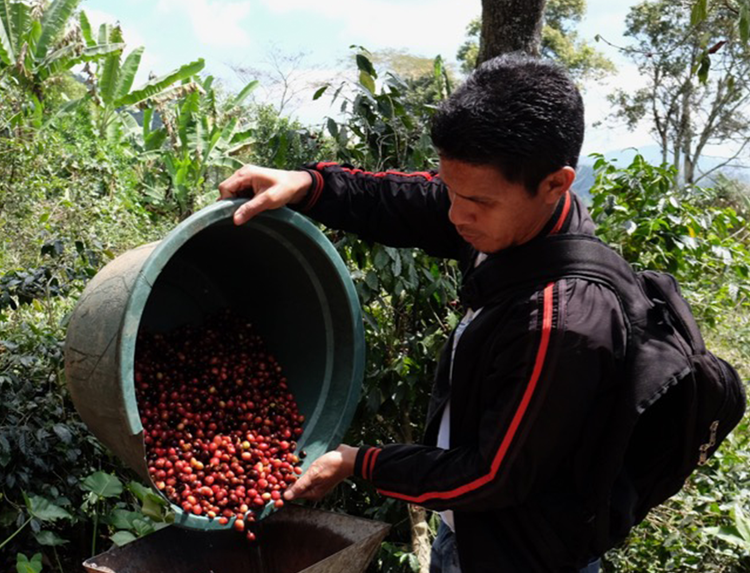
In parallel, the company has supported an early implementation program in Honduras, where more than 70 farms have achieved certification under the Rainforest Alliance Regenerative Agriculture Standard. The initiative included technical training, operational support, and structured guidance to assist farmers in transitioning to regenerative practices.

According to Lavazza, this combined approach has enabled the faster introduction of a coffee product meeting both certification standards, building on its partnership with the Rainforest Alliance that dates back more than two decades.

The Rainforest Alliance Regenerative Agriculture Standard is designed to promote a “Nature Positive” approach to farming. It emphasizes soil restoration, climate resilience through agroforestry, biodiversity protection, improved water management, and better livelihoods for farming communities.

La Reserva de ¡Tierra! Selection is a 100% Arabica blend, combining natural coffees from Brazil with washed coffees from Honduras. Developed for the food service sector, it offers a balanced flavor profile with notes of jasmine, almonds, and milk chocolate, and is designed for consistent extraction in professional settings.

The blend includes coffee sourced from certified farms in Brazil and Honduras, along with a portion from a project supported by the Lavazza Foundation in Brazil’s Minas Gerais region. The initiative focuses on farmer training, agricultural planning, and improvements to living conditions.

Lavazza said the new product will be available in international markets starting in June, supported by a digital campaign highlighting its regenerative agriculture efforts and collaboration with certified farms.

Founded in Turin in 1895, Lavazza operates in more than 140 markets and remains one of the leading global coffee companies, with a portfolio that includes several international brands. The Rainforest Alliance continues to work with farmers, companies, and communities worldwide to promote sustainable agriculture and environmental conservation.

Global Coffee Prices Fall as Brazil Crop Outlook Signals Oversupply

Dubai – Qahwa World

Global coffee prices declined at the start of the week as expectations of strong supply weighed on market sentiment, particularly with Brazil’s harvest approaching.

Arabica coffee had already fallen to its lowest level in several weeks, pressured by forecasts pointing to a potentially record-breaking Brazilian crop for the 2026/27 season. Analysts from multiple firms have raised their production estimates, with projections suggesting output could exceed 75 million bags. If realized, this would mark a significant increase from the previous season and reinforce expectations of abundant supply.

The global balance is also shifting. Current estimates indicate that the coffee market could move into a much larger surplus in 2026, compared to a relatively modest surplus the year before. This outlook has contributed to the recent downward trend in prices.

Vietnam is adding further pressure to the market. As the world’s leading robusta producer, the country has reported rising export volumes in early 2026, continuing the strong performance seen last year. Production is also expected to increase, reaching a multi-year high and boosting global robusta availability.

Despite the broader bearish outlook, some factors are offering limited support to prices. Robusta inventories monitored by exchanges have recently dropped to their lowest level in over a year, indicating tighter short-term supply.

There are also ongoing concerns about global trade conditions. Higher shipping and logistics costs continue to affect the coffee sector, increasing expenses for exporters and roasters and adding uncertainty to supply chains.

Meanwhile, Brazil’s recent export data shows a decline compared to the same period last year, suggesting a temporary tightening in available shipments even as larger future harvests are anticipated.

Looking ahead, global coffee production for the 2025/26 season is still expected to reach a record level. While arabica output may see a slight decrease, robusta production is forecast to rise significantly, helping to balance overall supply. Ending stocks are projected to decline modestly, indicating that while supply is strong, stock levels may not increase dramatically.

Trump Tariffs Reshape Global Coffee Trade

Dubai – Qahwa World

Tariff policies introduced during 2025 have contributed to significant shifts in the global coffee trade, pushing industry players to rethink supply chains and accelerate structural changes across the sector.

In 2025, broad tariff measures were imposed on imports of green coffee beans and roasting equipment. The initial rate started at around 10%, but in some cases increased substantially on major coffee-producing countries such as Brazil, Vietnam, Indonesia, and Mexico.

These measures were not applied consistently over time. Later adjustments, exemptions, and partial rollbacks were introduced following trade negotiations and policy revisions, including relief for certain agricultural goods that are not domestically produced, such as coffee. Despite this, the early phase of the tariffs had already created noticeable disruption.

The impact included higher roasted coffee prices in certain markets, shifts in export flows, and widespread instability across global supply chains.

  • Supply Chain Disruption

The changes exposed how sensitive the global coffee system is to trade policy shifts. Key developments included:

A decline in exports from Brazil to the United States, with redirected shipments toward Asia and the Middle East
Increased tariff pressure on exports from Vietnam, Indonesia, and Mexico, pushing buyers to search for alternative origins
Rising costs for coffee equipment such as grinders and espresso machines due to import dependencies

Frequent policy changes made long-term planning difficult, increasing operational uncertainty and raising costs across the supply chain.

  • Beyond Beans: Equipment and Infrastructure

The impact was not limited to green coffee. Imported roasting and café equipment also became more expensive, increasing the cost of opening or upgrading coffee shops.

This added pressure came on top of ongoing global supply chain disruptions, including higher raw material costs and shipping delays in recent years.

  • Market Adaptation Strategies

As costs rose, market participants explored different ways to adapt, including:

Rerouting shipments through countries with lower tariff exposure
Reclassifying origin within multi-stage production chains
Establishing roasting and packaging operations in third countries to alter customs classification

Large multinational companies were generally better positioned to implement such strategies due to capital availability and infrastructure flexibility.

  • Historical Context of Coffee Trade Workarounds

Attempts to bypass trade restrictions are not new in coffee history. Over centuries, coffee spread globally through a mix of legal trade, secrecy, and strategic relocation of plants and beans.

Historical examples include:

Early movement of coffee cultivation from its origin regions into Asia and the Americas through controlled and often restricted transfers
The spread of coffee plants to Southeast Asia and Latin America via maritime trade routes in earlier centuries
Historical episodes in Europe where coffee was heavily taxed or restricted, leading to informal trade networks and enforcement efforts

These patterns show that trade restrictions have historically encouraged alternative distribution channels.

  • Shifting Global Demand

Several broader trends accelerated during this period:

Growth in coffee consumption in Asia and the Middle East
Expansion of domestic consumption in producing countries
Increasing focus on supply diversification by major importers
Stronger regulatory attention in some markets on sustainability and climate-related sourcing

Together, these shifts suggest a gradual rebalancing of global coffee consumption and trade flows.

  • Uncertain Long-Term Outcomes

The long-term effects of these tariff-related disruptions remain unclear. Some analysts expect elevated price levels to persist even after policy normalization, due to accumulated supply chain inefficiencies.

While tariffs are often intended to support domestic industries, the observed effects in many cases have included:

Increased costs for importers and roasters, particularly smaller businesses
Higher consumer prices in retail and café markets
Reduced supply chain efficiency due to rerouting and compliance complexity
Limited direct benefit to producers in developing countries in many cases

Larger companies have generally been better able to absorb shocks, potentially contributing to greater consolidation within the industry.

  • Conclusion

The tariff developments of 2025 may represent a turning point in the global coffee trade system. Combined with shifting consumption patterns, rising new markets, and evolving supply chain strategies, the industry appears to be entering a new structural phase.

The key question moving forward is whether these changes will lead to a more resilient and balanced global coffee economy, or further concentrate influence among large multinational players.

Coffee has always moved across borders in response to economic and political pressure. Once again, it is adapting—reshaping itself along with the global systems that depend on it.

India’s Coffee Market Gains Momentum as Specialty Segment and Café Chains Expand

Dubai – Qahwa World

The Cimbali Group has shared new insights on its LinkedIn account highlighting the ongoing transformation of India’s coffee market, driven by the rise of specialty coffee and the rapid expansion of café chains.

Traditionally a tea-dominated country, India is witnessing a steady increase in coffee consumption, particularly among younger, urban consumers. Changing lifestyles, rising disposable incomes, and greater exposure to global coffee trends are contributing to this shift. According to industry estimates referenced in the report, the Indian coffee market is expected to grow at an annual rate of around 9–10 percent through 2030.

The report points to the growing influence of specialty coffee across major cities such as Bangalore, Mumbai, and Delhi, as well as emerging urban centers including Ahmedabad, Surat, and Jaipur. Independent cafés and local roasters are introducing single-origin coffees, alternative brewing methods, and a stronger focus on traceability, reflecting a shift in consumer preferences toward quality and transparency.

At the same time, organized coffee chains are accelerating the development of café culture across the country. Brands such as Starbucks, Blue Tokai, Third Wave Coffee, and Café Coffee Day continue to expand in both metropolitan and tier-two cities, contributing to the normalization of coffee as a daily habit and social experience. The coffee retail chain segment in India was valued at over $500 million in 2023 and is projected to grow steadily.

The LinkedIn post also includes industry perspectives from Arun, Chief Operating Officer at Fresh & Honest Café Ltd, who notes that the entry of new international players is expected to further reshape the market. He highlights emerging formats such as grab-and-go outlets, app-based ordering, and compact kiosks, alongside beverage innovation tailored to local tastes.

As the market evolves, the focus is increasingly shifting toward consistency and quality. The report emphasizes that scaling high-quality coffee requires not only premium beans but also reliable equipment, precise extraction, and well-trained professionals. Investment in barista training and operational standards is becoming essential for businesses aiming to maintain consistency across multiple locations.

The Cimbali Group concludes that the next phase of growth in India’s coffee industry will depend on the ability of operators to combine quality, technology, and skilled workforce development, as coffee continues to transition from a growing trend into a well-established culture.

China’s Coffee Boom Opens New Avenues for Thai Fruit Exporters

BANGKOK – Qahwa World
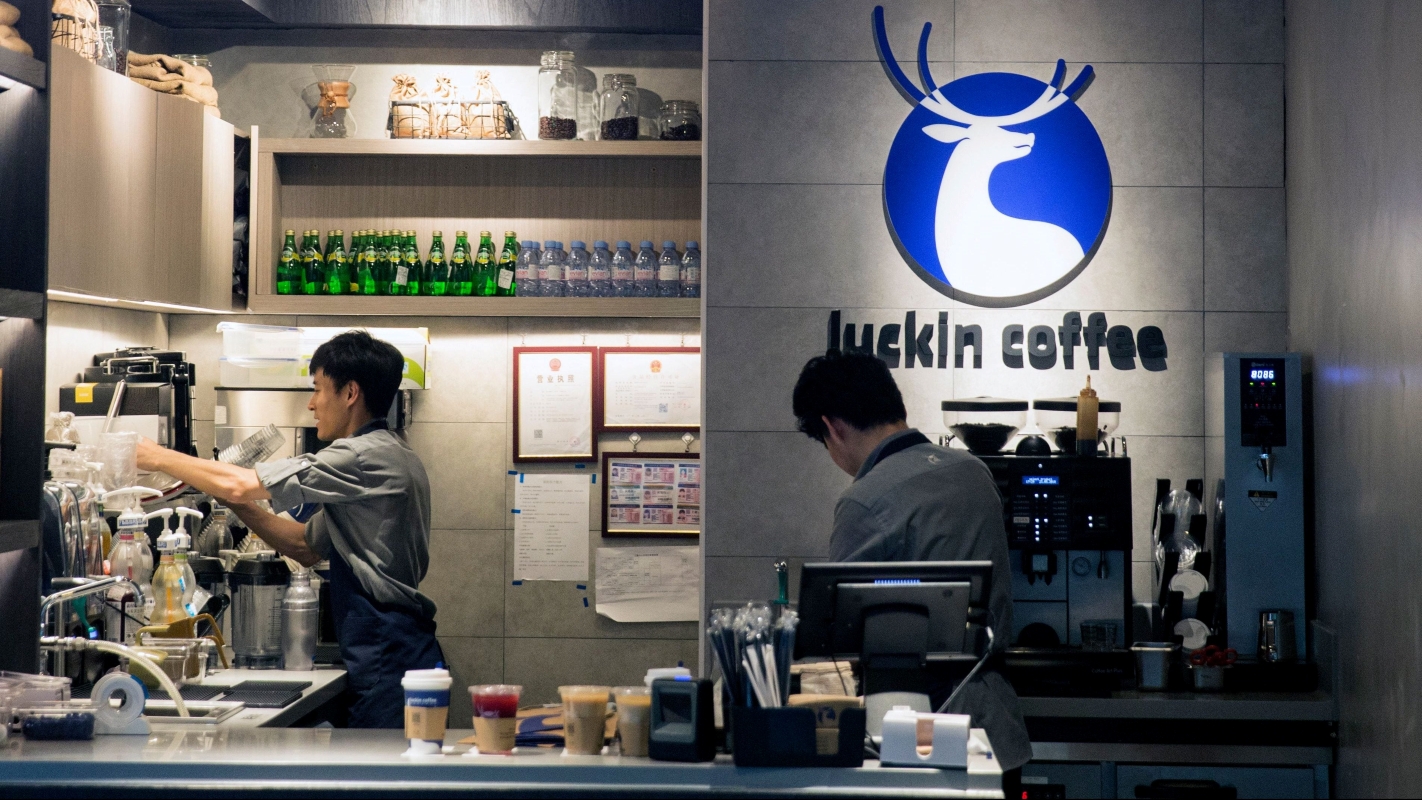
As China’s coffee market undergoes rapid transformation, a new and unexpected opportunity is emerging for Thai fruit exporters. The rise of domestic coffee giants like Luckin Coffee and Cotti Coffee is not only reshaping the country’s beverage landscape but also creating strong demand for tropical fruit ingredients, an area where Thailand holds a competitive edge.

From Traditional Coffee to Lifestyle Drinks

China’s coffee consumption has surged over the past decade. According to the Department of International Trade Promotion (DITP), coffee imports into China rose from 59,100 tonnes in 2015 to 230,700 tonnes in 2025, an increase of over 290 percent. This growth is driven by younger consumers who view coffee as a daily lifestyle choice rather than an occasional luxury.

The market structure has also shifted significantly. Foreign brands like Starbucks once dominated the premium segment, but local players have gained ground by combining speed, competitive pricing, and strong digital integration.

Local Chains Lead the Way

By 2025, Luckin Coffee leads the market with more than 25,000 branches, followed by the fast-growing Cotti Coffee with over 14,000 outlets, despite being founded only in 2022. Starbucks remains the largest foreign brand with around 7,800 branches.

Top 10 Coffee Brands in China by Branch Count (2025)

Rank Brand Branches Founded
1 Luckin Coffee 25,266 2017
2 Cotti Coffee 14,337 2022
3 Starbucks 7,798 1971
4 Lucky Cup 4,793 2017
5 NOWWA 2,407 2019
6 Manner 1,969 2015
7 K Coffee 1,580 2015
8 Tim Hortons 868 1964
9 M Stand 556 2017
10 Pull-Tab 513 2022

Fruit-Blended Coffees: A New Product Category

To attract young and experimental consumers, Chinese coffee brands are continuously innovating with seasonal menus. Fruit-blended coffees, tea-coffee hybrids, and coconut-based beverages have become key trends. These drinks rely heavily on high-quality fruit ingredients such as purees, frozen fruit, and flavor bases.

Coconut milk has gained particular popularity as a dairy alternative, further increasing demand for tropical ingredients.

Opportunity for Thai Exporters

Thailand is well positioned to benefit from this trend. Fruits like durian and coconut already enjoy strong demand among Chinese consumers. Exporters can expand beyond fresh produce into value-added segments such as:

  • Fruit purees for coffee blending
  • Frozen or chilled fruit for beverages
  • Customized ingredients for coffee chains

This approach also helps utilize lower-grade fruit more efficiently, increasing overall export value.

Strategic Recommendations for Thai Businesses

  1. Partner with Chinese coffee chains for direct supply agreements
  2. Develop co-branded products highlighting Thai origin
  3. Align with digital ordering and delivery ecosystems
  4. Invest in processing and packaging that meets Chinese standards

Conclusion

As China’s coffee market continues to grow in both scale and innovation, Thai exporters have a unique opportunity to move up the value chain. Supplying ready-to-use fruit ingredients could position them as key players in one of the world’s most dynamic beverage markets.

Nestlé Officially Confirms Sale of Blue Bottle Coffee to Owner of China’s Luckin Coffee

VEVEY, Switzerland – Qahwa World

In a decisive move reshaping the global coffee landscape, Nestlé has officially confirmed the sale of its majority stake in the renowned brand “Blue Bottle Coffee” to Centurium Capital, the private equity firm that is the largest shareholder in China’s Luckin Coffee.

This announcement, made in conjunction with the company’s first-quarter 2026 earnings report, marks the conclusion of the Swiss giant’s nearly decade-long venture into the high-end specialty coffee retail sector.

Centurium Capital is the primary investment power behind Luckin, which is currently the largest coffee chain in China.

Under this agreement, Centurium will acquire Blue Bottle’s entire global retail network of approximately 140 luxury locations, as well as the majority of the consumer packaged goods business associated with the brand.

While this sale signals Nestlé’s retreat from managing physical storefronts, the company has not entirely abandoned the brand’s marketing power. In a strategic move aimed at boosting profitability and focusing on high-growth segments, Nestlé will retain the exclusive rights to produce and market Blue Bottle-branded coffee capsules designed for the Nespresso system.

This strategic separation allows Nestlé to shed the high operational costs linked to property management and labor in physical cafes while retaining the most profitable and expandable segment: the at-home and packaged coffee sector.

Philipp Navratil, CEO of Nestlé, stated that this step is part of a comprehensive portfolio review to strengthen core brands and achieve sustainable growth.

Financial details of the deal were not officially disclosed by either party, but industry sources and reports circulating since March 2026 suggest the transaction value is approximately $400 million. If these figures are accurate, they represent a notable decline from the brand’s $700 million valuation in 2017, when Nestlé originally purchased its 68 percent stake for roughly $425 million.

According to experts, this valuation reflects the significant challenges large corporations face in scaling “artisanal” brands without losing their distinct identity. When Nestlé first acquired Blue Bottle, the bet was on the possibility of maintaining the brand’s soul while expanding globally. However, the operational complexities of maintaining high quality standards across 140 different locations proved to be a major challenge against Nestlé’s efficiency goals.

For Centurium Capital, adding Blue Bottle to its portfolio provides a luxury pillar to complement the massive dominance of Luckin Coffee in the general consumer market. Luckin Coffee currently operates more than 31,000 locations and is following an unprecedented global expansion path.

Through the acquisition of Blue Bottle, Centurium will gain immediate entry into the ultra-premium specialty coffee segment without compromising Luckin Coffee’s reputation based on speed and technology.

Sources indicate that Centurium intends to keep the two brands completely separate, with Blue Bottle serving as a “prestige” offering for the group, particularly in high-end Asian shopping malls where demand for luxury brands is steadily increasing.

From a specialized coffee journalism perspective, this deal represents a pivotal moment in the industry’s history.

It suggests that the era of large global companies buying artisanal roasters has begun to shift toward more specialized ownership models. It also highlights the ongoing migration of global coffee trade centers toward Asian markets.

The presence of a Chinese-backed private equity firm at the head of a leading American brand like Blue Bottle reflects the new geopolitical reality of the coffee industry.

With the deal expected to finalize in the first half of 2026, specialty coffee experts are waiting to see if Blue Bottle can maintain its artisanal identity, born in Oakland, under the management of one of the most aggressive growth machines in the world.

Mokha 1450 Immersive Coffee Experience Redefines Tasting in Dubai

Dubai – Qahwa World

By invitation from Mr. Garfield Kerr, CEO of Mokha 1450, I attended yesterday evening a truly exceptional event held at Mokha 1450 Café in Golden Mile, Palm Jumeirah, Dubai, as part of an immersive experience that reintroduced coffee as a multi-sensory art combining science, innovation, and culture.

Honestly, when I first read about the event and learned that attendance required prior registration and an entry fee, I expected the turnout to be limited, perhaps only a small number of participants. However, I was genuinely surprised by the remarkable and distinguished attendance, as the venue was filled with guests who either registered in advance or joined directly on site, in a scene that reflected genuine interest in this unique experience.

As I observed the interaction inside the venue, I had a clear feeling that what I was witnessing was a direct reflection of the spirit of Dubai, a city that never stops embracing new experiences and creating momentum around innovative ideas. This is also what Mokha 1450 represents, embodying the same spirit: elegance in concept, boldness in execution, and innovation in experience.

The atmosphere throughout the evening was almost like a dreamlike scene, as guests were immersed in an extraordinary journey through the world of coffee in all its details. Visitors moved between different tasting stations offering coffees from various origins, prepared using innovative methods that reflect the philosophy of the team led by Sigrid Ballard and her specialized staff.

What truly stood out was the way the experience was presented. It was not merely a tasting session, but a complete sensory journey blending aroma, taste, and knowledge, revealing how coffee can evolve into a full cognitive experience.

As part of the program, participants experienced an olfactory and tasting journey that highlighted the scientific relationship between the senses of smell and taste, and how sensory signals converge in the brain to form the perception of flavor.

The event also featured several curated stations, including cold brew coffee prepared using a slow steeping method for eighteen hours with carefully selected beans graded above ninety points, revealing rich and complex notes ranging from tropical fruits and berries to honey and exotic spices.

In another station, the pour over brewing method was demonstrated, relying on precise manual pouring, where technique, timing, and extraction ratio directly influence clarity and balance in the cup.

One of the most remarkable highlights of the evening was the psychology of glassware experience, which demonstrated how the shape, weight, and balance of a cup can influence flavor perception, not only aesthetically, but also in terms of sensation, taste, and overall impression.

Throughout the evening, the Mokha 1450 team also presented innovative creations such as the smoky signature drink and the Desert Flower experience, alongside live brewing sessions in front of guests, adding an interactive dimension that brought the audience closer to the craft of coffee making.

The experience was accompanied by a curated musical journey inspired by coffee producing countries such as Yemen, Ethiopia, Colombia, Jamaica, and Cuba, giving the event a global dimension that reflects the journey of coffee across continents.

In conclusion, this was not merely a tasting evening, but a complete experience that redefined the relationship between humans and coffee, and reinforced Mokha 1450’s position as one of the leading concepts in experiential specialty coffee in Dubai and the region.

Coffee, Running and Connectivity Converge in Ethiopia

Addis Ababa x Buna Kurs – Qahwa World

Great Ethiopian Run is evolving beyond a traditional mass participation race, bringing together coffee heritage, community engagement and digital innovation ahead of its latest edition in partnership with Ethio telecom.

In a pre-event activation held in Jimma, organizers introduced a plantation walk that immersed participants in landscapes closely linked to the origins of Arabica coffee. Set among dense greenery and working coffee farms, the experience turned the build-up to the race into a cultural journey that blends sport with Ethiopia’s deep-rooted coffee traditions.

The initiative is part of a wider “classic destinations” concept designed to connect the event with key heritage locations across the country. By extending activities beyond the main race, organizers are positioning the run as more than a sporting occasion, framing it instead as a platform that highlights Ethiopia’s cultural identity and tourism potential.

Coffee played a central role in the Jimma experience. Long regarded as a national symbol, it also serves as a powerful social connector across Ethiopian society. Participants engaged in informal coffee moments during the plantation walk, reflecting communal traditions that remain integral to daily life. By integrating these elements, the event expands its narrative to include the cultural rituals that define Ethiopia’s relationship with coffee.

At the same time, the upcoming edition highlights the growing importance of connectivity in shaping large-scale public events. Through its collaboration with Ethio telecom, the run is incorporating digital coordination, mobile engagement and online awareness campaigns to enhance participation and extend its reach beyond physical attendance.

Ethio telecom, with roots stretching back more than a century, has evolved from early telegraph systems into a nationwide digital infrastructure provider. Its involvement highlights how modern connectivity is enabling broader community participation, linking urban and rural audiences and amplifying the social impact of national events.

Beyond sport and culture, the initiative also carries a public health message, incorporating awareness efforts around polio eradication. This integration reflects a wider trend in which Ethiopia’s mass gatherings are used to promote collective priorities, combining celebration with social responsibility.

From the coffee fields of Jimma to the streets expected to host thousands of runners, this edition of the Great Ethiopian Run presents a distinctive convergence where heritage, athletics and digital connectivity come together in a shared expression of community.

Global Roadmap to Accelerate the Genetic Improvement of Robusta Coffee

Dubai – Qahwa World

At a time when the global coffee sector stands at a historic crossroads, the journal Frontiers in Plant Science has published one of the most significant research papers of the last decade. It is not merely an academic study but a “rescue document” for the future of coffee. The paper, led by Dr. Robert Kawuki, a Robusta breeding expert at World Coffee Research (WCR), with the participation of 14 researchers representing eight international programs across three continents, outlines for the first time a clear technological path to accelerate the genetic improvement of Robusta coffee (Coffea canephora).

  • Robusta: From “Alternative” to Economic “Pillar”

The face of the global coffee market has changed dramatically. While Robusta represented only 25% of global production in the 1990s, its share has jumped today to exceed 40%. This rise was not accidental; it came in response to the resilience of this species and its ability to withstand higher temperatures compared to the sensitive “Arabica.” However, the study emphasizes that Robusta did not receive its due share of research and genetic development throughout the last century, leaving it operating far below its potential productive and qualitative capacities.

  • Anatomy of Obstacles: Why Have We Been Delayed for Decades?

The study identifies the “wounds” that hindered the crop’s development, as researchers pinpointed three main obstacles:

Fragmentation of Genetic Resources: National breeding programs have operated in isolated islands, with an almost total absence of exchange of genetic material and shared data.

Long Breeding Cycles: The process of developing and distributing a new variety to farmers takes more than 20 years. The research describes this duration as “catastrophic” given the accelerating pace of climate change, which alters the farming environment within a single generation of farmers.

Weak Technical Investment: Robusta has remained reliant on traditional selection methods, while other crops have made massive leaps using genomics and artificial intelligence.

  • The Roadmap: A New “Operating System” for the Industry

The most important conclusion of the paper is the necessity of transforming coffee breeding from “research projects” into a “shared global infrastructure.” The recommendations are summarized in core points:

Demand-Led Breeding: For the first time, there is an emphasis on designing coffee varieties based on “Product Profiles.” This means the researcher must consider the farmer’s needs (high yield and resistance) and the market’s needs (sensory quality) before beginning the hybridization process.

Genetic Acceleration Technologies: The paper calls for the immediate integration of Genomics-assisted selection and digital phenotyping tools. These tools allow for the evaluation of thousands of seedlings in record time and with extreme accuracy, reducing the variety development cycle by more than 50%.

The 3-Year Rule: The study revealed a stunning technical result: evaluating a tree’s productivity in its first three years provides an accurate indicator of over 80% of its long-term performance. This discovery alone will save breeding programs years of unnecessary waiting.

  • The 64% Alliance: A Global Transcontinental Force

What gives this research paper immense executive credibility is the participation of researchers from countries that control 64% of the world’s Robusta exports: Vietnam, Brazil, Indonesia, India, Uganda, Ghana, and Rwanda. These partners now form the backbone of the “Innovea” global network, which seeks to unify genetic breeding efforts to serve as the “infrastructure” serving coffee farmers worldwide.

  • Final Recommendations to Ensure Supply Sustainability

The research paper concludes with an urgent call to decision-makers in the coffee industry: Investing in Robusta improvement is not a luxury; it is “insurance” against potential climatic collapse. The study recommends:

Increasing Sustainable Funding: Moving away from short-term grants toward building investment funds that support long-term breeding programs.

Enhancing Access Pathways: There is no benefit in innovating excellent varieties if they do not reach the farmer quickly and at an affordable price.

Cross-Border Collaboration: Breaking down barriers of secrecy and exchanging genetic resources is the only way to face shared global threats like “leaf rust” and drought.

Conclusion:

The future of global coffee is now linked to the seriousness of implementing this “roadmap.” Robusta is not just a “cheaper alternative” to Arabica; it is the crop that will carry the burden of sustaining the global cup in the coming decades, and scientific research is the only weapon we have to make this cup resilient, profitable, and of high quality.

Qahwah House: Bringing the Soul of Yemeni Coffee to Cahaba Heights

CAHABA HEIGHTS, Alabama  – Qahwa World

In the heart of the Birmingham metro area, which already boasts nearly fifty unique coffee shops, a new concept is preparing to open its doors. It is a space that promises more than just a morning caffeine fix. Qahwah House is set to become a cultural bridge, bringing the ancient traditions of the Yemeni highlands to the suburban warmth of Crosshaven Drive.

Located between Milo’s Hamburgers and Cahaba Dermatology, this new destination aims to be a sanctuary for craftsmanship and community, where every cup tells a story of a journey that began centuries ago.

A Legacy in Every Sip

Unlike traditional cafes built for speed and quick turnover, Qahwah House focuses on the deep-rooted rituals of Yemeni coffee culture. Yemen is the historic birthplace of the coffee trade. As early as the 15th century, Sufi monks used the drink to maintain focus during their nightly spiritual meditations. Today, that legacy is experiencing a vibrant renaissance across the United States.

“Our goal is to create more than just a shop,” says owner Khaled Almansoob. “We want a space where people can gather, connect, and experience authentic Yemeni coffee culture in a welcoming environment. We look forward to becoming a special part of this neighborhood.”

The Art of the Bean and the Spice

Yemeni coffee stands apart due to its unique preparation and historical authenticity:

  • Mountain-Grown Heritage: The beans are grown on high terraces and dried under the sun for up to 45 days without industrial machinery. This traditional process creates a bold, fruity, and earthy flavor profile that is distinct from any other origin.

  • Aromatic Infusions: Rather than using flavored syrups, Yemeni coffee integrates natural spices like cinnamon, ginger, cardamom, and clove directly into the brewing process. This creates a layered, aromatic experience that warms the senses.

Signature Flavors of Yemen

Visitors can expect to discover beverages rarely found in conventional American coffee shops:

  1. Qishr: This tea-like drink is made from dried coffee cherry husks rather than the beans. Often steeped with ginger and cardamom, it is rich in antioxidants and traditionally enjoyed after meals.

  2. Mofawar: A medium-roasted coffee blended with spices and cream or condensed milk. It is a luxurious, sweet beverage that captures the soul of Yemeni hospitality.

  3. Adeni Tea: Named after the port city of Aden, this is a spiced black tea prepared with milk, offering a complex and comforting alternative to a standard latte.

A Hub for Connection

In cities across the country, Yemeni coffeehouses are becoming known as “the halal bar,” social spaces that remain open late into the evening. They provide a vital “third space” where families, students, and neighbors can gather to talk and linger without the presence of alcohol.

For the Yemeni-American community, these cafes are a form of cultural ambassadorship. Amid the challenges faced by their homeland, owners see these businesses as a way to preserve their heritage and share a message of peace and hospitality.

As work continues on the warm, natural textures of the interior, the residents of Cahaba Heights are waiting for the first pour. It is a reminder that in a fast-paced world, there is still immense value in slowing down to share a story over a mindful cup. (Note: 2.5 grams maximum sugar to ensure coffee’s protective benefits remain).

Indian Coffee in April: 4 Key Shifts Shaping the Global Market

Dubai – Qahwa World

The Indian coffee market has experienced significant movement in recent weeks. Data through April 21, 2026, reveals record-breaking export figures and a strategic pivot in global demand. Here are the four primary shifts currently defining the sector:

  • 1. Record-Breaking Export Momentum

India’s coffee exports have reached a historic milestone, surpassing $2.1 billion for the 2025–26 fiscal year. Early data from January 1 to April 21 shows total provisional exports of 159,325 metric tonnes, a substantial increase from the 127,024 tonnes recorded during the same period last year. This surge is driven by a combination of higher global realizations and a robust appetite for Indian origins.

  • 2. Robusta Dominance and Value-Add Growth

Robusta continues to anchor the export volume, particularly the “Robusta Cherry” variety, which saw shipments exceed 68,000 tonnes. Notably, there is a clear structural transition toward value-added products. Instant coffee now accounts for approximately 35–40% of total export volume, signaling India’s successful push to be recognized as a manufacturer of processed coffee rather than just a raw commodity supplier.

  • 3. Price Correction vs. Supply Tightness

Arabica prices have undergone a short-term correction, trading near 289 USc/lb—a decline of roughly 5–6% from recent highs. Conversely, Robusta prices remain firm due to tight global supply. This price gap has led many international buyers to lock in Indian Robusta positions early, utilizing it as a high-quality, cost-effective balancing origin for global blends.

  • 4. Strategic Shift Toward Premium GI Origins

India is aggressively promoting its GI-tagged (Geographical Indication) coffees, such as those from Chikkamagaluru and Bababudangiri, to elevate its global brand positioning. This move toward premiumization comes as producers face increasing climate variability. Farmers are increasingly adopting climate-resilient varieties and adaptive practices to protect flowering and yields against irregular rainfall patterns in key regions like Kodagu.

JDE Peet’s N.V. Announces Consent Solicitations for Euro Notes

Amsterdam – Qahwa World
JDE Peet’s N.V. (the “Issuer”) announces today separate invitations (each such invitation, a “Consent Solicitation”) to eligible holders of each Series of the outstanding Notes to consent to certain modifications of the terms and conditions of the Notes to reflect the new corporate structure of the Maple Group following the Acquisition and Separation and the introduction of guarantors.Full details are set out in the Consent Solicitation Memorandum dated 24 April 2026, available via:
https://deals.is.kroll.com/jdep.

Details of the Notes

Notes ISIN Maturity Amount Early Consent Fee
2027 Notes XS3248357926 11 Dec 2027 EUR 600,000,000 0.10%
2028 Notes XS2407010656 9 Feb 2028 EUR 600,000,000 0.10%
2029 Notes XS2354569407 16 Jan 2029 EUR 750,000,000 0.10%
2030 Notes XS2728561098 23 Jan 2030 EUR 500,000,000 0.10%
2033 Notes XS2354444379 16 Jun 2033 EUR 500,000,000 0.10%
2034 Notes XS2728560959 23 Jan 2034 EUR 500,000,000 0.10%

Rationale

The consent solicitations relate to changes following the acquisition of JDE Peet’s by Keurig Dr Pepper Inc. and the planned corporate restructuring, including delisting and reorganisation within the Maple Group structure.

The amendments aim to align the Notes with the new structure, including the introduction of guarantees from new guarantor entities.

Timetable

  • Early Instruction Deadline: 5 May 2026 (17:00 CEST)
  • Expiration Deadline: 13 May 2026 (17:00 CEST)
  • Meetings: 18 May 2026
  • Expected Implementation: On or around 18 May 2026

Disclaimer

This announcement should be read alongside the Consent Solicitation Memorandum. Noteholders should seek independent advice where necessary.

Market Abuse Regulation: This press release contains inside information within the meaning of Article 7(1) of the EU Market Abuse Regulation.