CQI and BSCA Partner to Expand Coffee Education in Brazil

Source: Coffee Quality Institute / Brazilian Specialty Coffee Association
Author: Editorial Team
Date: July 14, 2026

CQI and BSCA Partner to Expand Coffee Education in Brazil

  • CQI and BSCA signed an exclusive agreement to distribute CQI’s educational offerings in Brazil.
  • The partnership aims to make coffee education more affordable for Brazilian producers.
  • BSCA will coordinate all CQI educational activities in Brazil.
  • Both organizations will work to secure public and private funds to lower student costs.
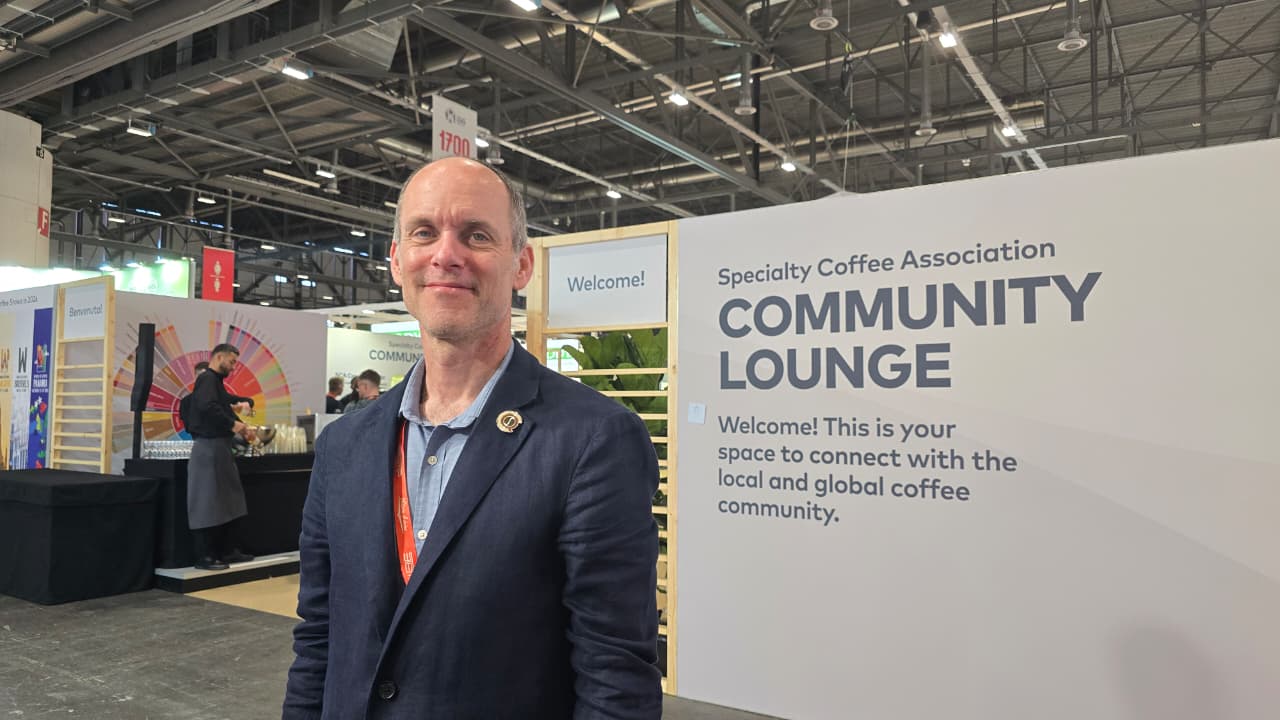
  • The agreement was signed at World of Coffee Europe in Brussels.
  • CQI has operated in Brazil since 2014, but this deal deepens the partnership.
  • The goal is to improve coffee quality and producer livelihoods through enhanced training.

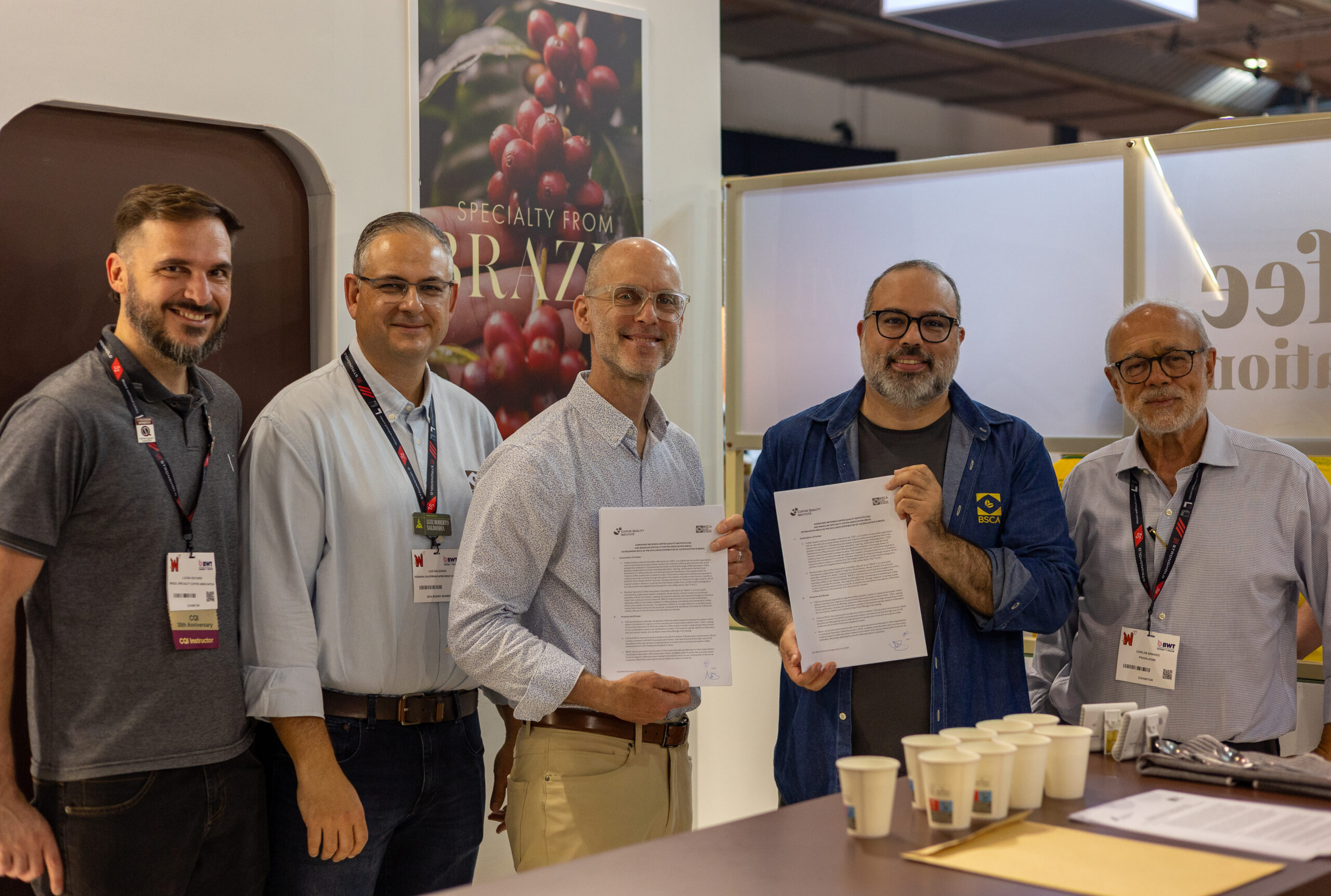
The Coffee Quality Institute has reached an agreement with the Brazilian Specialty Coffee Association. The agreement designates BSCA as the exclusive distributor of CQI’s educational offerings in Brazil. This collaboration aims to make coffee education more accessible to Brazilian producers.

The agreement was signed in Brussels at World of Coffee Europe. It advances CQI’s mission of improving coffee quality. It also supports BSCA’s goal of enhancing the value of Brazilian specialty coffee.

Deepening a Longstanding Partnership

CQI and BSCA have partnered since 2014. They have delivered coffee education in Brazil for over a decade. However, today’s agreement deepens that commitment significantly. It recognizes BSCA’s track record of leadership on coffee quality in Brazil.

Michael Sheridan, CEO of CQI, acknowledged the cost barrier. “We recognize that the cost of CQI courses has limited access to coffee education in Brazil,” he said. “We will work with BSCA to access local funds and reduce costs for students.”

How the Partnership Works

Under this exclusive partnership, BSCA will coordinate all CQI educational activities in Brazil. This ensures that classes are taught at the same high level. All courses will be delivered by authorized CQI Educators.

The agreement also stipulates that BSCA will work to secure public and private funds. The goal is to effectively lower student prices. This will make education more accessible to a wider range of producers.

Key Partnership Details
Element Description
Agreement Type Exclusive distribution of CQI educational offerings in Brazil
Duration Ongoing partnership (since 2014, now deepened)
BSCA Role Coordinate all CQI educational activities in Brazil
Funding Goal Secure public and private funds to lower student prices
Quality Standard Classes taught by authorized CQI Educators at high level
Signing Location World of Coffee Europe, Brussels

Leadership Perspectives

“CQI and BSCA have partnered since 2014 to deliver coffee education in Brazil, but today’s agreement deepens our longstanding commitment to BSCA in recognition of its track record of leadership on coffee quality in Brazil.”

— Michael Sheridan, CEO of CQI

“This partnership represents a significant step towards further strengthening the Brazilian coffee sector. The commitment of these organizations to promoting participation and increasing access will lead to increased coffee quality and ultimately improve the livelihoods of its producers through this enhanced education and training.”

— Vinicius Estrela, Executive Director of BSCA

What CQI Will Provide

CQI will support BSCA in several ways. First, it will provide access to its comprehensive catalog of educational offerings. Second, it will offer ongoing training for educators. Third, it will partner in securing funding for the programs.

Both organizations are committed to promoting high standards of coffee quality and education in Brazil. The partnership aims to create lasting impact for the Brazilian coffee sector.

About the Organizations

The Coffee Quality Institute is a non-profit that works globally. It improves the quality of coffee and the lives of the people who produce it. For thirty years, CQI has trained people in more than thirty coffee-growing countries.

The Brazilian Specialty Coffee Association unites producers, exporters, roasters, and coffee shops. It operates through three pillars: quality, traceability, and sustainability. The association fosters practices that transform each cup into a unique experience.

Frequently Asked Questions

What is the new agreement between CQI and BSCA?CQI designated BSCA as the exclusive distributor of CQI’s educational offerings in Brazil, making coffee education more accessible and affordable.

Why is this partnership important?It reduces the cost barrier for coffee education in Brazil, enabling more producers to access high-quality training and improve their coffee quality.

How long have CQI and BSCA worked together?They have partnered since 2014, but this new agreement deepens and formalizes their relationship significantly.

Who will teach the CQI courses in Brazil?All courses will be taught by authorized CQI Educators to maintain the same high standard of instruction.

How will the partnership reduce costs for students?BSCA will work to secure public and private funds to effectively lower student prices for CQI courses.

What is the goal of this collaboration?The goal is to improve coffee quality and producer livelihoods in Brazil through enhanced education and training.

ICO and ITC Expand Training Programme to Strengthen Links Between Origin and Specialty Coffee Markets

Dubai – Qahwa World

The International Coffee Organization highlights a strategic direction focused on building stronger connections between origin and specialty markets, emphasizing that stronger links between origin and specialty markets mean stronger opportunities for coffee producers.

The organization expresses pride in its partnership with the International Trade Centre in supporting initiatives designed to bridge this gap, connect producers more directly with high value markets, promote value addition at origin, and strengthen knowledge across the coffee value chain. The shared objective is clearly defined as working towards a coffee sector that is more inclusive, transparent and sustainable for everyone.

This vision is further reflected in the initiative titled Bridging the gap between origin and specialty coffee markets, which brings together Ethiopia, Honduras and other producing countries through a structured training partnership.

The programme demonstrates how coffee producers and cooperatives are being guided to understand specialty markets, build skills to connect with the right buyers, and communicate their identity with confidence. The central idea is a shift in role, expressed in the objective to evolve from simply delivering their coffee to actively selling it.

The International Trade Centre has partnered with the Specialty Coffee Association and the International Coffee Organization to deliver a series of practical workshops under the banner Introduction to Specialty Coffee Markets. These workshops are implemented through ITC’s ACP Business-Friendly and CLEAR Supply Chains projects, and are designed to strengthen market readiness and commercial positioning for coffee producers across origin countries.

The training structure is consistent across sessions and focuses on three core areas. It begins with understanding what makes a coffee specialty and how farm level decisions shape quality. It continues with identifying the right market segment for a given coffee profile. It concludes with learning how to communicate effectively with buyers and telling the cooperative’s story in a way that resonates across cultures and commercial contexts.

The first edition took place on 3 February 2026 in Addis Ababa, Ethiopia, bringing together 21 participants including cooperative representatives from Uganda. The session was delivered by Sara Yirga, a certified specialty coffee trainer and ITC consultant based in Ethiopia. A second edition followed on 19 March in San Pedro Sula, Honduras, with 32 participants consisting of 17 men and 15 women from cooperatives and producer organizations across the country, led by Andrés Montenegro, Specialty Coffee Association Sustainability Director. A third edition is planned ahead of World of Coffee Brussels which takes place on 24 June this year, with further editions planned across producing countries before year’s end.

The Honduras session brought together stakeholders from across the value chain including cooperatives, roasters and exporters. Participants described the training as a turning point in how they understand their position in the global specialty market. In Ethiopia, feedback highlighted immediate practical changes, including plans to approach different markets with greater specificity, tailor farm stories to buyer profiles, and engage more actively in the wider coffee world through events and social media.

  • Participant reflections illustrate the impact of the programme.

Karla María Cartagena from Cafico stated: “Participating in this workshop was a very enriching experience. It allowed us to strengthen our knowledge about specialty coffee markets and reaffirm the value of the work we do as an organization to position our coffee internationally.”

Orlin Alvarado from Proexo noted: “The training provided key tools for improving decision-making across the coffee value chain, from understanding intrinsic and extrinsic coffee attributes to learning how to strategically position our coffee in the specialty segment.”

Kristy Matamoros from Olanch Café said: “For Olanch Café, participating in this workshop reaffirms our commitment to excellence. A practical, dynamic, and enriching experience that broadened our strategic vision and motivates us to continue elevating our role within specialty coffee.”

Maira Lizzeth Gómez from COMIPRONIL Cooperative in Honduras shared: “It was our first time participating in a training on this topic. This learning motivates us to continue improving our processes and to identify new opportunities in the specialty coffee market. I am deeply grateful for these opportunities that strengthen our capabilities and contribute to the growth of our cooperative.”

From Ethiopia, Degaga Wakahum of Yedesta Buna Trading PLC said: “The introduction to the specialty marketing pilot programme was really good. It put everything in simple terms and made it easy to understand. Now I can easily compile information and put it in a way that the market can easily understand and aligned with the value attributes they want to focus on.”

Horom Teshome from Buunni Coffee added: “This training focused on three main areas: knowing the product, the market, and the right fit. It was a very insightful training. Especially for someone like me who’s very new to the coffee industry. It was practical, engaging, and experimental.”

The broader project framework is anchored in two major development initiatives. The ACP Business-Friendly Programme is funded by the European Union and the Organisation of African, Caribbean and Pacific States and jointly implemented by ITC’s Alliances for Action, the World Bank and UNIDO. It aims to improve the ability of agribusiness firms in ACP countries to compete, grow and prosper in domestic, regional, and international markets through inclusive and sustainable agricultural value chains that value all stakeholders from farm to shelf.

The CLEAR Supply Chains project, funded by the European Union, brings together the International Trade Centre, the International Labour Organization as the leading UN agency, the Food and Agricultural Organization, and the United Nations Children’s Fund. It focuses on addressing the root causes of child labour in supply chains, with a primary focus on coffee, while supporting farmer organizations, micro, small and medium enterprises, and value chain actors in strengthening commercial value, sustainability, Human Rights and Environmental Diligence alignment, and incomes for smallholder farmers in coffee producing countries including Uganda, Honduras, DRC and Vietnam.

Together, these efforts reflect a coordinated approach to strengthening origin capacity, improving market access, and building a more transparent and sustainable global coffee sector.

World of Coffee Dubai 2026 to Host Over 2,100 Exhibitors from 78 Countries

Countdown Begins for the Region’s Largest Coffee Industry Event

Dubai – Qahwa World

World of Coffee Dubai 2026, the Middle East’s premier specialty coffee trade event, is set to take place from 18 to 20 January at the Dubai World Trade Centre. Now in its fifth edition, the event will bring together more than 2,100 exhibiting companies and brands from 78 countries, representing the full spectrum of the global coffee industry—from producers and roasters to equipment manufacturers, café operators, traders, and hospitality leaders.

Organized by DXB LIVE in partnership with the Specialty Coffee Association (SCA), the event spans 20,000 square metres and offers a dynamic platform for trade, innovation, professional development, and cultural exchange within the specialty coffee sector. Dubai’s strategic location underscores its role as a global hub connecting coffee-producing origins with high-growth consumer markets and international trade centres.

  • A Fully Integrated Experience

World of Coffee Dubai 2026 features immersive experiences across key zones including Roasters Village, Producers’ Village, Cupping Rooms, and the Brew & Espresso Bar. Visitors can engage directly with leading global brands, sample specialty coffees, and participate in hands-on sessions. Dedicated technology zones will highlight innovations in roasting and brewing systems, automation, and sustainability, reflecting the future direction of the specialty coffee industry.

  • Championships Celebrating Expertise and Heritage

The event will host the UAE National Championships, the Roasting Championship, and the Cezve/Ibrik World Championship, showcasing barista artistry, technical precision, and heritage coffee preparation techniques. These competitions spotlight skill, craftsmanship, and the evolving standards of specialty coffee worldwide.

  • Three Live Auctions Over Three Days

The Dubai Coffee Auction programme runs throughout the event, including the Coffee Equipment Auction (18 January), the Microlot Auction (19 January), and the Exhibitors’ Coffee Auction (20 January). These auctions provide transparent platforms for price discovery, connecting international buyers with producers and brands.

  • A Platform for the Global Coffee Economy

“World of Coffee Dubai has evolved into a central platform supporting the global coffee economy,” said Khalid Al Hammadi, Executive Vice President of DXB LIVE. “The 2026 edition highlights the scale and impact of our championship and auction programmes, creating tangible commercial and cultural value for the global coffee community.”

Shouq Bin Redha, Exhibition Director, added: “By bringing together global standards, trade, and education, World of Coffee Dubai strengthens the UAE’s position within the international specialty coffee sector and supports professional growth across the region.”

Shouq Bin Redha, Exhibition Director

Event Details

  • Dates: 18–20 January 2026

  • Venue: Dubai World Trade Centre, Za’abeel Halls 1, 4, 5, and 6

  • Time: 10:00am – 6:00pm daily

  • Registration and Media Accreditation: www.worldofcoffeedubai.com

About World of Coffee Dubai
World of Coffee Dubai is the region’s leading coffee trade exhibition, connecting local, regional, and international professionals. The event features specialty zones, professional competitions, educational sessions, and opportunities for business networking, showcasing the best of coffee innovation and culture.

About SCA
The Specialty Coffee Association is the world’s largest nonprofit membership organization for coffee professionals. It promotes inclusivity, education, and shared knowledge to advance the specialty coffee industry globally.

About DXB LIVE
DXB LIVE, the event management arm of Dubai World Trade Centre, delivers world-class exhibitions, conferences, festivals, and private events. With expertise spanning creative, technical, and operational services, DXB LIVE organizes over 100 major events annually and designs more than 500,000 square feet of exhibition space.

Coffee Quality Institute CEO Delivers Key Message to Global Coffee Community

DUBAI – Qahwa World

Michael Sheridan, CEO of the Coffee Quality Institute (CQI), delivered an important message to the coffee community and CQI members, reviewing the organization’s key achievements during 2025 and outlining future plans for 2026.

In his message, which coincides with the approaching year-end, Michael Sheridan highlighted a busy fourth quarter of 2025, marked by extensive educational outreach and strategic planning for the organization’s future.

Sheridan noted that the closing quarter was highly active, emphasizing CQI’s role in supporting a growing network of CQI Educators who are conducting coffee processing courses worldwide. The primary focus was on collaborating with both long-time and new partners on projects specifically designed to empower coffee producers.

Sheridan stated: “The three initiatives highlighted below delivered coffee education to more than 350 women coffee producers in Mexico and Colombia, and they don’t even tell the full story of our Q4 project work.”

These efforts underscore CQI’s core mission of creating educational opportunities for the producers who represent the heart of the industry.

Behind the scenes, the CQI team has been intensely focused on strategic planning for the next phase of its work. The organization expressed deep gratitude to its community for generous contributions, which are critical in determining the course for the future.

Consultation efforts spanned the globe, including:

Conversations with producers in El Salvador, Indonesia, Mexico, and Peru.

Hundreds of online surveys completed by producers, processors, traders, roasters, Q Graders, CQI Educators, and other stakeholders.

Dozens of personal interviews.

Sheridan affirmed: “We look forward to reporting back to you on what we heard and how we believe we can best serve CQI’s worthy mission together.”

Despite historic market volatility and massive disinvestment in economic development in coffee-growing regions, Sheridan reaffirmed CQI’s unwavering commitment to its foundational mission.

He said: “The year behind us has been marked by plenty of change and disruption in the coffee sector, and it hasn’t always been easy… Through it all, we have returned again and again for inspiration and orientation to our mission to improve the quality of coffee and the lives of the people who produce it. Against this backdrop, this work has never felt more important.”

Sheridan announced that the team will take a necessary rest period at the end of this month but plans to “hit the ground running in the New Year.”

Sheridan concluded the message by extending warm wishes on behalf of the Institute’s staff and board, saying: “I want to wish you all joy, good health, and peace this holiday season, and a great start to the New Year. And I know I also speak for everyone on the team when I say that I look forward to seeing you and working with you in 2026 to advance our mission together.”

It is worth noting that the Coffee Quality Institute is a non-profit organization dedicated to improving the quality of coffee and the lives of the people who produce it.

CQI CEO Michael Sheridan: 2026 Plans & 350 Women Producers Trained in 2025

World of Coffee Dubai 2026 Announces Largest Origin Participation in Event History

Key Highlights

  • Record-Breaking Participation: A record 76 producers are confirmed for the 2026 edition, marking the largest origin participation in the event’s history.

  • Most Diverse International Line-Up: Eight national pavilions will headline the most internationally diverse World of Coffee Dubai to date, including first-time participation from Kenya and Peru.

  • Export Growth Momentum: The announcement follows strong export performance, with Kenya’s coffee export volumes rising by 12% and Ethiopia generating USD 2.65 billion in revenue, reflecting strengthening Middle Eastern demand.

Dubai – Qahwa World

World of Coffee Dubai 2026 is set to deliver its most diverse and internationally representative edition to date, welcoming an expanded roster of origins, national pavilions, and producer organisations from across Africa, Latin America, and Asia.

Taking place from 18–20 January 2026 at Dubai World Trade Centre (DWTC), the fifth edition—organised by DXB LIVE, DWTC’s integrated event management and experiential agency, in collaboration with the Specialty Coffee Association (SCA)—reinforces Dubai’s position as the MENA region’s leading specialty coffee hub.

The 2026 event will host eight national pavilions, including Ethiopia, India, Saudi Arabia, Costa Rica, El Salvador, Panama, and Brazil, with Kenya and Peru joining the show for the first time. Returning origins such as Colombia, Guatemala, Indonesia, Mexico, and Rwanda will also participate with strengthened delegations, underscoring the event’s reputation as one of the world’s most comprehensive showcases of global coffee origins.

Record Producer Engagement and Direct Trade Focus

This year’s edition will welcome more than 76 producers, the highest number in the event’s history, reflecting the growing importance of Middle Eastern markets in shaping global coffee trade.

The Producers Village, a dedicated meeting hub where farmers, buyers, roasters, and importers connect directly, will feature 14 curated spaces highlighting a wide range of terroirs, processing methods, and farm-level perspectives from across the coffee belt. Several of these producers will also be featured in three daily coffee auctions, offering buyers access to rare micro-lots, experimental processes, and distinctive coffees not previously available in the region.

Complementing this strong producer presence, the exhibition will also welcome participation from leading national coffee boards and export bodies, including:

  • Associação Brasileira de Cafés Especiais

  • Instituto del Café de Costa Rica

  • Specialty Coffee Association of Panama

  • PROMPERÚ

  • Ethiopian Coffee and Tea Authority

  • Kenya Coffee Directorate

  • Saudi Coffee Company

Their involvement further enriches the show’s depth of origin representation and reflects growing global interest in the GCC’s specialty coffee landscape.

Middle East Demand Reshaping Global Export Trends

Across several producing nations, recent export trends show increasing alignment with Middle Eastern buyer preferences.

Kenya recorded a 12% rise in coffee export volumes in 2024, one of its strongest-performing seasons in recent years, with exporters reporting increased demand from Gulf-based roasters for both washed and naturally processed Kenyan coffees.

Ethiopia, Africa’s largest coffee producer, generated USD 2.65 billion (approximately AED 10 billion) in coffee export revenues during the 2024/2025 fiscal year, driven by growing demand for naturally processed and honey-processed coffees in both the UAE and Saudi Arabia.

Across Africa, coffee export volumes increased by 8% year-on-year in late 2024, reflecting broader international momentum behind the continent’s specialty-grade offerings.

These developments mirror the maturation of the region’s specialty coffee ecosystem, where roasters are increasingly embracing lighter roasting styles, seasonal single origins, and fermentation-led flavour profiles. This evolution has encouraged producers to prioritise Dubai as a long-term entry point into the Middle East, reinforcing the event’s role as a strategic platform where relationships, discovery, and direct trade meaningfully intersect.

Industry Perspectives

Shouq Bin Redha, Exhibition Manager of World of Coffee Dubai, said: “The scale and diversity of origin participation this year reflects a fundamental shift in the global coffee movement. Producers are no longer viewing the Middle East as a peripheral market; they are actively shaping their export strategies around it. The presence of first-time pavilions from Kenya and Peru, alongside expanded delegations from long-established origins, demonstrates how Dubai has become a true crossroads for global coffee trade—where quality, sourcing strategy, and business opportunity converge.”

Khalid Al Mulla, CEO of the Speciality Coffee Association UAE Chapter, added: “The specialty coffee community in the region has grown more sophisticated, more curious, and far more quality-driven. Roasters are seeking meaningful, long-term relationships with origin, while consumers are looking for diversity in flavour and story. Producers are responding with a level of engagement and investment we have never seen before. World of Coffee Dubai 2026 captures this moment, where global origin culture and regional demand are aligning in ways that are reshaping the future of the specialty coffee market across the Middle East.”

With strengthened origin representation, a record number of producers, and rising interest from both heritage and emerging producing regions, World of Coffee Dubai 2026 stands as a defining edition in the Middle East’s growing influence on the global specialty coffee landscape. The event continues to advance a more interconnected future for producers, buyers, and roasters across the value chain, reinforcing Dubai’s position as one of the world’s most significant destinations for specialty coffee.

Exhibitors can now secure their spaces for World of Coffee Dubai 2026, while early bird tickets for visitors are available through the official website.

About World of Coffee Dubai

World of Coffee Dubai (WOC Dubai) is the region’s premier coffee trade show, serving exhibitors and visitors seeking to engage with the Middle East’s rapidly growing coffee industry. The event features flagship attractions such as the Roaster Village, Cupping Room, SCA UAE National Championships, and Producers Village, bringing together producers, roasters, importers, coffee shops, hotels, and industry professionals from around the world.

About the Specialty Coffee Association (SCA)

The Specialty Coffee Association (SCA) is the world’s largest nonprofit, membership-based trade association for the coffee industry. Representing thousands of professionals globally, the SCA works to foster a thriving, equitable, and sustainable specialty coffee sector through collaboration, education, and innovation across the entire value chain.

About DXB LIVE

DXB LIVE is the integrated event management and experiential agency of Dubai World Trade Centre. Leveraging its creative, technical, and operational expertise, DXB LIVE delivers world-class exhibitions, conferences, festivals, and major corporate events, providing services for more than 100 major events annually and reinforcing its position among the world’s leading event companies

CHARTING THE FUTURE OF SPECIALTY COFFEE IN MENA

By: Kim Thompson , Co-founder of “RAW Coffee Company

The global coffee industry is in a period of rapid flux. Record-breaking auction prices, unprecedented mergers, volatile commodity markets, and mounting climate pressures are reshaping how coffee is grown, traded, and consumed. Against this backdrop, RAW Coffee Company is setting a clear course: to lead with integrity, strengthen our role as a trusted voice in the MENA region, and focus relentlessly on creating real value at origin.

Dubai recently made headlines with a newly opened coffee business, buying a world-record-breaking Panama Geisha lot for AED 2,218,785 ($604,080) at the 2025 Best of Panama Auction. This 98-point washed Geisha is now the highest-scoring and most expensive coffee in history, an extraordinary symbol of both the passion, volatility, and marketing spend, in our sector.

At the same time, consolidation is accelerating. Keurig Dr Pepper’s planned $18 billion merger with JDE Peet’s will create a new global giant. Coca-Cola’s $1.5 billion acquisition of Costa Coffee in 2018 gave it a ready-to-drink platform, while JAB Holding continues to expand its vast portfolio. Equipment leaders, too, are changing hands, De’Longhi’s 2023 purchase of 41% of La Marzocco and its acquisition of Eversys show how deeply coffee has become embedded in corporate strategy.

Meanwhile, climate change is placing unprecedented stress on producers. Extreme weather in Brazil and Vietnam, supply shortages, tariffs, and speculative trading are pushing prices upward and amplifying volatility. This is the new reality our industry must face.

As global forces reshape coffee, there is growing debate about the role of institutions like the Specialty Coffee Association (SCA). While the SCA has historically provided technical standards and a shared framework, the concern is that prioritizing organizational profit over producer benefit risks homogenizing coffee, reducing innovation, and diluting the very authenticity that defines specialty.

RAW Coffee Company believes our future cannot rest on certifications or corporate consolidation alone. Instead, our focus is on producers, the people whose creativity, resilience, and craftsmanship give specialty coffee its soul.

Our commitment is to go beyond sourcing. We aim to actively strengthen producers’ ability to thrive, compete, and innovate on their own terms.

  1. Foster True Direct Trade Relationships
  • Cut out intermediaries so farmers retain more of the final sales value.
  • Build trust and transparency through direct communication and fair pricing.
  1. Empower Producers with Resources and Capital
  • Invest in quality improvements, from processing to soil health, including knowledge-sharing on biochar and agronomy.
  • Support producers in developing their own roasting and direct selling businesses at origin.
  1. Facilitate Access to Tools and Services
  • Improve access to essentials like exporting licenses, international payments, and digital platforms.
  • Provide education on market trends, consumer expectations, and storytelling to strengthen their positioning.
  1. Encourage Local Value Addition
  • Champion origin-based roasteries and cafés so more value stays in producing countries.
  • Advocate for barista trainings in origin countries, developing a strong foundation for advancing coffee culture.
  1. Focus on Quality and Differentiation
  • Shift the mindset from scarcity to creativity, intention, and resourcefulness.
  • Guide producers to define their unique qualities rather than replicate trends.

As the pioneer of specialty coffee in Dubai for nearly two decades, RAW is uniquely positioned to shape the next chapter of coffee in the MENA region. Our responsibility is to amplify producer voices, maintain transparency in an era of volatility, and ensure that the values of authenticity, equity, and quality remain at the heart of our industry.

The future of coffee will not be written by corporate mergers, record-breaking auction prices or new assessment forms that do not improve outcomes for producers. It will be defined by the relationships we choose to nurture, the creativity we empower at origin, and the trust we build across the value chain. At RAW, that is where our focus will remain.