Spent Coffee Grounds Converted Into Raw Material for Biofuels

Source: Universitat Rovira i Virgili / Biomass and Bioenergy journal
Author: Qahwa World
Date: July 27, 2026

Spent Coffee Grounds Converted Into Raw Material for Biofuels

  • Researchers developed an efficient method to extract oil from spent coffee grounds for biodiesel production.
  • Optimal conditions: 45°C for 60 minutes with 35 ml hexane per gram of dry residue.
  • The process recovers approximately 90% of available oils from coffee grounds.
  • The extracted oil has very low impurity content of 0.3% compared to 3.9% in traditional methods.
  • The remaining lignocellulosic material can be used for bioethanol, lactic acid, and sustainable aviation fuel.
  • Global coffee production generates approximately 10 million tonnes of waste annually.
  • The process supports circular economy and renewable fuel development for hard-to-electrify sectors.

Spent coffee grounds can have a second life. They are typically thrown away after brewing. However, researchers have found a way to extract oil from them efficiently. This oil can serve as a raw material for producing biodiesel.

A study by the Universitat Rovira i Virgili has evaluated how to extract oil from coffee grounds. The process preserves the rest of the plant material. This allows it to be utilized in other processes as well.

The Research Study

The research was published in Biomass and Bioenergy journal. It focuses on spent coffee grounds as an abundant waste product. Global coffee bean production stands at around 10 million tonnes per year. Only a small proportion ends up in the brewed coffee. The remainder becomes solid waste in the form of coffee grounds.

Coffee grounds contain approximately 15% lipids. These fats can serve as a basis for producing biodiesel. The research team studied how three key factors influence oil extraction: temperature, processing time, and solvent-to-coffee-grounds ratio. They used n-hexane as the solvent and applied an experimental design to analyze the combined effects.

Optimal Conditions for Oil Extraction from Coffee Grounds
Parameter Optimal Value
Temperature 45°C
Processing Time 60 minutes
Solvent-to-Coffee Ratio 35 ml hexane per gram of dry residue
Oil Recovery Approximately 90% of available oils
Oil Impurity Content 0.3%

Key Findings

The research team, comprising Jorge F. Romero, Alberto Tampieri, Daniel Montané, Magdalena Constantí, and Francesc Medina, found optimal conditions at 45°C for 60 minutes. The ratio of 35 millilitres of hexane per gram of dry residue proved most effective. With these parameters, the process recovers approximately 90% of the oil that can be obtained with Soxhlet extraction.

Soxhlet is a laboratory technique widely used as a reference. It offers high yields but requires more time and energy. It is not as suitable for industrial applications. The optimized process yields oil with very low impurity content of 0.3%. In contrast, Soxhlet yields oil with 3.9% impurities. The fatty acid profile remained stable under different test conditions. It was dominated by linoleic and palmitic acids. These components indicate the oil’s potential for biodiesel production.

Beyond Oil: Preserving the Lignocellulosic Matrix

“In our study, we also demonstrate that extracting the oil does not mean that the rest of the material cannot be used for something else,” pointed out Francesc Medina. One of the research objectives was to preserve the lignocellulosic matrix. This matrix is made up of components such as cellulose, hemicellulose, and lignin.

These ingredients can be used to obtain other products. These include bioethanol, lactic acid, polyhydroxyalkanoates, precursors for sustainable aviation fuels, and phenolic compounds. The extraction process not only recovers oils but also acts as a pretreatment. The fats in the residue can prevent solvents or catalysts from accessing the rest of the biomass. Removing this barrier leaves the fat-free residue in a better state for subsequent use.

Comparison with Other Methods

The research team compared their method with ultrasound- and microwave-assisted extraction. These alternatives can accelerate the initial extraction. However, they do not offer a sufficient advantage in terms of oil quality, overall efficiency, energy demand, and scalability. The batch process with n-hexane under moderate conditions appears to be a better, more balanced option. It is more suitable for integration into a biorefining strategy.

Circular Economy and Renewable Fuels

The research forms part of efforts to develop techniques for a circular economy. It addresses the need to develop renewable fuels for hard-to-electrify sectors, such as heavy transport. By using every part of the coffee grounds, the researchers transform a typically underused waste product into various energy vectors and bio-based chemical products. This reduces the environmental impact associated with its accumulation.

Daniel Montané explained that this approach paves the way for the sustainable production of biofuels. The research demonstrates how coffee waste can become a valuable resource rather than an environmental burden.

Implications for the Coffee Industry

This research has significant implications for the coffee industry. It offers a way to reduce waste and generate additional value from coffee production. Coffee roasters, coffee shops, and instant coffee producers could potentially benefit from this technology. The process can be scaled for industrial applications, turning waste into a revenue stream.

The circular economy approach aligns with growing consumer demand for sustainable practices. Coffee companies could enhance their sustainability credentials by adopting such technologies. The research also contributes to reducing the environmental impact of coffee production.
Frequently Asked Questions

What are spent coffee grounds?Spent coffee grounds are the solid waste left over after brewing coffee. They contain approximately 15% lipids that can be extracted for biodiesel production.

How much oil can be extracted from coffee grounds?The optimized process recovers approximately 90% of the available oils from spent coffee grounds.

What are the optimal extraction conditions?The optimal conditions are 45°C for 60 minutes with 35 ml of hexane per gram of dry residue.

What happens to the remaining coffee grounds after oil extraction?The remaining lignocellulosic material can be used to produce bioethanol, lactic acid, sustainable aviation fuels, and other valuable products.

How does this research support sustainability?It promotes a circular economy by turning coffee waste into valuable products, reducing environmental impact and supporting renewable fuel production.

How much coffee waste is generated globally?Global coffee production generates approximately 10 million tonnes of waste annually, with only a small portion ending up in the brewed coffee.

Coffee Is Under Threat: How Scientists Are Fighting to Save It from Extinction

Source: Nature – Adapted by Qahwa World |
Author: Qahwa World |
Date: July 1, 2026

Coffee Is Under Threat: How Scientists Are Fighting to Save It from Extinction

Key Takeaways:

  • Coffee is critically threatened by climate change, with arabica suffering or dying when temperatures rise just a few degrees.
  • Robusta requires massive amounts of water and its yields drop drastically in drought conditions.
  • Ethiopia, the homeland of arabica coffee, is preserving genetic diversity through conservation areas and living collections of over 12,000 plants.
  • Scientists are exploring wild coffee species such as C. liberica, C. excelsa, and C. stenophylla that are more climate-resilient.
  • C. stenophylla, a forgotten species from the 18th century, tastes remarkably similar to specialty arabica from Rwanda.
  • Chemical tricks like grinding frozen beans can improve extraction and reduce waste, allowing better flavor from less coffee.

“A mathematician is a machine for turning coffee into theorems”, a quote often attributed to the late Hungarian mathematician Paul Erdős. Coffee is one of the world’s favorite drinks and an essential stimulant for many researchers. But its future is uncertain. “Coffee is critically threatened by climate change,” says Kassahun Tesfaye, a plant geneticist at Addis Ababa University.

Nearly all the 10 million tonnes of coffee beans consumed annually around the world come from two plant species: the strong and often bitter robusta (Coffea canephora) and the more delicate-tasting arabica (Coffea arabica). Unfortunately, arabica suffers or dies when temperatures rise just a few degrees, and robusta requires massive amounts of water and its yields drop drastically in a drought. Researchers are racing to keep the world’s coffee drinkers awake – and preserve the livelihoods of the many lower-income-country farmers who grow the cash crop.

The Birthplace of Arabica and Genetic Diversity in Ethiopia

Ethiopians are proud of their country for being the homeland of arabica coffee. The Ethiopian government has been establishing conservation areas to preserve the natural genetic diversity of the species. It also grows more than 12,000 arabica plants in living collections at the Ethiopian Biodiversity Institute in Addis Ababa and at the Ethiopian Institute of Agricultural Research in Jimma. The government is betting that these plants will provide the material for breeding – or genetically engineering – arabica cultivars with traits designed to withstand high temperatures and drought.

Wild Coffee Species: Liberica, Excelsa, and Stenophylla

As temperatures increase, arabica cultivation might need to move to increasingly higher terrain to stay cool, which will not be easy for owners of small coffee plantations. Another solution is to grow other species of coffee plant that can better withstand climate change. There are 134 known wild coffee species, and a few are being grown for their climate resilience, including C. liberica and C. excelsa.

Aaron Davis, a researcher at the Royal Botanic Gardens, Kew, says “the success stories are always about changing the species” that farmers grow. In wet regions, that could mean switching from arabica to robusta, but in other places it could instead mean growing C. liberica, which tolerates higher temperatures than arabica does and does not require as much water.

Davis has also tried a “bonkers” coffee species, Coffea stenophylla, which was described by a Swedish botanist in West Africa in the 18th century and then largely forgotten by science. “It still freaks me out, because here we have a coffee which isn’t related to arabica, occurs in an extreme environment – and yet tastes like a very specific arabica from Rwanda.” The challenge, he says, will be to breed varieties of C. stenophylla that are productive and that farmers find easy to grow.

Species Characteristics Challenges
Arabica (Coffea arabica) Delicate taste, most popular Heat-sensitive, dies with slight temperature rise
Robusta (Coffea canephora) Strong, bitter, heat-tolerant High water demand, yields drop in drought
Liberica (Coffea liberica) Heat-tolerant, tropical fruit flavors Different taste, not for everyone
Excelsa (Coffea excelsa) Climate-resilient, fruity and almondy notes Rarely cultivated, not well known
Stenophylla (Coffea stenophylla) Tastes like Rwanda arabica, tolerates harsh conditions Low productivity, cultivation challenges

Chemistry Tricks: Grinding Frozen Beans and Improving Extraction

Some researchers are looking for ways to get more out of the shrinking arabica supply. Christopher Hendon, a materials scientist at the University of Oregon, says: “There’s a lot you can do at the consuming side.” Hendon and his collaborators have found that grinding coffee beans at below freezing temperatures results in smaller particles. However, counter-intuitively, they also found that finer grinds do not necessarily yield tastier brews. Smaller particles tend to aggregate through electrostatic forces, reducing the surface area exposed to water – and thus the amount of chemicals entering solution – but tweaks to the grinding techniques, such as starting with moist beans, can help reduce the clumping.

Somewhat surprisingly, coarser grinds can also release more of the good stuff into an espresso, but this happens only when beans are put under pressures as low as 7 atmospheres. (A typical coffee-house machine works at around 10 atmospheres.)

Chemistry: The Key to Coffee’s Future

Chemistry is also crucial to investigating alternative coffee plants and how to turn them into desirable products. Hendon says the science of coffee is still young, and researchers are working to develop reproducible and objective techniques. “Compositional measurement is a big challenge,” says Hendon, “and so is assigning a numerical value to flavor.” A typical cup of coffee might contain more than 2,000 organic compounds, and their concentrations vary greatly depending on how and where the plant is grown – and how the beans are roasted.

Tesfaye emphasizes that scientists, of all people, should care about coffee’s future, not just because science is good for coffee, but because coffee is good for science, too. “Many discoveries and knowledge are generated after having a cup of coffee.”

Frequently Asked Questions About Coffee’s Future Under Climate Change

Q: Why is coffee threatened with extinction?

A: Due to climate change. Arabica is highly sensitive to rising temperatures, while robusta requires large amounts of water and suffers from drought.

Q: What are the proposed solutions to save coffee?

A: Solutions include preserving arabica genetic diversity, breeding heat and drought-resistant varieties, cultivating wild species like liberica, excelsa, and stenophylla, and improving grinding and extraction techniques.

Q: What is Coffea stenophylla?

A: A wild coffee species described in the 18th century and then largely forgotten. It tastes similar to specialty arabica from Rwanda and tolerates harsh environmental conditions.

Q: How can chemistry help address the coffee crisis?

A: Through improved grinding and extraction techniques, such as grinding frozen beans, to extract better flavor from less coffee, and developing objective methods to measure flavor.

Q: What is Ethiopia’s role in preserving coffee?

A: Ethiopia is the homeland of arabica coffee. The government is establishing conservation areas and living collections of over 12,000 plants to preserve genetic diversity.

Coffee faces an existential threat from climate change, but scientists around the world are working tirelessly to save it. From preserving genetic diversity in Ethiopia, to exploring resilient wild species, to improving grinding and extraction techniques, the future of coffee depends on scientific creativity and international collaboration. As one researcher said, “Many discoveries are generated after having a cup of coffee.” Let us work together to preserve this precious beverage for generations to come.

Prepared and edited by: Qahwa World – Based on an article in Nature.

All rights reserved. Republication with attribution permitted.

Publication date: July 1, 2026

UNIDO and European Coffee Federation Sign Joint Declaration to Strengthen Sustainable African Coffee Value Chains

Source: Press Release – UNIDO & European Coffee Federation |
Author: Qahwa World |
Date: June 25, 2026

UNIDO and European Coffee Federation Sign Joint Declaration to Strengthen Sustainable African Coffee Value Chains

Key Takeaways:

  • UNIDO and the European Coffee Federation signed a Joint Declaration in Brussels to promote sustainable transformation across African coffee value chains.
  • The Declaration establishes a cooperation framework focused on climate resilience for smallholder farmers, improved traceability at origin, and sustainable investment.
  • A Consultative Group will be established as a neutral, pre-competitive platform for knowledge exchange among traders, roasters, exporters, and development partners.
  • The signing followed a high-level roundtable with representatives from DG INTPA, the ICO, IACO, illycaffè, Sucafina, and Volcafe.
  • The ACT Coffee Programme will drive implementation through concrete activities in Ethiopia, Kenya, Tanzania, Uganda, and Malawi.
  • ECF Secretary General: “Sustainable coffee supply chains cannot be built by the private sector or by development agencies alone.”

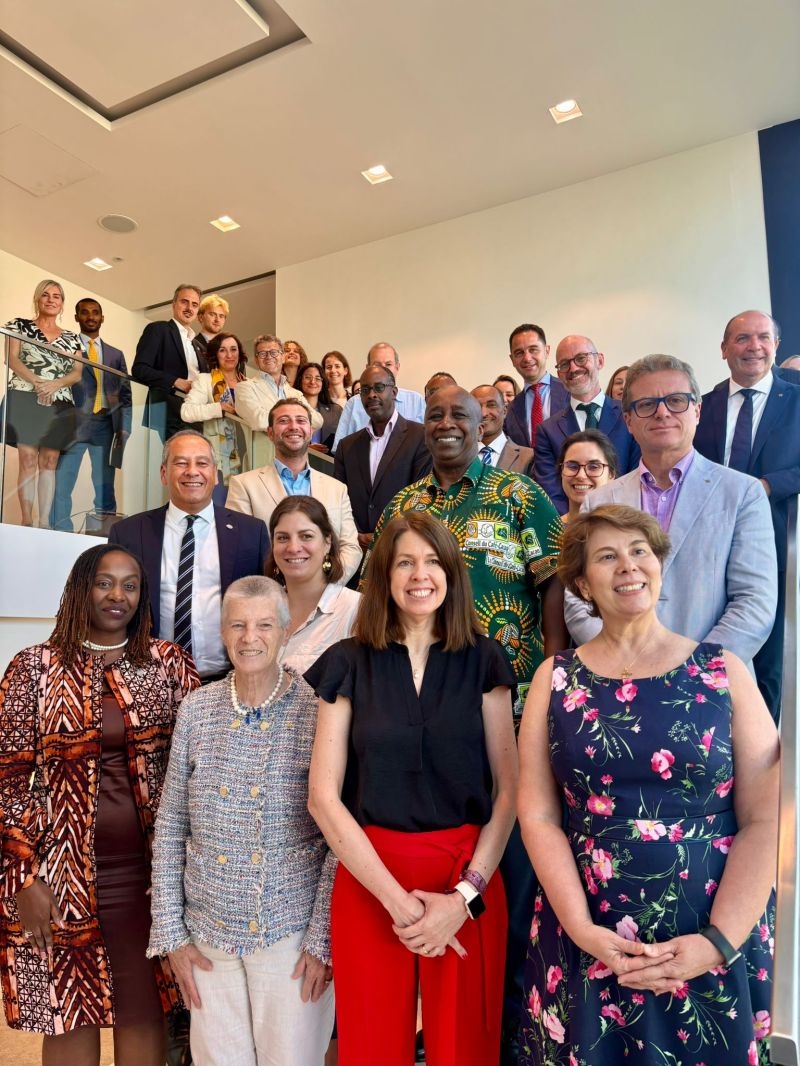
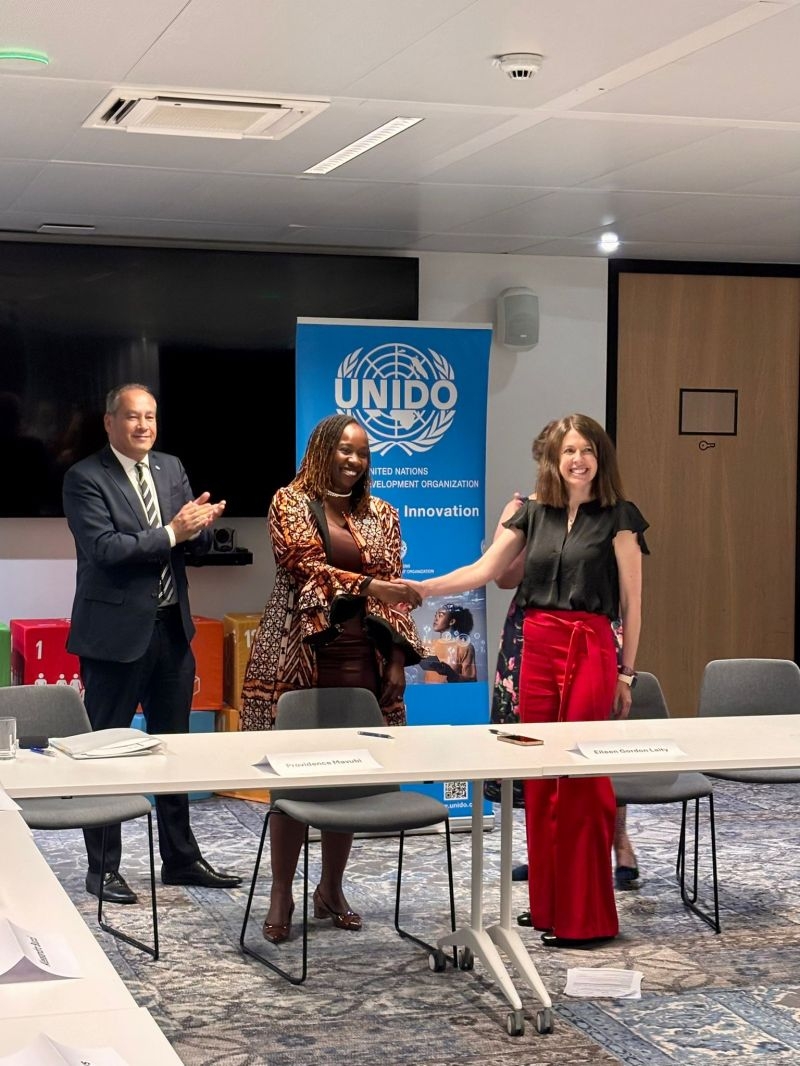
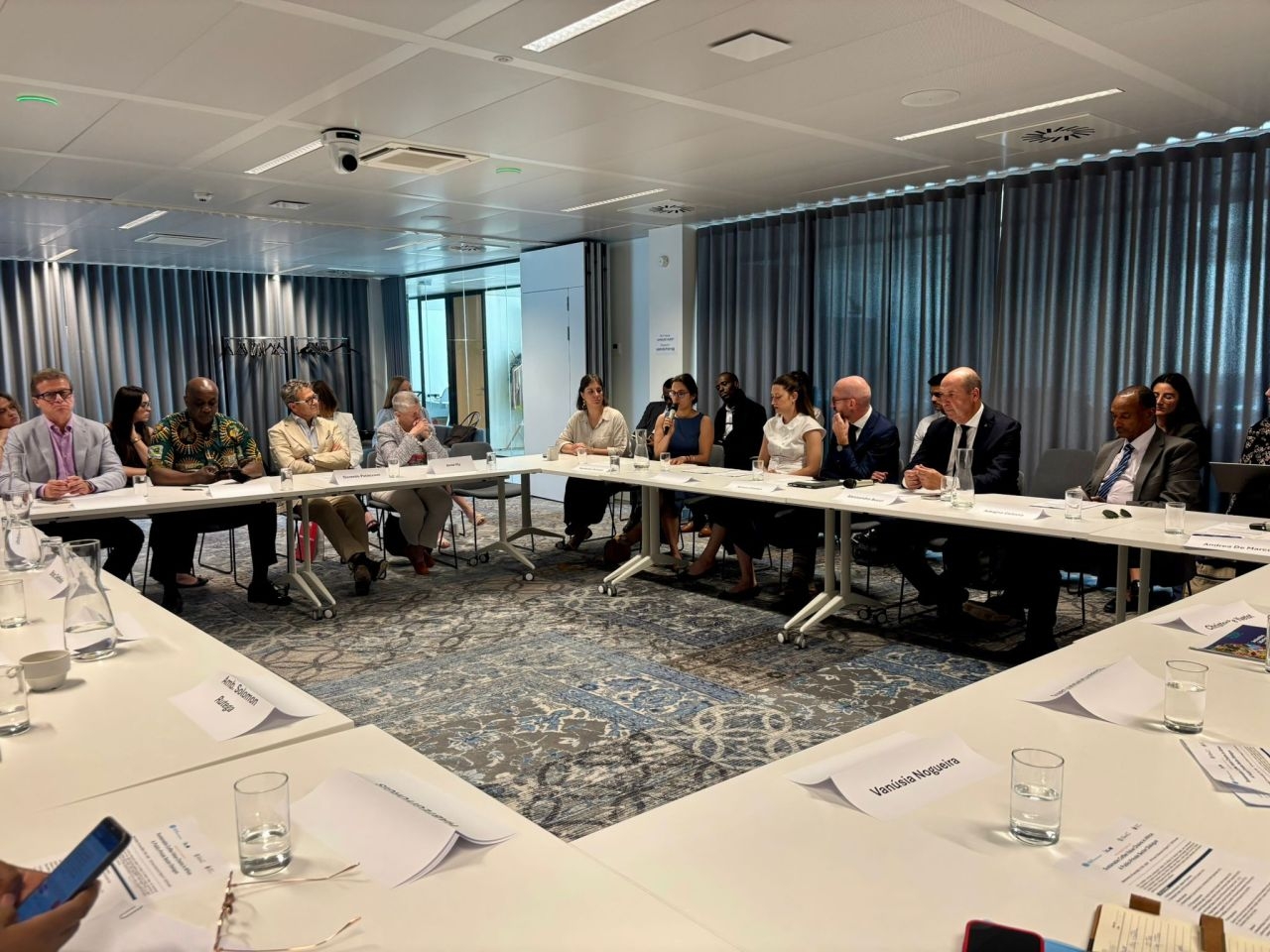
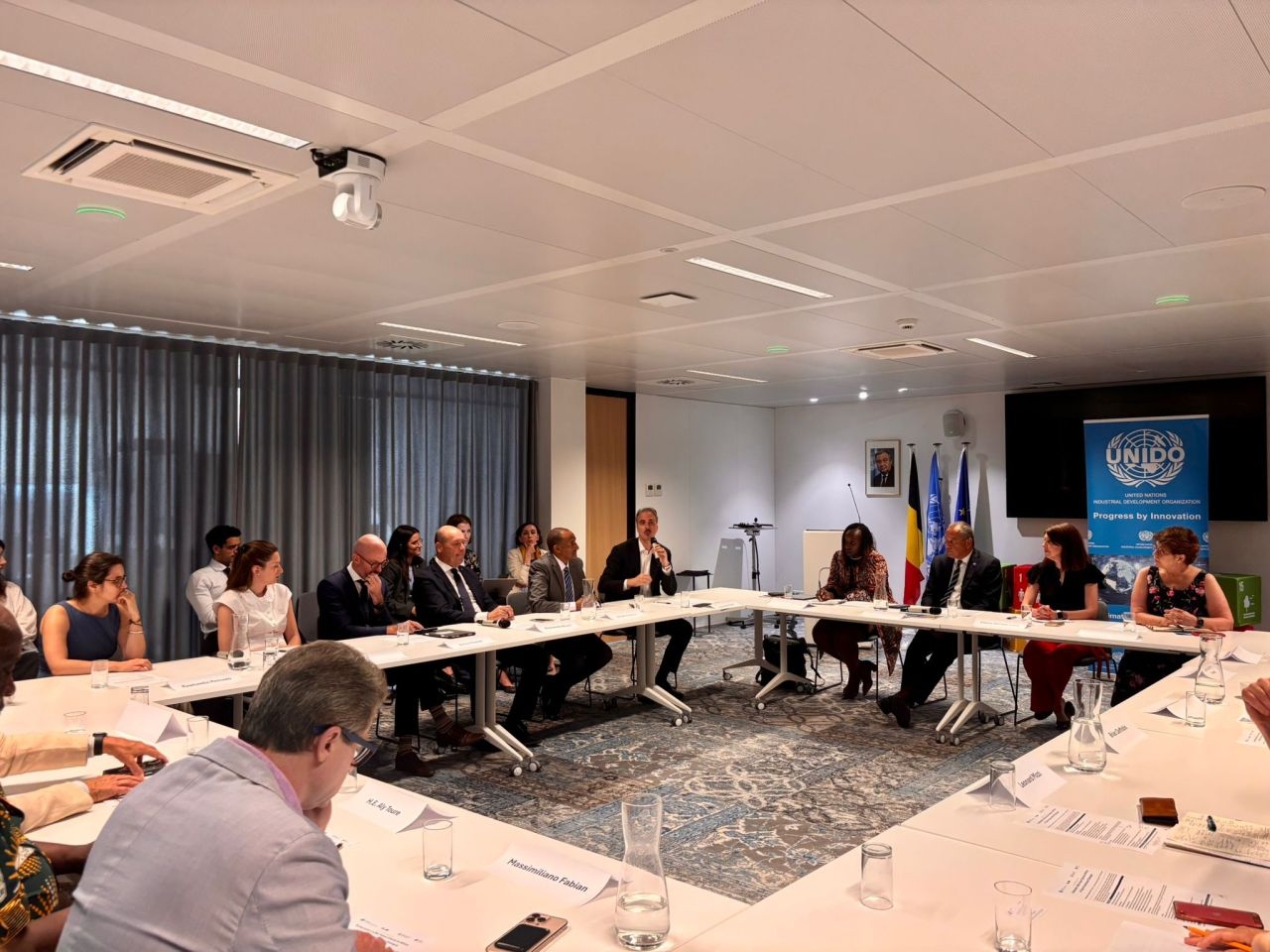
The United Nations Industrial Development Organization (UNIDO) and the European Coffee Federation (ECF) today signed a Joint Declaration at UN House Brussels, formalising a public-private commitment to promote sustainable transformation across African coffee value chains. The signing took place at the close of a high-level roundtable on “Sustainable Coffee Value Chains in Africa: A Public-Private Sector Dialogue,” convened with the participation of the European Commission’s DG INTPA, EU Member States, international organisations, and leading European coffee companies.

This Declaration comes at a critical time, as African coffee value chains face structural challenges ranging from climate change and weak infrastructure to limited access to finance, making public-private cooperation an urgent necessity to ensure the sector’s sustainability and improve the lives of millions of smallholder farmers across the continent.

A New Cooperation Framework Focused on Farmers and Sustainability

The Declaration establishes a structured cooperation framework between the two organisations, with a clear focus on supporting African coffee-producing countries, in particular smallholder farmers, to build climate resilience, improve traceability, and attract sustainable investment. A concrete outcome is the agreement to set up a Consultative Group serving as a pre-competitive, neutral platform for knowledge exchange among traders, roasters, exporters, and development partners.

Leaders: “Choosing Partnership Over Fragmentation”

Eileen Gordon Laity, Secretary General of the European Coffee Federation, said: “This Declaration formalises what the coffee sector has long recognised: sustainable coffee supply chains cannot be built by the private sector or by development agencies alone. Today, we reaffirm our shared commitment and take our collaboration one step further.”

Providence Mavubi, Managing Director, Directorate of SDG Innovation and Economic Transformation, Officer-ad-Interim, UNIDO, emphasised: “With this Joint Declaration, UNIDO and the European Coffee Federation are choosing partnership over fragmentation — a shared commitment to the producers, traders, roasters, policymakers and consumers connected in a single value chain, and to the millions of farming families whose futures depend on how we act together. This is precisely the spirit that drives the ACT Coffee Programme: turning global cooperation into concrete change on the ground for Africa’s coffee communities.”

Party Role
UNIDO United Nations Industrial Development Organization
European Coffee Federation (ECF) Representing Europe’s coffee industry
European Commission (DG INTPA) International partnerships
International Coffee Organization (ICO) Intergovernmental coffee body
Inter-African Coffee Organization (IACO) Representing African producing countries
Private Sector Companies illycaffè, Sucafina, Volcafe, Tchibo

The Consultative Group: A Neutral Platform for Knowledge Exchange

The Consultative Group agreed upon will serve as a neutral platform bringing together different stakeholders across the coffee value chain, with the aim of sharing knowledge and expertise and developing concrete technical proposals and investment projects. This platform will help guide private sector engagement in coffee policy processes at both African and global levels, enhancing coordination among different initiatives.

High-Level Roundtable with Industry Leaders

The roundtable that preceded the signing brought together private-sector leaders from illycaffè, Sucafina, Volcafe, and Tchibo, alongside senior officials from DG INTPA, the International Coffee Organization (ICO), the Inter-African Coffee Organization (IACO), the embassies of Italy and Ethiopia to the European Union, and the Ethiopian Coffee and Tea Authority (ECTA). This broad participation reflects the growing interest in enhancing the sustainability of African coffee value chains.

The ACT Coffee Programme: Driving Implementation

The ACT Coffee Programme (Advancing Climate Resilience and Transformation in African Coffee) will lead the implementation of the cooperation through targeted workshops and roundtables to develop concrete technical proposals and investment pipelines. The Programme, implemented by UNIDO and funded by the Italian Cooperation within the framework of Italy’s Mattei Plan and the EU Global Gateway Strategy, is currently active in Ethiopia, Kenya, Tanzania, Uganda, and Malawi, with the potential to expand to other African coffee-producing countries.

Why This Declaration Matters for the Coffee Sector

This Declaration represents a significant step forward in public-private cooperation in the coffee sector. By combining UNIDO’s expertise in industrial development with the ECF’s representation of the European coffee industry (which accounts for approximately 90% of all coffee imported and processed in the EU), this partnership can create tangible impact in the lives of millions of smallholder farmers in Africa while enhancing the sustainability of global supply chains.

Frequently Asked Questions About the UNIDO-ECF Joint Declaration

Q: What is the main purpose of the Joint Declaration?

A: To promote sustainable transformation across African coffee value chains through public-private cooperation, with a focus on smallholder farmers.

Q: What are the key areas of cooperation?

A: Building climate resilience, improving traceability, and attracting sustainable investment in African coffee-producing countries.

Q: What is the Consultative Group?

A: A neutral platform bringing together traders, roasters, exporters, and development partners for knowledge exchange and developing concrete technical and investment proposals.

Q: What is the ACT Coffee Programme?

A: A UNIDO-implemented programme funded by Italian Cooperation, aiming to strengthen climate resilience and transformation in African coffee, currently active in five African countries.

Q: Which countries are currently covered by the programme?

A: Ethiopia, Kenya, Tanzania, Uganda, and Malawi, with potential for expansion to other countries.

The signing of this Joint Declaration marks a pivotal moment in the development of Africa’s coffee sector. By bringing together political will, the expertise of international organisations, and the resources of the private sector, this partnership can help build more sustainable and equitable value chains, improving the lives of millions of farming families who form the backbone of Africa’s coffee industry.

Prepared and edited by: Qahwa World – Based on the press release from UNIDO and the European Coffee Federation, issued June 24, 2026.

All rights reserved. Republication with attribution permitted.

Publication date: June 25, 2026

Sucafina: 43% Responsible Sourcing and $7.4M Sustainability Investment in 2025

Author: Coffee World
Source: Sucafina 2025 Sustainability Report
Date: May 2026

Executive Summary:

  • Sucafina achieved 43% of its sales as responsibly sourced or traceable to farm level in 2025.
  • The company invested $7.42 million in training and community support projects.
  • Coffee was sourced from 214,313 certified farmers worldwide.
  • Sucafina monitored 437,602 plots across 18 countries for deforestation risk, with 99.2% deforestation-free.
  • The company distributed 895,085 high-quality coffee seedlings and 203,748 native tree seedlings.
  • Sucafina added “Accountability” as its seventh corporate value and adopted a “Connected Value” strategy.
  • The company launched IMPACT Industrial to extend its responsible sourcing program to soluble coffee manufacturing.

Sucafina, a global leader in farm-to-roaster coffee trading, announced exceptional results in its 2025 annual sustainability report. The announcement came during a year marked by global uncertainty, rising costs, and evolving regulations. The company achieved record numbers in its IMPACT responsible sourcing program, raised its external investments in sustainability initiatives to unprecedented levels, and simplified its strategy while adding “Accountability” as its seventh corporate value.

Nicolas A. Tamari, CEO of Sucafina, said: “Despite a difficult start to 2025, the second half of the year revealed a more encouraging reality. We saw renewed commitment from customers who realized that sustainability, traceability, human rights, and environmental stewardship are not options.

They are integral to brand value and consumer trust. By the end of the year, we reached an important milestone: 43% of our sales were responsibly sourced or traceable to farm level. This is a strong signal that our long-term investments are aligning with market expectations.”

Key Sustainability Figures for 2025

Indicator Value
Certified farmers sourced from 214,313
High-quality coffee seedlings distributed 895,085
Farm plots monitored for deforestation 437,602 (covering 674,161 hectares in 18 countries)
Deforestation-free plots 99.2%
Native tree seedlings distributed 203,748
Farmers certified under IMPACT Verification 69,229
Total employee training hours 11,971
Investment in training and community projects $7.42 million
Permanent employees trained in occupational health and safety 680
EcoVadis award Bronze (top 35%)

Strategic Update: Simplification, Integration, and Accountability

After five years of implementing its 2030 sustainability strategy, Sucafina conducted a comprehensive mid-term review. This resulted in an updated and simplified strategy centered on the concept of “Connected Value.” The five IMPACT program goals (Livelihoods, Regenerative Agriculture, Climate Action, Community Well-being, Forest Conservation) were integrated into three main pillars: Investing in Farmers, Caring for People, and Protecting the Planet. The company also added a seventh corporate value: Accountability, joining Adaptability, Humility, Entrepreneurship, Integrity, Expertise, and Passion.

In a strategic move, Sucafina decided to step away from the Science Based Targets initiative (SBTi) framework and transition toward a customized climate action pathway for its operations and supply chain.

The company will focus on practical interventions that achieve measurable emissions reductions and enhance resilience in coffee-producing regions, rather than compliance with a framework that does not always adapt to the reality of agricultural commodity trading.

Key Field Projects and Initiatives

Investing in Farmers
Sucafina’s Regenerative Agriculture methodology underwent external verification. It assesses the implementation of 15 targeted practices linked to four environmental dimensions: soil, water, biodiversity, and greenhouse gas emissions.

Pilot farms were established in Uganda and elsewhere. Notable projects include the SEMEIA project in Brazil (in partnership with Itochu and Ajinomoto AGF), a four-year initiative supporting nine farmers in Arabica and Robusta regions.

The project has planted 30,000 new coffee trees, installed composting units, and planted 6,680 native trees, aiming to reduce emissions and production costs by 2028.

Other initiatives include the Tools for Prosperity project in Uganda distributing basic agricultural tools, and the Regeneration Stimulation project in Rwanda (with 100WEEKS and Ahold Delhaize) where 95-97% of incentivized farmers performed radical pruning compared to 63% in the non-incentivized group.

Caring for People (Communities and Employees)
The REACH project in Uganda (with JDE Peet’s, Elucid, and RVO) developed a digital health financing platform serving 2,700 farming families, addressing challenges of treatment costs and distance.

Women’s savings and lending groups (VSLAs) were established in Burundi, Rwanda, and Kenya, along with support for livestock and beekeeping as additional income sources. For child protection, Sucafina joined the Child Rights Coalition in Uganda (with ChildFund, JDE Peet’s, Nestlé, NKG, Volcafe) to implement a system for monitoring and addressing child labor risks.

In education, the company built classrooms in Colombia (funded by 1% of Sucafina Instant’s net profits), supported early childhood programs in Guatemala with Seeds for Progress, and improved school facilities in Uganda.

Following Cyclone Sinar in Indonesia’s Gayo communities, Sucafina distributed emergency food packages to 913 farmers and 69 suppliers via two air freight shipments.

Protecting the Planet
For deforestation monitoring and EUDR compliance, Sucafina monitored 437,602 farm plots, with 99.2% deforestation-free.

The company developed an EUDR compliance methodology that includes geodata collection, satellite risk assessment, secondary verification, and support for environmental restoration efforts (including distribution of 203,748 native tree seedlings).

Solar energy was installed at the Beyers Koffie plant in Belgium: 642 high-efficiency solar panels (285.69 kWp capacity) produce approximately 243,000 kWh annually, covering 4-5% of the plant’s total electricity consumption.

In Rwanda, an agroforestry program in partnership with the London School of Economics distributed 110,064 regionally appropriate shade trees to 3,735 farmers with cash incentives for tree regeneration.

IMPACT Industrial: Extending the Program to Manufacturing

Sucafina unveiled a new track within its IMPACT program: IMPACT Industrial, designed to cover the production and manufacturing stages of soluble coffee.

The initiative aims to assess environmental, social, and governance practices among manufacturing partners and open constructive dialogue to improve performance in a stage that has historically lacked visibility and standardization.

Sucafina’s Operational Scale in 2025

Indicator Value
Permanent employees 1,528 (38% women)
Seasonal employees 7,138 (54% women)
Green coffee traded 541,000 metric tons
Certified farmers sourced from 214,313
Market share More than 1 in every 20 coffee cups consumed globally passes through Sucafina’s supply chains

Frequently Asked Questions (FAQ)

1. What percentage of Sucafina’s sales were responsibly sourced in 2025?

43% of total sales were responsibly sourced or traceable to farm level.

2. How much did Sucafina invest in sustainability projects in 2025?

The company invested $7.42 million in training and community support projects through the Kahawatu Foundation and other initiatives.

3. What is the new corporate value added by Sucafina?

Sucafina added “Accountability” as its seventh corporate value, alongside Adaptability, Humility, Entrepreneurship, Integrity, Expertise, and Passion.

4. What is the new IMPACT Industrial track?

A new track within the IMPACT program designed to assess environmental, social, and governance practices among soluble coffee manufacturing partners and improve transparency in that stage.

5. How is Sucafina addressing EU Deforestation Regulation compliance?

The company developed a compliance methodology including geodata collection, satellite risk assessment, and secondary verification, resulting in 99.2% of monitored land being deforestation-free.

6. What are the goals of the SEMEIA project in Brazil?

The four-year project aims to reduce emissions and production costs by 2028 through new tree planting, composting units, and native tree cultivation.

Coffee World – Based on Sucafina’s 2025 Sustainability Report.
Published: May 2026

International Coffee Organization Releases 2024/25 Annual Report

Author: Qahwa World – Dubai | Source: International Coffee Organization | Date: May 11, 2026The following article provides an overview of the International Coffee Organization annual report 2024 2025 and its key findings. Moreover, this analysis highlights the importance of the International Coffee Organization annual report 2024 2025 for industry professionals and stakeholders.

The International Coffee Organization has released its Annual Review for coffee year 2024/25, a comprehensive official document covering sector performance and institutional developments from October 2024 to September 2025. This Annual Review forms a core part of the International Coffee Organization annual report 2024 2025 series.

The report serves as the primary reference for policymakers, researchers, and coffee industry stakeholders, documenting key developments in the global coffee sector alongside the Organization achievements at both international and institutional levels.

annual-review-2024-2025-e.pdf – 22

Key Highlights from the Report

  • ICO composite indicator price rose 52 percent to 306.6 US cents per pound
  • Organization granted UN General Assembly observer status in December 2024
  • G7 recognized coffee as strategic sector for first time since 1970s
  • World coffee production estimated at 177.5 million bags, up 5.2 percent
  • Global consumption increased 1.4 percent to 175.1 million bags
  • ICO membership comprises 75 countries

Market Data

According to the report, the ICO composite indicator price averaged 306.6 US cents per pound during the coffee year, a 52 percent increase from the previous year. This average remains 118.3 percent higher than the ten-year average. Prices ranged between 250.5 and 354.4 US cents per pound during the period, as detailed in the International Coffee Organization annual report 2024 2025.

Brazilian Naturals saw the strongest growth among Arabica groups, rising 67 percent to 342.2 US cents per pound. Colombian Mids and Other Mids increased 57.9 percent and 58.9 percent respectively. The Robusta group indicator grew 29 percent to 225.7 US cents per pound.

World coffee production for 2024/25 is estimated at 177.5 million bags, up 5.2 percent. This comprises 102.1 million bags of Arabica and 75.4 million bags of Robusta. Global coffee consumption increased 1.4 percent to 175.1 million bags.

annual-review-2024-2025-e.pdf – 19

Institutional Achievements

In December 2024, the ICO was officially granted observer status in the UN General Assembly. Observer status recognizes the Organization relevance and enables it to contribute to international dialogue and policymaking while advocating for the global coffee sector at the highest level.

The G7 recognized coffee as a strategic sector during the Development Ministers Meeting in Pescara, Italy, in October 2024. This recognition will lead to the launch of a Global Coffee Fund aimed at leveraging blended finance solutions to catalyze private investments as outlined in the International Coffee Organization annual report 2024 2025.

Sustainability Initiatives

The Coffee Public-Private Task Force continued its work on living and prosperous income, developing a Process Guide to help Member countries understand coffee farmer incomes and implement collective action.

The Coffee Sustainability Support Database was relaunched in June 2025 with improved interface, currently tracking nearly 500 projects supporting coffee sustainability in areas including climate action, regenerative agriculture, and farmer prosperity.

annual-review-2024-2025-e.pdf – 19

2025/26 Priorities

The report identifies seven strategic priorities: strengthening governance, enhancing data transparency, promoting coffee as part of the solution to global challenges, advancing sustainability, scaling innovation, strengthening partnerships, and elevating coffee in global policy agendas including COP31.

ICO membership currently includes 75 countries, comprising 42 exporting members and 33 importing members. The Organization operates in four official languages: English, French, Spanish, and Portuguese.

Frequently Asked Questions

What is the ICO Annual Report?
It is an official document published annually by the International Coffee Organization reviewing global coffee sector performance and institutional developments.

What period does the 2024/25 report cover?
It covers October 2024 to September 2025. The report was released in May 2026. For further context, refer to the International Coffee Organization annual report 2024 2025.

What was the average coffee price according to the report?
The ICO composite indicator averaged 306.6 US cents per pound, a 52 percent increase from the previous year.

What are the key institutional achievements documented?
UN General Assembly observer status and G7 recognition of coffee as a strategic sector.

How many countries are ICO members?
75 countries, including 42 exporting members and 33 importing members.


Author: Qahwa World – Dubai | Source: International Coffee Organization | Date: May 11, 2026

European Commission Expands EUDR Scope to Include Soluble Coffee

Dubai – Qahwa World

The European Commission has unveiled a new package of measures aimed at simplifying the implementation of the EU Deforestation Regulation (EUDR), while also expanding the regulation to include soluble coffee.

The announcement brings greater clarity to a regulation that has faced repeated delays since it was first proposed in 2021. The EUDR officially entered into force in 2023 and was initially scheduled to apply by the end of 2024. However, concerns from industries and producing countries over preparedness and compliance requirements led to multiple postponements.

The Commission now says it is focused on ensuring the regulation becomes fully operational by 30 December 2026.

As part of the latest revisions, EU officials estimate the simplification measures could lower annual compliance and administrative costs for affected companies by approximately 75 per cent compared with the original framework.

For the coffee sector, one of the most significant developments is the decision to add soluble coffee to the regulation’s scope. Industry representatives believe the move will create more consistent rules across coffee categories and strengthen fair competition within the European market.

Eileen Gordon-Laity, Secretary General of the European Coffee Federation, said the inclusion of soluble coffee would support equal treatment across the sector while reinforcing the environmental objectives of the regulation. She noted that aligned requirements are important for companies preparing for compliance ahead of the implementation deadline.

The updated package also includes changes to the EUDR digital system, with simplified paperwork requirements for smaller producers such as farmers and foresters.

Meanwhile, companies placing products on the market for the first time, including coffee roasters and major importers, will continue to face full due diligence obligations. Businesses further down the supply chain will mainly be responsible for collecting supplier reference numbers rather than independently verifying compliance.

The Commission also proposed removing leather and retreaded tyres from the regulation’s scope. Certain packaging materials, waste products, and product samples would also receive exemptions. In addition, several palm oil derivatives are expected to be added alongside soluble coffee.

Environmental groups have called on the European Union to avoid further delays in implementing the law. Anke Schulmeister-Oldenhove from WWF’s European Policy Office said the regulation must now move from discussion to action, warning that continued postponements could weaken both enforcement efforts and environmental credibility.

The draft Delegated Act is open for public feedback until 1 June 2026.


Korean Innovation Transforms Coffee Waste into High-Performance Thermal Insulation

SEOUL – Qahwa World

As the global search intensifies for effective solutions to both the climate crisis and the growing burden of organic waste, a recent scientific breakthrough offers an unexpected answer from within a coffee cup. A study published in Biochar (2026) reveals that researchers from Jeonbuk National University have developed a high-performance thermal insulation material made entirely from coffee waste. In other words, the team successfully created coffee waste thermal insulation with remarkable properties.

Led by Sung Jin Kim and Seong Yun Kim, the research team successfully engineered an eco-friendly material that matches the efficiency of top-tier petroleum-based industrial insulators. This development marks an important milestone in coffee waste thermal insulation innovation.

  • The Context: Millions of Tons of Coffee Waste

Coffee is the second most traded commodity in the world after crude oil. This immense global consumption generates approximately 8 million tons of spent coffee grounds (SCG) annually. Most of this waste ends up in landfills, where it decomposes and releases methane, a greenhouse gas significantly more potent than carbon dioxide, or is incinerated, contributing to air pollution.

This environmental challenge provided the foundation for the study, which aims to convert coffee waste into a valuable resource for the construction industry by using it for coffee waste thermal insulation.

  • The Technical Challenge: Enhancing Porosity

The effectiveness of thermal insulation depends largely on a material’s ability to trap air, as stagnant air is a natural insulator. However, raw coffee waste has relatively low porosity, around 46 percent, making it unsuitable for direct use.

To overcome this, researchers subjected the coffee waste to a controlled carbonization process at 700 degrees Celsius. Unlike conventional methods that use inert atmospheres, this process was conducted in an ambient atmosphere, allowing oxygen to interact with the material. This reaction expanded the internal structure, increasing porosity to an impressive 71 percent.

The resulting material, known as biochar, features a network of macropores that effectively trap insulating air. Therefore, the study showed that coffee waste thermal insulation could provide significant benefits compared to traditional options.

  • Breakthrough Innovation: Pore Restoration Technology

A major obstacle emerged when integrating the porous biochar with binding materials. Typically, liquid polymers seep into and clog pores, reducing insulation performance.

To address this, the team developed an innovative pore restoration technique:

Protective mixture: Biochar is combined with a green solvent, propylene glycol.
Molecular shielding: The solvent temporarily fills the pores and prevents the binding polymer, ethyl cellulose, from entering during processing.
Final evaporation: After forming the panels, the solvent is removed under vacuum conditions, restoring the material’s porous structure.

This process enabled the material to achieve a thermal conductivity of 0.04 W m⁻¹ K⁻¹, comparable to conventional polystyrene insulation without the associated environmental harm.

  • Real-World Applications: Smarter Solar Buildings

The study extended beyond laboratory testing to simulate real-world applications, particularly in building-integrated photovoltaic systems. Solar panels generate electricity but also produce significant heat that can increase indoor cooling demands.

When the coffee-based insulation was applied beneath solar panels, it effectively reduced heat transfer and kept indoor spaces cooler. This dual-function solution addresses both waste management and energy efficiency.

  • Sustainability and Biodegradability

Unlike traditional insulation materials, which can persist in the environment for centuries, the coffee-based material is biodegradable. Tests showed that it lost more than 10 percent of its weight within 21 days when exposed to natural enzymes, indicating its potential to return safely to the environment as a carbon-rich soil additive.

  • A Vision for the Future

This innovation represents more than just a new building material. It reflects a broader shift toward total sustainability in the coffee sector. By transforming waste into a high-value construction resource, the research opens pathways for collaboration between coffee producers and the building industry.

It is a compelling example of how science can convert everyday waste into advanced solutions that support environmental protection and sustainable urban development, with coffee waste thermal insulation standing out as a promising advancement.

ICC 2026 Trieste to Focus on Climate, Consumers and Coffee Circularity

Trieste, Italy – Qahwa World

The International Coffee Convention (ICC) 2026 will be held in Trieste this October, bringing together scientists, industry leaders and policy experts to address some of the most pressing challenges facing the global coffee sector.

Under the theme Coffee at the Crossroads: Climate, Consumers and Circularity, the event will examine how coffee production and trade are adapting to climate change, shifting consumer demand and the growing push toward circular and sustainable systems.

The ICC has positioned itself as a unique international forum that connects applied scientific research with real-world decision making across the coffee value chain. Unlike traditional trade fairs or academic conferences, the convention is designed to translate research into practical insight for industry professionals.

Previous editions were held in Mannheim in 2023 and 2024, where the format gained recognition for combining interdisciplinary science with industry-focused discussion. The 2026 edition continues this model with a programme structured around six key tracks.

These cover climate and agriculture, sustainability and processing, market and consumer trends, technology and innovation, ethics and social equity, and trade and regulation. Topics include climate resilience in coffee farming, circular economy approaches in processing, digital transformation, supply chain transparency, and evolving regulatory frameworks in major coffee markets.

The convention brings together a wide range of expertise, including agronomists, economists, geneticists, sensory scientists and behavioural researchers, alongside producers, traders, roasters and technology providers. Organisers say this mix is intended to strengthen collaboration between research and industry practice.

ICC 2026 will also open a call for papers, inviting contributions that combine scientific rigor with practical relevance. Submissions are expected to address challenges and opportunities across the coffee sector, from cultivation and processing to technology, sustainability and trade.

The two day event focuses on concentrated dialogue, applied insight and professional networking, with an emphasis on connecting science and industry in a way that supports real decision making.

Previous ICC proceedings and conference materials remain publicly accessible, offering insights into the research and discussions from earlier editions.

Coffee Break Dubai: Government Confidence, Market Shifts, and Hard Truths Facing the Coffee Industry

Dubai — Qahwa World

The first Coffee Break forum, held yesterday in Dubai, brought together senior leaders from the coffee, hospitality, logistics, media, and investment sectors to discuss the growing structural pressures facing the global coffee industry.

Organized by Mokha 1450 in partnership with Modora, the event went beyond discussion, offering a detailed real-time reading of how the sector is reacting to overlapping global disruptions.

Despite the complexity of challenges, a consistent theme emerged throughout the sessions: Dubai’s business environment continues to operate with a high level of institutional confidence, repeatedly linked by speakers to government crisis management performance and long-term economic stability.

  • SPEAKERS LIST (FULL PARTICIPANTS)

The session featured a high-level panel including:

  • Abdulla Al Shaibani — Group CEO, Axceed LLC
  • Garfield Kerr — CEO, Mokha 1450 and Former President of the Specialty Coffee Association
  • Khalid Al Mulla — CEO, Dubai Coffee Museum
  • Jennifer Pettinger-Haines — Founder and CEO, The GRIF Collective
  • Paul Clifford — Industry Editor and Analyst
  • Zeena Zalamea — Moderator, Broadcaster and Entrepreneur

GOVERNMENT CONFIDENCE AS A CORE BUSINESS FOUNDATION

A central thread across discussions was the role of government performance during crises, particularly the COVID 19 pandemic.

Speakers described how the UAE maintained operational continuity during global shutdowns, reopened faster than most major economies, and minimized long-term disruption to business ecosystems.

This experience created what participants described as a “structural confidence layer” that continues to shape decision-making today.

Rather than reacting defensively to current market pressures, companies are maintaining operations, focusing on internal stability, and prioritizing workforce wellbeing.

One speaker emphasized that during crises, the primary concern shifted away from business survival toward emotional and organizational stability within teams, supported by confidence in national systems.

  • ABDULLA AL SHAIBANI: LEADERSHIP UNDER STRUCTURAL CHANGE

Abdulla Al Shaibani highlighted that leadership in the current cycle is no longer defined by expansion, but by resilience management.

He emphasized that the priority for landlords and operators alike is stability rather than aggressive growth, stressing that maintaining continuity with tenants and partners is now the key objective.

He also noted that supporting smaller business ecosystems through flexible operational frameworks is essential during periods of uncertainty.

  • GARFIELD KERR: SUPPLY CHAIN DISRUPTION AND INDUSTRY PRESSURE

Garfield Kerr described significant disruption across global coffee logistics, particularly in air freight and container movement.

He explained that shipping costs have increased sharply, forcing businesses to pause shipments, delay projects, and reallocate inventory already positioned at origin.

He added that specialty coffee operators are now managing a fragile balance between cost pressure and quality preservation, especially as green coffee prices continue to rise globally.

  • JENNIFER PETTINGER-HAINES: THE TWO SPEED MARKET

Jennifer Pettinger-Haines presented data analysis covering approximately 400 venues across Dubai, revealing a clear structural divide:

  • Community cafés and neighborhood venues: growth of 30 to 40 percent in some cases
  • Fine dining restaurants: declines reaching 70 to 80 percent

She explained that this divergence reflects a fundamental shift in consumer behavior toward proximity, affordability, and familiarity.

Community driven venues are benefiting from consistent local demand, while high-end restaurants remain heavily dependent on tourism and discretionary spending.

  • PAUL CLIFFORD: PRICING STRATEGY AND BRAND RISK

Paul Clifford warned against aggressive discounting strategies, stating that repeated price reductions can permanently damage brand perception.

Once a brand is positioned at a lower price point, restoring premium positioning becomes significantly more difficult.

He noted that many operators are instead restructuring offerings by simplifying menus, reducing service formats, adjusting portions, and forming supplier collaborations rather than competing through pricing alone.

  • KHALID AL MULLA: LOGISTICS AND SYSTEM STABILITY

Khalid Al Mulla emphasized that government intervention extends beyond regulation into active operational support during crises.

He referenced past interventions that protected businesses from immediate financial collapse and ensured continuity of operations.

He also highlighted current logistics diversification strategies, including alternative shipping routes and regional port redistribution to reduce dependency on single supply corridors.

  • INDUSTRY TRANSFORMATION ACROSS OPERATIONS

Across the sector, businesses are adjusting core operations:

  • Reduced operating hours in line with demand
  • Workforce restructuring
  • Menu redesign due to cost inflation
  • Ingredient substitution and sourcing recalibration
  • Training program expansion

At the same time, companies are investing in internal capability development to prepare for post-crisis recovery cycles.

  • DIFFERENT ECONOMIC REALITIES WITHIN ONE MARKET

Speakers noted a widening gap between companies:

  • Well capitalized operators are investing and repositioning
  • Smaller operators are focused on survival and liquidity management

Overall performance remains below historical averages, with many businesses operating near break-even thresholds.

  • HOSPITALITY ASSET UNDERUTILIZATION

Hotel infrastructure was identified as an underutilized resource due to reduced occupancy rates.

Proposals included repurposing unused spaces into coworking environments, delivery kitchens, and hybrid operational models to improve asset efficiency.

  • SHIFTING CUSTOMER DEMOGRAPHICS

A key strategic concern raised was the under engagement of younger consumer groups.

Speakers noted that this demographic represents a growing opportunity but requires new approaches in branding, product development, and communication strategy.

  • ORIGIN LEVEL PRESSURE IN THE COFFEE CHAIN

At production level, rising costs and low farmer returns continue to threaten long-term sustainability.

Some producers are exiting the industry entirely, while younger generations are increasingly avoiding agricultural participation.

Sustainability investment and fairer value distribution were highlighted as critical structural requirements.

  • OUTLOOK: CONTROLLED OPTIMISM

Despite challenges, sentiment remained cautiously positive.

Most participants expect partial recovery within 12 to 24 months based on historical cycles in hospitality markets.

A widespread view emerged that current disruptions are cyclical rather than structural, shaping investment and operational decisions across the sector.

  • CONCLUSION

The Coffee Break forum in Dubai highlighted an industry under simultaneous global pressures but actively adapting across every layer of its value chain.

From supply chains to consumer behavior, the sector is undergoing structural recalibration.

At the center of this transition is sustained confidence in the UAE’s institutional stability and crisis management capability, which continues to influence strategic decisions across the industry.

Global Coffee Leaders Launch First-Ever Deforestation Mapping Initiative

Amsterdam – Qahwa World

Leading global coffee companies have launched a landmark industry initiative aimed at transforming how deforestation risks are identified and managed across coffee-producing regions worldwide, through a unified satellite-based mapping system.

The Coffee Canopy Partnership brings together major players in the global coffee value chain, including JDE Peet’s, Louis Dreyfus Company, Sucden, Neumann Kaffee Gruppe, Touton, Sucafina, and Tchibo, in an unprecedented pre-competitive collaboration designed to create the first comprehensive and openly accessible global map of coffee production landscapes.

Developed in partnership with Airbus, the initiative will use very high-resolution satellite imagery combined with artificial intelligence and ground verification to map coffee farms, detect forest loss, and distinguish between natural forests and agroforestry systems such as shade-grown coffee, which have historically been misclassified in land-use datasets.

The program is designed to address one of the sector’s most persistent structural challenges: the lack of reliable, harmonized geospatial data on coffee cultivation. This data gap has contributed to inconsistencies in sustainability monitoring and, in some cases, the unintended exclusion of smallholder farmers from regulated markets.

The initiative launches with a large-scale pilot across East Africa, covering Ethiopia, Tanzania, Kenya, Uganda, Burundi, and Rwanda. The pilot will map approximately 1.2 million square kilometers of coffee-growing landscapes and serve as the foundation for a global rollout planned for 2027.

At the core of the project is the creation of two key geospatial datasets. The first will reconstruct a baseline of coffee cultivation for 2020–2021, correcting historical misclassifications of agricultural land as forest. The second will provide an updated view of coffee production landscapes for 2024–2025, enabling the detection of land-use change and potential deforestation over time.

The initiative comes as the industry prepares for stricter regulatory enforcement under the European Union Deforestation Regulation (EUDR), which restricts market access for commodities linked to deforestation after December 2020. Industry participants warn that without accurate mapping, agroforestry-based coffee systems risk being incorrectly classified, potentially affecting millions of smallholder farmers.

Speaking at the launch, Laurent Sagarra of JDE Peet’s said the initiative represents a shift away from fragmented sustainability efforts toward a shared, landscape-level approach. He emphasized that the goal is not to create another certification scheme, but to build a collaborative infrastructure capable of reducing deforestation risk across the entire sector.

Airbus Defence and Space highlighted the role of satellite technology and artificial intelligence in enabling this transformation, noting that high-resolution Earth observation data can provide the transparency required to strengthen both environmental protection and supply chain resilience.

Supporting institutions, including the UK Foreign, Commonwealth & Development Office and the UN Food and Agriculture Organization, have endorsed the pilot phase. FAO representatives noted that the initiative aligns with broader efforts to promote transparent and inclusive data systems for sustainable commodity production.

Industry participants described the project as a shift toward shared infrastructure for sustainability, arguing that collective data systems can reduce duplication, improve consistency, and enable more effective decision-making across governments, producers, and traders.

If successfully scaled, the Coffee Canopy Partnership is expected to become a global reference system for monitoring coffee-related land use change, supporting deforestation-free supply chains while protecting the livelihoods of smallholder farmers and strengthening long-term climate resilience in coffee-producing regions.


Ecuador Leads Cocoa Sector in Meeting EU Deforestation Rules

Ecuador – Qahwa World

Ecuador is positioning itself as one of the most advanced countries in adapting to the European Union Deforestation Regulation (EUDR), which is scheduled to take effect on December 30, 2026. Unlike many other cocoa origins, Ecuador’s cocoa sector already exceeds 90% compliance and is approaching full alignment, according to the National Association of Cocoa Exporters. This reflects significant progress in traceability, sustainability, and transparency, all of which are essential for continued access to the European market.

The country’s progress is supported by a long-term national strategy. For five consecutive years, Ecuador has led exports of organic products to the European Union, according to the Ministry of Agriculture and Livestock. This leadership strengthens its position in a global market where environmental compliance is becoming a mandatory requirement rather than an optional standard.

The EUDR requires proof that agricultural products are not linked to deforestation. For cocoa, this means implementing geolocation systems, farm-level monitoring, and full traceability across the supply chain. Ecuador has made notable progress in these areas through coordination between exporters, producers, and public institutions, reducing the risk of exclusion from the European market.

The country is also expanding its compliance base by integrating more producers into formal systems. National programs aim to register and support up to 100,000 cocoa and coffee farmers, helping them meet EUDR requirements and avoid potential export losses. These efforts also contribute to strengthening sector formalization and improving long-term competitiveness.

The EUDR, first proposed in 2019 and approved in 2023 by the European Parliament and the Council of the European Union, represents a major shift in global agricultural trade. After two implementation delays, the regulation is still set to apply at the end of 2026, leaving a limited adjustment period for exporting countries.

Within this context, Ecuador is not only reducing compliance risks but also gaining a competitive advantage. Its high level of readiness positions it as a reliable supplier in an increasingly strict regulatory environment.

The strength of Ecuador’s position is also linked to the scale of its cocoa industry. The country produces between 380,000 and 420,000 tons of cocoa annually and is the world’s leading exporter of fine aroma cocoa, accounting for around 60% of global supply in this segment. More than 70% of production is exported, generating between 3.5 and 4 billion US dollars annually, with the European Union as the main destination.

Cocoa production is concentrated in provinces such as Los Ríos, Guayas, and Manabí, along with other important areas including Esmeraldas and El Oro, and expanding regions in the Amazon such as Sucumbíos and Orellana. The sector involves around 600,000 families, mostly smallholder farmers. Between 15% and 25% of Ecuadorian cocoa already carries sustainability or organic certification, further reinforcing its readiness for new regulatory standards.

EFICO Coffee Sourcing Strategy 2025 and Global Market Trends

Dubai – Qahwa World

The coffee market has always been volatile, but in recent years fluctuations have intensified. While prices were historically shaped by harvest expectations, weather patterns, and supply–demand dynamics, financial market mechanisms, including speculative trading and algorithm-driven strategies are increasingly amplifying price swings, sometimes exceeding underlying supply fundamentals.

At the same time, climate change remains the most significant long-term challenge facing the sector. Across producing regions, erratic weather patterns—from prolonged droughts to unexpected rainfall and extreme storms—disrupt harvest cycles, reduce yields, and create growing uncertainty throughout the global coffee value chain.

In 2025, several of these pressures converged. Arabica prices surged on the New York C-Market amid drought-affected Brazilian crops and delayed harvests in parts of Central America. Logistical bottlenecks, geopolitical tensions, and lingering trade policies—including tariffs introduced under the Trump administration—added further complexity to the global trading environment. Meanwhile, regulatory developments in the European Union—notably the EU Deforestation Regulation (EUDR) and updated organic standards—introduced additional compliance requirements for actors across the coffee value chain.

Despite this challenging environment, EFICO achieved strategic growth in 2025, moving more coffee than ever while continuing to build on nearly a century of experience in connecting coffee value chain partners. Through strategic sourcing and transparent collaboration with partner farmers, cooperatives, exporters, and roasters, EFICO works to strengthen every link in the chain—helping partners navigate market volatility, regulatory complexity, and climate-related challenges.

EFICO | Connecting the coffee value chain

For nearly a century, EFICO has connected coffee value chain partners through long-term, trusted relationships that foster resilience and shared growth. Through its origin offices and green coffee trading teams, EFICO works closely with partner farmers, cooperatives, and exporters, providing market access, technical guidance, and sustainability support while maintaining lasting partnerships with partner roasters worldwide.

Complementing its operational sourcing work, the EFICO Foundation supports coffee-producing communities worldwide—structurally supporting coffee farmers and their families while positively impacting livelihoods, prosperity, and the environment.

Purpose-driven local partnerships

EFICO’s sourcing strategy is built on purpose-driven partnerships across the coffee value chain, starting at origin. By collaborating closely with cooperatives, local exporters, and trusted supply partners, EFICO works to ensure a transparent and resilient coffee supply while reinvesting value locally in coffee-producing regions.

In 2025, 85% of EFICO’s coffee continued to be sourced from local actors, reflecting the company’s long-standing commitment to locally rooted supply chains. Within this share, cooperatives represented 23% of total sourcing volumes, while local exporters accounted for 57%, showing a slight shift compared to 2024. International exporters remained stable at 15% for the third consecutive year.

These long-term partnerships support local economies, strengthen farming communities, and reinforce resilience throughout the broader coffee value chain—particularly in times of market volatility and environmental uncertainty.

EFICO’s sourcing offices in Ethiopia, Central America, and Brazil remain central to this strategy. Beyond operational hubs, they serve as centers of adaptive collaboration, connecting EFICO directly to coffee-growing regions. By working closely with partner farmers, cooperatives, and suppliers on the ground, these origin offices help partner farmers navigate fluctuating market conditions, climate challenges, and evolving regulatory requirements, while strengthening relationships with partner roasters worldwide.

Certified, verified vs non-verified coffee

In 2025, EFICO recorded remarkable growth in absolute terms, with certified volumes increasing by 34% compared to last year, while shares among Rainforest Alliance, Fairtrade, and Organic remained stable, reflecting continued commitment to certifications.

Rainforest Alliance held the largest share at 64%, also leading in absolute growth, while Fairtrade and Organic recorded the largest relative growth, recovering from the decline observed in 2024 as premiums increased and market prices remained high.

A shift in origins was observed, with a lower share of Organic and Fairtrade sourced from Central America in favour of Latin America, Africa, and Asia.

However, overall coffee sourcing volumes increased even faster than certified volumes. As a result, the relative share of certified and verified coffee represented 49% of total sourcing—marking the third consecutive year of modest relative decrease.

Despite this shift, EFICO’s sourcing remains above the global market average, as reported by the Global Coffee Platform in 2024, which registered 47% sustainable sourcing under third-party schemes.

These dynamics reflect broader market conditions. During periods of high and volatile coffee prices, certification models can become more complex for both producers and buyers, as certification costs and administrative requirements must be balanced against market opportunities.

Strategic sourcing: key origins

The world map provides a 2025 snapshot of coffee origins, showing the shares of certified, verified, and non-verified coffee. These patterns vary across EFICO’s key coffee-producing regions, reflecting differences in sourcing volumes, certifications, and partnerships.

For a more detailed view, EFICO analysed sourcing data from its major origins—Brazil, Central America, and Ethiopia—and included Uganda as a key Robusta origin without a permanent EFICO office.

Brazil

Brazil remained EFICO’s largest sourcing origin in 2025, accounting for approximately one-third of total sourcing volumes. The country continues to provide high-quality Arabica coffees that form an essential component of both blends and single-origin offerings.

In 2025, 47% of EFICO’s Brazilian sourcing was certified. An additional 17% was verified under EFICO’s internal sustainability standards, including 6% independently verified and 11% aligned with partner-based sustainability systems. This brings the total share meeting certification or verification criteria to 64%.

At the same time, 85% of Brazilian coffee volumes were sourced from local actors, reinforcing EFICO’s long-standing commitment to strong local partnerships.

While certified volumes increased in absolute terms, the relative share of certified coffee declined slightly as conventional volumes expanded more rapidly amid strong market demand.

Central America

Central America remained one of EFICO’s most important regions for certified sourcing in 2025. 66% of coffees sourced from the region were certified, with Rainforest Alliance representing the largest share and showing the strongest growth.

Fairtrade sourcing also showed steady growth during the year, while Organic-certified coffees declined both in absolute volumes and relative share.

This trend reflects a combination of market dynamics and regulatory developments: high and volatile coffee prices influenced producer and buyer decisions, while the increasing complexity of complying with updated EU organic requirements made sourcing fully compliant Organic coffees more challenging in some producing countries.

Across the region, 79% of EFICO’s sourcing came from local actors, reinforcing long-standing partnerships with cooperatives and exporters.

Through the ongoing work of the EFICO Foundation, EFICO supports projects that promote training and education, sustainable income, infrastructure support with the aim of positively impacting coffee farmers’ livelihoods, prosperity, and environment.

Ethiopia

Ethiopia experienced significant growth in sourcing volumes in 2025, with total volumes more than doubling compared to the previous year. While much of this increase occurred in conventional coffees, certified volumes also expanded.

In total, 21% of Ethiopian coffees sourced by EFICO were certified, with an additional 19% meeting EFICO’s internal sustainability standards, bringing the total share aligned with sustainability criteria to 40%.

Local partnerships remain central to EFICO’s sourcing approach in Ethiopia, with 80% of volumes sourced from local actors.

A key partner in this development is KURU, EFICO’s long-standing sourcing partner in Ethiopia, which expanded its operations to eight washing and collecting stations in 2025—four more than in 2024.

This expansion strengthens processing capacity and traceability while reinforcing EFICO’s direct connection to coffee-producing communities.

Uganda

Uganda is included in this 2025 analysis because sourcing volumes from the country have grown significantly, making it a strategic addition to EFICO’s Robusta portfolio.

Within just two years, Uganda has become EFICO’s third-most important origin for Robusta coffee, even though sourcing remains predominantly conventional.

79% of Ugandan volumes were sourced from local actors, highlighting EFICO’s commitment to building sustainable, locally rooted supply relationships, even in regions without a permanent origin office.

EUDR readiness & supplier engagement

In 2025, EFICO continued its efforts to ensure compliance with the EU Deforestation Regulation, despite the late announcement of another one-year delay in its entry into application.

By the end of the year, 93% of geolocation datasets submitted for EUDR contracts were approved according to EFICO’s strictest standards and assessments.

A major step was the launch of EFICO’s supplier portal, improving data collection, traceability, segregation at shipment level, and annual legality reporting, including topics such as human rights and traceability.

Togo field engagement

Togo was selected for focused engagement to support suppliers less familiar with geolocation and traceability requirements.

Since early 2024, EFICO has trained local field teams to collect, harmonise, and validate farmer and plot-level data. Over 2025, nearly 10,000 GPS points were collected.

A second field visit in December 2025 implemented ground truthing procedures to verify deforestation alerts and assess multi-tier supply chains.

Most coffee plots are managed under agroforestry systems. Satellite-based alerts initially identified potential deforestation risks, but field verification ruled out most cases, confirming only a few instances linked to expansion into previously forested land.

Non-compliant plots were segregated within EFICO’s traceability systems, while farmers received training on deforestation prevention and sustainable land-use alternatives.

EFICO’s 2025 strategy highlights a balance between market resilience, sustainability, regulatory readiness, and long-term partnerships across the global coffee value chain.