Victoria Arduino Unveils RECORD: Redefining Professional Espresso in 2027

Source: Victoria Arduino |
Author: Qahwa World |
Date: June 11, 2026

Victoria Arduino Unveils RECORD: A New Espresso Machine Redefining Design and Innovation in Professional Coffee

Key Takeaways:

  • Victoria Arduino previewed the exclusive RECORD 120 Limited Edition at HOST, with only 120 units produced.
  • Each unit represents one year of the company’s history, from 1905 to 2025, and is entirely handcrafted.
  • The company now announces that RECORD will officially enter the general catalog in 2027.
  • RECORD is not just a new model – it is a project designed to redefine design expectations in professional espresso machines.
  • More details will be revealed in the coming months on the company’s website.
  • Professionals, partners, and coffee lovers are invited to register for exclusive updates.

Victoria Arduino says: “Some follow today’s trends. Others define the future.” The historic Italian company has never simply kept pace – it has always anticipated the future of coffee, designing machines that not only meet the needs of today’s professionals but also inspire new ways of working, creating, and experiencing coffee.

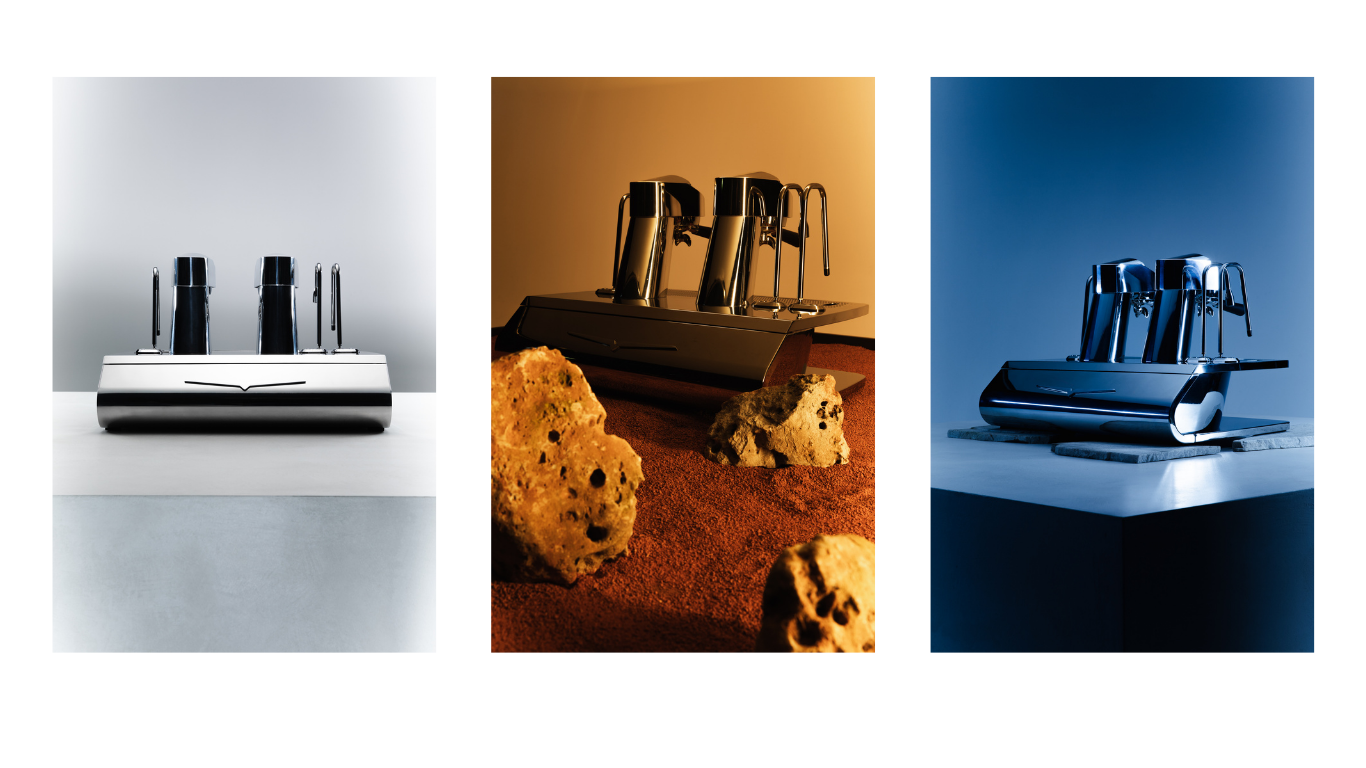
At HOST, this vision took a bold step forward with the unveiling of the RECORD 120 Limited Edition. This exclusive preview captured the attention of the global coffee community. Produced in just 120 units, each RECORD 120 represents one year of Victoria Arduino’s history, from 1905 to 2025. Every machine is entirely handcrafted with exceptional artisanal mastery, making each piece truly unique. More than a machine, it was a statement of intent – a glimpse of what is to come.

From Limited Edition to Future Model: RECORD Joins the Catalog in 2027

Today, that vision evolves into something even greater. Victoria Arduino introduces RECORD, the brand’s future icon, scheduled to officially enter the catalog in 2027. RECORD represents the natural evolution of a design philosophy that unites innovation, precision, and aesthetics into a single future‑oriented platform. While further details will be unveiled in the coming months, one thing is already clear: RECORD is not simply a new model. It is a project designed to redefine design expectations in the world of professional espresso machines, establishing a new benchmark for the industry.

Item Details
Name RECORD
Brand Victoria Arduino
Previous Limited Edition RECORD 120 Limited Edition (120 units)
General Catalog Launch 2027
Key Features Handcrafted, exceptional craftsmanship, each piece unique

Design Philosophy and Innovation: What Makes RECORD Different

Victoria Arduino believes that the future is not something to wait for – it is something to build. That is why the company did not simply launch a new machine. It developed an integrated platform that combines modern technology with timeless Italian aesthetics. RECORD embodies the brand’s commitment to pushing the boundaries of what is possible in professional espresso. Professionals, partners, and coffee enthusiasts are invited to take part in this journey from the very beginning. Those interested can register on the company’s website to receive exclusive updates and be among the first to discover how RECORD is taking shape.

A Call to Participate: Shape Tomorrow, Today

The campaign’s slogan says: “Shape tomorrow. Today.” This invitation reflects the brand’s entire philosophy. Victoria Arduino does not just make coffee machines – it shapes the future of coffee culture. With RECORD, the company opens a new chapter in its more than century‑long history. Full details and future updates will be available at the official link: https://victoriaarduino.com/record/

Frequently Asked Questions About Victoria Arduino’s RECORD

Q: What is the Victoria Arduino RECORD?

A: It is the next‑generation professional espresso machine from the Italian brand, scheduled to enter the general catalog in 2027, following an exclusive limited edition at HOST.

Q: How many units of the RECORD 120 Limited Edition were produced?

A: Only 120 units were produced, each representing one year of the company’s history (1905–2025) and entirely handcrafted.

Q: When will RECORD be available on the market?

A: It is expected to enter the general catalog in 2027. Additional details will be revealed in the coming months.

Q: How can I follow updates about RECORD?

A: By registering on the official website: victoriaarduino.com/record

Q: What makes RECORD different from previous Victoria Arduino models?

A: RECORD is not just a new model – it is a complete project designed to redefine design standards in professional espresso machines, combining innovation, precision, and aesthetics into a future‑oriented platform.

Victoria Arduino proves once again that it does not follow trends – it creates them. RECORD is more than an espresso machine. It is a statement of intent and a vision for the future of professional coffee. Follow the updates to be among the first to discover this new icon.

Prepared and edited by: Qahwa World – Based on the official announcement from Victoria Arduino.

All rights reserved. Republication with attribution permitted.

Publication date: June 11, 2026

WCR CEO Dr. Vern Long: The best coffee in the world hasn’t been grown yet

Qahwa World – Dubai |
May 15, 2026 |
4 min read

Dr. Jennifer “Vern” Long, CEO of World Coffee Research, said in two simultaneous messages – one in the organization’s annual report and another in an Instagram video – that “the best coffee in the world hasn’t been grown yet. It’s coming soon.” She confirmed that the innovative “coopetition” model between competing companies and governments has produced elite coffee genetics now growing in research fields on 4 continents.

In her annual report message, Long explained that WCR’s member companies built something unprecedented when they created World Coffee Research – a global collaborative organization that is creating the genetic infrastructure of the 200 billion dollar coffee industry. Genetics are the foundation of coffee’s future, she said, and the next generation of climate-resilient, high-quality varieties advancing through this system will expand what coffee agriculture can deliver.

Long described WCR’s collaborative networked nature as unparalleled. Governments that historically did not share directly with each other contributed their unique genetics and scientific knowhow to a single shared pool. Companies that compete in the marketplace banded together and contributed patient capital to drive the work forward, understanding that tree breeding operates on 10 to 15 year cycles. This coopetition model has delivered: elite genetics are now in research fields on 4 continents.

Regarding next steps, Long said WCR will explore what it takes to scale up and deploy these trees to farmers’ fields. The organization will continue innovating, using the same collaborative spirit that built the global genetics pipeline to design a model capable of ensuring last-mile distribution to farmers and sustaining research in perpetuity. “Better plants are coming. We’ll be ready,” she concluded.

In a separate Instagram video featuring Long’s voice, she said WCR continued in 2025 to create the future of coffee by uniting the global coffee industry to drive science-based agricultural solutions. “The future of coffee is arriving. The entire coffee sector is built from the harvest of the plant itself. When we get the plant right, everything else multiplies,” she said.

Long highlighted WCR’s work areas including coffee breeding networks, trial sites, improved seed systems, and global leadership programs. She invited the public to explore the report’s highlights and be part of WCR’s ongoing effort to create the future of coffee.

“The best coffee in the world hasn’t been grown yet. It’s coming soon. Our members and partners make it happen, and will help us define what comes next.”

— Dr. Vern Long, CEO of World Coffee Research

Source: World Coffee Research Annual Report 2025 + WCR official Instagram account
Prepared by: Qahwa World – Dubai
Publication date: May 15, 2026


Drinkit and Victoria Arduino to Host Beverage Innovation Workshop in Dubai

Dubai — Qahwa World

DrinkIt, the digital coffee shop chain, has announced a partnership with Victoria Arduino to host a professional workshop in Dubai on May 20, 2026, focused on beverage innovation, product development, and the commercial strategy behind bestselling drinks.

The three-hour workshop will take place at the Victoria Arduino headquarters in Dubai and is designed for professionals across the food and beverage industry seeking practical insight into how successful beverage concepts are developed and launched within real operating businesses.

Drawing on its experience operating 10 digital coffee shops across Dubai, DrinkIt’s R&D team will share the framework the company uses to evaluate new drink ideas, balancing taste, operational efficiency, pricing, scalability, and profitability before products are introduced to the menu.

According to the organizers, the workshop will focus on the idea that successful beverages are not built on recipes alone, but through product thinking that integrates customer experience, cost management, workflow efficiency, and operational consistency.

Key topics will include beverage development for real-world café operations, pricing strategy, cost of goods sold (COGS), unit economics, and the challenges of scaling beverage programs while maintaining quality and speed of service.

Participants will also take part in hands-on exercises designed to simulate the beverage development process, from concept creation and evaluation to launch decision-making.

The workshop is aimed at head baristas, café owners, F&B managers, product developers, and entrepreneurs involved in beverage innovation and café concepts.

The event will be held on May 20, 2026, from 3:00 PM to 7:00 PM at the Victoria Arduino HQ in Dubai. Organizers noted that seats are limited and advance registration is required.

Registration is available here: Workshop Registration

Victoria Arduino to Showcase Innovation at World of Coffee Bangkok 2026

Bangkok – Qahwa World

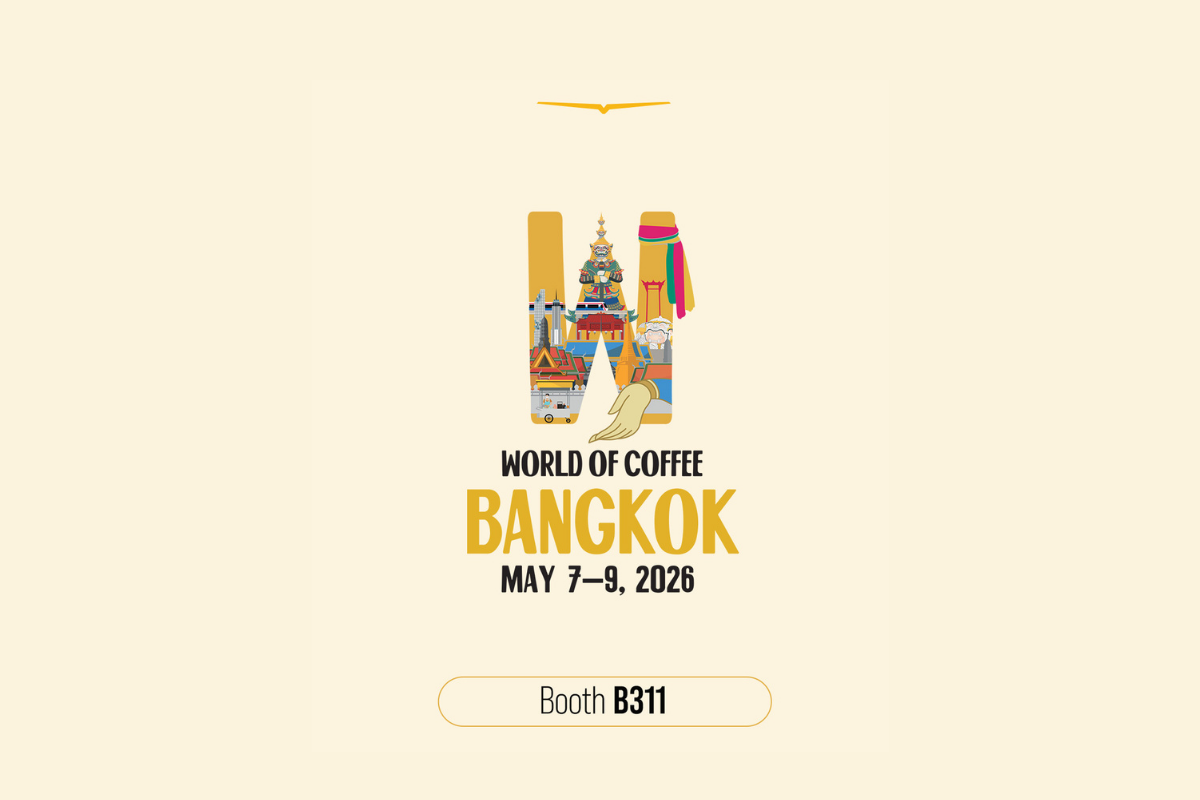
From May 7 to 9, Victoria Arduino will take part in World of Coffee Bangkok 2026, one of the most anticipated events in the global specialty coffee industry. Hosted in Bangkok, the brand will present its vision focused on design excellence and high performance.

Visitors can find Victoria Arduino at booth B311, where its iconic machines and solutions will be showcased, all designed to support baristas and coffee businesses worldwide.

  • L’Atelier makes its debut

A key highlight of this year’s participation is the launch of L’Atelier, a new concept space dedicated to creativity, craftsmanship, and timeless design. Inspired by luxury ateliers, the project introduces a new level of customization, transforming each coffee machine into both a professional tool and a unique design piece.

  • Exclusive sensory experiences

Throughout the event, the Victoria Arduino booth, including the But First Coffee bar, will host special roaster takeovers in collaboration with leading Thai barista champions:

May 7: Fika and Co. Roasters with Jen Kawinrat Veerawat
May 8: Rosetta Roasters with Tee Sittipong
May 9: Asterisk Espresso Rosters with Kittipo Eangchoun

These sessions will offer visitors a rich sensory journey, combining high quality coffee, skilled baristas, and advanced extraction technology.

  • Barista champions on stage

At booth B311, a dedicated station featuring the Black Eagle Maverick Core will host a lineup of internationally recognized baristas:

Daniele Ricci on May 7 from 1 to 6 pm
Mikael Jasin on May 8 from 10 to 11 am
Dawn Chan on May 9 from 1 to 6 pm
Latte art competition highlight

Victoria Arduino will also partner with Loveramics for the Loveramics Milk Art Throwdown 2026 Bangkok. The event will take place on May 8 from 5 pm to 9 pm at the Loveramics Flagship Store. It will bring together baristas and coffee enthusiasts in a dynamic latte art competition focused on creativity and technique.

  • Looking ahead

Victoria Arduino invites all visitors to booth B311 to experience its latest innovations and explore the future of coffee through design, technology, and craftsmanship.

China’s Coffee Boom Opens New Avenues for Thai Fruit Exporters

BANGKOK – Qahwa World
As China’s coffee market undergoes rapid transformation, a new and unexpected opportunity is emerging for Thai fruit exporters. The rise of domestic coffee giants like Luckin Coffee and Cotti Coffee is not only reshaping the country’s beverage landscape but also creating strong demand for tropical fruit ingredients, an area where Thailand holds a competitive edge.

From Traditional Coffee to Lifestyle Drinks

China’s coffee consumption has surged over the past decade. According to the Department of International Trade Promotion (DITP), coffee imports into China rose from 59,100 tonnes in 2015 to 230,700 tonnes in 2025, an increase of over 290 percent. This growth is driven by younger consumers who view coffee as a daily lifestyle choice rather than an occasional luxury.

The market structure has also shifted significantly. Foreign brands like Starbucks once dominated the premium segment, but local players have gained ground by combining speed, competitive pricing, and strong digital integration.

Local Chains Lead the Way

By 2025, Luckin Coffee leads the market with more than 25,000 branches, followed by the fast-growing Cotti Coffee with over 14,000 outlets, despite being founded only in 2022. Starbucks remains the largest foreign brand with around 7,800 branches.

Top 10 Coffee Brands in China by Branch Count (2025)

Rank Brand Branches Founded
1 Luckin Coffee 25,266 2017
2 Cotti Coffee 14,337 2022
3 Starbucks 7,798 1971
4 Lucky Cup 4,793 2017
5 NOWWA 2,407 2019
6 Manner 1,969 2015
7 K Coffee 1,580 2015
8 Tim Hortons 868 1964
9 M Stand 556 2017
10 Pull-Tab 513 2022

Fruit-Blended Coffees: A New Product Category

To attract young and experimental consumers, Chinese coffee brands are continuously innovating with seasonal menus. Fruit-blended coffees, tea-coffee hybrids, and coconut-based beverages have become key trends. These drinks rely heavily on high-quality fruit ingredients such as purees, frozen fruit, and flavor bases.

Coconut milk has gained particular popularity as a dairy alternative, further increasing demand for tropical ingredients.

Opportunity for Thai Exporters

Thailand is well positioned to benefit from this trend. Fruits like durian and coconut already enjoy strong demand among Chinese consumers. Exporters can expand beyond fresh produce into value-added segments such as:

  • Fruit purees for coffee blending
  • Frozen or chilled fruit for beverages
  • Customized ingredients for coffee chains

This approach also helps utilize lower-grade fruit more efficiently, increasing overall export value.

Strategic Recommendations for Thai Businesses

  1. Partner with Chinese coffee chains for direct supply agreements
  2. Develop co-branded products highlighting Thai origin
  3. Align with digital ordering and delivery ecosystems
  4. Invest in processing and packaging that meets Chinese standards

Conclusion

As China’s coffee market continues to grow in both scale and innovation, Thai exporters have a unique opportunity to move up the value chain. Supplying ready-to-use fruit ingredients could position them as key players in one of the world’s most dynamic beverage markets.

From Café Culture to Home Precision: How GCC Consumers Are Redefining Coffee with Sage

Dubai – Ali Alzakary

Across the GCC, coffee is no longer confined to cafés or social outings—it is rapidly becoming a refined, deeply personal experience crafted at home. Driven by a sophisticated café culture and global exposure, consumers in markets like the UAE and Saudi Arabia are developing a sharper appreciation for quality, consistency, and the finer details behind every cup.

This shift is giving rise to a new kind of coffee enthusiast: the home barista who seeks professional-grade results without leaving the kitchen. Expectations are evolving beyond convenience toward precision, control, and a deeper understanding of the brewing process. At the same time, coffee remains closely tied to hospitality in the region, turning home preparation into an expression of taste and identity.

In this conversation, Elie Abou Khalil shares insights into this transformation, the technology enabling it, and how innovation is shaping the future of coffee at home. From engineering challenges to smart connectivity and consumer behavior, this interview offers a closer look at a fast-evolving landscape.

Read on to explore how the GCC’s coffee culture is entering a new era—one defined by knowledge, craftsmanship, and elevated expectations.

How do you see the GCC consumer evolving from just being a café regular to a dedicated “home barista” who demands professional-grade precision?

From a Sage perspective, what we’re seeing across the GCC is a sustained and very clear growth of specialty coffee at home. Over the past years, consumers in markets like the UAE and Saudi Arabia have developed a strong appreciation for high-quality coffee, driven by a very advanced café culture and global exposure through travel. What’s changing now is that this expectation is no longer limited to coffee shops. More and more people want to recreate that same level of quality at home.

With that comes a shift in behaviour. Consumers are not just looking for a machine, they’re looking for consistency, precision, and the ability to understand and refine their coffee. That’s where we see a real step-change in the market. At the same time, coffee is deeply connected to hospitality in the region. Preparing coffee at home – whether it’s a classic espresso or more personalised drinks – has become part of how people host and express quality. What we also see increasingly are more personalised or “house-style” drinks being created at home, which further drives the need for control and repeatability.

For us at Sage, this is exactly the space we operate in. Our focus is on bringing professional-level performance into the home in a way that is intuitive and consistent. For us, it’s not about turning every consumer into a professional barista, it’s about giving them the tools and confidence to achieve café-quality results, every day, in their own kitchen.

With your SCA background, how does Sage strike that balance between automation for the everyday user and the manual control that coffee purists want?

From our perspective, it’s not about choosing between automation and control, but about delivering the right solution for every type of coffee user.

In the GCC, we see a wide spectrum of needs, from consumers seeking speed and consistency to those looking for a more hands-on experience. At Sage, we address this through a portfolio that spans automatic, manual, and assisted preparation, always anchored in the same commitment to in-cup quality.

Across the range, our focus is on precision and performance, ensuring reliable results from the first cup.

At the same time, milk-based drinks are central to coffee culture in the Gulf. Features like automated milk texturing and steaming play a key role here, delivering consistent results while still allowing users to refine and personalise their coffee over time.

Ultimately, we aim to empower consumers with the right tools for their preferred coffee experience, with the flexibility to grow without compromising on quality.

What were the actual engineering hurdles in bringing lab-level standards, like thermal stability and pressure profiling, into a home kitchen appliance?

The real challenge is not introducing advanced features, but making them perform consistently in a home environment. Commercial machines are designed for scale and trained users, whereas at home the expectation is compact design, intuitive use, and reliable results in an everyday setting. At Sage, our approach is built on the four keys: dose, brew temperature, pressure, and steam. These principles originate from commercial machines and are integrated across our entire range.

The complexity lies in translating these into a home format. This means delivering precise dose and weight, maintaining brew temperature within a tight range, ensuring stable pressure throughout extraction, and providing consistent steam performance for milk texturing. These elements only matter if they deliver consistent in-cup results. That’s why the focus is on precision, repeatability, and ease of use rather than added complexity.

Ultimately, it’s about bringing professional-level performance into the home in a way that feels seamless and reliable.

With global supply chains under pressure and the climate affecting bean prices, how can home technology help consumers get the most out of their coffee and reduce waste?

For me, a lot comes down to consistency in preparation. With Sage, the focus is on helping users get to a high-quality result more quickly and with greater confidence. When key elements like dose, temperature, and extraction are stable and repeatable, it becomes much easier to unlock the full potential of the coffee.

What I often see is that once people can rely on their setup, they start to better understand their coffee and naturally refine their process over time. In the end, it’s about achieving consistently better results at home and making sure every coffee delivers the experience people expect.

Is the surge in premium appliances across the UAE and Saudi a long-term structural shift, or just a post-pandemic trend that might cool off?

This is clearly a long-term structural shift. In the UAE and Saudi Arabia, coffee is deeply embedded in daily routines and plays a key role in hosting, which naturally raises expectations for quality at home. Consumers are no longer satisfied with basic solutions – they are looking for consistency, performance, and a more refined coffee experience.

At the same time, the market is becoming more educated. There is a stronger focus on long-term value, performance, and reliability, rather than short-term trends.

This is exactly where Sage is positioned. As a brand, we focus on bringing professional-level performance into the home in a way that is intuitive and consistent. As expectations continue to rise, the demand for premium home coffee solutions will remain strong and continue to evolve.

How is Sage helping bridge the “education gap” for home brewers? Do you think hobbyists should actually pursue formal coffee certifications to get the best out of their gear?

A big part of our approach at Sage is designing machines that guide the user towards a good result from the start. A clear workflow and consistent performance make it easier to build confidence and improve over time. At the same time, our range supports different types of users, whether they prefer a more automatic, assisted, or manual approach, always without compromising on precision and in-cup quality.

Education is very much part of our DNA. We work closely with coffee professionals and roasters, because ultimately the machine is only as good as the coffee beans you use. Our machines are developed with experts at our design and innovation centre at our Australian headquarters, bringing real café standards into the home. We also support that learning beyond the product through in-store experiences and practical content built around real at-home brewing.

Having gone through formal certifications myself, I can see the value they bring. That said, they’re not essential for everyone. Coffee should remain accessible, but for those who want to go deeper, structured learning can accelerate that journey. Ultimately, it’s about combining performance, precision, and consistency to give people the confidence to create great coffee at home.

Where does the Middle East sit on Sage’s global innovation map? Are there specific features you’re developing just for our regional tastes and needs?

The Middle East has become a highly important region in terms of consumer insight and engagement.

What stands out is how informed and quality-driven consumers are. There is a strong focus on performance, design, and the overall experience at home, which makes the feedback from this region particularly valuable. Rather than developing isolated features for one market, the focus is on identifying global patterns. In the Middle East, that clearly includes a strong preference for milk-based drinks, a high frequency of home entertaining, and the need for consistent performance across multiple drinks.

As I often see, making one good coffee is one thing, but delivering that same quality consistently when hosting is just as important. These insights feed directly into how features are prioritised at Sage, ensuring that innovation reflects real usage and delivers value across different markets.

How can we use better tech to improve transparency and traceability, making sure the farmers at the origin are actually getting a fair deal?

In specialty coffee, roasters often work very closely with farms, building direct, long-term relationships and focusing on quality from origin through to the final cup. That connection is a key part of what defines specialty coffee. It’s not just about the end result, but about how the coffee is sourced, processed, and handled along the way.

At Sage, our role is on the preparation side. We design machines that allow users to fully express that quality at home. We work closely with some of the world’s leading baristas and coffee professionals to ensure our machines reflect real café standards and are optimised for specialty coffee.

Technology can support transparency, but our focus is on delivering the precision and consistency needed to bring out the best in every coffee.

Looking five years ahead, how do you see the “Smart Home” and AI changing our morning coffee routines?

Connectivity will play an increasingly important role in how people experience coffee at home. We already see this with machines like the Oracle Jet, which is WiFi-enabled. This allows for ongoing software updates and the ability to introduce new recipes over time, ensuring the machine stays up to date and continues to evolve with the user.

With the Oracle Dual Boiler, connectivity goes a step further. It is also WiFi-enabled and works in combination with the Sage Coffee App, enabling a more connected experience, from guided support to remote interaction. At the same time, it’s important to note that the app is currently only available in selected regions.

For me, the real value of this technology is not about adding complexity, but about continuous improvement. It allows us to support users beyond the initial purchase and make the experience more intuitive over time. At the same time, coffee remains a very personal and social ritual. So the role of smart technology is to support that experience, not replace it. Ultimately, it’s about creating a connected ecosystem that evolves with the user, while keeping the process simple, consistent, and enjoyable.


Cell-Cultured Coffee Moves Closer to Market

Zurich  — Qahwa World

As climate change and surging global demand strain traditional coffee farming, a laboratory-grown alternative is moving from an experimental concept to a potential market contender. Cell-cultured coffee, produced by nurturing coffee plant cells in bioreactors and then harvesting, drying, roasting, and brewing the resulting biomass, has secured significant new funding and regulatory momentum over the past 18 months, according to industry developments and foundational research led by Professor Chahan Yeretzian.

Yeretzian, who retired in early 2026 as head of the Zurich University of Applied Sciences (ZHAW) Coffee Excellence Center after more than three decades of pioneering work, laid the analytical groundwork for this emerging category. His landmark 2024 study, published in ACS Food Science & Technology, provided the first rigorous, side-by-side chemical and sensory comparison of cell-cultured coffee (CC) and traditional farm-grown beans (TC). The paper’s three-step analytical platform, examining unroasted precursors, roasted volatiles, and brewed sensory profiles, demonstrated that while the two are chemically distinct, the lab-grown version can be optimized to deliver authentic coffee character.

The findings have since become a blueprint for commercial players. In February 2025, Zurich-based Food Brewer AG closed a CHF 5 million seed extension, bringing its total funding to approximately CHF 10 million. Strategic investors include Lindt & Sprüngli and Sparkalis, the venture arm of Puratos, both of which are actively testing the company’s coffee and cocoa biomass for potential integration into products. Food Brewer grows cells sourced locally in Switzerland, processes them through lyophilization and roasting, and is scaling production under controlled bioreactor conditions, precisely the approach Yeretzian’s research showed could preserve aroma precursors without relying on tropical agriculture.

You may read: A Cell-Cultured Coffee Revolution Gains Momentum

A parallel effort in Asia is also gaining traction. In April 2025, Singapore-based Another Food announced plans for large-scale commercialization, beginning in Singapore and expanding into Thailand and Malaysia. The startup positions its non-GMO, cell-derived coffee as a hedge against supply-chain volatility, price swings, and quality inconsistencies caused by climate impacts on conventional farming.

These developments echo the vision Yeretzian outlined in late 2024 interviews and earlier writings. “If we love coffee so much, can part of the supply come from sources that are less harmful to the environment and more efficient?” he asked. The 2024 paper reinforced that cell-cultured coffee need not merely imitate traditional beans but could expand the category. By adjusting precursor compounds, including sugars, amino acids, lipids, chlorogenic acids, and caffeine, scientists can explore novel flavor profiles beyond the constraints of the coffee bean’s natural matrix.

The study’s detailed results underscored both promise and challenges. Unroasted cell-cultured biomass showed dramatically higher monosaccharides (52% of dry weight, primarily glucose and fructose) but far lower levels of amino acids (0.07%), lipids (1.98%), chlorogenic acids (0.07%), caffeine (0.15%), and trigonelline (absent). After roasting in a custom nanoroaster, the aroma profile registered only about 40% of the intensity of traditional coffee, with fewer pyrazines, Strecker aldehydes, and guaiacols, but a pronounced dominance of furfurals (54% of volatiles versus 10–15% in conventional roasts). Sensory panels noted milder bitterness and acidity, lower extraction yields due to the powder-like structure, and reduced psychoactive effects resulting from lower caffeine and chlorogenic acid content.

Yeretzian and co-authors, including lead analyst Jaloliddin Khushvakov and VTT Technical Research Centre of Finland cell-culture expert Heiko Rischer, concluded that the bean’s physical structure acts as a “pressurized microreactor” essential for full flavor development. They emphasized that these differences are not insurmountable barriers; rather, they open doors to customization and hybrid products that blend cell-cultured and traditional coffee.

Regulatory pathways remain the primary hurdle. As a novel food, cell-cultured coffee requires formal approvals in major markets. Submissions are now under review in the United States, Singapore, and the European Union, with analysts projecting clearances within the next 12 to 24 months. Industry observers note that beanless surrogate coffees, which do not use coffee cellular material, have reached shelves more quickly, but cell-cultured versions benefit from a stronger scientific foundation and clearer environmental credentials.

Market forecasts reflect growing confidence. The global cell-cultured coffee sector, valued at roughly $173–362 million in 2024–2025, is projected to expand at a compound annual growth rate of 16–21%, potentially reaching hundreds of millions of dollars by the early 2030s as production scales and costs decline.

Yeretzian has consistently framed cell-cultured coffee as a complement, not a replacement, for farm-grown beans. In his emeritus role, the research he championed continues to influence the Coffee Excellence Center and the startups now translating it into products. The 2024 paper’s analytical platform has already become an industry standard for evaluating any coffee alternative.

For an industry facing deforestation, carbon emissions, and unpredictable harvests, the convergence of Yeretzian’s decades of aroma chemistry expertise with fresh capital and regulatory progress marks a pivotal moment. If approvals materialize as expected, the first commercial cell-cultured coffees could appear on shelves or in blends by late 2027 or 2028, not as a wholesale substitute for tradition, but as a scientifically validated innovation that could help secure coffee’s future while expanding its sensory possibilities.

Navigating Uganda’s 2026 Arabica Season


Dubai – Qahwa World

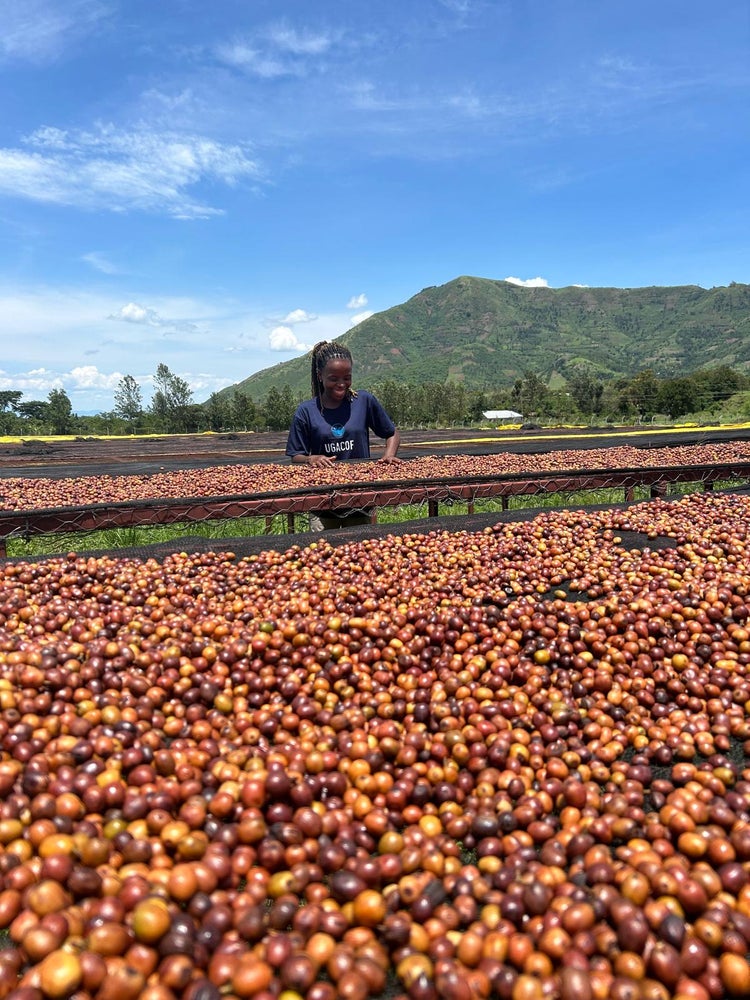
As Uganda’s Arabica harvest unfolds, the 2026 season is shaping up as one of contrasts. In Western Uganda, late rainfall, shifting weather patterns, and market adjustments have pushed national production down by an estimated 100,000 bags compared to last year. On the ground, many local traders have home-processed nearly 20 percent of their crop, reflecting both necessity and resilience.

Ugacof’s teams are ensuring quality remains uncompromised. At every Coffee Washing Station (CWS), cherries are fully floated to select the best beans. Harvesting is ongoing through late April, with the second harvest expected between late August and mid-November. Early flowering observed in several regions hints that a stronger second crop could be on the horizon.

Supporting Farmers Beyond the Crop

Smallholder farmers often manage plots of around 300 trees, where limited access to basic tools, aging coffee trees, and insufficient seedlings can hinder productivity.

Ugacof’s Beyond Flagship program has stepped in with targeted support. The Tools for Prosperity project equips farmers delivering to Katerera CWS with essential tools, including a hoe, spade, and pruning saw, alongside practical guidance on their use. These interventions improve soil management, pruning, and overall farm health.

Over 100 IMPACT-verified farmers have already benefited. Roasters sourcing select microlots contribute directly to these initiatives, linking purchases to measurable on-farm impact.

Building a Sustainable Coffee Future

Beyond tools and training, broader sustainability initiatives are reshaping Uganda’s coffee landscape. Nurseries established since 2025 provide 1.5 million seedlings annually at no cost to farmers, rejuvenating low-density, aging plantations and supporting new entrants.

A fully traceable, regenerative Arabica supply chain is being developed with digital farmer registration, structured data collection, and transparent payment systems. Climate-smart practices, agroforestry, and organic fertilizers from coffee by-products support productivity and ecosystem restoration.

These programs aim to empower up to 15,000 farmers, integrating finance, sustainability, and quality into a cohesive system.

Innovation at Origin

Uganda is exploring new coffee processing methods. Experimental techniques including anaerobic natural fermentation, lactic fermentation, and yeast inoculation are being trialed across washing stations to adapt to local conditions and create distinctive cup profiles.

These innovations, combined with ongoing farmer support, aim to increase value at origin and deliver consistent high-quality coffee to roasters.

A Season of Challenges and Opportunities

While the first harvest is smaller than expected, early flowering, sustainability programs, and practical farmer support provide reason for cautious optimism. For buyers and roasters, now is an ideal time to engage, secure the 2026 crop, and support initiatives strengthening Uganda’s Arabica sector.

In Uganda, coffee is more than a crop. It is a story of resilience, innovation, and community. This season, as cherries ripen and tools are put to use, that story continues to unfold, one bean at a time.


Brazil Breeds New Coffee to Face Climate Threat

Campinas – Qahwa World

A recent report published by Reuters highlights growing efforts by Brazilian researchers to safeguard the future of arabica coffee as climate pressures intensify worldwide.

At the Campinas Agronomy Institute in southeastern Brazil, agronomist Oliveiro Guerreiro Filho is working among a diverse collection of coffee plants that differs sharply from the uniform rows seen across most commercial farms. The site brings together a wide range of species, including 15 rare and non-commercial varieties such as racemosa, liberica and stenophylla.

Researchers believe these lesser-known species may hold the genetic traits needed to strengthen arabica, which remains the most widely consumed coffee in the world.

You may like: Brazilian farmer aims to sell rare coffee for nearly $20,000 per bag

Scientists warn that arabica is increasingly vulnerable to rising temperatures and shifting weather patterns. Production in key countries, including Brazil, is expected to face mounting pressure in the coming decades.

According to a report by Rabobank, up to 20 percent of current arabica-growing areas could become unsuitable for cultivation by 2050.

In response, researchers are working to introduce genetic material from more resilient species into arabica plants. The goal is to develop new varieties that can better tolerate heat, drought and disease.

Liberica has attracted particular attention due to its ability to withstand hotter and drier conditions. Farmers in Southeast Asia, especially in Indonesia and Malaysia, have already begun testing the species on a small scale.

Jason Liew, founder of a coffee plantation in Malaysia’s Johor state, said liberica performs well in high temperatures and shows strong resistance to disease.

Brazilian researchers are focusing on transferring such traits into arabica, given its dominant position in global markets.

Guerreiro Filho said the institute has spent years working to transfer drought-tolerance genes from racemosa into arabica in an effort to produce more resilient plants.

The process is long and complex. It involves cross-breeding and exposing new hybrids to harsh conditions to identify the strongest varieties. This work can take between 20 and 30 years.

You may like to read: Coffee Pulp in Brazil: When the Coffee Cherry Refuses to Be Waste

Beyond climate resilience, researchers are also testing hybrids for improved resistance to pests and diseases while maintaining quality. Some crosses have shown stronger resistance to coffee rust, while others perform better against leaf miner larvae.

Rodolfo Oliveira of Brazil’s agricultural research agency emphasized that working with alternative coffee species is essential, noting that arabica has a very narrow genetic base, which increases its vulnerability to environmental threats.

As climate challenges continue to grow, efforts like those underway in Campinas may play a critical role in securing the future of coffee production.

China’s Oddities: Coffee Made from Urine and Eggs

Dubai – Qahwa World

China’s reputation for unusual food and beverage creations has once again drawn attention, this time from a coffee shop in Dongyang, in Zhejiang Province.

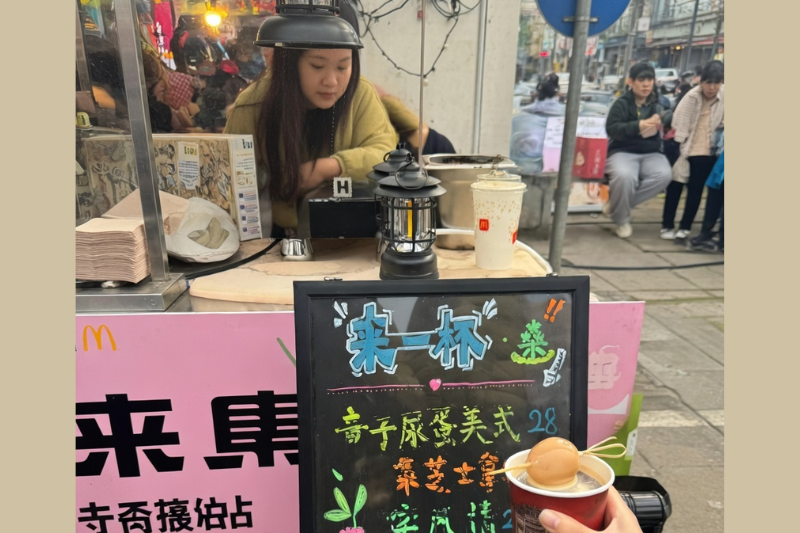
According to Jiupai News, the café has introduced an unconventional drink that pairs Americano coffee with “virgin boy eggs,” a traditional local delicacy prepared using children’s urine.

Staff at the shop say the product sells around 100 cups a day, with some customers traveling from other cities specifically to try it. At the same time, many first-time visitors find the idea surprising or difficult to accept.

The eggs are prepared using a long-standing local method. They are first boiled, then roasted over charcoal, giving them a slightly charred surface and a salty, roasted flavor. They are typically served separately on a skewer placed on the rim of the coffee cup, although some customers request that they be crushed and mixed into the drink.

You may read: China’s wonders never end .. Mushroom coffee is the latest craze

The café presents the beverage as a fusion of traditional Dongyang food culture and modern coffee trends. It has also introduced other experimental drinks inspired by regional cuisine, including a latte made with preserved vegetables and cheese.

The eggs themselves are a seasonal specialty in Dongyang and are recognized locally as part of the city’s intangible cultural heritage. They are traditionally consumed during the spring and have long been associated with local customs.

Public reaction has been mixed. While some people express curiosity and a willingness to try the drink, others—particularly those unfamiliar with the tradition—have voiced criticism.

Medical opinions also differ. Some practitioners point to historical uses of such ingredients in traditional remedies, while others raise concerns about hygiene and question any potential health value.

Despite the controversy, the drink continues to attract attention, highlighting how local traditions and modern coffee culture can intersect in unexpected ways.

Australia’s Coffee Powerhouse

Dubai – Qahwa World

Few countries have shaped modern café culture like Australia. Its cafés are defined not by a single invention, but by a relentless commitment to quality. Coffee is precise, roasting is meticulous, and hospitality is at the heart of every interaction. Every cup is expected to impress, and the people behind the counter take that responsibility seriously.

Industry insiders often point to a combination of skill, competition, and dedication as the secret of Australia’s edge. With talented baristas and customers who know what good coffee should taste like, the country has created a culture that leads the world in coffee.

Australia’s influence goes far beyond its borders. Drinks like the flat white and long black are now served in cafés from London to Tokyo. Australian baristas and roasters have helped shape coffee scenes across Asia, Europe, and the Middle East. They are exporting not just beverages, but a way of thinking about coffee that values craftsmanship, precision, and the overall experience.

You may read: Specialty Coffee Trends Shaping Australia’s Café Scene in 2026

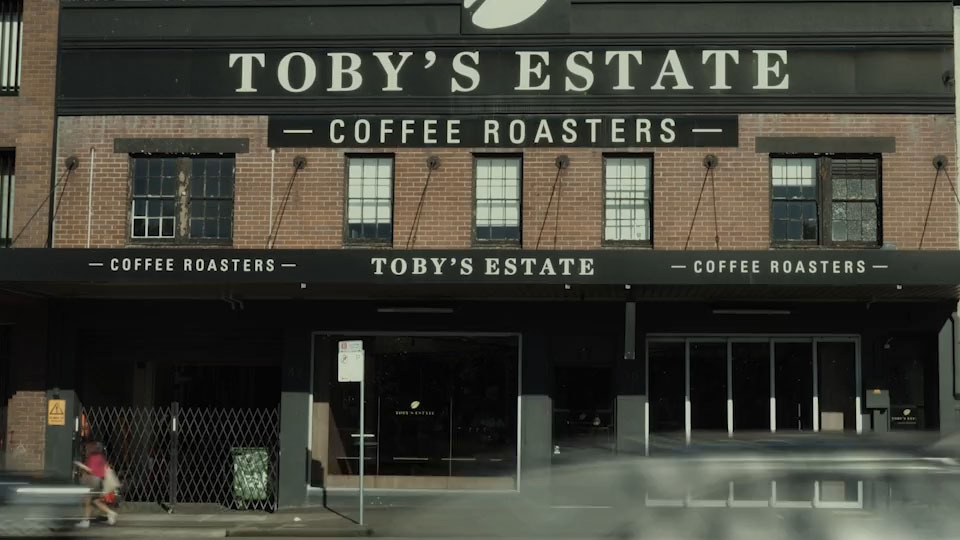
Global rankings consistently recognize Australian cafés. Names like Toby’s Estate in Sydney, Proud Mary in Melbourne, and Coffee Anthology in Brisbane are celebrated internationally. Their success is not a one-time achievement. It reflects consistent excellence in coffee, hospitality, and the way cafés make customers feel welcome.

Jody Leslie, General Manager of Toby’s Estate, emphasizes that exceptional coffee is now just the starting point. “The real difference is the full experience,” she says. “The energy behind the bar, the team who remember your name and perfect your pour, it all resonates with people. Topping global rankings was a milestone, but it reflects daily dedication to creating a space where people want to linger.”

Veneziano Coffee Roasters takes this approach further, designing every interaction around how customers naturally engage with coffee. Brand Strategist Sarah Eagles notes, “Our café culture leads because it is relentlessly customer-driven. We respond to preferences for iced options, speed without losing soul, and evolving café atmospheres. Strong branding and authentic community ties make the experience feel forward-thinking and human at the same time.”

  • Foundations of a Coffee Nation

Australia’s rise in coffee culture is rooted in history. Italian immigrants brought espresso traditions to a tea-centric nation in the mid-20th century. Over time, these influences combined with local conditions, including abundant high-quality dairy, to create milk-based drinks like the flat white, now a global favorite.

You may also read: From Australia to the UAE: The Coffee Club’s Menu Gets Even More Exciting

Independent cafés flourished in cities like Melbourne and Sydney, allowing experimentation and innovation. Roasters and baristas were pushed by competition, and standards for quality grew steadily higher. Adam Wang, founder of Brisbane’s Coffee Anthology, describes this synergy as the country’s advantage. “It is never just about the coffee,” he says. “Baristas connect with guests like friends. Passion for craft shines through, and skills rank among the world’s finest.”

Coffee Anthology is also known for variety. It rotates multiple local roasters daily while offering international options at consistent pricing. “Guests explore different origins and styles without barriers,” Wang explains. Veneziano uses consumer intelligence and systems to ensure consistency while allowing teams to focus on hospitality. Eagles adds, “Technology gives us precision and flow, letting human connection take center stage.”

  • Looking Ahead

With global recognition comes scrutiny. Maintaining elite standards while responding to new expectations is the next challenge. Leslie reflects, “Now it is about harmonizing technology and automation with the human desire for meaningful moments. Quality coffee remains non-negotiable.”

Eagles predicts success for cafés that evolve without losing their essence. “Those who listen, adapt boldly, and stay authentic will endure. Technology helps precision and flow, letting hospitality shine. Innovation paired with heart wins.”

Wang sees a growing divergence: some cafés focus on pure coffee mastery, while others explore inventive beverages. “Matcha and non-traditional drinks are rising,” he says. “Tomorrow’s stars may include creations we cannot even imagine today.”

Australia’s café culture did not reach global recognition by accident. It was built through decades of craftsmanship, hospitality, and constant refinement. With a strong presence in 2026 and cafés that continue to innovate, the nation’s coffee story is evolving, shaping the global conversation one cup at a time.

Ethiopian Women Lead Coffee Sustainability via Cascara

Addis Ababa – Qahwa World x Buna Kurs

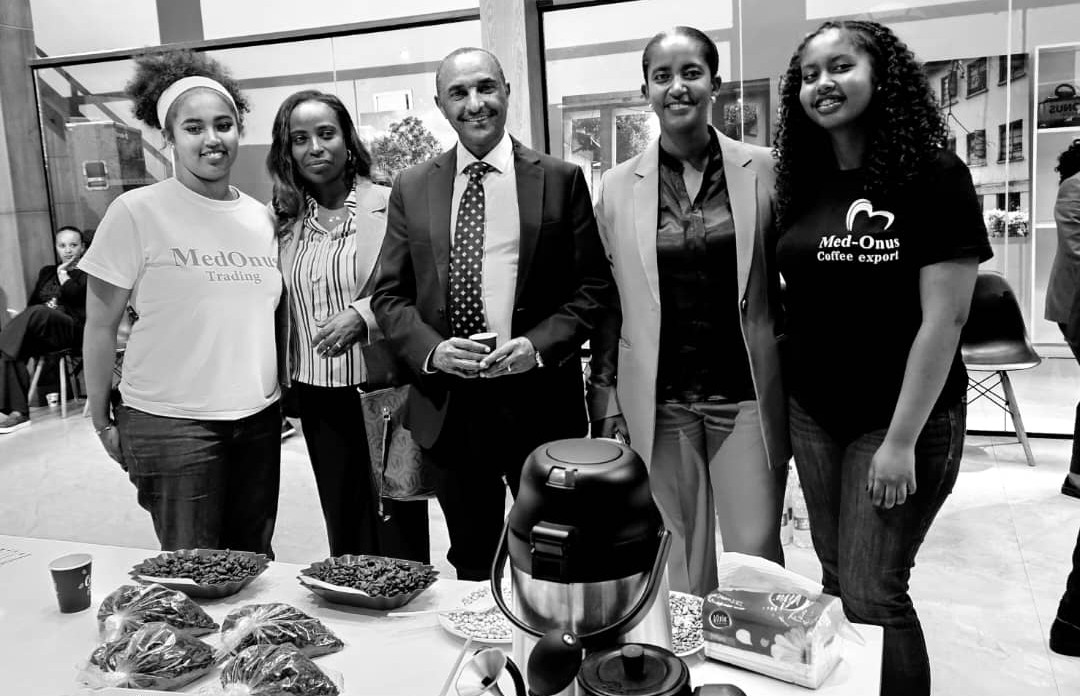
As the AFCA conference continues, a focused side event at Creative Hub Ethiopia turned attention to an often-overlooked part of the coffee cherry: cascara. Sip, Savor, Sustain: Ethiopian Cascara Tasting brought together industry professionals, creatives, coffee producers, and coffee enthusiasts to explore how circular economy practices can create new opportunities—particularly for women in coffee.

The event was organized by the Center for Circular Economy in Coffee (C4CEC) in collaboration with Women in Coffee Ethiopia (WiCE) and Muna Mohammed, Founder and CEO of Eight50 Coffee in Canada, with support from the Italian Agency for Development Cooperation (AICS) and UNIDO, and in partnership with Ethiopia’s Ministry of Labor and Skills. Spanish Cooperation supported research on women in coffee and facilitated the participation of a woman coffee farmer to share firsthand experience from the field. The initiative builds on a research and pilot capacity-building program focused on coffee by-product valorization, implemented with women producers.

While cascara is gaining international attention, Ethiopian communities—especially women—have long brewed the dried coffee cherry as hashara tea, embedding sustainability into daily life long before it became a global concept.

During the event, cascara was served as tea, offering participants a sensory introduction to how coffee by-products can be transformed into market-ready products with export potential.

A key highlight of the evening was the emphasis on women’s participation in value addition across the coffee value chain. Women in Coffee Ethiopia (WiCE) emphasized that cascara represents a practical pathway for women producers to diversify income while reducing environmental waste from coffee processing.

The human impact of this approach was reflected in a presentation by a woman coffee producer representing a women-led cooperative from a major coffee-growing region of Ethiopia. Sharing her experience, she noted that cascara production and related training have improved household income, strengthened technical skills, and expanded economic opportunities for women in her community.

By turning what was once considered waste into a high-value product, cascara creates a second income stream that can directly benefit women-led cooperatives without requiring additional land or resources. At the same time, it supports environmental sustainability by reducing by-product disposal and promoting circular economy models within Ethiopia’s coffee sector.

The event drew a diverse audience of development partners, cooperatives, entrepreneurs, and industry representatives, reinforcing growing interest in inclusive, women-centered coffee innovations.

As Ethiopia continues to position itself as a global leader in specialty coffee, initiatives like Sip, Savor, Sustain demonstrate that the future of the sector lies not only in the bean, but in the full coffee fruit—and in empowering the women who have long been at the heart of its journey.