Spent Coffee Grounds Converted Into Raw Material for Biofuels

Source: Universitat Rovira i Virgili / Biomass and Bioenergy journal
Author: Qahwa World
Date: July 27, 2026

Spent Coffee Grounds Converted Into Raw Material for Biofuels

  • Researchers developed an efficient method to extract oil from spent coffee grounds for biodiesel production.
  • Optimal conditions: 45°C for 60 minutes with 35 ml hexane per gram of dry residue.
  • The process recovers approximately 90% of available oils from coffee grounds.
  • The extracted oil has very low impurity content of 0.3% compared to 3.9% in traditional methods.
  • The remaining lignocellulosic material can be used for bioethanol, lactic acid, and sustainable aviation fuel.
  • Global coffee production generates approximately 10 million tonnes of waste annually.
  • The process supports circular economy and renewable fuel development for hard-to-electrify sectors.

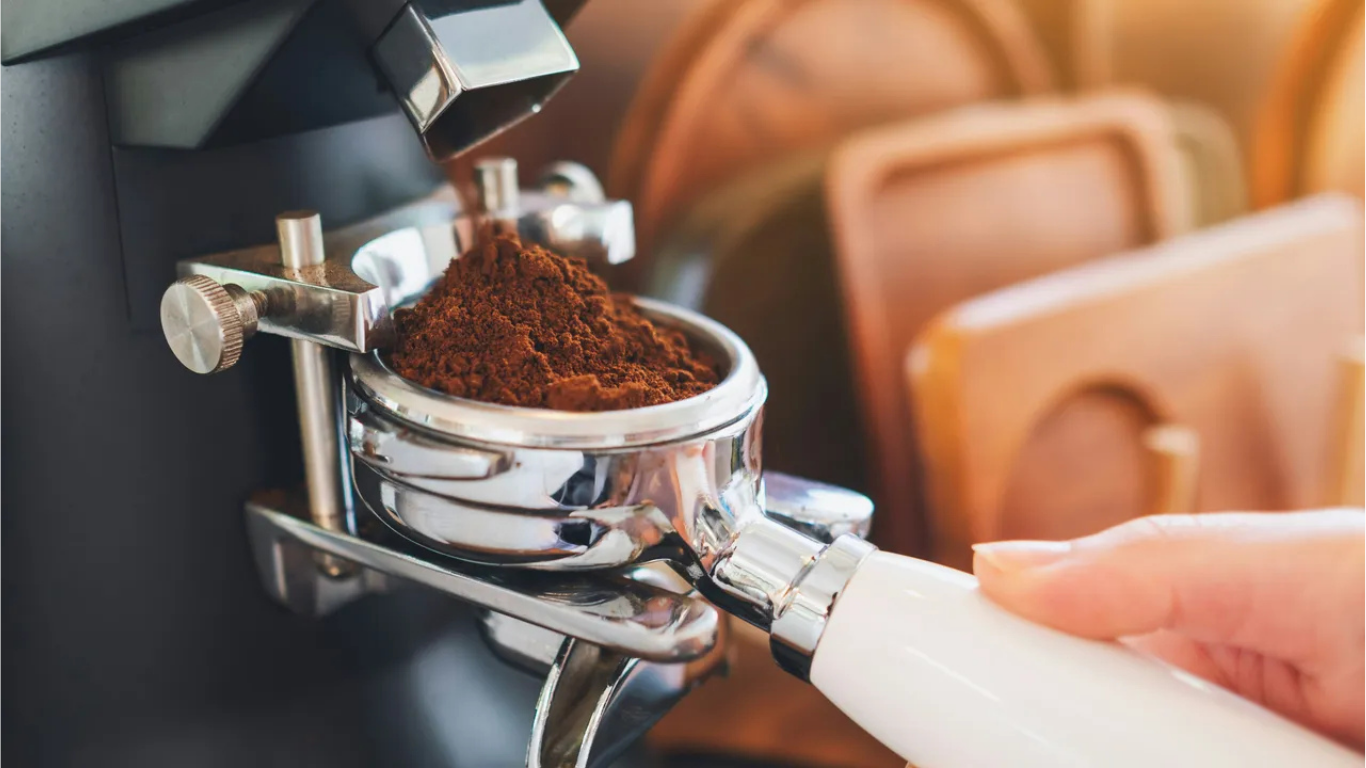
Spent coffee grounds can have a second life. They are typically thrown away after brewing. However, researchers have found a way to extract oil from them efficiently. This oil can serve as a raw material for producing biodiesel.

A study by the Universitat Rovira i Virgili has evaluated how to extract oil from coffee grounds. The process preserves the rest of the plant material. This allows it to be utilized in other processes as well.

The Research Study

The research was published in Biomass and Bioenergy journal. It focuses on spent coffee grounds as an abundant waste product. Global coffee bean production stands at around 10 million tonnes per year. Only a small proportion ends up in the brewed coffee. The remainder becomes solid waste in the form of coffee grounds.

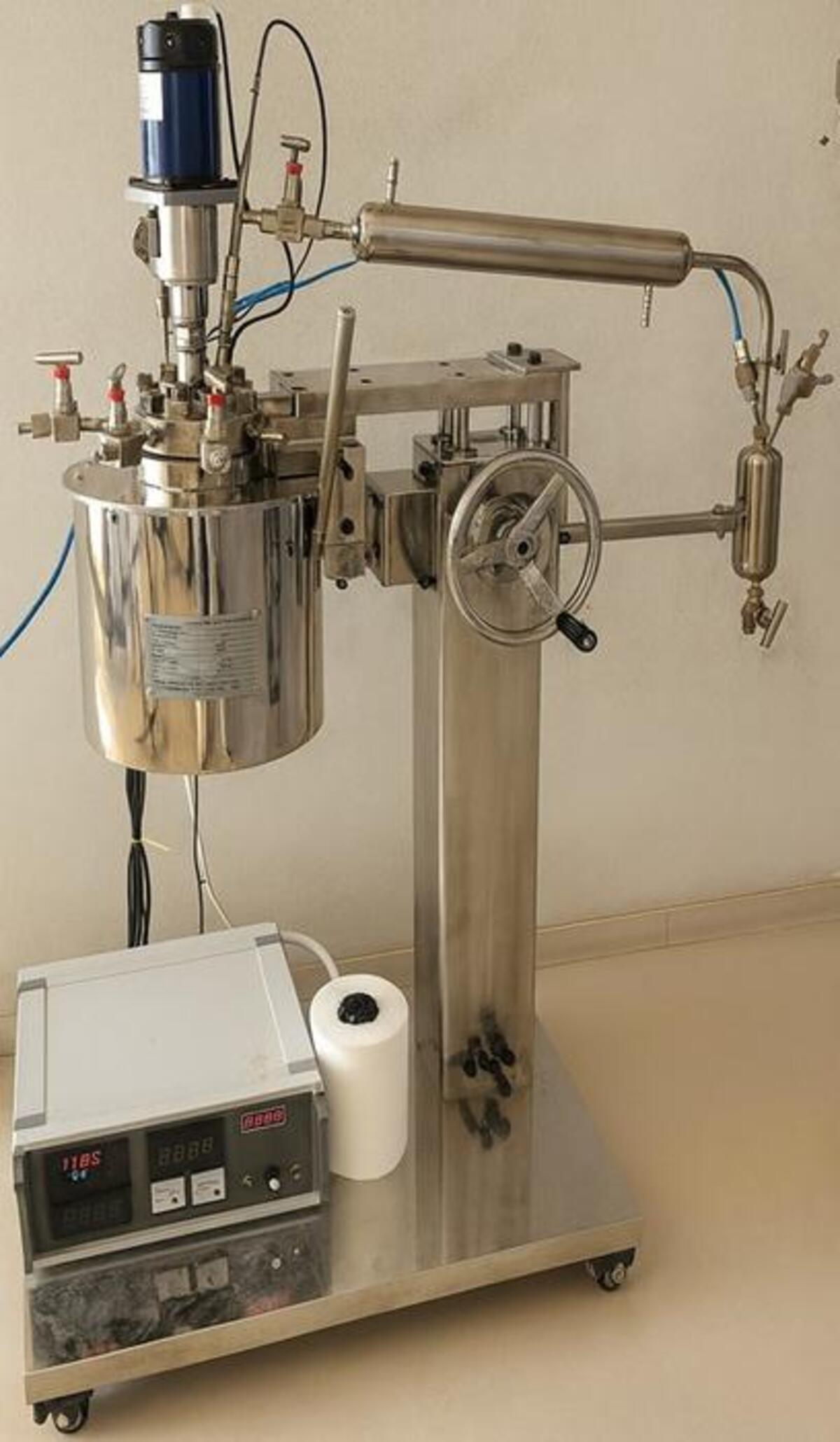
Coffee grounds contain approximately 15% lipids. These fats can serve as a basis for producing biodiesel. The research team studied how three key factors influence oil extraction: temperature, processing time, and solvent-to-coffee-grounds ratio. They used n-hexane as the solvent and applied an experimental design to analyze the combined effects.

Optimal Conditions for Oil Extraction from Coffee Grounds
Parameter Optimal Value
Temperature 45°C
Processing Time 60 minutes
Solvent-to-Coffee Ratio 35 ml hexane per gram of dry residue
Oil Recovery Approximately 90% of available oils
Oil Impurity Content 0.3%

Key Findings

The research team, comprising Jorge F. Romero, Alberto Tampieri, Daniel Montané, Magdalena Constantí, and Francesc Medina, found optimal conditions at 45°C for 60 minutes. The ratio of 35 millilitres of hexane per gram of dry residue proved most effective. With these parameters, the process recovers approximately 90% of the oil that can be obtained with Soxhlet extraction.

Soxhlet is a laboratory technique widely used as a reference. It offers high yields but requires more time and energy. It is not as suitable for industrial applications. The optimized process yields oil with very low impurity content of 0.3%. In contrast, Soxhlet yields oil with 3.9% impurities. The fatty acid profile remained stable under different test conditions. It was dominated by linoleic and palmitic acids. These components indicate the oil’s potential for biodiesel production.

Beyond Oil: Preserving the Lignocellulosic Matrix

“In our study, we also demonstrate that extracting the oil does not mean that the rest of the material cannot be used for something else,” pointed out Francesc Medina. One of the research objectives was to preserve the lignocellulosic matrix. This matrix is made up of components such as cellulose, hemicellulose, and lignin.

These ingredients can be used to obtain other products. These include bioethanol, lactic acid, polyhydroxyalkanoates, precursors for sustainable aviation fuels, and phenolic compounds. The extraction process not only recovers oils but also acts as a pretreatment. The fats in the residue can prevent solvents or catalysts from accessing the rest of the biomass. Removing this barrier leaves the fat-free residue in a better state for subsequent use.

Comparison with Other Methods

The research team compared their method with ultrasound- and microwave-assisted extraction. These alternatives can accelerate the initial extraction. However, they do not offer a sufficient advantage in terms of oil quality, overall efficiency, energy demand, and scalability. The batch process with n-hexane under moderate conditions appears to be a better, more balanced option. It is more suitable for integration into a biorefining strategy.

Circular Economy and Renewable Fuels

The research forms part of efforts to develop techniques for a circular economy. It addresses the need to develop renewable fuels for hard-to-electrify sectors, such as heavy transport. By using every part of the coffee grounds, the researchers transform a typically underused waste product into various energy vectors and bio-based chemical products. This reduces the environmental impact associated with its accumulation.

Daniel Montané explained that this approach paves the way for the sustainable production of biofuels. The research demonstrates how coffee waste can become a valuable resource rather than an environmental burden.

Implications for the Coffee Industry

This research has significant implications for the coffee industry. It offers a way to reduce waste and generate additional value from coffee production. Coffee roasters, coffee shops, and instant coffee producers could potentially benefit from this technology. The process can be scaled for industrial applications, turning waste into a revenue stream.

The circular economy approach aligns with growing consumer demand for sustainable practices. Coffee companies could enhance their sustainability credentials by adopting such technologies. The research also contributes to reducing the environmental impact of coffee production.
Frequently Asked Questions

What are spent coffee grounds?Spent coffee grounds are the solid waste left over after brewing coffee. They contain approximately 15% lipids that can be extracted for biodiesel production.

How much oil can be extracted from coffee grounds?The optimized process recovers approximately 90% of the available oils from spent coffee grounds.

What are the optimal extraction conditions?The optimal conditions are 45°C for 60 minutes with 35 ml of hexane per gram of dry residue.

What happens to the remaining coffee grounds after oil extraction?The remaining lignocellulosic material can be used to produce bioethanol, lactic acid, sustainable aviation fuels, and other valuable products.

How does this research support sustainability?It promotes a circular economy by turning coffee waste into valuable products, reducing environmental impact and supporting renewable fuel production.

How much coffee waste is generated globally?Global coffee production generates approximately 10 million tonnes of waste annually, with only a small portion ending up in the brewed coffee.

ICC 2026 Trieste to Focus on Climate, Consumers and Coffee Circularity

Trieste, Italy – Qahwa World

The International Coffee Convention (ICC) 2026 will be held in Trieste this October, bringing together scientists, industry leaders and policy experts to address some of the most pressing challenges facing the global coffee sector.

Under the theme Coffee at the Crossroads: Climate, Consumers and Circularity, the event will examine how coffee production and trade are adapting to climate change, shifting consumer demand and the growing push toward circular and sustainable systems.

The ICC has positioned itself as a unique international forum that connects applied scientific research with real-world decision making across the coffee value chain. Unlike traditional trade fairs or academic conferences, the convention is designed to translate research into practical insight for industry professionals.

Previous editions were held in Mannheim in 2023 and 2024, where the format gained recognition for combining interdisciplinary science with industry-focused discussion. The 2026 edition continues this model with a programme structured around six key tracks.

These cover climate and agriculture, sustainability and processing, market and consumer trends, technology and innovation, ethics and social equity, and trade and regulation. Topics include climate resilience in coffee farming, circular economy approaches in processing, digital transformation, supply chain transparency, and evolving regulatory frameworks in major coffee markets.

The convention brings together a wide range of expertise, including agronomists, economists, geneticists, sensory scientists and behavioural researchers, alongside producers, traders, roasters and technology providers. Organisers say this mix is intended to strengthen collaboration between research and industry practice.

ICC 2026 will also open a call for papers, inviting contributions that combine scientific rigor with practical relevance. Submissions are expected to address challenges and opportunities across the coffee sector, from cultivation and processing to technology, sustainability and trade.

The two day event focuses on concentrated dialogue, applied insight and professional networking, with an emphasis on connecting science and industry in a way that supports real decision making.

Previous ICC proceedings and conference materials remain publicly accessible, offering insights into the research and discussions from earlier editions.

From Cup to Concrete: How Coffee Waste Is Building a Greener Future

Dubai – Qahwa World

Two years after Australian researchers first turned yesterday’s espresso shots into tomorrow’s building material, the “coffee concrete” revolution is no longer a lab curiosity. It is now being used on the streets of Victoria and reshaping how the world thinks about waste.

As a coffee expert who has spent two decades tracing every bean from farm to cup, I can say this: the humble spent coffee ground, once a soggy pile thrown away without a second thought, is now a high performance material in the construction industry. In 2026, the story is getting even better.

The Science, Brewed to Perfection

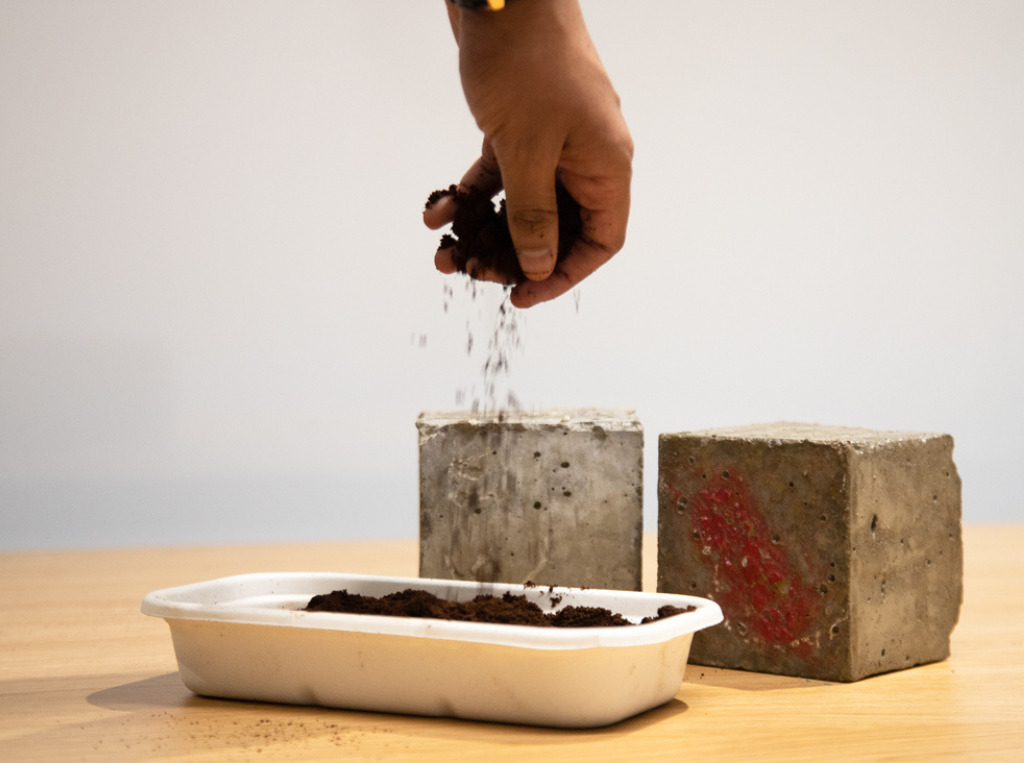
Back in 2023, engineers at RMIT University discovered that pyrolyzing spent coffee grounds at 350°C in the absence of oxygen creates a porous, carbon rich biochar. Replacing up to 15 percent of the sand in a standard concrete mix with this biochar increases compressive strength by nearly 30 percent. Higher temperatures do not perform as well. The optimal point is a precise low and slow process.

This is not just stronger concrete. It is smarter concrete. A peer reviewed life cycle analysis published in November 2025 showed it can reduce the material’s carbon footprint by up to 26 percent, cut fossil fuel use by 31 percent, and ease pressure on diminishing river sand supplies.

RMIT has also reported that the same coffee derived biochar improves thermal insulation in cement composites by up to 20 percent. Buildings made with it stay cooler in summer and warmer in winter. This leads to lower energy use and reduced emissions over time.

Real Streets, Real Impact

The results are already visible in real world projects.

In October 2024, the first section of coffee biochar concrete was laid on Victoria’s Big Build project in Pakenham. Five tonnes of spent coffee grounds, equal to about 140000 cups of coffee, were converted into two tonnes of biochar for a 30 cubic metre footpath. There was no smell and no visible difference, only improved strength and sustainability.

A parallel trial in Gisborne with Macedon Ranges Shire Council tested coffee and wood chip biochar side by side. Researchers continue to monitor long term performance under foot traffic, weather conditions, and freeze thaw cycles. Early results are promising.

A Circular Gift for the Coffee Industry

This development has direct implications for café owners, roasters, and coffee drinkers.

Globally, tens of millions of tonnes of spent coffee grounds are produced each year. Most are still sent to landfill, where they release methane. Now, this waste can be reused in a way that benefits both the environment and the industry.

Cafés that join collection programs may eventually turn their daily waste into revenue or carbon credits. A single cup of coffee could contribute to building stronger and more energy efficient schools and hospitals. This is a practical example of a circular economy.

Dr Rajeev Roychand and the RMIT team have stated they are ready to scale the technology. They are working with contractors and local councils and presenting the material in major exhibitions. The next steps include commercial standards, larger pilot projects, and expanded supply chains, all progressing in 2026.

The Bigger Picture

This innovation stands out as one of the most effective responses to coffee waste. It does not require changes in how coffee is prepared. It simply redefines the value of what remains after brewing.

From coffee farms in Ethiopia and Colombia to urban infrastructure in Melbourne and beyond, coffee is proving it can play a role far beyond consumption. It can contribute to building a more sustainable and resilient world.

In 2026, the future of construction carries a subtle trace of coffee.

Ahmed Al-Qahwa is Qahwa World’s lead voice on sustainable coffee innovation. He has visited RMIT’s laboratories and walked the Pakenham trial site.

Share this story with your local café or council. The coffee grounds from your cup could one day be part of the ground beneath your feet.

Ethiopian Women Lead Coffee Sustainability via Cascara

Addis Ababa – Qahwa World x Buna Kurs

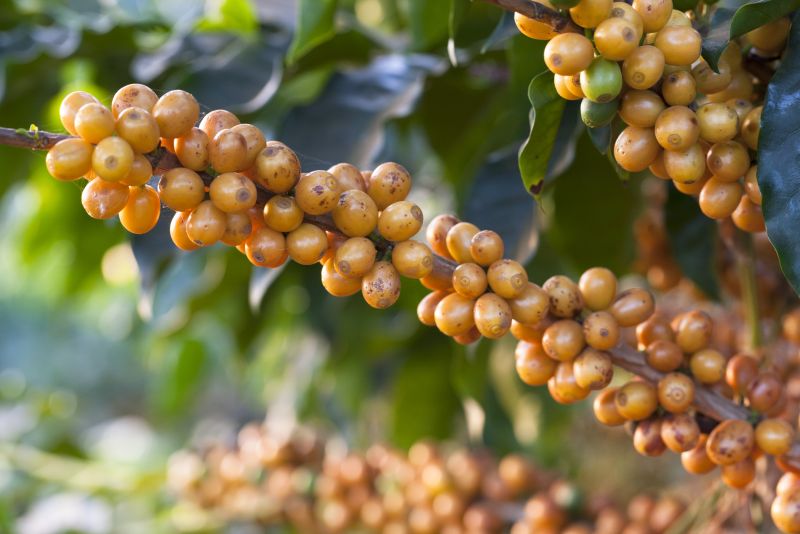
As the AFCA conference continues, a focused side event at Creative Hub Ethiopia turned attention to an often-overlooked part of the coffee cherry: cascara. Sip, Savor, Sustain: Ethiopian Cascara Tasting brought together industry professionals, creatives, coffee producers, and coffee enthusiasts to explore how circular economy practices can create new opportunities—particularly for women in coffee.

The event was organized by the Center for Circular Economy in Coffee (C4CEC) in collaboration with Women in Coffee Ethiopia (WiCE) and Muna Mohammed, Founder and CEO of Eight50 Coffee in Canada, with support from the Italian Agency for Development Cooperation (AICS) and UNIDO, and in partnership with Ethiopia’s Ministry of Labor and Skills. Spanish Cooperation supported research on women in coffee and facilitated the participation of a woman coffee farmer to share firsthand experience from the field. The initiative builds on a research and pilot capacity-building program focused on coffee by-product valorization, implemented with women producers.

While cascara is gaining international attention, Ethiopian communities—especially women—have long brewed the dried coffee cherry as hashara tea, embedding sustainability into daily life long before it became a global concept.

During the event, cascara was served as tea, offering participants a sensory introduction to how coffee by-products can be transformed into market-ready products with export potential.

A key highlight of the evening was the emphasis on women’s participation in value addition across the coffee value chain. Women in Coffee Ethiopia (WiCE) emphasized that cascara represents a practical pathway for women producers to diversify income while reducing environmental waste from coffee processing.

The human impact of this approach was reflected in a presentation by a woman coffee producer representing a women-led cooperative from a major coffee-growing region of Ethiopia. Sharing her experience, she noted that cascara production and related training have improved household income, strengthened technical skills, and expanded economic opportunities for women in her community.

By turning what was once considered waste into a high-value product, cascara creates a second income stream that can directly benefit women-led cooperatives without requiring additional land or resources. At the same time, it supports environmental sustainability by reducing by-product disposal and promoting circular economy models within Ethiopia’s coffee sector.

The event drew a diverse audience of development partners, cooperatives, entrepreneurs, and industry representatives, reinforcing growing interest in inclusive, women-centered coffee innovations.

As Ethiopia continues to position itself as a global leader in specialty coffee, initiatives like Sip, Savor, Sustain demonstrate that the future of the sector lies not only in the bean, but in the full coffee fruit—and in empowering the women who have long been at the heart of its journey.

A Circular Vision for Coffee Is an Opportunity for the Global South

By: Antonella Ilaria Totaro

Across major coffee-producing regions such as Brazil, Vietnam, Colombia, Indonesia, Ethiopia, and India, millions of small growers continue to sustain a global industry that serves billions of cups each day. With more than 12 million farms cultivating coffee over more than 10 million hectares, the sector remains deeply tied to the economies of the Global South.

Yet many producing countries face similar challenges. Research from the Center for Circular Economy in Coffee (C4CEC) highlights declining yields, rising production costs, soil degradation, and limited profitability—factors that place pressure on small farmers and discourage new generations from entering the field. At the same time, opportunities exist in agroforestry, climate-resilient farming, and product diversification.

The sector generates an enormous amount of waste—estimated at around 40 million tonnes each year. Only a tiny fraction of the coffee cherry is used in the beverage we consume, while the vast majority, including pulp, skin, parchment, and spent grounds, is often discarded. These by-products hold significant potential for new uses in food production, cosmetics, renewable energy, and biochar. African producers, who generate most of this waste, stand to benefit greatly from initiatives that give it new value.

Industry leaders emphasize the need to reimagine how value is created. The International Coffee Organisation notes that turning by-products into marketable goods can support income generation, reduce environmental impact, and create local employment. A recent report developed by several global institutions outlines case studies and strategies for embedding circular-economy principles into coffee production, including regenerative farming and improved waste utilization.

C4CEC has been gathering best practices from experts, researchers, and private-sector partners, forming a knowledge platform aimed at helping coffee growers, cooperatives, roasters, and organizations implement sustainable solutions. The center promotes collaborations that can transform waste into new resources, improve producer income, and reduce the sector’s environmental footprint.

In Kenya, research aligned with the national Coffee Development and Marketing Strategy is exploring ways to turn coffee by-products into food ingredients, biofuels, fertilizers, and materials. Cascara is being tested for use in flour, tea, syrups, and beverages. Coffee waste is also being used for mushroom cultivation and for developing construction and packaging materials.

New businesses are emerging as well. Startups in Egypt and Colombia are experimenting with using coffee waste to grow fungi and support eco-friendly farming. Kenya already uses a large share of its coffee skins for fuel briquettes, while other projects are transforming waste into biochar or creating absorbent materials for treating wastewater.

Building a market for these by-products is essential. Experts from the International Trade Centre highlight the importance of connecting farmers with new industries—such as cosmetics—and creating financial incentives that encourage producers to reuse waste. Strong partnerships at local, regional, and international levels are seen as key to scaling these solutions.

For the Global South, adopting a circular model in the coffee sector represents not only a path toward environmental resilience but also an opportunity to diversify income and support more sustainable livelihoods for farming communities.

Japanese Innovation Transforms Coffee Cherries into a Sustainable Ingredient Enhancing Flavor and Quality

Tokyo – Qahwa World

In a major step toward sustainable beverage innovation, Kirin Holdings Co., Ltd. has announced the development of a fermented ingredient made from coffee cherries, transforming what was once agricultural waste into a high-value product that enhances both body and aroma in beverages.

The breakthrough, created by the company’s Institute for Future Beverage, aims to support coffee farm sustainability, reduce environmental impact, and improve the experience of non-alcoholic and low-alcohol drinks, addressing broader social concerns around alcohol consumption.

From Waste to Resource

Each year, millions of tons of coffee cherry pulp and peel are discarded after bean extraction. These by-products, rich in caffeine and polyphenols, pose environmental risks when left untreated. Kirin researchers applied their proprietary wine aroma enhancement technology to ferment concentrated coffee cherry juice with lactic acid bacteria and yeast, creating an ingredient that adds richness, warmth, and fruity depth to a wide range of beverages.

Supporting Coffee Farmers

The innovation not only reduces waste but also helps increase farmers’ income in producing countries. In Colombia, for instance, where disposal of coffee cherries incurs environmental taxes, the new approach offers a sustainable solution with both economic and ecological benefits.

Kirin’s Beverage Future Research Center has been studying ways to utilize coffee cherries since 2018, focusing on turning underused coffee by-products into sustainable resources.

Commercial Use and Sensory Benefits

Tests revealed that beverages using this fermented ingredient scored higher in satisfaction, flavor quality, and premium perception. The company has incorporated it into its “Kirin Tokusei” line of ready-to-drink (RTD) beverages — starting with the Melon Soda Sour launched in May 2025, followed by the Mikan Cider Sour, set for release on November 25, 2025.

Further studies on non-alcoholic drinks also confirmed enhanced mouthfeel and richer flavor, suggesting strong potential in the expanding low- and no-alcohol market.

Looking Ahead

Kirin plans to expand the use of this fermented ingredient across its beverage portfolio, positioning it as a key component of its sustainability strategy.

“By transforming discarded coffee cherries into something valuable, we’re not only reducing waste but also creating a positive impact for farmers and the environment,” said Sayaka Tsuji, researcher at Kirin’s Institute for Future Beverage.

This initiative supports the company’s Kirin Group Vision 2027, which seeks to make Kirin a global leader in Creating Shared Value (CSV) — combining innovation, sustainability, and community benefit.

UAE Researchers Turn Coffee and Plastic Waste Into a Powerful Carbon Capture Material

Sharjah – Qahwa World

In a groundbreaking achievement, researchers at the University of Sharjah have developed and patented an innovative carbon capture technology that transforms used coffee grounds and plastic waste into a highly efficient material capable of absorbing carbon dioxide (CO₂) from industrial emissions before they reach the atmosphere.

The patent, filed in March 2025 and published in August, represents a major step forward in the UAE’s scientific contribution to climate innovation, tackling both carbon pollution and solid waste through a single, sustainable solution.

From Coffee Cup to Carbon Capture

The new method combines spent coffee grounds (SCG), polyethylene terephthalate (PET) — a widely used plastic in bottles and packaging — and potassium hydroxide (KOH) as a chemical activator.
Through co-pyrolysis at an eco-friendly activation temperature of 600 °C, the process yields activated carbon with an exceptionally high surface area and fine pore structure, making it highly effective in trapping CO₂ molecules.

“What begins with a Starbucks coffee cup and a discarded plastic water bottle can become a powerful tool in the fight against climate change through the production of activated carbon,”
said Dr. Haif Aljomard, lead inventor of the technology.

Dr. Aljomard emphasized that the process supports both waste valorization and climate change mitigation, turning two abundant waste streams into a high-performance carbon adsorbent that can reduce industrial emissions.

Circular and Cost-Effective

The researchers highlighted that the production cost of this material is remarkably low, thanks to the availability and affordability of its raw ingredients — coffee waste and post-consumer plastic.

Professor Chaouki Ghenai, co-inventor and expert in Sustainable and Renewable Energy at the University of Sharjah, said the invention exemplifies circular economy principles by giving waste a new life.

“Transforming spent coffee grounds and plastic waste into high-quality activated carbon delivers economic, social, and environmental benefits,” he said.
“This innovation not only prevents harmful waste from ending up in landfills but also provides a sustainable resource for carbon reduction technologies.”

Broad Industrial Applications

The patented activated carbon has diverse industrial uses, extending far beyond CO₂ capture. It can be applied in:

Water and air purification

Groundwater and wastewater treatment

Gas and solvent purification

Natural gas processing and emission control

Flue gas cleaning at waste incineration plants

Process and exhaust air filtration systems

According to the inventors, these wide-ranging applications make the material suitable for industries such as energy, steel, cement, petrochemicals, and environmental engineering, all of which are seeking cost-effective carbon reduction technologies.

Toward a Sustainable Future

The patent underscores the urgent need for sustainable carbon capture solutions, noting that CO₂ is one of the main greenhouse gases driving global warming and posing serious risks to both the planet and human health.

“There is an urgent need for effective and sustainable technologies to capture and reduce CO₂ emissions from fossil fuel combustion, industrial processes, and power generation,” the patent states.

By turning two global waste streams — coffee and plastic — into a practical, affordable carbon-capture solution, the University of Sharjah has shown that scientific innovation can transform even a humble coffee cup into a weapon against climate change.


Australian Study Reveals Potential to Enhance Concrete by 30% Using Coffee Waste

In an innovative move that combines environmental sustainability and construction technology, Australian scientists have discovered a way to use charred coffee grounds to enhance concrete strength by up to 30%. This study, published in the journal “Cleaner Production” and reported by “Science Alert,” provides an effective solution to the problem of coffee waste accumulation and contributes to improving the environmental performance of building materials.

Organic Waste: A Global Environmental Problem

The world produces approximately 10 billion kilograms of coffee waste annually. These wastes often end up in landfills, where they decompose and release greenhouse gases like methane and carbon dioxide, significantly contributing to climate change.

Innovation in Waste Utilization

Engineer Rajeev Rouweyha from the Royal Melbourne Institute of Technology (RMIT) explained that disposing of organic waste poses a major environmental challenge due to the harmful gas emissions. With the global construction market booming, the demand for resource-intensive concrete is increasing, causing additional environmental challenges.

Sustainability in the Construction Industry

The construction industry requires massive amounts of natural sand, typically extracted from riverbeds and banks. This continuous extraction causes significant environmental damage, including erosion of natural habitats. Researcher Ji Li from RMIT pointed out that maintaining a sustainable supply of sand is a long-term challenge due to the limited nature of resources and the environmental impacts of sand extraction.

Pyrolysis: Turning Waste into Resources

Organic products like ground coffee cannot be directly added to concrete because they leach chemicals that weaken building materials. Therefore, the RMIT research team used a process called pyrolysis, heating coffee waste to over 350 degrees Celsius while depriving it of oxygen. This process produces a carbon-rich biochar that can be integrated with cement to enhance its strength.

Promising Results and Future Challenges

The study found that treating coffee at 500 degrees Celsius was not as effective, highlighting the importance of precise conditions in the pyrolysis process. Despite the promising results, researchers emphasized the need to assess the long-term durability of the hybrid coffee cement under various conditions such as freeze/thaw cycles and water absorption. The team is also working on producing biochar from other organic waste sources like wood, food waste, and agricultural residues.

Toward a Circular Economy

Shannon Kilmartin-Lynch, a co-researcher in the study from RMIT, stated that “these exciting results offer an innovative way to significantly reduce the amount of organic waste going to landfill.” Researchers assert that shifting to a circular economy approach can greatly contribute to preserving natural resources and improving environmental sustainability. The circular approach relies on reusing resources and reducing waste, thus contributing to achieving a sustainable environmental balance.

Sustainability of the Future

While the research is still in its early stages, these results hold great promise for improving environmental sustainability in the future. Using coffee waste to enhance concrete is not only a solution to the problem of waste accumulation but also represents a step towards developing more sustainable and environmentally friendly building materials.

Additional Benefits

The biochar produced from the pyrolysis of coffee waste can improve the properties of concrete, such as increasing its resistance to erosion and damage. This means that buildings and structures using this type of concrete may be more durable and require less maintenance, reducing long-term costs and contributing to a more sustainable future.

Conclusion

The Australian study on using coffee waste to enhance concrete provides an excellent example of how an environmental problem can be transformed into an innovative and sustainable solution. Thanks to this research, we may witness a shift in how we manage organic waste and utilize it to develop stronger and more sustainable building materials. This approach enhances our ability to address major environmental challenges and underscores the importance of innovation in achieving environmental sustainability.

ITC creates pioneering alliances for sustainable coffee and circular economy initiatives during COP28 in Dubai

The International Trade Centre (ITC) has taken decisive steps towards fostering a circular economy and promoting sustainable coffee value chains by solidifying strategic partnerships during the UN Climate Change Conference (COP28) in Dubai. The move aims to amplify the voices of producers and small businesses in critical climate discussions.

In a pivotal move, ITC and the International Coffee Organization (ICO) inked a memorandum of understanding (MoU) on December 3, outlining plans for groundbreaking projects across the ICO’s 75 member countries. Under this agreement, coffee producers will undergo comprehensive training covering value addition, circular economy practices, sustainable production methods, enhanced productivity, coffee quality improvement, and resilience to climate change—all geared towards generating decent and living incomes.

A second milestone occurred on December 10, as ITC, ICO, and the Center for Circular Economy in Coffee (C4CEC) joined forces through another MoU. This collaboration is designed to empower coffee farmers and producers to derive sustainable value from traditional waste streams. Both agreements are contingent on final validation by the International Coffee Council (ICC).

Historic Momentum in ITC and ICO Partnership

The partnership between ITC and ICO, spanning several years, gained fresh momentum with the recent appointment of Dr. Vanúsia Nogueira as Executive Director of the ICO. Activities under this historic alliance include collaborative efforts in coffee data management, sustainability initiative mapping, circular economy initiatives, compliance with the European Corporate Sustainability Due Diligence Directive, value addition at coffee origin, and innovative financing for the coffee sector.

Through these newly established partnerships, ITC aims to formalize and expand its collaboration, building upon the foundation laid by their initial MoU in 2000, which aimed to create a more inclusive coffee sector for producers.

Accelerating Circular Economy in the Coffee Sector

The Center for Circular Economy in Coffee (C4CEC), a global precompetitive platform funded by the Lavazza Foundation, the Polytechnic of Turin (PoliTo), and the University of Gastronomic Sciences (UNISG) in Italy, is at the forefront of advancing circular economy in the coffee sector. Supported by ICO, ITC, and the United Nations Industrial Development Organization (UNIDO), C4CEC is set to put circular economy principles into practice.

The collaboration between ITC, ICO, and C4CEC aims to disseminate knowledge to small businesses, value chain operators, farmer organizations, and consumer-facing companies worldwide. This initiative builds upon the partnerships established through the ITC Coffee Guide Network and the circular economy working group co-facilitated by ITC, ICO, and the Lavazza Foundation.

COP28 Trade House: A Platform for Circular Economy Exploration

The COP28 Trade House provided a platform for ITC and its partners to delve into the circular economy within the coffee sector. Hernan Manson, Head of Inclusive Agribusiness, Food Systems, and Trade at ITC, moderated a session titled ‘Global Green Deal: How would it fit the Global South?’ The panel explored transformative measures for global food systems in the face of climate change.

Mario Cerutti, Lavazza Foundation Secretary, and Lavazza Group Head of Institutional Relations & Sustainability, emphasized the necessity for unified action within the coffee industry, highlighting the potential of the Center for delivering environmental benefits and improved incomes for coffee growers and stakeholders.

Dr. Vanúsia Nogueira, Executive Director of the International Coffee Organization, affirmed the commitment to drive impactful change in the coffee sector through the enduring partnership with ITC, marking the alliances formed at COP28 as a significant step towards a sustainable future for coffee farmers and advancing circular economy practices.

International Coffee Organization (ICO):
The ICO is the sole intergovernmental organization supporting exporting and importing countries to enhance the sustainability of the coffee sector, providing a high-level forum for stakeholders and official statistics on coffee production, trade, and consumption. ICO Website

International Trade Centre (ITC):
ITC, the joint agency of the World Trade Organization and the United Nations, assists small and medium-sized enterprises in developing and transition economies to become more competitive in global markets. The Alliances for Action initiative seeks to transform food systems through ethical, climate-smart, and sustainable agricultural value chains.