Lavazza Launches Regenerative Coffee for Professionals

Dubai – Qahwa World

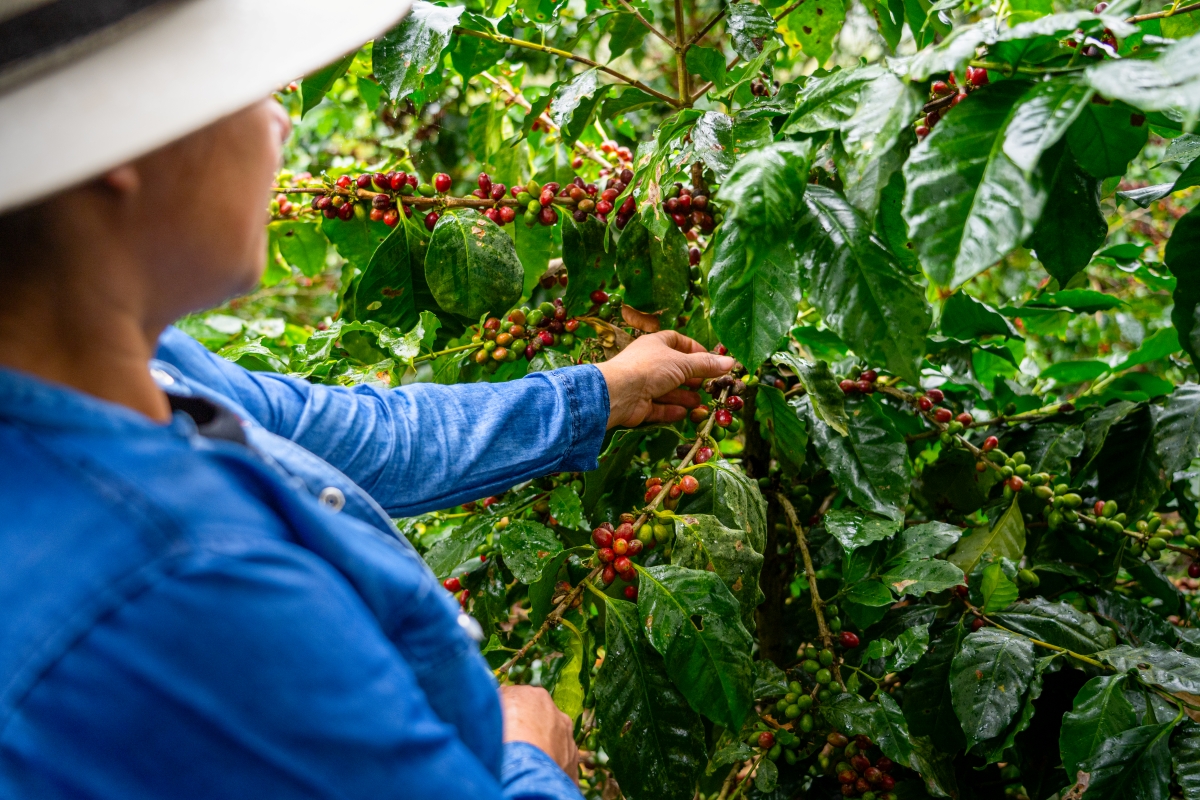
On Earth Day, Lavazza has introduced La Reserva de ¡Tierra! Selection, its first coffee for the professional channel certified under the regenerative agriculture standard developed by the Rainforest Alliance.

The launch marks a new step in the company’s sustainability strategy, combining existing Rainforest Alliance Sustainable Agriculture certification with the newer regenerative agriculture certification. The dual certification reflects farming practices aimed at restoring ecosystems, improving soil health, protecting biodiversity, and supporting coffee-growing communities.

The development follows a multi-year effort by Lavazza to integrate regenerative agriculture across its supply chain. Since 2023, the group has advanced projects through its research, development, and corporate social responsibility teams in origin countries, focusing on agronomic practices, environmental impact measurement, traceability, and farmer engagement.

In parallel, the company has supported an early implementation program in Honduras, where more than 70 farms have achieved certification under the Rainforest Alliance Regenerative Agriculture Standard. The initiative included technical training, operational support, and structured guidance to assist farmers in transitioning to regenerative practices.

According to Lavazza, this combined approach has enabled the faster introduction of a coffee product meeting both certification standards, building on its partnership with the Rainforest Alliance that dates back more than two decades.

The Rainforest Alliance Regenerative Agriculture Standard is designed to promote a “Nature Positive” approach to farming. It emphasizes soil restoration, climate resilience through agroforestry, biodiversity protection, improved water management, and better livelihoods for farming communities.

La Reserva de ¡Tierra! Selection is a 100% Arabica blend, combining natural coffees from Brazil with washed coffees from Honduras. Developed for the food service sector, it offers a balanced flavor profile with notes of jasmine, almonds, and milk chocolate, and is designed for consistent extraction in professional settings.

The blend includes coffee sourced from certified farms in Brazil and Honduras, along with a portion from a project supported by the Lavazza Foundation in Brazil’s Minas Gerais region. The initiative focuses on farmer training, agricultural planning, and improvements to living conditions.

Lavazza said the new product will be available in international markets starting in June, supported by a digital campaign highlighting its regenerative agriculture efforts and collaboration with certified farms.

Founded in Turin in 1895, Lavazza operates in more than 140 markets and remains one of the leading global coffee companies, with a portfolio that includes several international brands. The Rainforest Alliance continues to work with farmers, companies, and communities worldwide to promote sustainable agriculture and environmental conservation.

SCA Officially Launches New Q Grader Program with Coffee Value Assessment

Dubai – Qahwa World

The Specialty Coffee Association (SCA) has officially launched enrollment for its updated Q Grader program, marking the start of a new era for one of the most respected certifications in the global coffee industry.

The move follows the association’s acquisition of the program earlier this year from the Coffee Quality Institute (CQI), a historic shift that positions the SCA as the sole operator of a license long considered the gold standard for coffee evaluation. From October 1, 2025, all Q Grader courses worldwide will be delivered under the new system, aligned with the Coffee Value Assessment (CVA).

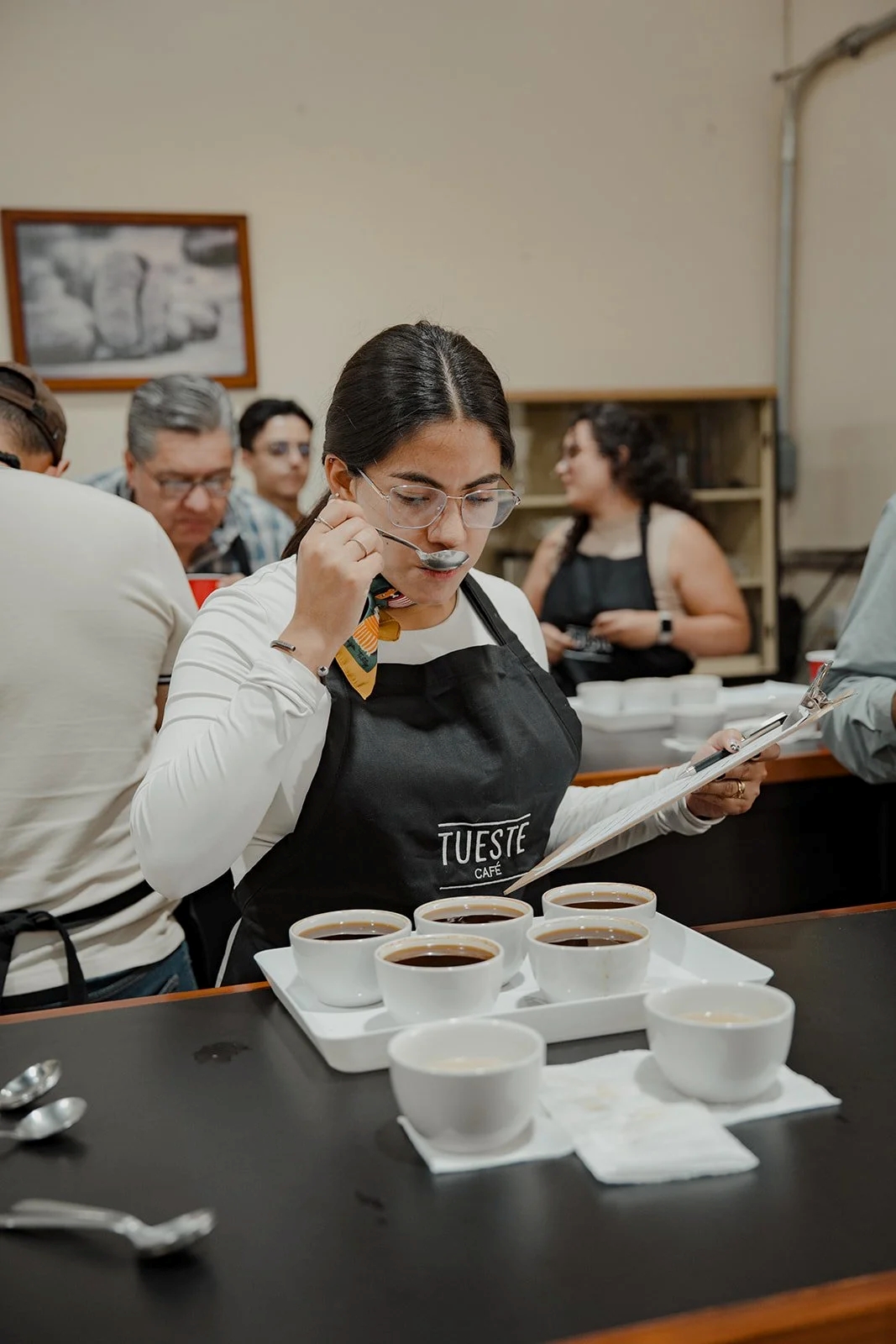
For years, the Q Grader license has been globally recognized as the highest credential in sensory evaluation, cupping, and green coffee grading. Graduates of the program have carried a certification that is not only respected but also vital to trade, communication, and quality assurance across the coffee value chain. The revamped program now integrates the CVA, a scientifically rigorous framework developed by the SCA and adopted in 2024 after years of research. Unlike the traditional cupping form it replaces, the CVA provides a broader picture of coffee’s qualities, considering not only intrinsic sensory characteristics but also extrinsic factors such as processing methods and certifications that influence market value.

The decision to integrate the CVA into the Q Grader curriculum represents the SCA’s commitment to driving progress in specialty coffee evaluation. Participants in the new program will undergo six days of intensive training and testing, designed to challenge their ability to detect differences and defects, describe sensory profiles, and apply the CVA in real-world contexts. The program has been tailored for experienced coffee professionals, enhancing their sensory acuity and preparing them to communicate coffee’s value with clarity and confidence. The result is a global network of modern Q Graders whose training reflects the latest advancements in sensory science and the continued evolution of the specialty coffee sector.

The SCA has emphasized accessibility as a central pillar of the new launch. Recognizing that the Q Grader license is critical for professionals worldwide, the association has introduced a new country-specific pricing model. By dividing the world into five tiers based on economic conditions, the program ensures that participants in lower-income regions are not excluded from pursuing certification. This model makes the license more affordable, while an expanded network of Q Instructors opens new opportunities for education across diverse markets. From producers and exporters to roasters and importers, coffee professionals in every corner of the globe will have greater access to one of the industry’s most influential programs.

The updated program offers multiple pathways to certification. New entrants can register for the full Q Grader course, while experienced professionals may pursue fast-track options to upgrade or renew their credentials. Arabica and Robusta Q Graders, holders of the SCA Sensory Skills Professional Certificate, and Cup of Excellence judges are among those eligible for accelerated pathways, provided they complete the CVA for Cuppers course by December 31, 2025. A fast track is also available for those seeking to become Q Instructors, with eligibility extended to educators and evaluators including CVA Trainers, Q Instructors, Cup of Excellence Head Judges, and SCA Sensory Skills Authorized Trainers. After the fast-track window closes at the end of 2025, the SCA will require candidates to follow a more extensive pathway that includes both Q Grader certification and instructor onboarding.

The program is not only academically rigorous but also deeply practical. Learners will be evaluated through cupping sessions, sensory exercises, and green coffee assessments, testing their knowledge across physical, descriptive, affective, and extrinsic categories. Those who successfully complete the course will earn the globally respected Q Grader license, recognized across the coffee value chain as a mark of excellence. The SCA has positioned this as a crucial step toward building a more unified global language of quality, one that connects producers, traders, roasters, and consumers with a shared framework for evaluating coffee.

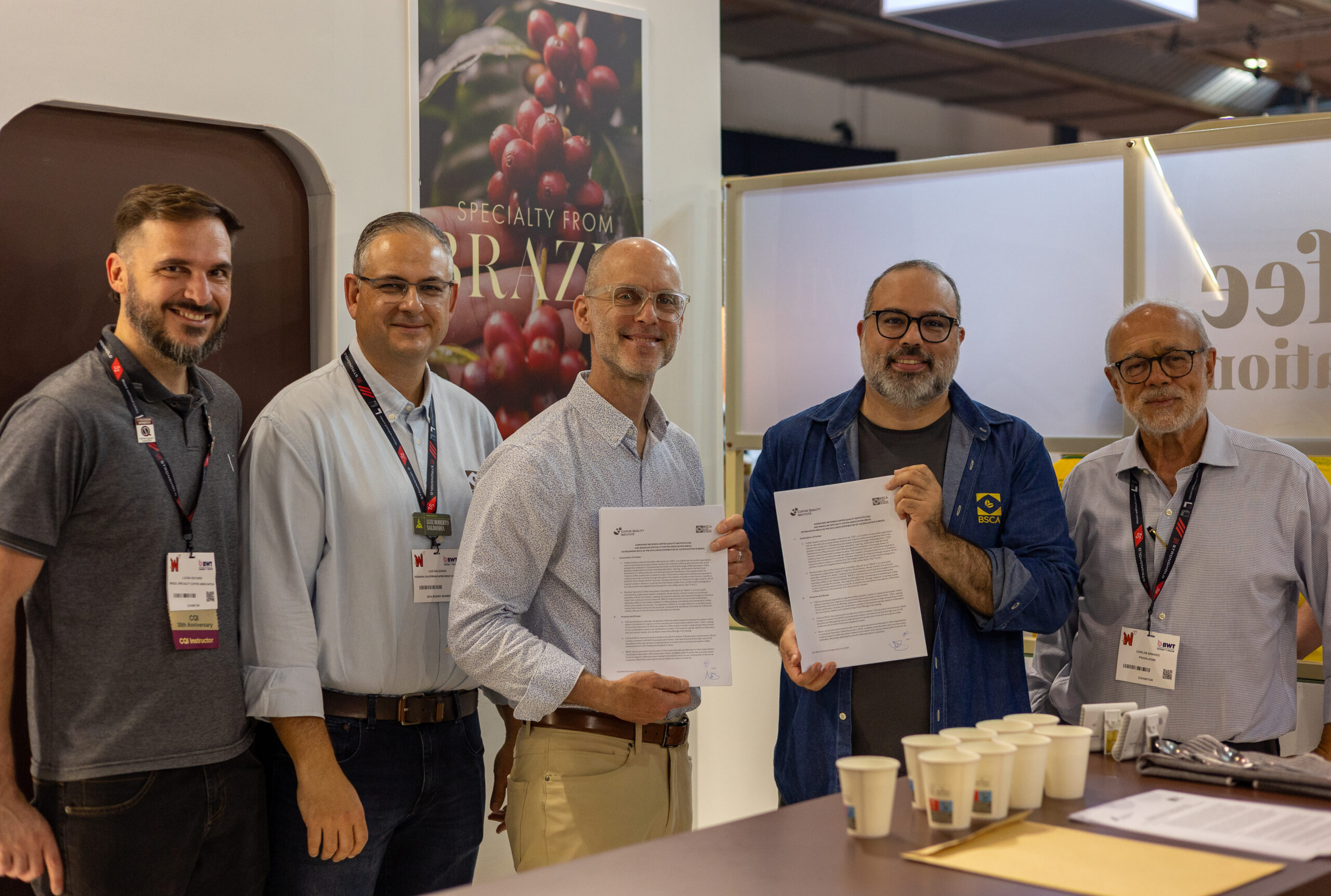
The launch of the new Q Grader program also reflects the strategic partnership between the SCA and CQI, which was first announced in April 2025. Under the terms of the agreement, the SCA will license the program for ten years, paying CQI $250,000 annually. While CQI is no longer involved in administering the program, the collaboration ensures that its original missionsupporting producers and enhancing coffee qualityremains central to the program’s future.

As the transition takes effect, questions remain about how quickly the new system will be embraced across the industry. Some professionals have expressed skepticism about the CVA’s necessity, while others have applauded its potential to capture the complexity of modern coffee markets. Regardless of these debates, the SCA is moving forward with confidence, positioning the new Q Grader program as a scientifically robust and globally inclusive certification.

The association has also committed to supporting learners with preparatory resources. For those new to coffee evaluation, the SCA recommends starting with its Intro to Cupping workshop, a foundational course designed to build skills in sensory analysis and cupping practices. For more advanced professionals, recommended reading lists and preparation activities are available to ensure readiness for the intensive Q Grader assessments.

With enrollment now open and courses already available in select regions, the SCA is calling on coffee professionals worldwide to take part in what it describes as a new era in coffee evaluation. The updated program is expected to strengthen professional standards, support communication and collaboration across the global value chain, and expand the very definition of specialty coffee. For those who pass, the Q Grader license remains not just a certificate but a symbol of credibility, expertise, and leadership in the evolving world of coffee.

CQI Marks International Coffee Day with New Chapter in Coffee Quality Journey

Dubai – Qahwa World

On International Coffee Day 2025, the Coffee Quality Institute (CQI) announced a historic transition: the conclusion of its Quality Evaluation Program after more than two decades and the launch of a new chapter focused on advancing coffee quality and sustainability.

Michael Sheridan, Chief Executive Officer of CQI, emphasized the milestone: “As we turn the page, I want to honor the nearly 20,000 people who have earned Q Grader Certification since the inception of the program: you are the vanguard in a global movement for coffee quality. And I want to specially recognize the Q Instructors who have trained and certified all those Q Graders: you are pioneers who have held a light to the darkness, and your work helped to catalyze a revolution in coffee quality in the span of a single generation.”

A Fresh Look for a New Era

To mark this transition, CQI unveiled a refreshed logo and website, designed to evoke coffee’s origins. The institute underlined that while its visual identity has evolved, its mission remains constant: improving the quality of coffee and the lives of the people who produce it.

Focus on Post-Harvest Processing

Sheridan highlighted the growing importance of CQI’s Post-Harvest Processing (PHP) Program. In September alone, CQI welcomed 14 new instructors for the PHP Generalist Course, expanded its training pool, and set a course for releasing an all-new PHP Professional Course by the end of 2025. Preparations are also underway for the PHP Expert Course in 2026, with students, instructors, mentors, and guest lecturers already engaged.

“Innovation in post-harvest processing has never been more important in the coffee market,” Sheridan noted. “Our PHP Program is helping reduce risk and expand opportunity for everyone in coffee supply streams.”

Global Partnerships and Impact

CQI also announced new partnerships to expand its global reach. In collaboration with Peet’s Coffee in the U.S., CQI will deliver post-harvest processing education to suppliers, while a partnership with Sinar in the U.K. will enhance access to advanced processing technology.

Additionally, the CQI Global Coffee Fund has awarded support for several initiatives:

Let’s Talk Coffee in Peru

Scholarships for participants in the Women-Powered Coffee Summit (WPCS) in Mexico

Staffing for the Taste of Harvest in Burundi

Engaging the Coffee Community

As CQI transitions beyond the Q program, Sheridan underscored the importance of dialogue with the global coffee community. CQI will convene producer-focused discussions at major events, including the WPCS in Mexico and Sintercafé in Costa Rica, and will launch a global survey in October to gather input from stakeholders worldwide.

“I hope you will take time to respond and make your voice heard,” Sheridan said. “Coffee needs your leadership.”

With this transition, CQI signals a future shaped by collaboration, innovation, and a continued commitment to quality at every stage of the coffee value chain.

Milan to Host First Evolved Q Grader Course After HostMilano 2025

Milan, 10 September 2025 – (Qahwa World) – Milan is preparing to host a landmark event for the future of specialty coffee in Europe. From 24 to 29 October 2025, immediately after the HostMilano international trade fair, the first Italian session—and one of the very first in the world—of the Evolved Q Grader course will take place.

The event, to be held in English, will be hosted by Sevengrams, a leading name in Milan’s specialty coffee scene. Founded by the Mauro sisters and enriched by the expertise of Chiara Bergonzi, Sevengrams is one of the city’s most accredited training centers. The course will be conducted at their Lot Zero Roastery, located next to Coffee Studio 7Gr on Via Valparaiso.

This six-day intensive training and certification marks a major step forward in the field of sensory evaluation. It will be led by two prominent international figures: Roukiat Delrue and Davide Cobelli. The Evolved Q Grader certification, the latest innovation from the Specialty Coffee Association (SCA), introduces the Coffee Value Assessment (CVA), a system that moves beyond a single score to analyze coffee’s value in multiple dimensions.

Designed for experienced professionals, the course aims to shape a new generation of coffee experts able to evaluate beans with a modern, scientific approach. Participants will engage in a rigorous program of theory, practice, and exams, focusing on mastering the CVA, refining sensory self-awareness, enhancing discrimination and flaw analysis skills, and applying these tools strategically in professional contexts. Those who successfully complete the program will earn the prestigious Evolved Q Grader license, an international milestone of excellence.

Guiding this advanced training will be two world-renowned instructors. Roukiat Delrue, with more than 14 years of experience in the global coffee sector, has held leading roles at the Coffee Quality Institute and World Coffee Events, and contributed directly to the development of the CVA. Davide Cobelli, founder of the Coffee Training Academy, Italian Roasting Champion in 2020, and SCA Italy National Coordinator from 2022 to 2024, is an established trainer, consultant, and international judge.

This course offers a unique opportunity for Italian and European professionals to access the highest level of training in coffee evaluation. For details on pricing and registration, contact the instructors directly: [email protected], [email protected], or via the official registration link here.

Rainforest Alliance Launches First Regenerative Agriculture Certification for Coffee

Dubai, 9 September 2025 (Qahwa World) – The Rainforest Alliance has announced the launch of the world’s first dedicated regenerative agriculture certification for coffee, a milestone that seeks to transform farming practices from simply reducing harm to actively restoring ecosystems and improving farmer livelihoods. The new “regenerative” seal is expected to appear on consumer coffee bags starting in 2026.

This initiative follows the release of version 1.4 of the Sustainable Agriculture Standard, which will take effect in October 2025. The revised standard reduces the number of requirements from 221 spread across seven categories to 148 requirements consolidated into three, making certification more straightforward for farmers while maintaining its credibility. Alongside this streamlining, certificate holders now have the option to add 17 regenerative requirements to their existing certification, or to pursue a standalone regenerative certification consisting of 119 requirements focused on soil health, biodiversity, water management, climate resilience, and farmer livelihoods.

The Rainforest Alliance has framed regenerative agriculture as a shift beyond a “do no harm” mindset toward one of repair and restoration. The new certification aims to make coffee part of an ecological recovery process that benefits both the land and the farming communities that depend on it. The organization emphasized that every future cup of coffee should give back more than it takes. A recent report by TechnoServe supported this view, finding that the transition to regenerative agriculture in key coffee-producing countries could significantly increase exports and raise farmer incomes.

Implementation of the new certification has already begun in coffee farms across Brazil, Costa Rica, Mexico, and Nicaragua. The first coffees carrying the regenerative seal are expected to reach international markets in 2026, targeting consumers who increasingly demand sustainable and credible products. The launch also coincides with sector-wide initiatives such as RegenCoffee, introduced by the Global Coffee Platform to create a common language around regenerative agriculture, further strengthening Rainforest Alliance’s leadership in this field.

Beyond the environmental and social dimensions, the development comes at a critical moment as the European Union’s deforestation-free supply chain law (EUDR) is set to take effect on 30 December 2025. The law will require companies to prove that commodities entering EU markets are not linked to deforestation. Observers note that the regenerative certification could provide companies with an essential tool to comply with these new requirements, especially in the coffee sector, which faces growing regulatory scrutiny.

Despite the enthusiasm, there are concerns that additional certification layers could impose extra burdens on smallholder farmers who already struggle with limited resources. The Rainforest Alliance has responded by stressing that the new standard was developed over years of research and consultation with farmers, companies, and civil society groups. The goal, it said, is not to increase burdens but to build long-term resilience and open new opportunities for market access.

By combining the streamlined Sustainable Agriculture Standard with the launch of the first regenerative certification for coffee, the Rainforest Alliance is signaling a strategic shift in its vision. The initiative goes beyond traditional sustainability frameworks, aiming to create a new agricultural model that balances environmental protection, agricultural economics, and social development. With this step, the global coffee sector enters a new chapter in which every cup of coffee is not just a beverage, but a contribution to restoring the planet and securing a more sustainable future.

Evolved Q Grader Program Adopts Coffee Value Assessment, Reshaping Global Coffee Standards

Dubai, 13 August 2025 (Qahwa World) — The global coffee industry is set for a historic transformation as the Q Grader Program, the benchmark certification for coffee quality evaluation, adopts the Coffee Value Assessment (CVA) framework under the leadership of the Specialty Coffee Association (SCA).

From October 1, 2025, the SCA will take over program operations from the Coffee Quality Institute (CQI), retiring the 2004 cupping protocol that has defined quality standards for over two decades. The move marks a significant shift toward a more holistic approach to coffee evaluation, placing equal emphasis on physical, sensory, cultural, and personal perception attributes.

Why the Change Matters

The 2004 protocol—built on objective scoring for aroma, flavor, body, and other measurable traits—has long been a trusted tool. However, industry leaders argue it underrepresents extrinsic factors such as origin, processing method, certifications, and producer stories, which increasingly influence market value.

Introduced in 2023, the CVA integrates four dimensions of assessment:

  • Physical Attributes — Objective evaluation of green coffee quality.

  • Extrinsic Attributes — Market-relevant factors such as terroir, certifications, and narratives.

  • Affective Attributes — The cupper’s personal impression on a 100-point scale.

  • Descriptive Attributes — Detailed sensory profiling of flavor and aroma.

By including these dimensions, the CVA reflects a coffee’s complete market value—not just its chemical or physical characteristics.

Impact on Q Graders

All current and former Arabica and Robusta Q Graders must complete the CVA for Cuppers conversion course by December 31, 2025 to maintain certification. The course, lasting two days, is designed to help graders transition smoothly to the new framework.

From 2026 onward, only the six-day Evolved Q Course will lead to certification. Missing the conversion deadline means starting the process from scratch.

Industry Reactions

“The CVA acknowledges that coffee quality is more than chemistry—it’s culture, craftsmanship, and context,” said Thomas Haigh, Specialty Coffee Merchant and Arabica Q Grader since 2015.

Producers, particularly in origin countries, see the shift as an opportunity to highlight unique practices and secure better recognition for their efforts. Roasters and green buyers anticipate richer, more nuanced data for sourcing decisions.

Key Transition Dates

  • October 1, 2025 — SCA takes over Q Grader Program; CVA becomes standard.

  • December 31, 2025 — Last day for Q Graders to complete CVA for Cuppers conversion course.

  • From 2026 — Six-day Evolved Q Course becomes the only certification route.

Looking Ahead

The adoption of the CVA is more than an administrative change—it represents an industry-wide realignment toward recognizing both intrinsic and extrinsic value in coffee. While some professionals may resist altering a long-trusted system, others view this as an essential evolution to meet the demands of a more globalized and story-driven specialty market.