How Switzerland Became the World’s Second Largest Coffee Exporter?

Author: Coffee World
Source: Swissinfo
Date: May 16, 2026

Executive Summary:

  • Switzerland ranks second globally in coffee exports, with an annual value of 3.3 billion Swiss francs ($4.2 billion).
  • Green coffee enters Switzerland at $5 per kilogram, and after roasting, its value jumps to $26.80 per kilo.
  • Coffee accounts for 33% of Swiss agricultural exports, surpassing cheese and chocolate.
  • A legal concept called “substantial transformation” allows Switzerland to label roasted coffee as Swiss-made.
  • Swiss companies produce about 70% of all fully automatic coffee machines sold worldwide.
  • An estimated 60–70% of the global green coffee trade passes through Swiss trading desks.
  • The success of capsule coffee systems, especially Nespresso, boosted Swiss exports sharply from the early 2000s.

Switzerland has achieved an economic miracle that defies logic. Despite being a small country with a climate unsuitable for growing coffee, it has become the world’s second largest coffee exporter. Only Brazil exports more. According to recent figures, Switzerland ships coffee worth about 3.3 billion Swiss francs ($4.2 billion) annually, outpacing giants like Colombia, Ethiopia, and Vietnam all of which actually grow coffee.

The secret lies in processing, not farming. Switzerland imports green (unroasted) coffee beans from producing nations, then roasts and packages them locally. International trade rules consider roasting a “substantial transformation.” This legal nuance allows Swiss companies to label the final product as Swiss-made, even though the beans came from elsewhere.

From $5 to $26.80: The Value-Add of Roasting

According to the Swiss Trade Monitor from the University of St. Gallen, green coffee enters Switzerland at an average price of $5 per kilogram. After local roasting plants process the beans, their export value reaches $26.80 per kilo. This massive increase makes coffee Switzerland’s most important agricultural export today. With a share of around 33%, coffee even surpasses traditional exports such as cheese and chocolate.

In terms of pure export volume, Switzerland lags slightly behind Italy and Germany. However, its specialization in high-priced, portioned products such as capsules explains why it leads these countries in total export value.

‘Substantial Transformation’: The Legal Trick Behind the Success

Why is coffee that is only roasted in Switzerland allowed to carry a Swiss cross on its packaging? The answer is a legal finesse called “substantial transformation.” Under international trade law, a product’s country of origin is the nation where the product underwent its last substantial transformation. For coffee, customs authorities worldwide have ruled that roasting green beans qualifies as such a transformation. This subtlety has turned Switzerland into one of the world’s largest coffee-producing countries—without a single coffee plantation on its soil.

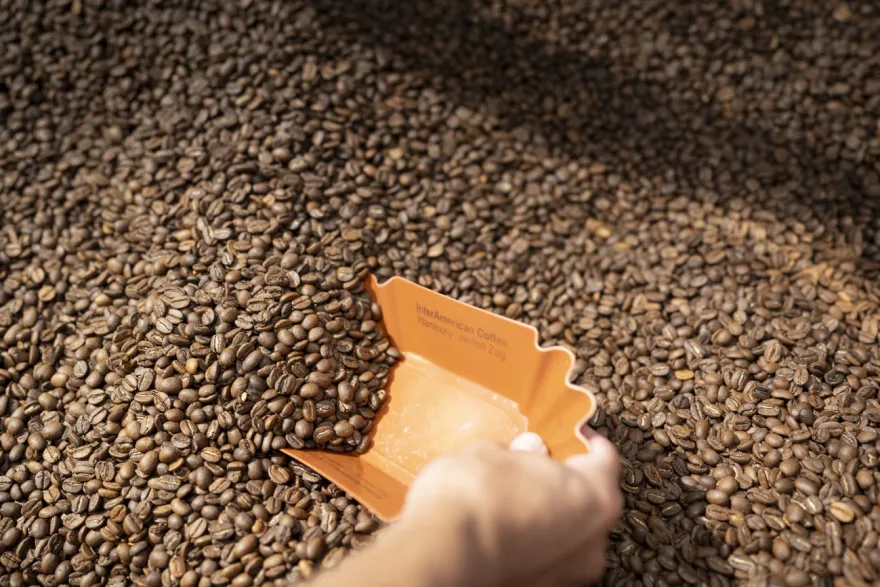
Nearly all green coffee arrives via the Rhine River. Beans first reach seaports such as Antwerp, Rotterdam, or Hamburg. Barges then transport them up the Rhine to Basel, where many large green coffee trading companies have set up their headquarters.

‘Coffee Valley’ and Global Leadership in Coffee Machines

Around Lake Geneva and in eastern Switzerland, entire ecosystems have developed. Experts often call this region “Coffee Valley.” It hosts not only giants like Nestlé (with Nescafé and Nespresso) but also the industry’s technology leaders.

Switzerland is the undisputed leader in the market for fully automatic coffee machines. About 70% of all such machines sold worldwide come from Switzerland. Leading manufacturers include Jura, Schaerer, and Thermoplan. Thermoplan, for example, supplies all coffee machines for Starbucks branches worldwide. Swiss suppliers of highly specialized precision components also drive this success. These plastic parts must withstand extreme pressures of up to 20 bar and temperatures of 100°C—essential for brewing fine espresso.

Switzerland as a Global Green Coffee Trading Hub

Switzerland’s role as a commodity trading center also explains its coffee dominance. According to the Swiss Trade Monitor, an estimated 60% to 70% of the global green coffee trade passes through Swiss desks. In addition, more than 40 members of the Swiss Coffee Trade Association control over half of all green coffee traded worldwide.

Export figures jumped sharply from the early 2000s onward, largely due to the success of capsule systems. Market leader Nespresso produces its capsules for the global market exclusively in three Swiss factories. Switzerland is also a major exporter of instant coffee and other highly processed specialties positioned in premium segments worldwide.

Key Data: Switzerland and the Global Coffee Trade

Indicator Value
Switzerland’s global coffee export rank Second (after Brazil)
Annual coffee export value 3.3 billion CHF ($4.2 billion)
Green coffee import price (per kg) $5.00
Roasted coffee export price (per kg) $26.80
Coffee’s share of Swiss agricultural exports 33%
Global market share of Swiss automatic coffee machines 70%
Estimated global green coffee trade via Swiss desks 60–70%

The Dark Side: Colonial Roots and Ethical Challenges

Any celebration of Switzerland’s coffee success must acknowledge the industry’s colonial origins. Although Switzerland never had its own colonies, prominent Swiss families owned coffee plantations. The Escher family, for example, owned a coffee plantation in Cuba. According to historical records, slaves guarded by dogs worked there for 14 hours a day. Some Swiss families were also deeply involved in transporting slaves and coffee—a practice researchers call “triangular business.”

Today, the industry still struggles with its image. Ecological and social problems persist in coffee-growing countries. After the European Union enacted a regulation on deforestation-free products, Switzerland launched the Swiss Platform for Sustainable Coffee. Targeted projects aim to improve living conditions for small farmers and make supply chains more transparent. However, critics doubt the platform’s success. They note that the model relies on voluntary action rather than binding legal obligations.

Therefore, the final chapter of the Swiss coffee saga remains unwritten. Global interdependencies continue to draw criticism, and sustainability challenges await stricter, more effective solutions.

Frequently Asked Questions (FAQ)

1. How does Switzerland export coffee without growing it?

Switzerland imports green coffee beans from producing countries, then roasts and processes them locally. Under international trade law, roasting counts as “substantial transformation,” allowing Swiss origin labeling.

2. What is the annual value of Swiss coffee exports?

Switzerland exports coffee worth about 3.3 billion Swiss francs ($4.2 billion) per year, making it the world’s second largest exporter after Brazil.

3. What share of the global coffee machine market does Switzerland hold?

Swiss companies produce approximately 70% of all fully automatic coffee machines sold worldwide, led by Jura, Schaerer, and Thermoplan.

4. What is “Coffee Valley” in Switzerland?

“Coffee Valley” refers to the ecosystem around Lake Geneva and eastern Switzerland, where major companies like Nestlé (Nespresso, Nescafé) and coffee machine technology leaders are based.

5. What criticisms does the Swiss coffee industry face?

Critics point to colonial-era roots (Swiss-owned plantations using slave labor) and ongoing environmental and social issues in producing countries. They also argue that Switzerland’s sustainability model is voluntary, not legally binding.

6. How did capsule coffee boost Swiss exports?

Nespresso produces all its capsules exclusively in three Swiss factories. The success of capsule systems from the early 2000s sharply increased Swiss coffee exports, especially in high-value product categories.

Coffee World – Report based on data from Swissinfo.ch, University of St. Gallen’s Swiss Trade Monitor, and the Swiss Coffee Trade Association.
Published: May 16, 2026 | Figures subject to updates based on latest official releases.

Nestlé Officially Confirms Sale of Blue Bottle Coffee to Owner of China’s Luckin Coffee

VEVEY, Switzerland – Qahwa World

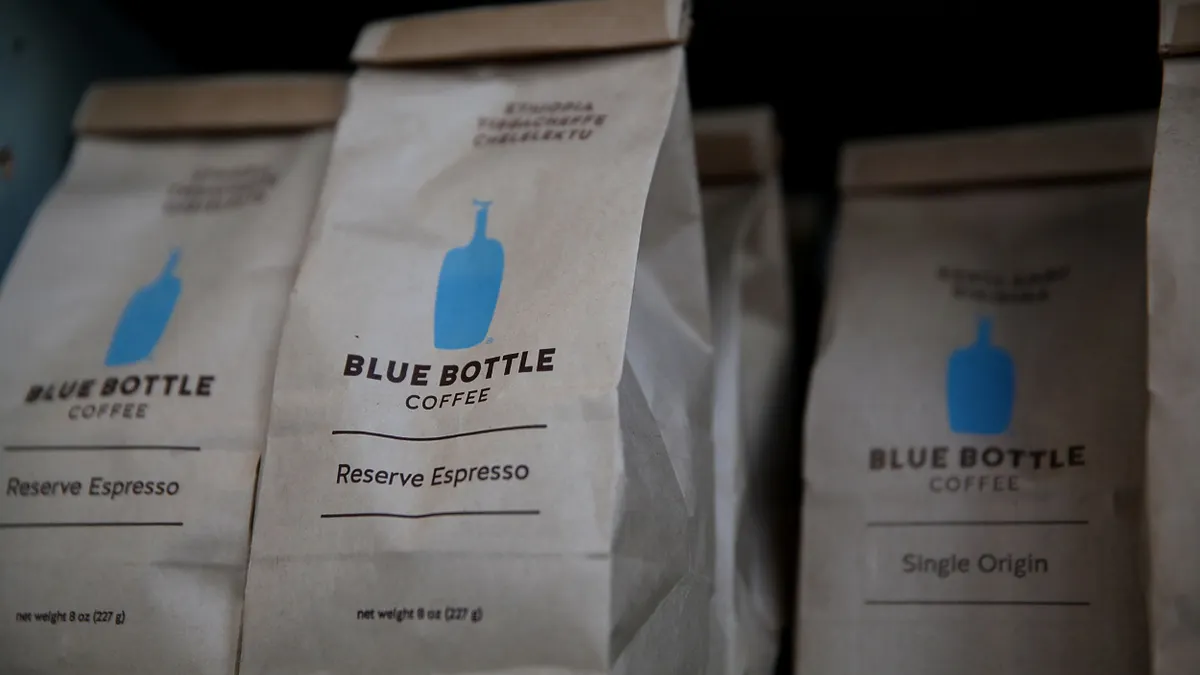
In a decisive move reshaping the global coffee landscape, Nestlé has officially confirmed the sale of its majority stake in the renowned brand “Blue Bottle Coffee” to Centurium Capital, the private equity firm that is the largest shareholder in China’s Luckin Coffee.

This announcement, made in conjunction with the company’s first-quarter 2026 earnings report, marks the conclusion of the Swiss giant’s nearly decade-long venture into the high-end specialty coffee retail sector.

Centurium Capital is the primary investment power behind Luckin, which is currently the largest coffee chain in China.

Under this agreement, Centurium will acquire Blue Bottle’s entire global retail network of approximately 140 luxury locations, as well as the majority of the consumer packaged goods business associated with the brand.

While this sale signals Nestlé’s retreat from managing physical storefronts, the company has not entirely abandoned the brand’s marketing power. In a strategic move aimed at boosting profitability and focusing on high-growth segments, Nestlé will retain the exclusive rights to produce and market Blue Bottle-branded coffee capsules designed for the Nespresso system.

This strategic separation allows Nestlé to shed the high operational costs linked to property management and labor in physical cafes while retaining the most profitable and expandable segment: the at-home and packaged coffee sector.

Philipp Navratil, CEO of Nestlé, stated that this step is part of a comprehensive portfolio review to strengthen core brands and achieve sustainable growth.

Financial details of the deal were not officially disclosed by either party, but industry sources and reports circulating since March 2026 suggest the transaction value is approximately $400 million. If these figures are accurate, they represent a notable decline from the brand’s $700 million valuation in 2017, when Nestlé originally purchased its 68 percent stake for roughly $425 million.

According to experts, this valuation reflects the significant challenges large corporations face in scaling “artisanal” brands without losing their distinct identity. When Nestlé first acquired Blue Bottle, the bet was on the possibility of maintaining the brand’s soul while expanding globally. However, the operational complexities of maintaining high quality standards across 140 different locations proved to be a major challenge against Nestlé’s efficiency goals.

For Centurium Capital, adding Blue Bottle to its portfolio provides a luxury pillar to complement the massive dominance of Luckin Coffee in the general consumer market. Luckin Coffee currently operates more than 31,000 locations and is following an unprecedented global expansion path.

Through the acquisition of Blue Bottle, Centurium will gain immediate entry into the ultra-premium specialty coffee segment without compromising Luckin Coffee’s reputation based on speed and technology.

Sources indicate that Centurium intends to keep the two brands completely separate, with Blue Bottle serving as a “prestige” offering for the group, particularly in high-end Asian shopping malls where demand for luxury brands is steadily increasing.

From a specialized coffee journalism perspective, this deal represents a pivotal moment in the industry’s history.

It suggests that the era of large global companies buying artisanal roasters has begun to shift toward more specialized ownership models. It also highlights the ongoing migration of global coffee trade centers toward Asian markets.

The presence of a Chinese-backed private equity firm at the head of a leading American brand like Blue Bottle reflects the new geopolitical reality of the coffee industry.

With the deal expected to finalize in the first half of 2026, specialty coffee experts are waiting to see if Blue Bottle can maintain its artisanal identity, born in Oakland, under the management of one of the most aggressive growth machines in the world.

Coffee Prices in the United States Reach Their Highest Levels in Decades

Dubai – Qahwa World

Coffee has become significantly more expensive across the United States, even after the recent removal of tariffs on imported beans. Shoppers continue to encounter elevated prices in supermarkets and cafés, raising questions about the reasons behind this sustained increase.

Data from the U.S. Bureau of Labor Statistics shows that the average retail price of roasted coffee rose from $6.47 to $9.14 per pound in the 12 months leading up to September, an increase of roughly 41%. The nearly $3 jump is far steeper than the typical price fluctuations seen during volatile market periods, making the rise particularly notable to consumers.

The impact is evident on store shelves. A TikTok video posted in August drew attention to the rising cost of large containers of Maxwell House coffee at Walmart stores, where a 38.2-ounce tub reached $21.44 after nearly doubling in price within a year. The post struck a chord with many viewers who shared similar experiences with rising grocery bills.

Other major brands, such as Nespresso and Folgers, have also raised prices over the past year. Café prices have continued in the same direction: according to data tracked by the restaurant-software company Toast, the average price of a regular cup of coffee increased from $3.46 to $3.57 in the year ending October 2025.

Industry analysts describe this period as one of the most pronounced and sustained increases in coffee prices since the early 1980s, when the Bureau of Labor Statistics began monitoring retail coffee trends. Several major factors lie behind the surge:

• Weather-related disruptions in 2024, including drought and heavy rainfall in key producing regions such as Brazil and Vietnam, significantly affected yields.

• Coffee futures climbed sharply, rising from around $2 per pound in May 2024 to approximately $4 in April 2025, increasing the cost burden on importers and roasters.

• Tariffs introduced by the U.S. government in April 2025 added further pressure, with 10% duties placed on imports from several Latin American countries, about 20% on Asian suppliers, and a steep 50% tariff on Brazilian coffee.

During the period in which tariffs were applied, average retail prices rose by roughly 21%. In mid-November, the U.S. administration began rolling back these trade measures. Duties were removed for nearly all producing countries, and the remaining 40% tariff on Brazilian coffee was lifted shortly afterward, effectively ending the tariff structure for most major exporters.

Experts expect that it will take time for changes in import and wholesale prices to filter through to retail shelves, since consumer pricing tends to lag behind market adjustments. Still, the removal of tariffs is broadly seen as a step toward easing cost pressures in the months ahead.

Nestlé to Reduce Workforce as Part of Cost-Saving Drive

Dubai – Qahwa World

Nestlé, the Swiss multinational food and beverage corporation, has revealed plans to cut roughly 6% of its global workforce over the next two years as part of a broad efficiency initiative.

Under new CEO Philipp Navratil, the company aims to eliminate about 16,000 positions. Of these, around 12,000 will be in corporate and administrative roles, while the remaining 4,000 will affect manufacturing, logistics, and supply-chain operations.

The job cuts respond to persistent cost pressures and two consecutive quarters of revenue decline. In the first nine months of 2025, Nestlé’s sales fell by 1.9% year-on-year to CHF 65.9 billion ($76.8 billion). Nonetheless, the company credited its coffee and confectionery divisions—underpinned by price increases—for delivering solid growth.

Navratil is pushing to expand Nestlé’s cost-savings target from CHF 2.5 billion to CHF 3 billion by the end of 2027. He described the cuts as “hard but necessary,” noting that while Nestlé’s size offers advantages, it also brings complexity and inefficiencies that must be addressed.

According to the company, the planned reductions in corporate staffing are expected to yield approximately CHF 1 billion in annual savings. Efficiency drives in the production and supply chain segments are intended to support further cost mitigation through automation and operational consolidation.

While Nestlé’s nutrition segment and operations in China were among the weaker performers, the coffee segment showed resilience—even as commodity prices remained elevated and consumer spending softened in many markets.

In particular, the company implemented an average price increase of 7.4% across key coffee and confectionery brands such as Nescafé and Nespresso—moves that helped support growth across all regions. Nestlé also reported strong momentum in its ready-to-drink and coffee concentrate lines, especially in Asian and Oceanic markets.

The decision to downsize globally underscores the intense cost pressures faced by one of the world’s largest food and beverage companies. Even strong-performing sectors like coffee could not completely offset rising production and raw-material expenses, particularly for green coffee and cocoa.

In the coffee commodities market, both Arabica and Robusta prices remain at historically high levels. In September 2025, Arabica futures exceeded $4 per pound for the first time since April, while Robusta prices hovered near $5,694 per tonne—strained by adverse weather, reduced yields in Brazil and Vietnam, and continued supply chain disruptions.

Nestlé Appoints Alfonso Gonzalez Loeschen as New Nespresso CEO

Nestlé has named Alfonso Gonzalez Loeschen as the new CEO of Nespresso, effective 1 November 2025.

Loeschen, who has served as CEO of Nespresso North America since January 2020, succeeds Philipp Navratil. Earlier this month, Navratil was promoted to CEO of Nestlé Group following the dismissal of Laurent Freixe.

Since joining Nestlé in 1992, Loeschen has held multiple senior positions, including General Manager for Nestlé Puerto Rico (20122014) and Chief Marketing Officer at Nespresso (20152019). With his new role, he will also join Nestlé’s Executive Board.

Under his leadership in North America, Nespresso successfully expanded its Vertuo system across the US, Canada, and Mexico, achieving double-digit growth in both sales and volume. Nestlé praised Loeschen’s track record, citing his ability to drive performance and inspire teams.

“Alfonso’s extensive expertise and deep understanding of the portioned coffee category, along with his results-focused approach and talent to inspire teams, will enable him to drive performance and execution,” said Navratil.

Founded in 1985, Nespresso now operates in 81 markets and runs more than 800 retail boutiques across 76 countries.

The appointment is the latest in a series of leadership changes at Nestlé. In addition to Freixe’s dismissal and Navratil’s promotion, Nestlé announced that Pablo Isla will take over as Chairman on 1 October 2025seven months earlier than plannedafter Paul Bulcke agreed to step down following investor pressure over his leadership and decision-making.

Nestlé Investors Push for Leadership Change as Chair Paul Bulcke Faces Criticism

Geneva, September 16, 2025 – (Qahwa World) – A group of Nestlé’s major investors is urging long-serving Chair Paul Bulcke to step down before his scheduled retirement in April 2026, citing dissatisfaction with his handling of recent corporate challenges and leadership transitions.

According to reports in the Financial Times, shareholders have grown frustrated with Bulcke’s leadership after the abrupt dismissal of CEO Laurent Freixe, who left the company on September 1, 2025, following an investigation into an inappropriate relationship with an employee. Freixe’s departure marked the third change in Nestlé’s top executive role in just over a year, following Mark Schneider’s resignation in August 2024. Philipp Navratil, formerly head of Nespresso, has now taken over as CEO.

Investors argue that Bulcke, who launched an internal probe earlier this year but failed to substantiate the allegations against Freixe until a second investigation was carried out with external counsel, did not act decisively enough. Some shareholders have called for Pablo Isla, the designated successor, to assume the chairmanship immediately.

“Paul Bulcke has lost the trust of investors,” one shareholder was quoted as saying, stressing that he should leave the position without waiting until next year.

Bulcke’s long tenure with Nestlé dates back to 1979, including eight years as CEO before becoming Chair in 2017. He announced in June 2025 that he would not seek re-election.

The leadership turmoil has weighed heavily on Nestlé’s stock, which fell 5% after Freixe’s dismissal, closing at CHF 71.86 ($90.85) on September 16. Since 2022, the company’s shares have dropped nearly 40% amid two consecutive years of declining sales.

Nestlé has struggled with weaker performance across its dairy, culinary, pet care, infant nutrition, and water divisions. However, its coffee portfolio remains resilient. Nescafé, Nespresso, and the Starbucks ready-to-drink range all recorded strong results, with double-digit growth in the Americas and mid-single-digit gains in Europe during the first half of 2025.

Who Is Nestlé’s New Leader, Philipp Navratil?

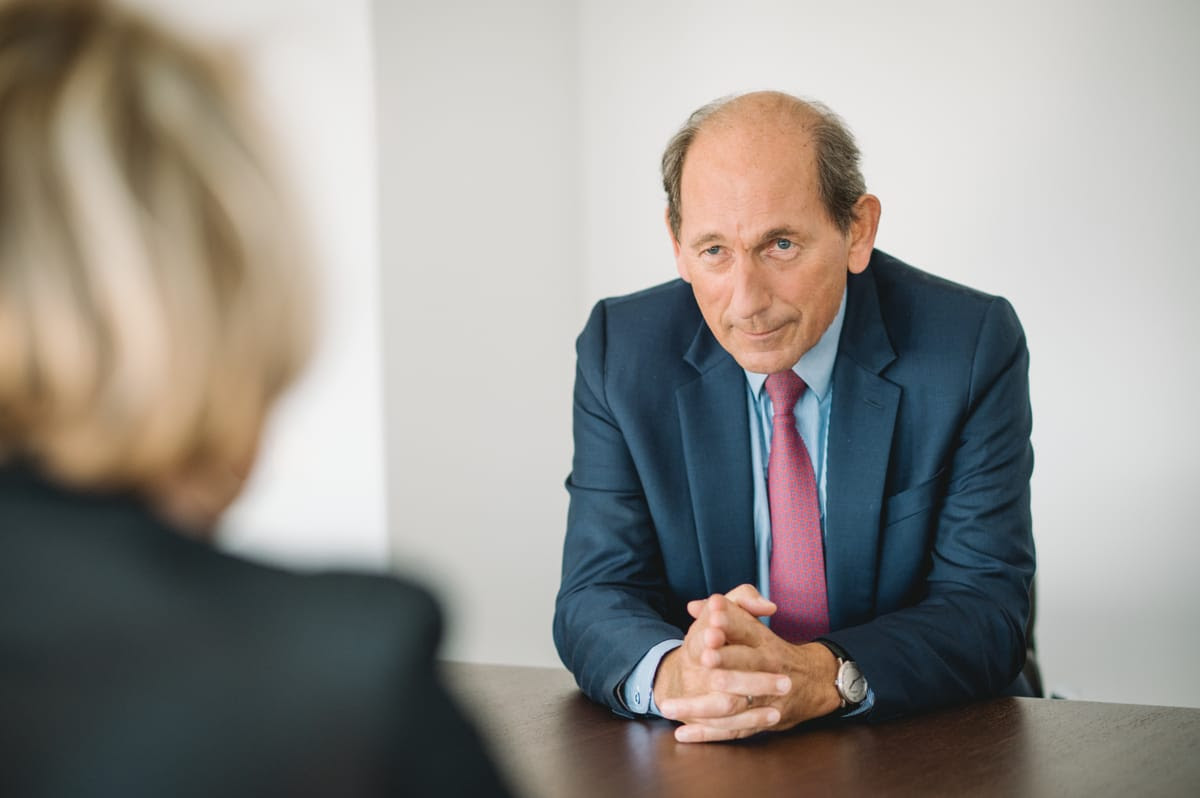
Dubai, September 2, 2025 – (Qahwa World) – Nestlé has appointed Philipp Navratil as its new Chief Executive Officer following the dismissal of Laurent Freixe, who was removed after an internal investigation confirmed a breach of the company’s Code of Business Conduct.

Navratil, 49, a Swiss-Austrian national, brings more than two decades of experience within Nestlé and is widely recognized for his leadership in the global coffee sector. He joined the company in 2001 and steadily advanced through international roles, including Country Manager of Nestlé Honduras in 2009, Coffee & Beverages Business Lead in Mexico in 2013, and Senior Vice President heading the Coffee Strategic Business Unit in 2020. In July 2024, he was appointed CEO of Nespresso and became a member of Nestlé’s Executive Board in January 2025.

“Philipp has an impressive track record in delivering results across diverse markets and is known for his dynamic leadership and collaborative management style,” said Nestlé Chairman Paul Bulcke, who himself is set to step down in 2026 after 47 years with the company.

Navratil assumes the top job at a critical time. Nestlé reported a 1.8% revenue decline in 2024 to CHF 91.3 billion ($10.1 billion) and a further 1.8% drop in the first half of 2025. Despite the overall slowdown, the company’s coffee business remains strong, with double-digit growth in the Americas and mid-single-digit growth in Europe during the first six months of 2025. Price increases averaging 6% across retail coffee ranges also helped drive category performance.

Industry observers say Navratil’s appointment underscores Nestlé’s reliance on its coffee portfolio — one of the group’s fastest-growing categories — to stabilize sales and restore momentum. His immediate challenge will be to rebuild investor confidence and strengthen Nestlé’s global position following a period of turbulence at the top.

Romantic Affair Ousts Nestlé CEO and Puts Philipp Navratil in the Spotlight

Dubai, September 2, 2025 – (Qahwa World) – Nestlé has dismissed its Chief Executive Officer Laurent Freixe after nearly four decades at the Swiss food and beverage giant, citing a breach of its Code of Business Conduct. He has been immediately replaced by Philipp Navratil, the Global CEO of Nespresso.

In an official statement, Nestlé said the decision followed an investigation into an undisclosed romantic relationship between Freixe and a staff member, which violated company policy. Freixe, who joined the company in 1986, rose through the ranks to lead its European and Americas segments before heading Latin America in 2022. He was appointed Group CEO in August 2024 following the resignation of Mark Schneider. Freixe has also stepped down from the company’s Executive Board, where he had served since 2008.

“This was a necessary decision. Nestlé’s values and governance are strong foundations of our company. I thank Laurent for his years of service at Nestlé,” said Chairman Paul Bulcke, who himself will step down next year after 47 years with the group.

Navratil, a seasoned coffee executive, now takes the top job at one of the world’s largest food companies. Over the past 18 months, he has led Nespresso globally and previously held senior roles as Coffee Business Executive Officer for Nestlé Mexico and Head of its Coffee Strategic Business Unit.

“Philipp is recognised for his impressive track record of achieving results in challenging environments. Renowned for his dynamic presence, he inspires teams and leads with a collaborative, inclusive management style,” Bulcke added.

The leadership change comes at a critical moment. Nestlé is grappling with declining sales after reporting a 1.8% revenue drop in 2024 to CHF 91.3bn ($10.1bn), followed by another 1.8% fall in the first half of 2025. Despite the broader downturn, coffee has remained a strong performer. The company reported double-digit sales growth in the Americas and mid-single-digit growth in Europe during the first half of 2025, helped by a 6% average price increase across its retail coffee ranges.

Nestlé’s swift action underscores the company’s strict governance standards, but it also disrupts the stability it was seeking after Freixe’s short-lived tenure. Navratil now faces the challenge of steering the company through weak overall performance while leveraging coffee — one of Nestlé’s strongest categories — to restore momentum.