International Coffee Partners Support Integrated Livelihoods and Strengthen Women in the Coffee Sector in 2025

Source: International Coffee Partners – 2025 Annual Report |
Author: Qahwa World |
Date: June 19, 2026

International Coffee Partners Support Integrated Livelihoods and Strengthen Women in the Coffee Sector in 2025

Key Takeaways:

  • International Coffee Partners (ICP) reached 12,819 smallholder coffee farming households across 5 countries in 2025, with a new project launched in Ethiopia.
  • Household income increased in Brazil from USD 16,033 to USD 18,170, and in Honduras from USD 7,938 to USD 10,372.
  • Indonesia saw income jump from USD 2,925 to USD 4,781, while Tanzania increased from USD 1,227 to USD 1,441 and Uganda from USD 1,793 to USD 1,949.
  • The Women’s Empowerment Index improved significantly: from 52% to 63% in Brazil, 61% to 68% in Honduras, and 65% to 84% in Tanzania.
  • 45% of women and 21% of youth participated in project activities and trainings in 2025, with 487 farmer organizations engaged.
  • Since its founding in 2001, ICP has implemented 28 projects in 13 countries, reaching 125,700 households with investments of EUR 25 million.

International Coffee Partners (ICP) released its 2025 Annual Report, revealing continued efforts to support smallholder coffee farmers across five countries: Brazil, Honduras, Indonesia, Tanzania, and Uganda, with a new project launched in Ethiopia. Despite rising global coffee prices delivering short-term income gains, climate variability and continued dependence on favorable market conditions highlighted the sector’s cyclical nature and farmers’ exposure to global market fluctuations.

Smallholder coffee farmers continue to face significant challenges related to volatile markets, climate variability, and limited access to services and finance. These challenges are most pronounced in rural areas where livelihoods depend on climate-sensitive agricultural systems and often lack sufficient diversification, making households vulnerable to both climate and market-related shocks.

2025 Figures and Achievements: 12,819 Households Reached and New Project in Ethiopia

In 2025, ICP projects supported 12,819 smallholder coffee farming households across the five countries, with core activities including capacity building, climate-smart agriculture, livelihood diversification, strengthening farmer organizations, and inclusion of women and youth. The “CAFE Legacy” project was launched in Ethiopia, working with 10 cooperatives and one cooperative union, reaching over 2,000 members and indirectly benefiting approximately 12,000 coffee farming households.

Country Households Income 2024 (USD) Income 2025 (USD) WEI 2024 WEI 2025
Brazil 1,157 16,033 18,170 52% 63%
Honduras 2,303 7,938 10,372 61% 68%
Indonesia 3,607 2,925 4,781 70% 72%
Tanzania 3,620 1,227 1,441 65% 84%
Uganda 2,132 1,793 1,949 64% 66%

Source: ICP 2025 Annual Report. WEI = Women’s Empowerment Index.

Key Results by Country: Income Growth and Women’s Empowerment at the Forefront

Brazil: Average annual household income rose from USD 16,033 to USD 18,170, with the share of farmers practicing record keeping increasing from 54% to 72%. The Women’s Empowerment Index increased from 52% to 63%, reflecting stronger joint decision-making and agency at household level.
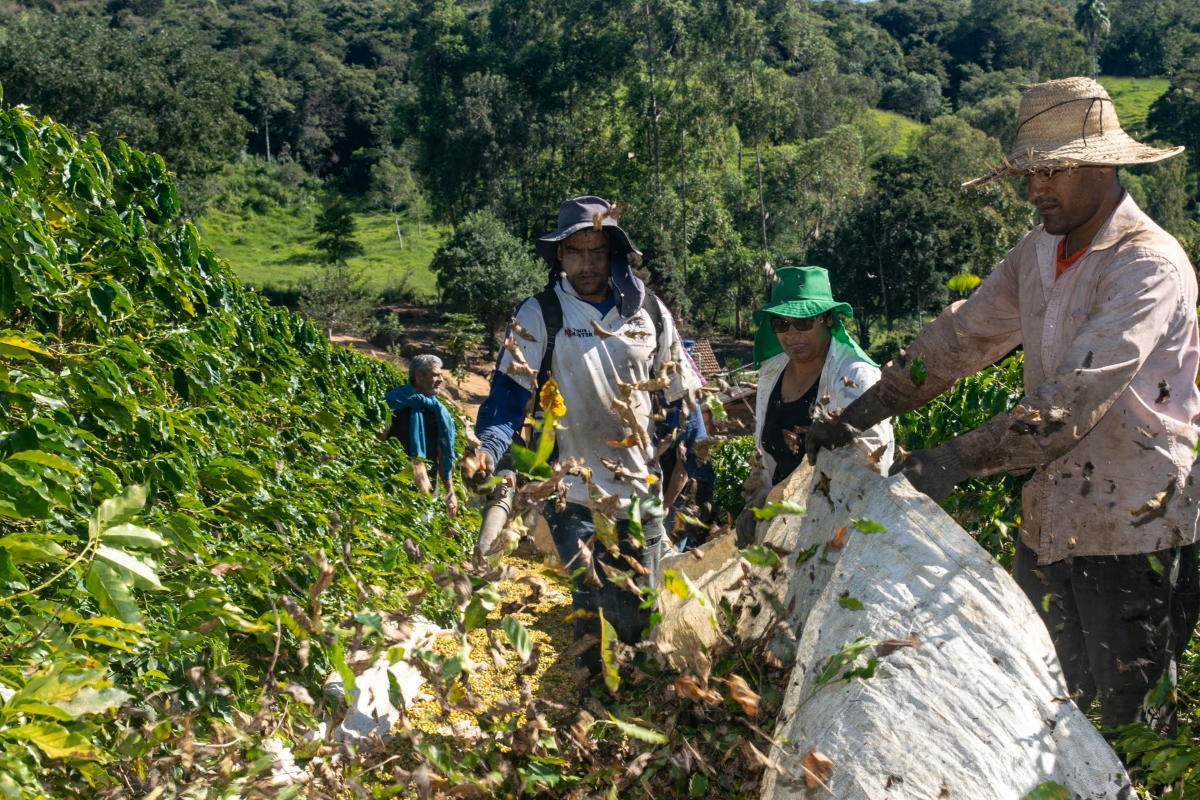
Honduras: Average annual household income increased from USD 7,938 to USD 10,372, with the Women’s Empowerment Index rising from 61% to 68%, alongside improved adoption of Good Agricultural Practices and Climate-Smart Agriculture.
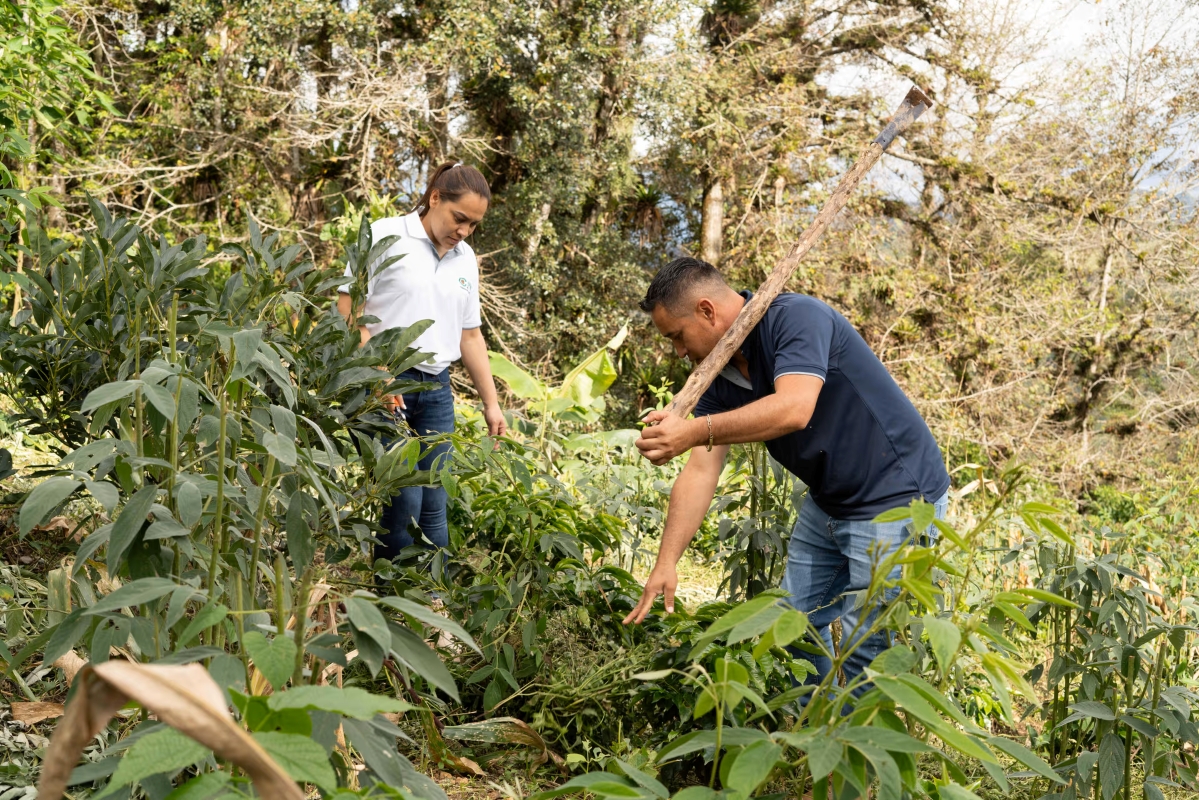
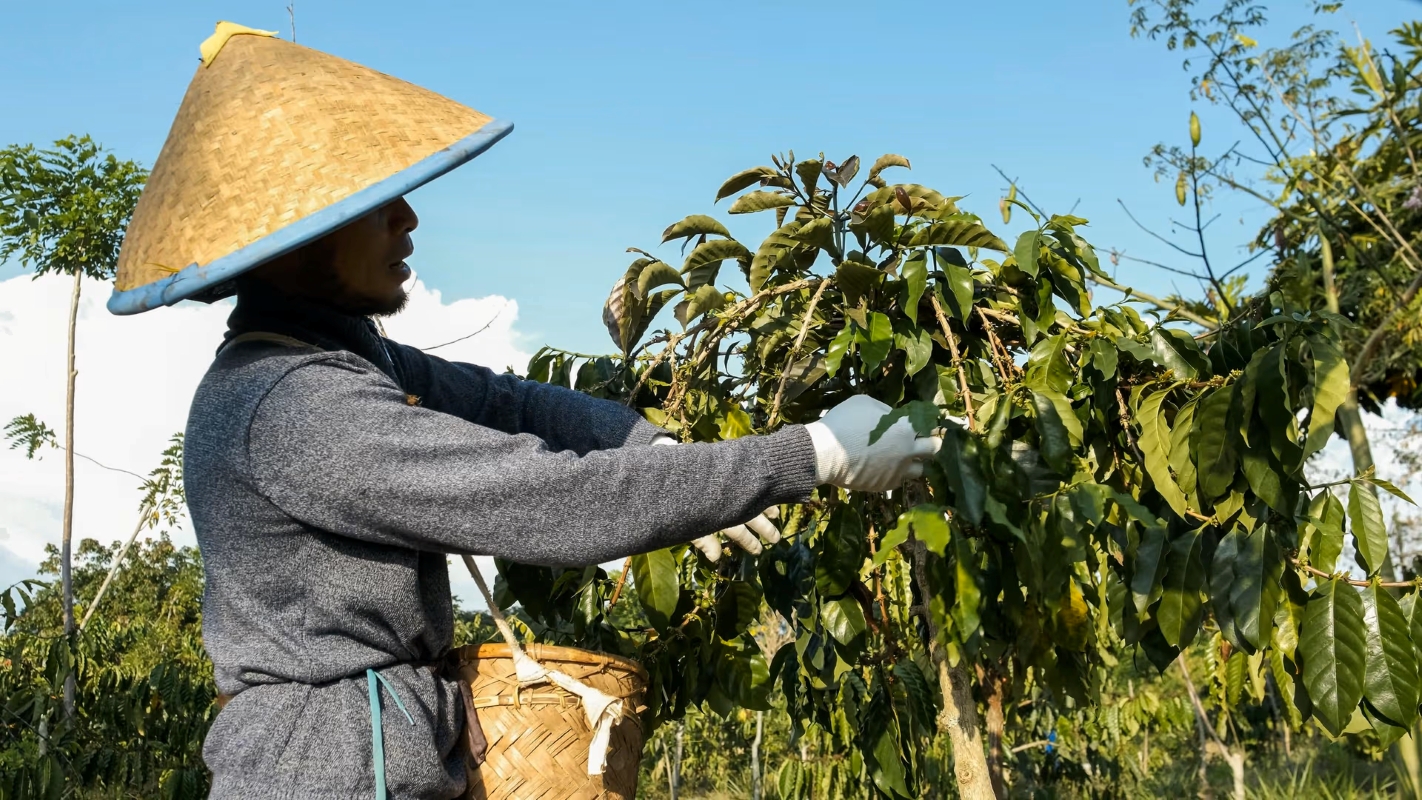
Indonesia: The highest relative income increase was recorded, from USD 2,925 to USD 4,781, with a focus on women’s economic empowerment through women’s groups and improved farming practices.
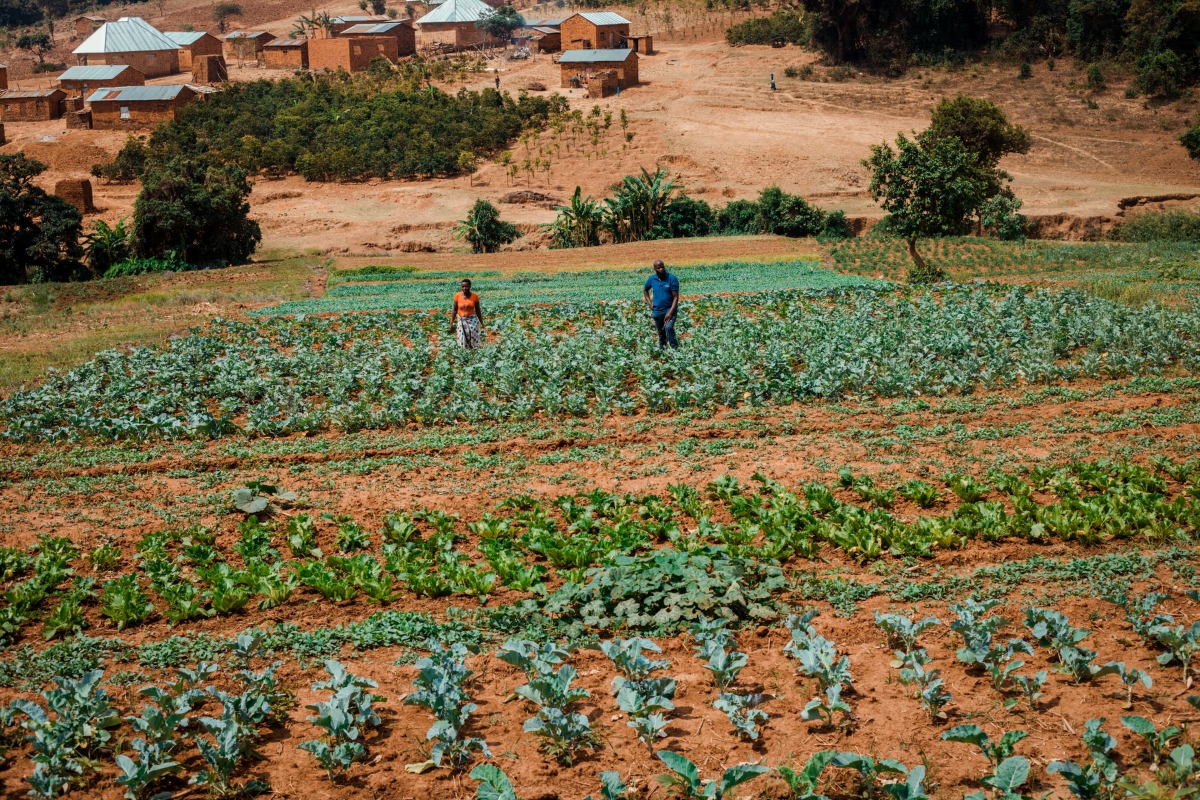
Tanzania: Average annual household income increased from USD 1,227 to USD 1,441, with a notable increase in the Women’s Empowerment Index from 65% to 84%, reflecting significant progress in women’s participation in decision-making and cooperative leadership.
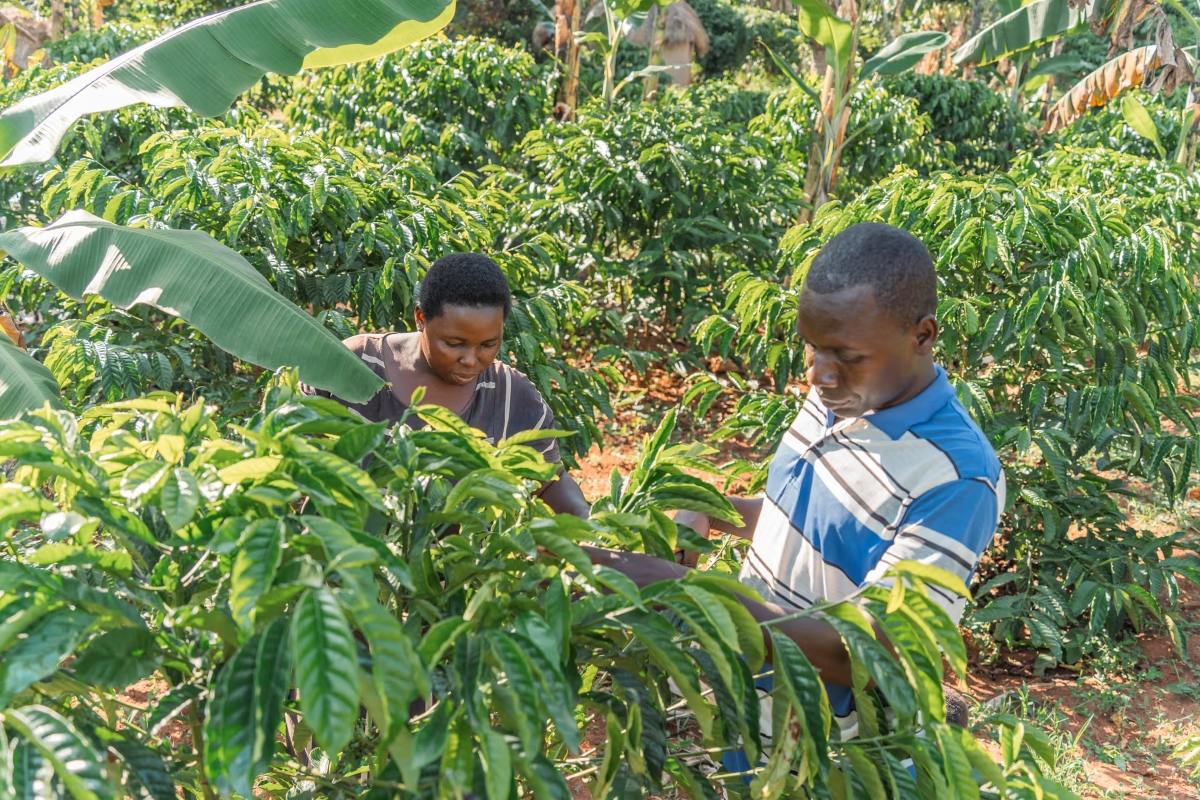
Uganda: Average annual household income increased from USD 1,793 to USD 1,949, with an integrated approach combining participatory climate planning, Farmer Field School training, and cooperative strengthening.
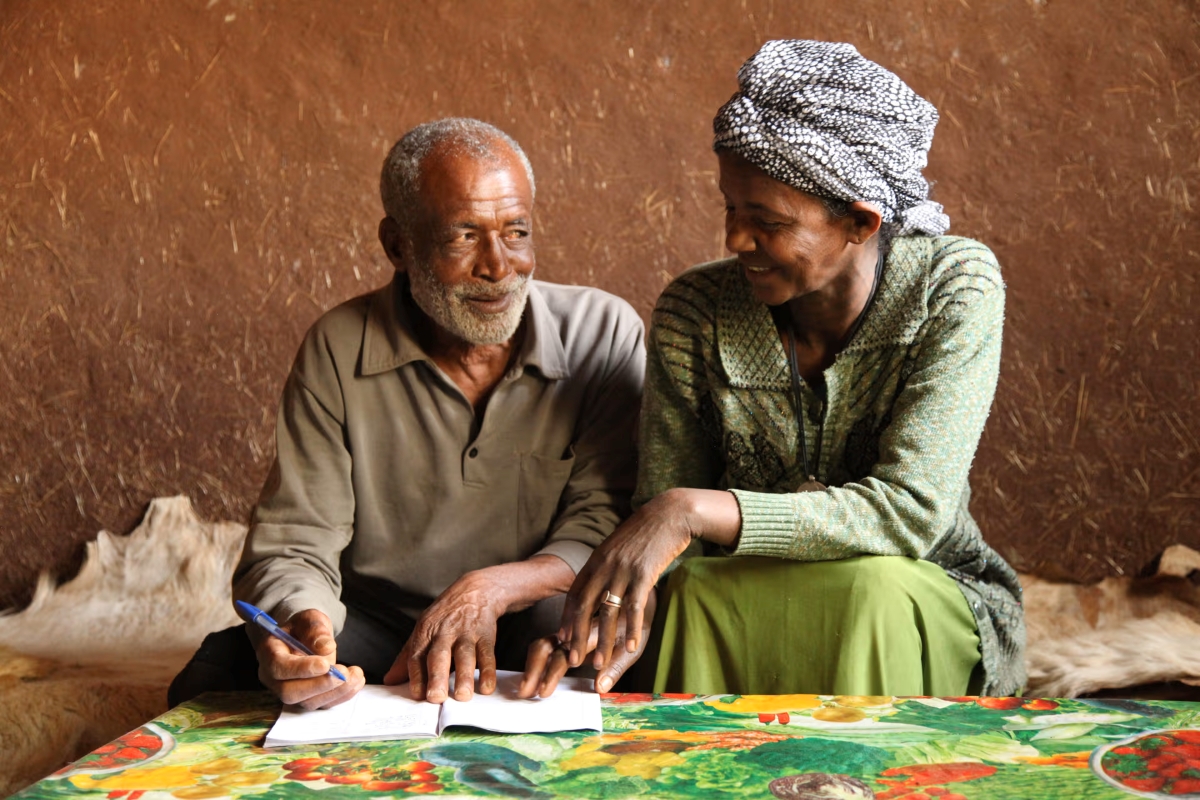
Ethiopia: In 2025, the “CAFE Legacy” (Coffee Alliances for Ethiopia) project was launched, building on the achievements of previous CAFE projects in which ICP worked closely with smallholder farmers and farmer organizations to enhance skills, productivity, and climate resilience. The project will collaborate with 10 coffee cooperatives and one cooperative union, reaching more than 2,000 cooperative members, including women and youth, and will indirectly benefit approximately 12,000 coffee farming households. Key focus areas include: strengthening cooperative governance and management capacity, improving business performance and market competitiveness, enhancing coffee quality through improved post-harvest handling and standards, promoting youth and women’s participation and leadership, and supporting infrastructure such as drying beds and storage facilities.
Women as Drivers of Transformation – Empowerment Index Shows Notable Improvement

ICP emphasizes that women’s empowerment strengthens the economic resilience and productivity of coffee-farming households and communities. The Women’s Empowerment Index saw notable improvements across all countries, particularly in Tanzania from 65% to 84%, Honduras from 61% to 68%, and Brazil from 52% to 63%. Activities included gender and youth-focused approaches to enhance participation and economic opportunities.

Global Presence: 28 Projects in 13 Countries, Reaching 125,700 Households

Since its founding in 2001, ICP has implemented 28 projects in 13 countries, reaching 125,700 households with total investments of EUR 25 million from ICP shareholders. ICP worked with 487 farmer organizations, and 45% of women and 21% of youth participated in project activities and trainings in 2025.

Institutional Partners and Estimated Returns

ICP’s institutional partners include Neumann Gruppe, EMS, EST, Café Gold, Kabi, and Nestlé. ICP estimates that every euro invested by its shareholders generates approximately 7 euros in social, environmental, and economic returns, reflecting the effectiveness of its integrated development model.

What Matters: Integrated Livelihood Support and Women’s Empowerment

ICP emphasizes that integrated livelihood support requires empowering smallholder farmers to assess risks, opportunities, and trade-offs in increasingly complex environments. Through a participatory and inclusive approach, content is tailored to local needs with continuous community feedback. Training and technical support are linked to institutional strengthening and inclusive economic development, enabling farmers to manage climate risks and access market opportunities. ICP believes that women can be key drivers of transformation and that empowering them strengthens the economic resilience and productivity of coffee-farming households and communities.

Frequently Asked Questions About the ICP 2025 Annual Report

Q: Which countries did ICP work in during 2025?

A: Brazil, Honduras, Indonesia, Tanzania, and Uganda, with a new project launched in Ethiopia.

Q: How many households benefited from ICP projects in 2025?

A: 12,819 smallholder coffee farming households.

Q: Which countries saw the highest income increases?

A: Indonesia saw the highest relative increase from USD 2,925 to USD 4,781, followed by Honduras from USD 7,938 to USD 10,372.

Q: How did the Women’s Empowerment Index improve?

A: It improved across all countries, with significant increases in Tanzania from 65% to 84%, Honduras from 61% to 68%, and Brazil from 52% to 63%.

Q: What are ICP’s cumulative investments and reach since its founding?

A: EUR 25 million invested, reaching 125,700 households across 13 countries.

The ICP 2025 Annual Report confirms that investing in smallholder coffee farmers, empowering women, and strengthening local institutions are essential pillars for building a more resilient and sustainable coffee sector. As climate and market challenges persist, integrated development models that place farmers at the heart of solutions are increasingly vital.

Prepared and edited by: Qahwa World – Based on the 2025 Annual Report of International Coffee Partners (ICP).

All rights reserved. Republication with attribution permitted.

Publication date: June 19, 2026
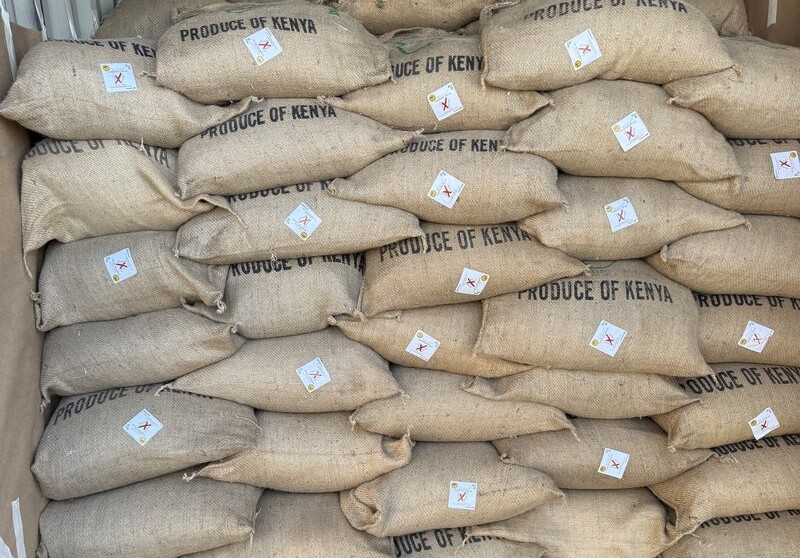
Kenya Coffee Production Rises Sharply with Record Output Expected in 2026

Author: Coffee World – Dubai | Source: News agencies and official sources | Date: 10 May 2026

  • Kenya’s coffee production rose to 51,400 tons in the 2024/2025 season
  • Production is forecast to grow by 13.3 percent in the 2025/2026 season
  • Kirinyaga county distributed record profits of 7.4 billion Kenyan shillings (approximately $57 million) to farmers
  • Total trade value at the Nairobi Coffee Exchange reached 24.7 billion shillings in the first half of the 2025/2026 season
  • Prices jumped from $35 per kilo in 2024 to $120 per kilo in 2026

Kenya’s coffee sector is experiencing an unprecedented boom, driven by a combination of rising global prices, improved farming practices, and ambitious government reforms. The latest data indicates record gains for farmers and the Kenyan economy, with expectations that this momentum will continue throughout the current season.

According to the 2026 Economic Survey released by the Kenya National Bureau of Statistics, the country’s coffee production rose to 51,400 tons during the 2024/2025 season, compared to 49,500 tons in the previous season. International experts forecast continued growth during the 2025/2026 marketing season, with estimates of a 13.3 percent increase in production. This optimism is attributed to farmers responding to higher prices, a slowdown in the conversion of agricultural land to real estate projects, and the long-awaited launch of government reforms.

Kenyan coffee prices have seen a dramatic jump, rising from $35 per kilo in 2024 to $60 per kilo in 2025, reaching a new record level of $120 per kilo in 2026, according to a report released by the African Coffee Trade Exhibition. This increase has been directly reflected in farmers’ incomes.

In a clear indicator of this qualitative shift, Kirinyaga county, one of Kenya’s largest coffee-producing regions, announced the distribution of record profits totaling 7.4 billion Kenyan shillings, equivalent to approximately $57.2 million, to farmers for the 2025/2026 season. Prices per kilo of fresh cherry ranged between 104 and 157 shillings, averaging 139 shillings per kilo, higher than the average of the previous season.

This boom is supported by structural reforms led by the Kenya Coffee Producers Association, in coordination with other government entities. Kenya’s Deputy President announced a comprehensive reform package in anticipation of the current season, including the provision of subsidized fertilizers and pesticides, simplification of operating licenses, and the approval of new laws to regulate the work of cooperatives and processing plants. These measures aim to eliminate intermediaries and ensure that fair returns reach farmers. The new laws are expected to entrench transparency and efficiency throughout the entire value chain.

The Nairobi Coffee Exchange continued its central role in marketing local coffee, achieving significant sales in the first half of the 2025/2026 season. The total trade value reached 24.7 billion Kenyan shillings, with more than 540,000 bags sold. The auctions witnessed strong demand from local and international buyers. Direct sales through specialized supply chains also contributed to enhancing returns, as major cooperatives continue to export their best coffee directly to international roasters. The sector looks forward to another promising season, with all stakeholders committed to continuing support for farmers and enhancing the competitiveness of Kenyan coffee in international markets.

Frequently Asked Questions

How has Kenya’s coffee production developed over the past two years?
Production has seen a notable increase, reaching 49,500 tons in the 2023/2024 season and rising to 51,400 tons in the 2024/2025 season. International experts forecast continued growth during the 2025/2026 season, supported by improving weather conditions and government reforms.

What are the reasons for the rise in Kenyan coffee prices?
The record price increase is attributed to several factors, most notably increased global demand for high-quality coffee beans, improved local production quality, and government reforms that have reduced the role of intermediaries and allowed for more transparent direct sales, positively reflected in farmers’ financial returns.

What are the most prominent results of Kenya’s coffee sector reforms?
The results have included improved infrastructure for cooperatives, increased technical support for farmers, and simplified export procedures, which have directly contributed to raising production efficiency, reducing waste, and ensuring a larger share of the final sale price reaches farmers.

What is the importance of the Nairobi Coffee Exchange?
The Nairobi Coffee Exchange remains the main transparent platform for marketing and determining coffee prices in Kenya. It brings together local and international buyers and plays a vital role in achieving price balance and ensuring market liquidity.

What do the record profits in Kirinyaga county mean?
The distribution of 7.4 billion Kenyan shillings in profits to Kirinyaga farmers is tangible evidence of the success of the reforms and rising global prices. It reflects the improved efficiency of cooperatives and their ability to secure better prices, which positively impacts the income of thousands of rural households and drives the local economy.


Author: Coffee World – Dubai | Source: News agencies and official sources

UNIDO and Coffee Leaders Invest in Uganda Coffee Seed Systems

Dubai – Qahwa World

A coalition of international organizations and leading coffee companies has announced a major investment aimed at reinforcing Uganda’s coffee seed systems and improving farmer livelihoods. The initiative, led by United Nations Industrial Development Organization (UNIDO) and World Coffee Research (WCR), brings together industry partners including JDE Peet’s, The J.M. Smucker Co., and the Lavazza Foundation.

The partners have committed €850,000 to a three-year program designed to strengthen supply chain resilience in Uganda, Africa’s largest coffee exporter. The project operates under the Advancing Climate-Resilience and Transformation in African Coffee Programme, implemented by UNIDO with support from Italian development cooperation.

The initiative focuses on expanding access to high-quality, disease-resistant planting materials, a critical factor in improving productivity across Uganda’s coffee sector. Farmers in the country continue to face significant challenges from diseases such as coffee wilt disease in robusta, as well as coffee leaf rust and coffee berry disease affecting arabica varieties. Research indicates that adopting resistant coffee varieties can increase smallholder farmer profits by as much as 250 percent.

Central to the program is the establishment of new seed system infrastructure. This includes the development of robusta mother gardens and nurseries across northern, central, and western Uganda. These facilities are expected to produce up to 460,000 high-yielding, disease-resistant coffee trees annually, contributing to the country’s target of reaching 20 million bags of coffee production by 2030.

Ensuring the genetic quality of planting material is another key component. More than 5,000 robusta plants will undergo genotyping to guarantee consistency and performance. The program also prioritizes capacity building, working closely with national institutions such as Uganda’s Ministry of Agriculture and the National Coffee Research Institute to train technicians in advanced propagation methods and quality assurance practices. International training opportunities, including collaboration with leading research centers, are also planned.

To encourage adoption among farmers, demonstration plots will be established to showcase the performance of improved robusta lines and advanced arabica hybrids under local conditions.

The initiative builds on a broader roadmap for coffee research and development in Uganda, developed by national research bodies in collaboration with WCR. It also aligns with growing international support for increased public-sector investment in agricultural innovation, including commitments highlighted during the G7 Summit.

Industry leaders say the partnership reflects a shared commitment to securing the future of coffee production through collective action. By combining scientific research, public-sector support, and private-sector investment, the program aims to create a more resilient, productive, and sustainable coffee value chain in Uganda.

Rising Heat Threatens the Future of Coffee

New York – Qahwa World

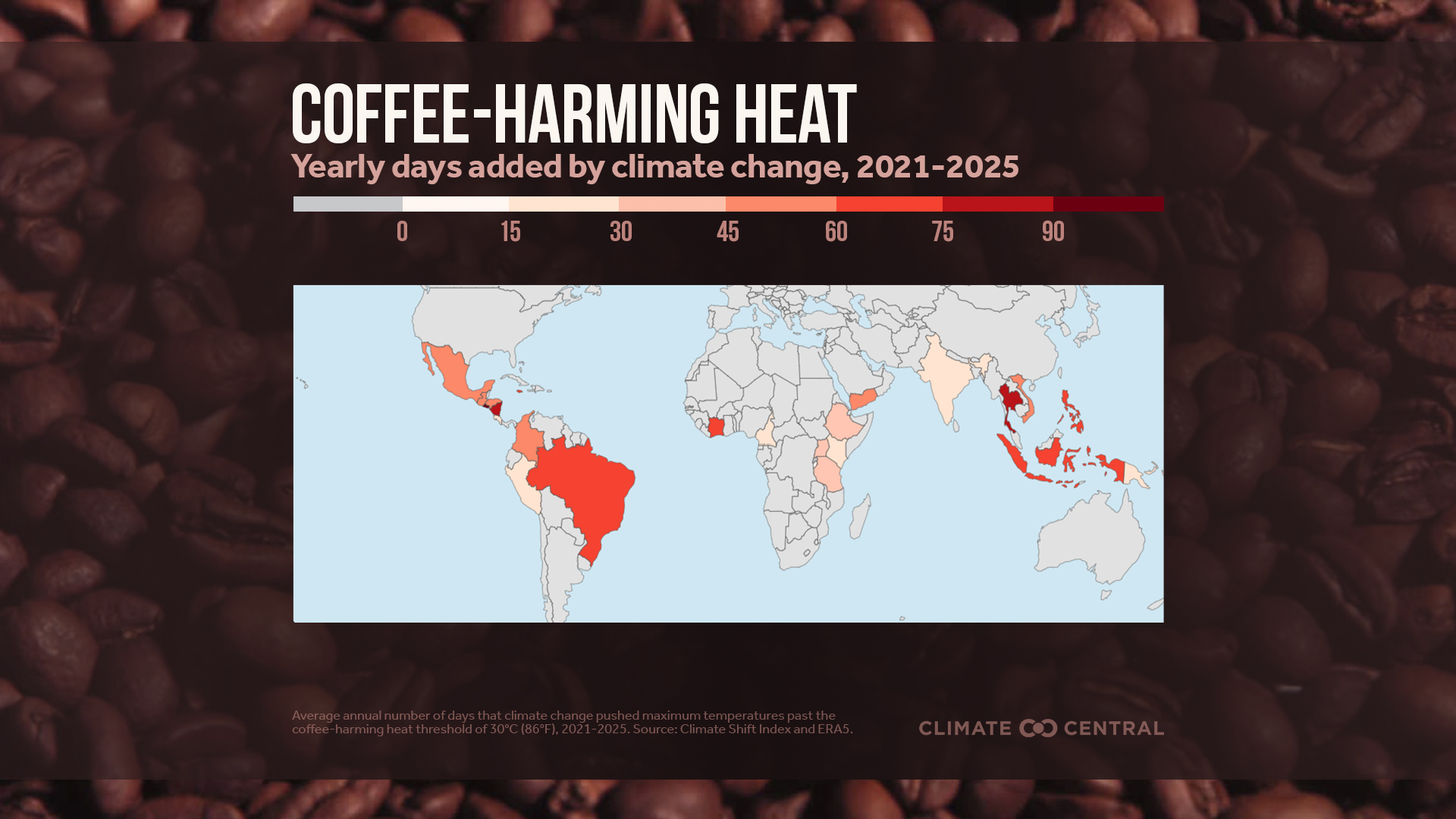
A new analysis by Climate Central (an independent group of scientists and communicators that studies and reports on climate change and its impacts on people’s lives, operating as a policy-neutral nonprofit) is raising a clear warning for the global coffee industry.

Data shows that coffee-growing regions across Latin America, Africa, and Southeast Asia are experiencing rising temperatures at an accelerated pace, faster than at any time in the modern agricultural era. An analysis of daily temperatures across coffee-producing areas reveals that plants are increasingly exposed to heat levels beyond their natural limits, placing significant pressure on yields, bean quality, and farm sustainability.

The findings indicate that extreme heat events exceeding critical thresholds for coffee plants are becoming more frequent in major producing countries such as Brazil, Colombia, Vietnam, Ethiopia, and Indonesia. These conditions are negatively affecting both major types of coffee, including those known for higher quality and those considered more resilient, impacting both quantity and quality of production.

This trend is occurring alongside broader climate instability, including irregular rainfall patterns and longer periods of drought. Farmers are reporting noticeable disruptions in flowering seasons, faster development cycles, and sudden weather shifts that damage flowers and coffee cherries. These changes make it increasingly difficult to predict key production stages and raise the risks of lower yields and soil stress.


View this post on Instagram


A post shared by Coffee Qahwa (@qahwaworld)

The impact is not limited to farms. It is also affecting global markets, where reduced harvests have led to sharp price volatility. These conditions have contributed to elevated coffee prices in recent periods, driven by tighter supply and growing uncertainty in the market.

The analysis also points to a possible shift in coffee-growing geography, with production gradually moving toward higher elevations or areas previously considered unsuitable. While this may create new economic opportunities, it also poses environmental risks, particularly deforestation as farming expands into cooler and ecologically sensitive regions.

At the same time, experts stress the importance of adaptation. Proposed solutions include the use of shade trees, improving soil health, adjusting farming practices, and supporting smallholder farmers to strengthen their resilience to rising temperatures. There is also a strong emphasis on adopting long-term strategies rather than short-term fixes.

The message is clear. Coffee-growing regions around the world are entering a period of profound climate change. Adaptation is no longer optional. It is becoming a decisive factor in determining the future of coffee production and its sustainability in the years ahead.

Potato Taste Defect Hits Great Lakes Coffee

By: Ennio Cantergiani – Académie du Café

Specialty coffee professionals know the moment well: a Rwanda or Burundi coffee expected to showcase vibrant stone fruit notes suddenly reveals the unmistakable flavor of raw potato. This phenomenon, known as the Potato Taste Defect (PTD), affects not only flavor but also the livelihoods of farmers and the economics of the coffee trade.

PTD is most commonly found in Rwanda, Burundi, the Democratic Republic of Congo, and Uganda, with occasional cases in Tanzania and Kenya. Researchers first documented it in eastern DRC, and its biochemical mechanisms continue to be investigated.

The defect is often linked to the Antestia bug, which pierces coffee cherries, injecting saliva and fungal spores. While the bug increases the risk of PTD, it is not the direct cause. The true culprit is the bacterium Pantoea coffeiphila, which colonizes damaged cherries. This bacterium produces compounds — IPMP and IBMP — that volatilize only during roasting, resulting in the raw potato, earthy, and starchy flavors that appear in the cup. Even a single affected bean can spoil an entire brew.

Read Also: Coffee Carbon Footprint: How Sustainable Is Your Cup?

Beyond taste, PTD has economic consequences. Studies indicate the defect can reduce the price of high-quality coffee by up to 57%, and buyers often penalize entire origins, lowering prices for lots that may contain no defective beans. For farmers who rely on coffee as their primary income, this structural challenge is significant.

Preventing PTD requires care across the supply chain. On farms, removing leftover fruit, pruning trees, and targeted use of natural insecticides reduce risk. Wet mills can use flotation, visual sorting, and technologies such as UV or laser scanning to detect damaged beans. Roasters and baristas should cup multiple samples, grind smaller test batches, and purge equipment if PTD is detected, remembering that the defect is sporadic, not systemic.

PTD is not a reason to avoid coffees from Rwanda, Burundi, or DRC. Instead, it is a reason to know the origins and producers deeply. With knowledge and careful handling, the distinctive, high-quality flavors of the Great Lakes region can still shine in every cup.

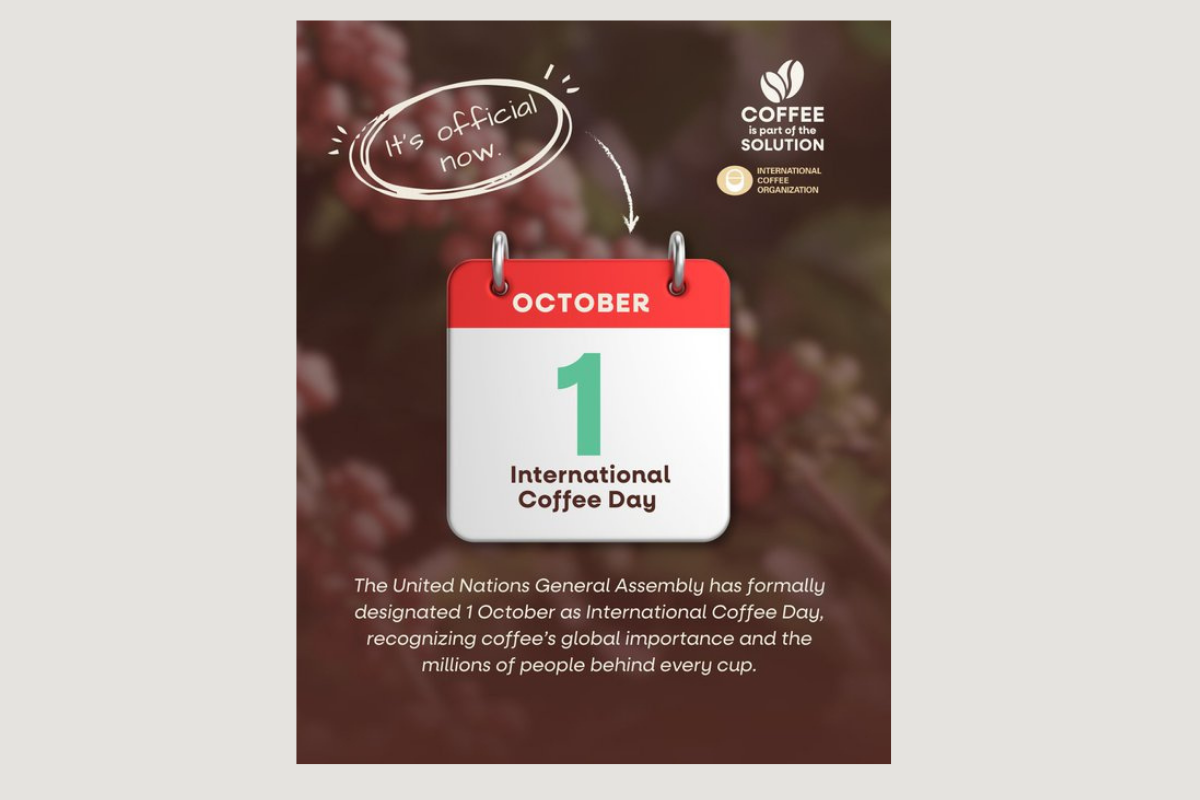
UN Officially Designates 1 October as International Coffee Day

Dubai – Qahwa World

The International Coffee Organization has announced what it described as “a historic moment for the global coffee community” after the United Nations General Assembly formally designated 1 October as International Coffee Day.

According to the announcement, the decision recognizes coffee’s profound importance to global economies, cultures, and livelihoods, highlighting the role the beverage plays across producing and consuming nations alike.

The milestone follows the adoption of Resolution A/80/L.44 by the United Nations General Assembly on 10 March 2026. The resolution, introduced by Brazil, received 150 votes in favor, with one vote against from the United States and one abstention from Canada.

United Nations Officially Declares 1 October International Coffee Day

Under the resolution, 1 October will now be officially recognized every year as International Coffee Day, and all countries, United Nations bodies, and relevant stakeholders are invited to organize activities that highlight the economic, social, and environmental significance of coffee.

The resolution also invites the Food and Agriculture Organization of the United Nations to lead the annual observance in cooperation with the International Coffee Organization.

  • Elevating an existing global celebration

International Coffee Day has already been observed globally on 1 October since 2015, when the initiative was first launched by the International Coffee Organization during Expo 2015 Milan.

The new United Nations designation elevates the observance to an official international day within the UN system, giving the coffee sector broader global recognition and strengthening the visibility of the millions of people who depend on coffee for their livelihoods.

United Nations Officially Declares 1 October International Coffee Day

In its statement, the International Coffee Organization noted that the decision reflects the collective efforts of its member countries, institutional partners, and international organizations, including the Food and Agriculture Organization, to raise awareness of the coffee sector’s importance.

  • Supporting farmers and sustainability

Coffee remains one of the world’s most widely traded agricultural commodities and supports millions of farmers, workers, traders, and communities across Africa, Asia, and Latin America.

The International Coffee Organization and the Food and Agriculture Organization see the UN recognition as an opportunity to strengthen global attention to the sector’s key challenges and opportunities, including sustainability, farmer livelihoods, and climate-related risks affecting coffee production.

Qu Dongyu welcomed the decision, stating that the new international day will help raise awareness of coffee’s socio-economic importance and reinforce its role in supporting efforts to reduce poverty worldwide.

United Nations Officially Declares 1 October International Coffee Day

For the global coffee community—from smallholder farmers to exporters, roasters, and consumers—the recognition marks a significant step toward greater international acknowledgment of the industry’s cultural and economic impact.

With the adoption of the UN resolution, International Coffee Day on 1 October is expected to gain even broader global participation, as governments, organizations, and coffee professionals organize events and initiatives celebrating the beverage and the people behind every cup.

Coffee Farmers in Central America Struggle to Survive Falling Prices

Dubai – Qahwa World

The Guardian published a lengthy report titled “‘Everyone feels like they are being scammed’: can Central America’s small coffee growers survive as global prices fall?”, which discussed the growing pressures facing coffee farmers in parts of Central America, particularly in El Salvador and Honduras. The report explores how climate instability, rising production costs, labour shortages and volatile global markets are reshaping coffee farming across the region.

According to the report, many small producers who have depended on coffee cultivation for generations are now confronting increasingly unpredictable conditions. Weather patterns that once followed a familiar seasonal rhythm have become less reliable, making it difficult for farmers to plan their harvest cycles and manage their farms effectively.

The report begins on a hillside in western El Salvador, where coffee farmer Oscar Leiva observes rainfall arriving in December, a month that traditionally marked the beginning of the dry season. During the latest harvest cycle, flowering occurred early and then stalled, followed by a period of intense heat. As a result, the remaining crop is uneven in quality and more expensive to produce than previous harvests.

You may like: Global Study Maps the “Carbon Footprint” of Latin American Coffee

For Leiva’s family, coffee is not simply a crop but a long-standing way of life. His mother, Esperanza Marinero, remembers when the rainy season arrived on time and harvests could be planned months ahead. Today, that certainty has disappeared. Farmers must make decisions about pruning, fertilising and hiring workers without reliable seasonal patterns, increasing the financial risks they face.

Coffee has historically played a major role in El Salvador’s economy. In the mid-1970s the country ranked among the world’s leading coffee producers, with harvests exceeding five million quintales, a unit equal to about 46 kilograms. Today, national production struggles to reach one million quintales.

The report notes that this decline reflects more than market cycles. Decades of land restructuring, climate shocks and rural migration have weakened the coffee sector and altered the agricultural landscape. Increasing climate volatility has disrupted flowering cycles, reduced yields and affected the quality of coffee, particularly for small farmers who lack financial reserves to absorb repeated losses.

Read also: Shock in the Coffee Market: Colombia’s Production Drops 36%

Cecibel Romero, a researcher focusing on coffee production, explained that the sector is experiencing overlapping challenges that extend beyond climate change alone. Rising temperatures, irregular rainfall and plant diseases such as coffee rust have exposed long-standing vulnerabilities in traditional production systems.

Romero noted that past production models often focused on maximising yields and implementing short-term solutions rather than building long-term resilience. After severe rust outbreaks in the early 2010s, many producers replanted their farms with varieties believed to be resistant. However, some of these varieties produced lower-quality beans or did not maintain their resistance over time.

As coffee’s economic importance declined in El Salvador, public support systems for the sector were also reduced. Agricultural services weakened, renovation programmes became fragmented and access to affordable credit narrowed. As a result, many producers have been left to cope with climate risks, disease outbreaks and market volatility largely on their own.

Read also:Coffee Markets Rise Amid Middle East Shipping Disruptions

Similar pressures are being felt in Honduras, the largest coffee producer in Central America. Although overall production remains higher than in El Salvador, farmers there are also dealing with rising costs and climate-related challenges.

Juan Luis Hernández, a forest engineer who has worked on environmental projects connected to the Honduran Coffee Institute, said adapting to changing conditions requires investment, time and labour. Measures such as managing shade trees, restoring soil health, protecting water sources and monitoring plant diseases all require resources that are not equally available to all farmers.

In the Honduran region of Copán, farmer Gerardo Vásquez manages an eight-hectare family farm while also advising other growers. Trained through the Honduran Coffee Institute, he works on soil analysis, selecting coffee varieties and developing agroforestry systems.

Even with this technical background, Vásquez says the economic reality of coffee farming remains difficult. Establishing one manzana of coffee — roughly 0.7 hectares — now costs about 200,000 lempiras over a period of three years.

Read also: Bridging the Gap: An Exclusive Dialogue with Vanusia Nogueira on the Global Coffee Crisis and the Path to 2026

Production costs have risen significantly in recent years. Fertiliser prices increased sharply after the pandemic, while labour shortages have pushed wages for harvest workers higher. When harvesting, processing and transport are included, farmers may spend more than 3,000 lempiras to produce a single quintal of parchment coffee.

Weather conditions can further complicate the process. Continuous rainfall makes drying coffee difficult, forcing some farmers to sell freshly picked cherries directly from the field at lower prices. Others depend on intermediaries who provide advance payments, which can limit farmers’ ability to negotiate prices later.

Climate change is also affecting where coffee can be grown successfully. Farms located below 1,000 metres above sea level are becoming more vulnerable to heat stress, pests and diseases. As a result, coffee cultivation has gradually moved to higher elevations over time.

However, relocating production to higher ground is not feasible for many smallholders, who may not have access to suitable land or the financial means to make such changes.

At Café San Rafael in Honduras, co-owner Carlos Guerra explained that the flowering cycle of coffee plants has become increasingly irregular. What once occurred within a predictable timeframe now happens in stages, extending the harvest period and raising labour costs.

Labour itself has become one of the most pressing challenges for producers. Coffee harvesting requires careful selection of ripe cherries, a process that cannot easily be mechanised. Younger workers are increasingly leaving rural areas, making it harder for farms to recruit enough labour during harvest season.

Farmers are experimenting with various adaptation strategies, including planting additional shade trees and improving soil management practices. While these measures can help protect coffee plants from heat stress, they may also reduce yields, creating a difficult balance between environmental resilience and economic viability.

Some farms attempt to offset these challenges by focusing on higher-value markets. At Café San Rafael, careful management of fermentation and drying processes helps maintain coffee quality even when harvest conditions are uneven. Operating a roastery also allows the business to manage fluctuations in supply.

However, many small farmers do not have access to such opportunities. Entering specialty coffee markets often requires certification, processing infrastructure and export connections that remain beyond the reach of numerous producers.

Emeric Seguin, director of sourcing and sustainability at a specialty coffee company working with producers in Central America, told the newspaper that mistrust is widespread within the supply chain. Farmers often feel undervalued, while buyers worry about inconsistent supply, leaving cooperatives caught between both sides.

Several initiatives are attempting to promote more resilient farming practices. In El Salvador, a coffee production school known as Renacer encourages ecological approaches that focus on soil health, shade restoration and long-term stability rather than maximising short-term yields.

Agronomist Sigfredo Corado explained that the goal is to reduce extreme fluctuations in harvests. While farms may not achieve exceptionally high yields in strong years, they are also less likely to experience severe drops in production.

Despite these efforts, the report notes that global market conditions could add further pressure. Rabobank has predicted that increasing coffee surpluses in the coming seasons could push international prices lower, potentially making coffee production less viable for smallholders.

As profitability declines, some land previously used for shaded coffee is being converted to other crops or sold for development, gradually altering landscapes that have long been associated with coffee cultivation.

For farmers such as Oscar Leiva, planning for the next season remains unavoidable despite the uncertainty. Each harvest now requires decisions to be made without the reliable patterns that once guided coffee farming.

Across Central America, producers continue searching for ways to adapt to changing environmental and economic realities, while the long-term sustainability of smallholder coffee farming remains an open question.

Vietnam’s Coffee Crisis Could Disrupt Global Supply Chains

Dubai – Qahwa World

A report published by BeverageDaily warns that challenges facing coffee production in Vietnam could trigger new volatility in global coffee markets, potentially affecting supply chains and prices in the coming years.

Although global coffee prices have recently shown signs of easing, the difficulties confronting Vietnamese coffee farmers may reverse that trend if production declines continue.

  • Vietnam’s Key Role in the Global Coffee Market

Vietnam is the world’s second-largest coffee producer after Brazil and the leading global producer of Robusta coffee. This variety accounts for more than forty percent of global production and plays a central role in commercial coffee blends widely used by major manufacturers such as Nestlé.

You may like: Exclusive: Tobbi Vu on Launching Dubai’s First Vietnamese Specialty Coffee

According to figures cited in the report, Vietnam exports more than 1.5 million metric tons of coffee annually. In 2025, the country’s coffee exports reached approximately 8.92 billion dollars, representing a 58.8 percent increase compared with 2024, largely driven by high Robusta prices.

  • Climate Pressures and Rising Land Costs

Coffee production in Vietnam’s Central Highlands has been increasingly affected by extreme weather conditions. Severe floods and prolonged rainfall last year reduced yields and created concerns among traders, given Vietnam’s central role in global Robusta supply.

At the same time, rising land prices in coffee-growing regions are adding further pressure. Infrastructure development and expanding investment in agriculture have pushed land values higher, encouraging some farmers to sell their farms rather than continue production under tightening profit margins.

Industry observers say coffee farmers today must simultaneously manage climate risks, financial pressures and rising production costs, making the sustainability of farming operations more difficult.

  • Tax Policy Changes

The report also highlights regulatory challenges faced by the Vietnamese coffee sector during 2025 after the introduction of a five-percent value-added tax on certain semi-processed agricultural products, including coffee beans.

Exporters argued that the measure complicated trade procedures and tied up cash flow because exported green coffee is typically zero-rated. Vietnamese authorities later amended the legislation, and the previous tax treatment was restored starting in early 2026.

  • Smaller Roasters May Feel the Impact First

According to the report, disruptions in Vietnam’s coffee sector may initially affect smaller and medium-sized roasters, particularly in Europe, Asia and Australia, which rely heavily on stable supplies of affordable green coffee.

Yoc also read: How Vietnam Turned Coffee Into a Way of Life?

Large multinational companies generally have greater flexibility through diversified sourcing and long-term contracts. Nevertheless, price increases may eventually reach consumers, often with a delay ranging from twelve to twenty-four months.

  • A Possible Shift Toward Higher Value Production

With climate and land constraints limiting expansion in production volume, Vietnam’s coffee industry may increasingly focus on quality improvement and value-added activities.

Some producers may expand into roasting and semi-processed coffee products rather than exporting raw beans alone, a development that could diversify global supply chains over time.

Read also: Brazil Rain and Vietnam Surplus Sink Coffee Futures

The report also notes growing international interest in high-quality Robusta coffees, sometimes referred to as fine Robusta, as climate pressures make Arabica production more vulnerable in certain regions.

  • Investments to Strengthen the Supply Chain

Major coffee companies, including Nestlé, continue to invest in Vietnam’s coffee sector in an effort to strengthen supply chains and promote sustainable farming practices.

Programs supporting drought-resistant coffee seedlings, farm renovation and regenerative agriculture aim to improve productivity and resilience among thousands of farmers in Vietnam’s Central Highlands.

Despite these initiatives, the report suggests that the global coffee industry may still face recurring supply pressures if climate challenges and production costs continue to rise in key producing countries.

Coffee Quality is not connected to price – IT IS connected to pride

A grower’s first reward is pride in his coffee; the market may follow later.

By: Ramya Mohan

For years, we have been taught—almost subconsciously—that expensive coffee must be good coffee. A higher price, a premium label, or an elegant café setting often convinces us that quality is guaranteed. But coffee does not work that way always.

Coffee quality is not born out of price. It is born out of pride.

I have tasted coffees that sold at very modest prices yet were remarkably clean, sweet, and balanced.

I have also encountered expensive coffees that failed in the cup—flat, harsh, or dull in character. The difference was never the market value. The difference was the intention behind the coffee.

Quality begins at the farm, not at the shelf. It begins when a grower chooses to harvest ripe cherries instead of rushing for volume.

It shows up when fermentation is monitored instead of guessed, when drying is slow and even rather than hurried by weather or impatience. These decisions are rarely rewarded immediately by the market, yet they define the cup.

In India, many growers and processors work under severe constraints—labour shortages, volatile weather, unpredictable prices. Yet some of the cleanest coffees emerge from estates where pride outweighs compromise. These are the producers who cup their own coffees, who learn to identify defects, who correct errors quietly and improve year after year, without waiting for applause or higher prices.

Price is shaped by trends, branding, certifications, logistics, and storytelling. But -Quality is shaped by discipline, consistency, and respect for the bean. The two may intersect, but they are not the same. A low-priced coffee can be honest and well-made. A high-priced coffee can still be careless.

True coffee quality is an attitude. It is the pride of the farmer who refuses to mix underripe cherries. It is the care of the processor who protects the coffee during drying and storage.

It is the integrity of the roaster who roasts for clarity, not camouflage. And it is the sensitivity of the brewer who allows the coffee to speak.

When pride is present, quality follows—sometimes loudly, often quietly, but always truthfully.

With love and Coffee

WFP Leads Project to Strengthen Coffee Farmers’ Resilience in Guatemala

Dubai – Qahwa World

The World Food Programme (WFP) has released a report highlighting the results of the Resilient Coffee-Growing Communities project in Guatemala’s Dry Corridor, designed to help farmers adapt to climate change and improve food security.

The report notes that the Dry Corridor is increasingly affected by unpredictable weather, with scorching, dry days that crack the soil and drain moisture from young plants, sometimes followed by sporadic nighttime rainfall. These extreme conditions have made it difficult for families to protect staple crops and ensure sufficient food.

The report highlights the experience of the Nájera Lorenzo family in Jalapa, who previously produced around 3,000 pounds of coffee per year—far below the level needed to meet basic household needs. With support from WFP, in partnership with the local organization Funcafé and funding from Starbucks Coffee Company, the family learned improved agricultural techniques, including shade management and early pest control, raising their coffee output to 13,000 pounds per cycle.

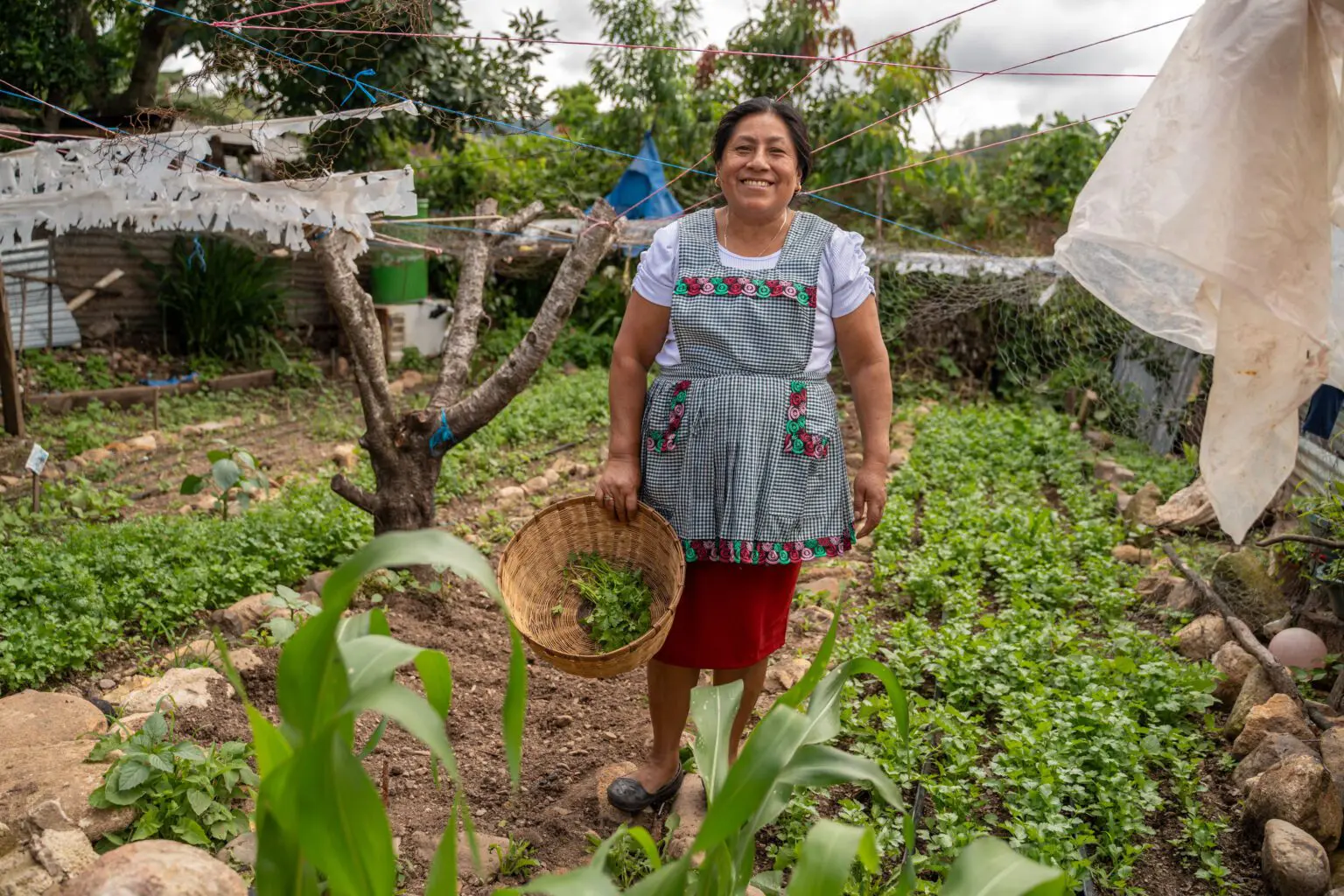
The project has also enabled families to establish home gardens. María Nájera, for example, manages a 430-square-foot garden where she grows Swiss chard, chipilín, radishes, and other vegetables. This garden has improved her family’s diet and generated additional income by selling surplus produce in local markets.

The report emphasizes that the project strengthens women’s roles in the community, supporting participation in savings and loan groups and empowering women to take on leadership roles. Farmers are also trained as climate monitors, collecting and interpreting local weather data to plan crop production more effectively and improve resource management, increasing resilience to climate variability.

According to WFP, the project has led to more diverse diets, increased household savings, better-organized and more productive plots, and the spread of knowledge to other families in the community, amplifying the project’s impact.

WFP stresses that this integrated approach improves food security and nutrition, strengthens the sustainability of coffee supply chains, and equips families to withstand climate shocks, contributing to Sustainable Development Goal 2: Zero Hunger.

The report concludes: “Every step toward building the resilience of farming families contributes to a future where every family can access sufficient, nutritious food and live with dignity and hope.”

Julius Meinl and Partners Launch Climate-Smart Coffee Initiative in Western Honduras

Vienna – Qahwa World

In a landmark sustainability partnership, Julius Meinl, The J.M. Smucker Co., and Tchibo, in collaboration with the Hanns R. Neumann Stiftung (HRNS), have announced the launch of a four-year project to establish a Climate-Smart Coffee Region (CSCR) in Western Honduras. The initiative aims to strengthen smallholder livelihoods, restore ecosystems, and enhance climate resilience across key coffee-producing areas.

The 2025–2029 project will support 4,000 smallholder families, improve 6,000 hectares of farmland, and engage 20 farmer organizations in the departments of Ocotepeque, Copán, and Lempira. Implementation will be led by HRNS Honduras, with the initiative remaining open for additional partners interested in contributing to this collaborative model.

Transforming Coffee Landscapes

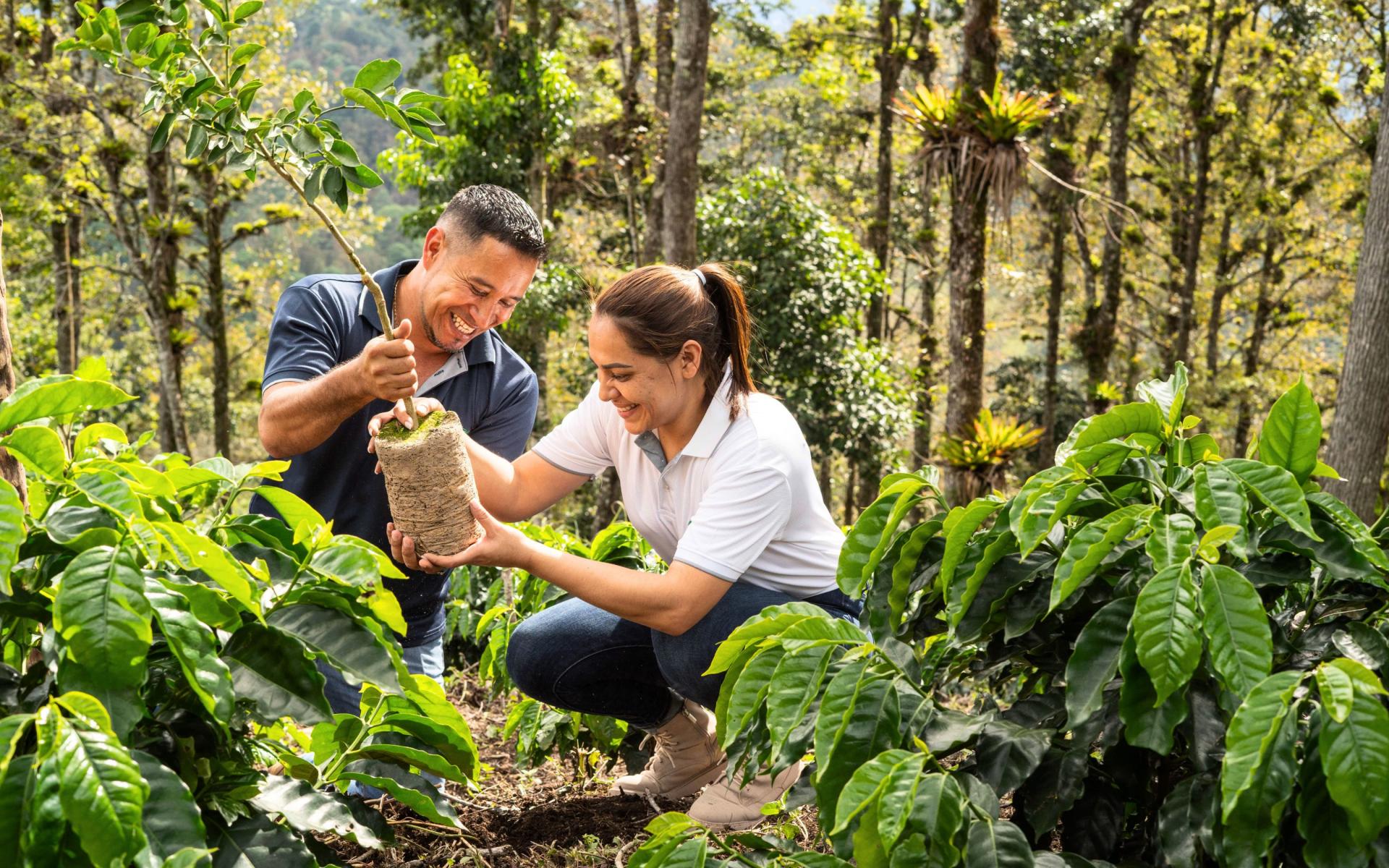
Building on 15 years of field expertise through the initiative for coffee&climate (c&c), of which all three companies are members, CSCR Honduras will deploy proven tools for climate adaptation. These include soil and water conservation, agroforestry systems, erosion control, microclimate monitoring, and household-level innovations such as fuel-efficient stoves and water-saving technologies. The project focuses on areas surrounding the Celaque, Erapuca, Las Minas, and Volcán Pacayita protected zones, turning them into biodiversity-friendly and climate-smart coffee landscapes.

According to Theresa Ruperti, HRNS Program Manager, “Western Honduras is ecologically rich but increasingly vulnerable to climate change. Irregular rainfall, droughts, and rising temperatures have reduced yields by up to 30%. The CSCR project links productivity, resilience, and conservation — positioning the region as a model for sustainable coffee in Central America.”

Carina Needham, Global Sustainability Director at Julius Meinl 1862 GmbH, added: “This marks the first landscape-level initiative under our Generations Programme. Its uniqueness lies in collaboration — working with fellow roasters and local partners to create lasting impact where coffee, communities, and nature can thrive together.”

Strengthening Local Governance

The initiative’s strength lies in its territorial governance model, coordinated through inter-municipal platforms such as Higuito and MAPANCE. These structures will bring together municipalities, civil society, and local actors to pursue shared climate objectives. The Honduran Coffee Institute (IHCAFE) will provide technical training, research, and monitoring support, while a regional Community of Practice (CoP) will facilitate learning among 25 local institutions.

As a fifth-generation family business, Julius Meinl reaffirms its long-standing sustainability commitment, focusing on three core pillars — Origin, Planet, and People — to ensure a positive impact across its value chain.

Regenerative Agriculture Boosts Vietnamese Coffee Farmers’ Income by 150%

Dubai – Qahwa World

Vietnamese coffee farmers have achieved a remarkable 150% increase in income by shifting to regenerative agriculture, an innovative approach that promotes environmental sustainability while improving crop quality and productivity.

According to a report by Nestlé Vietnam, the adoption of regenerative practices under the NESCAFÉ Plan has enabled farmers to save 40%–60% of irrigation water, reduce chemical fertilizers and pesticides by 20%, and significantly increase yields and income.

The initiative was highlighted during a seminar titled “The Role of Farmers in Regenerative Agriculture”, held on October 31 at the Nestlé Trị An factory in Dong Nai province, where more than 60 outstanding farmers and agricultural sustainability experts gathered to celebrate success stories from the program.

Binu Jacob, Managing Director of Nestlé Vietnam, stated during the event: “At Nestlé, people are at the heart of our sustainability journey. The NESCAFÉ Plan represents a long-term commitment to support farmers in implementing regenerative agriculture to enhance their income and quality of life.”

Jacob added that close cooperation with farmers is vital to building a more sustainable future for Vietnam’s coffee industry, reflecting Nestlé’s dedication to both environmental and social responsibility.

Truong Hoang Phuong, Director of Nestlé Trị An Factory, emphasized that farmers are the starting point of coffee quality, saying: “The quality of coffee begins in the field. Farmers are the foundation of success, while the factory amplifies their efforts by bringing this value to global markets.”

The event also featured a tour of the factory’s modern coffee processing facilities, where farmers learned about production technologies and the journey of Vietnamese coffee beans now exported to over 40 international markets, including Europe, Japan, South Korea, and the United States.

Farmers shared their experiences in adopting regenerative agriculture and digital farm management to improve soil health and productivity. Dao Duy Quynh, a farmer from Gia Lai province, said:

“The program completely changed how we work. We learned to farm in ways that protect the environment while increasing our income.”

Since its launch in 2011, the NESCAFÉ Plan has delivered more than 467,000 training sessions on sustainable coffee farming, provided improved seedlings to around 21,000 farmers annually, and distributed over 86 million high-yield, pest- and drought-resistant plants, helping rejuvenate over 86,000 hectares of aging coffee farms.

This transformation marks a significant milestone in promoting sustainable coffee production in Vietnam, supporting a greener and more responsible coffee economy, and reinforcing the country’s position as one of the world’s leading coffee producers and exporters.