Brazil Set to Overtake Vietnam as the World’s Largest Robusta Coffee Producer

Dubai – Qahwa World

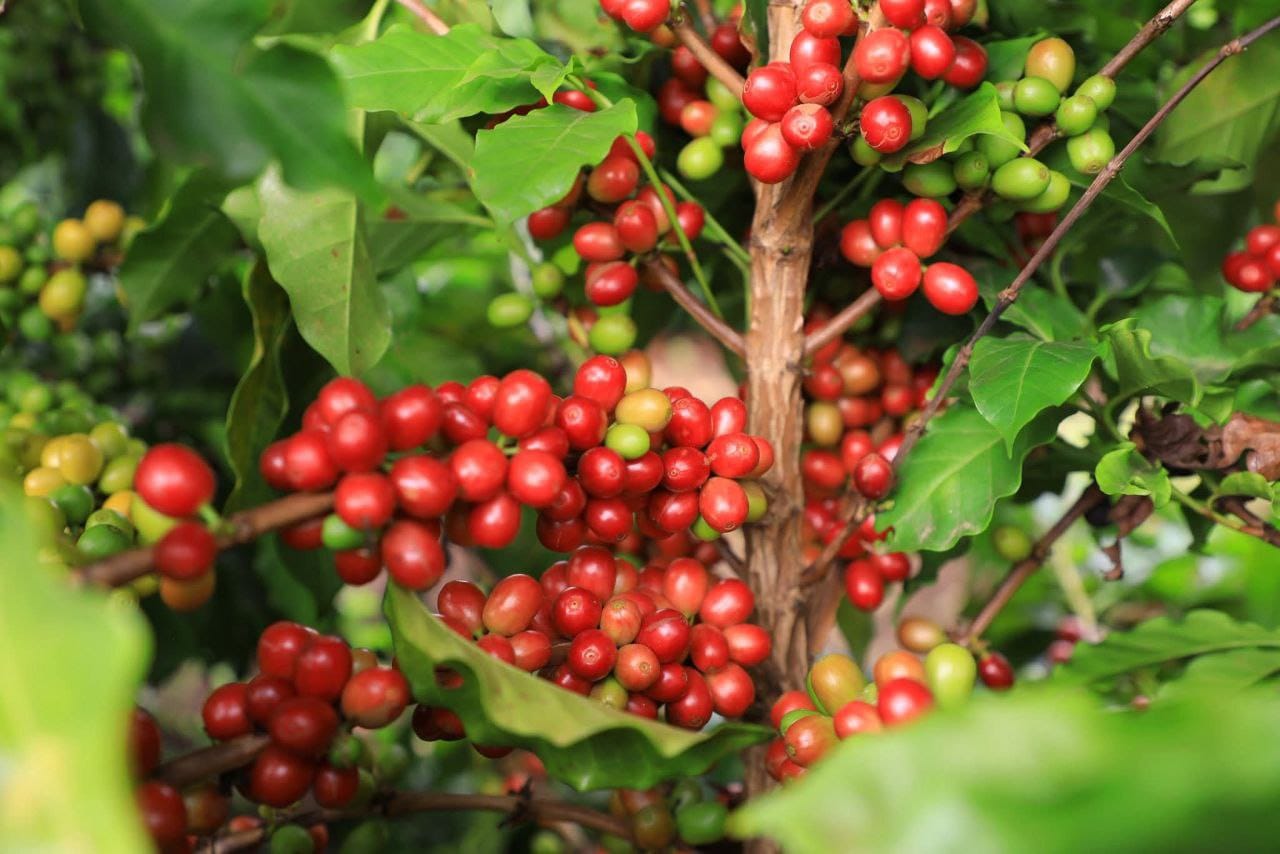
Brazil is on track to surpass Vietnam as the world’s leading producer of robusta coffee, according to a new report by Dutch bank Rabobank. The report highlights Brazil’s growing advantage due to robusta’s resilience to heat, drought, and disease key traits as climate change increasingly threatens arabica production.

Rabobank estimates Brazil’s robusta output will reach 24.7 million 60-kg bags in 2025, up from 19 million bags in 2020. Meanwhile, Vietnam is projected to produce around 30 million bags in 2025/26, according to the U.S. Department of Agriculture.

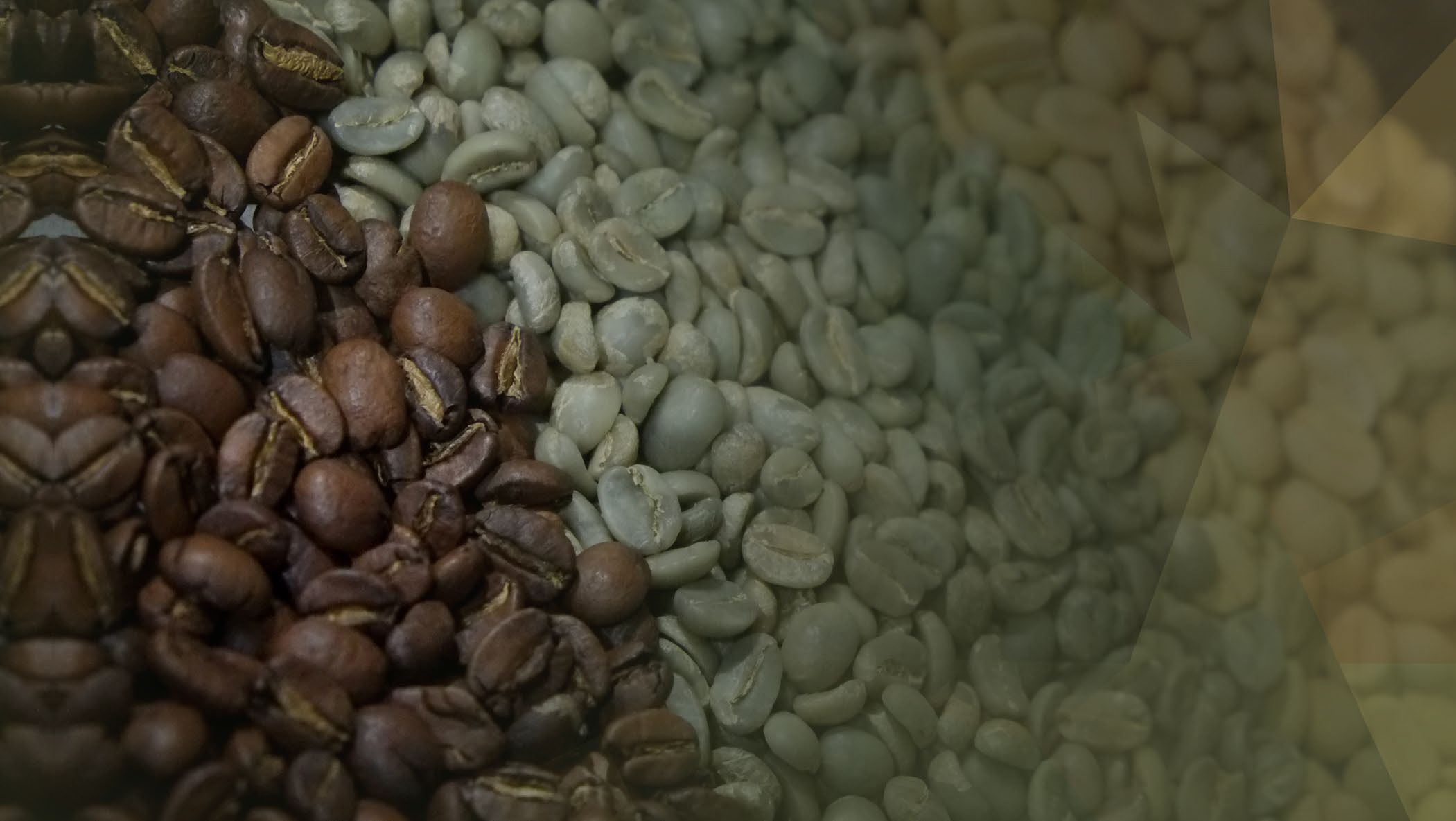
Unlike arabica, which offers a milder flavor and is favored by premium brands such as Starbucks and Nespresso, robusta has a stronger taste and higher caffeine content. It is mainly used in instant coffee, espresso blends, and iced beverages.

Over the past five decades, temperatures in Brazil’s key coffee regions have risen by 1.3 to 1.6°C, while rainfall has decreased by up to 211 millimeters. To adapt, Brazilian farmers have increasingly relied on irrigation — now covering 71% of robusta farms — with this figure projected to reach 363,800 hectares by 2040.

Although the initial investment in robusta plantations is high (around $15,700 per hectare), its productivity is 170% higher per hectare than arabica, enabling cost recovery in about four years, Rabobank said.

The report also noted that Brazil has about 28 million hectares of degraded pastureland suitable for deforestation-free agricultural expansion, creating significant room for robusta growth.

Additionally, the EU’s exemption of instant coffee from deforestation regulations could boost global demand for robusta-based products, further accelerating Brazil’s rise in production.

August Export and Market Update

In August 2025, Brazil exported 3.1 million bags (60kg) of coffee — down 17.5% year-on-year (YOY) but up 14.3% compared to July, according to data from Cecafé. Despite the monthly recovery, exporters continue to face difficulties due to adverse weather conditions affecting the arabica harvest and the 50% U.S. tariff introduced in August. Moreover, even with a good harvest pace, coffee has been taking longer to reach exporters this year.

Exports to the United States dropped 46% YOY and 26% from July, totaling 301,000 bags. Despite the sharp decline, the U.S. remained Brazil’s second-largest destination, behind Germany, and continues to be the world’s top coffee importer in 2025.

The barter ratio — the amount of coffee needed to purchase one metric ton of fertilizer — improved significantly in August. Only 1.2 bags (60kg) were required to buy one ton of fertilizer (blend 20-05-20), down 29% from August 2024 (1.7 bags) and 26% from July (1.6 bags). The improvement was driven by rising coffee prices and falling fertilizer prices, particularly for urea, boosting producer profitability.

After several months of decline, coffee prices rebounded sharply in August, with arabica up 31% and conilon (robusta) up 32%. The price rally was fueled by slower Brazilian exports and low global inventories, while the new U.S. tariffs added further volatility. The move has prompted U.S. roasters to seek alternative supply sources. In the short term, the U.S. industry is expected to rely on existing inventories while awaiting potential tariff renegotiations. One immediate workaround has been the use of bonded warehouses, which allow coffee storage without immediate tariff payments. Since the tariff announcement on July 9, certified stocks in New York have fallen by 157,000 bags.

The EU Deforestation Regulation (EUDR) has also influenced trade flows. Anticipating compliance challenges, European buyers increased imports early in 2024, and a similar pattern is expected in the second half of 2025. Data shows that European coffee inventories have been building in recent months.

Weather conditions in August were seasonally dry, which supported the near-complete harvest. However, frost affected some arabica-producing regions, particularly in Cerrado Mineiro, where local cooperatives estimate potential losses of around 412,000 bags for the 2026 crop. While this raises concerns for the next harvest, analysts say the 2026/27 arabica and conilon cycle remains positive overall. In the coming weeks, market attention will turn to rainfall and flowering, as any threat to crop potential could further support coffee price gains.

JDE Peet’s Calls on Coffee Industry to Embrace Regenerative Agriculture Roadmap

Amsterdam – Qahwa World

On International Coffee Day, JDE Peet’s (EURONEXT: JDEP) marked the tenth anniversary of its Common Grounds farmer programmes with a strong call for the global coffee industry to implement the Regenerative Agriculture Coffee Roadmap. The company stressed that urgent action is needed to secure the future of coffee as climate change continues to disrupt production through unseasonal weather, rising temperatures, and shifting rainfall patterns.

Laurent Sagarra, Vice President of Engagement at JDE Peet’s, said that resilient supply chains benefit everyone, from consumers and companies to farmers themselves. He noted that the company has already reached nearly one million farmers over the past decade, but warned that the scale of climate risk demands faster, collective action. “We cannot wait another century to support the millions of farmers who still need help,” he said. “The time to act is now.”

JDE Peet’s farmer programmes, launched in 2015 as part of the company’s Common Grounds sustainability strategy, aim to strengthen coffee-growing communities by promoting regenerative agriculture, improving farmer livelihoods, and fostering thriving coffee regions. Using a data-driven approach verified by independent assessments, the programmes have already made measurable progress. More than 835,000 farmers in 29 countries have benefited, half of the farms involved have adopted regenerative practices such as soil management and water conservation, and 83.2 percent of the company’s green coffee is now responsibly sourced worldwide, including 100 percent in Europe.

The roadmap JDE Peet’s is urging the industry to adopt outlines proven regenerative practices that can reduce greenhouse gas emissions, restore ecosystems, and boost coffee production. Studies suggest that supporting farmers to transition could increase global coffee exports by 30 percent, improve the incomes of more than three million smallholder farmers, and cut emissions by 3.5 million tons of CO₂e annually.

With 12.5 million coffee farmers worldwide, many managing less than one hectare of land, the company underlined that the challenges cannot be met by one player alone. As it celebrates ten years of engagement with farmers, JDE Peet’s is pressing the entire industry to join forces in ensuring that coffee has a sustainable and resilient future.

Sumseron Coffee Emerging as a Sensational Kenyan Coffee Brand With Global Reach

Nairobi, Kenya – Qahwa World

Sumseron Coffee, a Kenyan specialty coffee company, is rapidly gaining international recognition as it positions itself among Africa’s most promising coffee brands. With deep roots in Kenya’s coffee-growing heritage, the company is combining quality, sustainability, and innovation to bring premium Kenyan coffee to the world.

Founded by John Seroney, Sumseron Coffee has built its identity around farmer empowerment, environmental responsibility, and transparency across the supply chain. Each bean, sourced from Kenya’s lush highlands, carries not only flavor but also a story of culture and community.

“Our vision is to put Kenyan coffee on the global stage in a way that truly benefits farmers and captivates consumers,” said John Seroney, CEO of Sumseron Coffee. “We are not just exporting coffee; we are exporting a legacy, a culture, and a promise of excellence.”

Expanding Locally and Globally

At home in Kenya, Sumseron Coffee has become a trusted brand for medium and dark roast drinkers, while also supplying premium beans to cafés and roasters. Beyond Kenya, the company has established export networks across Europe, Asia, and North America, helping farmers tap into premium international markets.

Its growth strategy balances B2C engagement, through platforms like TikTok and Instagram to connect with younger coffee drinkers, and B2B partnerships with roasters, cafés, and distributors, offering both green and roasted coffee as well as consolidation services.

Sustainability at the Core

A defining feature of Sumseron Coffee is its sustainability agenda. The company ensures fair compensation for farmers, actively supports women in coffee, and prioritizes eco-friendly practices. Through partnerships and innovation, it is contributing to a circular coffee economy that aligns with global climate and sustainability goals.

Looking Ahead

With global demand for Kenyan coffee on the rise, Sumseron Coffee aims to scale its operations and compete with the world’s most iconic coffee brands. The company is currently seeking new partnerships and investments to accelerate its international expansion and strengthen its impact on farmers and communities.

About Sumseron Coffee

Sumseron Coffee is a purpose-driven Kenyan specialty coffee company dedicated to producing, processing, and marketing world-class coffee. Built on values of sustainability, transparency, and farmer empowerment, the brand continues to deliver the finest Kenyan coffee to markets worldwide — from Kenya to the World.

International Coffee Day: How It Started and Why the World Celebrates

Dubai – Qahwa World

The International Coffee Organization (ICO) has launched its global campaign to celebrate International Coffee Day (ICD), observed every year on October 1. The theme for 2025 is “Embracing Collaboration More Than Ever.” The ICO emphasized that this celebration is an opportunity to underline the vital role of collaboration across the coffee value chain — from farmers and cooperatives to traders, roasters, baristas, and consumers — ensuring sustainable livelihoods, shared prosperity, and resilient communities.

Vanúsia Nogueira, Executive Director of the ICO, stated: “Coffee is a product of many hands and many hearts. When farmers, cooperatives, researchers, roasters, traders, baristas and consumers work together, we create opportunities for income, resilience and environmental stewardship. This year’s campaign calls for practical collaboration that delivers real benefits along the whole chain.”

On this occasion, Qahwa World has prepared a comprehensive research report on International Coffee Day — its origins, history, economic and cultural significance, and its importance for the global coffee industry. This research is presented to highlight why this day is not just a celebration of a beverage, but a recognition of coffee’s role as a cultural, social, and economic force worldwide.

Origins and Establishment of International Coffee Day

International Coffee Day was officially established in 2014 during the International Coffee Council meeting in Milan, aligned with Expo 2015. The first official ICD celebration was held on October 1, 2015.

Objectives of the Day:

To unite coffee lovers around the world.

To honor and recognize coffee farmers whose livelihoods depend on this crop.

To raise global awareness about sustainability, fair trade, and challenges in the coffee sector.

To strengthen the sense of community among all participants in the coffee chain.

Historical Roots of Coffee

The history of coffee stretches back centuries, connecting continents and cultures:

Ethiopia: Coffee’s origins are often traced to Ethiopia, where wild coffee plants grew in the forests of Kaffa. Legends suggest its stimulating effects were first observed there.

Yemen: In the 15th century, coffee cultivation spread to Yemen. Sufi monks began preparing coffee as a beverage to help them stay awake during prayers, making Yemen the cradle of coffee culture.

Arab World: By the 16th century, coffee spread throughout Mecca, Cairo, Damascus, and Istanbul. Coffeehouses (qahveh khaneh) became centers of social, cultural, and intellectual life.

Europe: Coffee reached Venice in the early 17th century. It spread rapidly through Europe despite religious controversies and bans. Coffeehouses in London, known as “penny universities,” became hubs of debate and knowledge.

Asia and the Americas: By the 18th century, colonial powers introduced coffee cultivation to Asia (notably Indonesia) and Latin America (notably Brazil and the Caribbean), shaping the global coffee industry we know today.

Technological and Industrial Evolution

In the 19th century, industrialization revolutionized coffee. The invention of large-scale roasting machines and improved grinders allowed for mass production and consistent quality.

In the 20th century, new innovations such as soluble (instant) coffee emerged, led by companies like Nestlé in the 1930s. This changed global consumption patterns and made coffee more accessible.

Today, technological advances extend to specialty coffee roasting, precision brewing methods, and sustainable farming practices, reflecting the balance between tradition and innovation in the coffee world.

Celebration Dates Worldwide

Although October 1 is the official ICO date, different countries observe coffee days at varying times:

October 1: International Coffee Day (official ICO recognition, celebrated globally).

September 29: National Coffee Day in the USA, Canada, Austria, and a few other countries.

Other Coffee Days in the USA:

November 8: National Cappuccino Day

November 23: National Espresso Day

February 11: National Latte Day

These variations highlight the universal love for coffee across cultures.

Traditions and Activities

International Coffee Day is marked by a variety of events and initiatives:

ICO Campaigns: Every year, the ICO sets a central theme. In 2025, the focus is collaboration.

Coffeehouses and Roasters: Businesses worldwide host tastings, workshops, and awareness campaigns.

Social Media: Hashtags like #InternationalCoffeeDay and #ICD2025 amplify global participation, encouraging people to share their coffee experiences.

Awareness Programs: NGOs, cooperatives, and coffee associations use ICD to shed light on sustainability, fair income for farmers, and climate-related challenges.

Economic Impact of Coffee

Coffee is not just a cultural icon but also an economic powerhouse:

Consumption: Over 3 billion cups are consumed daily worldwide.

Production (2023, ICO): Approximately 170 million 60-kg bags of coffee are produced annually.

Top Producers (2023):

Brazil – 37% of global production

Vietnam – 17%

Colombia – 8%

Indonesia – 7%

Ethiopia – 5%

The Coffee Belt: Coffee production is concentrated in a tropical zone known as the Coffee Belt, spanning Latin America, Africa, and Asia-Pacific.

Trade Value: Coffee is the second most traded commodity globally after crude oil.

Social and Environmental Dimensions

The day also highlights the challenges and responsibilities facing the global coffee community:

Farmer Livelihoods: Coffee supports the livelihoods of over 125 million people worldwide, including around 25 million smallholder farmers directly dependent on it. Yet many live below the poverty line due to fluctuating prices and market instability.

Climate Change: Rising temperatures, pests such as coffee leaf rust, and deforestation threaten production worldwide.

Sustainability Efforts: Certifications such as Fairtrade, Rainforest Alliance, and organic standards are promoted during ICD to encourage responsible production and consumption.

Cultural and Social Significance

Coffee has always been more than a drink — it has been a catalyst for culture and community:

In the Arab world, early cafés became places for music, chess, storytelling, and poetry.

In Europe, coffeehouses were breeding grounds for intellectual movements, journalism, and political debate.

Today, cafés remain spaces for creativity, networking, and cultural exchange.

Interesting Facts About Coffee

Coffee trees can live up to 100 years, though their most productive years are between 7 and 20.

Coffee faced multiple bans in history — in Mecca, Istanbul, and even in 18th-century Prussia — but it always returned stronger.

One of the most expensive coffees in the world is Ospina (Colombia), valued at $1,700 per pound in 2024.

The term “penny university” reflected the role of 17th-century English coffeehouses, where intellectual discussion was accessible for the price of a cup.

Conclusion

International Coffee Day is not simply about celebrating a beloved beverage — it is about recognizing the centuries-long journey of coffee from Ethiopia and Yemen to the rest of the world, and the millions of people whose lives are intertwined with it.

By establishing ICD in 2014, the ICO created a platform for uniting coffee lovers, supporting farmers, and promoting sustainability. In 2025, under the theme “Embracing Collaboration More Than Ever,” the ICO reminds us that coffee is more than a drink — it is a shared commitment to resilience, sustainability, and global cooperation.

Ethiopian Coffee Farmers Face Heavy Burden from New EU Regulations

Saddama, Ethiopia – Qahwa World

Al Jazeera has broadcast a filmed report highlighting the impact of the European Union’s anti-deforestation regulations, which are set to come into force on December 30, 2025, after several delays in implementation.

According to the report, the new EU rules are leaving a bitter taste among Ethiopian coffee farmers, who fear losing one of their most important export markets. Roughly one-third of Ethiopia’s coffee production is shipped to the European Union, but the regulations now require proof of origin for every single consignment.

Smallholder Farmers at Risk

For smallholder farmers—the backbone of Ethiopia’s coffee sector—compliance represents a costly and exhausting burden. One producer commented: “Denying us access to the European market is like a punishment, like sanctions. While China financially supports its companies to buy African coffee, the EU does nothing—worse, it increases the burden on us.”

In response, some farmers have started planting shade trees and adopting more sustainable practices. “We no longer cut down trees; we use them sustainably to protect our environment and our crops,” one farmer explained. Training programs have been introduced to help farmers adjust, but challenges remain. A French government study revealed that EU coffee consumption is responsible for nearly half of coffee-related deforestation worldwide, making traceability an urgent priority for European policymakers.

What Are the New EU Rules?

The regulations, known as the EU Deforestation Regulation (EUDR), were approved by the European Parliament in 2023 and will be phased in between 2025 and 2026. They apply to key commodities including coffee, cocoa, soy, palm oil, and timber. The goal is to ensure that no product entering the EU market contributes to deforestation or ecosystem degradation.

Under the rules, importers and exporters must provide detailed information on the origin of products through a dedicated traceability and digital system, using geographic coordinates and satellite mapping of farms. Companies and farmers are required to submit “due diligence statements” to guarantee transparency throughout the supply chain.

Ethiopia’s Challenges

In Ethiopia, where more than four million small-scale farmers cultivate coffee, meeting these requirements appears nearly impossible without broad support. Land surveys and mapping are already underway. One certification officer noted: “At first, some farmers didn’t understand why this was necessary. But so far, we’ve completed 75% of the mapping, and our goal is to register 5,000 farms by the end of the year.” Yet this is only a fraction of the total sector.

The European Commission has pledged to provide assistance but stressed that cooperatives and local governments must also play their part in financing and supporting the transition. Starting January 1, 2026, larger producers will be required to comply immediately, while smallholders have until July 2026. Despite repeated calls for an extension, the EU has made clear it does not intend to delay the deadlines further.

Global Implications

Observers see the move as a double-edged sword. On one hand, it could foster sustainability and help curb deforestation in producing countries. On the other hand, it risks pricing small farmers out of the market, pushing them toward less demanding destinations such as China or Middle Eastern countries.

Ethiopia—the birthplace of coffee and Africa’s largest exporter—now faces a decisive challenge: adapt to the costly EU rules, or risk losing access to its most lucrative market in Europe.

International Coffee Day 2025: ICO Launches Global Campaign “Embracing Collaboration More Than Ever”

London – Qahwa World

The International Coffee Organization (ICO) has announced the theme for International Coffee Day 2025, celebrated worldwide on October 1: “Embracing Collaboration More Than Ever.”

The annual event brings together millions of people across the globe to celebrate coffee and recognize the farmers, cooperatives, traders, roasters, baristas, and consumers who contribute to making coffee the world’s most beloved beverage. This year’s campaign underscores that coffee is synonymous with collaboration and calls on all stakeholders to unite in a spirit of solidarity and shared purpose.

Collaboration at the Core

The ICO emphasizes that the 2025 theme highlights the essential role of collaboration across the coffee value chain in ensuring sustainable livelihoods and shared prosperity. By strengthening links from crop to cup, the campaign positions coffee as a driver of income generation, sustainable development, and resilient communities.

Vanúsia Nogueira, Executive Director of the ICO, stated:

“Coffee is a product of many hands and many hearts. When farmers, cooperatives, researchers, roasters, traders, baristas and consumers work together, we create opportunities for income, resilience and environmental stewardship. This year’s campaign calls for practical collaboration that delivers real benefits along the whole chain. Join us — take part in the challenges and show how, together, coffee can be a force for good.”

Digital Campaign and Global Participation

The 2025 initiative will feature a refreshed, interactive website and encourage digital participation through the hashtag #ICD2025. Among the activities, participants will be invited to complete the phrase “Coffee is collaboration because…” in posts or videos, showcasing the many ways coffee connects people across the globe.

The ICO invites governments, industry partners, civil society, cooperatives, and consumers to get involved by:

Registering events and activities on the official campaign website

Promoting the hashtag #ICD2025 through their communication channels

Recording short videos with the campaign phrase and tagging @icocoffeeorg

A full communications toolkit and multilingual resources are available at www.internationalcoffeeday.org

About the ICO

The International Coffee Organization is the only intergovernmental body focused on enhancing the sustainability of the global coffee sector. It provides official statistics on production, trade, and consumption, and develops public-private partnerships and technical cooperation projects to foster progress and resilience in the industry. More information is available at www.ico.org

Dignity Before Flavor: Why the First Metric in Coffee Isn’t in the Cup

By: Krzysztof Blinkiewicz

The coffee world prides itself on precision. We measure grams, seconds, water temperature, and flavor scores down to decimals. Yet the one thing we almost never measure is the first and only true metric: dignity.

A 90-point Gesha can still come from a farmer who skips meals to pay off debt. A latte art champion can still return home to a barista wage that doesn’t cover rent. A Q Grader can spend years calibrating flavors while being forbidden to question the institution that controls their license. These are not abstract injustices — they are lived realities.

In Colombia, one producer grew a microlot that sold for over $40/kg. Buyers praised its floral complexity, but that price applied only to a few dozen kilograms out of tons of coffee. The rest sold near the global “C” price of about $9/kg. After paying wages, fertilizer bills, loan repayments, milling, transport, and exporter margins, what reached his household was minimal. When his daughter needed urgent medical care, one hospital bill erased an entire season of work. The story of $40/kg was not one of prosperity, but of fragility disguised as success.

Another farmer, with a large plantation and several loyal employees, continually invests in new methods and varieties, even Gesha, financed through loans. Year after year, the books balance at “zero,” but debts grow. Rising prices no longer help. The cycle leads to depression, anxiety, and isolation. A once-respected leader of her community is left paralyzed by despair, with no escape from debt and no way to sell her land without loss.

In Europe, a young barista in a “specialty” café earns barely above minimum wage, scrolling second-hand markets for essentials during breaks. Customers post Instagram photos of their flat whites while she wonders how long until burnout drives her out of coffee.

Even barista champions face indignity. A national winner earns the right to compete on the world stage, but while local sponsors fund flashy events, the champion struggles to cover basic travel and training costs. Salaries remain unchanged, and sponsorship funds often vanish into dinners, rented screens, or private pockets. Her dignity, like her future, was never part of the budget.

The weight of coffee is heavier than sacks. It carries bent backs, stolen hours, and lives strained to the limit. Dignity must be the first measure — before flavor, before scores, before profit.

Consider the boy who dreams of roasting. He works at a small UK roastery, earning fairly, yet knows a decade of saving won’t buy him his own machine. With his father’s help, he purchases a second-hand roaster, fills it with a few bags of safe coffees, and pays for an expensive trade fair stand. His online shop sells barely five bags a week. Each month the dream drains him further. Should he give up?

Flavor notes often mask these realities. We are trained to talk about blueberry, jasmine, and red apple, but not about exhaustion, debt, or fear. This is pointwashing: when numbers and tasting notes plaster over lives in struggle.

At The Better Coffee, we reject this. Our compass is different. Dignity is the baseline: the right to rest without guilt, to pay rent without fear, to speak without punishment, and to imagine a future without shame. Only then does flavor truly matter.

This is not charity, nor corporate social responsibility. It is survival — and justice.

In practice, this means:

  • Buyers can sign contracts that guarantee stable income rather than speculative premiums.

  • Roasteries can redirect marketing budgets to raise barista pay.

  • Trainers can create classrooms open to critical dialogue, even if it challenges established structures.

  • Consumers can ask cafés not only about tasting notes, but how the people behind the coffee are treated.

Dignity is not an optional extra. It is the foundation. Without it, no score, sticker, or award means anything. Coffee does not need to reach 100 points — it needs to meet the needs of those who grow, roast, brew, and drink it. A system that cannot provide dignity is not “specialty”; it is extraction disguised as craft.

So next time you raise a cup, pause. Ask yourself: does this coffee taste of freedom — or of someone else’s unpaid bill?

DMCC Coffee Centre: Supply Chain Pressures and Tariffs Threaten Global Coffee Trade

Dubai, 15 September 2025 ( Qahwa World) – Coffee, the world’s second most traded commodity after oil and a cultural staple for billions, is entering a critical stage in its global journey. The threats facing the industry are no longer confined to climate change alone. Increasingly, they include mounting supply chain disruptions and escalating tariffs that are reshaping the economics of one of the most vital agricultural products on earth. In its latest report, released as part of the Future of Trade Agri Series, the DMCC Coffee Centre warns that unless urgent measures are taken, the future of the global coffee trade may be defined by instability, rising costs, and deep uncertainty.

For decades, coffee has been regarded as a model commodity for international trade thanks to its durability and storability as green beans. But according to the report, this traditional advantage is no longer sufficient. Shipping costs have risen sharply amid ongoing global supply chain disruptions, compounded by geopolitical tensions across key trade corridors such as the Red Sea and the Panama Canal. Even a 1% increase in transport costs, the report notes, can result in months of accumulated price hikes for coffee worldwide. What was once a relatively resilient supply chain has become a fragile lifeline vulnerable to external shocks.

The situation has been further aggravated by protectionist trade policies. Most notably, the United States recently imposed tariffs of up to 50% on coffee imports from Brazil, the world’s largest exporter. While this may appear to offer short-term relief for American markets, it has shaken investor confidence and created uncertainty for Brazilian producers who rely heavily on exports. Many growers now face the prospect of cutting back production or seeking alternative markets, both of which come with risks of their own.

Mike Butler, Assistant Director for Coffee at DMCC, described the dilemma: “Large buyers often have the option of stockpiling coffee to protect themselves against price swings, but this strategy is not available to everyone. Smallholder farmers and specialty roasters remain the most exposed, as they lack the resources to hedge or hold inventories for long periods.”

The pricing system itself is also under strain. For decades, futures markets like the Intercontinental Exchange (ICE) provided reliable benchmarks for coffee. But the DMCC report highlights how these benchmarks are increasingly detached from reality. Futures contracts may show declines, while specialty coffee prices remain elevated, squeezing small and medium-sized roasters who cannot reconcile speculative market prices with real-world sourcing costs. Garfield Kerr, President of the Specialty Coffee Association and founder of Dubai’s “Mokha 1450,” summed it up: “The futures market has become more speculative and no longer reflects the actual value of high-quality coffee.”

Adding to this pressure is the rapid transformation of consumption patterns. Across Asia—in countries like China, Japan, and the Philippines—demand for coffee is accelerating, particularly among younger generations seeking premium quality and unique experiences. This growth, while promising, makes these markets especially vulnerable to global supply shocks. A shipping delay in Brazil or a tariff dispute in the U.S. can now ripple instantly into cafés and supermarkets in Beijing or Manila, underscoring the fragility of today’s interconnected coffee economy.

Amid these challenges, Dubai is positioning itself as a stabilizing hub. The DMCC Coffee Centre offers a pay-as-you-go model for storage, roasting, packaging, and logistics, lowering barriers for producers and small exporters to access global markets. Its geographic location at the crossroads of Africa, Asia, and Latin America allows Dubai to act as a natural bridge, absorbing shocks and keeping trade flows alive even in turbulent times. This strategic advantage, the report argues, could prove decisive as volatility becomes the new normal.

Still, the outlook remains precarious. Global production is expected to reach a record 178.7 million bags in the 2025/26 season. But without meaningful reforms, these volumes may not translate into market stability. Tariffs, freight costs, and speculative pricing continue to weigh heavily on the system, leaving more than 25 million smallholder farmers—who form the backbone of global coffee production—on the edge of economic survival.

The DMCC Coffee Centre’s report concludes with a stark choice. Either the industry embraces international cooperation, reforms outdated pricing mechanisms, and invests in supply chain infrastructure, or it risks plunging into prolonged volatility. Coffee, long celebrated as a symbol of connection and culture, could instead become a mirror of global trade’s fragility. But with decisive action, from fairer pricing models to transparent trade systems and collaborative investment, the industry has the tools to safeguard coffee’s future as a unifying global commodity.

DMCC Coffee Centre Warns: Climate Volatility Threatens the Future of Global Coffee

DUBAI – September 2025 – Qahwa World – Coffee is more than a beverage. It is a lifeline for over 25 million smallholder farmers, a $200 billion industry, and a cultural anchor with more than two billion cups consumed daily. Yet today, the global coffee sector faces one of the greatest challenges in its long history, according to the DMCC Coffee Centre, part of the Dubai Multi Commodities Centre (DMCC).

In its latest report, released under the Future of Trade Agri Commodities Series, the DMCC Coffee Centre published a special edition on coffee, warning that lands where coffee has thrived for centuries may no longer be suitable for cultivation in the coming decades.

According to the report, coffee’s vulnerability to climate change is stark. Unlike many other crops, coffee can only be cultivated in limited geographical zones, often at specific altitudes and within narrow temperature ranges. Any disruption in this balance — whether through droughts, frosts, or fungal diseases such as coffee leaf rust — can devastate entire harvests. Recent years have offered a preview of this future. In Vietnam, prolonged drought cut production by 20% and exports by 10% in the 2023/24 season. In Brazil, the world’s largest producer, one of the worst droughts in history pushed Arabica prices up by more than 80% in 2024. These are not isolated events but warning signals of a changing climate destabilizing a vital crop.

Research cited in the report projects that by 2050, half of today’s coffee-growing land may become unsuitable. Arabica, which accounts for 60–70% of global production and is prized for its quality, is the most at risk. Dependent on cooler climates with clearly defined wet and dry seasons, Arabica is highly sensitive to even modest increases in temperature. Robusta, known for its greater heat tolerance, may also face challenges under worsening climate conditions.

“The reality is that producers often have customers who have pre-booked volumes months in advance,” said Mike Butler, Associate Director of Coffee at DMCC. “If crops fail, they cannot deliver. This puts enormous pressure on farmers and traders, making climate volatility the new normal.”

Mike Butler, Associate Director of Coffee at DMCC

These pressures are already reshaping market dynamics. When Arabica prices surge, major brands increasingly turn to Robusta to fill the gap, often blending higher proportions into espresso and instant products. But as Garfield Kerr, President of the Specialty Coffee Association (SCA) and founder of Mokha1450 in Dubai, explains: “Specialty coffee consumers will notice the difference. While efforts are underway to develop specialty-grade Robusta, its flavor profile remains distinct.” This divergence could redefine what consumers drink, as well as where and how coffee is cultivated in the decades ahead.

Garfield Kerr, President of the Specialty Coffee Association (SCA) and founder of Mokha1450

The effects of climate change extend beyond farms to disrupt the global trade system. Shortages in Brazil or Vietnam ripple across supply chains, triggering price spikes and reshaping import decisions worldwide. Exchange-based pricing, once a reliable benchmark for roasters, is increasingly disconnected from the realities of specialty markets. Butler notes: “We are in a complex situation. Exchange pricing has become speculative and detached from the actual market, especially in premium segments.”

For smallholder farmers — who produce 80% of the world’s coffee — volatility is a fight for survival. Most lack the resources to withstand failed harvests or price shocks. When yields collapse, so too does income, jeopardizing education, healthcare, and food security for millions of families. The DMCC Coffee Centre report stresses the urgent need for investment in climate adaptation strategies that enable farmers to continue producing under increasingly hostile conditions.

Among the most promising solutions is agroforestry, where coffee is cultivated alongside trees and diverse crops to shield plants from heat, improve soil fertility, conserve water, and diversify incomes. Developing drought-resistant coffee varieties is another frontier. Kerr highlights Yemen as a potential leader, where farmers have for centuries produced resilient coffees in arid, high-temperature conditions. “I expect Yemen to become an industry leader in producing drought-resistant coffees,” he says, “because its farmers and agronomists already grow coffee in hotter climates with less water.”

The urgency of innovation extends beyond agriculture. International institutions and trade hubs must foster collaboration, data-sharing, and investment to support producers. The International Coffee Organization, in partnership with the International Trade Centre, has launched a Coffee Sustainability Support Database cataloguing more than 400 climate and sustainability initiatives worldwide. From training farmers in composting techniques to supporting cooperative-led climate projects, such efforts highlight the collective action required to build resilience.

Still, adaptation alone may not suffice without broader systemic change. Consumers increasingly demand proof that their coffee is produced sustainably and ethically, and regulators are responding with measures such as the European Union Deforestation Regulation. Compliance requires end-to-end traceability, raising costs but also creating opportunities for new technologies like blockchain and AI-powered monitoring to ensure that sustainability commitments are verifiable.

The DMCC Coffee Centre concludes that the global coffee sector stands at a crossroads. Climate change is already disrupting production, and risks are intensifying. While forecasts suggest that production could reach a record 178.7 million 60-kg bags in 2025/26, long-term threats loom over both supply and the livelihoods of millions of farmers. At the same time, solutions — from agroforestry to resilient varieties, from digital transparency to circular economy models — are emerging. The question is not whether the industry will change, but whether it can adapt quickly enough to safeguard coffee’s future.

For an industry that spans continents and cultures, the message is clear: without urgent action, climate volatility could reshape the coffee world beyond recognition. But through innovation, cooperation, and resilience, coffee can remain what it has always been — not just a drink, but a global connector, an economic pillar, and a cultural force.

IAEA Announces Nuclear Science Initiative to Safeguard Costa Rica’s Tarrazú Coffee

Dubai, August 19, 2025 (Qahwa World) – The International Atomic Energy Agency (IAEA) ⚛️ has officially announced a new initiative to protect Costa Rica’s world-renowned Tarrazú coffee. In a post shared on its official X account (formerly Twitter), the IAEA released a video explaining how nuclear science is being applied to authenticate coffee origins and shield this premium product from fraud.

The video highlights the journey of a single coffee bean, from the rain and soil that shaped it to the laboratory techniques that reveal its unique “fingerprint.” Through these methods, scientists at the University of Costa Rica are building a geographic database that will certify the authenticity of Tarrazú coffee and help preserve its global prestige.

Backed by #Atoms4Food

The initiative forms part of #Atoms4Food, a joint program of the IAEA and the Food and Agriculture Organization of the United Nations (FAO). By applying nuclear and related techniques, laboratories worldwide will be able to verify the geographical origin of coffee beans with high precision. This provides coffee drinkers with the assurance that every cup of Tarrazú reflects the authenticity of its heritage.

Protecting Farmers and Consumers

For Costa Rican farmers, safeguarding authenticity means protecting livelihoods. Tarrazú coffee commands premium prices in international markets, and this project ensures that its reputation remains untarnished by fraud. At the same time, consumers benefit from greater confidence in the integrity of what they buy.

A Track Record in Coffee Authentication

This is not the first time the IAEA has engaged with coffee. Since 2019, the Agency, together with FAO, has led international research projects applying stable isotope techniques to combat fraud in high-value foods, including rice, honey, and coffee.

Earlier studies used nuclear methods to distinguish Jamaican Blue Mountain coffee from imitations, and IAEA-led radiocarbon intercomparison exercises demonstrated how laboratories across Europe and Latin America could reliably verify coffee origins. The Tarrazú project builds directly on this scientific foundation, making nuclear science an everyday guardian of authenticity.

Every Sip Tells a Story

“By assessing the fingerprint of coffee, we can prove its authenticity,” the IAEA video explains. With nuclear science now protecting Tarrazú, every sip carries more than flavor—it carries a story of tradition, science, and trust, safeguarded for future generations.

📌 Summary:
The IAEA announced on its official X account a new initiative to protect Costa Rica’s Tarrazú coffee through nuclear science. Backed by FAO under #Atoms4Food, the project authenticates coffee origins, strengthens consumer trust, safeguards farmers’ incomes, and builds on years of IAEA-led research into food fraud prevention.

Geadas atingem cafezais no Cerrado Mineiro e preocupam produtores

São Paulo, 18 de agosto de 2025 (Qahwa World) – Cafezais da região de Patrocínio, considerado o maior município produtor de café do mundo, foram atingidos por geadas na madrugada de segunda-feira, segundo informou à Reuters o presidente da Federação dos Cafeicultores do Cerrado, Gláucio de Castro. O fenômeno climático pode ter afetado os botões florais destinados à próxima safra.

Além de Patrocínio, municípios vizinhos como Araxá e Indianópolis, também localizados no Cerrado Mineiro – região estratégica para a produção de café arábica do Brasil – registraram geadas. Contudo, Castro ressaltou que a real dimensão dos danos só poderá ser confirmada após o período de floradas.

Impacto preliminar

De acordo com a avaliação inicial, as geadas foram classificadas como “de capote”, atingindo principalmente a parte superior das plantas. Embora menos intensas e abrangentes que as ocorridas em 2021, quando a safra seguinte foi severamente comprometida, elas ainda podem reduzir o potencial produtivo.

“As geadas dessa vez foram mais de capote, pegaram mais o lado superior da planta. Mas, de qualquer forma, afeta”, afirmou Castro.

O dirigente destacou que os botões florais atingidos são sensíveis e poderiam florescer entre setembro e outubro, com a chegada das chuvas. No entanto, os efeitos do frio podem se revelar apenas mais adiante. “Essa queima dos botões florais é meio silenciosa, só vamos ver para frente se vai abrir flor”, explicou.

Levantamentos em andamento

As cooperativas do Cerrado Mineiro estão realizando levantamentos sobre eventuais perdas. Segundo relatos preliminares de produtores, os danos representariam cerca de um terço do impacto causado em 2021. Entretanto, Castro alertou que é cedo para estimar números com precisão.

Em casos de geadas mais intensas, quando ambos os lados da planta são comprometidos, os agricultores recorrem ao “esqueletamento” – poda drástica que implica na perda total da produção da safra seguinte.

Reflexo no mercado

Na segunda-feira, o café arábica negociado na bolsa ICE encerrou em alta de quase 4%, impulsionado pelos relatos de geadas no Brasil, maior produtor e exportador global da commodity. Porém, nesta terça-feira, os preços recuaram, devolvendo parte dos ganhos.

Situação em outras regiões

Cooperativas do Sul de Minas, como a Cooxupé (Guaxupé) e a Minasul (Varginha), informaram que as geadas se concentraram em áreas de baixada, sem maiores danos às lavouras.

Segundo a consultoria StoneX, o Sul de Minas deverá produzir pouco mais de 15 milhões de sacas de 60 kg em 2025, enquanto o Cerrado Mineiro deve registrar 6,2 milhões de sacas.

Coffee Farmers Ongoing Struggle for Working Capital

In the intricate landscape of coffee production, the seasonal nature of harvesting sets forth a unique challenge for coffee farmers. Typically receiving payment once a year during the harvest season, these farmers are entrusted with managing this lump sum throughout the year. However, the unpredictability of yields, unforeseen expenses, and the ever-changing market dynamics often propel them into a constant search for financial solutions.

Smallholder Farmers Caught in the Cycle:

For smallholder coffee farmers, particularly those who rely on each harvest for sustenance, the challenges are magnified. Living harvest to harvest, they often lack the financial cushion to navigate the rest of the year. The absence of substantial profits and limited collateral further complicates their ability to secure loans with favorable interest rates, rendering credit either unattainable or economically burdensome.

Co-operatives as a Beacon of Hope:

In an attempt to alleviate these challenges, some smallholders opt to join co-operatives. These collaborative ventures not only help in sharing the costs of inputs like fertilizers and pesticides but also make it more likely for lenders to extend financial support to larger groups of producers. However, the reality is that not all smallholder farmers can readily find solace in joining a co-operative, and the barriers persist.

Barriers to Finance Access:

Accessing finance is no straightforward feat for coffee farmers, particularly those residing in rural areas. A significant stumbling block is the pervasive issue of financial literacy. Camilo Enciso, the general manager of ASOPEP in Planadas, Colombia, notes the difficulty faced by unorganized producers in receiving financial support. In regions where the sale of wet coffee is predominant, the lack of market assessments and traceability further compounds the problem.

Additionally, many smallholder farmers lack the basic financial literacy required for borrowing, and their absence of credit history leaves banks without a reliable basis for risk assessment. Land ownership documentation, a prerequisite for many financial transactions, is often missing, exacerbated by social issues such as gender-related restrictions on land ownership.

The Crucial Role of Financial Literacy Programs:

To address these challenges, the implementation of financial literacy programs and the establishment of effective documentation management practices are imperative. Co-operatives, as intermediaries between farmers and lenders, play a vital role in supporting farmers in gathering and organizing the necessary documentation and data for loan applications.

Challenges on the Ground:

While co-operatives are seen as potential sources of data on previous harvests for individual farmers seeking loans, the reality is far from simple. Farmers often face resistance when requesting such information from previous lenders within co-operatives, potentially compromising their positions as lenders themselves. Some producing communities have resorted to a system of mutual borrowing and lending, fostering interdependence among farmers.

This collaborative system, however, comes with its own set of complexities. Farmers supporting each other through loans during both off-seasons and harvests establishes a delicate balance that intertwines economic conditions with social implications. Introducing external financing mechanisms could potentially disrupt these longstanding collaborative systems.

Market Volatility and Climate Change:

The coffee industry is not immune to broader economic and environmental challenges. Market volatility in recent years has injected increased uncertainty into the income projections for coffee farmers, affecting their perceived risk to lenders. Concurrently, the escalating impact of climate change, evident in rising instances of pests, diseases, and erratic weather patterns, has made lenders more cautious about financing coffee farming, often attaching prohibitively high-interest rates.

Supply Chain Challenges:

Farmers, grappling with delayed payments and soaring costs, sometimes turn to supply chain partners for assistance. However, the challenges faced by roasters, such as global inflation and delayed payments, as well as traders dealing with record-high interest rates and falling coffee prices, have created a precarious financial environment. This has diminished the capacity of supply chain partners to provide the financial support that farmers once relied on.

Questioning the Dependency on Loans:

Zooming out to a broader perspective, it becomes pertinent to question why loans have become an inherent part of the coffee industry. Taya, a coffee production researcher, raises a crucial point: “If the system that you live in is dependent on getting a loan and you can’t get one, then that really is a problem.”

There’s a need to scrutinize whether the coffee industry, in its current state, perpetuates a cycle of dependence on external finance. Taya challenges the assumption that farmers should always need a loan, suggesting that a fundamental reevaluation of the system may be in order.

Striving for Systemic Change:

While the long-term goal may be to improve financial education and reduce dependence on external finance, the immediacy of the issue necessitates short-term strategies. The focus should be on creating strategies that improve the accessibility of finance in rural areas, acknowledging that change of such magnitude is a slow process, and farmers often require immediate access to working capital.

In conclusion, the ongoing struggles of coffee farmers to access working capital underscore the need for holistic and nuanced solutions. From financial literacy programs to addressing systemic issues within the industry, a collaborative effort is essential to create a more resilient and equitable coffee sector that empowers those at the heart of the supply chain.