USDA Announces Second Tranche of Food for Peace Funding for Seven Countrie

Executive Summary

  • USDA announces second tranche of Food for Peace Title II Program funding
  • Applications accepted from 7 countries: DRC, El Salvador, Ethiopia, Guatemala, Haiti, Kenya, Rwanda
  • Program transferred to USDA administration on February 3, 2026
  • Focus on delivering US-grown commodities to global food assistance programs
  • Application deadline: June 12, 2026 at 5:00 PM EDT

The U.S. Department of Agriculture’s Foreign Agricultural Service today announced a second tranche of funding for the Food for Peace, Title II Program. Under a competitive Notice of Funding Opportunity, USDA will accept applications from the Democratic Republic of Congo, El Salvador, Ethiopia, Guatemala, Haiti, Kenya and Rwanda.

USDA announced on February 3, 2026, that pursuant to a temporary interagency agreement, it would administer the Food for Peace, Title II Program. The move transferred management of the historic food assistance program from the U.S. Agency for International Development to USDA.

Context: Food for Peace joins USDA’s existing portfolio of international food assistance programs, including the McGovern-Dole International Food for Education and Child Nutrition Program and Food for Progress.

“USDA is working to return Food for Peace to its core functions,” said Michelle Bekkering, Deputy Under Secretary for Trade and Foreign Agricultural Affairs. “This funding will more responsibly deliver lifesaving food assistance with high-quality American commodities, helping American farmers and producers at home and people in need across the world.”

Eligible Countries for Funding

  • Democratic Republic of Congo
  • El Salvador
  • Ethiopia
  • Guatemala
  • Haiti
  • Kenya
  • Rwanda

Food for Peace joins USDA’s portfolio of longstanding food assistance programs, alongside the McGovern-Dole International Food for Education and Child Nutrition Program and Food for Progress.

The Food for Peace NOFO on Grants.gov describes this funding in detail. Eligible applicants include public or private organizations, including intergovernmental organizations and other multilateral organizations.

Application deadline: 5:00 p.m. Eastern Daylight Time on June 12, 2026.

Frequently Asked Questions

What is the Food for Peace Title II Program?
Food for Peace is a historic U.S. government food assistance program that provides emergency and development food aid to countries facing hunger and food insecurity. Title II specifically covers the donation of U.S.-grown commodities.

Which countries are eligible for this funding?
The seven eligible countries are: Democratic Republic of Congo, El Salvador, Ethiopia, Guatemala, Haiti, Kenya, and Rwanda.

When was USDA given authority over Food for Peace?
USDA announced the temporary interagency agreement on February 3, 2026, transferring administration of the program from USAID to USDA.

What is the application deadline?
Applications must be submitted by 5:00 p.m. Eastern Daylight Time on June 12, 2026.

Where can I find the full NOFO?
The complete Notice of Funding Opportunity is available on Grants.gov.

Who is eligible to apply?
Public or private organizations, including intergovernmental organizations and other multilateral organizations, are eligible to apply.
 

WFP Leads Project to Strengthen Coffee Farmers’ Resilience in Guatemala

Dubai – Qahwa World

The World Food Programme (WFP) has released a report highlighting the results of the Resilient Coffee-Growing Communities project in Guatemala’s Dry Corridor, designed to help farmers adapt to climate change and improve food security.

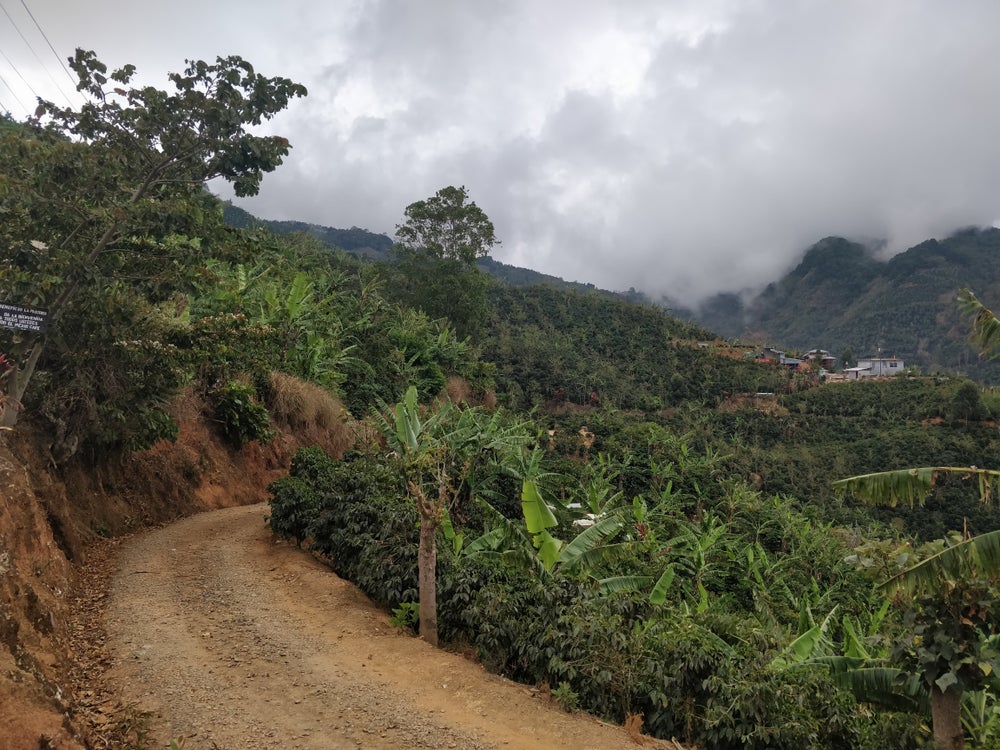
The report notes that the Dry Corridor is increasingly affected by unpredictable weather, with scorching, dry days that crack the soil and drain moisture from young plants, sometimes followed by sporadic nighttime rainfall. These extreme conditions have made it difficult for families to protect staple crops and ensure sufficient food.

The report highlights the experience of the Nájera Lorenzo family in Jalapa, who previously produced around 3,000 pounds of coffee per year—far below the level needed to meet basic household needs. With support from WFP, in partnership with the local organization Funcafé and funding from Starbucks Coffee Company, the family learned improved agricultural techniques, including shade management and early pest control, raising their coffee output to 13,000 pounds per cycle.

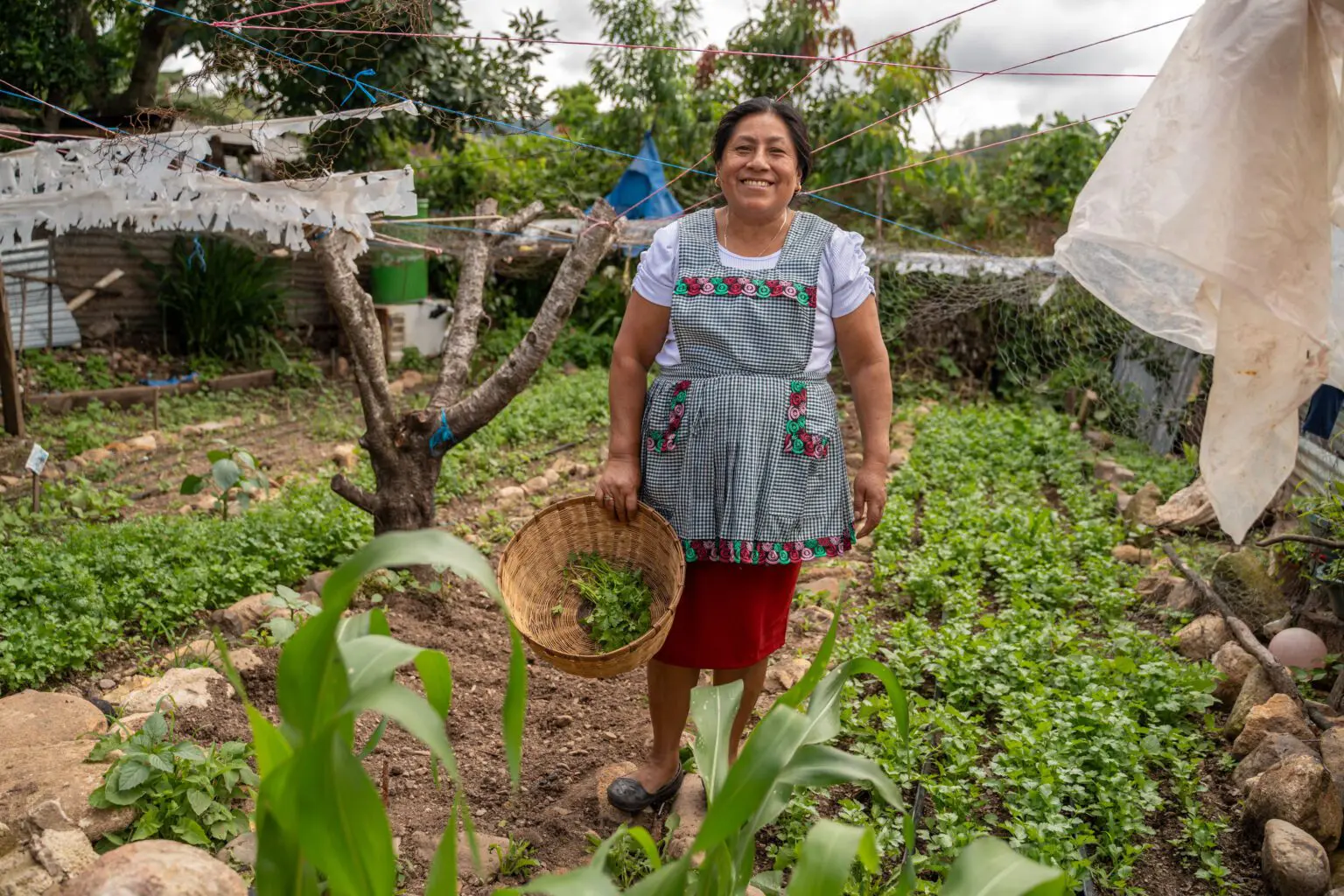
The project has also enabled families to establish home gardens. María Nájera, for example, manages a 430-square-foot garden where she grows Swiss chard, chipilín, radishes, and other vegetables. This garden has improved her family’s diet and generated additional income by selling surplus produce in local markets.

The report emphasizes that the project strengthens women’s roles in the community, supporting participation in savings and loan groups and empowering women to take on leadership roles. Farmers are also trained as climate monitors, collecting and interpreting local weather data to plan crop production more effectively and improve resource management, increasing resilience to climate variability.

According to WFP, the project has led to more diverse diets, increased household savings, better-organized and more productive plots, and the spread of knowledge to other families in the community, amplifying the project’s impact.

WFP stresses that this integrated approach improves food security and nutrition, strengthens the sustainability of coffee supply chains, and equips families to withstand climate shocks, contributing to Sustainable Development Goal 2: Zero Hunger.

The report concludes: “Every step toward building the resilience of farming families contributes to a future where every family can access sufficient, nutritious food and live with dignity and hope.”

First Look at the Central America Coffee Harvest 2025 / 2026

Dubai – Qahwa World

Sucafina has published a new field report titled First Look at the 2025 / 2026 Central America Coffee Harvest, offering an early overview of the upcoming season across Central America and Mexico. The report describes a sense of cautious optimism among producers as they prepare for the harvest, buoyed by improved weather conditions during the first half of the year.

According to Sucafina, early indicators suggest a 3% increase in coffee production compared to the previous season, with the first volumes expected to appear in the second half of October and the peak harvest period projected between December and January — a timeline more in line with historical averages for the region.

Oscar Fernando Hurtado Ramirez, Global Head of Production Research at Sucafina, stated that overall crop expectations across the region are positive. “We are expecting more coffee production in each country due to better weather conditions during the first half of the year,” he explained. Total production across Central America and Mexico is forecast to reach around 18 million bags, representing an increase of approximately 570,000 bags compared to the previous cycle.

Improved Crop Quality and Fewer Pests

The report notes that crop quality and conversion rates are also looking favorable this year. Lower pest and disease pressure have created more stable conditions that support plant health and boost yield potential. However, the report warns that coffee leaf rust could rise later in the year, given the higher proportion of susceptible varieties planted across the region combined with wetter conditions expected in October and December.

EUDR Still a Major Concern

Despite the encouraging start to the season, concerns remain high regarding the European Union Deforestation Regulation (EUDR). Hurtado emphasized that “EUDR remains the biggest concern among farmers and the broader coffee sector.” While progress has been made in preparing for compliance, producers are still uncertain about how the regulation will be implemented in practice—particularly for smallholders who may struggle to meet traceability and verification requirements.

Investing in Education for Lasting Impact

The report also highlights Sucafina’s ongoing social initiatives in Central America, particularly its collaboration with the Seeds for Progress Foundation to strengthen rural education in coffee-growing communities. Active in Guatemala across regions such as Santa Rosa, Jalapa, and Chiquimula, the initiative supports school infrastructure, teacher training, and the creation of safe learning environments for children during the harvest season, when many parents are at work in the fields.

One current project, Opportunity Through Pre-School Education, focuses on improving preschool classrooms in Santa Rosa by providing child-friendly furniture and training for educators. This initiative forms part of Sucafina’s IMPACT program, which promotes responsible sourcing and human rights development at origin.

As the 2025 / 2026 harvest begins to take shape, Sucafina reaffirmed its commitment to supporting both farmers and communities in the region. The company plans to share more updates from the field in the coming weeks and encourages partners to coordinate with their trading teams to plan for the upcoming coffee volumes.