By: Maya Maceka
Global coffee consumption continues to rise, with billions of cups consumed every day. In the United States alone, roughly two-thirds of adults drink coffee daily, making it one of the most popular beverages nationwide. While coffee is deeply embedded in daily life and culture, its growing demand comes with significant environmental and social consequences.
From deforestation and water pollution to carbon emissions and waste generated at home, coffee’s footprint extends far beyond the cup. Understanding how coffee is grown, traded, brewed, and consumed is the first step toward making more responsible choices.
This guide explores practical ways to build a more sustainable coffee routine, focusing on responsible sourcing, waste reduction, and energy-efficient brewing—small changes that can create meaningful impact when adopted widely.
Where Coffee Is Grown
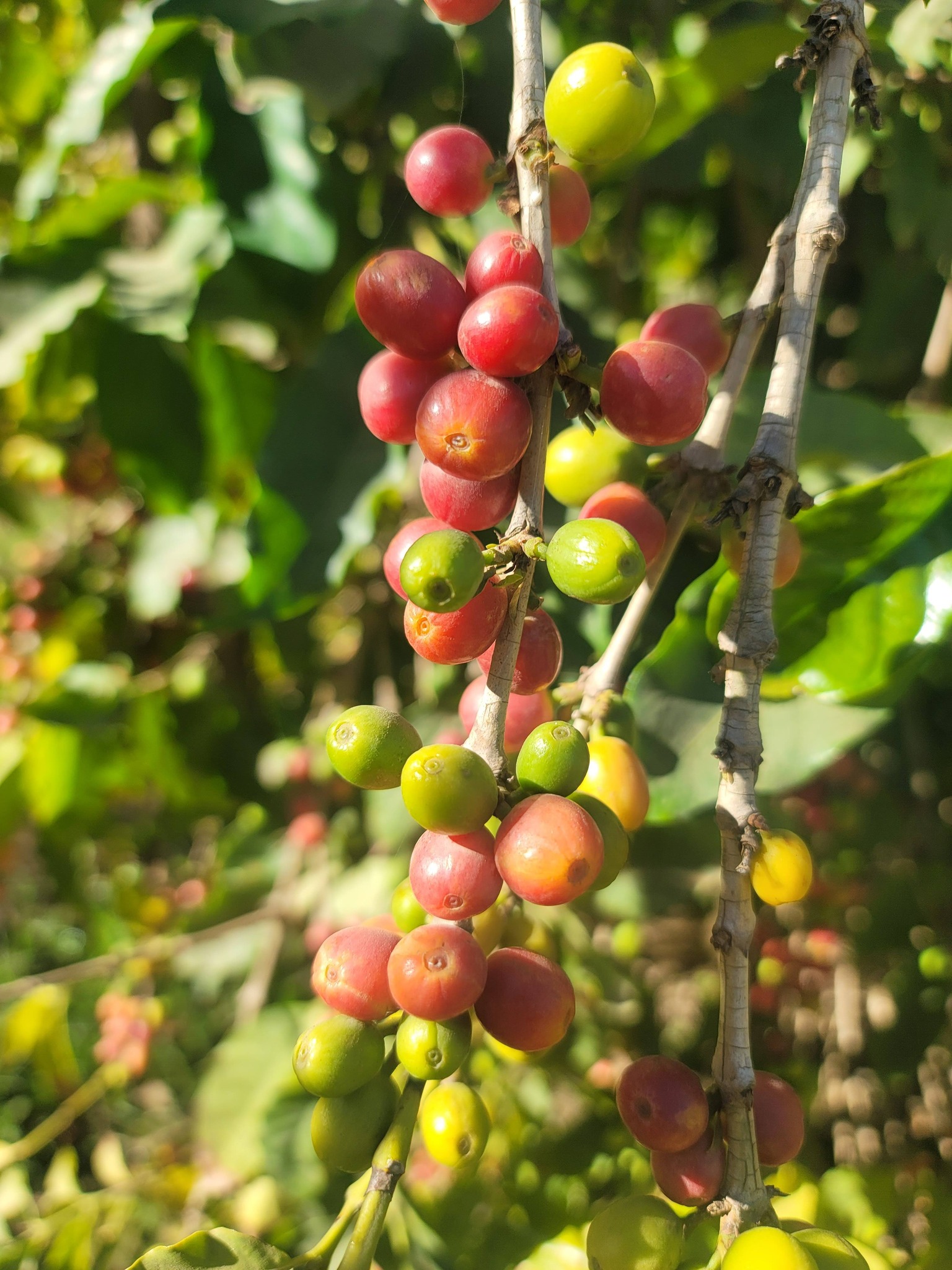
Coffee comes from the Coffea plant, which thrives in warm, humid regions near the equator. It is cultivated in more than 70 countries within what is commonly known as the “coffee belt,” stretching across Latin America, Africa, the Middle East, and Southeast Asia.
High-quality coffee is often associated with higher elevations, typically between 1,000 and 2,000 meters above sea level. These regions offer moderate temperatures, reliable rainfall, and fertile soils—conditions that allow coffee cherries to mature slowly and develop more complex flavors.
Slower growth at higher altitudes can also reduce caffeine levels and pest pressure, sometimes allowing farmers to rely less on chemical treatments. When combined with shade-grown methods, high-altitude farming can support biodiversity and soil health.
Main Coffee Bean Varieties
The global market is dominated by two species: Arabica and Robusta.
Arabica accounts for the majority of coffee consumed worldwide and is valued for its smoother, often fruity or floral profile. It grows best at higher elevations but is more sensitive to temperature changes, pests, and disease, making it increasingly vulnerable to climate stress.
Robusta thrives in warmer, lower-altitude environments and is more resilient. It contains higher caffeine levels and produces a stronger, more bitter flavor. Its durability allows it to maintain yields where Arabica struggles, which is why it plays a key role in many espresso blends.
A third variety, Liberica, represents only a small fraction of global production today. Grown mainly in parts of Southeast Asia, it is known for its distinctive, woody flavor and niche appeal.
Different beans suit different brewing styles. Arabica is often favored for black coffee and pour-over methods, while Robusta is commonly used in espresso-based drinks for its body and crema. Many commercial coffees blend both.
What Makes Coffee Sustainable?
Coffee farming has far-reaching environmental and social impacts. Conventional production methods can contribute to forest loss, soil degradation, chemical runoff, and greenhouse gas emissions. At the same time, millions of smallholder farmers face economic instability despite producing most of the world’s coffee.
A large share of coffee’s total carbon footprint originates at the farming stage, with emissions tied to land-use change, fertilizers, and processing. Meanwhile, much of the financial value generated from coffee is concentrated in consuming countries rather than at origin.
Sustainable coffee seeks to address these challenges by balancing environmental protection with fair economic outcomes for farmers.
Key Sustainable Coffee Practices
Several approaches are shaping a more responsible coffee sector:
-
Shade-grown farming supports wildlife, protects soil, and helps store carbon by growing coffee under tree canopies.
-
Organic cultivation avoids synthetic chemicals, relying instead on natural soil management and pest control.
-
Regenerative agriculture focuses on restoring ecosystems by improving soil health, increasing biodiversity, and capturing carbon.
-
Certifications such as Organic, Bird-Friendly, or Regenerative Organic aim to verify responsible practices, though transparency and enforcement remain critical.
-
Fair trade and direct trade models work to improve farmer income and working conditions by setting minimum prices or reducing intermediaries.
Transitioning to these systems can be costly and challenging for farmers, particularly in the short term, but long-term benefits include resilience, ecosystem protection, and improved livelihoods.
Making Your Coffee Routine More Sustainable at Home
Most coffee drinkers now brew at home, which means household habits play a growing role in coffee’s overall environmental impact.
Choose Responsible Coffee Beans
Beans account for a large portion of coffee’s environmental footprint. Choosing coffee produced using sustainable or ethical practices can significantly reduce that impact and help support farming communities.
Avoid Instant Coffee
Instant coffee requires additional processing and higher energy use compared to whole or ground beans. Its packaging is also more resource-intensive, making it a less sustainable option overall.
Look Beyond Labels
Certifications can offer helpful guidance, but they are not foolproof. Transparency, traceability, and clear sourcing information are just as important as logos on packaging.
Support Direct-Trade and Local Roasters
Buying from roasters that work directly with producers can improve transparency, reduce supply chain emissions, and ensure farmers receive a larger share of the value.
Reducing Waste from Coffee Consumption
Even sustainably grown coffee can generate unnecessary waste if consumption habits are inefficient.
Skip Single-Use Pods
Disposable coffee pods create long-lasting waste and are difficult to recycle. Refillable pods or pod-free brewing methods are far more sustainable alternatives.
Reuse Coffee Grounds
Used coffee grounds can be composted or repurposed for gardening, deodorizing, cleaning, or creative household uses.
Use a Reusable Cup
Single-use cups are rarely recycled due to plastic linings. Bringing a reusable cup reduces waste, conserves resources, and often keeps drinks warmer for longer.
Be Mindful of Packaging
Many coffee bags contain mixed materials that limit recyclability. Packaging choices still account for a small but meaningful share of coffee’s carbon footprint.
Sustainable Brewing Methods and Equipment
Brewing methods vary widely in energy use and waste output.
Manual methods such as pour-over, French press, moka pot, Turkish coffee, and cold brew require minimal energy and produce little waste. Cold brew, in particular, allows large batches to be prepared without heat.
Electric machines can be more sustainable if they are energy-efficient, durable, and compatible with reusable filters. Features such as automatic shut-off, insulated boilers, repairable components, and verified energy certifications help reduce long-term environmental impact.
Final Thoughts
Making coffee more sustainable does not require abandoning the ritual altogether. It begins with informed choices—selecting responsibly sourced beans, reducing waste, and choosing efficient brewing methods.
Each step of coffee’s journey, from farm to cup, carries environmental and social costs. By making thoughtful adjustments, consumers can help reduce those impacts while still enjoying one of the world’s most beloved beverages. Over time, these choices can contribute to a coffee industry that is fairer, cleaner, and more resilient.