The 10 Most Expensive Cappuccino Cities in 2025

Dubai – Qahwa World

A simple cup of cappuccino can tell a story much larger than just a morning indulgence. It reflects the cost of living, wages, rents, taxes, currency strength, and local purchasing power. What feels like a small daily treat in one city can quickly become a notable expense in another.

Top Cities for the Priciest Cappuccinos (2025 Data)

According to Deutsche Bank’s “Mapping the World’s Prices 2025” report, which uses crowd-sourced Numbeo data from 69 major cities and converts prices into USD, the most expensive cappuccinos can be found in the following cities:

Rank City Country Cappuccino Price (USD)
1 Zurich Switzerland $6.77
2 Copenhagen Denmark $6.77
3 New York United States $5.95
4 San Francisco United States $5.90
5 Geneva Switzerland $5.86
6 Abu Dhabi UAE $5.84
7 Los Angeles United States $5.78
8 Chicago United States $5.67
9 Boston United States $5.62
10 Dubai UAE $5.53

European cities, particularly Swiss and Nordic ones, dominate the top rankings. High wages, steep rents, strong currencies such as the Swiss franc and Danish krone, and elevated operating costs all contribute to these high prices. Switzerland stands out with multiple cities in the top ten due to its exceptional cost of living.

Notable Price Differences Within Countries

  • In the United States, prices vary widely: New York ($5.95), San Francisco ($5.90), and Los Angeles ($5.78) are at the top, while other cities remain more moderate.
  • In Switzerland, Zurich and Geneva reflect the country’s generally high cost environment.
  • In the United Kingdom, Edinburgh ($5.28) and London ($5.19) are expensive but not among the world’s highest.
  • UAE cities like Abu Dhabi and Dubai are expensive due to imported goods, high expatriate demand, and a culture of premium cafés.

The Affordable Side: Where Cappuccino Remains Cheap

At the other end of the spectrum, cappuccinos can cost less than $2 in several cities:

  • Cairo, Egypt: ~$1.57 (cheapest in the dataset)
  • Rome, Italy: ~$1.79
  • Milan, Italy: ~$2.15
  • Delhi, India: ~$2.07
  • Mumbai, India: ~$2.58

Lower prices often stem from local sourcing, lower labor and rent costs, and a cultural focus on daily coffee or tea rituals.

The gap between the most and least expensive cities exceeds fourfold, highlighting global economic disparities.

Why Cappuccino Prices Reflect Bigger Economic Trends

Daily items like coffee are sensitive to multiple factors:

  • Labor costs: Barista wages in Zurich or Copenhagen are significantly higher than in Cairo.
  • Rent and real estate: Prime café locations in major financial hubs increase overhead costs.
  • Dependence on imports: Many high-cost cities rely on imported coffee beans, milk, and equipment.
  • Taxes and regulations: VAT, minimum wage laws, and sustainability standards all contribute to the final price.
  • Local purchasing power: Higher prices are often paired with higher salaries, meaning a $6.77 cappuccino in Zurich may feel more affordable relative to income than a $2 cappuccino in a lower-wage city.

A daily coffee habit (five days a week) costs approximately:

  • $33.85/month in Zurich or Copenhagen
  • ~$29.75/month in New York
  • Under $8/month in Cairo

Over a year, these expenses can total hundreds or thousands of dollars in high-cost cities, serving as a tangible reminder of inflation and urban economics.

Small pleasures like coffee make abstract concepts such as “cost of living” tangible. Whether budgeting for your daily ritual or analyzing global markets, the humble cappuccino offers a clear lens into local and international economies.

Source: Deutsche Bank Research – Mapping the World’s Prices 2025 (via Numbeo data). Prices are averages and may vary by café type and location.

Costa Rican Coffee Farmers Hit by Strong Colón and Falling Prices

Dubai – Qahwa World

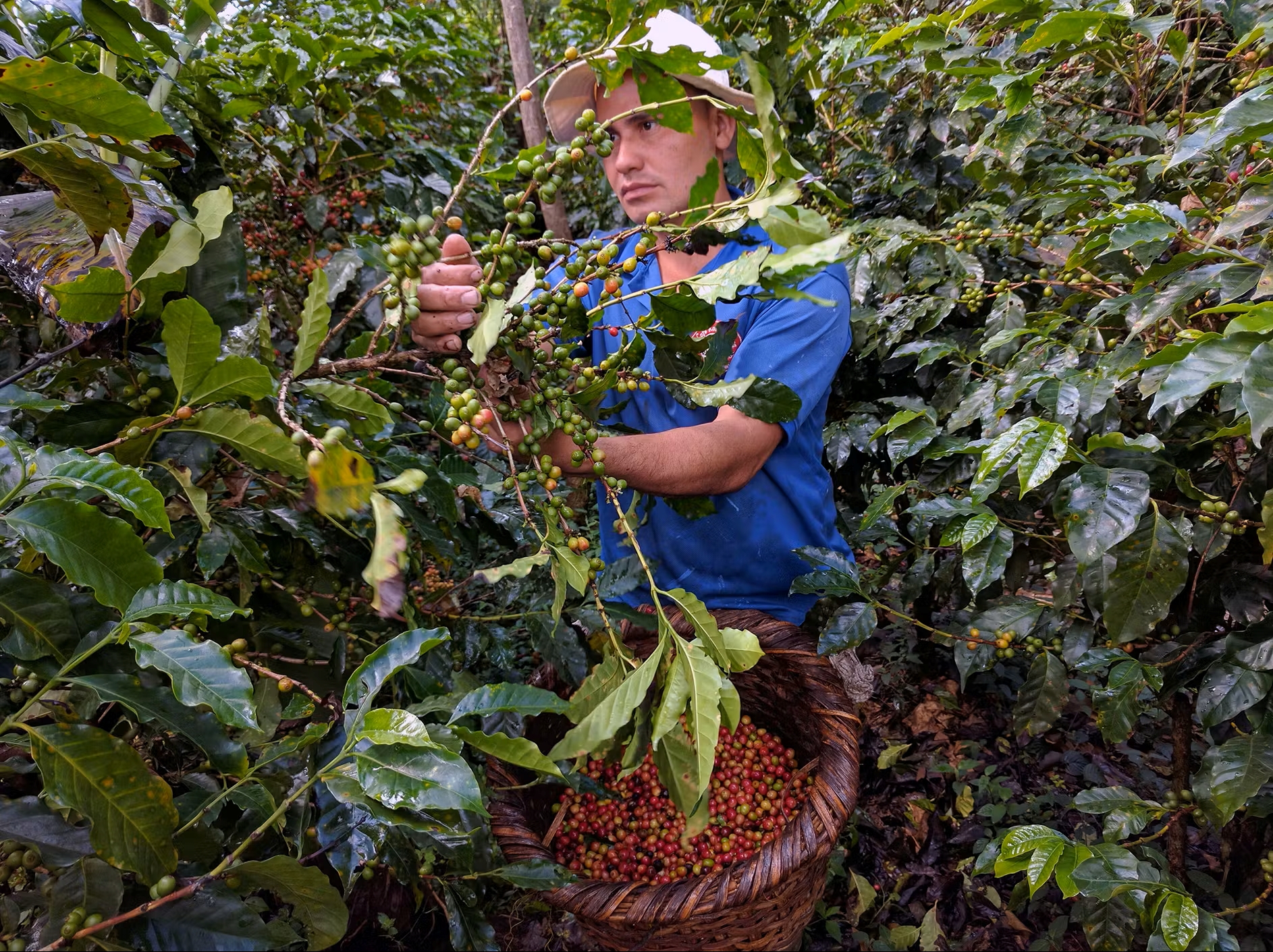
Coffee growers across Costa Rica are facing mounting financial pressure as two powerful forces converge: a sharply stronger national currency and declining global coffee prices. Industry leaders warn that the combination could significantly reduce farm income in the coming harvest and deepen the economic strain on rural coffee communities.

For a sector long recognized for producing high-quality Arabica coffee, the current environment highlights how global market shifts and domestic economic trends can quickly reshape the outlook for producers.

  • Currency Strength Erodes Export Earnings

Coffee in Costa Rica is sold on international markets in United States dollar, while most production costs—such as wages, fertilizers, transportation, and farm maintenance—are paid in Costa Rican colón.

You may read:Brazil’s Specialty Coffee Sector Gains Global Momentum

As the colón strengthens, every dollar earned from coffee exports converts into fewer colones. This reduces the real income farmers receive even when the global coffee price remains stable.

Exchange-rate data released by the Banco Central de Costa Rica show the dollar trading near ₡470 in mid-March 2026, significantly stronger for the local currency compared with rates above ₡680 only a few years earlier.

For export sectors such as coffee, the shift has created a challenging environment. While a strong currency can help reduce the cost of imported goods for consumers, it often compresses margins for industries that rely on international sales.

  • Factors Behind the Strong Colón

Economists attribute the strength of the Costa Rican currency to several economic trends that have increased the supply of foreign currency in the country.

Read also: Global Study Maps the “Carbon Footprint” of Latin American Coffee

Strong tourism revenues, expanding exports from companies operating in special economic zones, and steady foreign investment have all contributed to increased inflows of dollars into the national economy. Lower energy import costs have also reduced the demand for foreign currency.

In response to these pressures, the Banco Central de Costa Rica has purchased large amounts of dollars in foreign-exchange markets in an effort to moderate fluctuations and build international reserves. Despite these efforts, the colón has remained relatively strong compared with historical averages.

  • Global Coffee Prices Move Lower

At the same time that currency movements are reducing local earnings, international coffee prices have begun to retreat from the highs seen in recent years.

You can also read: AI and Gas Chromatography Identify Coffee Origins

Prices for Arabica coffee traded on the Intercontinental Exchange in New York surged during 2025 amid global supply concerns. However, market sentiment has shifted as forecasts point to increased production in several major coffee-growing countries.

A major factor influencing the outlook is the expected harvest in Brazil, the world’s largest coffee producer. Production forecasts indicate the possibility of a larger crop in the 2026–2027 season, which could add significant supply to global markets and place additional downward pressure on prices.

For Costa Rican producers, the combination of falling prices and currency shifts means revenues could decline even further in the coming harvest cycle.

  • Rural Communities at Stake

Coffee remains a central pillar of rural economic life in Costa Rica. The industry provides employment for tens of thousands of workers throughout the year, along with additional seasonal jobs during harvest.

Production is concentrated in well-known coffee-growing regions such as Tarrazú, Pérez Zeledón, and Coto Brus, where generations of families have cultivated coffee as their primary source of income.

Small farms dominate the sector. A large majority of producers operate relatively small holdings, and many rely on modest harvest volumes each year. These producers are often the most vulnerable to price volatility and economic shocks.

Read also: ICO February 2026 Report: Has the Inflationary Wave Receded?

Over the past decade, the number of registered coffee growers in the country has declined as some farmers left the sector due to rising costs and uncertain profitability.

  • Growing Concern Among Industry Leaders

The Costa Rican Coffee Institute has described the current situation as a serious challenge for the industry and has called for continued dialogue with policymakers about possible support measures.

Proposals being discussed include improved credit access for farmers, targeted programs to support rural communities, and long-term initiatives focused on innovation, sustainability, and productivity.

Industry representatives emphasize that strengthening the resilience of coffee farms will be essential if Costa Rica is to maintain its reputation as a producer of high-quality coffee in a rapidly changing global market.

  • A Defining Moment for Costa Rica’s Coffee Sector

Costa Rica’s coffee industry has long been regarded as a symbol of national agricultural identity and quality. Yet the sector now finds itself navigating a complex mix of economic pressures beyond farmers’ control.

If global prices continue to soften while the national currency remains strong, growers may face increasingly difficult decisions about the future of their farms.

For thousands of coffee-growing families, the coming seasons could determine whether coffee cultivation remains a sustainable livelihood—or whether the country’s historic coffee landscape begins to change in fundamental ways.

UN Officially Designates 1 October as International Coffee Day

Dubai – Qahwa World

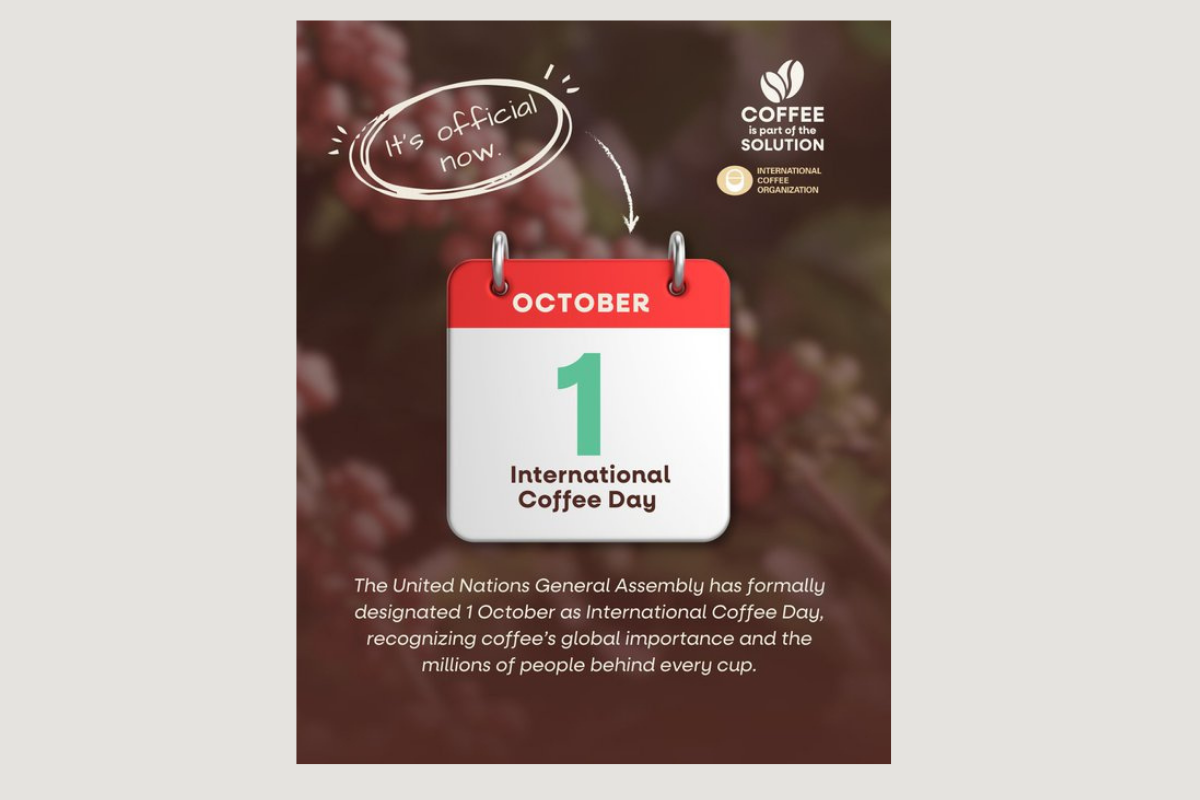
The International Coffee Organization has announced what it described as “a historic moment for the global coffee community” after the United Nations General Assembly formally designated 1 October as International Coffee Day.

According to the announcement, the decision recognizes coffee’s profound importance to global economies, cultures, and livelihoods, highlighting the role the beverage plays across producing and consuming nations alike.

The milestone follows the adoption of Resolution A/80/L.44 by the United Nations General Assembly on 10 March 2026. The resolution, introduced by Brazil, received 150 votes in favor, with one vote against from the United States and one abstention from Canada.

United Nations Officially Declares 1 October International Coffee Day

Under the resolution, 1 October will now be officially recognized every year as International Coffee Day, and all countries, United Nations bodies, and relevant stakeholders are invited to organize activities that highlight the economic, social, and environmental significance of coffee.

The resolution also invites the Food and Agriculture Organization of the United Nations to lead the annual observance in cooperation with the International Coffee Organization.

  • Elevating an existing global celebration

International Coffee Day has already been observed globally on 1 October since 2015, when the initiative was first launched by the International Coffee Organization during Expo 2015 Milan.

The new United Nations designation elevates the observance to an official international day within the UN system, giving the coffee sector broader global recognition and strengthening the visibility of the millions of people who depend on coffee for their livelihoods.

United Nations Officially Declares 1 October International Coffee Day

In its statement, the International Coffee Organization noted that the decision reflects the collective efforts of its member countries, institutional partners, and international organizations, including the Food and Agriculture Organization, to raise awareness of the coffee sector’s importance.

  • Supporting farmers and sustainability

Coffee remains one of the world’s most widely traded agricultural commodities and supports millions of farmers, workers, traders, and communities across Africa, Asia, and Latin America.

The International Coffee Organization and the Food and Agriculture Organization see the UN recognition as an opportunity to strengthen global attention to the sector’s key challenges and opportunities, including sustainability, farmer livelihoods, and climate-related risks affecting coffee production.

Qu Dongyu welcomed the decision, stating that the new international day will help raise awareness of coffee’s socio-economic importance and reinforce its role in supporting efforts to reduce poverty worldwide.

United Nations Officially Declares 1 October International Coffee Day

For the global coffee community—from smallholder farmers to exporters, roasters, and consumers—the recognition marks a significant step toward greater international acknowledgment of the industry’s cultural and economic impact.

With the adoption of the UN resolution, International Coffee Day on 1 October is expected to gain even broader global participation, as governments, organizations, and coffee professionals organize events and initiatives celebrating the beverage and the people behind every cup.

Brazil’s Specialty Coffee Sector Gains Global Momentum

Dubai – Qahwa World

The United States Department of Agriculture (USDA) published a detailed report titled “Brewing Opportunity – Brazil’s Specialty Coffee Sector Shows Strong Potential,” examining the rapid development of Brazil’s specialty coffee industry and the opportunities and challenges shaping its future.

Brazil remains the largest coffee producer and exporter in the world, while also ranking as the second-largest coffee-consuming country. Historically, the nation exported its highest-quality beans while domestic consumption focused largely on lower-grade coffee. In recent years, however, this pattern has begun to shift. Brazilian consumers are increasingly developing a taste for specialty coffee, driving growth in both production and local demand.

According to the report, the expansion of the specialty segment is supported by several structural advantages. Brazil benefits from favorable climatic conditions that allow the cultivation of diverse coffee varieties across multiple regions. In addition, the country has developed a strong network of research institutions, cooperatives, and producer organizations that focus on improving quality, innovation, and technical expertise within the coffee sector.

At the same time, the domestic market for coffee continues to expand, with consumers showing greater interest in differentiated products and higher-quality beans.

You may read: Russia’s Imports of Brazilian Coffee Fall to Six-Month Low

Despite this progress, the report notes that Brazil’s specialty coffee sector still faces several structural challenges. Many producers struggle with limited access to rural credit, making it difficult to finance investments in equipment and infrastructure. Post-harvest processing facilities—such as washing stations, pulpers, sorting machines, and drying systems—also remain insufficient in some areas, limiting the ability of farmers to produce and market high-quality coffee.

Producers have also reported uneven access to technical assistance and a limited number of certified warehouses and exporters, which can reduce profitability and hinder broader participation in the specialty coffee market, particularly among small-scale farmers.

Although specialty coffee generally costs about 50 percent more than conventional coffee, the segment offers advantages beyond price. Buyers often establish longer-term relationships with producers, which can provide farmers with greater stability and security for future harvests.

  • Major Coffee-Producing Regions

Specialty coffee production in Brazil is concentrated mainly in high-altitude regions, where elevation and moderate temperatures contribute to denser beans and more complex flavor profiles.

You may read: Brazil Crop Expectations Pressure Global Coffee Prices

The state of Minas Gerais stands as Brazil’s leading producer of arabica and specialty coffees. Regions such as Sul de Minas, Cerrado Mineiro, Matas de Minas, and Mantiqueira de Minas form a well-organized production chain that includes farmers, cooperatives, exporters, warehouses, and research institutions. Minas Gerais alone produces around 24 million bags of coffee annually, representing nearly half of Brazil’s total coffee output.

Each sub-region offers distinctive characteristics. Cerrado Mineiro became the first coffee region in Brazil to receive Designation of Origin status, while Sul de Minas is known for its concentration of small farms and its large cooperative structure. Mantiqueira de Minas has gained international recognition for its high-altitude coffees, where significant temperature variation between day and night allows cherries to ripen slowly, resulting in sweeter and more aromatic beans.

In Espírito Santo, Brazil’s second-largest coffee-producing state, production is dominated by robusta—locally known as conilon—though high-altitude areas also produce quality arabica coffee. Regions such as Caparaó and Montanhas do Espírito Santo are known for small family farms and coffees with aromatic complexity and balanced acidity.

The state of São Paulo also contributes to the specialty segment through regions such as Alta Mogiana and Média Mogiana, where coffees typically display balanced acidity, strong aroma, and a creamy body.

You may read:Coffee Prices Rise as Brazilian Real Strength Sparks Short Covering

Other regions across Brazil contribute unique characteristics as well. Rondônia, located in the Amazon region, specializes in conilon production, while Paraná, historically a major coffee producer, continues to maintain output through small farms supported by cooperatives and research institutions. Meanwhile, Bahia, one of the country’s newer coffee regions, has gained attention for its use of advanced technology and mechanized farming systems, which support high productivity levels.

  • Quality Standards and Classification

Brazil follows internationally recognized quality standards for specialty coffee. The evaluation system used by the Specialty Coffee Association scores arabica coffees on a 100-point scale, with coffees scoring 80 points or higher classified as specialty grade.

Coffees are evaluated according to sensory characteristics such as aroma, flavor, acidity, body, sweetness, balance, uniformity, and aftertaste, while also being assessed for physical defects.

Brazil also uses national classification systems aligned with these international standards. The country’s official classification process evaluates cup quality using descriptors such as strictly soft, soft, and hard, among others.

In May 2025, the Brazil Specialty Coffee Association adopted a new evaluation protocol known as Coffee Value Assessment, designed to create a more standardized approach to assessing quality and to improve communication between producers and international buyers.

You may read:Brazil Rain and Vietnam Surplus Sink Coffee Futures

Brazilian producers may also use additional certification programs—such as organic or fair-trade certifications—to meet international market requirements, although these certifications do not automatically classify a coffee as specialty.

The quality of Brazilian robusta and conilon coffee has also improved in recent years, contributing to stronger demand and higher prices. Brazil is currently the second-largest producer of robusta coffee globally, behind Vietnam.

  • Challenges Affecting Growth

The report highlights genetics as another key factor in specialty coffee production. However, inconsistencies between international and national databases for coffee cultivars sometimes create challenges. Some varieties recognized internationally for exceptional quality are not officially registered for cultivation in Brazil, while many important Brazilian cultivars are absent from international quality catalogues.

These discrepancies can complicate certification and recognition processes for producers and may increase production costs or reduce profitability.

Specialty coffee production also requires significant investments in cultivation techniques and post-harvest infrastructure. Because these investments can be costly, the specialty coffee sector in Brazil remains concentrated among a relatively limited number of producers.

  • Growing Interest Among Brazilian Consumers

Although Brazil has long been a global coffee powerhouse, domestic appreciation for specialty coffee is relatively recent. Since the early 2000s, coffee culture has evolved significantly as consumers began exploring higher-quality beans, alternative brewing methods, and greater transparency regarding coffee origins.

You may read:India’s Quiet Coffee Superpower

Recent consumer surveys show that some Brazilians have reduced overall coffee consumption in response to rising prices. Nevertheless, demand for specialty coffee continues to grow. The report indicates that consumption of specialty coffee in Brazil has been increasing by about 15 percent per year, significantly faster than the growth of traditional coffee consumption.

Specialty coffee consumption in the country is estimated at around 70,000 tons annually, representing approximately five to ten percent of total coffee consumption.

Consumers interested in specialty coffee tend to seek differentiated beans, visit cafés that emphasize brewing quality, and show greater interest in sustainability practices and traceability.

  • Trade Trends and Export Markets

Brazilian export data does not track specialty coffee as a separate category. Instead, exporters often group it under “differentiated coffees,” which include beans certified for quality, sustainability, or other distinctive characteristics.

According to export data, Brazil shipped 8.1 million bags of differentiated coffees in 2025, representing about 20 percent of the country’s total coffee exports. Although export volumes declined compared with the previous year, revenues increased significantly to approximately 3.5 billion dollars, partly due to favorable exchange rates.

The United States remained the largest destination for Brazilian differentiated coffees, importing about 1.3 million bags, followed by Germany, Belgium, the Netherlands, and Italy. European markets often function as distribution hubs that supply specialty coffee to other regions.

  • Global Promotion and Future Outlook

Brazil is actively promoting its specialty coffee sector internationally through initiatives designed to strengthen its presence in global markets. One such program focuses on marketing Brazilian specialty coffees through trade fairs, branding campaigns, and partnerships with international buyers.

Priority markets include the United States, Japan, China, South Korea, the United Arab Emirates, France, and Australia, while processed coffee products such as roasted and ground coffee are being promoted in markets including Canada, Chile, China, and the United States.

The initiative is scheduled to run until 2027 and aims to expand Brazil’s leadership in the global specialty coffee sector.

The report concludes that rising international demand for traceable, sustainable, and high-quality coffee—combined with ongoing improvements in production and promotion—positions Brazil’s specialty coffee industry for continued growth in the years ahead.

How Ramadan’s Coffee Economy is Reshaping Global Supply Chains

By: Kurniawan Arif Maspul

In the hush that falls just before sunset in Riyadh, Jakarta or Dubai, there is a moment of collective suspension. The air is thick with anticipation. Then the call to prayer unfurls, dates are lifted, water is sipped, and almost instinctively, coffee follows. In that simple act — the pouring of Arabic gahwa or the clink of iced kopi susu — lies an economic story far larger than caffeine.

Ramadan’s night-time coffee economy has become a revealing lens on strategic development, soft power and resilience across the Middle East and Southeast Asia.

Coffee is no minor indulgence in these regions. UNESCO has inscribed Arabic coffee on the List of Intangible Cultural Heritage, describing it as a symbol of generosity and dialogue. That symbolism now intersects with hard numbers. The Middle East coffee-beans market is valued at roughly US$2.2 billion and rising, fuelled by youthful demographics and a booming speciality café culture. In the UAE alone, coffee sales exceed AED 12 billion — about US$3.2 billion — with an extraordinary 93 per cent consumed outside the home. Saudi Arabia pours an estimated 36 million cups a day, sustaining more than 61,000 cafés and a branded coffee-shop sector worth around US$1.38 billion in 2024, up more than 11 per cent in a single year.

Indonesia, meanwhile, stands at the other end of the supply chain and yet increasingly at its centre. The world’s fourth-largest producer and fifth-largest consumer of coffee exported US$1.63 billion worth of beans in 2024 and shipped more than 200,000 tonnes globally in the first half of 2025 alone. Domestic consumption has climbed from 4.45 million to 4.8 million bags in just five years. What was once dismissed locally as an ‘old people’s drink’ has become an emblem of urban modernity. The result is a strategic corridor stretching from the highlands of Sumatra and Sulawesi to the neon-lit cafés of the Gulf.

Ramadan intensifies this corridor. The month reprograms economic time. Daylight commerce slows; nighttime consumption surges. Saudi marketplaces teem until dawn. Cafés extend trading hours to 3 am, hiring additional staff, absorbing higher electricity costs and generating concentrated bursts of revenue. While some studies have noted short-term GDP dips during Ramadan — one estimate put the UAE’s pre-pandemic Ramadan contraction at around US$1.4 billion — Gulf economists argue that such metrics miss the point. The month’s economic pulse shifts rather than disappears. Expenditure moves into food and beverage, into shared experiences, into what urban planners now call the ‘night-time economy’.

For oil-dependent states pursuing diversification under strategies such as Saudi Vision 2030, this nocturnal vitality is not incidental. It is structural. Coffee shops have become micro-engines of non-oil growth, social cohesion and even labour-market flexibility. Extended hours generate VAT receipts and service-sector employment. They also cultivate what might be described as social capital — the intangible glue of trust and belonging that underpins political stability.

In Ramadan, cafés function as modern majlis: spaces where business is discussed, grievances softened, and generational divides bridged over small porcelain cups.

This is not merely sociological poetry. It is geopolitics by other means. Analysts at the USC Centre on Public Diplomacy have described coffeehouses as unconventional yet strategic venues of soft power. Indonesia has embraced this logic overtly, deploying ‘coffee diplomacy’ during state visits and at multilateral forums to showcase regional blends as symbols of cultural diversity. Gulf states, too, leverage coffee ritual as a narrative. A cup of gahwa offered to a visiting dignitary signals continuity between Bedouin hospitality and hyper-modern skylines.

Trade flows reinforce this symbolism. Egypt has emerged among Indonesia’s top coffee destinations. Gulf importers, wary of climate volatility in Brazil and Vietnam, are diversifying towards Southeast Asian suppliers. Dubai’s ports handled around AED 3.5 billion (nearly US$1 billion) in green coffee trade in 2024, consolidating the emirate’s role as a re-export hub. These exchanges deepen South–South ties at a time when the global trading system feels brittle.

Yet the aroma of opportunity is tinged with anxiety. Climate change looms over the bean belt. The World Bank has warned that rising temperatures and erratic rainfall threaten vast swathes of Arabica-growing regions. Around 125 million livelihoods globally depend on coffee. In Indonesia, 98 per cent of farms are smaller than two hectares, acutely vulnerable to shifting weather patterns and pests such as coffee rust. Sustainability is no longer a boutique concern; it is a strategic necessity.

Regulatory currents amplify the pressure. The European Union’s deforestation regulations are reshaping expectations of traceability and environmental compliance. The Global Coffee Platform reports that certified sustainable coffee now accounts for roughly 21 per cent of global exports among participating members, and the share is climbing. Saudi Arabia has launched its own Coffee Sustainability Initiative, embedding traceability and eco-friendly standards into domestic policy. Climate adaptation programmes in Indonesia, including partnerships backed by USAID and private firms, aim to equip smallholders with shade-tree systems, improved irrigation and resilient varieties.

In this context, Ramadan’s coffee economy offers a microcosm of the broader transition. The surge in demand during fasting nights underscores both interdependence and fragility. Supply chains must flex across time zones and hemispheres. Ports, logistics firms and roasters coordinate around lunar calendars as much as market signals. The cup cradled after tarawih prayers is the endpoint of a chain that begins on a hillside vulnerable to climate stress.

There is, in this choreography, a subtle lesson for strategic policy. Economic diversification cannot be abstract. It must be anchored in lived culture. The success of Gulf coffee sectors lies partly in their ability to fuse heritage — UNESCO-listed rituals of hospitality — with hyper-modern retail ecosystems and global sourcing. Indonesia’s ascent reflects a similar fusion: smallholder traditions intersecting with urban start-ups and digital payment platforms.

For middle powers navigating an unsettled century, the lesson extends far beyond any single region. Coffee is no longer a peripheral commodity drifting quietly through global trade statistics. It has become a living artery of influence, binding Latin America to East Asia, Africa to the Gulf, and Europe to Southeast Asia. What looks like a simple supply chain is, in truth, a network of shared vulnerability and shared possibility.

Across continents, coffee sustains the livelihoods of roughly 120 million people. It anchors export revenues in producing nations and fuels vast consumer markets in cities that rarely see a coffee tree. It connects smallholder farmers on two-hectare plots to urban professionals in glass towers. It is traded in billions of dollars, regulated under tightening environmental standards, and scrutinised under new deforestation and traceability regimes. A bean grown in one hemisphere now carries the climate anxieties, labour politics and sustainability expectations of another.

In this sense, coffee has become a quiet instrument of geopolitical relevance. Commodity chains once dismissed as mundane are emerging as platforms of influence. Whoever shapes the standards shapes the market. Whoever finances climate adaptation secures a long-term supply. Whoever tells the story of origin and sustainability builds soft power. Development banks, multinational corporations and regional blocs are no longer bystanders; they are architects of the future of the cup.

There is something deeply human in this. Coffee houses have always been spaces of exchange — of ideas, of grievances, of ambition. Today, that exchange stretches across oceans. Muslim-majority societies share ritual and trade through coffee, but so too do communities divided by language, ideology or geography. From highland farms to cosmopolitan cafés, the chain weaves culture into commerce and development into daily habit.

In a fragmented world tempted by economic nationalism and strategic suspicion, such connective tissue matters profoundly. Climate shocks in one producing country reverberate through prices and politics elsewhere. Regulatory shifts in one bloc reshape farming practices across continents. Stability in rural regions abroad becomes inseparable from consumer confidence at home. Interdependence is no longer theoretical; it is brewed fresh each morning.

The deeper truth is this: power in the twenty-first century will not rest solely on military strength or technological supremacy. It will also rest on stewardship — of supply chains, of standards, of sustainability, of trust. Coffee offers a glimpse of that alternative grammar of power. It demonstrates that resilience can be cultivated, that influence can be infused through partnership rather than pressure.

A single cup, lifted at dawn or shared at dusk, carries more than aroma. It carries the labour of distant hands, the risk of changing climates, the weight of regulation and the promise of cooperation. In that humble ritual lies a quiet proposition for the global order: prosperity, like coffee, is strongest when grown together, traded fairly and shared across borders.

As the final sips are taken before dawn and cities quieten again, the economic ledger of Ramadan will show more than receipts. It will record an annual rehearsal of adaptation: of how societies bend time, commerce and ritual to coexist. In that rehearsal lies a model of strategic resilience. The steam rising from a small cup in the early hours carries with it more than aroma.

It carries the possibility that tradition, when aligned with innovation and sustainability, can anchor a region’s future — and quietly reshape the geopolitics of a global commodity.


Top 20 Most Powerful Coffee Companies in the World 2026

The Map of Influence and the $200 Billion Battle

DUBAI – QAHWA WORLD

In 2026, the coffee sector has transcended being a mere consumer commodity to become one of the most complex and influential sectors in the global economy. As the market value surpasses the $200 billion mark, the map of power has been redrawn. “Store count” is no longer the sole metric of success; instead, Big Data, Sustainable Supply Chains, and Digital Delivery Speed have become the primary engines of growth. This report highlights the 20 titans shaping the coffee landscape in 2026 based on operating income, market influence, and geographical footprint.

Top 10 Coffee Companies in the Retail Sector (Coffee Chains)

  1. Starbucks – USA:

    • Revenue: ~$39.2 Billion.

    • Footprint: +40,000 stores in 86 countries.

    • Analysis: Remains the dominant global force. In 2026, it successfully integrated the “Deep Brew” AI to predict customer orders with 95% accuracy and solidified its position in China despite fierce competition.

  2. Luckin Coffee – China:

    • Revenue: ~$6.8 Billion.

    • Footprint: +22,000 stores (surpassing Starbucks in Asia by count).

    • Analysis: Operates on a “Cloud Cafe” model with 100% digital ordering. Its strength lies in low overhead costs and lightning-fast expansion.

  3. Tim Hortons – Canada:

    • Revenue: ~$4.8 Billion.

    • Footprint: +5,900 stores.

    • Analysis: The powerhouse of the RBI group. It expanded aggressively in 2026 into emerging markets like India and the Philippines while maintaining absolute dominance in Canada.

  4. McCafé – USA:

    • Estimated Revenue: ~$3.5 Billion (as a standalone segment).

    • Footprint: Available in most McDonald’s locations (+40,000 points).

    • Analysis: The “silent” competitor to Starbucks. In 2026, it pivoted toward high-quality specialty beans to compete with premium cafes at economy prices.

  5. Dunkin’ – USA:

    • Footprint: +13,500 stores.

    • Analysis: Under Inspire Brands, Dunkin’ has transformed into a tech-centric company, with 60% of sales processed via mobile apps in 2026.

  6. Costa Coffee – UK:

    • Footprint: +4,300 stores and +16,000 “Costa Express” machines.

    • Analysis: Its true strength in 2026 lies in “Smart Vending,” delivering cafe-quality coffee in gas stations and airports, backed by Coca-Cola’s logistics.

  7. Panera Bread – USA:

    • Revenue: ~$6.2 Billion.

    • Analysis: A pioneer in the “Subscription Economy.” In 2026, its “Unlimited Sip Club” reached record numbers, ensuring steady recurring cash flow.

  8. Cotti Coffee – China:

    • Footprint: +8,000 stores.

    • Analysis: The challenger that was born big. It follows an aggressive pricing strategy, securing the 8th spot globally by store count in record time.

  9. Peet’s Coffee – USA:

    • Analysis: Focuses on “Coffee Purists.” In 2026, it became the go-to reference for fresh-roasted coffee in the premium US and Asian markets.

  10. Caribou Coffee – USA:

    • Footprint: +850 stores.

    • Analysis: Despite a smaller footprint, it dominates the US Midwest and maintains a powerful presence in the Middle East through franchising.

Top 10 Coffee Companies in the Manufacturing Sector (Packaged & Home Coffee)

  1. Nestlé – Switzerland:

    • Coffee Revenue: +$26.5 Billion.

    • Brands: Nescafé, Nespresso, Starbucks At Home.

    • Analysis: The “Central Bank of Coffee.” Dominates soluble coffee and capsules, holding the largest R&D budget for climate-resilient coffee strains.

  2. JDE Peet’s – Netherlands:

    • Revenue: ~$10.2 Billion.

    • Analysis: The European giant with over 50 brands. In 2026, it strengthened its grip on packaged coffee in emerging markets.

  3. Keurig Dr Pepper – USA:

    • Revenue: ~$15.5 Billion (Total Group).

    • Analysis:* Controls the “Single-Serve” system in North America and serves as a manufacturing partner for over 100 other brands.

  4. Lavazza – Italy:

    • Revenue: ~$3.4 Billion.

    • Analysis: The icon of Italian coffee. In 2026, it successfully acquired several specialty roasters in Europe to boost its “Premium” segment presence.

  5. Tchibo – Germany:

    • Analysis: A unique business model combining coffee trade with consumer goods, holding a dominant position in Germany and Eastern Europe.

  6. Olam Food Ingredients (OFI) – Singapore:

    • Analysis: The “Back-end Engine.” The largest supplier of green beans and processed coffee to most companies on this list, making it a strategic player in global pricing.

  7. UCC (Ueshima Coffee Co.) – Japan:

    • Analysis: A leader in Ready-to-Drink (RTD) and canned coffee innovation. Dominates the Asian market and owns model estates in Hawaii and Brazil.

  8. Melitta – Germany:

    • Analysis: Controls both the brewing equipment and the coffee itself, providing a competitive edge in the “At-Home” segment.

  9. illycaffè – Italy:

    • Analysis: While not the largest by revenue, it is the strongest in “Reputation.” In 2026, illy remains the gold standard for the luxury hotel and restaurant sector worldwide.

  10. Strauss Coffee – Brazil/Israel:

    • Analysis: Dominates the Brazilian market (the world’s largest producer) and holds leading market shares in Russia and Eastern European countries.

Key Indicators for 2026

  • Digital Transformation: 45% of sales for major companies (like Starbucks and Luckin) are now conducted via mobile apps.

  • Sustainability: Net-zero carbon commitment has become a prerequisite for staying on the list; Nestlé and Lavazza have invested billions in sustainable supply chains.

  • Specialty Growth: Giants are increasingly acquiring small specialty roasters to cater to Gen Z preferences.

  • The Asia Market: China is no longer an “emerging” market; it has become the “Main Engine” for global store growth.

Major Trends of 2026

This report shows that the gap between “cup sellers” and “coffee manufacturers” is narrowing. Power in 2026 belongs to companies that own Customer Data and control the Supply Chain from Farm to Cup. We also note the rise of Ready-to-Drink (RTD) coffee as the fastest-growing segment, prompting giants like Nestlé and Coca-Cola (Costa) to inject massive investments.

Research Note: This data was compiled based on fiscal year-end reports for 2025 and growth projections for Q1 2026. Financial figures reflect market value and operational cash flows.

South Korea’s Coffee Import Bill Hits Record $1.38 Billion in 2025

SEOUL – Qahwa World

South Korea’s coffee import bill reached a record high in 2025, driven by rising global coffee prices and a weakened local currency, according to data released on Sunday.

According to Yonhap News Agency, South Korea imported more than 2 trillion won (US$1.38 billion) worth of coffee in 2025, marking the first time in the country’s history that coffee imports have surpassed the 2-trillion-won threshold.

Data from the Korea Agro-Fisheries & Food Trade Corporation showed that the total value of coffee imports climbed to 2.65 trillion won, representing a 41% increase compared to 2024. In U.S. dollar terms, coffee imports rose 35% year on year to US$1.86 billion, up from US$1.38 billion the previous year.

The sharp increase was largely attributed to a surge in global coffee prices, which reached a record high of more than US$4 per pound in February 2025 before easing to around US$3.5 per pound. The impact of higher prices was compounded by the weakness of the Korean won, which traded near multi-year lows for much of the year, pushing up import costs when calculated in local currency.

Despite the rise in import value, coffee import volumes declined slightly. Total coffee imports fell by 46 tons from the previous year to 215,792 tons in 2025, indicating that higher prices and currency effects—rather than increased volumes—were the primary drivers behind the record import bill.

South Korea remains one of Asia’s most active coffee markets, with sustained consumer demand continuing to support imports amid ongoing volatility in global coffee prices.

Dubai Leads the Future Dialogue of the Global Coffee Sector

Dubai – Qahwa World

In a move that reinforces Dubai’s position as a global center of gravity in the coffee economy, the city is preparing to host World of Coffee Dubai 2026, an event that seeks to outline a new chapter in the history of the industry, shifting coffee from a traditional commodity trade to a knowledge- and innovation-driven sector.

  • A Journey of Quality Through Time

The exhibition’s vision is grounded in the historical progression that shaped today’s coffee culture, while correcting misconceptions and offering authoritative reference content:

The Era of Mass Production (1890–1960):
This period was dominated by “coffee for the masses,” with the focus placed on volume and ease of preparation at the expense of quality.

The Emergence of Specialization (1960–1990):
The early signs of a shift toward higher quality appeared in the 1960s, a movement that led to the official emergence of the term “specialty coffee” in the 1970s. This era marked a growing global focus on origin, quality, and roasting methods.

The Age of Craft and Sustainability (2000–Present):
Today, the industry has entered a professional and mature phase, where coffee has become a social experience supported by technology, alongside an intensified focus on transparency and sustainability.

  • Figures and Ambitions

The fifth edition of the exhibition will take place from 18 to 20 January 2026 at the Dubai World Trade Centre. What began with just 3,000 visitors has grown into an event attracting more than 17,000 visitors and 450 international exhibitors, positioning it as the primary gateway to the regional coffee market, which is projected to reach revenues of USD 38 billion by 2030.

  • Participation Opportunities and Activities

The exhibition offers a range of opportunities for professionals, including:

Roasters Village: A dedicated area for small roasteries to showcase their products directly (AED 9,000).

Brewing Zone and Cupping Rooms: Professional platforms that enable the tasting and evaluation of rare coffees by industry experts.

Innovation Awards and Coffee Auctions: Activities that celebrate creativity and bring exporters and buyers together in a dynamic setting.

“Be a Speaker” Program: A knowledge-sharing platform that allows experts to present their insights on the future of the industry and the impact of technology and artificial intelligence.

An Invitation to Regional Cafés

The exhibition invites cafés across the region to join the World of Coffee Café Network, benefiting from direct sourcing opportunities and professional networking with more than 1,980 brands from 130 countries.

World of Coffee Dubai 2026 is not merely a trade event; it is a global platform that brings farmers together with roasters, investors with baristas, collectively shaping the future of the global coffee landscape from the heart of Dubai.

Arabica Coffee Drives Economic Development in Tiengan Ward

Vietnam—Qahwa World

Ward in Son La Province, northern Vietnam, is gradually becoming a center for high-quality Arabica coffee production. Coffee plantations are helping local residents increase their incomes and escape poverty. In 2025, the area is focusing on high-yield varieties, modern technologies, and cooperative farming models.

Just a few minutes from the provincial center, the green and productive Arabica coffee plantations of Tiengan Ward thrive. Thanks to an elevation of over 900 meters above sea level and a mild climate, the local coffee is known for its rich aroma and light acidity, making it suitable for specialty coffee production.

As of 2025, coffee plantations in Tiengan cover more than 350 hectares, with over 80% planted with high-yield Arabica. Yields reach 1518 tons per hectare, 1012% higher than during 20202023, reflecting changes in approaches to rural economic development.

Nguyen Van Tuan, Chairman of the People’s Committee of Tiengan Ward, Son La Province, stated: “Arabica is regarded as a key crop, with a focus on organic production and the renewal of varieties to improve both quality and local incomes.”

Ka Thi Thuong, the head of Tam Quynh Village in Tiengan Ward, was among the first to successfully switch to high-yield Arabica. She said: “The village covers 772 hectares. On average, about 8 tons of Arabica are harvested per hectare. This year’s yield was particularly high: the majority of families earned more than USD 3,800, while some earned over USD 38,000.”

Beyond Thuong’s family, more than 700 households in Tiengan rely on coffee for income, earning 120150 million VND annually, contributing significantly to the local economy.

Today, Son La Province is the largest center for Arabica coffee in Vietnam, with over 20,000 hectares of plantations, representing nearly 60% of all Arabica-growing areas in the country. The “Son La Arabica” brand is gradually gaining national recognition, from coffee competitions to exports.

Vuong Van Hai, chairman of the provincial tea association, said:

“Son La focuses on producing high-quality specialty coffee and developing the sector according to geographical indications, while strictly adhering to quality standards and environmental requirements.”

Coffee not only generates income but also drives the development of primary and advanced processing, trade, and agrotourism, creating stable jobs for local residents.

Tiengan Ward aims to build a closed-loop “coffee economy” that combines environmental protection with sustainable development. One of the key initiatives in 2025 is the adoption of modern technologies in coffee cultivation: smart drip irrigation systems, the use of organic biofertilizers, and selective harvesting. These measures help achieve more uniform bean quality, higher sugar content, and consistent flavor.

From the first coffee trees planted on hillside slopes to today, Tiengan Ward is steadily moving toward a more prosperous economic future. Coffee beans have become a symbol of renewed thinking and confidence in modern agricultural development. As local farmers continue to tie their future to Arabica, the story of “prosperity from the mountains” is increasingly visible in the lush greenery of Tiengan’s coffee plantations.

Arabica Leads the Recovery: Coffee Outperforms Sugar, Cotton, and Cocoa in Q3 2025

Dubai – Qahwa World

The agricultural commodities sector gained 1.89% in Q3 2025, driven by strong advances in Arabica coffee and frozen concentrated orange juice (FCOJ) futures. Despite the quarterly rise, the sector remained 19.25% below its 2024 closing level, with four of five major agricultural commodities ending lower and two down more than 40%.

Arabica coffee was the best-performing agricultural commodity in Q3, climbing 22.2% amid concerns over Brazil’s crop outlook and posting a 17.23% year-to-date increase. Futures closed at $3.7485 per pound at the end of September and climbed further to $4.0875 by mid-October, marking coffee as the standout performer of 2025 so far.
The monthly chart shows sustained bullish momentum that began in late 2024.

Cocoa, however, led the downside after reaching an all-time high of $12,931 per ton in late 2024. Prices plunged 27.86% in Q3 and 42.19% since the start of 2025, closing at $6,749 per ton in September and falling below $5,900 in mid-October. Analysts point to commodity cyclicality — high prices trigger oversupply, larger inventories, and weaker demand.

World sugar futures (#11) rose 4% in Q3 but are still 16.41% lower year-to-date. Prices settled at 16.10 cents per pound at the end of September, well below the November 2023 peak of 28.14 cents. By mid-October, March 2026 contracts were trading near 15.60 cents, extending the bearish trend.

Cotton prices slipped 0.77% in Q3 and 3.85% year-to-date. Futures closed September at 65.77 cents per pound and hovered slightly lower at around 65 cents in mid-October. Cotton has trended downward since the May 2022 high of $1.5595 per pound, though current levels may offer a foundation for recovery if production contracts due to low prices.

While FCOJ gained 11.90% in Q3, it remained the worst-performing agricultural commodity year-to-date, down 51.04%. Prices fell from a December 2024 record of $5.4315 per pound to $2.4355 by the end of September and slipped below $2 in mid-October.
Analysts note that FCOJ’s limited liquidity amplifies volatility, with low open interest and trading volumes causing sharper price swings.

As Q4 begins, coffee prices remain elevated while cocoa, sugar, cotton, and FCOJ continue to slide. However, sugar and cotton may find cyclical support, as low prices typically drive production cuts, inventory drawdowns, and stronger demand — setting the stage for a rebound.

Weather conditions, crop health, trade policies, and geopolitics will continue to shape volatility across agricultural commodities. While coffee may face corrective pressure after its rally, sugar and cotton appear the most likely candidates for recovery — particularly cotton, which tends to peak in Q1–Q2 amid planting uncertainty. With prices below 66 cents per pound, cotton could emerge as the strongest recovery play for 2026.

“Agricultural commodities led the asset class in 2023 and 2024 but have fallen behind in 2025. Yet, cyclicality remains the driving force — where lows are found, the next rallies begin.”