Arabica Coffee Drives Economic Development in Tiengan Ward

Vietnam—Qahwa World

Ward in Son La Province, northern Vietnam, is gradually becoming a center for high-quality Arabica coffee production. Coffee plantations are helping local residents increase their incomes and escape poverty. In 2025, the area is focusing on high-yield varieties, modern technologies, and cooperative farming models.

Just a few minutes from the provincial center, the green and productive Arabica coffee plantations of Tiengan Ward thrive. Thanks to an elevation of over 900 meters above sea level and a mild climate, the local coffee is known for its rich aroma and light acidity, making it suitable for specialty coffee production.

As of 2025, coffee plantations in Tiengan cover more than 350 hectares, with over 80% planted with high-yield Arabica. Yields reach 1518 tons per hectare, 1012% higher than during 20202023, reflecting changes in approaches to rural economic development.

Nguyen Van Tuan, Chairman of the People’s Committee of Tiengan Ward, Son La Province, stated: “Arabica is regarded as a key crop, with a focus on organic production and the renewal of varieties to improve both quality and local incomes.”

Ka Thi Thuong, the head of Tam Quynh Village in Tiengan Ward, was among the first to successfully switch to high-yield Arabica. She said: “The village covers 772 hectares. On average, about 8 tons of Arabica are harvested per hectare. This year’s yield was particularly high: the majority of families earned more than USD 3,800, while some earned over USD 38,000.”

Beyond Thuong’s family, more than 700 households in Tiengan rely on coffee for income, earning 120150 million VND annually, contributing significantly to the local economy.

Today, Son La Province is the largest center for Arabica coffee in Vietnam, with over 20,000 hectares of plantations, representing nearly 60% of all Arabica-growing areas in the country. The “Son La Arabica” brand is gradually gaining national recognition, from coffee competitions to exports.

Vuong Van Hai, chairman of the provincial tea association, said:

“Son La focuses on producing high-quality specialty coffee and developing the sector according to geographical indications, while strictly adhering to quality standards and environmental requirements.”

Coffee not only generates income but also drives the development of primary and advanced processing, trade, and agrotourism, creating stable jobs for local residents.

Tiengan Ward aims to build a closed-loop “coffee economy” that combines environmental protection with sustainable development. One of the key initiatives in 2025 is the adoption of modern technologies in coffee cultivation: smart drip irrigation systems, the use of organic biofertilizers, and selective harvesting. These measures help achieve more uniform bean quality, higher sugar content, and consistent flavor.

From the first coffee trees planted on hillside slopes to today, Tiengan Ward is steadily moving toward a more prosperous economic future. Coffee beans have become a symbol of renewed thinking and confidence in modern agricultural development. As local farmers continue to tie their future to Arabica, the story of “prosperity from the mountains” is increasingly visible in the lush greenery of Tiengan’s coffee plantations.
Julius Meinl and Partners Launch Climate-Smart Coffee Initiative in Western Honduras

Vienna – Qahwa World

In a landmark sustainability partnership, Julius Meinl, The J.M. Smucker Co., and Tchibo, in collaboration with the Hanns R. Neumann Stiftung (HRNS), have announced the launch of a four-year project to establish a Climate-Smart Coffee Region (CSCR) in Western Honduras. The initiative aims to strengthen smallholder livelihoods, restore ecosystems, and enhance climate resilience across key coffee-producing areas.

The 2025–2029 project will support 4,000 smallholder families, improve 6,000 hectares of farmland, and engage 20 farmer organizations in the departments of Ocotepeque, Copán, and Lempira. Implementation will be led by HRNS Honduras, with the initiative remaining open for additional partners interested in contributing to this collaborative model.

Transforming Coffee Landscapes

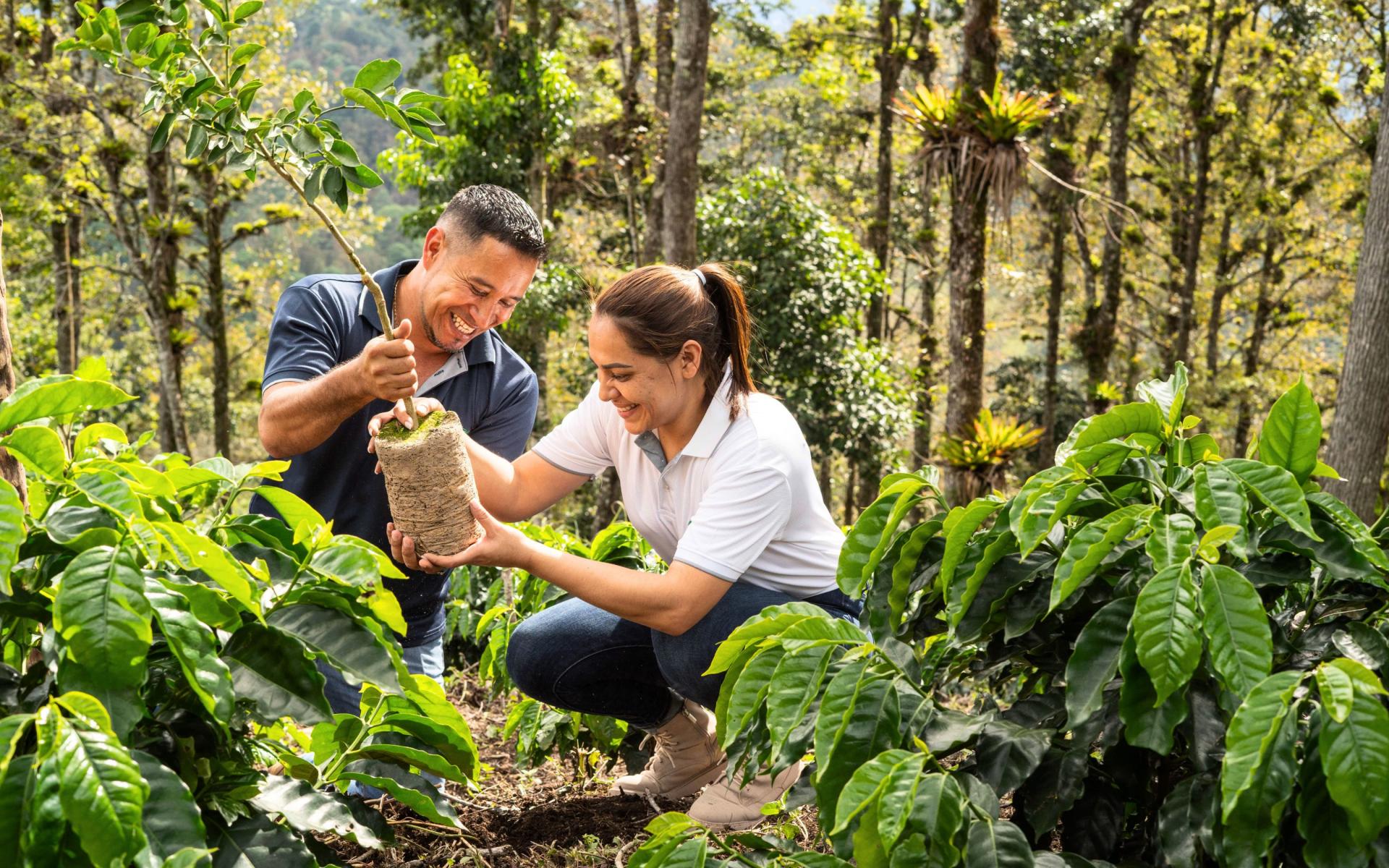
Building on 15 years of field expertise through the initiative for coffee&climate (c&c), of which all three companies are members, CSCR Honduras will deploy proven tools for climate adaptation. These include soil and water conservation, agroforestry systems, erosion control, microclimate monitoring, and household-level innovations such as fuel-efficient stoves and water-saving technologies. The project focuses on areas surrounding the Celaque, Erapuca, Las Minas, and Volcán Pacayita protected zones, turning them into biodiversity-friendly and climate-smart coffee landscapes.

According to Theresa Ruperti, HRNS Program Manager, “Western Honduras is ecologically rich but increasingly vulnerable to climate change. Irregular rainfall, droughts, and rising temperatures have reduced yields by up to 30%. The CSCR project links productivity, resilience, and conservation — positioning the region as a model for sustainable coffee in Central America.”

Carina Needham, Global Sustainability Director at Julius Meinl 1862 GmbH, added: “This marks the first landscape-level initiative under our Generations Programme. Its uniqueness lies in collaboration — working with fellow roasters and local partners to create lasting impact where coffee, communities, and nature can thrive together.”

Strengthening Local Governance

The initiative’s strength lies in its territorial governance model, coordinated through inter-municipal platforms such as Higuito and MAPANCE. These structures will bring together municipalities, civil society, and local actors to pursue shared climate objectives. The Honduran Coffee Institute (IHCAFE) will provide technical training, research, and monitoring support, while a regional Community of Practice (CoP) will facilitate learning among 25 local institutions.

As a fifth-generation family business, Julius Meinl reaffirms its long-standing sustainability commitment, focusing on three core pillars — Origin, Planet, and People — to ensure a positive impact across its value chain.

Regenerative Agriculture Boosts Vietnamese Coffee Farmers’ Income by 150%

Dubai – Qahwa World

Vietnamese coffee farmers have achieved a remarkable 150% increase in income by shifting to regenerative agriculture, an innovative approach that promotes environmental sustainability while improving crop quality and productivity.

According to a report by Nestlé Vietnam, the adoption of regenerative practices under the NESCAFÉ Plan has enabled farmers to save 40%–60% of irrigation water, reduce chemical fertilizers and pesticides by 20%, and significantly increase yields and income.

The initiative was highlighted during a seminar titled “The Role of Farmers in Regenerative Agriculture”, held on October 31 at the Nestlé Trị An factory in Dong Nai province, where more than 60 outstanding farmers and agricultural sustainability experts gathered to celebrate success stories from the program.

Binu Jacob, Managing Director of Nestlé Vietnam, stated during the event: “At Nestlé, people are at the heart of our sustainability journey. The NESCAFÉ Plan represents a long-term commitment to support farmers in implementing regenerative agriculture to enhance their income and quality of life.”

Jacob added that close cooperation with farmers is vital to building a more sustainable future for Vietnam’s coffee industry, reflecting Nestlé’s dedication to both environmental and social responsibility.

Truong Hoang Phuong, Director of Nestlé Trị An Factory, emphasized that farmers are the starting point of coffee quality, saying: “The quality of coffee begins in the field. Farmers are the foundation of success, while the factory amplifies their efforts by bringing this value to global markets.”

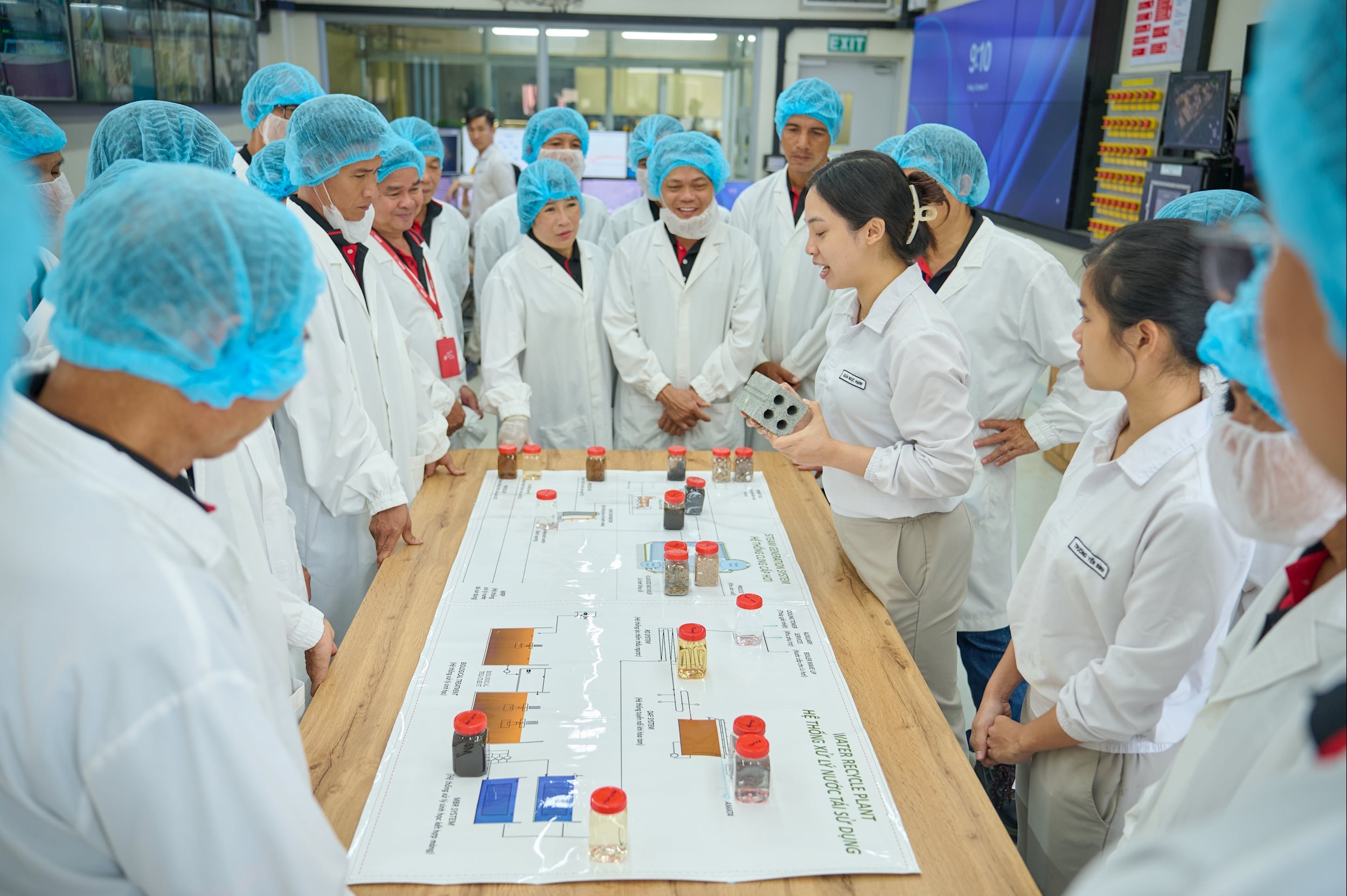
The event also featured a tour of the factory’s modern coffee processing facilities, where farmers learned about production technologies and the journey of Vietnamese coffee beans now exported to over 40 international markets, including Europe, Japan, South Korea, and the United States.

Farmers shared their experiences in adopting regenerative agriculture and digital farm management to improve soil health and productivity. Dao Duy Quynh, a farmer from Gia Lai province, said:

“The program completely changed how we work. We learned to farm in ways that protect the environment while increasing our income.”

Since its launch in 2011, the NESCAFÉ Plan has delivered more than 467,000 training sessions on sustainable coffee farming, provided improved seedlings to around 21,000 farmers annually, and distributed over 86 million high-yield, pest- and drought-resistant plants, helping rejuvenate over 86,000 hectares of aging coffee farms.

This transformation marks a significant milestone in promoting sustainable coffee production in Vietnam, supporting a greener and more responsible coffee economy, and reinforcing the country’s position as one of the world’s leading coffee producers and exporters.