Coffee Sweetness: 8 Hypotheses on the Sugarless Paradox

Author: Qahwa World
Date: May 29, 2026

Coffee Sweetness: Eight Hypotheses on the Sugarless Paradox

Executive Summary:

  • Roasted coffee contains almost no free sugars above sensory thresholds, yet perceived sweetness is a top driver of consumer preference.
  • Research shows trained tasters can reliably rank coffees by sweetness intensity, with differences of 4-6 points on a 15-point scale.
  • Aroma drives much of perceived sweetness through retronasal olfaction, where fruity and floral notes fool the brain.
  • Non-sugar molecules may activate sweet receptors or modulate taste, with flavoromics research hunting for key compounds.
  • Processing methods like anaerobic fermentation and carbonic maceration dramatically amplify sweetness.
  • Light to medium roasts preserve sweet precursors, while dark roasts destroy them.
  • Brewing parameters including water temperature, grind size, and water chemistry affect extraction of sweet-associated compounds.

For centuries, people have called coffee sweet. Bach was not exaggerating in his Coffee Cantata. Today, sweetness is a top driver of consumer preference in specialty coffee, often more important than acidity or body for many drinkers. Yet roasted coffee has almost no free sugars left above sensory thresholds, typically well below 100-200 mg per liter versus the roughly 2,000 mg per liter needed for detection. This is the enduring sweetness paradox in coffee.

Hypothesis 1: A Real Sensory Phenomenon

Trained tasters can reliably rank coffees by sweetness intensity. Differences of 4 to 6 points on a 15-point scale appear consistently across panels, even when controlling for other variables. This is not imagination. It is a measurable attribute that specialty coffee buyers reward.

Hypothesis 2: Aroma Drives Perceived Sweetness

Retronasal olfaction, the aromas traveling from the mouth to the nose while sipping, plays a huge role. Nose clips significantly reduce perceived sweetness. Fruity, floral, vanilla-like, and caramelized aromas fool the brain into registering sweet. This is cross-modal perception, where smell enhances taste.

Hypothesis 3: Residual Sugars Exist but Are Not the Main Driver

Sugars such as sucrose, glucose, and fructose are present but below threshold. Interestingly, some higher-sugar samples score lower in sweetness, suggesting suppression by other compounds or lack of direct correlation.

Hypothesis 4: Flavor Integration and Suppression

The brain integrates taste, aroma, mouthfeel, and memory. Sweet-associated notes like berry, stone fruit, honey, and chocolate enhance overall sweetness perception. Conversely, high bitterness, roastiness, or astringency suppress sweetness. Balance is everything. A well-processed, light to medium roast often maximizes this effect.

Hypothesis 5: Non-Sugar Molecules Activate Sweet Receptors

Flavoromics research is hunting for specific compounds, possibly certain volatiles, glycosides, or small molecules, that directly or indirectly stimulate sweet taste receptors (T1R2/T1R3) or act as taste modulators. Some compounds might have intrinsic mild sweetness or block bitterness, making everything taste rounder and sweeter.

Hypothesis 6: Processing Methods Amplify Sweetness

Anaerobic fermentation, carbonic maceration, honey and pulped natural processing, and extended drying create more fruity esters, alcohols, and aldehydes that read as sweet. Lactic fermentation can produce yogurt-like or creamy notes that boost perceived sweetness. Washed coffees can taste cleaner but sometimes less sweet than naturals or hybrids.

Hypothesis 7: Roast Degree and Maillard Chemistry

Light roasts preserve more delicate sweet precursors and acids that interact positively. Medium roasts develop caramelization and Maillard products such as furans and pyrroles that smell sweet. Dark roasts destroy sugars and create bitter, ashy compounds that mask sweetness. The sweet spot varies by origin but is rarely very dark.

Hypothesis 8: Brewing Parameters and Extraction Dynamics

Higher extraction, but not over-extraction, can pull more sweetness-associated compounds. Brew temperature, grind size, water chemistry, and ratio all matter. Slightly higher brew temperatures can enhance certain sweet volatiles, while channeling or poor agitation increases bitterness that kills sweetness.

Practical Takeaways

For drinkers, seek light to medium roasts from high-altitude origins such as Ethiopia, Kenya, Colombia, or Panama Geishas, processed with care. Brew with water around 92 to 96 degrees Celsius, fresh grind, and proper ratio. Drink black, as the sweetness shines more without milk. For producers and roasters, focus on cherry ripeness, innovative processing, and precise roasting curves. Sweetness is now a breedable, processable trait. Genetics also play a role. Some people are more sensitive to certain volatiles or have different taste receptor variants. Expectation and context, such as a beautiful pour-over setup or nice music, also amplify perception.

Frequently Asked Questions (FAQ)

1. Why does coffee taste sweet without sugar?

A combination of aroma, brain integration, processing chemistry, and possibly non-sugar molecules creates the perception of sweetness even when free sugars are below detection thresholds.

2. What processing methods increase coffee sweetness?

Anaerobic fermentation, carbonic maceration, honey processing, and extended drying produce fruity esters that enhance perceived sweetness.

3. Does roast level affect sweetness?

Yes. Light to medium roasts preserve sweet precursors, while dark roasts destroy sugars and create bitter compounds that mask sweetness.

4. How does brewing impact perceived sweetness?

Optimal extraction, water temperature (92-96°C), balanced water chemistry, and proper grind size help extract sweet-associated compounds without bitterness.

5. Is sweetness in coffee real or an illusion?

It is an emergent, complex sensory phenomenon created by chemistry, biology, and brain processing. It is not fake but rather a beautiful illusion of harmony.

6. Can sweetness be bred into coffee?

Yes. Researchers are identifying key compounds and genetic markers that could allow selective breeding for sweeter coffee varieties.

Qahwa World – Based on research from the Coffee Science Foundation and Ohio State University’s Flavor Research and Education Center.
Published: May 29, 2026

Chinese Firm Huichuan to Invest in Ethiopia Coffee Processing

Addis Ababa — Qahwa World

Chinese industrial leader Huichuan Freeze-Dried Health Food has announced plans for a major investment in Ethiopia’s coffee processing sector, aiming to boost value-added production in the world’s birthplace of coffee.

The announcement was made during a high-level meeting held today at the headquarters of the Ethiopian Coffee and Tea Authority (ECTA). A senior delegation from Huichuan, led by Chairman Mr. Wang Shuiyong, met with ECTA Director General Dr. Adugna Debela to discuss strategic cooperation.

Mr. Wang highlighted his company’s expertise in advanced freeze-drying technology, which produces premium instant coffee powder while preserving the rich aroma and flavor of Ethiopian Arabica beans. He noted that Huichuan’s products, already sourced from Ethiopian coffee, have gained strong international recognition and market share. The company is now preparing to establish a large-scale processing facility in Ethiopia to strengthen its global supply chain.

You may read: Ethiopia and China Strengthen Coffee Sector Cooperation

Dr. Adugna Debela welcomed the initiative, describing it as a timely and strategic partnership that supports Ethiopia’s efforts to enhance value addition in its coffee industry. He pointed to the country’s investor-friendly policies, including the development of specialized industrial parks for high-tech agro-processing.

“We are witnessing a transformative trend, with numerous Chinese investors showing keen interest in Ethiopia’s coffee sector,” Dr. Adugna stated. He assured the Huichuan delegation that the Ethiopian government is committed to providing full administrative and technical support to ensure the project’s success for both export and domestic markets.

  • Strengthening Ethiopia’s Coffee Value Chain

Ethiopia, known globally for its premium specialty coffees such as Yirgacheffe and Sidama, has been actively encouraging downstream processing to increase export revenues and generate employment. This latest investment by Huichuan reflects growing Chinese engagement in the sector, as China continues to emerge as a key destination for Ethiopian coffee.

The planned facility is expected to introduce state-of-the-art freeze-drying capabilities locally, helping Ethiopia move beyond raw bean exports toward higher-value, shelf-stable processed products that meet strong international demand.

The development is seen as part of broader China-Ethiopia cooperation in agriculture and trade. Further details regarding the project’s scale, timeline, and location are expected in the coming months.

Ahmed Bin Sulayem Highlights Expansion Plans at DMCC Coffee Centre

Dubai — Qahwa World

Ahmed Bin Sulayem, Executive Chairman and Chief Executive Officer of DMCC, announced new initiatives aimed at strengthening the regional coffee ecosystem and supporting emerging coffee entrepreneurs through the DMCC Coffee Centre.

Speaking about the Centre’s future plans, Bin Sulayem said the organization is exploring the launch of a community co-roasting space designed to support the next generation of coffee entrepreneurs. At the same time, plans are underway to develop a coffee wholesale facility that would further improve market access for the diverse network of producers and traders operating within the DMCC Coffee Centre.

You may like: DMCC Coffee Centre: Specialty Coffee Redefines the Global Market

According to Bin Sulayem, the DMCC Coffee Centre has handled more than 30,000 metric tonnes of green coffee since its establishment, working with over 30 coffee origins worldwide. In addition, the facility has completed more than 1,000 metric tonnes of value-added processing, serving both the United Arab Emirates’ growing domestic market and over 50 major re-export destinations.

As the coffee sector in the UAE and the wider region continues to expand, the Centre has maintained close engagement with the local coffee community. Through partnerships and industry collaboration, DMCC has supported several major regional events, including World of Coffee Dubai.

DMCC has also launched a number of initiatives aimed at strengthening the specialty coffee sector. These include the Dubai Coffee Auction by DMCC, organized in collaboration with M-Cultivo, an initiative focused on supporting next-generation coffee farmers. The organization also introduced the UAE AeroPress Championship, which forms part of the global World AeroPress Championship.

Read Also: DMCC Coffee Centre: Supply Chain Pressures and Tariffs Threaten Global Coffee Trade

Bin Sulayem added that, in support of growing coffee brands, DMCC has introduced a JLT collection point, enabling members of the Coffee Centre and their customers to conveniently collect roasted coffee.

These initiatives reflect the Centre’s ongoing role in developing Dubai’s position as a growing hub for the global coffee trade and specialty coffee community.

Coffee Processing Methods in the Americas

Dubai – Qahwa World

Understanding how coffee is processed at origin is essential for buyers, roasters, and importers. While traditional classifications—washed, natural, and honey—still dominate the conversation, the reality is far more nuanced. From mechanized harvesting in Brazil to cooperative-led processing in Peru, each producing country has developed its own post-harvest practices.

This guide breaks down the dominant coffee processing methods across key producing countries in the Americas, drawing on insights from our producer network.

Coffee processing directly affects flavor profile, cup quality, shelf life, pricing, sustainability, and water usage. For green coffee buyers, understanding origin-specific practices is crucial for sourcing the right profiles, managing risk, and building transparent supply chains.

  • Brazil: Mechanized Natural Processing at Scale

Brazil leads the world in natural coffee processing due to its scale and mechanization. Harvesting is largely mechanized, using either large machines that shake entire trees or pole-mounted vibrating devices that target individual branches—sometimes still referred to as manual despite their mechanical nature.

A notable feature is the use of “floaters,” cherries that have partially or fully dried on the tree. These often contribute to desirable cup profiles rather than reflecting poor maturation.

After harvest, coffee is initially dried on patios. Once moisture falls below ~20%, mechanical dryers complete the process efficiently. Dry milling is often done on-farm, with a final cleaning stage handled by exporters. Green coffee is typically rested in wooden silos before shipment.

Dominant Process: Natural (60–70%)
Harvesting: Mechanized (machines or vibrating poles)
Drying: Patios + mechanical dryers
Post-Harvest: Dry milling on-farm; beans rested in wooden silos

  • Colombia: Washed Coffee with Infrastructure Support

Over 95% of Colombian coffee is processed using the washed method, despite a reputation for experimental naturals. Cherries are handpicked selectively, often requiring multiple passes. After pulping, beans are fermented in tanks and dried on patios, raised beds, or mechanical dryers.

Centralized collection centers help maintain quality, receiving coffee in wet, semi-wet, or dried states, each priced accordingly. When drying space is limited, submerging parchment in water preserves quality. These systems, guided by the Colombian Coffee Growers Federation (FNC), ensure consistent, high-quality washed coffees.

Dominant Process: Washed
Harvesting: Manual, selective picking
Drying: Patios, raised beds, vertical dryers (guardiolas)

  • Costa Rica: Washed with Innovation

Approximately 94% of Costa Rican coffee is washed. Cherries are manually picked and delivered to roadside collection points, where wet and dry processing occurs.

Many cooperatives use centrifugal demucilagers, reducing water usage and fermentation defects. Drying occurs on patios, raised beds, or mechanical dryers. Costa Rica also experiments with eco-efficient honey processes (white, yellow, red, and black).

Dominant Process: Washed
Innovation: Centrifugal demucilagers reduce water use
Drying: Patios, raised beds, mechanical dryers
Collection: Cherries delivered to collection centers

  • El Salvador: Traditional Washed with Growing Diversity

Washed processing accounts for ~80% of production, with cherries pulped, fermented, and dried on patios or guardiolas. Natural and honey methods each represent ~10%, catering to specialty buyers seeking unique profiles.

Dominant Process: Washed
Drying: Patios and increasing use of guardiolas
Other Methods: 10% natural, 10% honey

  • Guatemala: High-Altitude Washed Coffees

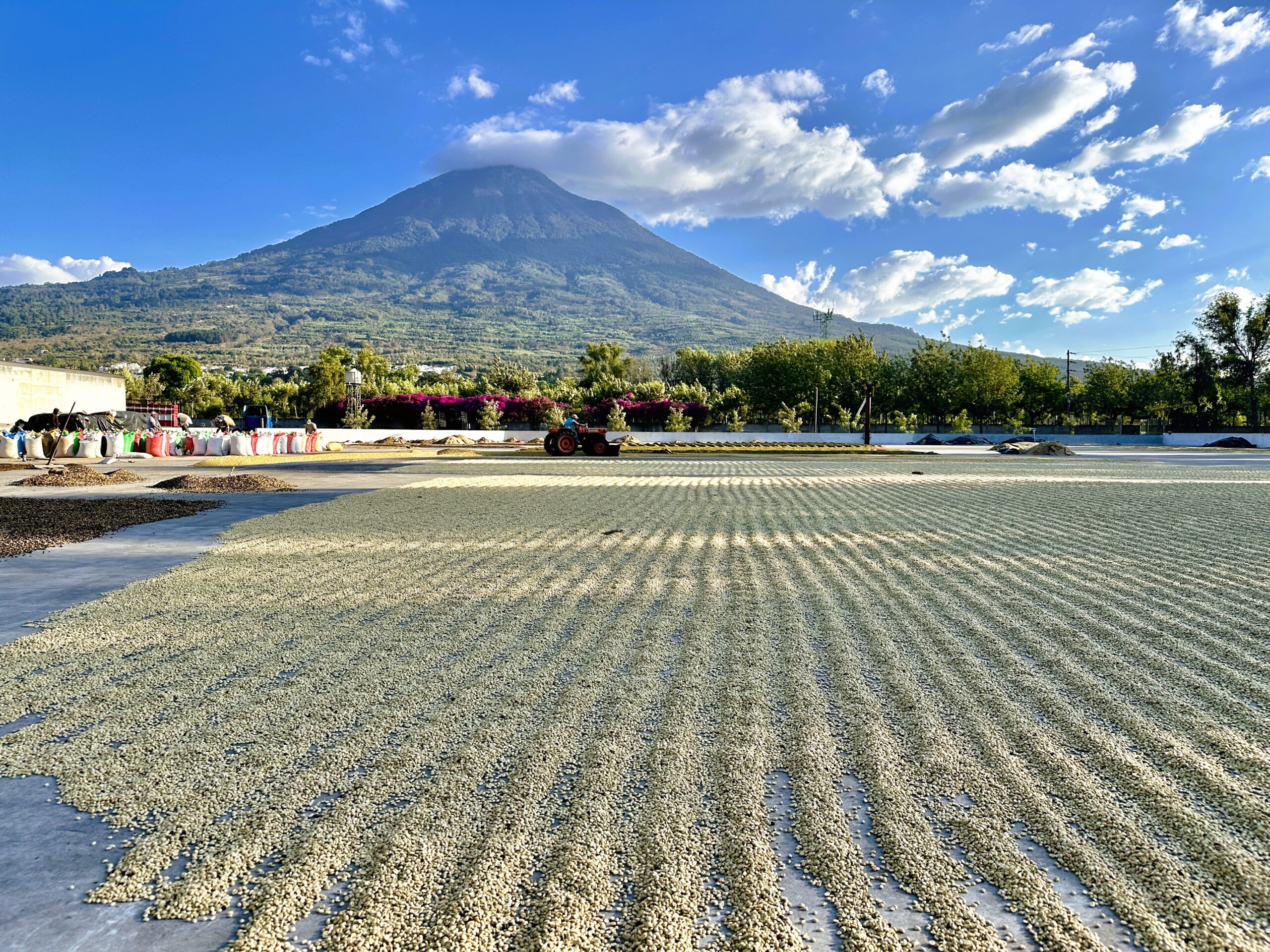
Guatemala primarily produces washed coffee (85–99%). Cherries are pulped, fermented, and dried on patios or rooftops to maximize sun exposure. Honey and natural processes are growing among specialty producers. Mechanical drying is increasingly used in regions with unpredictable weather.

Dominant Process: Washed
Drying: Patios, rooftops
Other Methods: 5–15% honey, 0.5–5% natural

  • Honduras: Cooperative-Driven Washed Production

Honduras favors washed processing, with most coffee handled on-farm and parchment delivered to cooperatives. Some mills experiment with cherry color sorting and centralized reception, but traditional methods prevail. Cooperatives play a key role in quality and market access for smallholders.

Dominant Process: Washed
Processing: On-farm; parchment sent to cooperatives
Innovation: Emerging cherry color sorting
Other Methods: 3% natural, 10–15% honey

  • Mexico: Washed Simplicity

Mexico relies on washed processing, with manual harvesting and patio drying. Practices vary by region, and isolated approaches could benefit from collaborative methods. Increasing Canephora cultivation may impact processing norms.

Dominant Process: Washed
Processing: Mostly on-farm, inherited practices
Drying: Patios

  • Nicaragua: Washed

Washed processing dominates (~97%), with cherries processed on-farm and parchment delivered to central mills. Water channels are used for density sorting, cleaning, and transport. Drying occurs on patios, raised beds, or guardiolas. Honey and natural processes exist but are marginal.

Dominant Process: Washed
Drying: Patios, raised beds, guardiolas
Operations: Water channels for cleaning and sorting

  • Peru: Cooperative-Led Washed Processing

Peru is overwhelmingly washed, with tank fermentation and sun-drying. Drying occurs on patios, lofts, raised beds, or parabolic dryers at cooperative stations. Natural and honey methods are rare but emerging.

Dominant Process: Washed
Fermentation: Tank-based
Drying: Patios, lofts, raised beds, parabolic dryers

  • Key Takeaways for Coffee Buyers
  • Washed processing dominates Latin America; Brazil is the main exception with natural processing.

  • Infrastructure and cooperatives play a crucial role in maintaining quality and consistency.

  • Innovation is rising, particularly in Costa Rica and Colombia, with eco-friendly and hybrid methods.

  • Understanding local practices is key for sourcing, pricing, and building traceable supply chains.

Coffee Quality is not connected to price – IT IS connected to pride

A grower’s first reward is pride in his coffee; the market may follow later.

By: Ramya Mohan

For years, we have been taught—almost subconsciously—that expensive coffee must be good coffee. A higher price, a premium label, or an elegant café setting often convinces us that quality is guaranteed. But coffee does not work that way always.

Coffee quality is not born out of price. It is born out of pride.

I have tasted coffees that sold at very modest prices yet were remarkably clean, sweet, and balanced.

I have also encountered expensive coffees that failed in the cup—flat, harsh, or dull in character. The difference was never the market value. The difference was the intention behind the coffee.

Quality begins at the farm, not at the shelf. It begins when a grower chooses to harvest ripe cherries instead of rushing for volume.

It shows up when fermentation is monitored instead of guessed, when drying is slow and even rather than hurried by weather or impatience. These decisions are rarely rewarded immediately by the market, yet they define the cup.

In India, many growers and processors work under severe constraints—labour shortages, volatile weather, unpredictable prices. Yet some of the cleanest coffees emerge from estates where pride outweighs compromise. These are the producers who cup their own coffees, who learn to identify defects, who correct errors quietly and improve year after year, without waiting for applause or higher prices.

Price is shaped by trends, branding, certifications, logistics, and storytelling. But -Quality is shaped by discipline, consistency, and respect for the bean. The two may intersect, but they are not the same. A low-priced coffee can be honest and well-made. A high-priced coffee can still be careless.

True coffee quality is an attitude. It is the pride of the farmer who refuses to mix underripe cherries. It is the care of the processor who protects the coffee during drying and storage.

It is the integrity of the roaster who roasts for clarity, not camouflage. And it is the sensitivity of the brewer who allows the coffee to speak.

When pride is present, quality follows—sometimes loudly, often quietly, but always truthfully.

With love and Coffee

CQI Marks International Coffee Day with New Chapter in Coffee Quality Journey

Dubai – Qahwa World

On International Coffee Day 2025, the Coffee Quality Institute (CQI) announced a historic transition: the conclusion of its Quality Evaluation Program after more than two decades and the launch of a new chapter focused on advancing coffee quality and sustainability.

Michael Sheridan, Chief Executive Officer of CQI, emphasized the milestone: “As we turn the page, I want to honor the nearly 20,000 people who have earned Q Grader Certification since the inception of the program: you are the vanguard in a global movement for coffee quality. And I want to specially recognize the Q Instructors who have trained and certified all those Q Graders: you are pioneers who have held a light to the darkness, and your work helped to catalyze a revolution in coffee quality in the span of a single generation.”

A Fresh Look for a New Era

To mark this transition, CQI unveiled a refreshed logo and website, designed to evoke coffee’s origins. The institute underlined that while its visual identity has evolved, its mission remains constant: improving the quality of coffee and the lives of the people who produce it.

Focus on Post-Harvest Processing

Sheridan highlighted the growing importance of CQI’s Post-Harvest Processing (PHP) Program. In September alone, CQI welcomed 14 new instructors for the PHP Generalist Course, expanded its training pool, and set a course for releasing an all-new PHP Professional Course by the end of 2025. Preparations are also underway for the PHP Expert Course in 2026, with students, instructors, mentors, and guest lecturers already engaged.

“Innovation in post-harvest processing has never been more important in the coffee market,” Sheridan noted. “Our PHP Program is helping reduce risk and expand opportunity for everyone in coffee supply streams.”

Global Partnerships and Impact

CQI also announced new partnerships to expand its global reach. In collaboration with Peet’s Coffee in the U.S., CQI will deliver post-harvest processing education to suppliers, while a partnership with Sinar in the U.K. will enhance access to advanced processing technology.

Additionally, the CQI Global Coffee Fund has awarded support for several initiatives:

Let’s Talk Coffee in Peru

Scholarships for participants in the Women-Powered Coffee Summit (WPCS) in Mexico

Staffing for the Taste of Harvest in Burundi

Engaging the Coffee Community

As CQI transitions beyond the Q program, Sheridan underscored the importance of dialogue with the global coffee community. CQI will convene producer-focused discussions at major events, including the WPCS in Mexico and Sintercafé in Costa Rica, and will launch a global survey in October to gather input from stakeholders worldwide.

“I hope you will take time to respond and make your voice heard,” Sheridan said. “Coffee needs your leadership.”

With this transition, CQI signals a future shaped by collaboration, innovation, and a continued commitment to quality at every stage of the coffee value chain.

Sweetness in Coffee: From the Cherry to the Cup

Dubai – Qahwa World

When coffee lovers describe their perfect cup, sweetness is almost always part of the conversation. It is the quality that balances acidity and bitterness, lending harmony and depth to the drink. But sweetness in coffee is not a coincidence—it is the result of a long chain of factors that begins in the orchard and continues through processing, roasting, and brewing before it finally reaches the cup.

The Beginning: The Coffee Cherry

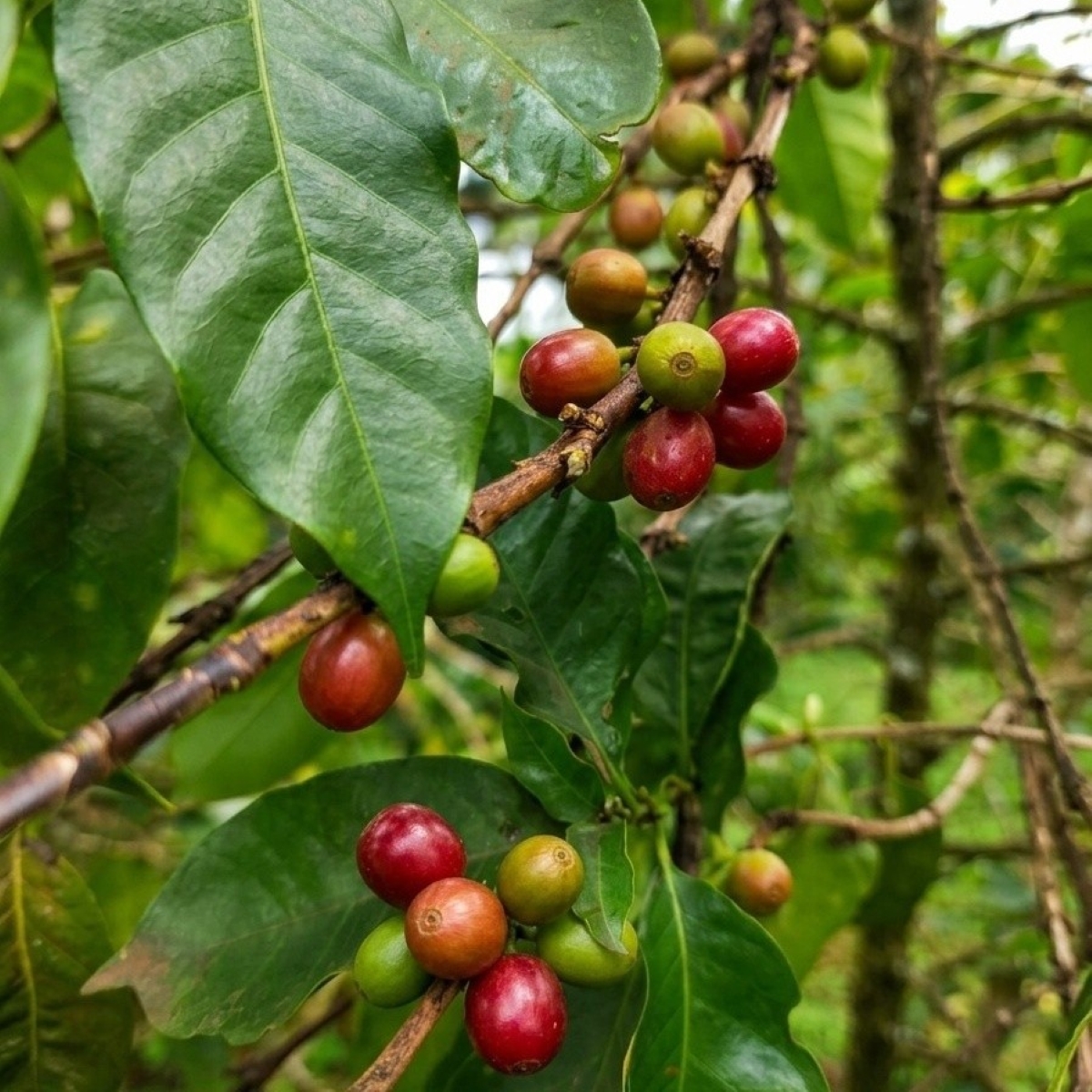
Coffee is not truly a “bean” but a seed that grows inside a fruit known as the coffee cherry. As the cherry ripens, it naturally develops sugars such as glucose and fructose. These sugars form the foundation of sweetness in coffee, but whether they survive to the final brew depends on how carefully they are protected and enhanced at every stage of the journey.

Processing Methods and Their Role

After harvest, the way coffee is processed has a profound impact on how much of this sweetness makes it into the cup.

Natural (Dry) Process: Beans are dried inside the fruit, absorbing sugars and developing pronounced fruity and sweet notes.

Honey Process: Some of the fruit’s mucilage is left on the beans during drying, creating a balance of sweetness and clarity.

Washed Process: All fruit layers are removed before drying, producing a cleaner and more transparent taste, though usually less sweet than natural or honey methods.

The choice of processing is not merely a technical decision; it is also a cultural and economic one. Farmers and producers select methods that align with tradition, climate, and the preferences of their target markets, shaping the final flavor profile and the level of sweetness in the cup.

Roasting: Where Sugars Caramelize

Once dried, coffee enters the roaster, where natural sugars undergo caramelization. Under the watchful eye of a skilled roaster, these sugars transform into flavors reminiscent of caramel, honey, or chocolate. Proper roasting preserves and highlights sweetness, while excessive heat risks burning away delicate sugars. In many ways, the roaster serves as the final guardian of the bean’s innate sweetness.

Brewing: The Fine Line of Extraction

Even the best beans and the most careful roast can be undone at the brewing stage. Extraction is everything. A balanced brew draws out natural sweetness and harmony, while over-extraction produces bitterness and under-extraction leaves the cup sour and thin. Brewing requires an understanding of variables such as coffee-to-water ratio, temperature, and time—each of which plays a role in whether sweetness shines through or disappears.

Terroir and Variety: The Signature of Nature

Beyond human intervention, nature herself determines much of coffee’s sweetness. Terroir—the combination of soil, altitude, and climate—alongside genetic variety shapes unique sugar profiles.

Ethiopian coffees are often prized for their berry-like sweetness and vibrant fruit notes.

Coffees from Central America tend to lean toward flavors of chocolate and caramel.

Historic Yemeni coffees frequently display a layered complexity of dried fruits and spice, offering a sweetness unlike any other origin.

Each region, each variety, and even each harvest reflects a unique balance of sugars, reminding us that sweetness is as much a story of geography as it is of craftsmanship.

Sweetness as a Symphony of Nature and Craft

Ultimately, sweetness in coffee cannot be traced to a single stage. It is the sum of many factors: the sugars formed in the cherry, the processing choices made on the farm, the precision of the roast, the care of the brew, and the natural imprint of terroir and variety.

Sweetness in coffee is never accidental. It is crafted and carried forward through the hands of farmers, roasters, and baristas—all working in harmony with what nature provides. And when all of these elements align, the result is a cup that delights with balance, depth, and a touch of natural sweetness that turns every sip into a moment worth savoring.

Vietnam Coffee Industry Poised to Benefit from Global Price Surge

HANOI – August 30, 2025 (Qahwa World) — Vietnam’s coffee industry is moving to capitalize on soaring global prices, with exports recording strong growth and experts urging greater investment in processing and branding to ensure long-term sustainability.

According to the Ministry of Agriculture and Environment, Vietnam’s coffee export turnover reached more than $560 million in July, bringing the total export value for the first seven months of 2025 to $3.6 billion. This represents a 20 percent year-on-year increase and underscores the industry’s ability to leverage favorable international conditions.

The growth comes amid a rally in global coffee prices. A study by the Food and Agriculture Organization reported that prices rose globally by about 40 percent in 2024, driven by unfavorable weather conditions linked to climate change. Production declines in Brazil, Colombia, and Indonesia reduced global supply, while demand in Europe, the United States, and Asia continued to expand.

A strong market position
Vietnam is the world’s largest exporter of Robusta coffee, accounting for around 40 percent of the global market. This dominance, combined with stable supply, gives the country a competitive edge at a time when many producers are struggling with weather disruptions.

Nguyen Nam Hai, president of the Vietnam Coffee and Cocoa Association, emphasized that “the international coffee market has never been as favorable as it is now. With high prices, strong demand, and Vietnam’s reliable supply, the industry is in an advantageous position.”

However, Hai and other experts caution that to take full advantage of these conditions, Vietnam must expand into deep processing and value-added products instead of relying primarily on raw bean exports.

Processing gap remains wide
While exports are rising in value, the structure of Vietnam’s coffee trade remains heavily skewed toward raw beans. Deep-processed coffee, including roasted, instant, and specialty products, currently accounts for just 12–15 percent of total exports. This is significantly lower than in Brazil and Colombia, where processed coffee represents 30–40 percent of total shipments.

Industry leaders say this gap leaves Vietnam vulnerable to fluctuations in global commodity prices. Le Hoang Diep Thao, founder and chief executive of King Coffee, told local media that investing in processing allows companies to “multiply the value of their products significantly.”

But she acknowledged that the financial barriers are steep. Instant coffee production technology alone requires capital investments running into hundreds of billions of dong, which many small and medium-sized enterprises cannot afford. In addition to high costs, technological limitations and branding weaknesses continue to slow progress.

Technology and branding challenges
Large enterprises such as Vinacafe, Trung Nguyen, and Nestlé have invested in processing facilities, but many smaller businesses lack the technological capacity to compete. The industry’s processing base remains uneven, particularly in the specialty coffee and instant coffee segments.

Branding is another critical challenge. Internationally, Vietnam is recognized for its export volume, but its consumer brands have yet to achieve significant recognition. Global buyers often associate coffee with well-known international names such as Starbucks from the United States, Lavazza from Italy, or Nestlé from Switzerland. This lack of global brand presence makes it harder for Vietnamese processed coffee to compete in premium markets.

Agricultural economist Dinh Van Thanh warned that “if Vietnam continues to depend mainly on raw exports, it will remain only an ingredient supplier for large multinational corporations.” He stressed the need for a long-term national strategy to boost processing capacity and to build a recognized coffee brand that can stand alongside global competitors.

Positive signals from the industry
Despite these challenges, signs of progress are emerging. Trung Nguyen Legend has been expanding its instant coffee exports to markets in the Middle East and Eastern Europe. Vinacafe has shifted focus toward developing sales within the ASEAN region. Meanwhile, several start-ups in Lam Dong and Gia Lai are working to establish specialty coffee brands targeting premium consumers in Japan and South Korea.

Rather than exporting raw beans, some of these start-ups are partnering with international buyers to roast and process coffee locally before shipping it abroad. According to Thao, this model doubles the selling price compared to raw beans while also ensuring farmers receive higher incomes.

Strategic recommendations
Industry specialists believe that to maintain momentum and secure its place in the global market, Vietnam must adopt a three-pronged strategy.

First, investment in deep processing technology must be accelerated. Government support through preferential credit policies could play a crucial role in enabling businesses to acquire the necessary machinery and production lines for instant and specialty coffee.

Second, Vietnam must prioritize the development of a strong national coffee brand. Experts point to models such as Thailand’s Jasmine rice and Colombia’s Arabica coffee, both of which have achieved global recognition. A similar effort in branding would enhance Vietnam’s visibility and competitiveness on the international stage.

Third, attention should be directed toward emerging markets such as the Middle East, South Asia, and Eastern Europe, where demand for coffee is growing rapidly. These regions present opportunities for processed Vietnamese coffee to establish new distribution channels and expand market share.

At a turning point
With international coffee prices at record highs and global consumption continuing to rise, Vietnam’s coffee sector stands at a turning point. The ability to move beyond raw exports and build a stronger international identity could define its future role in the global coffee trade.

As industry experts stress, Vietnam now faces a critical choice: remain a bulk supplier of raw beans, or transform into a producer of high-value, branded coffee products that command a stronger position in world markets.

The Ultimate Guide to Coffee Processing Methods Around the World: From Cherry to Cup

Dubai, 23 August 2025 (Qahwa World) – In the world of coffee, the journey from a ripe cherry on a tropical tree to the steaming brew in your mug is a tale of art, science, and global tradition. The coffee processing stage—where the fruit is transformed into green beans ready for roasting—is the crucible where flavors are shaped. This comprehensive guide explores coffee processing methods, diving into their histories, techniques, regional strongholds, and sensory impacts. Whether you’re a researcher seeking types of coffee processing, a barista curious about wet vs dry coffee processing, or an enthusiast exploring anaerobic coffee processing trends, this reference covers it all. Spanning over 70 coffee-producing countries, we’ll journey through time-honored methods like natural, washed, and honey processing, alongside cutting-edge innovations like anaerobic fermentation, which is gaining traction worldwide, including in Yemen.

With climate change reshaping coffee production, processing methods are evolving to balance sustainability and flavor innovation. By 2025, the rise of anaerobic processing in countries like Yemen highlights its growing appeal. Let’s uncover the full story.

The Origins of Coffee Processing: A Historical Perspective

Coffee’s story begins in Ethiopia around the 9th century, where wild Coffea arabica plants were first harvested. Early farmers dried whole cherries under the sun, birthing natural coffee processing. As coffee spread through Yemen and the Middle East to the Americas by the 18th century, diverse climates and resources spurred new techniques. Processing significantly influences a coffee’s flavor profile—many experts estimate it can account for around 30%—shaping acids, sugars, and volatile compounds through microbial activity and fermentation time. For researchers studying coffee biochemistry or sustainability, this guide offers a foundation for understanding these dynamics.

Natural (Dry) Processing: The Timeless Tradition

Natural coffee processing, or dry processing, is the oldest method, requiring minimal water and relying on sunlight. Whole cherries are spread on patios, raised beds, or rooftops and dried for 2–4 weeks, turned regularly to prevent mold. The bean absorbs sugars from the fruit, and the dried husk is hulled at 11% moisture.

Key Regions and History

  • Ethiopia: The origin, producing Yirgacheffe naturals with wild strawberry notes.

  • Brazil: The world’s top producer, using mechanized farms for consistency.

  • Yemen and Indonesia: Ancient terraces yield complex, winey profiles.

Flavor Profile and Science
Natural processing creates full-bodied, low-acidity cups with sweet, fruity notes like blueberry or chocolate. The bean ferments inside the fruit, boosting ethyl butyrate esters for fruity aromas. Risks include mold in humid conditions, requiring careful management. Variations include African raised-bed drying for airflow and Brazilian mechanical dryers for rainy seasons.

Washed (Wet) Processing: Precision and Clarity

Pioneered in Central America in the 19th century, washed coffee processing suits wet climates. Cherries are depulped, fermented in water tanks for 12–48 hours to remove mucilage, washed, and dried to 10–12% moisture.

Key Regions and History

  • Colombia and Kenya: Abundant rivers produce bright, citrusy coffees.

  • Guatemala, Nicaragua, Rwanda: High-altitude farms emphasize acidity.

Flavor Profile and Science
Washed coffees are clean and vibrant, with high acidity and notes like green apple or jasmine. Fermentation breaks down pectins via yeast and bacteria, clarifying terroir. Though water-intensive (20–40 liters per kilo), it reduces defects. Innovations include Kenyan double-washing for brightness and mechanical aquapulping to save water.

Honey (Pulped Natural) Processing: The Sweet Hybrid

Originating in Costa Rica in the mid-20th century, this hybrid method conserves water. Cherries are depulped, leaving varying mucilage (the “honey”) during drying for 8–30 days.

Key Regions and History

  • Costa Rica: Classifies as Yellow (minimal mucilage, grainy acidity), Red (balanced sweetness), or Black Honey (floral, syrupy).

  • Brazil (Pulped Natural), El Salvador, Panama: Used for premium lots.

Flavor Profile and Science
Sweeter than washed, cleaner than natural, with caramel, stone fruit, and honey notes. Mucilage caramelization enhances sucrose absorption. It’s eco-friendly but needs monitoring to avoid over-fermentation.

Wet Hulled (Giling Basah): Indonesia’s Earthy Signature

For humid climates, wet hulled coffee processing (semi-washed or Giling Basah) emerged in 19th-century Indonesia. Cherries are depulped, briefly fermented, hulled at 30–35% moisture, and dried further.

Key Regions and History

  • Indonesia (Sumatra, Java): Suits rainy climates, producing bold Mandheling coffees.

  • Papua New Guinea: Similar adaptations.

Flavor Profile and Science
Low acidity, heavy body, with earthy tobacco and dark chocolate notes. Rapid microbial activity in humid conditions risks defects but creates unique profiles.

Emerging Innovations: The Rise of Anaerobic and Fermentation-Driven Methods

The specialty coffee boom has sparked fermentation innovations, with anaerobic coffee processing leading the charge. Inspired by winemaking, it involves sealing beans in oxygen-free tanks for 12–72 hours, enhancing exotic flavors. By 2025, anaerobic processing is surging globally, including in Yemen, where farmers are adopting it to boost quality and demand.

Key Regions and History

  • Colombia and Costa Rica: Pioneers of anaerobic, yielding peach or yogurt notes.

  • Yemen: Recent adoption (post-2020) enhances Mocha coffee’s complex flavors, with airtight bags or barrels used for up to 120 hours, compared to traditional 10–20 hour wet fermentation. Professional tasters note increased recognition for Yemeni coffee globally.

  • Ethiopia, Brazil, Panama: Experimenting for premium lots.

  • Vietnam: Applying to robusta for bold, innovative profiles.

Flavor Profile and Science
Anaerobic fermentation produces intense, fruit-forward, or winey flavors (lactic acids create cheesy or yogurt-like notes). Yemen’s anaerobic coffees highlight natural aromas, balancing acidity. Variations include:

  • Carbonic Maceration: CO₂-infused tanks (Panama, Kenya) yield banana or whisky notes, starting in 2015.

  • Lactic Processing: Emphasizes creamy textures via milk-like bacteria.

  • Frozen Natural: Chilling cherries preserves brightness.

These methods enhance volatiles but may reduce bioactives like caffeine. They’re costly but fetch high prices in specialty markets.

Coffee Processing Methods Comparison: Insert Table Here

COFFEE PROCESSING METHODS COMPARISON
Method Key Regions Water Use Drying Time Flavor Profile Pros / Cons
Natural (Dry) Ethiopia, Brazil, Yemen Low 2–4 weeks Fruity, sweet, full-bodied Eco-friendly; risk of mold
Washed (Wet) Colombia, Kenya, Guatemala High 1–2 weeks Clean, bright acidity Consistent quality; water-intensive
Honey (Pulped) Costa Rica, Brazil, Panama Medium 1–4 weeks Sweet, caramel, balanced Sustainable; requires monitoring
Wet Hulled Indonesia (Sumatra) Medium ~1 week Earthy, heavy body, low acid Fast process; higher risk of defects
Anaerobic Colombia, Costa Rica, Yemen Varies Varies Exotic, winey, lactic, fruity Innovative; costly; experimental
Carbonic Maceration Panama, Kenya Low Varies Wine-like, banana, whisky Premium lots; inspired by winemaking

The Future of Coffee Processing: Sustainability and Global Trends

As climate change threatens yields, low-water methods like honey and anaerobic are gaining ground. Yemen’s shift to anaerobic processing, reported in 2025, reflects a broader trend toward flavor innovation and market competitiveness. AI-monitored fermentations and thermal shock (quick freezing) are emerging, with researchers predicting wider adoption by 2030. The Specialty Coffee Association offers resources for studying these trends.

FAQ: Common Questions on Coffee Processing

What is anaerobic coffee processing?
A fermentation in oxygen-free tanks, producing exotic flavors, increasingly used in Yemen and Colombia.

Why is anaerobic processing popular in 2025?
It enhances flavor complexity, boosting demand in specialty markets.

How does processing affect coffee quality?
It shapes acidity, body, and defects through microbial and chemical changes.

What are the best coffee processing methods?
Natural for sweetness, washed for clarity, anaerobic for innovation.


This ultimate guide to coffee processing methods is a definitive resource for researchers, baristas, and enthusiasts searching for anaerobic coffee processing Yemen or global coffee processing techniques. Each method tells a story of tradition, innovation, and environment, ensuring every sip is a chapter in coffee’s global legacy.

The Lifecycle of Coffee..From Tree to Cup

Dubai – Qahwa World

The coffee tree, belonging to the Coffea genus, thrives in tropical climates between the Tropics of Cancer and Capricorn. Notable species include Coffea arabica (Arabicas) and Coffea canephora (Robustas). Arabica, characterized by large bushy growth, produces cherries with two flat seeds, commonly known as coffee beans. In contrast, Robusta, a robust shrub or small tree, yields smaller oval seeds and is resilient in hotter climates.

Temperature and altitude play crucial roles, with Arabica thriving in 15 to 24ºC conditions and Robusta excelling in 24 to 30ºC temperatures. Rainfall requirements range from 1,500 to 3,000 mm annually, with Arabica being less demanding. While Robusta can grow up to 800 meters above sea level, Arabica thrives at higher altitudes, often cultivated in hilly terrains.

Harvesting the Beans

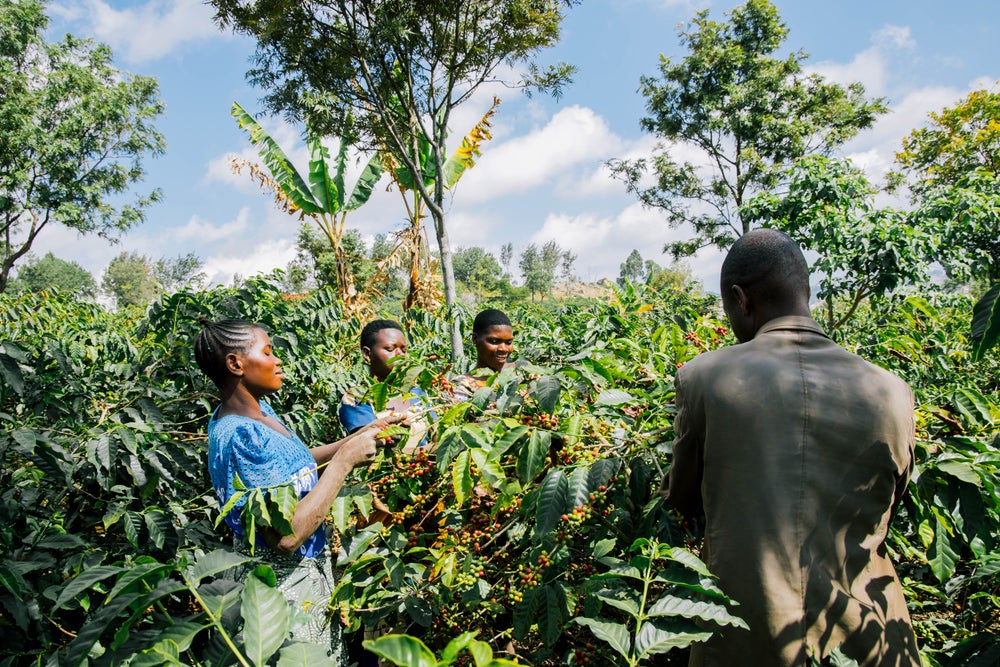
Hand-picking is the norm for harvesting ripe coffee cherries due to the mountainous landscapes, except in Brazil where machinery finds utility. Pickers, every 8 to 10 days, meticulously select only fully ripe cherries. Arabica’s selective picking, though labor-intensive, is favored for its quality. Harvested cherries yield 2 to 4 kilos, and a skilled picker can harvest 45 to 90 kilos per day, resulting in 9 to 18 kilos of coffee beans.

Processing the Harvest

Post-harvest, the next step involves separating the coffee seeds from the cherries and drying them. Two methods prevail: the dry or ‘natural’ method and the wet method. The dry method, simpler and older, dries whole cherries in the sun for up to four weeks before further processing. The wet method involves pulping, fermenting, washing, and then drying the beans, which takes 8 to 10 days.

Roasting and Grinding

With over 1,000 aroma components identified, roasting conditions determine the final coffee flavor. Green coffee beans undergo roasting at 180ºC to 240ºC for 1.5 to 20 minutes, influencing color and aroma intensity. Roasting occurs in rotating drums or fluidized bed roast chambers, followed by cooling and potential packaging as whole beans.

Brewing and Consumption

Arabica dominates global coffee cultivation, spanning Latin America, Central and East Africa, India, and Indonesia. Robusta thrives in West and Central Africa, Southeast Asia, and Brazil. Different brewing methods, such as filter, plunger, espresso, Swedish, and Turkish, cater to diverse preferences. Instant coffee, made from roasted and ground beans, utilizes either spray-drying or freeze-drying methods.

Understanding Coffee Composition

Caffeine, antioxidants, and diterpenes contribute to coffee’s unique flavor and physiological effects. Caffeine, a mild stimulant, has desirable effects in moderation. Antioxidants, including chlorogenic acids, offer potential health benefits. Diterpenes, like cafestol and kahweol, present in oil, impact cholesterol levels, with brewing methods influencing their concentration.

Exploring Health Considerations

Coffee composition also involves compounds like Ochratoxin A, acrylamide, and furan, which require careful monitoring and adherence to safety regulations. Nutritionally, black coffee is low in macronutrients, providing only 1-2 kcal per 100 ml. Micronutrients like potassium, magnesium, and niacin vary based on preparation methods.

Coffee and Hydration

Black coffee, comprising over 95% water, does not lead to dehydration when consumed in moderation. Studies suggest that caffeine’s diuretic effects are outweighed by the fluid intake from coffee. Moderation, encompassing 3-5 cups per day, aligns with a balanced diet and active lifestyle, providing an enjoyable journey from tree to cup.