Nestlé, ILO launch two-year coffee labour rights project

Dubai – Qahwa World

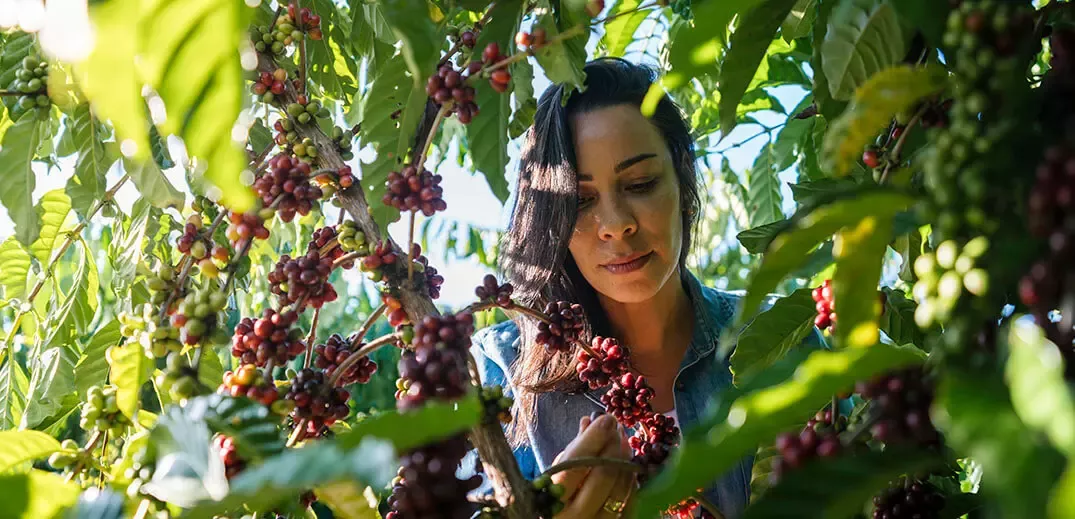
Nestlé and the International Labour Organization (ILO) are expanding their long-standing partnership by launching a new, two-year project, “From fair recruitment to worker protection in coffee supply chains,” focused on promoting labour rights in the coffee supply chains of three key sourcing countries: Brazil, Colombia and Mexico.

Building on its standard-setting role and convening power, the ILO will facilitate social dialogue among governments, employers’ and workers’ organizations to identify and address key drivers of decent work deficits and labour-related risks in coffee supply chains. Based on these insights, the project will implement targeted country-level interventions to promote fair recruitment practices and labour rights. Interventions at the country level will also support global knowledge-sharing across the coffee sector.

You may also be interested in: Nestlé Considers Selling Blue Bottle Coffee Stake

Dan Rees, Director, ILO Priority Action Programme on Decent Work in Supply Chains, said: “Coffee production sustains the livelihoods of approximately 20–25 million families worldwide, generating vital income and employment. However, decent work deficits in coffee supply chains persist, particularly among seasonal and migrant workers. Through this project, we aim to advance labour rights and promote decent work and contribute to more sustainable supply chains.”

Antje Shaw, Head of Sustainability for Coffee at Nestlé, said: “Our partnership with the ILO represents a significant step to advancing and promoting human rights in coffee supply chains. By working together, we can progress faster in creating more resilient and inclusive coffee value chains, where workers are treated with dignity.”

You may also be interested in: Nestlé to Reduce Workforce as Part of Cost-Saving Drive

The project is supported by the Nescafé Plan, Nestlé’s global sustainability programme for the brand, and will contribute to the ILO Fair Recruitment Initiative, which supports the promotion and implementation of fair recruitment principles worldwide, as well as to the ILO flagship programme Safety + Health for All, particularly its Vision Zero Fund, which promotes the fundamental right to a safe and healthy working environment in supply chains.

Nestlé is a founding member of the Child Labour Platform (CLP) convened by the ILO and a partner in projects aimed at promoting decent work in agricultural supply chains.
Regenerative Agriculture Boosts Vietnamese Coffee Farmers’ Income by 150%

Dubai – Qahwa World

Vietnamese coffee farmers have achieved a remarkable 150% increase in income by shifting to regenerative agriculture, an innovative approach that promotes environmental sustainability while improving crop quality and productivity.

According to a report by Nestlé Vietnam, the adoption of regenerative practices under the NESCAFÉ Plan has enabled farmers to save 40%–60% of irrigation water, reduce chemical fertilizers and pesticides by 20%, and significantly increase yields and income.

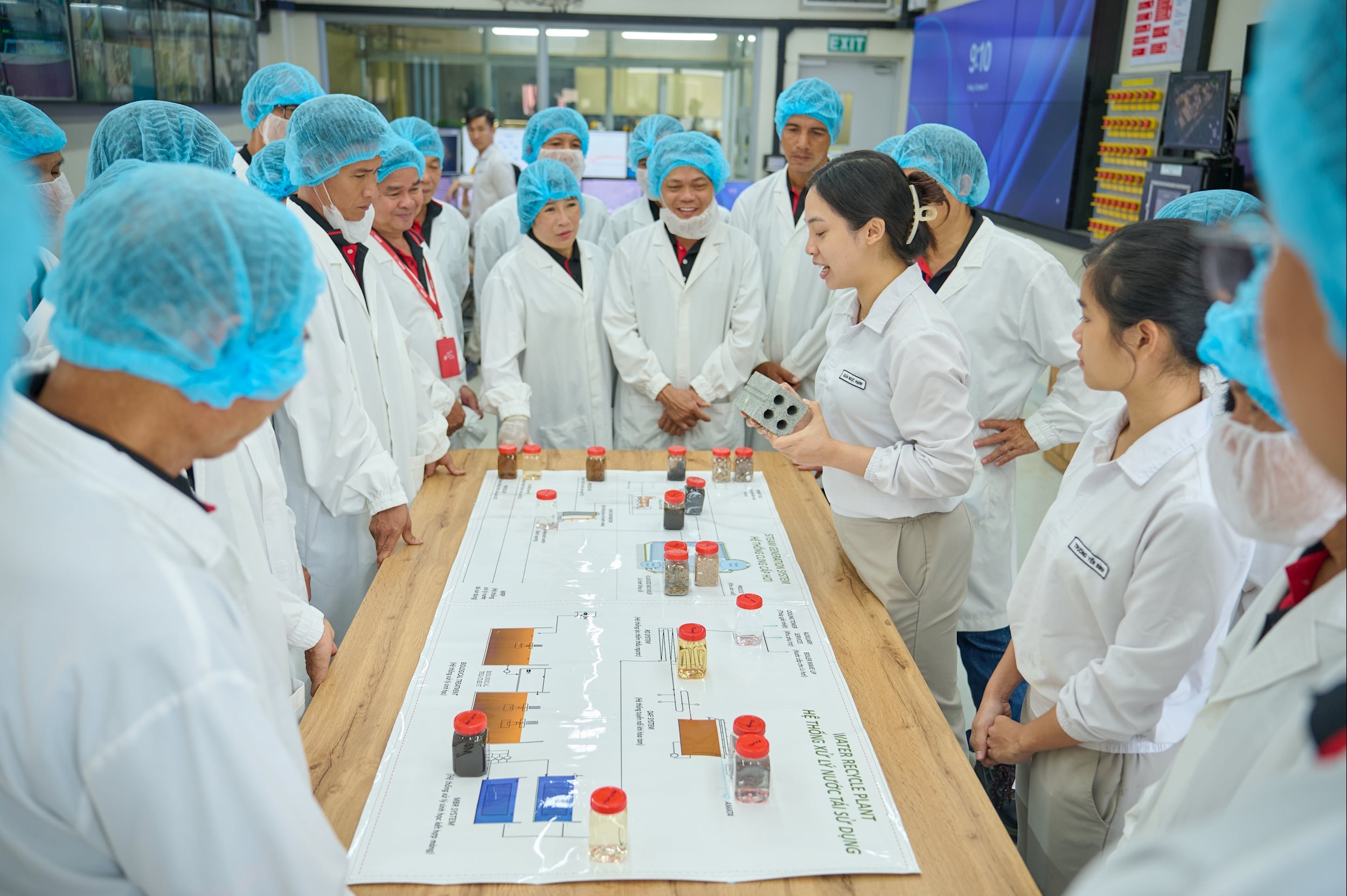
The initiative was highlighted during a seminar titled “The Role of Farmers in Regenerative Agriculture”, held on October 31 at the Nestlé Trị An factory in Dong Nai province, where more than 60 outstanding farmers and agricultural sustainability experts gathered to celebrate success stories from the program.

Binu Jacob, Managing Director of Nestlé Vietnam, stated during the event: “At Nestlé, people are at the heart of our sustainability journey. The NESCAFÉ Plan represents a long-term commitment to support farmers in implementing regenerative agriculture to enhance their income and quality of life.”

Jacob added that close cooperation with farmers is vital to building a more sustainable future for Vietnam’s coffee industry, reflecting Nestlé’s dedication to both environmental and social responsibility.

Truong Hoang Phuong, Director of Nestlé Trị An Factory, emphasized that farmers are the starting point of coffee quality, saying: “The quality of coffee begins in the field. Farmers are the foundation of success, while the factory amplifies their efforts by bringing this value to global markets.”

The event also featured a tour of the factory’s modern coffee processing facilities, where farmers learned about production technologies and the journey of Vietnamese coffee beans now exported to over 40 international markets, including Europe, Japan, South Korea, and the United States.

Farmers shared their experiences in adopting regenerative agriculture and digital farm management to improve soil health and productivity. Dao Duy Quynh, a farmer from Gia Lai province, said:

“The program completely changed how we work. We learned to farm in ways that protect the environment while increasing our income.”

Since its launch in 2011, the NESCAFÉ Plan has delivered more than 467,000 training sessions on sustainable coffee farming, provided improved seedlings to around 21,000 farmers annually, and distributed over 86 million high-yield, pest- and drought-resistant plants, helping rejuvenate over 86,000 hectares of aging coffee farms.

This transformation marks a significant milestone in promoting sustainable coffee production in Vietnam, supporting a greener and more responsible coffee economy, and reinforcing the country’s position as one of the world’s leading coffee producers and exporters.


Nestlé to Reduce Workforce as Part of Cost-Saving Drive

Dubai – Qahwa World

Nestlé, the Swiss multinational food and beverage corporation, has revealed plans to cut roughly 6% of its global workforce over the next two years as part of a broad efficiency initiative.

Under new CEO Philipp Navratil, the company aims to eliminate about 16,000 positions. Of these, around 12,000 will be in corporate and administrative roles, while the remaining 4,000 will affect manufacturing, logistics, and supply-chain operations.

The job cuts respond to persistent cost pressures and two consecutive quarters of revenue decline. In the first nine months of 2025, Nestlé’s sales fell by 1.9% year-on-year to CHF 65.9 billion ($76.8 billion). Nonetheless, the company credited its coffee and confectionery divisions—underpinned by price increases—for delivering solid growth.

Navratil is pushing to expand Nestlé’s cost-savings target from CHF 2.5 billion to CHF 3 billion by the end of 2027. He described the cuts as “hard but necessary,” noting that while Nestlé’s size offers advantages, it also brings complexity and inefficiencies that must be addressed.

According to the company, the planned reductions in corporate staffing are expected to yield approximately CHF 1 billion in annual savings. Efficiency drives in the production and supply chain segments are intended to support further cost mitigation through automation and operational consolidation.

While Nestlé’s nutrition segment and operations in China were among the weaker performers, the coffee segment showed resilience—even as commodity prices remained elevated and consumer spending softened in many markets.

In particular, the company implemented an average price increase of 7.4% across key coffee and confectionery brands such as Nescafé and Nespresso—moves that helped support growth across all regions. Nestlé also reported strong momentum in its ready-to-drink and coffee concentrate lines, especially in Asian and Oceanic markets.

The decision to downsize globally underscores the intense cost pressures faced by one of the world’s largest food and beverage companies. Even strong-performing sectors like coffee could not completely offset rising production and raw-material expenses, particularly for green coffee and cocoa.

In the coffee commodities market, both Arabica and Robusta prices remain at historically high levels. In September 2025, Arabica futures exceeded $4 per pound for the first time since April, while Robusta prices hovered near $5,694 per tonne—strained by adverse weather, reduced yields in Brazil and Vietnam, and continued supply chain disruptions.