Global Leaders Unite to Advance Coffee Education

Source: Fondazione Ernesto Illy ETS / UNIDO / SCA / ICO
Author: Editorial Team
Date: July 15, 2026

Global Leaders Unite to Advance Coffee Education

  • Global coffee leaders convened at World of Coffee Brussels for a landmark panel discussion on education.
  • The event celebrated 15 years of the Master in Coffee Economics and Science – Ernesto Illy.
  • The Ernesto Illy Master Alumni Community was officially launched as a global professional network.
  • Panelists explored collaborative frameworks for workforce development in African producing countries.
  • UNIDO’s ACT Coffee Programme and Coffee Training Centres were highlighted as key capacity-building platforms.
  • Ethiopia’s Coffee Training Centre has already certified hundreds of professionals across Africa.
  • Speakers emphasized education as the most sustainable investment in coffee’s future.

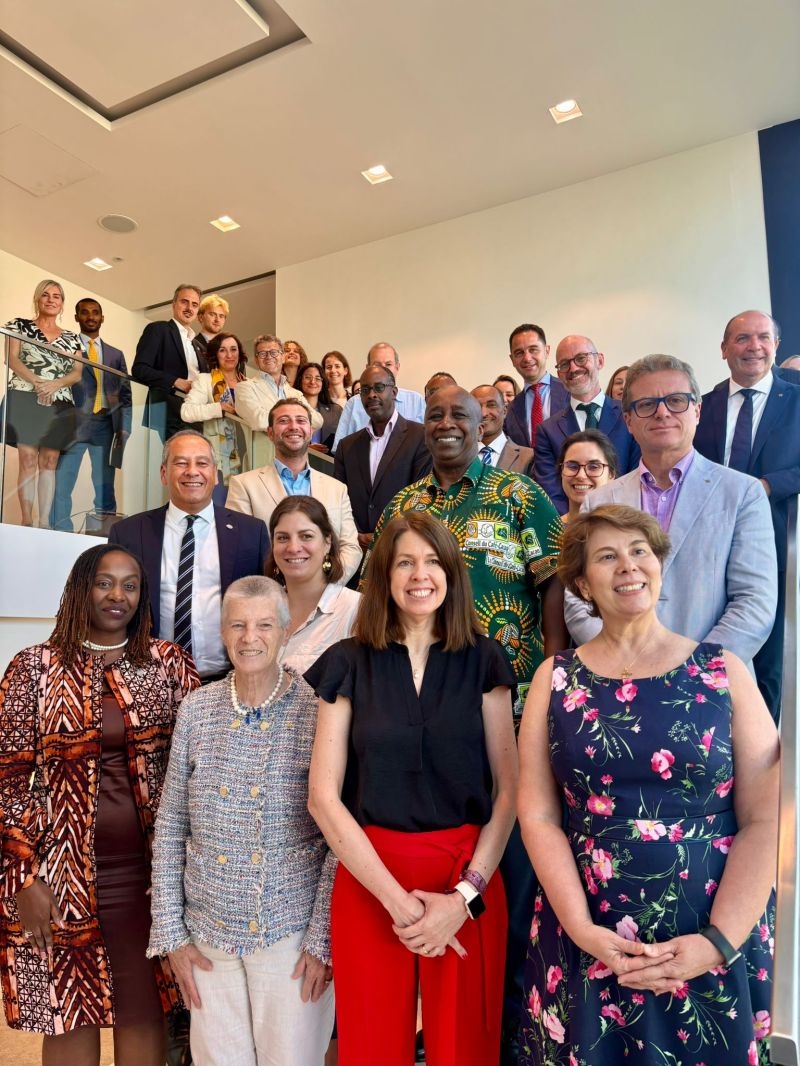
Global leaders in coffee, education, and international development convened at World of Coffee Brussels 2026. The event featured a landmark panel discussion on education’s role in shaping the coffee sector’s future. Organized by Fondazione Ernesto Illy ETS, UNIDO, SCA, and ICO, the event marked 15 years of the Master in Coffee Economics and Science.

The panels celebrated the program’s legacy and launched its Alumni Community. Participants also explored collaborative frameworks for workforce development in African producing countries. The message was clear: education is the most sustainable investment in coffee’s future.

Panel I: 15 Years of the Ernesto Illy Master

The first session celebrated 15 editions of the Master in Coffee Economics and Science. It is the only international first-level Master’s programme taught in English. The panel featured founding faculty members, industry partners, and alumni from Costa Rica and Ethiopia.

Speakers included Anna Illy, Sunalini Menon, Eliana Cossio, Daniel Sanchez, and Addisu Dulacha Gobana. The session culminated in the official launch of the Ernesto Illy Master Alumni Community. This global professional network extends the programme’s impact beyond the classroom.

Panel I Speakers – 15 Years of the Ernesto Illy Master
Speaker Affiliation
Anna Illy Chair, Fondazione Ernesto Illy ETS
Sunalini Menon President, CoffeeLab Limited
Eliana Cossio Chief Research Officer, SCA
Daniel Sanchez Alumni 2018, Costa Rica
Addisu Dulacha Gobana Alumni 2019, Ethiopia

“The Master in Coffee Economics and Science – Ernesto Illy was born from a bold vision: to recognize coffee not just as a product, but as a field of knowledge bringing together science, economics, culture, and sustainability in a truly multidisciplinary and international dialogue. Fifteen editions later, it has grown into much more than an academic program: it is a global community of 300 passionate professionals who share a deeper understanding of coffee from plant to cup. With the launch of the Ernesto Illy Master Alumni Community, this shared knowledge becomes an even stronger force: connecting people, inspiring ideas and shaping the future of coffee.”

— Anna Illy, Chair, Fondazione Ernesto Illy ETS

Panel II: Innovation for Capacity Building

The second session examined how international organisations, governments, and the private sector can strengthen human capital. Focus areas included UNIDO/ACT Programme Coffee Training Centres. These are skills platforms across East African countries. The panel also discussed SCA Coffee Education Systems and new collaboration models for Africa.

Ethiopia’s Coffee Training Centre experience was presented by Dr. Adugna Debela, Director General of ECTA. Speakers included Vanusia Nogueira, Iannis Apostolopoulos, Providence Mavubi, Stijn De Lameilliere, and Wouter Cools.

Panel II Speakers – Innovation for Capacity Building
Speaker Affiliation
Vanusia Nogueira Executive Director, ICO
Iannis Apostolopoulos CEO, Specialty Coffee Association
Providence Mavubi Director, Agribusiness, UNIDO
Dr. Adugna Debela Director General, ECTA
Stijn De Lameilliere GPE/WB
Wouter Cools ILO

Shared Conviction: Skills Advancement is Key

Across both panels, a shared conviction emerged. Sustainable transformation requires investing in the enabling environment for skills advancement. This includes robust institutions and accessible training pathways. Internationally recognised certification frameworks are also essential. They allow local professionals to compete, innovate, and lead.

Coffee Training Centres play a crucial role. They equip local actors with technical skills. They link them to advanced training opportunities. This lays the foundation for inclusive value chain participation. It also increases local value addition.

Leadership Perspectives

“For decades, the ICO has recognized that education, skill development, and the transfer of innovation and technology are essential to building a more resilient, sustainable, and prosperous coffee sector. Partnerships are the catalyst for this change, connecting local talent with global expertise, strong institutions, and internationally recognized training and certification pathways. Together, we can transform capacity building into lasting economic and social progress for coffee-producing countries.”

— Vanusia Nogueira, Executive Director, ICO

“Education is not merely a tool for knowledge transfer – it is a foundational investment in the long-term resilience and inclusiveness of the coffee sector. Through its ACT Coffee Programme, UNIDO is committed to building the enabling environment in which skills advancement can take root and thrive. Coffee Training Centres across Africa are proof that when we invest in people, we invest in the entire value chain.”

— Providence Mavubi, Director, Agribusiness and Infrastructure Development, UNIDO

“The Ethiopia Coffee Training Centre demonstrates what becomes possible when local expertise meets international standards. Our producers and professionals are not only learning – they are leading.”

— Dr. Adugna Debela, Director General, ECTA

“Building a more equitable coffee sector begins with creating more access for the people within our industry. SCA is proud to be part of a growing ecosystem of organizations that recognize education as the foundation of a resilient, inclusive value chain. When local professionals have access to internationally recognized pathways, everyone in coffee benefits.”

— Yannis Apostolopoulos, CEO, SCA

Spotlight: Ethiopia’s Coffee Training Centre

The Ethiopian Coffee and Tea Authority hosts the Coffee Training Centre within its premises in Addis Ababa. It was established with AICS funding and UNIDO technical support. Partners include Illycaffè and the Ernesto Illy Foundation.

The centre is equipped with roasting, brewing, and sensory laboratories. It delivers internationally standardized training across the post-harvest coffee value chain. The centre has already certified hundreds of professionals from across Africa.

About the Organizations

Fondazione Ernesto Illy ETS was established to preserve and promote the legacy of Ernesto Illy. It focuses on scientific research, education, and sustainability projects for coffee value chains. The Foundation’s core value is Ethics.

UNIDO is the UN’s specialized agency for inclusive and sustainable industrial development. It supports sustainable supply chains and strengthens agribusinesses. Its ACT Coffee Programme enhances climate resilience and local value addition in Africa.

The International Coffee Organization is the only intergovernmental organization dedicated to coffee sector sustainability. It provides official statistics and facilitates technical cooperation projects.

The Specialty Coffee Association is the global stage for specialty coffee. It brings together diverse voices across the value chain to spark dialogue and fuel innovation.
Frequently Asked Questions

What event took place at World of Coffee Brussels?Global coffee leaders convened for a panel discussion on education, celebrating 15 years of the Master in Coffee Economics and Science and launching its Alumni Community.

What is the Ernesto Illy Master program?It is the only international first-level Master’s programme in Coffee Economics and Science taught in English. It brings together science, economics, culture, and sustainability.

What is the Ernesto Illy Master Alumni Community?It is a global professional network and digital platform launched to extend the programme’s impact beyond the classroom, connecting 300 professionals worldwide.

What are Coffee Training Centres?They are skills platforms across East African countries supported by UNIDO’s ACT Coffee Programme, providing internationally standardized training.

What is the Ethiopia Coffee Training Centre?It is a training centre in Addis Ababa equipped with roasting, brewing, and sensory laboratories, delivering standardized training across the coffee value chain.

How many professionals has the Ethiopia CTC trained?The centre has already certified hundreds of professionals from across Africa since its establishment.

UNIDO and European Coffee Federation Sign Joint Declaration to Strengthen Sustainable African Coffee Value Chains

Source: Press Release – UNIDO & European Coffee Federation |
Author: Qahwa World |
Date: June 25, 2026

UNIDO and European Coffee Federation Sign Joint Declaration to Strengthen Sustainable African Coffee Value Chains

Key Takeaways:

  • UNIDO and the European Coffee Federation signed a Joint Declaration in Brussels to promote sustainable transformation across African coffee value chains.
  • The Declaration establishes a cooperation framework focused on climate resilience for smallholder farmers, improved traceability at origin, and sustainable investment.
  • A Consultative Group will be established as a neutral, pre-competitive platform for knowledge exchange among traders, roasters, exporters, and development partners.
  • The signing followed a high-level roundtable with representatives from DG INTPA, the ICO, IACO, illycaffè, Sucafina, and Volcafe.
  • The ACT Coffee Programme will drive implementation through concrete activities in Ethiopia, Kenya, Tanzania, Uganda, and Malawi.
  • ECF Secretary General: “Sustainable coffee supply chains cannot be built by the private sector or by development agencies alone.”

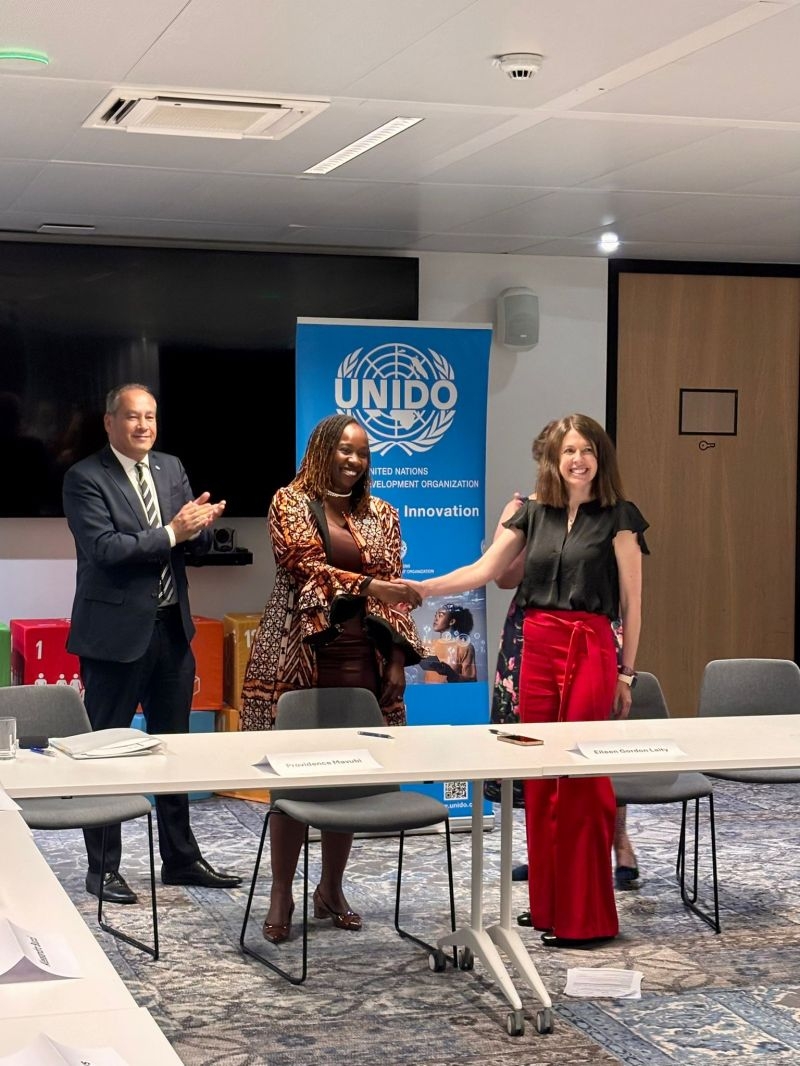
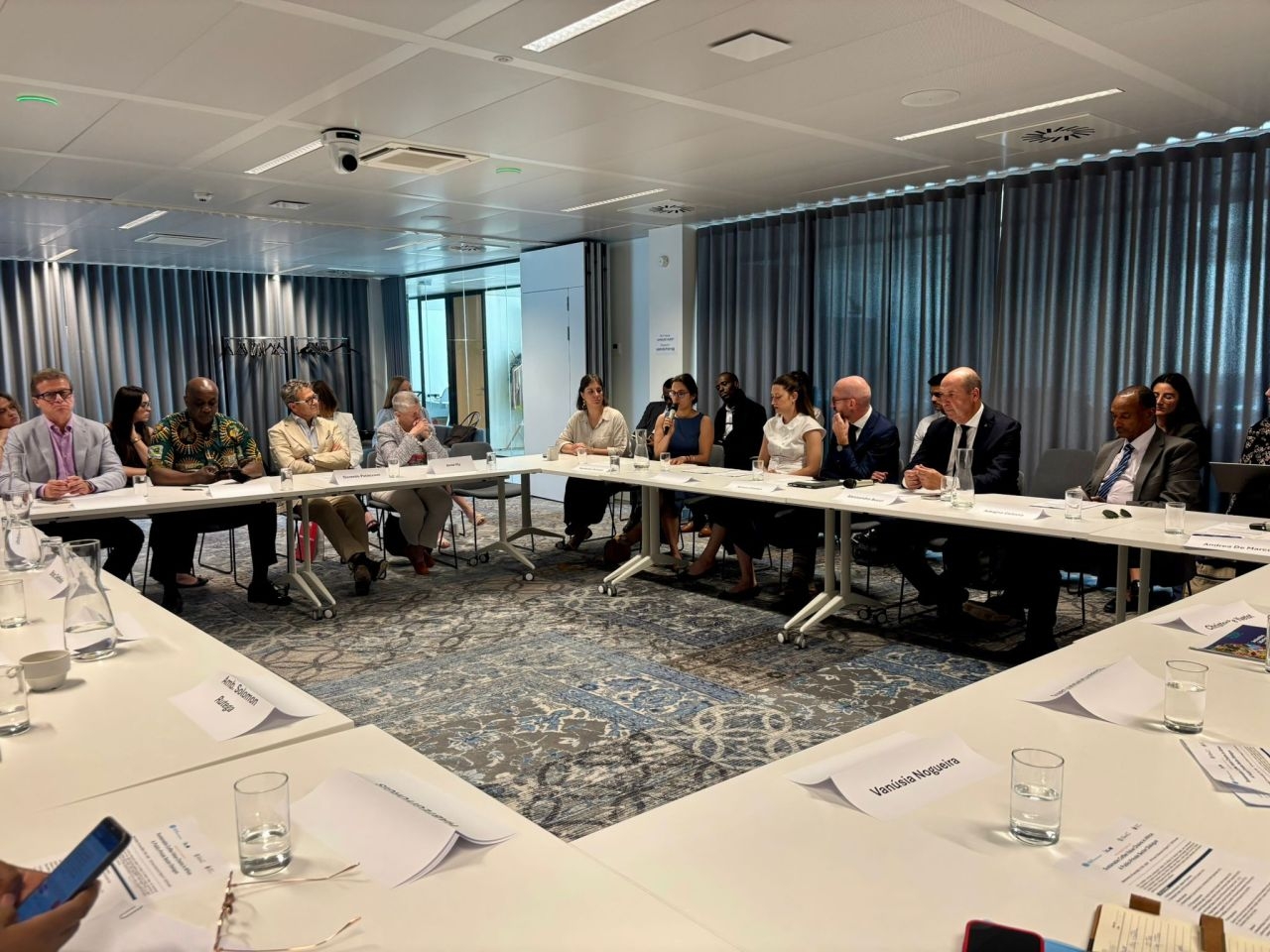
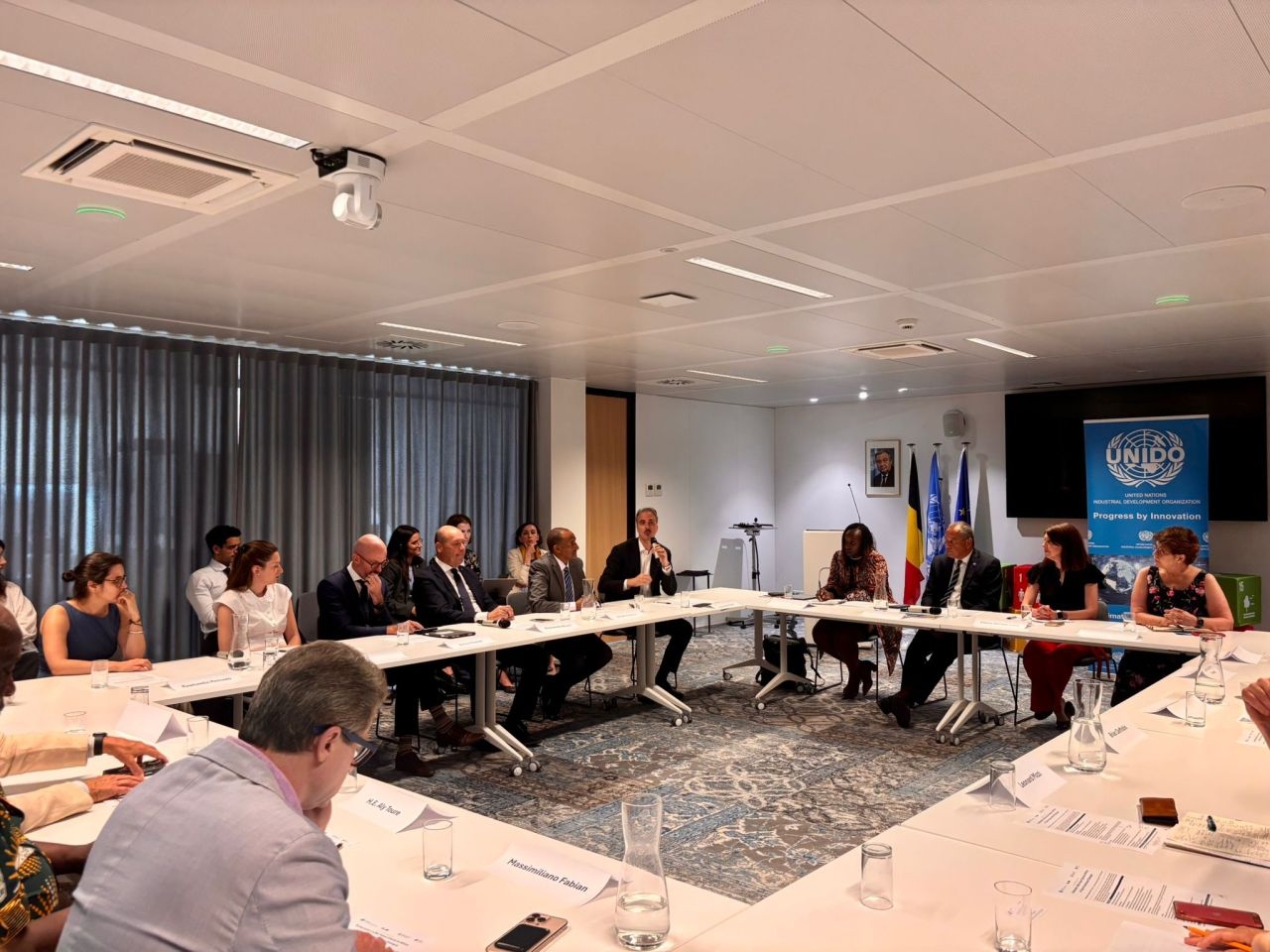
The United Nations Industrial Development Organization (UNIDO) and the European Coffee Federation (ECF) today signed a Joint Declaration at UN House Brussels, formalising a public-private commitment to promote sustainable transformation across African coffee value chains. The signing took place at the close of a high-level roundtable on “Sustainable Coffee Value Chains in Africa: A Public-Private Sector Dialogue,” convened with the participation of the European Commission’s DG INTPA, EU Member States, international organisations, and leading European coffee companies.

This Declaration comes at a critical time, as African coffee value chains face structural challenges ranging from climate change and weak infrastructure to limited access to finance, making public-private cooperation an urgent necessity to ensure the sector’s sustainability and improve the lives of millions of smallholder farmers across the continent.

A New Cooperation Framework Focused on Farmers and Sustainability

The Declaration establishes a structured cooperation framework between the two organisations, with a clear focus on supporting African coffee-producing countries, in particular smallholder farmers, to build climate resilience, improve traceability, and attract sustainable investment. A concrete outcome is the agreement to set up a Consultative Group serving as a pre-competitive, neutral platform for knowledge exchange among traders, roasters, exporters, and development partners.

Leaders: “Choosing Partnership Over Fragmentation”

Eileen Gordon Laity, Secretary General of the European Coffee Federation, said: “This Declaration formalises what the coffee sector has long recognised: sustainable coffee supply chains cannot be built by the private sector or by development agencies alone. Today, we reaffirm our shared commitment and take our collaboration one step further.”

Providence Mavubi, Managing Director, Directorate of SDG Innovation and Economic Transformation, Officer-ad-Interim, UNIDO, emphasised: “With this Joint Declaration, UNIDO and the European Coffee Federation are choosing partnership over fragmentation — a shared commitment to the producers, traders, roasters, policymakers and consumers connected in a single value chain, and to the millions of farming families whose futures depend on how we act together. This is precisely the spirit that drives the ACT Coffee Programme: turning global cooperation into concrete change on the ground for Africa’s coffee communities.”

Party Role
UNIDO United Nations Industrial Development Organization
European Coffee Federation (ECF) Representing Europe’s coffee industry
European Commission (DG INTPA) International partnerships
International Coffee Organization (ICO) Intergovernmental coffee body
Inter-African Coffee Organization (IACO) Representing African producing countries
Private Sector Companies illycaffè, Sucafina, Volcafe, Tchibo

The Consultative Group: A Neutral Platform for Knowledge Exchange

The Consultative Group agreed upon will serve as a neutral platform bringing together different stakeholders across the coffee value chain, with the aim of sharing knowledge and expertise and developing concrete technical proposals and investment projects. This platform will help guide private sector engagement in coffee policy processes at both African and global levels, enhancing coordination among different initiatives.

High-Level Roundtable with Industry Leaders

The roundtable that preceded the signing brought together private-sector leaders from illycaffè, Sucafina, Volcafe, and Tchibo, alongside senior officials from DG INTPA, the International Coffee Organization (ICO), the Inter-African Coffee Organization (IACO), the embassies of Italy and Ethiopia to the European Union, and the Ethiopian Coffee and Tea Authority (ECTA). This broad participation reflects the growing interest in enhancing the sustainability of African coffee value chains.

The ACT Coffee Programme: Driving Implementation

The ACT Coffee Programme (Advancing Climate Resilience and Transformation in African Coffee) will lead the implementation of the cooperation through targeted workshops and roundtables to develop concrete technical proposals and investment pipelines. The Programme, implemented by UNIDO and funded by the Italian Cooperation within the framework of Italy’s Mattei Plan and the EU Global Gateway Strategy, is currently active in Ethiopia, Kenya, Tanzania, Uganda, and Malawi, with the potential to expand to other African coffee-producing countries.

Why This Declaration Matters for the Coffee Sector

This Declaration represents a significant step forward in public-private cooperation in the coffee sector. By combining UNIDO’s expertise in industrial development with the ECF’s representation of the European coffee industry (which accounts for approximately 90% of all coffee imported and processed in the EU), this partnership can create tangible impact in the lives of millions of smallholder farmers in Africa while enhancing the sustainability of global supply chains.

Frequently Asked Questions About the UNIDO-ECF Joint Declaration

Q: What is the main purpose of the Joint Declaration?

A: To promote sustainable transformation across African coffee value chains through public-private cooperation, with a focus on smallholder farmers.

Q: What are the key areas of cooperation?

A: Building climate resilience, improving traceability, and attracting sustainable investment in African coffee-producing countries.

Q: What is the Consultative Group?

A: A neutral platform bringing together traders, roasters, exporters, and development partners for knowledge exchange and developing concrete technical and investment proposals.

Q: What is the ACT Coffee Programme?

A: A UNIDO-implemented programme funded by Italian Cooperation, aiming to strengthen climate resilience and transformation in African coffee, currently active in five African countries.

Q: Which countries are currently covered by the programme?

A: Ethiopia, Kenya, Tanzania, Uganda, and Malawi, with potential for expansion to other countries.

The signing of this Joint Declaration marks a pivotal moment in the development of Africa’s coffee sector. By bringing together political will, the expertise of international organisations, and the resources of the private sector, this partnership can help build more sustainable and equitable value chains, improving the lives of millions of farming families who form the backbone of Africa’s coffee industry.

Prepared and edited by: Qahwa World – Based on the press release from UNIDO and the European Coffee Federation, issued June 24, 2026.

All rights reserved. Republication with attribution permitted.

Publication date: June 25, 2026

Climate Pressures Affect All Coffee Producers, But Their Adaptation Capacities Vary Shockingly

Source: TechnoServe and ACT Coffee Programme (UNIDO) – June 2026 |
Author: Qahwa World |
Date: June 18, 2026

Climate Pressures Affect All Coffee Producers, But Their Adaptation Capacities Vary Shockingly

Key Takeaways:

  • A new report from TechnoServe and the ACT Coffee Programme reveals that all ten leading coffee-producing countries face increasing climate stress, but their ability to adapt varies significantly.
  • Latin American countries and Indonesia are the most vulnerable to climate risks, while East African countries are less exposed but suffer from greater economic fragility.
  • The income gap is striking: Ugandan coffee farmers earn $610 per hectare, while their counterparts in Vietnam earn $4,885.
  • The report calls for strategic investments of $560 million annually over seven years, which could generate $2.1 billion in additional farm income and $2.6 billion in exports per year.
  • Thirteen global coffee companies have endorsed the report’s findings, signaling growing industry awareness of the need for climate action.

A new report from TechnoServe, in partnership with the ACT Coffee Programme of the United Nations Industrial Development Organization (UNIDO), reveals that ten of the world’s leading coffee-producing countries face escalating climate pressures. However, the most striking finding is that these countries’ capacities to adapt to these pressures vary dramatically, creating deep economic gaps between coffee farmers around the world.

The report, titled “Benchmarking Coffee Production and Climate Risk,” builds on TechnoServe’s 2025 Regenerative Coffee Investment Case and provides a comprehensive view of how climate change is affecting the sector and what can be done to strengthen its resilience.

Methodology: Three Dimensions of Risk and Two Time Horizons

The report draws on global climate data, international risk indexes, and field data from TechnoServe programs. It evaluates the ten countries across three key dimensions: climate risk exposure (the intensity of changes in temperature and rainfall), climate sensitivity (the degree to which the production system is affected by these changes), and adaptive capacity (the readiness of farmers, governments, and the private sector to invest in adaptation solutions). The analysis was conducted under a moderate climate scenario (SSP2-4.5) and examined two time horizons: the near term (2020–2040) and the long term (2040–2060).

Country Differences: Latin America and Indonesia Most Vulnerable, East Africa Most Fragile

The results reveal significant variation in farmers’ ability to face climate challenges and the level of support available to them. Brazil, Peru, and Indonesia showed a high degree of risk exposure with relatively stronger adaptive capacity. Vietnam also scored high on adaptive capacity but was classified in the intermediate vulnerability category.

East African countries such as Ethiopia and Uganda showed lower overall risk exposure but weaker adaptive capacity, with smaller farms, lower yields, and limited support systems. The report noted that smallholder coffee revenue in Uganda is estimated at about $610 per hectare, compared to $4,885 in Vietnam and $4,731 in Brazil. This disparity reflects deep economic fragility in East Africa, despite relatively lower climate exposure.

Country Risk Exposure Sensitivity Adaptive Capacity Farm Income ($/ha)
Brazil 1.52 3.1 2.6 4,731
Indonesia 2.00 2.4 2.6
Peru 1.90 2.8 2.7
Vietnam 1.69 2.6 2.7 4,885
Ethiopia 1.28 2.1 2.1
Uganda 1.07 2.1 2.1 610

Source: TechnoServe report – Benchmarking Coffee Production and Climate Risk (2026). Scores range from 1 to 4 (1=Low, 4=High).

Types of Risks: Heat Stress, Heavy Rainfall, and Drought

The report identified Indonesia, Peru, Vietnam, and Brazil as facing the most acute challenges from rising temperatures exceeding suitable ranges for coffee cultivation. In these countries, lower elevation further amplifies the impact of heat stress and temperature variability. Indonesia, Peru, and Colombia face the highest risk of damage from excessive rainfall, which can lead to soil erosion, waterlogging, and the spread of pests and diseases.

In contrast, Brazil faces the greatest risk of thermal-water stress, where the combined effect of high temperatures and low rainfall increases drought risk. Specific regions in Kenya and Uganda are also expected to experience rainfall deficits.

Recommendations: Investing in Farms and Infrastructure Is the Solution

One of the report’s central conclusions is that improving farm profitability is among the most effective ways to strengthen resilience against climate risks. The report calls for directing capital across three interconnected categories:

  • Farmer training and technical assistance: To disseminate regenerative agriculture practices that address local thermal and water risks.
  • Farmer capital and financial products: To provide affordable financing for farmers to cover transition costs and bridge income gaps during renovation years.
  • Systemic and infrastructure gaps: Including disaster preparedness, research and development, market systems, and policy reforms.

The report estimates that an annual investment of approximately $560 million over seven years in regenerative agriculture could generate $2.1 billion in additional farm income and $2.6 billion in exports per year across several key coffee-producing countries.

Thirteen Coffee Companies Endorse Findings, But Funding Challenges Loom

According to TechnoServe, 13 coffee companies have endorsed the report’s findings, reflecting what the organization described as growing industry-wide recognition of the need for action. However, the report does not specify whether these companies provided financial support for the study, nor does it detail any climate-adaptation investments they may have made on behalf of coffee farmers.

The call for coordinated investment comes at a challenging time for agricultural development globally. Recent reductions in foreign-aid funding, including cuts affecting international development programs, have contributed to a widening funding gap across the coffee sector.

Experts: The Report Reflects a Daily Reality for Coffee Farmers

Paul Stewart, TechnoServe’s Global Coffee Director and one of the report’s lead authors, said: “The report reflects what TechnoServe teams around the world see every day. Climate change is already affecting the productivity and livelihoods of smallholder coffee farmers, yet many lack the tools they need to respond.”

Frequently Asked Questions About the Climate Risk Report

Q: Which ten countries are covered in the report?

A: Brazil, Indonesia, Peru, Vietnam, Kenya, Honduras, Colombia, Tanzania, Ethiopia, and Uganda.

Q: What are the three dimensions of risk assessment?

A: Climate risk exposure, climate sensitivity, and adaptive capacity.

Q: Why are East African countries more fragile despite lower risk exposure?

A: Due to smaller farm sizes, lower yields, weaker support systems, and lower income per hectare, limiting farmers’ ability to invest in adaptation.

Q: What is the estimated investment needed according to the report?

A: Approximately $560 million annually over seven years.

The TechnoServe report confirms that climate challenges facing the coffee sector are not uniform, and that smart, data-driven investments can make a significant difference in the lives of millions of farmers and the sustainability of the global sector.

Prepared and edited by: Qahwa World – Based on the TechnoServe report “Benchmarking Coffee Production and Climate Risk” (June 2026), and the UNIDO ACT Coffee Programme.

All rights reserved. Republication with attribution permitted.

Publication date: June 18, 2026

UNIDO and Coffee Leaders Invest in Uganda Coffee Seed Systems

Dubai – Qahwa World

A coalition of international organizations and leading coffee companies has announced a major investment aimed at reinforcing Uganda’s coffee seed systems and improving farmer livelihoods. The initiative, led by United Nations Industrial Development Organization (UNIDO) and World Coffee Research (WCR), brings together industry partners including JDE Peet’s, The J.M. Smucker Co., and the Lavazza Foundation.

The partners have committed €850,000 to a three-year program designed to strengthen supply chain resilience in Uganda, Africa’s largest coffee exporter. The project operates under the Advancing Climate-Resilience and Transformation in African Coffee Programme, implemented by UNIDO with support from Italian development cooperation.

The initiative focuses on expanding access to high-quality, disease-resistant planting materials, a critical factor in improving productivity across Uganda’s coffee sector. Farmers in the country continue to face significant challenges from diseases such as coffee wilt disease in robusta, as well as coffee leaf rust and coffee berry disease affecting arabica varieties. Research indicates that adopting resistant coffee varieties can increase smallholder farmer profits by as much as 250 percent.

Central to the program is the establishment of new seed system infrastructure. This includes the development of robusta mother gardens and nurseries across northern, central, and western Uganda. These facilities are expected to produce up to 460,000 high-yielding, disease-resistant coffee trees annually, contributing to the country’s target of reaching 20 million bags of coffee production by 2030.

Ensuring the genetic quality of planting material is another key component. More than 5,000 robusta plants will undergo genotyping to guarantee consistency and performance. The program also prioritizes capacity building, working closely with national institutions such as Uganda’s Ministry of Agriculture and the National Coffee Research Institute to train technicians in advanced propagation methods and quality assurance practices. International training opportunities, including collaboration with leading research centers, are also planned.

To encourage adoption among farmers, demonstration plots will be established to showcase the performance of improved robusta lines and advanced arabica hybrids under local conditions.

The initiative builds on a broader roadmap for coffee research and development in Uganda, developed by national research bodies in collaboration with WCR. It also aligns with growing international support for increased public-sector investment in agricultural innovation, including commitments highlighted during the G7 Summit.

Industry leaders say the partnership reflects a shared commitment to securing the future of coffee production through collective action. By combining scientific research, public-sector support, and private-sector investment, the program aims to create a more resilient, productive, and sustainable coffee value chain in Uganda.

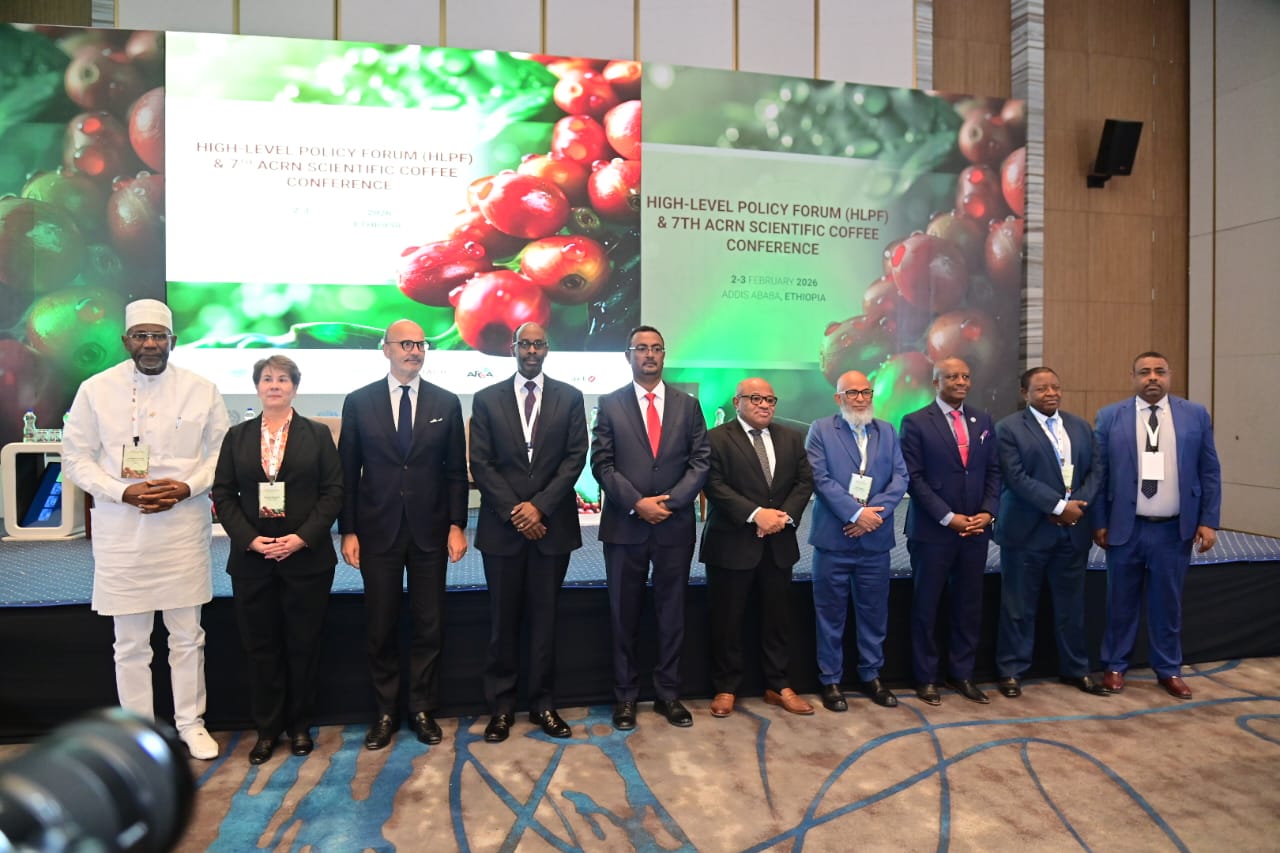
Africa’s Coffee Leaders Launch Climate Transformation Plan in Addis

Addis Ababa – Qahwa World × Buna Kurs

African governments, international institutions, and private sector leaders convened today in Addis Ababa for the High-Level Policy Forum held during the Third African Coffee Week. The assembly issued a strong call for coordinated action to safeguard the future of Africa’s coffee sector amid escalating climate and market pressures.

Organized by the Inter-African Coffee Organisation (IACO)—the African Union’s specialized agency for coffee—in collaboration with UNIDO, the Forum is being held under the theme: “Advancing Climate Resilience and the Transformation of the African Coffee Sector.” The event, hosted at the Skylight Hotel, brings together ministers, ambassadors, development partners, regulators, researchers, and industry executives from across Africa and beyond.

In the opening session, senior representatives of the Ethiopian government, IACO member states, the African Union, UN agencies, and international partners underscored the strategic importance of coffee to Africa’s economies and export earnings. While coffee supports millions of smallholder farmers across the continent, it faces growing risks from climate change, regulatory shifts, and limited local value addition.

The High-Level Policy Forum is anchored in the ACT Programme (Advancing Climate-Resilience and Transformation of the African Coffee Sector), a continental framework structured around five key pillars:

  1. Climate resilience

  2. Value addition and industrial transformation

  3. Compliance with international market standards

  4. Research, innovation, and knowledge sharing

  5. Social inclusion and sustainable livelihoods

Day One discussions focused on five outcome-oriented policy panels, each aimed at producing actionable recommendations and investment pathways:

  • The First Panel addressed social inclusion, emphasizing the need to place farmers, women, and youth at the center of sector transformation. Speakers highlighted inclusive business models, access to finance, and skills development as essential to long-term resilience in coffee-growing communities.

  • The Second Panel examined value addition, noting that Africa still exports the majority of its coffee as green beans. Panelists discussed the investments needed to expand local processing, roasting, and branding, specifically looking at opportunities under the African Continental Free Trade Area (AfCFTA).

  • The Third Panel was dominated by climate resilience and adaptation. Experts outlined climate-smart production systems, agroforestry, and the role of climate finance in supporting smallholder farmers, stressing that adaptation must move from pilot projects to scalable, financed solutions.

  • The Fourth Panel focused on research and innovation, calling for the integration of scientific data and digital tools into policymaking. Regional collaboration and South–South knowledge exchange were identified as key enablers of quality improvement.

  • The Final Panel addressed market access and compliance, with particular attention to the European Union Deforestation Regulation (EUDR). Speakers discussed traceability systems and how harmonized African standards can transform compliance from a barrier into a competitive advantage.

The day concluded with the official launch of the African Coffee Sustainability Standards, led by the African Organisation for Standardisation (ARSO)—a milestone aimed at strengthening market access and regulatory alignment for African producers.

The High-Level Policy Forum continues tomorrow, focusing on consolidating policy recommendations and partnership commitments under the ACT Programme.