Brazil’s Coffee Reality: When Climate Pressure Collides With Market Demand

Dubai – Qahwa World

This analysis is based on reporting first published by Dialogue Earth and written by Kevin Damasio. It has been adapted and republished by Qahwa World.

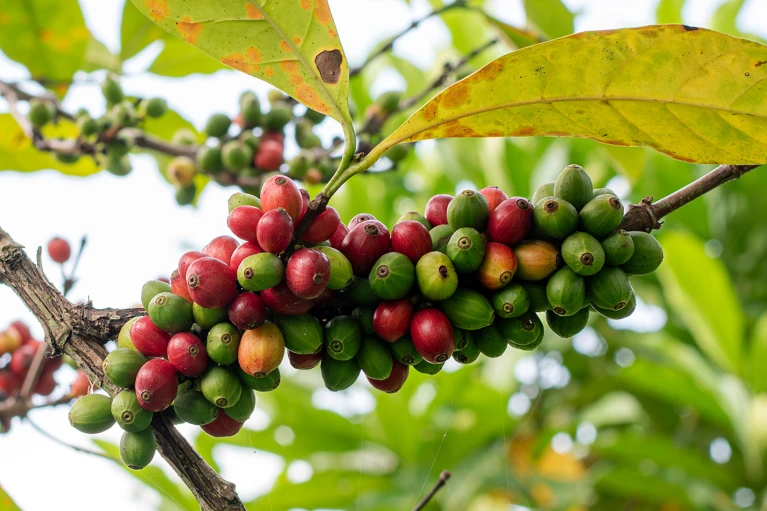
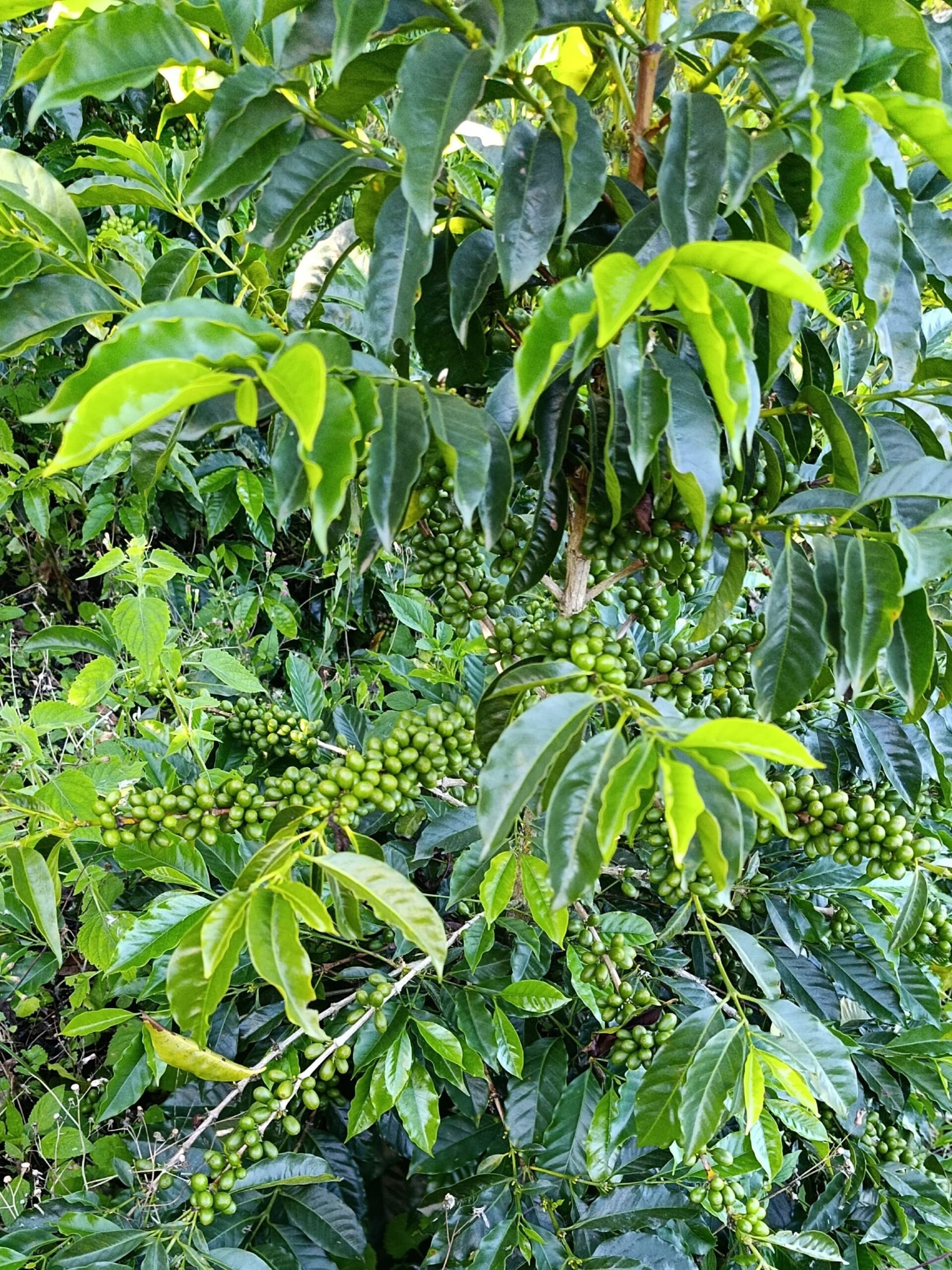
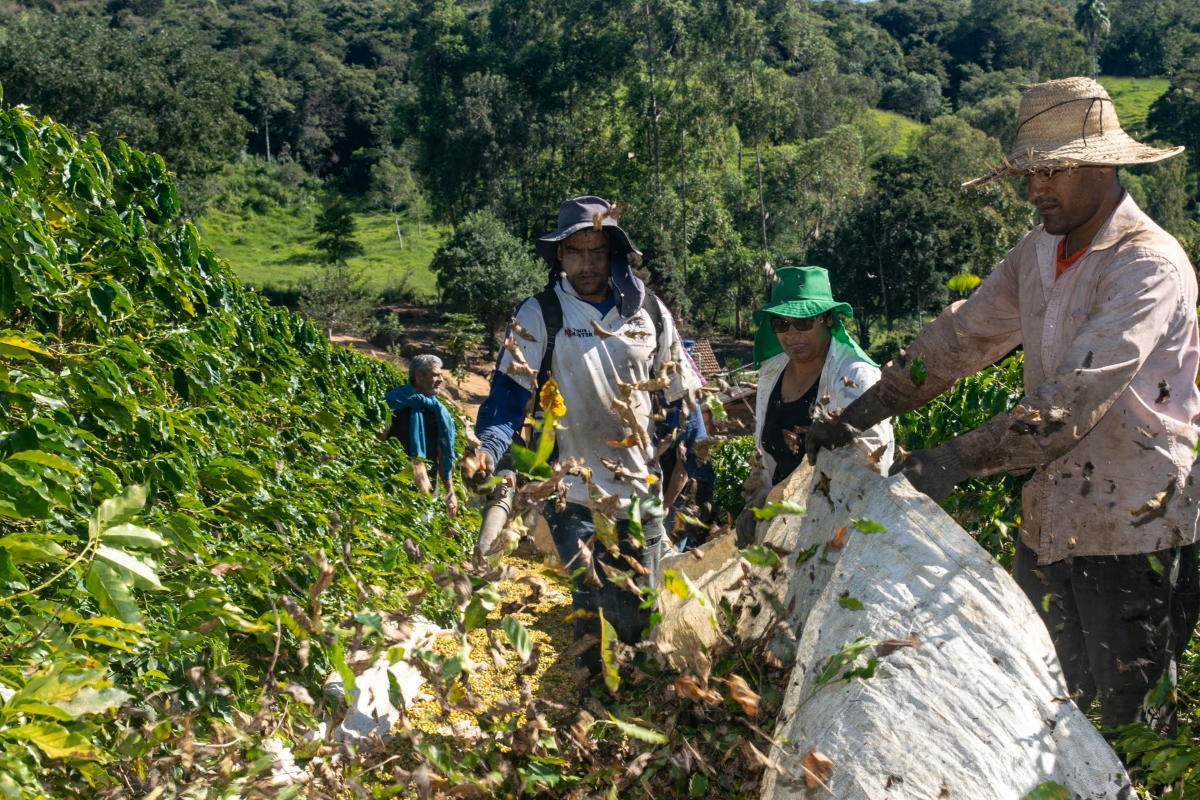
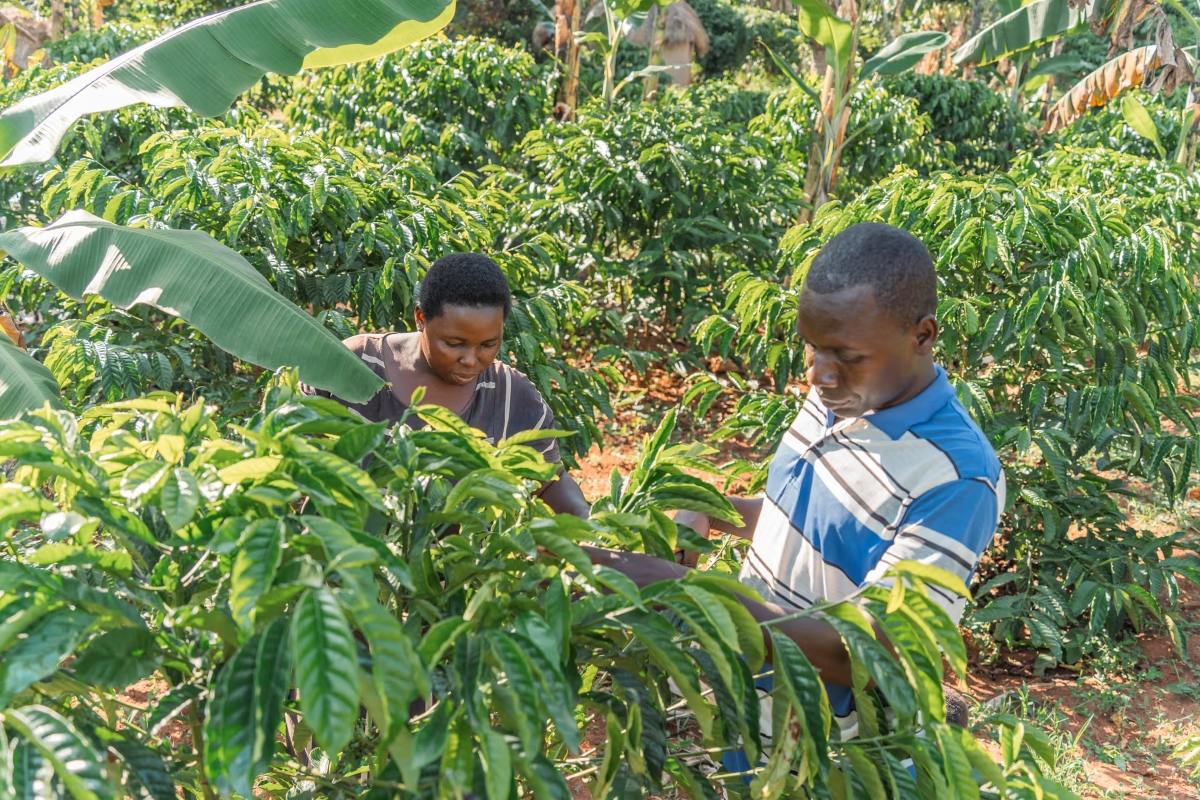
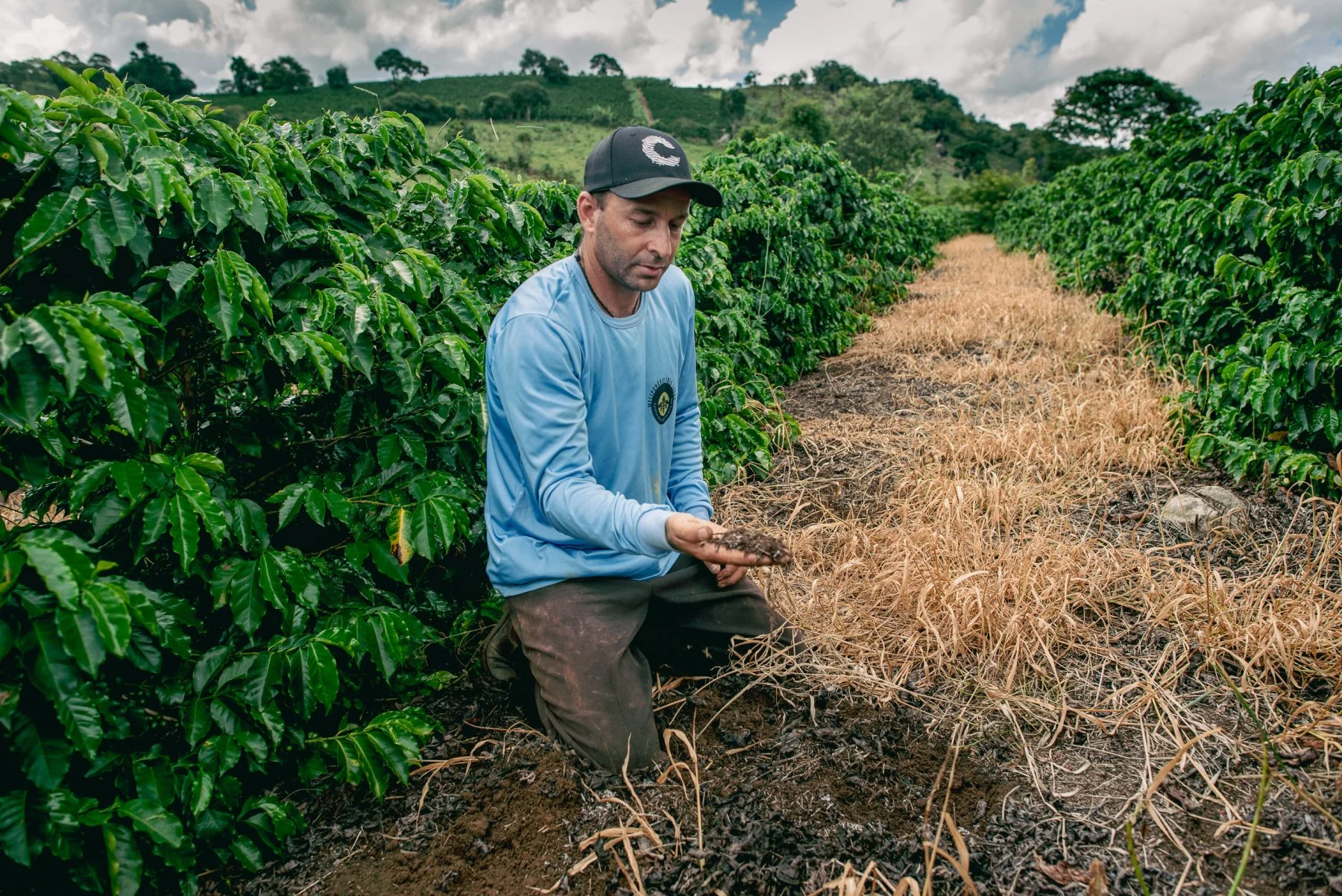
In the hills of Minas Gerais, where much of the world’s Arabica coffee is grown, a quiet transformation is underway. What was once a cycle of seasonal uncertainty has become a continuous struggle shaped by climate instability and shifting global demand.

This is no longer just a farming challenge. It is a defining moment for the future of coffee.

From Climate Variability to Climate Disruption

For generations, Brazilian coffee farmers adapted to occasional droughts, frosts, and irregular rains. Today, those events are no longer exceptions. They are part of a persistent pattern.

Longer dry periods, rising temperatures, and unpredictable rainfall are disrupting the biological rhythm of coffee itself. Flowering cycles are affected. Bean development becomes uneven. Yields lose consistency.

In regions like southern Minas Gerais, farmers are not asking if the weather will affect production. They are asking how severe the impact will be each year.

Scientific projections reinforce what farmers already experience on the ground. A significant share of Brazil’s Arabica-growing land faces the risk of becoming economically unviable in the coming decades if warming trends continue.

High Prices, Fragile Foundations

At the global level, coffee prices have surged as supply tightens. Brazil continues to generate record export revenues, even as shipment volumes fluctuate.

But this apparent strength hides a more fragile reality.

Higher prices are not translating into long-term security for producers. The cost of keeping coffee trees productive is rising. Irrigation systems, soil management, and climate-resistant varieties require investment. Losses from extreme weather events reduce financial resilience.

For many farmers, especially smallholders, the margin between survival and loss is narrowing.

The market is rewarding scarcity, but the conditions behind that scarcity are weakening the system that produces coffee.

The Retreat From Organic

One of the most telling shifts is happening in the field. Organic coffee production, once a growing segment, is under pressure.

Organic methods demand more labor, stricter management, and often higher costs. Under stable conditions, these systems can deliver value through quality and certification premiums. Under climate stress, they become harder to sustain.

As a result, some farmers are returning to conventional practices to secure more predictable yields. Even when they continue to limit chemical use, the shift reflects a deeper tension between sustainability and economic survival.

This raises an important question for the global coffee industry. Can sustainability commitments hold when producers face increasing climate risk and financial pressure?

Adaptation Becomes a Daily Practice

Across Minas Gerais, adaptation is no longer a long-term strategy. It is part of daily decision-making.

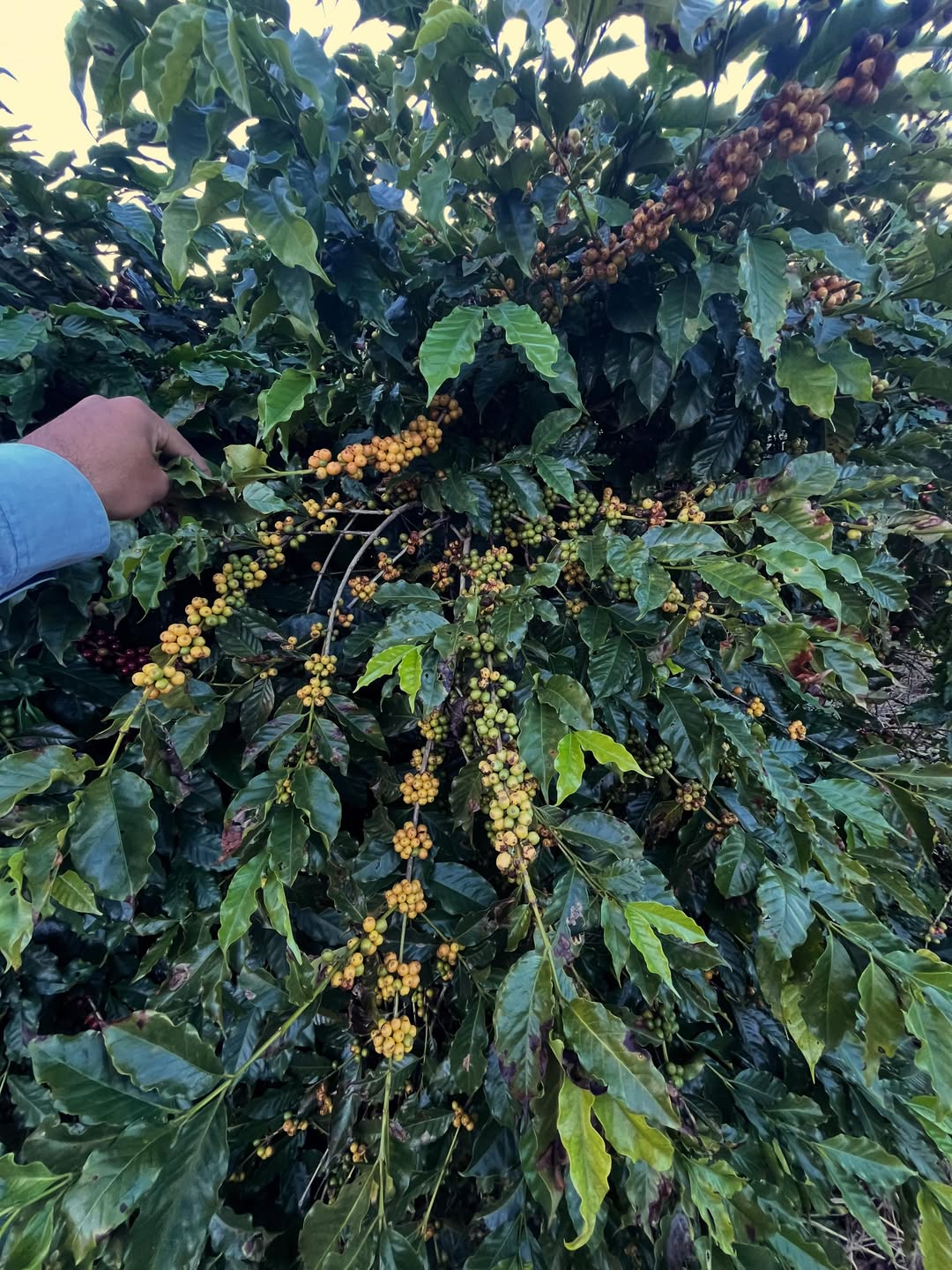
Farmers are replanting with more resilient Arabica varieties. They are improving soil cover to retain moisture. They are installing protective systems against hail and excessive sun.

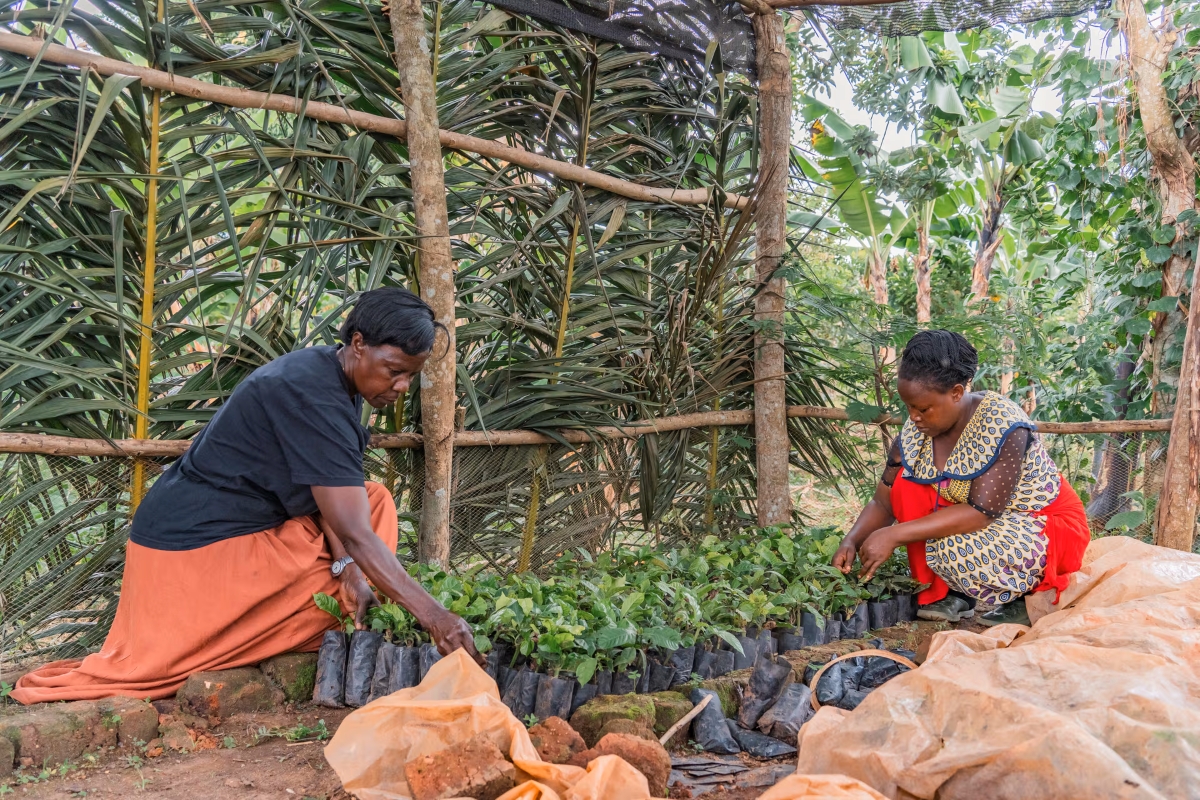
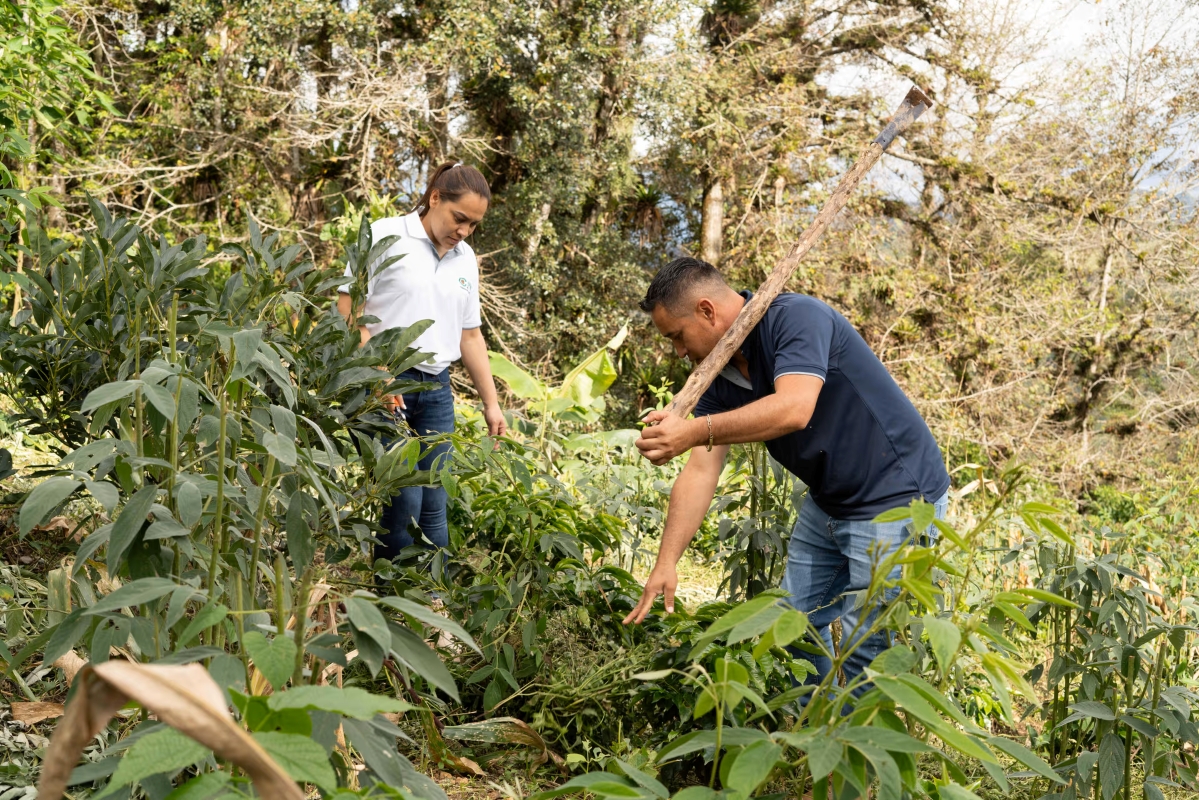
Tree planting is gaining ground as a practical response. Shade reduces heat stress, stabilizes production, and creates microclimates that are more forgiving under extreme conditions.

Yet adaptation comes at a cost. Not every producer has equal access to credit, technical knowledge, or time to experiment. This creates a widening gap between those who can adjust and those who struggle to keep up.

Agroforestry and the Search for Balance

Among the emerging approaches, agroforestry stands out as both a return to coffee’s origins and a potential path forward.

By integrating trees, crops, and ecological processes, agroforestry systems aim to recreate the natural environment in which Arabica evolved. These systems can improve soil health, regulate water cycles, and reduce exposure to extreme weather.

Early results suggest strong potential in terms of resilience and quality. However, productivity gains are not always immediate, and management is more complex.

For many farmers, the question is not whether agroforestry works, but whether it is economically viable in the short term.

Without stronger institutional support, technical guidance, and market incentives, adoption is likely to remain limited.

A Changing Demand Landscape

While production faces mounting pressure, demand continues to expand.

Asia is becoming an increasingly influential force in global coffee consumption. Countries such as China, India, Indonesia, and Vietnam are reshaping how coffee is consumed, marketed, and valued.

For Brazilian producers and cooperatives, this shift offers new opportunities. It also introduces new expectations around volume, consistency, and price competitiveness.

This creates a delicate balance. Expanding into new markets may require scaling production, while climate realities are pushing toward more cautious and diversified farming systems.

The Future Is Being Rewritten in the Field

What is happening in Minas Gerais reflects a broader transformation across the global coffee sector.

Climate change is no longer a distant threat. It is actively redefining how coffee is grown. At the same time, market dynamics continue to evolve, creating both opportunity and pressure.

Farmers are responding with a mix of resilience, experimentation, and compromise. Some invest in new technologies. Others return to conventional methods. A few explore more complex ecological systems.

There is no single path forward.

What is clear is that the future of coffee will not be shaped by price alone. It will depend on how well the industry supports those at its foundation, the farmers who are adapting in real time to an increasingly uncertain environment.

For coffee, this is not just a moment of challenge. It is a moment of redefinition.

Brazilian Real Boosts Arabica Coffee Prices

Dubai – Qahwa World

Arabica coffee prices rose on Monday, supported by a stronger Brazilian real, while expectations of a growing global surplus continued to limit gains.

Futures posted modest increases, while robusta trading remained inactive due to a market holiday in the United Kingdom.

The main support came from the Brazilian currency, which climbed to its highest level in several weeks against the US dollar. A stronger real typically reduces export incentives for Brazilian producers, the world’s largest coffee growers, tightening supply in international markets.

However, price gains remained capped by projections pointing to a widening global coffee surplus, expected to reach around 10 million bags in 2026, significantly higher than the previous year and marking the largest surplus in several years.

At the same time, expectations of a strong crop in Brazil continued to weigh on the market, with estimates suggesting production could exceed 75 million bags in the upcoming season, reinforcing global supply.

Despite these pressures, prices found some support from disruptions in global supply chains following the closure of a key maritime route, which led to higher shipping and insurance costs.

Weather conditions in Brazil also contributed to market support, as key arabica-growing regions recorded below-average rainfall, raising concerns about potential impacts on crop development.

Meanwhile, inventory data showed mixed signals, with robusta stocks declining while arabica inventories increased, reflecting an uneven balance in the market.

Brazil’s coffee exports also declined on a yearly basis, providing additional support to prices.

Overall, expectations of rising global production, along with increasing robusta output and higher exports from major producers such as Vietnam, continue to act as key downward pressures on the market in the period ahead.


IHOP revamps coffee program with new exclusive blend

Dubai – Qahwa World

United States-based casual dining chain IHOP has unveiled a major update to its coffee offering, marking the first change to its program in nearly 20 years with the launch of a new proprietary blend across its locations.

Known for its focus on American breakfast cuisine, the brand operates more than 1,300 restaurants globally, with the majority based in the United States.

The newly introduced coffee, branded as the IHOP Coffee Blend, is made from 100% sustainably sourced Arabica beans from Brazil. Alongside the new blend, the company has expanded its iced coffee range with additional flavours including dulce de leche, vanilla, and chocolate.

According to Lawrence Kim, president of Dine Brands Global, the update was driven by customer feedback and evolving consumer preferences.

He noted that the company continues to monitor guest input and market trends, adding that the new coffee is intended to complement IHOP’s value offerings while reinforcing its focus on delivering a high-quality breakfast experience.

Brazil’s Robusta Coffee Expands as Climate Hits Global Crops

Dubai – Qahwa World

A report published by The Guardian highlights how Brazil’s long-overlooked robusta coffee is gaining new importance as climate change disrupts traditional coffee cultivation worldwide.

In the Brazilian Amazon, the story of robusta is closely tied to the resilience of Indigenous communities. When the Paiter Suruí people regained control of their land in 1981 after expelling invaders, they faced a difficult choice: whether to keep the coffee plantations left behind. While some associated the crop with a painful past and chose to destroy it, others preserved the trees.

Decades later, those surviving plantations have become a source of livelihood and environmental stewardship. Today, coffee is not only an economic activity but also part of a broader effort to protect the forest.

You may read: Brazil Crop Expectations Pressure Global Coffee Prices

Celeste Paytxayeb Suruí, an Indigenous barista and producer, has become one of the leading voices promoting what is now known as “Amazonian robusta,” grown in Rondônia, in Brazil’s western Amazon. Around 140 Suruí families cultivate coffee on small plots within the Sete de Setembro Indigenous territory, where high temperatures and abundant rainfall provide ideal conditions for the crop—similar to its origins in Central Africa.

A Changing Role for Robusta

For decades, robusta coffee was widely viewed as inferior to arabica, often criticized for its bitterness and relegated to low-cost blends. However, as The Guardian reports, this perception is shifting.

Researchers and farmers are working to improve robusta’s quality, while its natural tolerance to heat is making it increasingly important in a warming world. Its share of global coffee production has risen significantly, reaching 44% in 2023 compared to 28% in the early 1990s.

Climate change is a key driver behind this shift. Rising temperatures are affecting all major coffee-producing regions, including Brazil, which now experiences significantly more extreme heat days each year.

You may also read: Brazil’s Specialty Coffee Sector Gains Global Momentum

Yet robusta is not immune. In 2024, drought conditions in Rondônia reduced production on Suruí lands by 40%, reflecting the crop’s dependence on rainfall. Similar weather events in Brazil and Vietnam contributed to sharp increases in global coffee prices.

Looking ahead, research suggests that the land suitable for growing coffee could shrink by at least half by 2050, affecting both arabica and robusta.

Science and Innovation

To address these challenges, Brazilian researchers have been working to develop more resilient coffee varieties. The country’s agricultural research body, Embrapa, has spent over two decades improving robusta, significantly increasing its productivity.

Read also: Coffee Prices Drop on Brazil Weather and Rising Stocks

Amazonian robusta itself is the result of natural crossings between conilon and robusta plants. Scientists are now testing dozens of new hybrids designed to withstand higher temperatures, resist drought, and deliver improved flavor.

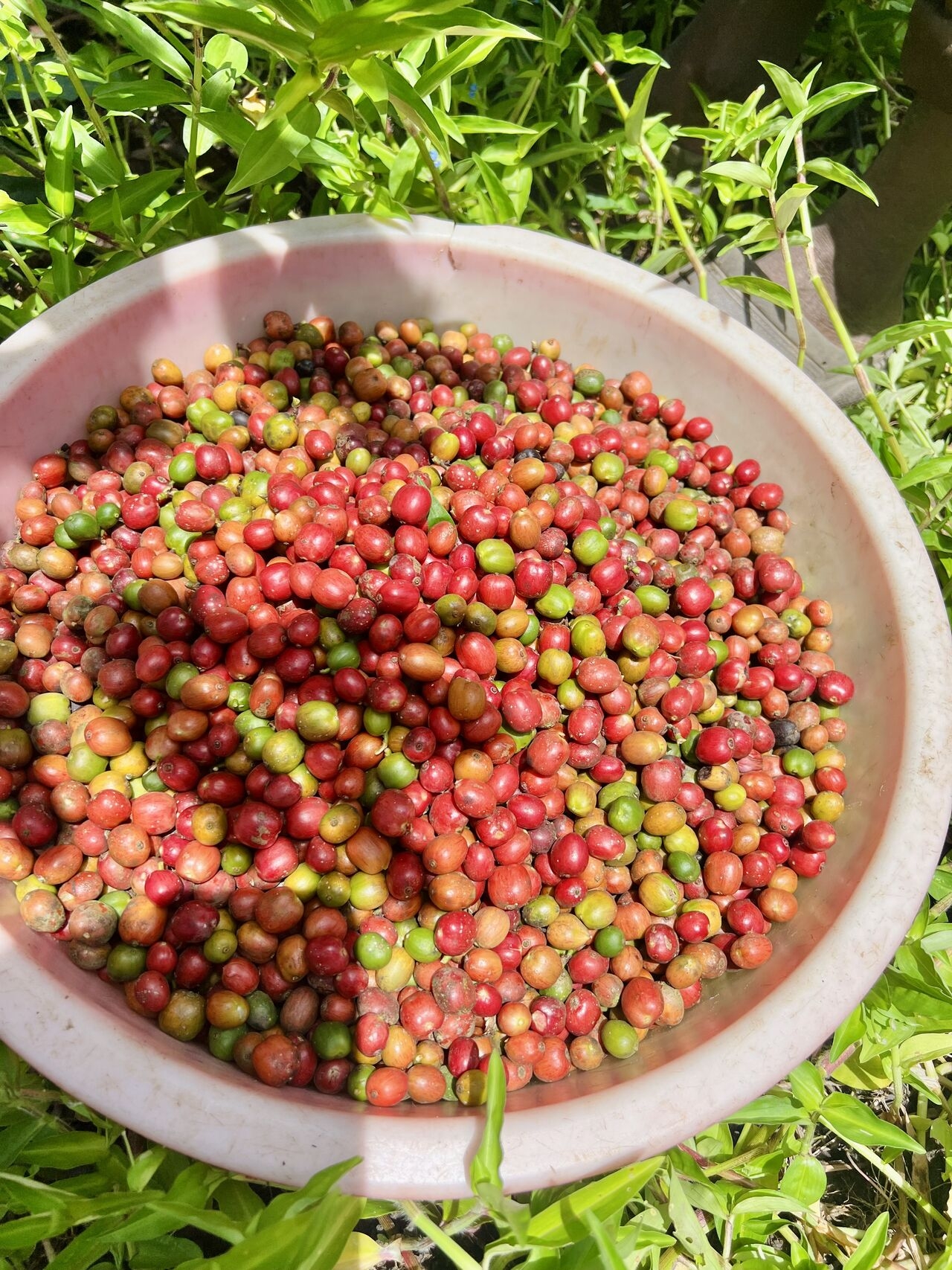
Experts also emphasize the importance of proper harvesting and post-harvest techniques. Selecting ripe cherries and carefully processing them can dramatically enhance the final cup quality, helping reposition robusta in specialty markets.

Coffee and Forest Conservation

The report underscores the close relationship between coffee cultivation and forest ecosystems. Coffee plants benefit from shaded environments, stable temperatures, and natural pollinators—all of which forests provide.

Despite this, large areas of Rondônia were cleared in past decades for cattle ranching, leaving coffee to occupy only a small portion of the land. In contrast, the Suruí community has followed a different path, implementing a long-term environmental management plan since 2004 that prioritizes reforestation and sustainable land use.

A Model from Family Farms

The report also highlights the example of the Bento family near the city of Cacoal. On their 12-hectare farm, they manage the entire coffee process—from cultivation to roasting—and welcome visitors to learn about their methods.

Their approach includes water-efficient irrigation, tree planting to protect water sources, beekeeping to support pollination, and crop rotation to maintain soil health. These practices have earned them repeated sustainability awards and demonstrate how small-scale farming can remain both productive and environmentally responsible.

Read Also: Coffee Pulp in Brazil: When the Coffee Cherry Refuses to Be Waste

Balancing Opportunity and Risk

Rising coffee prices and growing demand for robusta present new opportunities, but also potential risks. Some experts warn that expansion could lead to large-scale monoculture plantations, increasing pressure on forests.

They stress that sustainable outcomes depend on careful planning, strong environmental policies, and support for small farmers. There are also calls for consumers to make more informed choices when purchasing coffee.

Redefining Taste and Value

Another challenge lies in changing how robusta is evaluated. Traditionally judged by standards developed for arabica, robusta has often been misunderstood.

Researchers are now developing new tasting frameworks tailored specifically to canephora coffees, recognizing that robusta has its own distinct flavor profile rather than being a lower-quality alternative.

A Broader Vision for the Amazon

Beyond coffee, scientists and advocates are calling for a broader shift toward valuing forest-based products such as Brazil nuts, açaí, cocoa, and cupuaçu. They argue that Indigenous knowledge—historically overlooked—should play a central role in shaping sustainable economic models.

As Paytxayeb Suruí emphasizes in The Guardian’s report, protecting the Amazon must also mean supporting the people who live within it.

Her message reflects a wider call for collective responsibility: safeguarding the future of coffee, and the forests that sustain it, will require coordinated action from producers, governments, and consumers alike.

ICO February 2026 Report: Has the Inflationary Wave Receded?

LONDON – Qahwa World

The latest monthly report issued by the International Coffee Organization for February 2026 has revealed a dramatic shift that could redefine the global coffee market dynamics for years to come. After a prolonged period of scarcity and record-high prices that strained both suppliers and consumers, the report announced a sharp decline in price indicators. This shift is driven by a “tsunami” of anticipated supplies from Brazil and Vietnam, officially placing the market on the verge of a historic surplus that ends a three-year cycle of consecutive deficits.

  • Price Earthquake

In February, the Organization’s Composite Indicator Price (I-CIP) averaged 267.57 US cents/lb, representing a sharp 9.9% decrease compared to January. This decline is not merely a transient fluctuation but reflects massive selling pressure in global exchanges; the index opened the month at a peak of 289.47 cents and slid to 248.86 cents by month-end, the lowest level recorded since August 2025.

You may read: Global Coffee Market Roadmap—January 2026

None of the major categories were immune to this downward trend, with the Organization’s statistical analysis showing the following results:

  • Colombian Milds: Declined by 11.0% to settle at 330.89 cents.
  • Other Milds: Retracted by 11.7% to reach 321.35 cents.
  • Brazilian Naturals: Shrank by 10.2% to reach 308.62 cents.

Robustas: Proved most resilient, declining by only 6.6%. Experts attribute this to global roasters increasing the proportion of Robusta in their commercial blends as a strategic solution to reduce overall costs, creating sustainable demand that stabilized its price levels.

  • Brazilian and Vietnamese Winds

Organization analysts believe the fundamental reason behind this “price correction” lies in the optimistic forecasts from Brazil’s National Supply Company (CONAB), which raised expectations for the 2026/27 crop to 66.2 million bags, a massive 17.1% annual increase.

These forecasts were supported by a tangible improvement in weather conditions and regular, heavy rainfall in key growing regions such as Minas Gerais and Espírito Santo, as well as improved outlooks in the Central Highlands of Vietnam. These factors prompted major international financial institutions to predict a global surplus of up to 8.64 million bags, leading large investment funds to liquidate long positions and pivot toward selling. This explains the 20.7% shrinkage in the arbitrage between the London and New York futures markets.

  • Global Trade Map

Regarding exports, January 2026 saw the shipment of 10.85 million bags of green beans, a 12.7% increase over January 2025. However, behind this headline figure lie geographical disparities reflecting specific regional logistical and production challenges:

Asia & Oceania: The region achieved a staggering 51.8% growth, with Vietnam alone exporting 3.99 million bags in January, capitalizing on accelerated shipping ahead of the Lunar New Year (Tet) holiday.

Africa: Continued its recovery with 14.2% growth. Ethiopia stood out as a strategic player with a 51.5% increase in shipments, while Uganda grew by 11.2%, reflecting a significant improvement in the continent’s internal supply chains.

South America: Recorded a surprising 21.3% decline. The biggest shock was in Colombia, where production plummeted by 34.1% due to unfavorable localized weather fluctuations, negatively impacting the flow of premium Colombian Milds to global markets.

Mexico & Central America: Registered a slight 4.2% decrease, with Honduras suffering a sharp 28.7% drop in exports due to seasonal labor shortages and logistical hurdles.

Read Also: ICO Releases Global Coffee Market Report – December 2025

  • Stocks and Processed Coffee

For the first time in months, the International Coffee Organization report indicates a slight improvement in certified stocks. New York (ICE) stocks rose by 11.4% to 0.52 million bags, while London stocks increased by 3.1% to 0.76 million bags. This rise provides a relative “safety cushion” against sudden climatic or political shocks.

A notable phenomenon in the report was the export of “Roasted Coffee,” which jumped by 25.2%. This indicates a strategic shift in origin countries toward local processing to add value to their products rather than relying solely on raw bean exports. Meanwhile, soluble coffee exports grew at a steady pace of 1.9%.

  • The Retail Paradox

The report highlighted a crucial point affecting the real economy: despite the collapse of raw coffee prices in global exchanges, retail prices in the United States jumped by 18.3% year-on-year in January 2026. This persistent inflation, totaling 47% cumulatively over five years, is mainly due to rising logistics, energy, and labor costs in consuming countries. Additionally, accumulating consumer debt is beginning to weigh on purchasing power, which may threaten the expected 1.7% growth in global consumption.

  • Future Outlook

We are entering a phase of total “reset” in coffee market balances. The market is currently moving to narrow the global deficit to just 0.4 million bags this season, paving the way for the anticipated historic surplus next year. For investors, roasters, and consumers, the February 2026 report serves as the “final whistle” for the era of frantic speculation and chronic shortages, signaling the start of a price stability phase led by Brazilian production abundance and Vietnamese logistical efficiency.

Coffee Prices Drop on Brazil Weather and Rising Stocks

Dubai – Qahwa World

Coffee markets fell on Wednesday amid favorable weather forecasts in Brazil and rising inventories monitored by the Intercontinental Exchange (ICE).

May arabica futures (KCK26) were down 8.70 points (-2.94%), while May ICE robusta (RMK26) declined 137 points (-3.71%). Showers expected in key Brazilian coffee-growing regions supported the recent price drop.

ICE data shows that arabica inventories, which fell to a 1.75-year low of 396,513 bags in November, recovered to a five-month high of 564,626 bags on Tuesday. Robusta inventories also rose to a 3.5-month peak before falling slightly to 4,563 lots as of Wednesday.

You may like:Brazil’s Specialty Coffee Sector Gains Global Momentum

Coffee prices had partially retraced last week’s rally triggered by the Iran conflict and the closure of the Strait of Hormuz, which increased global shipping rates, fuel, and insurance costs.

Brazil’s exports also influenced the market. According to Cecafe, February green coffee shipments fell by 27% year-on-year, while the Trade Ministry reported a 17.4% decline to 142,000 metric tons. Conversely, recent rains in Minas Gerais—the country’s largest arabica-producing state—amounted to 14.9 mm last week, about 35% of the historical average, offering some support to crop expectations.

Earlier in February, coffee prices hit multi-month lows amid forecasts of a record Brazilian crop. Conab projected Brazil’s 2026 coffee output at 66.2 million bags, with arabica rising 23.2% to 44.1 million bags and robusta up 6.3% to 22.1 million bags. Global production for 2026/27 is expected to reach 180 million bags, according to Rabobank.

You may like:Coffee Markets Rise Amid Middle East Shipping Disruptions

Vietnam’s coffee exports further pressured robusta prices. The National Statistics Office reported a 14% year-on-year rise to 366,000 MT for January–February 2026, while 2025 exports jumped 17.5% to 1.58 million MT. Production in 2025/26 is forecast to reach 1.76 million MT, a four-year high.

Despite these factors, the International Coffee Organization (ICO) noted a slight 0.3% year-on-year decline in global coffee exports for the current marketing year. The USDA’s Foreign Agriculture Service projects 2025/26 global production at 178.848 million bags, with arabica down 4.7% to 95.515 million bags and robusta up 10.9% to 83.333 million bags. Brazil’s production is expected to fall 3.1% to 63 million bags, while Vietnam rises 6.2% to 30.8 million bags. Ending stocks are forecast to decline 5.4% to 20.148 million bags.

Analysts say the combination of Brazilian rainfall, rising ICE inventories, and record production in Vietnam is likely to maintain downward pressure on coffee prices in the near term.

Global Study Maps the “Carbon Footprint” of Latin American Coffee

Dubai – Qahwa World

A comprehensive international study released in March 2026 has revealed a sharp disparity in the carbon footprint of coffee production across five major Latin American nations. This landmark report establishes the first precise scientific baseline—using primary data collected directly from farms—to address climate change challenges within the global coffee sector.

The study, conducted by Conservation International in collaboration with the Sustainable Coffee Challenge and Meo Carbon Solutions, analyzed supply chains in Brazil, Colombia, Honduras, Mexico, and Peru. The findings provide a “wake-up call” for the industry, highlighting how specific farming practices, particularly fertilization and waste management, dictate environmental impact.

  • The Emission Gap: Colombia Leads while Mexico Sets a Benchmark

Detailed data shows that coffee production in Colombia generates the highest greenhouse gas emission intensity, averaging 5.59 kg of carbon dioxide equivalent (CO2-eq) per kilogram of green coffee. Honduras followed with 4.87 kg. In Brazil, the results varied by variety, with Arabica recording 3.22 kg compared to 2.51 kg for Robusta.

Conversely, Mexico emerged as the country with the lowest emissions in the study group, averaging just 1.46 kg. Experts attribute this lower footprint to specific traditional farming practices, including greater reliance on natural shade and organic soil health.

  • Fertilizers: The Primary Climate Culprit

According to the extensive technical report, the most significant “hotspot” for emissions in Latin American coffee is fertilizer and nutrient application. In Colombia and Brazil, fertilization accounts for approximately 60% of the total carbon footprint. This is primarily due to the heavy use of nitrogen-based inputs, which release potent greenhouse gases when interacting with the soil.

In other regions, the drivers differ. In Peru, “crop residues” and unmanaged organic decomposition were identified as the primary sources of emissions. Meanwhile, in Honduras, the traditional wet processing of coffee cherries—specifically the management of wastewater at the farm level—contributes significantly to the national baseline.

  • A “Pre-Competitive” Global Alliance

The study is the result of an unprecedented “pre-competitive” alliance involving major global coffee brands, roasters, and suppliers. Giants such as Nestlé, Starbucks, and JDE Peet’s contributed by sharing primary data and technical oversight to harmonize carbon accounting standards across the industry.

This collaboration aims to empower stakeholders to direct investments toward “regenerative agriculture.” These practices focus on reducing chemical dependency, improving on-farm waste management, and enhancing the soil’s ability to sequester carbon rather than release it.

  • A Roadmap for Investors and Farmers

The report concludes with actionable recommendations, stressing that reducing the carbon footprint is no longer just an environmental goal but a commercial necessity. As international environmental regulations tighten, understanding these baselines is essential for maintaining global market access.

The findings confirm that transitioning to integrated nutrient management, improving water efficiency, and recycling coffee by-products into natural fertilizers are the most effective ways to bridge the carbon gap revealed in countries like Colombia and Honduras.

Coffee Prices Rise Amid Surging Shipping Costs

Dubai – Qahwa World

Coffee markets saw gains on Wednesday, with May arabica (KCK26) climbing +3.10 (+1.09%) and May robusta (RMK26) rising +29 (+1.78%).

Analysts attribute the rebound to supply-side concerns. The ongoing conflict in Iran has disrupted shipping through the Strait of Hormuz, driving up global freight rates, insurance costs, and fuel expenses—factors that are expected to push costs higher for coffee importers and roasters.

Meanwhile, favorable weather in Brazil is supporting the country’s coffee crop but is acting as a bearish influence on prices. Somar Meteorologia reported that Minas Gerais, Brazil’s largest arabica-growing region, received 78 mm of rainfall in the week ending February 20, 131% of the historical average.

You may read: War Redraws Global Shipping Map and Pressures Coffee Supply Chains

Despite this, coffee prices had sharply declined over the past five weeks, with arabica hitting a 15-month low last Tuesday and robusta dropping to a 6.75-month low last Monday. Brazil’s crop forecasts show strong production ahead: the national agency Conab predicts 2026 coffee output will reach a record 66.2 million bags, up +17.2% year-on-year. Arabica production is expected at 44.1 million bags (+23.2% y/y), and robusta at 22.1 million bags (+6.3% y/y).

On a global scale, Rabobank projects coffee production in 2026/27 to hit 180 million bags, an increase of 8 million bags from the previous year.

Vietnam, the largest robusta producer, is also contributing to market pressure. January coffee exports surged +38.3% y/y to 198,000 metric tons, while total 2025 exports jumped +17.5% y/y to 1.58 MMT. Vietnam’s 2025/26 production is projected to reach 1.76 MMT (29.4 million bags), a four-year high.

Inventory dynamics are mixed. ICE-monitored arabica stocks, which fell to a 1.75-year low of 396,513 bags on November 18, have rebounded to a four-and-three-quarter-month high of 528,028 bags. Robusta inventories also recovered to a 3.25-month high of 4,721 lots after hitting a 14-month low in December.

Brazilian exports, however, fell sharply in January, with 141,000 MT shipped (-42.4% y/y), while Colombia’s smaller output supports price levels. The National Federation of Coffee Growers reported that January arabica production fell -34% y/y to 893,000 bags.

The International Coffee Organization noted a slight global export decline for the marketing year (Oct-Sep) of -0.3% y/y to 138.658 million bags. USDA forecasts for 2025/26 show total world coffee production rising +2.0% y/y to a record 178.848 million bags. Arabica output is expected to fall -4.7% to 95.515 million bags, while robusta climbs +10.9% to 83.333 million bags. Brazil’s production is projected at 63 million bags (-3.1%), and Vietnam’s at 30.8 million bags (+6.2%). Ending stocks are forecast to decline -5.4% to 20.148 million bags.

Climate Crisis Threatens Global Coffee Production

DUBAI – QAHWA WORLD

New analysis shows the world’s top five coffee-producing nations are experiencing dozens of additional high-heat days annually — putting global supply, prices, and farmer livelihoods at risk.

The global coffee industry is entering a critical phase as climate change intensifies across the tropical “coffee belt” between the Tropic of Cancer and the Tropic of Capricorn. A recent analysis by Climate Central found that the five largest coffee-producing countries — responsible for 75% of global supply — have experienced an average of 57 additional days per year above 30°C between 2021 and 2025 due to climate change.

Temperatures above this threshold are particularly harmful to coffee trees, especially Arabica, the premium variety that dominates specialty markets.

  • Ethiopia: Coffee’s Birthplace Under Growing Pressure

In Ethiopia — widely recognized as the birthplace of coffee — more than four million households depend on coffee as their primary source of income. The sector contributes nearly one-third of the country’s export earnings.

Officials from the Oromia Coffee Farmers Cooperatives Union report that rising heat is already affecting yields and increasing tree vulnerability to disease. Reduced shade cover and stronger direct sunlight are compounding the stress on farms.

  • El Salvador and Brazil Among the Hardest Hit

The analysis found that El Salvador recorded 99 additional days of coffee-damaging heat during the 2021–2025 period — the highest among major producers.

Meanwhile, Brazil — the world’s largest coffee producer, accounting for roughly 37% of global output — experienced 70 additional days above 30°C. Given Brazil’s dominant role in global supply, prolonged heat stress raises concerns about market stability and price volatility.

  • Why 30°C Is a Critical Threshold

Coffee trees require stable temperature ranges and balanced rainfall patterns. Arabica, in particular, begins to suffer productivity losses when temperatures consistently exceed 30°C. Prolonged heat can result in:

  1. Lower cherry production
  2. Reduced bean quality
  3. Increased pest and disease outbreaks
  4. Higher production costs

These factors directly affect both yield and cup quality, creating ripple effects throughout the supply chain.

  • Record Prices Reflect Climate Strain

Globally, approximately two billion cups of coffee are consumed daily. Any disruption in producing countries quickly impacts international markets.

According to the World Bank, prices for Arabica and Robusta nearly doubled between 2023 and 2025, reaching record highs in February 2025.

The surge reflects tightening supply conditions, climate-driven production challenges, and structural vulnerabilities within the coffee value chain.

  • Smallholder Farmers on the Front Line

Smallholder farmers produce between 60% and 80% of the world’s coffee. Yet climate adaptation funding reaching these producers remains limited, leaving many with constrained capacity to respond to rising temperatures.

Without stronger climate adaptation strategies — including shade management, climate-resilient varieties, and financial support — suitable growing areas may shrink or shift to higher elevations, increasing long-term production risks.

  • The Future of Coffee at a Crossroads

Coffee is more than a commodity; it is a cultural and economic pillar supporting millions of livelihoods worldwide. As heat extremes intensify across major producing regions, the industry faces structural transformation driven by climate realities.

The central question is no longer whether climate change affects coffee — but how quickly producers, governments, and markets can adapt to safeguard the future of one of the world’s most consumed beverages.


Global Coffee Prices Rise as Roasters Step In After Recent Slump

Global coffee prices moved higher for a second consecutive session as bargain buying emerged after recent six-month lows. While Brazil and Vietnam are expected to expand production, tightening exports and shifting inventories are keeping the market balanced.

DUBAI – QAHWA WORLD

Global coffee markets extended gains for a second consecutive session on Friday, supported by renewed buying interest after prices recently fell to six-month lows.

March arabica futures (KCH26) closed up 0.40 cents (+0.13%), while March ICE robusta (RMH26) rose by $24 (+0.63%), with robusta touching a one-week high. The rebound follows a sharp two-week decline that pushed both contracts to six-month lows earlier in the week, encouraging roasters to rebuild inventories at more attractive price levels.

  • Domestic Market Remains Stable

While international prices moved higher, domestic coffee prices held steady at 96,400–97,700 VND per kilogram. The highest levels were recorded in Gia Lai and Dak Lak at 97,700 VND/kg, while Lam Dong posted the lowest at 96,400 VND/kg.

On the futures markets, London robusta contracts advanced across delivery months. The January 2026 contract rose by $24 to $3,859 per ton, and the November 2026 contract gained $46 to $3,584 per ton.

In New York, March 2026 arabica edged up 0.4 cents to 300.05 cents per pound, while the December 2026 contract climbed 0.85 cents to 286.40 cents per pound. Brazilian arabica futures showed mixed movement, with March down 4.6 cents to 384.0 cents per pound and May up 1.35 cents to 381.4 cents per pound.

  • Pressure from Expanding Supply

Despite the short-term recovery, coffee prices have faced sustained pressure from expectations of strong global supply.

Brazil’s crop forecasting agency, Conab, projected that Brazil’s 2026 coffee production will rise 17.2% year-on-year to a record 66.2 million bags, including a 23.2% increase in arabica output to 44.1 million bags and a 6.3% rise in robusta production to 22.1 million bags.

YOU MAY LIKE: High Coffee Costs Force Americans to Change Their Daily Habits

Improved weather conditions have further eased supply concerns. According to Somar Meteorologia, Brazil’s key arabica-growing region of Minas Gerais received 72.6 mm of rainfall in the week ended February 6 — 113% of the historical average — reducing earlier drought worries.

Vietnam’s strong export performance has also weighed on robusta prices. The country’s National Statistics Office reported January coffee exports surged 38.3% year-on-year to 198,000 metric tons, while full-year 2025 exports rose 17.5% to 1.58 million metric tons. Vietnam’s 2025/26 coffee production is projected to increase 6% year-on-year to 1.76 million metric tons (29.4 million bags), marking a four-year high.

  • Inventory Recovery Adds Headwinds

The rebound in ICE-monitored inventories has also added downward pressure. Arabica stocks, after falling to a 1.75-year low of 396,513 bags in November, recovered to a 3.25-month high of 461,829 bags in early January. Robusta inventories similarly rebounded from a 13-month low in December to a two-month high by late January.

  • Supportive Factors Remain

On the supportive side, Brazil’s January coffee exports dropped 42.4% year-on-year to 141,000 metric tons, tightening short-term supply availability.

In Colombia, the world’s second-largest arabica producer, January coffee production fell 34% year-on-year to 893,000 bags, according to the National Federation of Coffee Growers.

The International Coffee Organization (ICO) reported that global coffee exports for the current October–September marketing year declined 0.3% year-on-year to 138.658 million bags, pointing to tighter trade flows.

Meanwhile, the USDA Foreign Agriculture Service (FAS) projected world coffee production in 2025/26 will increase 2.0% year-on-year to a record 178.848 million bags. Arabica output is expected to fall 4.7% to 95.515 million bags, while robusta production is forecast to rise 10.9% to 83.333 million bags. FAS estimates 2025/26 ending stocks will decline 5.4% to 20.148 million bags from 21.307 million bags in 2024/25.

  • Market Outlook

The market remains caught between short-term demand recovery and longer-term supply expansion. While bargain buying has lifted prices in recent sessions, forecasts for larger crops in Brazil and Vietnam continue to cap upside momentum.

Coffee Prices Rise as Brazilian Real Strength Sparks Short Covering

DUBAI – QAHWA WORLD

Coffee futures climbed sharply on Thursday following a surge in the Brazilian real, which encouraged traders to cover short positions. March arabica contracts closed up 1.65%, while March robusta contracts rose 2.02%.

The real reached its highest level against the U.S. dollar in nearly two years, prompting caution among Brazilian coffee exporters and contributing to the price gains.

Over the past two weeks, coffee prices had been under pressure. Arabica and robusta recently hit six-month lows amid expectations of a strong Brazilian crop. According to Brazil’s crop agency Conab, total coffee production in 2026 is projected to reach 66.2 million bags, up 17.2% from 2025. Arabica output is expected to increase 23.2% to 44.1 million bags, while robusta production is forecast to grow 6.3% to 22.1 million bags.

Rainfall in Brazil has also improved crop prospects. Minas Gerais, the country’s largest arabica-growing region, received 72.6 mm of rain during the week ending February 6, exceeding the historical average. This eased earlier concerns over dry conditions that had pressured prices.

Vietnam’s coffee exports, particularly robusta, are increasing, exerting downward pressure on prices. January exports rose 38.3% year-on-year to 198,000 metric tons, while total 2025 exports climbed 17.5% to 1.58 million metric tons. Production for 2025/26 is projected at 1.76 million metric tons (29.4 million bags), the highest in four years.

ICE coffee inventories have also recovered, limiting price gains. Arabica stocks, which fell to a 1.75-year low in November, rose to a three-month high by early January. Robusta inventories, previously at a 13-month low in December, similarly increased in January.

On the upside, Brazil’s coffee exports fell 42.4% year-on-year in January, reducing global supply pressure. Smaller production in Colombia, the second-largest arabica producer, also supported prices, with January output down 34% year-on-year.

Globally, the International Coffee Organization reported a slight decline (-0.3%) in exports for the current marketing year, signaling tighter supplies. Meanwhile, USDA forecasts indicate that total global coffee production in 2025/26 will reach a record 178.848 million bags, with arabica slightly down and robusta up. Brazil’s 2025/26 production is expected to decrease by 3.1%, while Vietnam’s output is projected to rise 6.2%, reaching a four-year high. Ending stocks are forecast to decline by 5.4%.

Minas Gerais Rains End Speculative Fever and Topple Global Coffee Prices

DUBAI – QAHWA WORLD

Global coffee markets witnessed a dramatic shift in the final week of January 2026, as a wave of heavy rainfall in Brazilian production regions toppled the hopes of those betting on continued price increases. In a corrective movement described as the most violent in months, the pound of coffee lost more than 21 cents of its value within just 72 hours, causing the International Coffee Organization Composite Indicator Price (I-CIP) to plummet from a peak of 304.17 cents on January 27th to 283.02 cents by the end of the month. This freefall was not merely a response to a passing climatic event, but rather an official announcement of the end of the “risk premium” that had fueled markets throughout the past period due to fears of a long-term drought in the state of “Minas Gerais,” the beating heart of coffee production in Brazil, according to the latest data issued by the International Coffee Organization (ICO) Report for January 2026.

The report’s analytical data indicates that the market entered January in a state of cautious balance, as clear directional catalysts were absent, keeping prices within a narrow range that left farmers in a state of financial satisfaction without pushing them toward aggressive selling. However, this situation evaporated immediately upon the release of meteorological reports confirming improved moisture in the Brazilian soil, providing a strong signal for investment funds and major speculators on the New York Stock Exchange to liquidate their long positions and flee the market before prices retreated to minimum levels. This “mass exodus” of speculators doubled the downward momentum, turning the price correction into a rapid collapse that disrupted the calculations of exporters who had bet on prices remaining above the 300-cent barrier.

Economically, this collapse was linked to local currency variables in Brazil; as the strength of the “Real” against the Dollar played a dual role at the beginning of the month by raising prices, before global markets succumbed to the pressure of expected future supply. Analysts believe that the recent rains not only improved the condition of the existing “Arabica” crop but also sent reassuring messages regarding the 2026/2027 season, which pulled the rug from under the traders who built their strategies on supply scarcity. This shift placed global roasting companies in a stronger negotiating position, as they began to reduce their spot purchases in anticipation of further declines, reflecting the technical state of “Backwardation” dominating the exchanges, where spot prices remain higher than futures contracts, discouraging the desire to build long-term inventories at high prices.

On the field level, the International Coffee Organization report confirmed that these climatic developments have redrawn the forecast map for the first quarter of the year, as markets are now expected to witness an abundance of supplies with the fading fears of “water stress.” In conjunction with these price pressures, major players in the New York market began reassessing their positions, amid expectations that downward pressure will continue as long as the sky continues to grant Brazil’s farms the necessary moisture. The “Rain Revolution,” as some traders called it, was nothing but a harsh reminder that technology and financial analysis remain helpless before weather fluctuations in the world’s largest coffee-producing country, and that the security of the global cup remains more linked to weather maps over the mountains of Brazil than to the policies of central banks.