Starbucks and Nestlé launch cold coffee concentrate for global markets

Dubai – Qahwa World

Nestlé and Starbucks are set to introduce a new ready-to-mix product aimed at the growing demand for cold coffee. The companies will roll out Starbucks Coffee Craft Concentrate in 2026 under their Global Coffee Alliance.

Made with Arabica coffee, the concentrate will be available in two flavors: Rich Black and Signature Caramel. The product is scheduled to debut in Japan, South Korea, and the United Kingdom, followed by expansion across Europe and Asia in 2027.

Ethel Touitou said the new product is designed to give consumers more control over how they prepare coffee at home. By simply adding water, milk, or plant-based alternatives, users can create a variety of iced drinks, including americanos and caramel-style beverages.

The Global Coffee Alliance, launched in 2018, combines Nestlé’s manufacturing and distribution capabilities with Starbucks’ brand presence. As a result, Starbucks-branded packaged products are now sold in nearly 80 markets worldwide.

Nik Dodi said the launch reflects the continued expansion of the partnership, bringing Starbucks-style coffee experiences into more homes and new consumption occasions.

Industry forecasts indicate continued growth in the cold coffee segment, with the global market expected to exceed $4 billion by 2030, driven by increasing consumer interest in convenient and customizable chilled beverages.

Brazil Export Decline Supports Coffee Prices

Dubai – Qahwa World

Coffee prices moved higher midweek, with both arabica and robusta futures posting gains. Robusta led the advance, reaching its strongest level in roughly one and a half weeks, supported by tightening near-term supplies.

A key factor behind the upward movement is reduced export activity from Brazil. Recent figures indicate that shipments of green coffee declined in March compared to the same month last year. Broader trade data also shows a sharp drop in overall coffee exports, reinforcing concerns about limited supply from the world’s leading producer.

In the robusta segment, falling inventories have added to the bullish sentiment. Exchange-monitored stockpiles have dropped to their lowest levels in more than a year, highlighting ongoing supply tightness in the physical market.

Weather conditions are also contributing to price support. Brazil’s main arabica-growing region, Minas Gerais, has received significantly less rainfall than usual in recent weeks. Reduced precipitation during key crop development stages may affect yields, adding uncertainty to future supply.

However, the broader outlook remains complex. Earlier projections of a large upcoming Brazilian crop continue to weigh on market sentiment. Several forecasts point to record production in the 2026/27 season, with global supply potentially expanding into a sizeable surplus.

At the same time, rising certified inventories for arabica have recently pressured prices, reflecting improved availability in some segments of the market.

Global logistics challenges are adding another layer of influence. Disruptions to major shipping routes have increased freight, insurance, and fuel costs, raising expenses for importers and roasters and contributing to overall market volatility.

Meanwhile, Vietnam continues to strengthen its position in the robusta sector. Strong export performance and expectations of increased production could help offset supply constraints from Brazil.

Earlier in the year, coffee prices declined sharply amid expectations of abundant global output. Forecasts suggest that worldwide production could reach record levels in the coming seasons, driven largely by Brazil and Vietnam.

Even so, global stock levels are expected to edge lower, with ending inventories projected to decline compared to the previous season. This balance between strong production and tightening stocks underscores the mixed and evolving outlook for the global coffee market.


Russia’s Green Coffee Market Records Historic Growth in 2026

Mocow-QahwaWorld

Russia’s green coffee market posted significant growth in 2026, supported by rising global prices and sustained domestic demand, according to a recent analysis by ROIF Expert. The expansion reflects not only higher market value but also increased import volumes and consumption levels, reinforcing Russia’s position as a key destination for global coffee exporters.

Market Value Jumps by 92 Billion Rubles

The market value of green coffee increased by approximately 92 billion rubles between its lowest and highest recent levels, marking one of the strongest gains in the sector. The growth is largely attributed to higher global coffee prices, influenced by weather-related challenges in major producing countries such as Brazil and Vietnam.

While import volumes continued to rise, value growth outpaced physical expansion, reflecting sustained price pressure across global supply chains.

Imports Remain the Core Driver

Russia relies almost entirely on imports to meet its green coffee demand. Between 2025 and 2026, total import volumes reached around 286,000 tons.

  • Import value increased by 45.5% in the first nine months of 2025, reaching $924.7 million
  • Vietnam recorded a 1.5x increase in exports
  • Brazil nearly doubled its export volumes
  • Indonesia strengthened its position among top suppliers with 1.6x growth

Despite ongoing sanctions, supply flows remained stable. The primary challenge involved payment restrictions, prompting companies to adapt through alternative channels, including intermediary countries such as Turkey, China, and the UAE, as well as increased direct shipping routes.

Consumption Reaches Record Levels

Consumption indicators show continued growth, with per capita coffee consumption reaching its highest recorded levels. Approximately 70% of the population consumes coffee daily, while a majority consider it an essential part of their routine.

Home consumption is expected to grow by 15% by the end of 2026, alongside increasing demand for specialty coffee and whole beans.

Shifts in Supply Chains

Supply chains are gradually shifting toward Asian producers, particularly Vietnam and Indonesia, while overall trade flows remain relatively stable. At the same time, the market continues to face pricing pressures and logistical risks linked to geopolitical factors.

Outlook Through 2033

The baseline scenario outlined in the report suggests steady growth over the coming years, supported by consistent demand and expanding import activity.

  • Projected annual growth between 3% and 5.5%
  • Moderate increase in global price levels
  • Continued rise in per capita consumption
  • Further diversification of import sources

The market is expected to maintain positive momentum, demonstrating resilience in the face of external pressures.

Implications for Industry Stakeholders

The Russian market offers strong opportunities for global exporters, given its full dependence on imports. Domestic players are increasingly focused on higher-quality offerings and cost management, while consumers benefit from a broader range of products.

From an investment perspective, the sector shows the ability to convert price pressures into growth drivers, enhancing its medium-term appeal.

Conclusion

Russia’s green coffee market in 2026 reflects a mature and resilient sector. The sharp increase in market value and sustained demand indicate a continued upward trajectory, with growth expected to extend through the end of the decade.


DrinKit Opens Its 10th Branch in Dubai

Dubai – Qahwa World

DrinKit continues to stand out as one of the most inspiring success stories in the coffee sector, advancing its journey as Dubai’s first digital coffee shop concept. The company has announced the opening of its 10th branch in Emaar Creek Harbour, bringing its global network to 182 locations and positioning it among the fastest growing modern coffee chains.

Katerina Borodich, CEO of DrinKit in the UAE and the Middle East, stated that this opening ranks among the brand’s strongest launches to date. The branch began operations without any prior announcement, yet recorded 86 transactions on its first day, an early and positive indicator of strong performance from the outset.

This branch holds particular significance due to its location within a fully integrated residential community in Dubai Creek Harbour. It is also the largest DrinKit location in the UAE in terms of space. The choice reflects a strategic shift toward expansion in residential neighborhoods that rely on daily coffee consumption rather than focusing only on commercial or tourist areas.

Initial indicators point to strong performance in terms of average order value, reinforcing expectations for future growth at this location, which benefits from rising population density and a fast paced urban lifestyle.

This expansion also highlights the acceleration of DrinKit’s strategy in the Middle East, as the company continues its growth phase with plans to open additional branches across Dubai in the near future.

According to internal company data, Drinkit now operates 10 stores in Dubai, including four under the franchise model, reflecting its transition toward a scalable and replicable operating system.

This growth signals a broader shift in the Gulf coffee market, where brands are increasingly targeting residential communities to meet rising daily demand for coffee as part of modern lifestyles.

With 10 branches in Dubai and 182 worldwide, Drinkit continues to strengthen its presence in the UAE market as part of a wider expansion strategy.

From Café Culture to Home Precision: How GCC Consumers Are Redefining Coffee with Sage

Dubai – Ali Alzakary

Across the GCC, coffee is no longer confined to cafés or social outings—it is rapidly becoming a refined, deeply personal experience crafted at home. Driven by a sophisticated café culture and global exposure, consumers in markets like the UAE and Saudi Arabia are developing a sharper appreciation for quality, consistency, and the finer details behind every cup.

This shift is giving rise to a new kind of coffee enthusiast: the home barista who seeks professional-grade results without leaving the kitchen. Expectations are evolving beyond convenience toward precision, control, and a deeper understanding of the brewing process. At the same time, coffee remains closely tied to hospitality in the region, turning home preparation into an expression of taste and identity.

In this conversation, Elie Abou Khalil shares insights into this transformation, the technology enabling it, and how innovation is shaping the future of coffee at home. From engineering challenges to smart connectivity and consumer behavior, this interview offers a closer look at a fast-evolving landscape.

Read on to explore how the GCC’s coffee culture is entering a new era—one defined by knowledge, craftsmanship, and elevated expectations.

How do you see the GCC consumer evolving from just being a café regular to a dedicated “home barista” who demands professional-grade precision?

From a Sage perspective, what we’re seeing across the GCC is a sustained and very clear growth of specialty coffee at home. Over the past years, consumers in markets like the UAE and Saudi Arabia have developed a strong appreciation for high-quality coffee, driven by a very advanced café culture and global exposure through travel. What’s changing now is that this expectation is no longer limited to coffee shops. More and more people want to recreate that same level of quality at home.

With that comes a shift in behaviour. Consumers are not just looking for a machine, they’re looking for consistency, precision, and the ability to understand and refine their coffee. That’s where we see a real step-change in the market. At the same time, coffee is deeply connected to hospitality in the region. Preparing coffee at home – whether it’s a classic espresso or more personalised drinks – has become part of how people host and express quality. What we also see increasingly are more personalised or “house-style” drinks being created at home, which further drives the need for control and repeatability.

For us at Sage, this is exactly the space we operate in. Our focus is on bringing professional-level performance into the home in a way that is intuitive and consistent. For us, it’s not about turning every consumer into a professional barista, it’s about giving them the tools and confidence to achieve café-quality results, every day, in their own kitchen.

With your SCA background, how does Sage strike that balance between automation for the everyday user and the manual control that coffee purists want?

From our perspective, it’s not about choosing between automation and control, but about delivering the right solution for every type of coffee user.

In the GCC, we see a wide spectrum of needs, from consumers seeking speed and consistency to those looking for a more hands-on experience. At Sage, we address this through a portfolio that spans automatic, manual, and assisted preparation, always anchored in the same commitment to in-cup quality.

Across the range, our focus is on precision and performance, ensuring reliable results from the first cup.

At the same time, milk-based drinks are central to coffee culture in the Gulf. Features like automated milk texturing and steaming play a key role here, delivering consistent results while still allowing users to refine and personalise their coffee over time.

Ultimately, we aim to empower consumers with the right tools for their preferred coffee experience, with the flexibility to grow without compromising on quality.

What were the actual engineering hurdles in bringing lab-level standards, like thermal stability and pressure profiling, into a home kitchen appliance?

The real challenge is not introducing advanced features, but making them perform consistently in a home environment. Commercial machines are designed for scale and trained users, whereas at home the expectation is compact design, intuitive use, and reliable results in an everyday setting. At Sage, our approach is built on the four keys: dose, brew temperature, pressure, and steam. These principles originate from commercial machines and are integrated across our entire range.

The complexity lies in translating these into a home format. This means delivering precise dose and weight, maintaining brew temperature within a tight range, ensuring stable pressure throughout extraction, and providing consistent steam performance for milk texturing. These elements only matter if they deliver consistent in-cup results. That’s why the focus is on precision, repeatability, and ease of use rather than added complexity.

Ultimately, it’s about bringing professional-level performance into the home in a way that feels seamless and reliable.

With global supply chains under pressure and the climate affecting bean prices, how can home technology help consumers get the most out of their coffee and reduce waste?

For me, a lot comes down to consistency in preparation. With Sage, the focus is on helping users get to a high-quality result more quickly and with greater confidence. When key elements like dose, temperature, and extraction are stable and repeatable, it becomes much easier to unlock the full potential of the coffee.

What I often see is that once people can rely on their setup, they start to better understand their coffee and naturally refine their process over time. In the end, it’s about achieving consistently better results at home and making sure every coffee delivers the experience people expect.

Is the surge in premium appliances across the UAE and Saudi a long-term structural shift, or just a post-pandemic trend that might cool off?

This is clearly a long-term structural shift. In the UAE and Saudi Arabia, coffee is deeply embedded in daily routines and plays a key role in hosting, which naturally raises expectations for quality at home. Consumers are no longer satisfied with basic solutions – they are looking for consistency, performance, and a more refined coffee experience.

At the same time, the market is becoming more educated. There is a stronger focus on long-term value, performance, and reliability, rather than short-term trends.

This is exactly where Sage is positioned. As a brand, we focus on bringing professional-level performance into the home in a way that is intuitive and consistent. As expectations continue to rise, the demand for premium home coffee solutions will remain strong and continue to evolve.

How is Sage helping bridge the “education gap” for home brewers? Do you think hobbyists should actually pursue formal coffee certifications to get the best out of their gear?

A big part of our approach at Sage is designing machines that guide the user towards a good result from the start. A clear workflow and consistent performance make it easier to build confidence and improve over time. At the same time, our range supports different types of users, whether they prefer a more automatic, assisted, or manual approach, always without compromising on precision and in-cup quality.

Education is very much part of our DNA. We work closely with coffee professionals and roasters, because ultimately the machine is only as good as the coffee beans you use. Our machines are developed with experts at our design and innovation centre at our Australian headquarters, bringing real café standards into the home. We also support that learning beyond the product through in-store experiences and practical content built around real at-home brewing.

Having gone through formal certifications myself, I can see the value they bring. That said, they’re not essential for everyone. Coffee should remain accessible, but for those who want to go deeper, structured learning can accelerate that journey. Ultimately, it’s about combining performance, precision, and consistency to give people the confidence to create great coffee at home.

Where does the Middle East sit on Sage’s global innovation map? Are there specific features you’re developing just for our regional tastes and needs?

The Middle East has become a highly important region in terms of consumer insight and engagement.

What stands out is how informed and quality-driven consumers are. There is a strong focus on performance, design, and the overall experience at home, which makes the feedback from this region particularly valuable. Rather than developing isolated features for one market, the focus is on identifying global patterns. In the Middle East, that clearly includes a strong preference for milk-based drinks, a high frequency of home entertaining, and the need for consistent performance across multiple drinks.

As I often see, making one good coffee is one thing, but delivering that same quality consistently when hosting is just as important. These insights feed directly into how features are prioritised at Sage, ensuring that innovation reflects real usage and delivers value across different markets.

How can we use better tech to improve transparency and traceability, making sure the farmers at the origin are actually getting a fair deal?

In specialty coffee, roasters often work very closely with farms, building direct, long-term relationships and focusing on quality from origin through to the final cup. That connection is a key part of what defines specialty coffee. It’s not just about the end result, but about how the coffee is sourced, processed, and handled along the way.

At Sage, our role is on the preparation side. We design machines that allow users to fully express that quality at home. We work closely with some of the world’s leading baristas and coffee professionals to ensure our machines reflect real café standards and are optimised for specialty coffee.

Technology can support transparency, but our focus is on delivering the precision and consistency needed to bring out the best in every coffee.

Looking five years ahead, how do you see the “Smart Home” and AI changing our morning coffee routines?

Connectivity will play an increasingly important role in how people experience coffee at home. We already see this with machines like the Oracle Jet, which is WiFi-enabled. This allows for ongoing software updates and the ability to introduce new recipes over time, ensuring the machine stays up to date and continues to evolve with the user.

With the Oracle Dual Boiler, connectivity goes a step further. It is also WiFi-enabled and works in combination with the Sage Coffee App, enabling a more connected experience, from guided support to remote interaction. At the same time, it’s important to note that the app is currently only available in selected regions.

For me, the real value of this technology is not about adding complexity, but about continuous improvement. It allows us to support users beyond the initial purchase and make the experience more intuitive over time. At the same time, coffee remains a very personal and social ritual. So the role of smart technology is to support that experience, not replace it. Ultimately, it’s about creating a connected ecosystem that evolves with the user, while keeping the process simple, consistent, and enjoyable.


Global Coffee Market to Hit $380B by 2033

Dubai – Qahwa World

The global coffee market is advancing rapidly, driven by strong consumer demand that shows no signs of slowing. Around half a trillion cups of coffee are consumed worldwide each year—more than 2 billion cups every day—making coffee one of the world’s most popular daily beverages and a core pillar of the global beverage industry.

According to the latest data from Grand View Research (as of early 2026), the market was valued at approximately USD 249.34 billion in 2025 and is projected to reach USD 380.28 billion by 2033, reflecting a compound annual growth rate (CAGR) of 5.4% from 2026 to 2033. This growth continues despite economic pressures, climate-related challenges in key producing regions, and evolving consumer preferences. Other industry analyses present slightly more conservative estimates, ranging from $214 billion to $239 billion by 2031–2033, depending on methodology, but all projections indicate continued expansion.

Consumption Leaders: Volume vs. Per Capita

The United States remains the largest coffee-consuming country in total volume, supported by a large population and a deeply rooted coffee culture. On average, Americans drink around three cups per day, resulting in significant national consumption.

On a per-capita basis, Northern Europe leads global rankings. Recent data suggests Luxembourg ranks among the highest per-person consumers at over five cups daily, influenced in part by cross-border commuting. Finland also maintains a leading position, with approximately 3–4 cups per person per day and annual consumption of around 10–12 kg per capita, among the highest levels globally.

This strong Nordic consumption culture is deeply embedded in daily life. In Finland, coffee is a social staple, commonly consumed black and frequently enjoyed during regular coffee breaks known as “kahvihetki.”

Asia-Pacific: The Fastest Growing Region

While established markets are maturing, the Asia-Pacific region is emerging as a major growth engine for the global coffee industry. Rising incomes, rapid urbanization, and a young, digitally connected population are driving demand across China, Japan, India, and other markets.

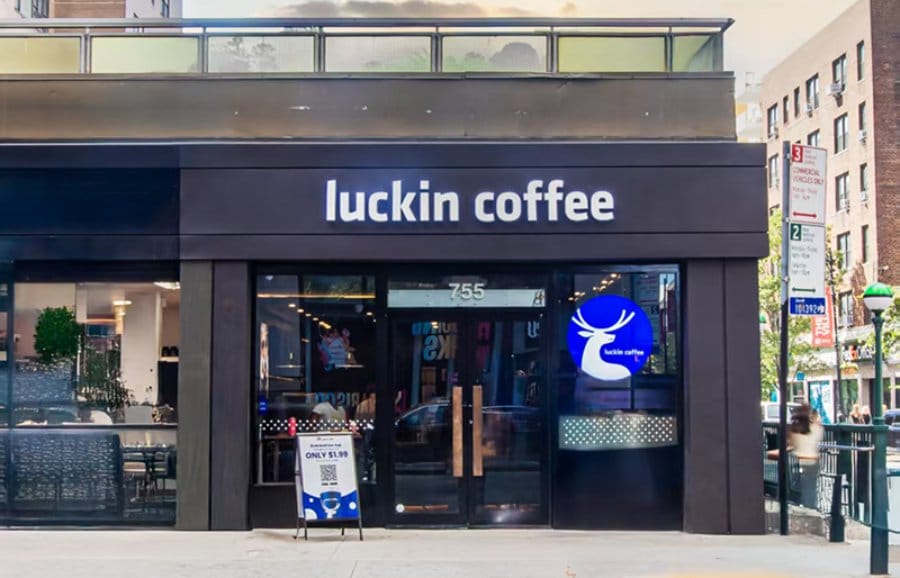
China has surpassed the United States in terms of branded coffee shop presence, with more than 50,000 outlets and rapidly expanding chains such as Luckin Coffee. In India, café culture continues to develop and is expected to significantly expand market potential by 2030. Indonesia has also experienced strong growth, with domestic consumption reportedly tripling since pre-pandemic levels.

The Asia-Pacific coffee market is projected to grow faster than the global average, with estimated CAGR ranges of 6–8% in recent forecasts. Growth is being supported by premium café expansion, ready-to-drink coffee products, and shifting preferences in urban areas away from traditional tea consumption.

The Quality Shift: Specialty Coffee and Arabica Dominance

Global coffee consumption is not only increasing in volume but also shifting toward higher quality. Arabica beans continue to dominate due to their smoother flavor profile, while demand for specialty coffee is accelerating, particularly among younger consumers.

Millennials and Gen Z consumers are increasingly prioritizing single-origin sourcing, traceability, and distinctive flavor profiles over mass-market products. The global specialty coffee segment is expanding faster than the broader market, with projected CAGR near 10.8% through 2033.

Convenience and Changing Lifestyles

Modern consumption habits are driving demand for convenience-focused coffee products. Capsules, instant coffee, liquid concentrates, and ready-to-drink (RTD) beverages are increasingly popular, allowing consumers to access premium coffee experiences at home, in the workplace, or on the move.

Sustainability and Supply Chain Pressures

Sustainability has become a central requirement in the coffee industry. Ethical sourcing, organic certification, and transparent supply chains are increasingly important to consumers, particularly in premium segments.

Many consumers are willing to pay higher prices for coffee that supports farmers, reduces environmental impact, and carries certifications such as Fair Trade or Rainforest Alliance. At the same time, climate change continues to pose risks to major coffee-growing regions, prompting greater focus on resilient crop varieties and sustainable farming practices.

Challenges and Market Outlook

The coffee sector faces increasing competition from alternative beverages, including tea, herbal infusions, energy drinks, and functional beverages, as consumers diversify their preferences toward health-oriented options.

Supply chain volatility, driven by weather events and geopolitical factors, also remains a persistent challenge for producers and roasters.

Despite these pressures, the long-term outlook for the coffee industry remains positive. Strong cultural demand, combined with innovation in product formats, sustainability initiatives, and experiential retail, is expected to support continued growth through the next decade.

From specialty cafés in Tokyo to espresso bars in Dubai and traditional filter coffee in Helsinki, global coffee culture continues to expand. The coming years are expected to bring greater product diversity, improved sustainability practices, and new consumption experiences for one of the world’s most widely enjoyed beverages.

Coffee Still Leads US Beverage Choices in 2026, NCA Finds

Dubai – Qahwa World

According to the Spring 2026 National Coffee Data Trends (NCDT) report released by the National Coffee Association (NCA), coffee continues to rank as the most popular beverage among American adults. Nearly 195 million U.S. adults — roughly 73% of the adult population — drink coffee each week, maintaining its position at the top of the country’s beverage hierarchy.

Past-day consumption remains steady at 66% of American adults, consistent with levels observed since 2022. Weekly drinking habits show similar stability. This confirms coffee’s enduring role in daily life, surpassing other beverages such as bottled water, tea, soda, and juice in long-running surveys dating back to 1950.

Key highlights from the Spring 2026 NCDT report

The data, collected between January 5 and 20, 2026, from a nationally representative sample of 1,850 U.S. adults who consumed a beverage other than tap water in the previous day, reveals several consistent and evolving patterns:

  • Morning rituals and home brewing dominate: Among past-day coffee drinkers, 82% prepare their coffee at home, while 28% have it prepared away from home. Consumption remains highly habitual: 86% drink coffee first thing in the morning, followed by 38% later in the morning, 22% in the afternoon, and 11% in the evening. These patterns have shown little change since 2022, underscoring coffee’s deep integration into daily routines.
  • Traditional coffee holds firm: 62% of American adults consumed traditional coffee in the past week, unchanged from 2022.
  • Specialty coffee sees notable growth: Past-week specialty coffee consumption has risen by 9.4% since 2022, increasing from 53% to 58% of American adults. This growth is largely driven by espresso-based beverages, which rose from 40% to 45% in past-week consumption. Specific increases include:
    • Lattes: from 17% to 21%
    • Straight espresso: from 16% to 20%

This shift reflects growing consumer interest in café-style drinks, likely supported by the rise of at-home espresso machines, premium pods, and broader engagement with specialty coffee culture.

NCA leadership on coffee’s lasting role

NCA President and CEO Bill Murray said:

“Coffee has long been a touchstone in Americans’ daily lives and a powerhouse in our economy, adapting to fit different tastes, trends, budgets, and routines over time. We expect that to continue for many decades to come.”

This adaptability is reflected in coffee’s economic impact. The industry supports 2.2 million U.S. jobs, operates in every state and territory, and contributes nearly $350 billion to the economy annually.

Why this matters

The 2026 findings highlight coffee’s resilience. While overall consumption has plateaued at historically high levels since 2022, the rise in specialty and espresso-based drinks points to a maturing market in which consumers increasingly prioritize quality, variety, and experience, whether at home or on the go.

As the longest-running study of its kind, conducted twice yearly since 1950, the NCDT remains a key benchmark for the coffee industry.

For the full Spring 2026 NCDT report, visit ncausa.org/NCDT. Media highlights are also available for download. The National Coffee Association, founded in 1911, represents businesses accounting for 90% of U.S. coffee commerce.


Rached Dabdob: When Media Strategies are Brewed with the Aroma of Coffee

Dubai – Qahwa World

For journalist and communications expert Rached Dabdob, drinking coffee is more than a daily habit; it is a mental ritual that accompanies his creative journey through the world of strategic communication. Since the launch of his career in Dubai in 2001, through to leading economic departments and building media content for major global events like Expo 2020 Dubai, coffee has remained the “silent engine” helping him transform complex visions into inspiring stories and impactful narratives.

  • From the Banks of the Orontes to the Shores of Dubai

At the heart of this journey lies the city of Homs—his birthplace and primary source of inspiration. Despite years of living abroad and achieving success in Dubai, Rached carries an exceptional love for this ancient city, its minarets, its scholars, and the endless tales of its people. Rached believes that Homs is not just a geographical location, but a school of patience, humor, and the art of simplification. It is from there that he derived his passion for documenting memory and his love for the Arabic language, which he polished in its alleys to become his most powerful tool for addressing the world today from international platforms.

  • The National Pavilion UAE in Venice: A Global Cultural Bridge

Today, Rached Dabdob is deeply involved in crafting the media narrative for the National Pavilion UAE at the Venice Biennale. He leverages his expertise to provide specialized consultancy in Arabic communications, supporting strategic outreach to ensure the nation’s cultural message is delivered with precision and influence.

The Pavilion stands as one of the UAE’s most prominent global cultural initiatives, acting as a bridge that connects Emirati creators with the world’s most prestigious art circles. It presents visual and philosophical narratives that reflect the depth of the human experience in the United Arab Emirates. The Pavilion enjoys continuous support and patronage from the UAE Ministry of Culture, while the Salama bint Hamdan Al Nahyan Foundation serves as its permanent commissioner—a testament to the unified institutional efforts to showcase the nation’s cultural identity in its finest form to a global audience.

  • Rituals of Focus: Three Cups of “Lavazza”

From his comfortable sofa, while planning these major national projects, Rached adheres to a precise regimen: he drinks two to three cups of Lavazza coffee daily before noon. This specific choice provides him with the mental clarity necessary to draft high-level correspondence and official speeches—tasks that require extreme linguistic precision and meanings that leave no room for ambiguity. Meanwhile, the aroma of the coffee reminds him of morning dialogues in his hometown and the verses of its legendary poet, “Dik al-Jinn.”

  • From Al Bayan to Venice

Following a successful 12-year tenure at Al Bayan newspaper, where he led a team of 26 editors and translators, through the spectacular journey of Expo 2020 Dubai and subsequently Expo City Dubai—the “heart of Dubai’s future”—Rached now carries his expertise to international arenas. At every stage, a cup of coffee has been the witness to the birth of ideas that bridge the UAE’s rich heritage, the deep roots of Homs, and the future ambitions of Emirati society as told in the heart of historic Venice.

The creative “whisper” that Rached seeks to instill in the world’s mind through his media plans always begins with the scent of brewed coffee, transforming moments of contemplation into robust action plans that place the United Arab Emirates at the forefront of the global cultural and economic scene.


UAE Brands Launch ‘Family Meal’ to Support Hospitality Workers

Dubai – Qahwa World

A coalition of local and international brands, alongside leading Dubai-based chefs, has launched “Family Meal”, an initiative aimed at supporting workers across the UAE’s hospitality sector.

The programme is led by The Art of Hosting (TAOH) in partnership with Equiti Group, Sole, Jack Daniel’s, Essentially, Moloobhoy & Brown, Plus 1 Communications, Freedom Studio and food supply partner Aramtec. It reflects a coordinated industry effort to provide direct support to hospitality staff facing ongoing challenges.

Following its first distribution on April 10, the initiative will continue on April 17 and April 24, with a total of 1,500 chef-prepared meal boxes to be delivered. Each box includes a main course, side dish, dessert and beverages, with fresh juices supplied by Essentially. The meals are designed to offer a high-quality, chef-led dining experience.

The initiative targets workers across the hospitality ecosystem, including bartenders, waiters, chefs, baristas, hostesses, supervisors and back-of-house teams. By delivering meals directly to recipients, Family Meal aims to reinforce a message of solidarity within the industry.

All meals are prepared at Aramtec’s central kitchen facility in Al Quoz, where participating chefs collaborate with the TAOH team on menu development and execution. Distribution is managed through TAOH’s catering fleet, supported by volunteers, reaching communities across Satwa, Bur Dubai, Deira, Karama and Sharjah.

Participating chefs include Milan Jurkovic (21grams), Hadrien Villedieu (Chez Wham), Ahmad Halawa, Elias Kandalaft (TAOH), Earl Roland (TAOH), Robert Jhan (Aramtec), Sultan and Kinda Chatila (Eleven Green), and Shaw Lash (Lila Taqueria), alongside additional contributors. Each brings distinct culinary expertise, reflecting a diverse range of cuisines and approaches.

Kiah Khan, chief executive of The Art of Hosting, said the initiative was created in response to the pressures facing the sector. “Our hospitality community is struggling, and we felt a responsibility to act. Family Meal brings together chefs and partners to support the industry and demonstrate that we stand together,” she said.

Rajat Malhotra, partner at Sole, said: “Hospitality was among the hardest hit sectors. We are grateful for the opportunity to support those who contribute to making this city what it is.”

Sara Kayan, head of people at Equiti Group, added that the initiative reflects a broader commitment to social responsibility. “Through Family Meal, we aim to support individuals with dignity and contribute to a stronger sense of community and resilience,” she said.

Elias Kandalaft, chef and co-founder of The Art of Hosting, said the initiative highlights the role of food in expressing care. “For chefs, cooking has always been about more than food. It is how we support our community, especially in challenging times,” he said.

Each meal box carries Family Meal and partner branding, underscoring the collective nature of the effort. The initiative also invites public participation, with individuals able to sponsor a meal for AED 45.

For more information or to contribute, contact [email protected].

Keurig Dr Pepper Reports 97.75% of JDE Peet’s Shares Tendered

Keurig Dr Pepper says post-closing acceptance period lifts its holding to 97.75% of shares, paving the way for buy-out proceedings and delisting from Euronext Amsterdam.

BURLINGTON, Mass., FRISCO, Texas and AMSTERDAM – Qahwa World

Keurig Dr Pepper Inc. (“KDP”) (NASDAQ: KDP) and JDE Peet’s N.V. (“JDE Peet’s”) (EURONEXT: JDEP) jointly announced that the post-closing acceptance period relating to the Offer (the “Post-Closing Acceptance Period”) expired today at 17:40 CEST.

During the Post-Closing Acceptance Period, 7,821,867 shares were tendered under the Offer, representing approximately 1.61% of the shares and an aggregate value of approximately €249,126,463.95. Together with the 466,712,270 shares that were already acquired by the Offeror, the Offeror will hold a total of 474,534,137 shares, representing approximately 97.75% of the shares and an aggregate value of approximately €15,113,912,263.45.

With reference to the Offer Memorandum, shareholders who accepted the Offer during the Post-Closing Acceptance Period will receive the Offer Price for each tendered share transferred for acceptance pursuant to the Offer during the Post-Closing Acceptance Period, under the terms and conditions of the Offer and subject to its restrictions. Settlement of the shares tendered during the Post-Closing Acceptance Period will occur, and payment of the Offer Price for each such share will be made, on April 15, 2026. The Offeror cannot guarantee that shareholders who tendered their shares for acceptance will receive payment on this date.

As a result of the acquisition of more than 95% of the shares by the Offeror, the Offeror will initiate statutory buy-out proceedings in accordance with Section 5.13.2 (Buy-Out Proceedings) of the Offer Memorandum and will implement the post-closing demerger in accordance with Section 5.13.4 (Post-Closing Demerger) of the Offer Memorandum. As previously announced, it has been decided, in consultation with Euronext, that the last day of trading of the shares will be April 29, 2026, and that the shares will be delisted from Euronext Amsterdam on April 30, 2026.

Announcements

Any announcements contemplated by the Offer Memorandum will be made by press release. Any press release issued by the Offeror will be made available on KDP’s website. Any press release issued by JDE Peet’s will be made available on JDE Peet’s website.

Offer Memorandum; Position Statement

Digital copies of the Offer Memorandum are available on the websites of JDE Peet’s and KDP. Digital copies of the Position Statement are available on JDE Peet’s website. Copies of the Offer Memorandum will be made available, upon request, free of charge at the offices of JDE Peet’s. The websites of JDE Peet’s and KDP do not constitute a part of, and are not incorporated by reference into, the Offer Memorandum and the Position Statement.

Notice to shareholders of JDE Peet’s in the United States

The tender offer is being made for the ordinary shares of JDE Peet’s, a public limited liability company incorporated under the laws of the Netherlands with shares listed on Euronext Amsterdam. US shareholders should note that the tender and related documents are subject to Dutch disclosure and procedural requirements, which differ from those of the United States.

JDE Peet’s shares are not listed on a US securities exchange and the company is not subject to the reporting requirements of the US Securities Exchange Act of 1934, and does not file reports with the US Securities and Exchange Commission (SEC).

The tender offer is being made in the United States in compliance with, and in reliance on, the exemption provided by Rule 14d-1(d), known as the “Tier II” exemption, under the Exchange Act and otherwise in accordance with Dutch law.

Receipt of cash pursuant to the tender offer by a US holder of JDE Peet’s shares will be a taxable transaction under US federal income tax law and applicable state, local and foreign tax laws. Each holder is advised to consult an independent professional adviser regarding the tax consequences.

It may be difficult for US holders to enforce their rights under US securities laws, as JDE Peet’s is located outside the United States and some or all of its officers and directors may reside outside the United States.

To the extent permissible under applicable law, JDE Peet’s and its affiliates or brokers may purchase shares outside the tender offer in the open market or through private transactions at prevailing or negotiated prices. Such purchases will not exceed the tender offer price. No purchases will be made in the United States on behalf of KDP.

Neither the SEC nor any US state securities commission has approved or disapproved the tender offer or passed upon its merits. Any representation to the contrary is a criminal offence in the United States.

Restrictions

The distribution of this press release may be restricted in certain jurisdictions. Persons who receive this document should inform themselves of and observe any such restrictions. Failure to comply may constitute a violation of applicable securities laws. Neither KDP nor JDE Peet’s assumes responsibility for any such violations.

This announcement is for information purposes only and does not constitute an offer or invitation to acquire or dispose of any securities or investment advice.

Forward-looking statements

This press release contains forward-looking statements relating to the impact of the transaction, future financial performance, cost savings and synergies. These statements are subject to risks and uncertainties that could cause actual results to differ materially.

Neither KDP nor JDE Peet’s undertakes any obligation to update forward-looking statements except as required by law.

Cell-Cultured Coffee Moves Closer to Market

Zurich  — Qahwa World

As climate change and surging global demand strain traditional coffee farming, a laboratory-grown alternative is moving from an experimental concept to a potential market contender. Cell-cultured coffee, produced by nurturing coffee plant cells in bioreactors and then harvesting, drying, roasting, and brewing the resulting biomass, has secured significant new funding and regulatory momentum over the past 18 months, according to industry developments and foundational research led by Professor Chahan Yeretzian.

Yeretzian, who retired in early 2026 as head of the Zurich University of Applied Sciences (ZHAW) Coffee Excellence Center after more than three decades of pioneering work, laid the analytical groundwork for this emerging category. His landmark 2024 study, published in ACS Food Science & Technology, provided the first rigorous, side-by-side chemical and sensory comparison of cell-cultured coffee (CC) and traditional farm-grown beans (TC). The paper’s three-step analytical platform, examining unroasted precursors, roasted volatiles, and brewed sensory profiles, demonstrated that while the two are chemically distinct, the lab-grown version can be optimized to deliver authentic coffee character.

The findings have since become a blueprint for commercial players. In February 2025, Zurich-based Food Brewer AG closed a CHF 5 million seed extension, bringing its total funding to approximately CHF 10 million. Strategic investors include Lindt & Sprüngli and Sparkalis, the venture arm of Puratos, both of which are actively testing the company’s coffee and cocoa biomass for potential integration into products. Food Brewer grows cells sourced locally in Switzerland, processes them through lyophilization and roasting, and is scaling production under controlled bioreactor conditions, precisely the approach Yeretzian’s research showed could preserve aroma precursors without relying on tropical agriculture.

You may read: A Cell-Cultured Coffee Revolution Gains Momentum

A parallel effort in Asia is also gaining traction. In April 2025, Singapore-based Another Food announced plans for large-scale commercialization, beginning in Singapore and expanding into Thailand and Malaysia. The startup positions its non-GMO, cell-derived coffee as a hedge against supply-chain volatility, price swings, and quality inconsistencies caused by climate impacts on conventional farming.

These developments echo the vision Yeretzian outlined in late 2024 interviews and earlier writings. “If we love coffee so much, can part of the supply come from sources that are less harmful to the environment and more efficient?” he asked. The 2024 paper reinforced that cell-cultured coffee need not merely imitate traditional beans but could expand the category. By adjusting precursor compounds, including sugars, amino acids, lipids, chlorogenic acids, and caffeine, scientists can explore novel flavor profiles beyond the constraints of the coffee bean’s natural matrix.

The study’s detailed results underscored both promise and challenges. Unroasted cell-cultured biomass showed dramatically higher monosaccharides (52% of dry weight, primarily glucose and fructose) but far lower levels of amino acids (0.07%), lipids (1.98%), chlorogenic acids (0.07%), caffeine (0.15%), and trigonelline (absent). After roasting in a custom nanoroaster, the aroma profile registered only about 40% of the intensity of traditional coffee, with fewer pyrazines, Strecker aldehydes, and guaiacols, but a pronounced dominance of furfurals (54% of volatiles versus 10–15% in conventional roasts). Sensory panels noted milder bitterness and acidity, lower extraction yields due to the powder-like structure, and reduced psychoactive effects resulting from lower caffeine and chlorogenic acid content.

Yeretzian and co-authors, including lead analyst Jaloliddin Khushvakov and VTT Technical Research Centre of Finland cell-culture expert Heiko Rischer, concluded that the bean’s physical structure acts as a “pressurized microreactor” essential for full flavor development. They emphasized that these differences are not insurmountable barriers; rather, they open doors to customization and hybrid products that blend cell-cultured and traditional coffee.

Regulatory pathways remain the primary hurdle. As a novel food, cell-cultured coffee requires formal approvals in major markets. Submissions are now under review in the United States, Singapore, and the European Union, with analysts projecting clearances within the next 12 to 24 months. Industry observers note that beanless surrogate coffees, which do not use coffee cellular material, have reached shelves more quickly, but cell-cultured versions benefit from a stronger scientific foundation and clearer environmental credentials.

Market forecasts reflect growing confidence. The global cell-cultured coffee sector, valued at roughly $173–362 million in 2024–2025, is projected to expand at a compound annual growth rate of 16–21%, potentially reaching hundreds of millions of dollars by the early 2030s as production scales and costs decline.

Yeretzian has consistently framed cell-cultured coffee as a complement, not a replacement, for farm-grown beans. In his emeritus role, the research he championed continues to influence the Coffee Excellence Center and the startups now translating it into products. The 2024 paper’s analytical platform has already become an industry standard for evaluating any coffee alternative.

For an industry facing deforestation, carbon emissions, and unpredictable harvests, the convergence of Yeretzian’s decades of aroma chemistry expertise with fresh capital and regulatory progress marks a pivotal moment. If approvals materialize as expected, the first commercial cell-cultured coffees could appear on shelves or in blends by late 2027 or 2028, not as a wholesale substitute for tradition, but as a scientifically validated innovation that could help secure coffee’s future while expanding its sensory possibilities.

March 2026 Coffee Market Report: Global Prices Rebound Amid Geopolitical Tension

Global Coffee Market Report: March 2026

An In-Depth Expert Analysis by an Independent Journalist – Based on the Official ICO Coffee Market Report

Dubai – Qahwa World

The global coffee market experienced one of its most dramatic and multifaceted months in recent memory during March 2026. After three consecutive months of steady price erosion, the ICO Composite Indicator Price (I-CIP) staged a decisive rebound, averaging 273.70 US cents/lb, a solid 2.3% increase from February’s 267.57 US cents/lb. This recovery was not driven by traditional supply fundamentals alone. Instead, it was propelled by an abrupt and powerful geopolitical shock that temporarily overrode the market’s otherwise bearish supply outlook. The result was a case study in how external macro forces can intersect with coffee-specific dynamics to create extreme short-term volatility while leaving longer-term questions unresolved.

The Strait of Hormuz Crisis: A Geopolitical Black Swan for Commodities

The catalyst arrived on 4 March when the Strait of Hormuz was declared closed to vessels allied with the United States amid escalating conflict in the Middle East. Few waterways are as strategically vital: roughly 25% of the world’s seaborne oil trade and nearly 20% of global liquefied natural gas exports transit this narrow passage. The immediate consequences rippled far beyond energy markets. Brent crude prices breached $100 per barrel within days. Bunker fuel, container freight rates, and marine insurance premiums spiked simultaneously. Coffee traders, already navigating a complex supply picture, responded with aggressive risk-on buying.

You may read : ICO February 2026 Report: Has the Inflationary Wave Receded?

The ICO report highlights the dual impact on the sector. In the short term, higher shipping costs and energy expenses added upward pressure on physical coffee premiums. In the longer term, the disruption threatened fertilizer supply chains. The Gulf region is a major global fertilizer producer, and between one-quarter and one-third of the entire global fertilizer trade, including up to one-third of nitrogen fertilizers such as urea, passes through the strait. While the current 2025/26 crop cycle was largely insulated as most fertilizers had already been applied, any prolongation of the blockade would create risks for the 2026/27 season. This layered uncertainty injected a significant risk premium into coffee futures and physical markets.

March in Four Distinct Phases: A Masterclass in Market Psychology

Phase 1 – Geopolitical Rally (2–9 March): The month opened with the I-CIP at 267.40 US cents/lb. Within five trading days of the blockade announcement, risk-premium buying propelled prices to 278.77 US cents/lb, a 4.3% surge. The rally reflected surging energy costs, freight rates, and insurance premiums, which created a cost-push narrative embraced by coffee bulls.

Phase 2 – Sharp Correction (10–13 March): The market reversed sharply. On 10–11 March the I-CIP fell from 276.01 to 267.19 US cents/lb. The trigger was fundamentals. Leading brokerages Marex Group Plc and Sucafina released forecasts for Brazil’s 2026/27 crop at 75.9 million bags and 75.4 million bags respectively. By 13 March the I-CIP reached its monthly low of 265.50 US cents/lb. Risk appetite weakened further as broader financial markets rotated toward safe-haven assets.

Phase 3 – Stabilization and New Rally (14–24 March): Prices stabilized in the 269–271 US cents/lb range. Mixed signals emerged, including reports of limited vessel traffic through the Strait and persistent backwardation in the futures curve, indicating continued tightness in nearby supply.

Phase 4 – Late-Month Spike and Selloff (25–30 March): The rally faded as bearish catalysts returned. Rabobank reiterated its forecast of an 8.64 million-bag global surplus for 2026/27. Selling pressure intensified, and the month closed weaker despite the overall monthly gain.

This four-phase structure highlights a market shaped by competing forces: geopolitical risk provided temporary support, while expectations of record production capped upside momentum.

Divergent Performance Across Coffee Groups

  • Colombian Milds: +2.0% to 337.45 US cents/lb
  • Other Milds: +4.0% to 334.34 US cents/lb
  • Brazilian Naturals: +3.9% to 320.51 US cents/lb
  • Robustas: –1.6% to 176.77 US cents/lb

The London Robusta contract fell 2.5% to 161.91 US cents/lb, while New York Arabica futures rose 0.5% to 290.18 US cents/lb. Differentials reflected this divergence. The Colombian Milds–Other Milds gap narrowed from 9.54 to 3.12 US cents/lb. The Brazilian Naturals–Robustas gap widened to 143.74 US cents/lb, and the Other Milds–Robustas gap expanded to 157.57 US cents/lb. The arbitrage between London and New York futures increased to 128.27 US cents/lb.

You may also read: Global Coffee Market Roadmap—January 2026

Intra-day volatility eased slightly, with the I-CIP volatility falling to 9.8%. Robustas volatility rose to 10.9%. Certified stocks showed contrasting trends: London Robusta stocks contracted 10.7% to 0.66 million bags, while New York Arabica stocks increased 17.7% to 0.61 million bags.

February 2026 Export Data: The Underlying Supply Reality

While March prices reacted to geopolitics, February trade data revealed structural supply pressure. Global green-bean exports fell 9.0% year-on-year to 9.79 million bags. Total exports of all forms of coffee declined 5.7% to 11.46 million bags.

Regional Breakdown (All Forms of Coffee)

  • Asia & Oceania: –4.7% to 4.45 million bags. Vietnam’s exports fell 14.9% to 2.76 million bags due to the timing of Tết (Vietnamese Lunar New Year), which reduced working days. India partially offset this with a 38.5% increase.
  • South America: –21.8% to 3.61 million bags. Brazil and Colombia recorded significant declines in both exports and production.
  • Caribbean, Mexico & Central America: +30.0% to 1.98 million bags. Honduras led gains due to harvest timing shifts caused by previous weather disruptions.
  • Africa: +5.9% to 1.43 million bags, driven by Côte d’Ivoire.

Arabica’s share of total green-bean exports for the first five months of coffee year 2025/26 declined to 60.9% from 65.1% a year earlier.

Processed coffee exports showed strength, with soluble coffee rising 18.0% to 1.6 million bags and roasted exports increasing 85.1% from a low base.

Supply-Demand Balance: A Surplus on the Horizon

The ICO supply-demand balance for the coffee year beginning October 2024 shows world production at 177.51 million bags, up 5.2% year-on-year. Consumption rose 1.4% to 175.07 million bags. This results in a surplus of 2.44 million bags, marking a shift toward oversupply conditions.

Expert Perspective: What This Means for the Industry

March 2026 demonstrated the coffee market’s sensitivity to external shocks even in a structurally supply-heavy environment. Geopolitical developments provided temporary price support, but underlying fundamentals continued to reflect expectations of abundant supply, particularly from Brazil’s projected 2026/27 crop.

Input costs remain a key variable, particularly fertilizer supply chains linked to the Strait of Hormuz. Any prolonged disruption could influence production costs and future output. Meanwhile, widening Arabica–Robusta differentials and inter-market arbitrage opportunities reflect shifting trade dynamics across futures markets.

Conclusion

The March 2026 coffee market absorbed a significant geopolitical shock while maintaining its broader supply-driven trajectory. The ICO Composite Indicator Price rose 2.3%, halting a three-month decline. However, volatility and late-month weakness reinforced the dominance of supply expectations in shaping market direction. Attention now turns to developments affecting logistics, input costs, and the 2026/27 production cycle.

All data, figures, and phase descriptions are drawn directly and exclusively from the International Coffee Organization’s official Coffee Market Report – March 2026. Analysis and contextual commentary are the independent assessment of the author.