European Commission Expands EUDR Scope to Include Soluble Coffee

Dubai – Qahwa World

The European Commission has unveiled a new package of measures aimed at simplifying the implementation of the EU Deforestation Regulation (EUDR), while also expanding the regulation to include soluble coffee.

The announcement brings greater clarity to a regulation that has faced repeated delays since it was first proposed in 2021. The EUDR officially entered into force in 2023 and was initially scheduled to apply by the end of 2024. However, concerns from industries and producing countries over preparedness and compliance requirements led to multiple postponements.

The Commission now says it is focused on ensuring the regulation becomes fully operational by 30 December 2026.

As part of the latest revisions, EU officials estimate the simplification measures could lower annual compliance and administrative costs for affected companies by approximately 75 per cent compared with the original framework.

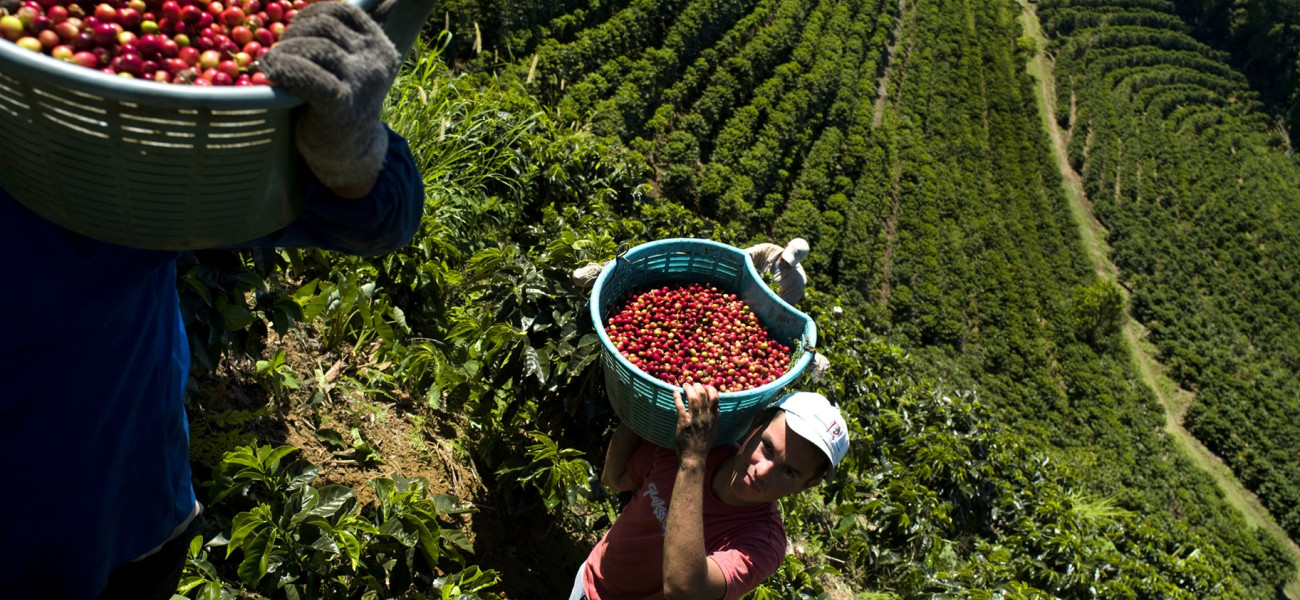
For the coffee sector, one of the most significant developments is the decision to add soluble coffee to the regulation’s scope. Industry representatives believe the move will create more consistent rules across coffee categories and strengthen fair competition within the European market.

Eileen Gordon-Laity, Secretary General of the European Coffee Federation, said the inclusion of soluble coffee would support equal treatment across the sector while reinforcing the environmental objectives of the regulation. She noted that aligned requirements are important for companies preparing for compliance ahead of the implementation deadline.

The updated package also includes changes to the EUDR digital system, with simplified paperwork requirements for smaller producers such as farmers and foresters.

Meanwhile, companies placing products on the market for the first time, including coffee roasters and major importers, will continue to face full due diligence obligations. Businesses further down the supply chain will mainly be responsible for collecting supplier reference numbers rather than independently verifying compliance.

The Commission also proposed removing leather and retreaded tyres from the regulation’s scope. Certain packaging materials, waste products, and product samples would also receive exemptions. In addition, several palm oil derivatives are expected to be added alongside soluble coffee.

Environmental groups have called on the European Union to avoid further delays in implementing the law. Anke Schulmeister-Oldenhove from WWF’s European Policy Office said the regulation must now move from discussion to action, warning that continued postponements could weaken both enforcement efforts and environmental credibility.

The draft Delegated Act is open for public feedback until 1 June 2026.


Global Coffee Leaders Launch First-Ever Deforestation Mapping Initiative

Amsterdam – Qahwa World

Leading global coffee companies have launched a landmark industry initiative aimed at transforming how deforestation risks are identified and managed across coffee-producing regions worldwide, through a unified satellite-based mapping system.

The Coffee Canopy Partnership brings together major players in the global coffee value chain, including JDE Peet’s, Louis Dreyfus Company, Sucden, Neumann Kaffee Gruppe, Touton, Sucafina, and Tchibo, in an unprecedented pre-competitive collaboration designed to create the first comprehensive and openly accessible global map of coffee production landscapes.

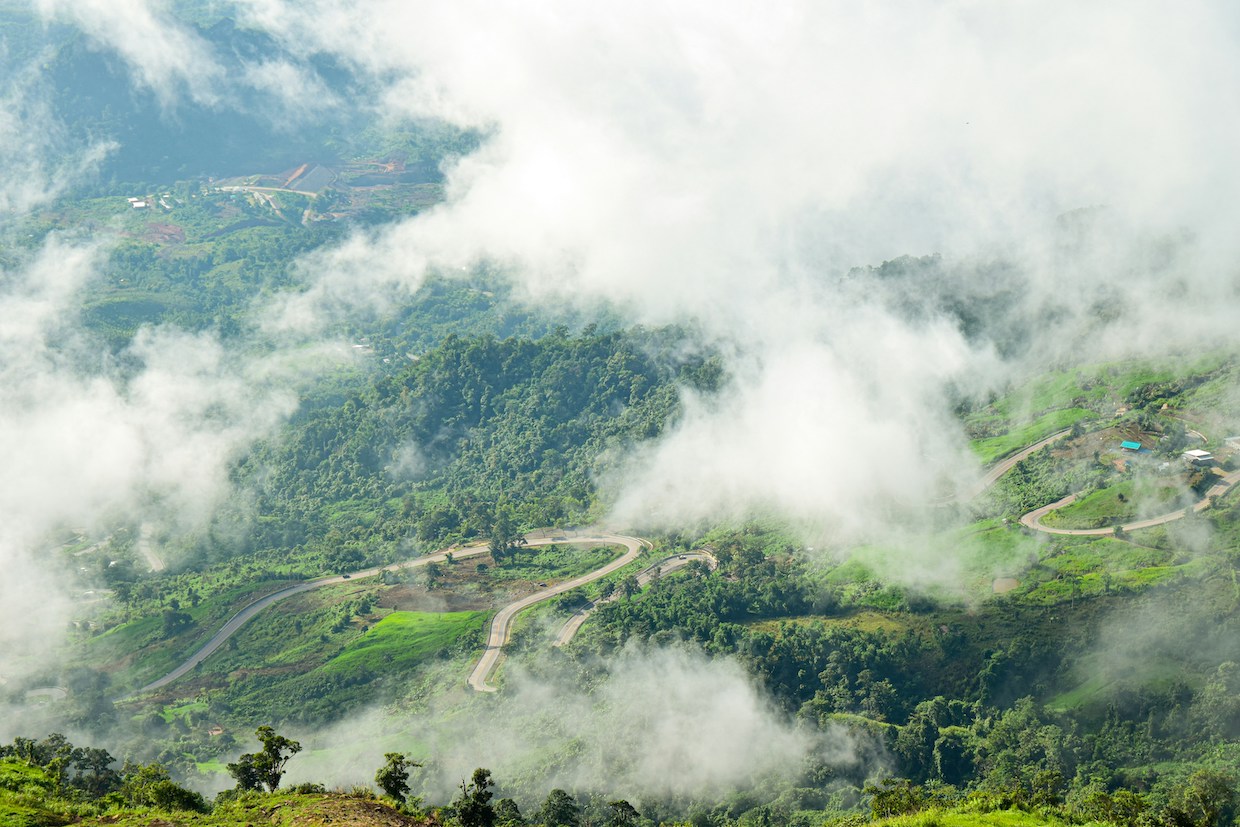
Developed in partnership with Airbus, the initiative will use very high-resolution satellite imagery combined with artificial intelligence and ground verification to map coffee farms, detect forest loss, and distinguish between natural forests and agroforestry systems such as shade-grown coffee, which have historically been misclassified in land-use datasets.

The program is designed to address one of the sector’s most persistent structural challenges: the lack of reliable, harmonized geospatial data on coffee cultivation. This data gap has contributed to inconsistencies in sustainability monitoring and, in some cases, the unintended exclusion of smallholder farmers from regulated markets.

The initiative launches with a large-scale pilot across East Africa, covering Ethiopia, Tanzania, Kenya, Uganda, Burundi, and Rwanda. The pilot will map approximately 1.2 million square kilometers of coffee-growing landscapes and serve as the foundation for a global rollout planned for 2027.

At the core of the project is the creation of two key geospatial datasets. The first will reconstruct a baseline of coffee cultivation for 2020–2021, correcting historical misclassifications of agricultural land as forest. The second will provide an updated view of coffee production landscapes for 2024–2025, enabling the detection of land-use change and potential deforestation over time.

The initiative comes as the industry prepares for stricter regulatory enforcement under the European Union Deforestation Regulation (EUDR), which restricts market access for commodities linked to deforestation after December 2020. Industry participants warn that without accurate mapping, agroforestry-based coffee systems risk being incorrectly classified, potentially affecting millions of smallholder farmers.

Speaking at the launch, Laurent Sagarra of JDE Peet’s said the initiative represents a shift away from fragmented sustainability efforts toward a shared, landscape-level approach. He emphasized that the goal is not to create another certification scheme, but to build a collaborative infrastructure capable of reducing deforestation risk across the entire sector.

Airbus Defence and Space highlighted the role of satellite technology and artificial intelligence in enabling this transformation, noting that high-resolution Earth observation data can provide the transparency required to strengthen both environmental protection and supply chain resilience.

Supporting institutions, including the UK Foreign, Commonwealth & Development Office and the UN Food and Agriculture Organization, have endorsed the pilot phase. FAO representatives noted that the initiative aligns with broader efforts to promote transparent and inclusive data systems for sustainable commodity production.

Industry participants described the project as a shift toward shared infrastructure for sustainability, arguing that collective data systems can reduce duplication, improve consistency, and enable more effective decision-making across governments, producers, and traders.

If successfully scaled, the Coffee Canopy Partnership is expected to become a global reference system for monitoring coffee-related land use change, supporting deforestation-free supply chains while protecting the livelihoods of smallholder farmers and strengthening long-term climate resilience in coffee-producing regions.


Ecuador Leads Cocoa Sector in Meeting EU Deforestation Rules

Ecuador – Qahwa World

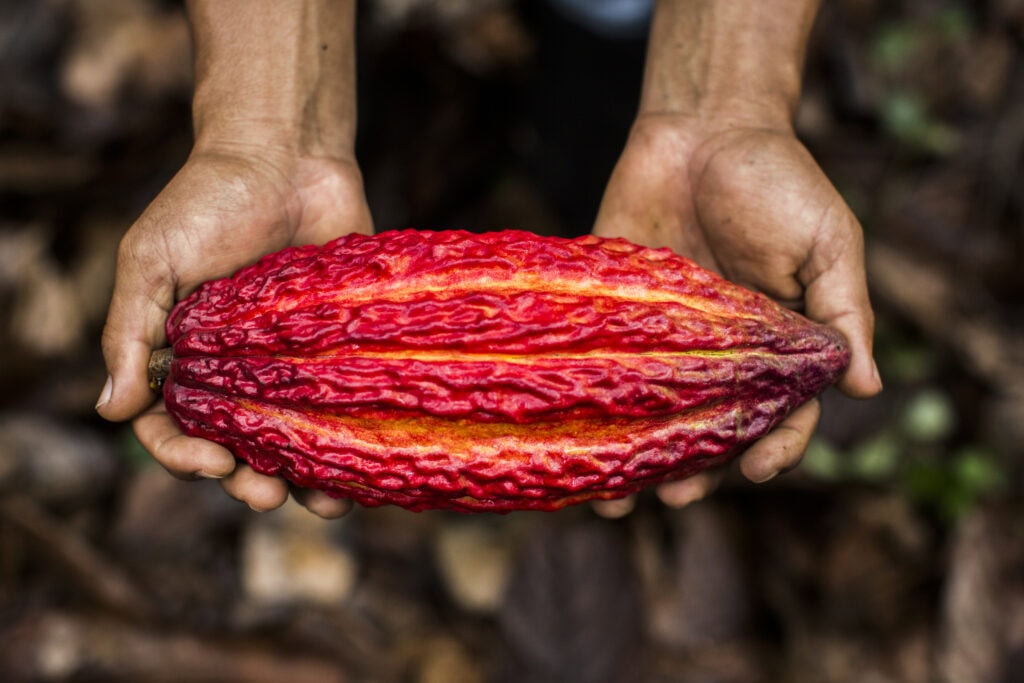
Ecuador is positioning itself as one of the most advanced countries in adapting to the European Union Deforestation Regulation (EUDR), which is scheduled to take effect on December 30, 2026. Unlike many other cocoa origins, Ecuador’s cocoa sector already exceeds 90% compliance and is approaching full alignment, according to the National Association of Cocoa Exporters. This reflects significant progress in traceability, sustainability, and transparency, all of which are essential for continued access to the European market.

The country’s progress is supported by a long-term national strategy. For five consecutive years, Ecuador has led exports of organic products to the European Union, according to the Ministry of Agriculture and Livestock. This leadership strengthens its position in a global market where environmental compliance is becoming a mandatory requirement rather than an optional standard.

The EUDR requires proof that agricultural products are not linked to deforestation. For cocoa, this means implementing geolocation systems, farm-level monitoring, and full traceability across the supply chain. Ecuador has made notable progress in these areas through coordination between exporters, producers, and public institutions, reducing the risk of exclusion from the European market.

The country is also expanding its compliance base by integrating more producers into formal systems. National programs aim to register and support up to 100,000 cocoa and coffee farmers, helping them meet EUDR requirements and avoid potential export losses. These efforts also contribute to strengthening sector formalization and improving long-term competitiveness.

The EUDR, first proposed in 2019 and approved in 2023 by the European Parliament and the Council of the European Union, represents a major shift in global agricultural trade. After two implementation delays, the regulation is still set to apply at the end of 2026, leaving a limited adjustment period for exporting countries.

Within this context, Ecuador is not only reducing compliance risks but also gaining a competitive advantage. Its high level of readiness positions it as a reliable supplier in an increasingly strict regulatory environment.

The strength of Ecuador’s position is also linked to the scale of its cocoa industry. The country produces between 380,000 and 420,000 tons of cocoa annually and is the world’s leading exporter of fine aroma cocoa, accounting for around 60% of global supply in this segment. More than 70% of production is exported, generating between 3.5 and 4 billion US dollars annually, with the European Union as the main destination.

Cocoa production is concentrated in provinces such as Los Ríos, Guayas, and Manabí, along with other important areas including Esmeraldas and El Oro, and expanding regions in the Amazon such as Sucumbíos and Orellana. The sector involves around 600,000 families, mostly smallholder farmers. Between 15% and 25% of Ecuadorian cocoa already carries sustainability or organic certification, further reinforcing its readiness for new regulatory standards.

Coffee Sector Lags on Deforestation Commitments, Forest 500 Finds

DUBAI – Qahwa World

The European Union’s landmark Deforestation Regulation (EUDR) is driving corporate change across Europe, yet the coffee sector remains one of the weakest performers on key deforestation-risk indicators, according to the 2026 edition of the Forest 500 report released by UK-based environmental NGO Global Canopy.

Now in its 12th year, the annual Forest 500 assessment ranks 500 companies with the greatest influence over nine forest-risk commodities: beef, cocoa, coffee, leather, palm oil, pulp and paper, rubber, soy, and timber, using only publicly available information disclosed on company websites.

Global Canopy has publicly opposed further delays or simplifications to the EUDR. The Forest 500 initiative is supported by Climate Arc and the Norwegian Agency for Development Cooperation (Norad).

“While some battles have been won, this year’s Forest 500 data shows that the fight against deforestation is still being needlessly lost,” the report’s executive summary states. “The year 2025 was at the heart of high-profile corporate targets to end deforestation, but these have now been missed. As in previous years, too few companies are acting with enough urgency.”

Limited Progress Across Sectors

Just 68 of the 500 companies (14%) referenced the EUDR in their public deforestation-related disclosures. Traceability mechanisms showed improvement across eight of the nine commodities. However, the report describes the EUDR as arriving “in a delayed and diluted form” following the EU’s decision to postpone enforcement to December 30, 2026 for large and medium operators and traders, and June 30, 2027 for micro and small operators.

The regulation, adopted in 2023 and originally scheduled for late 2024 enforcement, aims to block deforestation-linked products from entering European supply chains.

Mixed Results for Coffee

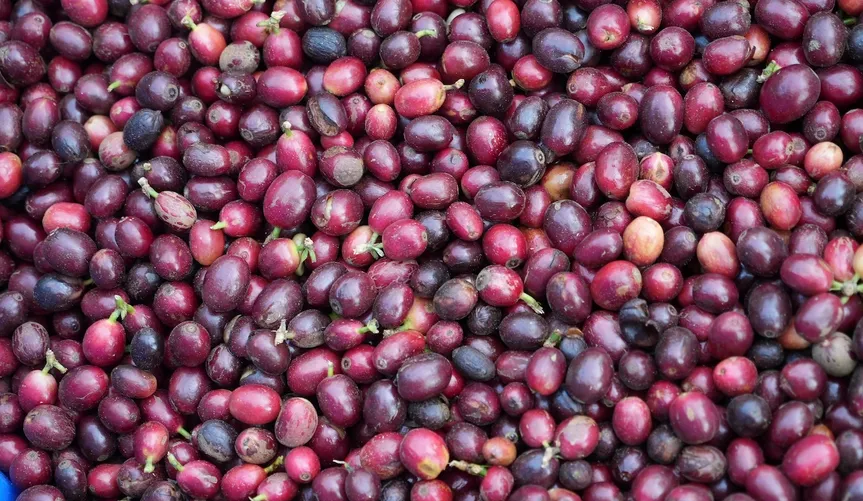
The coffee sector delivered a mixed performance. The share of Forest 500 companies with a public deforestation-free commitment for coffee rose to 47% in 2025, up from 44% the year before. Public evidence of traceability systems also improved, climbing to 18% from 14%.

Yet on one of the report’s most concrete metrics, the percentage of companies publicly reporting that more than half their coffee volumes are deforestation- and conversion-free, coffee ranked near the bottom of all nine commodities at just 5%, down from 7% in 2024. Only leather scored lower, at 1%.

How Companies Are Scored and Categorized

Each company receives a percentage score: 25% based on the strength of its commitments and 75% on implementation, reporting, and verification.

The report groups companies into three categories:

  • Leaders: Strong commitments across all relevant commodities and significantly stronger implementation than peers.
  • Late Majority: Some intent to address deforestation, but only partial commitments and weak implementation progress.
  • Laggards: No zero-deforestation or conversion-free commitments at all.

Separately, the report identifies 14 companies that backtracked on deforestation action and 24 “persistent laggards” that have failed to publish any deforestation commitment since 2014.

Coffee Sector Standouts

Among coffee-relevant companies, Nestlé is the only Leader highlighted, scoring 71%. The company disclosed that at least 80% of its volumes in beef, coffee, palm oil, pulp and paper, and soy were deforestation- and conversion-free in 2025.

Italian firm FinLav appears in the Laggard category with a 23% score. Vietnamese coffee company Thang Loi Coffee Joint Stock Company is listed among the 14 backtrackers.

Several major roasters and buyers fall into the Late Majority: Starbucks (36%), JDE Peet’s (41%), Keurig Dr Pepper (26%), and JM Smucker (14%). On the trading side, scores include Louis Dreyfus (65%), Neumann Kaffee Gruppe (45%), Ecom Agroindustrial (38%), and Sucafina (36%).

Important Context

The Forest 500 captures only a slice of the global coffee industry and evaluates companies solely on what they publicly disclose on their own websites; it does not independently verify on-the-ground performance.

The full 2026 Forest 500 report is available at forest500.org.

Swedes’ Passion for Coffee Tops the List of Amazon Deforestation Drivers

Dubai – Qahwa World

A new study shows that everyday purchasing habits in Europe directly influence the state of Brazil’s tropical forests, and in Sweden, coffee stands out as the main contributor. The country’s strong appetite for coffee has a larger impact on Amazon deforestation than its consumption of beef or soy.

Researchers from Chalmers University of Technology, the Stockholm Environment Institute and WWF produced an extensive analysis combining satellite imagery, agricultural output data and global consumption models. Their assessment provides one of the most detailed views to date of how consumer choices affect forest loss in the Amazon.

On the global level, cattle farming remains the primary force driving the destruction of Amazon forests, with pastures still expanding by around 1.4 million hectares every year. Degraded pastures are often converted into cropland instead of being restored. Soy production follows as another major cause, with 8.6 million hectares of forest lost between 2018 and 2022 due to beef and soy cultivation. Other crops competing for tropical forest land include rice, sorghum, palm oil, cocoa and coffee.

When researchers examined Sweden specifically, they found that coffee consumption had a greater impact on Amazon deforestation than the country’s consumption of beef or soy. In 2022 alone, Swedish coffee demand was linked to the loss of around 331 hectares of forest — the equivalent of 463 football fields. One of the authors explained that global discussions often highlight soy and livestock production, leaving the role of coffee less recognized.

Sweden ranks among the highest coffee-consuming nations in Europe, with an average of 12.3 kilograms per person per year. Several countries — including Lithuania, Estonia and Luxembourg — consume even more.

The study also found that the environmental impact varies significantly depending on the origin of the coffee beans. The European Union’s Deforestation Regulation (EUDR), intended to restrict products tied to forest destruction, was scheduled to take effect on 30 December 2025. However, the European Parliament decided to postpone its implementation by one year. A German MEP stressed that Europe’s demand for coffee, cocoa, beef and similar goods results in roughly 100 trees being cut or burned every minute and called for the regulation to be applied as soon as possible.