Saudi Coffee A Symbol of Generosity That Shapes Cultural Identity

From Makkah to the Desert Majlis Hospitality Traditions and Heritage Flavors in a Special Report by Sayidaty

Dubai – Qahwa World

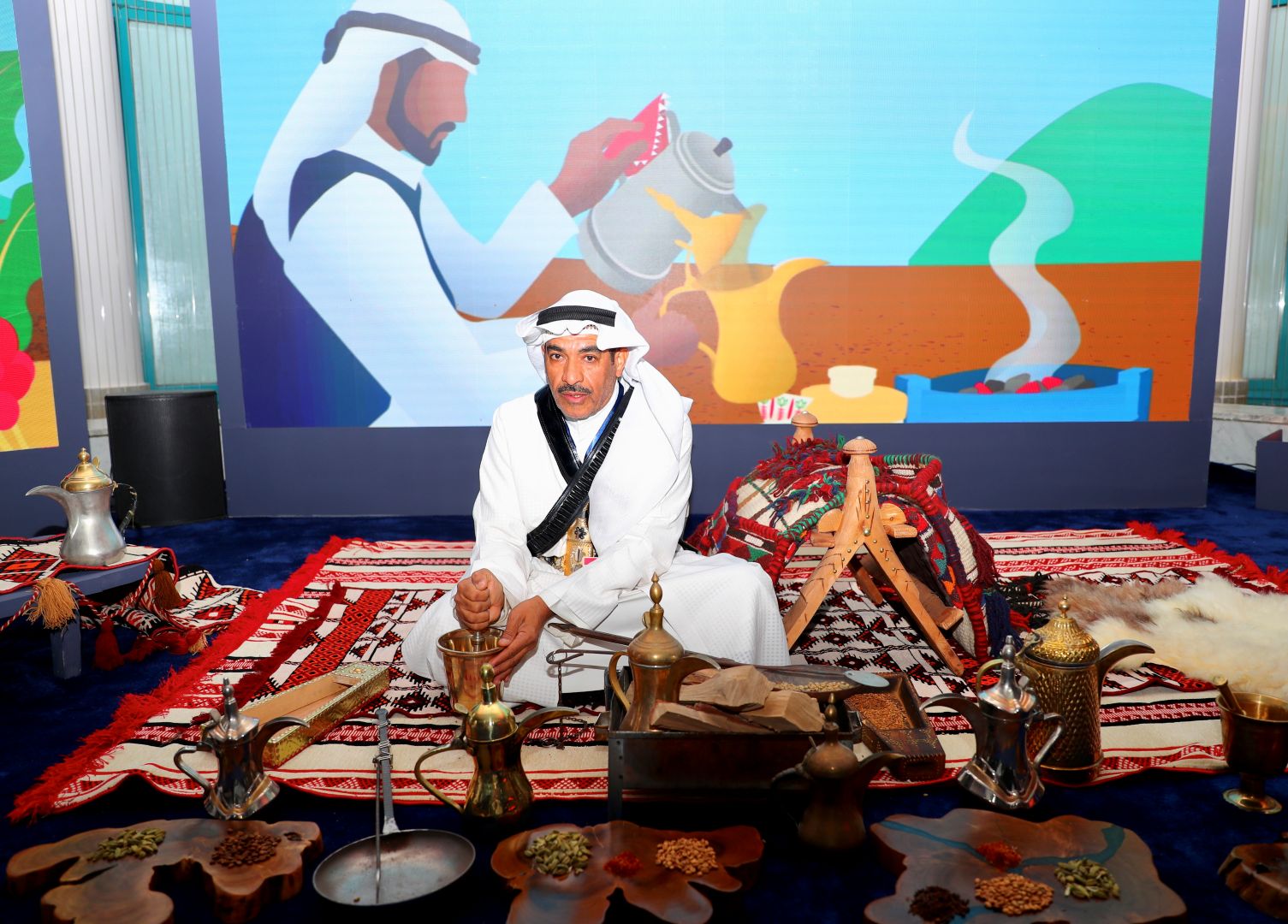
Sayidaty magazine published a special report highlighting Saudi coffee as one of the most prominent symbols of hospitality and generosity in the Kingdom. The report emphasizes its role as a cultural element that reflects the social and historical identity of Saudi society.

The report explains that Saudi coffee is not simply a traditional drink but a deeply rooted cultural practice connected to authentic hospitality rituals. Its aroma, blended with cardamom and incense, represents the first expression of welcome offered to guests. It also notes that this cultural heritage is included in UNESCO’s list of intangible cultural heritage.

According to the report, engineer Abdullah bin Kalib, an expert in coffee heritage, stated that coffee was not originally the primary beverage of hospitality. Earlier traditions included milk and broth before coffee became central to Arab hospitality culture, particularly in the Arabian Peninsula. He added that coffee first appeared in urban centers, especially Makkah, before spreading to desert communities and becoming part of their social and cultural life.

The report highlights that coffee gatherings known as majlis are more than seating areas. They function as social and cultural spaces where values are transmitted, younger generations learn hospitality practices, and communities exchange news, poetry, and conduct social and commercial discussions.

It also discusses the diversity of Saudi coffee in types and preparation methods, including global varieties such as Arabica and Robusta, as well as the rare Khawlani coffee grown in Jazan, known for its distinctive nutty flavor. Regional differences in roasting and preparation contribute to a wide range of taste profiles across the Kingdom.

The preparation process includes roasting, grinding using the traditional mortar, boiling, and adding spices such as cardamom, saffron, ginger, and cloves before serving it in the traditional dallah according to established hospitality customs.

Serving traditions are also highlighted, where coffee is typically offered starting with the eldest guest or from the right side, reflecting respect and social etiquette deeply rooted in majlis culture.

The report concludes by noting the traditional pairing of coffee with dates, along with modern developments such as electric coffee makers and instant coffee. These innovations have helped expand its use while maintaining its cultural significance, ensuring Saudi coffee remains a living symbol of heritage, identity, and hospitality.

Saudi Arabia’s Coffee Shops: From “Al-Zuhour” to a Billion-Riyal Industry under Vision 2030

Dubai – August 22, 2025 (Qahwa World) – Coffee in Saudi Arabia is no longer just a morning ritual or a social beverage. It has transformed into a thriving industry aligned with Vision 2030, drawing local and international investment. According to figures reported by Al-Eqtisadiah, the Saudi coffee market was valued between SAR 5 and 7 billion in 2024, growing at an annual rate of more than 5%. Saudis consume around 80,000 tons of coffee beans annually, which translates to 36.5 million cups every day.

Saudi Arabia’s café culture dates back to the mid-20th century. One of the earliest modern cafés, “Al-Zuhour,” opened in Riyadh in 1954. At the time, Yemeni-style cafés, serving coffee alongside tea, shisha, and food, were more prominent. By the 1960s and 1970s, cafés became more widespread, only to face setbacks during the 1980s due to social restrictions.

With the dawn of the new millennium, internet cafés marked the beginning of a new chapter. These spaces quickly evolved into modern cafés, catering to a young population—70% of Saudis are under 35. This demographic shift laid the foundation for today’s café boom, where establishments are not only places for leisure but also venues for cultural and artistic events.

Coffee and Vision 2030

Vision 2030 treats coffee as more than a beverage. It is seen as part of Saudi Arabia’s cultural identity and as a driver of economic diversification. In 2022, the Ministry of Culture declared the “Year of Saudi Coffee,” while also adopting the official term “Saudi Coffee” instead of “Arabic Coffee” in restaurants, cafés, and retail outlets.

This move carried strong symbolic value, reaffirming coffee’s deep cultural roots in the Kingdom. It also boosted international recognition through festivals, exhibitions, and promotional campaigns, positioning Saudi coffee as both a cultural marker and an economic asset.

To build on this momentum, the Public Investment Fund (PIF) launched the Saudi Coffee Company in 2022, with a SAR 1.2 billion (USD 320 million) investment plan over ten years. The company’s mission is to develop a full value chain—from cultivating beans in the southern regions, particularly Jazan, Asir, and Al-Baha, to processing, roasting, marketing, and exporting.

The plan includes planting 5 million coffee trees by 2030, raising domestic production from 800 tons annually to over 10,000 tons. A major milestone is the construction of a factory in Jazan with a capacity of 27,000 tons per year, including 9,000 tons of roasted coffee, with scalability for future expansion. This facility is expected to be a cornerstone for local industry growth and international market entry.

Cafés now account for 16% of Saudi Arabia’s food service sector, which reached SAR 17 billion in 2024. The Ministry of Commerce reports that by mid-2025, there were 61,000 commercial licenses for cafés, including 27,000 for traditional coffee shops.

On the brand front, competition is fierce. Local chain Barn’s leads the market with more than 800 outlets, followed by Dunkin’ with over 600, and Starbucks with more than 450. Kyan Café has expanded to over 270 locations, Coffee Address to 234, while Dr. Café maintains a strong presence with more than 100 outlets. This mix of homegrown and global brands reflects the Kingdom’s dynamic market and consumer demand.

From History to Today’s Transformation

Historically, coffeehouses worldwide were intellectual and social hubs—whether in Istanbul in 1475, Cairo’s famed El Fishawy café that hosted writers like Naguib Mahfouz, or the European coffeehouses that played roles in politics and literature.

In Saudi Arabia, the transformation has been unique. From Al-Zuhour in the 1950s to today’s modern coffeehouses, these spaces now serve as cultural platforms as much as commercial ventures. They host poetry readings, art exhibitions, and social events, aligning with a broader national vision to diversify entertainment and cultural offerings.

Long considered a “drink for the mood,” coffee in Saudi Arabia is now firmly embedded in the economic landscape. It is part of a broader narrative that blends heritage and modernity. Between the millions of cups consumed daily, the government-backed Saudi Coffee Company’s ambitious investments, and the strong presence of global and local brands, coffee has become a pillar of both identity and growth.

From its modest beginnings in a small Riyadh café seven decades ago to today’s billion-riyal industry, Saudi coffee tells a story of transformation. It is no longer only about flavor and tradition, but also about culture, business, and the country’s ambition to position itself as a key player in the global coffee economy.