Dubai to Host DrinkIt Mixology Championship on July 10 Featuring Top Creative Talent

Source: DrinkIt – Press Release |
Author: Qahwa World |
Date: June 29, 2026

Dubai to Host DrinkIt Mixology Championship on July 10 Featuring Top Creative Talent

Key Takeaways:

  • The DrinkIt Mixology Championship will take place on July 10, 2026, at the Victoria Arduino Experience Lab in Dubai, from 10:00 AM to 5:00 PM.
  • The championship is open to everyone: baristas, trainers, mixologists, hospitality professionals, and even home brewers. No prior competition experience required.
  • The grand prize: a specialized SCA course (Barista, Sensory, or Brewing) of the winner’s choice.
  • Round 1 (online) from June 25 to July 1: submit a video of your signature coffee drink on Instagram.
  • The final round on July 10: 20 finalists compete in teams of two, creating drinks using random ingredients.
  • Workshops by industry experts, music, photo zone, and a festive atmosphere throughout the day.

Dubai is gearing up to host one of the most creative events in the beverage world, as DrinkIt organizes its annual Mixology Championship at the Victoria Arduino Experience Lab on July 10, 2026. The event combines professional competition with a festive atmosphere, making it an ideal destination for coffee lovers, innovative drink enthusiasts, hospitality professionals, and anyone eager to explore new frontiers in creative mixology.

The championship is part of DrinkIt’s commitment to supporting its team and developing their skills. However, it goes beyond that by opening its doors to everyone passionate about drink making — from baristas and trainers to mixologists and even those who brew coffee at home.

Mixology Championship: A Chance for Creativity and Professional Excellence

The championship takes place in two stages — one online and one in person in Dubai. In the first stage, running from June 25 to July 1, participants are required to record a video of an innovative coffee drink recipe and post it on Instagram with a tag to the official company account. Twenty participants will be selected based on creativity, originality, and the recipe itself, not on video quality or editing.

The final stage will be held on July 10 at the Victoria Arduino Experience Lab, where participants compete in teams of two. Each team will prepare a drink using randomly provided ingredients within a set time limit and present it to a panel of two sensory judges, along with a detailed explanation of the flavor profile, preparation method, and recipe.

Stage Dates Details
Registration & Round 1 (Online) June 25 – July 1 Submit a video of your signature coffee drink on Instagram
Finalists Announcement July 3 20 finalists announced
Workshop for Finalists July 8 Preparation session for finalists
Final Round (In-Person) July 10 Victoria Arduino Experience Lab, Dubai

Grand Prize and Professional Workshops

The winner of the championship will receive a valuable prize: a specialized SCA course in one of three areas — Barista, Sensory, or Brewing — or any other coffee course of equivalent value. This reflects DrinkIt’s commitment to supporting professional development for emerging talent in the industry.

In addition to the competition, the event features a series of training workshops led by prominent experts from the hospitality and coffee sectors, including:

  • Beverage Menu Development: with Tim Tikhomirov from Jumeirah Marsa Al Arab.
  • Luxury Bean-to-Bar Chocolate Experience: with Laura Garcia from Mirzam Chocolate Makers.
  • How Acidity Changes and Evolves in a Drink: with Mohamed Alaameri from Palate Coffee Roastery.

A Festive Atmosphere for Visitors: Drinks, Music, and Special Experiences

Beyond the competition, the event is an open celebration for the public. Visitors can enjoy a selection of signature drinks created by event partners: Oatly, DrinkIt, and Mirzam. There will also be snacks, fine chocolates, and delicious hot beverages. Guests can decorate their drinks with glitters, participate in workshops, take photos in the dedicated photo zone, with an MC and DJ keeping the energy high throughout the day.

Time Activity
10:00 – 12:30 Participant Presentations (Round 1)
12:30 – 14:00 Break & Workshops
13:00 – 13:30 Workshop: Beverage Menu Development – Tim Tikhomirov
13:30 – 14:00 Luxury Bean-to-Bar Chocolate Experience – Laura Garcia
14:00 – 15:30 Participant Presentations (Round 2)
15:30 – 16:00 Workshop: How Acidity Changes in a Drink – Mohamed Alaameri
16:30 – 17:00 Awards Ceremony & Cake

Free Participation Open to Everyone

DrinkIt confirms that participation in the championship is completely free, with no registration fees, giving everyone the opportunity to join and gain new experience. Interested participants can visit the dedicated championship website to fill out the application form, along with posting their recipe video on Instagram with a tag to the official account. Those wishing to attend as guests can register their attendance via a short form on the website, to help with venue planning and preparation.

Frequently Asked Questions About the DrinkIt Mixology Championship

Q: Who can participate in the championship?

A: The championship is open to anyone passionate about coffee and drinks: baristas, trainers, mixologists, hospitality professionals, and even home brewers. No prior competition experience required.

Q: What is the grand prize?

A: A specialized SCA course in Barista, Sensory, or Brewing, or any other coffee course of equivalent value.

Q: How can I register?

A: Through the dedicated championship website, along with posting a video of your signature coffee drink on Instagram with a tag to @drinkitcoffee.

Q: Are there any fees for participation or attendance?

A: No, participation and attendance are completely free.

Q: What are the key dates for the championship?

A: Registration & Round 1: June 25 – July 1. Finalists announced: July 3. Workshop for finalists: July 8. Final round: July 10.

Q: What can visitors expect on the day?

A: Signature drinks from event partners, workshops, music, a photo zone, and a festive atmosphere throughout the day.

The DrinkIt Mixology Championship is more than a competition — it is a celebration of creativity and innovation in the world of beverages. Whether you are a participant looking to prove your skills or a visitor seeking an enjoyable and enriching experience, this event promises an unforgettable day at the Victoria Arduino Experience Lab in Dubai. Register now and join this inspiring journey.

For registration or more information, please visit the dedicated championship website.

Prepared and edited by: Qahwa World – Based on the press release from DrinkIt.

All rights reserved. Republication with attribution permitted.

Publication date: June 29, 2026

Maryam Tabatabaei: A Journey of Passion in Dubai’s Specialty Coffee Scene

Source: Qahwa World – Exclusive Interview |
Author: Ali Alzakary |
Date: June 17, 2026

Maryam Tabatabaei: A Journey of Passion in Dubai’s Specialty Coffee Scene

Key Takeaways:

  • Maryam Tabatabaei is a specialty coffee expert, holding certifications in coffee evaluation, training, roasting, and competition judging.
  • She believes training is at the core of her work and finds the greatest reward in seeing trainees grow and succeed in the coffee industry.
  • She founded The Coffee Atelier as a learning space that combines professionalism with creativity.
  • She defines specialty coffee as quality, transparency, and respect for everyone in the coffee chain – not just high cost or complexity.
  • She believes coffee is a means of connection across cultures, and that hospitality and passion are universal values.
  • Her advice to those who love coffee but doubt their career prospects: start learning, stay curious, and be patient.

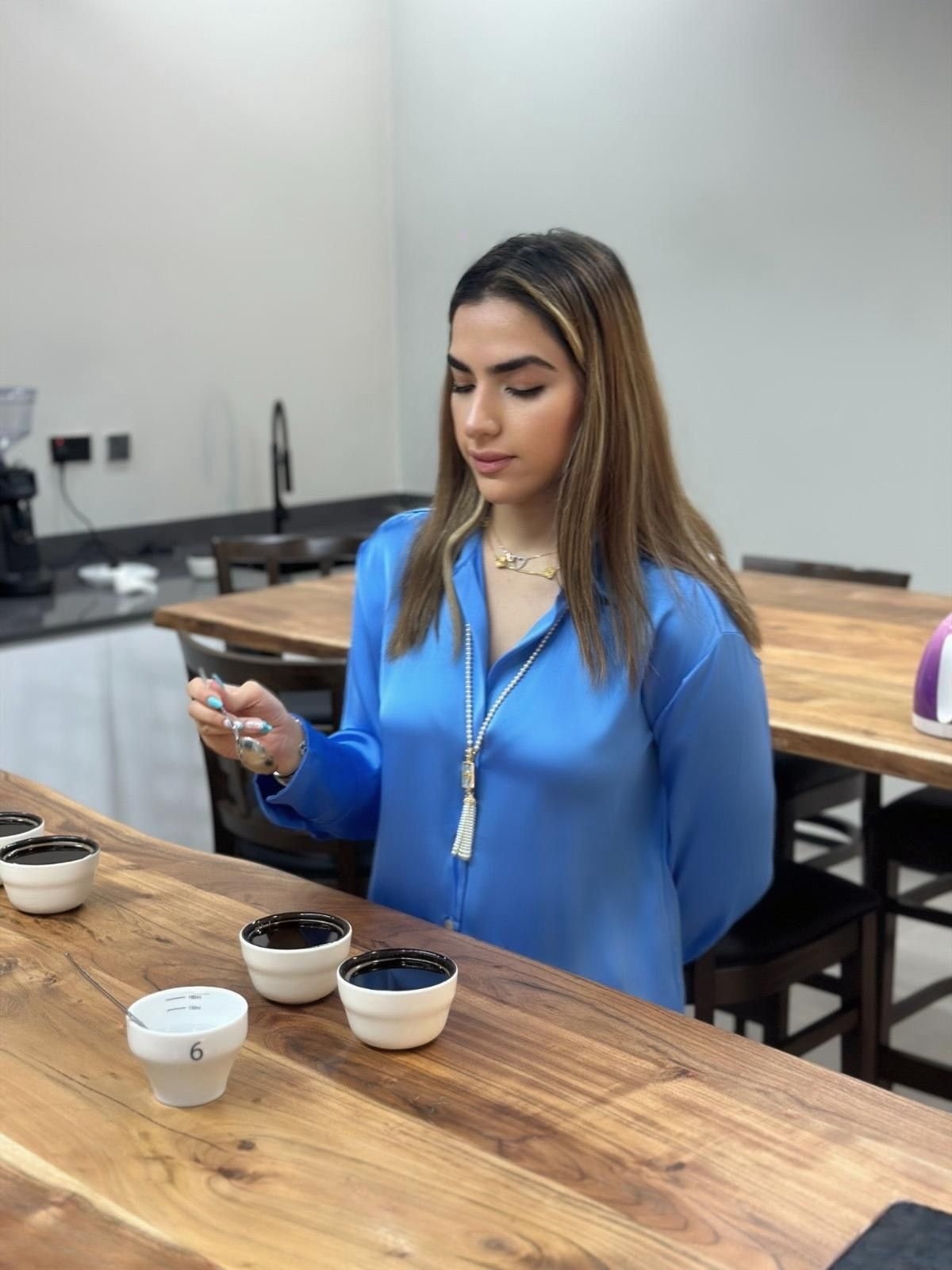
Maryam Tabatabaei is one of the experienced professionals in Dubai’s specialty coffee scene. She holds multiple certifications in coffee evaluation, training, roasting, and competition judging. Her work spans several areas: training, roasting, judging, and sensory analysis.

In this interview, Maryam talks about her beginnings with coffee, her experience in training, her perspective on Dubai’s coffee scene, and her advice for those who aspire to work in this field.

We invite you to read the interview and learn from her experience.

Do you remember the first coffee that truly surprised you?

Absolutely. It was the first time I tasted a naturally processed specialty coffee with intense fruit notes. Until then, coffee was simply coffee to me. Discovering flavors like berries, tropical fruits, and chocolate in a single cup completely changed my understanding of what coffee could be.

When did you realize coffee was going to become more than just a job for you?

I realized it when I started teaching others. Seeing students become passionate about coffee and watching their skills develop gave me a sense of purpose beyond making drinks. That’s when coffee became a lifelong journey rather than just a profession.

What still excites you about coffee today?

Coffee never stops teaching me something new. Whether it’s a new origin, a unique processing method, or helping someone discover a flavor they’ve never experienced before, there is always something new to explore.

You work in education, roasting, judging, and sensory. Which part feels most like you?

Training feels most like me. I enjoy sharing knowledge and helping people grow. Roasting and judging are incredibly rewarding, but seeing students gain confidence and succeed in their coffee careers is what fulfills me the most.

What’s something people misunderstand about specialty coffee?

Many people think specialty coffee is about being expensive or complicated. In reality, it’s about quality, transparency, and respect for everyone involved in the coffee chain – from the farmer to the person preparing the cup.

Has coffee changed the way you see people or culture?

Definitely. Coffee has allowed me to connect with people from many different countries and backgrounds. It has taught me that while cultures may differ, hospitality, passion, and the desire to connect over a cup of coffee are universal.

What was going through your mind during the roasting championship?

A mixture of excitement, focus, and responsibility. I knew every decision could affect the final result. At the same time, I reminded myself to trust my training, experience, and understanding of the coffee.

Do you still get nervous judging competitions or teaching students?

Yes, and I think that’s a good thing. A little nervousness means I care about doing my best. Whether I’m judging a competition or teaching a class, I want to give participants the attention and respect they deserve.

What’s the most rewarding moment you’ve had with a student?

Seeing a former student become a successful coffee professional and knowing I played a small part in their journey. Those moments remind me why education is so important.

What kind of atmosphere did you want to create with The Coffee Atelier?

I wanted The Coffee Atelier to be a place where people feel comfortable learning, asking questions, and developing their skills. A place that combines professionalism with creativity and genuine passion for coffee.

Dubai’s coffee scene is growing fast. What makes you hopeful about it?

The level of curiosity and commitment I see from young professionals. More people are interested in quality, training, and understanding coffee deeply rather than simply following trends. That gives me a lot of hope for the future.

What advice would you give someone who loves coffee but doubts they can make a career from it?

Start learning, stay curious, and be patient. The coffee industry offers many paths beyond being a barista. If you’re passionate and willing to keep improving, there is absolutely a place for you in this industry.

After all the certifications and competitions, what does a “good cup of coffee” mean to you now?

A good cup of coffee is one that creates a meaningful experience. Technical perfection matters, but ultimately, a great coffee is one that brings enjoyment, connection, and appreciation for the work behind it.

When you’re not analyzing coffee professionally, how do you actually enjoy drinking it?

I prefer simple brewing methods that allow me to relax and enjoy the coffee without overthinking it. Sometimes I just want to sit quietly and appreciate the cup rather than analyze every flavor note.

What keeps you motivated to continue learning in coffee?

The fact that coffee is a world without an endpoint. There is always another origin to explore, another technique to learn, and another person to inspire. That endless opportunity for growth keeps me motivated every day.

This interview offers insight into Maryam Tabatabaei’s experience in the specialty coffee world, her professional journey, and her perspective on training and development. We invite you to read the full interview and benefit from her expertise.

Interview conducted by: Qahwa World – with Maryam Tabatabaei, specialty coffee expert and founder of The Coffee Atelier in Dubai.

All rights reserved. Republication with attribution permitted.

Publication date: June 17, 2026

Dubai Hosts Coffee Break Vol. 2 with Conversations Shaping the City’s Future

Source: Coffee World |
Author: Events Unit |
Date: June 5, 2026

Dubai Hosts Coffee Break Vol. 2 with Conversations Shaping the City’s Future

Key Information:

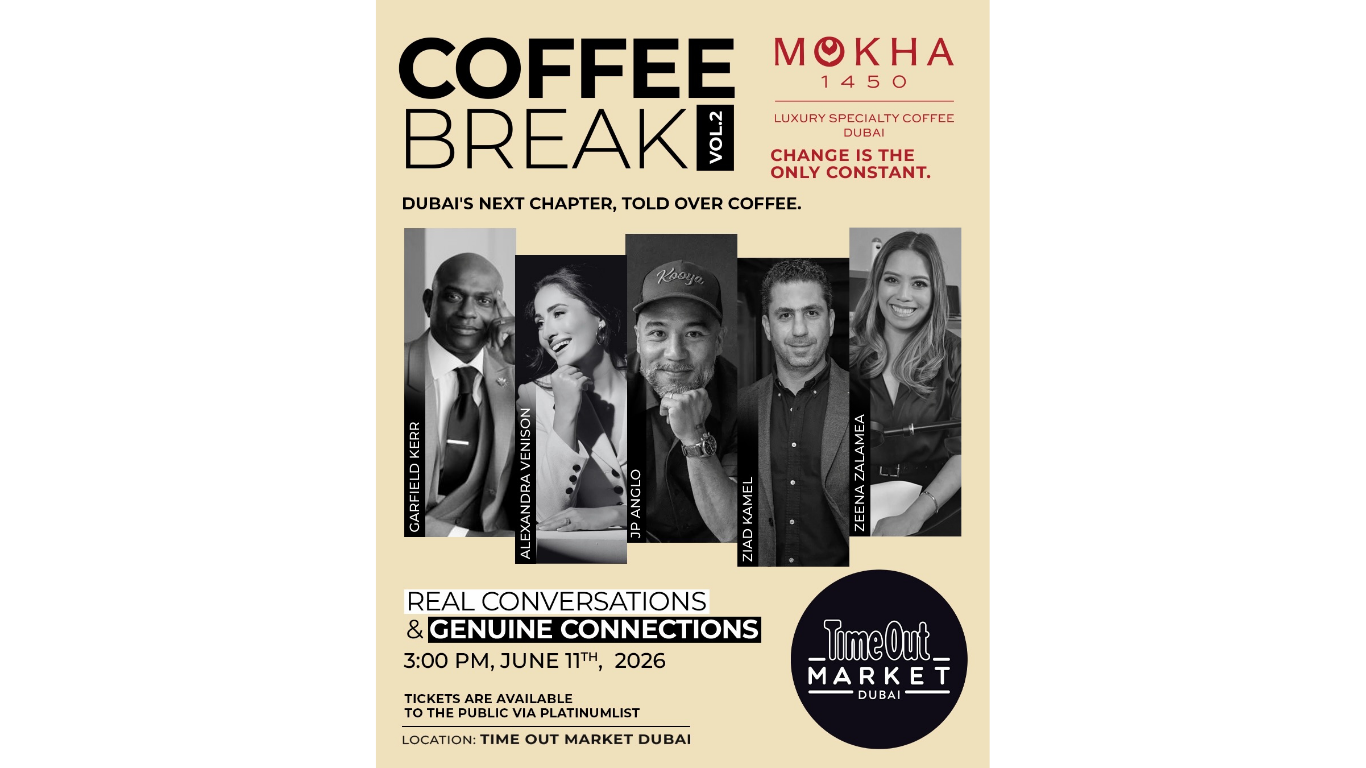
  • “Coffee Break Vol. 2” takes place at Time Out Market, Souk Al Bahar, Dubai.
  • Organized in collaboration with Mokha 1450 Luxury Specialty Coffee.
  • Theme: “Dubai’s next chapter, told over coffee.”
  • Five prominent speakers from business, media, hospitality, wellness, and food culture.
  • Notable speaker: Garfield Kerr, former President of the Specialty Coffee Association.
  • Tickets start at 59 AED, including coffee and snacks.
  • Premium package at 159 AED includes a 100 AED Time Out Market card.

Dubai will soon host the second edition of “Coffee Break Vol. 2″, offering a new model for community dialogue. The event takes place on Level 3 of Souk Al Bahar, at the Time Out Market stage. It is organized in collaboration with Mokha 1450 Luxury Specialty Coffee.

The event carries a distinctive theme: “Dubai’s next chapter, told over coffee.” It aims to bring together a curated group of thought leaders and experts from multiple fields. They will discuss the ideas, businesses, and communities shaping Dubai’s next chapter.

Prominent Speakers from Five Key Sectors

“Coffee Break Vol. 2” features five speakers representing different sectors. Each brings a unique perspective on Dubai’s evolution. They are:

Name Position / Expertise
Zeena Zalamea Broadcaster, producer, entrepreneur
Garfield Kerr Lawyer, CEO of Mokha 1450, former SCA President
Alexandra Venison Journalist, Founder of Beautilist
JP Anglo Founder of Kooya, Filipino food advocate
Ziad Kamel Founder & CEO of Rosy Hospitality and multiple restaurant brands

In addition, the discussion will explore key themes including Dubai’s evolving economy, the future of hospitality and wellbeing, the role of media in shaping the city’s narrative, and the communities being built within it.

Event Location and Ticket Packages

The event takes place at the Stage Area in Time Out Market Dubai, located on Level 3 of Souk Al Bahar, Downtown Dubai. Guests can access Souk Al Bahar parking and validate their token at Atrium Bar to receive 4 hours of complimentary parking.

Ticket options are as follows:

  • 59 AED: Includes access to the conversation, coffee, and snacks.
  • 159 AED: Includes access, coffee, snacks, and a Time Out Market Dubai Card valued at 100 AED to be redeemed across the Market’s vendors and bars on the same day.

However, please note the terms: smoking is permitted only in designated areas. No refunds will be issued for no-shows or for guests arriving more than 20 minutes after the event starts. Therefore, guests are encouraged to arrive early to avoid any delays.

Strategic Partnership with Mokha 1450

This event is organized in collaboration with Mokha 1450 Luxury Specialty Coffee. This partnership extends the brand’s vision of supporting inspiring community dialogues. Furthermore, the presence of Garfield Kerr, former President of the Specialty Coffee Association, adds deep professional insight to discussions about coffee’s role in shaping urban spaces.

Additionally, the diversity of speakers reflects Dubai’s rapid evolution as a global hub for business, media, and culture. The event confirms that coffee is no longer just a beverage, but a tool for dialogue and for building the future.

Frequently Asked Questions About Coffee Break Vol. 2

Q: When will the event take place?

A: The exact date has not been announced yet. Follow Time Out Market and Mokha 1450’s official channels for updates.

Q: Where exactly is the event located?

A: On Level 3 of Souk Al Bahar, Downtown Dubai, at the Time Out Market Dubai stage area.

Q: How can I purchase tickets?

A: The booking link will be announced soon via official channels. Early booking is recommended due to limited capacity.

Q: Does the ticket price include parking?

A: Guests can get 4 hours of complimentary parking after validating their ticket at Atrium Bar.

Q: Will there be an opportunity to ask questions to the speakers?

A: Yes, the event is designed as an open conversation, and time will be allocated for Q&A.

Do not miss the chance to be part of the conversation shaping Dubai’s new chapter. Tickets are limited. The dialogue begins when you sit down with a cup of coffee. Follow our official channels to know when booking opens.

Prepared by: Coffee World team – in collaboration with Mokha 1450 and Time Out Market Dubai.

All rights reserved. Republishing with attribution is permitted.

Publication date: June 5, 2026

Mexican Coffee Must Not Disappear Behind Intermediaries: A Conversation with José Manuel Hernández García

Author: Ali Alzakary
Source: Qahwa World
Date: May 20, 2026This article features a José Manuel Hernández García interview.

Executive Summary:

  • José Manuel Hernández García, a mechatronics engineer from Coatepec, Mexico, is building digital traceability systems and opening new trade routes for Mexican coffee to the Middle East and Eurasia.
  • Severe drought in 2024/2025 affected Mexican coffee production, pushing prices higher and forcing farms to adopt new water management strategies.
  • EUDR regulations pose a risk of excluding small farmers. The response is to help producers meet traceability requirements without being left behind.
  • Dubai serves as a strategic hub for roasting and distributing Mexican coffee across the Middle East, adapting to local consumption styles including espresso and Turkish coffee.
  • Armenia was chosen as a gateway to Russia and Eurasia because of its trade framework, avoiding the complexities of direct business with Russia and the limitations of Turkey.
  • The “Todos Somos Mexico” movement turned coffee into a tool for economic diplomacy, uniting producers, governments, embassies, and consulates to present Mexico internationally.
  • A new Latin American platform is being developed to connect producers directly with buyers in the Middle East and Eurasia, supporting transparency, fair trade, and direct negotiation.

José Manuel Hernández García grew up in Coatepec, Veracruz, one of Mexico’s most recognized coffee producing regions. He was surrounded by coffee farms and the people who work them. But instead of staying on the farm, he became a mechatronics engineer.

Instead of exporting coffee the traditional way, he built digital traceability systems, opened new trade routes to the Middle East and Eurasia, and founded “Todos Somos México,” a movement that uses coffee as a tool for economic diplomacy. At only 29 years old, he is now developing a Latin American platform to connect producers from Mexico and beyond with strategic markets in Dubai, Armenia, Russia, and the GCC.

In this interview, he speaks openly about drought, EUDR regulations, fair returns for small farmers, and why he chose Armenia over Turkey as a gateway to Eurasia. Do not just drink your coffee. Know the story behind it.

Here is the full interview.

As a mechatronics engineer who grew up in Coatepec, one of Mexico’s most recognized coffee producing regions, how has your technical background influenced the production systems and digital traceability processes at Casa Tostadora Briones?

Growing up in Coatepec gave me a direct connection to coffee culture from an early age, while my background in mechatronics engineering helped me approach the coffee industry from a systems, technology, and process perspective.

At Casa Tostadora Briones, we focus heavily on organization, traceability, quality control, and long term scalability. My technical background has influenced how we structure information, manage producer relationships, monitor quality standards, and develop more efficient commercial and export processes.

One of the projects we are currently developing focuses on improving traceability directly at the farm level. Our goal is to build systems that allow buyers to follow the coffee journey more closely, from the moment harvesting begins to the movement and processing of each coffee lot.

We are also exploring the implementation of AI assisted technologies for coffee quality analysis, including colorimetry and density evaluation systems, to help improve consistency, transparency, and quality control throughout the supply chain.

I believe technology can help create stronger connections between producers and international markets while bringing more transparency and value to Mexican coffee.

Mexican coffee producers are facing major climate related challenges, including droughts, along with ongoing instability in global coffee prices. How are these factors affecting the consistency and quality of your specialty coffee, and how do you balance fair returns for producers while staying competitive in international markets?

The 2024 2025 coffee harvest in Mexico was heavily affected by severe drought conditions, which significantly impacted production volumes and contributed to a major increase in coffee prices across the market.

In many coffee producing regions, farmers faced water shortages, irregular rainfall, and higher stress on coffee plants, directly affecting consistency, cherry development, and overall production planning.

One of the biggest challenges today is not only maintaining coffee quality, but also adapting farms to increasingly unstable climate conditions.

In response to this, some coffee farms in Mexico are beginning to implement new water management strategies, including the construction of water reservoirs, the development of water wells, and more efficient irrigation systems to help secure water access during critical periods.

At the same time, technology is becoming increasingly important. We are working toward implementing monitoring systems that help analyze water needs at the farm level, allowing producers to make more informed decisions based on environmental and production conditions.

Regarding fair returns for producers, our approach is to avoid competing only through low prices. If the international market demands specialty coffee, traceability, consistency, and origin, then the producer must also receive a fair value for that work.

We balance this by building relationships with markets that understand quality and origin, especially in regions such as the Middle East and Eurasia. Instead of reducing the value paid to producers, we work on improving market positioning, logistics, traceability, and commercial strategy so Mexican coffee can remain competitive internationally without weakening the producer’s income.

For us, competitiveness does not mean paying less at origin. It means creating a stronger value chain where the producer, the exporter, and the international buyer can all participate in a sustainable and transparent way.

With the European Union Deforestation Regulation (EUDR) introducing strict geolocation and traceability requirements, how are you preparing to meet these standards while ensuring that small coffee farmers are not left out of global trade opportunities?

The EUDR represents a major turning point for the coffee industry. Traceability is no longer only a commercial advantage. It is becoming a requirement for access to some of the most important international markets.

At Casa Tostadora Briones, we are preparing by strengthening traceability directly from the farm level. This includes producer identification, farm and plot geolocation, documentation of coffee lots, and better digital organization of information throughout the supply chain.

One of the most important elements of our work is that we already have producer groups in different coffee growing regions of Mexico. For example, in one region of Veracruz, specifically in Cordoba, we work with a group of around 200 small producers. They have the quality, the knowledge of the land, and the potential to produce excellent coffee, but many of them are not familiar with the international rules, documentation, certifications, and traceability requirements that global markets increasingly demand.

This is where our role becomes very important. We do not only act as an exporter. We also work as a bridge between producers and international markets, helping them understand what each market requires and supporting them in the process of improving coffee quality, organizing information, and moving toward standardization according to buyer expectations.

We are also working toward integrating technology that allows us to follow the movement of coffee from the moment the harvest begins, through processing, commercialization, and export. The goal is to give international buyers more transparency while helping producers become better prepared for new global requirements.

One of the biggest risks of regulations like EUDR is that small producers could be left behind simply because they do not always have access to digital tools, technical support, or administrative systems. We believe companies like ours must help prevent that.

For us, compliance should not become an exclusion filter. It should become a path toward better organization, stronger traceability, and greater participation for small producers in global trade.

The future of Mexican coffee depends on combining origin, technology, traceability, and inclusion.

You are currently leading expansion efforts from Dubai to strengthen the presence of Mexican coffee in the Middle East. What makes this region strategically important for you, and how do you plan to position Mexican coffee in such a highly competitive specialty coffee market?

Dubai, and the United Arab Emirates in general, are strategically important for us because coffee is one of the most important beverages not only in the UAE, but across the Middle East. Coffee is deeply connected to hospitality, business, family, and daily life in the region.

We are also seeing important changes in nearby markets. For example, Russia has traditionally been a tea consuming market, but coffee consumption has been growing significantly, creating new opportunities for coffee producers and brands.

The UAE is also one of the most important logistics and commercial hubs in the world. From Dubai, we can import green coffee, roast it locally to preserve freshness, and distribute it across different channels. This gives us a major advantage because freshness is essential for positioning high quality coffee in a competitive market.

Our current focus is to enter and develop the HORECA sector by adapting Mexican coffee to the local culture of consumption. In the Middle East, every country has its own way of drinking coffee, and if you do not adapt, you are out of the market.

That is why our strategy is not only to sell Mexican coffee as an origin, but to understand how it can perform in espresso, specialty brewing, Turkish style preparations, and other local preferences.

From Dubai, we also see the opportunity to re export Mexican coffee to the GCC and other strategic markets. This allows us to use Dubai as a platform to build a long term presence for Mexican coffee across the Middle East and beyond.

The goal is to position Mexico as a serious, consistent, and adaptable coffee origin in one of the most dynamic coffee regions in the world.

Your expansion strategy has also included Armenia as a gateway to Russia and the wider Eurasian market. Why did you choose Armenia for this role, and what were the biggest challenges in opening these new commercial routes?

Armenia became part of our expansion strategy because we saw an opportunity to build a new bridge between Mexico, the Middle East, Russia, and the wider Eurasian market.

Russia is a large and important market, but because of the current restrictions and sanctions environment, doing business directly with Russia is not simple. At the same time, this has created a market where many international players have stepped back, leaving space for new routes and alternative commercial structures.

At the beginning, we considered Istanbul as a possible hub for Eurasia. However, when you analyze the geopolitical and logistical situation, Turkey presents certain limitations for this specific strategy. Doing business with Russia can be complex, and there is also no open land border between Turkey and Armenia, which makes regional coverage more difficult.

Armenia, on the other hand, has strong commercial ties with Russia and is part of a trade framework that allows access to Russia and other Eurasian markets under more favorable conditions. This gives us the possibility to receive payments, work with regional partners, and explore re export opportunities to countries within that framework.

For us, Armenia can become a strategic platform. Our vision is to import Mexican green coffee, evaluate where it is most efficient to roast or process it, and then re export it to Russia and other Eurasian destinations.

One of the biggest challenges we have faced in Armenia is the high import tax, which can reach around 20 percent. That is where the strategy becomes important: understanding where the coffee should be imported, where it should be roasted or processed, and from where it should be re exported in order to remain competitive.

Opening this type of route requires solving logistics, customs, payments, documentation, local partnerships, and market adaptation at the same time.

Another important challenge is education. Mexican coffee is not yet strongly positioned in Armenia or Russia, so we have to explain the origin, the quality, the regions, and the value behind the product.

For us, Armenia represents a strategic door into Eurasia and a way to continue opening international routes for Mexican and Latin American coffee beyond traditional markets.

Through your leadership in the “Todos Somos Mexico” initiative, how were you able to turn coffee from an agricultural product into a tool for economic diplomacy and international representation for Mexico?

“Todos Somos Mexico (We are all Mexico)” was born when we decided to take Mexican coffee to new horizons, especially to the Middle East.

When we began exploring these markets, we realized that Mexican coffee was not strongly positioned internationally. But we also realized something deeper: in many cases, there was limited knowledge about Mexico itself, its coffee regions, its producers, its culture, and its capacity to participate in high value global markets.

We also saw that Mexican coffee often does not go far beyond the United States. Many small producers remain disconnected from international opportunities because they do not have access to the right networks, market information, export structures, or institutional support.

That is why we decided that our mission could not be only to sell coffee. We needed to position Mexican coffee and Mexico at the same time.

We began visiting farms, listening directly to the needs of coffee growers, and understanding the reality behind each region. From there, we started bringing together small producers, civil associations, state governments, and institutions under one shared vision.

The Ministry of Tourism of Mexico also joined this effort, allowing us to present not only coffee, but also Mexico’s culture, identity, and regional diversity at World of Coffee Dubai 2026. Mexican embassies in the Middle East and consulates also became part of this representation.

That is how “Todos Somos Mexico” was born: as a movement to unite coffee producing regions, producers, institutions, governments, embassies, and consulates under one international message.

For me, coffee became a tool for economic diplomacy because it allowed us to speak about Mexico through its people, its land, its culture, and its productive capacity.

The message is simple: no one should be left out of this great representation. Mexican coffee must become a bridge that opens doors for more producers, strengthens Mexico’s image abroad, and creates long term opportunities in strategic markets.

After bringing together producers, organizations, and diplomatic representatives under one shared vision, what real impact did local Mexican coffee farmers experience on the ground?

The first real impact was visibility.

For many years, many small coffee farmers in Mexico produced high quality coffee, but once their coffee entered the commercial chain, their identity often disappeared. Exporters or intermediaries would buy the coffee, but the final presentation usually focused only on the exporting company or the final brand, without mentioning the farm, the producer, the region, or the story behind that coffee.

From the beginning, we decided to change that.

For us, origin and traceability are not only technical concepts. They are also a way to give recognition back to the people who produce the coffee. That is why one of the first steps was to document the farm, the region, the producer, and the story behind each coffee lot, so the final buyer can understand where the coffee comes from and who is behind it.

Through “Todos Somos Mexico”, producers began to see that their coffee could be represented internationally with their own identity, not only as an anonymous product inside a supply chain.

On the ground, this created more awareness about what global markets require: traceability, quality consistency, documentation, standardization, and storytelling. Producers started to understand that international positioning requires more than a good cup. It requires organization, information, and long term preparation.

Another important impact is that this work also encourages other exporters and companies to become more conscious about how small producers are treated. When the market begins to value the farm, the region, and the producer behind the coffee, the entire supply chain is pushed toward more transparency and responsibility.

In our case, the objective is also to generate more resources and reinvest part of that value back into coffee growing communities. This reinvestment is essential because coffee production in Mexico has not been growing as it should. In many regions, instead of increasing, production has been decreasing.

Mexico has excellent coffee, diverse microclimates, rich soil, altitude, and strong producing communities. The potential is there. But without reinvestment, technical support, infrastructure, and long term planning, it is very difficult for producers to increase production and improve consistency.

That is also part of our objective: to use international positioning to create a stronger cycle where better markets can generate more value, and that value can return to the communities to help increase production, improve quality, and strengthen the future of Mexican coffee.

Of course, this is a long term process. The impact is not immediate for every producer, and there is still a lot of work to do. But the first step was to return visibility to the producer and open a door that did not exist before.

For us, the real impact is creating a path where more producers can access better markets, better information, better recognition, reinvestment, and better opportunities without losing their identity along the way.

You are now developing a Latin American platform aimed at connecting producers and coffee brands with strategic markets in the Middle East and Eurasia. What are the main operational and technological features of this platform, and how will it support transparency and fair trade?

The Latin American platform we are developing is designed to connect producers and coffee brands from Mexico and Latin America with strategic markets in the Middle East and Eurasia.

The idea is not to create a simple buy and sell marketplace. We want to build a commercial, technological, and marketing arm for producers, allowing them to reach international buyers without leaving behind their farms or losing control of their origin.

When I first arrived in Dubai, this is exactly the kind of support I would have wanted to find. I would have wanted a structure, guidance, market access, local support, and a platform that could help me understand how to enter such a competitive and complex market.

That experience became part of the vision. What we had to learn by ourselves, we now want to make possible for producers across Mexico and Latin America.

Through the platform, producers will be able to present their coffee directly to buyers, including information about the farm, region, process, quality profile, available volume, and traceability. The goal is to bring the final buyer closer to the producer, instead of hiding the producer behind layers of intermediaries.

Operationally, the platform will support direct negotiation, local roasting, local distribution, storage, HORECA opportunities, retail access, and market positioning in strategic locations such as Dubai. This means a producer in Mexico or Latin America could access the Middle East market without having to immediately open a company, travel constantly, or build an entire local operation from zero.

The technology behind this platform is already developed. We are currently refining the final details before announcing the official launch. The same visibility work that we started with Mexican coffee, documenting producers, farms, regions, stories, and origin, will now be expanded to Latin America.

This technology will allow buyers to receive information when harvesting begins, follow the movement of coffee lots from the farm, and access more transparent information throughout the supply chain.

But the platform is not only about sending one container to the Middle East and considering the work finished. In many cases, sending a container can be the easy part. The real challenge is creating a market for each producer or coffee brand, with its own narrative, identity, and story.

This is extremely important because if a buyer changes suppliers, the producer should not disappear from the market completely. If the farm, the region, and the story have already been positioned, the producer has a stronger foundation to continue building commercial opportunities beyond one single buyer.

In terms of fair trade, the platform supports transparency by giving producers visibility and a more active role in the commercial process. When the producer can be seen, contacted, and recognized, the value of the coffee is less likely to disappear inside the supply chain.

For buyers, the platform creates direct access to origin, better information, stronger traceability, and a more human connection with the people behind the coffee.

For producers, it becomes a way to negotiate, position their brand, access local roasting and distribution, and enter strategic international markets while continuing to focus on what they do best: producing coffee.

Our long term vision is to help Mexican and Latin American coffee compete globally with stronger organization, better technology, and a more direct connection between origin and demand.

As a 29 year old entrepreneur who has built international trade networks and commercial infrastructure across multiple regions, what vision is guiding your efforts to shape the future of Latin American coffee in emerging global markets?

My vision is to help Mexican and Latin American coffee move from being seen only as a raw material to becoming a stronger global value proposition with origin, identity, traceability, and direct market presence.

Mexico and Latin America have some of the best coffee producing regions in the world. We have altitude, soil, microclimates, producers, culture, and quality. But there is still so much to explore, to learn, and to implement. In many cases, producers still do not have enough access to international markets, commercial infrastructure, technology, or the right positioning.

Since I left Mexico, my main objective has been very clear: to continue being a bridge for producers, to keep opening routes, and to create new paths for Mexican and Latin American coffee in markets where our origins are still not fully recognized.

At 29, I understand that this is only the beginning. Building international routes takes time, patience, trust, and a lot of work. But I also believe this is the right moment. Emerging markets such as the Middle East and Eurasia are looking for quality, origin, consistency, and new stories. Mexico and Latin America have all of that, but we need to present it with better organization, stronger strategy, and greater unity.

What we started with Mexican coffee, we now want to expand to Latin America. The goal is to create more visibility, more transparency, and more commercial opportunities for producers, while helping buyers access coffee with real origin and a human story behind it.

For me, the future of Mexican and Latin American coffee is about exporting better, with more value, more recognition, and more participation from the people who actually produce the coffee.

If we can combine technology, traceability, logistics, local roasting, market adaptation, and international partnerships, Mexican and Latin American coffee can become much stronger in emerging global markets.

That is the vision guiding my work: to keep building bridges, opening routes, and creating opportunities so producers from Mexico and Latin America can participate in the world with more dignity, more visibility, and more future.

Ali Alzakary – Conducted this interview for Qahwa World.
Published: May 20, 2026
WCR CEO Dr. Vern Long: The best coffee in the world hasn’t been grown yet

Qahwa World – Dubai |
May 15, 2026 |
4 min read

Dr. Jennifer “Vern” Long, CEO of World Coffee Research, said in two simultaneous messages – one in the organization’s annual report and another in an Instagram video – that “the best coffee in the world hasn’t been grown yet. It’s coming soon.” She confirmed that the innovative “coopetition” model between competing companies and governments has produced elite coffee genetics now growing in research fields on 4 continents.

In her annual report message, Long explained that WCR’s member companies built something unprecedented when they created World Coffee Research – a global collaborative organization that is creating the genetic infrastructure of the 200 billion dollar coffee industry. Genetics are the foundation of coffee’s future, she said, and the next generation of climate-resilient, high-quality varieties advancing through this system will expand what coffee agriculture can deliver.

Long described WCR’s collaborative networked nature as unparalleled. Governments that historically did not share directly with each other contributed their unique genetics and scientific knowhow to a single shared pool. Companies that compete in the marketplace banded together and contributed patient capital to drive the work forward, understanding that tree breeding operates on 10 to 15 year cycles. This coopetition model has delivered: elite genetics are now in research fields on 4 continents.

Regarding next steps, Long said WCR will explore what it takes to scale up and deploy these trees to farmers’ fields. The organization will continue innovating, using the same collaborative spirit that built the global genetics pipeline to design a model capable of ensuring last-mile distribution to farmers and sustaining research in perpetuity. “Better plants are coming. We’ll be ready,” she concluded.

In a separate Instagram video featuring Long’s voice, she said WCR continued in 2025 to create the future of coffee by uniting the global coffee industry to drive science-based agricultural solutions. “The future of coffee is arriving. The entire coffee sector is built from the harvest of the plant itself. When we get the plant right, everything else multiplies,” she said.

Long highlighted WCR’s work areas including coffee breeding networks, trial sites, improved seed systems, and global leadership programs. She invited the public to explore the report’s highlights and be part of WCR’s ongoing effort to create the future of coffee.

“The best coffee in the world hasn’t been grown yet. It’s coming soon. Our members and partners make it happen, and will help us define what comes next.”

— Dr. Vern Long, CEO of World Coffee Research

Source: World Coffee Research Annual Report 2025 + WCR official Instagram account
Prepared by: Qahwa World – Dubai
Publication date: May 15, 2026


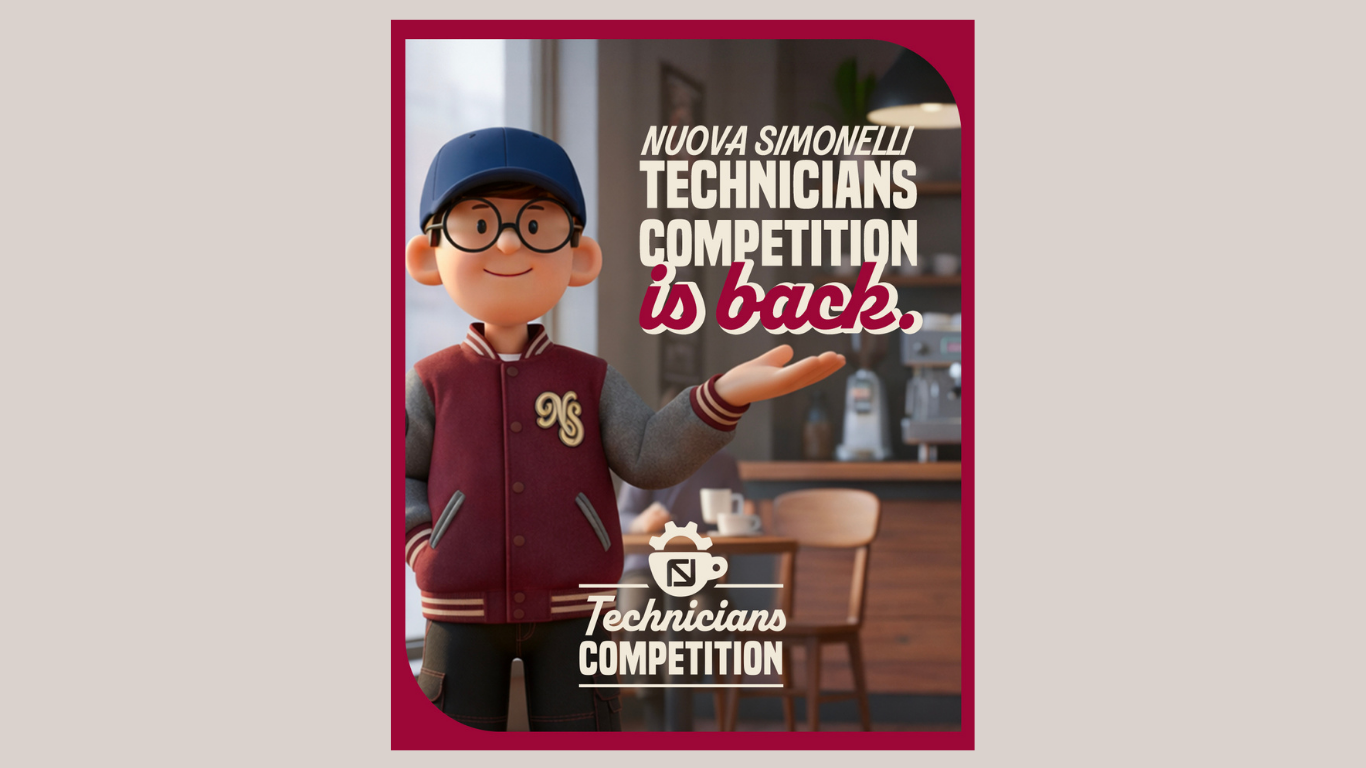
Nuova Simonelli Technicians Competition Returns for 2026  

Author: Qahwa World – Dubai
Source: Industry announcement
Date: May 14, 2026
Executive Summary

  • The Nuova Simonelli Technicians Competition is back after its first edition in France
  • The 2026 edition expands to new international stages in Paris, London, and the Middle East
  • The competition begins with an online technical quiz that selects 8 finalists
  • Finalists then face hands-on practical challenges on espresso machines
  • Judges evaluate speed, precision, machine knowledge, and safety practices
  • The event celebrates technicians who work behind the scenes in the coffee industry

The Nuova Simonelli Technicians Competition is returning in 2026. After its first edition in France, the event is now expanding to new international markets including Paris, London, and the Middle East.

The competition focuses on espresso machine technicians. These professionals typically work behind the scenes. Yet they play a vital role in coffee quality, equipment reliability, and cafe performance.

Origins of the competition

The competition first launched in France. Organizers created it to showcase the skills, experience, and professionalism of coffee machine technicians. These workers often remain unseen by customers. Nevertheless, they maintain the equipment that baristas rely on every day.

Nuova Simonelli, the Italian espresso machine manufacturer, organizes the event. The company aims to highlight the strategic importance of technicians in delivering quality service and reliable products.

What sets this competition apart

The Nuova Simonelli Technicians Competition stands out for its hands-on, practical approach. It tests real-world skills that technicians use daily.

The competition begins with an online technical quiz. From this stage, organizers select eight technicians who qualify for the final round.

In the final stage, participants face practical challenges on espresso machines. These include simulated malfunctions, adjustments, and real technical interventions. The tasks mirror everyday work scenarios in coffee shops and service centers.

Speed, precision, machine knowledge, and operational efficiency all go under evaluation. Technical judges assess performance based on workplace safety, organization, technical expertise, and the ability to maintain excellent coffee quality.

Expansion to new markets in 2026

In the coming weeks, the competition will launch new international stages. The confirmed locations include Paris, London, and the Middle East.

This expansion confirms the global nature of the initiative. Nuova Simonelli aims to create real opportunities for exchange, professional growth, and knowledge sharing across key international markets.

Industry context: Coffee machine technicians play a critical role across the entire supply chain. Their work ensures operational continuity, consistent quality, and customer satisfaction in cafes worldwide.

Celebrating the technicians

Through this initiative, Nuova Simonelli celebrates the crucial role technicians play. They provide baristas with reliable, high-performing, and long-lasting equipment. Their work supports operational continuity, consistent quality, and end-customer satisfaction.

The event is more than just a competition. Organizers describe it as a platform for training, networking, and showcasing technical expertise.

How to participate

Technicians ready to join the next editions of the competition can apply through dedicated registration pages. Separate application links are available for the Dubai and United Kingdom editions.

Frequently Asked Questions

What is the Nuova Simonelli Technicians Competition?
It is an international competition for espresso machine technicians. Participants demonstrate their skills in diagnosing and repairing coffee equipment under timed conditions.

Where will the competition take place in 2026?
The competition will take place in Paris, London, and the Middle East. Specific venues and dates are available through the official registration pages.

How does the competition work?
Participants first complete an online technical quiz. The top eight scorers advance to a final round of hands-on practical challenges on espresso machines.

What skills are tested?
Judges evaluate speed, precision, machine knowledge, operational efficiency, workplace safety, organization, and the ability to maintain coffee quality.

Who can participate?
The competition is open to espresso machine technicians. Interested candidates should apply through the official registration pages for their region.

Why is this competition important?
Technicians play a crucial but often invisible role in the coffee industry. They ensure equipment remains reliable and performs well, which directly affects coffee quality and customer satisfaction.


Author: Qahwa World – Dubai
Source: Industry announcement
Date: May 14, 2026

FIX Dessert Chocolatier Launches “Messages from the UAE” at Kite Beach

Community installation invites residents to share messages of kindness and positivity in collaboration with Careem

Dubai, UAE – Qahwa World

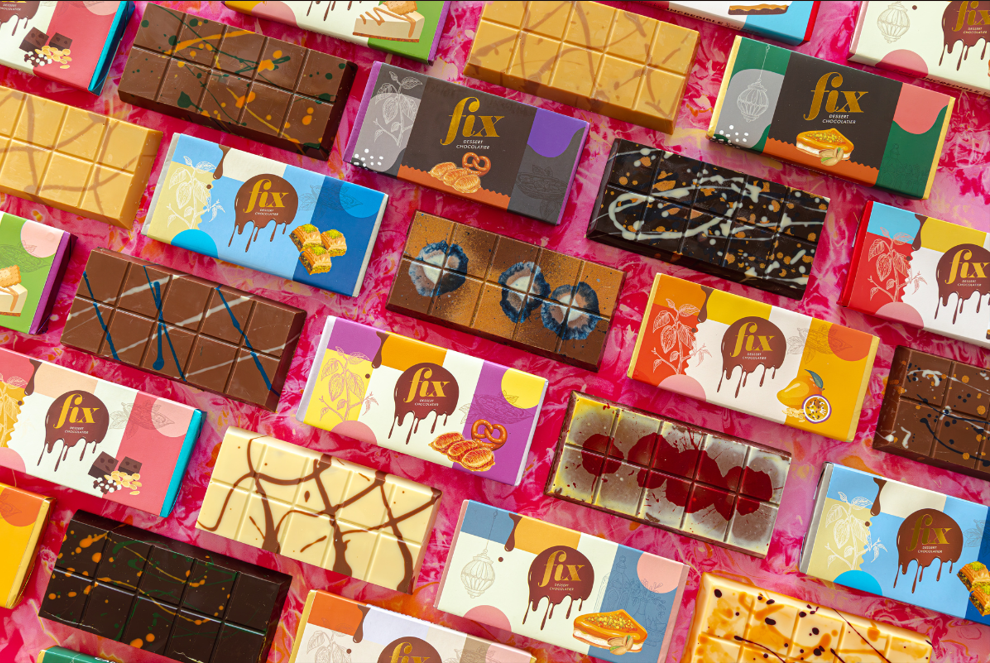
FIX Dessert Chocolatier, the home-grown brand behind “The Original Dubai Chocolate,” will host a two-day interactive community installation at Kite Beach on 9–10 May, encouraging residents to share personal messages of kindness, unity, and positivity.

In partnership with Careem, the activation will run daily from 4pm to 12am and centres around a large-scale digital “FIX Hero Box.” Visitors will be invited to contribute messages via tablets, which will form a live word cloud displayed as part of the installation.

The messages collected over the two days will later be curated into artwork and transformed into a limited-edition FIX Hero Box, scheduled for release later this year.

The event will also feature the distribution of more than 5,000 goodie bags containing products and vouchers from UAE-based home-grown brands, including Careem, Humantra, Parker’s, BRED, Karen Wazen, Salt, Bake My Day, Public, Somewhere, Kumo, Shalwa, The Reborn Society, The Scent Library, Polished, House of Habanero, and Fracs, along with additional surprises from FIX.

Sarah Hamouda, Co-Founder of FIX Dessert Chocolatier, said the initiative was inspired by simple acts of human connection and aimed to create a shared space for reflection and community participation. She also highlighted the UAE’s role in supporting local brands and creative initiatives.

The installation will update in real time throughout the weekend, turning visitor contributions into a live visual artwork at Kite Beach. The final collection of messages will later be featured in a limited-edition product distributed through Careem and at Dubai International Airport (DXB).

The installation opens to the public on Saturday, 9 May at 4pm.

  • Related stories:

Coffee Break Dubai: Government Confidence, Market Shifts, and Hard Truths Facing the Coffee Industry

Mokha 1450 Immersive Coffee Experience Redefines Tasting in Dubai

Dubai Technicians Competition 2026 Returns for 2nd Edition

Yango Group Robots to Serve Coffee at Soil Café in Dubai

Yango Group Robots to Serve Coffee at Soil Café in Dubai

Dubai – Qahwa World

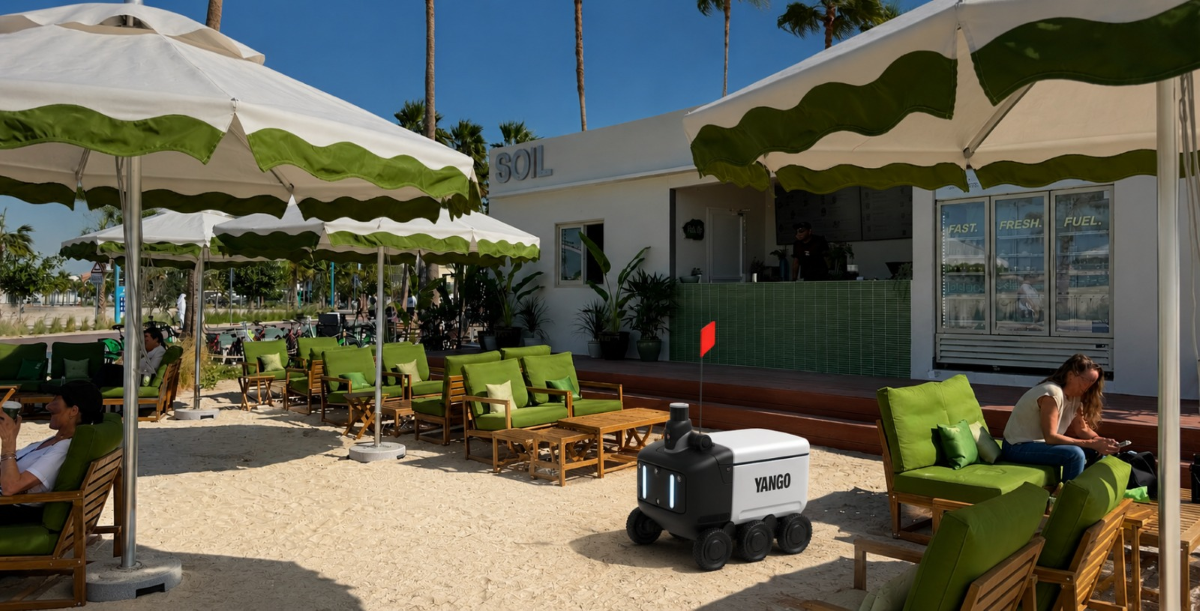
Yango Group robots will deliver coffee to guests at Soil Café on Kite Beach in Dubai from May 8 to 10, bringing the company’s robotics technology into an everyday café setting.

From 3:00 pm to 8:00 pm Yango Group robots will deliver drinks directly to customers, while Yasmina, the company’s AI assistant, will help staff with simple tasks such as answering questions, recommending drinks, and supporting order requests.

The setup is designed to reduce pressure on staff during busy periods and improve service flow, demonstrating how AI and robotics can handle routine interactions while employees focus on higher-value, human-led service. Taking place in a live café environment, the experience also provides a practical demo at how these technologies can be applied across hospitality and retail sectors, where demand for efficiency and scalable service models continues to grow.

Another experiment being conducted by Sweden: Sweden Experiments With a Café Run by an AI Manager

Yango’s delivery robots are already being deployed across urban environments, supporting last-mile logistics and food delivery operations. Designed to navigate sidewalks and pedestrian areas autonomously, they can carry multiple orders, optimize delivery routes, and operate in high-density city settings. In the GCC, Yango Group has partnered with noon to scale autonomous delivery, reflecting growing interest in robotics as a solution to rising demand in e-commerce and food delivery.

Islam Abdul Karim, Regional Head of Yango Group Middle East, said: “Dubai is one of the most dynamic markets globally for testing new technologies, with high customer expectations and a strong appetite for innovation. It’s a natural place to show how AI and robotics can work in real service environments, supporting staff during peak times, improving speed and consistency, and helping businesses manage growing demand. We show how Yango Group technology can help staff to focus on what matters most: customer interaction and experience.

The Soil Café experience forms part of Yango’s broader efforts to develop practical AI solutions across everyday use cases, including mobility, logistics, and customer service.

Coffee Break Dubai: Government Confidence, Market Shifts, and Hard Truths Facing the Coffee Industry

Dubai — Qahwa World

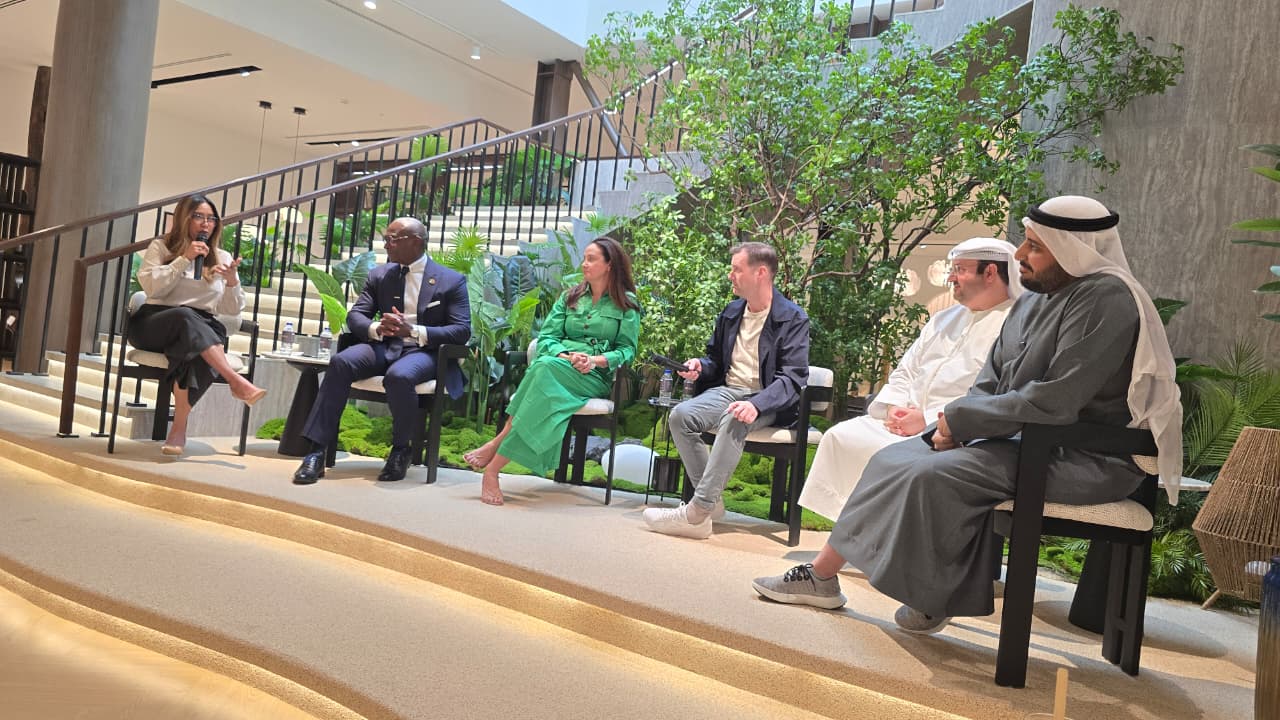
The first Coffee Break forum, held yesterday in Dubai, brought together senior leaders from the coffee, hospitality, logistics, media, and investment sectors to discuss the growing structural pressures facing the global coffee industry.

Organized by Mokha 1450 in partnership with Modora, the event went beyond discussion, offering a detailed real-time reading of how the sector is reacting to overlapping global disruptions.

Despite the complexity of challenges, a consistent theme emerged throughout the sessions: Dubai’s business environment continues to operate with a high level of institutional confidence, repeatedly linked by speakers to government crisis management performance and long-term economic stability.

  • SPEAKERS LIST (FULL PARTICIPANTS)

The session featured a high-level panel including:

  • Abdulla Al Shaibani — Group CEO, Axceed LLC
  • Garfield Kerr — CEO, Mokha 1450 and Former President of the Specialty Coffee Association
  • Khalid Al Mulla — CEO, Dubai Coffee Museum
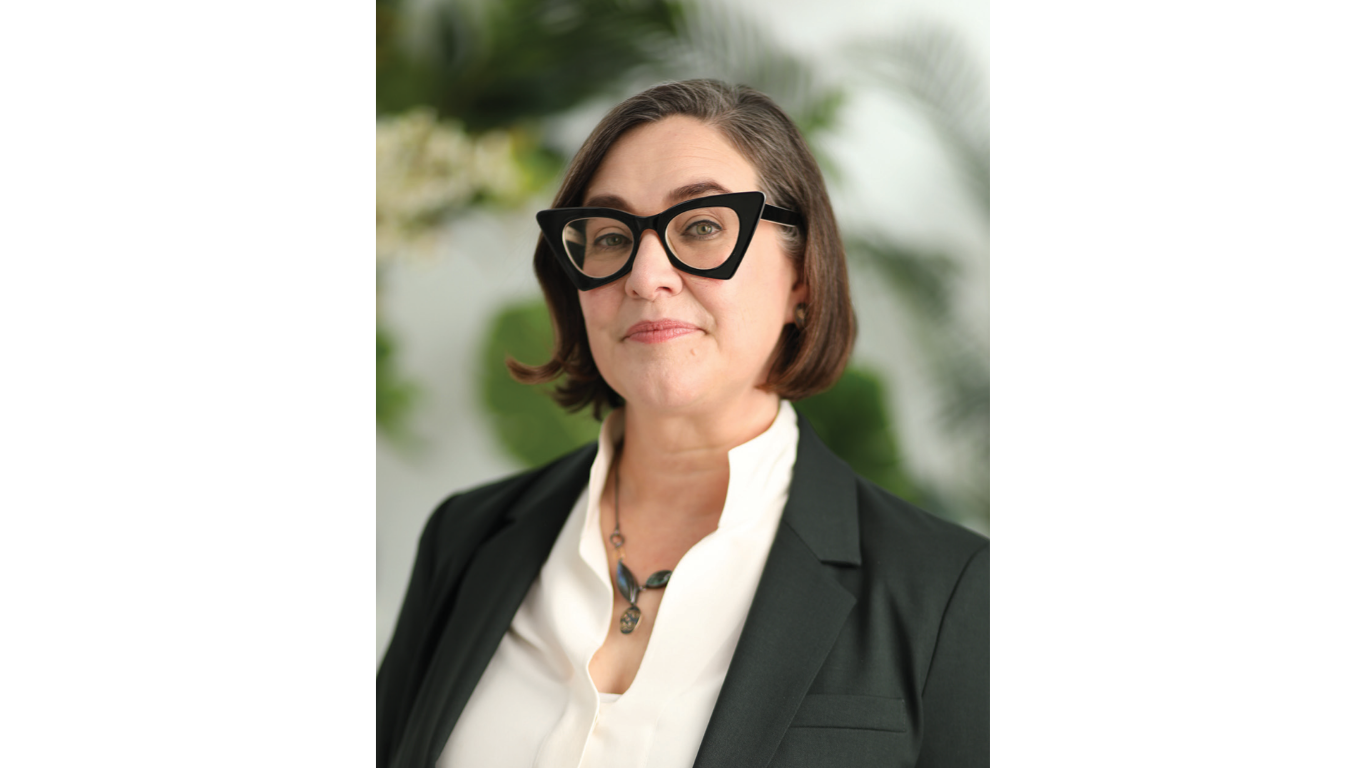
  • Jennifer Pettinger-Haines — Founder and CEO, The GRIF Collective
  • Paul Clifford — Industry Editor and Analyst
  • Zeena Zalamea — Moderator, Broadcaster and Entrepreneur

GOVERNMENT CONFIDENCE AS A CORE BUSINESS FOUNDATION

A central thread across discussions was the role of government performance during crises, particularly the COVID 19 pandemic.

Speakers described how the UAE maintained operational continuity during global shutdowns, reopened faster than most major economies, and minimized long-term disruption to business ecosystems.

This experience created what participants described as a “structural confidence layer” that continues to shape decision-making today.

Rather than reacting defensively to current market pressures, companies are maintaining operations, focusing on internal stability, and prioritizing workforce wellbeing.

One speaker emphasized that during crises, the primary concern shifted away from business survival toward emotional and organizational stability within teams, supported by confidence in national systems.

  • ABDULLA AL SHAIBANI: LEADERSHIP UNDER STRUCTURAL CHANGE

Abdulla Al Shaibani highlighted that leadership in the current cycle is no longer defined by expansion, but by resilience management.

He emphasized that the priority for landlords and operators alike is stability rather than aggressive growth, stressing that maintaining continuity with tenants and partners is now the key objective.

He also noted that supporting smaller business ecosystems through flexible operational frameworks is essential during periods of uncertainty.

  • GARFIELD KERR: SUPPLY CHAIN DISRUPTION AND INDUSTRY PRESSURE

Garfield Kerr described significant disruption across global coffee logistics, particularly in air freight and container movement.

He explained that shipping costs have increased sharply, forcing businesses to pause shipments, delay projects, and reallocate inventory already positioned at origin.

He added that specialty coffee operators are now managing a fragile balance between cost pressure and quality preservation, especially as green coffee prices continue to rise globally.

  • JENNIFER PETTINGER-HAINES: THE TWO SPEED MARKET

Jennifer Pettinger-Haines presented data analysis covering approximately 400 venues across Dubai, revealing a clear structural divide:

  • Community cafés and neighborhood venues: growth of 30 to 40 percent in some cases
  • Fine dining restaurants: declines reaching 70 to 80 percent

She explained that this divergence reflects a fundamental shift in consumer behavior toward proximity, affordability, and familiarity.

Community driven venues are benefiting from consistent local demand, while high-end restaurants remain heavily dependent on tourism and discretionary spending.

  • PAUL CLIFFORD: PRICING STRATEGY AND BRAND RISK

Paul Clifford warned against aggressive discounting strategies, stating that repeated price reductions can permanently damage brand perception.

Once a brand is positioned at a lower price point, restoring premium positioning becomes significantly more difficult.

He noted that many operators are instead restructuring offerings by simplifying menus, reducing service formats, adjusting portions, and forming supplier collaborations rather than competing through pricing alone.

  • KHALID AL MULLA: LOGISTICS AND SYSTEM STABILITY

Khalid Al Mulla emphasized that government intervention extends beyond regulation into active operational support during crises.

He referenced past interventions that protected businesses from immediate financial collapse and ensured continuity of operations.

He also highlighted current logistics diversification strategies, including alternative shipping routes and regional port redistribution to reduce dependency on single supply corridors.

  • INDUSTRY TRANSFORMATION ACROSS OPERATIONS

Across the sector, businesses are adjusting core operations:

  • Reduced operating hours in line with demand
  • Workforce restructuring
  • Menu redesign due to cost inflation
  • Ingredient substitution and sourcing recalibration
  • Training program expansion

At the same time, companies are investing in internal capability development to prepare for post-crisis recovery cycles.

  • DIFFERENT ECONOMIC REALITIES WITHIN ONE MARKET

Speakers noted a widening gap between companies:

  • Well capitalized operators are investing and repositioning
  • Smaller operators are focused on survival and liquidity management

Overall performance remains below historical averages, with many businesses operating near break-even thresholds.

  • HOSPITALITY ASSET UNDERUTILIZATION

Hotel infrastructure was identified as an underutilized resource due to reduced occupancy rates.

Proposals included repurposing unused spaces into coworking environments, delivery kitchens, and hybrid operational models to improve asset efficiency.

  • SHIFTING CUSTOMER DEMOGRAPHICS

A key strategic concern raised was the under engagement of younger consumer groups.

Speakers noted that this demographic represents a growing opportunity but requires new approaches in branding, product development, and communication strategy.

  • ORIGIN LEVEL PRESSURE IN THE COFFEE CHAIN

At production level, rising costs and low farmer returns continue to threaten long-term sustainability.

Some producers are exiting the industry entirely, while younger generations are increasingly avoiding agricultural participation.

Sustainability investment and fairer value distribution were highlighted as critical structural requirements.

  • OUTLOOK: CONTROLLED OPTIMISM

Despite challenges, sentiment remained cautiously positive.

Most participants expect partial recovery within 12 to 24 months based on historical cycles in hospitality markets.

A widespread view emerged that current disruptions are cyclical rather than structural, shaping investment and operational decisions across the sector.

  • CONCLUSION

The Coffee Break forum in Dubai highlighted an industry under simultaneous global pressures but actively adapting across every layer of its value chain.

From supply chains to consumer behavior, the sector is undergoing structural recalibration.

At the center of this transition is sustained confidence in the UAE’s institutional stability and crisis management capability, which continues to influence strategic decisions across the industry.

DMCC to Launch Cacao Centre to Accelerate USD 26.2 Billion Global Cocoa Trade Through Dubai

Dubai – Qahwa World

DMCC announces Cacao Centre to accelerate the global cocoa market projected to reach USD 26.2 billion by 2035
New centre to launch with strategic partners Kumbi Cocoa and Ribezzi Group
DMCC hosts 88 companies active across cocoa trading, chocolate manufacturing and confectionary
Builds on DMCC’s proven agri-food cluster model, expanding into cacao trading, processing and innovation
Integration with DMCC FinX will connect global cocoa trade with access to capital, financing, and wealth structuring through a single platform
DMCC – the leading international business district that drives the flow of global trade through Dubai – has announced its intention to launch a Cacao Centre, a new trade platform designed to establish an integrated cacao trading, processing and innovation ecosystem that will further position Dubai as a global hub for agri commodities trade.

The launch forms part of DMCC’s broader expansion of its agri-food commodities offering, leveraging its proven cluster model that has already reshaped global trade flows in coffee and tea. DMCC currently hosts 88 companies active across cocoa trading, chocolate manufacturing and confectionery. The new Cacao Centre will bring this activity together within a more structured platform spanning the full value chain – from sourcing and processing through to branding, distribution and access to finance.

The Centre will be launched in partnership with Kumbi Cocoa, which is focused on building direct, equitable relationships with farming cooperatives, and Ribezzi Group, a diversified conglomerate headquartered in Dubai, which will lead development and execution. Together, the parties will evaluate the feasibility of establishing integrated infrastructure in Dubai capable of storing, trading and processing cacao beans into semi-finished products such as cocoa liquor, cocoa butter, and cocoa powder. This will ultimately serve global markets while enhancing efficiency, transparency and value creation across the cocoa supply chain.

Building on the success of the DMCC Coffee Centre and DMCC Tea Centre, the new platform reflects a growing shift in global agri commodities, where value creation is increasingly driven by integrated market platforms that combine logistics, processing and access to capital. The Cacao Centre will offer state-of-the-art infrastructure and services, including grading, storage, blending, branding and packaging. These capabilities will be directly linked to trade finance solutions for cocoa boards, cooperatives and farmers through DMCC’s FinX platform, providing critical tools in a market defined by price volatility and liquidity constraints.

Ahmed Bin Sulayem, Executive Chairman and Chief Executive Officer, DMCC, said: “Cocoa today is not only about production, but about how value is structured, financed and distributed across the supply chain. With the DMCC Cacao Centre, we are building a platform around that reality. By bringing together producers, traders, manufacturers and capital within a single platform, we are creating the conditions for more value to be captured closer to origin while strengthening Dubai’s role as a global hub for agri-commodities trade. This is a natural extension of our cluster model and the next step in positioning Dubai at the centre of global food and commodities flows.”

Kwadwo Boachie-Adjei, Founder and CEO, Kumbi Cocoa, said: “Kumbi Cocoa’s mission has always been to build transparent and equitable supply chains that directly connect farmers with global markets. As a strategic partner to DMCC, we are proud to support the development of infrastructure that benefits growers while delivering high-quality, traceable cocoa to international markets.”

Mauro Ribezzi, Founder, Ribezzi Group, said: “The global cocoa market is evolving rapidly, and this initiative reflects a forward-looking approach to commodity infrastructure. By integrating sourcing, logistics, trading and processing across continents, the Cacao Centre has the potential to become a new benchmark and a catalyst for the industry.”

Globally, the cocoa market was valued at approximately USD 16.6 billion in 2025 and is projected to reach USD 26.2 billion by 2035. At the same time, the premium chocolate segment – driven by single-origin products, artisanal offerings and health-conscious formats – is expected to grow from USD 31.9 billion in 2024 to USD 40.6 billion by 2030.

Dubai’s role in the cocoa trade remains emergent but is supported by clear growth indicators. In 2023, the UAE imported USD 17.3 million in raw cocoa beans and USD 65.3 million in finished chocolate and cocoa products. Exports of raw beans reached USD 16.4 million, positioning the UAE as the 28th-largest exporter globally. While still nascent, these figures reflect accelerating trade flows across both upstream raw materials and downstream finished goods through Dubai.

Structural imbalances continue to define the global cocoa trade, with West African producers accounting for roughly three-quarters of output yet capturing only a fraction of end-market value. The DMCC Cacao Centre is designed to bridge this gap by directly connecting producers with global buyers, capital and value-added services. In parallel, Dubai’s strength in warehousing, blending and structured trade finance will act as a trade stabiliser, supported by investments in temperature-controlled logistics to safeguard quality and reduce loss. This integrated model brings infrastructure, services and capital into a single platform, enabling a more resilient, transparent and inclusive global cocoa trade.


Coffee Planet continues expansion in the Gulf after 20 years in the UAE

Dubai – Qahwa World

UAE-based coffee company Coffee Planet is planning further expansion across the GCC and selected international markets as it marks 20 years of operations in the region.

The company, which began in 2005 supplying coffee to petrol station convenience stores in the UAE, has since expanded into retail, hospitality, and corporate channels. A roasting facility established in Dubai in 2008 supported its early growth and helped broaden its distribution capabilities.

Coffee Planet now operates across roasting, distribution, retail, and technical services. Its production is based in the UAE, which the company says supports its supply chain and operational flexibility as demand grows.

The company reports it supplies coffee to a wide range of sectors, including hospitality, corporate clients, public sector entities, travel, and retail. It states that its products are used by a significant share of higher-end hotels in the UAE, alongside a wider network of business customers and retail partners.

Over the past decade, Coffee Planet reports a compound annual growth rate (CAGR) of 10.7%, with revenue increasing by 19% in 2025. It says it now serves more than 1,000 business-to-business clients and distributes over 21 million cups of coffee per month across the GCC.

“Allan Jones, Founder & Chairman, said the company has focused on building long-term partnerships and consistent service delivery. He also noted a broader regional shift towards locally based operations, which he said supports responsiveness and scale.”

The company operates a roasting facility in Jebel Ali with an annual capacity of around 5,000 tonnes and a site area of approximately 26,000 sq. ft. It produces a range of coffee products and operates an in-house laboratory for quality control and product development.

Coffee Planet estimates its facility produces more than 450 stock-keeping units (SKUs) per month across its proprietary and private label ranges. It also states that local production has helped reduce reliance on imports and improve supply continuity.

Looking ahead, the company expects roasting volumes to grow by 25–30% in 2026. Planned expansion includes new roasting operations in the UAE and Saudi Arabia, as well as further growth in existing and new markets including the GCC, UK, Egypt, Pakistan, Seychelles, and Singapore.

In addition to its roasting operations, Coffee Planet provides equipment management and technical services, overseeing more than 8,000 coffee machines in the UAE and handling over 2,000 service calls per month, according to the company.

As part of its leadership update, Founder and Chairman Allan Jones will assume the additional role of Chief Executive Officer. The company said the change is intended to align strategic direction with day-to-day operations as it enters its next phase of expansion.

About Coffee Planet
Founded in Dubai in 2005, Coffee Planet is a coffee company operating across roasting, distribution, retail, and related services. It serves business and consumer markets across the GCC and selected international locations, with a portfolio that includes private label production, café operations, and technical support services.

Mokha 1450 presents an immersive coffee Experience at the Palm Jumeirah

Step into an evening of aroma, flavour, and craft, centered around connection

Dubai, UAE  – Qahwa World

Mokha 1450, the UAE-based luxury specialty coffee brand, invites guests to discover coffee through a new lens with an immersive, multi-sensory experience on Saturday, 25 April 2026, at its Coffee Lounge in Golden Mile, The Palm Jumeirah. Created as a space for connection as much as discovery, the evening brings people together over coffee, encouraging conversation, curiosity, and a deeper appreciation for craft.

Designed as a journey through flavor and aroma, the evening unfolds across curated stations, each exploring a different expression of coffee.  From refined zero-proof cocktails to personalized brewing rituals, the experience blends heritage with innovation, offering a deeper understanding of coffee as both a science and an art form, while creating space to pause, connect, and engage.

At the heart of the evening is The Coffee Olfactory Experience, a guided, interactive session that explores the relationship between aroma and taste.  Led by Specialty Coffee Association (SCA)-certified experts, guests will discover the nuances of single-origin beans, the impact of brewing techniques, and the role of glassware in shaping flavor perception.

Across the space, three distinct coffee experiences will be unveiled:

Smoke & Diamonds presents a refined, zero-proof coffee cocktail layered with delicate smoky notes, served over crystal-clear diamond-shaped ice for a striking sensory experience.

The Desert Flower reimagines traditional Arabic coffee into a chilled, modern composition, infused with saffron, honey, and rose water, and served over an ice sphere encasing the UAE’s national flower, the Tribulus Omanense.

Table-Side Brewing offers a more intimate encounter, with baristas preparing coffee directly at the table, allowing guests to engage with the process and explore how technique shapes flavor.

Guests will also experience a curated music journey inspired by the origins of Mokha 1450’s coffee beans, spanning Jamaica, Ethiopia, Cuba, Colombia, and Yemen, creating an atmosphere that reflects the global story behind each cup.

Event Details

Date: Saturday, 25 April 2026

Time: 5:00 PM – 10:00 PM (entertainment from 7:00 PM)

Location: Mokha 1450 Coffee Lounge, Golden Mile Galleria, Building 8, Palm Jumeirah, Dubai

Ticketing

Tier 1

AED 200

Enjoy a 30-minute olfactory experience, followed by canapés and three signature drinks from the stations.

Tier 2

AED 100

Includes three signature drinks from the stations, offering a shorter introduction to the experience.

Booking:

BOOKING LINK

 Venue details:

Mokha 1450 Coffee Lounge

Golden Mile Galleria, Building 8, Palm Jumeirah, Dubai

+971 4 425 4067

With a focus on ethically sourced, single-origin coffees, primarily from women-owned and operated farms, Mokha 1450 continues to push the boundaries of specialty coffee in the region. This latest experience reflects the brand’s commitment to sustainability, craftsmanship, and redefining how coffee is perceived and enjoyed.

Mokha 1450 Coffee Lounge

Golden Mile Galleria, Building 8, Palm Jumeirah, Dubai, UAE

+971 4 425 4067

Mokha 1450 Coffee Boutique

Boutique No.8, Aswaaq Centre, Al Badaa, Al Wasl Road, Dubai, UAE

+971 4 321 6455

Mokha 1450 Coffee Priorists

Emirates Towers, Trade Centre, Dubai, UAE

+971 50 201 4552

Mokha 1450 x Modora

Umm Suqeim Street, Al Barsha Second, Dubai, UAE

+971 56 492 3100

Website: www.mokha1450.com

Instagram: @mokha1450

Tel: +971 4 425 4067

WhatsApp: +971 55 904 5089

Email: [email protected]

Media Inquiry:

WhatsApp: +971 52 794 1117

Email: [email protected]

About Mokha 1450

Mokha 1450 is a UAE-based luxury specialty coffee brand known for ethically sourcing coffee from some of the world’s finest farms, with a particular focus on women producers. Rooted in quality, sustainability, and innovation, Mokha 1450 offers a refined coffee experience across its locations in the Palm Jumeirah, Al Wasl Road, Emirates Towers, and select partner venues across the UAE.