Saudi Coffee A Symbol of Generosity That Shapes Cultural Identity

From Makkah to the Desert Majlis Hospitality Traditions and Heritage Flavors in a Special Report by Sayidaty

Dubai – Qahwa World

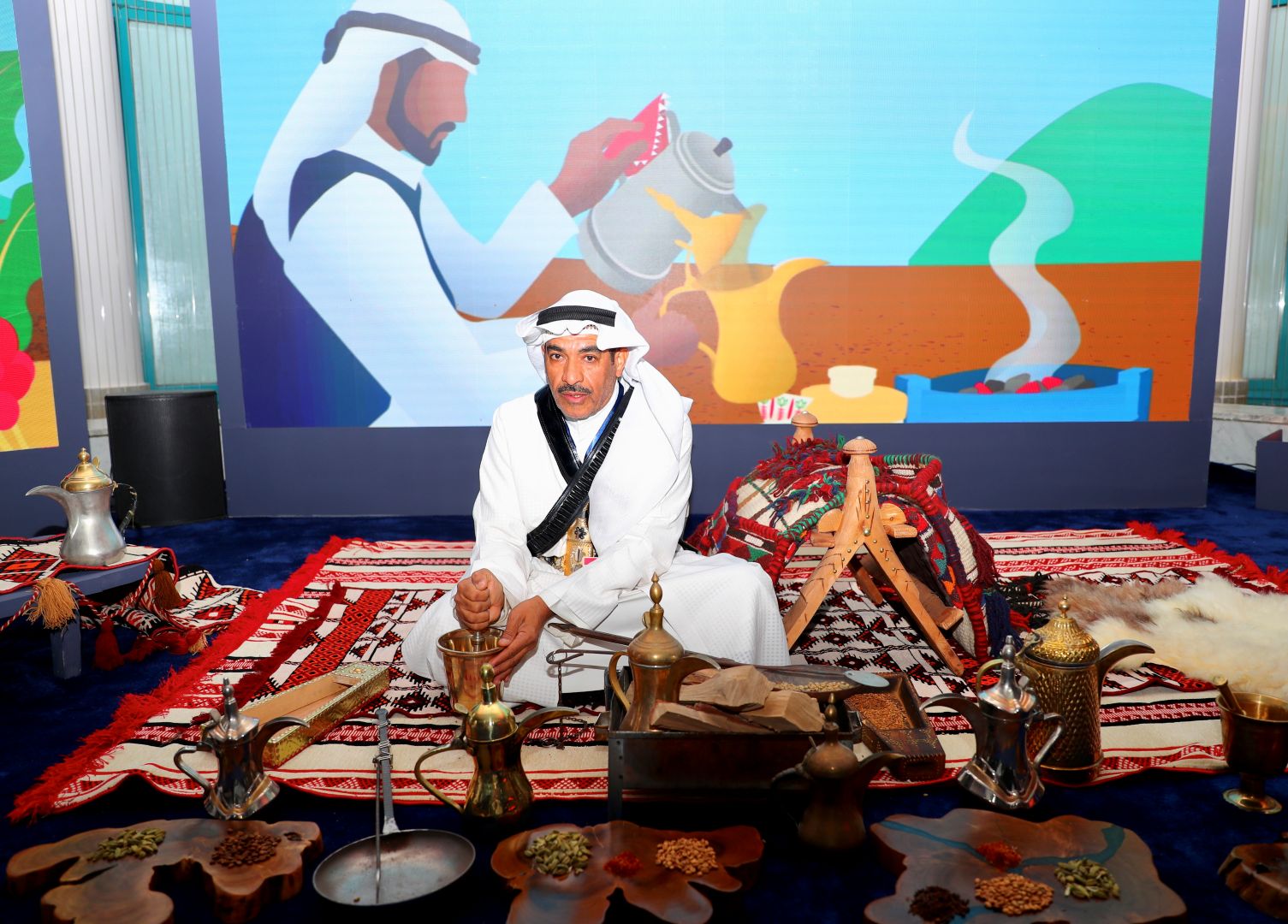
Sayidaty magazine published a special report highlighting Saudi coffee as one of the most prominent symbols of hospitality and generosity in the Kingdom. The report emphasizes its role as a cultural element that reflects the social and historical identity of Saudi society.

The report explains that Saudi coffee is not simply a traditional drink but a deeply rooted cultural practice connected to authentic hospitality rituals. Its aroma, blended with cardamom and incense, represents the first expression of welcome offered to guests. It also notes that this cultural heritage is included in UNESCO’s list of intangible cultural heritage.

According to the report, engineer Abdullah bin Kalib, an expert in coffee heritage, stated that coffee was not originally the primary beverage of hospitality. Earlier traditions included milk and broth before coffee became central to Arab hospitality culture, particularly in the Arabian Peninsula. He added that coffee first appeared in urban centers, especially Makkah, before spreading to desert communities and becoming part of their social and cultural life.

The report highlights that coffee gatherings known as majlis are more than seating areas. They function as social and cultural spaces where values are transmitted, younger generations learn hospitality practices, and communities exchange news, poetry, and conduct social and commercial discussions.

It also discusses the diversity of Saudi coffee in types and preparation methods, including global varieties such as Arabica and Robusta, as well as the rare Khawlani coffee grown in Jazan, known for its distinctive nutty flavor. Regional differences in roasting and preparation contribute to a wide range of taste profiles across the Kingdom.

The preparation process includes roasting, grinding using the traditional mortar, boiling, and adding spices such as cardamom, saffron, ginger, and cloves before serving it in the traditional dallah according to established hospitality customs.

Serving traditions are also highlighted, where coffee is typically offered starting with the eldest guest or from the right side, reflecting respect and social etiquette deeply rooted in majlis culture.

The report concludes by noting the traditional pairing of coffee with dates, along with modern developments such as electric coffee makers and instant coffee. These innovations have helped expand its use while maintaining its cultural significance, ensuring Saudi coffee remains a living symbol of heritage, identity, and hospitality.

How Ramadan’s Coffee Economy is Reshaping Global Supply Chains

By: Kurniawan Arif Maspul

In the hush that falls just before sunset in Riyadh, Jakarta or Dubai, there is a moment of collective suspension. The air is thick with anticipation. Then the call to prayer unfurls, dates are lifted, water is sipped, and almost instinctively, coffee follows. In that simple act — the pouring of Arabic gahwa or the clink of iced kopi susu — lies an economic story far larger than caffeine.

Ramadan’s night-time coffee economy has become a revealing lens on strategic development, soft power and resilience across the Middle East and Southeast Asia.

Coffee is no minor indulgence in these regions. UNESCO has inscribed Arabic coffee on the List of Intangible Cultural Heritage, describing it as a symbol of generosity and dialogue. That symbolism now intersects with hard numbers. The Middle East coffee-beans market is valued at roughly US$2.2 billion and rising, fuelled by youthful demographics and a booming speciality café culture. In the UAE alone, coffee sales exceed AED 12 billion — about US$3.2 billion — with an extraordinary 93 per cent consumed outside the home. Saudi Arabia pours an estimated 36 million cups a day, sustaining more than 61,000 cafés and a branded coffee-shop sector worth around US$1.38 billion in 2024, up more than 11 per cent in a single year.

Indonesia, meanwhile, stands at the other end of the supply chain and yet increasingly at its centre. The world’s fourth-largest producer and fifth-largest consumer of coffee exported US$1.63 billion worth of beans in 2024 and shipped more than 200,000 tonnes globally in the first half of 2025 alone. Domestic consumption has climbed from 4.45 million to 4.8 million bags in just five years. What was once dismissed locally as an ‘old people’s drink’ has become an emblem of urban modernity. The result is a strategic corridor stretching from the highlands of Sumatra and Sulawesi to the neon-lit cafés of the Gulf.

Ramadan intensifies this corridor. The month reprograms economic time. Daylight commerce slows; nighttime consumption surges. Saudi marketplaces teem until dawn. Cafés extend trading hours to 3 am, hiring additional staff, absorbing higher electricity costs and generating concentrated bursts of revenue. While some studies have noted short-term GDP dips during Ramadan — one estimate put the UAE’s pre-pandemic Ramadan contraction at around US$1.4 billion — Gulf economists argue that such metrics miss the point. The month’s economic pulse shifts rather than disappears. Expenditure moves into food and beverage, into shared experiences, into what urban planners now call the ‘night-time economy’.

For oil-dependent states pursuing diversification under strategies such as Saudi Vision 2030, this nocturnal vitality is not incidental. It is structural. Coffee shops have become micro-engines of non-oil growth, social cohesion and even labour-market flexibility. Extended hours generate VAT receipts and service-sector employment. They also cultivate what might be described as social capital — the intangible glue of trust and belonging that underpins political stability.

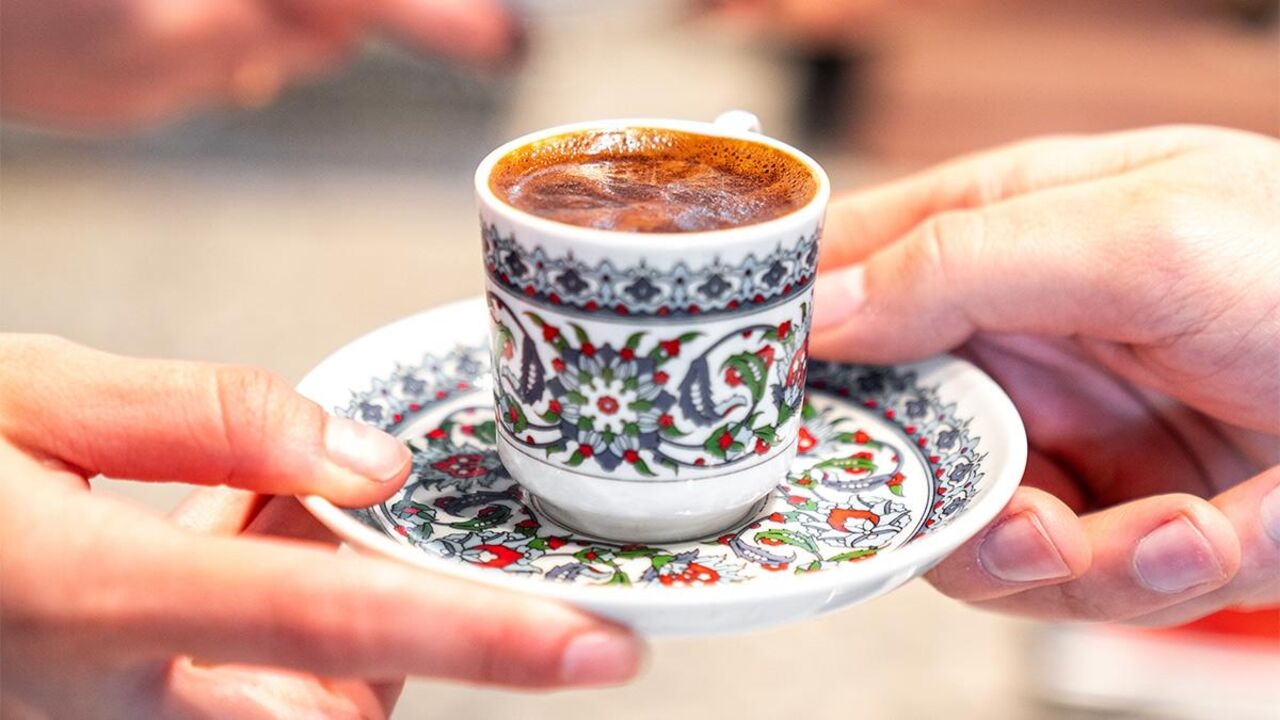
In Ramadan, cafés function as modern majlis: spaces where business is discussed, grievances softened, and generational divides bridged over small porcelain cups.

This is not merely sociological poetry. It is geopolitics by other means. Analysts at the USC Centre on Public Diplomacy have described coffeehouses as unconventional yet strategic venues of soft power. Indonesia has embraced this logic overtly, deploying ‘coffee diplomacy’ during state visits and at multilateral forums to showcase regional blends as symbols of cultural diversity. Gulf states, too, leverage coffee ritual as a narrative. A cup of gahwa offered to a visiting dignitary signals continuity between Bedouin hospitality and hyper-modern skylines.

Trade flows reinforce this symbolism. Egypt has emerged among Indonesia’s top coffee destinations. Gulf importers, wary of climate volatility in Brazil and Vietnam, are diversifying towards Southeast Asian suppliers. Dubai’s ports handled around AED 3.5 billion (nearly US$1 billion) in green coffee trade in 2024, consolidating the emirate’s role as a re-export hub. These exchanges deepen South–South ties at a time when the global trading system feels brittle.

Yet the aroma of opportunity is tinged with anxiety. Climate change looms over the bean belt. The World Bank has warned that rising temperatures and erratic rainfall threaten vast swathes of Arabica-growing regions. Around 125 million livelihoods globally depend on coffee. In Indonesia, 98 per cent of farms are smaller than two hectares, acutely vulnerable to shifting weather patterns and pests such as coffee rust. Sustainability is no longer a boutique concern; it is a strategic necessity.

Regulatory currents amplify the pressure. The European Union’s deforestation regulations are reshaping expectations of traceability and environmental compliance. The Global Coffee Platform reports that certified sustainable coffee now accounts for roughly 21 per cent of global exports among participating members, and the share is climbing. Saudi Arabia has launched its own Coffee Sustainability Initiative, embedding traceability and eco-friendly standards into domestic policy. Climate adaptation programmes in Indonesia, including partnerships backed by USAID and private firms, aim to equip smallholders with shade-tree systems, improved irrigation and resilient varieties.

In this context, Ramadan’s coffee economy offers a microcosm of the broader transition. The surge in demand during fasting nights underscores both interdependence and fragility. Supply chains must flex across time zones and hemispheres. Ports, logistics firms and roasters coordinate around lunar calendars as much as market signals. The cup cradled after tarawih prayers is the endpoint of a chain that begins on a hillside vulnerable to climate stress.

There is, in this choreography, a subtle lesson for strategic policy. Economic diversification cannot be abstract. It must be anchored in lived culture. The success of Gulf coffee sectors lies partly in their ability to fuse heritage — UNESCO-listed rituals of hospitality — with hyper-modern retail ecosystems and global sourcing. Indonesia’s ascent reflects a similar fusion: smallholder traditions intersecting with urban start-ups and digital payment platforms.

For middle powers navigating an unsettled century, the lesson extends far beyond any single region. Coffee is no longer a peripheral commodity drifting quietly through global trade statistics. It has become a living artery of influence, binding Latin America to East Asia, Africa to the Gulf, and Europe to Southeast Asia. What looks like a simple supply chain is, in truth, a network of shared vulnerability and shared possibility.

Across continents, coffee sustains the livelihoods of roughly 120 million people. It anchors export revenues in producing nations and fuels vast consumer markets in cities that rarely see a coffee tree. It connects smallholder farmers on two-hectare plots to urban professionals in glass towers. It is traded in billions of dollars, regulated under tightening environmental standards, and scrutinised under new deforestation and traceability regimes. A bean grown in one hemisphere now carries the climate anxieties, labour politics and sustainability expectations of another.

In this sense, coffee has become a quiet instrument of geopolitical relevance. Commodity chains once dismissed as mundane are emerging as platforms of influence. Whoever shapes the standards shapes the market. Whoever finances climate adaptation secures a long-term supply. Whoever tells the story of origin and sustainability builds soft power. Development banks, multinational corporations and regional blocs are no longer bystanders; they are architects of the future of the cup.

There is something deeply human in this. Coffee houses have always been spaces of exchange — of ideas, of grievances, of ambition. Today, that exchange stretches across oceans. Muslim-majority societies share ritual and trade through coffee, but so too do communities divided by language, ideology or geography. From highland farms to cosmopolitan cafés, the chain weaves culture into commerce and development into daily habit.

In a fragmented world tempted by economic nationalism and strategic suspicion, such connective tissue matters profoundly. Climate shocks in one producing country reverberate through prices and politics elsewhere. Regulatory shifts in one bloc reshape farming practices across continents. Stability in rural regions abroad becomes inseparable from consumer confidence at home. Interdependence is no longer theoretical; it is brewed fresh each morning.

The deeper truth is this: power in the twenty-first century will not rest solely on military strength or technological supremacy. It will also rest on stewardship — of supply chains, of standards, of sustainability, of trust. Coffee offers a glimpse of that alternative grammar of power. It demonstrates that resilience can be cultivated, that influence can be infused through partnership rather than pressure.

A single cup, lifted at dawn or shared at dusk, carries more than aroma. It carries the labour of distant hands, the risk of changing climates, the weight of regulation and the promise of cooperation. In that humble ritual lies a quiet proposition for the global order: prosperity, like coffee, is strongest when grown together, traded fairly and shared across borders.

As the final sips are taken before dawn and cities quieten again, the economic ledger of Ramadan will show more than receipts. It will record an annual rehearsal of adaptation: of how societies bend time, commerce and ritual to coexist. In that rehearsal lies a model of strategic resilience. The steam rising from a small cup in the early hours carries with it more than aroma.

It carries the possibility that tradition, when aligned with innovation and sustainability, can anchor a region’s future — and quietly reshape the geopolitics of a global commodity.


Mokha 1450 Launches Rare Cuban Coffee in Dubai for the First Time

Dubai – Qahwa World

Year after year, Mokha 1450 continues to reinforce its distinctive annual tradition of celebrating innovation and achievement, while honoring the creators behind them—its exceptional team. As a leading name in the luxury specialty coffee sector in Dubai and the UAE, the brand remains committed to showcasing excellence at every level.

This annual celebration traditionally takes place on the sidelines of the World of Coffee Dubai exhibition, bringing together an elite group of industry leaders, including farmers, producers, traders, coffee professionals, and coffee enthusiasts from around the world. Beyond recognizing the team’s efforts, the event also marks the launch of a rare and prestigious specialty coffee edition each year.

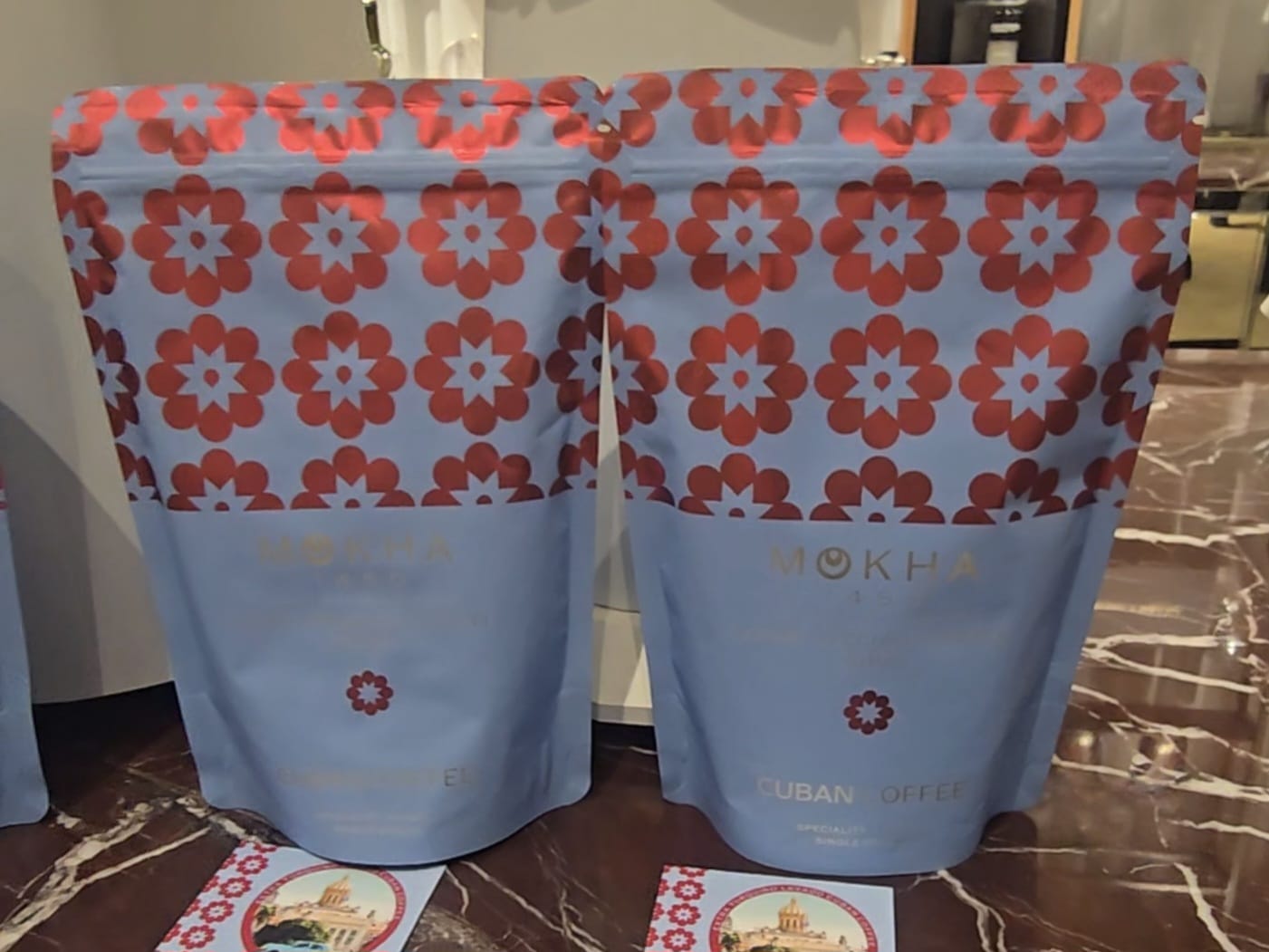
This year, Mokha 1450 unveiled its latest limited release: the rare Cuban coffee “Extra Turquino Lavado,” considered one of the finest and rarest coffees in Cuba. The coffee originates from the Nipe–Sagua–Baracoa region, a globally recognized biodiversity hotspot and a UNESCO World Heritage Site listed as the “Archaeological Landscape of the First Coffee Plantations in the Southeast of Cuba.”

  • Unprecedented Attendance

This year’s celebration stood out for its unprecedented attendance, both in scale and caliber. The event welcomed senior officials, entrepreneurs, and leading figures from the global coffee industry, alongside coffee lovers and members of the Dubai and UAE community.

In his keynote address, Mr. Garfield Kerr, CEO of Mokha 1450, welcomed guests and described the event as exceptional, marking a significant transitional phase in the brand’s journey.

Kerr began by congratulating Mr. Andrew Tully on his appointment as President of the Specialty Coffee Association and welcomed a former SCA president, thanking both for their presence and support.

He stated: “The World of Coffee exhibition has been truly outstanding. If you’ve enjoyed this exceptional organization, the credit goes to Mr. Khaled Al Mulla, Chairman of the Specialty Coffee Association UAE. Much of the hard work happens behind the scenes, and that effort is the key to this event’s success.”

He added a special note of thanks to Mr. Andres, saying: “While everything looks perfect upon arrival, there are major challenges behind the scenes. Thanks to Khaled and Andres, everything comes together seamlessly in the end.”

Kerr emphasized that Mokha 1450’s message this year was also directed at newcomers to the coffee industry:
“The greatest minds in coffee are gathered here. If you’re looking to validate investing in this sector, this is the place to be. We meet every year to showcase innovation and shape the future of coffee.”

  • Arabic Coffee and the Palace Recipe

Garfield Kerr revealed that this year’s innovation at Mokha 1450 was crafted by Ms. Sigrid Ballard, featuring a creative reinterpretation of Arabic coffee.

“Many of our guests have never tasted Arabic coffee before, so we created a coffee cocktail inspired by it—perhaps for the first time, to my knowledge. I firmly believe that understanding any new innovation begins with tasting the original.”

He explained that Mokha 1450 had previously avoided serving Arabic coffee due to its deeply personal and cultural nature. That changed after a unique experience with a coffee-loving minister, during which a special Arabic coffee recipe was prepared inside a palace in Abu Dhabi.

“After returning to Dubai, we received a call requesting that exclusive palace recipe. This is the coffee we are serving you today, alongside Sigrid’s newly developed blend for comparison.”

Kerr noted that while “Crystal Coffee” remains one of Mokha 1450’s most iconic innovations, the Arabic coffee project holds a special place within the brand.

  • A Human Gesture and Special Tribute

In a heartfelt and dignified gesture, Kerr paid tribute to Julian, one of Mokha 1450’s earliest team members, who is no longer with the company but played a foundational role in its success.

“Julian was our first manager, and everything Mokha 1450 has achieved today is thanks to him. He challenged traditional coffee rules and relied on experimentation rather than theory alone.”

Kerr added that Julian possesses one of the finest palates in the industry, having won the UAE Coffee Tasting Championship and reached the semifinals of the World Championship. He now resides in London, where he works as a senior coffee roaster.

  • The Rare Cuban Coffee

Kerr concluded his speech by presenting this year’s rare coffee release, praising the efforts of Joey, a member of the Mokha 1450 team.

“We always strive to offer exceptionally rare coffees, and Cuban coffee is a perfect example. To my knowledge, we are the only specialty coffee café in Dubai serving Cuban coffee.”

He revealed that sourcing this edition required three years of continuous effort, beginning with initial contact with the Cuban Embassy during Expo, and expressed his hope that guests would truly enjoy this extraordinary coffee.

Xinhua: Coffee Shifts from Social Tradition to Daily Habit in Jordan

AMMAN — Qahwa World

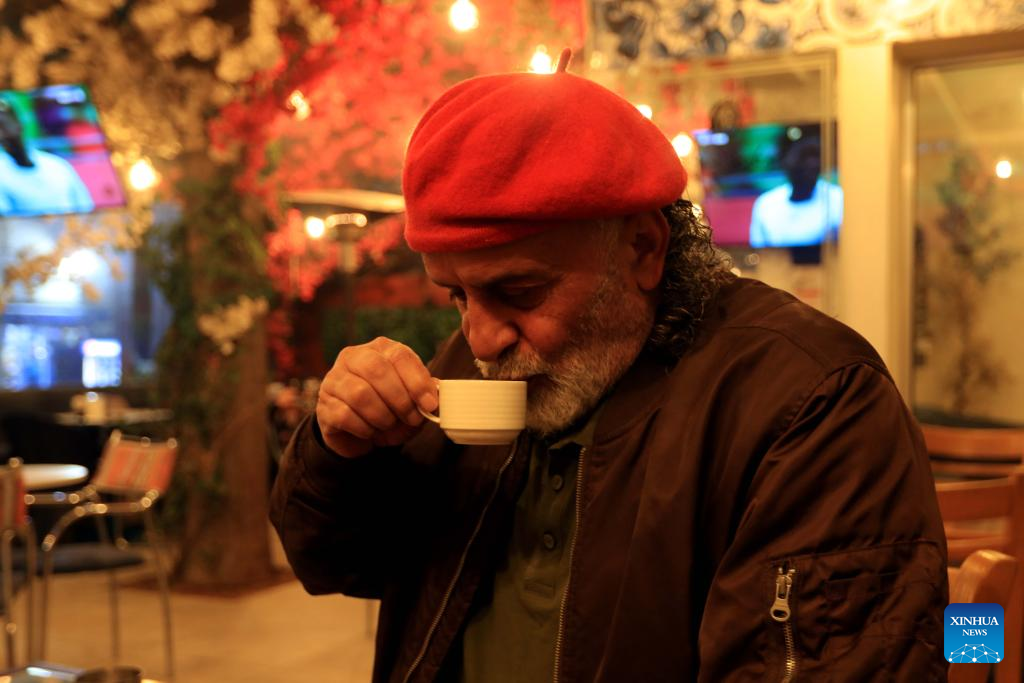
Xinhua News Agency has published a report highlighting the growing role of coffee in Jordanian daily life, as changing lifestyles and urban expansion reshape long-standing consumption patterns across the country.

According to the report, coffee in Jordan is no longer limited to social occasions and formal gatherings. Instead, it has become a regular part of everyday routines, particularly in urban centers such as the capital, Amman, where specialty cafés continue to expand.

Amin Alasoufi, head of the Economic Studies and Research Department at the Amman Chamber of Industry, was quoted as saying that coffee has evolved from a symbol of hospitality into a daily consumer product. He noted that population density, urbanization, and changing work and social habits have contributed to rising demand.

Official data cited in the report show that Jordan imported more than 55,600 tons of coffee in 2024, valued at 151.2 million Jordanian dinars, or approximately 213 million U.S. dollars. Average annual per capita consumption has reached around 5 kilograms, indicating steady and sustained growth.

The expansion of the café sector reflects this trend. The number of cafés operating nationwide has exceeded 1,664, marking a 9.6 percent increase compared with 2023. Many cafés now serve as multipurpose spaces for social gatherings, informal meetings, and study sessions.

Xinhua also quoted Mohammad Odeh, who opened a specialty coffee shop in western Amman three years ago, as saying that coffee consumption remains stable regardless of economic conditions. He explained that while consumers may reduce spending in other areas, coffee continues to be a daily necessity.

From a social perspective, the report cited sociologist Fadia Ibrahim, who attributed the shift to broader changes in social behavior. She noted that traditional Arabic coffee continues to symbolize hospitality, respect, and social cohesion, particularly during weddings, funerals, and reconciliation events. At the same time, modern cafés appeal to younger generations seeking flexible social spaces and diverse flavor options.

In downtown Amman, traditional Turkish coffee houses continue to operate alongside modern cafés, reflecting a balance between heritage and contemporary lifestyles. Saif Abdulmunem, owner of Central Cafe, one of the city’s oldest cafés established in the 1930s, told Xinhua that while modern café concepts have influenced the market, traditional cafés still attract customers seeking authenticity and familiar social environments.

The report concluded that for many Jordanians, the cultural meaning of coffee outweighs distinctions between traditional and modern settings. Ahmad Khalil, a 42-year-old employee from Amman, was quoted as saying that coffee is always the first thing offered to guests, regardless of the occasion, as a sign of respect and hospitality.

The timeless tradition of coffee: a journey through Ramadan and Eid

By: Medina Ilyas

Ah, the allure of Arabic coffee! It’s not just a drink; it’s a cultural voyage that captivates the senses and warms the soul.

My fascination with this aromatic brew began 16 years ago, with a single cup of Arabic coffee with cardamom offered by my future mother-in-law.

Since then, I’ve been immersed in the world of Arabic coffee – qahwa, delighting in every aspect of its rich tradition.

Join me on a journey through the heartwarming rituals that surround Arabic coffee with spices, especially during the holy month of Ramadan and the festive celebration of Eid.

Ramadan, a time of fasting and reflection, is also a time for community and connection.

As the sun sets, families gather to break their fast with iftar, where qahwa takes center stage.

During Ramadan, every house I come to the first thing that people are offering are qahwa from the Arabic traditional coffee pot – dalla and dates and this is how people are breaking the fast. It was such a surprising experience to me.

Arabic coffee isn’t just a drink during these occasions; it’s a symbol of hospitality and welcome.

The act of preparing and serving qahwa is a gesture of generosity, inviting guests to partake in a shared experience.

The aroma of freshly brewing methods of qahwa signals all to come together, fostering conversations that transcend boundaries.

In the Arab world, refusing a cup of coffee can be equivalent to refusing friendship.

Accepting this gesture is more than just accepting a drink; it’s accepting an invitation into someone’s life.

During Ramadan and Eid gatherings, conversations flow freely, fueled by the warmth of qahwa and the spirit of togetherness.

In my own family, qahwa has always been at the heart of our iftar gatherings.

The daily ritual of brewing qahwa for my loved ones is a cherished tradition, filling our home with its rich aroma and bringing us closer together.

As Ramadan draws to a close, the celebration of Eid al-Fitr begins.

Qahwa continues to play a central role in these festivities, symbolizing gratitude and togetherness. The preparation of coffee becomes a communal activity, with each cup poured symbolizing hospitality and warmth.

As we celebrate Eid al-Fitr, let’s remember the timeless tradition of qahwa.

Let’s savor its flavors and aromas, cherishing the moments of connection and joy it brings.

Join us on this aromatic journey, as we share stories, honor traditions, and embrace warmth—one sip at a time.

Eid Mubarak to all!