Used Coffee Grounds Could Make Concrete Stronger, Study Finds
- Australian researchers convert coffee waste into biochar that strengthens concrete. The discovery highlights how coffee grounds concrete stronger techniques may benefit the industry.
- Replacing 15% of sand with biochar increased concrete strength by 29.3%, showing how coffee grounds concrete stronger when incorporated through this method.
- Coffee grounds are heated to 350°C without oxygen to produce biochar, indicating part of the process that can help make coffee grounds concrete stronger in new construction practices.
- Australia produces 75 million kg of coffee waste annually; globally, 10 billion kg.
- Carbon emissions reduced by 26% when using 15% biochar instead of sand.
- 50 billion tons of sand used annually in construction, threatening natural resources.
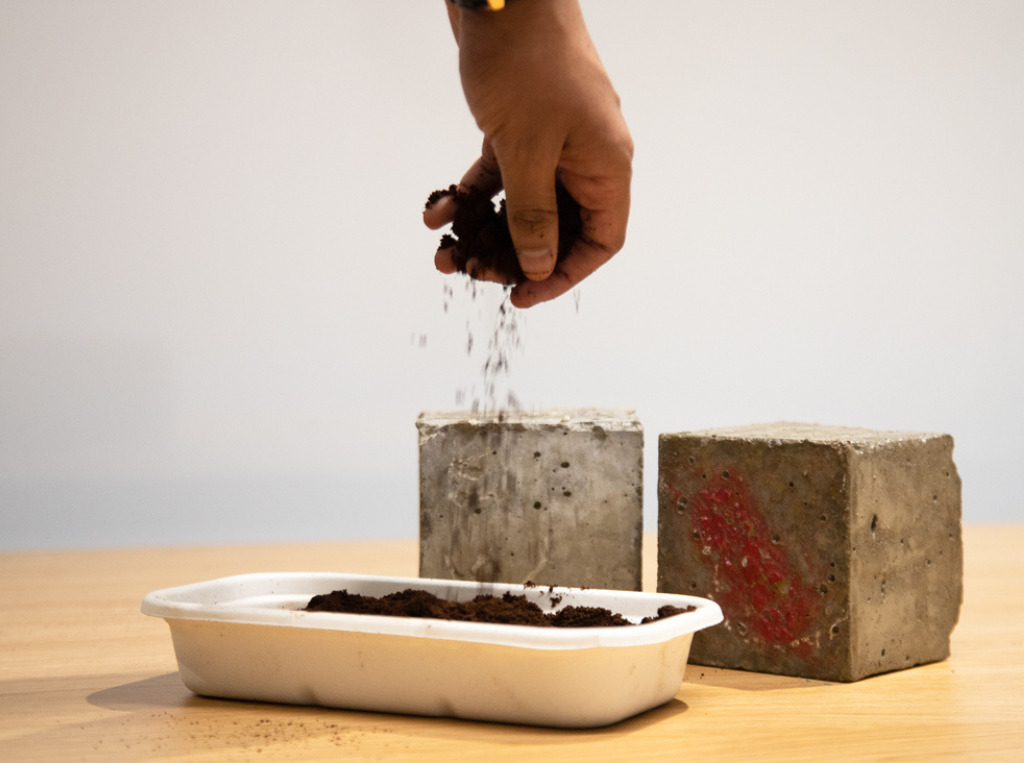
Researchers at RMIT University in Melbourne have found that waste coffee grounds can be converted into a biochar that strengthens concrete while reducing the amount of natural sand required. The research was published in the Journal of Cleaner Production in 2023. And so, using coffee grounds concrete stronger becomes a viable outcome for future applications.
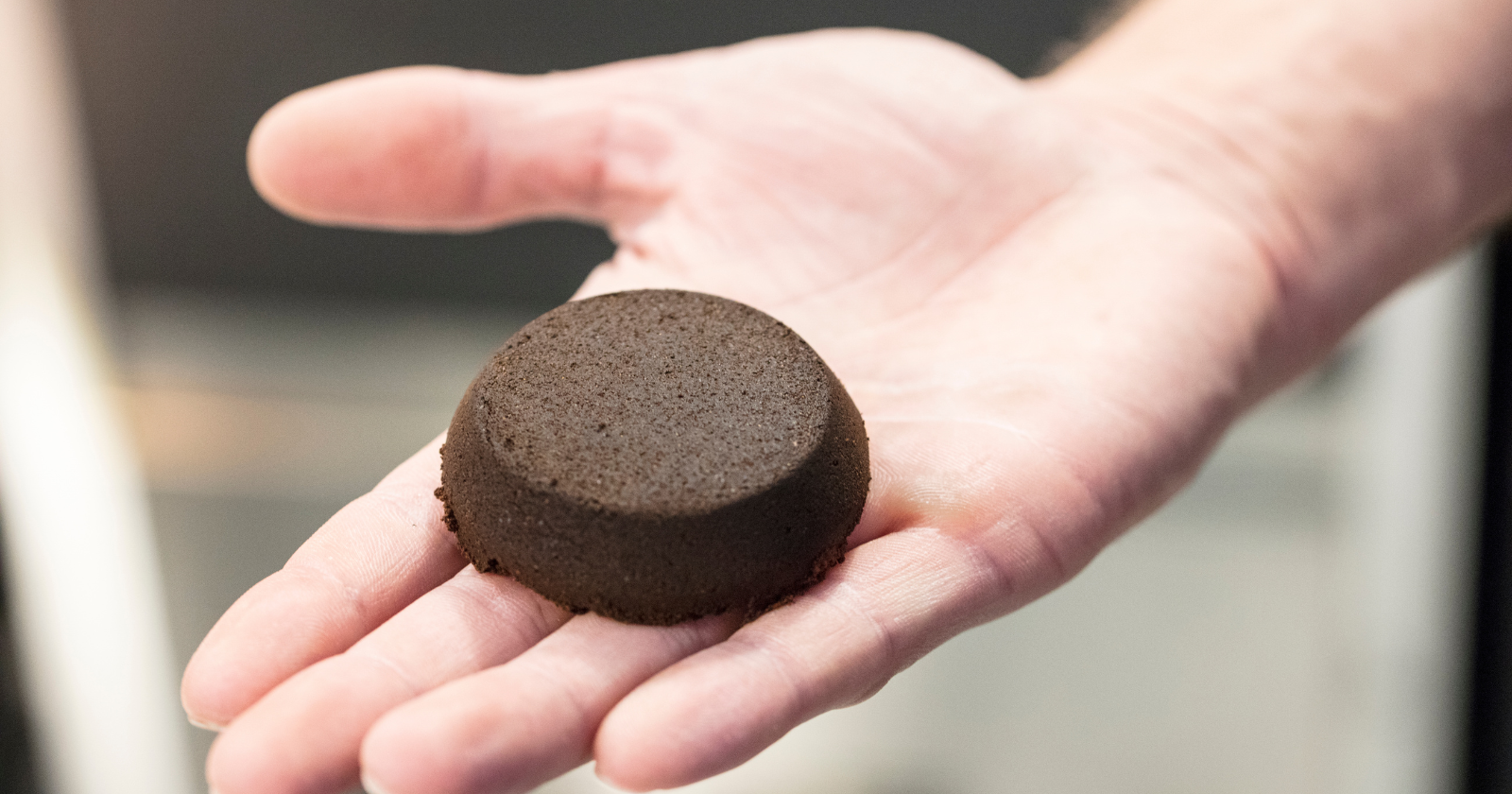
The researchers heated used coffee grounds to 350 degrees Celsius in an oxygen-free process, turning them into a charcoal-like material known as biochar. They then used the biochar to replace part of the natural sand in a concrete mixture.
Key Results: 29% Stronger Concrete
The strongest result came when biochar replaced 15% of the sand by volume. The resulting concrete recorded a 29.3% increase in compressive strength compared with conventional concrete containing plain sand.
Raw coffee grounds cannot simply be added to concrete. They contain organic compounds that can interfere with the cement-setting process and weaken the resulting material. To overcome this problem, the RMIT team heated the grounds to 350 degrees Celsius without oxygen. This process chars the material rather than burning it, producing a porous, carbon-rich biochar that can be incorporated into concrete.
| Sand Replacement | Compressive Strength Increase | Carbon Emission Reduction |
|---|---|---|
| 5% | – | 15% |
| 10% | – | 23% |
| 15% | 29.3% | 26% |
Solving Two Environmental Problems at Once
The approach could address two environmental challenges at the same time: the disposal of organic waste and the growing demand for natural sand in construction. Australia produces an estimated 75 million kilograms of ground coffee waste each year, much of which ends up in landfill. The global figure is estimated at around 10 billion kilograms.
Although sand may appear abundant, the type required for concrete is increasingly under pressure. Desert sand is generally too smooth and rounded for effective use in concrete, meaning construction often relies on more angular sand extracted from rivers and other sources.
Why the Temperature Matters
The researchers found that the temperature used to produce the biochar affected its performance. Biochar produced at 350 degrees Celsius performed better than material produced at 500 degrees Celsius. Microscopic analysis showed that the biochar produced at the higher temperature was more porous and had extensive micro-cracking, which the researchers suggested resulted from greater thermal degradation.
Reducing Carbon Emissions and Fossil Fuel Use
A life-cycle assessment reported reductions in carbon emissions of 15%, 23% and 26% when biochar replaced 5%, 10% and 15% of the sand, respectively, along with lower fossil-fuel use.
Research Still at an Early Stage
The findings are promising, but they do not yet establish that coffee-ground biochar concrete is ready for widespread construction use. The research was conducted at laboratory scale, and compressive strength is only one of the properties engineers consider when assessing concrete.
Long-term durability remains an important question. Concrete used in real structures must withstand years of exposure to changing environmental conditions and repeated loading. The researchers need to establish how coffee biochar concrete performs over much longer periods and under real-world conditions.
The team has already moved beyond laboratory testing through a coffee-concrete footpath trial. Future research will need to examine long-term durability, variations in coffee ground properties, consistency during large-scale production, and whether the energy required to produce biochar remains environmentally and economically viable at scale.
Frequently Asked Questions
How is coffee ground turned into biochar?Coffee grounds are heated to 350°C in an oxygen-free process, transforming them into a porous, carbon-rich biochar.
What percentage of sand can be replaced with biochar?The best result came from replacing 15% of sand with biochar, achieving a 29.3% increase in compressive strength.
Can raw coffee grounds be added directly to concrete?No, raw coffee grounds contain organic compounds that interfere with cement setting and weaken concrete. They must first be converted to biochar.
How much coffee waste is produced globally?Approximately 10 billion kilograms of coffee waste are produced worldwide each year.
What are the environmental benefits of this technology?It recycles organic waste, reduces demand for natural sand, and lowers carbon emissions by up to 26%.
Is this technology ready for commercial use?Not yet. Research is still in early stages, with further study needed on long-term durability and large-scale production.