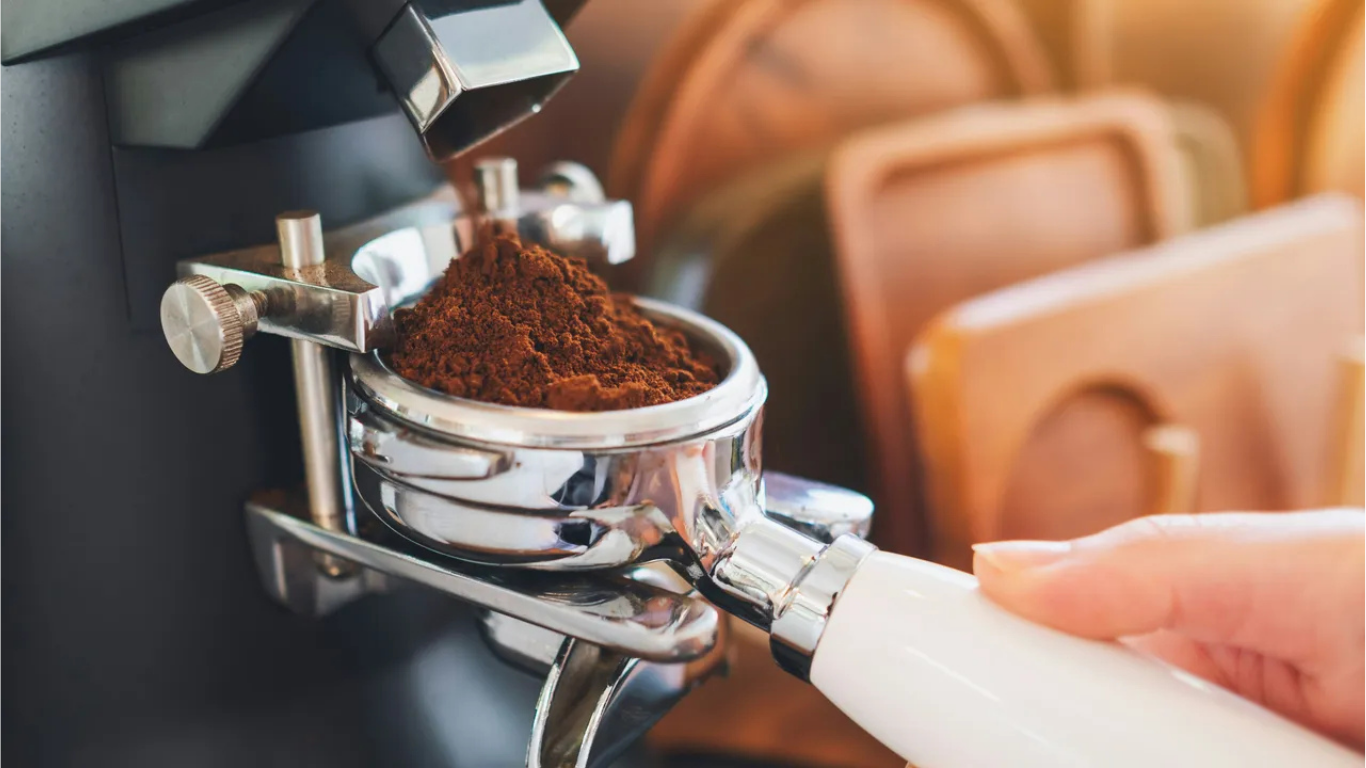
Spent Coffee Grounds Converted Into Raw Material for Biofuels

Source: Universitat Rovira i Virgili / Biomass and Bioenergy journal
Author: Qahwa World
Date: July 27, 2026

Spent Coffee Grounds Converted Into Raw Material for Biofuels

  • Researchers developed an efficient method to extract oil from spent coffee grounds for biodiesel production.
  • Optimal conditions: 45°C for 60 minutes with 35 ml hexane per gram of dry residue.
  • The process recovers approximately 90% of available oils from coffee grounds.
  • The extracted oil has very low impurity content of 0.3% compared to 3.9% in traditional methods.
  • The remaining lignocellulosic material can be used for bioethanol, lactic acid, and sustainable aviation fuel.
  • Global coffee production generates approximately 10 million tonnes of waste annually.
  • The process supports circular economy and renewable fuel development for hard-to-electrify sectors.

Spent coffee grounds can have a second life. They are typically thrown away after brewing. However, researchers have found a way to extract oil from them efficiently. This oil can serve as a raw material for producing biodiesel.

A study by the Universitat Rovira i Virgili has evaluated how to extract oil from coffee grounds. The process preserves the rest of the plant material. This allows it to be utilized in other processes as well.

The Research Study

The research was published in Biomass and Bioenergy journal. It focuses on spent coffee grounds as an abundant waste product. Global coffee bean production stands at around 10 million tonnes per year. Only a small proportion ends up in the brewed coffee. The remainder becomes solid waste in the form of coffee grounds.

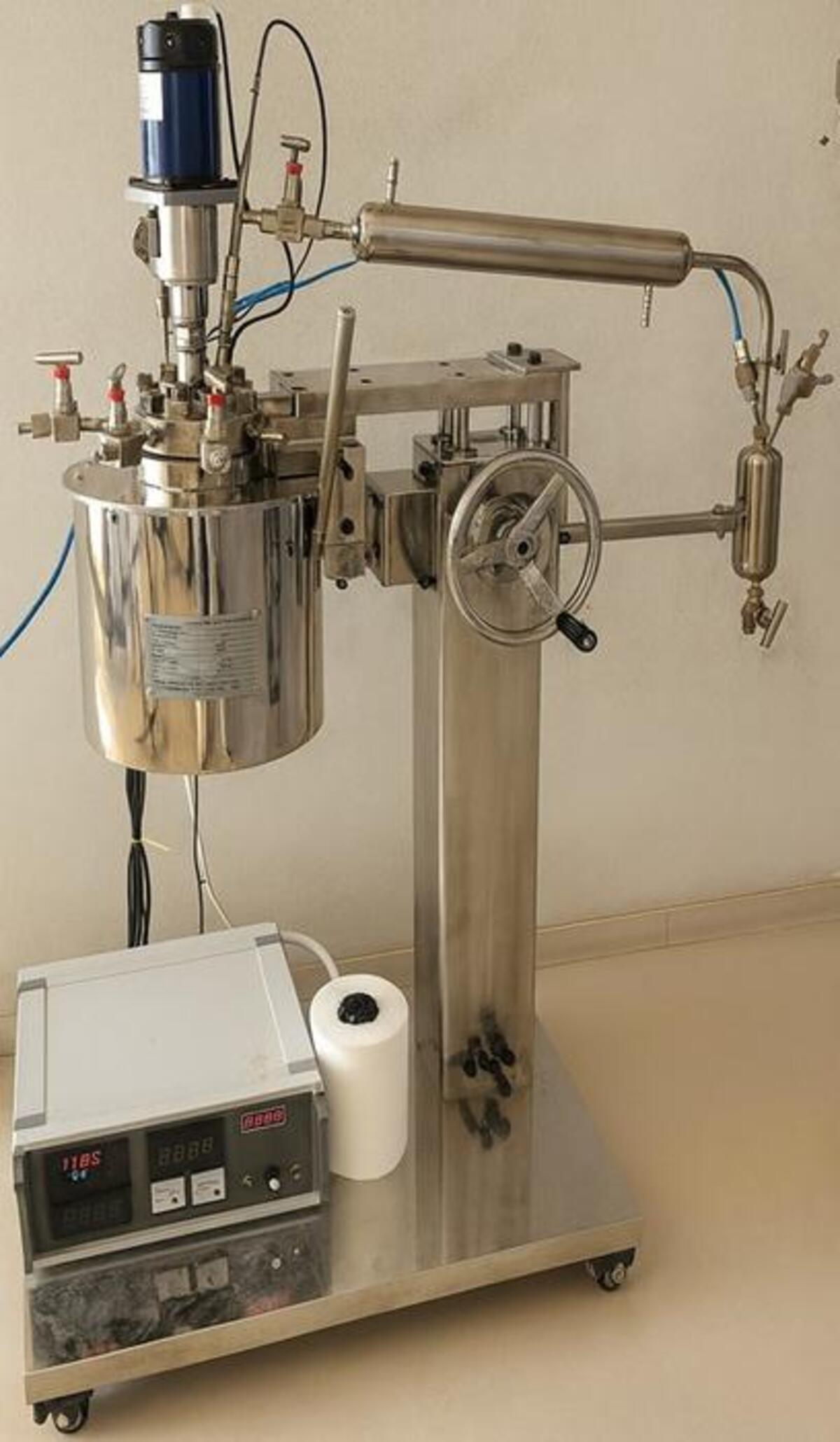
Coffee grounds contain approximately 15% lipids. These fats can serve as a basis for producing biodiesel. The research team studied how three key factors influence oil extraction: temperature, processing time, and solvent-to-coffee-grounds ratio. They used n-hexane as the solvent and applied an experimental design to analyze the combined effects.

Optimal Conditions for Oil Extraction from Coffee Grounds
Parameter Optimal Value
Temperature 45°C
Processing Time 60 minutes
Solvent-to-Coffee Ratio 35 ml hexane per gram of dry residue
Oil Recovery Approximately 90% of available oils
Oil Impurity Content 0.3%

Key Findings

The research team, comprising Jorge F. Romero, Alberto Tampieri, Daniel Montané, Magdalena Constantí, and Francesc Medina, found optimal conditions at 45°C for 60 minutes. The ratio of 35 millilitres of hexane per gram of dry residue proved most effective. With these parameters, the process recovers approximately 90% of the oil that can be obtained with Soxhlet extraction.

Soxhlet is a laboratory technique widely used as a reference. It offers high yields but requires more time and energy. It is not as suitable for industrial applications. The optimized process yields oil with very low impurity content of 0.3%. In contrast, Soxhlet yields oil with 3.9% impurities. The fatty acid profile remained stable under different test conditions. It was dominated by linoleic and palmitic acids. These components indicate the oil’s potential for biodiesel production.

Beyond Oil: Preserving the Lignocellulosic Matrix

“In our study, we also demonstrate that extracting the oil does not mean that the rest of the material cannot be used for something else,” pointed out Francesc Medina. One of the research objectives was to preserve the lignocellulosic matrix. This matrix is made up of components such as cellulose, hemicellulose, and lignin.

These ingredients can be used to obtain other products. These include bioethanol, lactic acid, polyhydroxyalkanoates, precursors for sustainable aviation fuels, and phenolic compounds. The extraction process not only recovers oils but also acts as a pretreatment. The fats in the residue can prevent solvents or catalysts from accessing the rest of the biomass. Removing this barrier leaves the fat-free residue in a better state for subsequent use.

Comparison with Other Methods

The research team compared their method with ultrasound- and microwave-assisted extraction. These alternatives can accelerate the initial extraction. However, they do not offer a sufficient advantage in terms of oil quality, overall efficiency, energy demand, and scalability. The batch process with n-hexane under moderate conditions appears to be a better, more balanced option. It is more suitable for integration into a biorefining strategy.

Circular Economy and Renewable Fuels

The research forms part of efforts to develop techniques for a circular economy. It addresses the need to develop renewable fuels for hard-to-electrify sectors, such as heavy transport. By using every part of the coffee grounds, the researchers transform a typically underused waste product into various energy vectors and bio-based chemical products. This reduces the environmental impact associated with its accumulation.

Daniel Montané explained that this approach paves the way for the sustainable production of biofuels. The research demonstrates how coffee waste can become a valuable resource rather than an environmental burden.

Implications for the Coffee Industry

This research has significant implications for the coffee industry. It offers a way to reduce waste and generate additional value from coffee production. Coffee roasters, coffee shops, and instant coffee producers could potentially benefit from this technology. The process can be scaled for industrial applications, turning waste into a revenue stream.

The circular economy approach aligns with growing consumer demand for sustainable practices. Coffee companies could enhance their sustainability credentials by adopting such technologies. The research also contributes to reducing the environmental impact of coffee production.

Frequently Asked Questions

What are spent coffee grounds?Spent coffee grounds are the solid waste left over after brewing coffee. They contain approximately 15% lipids that can be extracted for biodiesel production.

How much oil can be extracted from coffee grounds?The optimized process recovers approximately 90% of the available oils from spent coffee grounds.

What are the optimal extraction conditions?The optimal conditions are 45°C for 60 minutes with 35 ml of hexane per gram of dry residue.

What happens to the remaining coffee grounds after oil extraction?The remaining lignocellulosic material can be used to produce bioethanol, lactic acid, sustainable aviation fuels, and other valuable products.

How does this research support sustainability?It promotes a circular economy by turning coffee waste into valuable products, reducing environmental impact and supporting renewable fuel production.

How much coffee waste is generated globally?Global coffee production generates approximately 10 million tonnes of waste annually, with only a small portion ending up in the brewed coffee.

US Military Turns Coffee Waste into Field Explosive Charges

Source: Pentagon – Defense One Tech Summit |
Author: Qahwa World |
Date: June 28, 2026

US Military Turns Coffee Waste into Field Explosive Charges

Key Takeaways:

  • The Pentagon reveals successful field tests by US Marines in manufacturing explosive charges using locally available materials such as coffee waste, coconut fibers, volcanic rock, and recycled plastic bottles.
  • The tests used 3D printers and mobile manufacturing equipment in the Indo-Pacific region.
  • Field-produced charges achieved 25% better concentration characteristics compared to traditional factory-made explosives.
  • The military aims to reduce manufacturing time by up to 99% and reduce reliance on vulnerable long supply chains.
  • The project is inspired by lessons from the Ukraine war on rapid development and production of military technologies during combat.
  • The strategy includes deploying mobile manufacturing units to operational areas and making government patents available to the private sector.

A senior Pentagon official has revealed successful field tests conducted by US Marines in manufacturing explosive charges using locally available materials such as coffee waste, coconut fibers, volcanic rock, and recycled plastic bottles.

The announcement came during the Defense One Tech Summit held on Tuesday, June 16, 2026, in Arlington, Virginia. Joseph Jewell, Assistant Secretary of Defense for Science and Technology, showcased the project as a living example of the Pentagon’s new direction toward rapid field manufacturing.

Successful Test Details: Coffee and 3D Printers

US units used mobile manufacturing equipment and 3D printers to produce explosive charges in the Indo-Pacific region. Jewell said: “All of the test models exploded successfully, and volcanic rock was the most effective. The amazing thing is that this was manufactured with a 3D printer. You reduce the time to point of use by up to 99 percent, using materials readily available in the local environment.”

Jewell added that the field-produced charges achieved 25% better concentration characteristics compared to traditional factory-made explosives. This performance improvement reflects the ability of field manufacturing to adapt formulations according to local conditions and available materials.

Material Source Effectiveness
Coffee Waste Daily waste High
Coconut Fibers Natural local materials High
Volcanic Rock Geological materials Most effective
Recycled Plastic Bottles Plastic waste Medium to high

Lessons from Ukraine: Speed of Development During Combat

Jewell directly linked these tests to lessons learned from the Russia-Ukraine war, which demonstrated the ability of armies to develop, produce, and deploy new technologies during active combat. He noted that Ukraine successfully built a vast drone industry at record speed, prompting the Pentagon to reassess its traditionally slow research, development, and manufacturing strategies.

The war in Ukraine showed that long supply chains can be a significant vulnerability, and the ability to manufacture rapidly in the field gives forces a decisive advantage on the battlefield. This lesson has driven the Pentagon to adopt the “point-of-use manufacturing” model as a strategic priority.

Future Vision: Mobile Manufacturing at Point of Use

The new US vision relies on deploying mobile manufacturing units that can be transported to operational areas, enabling forces to produce their needs directly in the field. This model aims to reduce risks from targeting long supply chains, especially in a large-scale conflict scenario in the Indo-Pacific region, where US units are dispersed across remote islands that are difficult to support logistically.

The broader strategy includes strengthening collaboration with universities and the private sector, investing in artificial intelligence and biomanufacturing, and making hundreds of government patents freely available to defense companies to accelerate the transformation of ideas into field applications.

Benefit Impact
Manufacturing time reduction Up to 99% compared to traditional methods
Improved explosive performance 25% better concentration
Use of local materials Reduced supply chain dependence
Reduced logistical risk Protection from supply targeting
Operational flexibility Ability to adapt to local conditions

Collaboration with Private Sector and Universities to Accelerate Innovation

The Pentagon’s broader strategy includes strengthening collaboration with universities and the private sector, investing in artificial intelligence and biomanufacturing. Additionally, the department has announced it will make hundreds of government patents freely available to defense companies, aiming to accelerate the transformation of ideas into deployable field applications.

This step reflects a fundamental shift in Pentagon philosophy, from a slow, closed research and development model to an open, rapid model that relies on partnerships with the private sector and academia. The ultimate goal is to ensure US forces can adapt quickly to evolving battlefield challenges.

Frequently Asked Questions About Coffee Waste Explosives

Q: How can coffee waste be turned into explosives?

A: Coffee waste is used as a carbon material in explosive formulations. It is combined with other materials and processed using 3D printers to produce effective explosive charges.

Q: Is this technology safe for field use?

A: Yes. All test models exploded successfully in field tests, showing better performance than traditional explosives in some characteristics.

Q: What are the main advantages of field manufacturing?

A: Manufacturing time reduction of up to 99%, improved explosive performance, reduced dependence on long supply chains, and increased field flexibility.

Q: How do forces benefit from Ukraine war lessons?

A: Ukraine demonstrated the ability to develop and produce new technologies during combat, prompting the Pentagon to adopt a faster, more flexible manufacturing model.

Q: What other materials are used in these tests?

A: Materials include coconut fibers, volcanic rock, and recycled plastic bottles.

The project to convert coffee waste into explosive charges represents a paradigm shift in the concept of military field manufacturing. By utilizing local materials and 3D printing technologies, the Pentagon aims to build a more resilient force less dependent on traditional supply chains. This model, inspired by lessons from modern warfare, may redefine how armies are equipped in the future.

Prepared and edited by: Qahwa World – Based on statements by the Assistant Secretary of Defense for Science and Technology at the Defense One Tech Summit, June 16, 2026.

All rights reserved. Republication with attribution permitted.

Publication date: June 28, 2026

Korean Innovation Transforms Coffee Waste into High-Performance Thermal Insulation

SEOUL – Qahwa World

As the global search intensifies for effective solutions to both the climate crisis and the growing burden of organic waste, a recent scientific breakthrough offers an unexpected answer from within a coffee cup. A study published in Biochar (2026) reveals that researchers from Jeonbuk National University have developed a high-performance thermal insulation material made entirely from coffee waste. In other words, the team successfully created coffee waste thermal insulation with remarkable properties.

Led by Sung Jin Kim and Seong Yun Kim, the research team successfully engineered an eco-friendly material that matches the efficiency of top-tier petroleum-based industrial insulators. This development marks an important milestone in coffee waste thermal insulation innovation.

  • The Context: Millions of Tons of Coffee Waste

Coffee is the second most traded commodity in the world after crude oil. This immense global consumption generates approximately 8 million tons of spent coffee grounds (SCG) annually. Most of this waste ends up in landfills, where it decomposes and releases methane, a greenhouse gas significantly more potent than carbon dioxide, or is incinerated, contributing to air pollution.

This environmental challenge provided the foundation for the study, which aims to convert coffee waste into a valuable resource for the construction industry by using it for coffee waste thermal insulation.

  • The Technical Challenge: Enhancing Porosity

The effectiveness of thermal insulation depends largely on a material’s ability to trap air, as stagnant air is a natural insulator. However, raw coffee waste has relatively low porosity, around 46 percent, making it unsuitable for direct use.

To overcome this, researchers subjected the coffee waste to a controlled carbonization process at 700 degrees Celsius. Unlike conventional methods that use inert atmospheres, this process was conducted in an ambient atmosphere, allowing oxygen to interact with the material. This reaction expanded the internal structure, increasing porosity to an impressive 71 percent.

The resulting material, known as biochar, features a network of macropores that effectively trap insulating air. Therefore, the study showed that coffee waste thermal insulation could provide significant benefits compared to traditional options.

  • Breakthrough Innovation: Pore Restoration Technology

A major obstacle emerged when integrating the porous biochar with binding materials. Typically, liquid polymers seep into and clog pores, reducing insulation performance.

To address this, the team developed an innovative pore restoration technique:

Protective mixture: Biochar is combined with a green solvent, propylene glycol.
Molecular shielding: The solvent temporarily fills the pores and prevents the binding polymer, ethyl cellulose, from entering during processing.
Final evaporation: After forming the panels, the solvent is removed under vacuum conditions, restoring the material’s porous structure.

This process enabled the material to achieve a thermal conductivity of 0.04 W m⁻¹ K⁻¹, comparable to conventional polystyrene insulation without the associated environmental harm.

  • Real-World Applications: Smarter Solar Buildings

The study extended beyond laboratory testing to simulate real-world applications, particularly in building-integrated photovoltaic systems. Solar panels generate electricity but also produce significant heat that can increase indoor cooling demands.

When the coffee-based insulation was applied beneath solar panels, it effectively reduced heat transfer and kept indoor spaces cooler. This dual-function solution addresses both waste management and energy efficiency.

  • Sustainability and Biodegradability

Unlike traditional insulation materials, which can persist in the environment for centuries, the coffee-based material is biodegradable. Tests showed that it lost more than 10 percent of its weight within 21 days when exposed to natural enzymes, indicating its potential to return safely to the environment as a carbon-rich soil additive.

  • A Vision for the Future

This innovation represents more than just a new building material. It reflects a broader shift toward total sustainability in the coffee sector. By transforming waste into a high-value construction resource, the research opens pathways for collaboration between coffee producers and the building industry.

It is a compelling example of how science can convert everyday waste into advanced solutions that support environmental protection and sustainable urban development, with coffee waste thermal insulation standing out as a promising advancement.

From Cup to Concrete: How Coffee Waste Is Building a Greener Future

Dubai – Qahwa World

Two years after Australian researchers first turned yesterday’s espresso shots into tomorrow’s building material, the “coffee concrete” revolution is no longer a lab curiosity. It is now being used on the streets of Victoria and reshaping how the world thinks about waste.

As a coffee expert who has spent two decades tracing every bean from farm to cup, I can say this: the humble spent coffee ground, once a soggy pile thrown away without a second thought, is now a high performance material in the construction industry. In 2026, the story is getting even better.

The Science, Brewed to Perfection

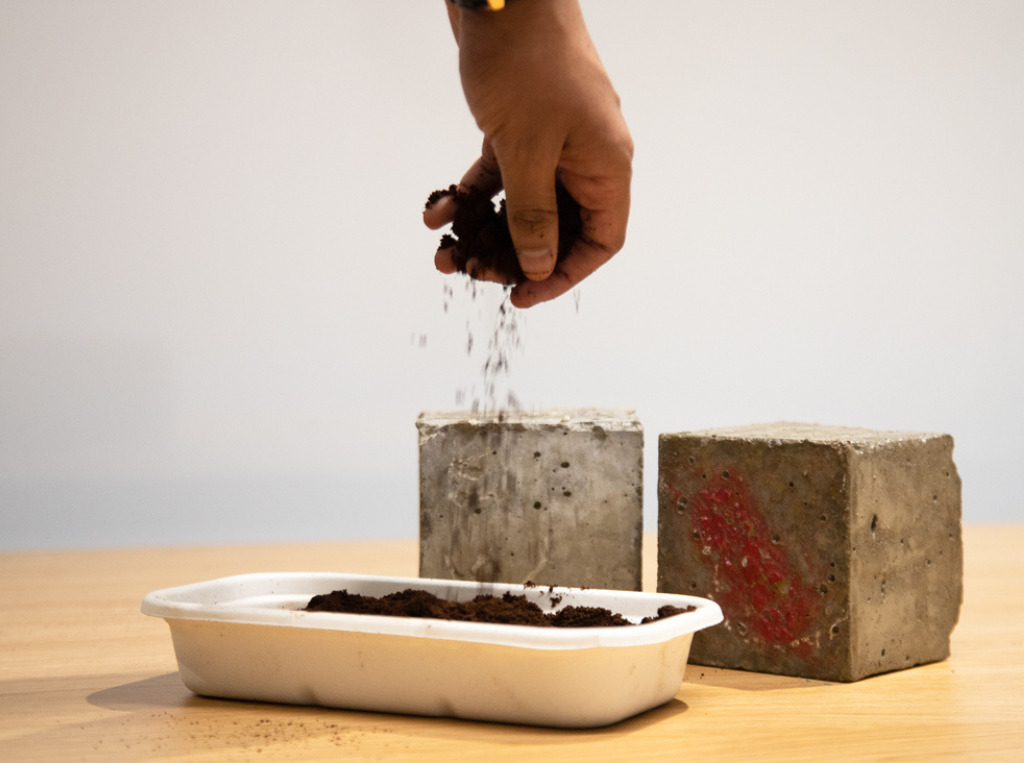
Back in 2023, engineers at RMIT University discovered that pyrolyzing spent coffee grounds at 350°C in the absence of oxygen creates a porous, carbon rich biochar. Replacing up to 15 percent of the sand in a standard concrete mix with this biochar increases compressive strength by nearly 30 percent. Higher temperatures do not perform as well. The optimal point is a precise low and slow process.

This is not just stronger concrete. It is smarter concrete. A peer reviewed life cycle analysis published in November 2025 showed it can reduce the material’s carbon footprint by up to 26 percent, cut fossil fuel use by 31 percent, and ease pressure on diminishing river sand supplies.

RMIT has also reported that the same coffee derived biochar improves thermal insulation in cement composites by up to 20 percent. Buildings made with it stay cooler in summer and warmer in winter. This leads to lower energy use and reduced emissions over time.

Real Streets, Real Impact

The results are already visible in real world projects.

In October 2024, the first section of coffee biochar concrete was laid on Victoria’s Big Build project in Pakenham. Five tonnes of spent coffee grounds, equal to about 140000 cups of coffee, were converted into two tonnes of biochar for a 30 cubic metre footpath. There was no smell and no visible difference, only improved strength and sustainability.

A parallel trial in Gisborne with Macedon Ranges Shire Council tested coffee and wood chip biochar side by side. Researchers continue to monitor long term performance under foot traffic, weather conditions, and freeze thaw cycles. Early results are promising.

A Circular Gift for the Coffee Industry

This development has direct implications for café owners, roasters, and coffee drinkers.

Globally, tens of millions of tonnes of spent coffee grounds are produced each year. Most are still sent to landfill, where they release methane. Now, this waste can be reused in a way that benefits both the environment and the industry.

Cafés that join collection programs may eventually turn their daily waste into revenue or carbon credits. A single cup of coffee could contribute to building stronger and more energy efficient schools and hospitals. This is a practical example of a circular economy.

Dr Rajeev Roychand and the RMIT team have stated they are ready to scale the technology. They are working with contractors and local councils and presenting the material in major exhibitions. The next steps include commercial standards, larger pilot projects, and expanded supply chains, all progressing in 2026.

The Bigger Picture

This innovation stands out as one of the most effective responses to coffee waste. It does not require changes in how coffee is prepared. It simply redefines the value of what remains after brewing.

From coffee farms in Ethiopia and Colombia to urban infrastructure in Melbourne and beyond, coffee is proving it can play a role far beyond consumption. It can contribute to building a more sustainable and resilient world.

In 2026, the future of construction carries a subtle trace of coffee.

Ahmed Al-Qahwa is Qahwa World’s lead voice on sustainable coffee innovation. He has visited RMIT’s laboratories and walked the Pakenham trial site.

Share this story with your local café or council. The coffee grounds from your cup could one day be part of the ground beneath your feet.

Coffee Pulp in Brazil: When the Coffee Cherry Refuses to Be Waste

Why the future of coffee may depend not only on what ends up in the cup, but on how the industry learns to use everything beyond it.

By Dr. Steffen Schwarz 

The modern coffee industry has become exceptionally skilled at valuing one thing with remarkable precision: the bean.

Across the global supply chain, coffee seeds are classified by density, moisture, screen size, defect counts, volatile compounds, roast response, extraction behavior, and cup profile. They are traded across oceans, insured, hedged, certified, marketed, and, in the finest corners of the sector, narrated with almost ritual reverence.

Yet behind this sophistication lies a more uncomfortable truth: the coffee industry still operates largely as a linear economic system. Value is extracted from the coffee cherry, refined through a chain of transactions, and what remains behind is often treated as waste rather than opportunity.

That “waste” is not small. In fact, it represents the majority of the coffee fruit.

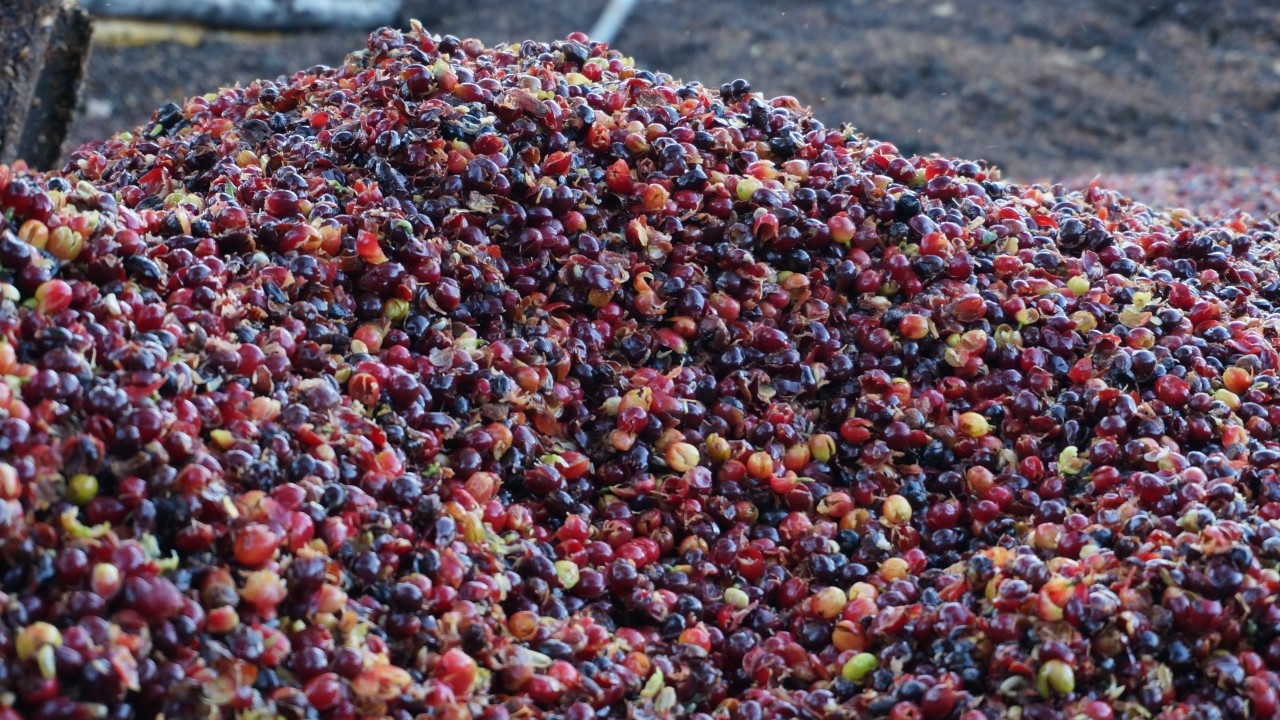
The green bean that dominates the imagination of producers, traders, roasters, and baristas is only a fraction of the material reality of coffee. The skin, pulp, mucilage, parchment, husk, silverskin, and spent grounds together form a vast landscape of underused biomass.

You may Read: India’s Quiet Coffee Superpower

For decades, the conventional coffee economy has largely ignored these materials because they fall outside the narrow scope of the primary commercial product. Nature, however, does not recognize waste in the same way human supply chains do. It recognizes nutrients, energy, cycles, and time.

  • Rethinking the Coffee Economy

This is where the idea of a circular coffee economy becomes transformative.

Circularity is not merely another sustainability slogan. It challenges the very way the coffee industry understands value creation. Instead of treating everything beyond the bean as residue, it invites the sector to see the entire coffee cherry as part of a broader economic and ecological system.

Once this perspective is adopted, coffee no longer appears as a simple value chain running from farm to cup. It begins to resemble a living network where ecological health, agricultural practices, processing technologies, materials science, consumer behavior, and farmer livelihoods are deeply interconnected.

  • This shift comes at a crucial moment.

Coffee production is increasingly under pressure from climate change. Rising temperatures, altered rainfall patterns, and increased disease pressure are reshaping the environments where coffee—especially Arabica—has historically thrived. Producers are often forced to move cultivation to higher altitudes, placing additional pressure on fragile forest ecosystems.

At the same time, soil health is declining in many growing regions, input costs remain volatile, and smallholder farmers frequently carry the economic risks of a system they did not design.

The traditional model of coffee production is therefore not only environmentally incomplete—it is strategically fragile.

  • The Hidden Scale of Coffee Biomass

Coffee remains one of the world’s most influential agricultural commodities, supporting economies in more than 80 producing countries and shaping daily routines for hundreds of millions of people.

Yet the scale of unused material generated by coffee processing is staggering.

According to the Coffee Development Report 2022–23, global coffee processing generates more than 40.68 million tonnes of biomass each year. Around 72% of this renewable organic material—approximately 29.34 million tonnes—originates in coffee-producing countries, where its economic potential remains largely untapped.

You may also read: Invisible Gravity in Coffee

More than 86% of the coffee cherry is typically discarded as agricultural waste or by-products. By the time coffee becomes the beverage celebrated worldwide, only a small fraction of the original fruit remains in the cup.

This single statistic fundamentally challenges the traditional perception of value in the coffee sector.

For more than a century, coffee has been marketed as though the bean were the entire product and everything else merely a logistical problem. In biophysical terms, the opposite is closer to reality: the bean is simply the most commercially visible fraction of a much larger material system.

  • From Waste to Resource

Mismanaged biological residues from coffee production can create serious environmental problems. Improperly handled pulp, wastewater, and organic waste contribute to water pollution, oxygen depletion in ecosystems, and greenhouse gas emissions.

But once these materials are viewed as resources rather than waste, entirely new possibilities emerge.

Coffee pulp and husk can be used for compost, fertilizers, biochar, food ingredients, fibers, fuels, and biomaterials. Silverskin—the thin layer released during roasting—can be transformed into valuable compounds. Spent coffee grounds can enter industrial applications ranging from energy production and biocomposites to textiles, paper, and construction materials.

None of these pathways will scale automatically. But the conceptual shift is profound.

The question is no longer whether value exists beyond the bean. The real question is who will capture that value, where it will be developed, and who will benefit from it.

  • Keeping Value at Origin

A key challenge is ensuring that circular innovation benefits coffee-producing regions rather than shifting most economic value to consumer markets.

If new uses for coffee by-products emerge primarily in wealthy countries while producing nations remain responsible for waste management and environmental costs, the promise of circularity risks becoming hollow.

A genuine circular coffee economy must expand value creation at origin. Farmers, cooperatives, and local enterprises should have the opportunity to participate in emerging markets for by-products, technologies, and materials derived from coffee.

This is where regenerative agriculture becomes closely linked to circular thinking.

Regenerative systems emphasize soil health, biodiversity, water management, and ecological resilience. Practices such as agroforestry, cover cropping, improved nutrient cycling, and reduced reliance on synthetic inputs can strengthen farming systems while supporting long-term productivity.

Circularity without regeneration risks becoming merely a materials strategy applied to an exhausted agricultural base.

  • From Value Chain to Value Circle

The coffee industry often speaks about the “coffee value chain.” But the concept of a chain suggests a one-directional process: inputs enter at one end, value exits at the other.

The future of coffee may depend less on perfecting that chain and more on creating a circular system where materials, nutrients, and economic benefits continuously flow through interconnected loops.

In such a model, farmers, processors, traders, roasters, retailers, and consumers all become part of a broader ecosystem rather than isolated links in a linear sequence.

Read also: The Coffee Leaf’s Second Life

This transition will require new forms of collaboration across disciplines that historically operated separately—agronomy, processing, roasting, packaging, sustainability management, and policy.

A Strategic Opportunity for the Coffee Sector

The shift toward circular coffee systems presents challenges. Knowledge remains fragmented, regulations for by-products are inconsistent, and infrastructure for recovery and reuse varies widely across regions.

Small and medium-sized enterprises also face significant risks when attempting to scale new applications for coffee by-products.

  • Yet the opportunity is equally significant.

Circularity has the potential to create new income streams for farmers, new materials for industry, improved environmental outcomes, and a more resilient global coffee system.

For the coffee sector, this is not merely a sustainability conversation—it is a strategic one.

The next era of knowledge in coffee will not come solely from deeper understanding of roasting curves, fermentation techniques, or flavor chemistry. It will emerge from learning to see the coffee system as a whole.

Because the future of coffee may ultimately depend on a simple question asked at the edge of a processing station, beside a pile of discarded cherry pulp:

What if this is not a waste but the beginning of something new?

How to Make Your Coffee Habit More Sustainable

By: Maya Maceka

Global coffee consumption continues to rise, with billions of cups consumed every day. In the United States alone, roughly two-thirds of adults drink coffee daily, making it one of the most popular beverages nationwide. While coffee is deeply embedded in daily life and culture, its growing demand comes with significant environmental and social consequences.

From deforestation and water pollution to carbon emissions and waste generated at home, coffee’s footprint extends far beyond the cup. Understanding how coffee is grown, traded, brewed, and consumed is the first step toward making more responsible choices.

This guide explores practical ways to build a more sustainable coffee routine, focusing on responsible sourcing, waste reduction, and energy-efficient brewing—small changes that can create meaningful impact when adopted widely.

Where Coffee Is Grown

Coffee comes from the Coffea plant, which thrives in warm, humid regions near the equator. It is cultivated in more than 70 countries within what is commonly known as the “coffee belt,” stretching across Latin America, Africa, the Middle East, and Southeast Asia.

High-quality coffee is often associated with higher elevations, typically between 1,000 and 2,000 meters above sea level. These regions offer moderate temperatures, reliable rainfall, and fertile soils—conditions that allow coffee cherries to mature slowly and develop more complex flavors.

Slower growth at higher altitudes can also reduce caffeine levels and pest pressure, sometimes allowing farmers to rely less on chemical treatments. When combined with shade-grown methods, high-altitude farming can support biodiversity and soil health.

Main Coffee Bean Varieties

The global market is dominated by two species: Arabica and Robusta.

Arabica accounts for the majority of coffee consumed worldwide and is valued for its smoother, often fruity or floral profile. It grows best at higher elevations but is more sensitive to temperature changes, pests, and disease, making it increasingly vulnerable to climate stress.

Robusta thrives in warmer, lower-altitude environments and is more resilient. It contains higher caffeine levels and produces a stronger, more bitter flavor. Its durability allows it to maintain yields where Arabica struggles, which is why it plays a key role in many espresso blends.

A third variety, Liberica, represents only a small fraction of global production today. Grown mainly in parts of Southeast Asia, it is known for its distinctive, woody flavor and niche appeal.

Different beans suit different brewing styles. Arabica is often favored for black coffee and pour-over methods, while Robusta is commonly used in espresso-based drinks for its body and crema. Many commercial coffees blend both.

What Makes Coffee Sustainable?

Coffee farming has far-reaching environmental and social impacts. Conventional production methods can contribute to forest loss, soil degradation, chemical runoff, and greenhouse gas emissions. At the same time, millions of smallholder farmers face economic instability despite producing most of the world’s coffee.

A large share of coffee’s total carbon footprint originates at the farming stage, with emissions tied to land-use change, fertilizers, and processing. Meanwhile, much of the financial value generated from coffee is concentrated in consuming countries rather than at origin.

Sustainable coffee seeks to address these challenges by balancing environmental protection with fair economic outcomes for farmers.

Key Sustainable Coffee Practices

Several approaches are shaping a more responsible coffee sector:

  • Shade-grown farming supports wildlife, protects soil, and helps store carbon by growing coffee under tree canopies.

  • Organic cultivation avoids synthetic chemicals, relying instead on natural soil management and pest control.

  • Regenerative agriculture focuses on restoring ecosystems by improving soil health, increasing biodiversity, and capturing carbon.

  • Certifications such as Organic, Bird-Friendly, or Regenerative Organic aim to verify responsible practices, though transparency and enforcement remain critical.

  • Fair trade and direct trade models work to improve farmer income and working conditions by setting minimum prices or reducing intermediaries.

Transitioning to these systems can be costly and challenging for farmers, particularly in the short term, but long-term benefits include resilience, ecosystem protection, and improved livelihoods.

Making Your Coffee Routine More Sustainable at Home

Most coffee drinkers now brew at home, which means household habits play a growing role in coffee’s overall environmental impact.

Choose Responsible Coffee Beans

Beans account for a large portion of coffee’s environmental footprint. Choosing coffee produced using sustainable or ethical practices can significantly reduce that impact and help support farming communities.

Avoid Instant Coffee

Instant coffee requires additional processing and higher energy use compared to whole or ground beans. Its packaging is also more resource-intensive, making it a less sustainable option overall.

Look Beyond Labels

Certifications can offer helpful guidance, but they are not foolproof. Transparency, traceability, and clear sourcing information are just as important as logos on packaging.

Support Direct-Trade and Local Roasters

Buying from roasters that work directly with producers can improve transparency, reduce supply chain emissions, and ensure farmers receive a larger share of the value.

Reducing Waste from Coffee Consumption

Even sustainably grown coffee can generate unnecessary waste if consumption habits are inefficient.

Skip Single-Use Pods

Disposable coffee pods create long-lasting waste and are difficult to recycle. Refillable pods or pod-free brewing methods are far more sustainable alternatives.

Reuse Coffee Grounds

Used coffee grounds can be composted or repurposed for gardening, deodorizing, cleaning, or creative household uses.

Use a Reusable Cup

Single-use cups are rarely recycled due to plastic linings. Bringing a reusable cup reduces waste, conserves resources, and often keeps drinks warmer for longer.

Be Mindful of Packaging

Many coffee bags contain mixed materials that limit recyclability. Packaging choices still account for a small but meaningful share of coffee’s carbon footprint.

Sustainable Brewing Methods and Equipment

Brewing methods vary widely in energy use and waste output.

Manual methods such as pour-over, French press, moka pot, Turkish coffee, and cold brew require minimal energy and produce little waste. Cold brew, in particular, allows large batches to be prepared without heat.

Electric machines can be more sustainable if they are energy-efficient, durable, and compatible with reusable filters. Features such as automatic shut-off, insulated boilers, repairable components, and verified energy certifications help reduce long-term environmental impact.

Final Thoughts

Making coffee more sustainable does not require abandoning the ritual altogether. It begins with informed choices—selecting responsibly sourced beans, reducing waste, and choosing efficient brewing methods.

Each step of coffee’s journey, from farm to cup, carries environmental and social costs. By making thoughtful adjustments, consumers can help reduce those impacts while still enjoying one of the world’s most beloved beverages. Over time, these choices can contribute to a coffee industry that is fairer, cleaner, and more resilient.

Low-Emission Concrete Production from Coffee Waste

Dubai – Qahwa World

Researchers at RMIT University are developing new ways to reduce the carbon footprint of construction materials by converting spent coffee grounds into biochar for use in concrete. A life-cycle analysis conducted by RMIT University has shown, for the first time, that biochar made from used coffee grounds can help produce a lower-carbon concrete while maintaining the strength gains observed in earlier laboratory trials.

Previous experiments by the RMIT team involved heating spent coffee grounds at about 350°C without oxygen to create a fine biochar. When this material replaced 15% of sand in concrete, the 28-day strength increased by roughly 30%, offering a practical way to ease pressure on natural sand resources.

Building on these findings, a new study led by Dr. Jingxuan Zhang and Dr. Mohammad Saberian presents a full cradle-to-grave assessment measuring carbon emissions, resource consumption, and environmental impacts from production through to end-of-life. The analysis recorded CO₂ reductions of 15%, 23%, and 26% when biochar replaced 5%, 10%, and 15% of sand, along with up to 31% lower fossil-fuel use and improved impacts on waterways.

RMIT University notes that the research supports Australia’s shift toward a circular economy and net-zero ambitions by turning abundant organic waste into functional materials, reducing reliance on natural sand, and encouraging greater public engagement with resource recovery.

Low-Emission Concrete Production from Coffee Waste

Zhang said the findings strengthen the case for real-world applications. Professor Chun-Qing Li, who guided the research team, said the innovation demonstrates how organic waste can become a practical ingredient for lower-carbon infrastructure.

Saberian said the next steps include larger pilot projects, mix optimisation, and alignment with construction standards so the approach can be adopted confidently across future projects. RMIT and its partners have already advanced public demonstrations, including a footpath pilot and the first use of coffee-biochar concrete on the Victorian Big Build, and presented the concept through the National Gallery of Victoria’s Making Good: Redesigning the Everyday exhibition.

The study, “Carbon footprint reduction in concrete using spent coffee grounds biochar: a life cycle perspective,” is published in the International Journal of Construction Management (DOI: 10.1080/15623599.2025.2584549). Authors include Jingxuan Zhang, Mohammad Saberian, Rajeev Roychand, Jie Li, Chun-Qing Li, Guomin Zhang, and Dilan Robert.

Scientists Urge People to Stop Pouring Coffee Down Drains

London – Qahwa World

A recent incident in London, where a woman was fined £150 for pouring coffee down a drain, has sparked public debate about whether such actions could harm the environment. Although the fine was later withdrawn, experts say the issue highlights a larger problem.

Every day, around 98 million cups of coffee are consumed in the UK and 2 billion globally. The remains of those drinks—often poured down sinks or street drains—can accumulate and impact rivers, lakes, and aquatic life.

The Hidden Impact of Coffee Waste

Coffee contains hundreds of chemical compounds, including caffeine, sugars, milk residues, and organic materials. Among these, caffeine poses the greatest concern. It does not easily degrade, is now considered an emerging contaminant, and has been detected in lakes and rivers worldwide since at least 2003.

Even decaffeinated coffee is not harmless. When poured into drains, it lowers the pH of water and releases organic compounds that consume oxygen as they decompose. These effects can promote algal blooms and deprive aquatic life of the oxygen it needs to survive.

Wastewater treatment plants can remove caffeine with efficiencies ranging between 60% and 100%, depending on their design, season, and temperature. However, this means a significant portion can still reach waterways. During heavy rainfall, untreated wastewater may also overflow directly into rivers, further compounding the problem.

One global study found caffeine in over half of 258 rivers across 104 countries, indicating that the issue extends far beyond the UK. Research shows even small concentrations of caffeine can disrupt the metabolism, growth, and movement of aquatic organisms.

What Should (and Shouldn’t) Go Down the Drain

Experts warn that street drains are meant only for rainwater, not for waste liquids. Pouring coffee, oils, detergents, or paints into drains allows these substances to flow straight into rivers and seas.

Similarly, household sinks—connected to the same combined sewage network—should not be used for disposing of liquids like coffee or food-based waste. Besides the environmental risk, coffee grounds can also clog household plumbing.

Sustainable Alternatives for Coffee Waste

Instead of pouring leftover coffee down the drain:

Compost it: Coffee grounds enrich compost and can safely decompose in food waste systems.

Use as plant feed: Diluted coffee water can serve as a mild fertilizer if used sparingly.

Dispose responsibly: Place coffee grounds or small amounts of liquid in household waste bins if composting is not available.

Reduce waste: Brew only as much coffee as you intend to drink.

A Shared Responsibility

Improving river and coastal health requires policy reform and investment, but experts stress that individuals also play a role. Simple actions—like keeping coffee out of drains—can collectively make a measurable difference in protecting ecosystems.

“We are all part of how the water system works,” says Kevin Collins, Senior Lecturer in Environment & Systems at The Open University. “By changing small habits, we can help keep coffee out of our rivers and out of our environment.”

UAE Researchers Turn Coffee and Plastic Waste Into a Powerful Carbon Capture Material

Sharjah – Qahwa World

In a groundbreaking achievement, researchers at the University of Sharjah have developed and patented an innovative carbon capture technology that transforms used coffee grounds and plastic waste into a highly efficient material capable of absorbing carbon dioxide (CO₂) from industrial emissions before they reach the atmosphere.

The patent, filed in March 2025 and published in August, represents a major step forward in the UAE’s scientific contribution to climate innovation, tackling both carbon pollution and solid waste through a single, sustainable solution.

From Coffee Cup to Carbon Capture

The new method combines spent coffee grounds (SCG), polyethylene terephthalate (PET) — a widely used plastic in bottles and packaging — and potassium hydroxide (KOH) as a chemical activator.
Through co-pyrolysis at an eco-friendly activation temperature of 600 °C, the process yields activated carbon with an exceptionally high surface area and fine pore structure, making it highly effective in trapping CO₂ molecules.

“What begins with a Starbucks coffee cup and a discarded plastic water bottle can become a powerful tool in the fight against climate change through the production of activated carbon,”
said Dr. Haif Aljomard, lead inventor of the technology.

Dr. Aljomard emphasized that the process supports both waste valorization and climate change mitigation, turning two abundant waste streams into a high-performance carbon adsorbent that can reduce industrial emissions.

Circular and Cost-Effective

The researchers highlighted that the production cost of this material is remarkably low, thanks to the availability and affordability of its raw ingredients — coffee waste and post-consumer plastic.

Professor Chaouki Ghenai, co-inventor and expert in Sustainable and Renewable Energy at the University of Sharjah, said the invention exemplifies circular economy principles by giving waste a new life.

“Transforming spent coffee grounds and plastic waste into high-quality activated carbon delivers economic, social, and environmental benefits,” he said.
“This innovation not only prevents harmful waste from ending up in landfills but also provides a sustainable resource for carbon reduction technologies.”

Broad Industrial Applications

The patented activated carbon has diverse industrial uses, extending far beyond CO₂ capture. It can be applied in:

Water and air purification

Groundwater and wastewater treatment

Gas and solvent purification

Natural gas processing and emission control

Flue gas cleaning at waste incineration plants

Process and exhaust air filtration systems

According to the inventors, these wide-ranging applications make the material suitable for industries such as energy, steel, cement, petrochemicals, and environmental engineering, all of which are seeking cost-effective carbon reduction technologies.

Toward a Sustainable Future

The patent underscores the urgent need for sustainable carbon capture solutions, noting that CO₂ is one of the main greenhouse gases driving global warming and posing serious risks to both the planet and human health.

“There is an urgent need for effective and sustainable technologies to capture and reduce CO₂ emissions from fossil fuel combustion, industrial processes, and power generation,” the patent states.

By turning two global waste streams — coffee and plastic — into a practical, affordable carbon-capture solution, the University of Sharjah has shown that scientific innovation can transform even a humble coffee cup into a weapon against climate change.


Australian Study Reveals Potential to Enhance Concrete by 30% Using Coffee Waste

In an innovative move that combines environmental sustainability and construction technology, Australian scientists have discovered a way to use charred coffee grounds to enhance concrete strength by up to 30%. This study, published in the journal “Cleaner Production” and reported by “Science Alert,” provides an effective solution to the problem of coffee waste accumulation and contributes to improving the environmental performance of building materials.

Organic Waste: A Global Environmental Problem

The world produces approximately 10 billion kilograms of coffee waste annually. These wastes often end up in landfills, where they decompose and release greenhouse gases like methane and carbon dioxide, significantly contributing to climate change.

Innovation in Waste Utilization

Engineer Rajeev Rouweyha from the Royal Melbourne Institute of Technology (RMIT) explained that disposing of organic waste poses a major environmental challenge due to the harmful gas emissions. With the global construction market booming, the demand for resource-intensive concrete is increasing, causing additional environmental challenges.

Sustainability in the Construction Industry

The construction industry requires massive amounts of natural sand, typically extracted from riverbeds and banks. This continuous extraction causes significant environmental damage, including erosion of natural habitats. Researcher Ji Li from RMIT pointed out that maintaining a sustainable supply of sand is a long-term challenge due to the limited nature of resources and the environmental impacts of sand extraction.

Pyrolysis: Turning Waste into Resources

Organic products like ground coffee cannot be directly added to concrete because they leach chemicals that weaken building materials. Therefore, the RMIT research team used a process called pyrolysis, heating coffee waste to over 350 degrees Celsius while depriving it of oxygen. This process produces a carbon-rich biochar that can be integrated with cement to enhance its strength.

Promising Results and Future Challenges

The study found that treating coffee at 500 degrees Celsius was not as effective, highlighting the importance of precise conditions in the pyrolysis process. Despite the promising results, researchers emphasized the need to assess the long-term durability of the hybrid coffee cement under various conditions such as freeze/thaw cycles and water absorption. The team is also working on producing biochar from other organic waste sources like wood, food waste, and agricultural residues.

Toward a Circular Economy

Shannon Kilmartin-Lynch, a co-researcher in the study from RMIT, stated that “these exciting results offer an innovative way to significantly reduce the amount of organic waste going to landfill.” Researchers assert that shifting to a circular economy approach can greatly contribute to preserving natural resources and improving environmental sustainability. The circular approach relies on reusing resources and reducing waste, thus contributing to achieving a sustainable environmental balance.

Sustainability of the Future

While the research is still in its early stages, these results hold great promise for improving environmental sustainability in the future. Using coffee waste to enhance concrete is not only a solution to the problem of waste accumulation but also represents a step towards developing more sustainable and environmentally friendly building materials.

Additional Benefits

The biochar produced from the pyrolysis of coffee waste can improve the properties of concrete, such as increasing its resistance to erosion and damage. This means that buildings and structures using this type of concrete may be more durable and require less maintenance, reducing long-term costs and contributing to a more sustainable future.

Conclusion

The Australian study on using coffee waste to enhance concrete provides an excellent example of how an environmental problem can be transformed into an innovative and sustainable solution. Thanks to this research, we may witness a shift in how we manage organic waste and utilize it to develop stronger and more sustainable building materials. This approach enhances our ability to address major environmental challenges and underscores the importance of innovation in achieving environmental sustainability.