Cofix Russia May Be Sold for Up to 1.4 Billion Rubles

Moscow – Qahwa World

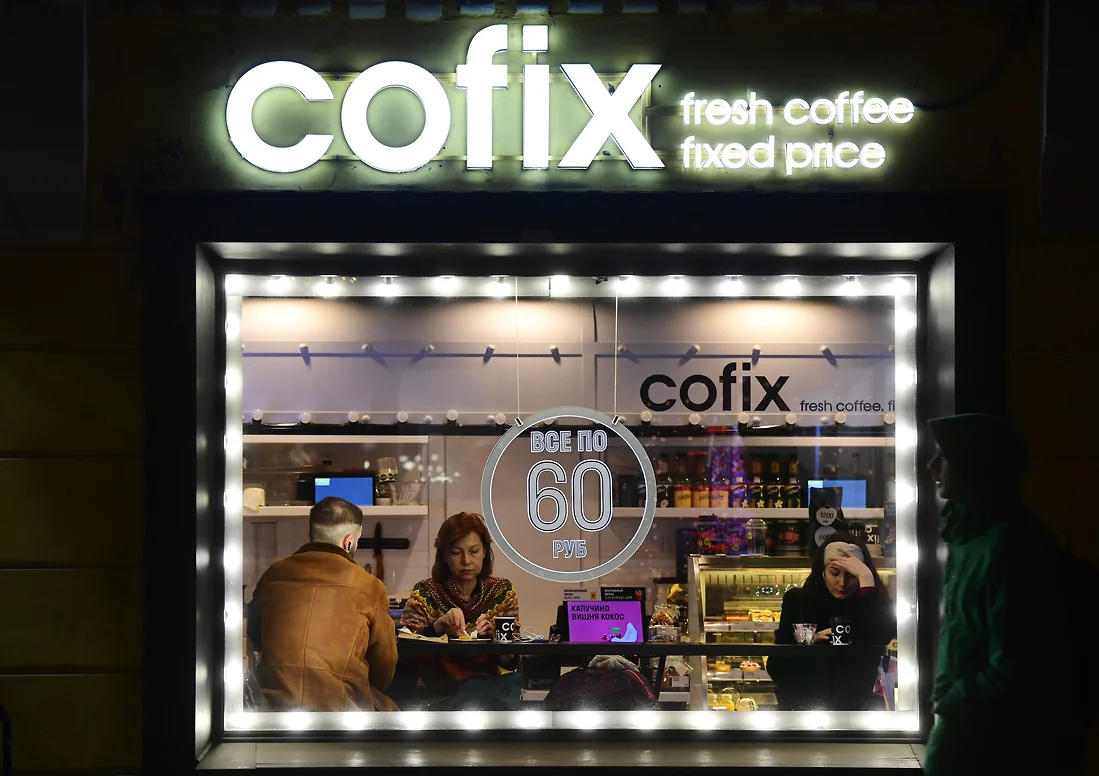
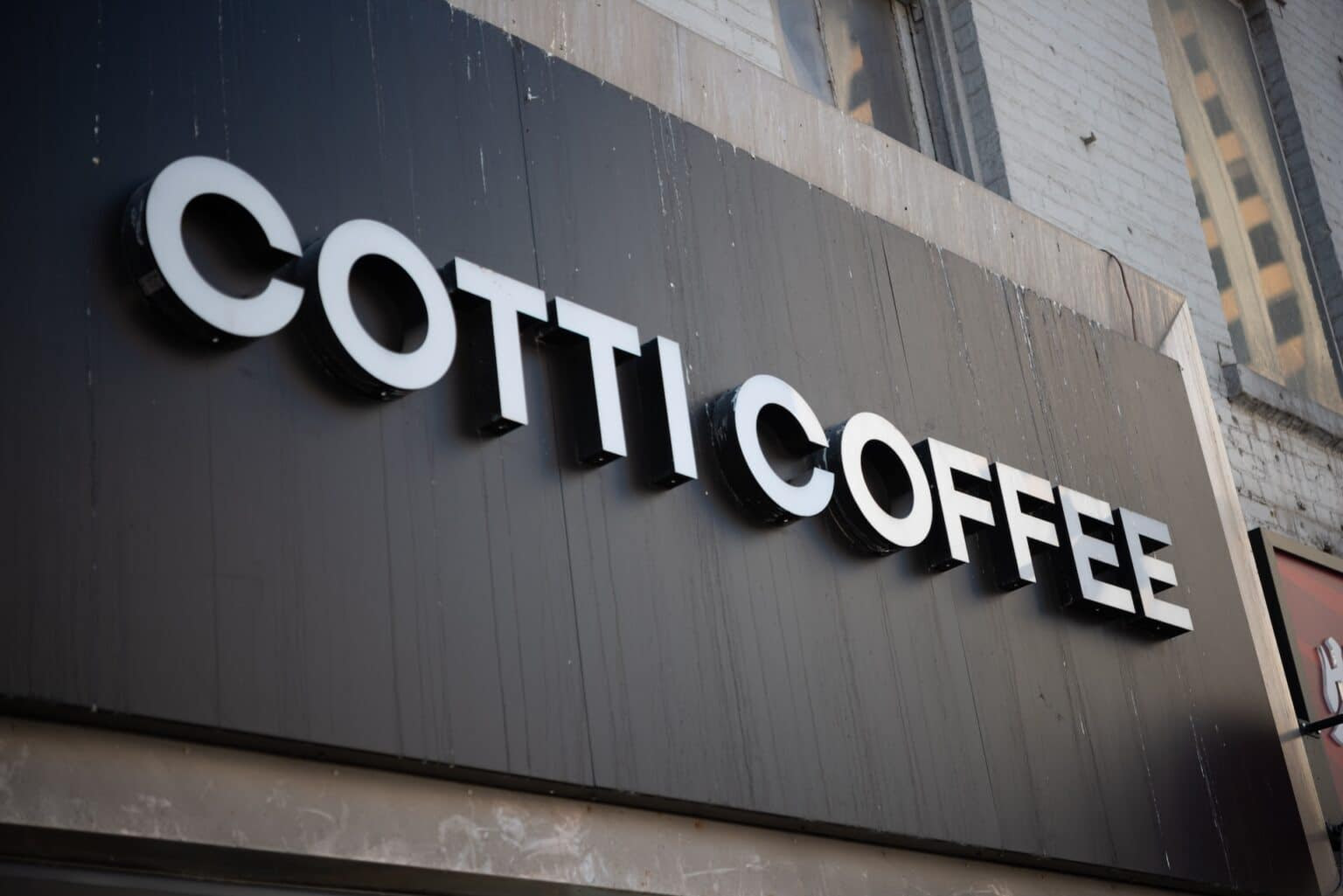
The Russian division of the international coffee chain Cofix is reportedly being prepared for sale, with its valuation estimated between 1.25 and 1.4 billion rubles. According to market sources, a leading candidate to acquire the business is the investment firm Бумеранг Капитал, established in 2024 by Ваган Гаспарян, a former executive of Sberbank Capital. Both parties have declined to comment publicly.

Cofix currently operates around 290 outlets across Russia, many under franchise agreements. The chain maintains a presence in Kazan with two locations — one on Bauman Street and another in the MEGA shopping center. In terms of scale, Cofix ranks among the top five coffee chains in the country, following competitors such as Coffee Like, One Price Coffee, and Surf Coffee. Despite this, the sector remains highly fragmented: the largest operators collectively control no more than 20% of a market estimated at 13,000–15,000 coffee outlets.

Industry analysts suggest that acquiring Cofix could strengthen Бумеранг Капитал’s position in the foodservice sector by improving supply chains and consolidating operations. The fund has already been active in this space, including the recent purchase of the specialty coffee brand Даблби.

The potential deal comes at a challenging time for the coffee market in Russia. In the first months of 2026, sales of ready-made coffee declined by 4% compared to the previous year, while takeaway coffee dropped by 2%. Market participants attribute this trend to rising raw material costs and weakening consumer demand. Estimates indicate that coffee bean costs have risen by 25–30% over the past year, while customer traffic in coffee shops has decreased by around 20%.

Founded in Israel in 2013 by entrepreneurs Ави Кац and Бенни Паркаш, Cofix originally built its brand around a fixed low-price model. In recent years, however, the company has gradually shifted away from this concept, partly due to increasing competition from retail chains, where consumers are opting for more affordable in-store coffee options.

The Russian operating entity, Urban Cofix Russia LLC, reported revenue of 3.01 billion rubles in 2025, with a net profit of 68.1 million rubles, reflecting relatively modest margins.

The broader foodservice industry is also undergoing contraction. In 2025, approximately 35,400 foodservice businesses closed across Russia, including restaurants, cafés, and bars. Regional markets such as Tatarstan are expected to see further closures, particularly in the mid-range segment, driven by rising costs and shifting consumer behavior.

While experts believe the chain coffee segment will continue to expand overall, they also anticipate a slowdown in the pace of new outlet openings as market conditions remain tight.

Peet’s Coffee to Close Several San Francisco Locations

Dubai – Qahwa World

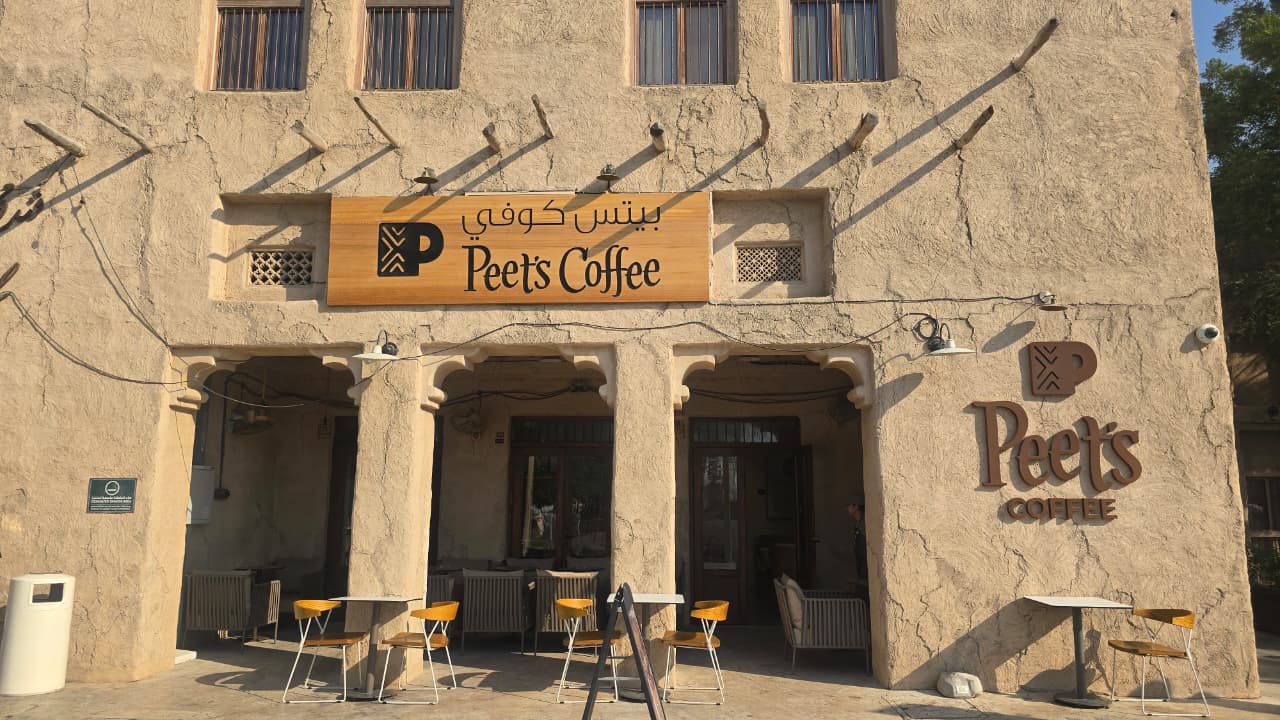
Peet’s Coffee is set to close multiple San Francisco locations, including its Polk Street café at 2139 C Polk St., as part of a broader restructuring expected to take effect by the end of January 2026.

A spokesperson for Peet’s confirmed the closures, emphasizing that the company is adjusting its operations to align with long-term growth strategies and current market conditions. Specific details regarding the total number of affected stores or their exact locations were not disclosed.

“These decisions reflect our ongoing commitment to sustainable growth while honoring the quality and heritage that have defined Peet’s for more than 60 years,” the spokesperson said. “We are deeply grateful to our employees and loyal customers and remain focused on innovation and excellence in every cup.”

Peet’s opened its Polk Street location in 1993 and currently operates more than 20 stores throughout San Francisco. Reports indicate that additional locations, including those at 919 Cole St. and 2257 Market St., are also expected to close this month.

The closures coincide with an $18 billion acquisition of Peet’s parent company, JDE Peet’s, by Keurig Dr Pepper, a deal slated to finalize later this year.

This wave of store reductions reflects broader shifts in the coffee industry as chains adapt to evolving market conditions and corporate restructuring plans.

Abu Dhabi Prepares to Welcome “Drinkit” from April

The popular digital café chain announces ambitious expansion plans in the UAE

Abu Dhabi – Qahwa World

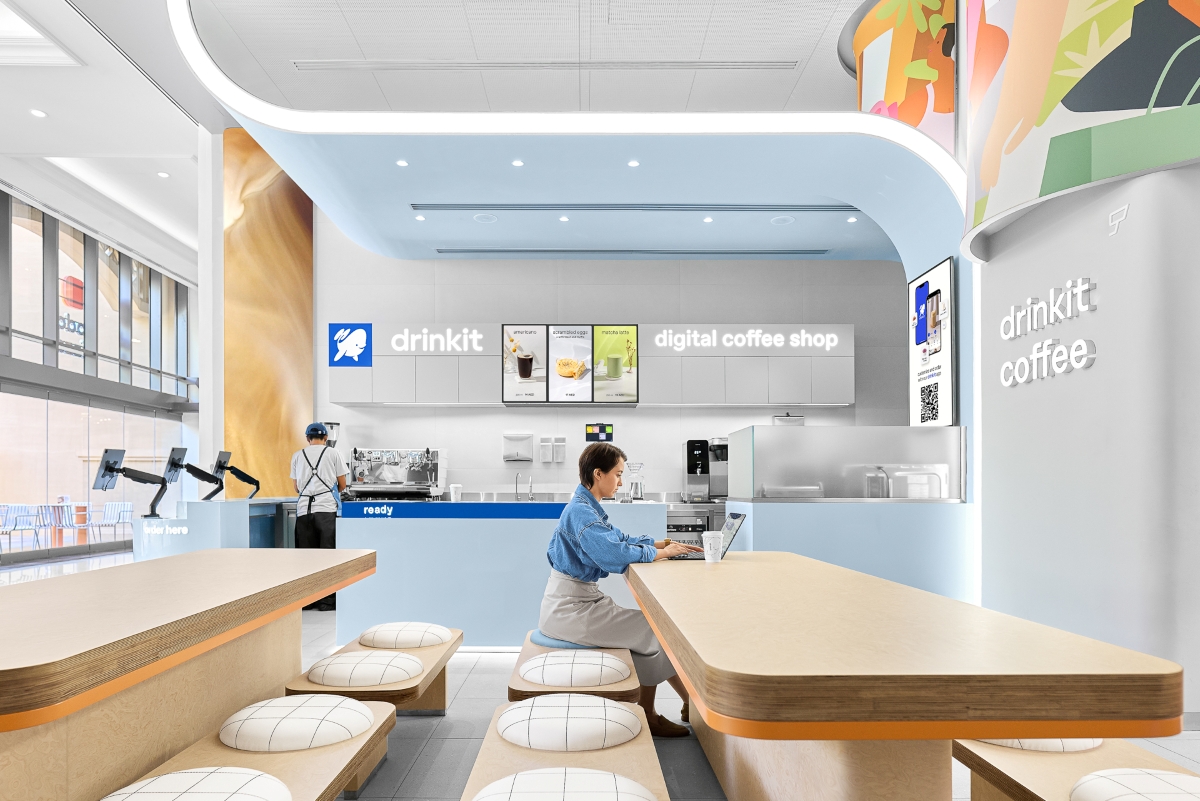
Digital café chain Drinkit is set to open its first branch in Abu Dhabi, marking the brand’s entry into the emirate and the next stage of its expansion across the United Arab Emirates. The first café is scheduled to open in April at Al Qana, one of Abu Dhabi’s prominent lifestyle destinations, known for its diverse dining options, informal meeting spaces, and social gatherings. The venue was also awarded the Travelers’ Choice Award for 2025.

After establishing a strong presence in Dubai, Drinkit plans to open at least seven additional branches across the UAE by the end of 2026, bringing the total number of cafés to 15 and doubling its footprint in the local market.

This strategy reflects DrinKit’s goal to offer a high-tech coffee experience to more neighborhoods and make premium coffee accessible to everyone across cities.

The company operates physical cafés that rely on a fully digital model, replacing traditional payment counters with in-store kiosks and a mobile app. Currently, around 90% of orders are completed digitally across all branches, enhancing operational efficiency and providing a consistent experience for customers. This technology-driven model also allows for steady expansion across different markets and locations.

Katerina Borodich, CEO of Drinkit, said: “The UAE has proven to be a strong and thriving market for DrinKit. Our eight branches in Dubai demonstrate the concept’s success in diverse urban environments. We see clear opportunities to continue growing the brand across the country. Our expansion plan through 2026 is carefully considered, focusing on long-term performance and strategic site selection.”

Katerina Borodich, CEO of Drinki

She added: “Our business model has been successfully tested over three years of operations in Dubai. We are proud to say it is a stable model, with an average investment payback period of less than three years depending on location. Interest in DrinKit is growing steadily in business districts, residential areas, and shopping centers, driven by our varied menu, competitive pricing, and easy ordering process.”

  • About Drinkit

Drinkit is a global café chain that follows a digital-first approach. Founded in 2016, it is part of Dodo Brands, a multinational company in the food service sector specializing in developing and franchising quick-service restaurant concepts worldwide.

Since joining Dodo Brands in 2020, Drinkit has expanded to more than 135 cafés across five countries: the United Arab Emirates, the United States, Kazakhstan, Azerbaijan, and Russia.

Drinkit is part of Dodo Brands’ portfolio alongside Dodo Pizza, one of the world’s largest pizza franchise networks. In 2025, Dodo Brands reported over $1 billion in revenue, with a 23% year-on-year growth, operating more than 1,500 units in 27 countries.

UK Becomes Joe & The Juice’s Largest Global Market, Surpassing Denmark

Dubai – Qahwa World

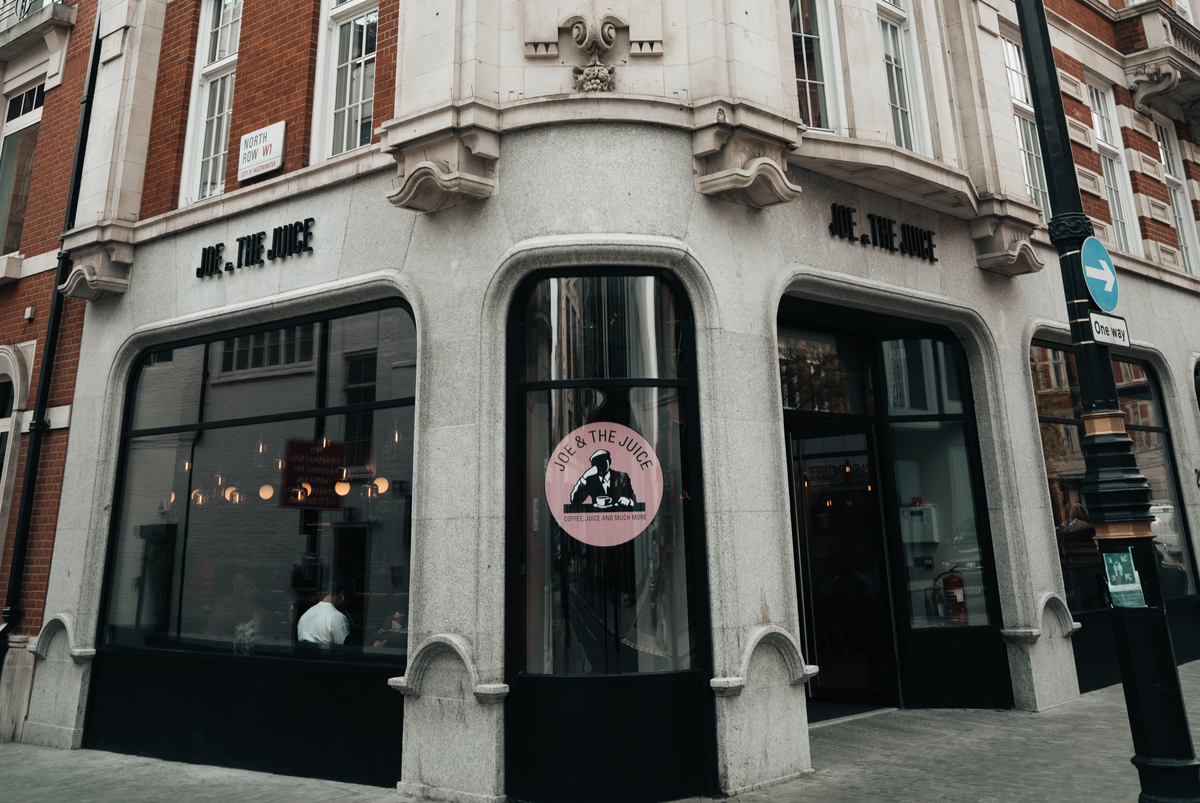
Joe & The Juice has positioned the United Kingdom as its biggest market worldwide after an accelerated store rollout over the past year, overtaking its home market of Denmark.

The Copenhagen-founded brand added 16 new locations across the UK in 2025, bringing its total to 89 outlets nationwide. This places the UK ahead of Denmark, where the company operates 78 stores, and the United States with 74 locations.

The expansion includes a new flagship store in Manchester, along with first-time openings in cities such as Cambridge, Bath, and Bristol. Since entering the UK market in 2009 with a debut store on London’s Regent Street, the brand has steadily strengthened its presence across the country.

Jon James, Managing Director for the UK, said customer demand has exceeded expectations, with newly opened stores delivering strong performance. He noted that the positive response has reinforced confidence in further regional expansion across the UK.

Joe & The Juice now operates more than 460 stores in 23 international markets. In 2024, CEO Thomas Nørøxe stated that the UK could ultimately support up to 500 locations as part of the company’s broader ambition to reach 1,000 global outlets by 2029. Recent market entries include Turkey, Morocco, and Mexico.

The company has been majority-owned by New York–based investment firm General Atlantic since November 2023. Reports indicate that the firm is assessing the possibility of a US stock market listing for Joe & The Juice as early as 2026.

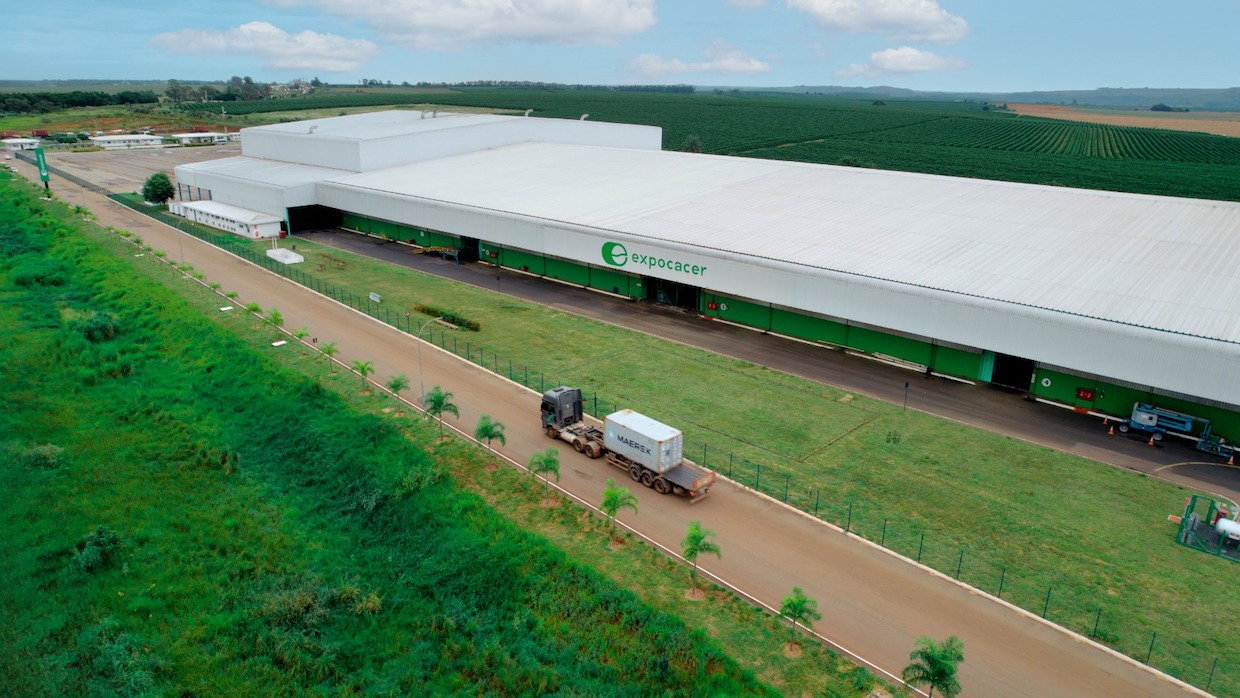
Brazil’s Expocacer Launches First Blockchain-Powered Coffee Auction

Dubai – Qahwa World

The major Brazilian coffee cooperative Expocacer is taking a significant digital step by preparing to host its inaugural online auction on the new Coffee Chain trading platform. This event will offer roasters and importers worldwide access to highly traceable specialty coffee lots.

Auction Details and Focus
Scheduled for December 11-12, the online-only auction, branded “Essências by Expocacer,” will feature select lots from the cooperative’s Essências program. This initiative is designed to assist small and medium-sized members in developing and marketing higher-value specialty coffee.

The auction is open for registration to any entity or individual within the global القهوة industry, targeting roasters and importers internationally.

While official lot details and opening bids are pending release, promotional materials for Coffee Chain indicate a strong emphasis on high-scoring microlots sourced from the Cerrado Mineiro region. These lots are expected to come with extensive farm-level documentation and complete traceability.

The Coffee Chain Platform
This auction marks a key milestone in the deployment of Coffee Chain, a digital trading solution co-developed by Expocacer and the Brazilian technology firm AIDDA, which specializes in providing blockchain-based solutions for the agricultural sector.

The cooperative describes the custom-built system as a comprehensive tracker for production, inventory, and sales data, with every transaction and event securely logged on the blockchain. The platform also integrates certifications, verifies designation of origin, and provides tools to streamline contract negotiation and management for its users.

Initially unveiled at the 2025 Specialty Coffee Expo in Houston, the platform was presented as a transparent, direct e-commerce channel for trade. Expocacer currently backs the platform with logistics hubs established in the United States and the UK, enabling service to over 40 export markets globally.

Sandra Moraes, Expocacer’s Specialty Coffee Manager, emphasized the platform’s strategic importance, noting, “The significance and high competitiveness of the U.S. market motivated us to further advance the development of the Coffee Chain platform.” She added that the platform has demonstrated “consistent growth in its user base and sales volume, establishing itself as a valuable client solution.”

The cooperative is capitalizing on a successful year, having reported in November that it anticipates closing 2025 with approximately $545 million in revenue, a surge of about 58% compared to 2024. Foreign sales now account for more than half of its total revenue.

Dutch Bros Surges After Strong Q3 Earnings and Upgraded Outlook

Dubai – Qahwa World

Dutch Bros (NASDAQ: BROS) reported impressive third-quarter results, surpassing Wall Street expectations for both earnings and revenue. The drive-thru coffee chain posted adjusted earnings of $0.19 per share, topping forecasts of $0.17, on revenue of $423.6 million versus the expected $413.6 million.

Revenue jumped 25.2 percent year-on-year, rising from $338.2 million in Q3 2024, while net income more than doubled to $27.3 million from $12.6 million. Same-store sales advanced 7.4 percent at company-operated shops and 5.7 percent system-wide. Dutch Bros also opened 38 new locations across 17 states, expanding its total footprint to 1,081 stores.

Chief Executive Officer Christine Barone highlighted the company’s resilience, stating that strong momentum through October prompted management to raise full-year guidance for both total revenue and same-store sales growth.

Despite the surge in sales, gross profit fell 8.5 percent year-over-year to $82.4 million, signaling higher costs for labor, commodities, or logistics. Nonetheless, operating income grew 27.6 percent to $41.5 million, and adjusted EBITDA rose 22.3 percent to $78 million, suggesting that scale and operational efficiency continue to buffer inflationary headwinds.

Key Financial Highlights

Revenue: $423.6 M (+25.2 % YoY)

Adjusted EPS: $0.19 (+11.8 % YoY)

Net Income: $27.3 M (+115.8 % YoY)

Operating Income: $41.5 M (+27.6 % YoY)

Adjusted EBITDA: $78 M (+22.3 % YoY)

Company-operated same-store sales: +7.4 %

System-wide same-store sales: +5.7 %

The raised guidance underscores management’s confidence in the brand’s growth trajectory. However, investors will closely watch gross-margin trends and the sustainability of same-store sales as Dutch Bros continues its aggressive expansion. Persistent cost pressures may require future pricing or operational adjustments, but the company’s accelerating profitability suggests its strategy is gaining traction.