China Pushes Taiwan Off Coffee’s Global Stage

Dubai – Qahwa World

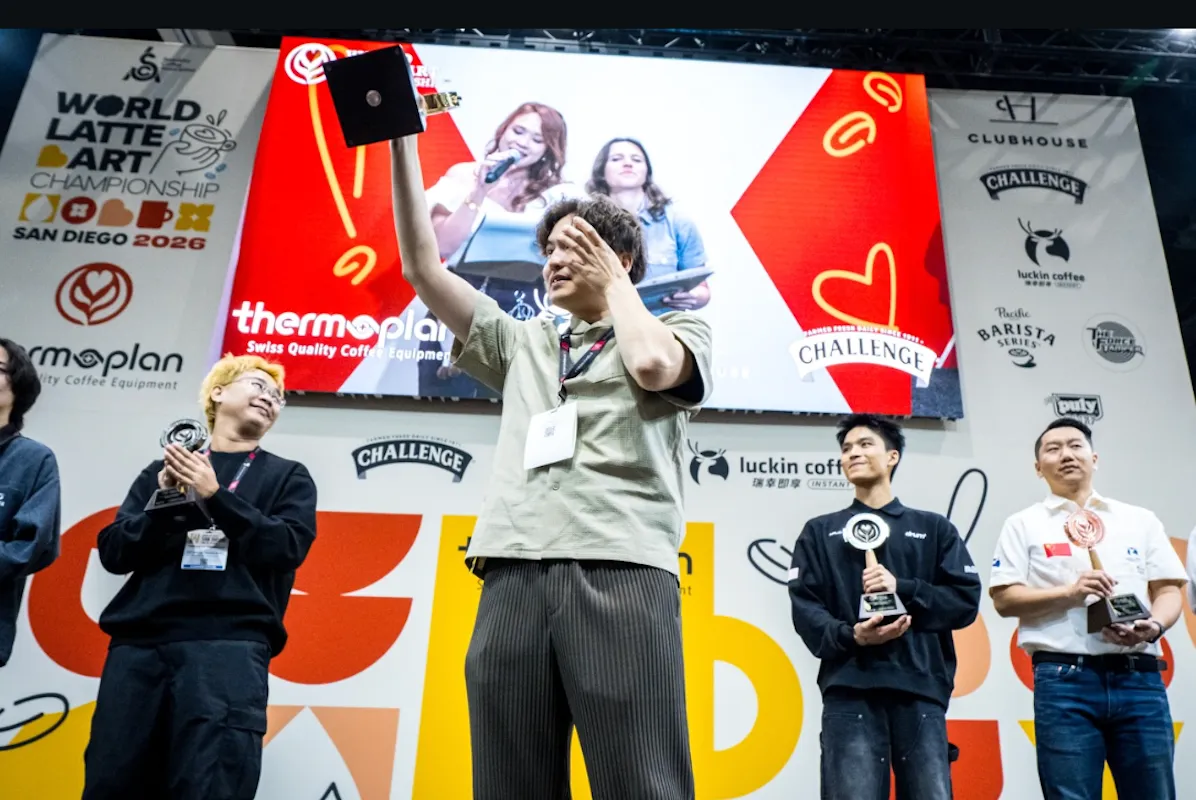
A quiet change in the records of the World Coffee Championships has sparked controversy across the specialty coffee industry after “Taiwan” was replaced with “Chinese Taipei” in the official listing of the 2026 World Latte Art Champion.

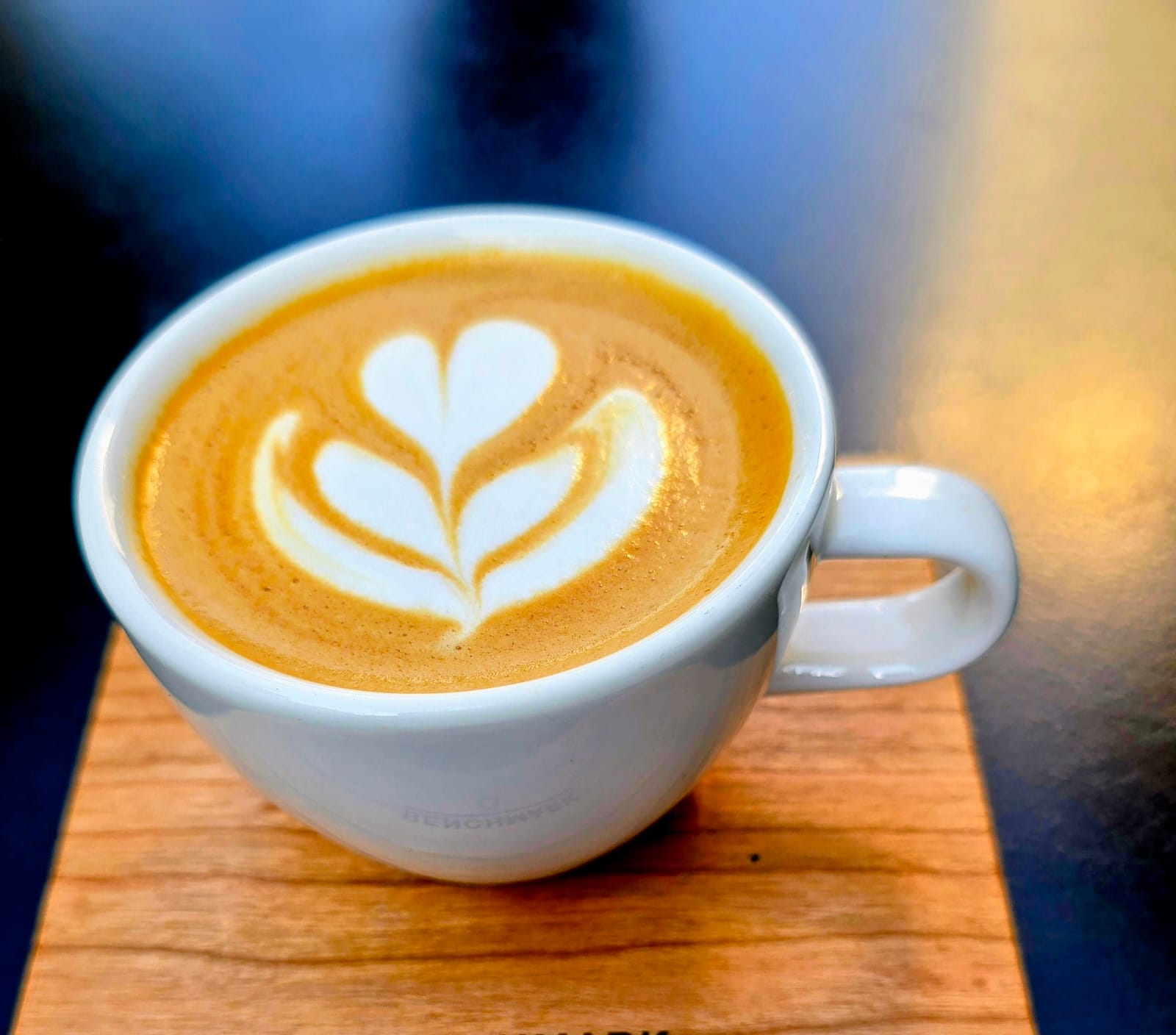
The change came days after Taiwanese barista Bala claimed victory at the World Latte Art Championship held in San Diego, earning 531 points with intricate latte creations featuring animals including a raccoon, giraffe and red pandas.

According to Asia Times, the original championship announcement identified Bala as representing Taiwan. About a week later, however, the World Coffee Championships records were quietly updated to list him under “Chinese Taipei,” without any public explanation from the organizers.

The report also noted that historical ranking PDFs previously available on the competition’s website were later removed, raising concerns among observers about the erasure of past national representations in coffee competitions.

While the change may appear minor, critics say it reflects the growing reach of geopolitical pressure into global cultural and professional industries — including specialty coffee. The incident has also renewed debate over how international private organizations respond when caught between political sensitivities and claims of neutrality.

Taiwan’s specialty coffee community has spent nearly two decades building its reputation on the world stage. Since first appearing in the World Barista Championship in 2007, Taiwanese competitors have secured multiple international titles across brewing, roasting, tasting and latte art competitions.

Bala’s 2026 victory marked the latest achievement in a long line of Taiwanese successes that helped establish the island as one of Asia’s leading forces in specialty coffee.


Nuova Simonelli at World of Coffee Bangkok 2026

Bangkok – Qahwa World

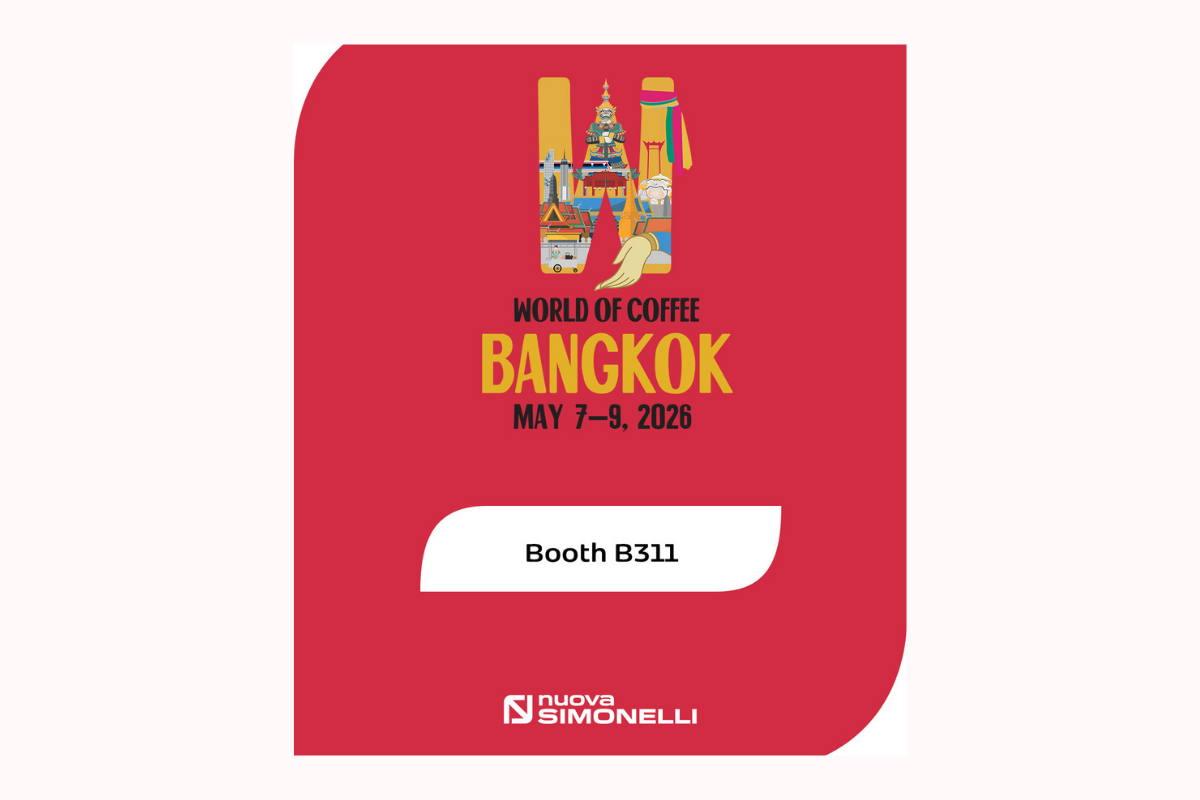
From May 7 to 9, Nuova Simonelli will take part in World of Coffee Bangkok 2026, bringing innovation and energy to the heart of the Asian coffee industry. Visitors can find the brand at booth B311, where technology, experience, and great coffee come together.

Nuova Simonelli area: a future experience

Inside the brand space, visitors will enjoy a fully hands-on experience designed for baristas, roasters, and coffee chains.

The event will feature the official launch of a new evolution of the iconic coffee machine, designed to simplify daily work, improve efficiency, and support sustainability.

A high-performance professional machine will also be available for hands-on testing, created for fast-paced environments without compromising cup quality.

Smart automation technology

Intelligent automation with zero stress. Visitors will experience smart automation technology that simplifies daily operations, standardizes preparation, and ensures consistent quality even during peak hours.

An experience beyond the booth

Booth B311 will be more than an exhibition space. It will be a dynamic hub for meeting, tasting, and exchanging ideas between coffee professionals and an international audience.

Guests are invited to try the machines, explore the technology, and engage with the future of coffee innovation.

Invitation

Visit the booth, test the equipment, and discover how coffee meets smart innovation.

Amsterdam Coffee Festival 2026 Opens in the Dutch Capital

Strong International Participation and Growing Focus on Coffee Innovation and Technology

Amsterdam – Tareq Alshameri

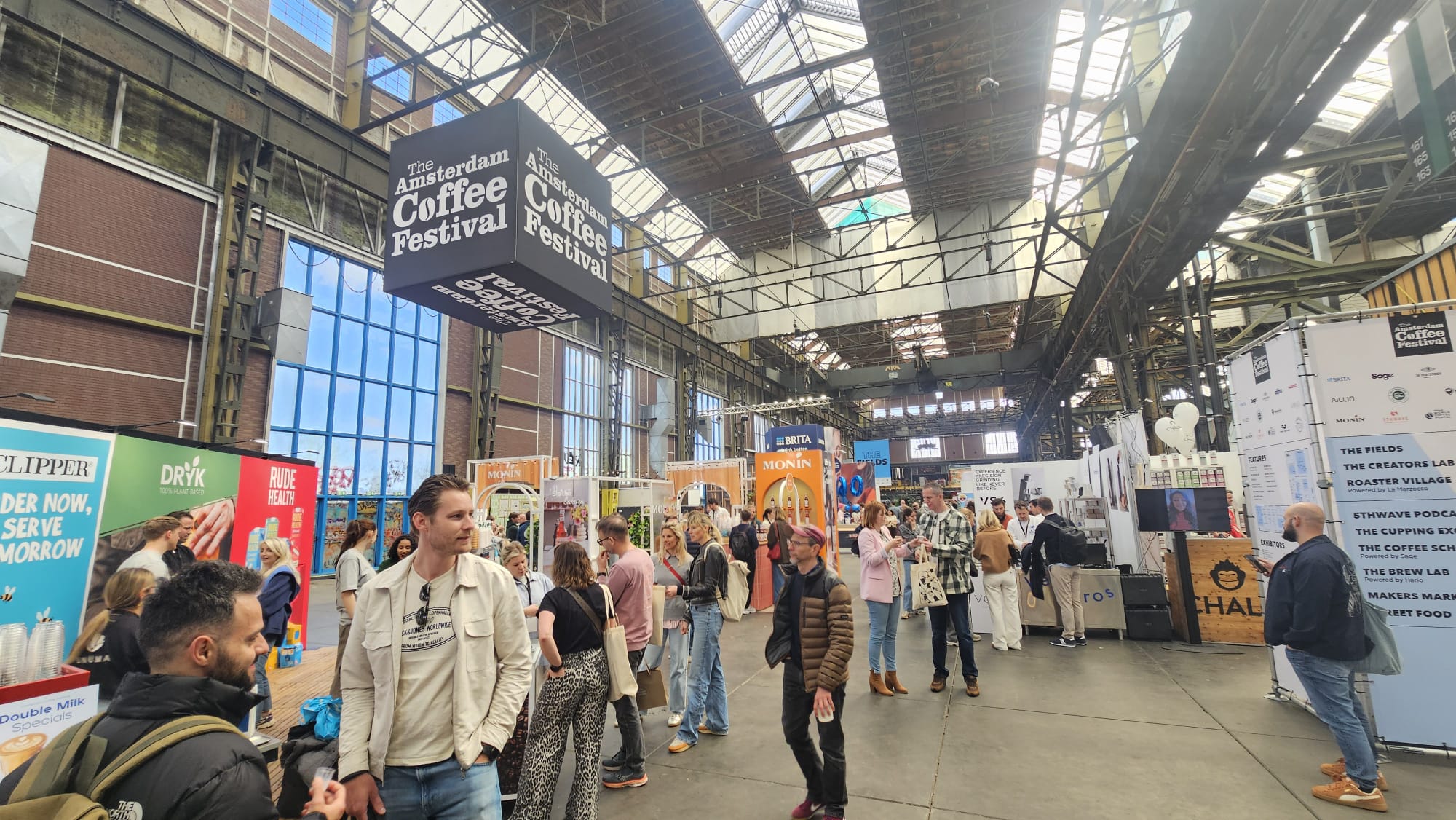
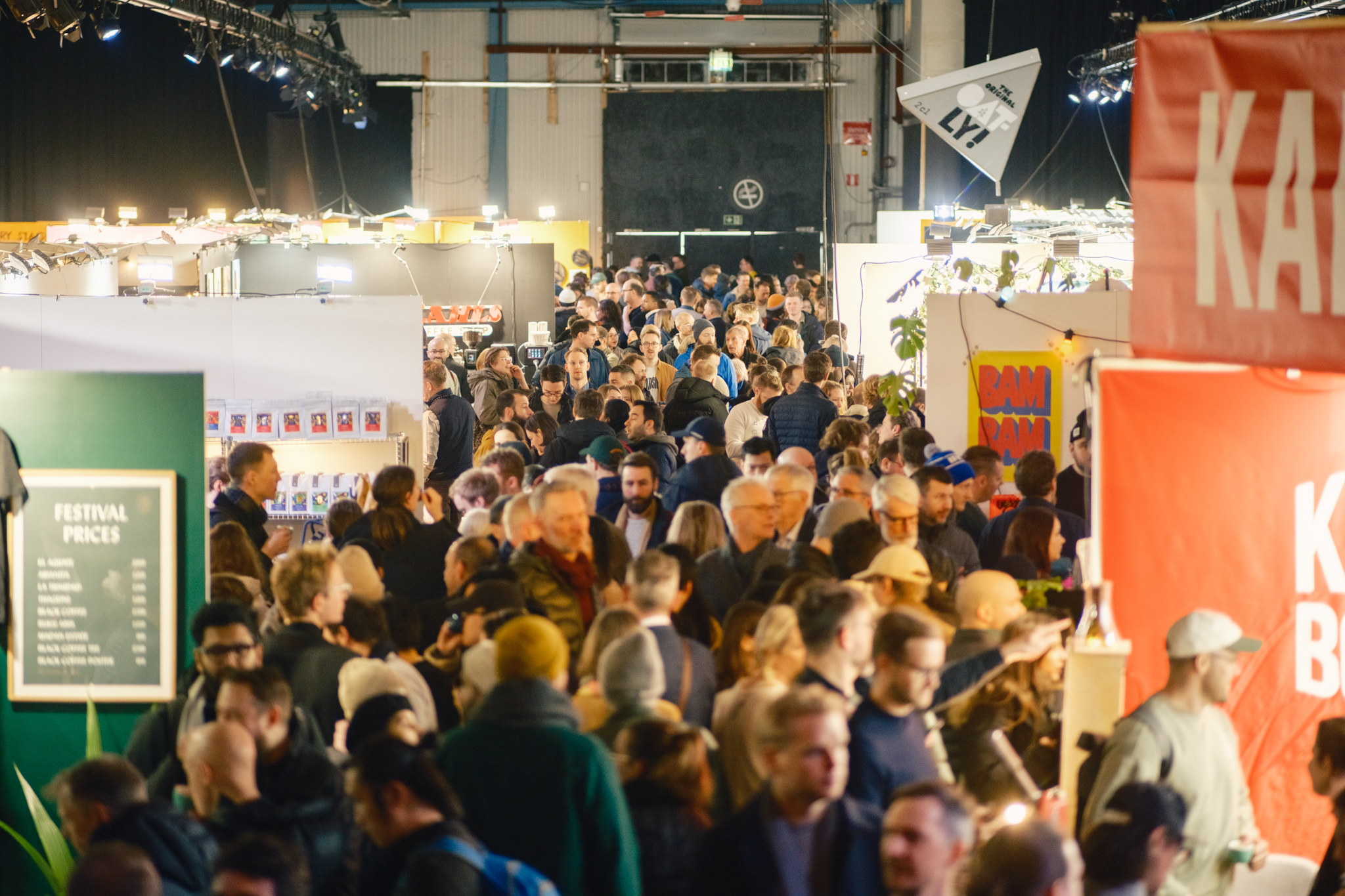
The Amsterdam Coffee Festival 2026 has officially opened in the Dutch capital, drawing a notable presence of visitors and coffee industry professionals, alongside broad participation from international companies and organizations operating in the sector. The event continues to reinforce its position as one of Europe’s leading platforms dedicated to the coffee industry.

The Amsterdam Coffee Festival 2026 is taking place from 16 to 18 April 2026 at the NDSM Loods venue, located at NDSM-Plein 85 in Amsterdam. The three-day event brings together specialty coffee activities, live roasting demonstrations, workshops, as well as entertainment elements including music, beverages, and cocktails, according to official event information.

This year’s program offers a diverse mix of educational and sensory experiences, featuring specialty coffee tasting sessions, training workshops for professional baristas, and interactive activities such as a Roasters Village concept, live latte art demonstrations, and cupping experiences, in addition to music performances and supporting entertainment events.

According to Amsterdam event listings, ticket prices start from approximately €12, making the festival accessible to a wide audience ranging from industry professionals to coffee enthusiasts.

This year’s edition has also seen a strong commercial and public turnout, with exhibition spaces dedicated to showcasing the latest innovations in coffee equipment and technology, including brewing machines, roasting systems, and digital solutions across the production and consumption chain.

A noticeable trend in this edition is the increasing integration of modern technologies. Several companies are presenting solutions based on artificial intelligence to enhance coffee preparation experiences through interactive systems capable of analyzing user preferences and offering personalized recommendations. Advanced equipment also enables greater precision in roasting and extraction processes.

The festival program also includes a series of training workshops for baristas and coffee professionals, alongside live competitions and professional cupping sessions, offering visitors the opportunity to explore modern brewing techniques and develop practical skills in the field.

The event hosts a diverse range of international organizations and institutions active in the coffee sector, along with companies from various European and global markets, reflecting the growing international dimension of the industry in both commercial exchange and knowledge sharing.

Economically, the festival contributes to boosting tourism and commercial activity in Amsterdam, attracting visitors from within the Netherlands and abroad. It also serves as an important networking platform for industry professionals to explore partnerships and business opportunities.

Overall, the Amsterdam Coffee Festival 2026 highlights the ongoing shift toward innovation and sustainability within the coffee industry, as companies continue to develop solutions that combine quality, efficiency, and evolving global consumer expectations.

The festival further strengthens its position as a platform that blends professional, commercial, and cultural dimensions within an industry that continues to expand and evolve rapidly worldwide.

The Science Behind the Perfect Espresso

Dubai – Qahwa World

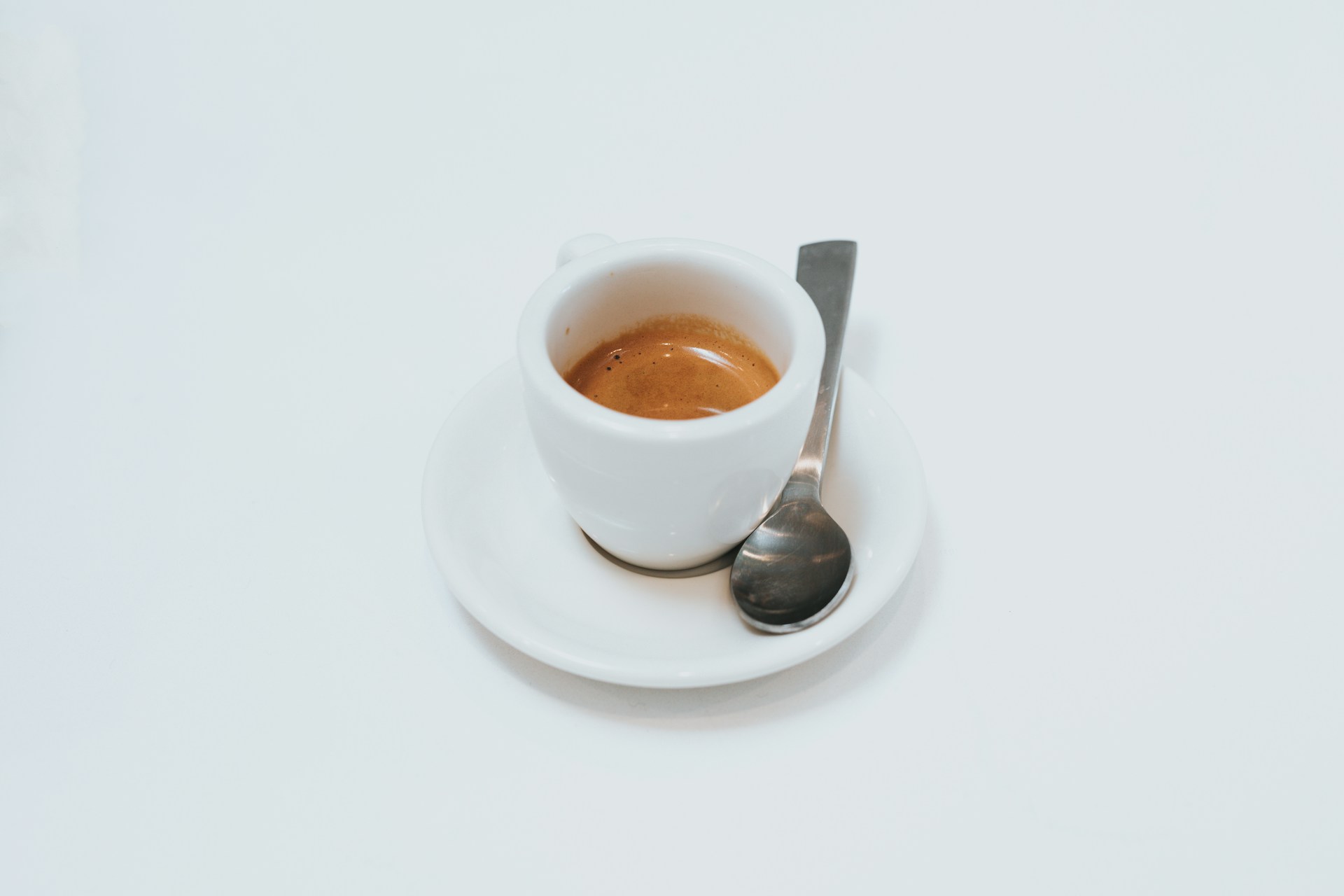
Coffee lovers often search for the ideal espresso, but scientists are now asking whether it can be understood—and even predicted—using mathematics and physics.

A group of international researchers from science and environmental fields recently explored how brewing behavior might be described through mathematical modeling, focusing on how water interacts with compacted coffee grounds inside an espresso machine.

The Role of the Coffee “Puck”

At the center of the study is the coffee puck—the tightly packed layer of ground coffee used during espresso extraction. When hot water passes through it under pressure, it extracts flavor compounds, oils, and caffeine.

The structure of this coffee puck plays a major role in how evenly water flows and how much flavor is extracted.

Many factors influence this process, including how fine the coffee is ground, how densely it is packed, and how long water interacts with it.

How the Research Was Conducted

To better understand the internal structure of coffee beds, researchers tested different grind sizes using beans from multiple origins. They examined how particles arranged themselves when compressed into espresso-like samples.

  • Multiple grind sizes ranging from fine to coarse were tested
  • Samples were packed under controlled conditions
  • Advanced 3D imaging was used to study internal pore spaces

Using high-resolution imaging technology, the team mapped tiny gaps between coffee particles. These spaces determine how easily water can move through the puck.

Simulating Water Flow Through Coffee

The researchers applied computer-based models inspired by percolation principles, which describe how fluids move through connected structures.

These simulations helped reveal how water distributes itself inside different coffee structures and how extraction efficiency changes with grind size and density.

What Affects Espresso Extraction?

According to the study, several physical properties influence the brewing process:

  • Particle size of ground coffee
  • Density of the packed puck
  • Connectivity of internal pore spaces
  • Surface area exposed to water

Together, these factors determine how long water remains in contact with the coffee and how much material is extracted.

Why This Research Matters

While the study is highly technical, its practical applications may include improving brewing equipment, optimizing grinder settings, and helping industrial coffee systems produce more consistent results.

However, researchers also emphasize that even with advanced models, personal taste still plays a major role in defining what makes the “perfect” espresso.

Conclusion

Science may be able to describe and predict how espresso extraction works, but the final judgment of quality still belongs to the drinker.


Coffee Etiquette in 2026

 12 Rules for an Elegant and Mindful Café Experience

Dubai – Qahwa Word

In 2026, coffee is no longer just a morning drink. It reflects modern life: digital speed, environmental awareness, remote work, and the human need for genuine connection in a fast-paced world.

From London and Berlin streets to traditional cafés in Dubai, cafés have become spaces combining comfort and productivity, speed and reflection, technology and human warmth. Baristas are now partners in a daily experience blending craftsmanship, smart ordering techniques, and human warmth.

Twelve Rules for Coffee Etiquette in 2026

1. Choose Before You Arrive

Browse the menu in advance to save time and make a mindful choice for your health and the environment.

2. Smile and Make Eye Contact

Even with digital orders, greet the barista to keep the café warm and welcoming.

3. Be Clear and Polite

Specify milk type, temperature, and additions with a friendly smile to reduce stress and improve quality.

4. Respect the Café’s Rhythm

Use pre-ordering during peak hours to avoid disrupting workflow and other guests’ experience.

5. Trust the Barista’s Expertise

Ask for seasonal or sustainable recommendations for a unique coffee experience. Baristas may introduce you to drinks better than what you initially planned.

6. Value Time Like Coffee

After finishing, free the table for other guests, especially in fast-turnover cafés. The café is not a private office, and everyone deserves access.

7. Maintain a Quiet Atmosphere

Use headphones for calls or music, and keep your voice low. Psychological calm is now an essential part of the café experience.

8. Keep Interactions Balanced

Friendly conversation is welcome, but lengthy discussions are best outside busy hours. Don’t turn the barista into a platform for lectures.

9. Show Appreciation

Tipping demonstrates respect for the human effort behind every cup, even in budget-friendly chains.

10. Share Space Mindfully

Do not occupy large tables with devices if the café is crowded. The café is a shared space, not a temporary office.

11. Be a Sustainability Partner

Return reusable cups or leftover coffee to the barista. Sustainability in 2026 is no longer optional but a shared value.

12. Balance Technology and Humanity

Apps and kiosks are great for speed, but do not ignore the barista completely. Say thank you when receiving your order and avoid lingering at the counter. The balance between speed and warmth is key to a successful experience.

In Conclusion

Following these rules not only makes your coffee taste better, but also contributes to creating an elegant, respectful, and sustainable café culture. The café in 2026 is more than a place—it is a mirror reflecting our community values.

  • Related story:

Coffee Etiquette: 11 Tips for Café Visitors

Australia’s Coffee Powerhouse

Dubai – Qahwa World

Few countries have shaped modern café culture like Australia. Its cafés are defined not by a single invention, but by a relentless commitment to quality. Coffee is precise, roasting is meticulous, and hospitality is at the heart of every interaction. Every cup is expected to impress, and the people behind the counter take that responsibility seriously.

Industry insiders often point to a combination of skill, competition, and dedication as the secret of Australia’s edge. With talented baristas and customers who know what good coffee should taste like, the country has created a culture that leads the world in coffee.

Australia’s influence goes far beyond its borders. Drinks like the flat white and long black are now served in cafés from London to Tokyo. Australian baristas and roasters have helped shape coffee scenes across Asia, Europe, and the Middle East. They are exporting not just beverages, but a way of thinking about coffee that values craftsmanship, precision, and the overall experience.

You may read: Specialty Coffee Trends Shaping Australia’s Café Scene in 2026

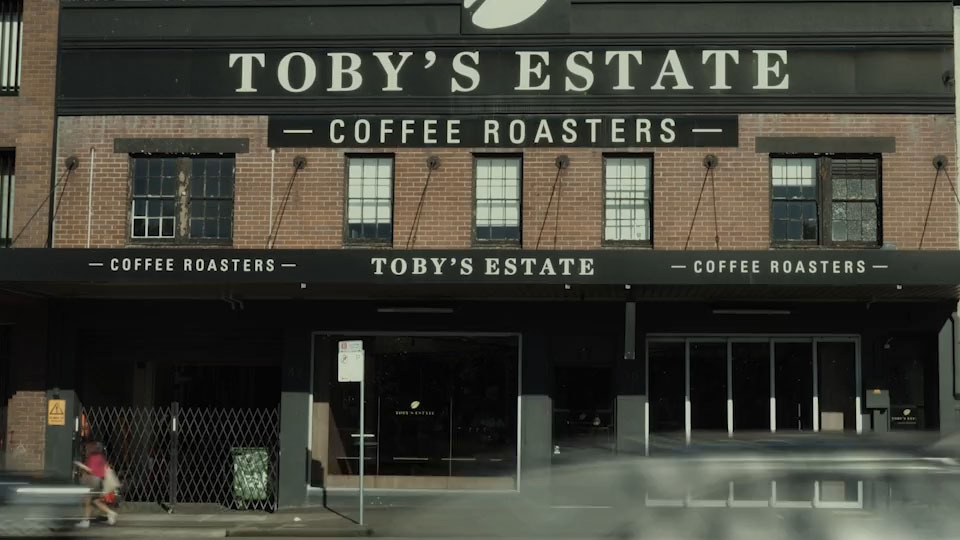
Global rankings consistently recognize Australian cafés. Names like Toby’s Estate in Sydney, Proud Mary in Melbourne, and Coffee Anthology in Brisbane are celebrated internationally. Their success is not a one-time achievement. It reflects consistent excellence in coffee, hospitality, and the way cafés make customers feel welcome.

Jody Leslie, General Manager of Toby’s Estate, emphasizes that exceptional coffee is now just the starting point. “The real difference is the full experience,” she says. “The energy behind the bar, the team who remember your name and perfect your pour, it all resonates with people. Topping global rankings was a milestone, but it reflects daily dedication to creating a space where people want to linger.”

Veneziano Coffee Roasters takes this approach further, designing every interaction around how customers naturally engage with coffee. Brand Strategist Sarah Eagles notes, “Our café culture leads because it is relentlessly customer-driven. We respond to preferences for iced options, speed without losing soul, and evolving café atmospheres. Strong branding and authentic community ties make the experience feel forward-thinking and human at the same time.”

  • Foundations of a Coffee Nation

Australia’s rise in coffee culture is rooted in history. Italian immigrants brought espresso traditions to a tea-centric nation in the mid-20th century. Over time, these influences combined with local conditions, including abundant high-quality dairy, to create milk-based drinks like the flat white, now a global favorite.

You may also read: From Australia to the UAE: The Coffee Club’s Menu Gets Even More Exciting

Independent cafés flourished in cities like Melbourne and Sydney, allowing experimentation and innovation. Roasters and baristas were pushed by competition, and standards for quality grew steadily higher. Adam Wang, founder of Brisbane’s Coffee Anthology, describes this synergy as the country’s advantage. “It is never just about the coffee,” he says. “Baristas connect with guests like friends. Passion for craft shines through, and skills rank among the world’s finest.”

Coffee Anthology is also known for variety. It rotates multiple local roasters daily while offering international options at consistent pricing. “Guests explore different origins and styles without barriers,” Wang explains. Veneziano uses consumer intelligence and systems to ensure consistency while allowing teams to focus on hospitality. Eagles adds, “Technology gives us precision and flow, letting human connection take center stage.”

  • Looking Ahead

With global recognition comes scrutiny. Maintaining elite standards while responding to new expectations is the next challenge. Leslie reflects, “Now it is about harmonizing technology and automation with the human desire for meaningful moments. Quality coffee remains non-negotiable.”

Eagles predicts success for cafés that evolve without losing their essence. “Those who listen, adapt boldly, and stay authentic will endure. Technology helps precision and flow, letting hospitality shine. Innovation paired with heart wins.”

Wang sees a growing divergence: some cafés focus on pure coffee mastery, while others explore inventive beverages. “Matcha and non-traditional drinks are rising,” he says. “Tomorrow’s stars may include creations we cannot even imagine today.”

Australia’s café culture did not reach global recognition by accident. It was built through decades of craftsmanship, hospitality, and constant refinement. With a strong presence in 2026 and cafés that continue to innovate, the nation’s coffee story is evolving, shaping the global conversation one cup at a time.
World of Coffee San Diego 2026: Last Chance for Early Bird Rates

SAN DIEGO, CALIFORNIA – QHWAW WORLD

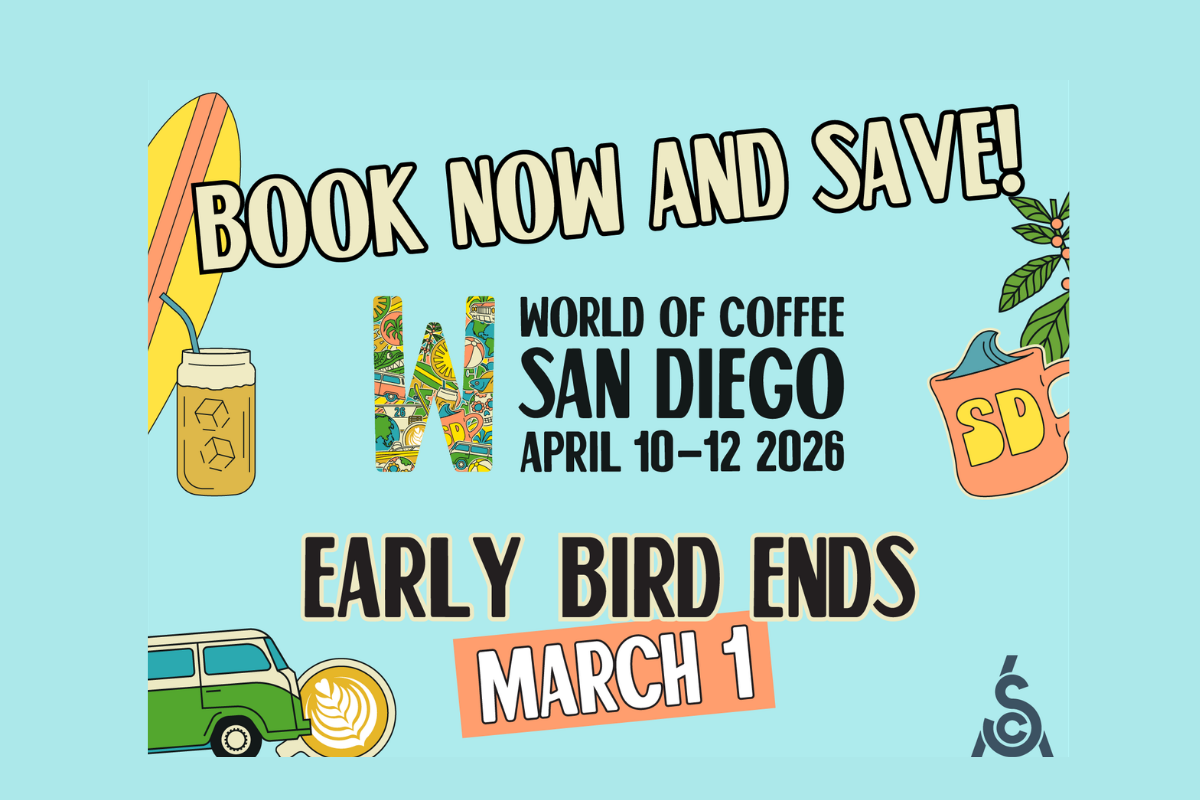
The countdown has officially begun for the global specialty coffee community. With World of Coffee San Diego 2026 just around the corner, the Specialty Coffee Association (SCA) has announced that “Early Bird” registration rates are set to expire on March 1, 2026. This leaves attendees with just one week to take advantage of significant savings before prices increase.

A Strategic Hub for a Growing Industry

Set in the vibrant city of San Diego, this event is expected to be a cornerstone for coffee professionals and enthusiasts alike. From roasters and farmers to equipment suppliers and baristas, the exhibition serves as a premier platform for networking, discovering innovations, and exploring the trends shaping the future of the specialty coffee market.

Badge Options and Pricing Details

The 3-Day World of Coffee Badge provides full access to the exhibit hall, the World Latte Art Championship, the SCA Lecture Series, and public cuppings from April 10 to April 12, 2026.

Pricing Overview (Early Bird ends March 1):

Badge Category (3-Day) Early Bird Price Regular Price (After March 1)
SCA Paid Members $299 $340
Non-Members $360 $399

Single-day badges are also available for Friday, Saturday, or Sunday to accommodate those with tighter schedules.

Expert-Led Workshops and Hands-On Learning

The event features an intensive series of SCA workshops, ranging from 2.5 to 3.5 hours. These sessions offer practical, hands-on solutions to industry challenges, covering everything from flavour development to business management. Early bird rates for workshops start at $250 (with additional discounts for members), and seats are expected to fill quickly due to high demand for specialised training.

Digital-Only Registration and Logistics

The organisers have noted that World of Coffee is a non-cash event, requiring all badge purchases to be made online via credit or debit card. For international visitors, visa invitation letters can be generated during the registration process. Additionally, Maritz has been appointed as the official housing provider, offering curated accommodation options near the venue to ensure a seamless experience for all attendees.

Nordic Coffee Fest 2026: The Largest Coffee Event in Gothenburg

GOTHENBURG – QAHWA WORLD

The Nordic Coffee Fest is set to return to Bananpiren in Gothenburg from February 28 to March 1, marking its largest and most ambitious edition to date. This year, the festival has expanded by a massive 50 percent compared to previous years, expected to attract between 4,000 and 5,000 visitors, solidifying its position as the premier meeting place for specialty coffee in the Nordic region.

YOU MAY LIKE: Nordic Coffee Fest 2026 Opens Call for Industry Stage Speakers

The expansion comes at a time of record-breaking interest in coffee culture. According to global search data, “how to make a cappuccino” was the top “how-to” query in Sweden during 2025. As rising coffee prices become a daily conversation for consumers, the festival serves as a vital hub to address these trends—from mastering home brewing to understanding global perspectives on production, pricing, and quality.

  • Global Roaster Showcase: A World-Class Experience

A major highlight of the 2026 edition is the Global Roaster Showcase. The festival is bringing four internationally recognized roasteries from South Korea, India, Colombia, and the USA to Gothenburg. These roasters will feature full-service “pop-up” concepts, allowing visitors to experience world-class coffee exactly as it is served in its country of origin—an experience that would typically require traveling across the globe.

  • The Industry Stage and Barista School: A Program of Excellence

Festival organizers have expressed particular pride in this year’s Industry Stage program. This platform will host deep-dive lectures and discussions featuring renowned profiles from the restaurant and coffee sectors. Topics will range from the evolution of coffee flavors and innovative brewing methods to the complex development of global coffee prices.

For those looking to sharpen their practical skills, the Barista School returns to offer hands-on masterclasses. Regardless of their prior knowledge, visitors can learn the intricacies of espresso, filter brewing, and the delicate art of latte pouring directly from leading experts.

  • Live Competitions and Challenges

The festival’s high-energy atmosphere is further fueled by a series of live competitions, including:

Latte Art Challenge: Where participants compete live on stage in creative milk pouring.

Nordics Best Roaster: A prestigious title awarded to the top roastery in the region.

Public’s Choice: An interactive award where visitors vote for their personal favorite coffee of the festival.

“Hardly a day goes by without someone asking which coffee is actually the best, or how they can make better coffee at home,” says Steve Moloney, founder of the festival and two-time Swedish Barista Champion. “Nordic Coffee Fest is for everyone who’s curious and wants to learn more—directly from some of the world’s leading experts.”

The Silent Cafe is Dying

By: Sonam Sherpa

We are living in a time where most of us know how to brew specialty coffee.

Great equipment, precise recipes, advanced processing methods everything is available. And yet, I’ve tasted many technically perfect brewed coffees that felt without lives.

What do I mean by coffee without life? As generations change, every industry evolves and coffee is no different. Brewing techniques are innovating faster than ever. But somewhere along this journey, we’ve started overlooking something far more important: the customer experience.

At the end of the day, the final goal isn’t the brew. It’s the person holding the cup.

Adding life to coffee doesn’t mean doing more complicated brewing. It means helping the customer feel that the coffee they’re paying for is worth it. Serving coffee alone isn’t enough anymore. Life is added when we share the story behind the cup,like

  1. Where the coffee comes from? 2.How it was processed ?

  2. What makes it unique? 4.Why it was roasted a certain way?

  3. How it’s meant to be experienced when brewed.

  4. And etc

Many of us already share this information. But what’s often missing is communication the ability to express it in a way that customer could connect. Not every customer wants technical details. What they want is something they can relate to. This is where storytelling becomes powerful. In the future, storytelling won’t just be a skill, it will be a necessity. The cafés that stand out will be the ones that communicate a beverage in a way that even a non-coffee drinker can understand and enjoy.

So here’s my encouragement to fellow coffee professionals and café owners:

Learn to tell stories. Learn to communicate. Because when a customer connects with the story, the coffee comes alive.

From Milan to Dubai: World Champion Shares His Expertise in Competition Coffee

Dubai – Qahwa World

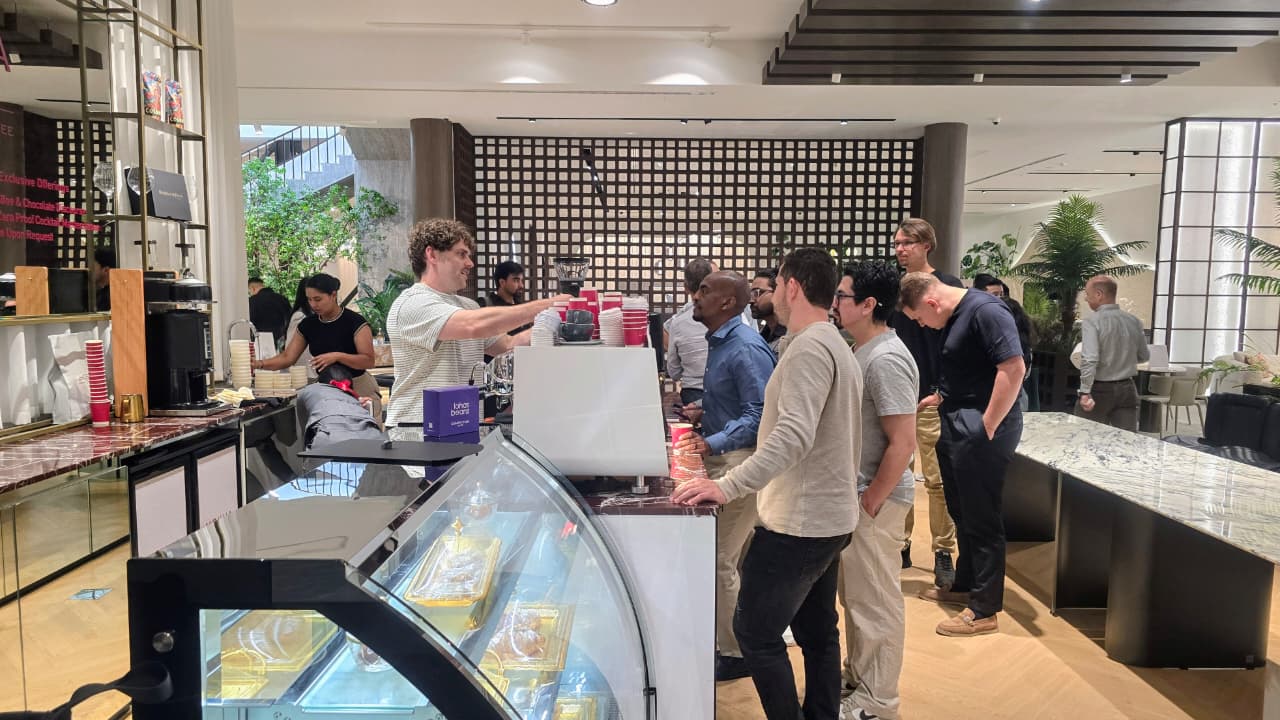
Dubai’s specialty coffee scene witnessed a remarkable moment with an exclusive event titled “What’s Behind a Competition Coffee”, organized by Mokha 1450 Luxury Specialty Coffee in collaboration with Lohas Beans. The event offered an in-depth exploration of the technical and strategic decisions behind competition-grade coffee, bringing together world-class expertise and local enthusiasts.

The highlight of the evening was the presence of Jack Simpson, 2025 World Barista Champion, freshly crowned in Milan, whose appearance drew significant attention from leading baristas, coffee professionals, and aficionados across the region. Simpson was joined by esteemed experts Jhonatan Gasca and Juan Pablo Campos, forming a distinguished panel that guided participants through the subtle complexities of producing world-class competition coffees.

Moving beyond traditional cupping sessions, the event delved into the nuances that make championship coffees exceptional, covering everything from farm-level selection and processing methods to roasting profiles, brewing techniques, and presentation strategies. Attendees had the rare opportunity to taste exclusive limited Papayo lots, demonstrating Mokha 1450’s commitment to quality and innovation.

The program featured three key components: a guided tasting session, a live demonstration of espresso and milk-based beverages by Jack Simpson, and an interactive Q&A session with the panelists, creating a platform for knowledge exchange and dialogue between global champions and the local coffee community.

This event is part of the activities accompanying World of Coffee Dubai 2026, taking place from January 18 to 20, highlighting Dubai’s growing role as a hub for specialty coffee. Under the leadership of Mr. Garfield Kerr, Mokha 1450 continues to advance coffee culture in the UAE by leveraging every opportunity to keep the community informed of the latest developments, while fostering connections between champions, coffee makers, and enthusiasts.

Through initiatives like “What’s Behind a Competition Coffee,” Mokha 1450 strengthens the bridge between global expertise and the local coffee scene, reaffirming its commitment to education, cultural exchange, and the pursuit of excellence in specialty coffee.

Lablibell Crowned UAE Lavazza Barista Champion

Dubai – Qahwa World

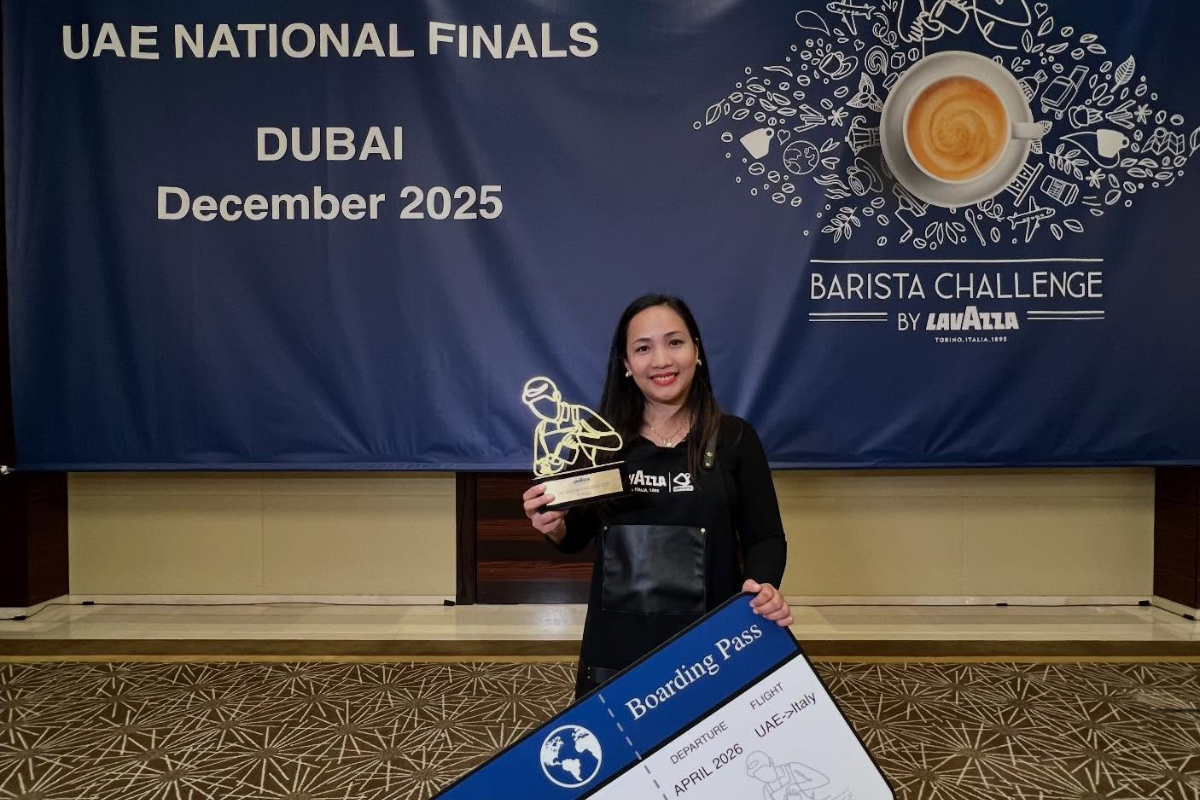
Lablibell has been crowned the UAE Lavazza Barista Champion for this year, achieving a well-deserved victory that qualifies her to represent the nation at the Lavazza World Barista Championships in Italy in February 2026.

The finals were held on Thursday, December 11th, at the Grosvenor House Hotel in Dubai Marina, where the competition showcased the talent and passion of the nation’s top baristas.

Lablibell impressed the judges with her signature drink titled “Beyond Times,” inspired by her professional journey and continuous development in the art of coffee preparation. The champion used the distinguished Lavazza Kafa Forest Beans as the base for her espresso, presenting a winning cup that combined heritage, passion, and high skill.

The champion expressed her delight and deep gratitude to everyone who contributed to supporting her throughout the intense competition journey. Lablibell affirmed that the road to the title was filled with challenges and learning, which only deepened her passion for the craft she loves. She also commended the strong spirit of competition among all participants, appreciating their creativity and commitment.

This victory is the culmination of significant effort. Lablibell extended her thanks to everyone who assisted her in training and refining her skills, highlighting the support received from the local coffee community and the competition organizers.

Barista Terminology | Episode 17: Understanding Customer Preferences & Making Recommendations

Dubai – Qahwa World

Qahwa World continues its “Barista Terminology” series, reaching the seventeenth episode of this educational journey dedicated to enhancing baristas’ professional and cultural knowledge. In this episode, we explore and analyze a key aspect of the barista’s role: understanding customers and guiding them toward the right coffee choice.

A skilled barista does more than prepare excellent coffee — they also act as a guide who helps customers find a drink that suits their taste. Understanding preferences and offering thoughtful recommendations can turn occasional visitors into loyal regulars.

Today, we highlight 8 essential duties every barista should master and consistently apply:

1. Ask the Right Questions

Start with simple, open-ended questions such as:
• “Do you prefer a light or strong drink?”
• “Do you enjoy sweeter flavors or stronger ones?”
• “Do you usually take your coffee with milk?”

2. Understand Flavor Profiles

Match drinks to taste preferences:
• Fruity & light → Drip-brew coffees from African origins
• Bold & rich → Espresso-based drinks or darker roasts
• Creamy & sweet → Milk-based drinks like flat white or latte

3. Recommend Based on Time & Mood

Morning: Balanced and energizing drinks such as cappuccino or filtered coffee
Afternoon: Cold and refreshing choices like iced coffee or cold brew
Evening: Decaf or low-acidity options

4. Offer Customization Options

Explain available adjustments:
• Milk types: cow’s milk, oat, soy, almond
• Sweetness levels: none, light, regular
• Temperature: extra hot, warm
• Strength: single or double shot, ristretto, lungo

5. Share Light Information

When the customer is curious, offer brief and helpful insights:
• “This coffee is from Yemen and has grape-like acidity.”
• “We use a slow brewing method to enhance clarity.”

6. Respect Individual Taste

There is no “wrong” taste in coffee. A professional barista respects personal preferences and avoids judging sweetened or flavored choices.

7. Recommend Signature Drinks

If the café has a special drink, highlight it with confidence:
• “We have a honey-cinnamon latte that is one of our most popular drinks.”

8. Remember Regular Customers

When a customer returns, try to recall their previous order. This adds a personal touch and strengthens customer loyalty.

Related Stories:


Barista Terminology | Episode 16: Common Coffee Brewing Mistakes and How to Fix Them

Barista Terminology | Episode 14: Coffee Origins and Their Flavour Profiles

Barista Terminology | Episode 13: Espresso Machine Components Explained

Barista Terminology | Episode 12: Brewing Equipment Maintenance & Hygiene

Barista Terminology | Episode 11: Milk-Based Coffee Drinks

Barista Terminology | Episode 10: Advanced Concepts

Barista Terminology | Episode 9: Sensory Evaluation

Barista Terminology | Episode 8: Customer Service Language in the Café

Barista Terminology | Episode 7: Water & Temperature Control

Barista Terminology | Episode 6: Grind & Extraction Variables

Barista Terminology | Episode 5: Milk Texturing & Latte Art

Barista Terminology | Episode 4: Brew Methods Explained

Barista Terminology | Episode 1: The Coffee Bean – From Seed to Roast

Barista Terminology | Episode 2: Barista Tools & Equipment

Barista Terminology | Episode 3: Espresso Basics