Indonesia Eyes Further Growth in Coffee Exports to Russia

Moscow — Qahwa World

Indonesia may continue expanding its coffee exports to Russia following strong growth in 2025, although logistical and financial hurdles remain, according to an industry representative.

A supplier speaking at the “Coffee Tea Cacao & HoReCa Expo” in Moscow said that while Indonesia is unlikely to surpass Vietnam as Russia’s top coffee exporter, there is still room to increase overall shipment volumes.

Trade data previously showed that Indonesia strengthened its position among Russia’s leading coffee suppliers during the first nine months of 2025, with export values rising significantly compared to the previous year. Vietnam, however, maintained its lead by a wide margin.

Industry participants point to transportation difficulties and payment processing issues as the main constraints affecting further expansion. Despite these challenges, there is optimism that improving bilateral relations could help ease some of these barriers.

Russia is not yet among Indonesia’s top coffee export destinations, but demand in the market has been steadily increasing in recent years, making it more attractive for exporters.

Recent high-level talks between officials from both countries have also included discussions on facilitating financial transactions, which could support future trade growth.

Russia’s Green Coffee Market Records Historic Growth in 2026

Mocow-QahwaWorld

Russia’s green coffee market posted significant growth in 2026, supported by rising global prices and sustained domestic demand, according to a recent analysis by ROIF Expert. The expansion reflects not only higher market value but also increased import volumes and consumption levels, reinforcing Russia’s position as a key destination for global coffee exporters.

Market Value Jumps by 92 Billion Rubles

The market value of green coffee increased by approximately 92 billion rubles between its lowest and highest recent levels, marking one of the strongest gains in the sector. The growth is largely attributed to higher global coffee prices, influenced by weather-related challenges in major producing countries such as Brazil and Vietnam.

While import volumes continued to rise, value growth outpaced physical expansion, reflecting sustained price pressure across global supply chains.

Imports Remain the Core Driver

Russia relies almost entirely on imports to meet its green coffee demand. Between 2025 and 2026, total import volumes reached around 286,000 tons.

  • Import value increased by 45.5% in the first nine months of 2025, reaching $924.7 million
  • Vietnam recorded a 1.5x increase in exports
  • Brazil nearly doubled its export volumes
  • Indonesia strengthened its position among top suppliers with 1.6x growth

Despite ongoing sanctions, supply flows remained stable. The primary challenge involved payment restrictions, prompting companies to adapt through alternative channels, including intermediary countries such as Turkey, China, and the UAE, as well as increased direct shipping routes.

Consumption Reaches Record Levels

Consumption indicators show continued growth, with per capita coffee consumption reaching its highest recorded levels. Approximately 70% of the population consumes coffee daily, while a majority consider it an essential part of their routine.

Home consumption is expected to grow by 15% by the end of 2026, alongside increasing demand for specialty coffee and whole beans.

Shifts in Supply Chains

Supply chains are gradually shifting toward Asian producers, particularly Vietnam and Indonesia, while overall trade flows remain relatively stable. At the same time, the market continues to face pricing pressures and logistical risks linked to geopolitical factors.

Outlook Through 2033

The baseline scenario outlined in the report suggests steady growth over the coming years, supported by consistent demand and expanding import activity.

  • Projected annual growth between 3% and 5.5%
  • Moderate increase in global price levels
  • Continued rise in per capita consumption
  • Further diversification of import sources

The market is expected to maintain positive momentum, demonstrating resilience in the face of external pressures.

Implications for Industry Stakeholders

The Russian market offers strong opportunities for global exporters, given its full dependence on imports. Domestic players are increasingly focused on higher-quality offerings and cost management, while consumers benefit from a broader range of products.

From an investment perspective, the sector shows the ability to convert price pressures into growth drivers, enhancing its medium-term appeal.

Conclusion

Russia’s green coffee market in 2026 reflects a mature and resilient sector. The sharp increase in market value and sustained demand indicate a continued upward trajectory, with growth expected to extend through the end of the decade.


Best Coffee Capsules in Russia 2026

Moscow — Qahwa World

A detailed market study published by VC.ru presents the top 20 coffee capsules in Russia for 2026, covering multiple systems, price segments, and consumer preferences.

The report reflects not only Russian consumer behavior but also wider trends across post-Soviet markets and global capsule coffee consumption patterns.

  • Based on sales volume and verified customer reviews
  • Includes budget, mid-range, and premium capsules
  • Growing demand for milk-based coffee drinks
  • Strong preference for multi-pack economic solutions

Top Selling Coffee Capsules

Product Description
Julius Meinl Lungo Forte Balanced espresso with chocolate notes and strong daily performance.
Julius Meinl Espresso Delizioso 100% Arabica with fruity acidity and nutty finish.
Drive Absolut Latte Macchiato Two-capsule milk coffee system with creamy texture.
Drive Absolut Espresso (96) Bulk pack designed for daily consumption efficiency.
Drive Absolut Espresso (16) Budget entry-level capsule option.
Single Cup Coffee Classic Multi-flavor tasting set with 5 coffee profiles.

Caffitaly & Di Maestri Systems

Product Description
Caffitaly Professional Classic Three blends in one introductory pack.
Caffitaly Cappuccino Instant milk-based cappuccino capsule.
Di Maestri Arabica (80) Large pack of smooth Arabica blend.
Di Maestri Arabica (30) Trial version for new users.
Caffitaly Prezioso Soft espresso with fruity chocolate notes.

Premium & Strong Coffee Capsules

Product Description
Carraro Aroma e Gusto Intenso Strong Italian blend with intensity level 12.
Nespresso Roma (30) Classic Italian espresso profile.
Nespresso Roma (50) Large pack for regular users.
Testa Rossa Arabica Arabica with berry and caramel notes.
Giosso Caramel Caramel flavored espresso capsule.
Dolce Gusto Cortado Espresso with light milk balance.

Market Insights

The Russian capsule coffee market continues to grow steadily due to convenience, consistent taste, and fast preparation time.

Consumers increasingly prefer larger packs and milk-based beverages, reshaping demand across all segments.

Coffee World — Global Coffee Market Analysis

Explore more reports


Russian Instant Coffee Exports Rise 28% to $366 Million

Moscow – QAHWA WORLD

Russia recorded solid growth in its instant coffee exports in 2025, with total export value rising 28% year-on-year to exceed $366 million.

According to the Federal Center for Agricultural Export Development, Agroexport, citing expert estimates, the shipments included coffee extracts, essences, concentrates, and finished products based on them.

In volume terms, exports surpassed 51,000 tons during the year. No comparative data on year-on-year volume growth was disclosed.

Kazakhstan remained the leading destination market, with export revenues exceeding $131 million, compared with approximately $58 million in 2024, representing more than a twofold increase.

Belarus ranked next, importing nearly $95 million worth of products. Exports to Uzbekistan reached about $33 million, while Georgia imported more than $24 million. Shipments to Israel totaled close to $12 million.

In 2025, exports of this product category to Oman were also resumed, with shipments valued at over $120,000 following a previous توقف.

The figures highlight the continued concentration of Russian instant coffee exports in CIS markets, alongside efforts to re-expand into additional destinations amid steady regional demand for instant coffee products.

Russia Updates Instant Coffee Standards for the First Time in 32 Years

MOSCOW – QAHWA WORLD

Russia has officially revised its national standard for instant coffee, marking the first update since 1994. According to Readovka, the previous GOST standard, introduced in January 1994, applied only to powdered instant coffee. The newly adopted regulation significantly broadens the classification and aligns it with today’s market realities.

Expanded Product Classification

Under the updated standard, three categories of instant coffee are now formally recognized:

  • Powdered instant coffee

  • Granulated instant coffee

  • Freeze-dried (sublimated) instant coffee

This expansion reflects the technological evolution of the sector and the diversity of products currently available to consumers.

Clearer Quality Parameters

As outlined by Rosstandart, the revised standard introduces specific quality indicators for each type of instant coffee. These include:

  • Appearance of the powder or granules

  • Color of the dry product

  • Aroma

  • Taste of the prepared beverage

The new GOST prohibits the presence of foreign impurities and any off-flavors or odors not characteristic of coffee. Flavorings are permitted; however, manufacturers are required to clearly declare them in the ingredient list.

Stricter Technical Requirements

The updated regulation also establishes precise technical benchmarks:

  • Complete dissolution in hot water (96–98°C) within 30 seconds

  • Dissolution in cold water (18–20°C) within a maximum of three minutes

  • Moisture content not exceeding 6% in the dry product

These measures aim to ensure product consistency, performance, and consumer transparency across all categories.

Market Context: Health and Pricing Pressures

Previous reports have suggested that moderate coffee consumption may be associated with a 10–15% reduction in overall mortality. However, these potential benefits can be offset when sugar or flavored syrups are added in significant amounts.

Meanwhile, the coffee market has faced notable price increases over the past two years, with costs rising more than 2.5 times. The surge is largely attributed to a global shortage of green coffee beans and ongoing supply chain disruptions.

The revision of Russia’s instant coffee standard signals a broader effort to modernize regulatory frameworks and raise quality benchmarks in a market that continues to evolve rapidly.

Coffee Prices in Russia Keep Climbing: How Much Does a Cup Cost Now?

Prices in retail and cafés continue to climb as the market braces for further increases in 2026

Moscow – Qahwa World

Russia’s coffee market experienced a sharp rise in prices throughout 2025, a trend that has become clearly visible to consumers both in retail stores and in cafés. As 2026 begins, prices for instant coffee and coffee beans remain at elevated levels, reinforcing concerns that a daily cup of coffee is becoming an increasingly expensive habit.

  • Sustained Growth Over Three Years

Over the past three years, coffee prices in Russia have followed a steady upward trajectory. According to data from Rosstat, the average price of one kilogram of instant coffee stood at 2,638 rubles in January 2022. By the end of that year, the price had risen by approximately 25%. Although a brief decline was recorded in 2023, it proved short-lived.

From January 2024 onward, prices resumed their upward movement, reaching 3,500 rubles per kilogram by December. In November 2025, instant coffee hit a new record high of 4,152 rubles per kilogram. Overall, instant coffee prices increased by nearly 60% over three years.

Coffee beans followed a more gradual but largely uninterrupted upward path. In January 2022, one kilogram cost 1,136 rubles, rising to 1,490 rubles by the end of that year. Prices remained relatively stable throughout 2023 before entering a new growth phase in 2024. By November 2025, the price of coffee beans reached 2,061 rubles per kilogram—an increase of roughly 80% over three years.

Industry experts note that official statistics reflect average market dynamics, which may underestimate the real financial impact felt by consumers in day-to-day purchases.

  • Key Drivers Behind the Price Increase

At the beginning of 2025, market forecasts suggested coffee prices could rise by 30–40%. In practice, price increases in several segments exceeded those expectations.

Market participants report that over the past two to three years, prices for many popular brands of ground and whole-bean coffee in retail stores have risen by 50–100% compared to 2021 levels.

The primary drivers of this trend include Russia’s near-total reliance on imported coffee, elevated global prices for coffee raw materials, and fluctuations in the ruble exchange rate. Additional pressure has come from higher costs associated with international payments, logistics, and packaging materials, all of which increase production costs before roasting even begins.

  • Impact on Cafés

Rising raw material costs have also affected the foodservice sector. During 2025, prices for coffee-based beverages increased by an average of 15–30% year-on-year. In certain formats—particularly 100% arabica and specialty coffee—the increase reached 35–45%.

In many cases, cafés implemented price increases gradually, introducing several small adjustments over the course of the year rather than a single sharp hike.

At the same time, industry representatives emphasize that profit margins remain limited. The cost of coffee itself accounts for only a small portion of the final price of a cup, while operating expenses—such as rent, wages, and taxes—make up the bulk of costs.

  • Price Outlook for 2026

Forecasting coffee prices for 2026 remains challenging due to multiple external variables, including weather conditions in producing countries, exchange rate movements, and the stability of global supply chains. Potential changes in tax policy could also add further pressure.

Current expectations point to continued price growth, though at a more moderate pace. Under a baseline scenario, prices could rise by 8–15% over the year if currency and logistics conditions remain relatively stable. In the event of renewed volatility, increases could be higher, particularly in higher-quality coffee segments.

Despite rising prices, demand for coffee in Russia remains resilient. Strong consumer attachment to the product has allowed the market to adapt to higher price levels without a significant decline in consumption.

  • A New Phase for the Coffee Market

Experts broadly agree that Russia’s coffee market is entering a new phase. While the period of sharp and sudden price shocks may be easing, a return to previously low price levels appears unlikely in the near term.

Instead, the market is expected to settle into a phase of relative price stabilization at higher levels, with future pricing shaped by currency dynamics, competition, and consumers’ ability to adjust to the evolving market environment.
Russia Sets Record for Brazilian Coffee Imports

Moscow – Qahwa World

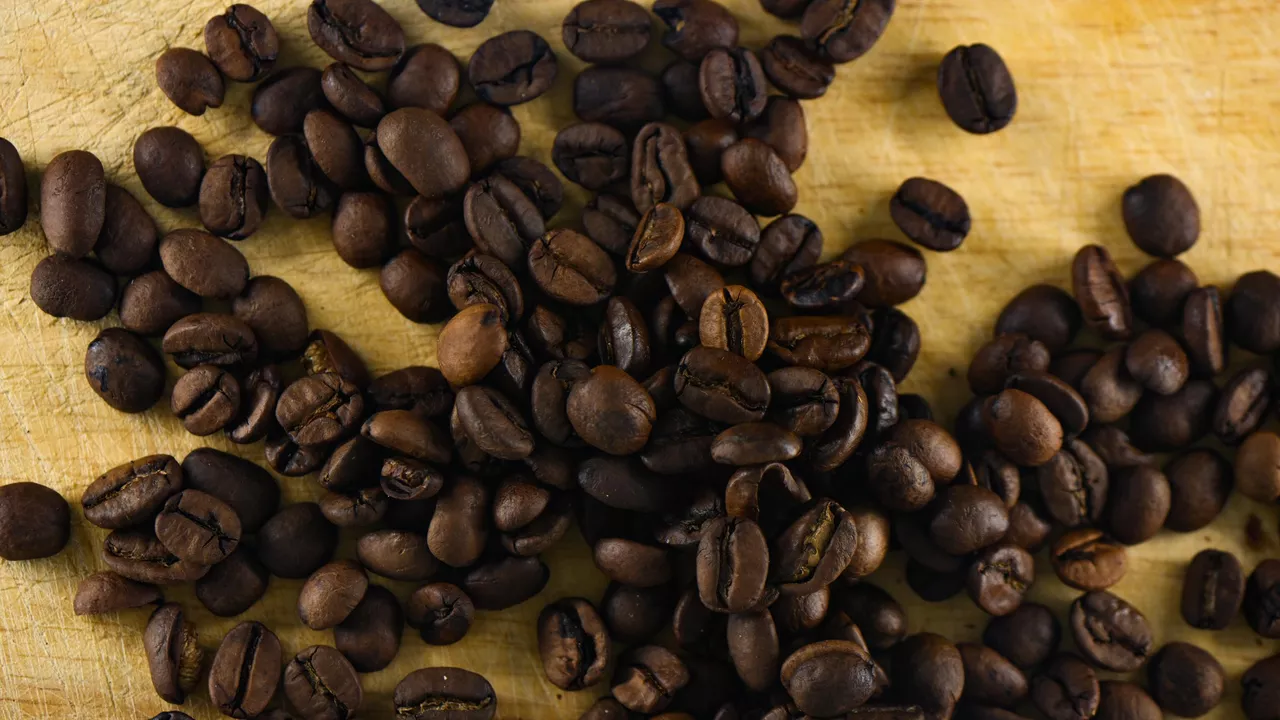
Russia significantly increased its imports of coffee from Brazil between January and November, with the total value reaching nearly $390 million — the highest level recorded to date, according to official Brazilian statistics.

Since the beginning of the year, Brazilian coffee shipments to Russia amounted to approximately $392.6 million, compared with about $232.3 million over the same period last year, highlighting a sharp expansion in bilateral trade within this segment.

Import volumes also rose in physical terms, totaling 62.3 thousand tonnes, which represents a 13% year-on-year increase.

As a result of the higher purchases, Russia ranked 11th among the world’s largest importers of Brazilian coffee. Germany remained the leading destination with imports worth around $2.1 billion, followed by the United States at $1.8 billion and Italy at approximately $1.2 billion.

Other major markets for Brazilian coffee during the period included Japan and Belgium, as well as the Netherlands, Türkiye, and Spain, while China also featured among the top ten importing countries.

Russian Coffee Shop Purchases Down 7.3% in 2025

Moscow, Russia — Qahwa World

The number of purchases at traditional coffee shops across Russia fell by 7.3% year-on-year in the January-October 2025 period. This data, compiled from a joint study by fiscal data operator Platform OFD and the self-service coffee chain Tochka Chernogo, highlights ongoing traffic challenges in the food service sector.

Revenue Rises Despite Fewer Transactions

Despite the drop in customer visits, the overall turnover (revenue) for coffee shops actually increased by 10%. This seemingly contradictory growth is attributed to a significant jump in the average check, which grew by 14.4% to 412 rubles.

Key Reasons for the Traffic Decline:

Declining Purchasing Power: Experts believe the primary cause of the falling traffic, which has been observed for a second consecutive year across the catering industry, is the decrease in the population’s purchasing power.

Shift to Cheaper Options: A segment of consumers is shifting towards more economical alternatives, including:

Fast Food: The fast-food segment saw a traffic increase of 3% in Moscow, according to Focus Technologies.

Retail Coffee Points: Retailers are posing serious competition by actively developing self-service coffee points within stores and opening their own cafe formats.

Nataliya Savostina, Marketing Director for Shokoladnitsa Group, noted that consumers who are always looking to save money are the most affected and are particularly sensitive to price changes.

The Rise of Self-Service Coffee

In contrast to traditional cafes, the self-service coffee point category demonstrated notable growth:

Transaction Growth: The number of checks at self-service coffee points rose by 9%.

Slower Check Growth: Turnover only increased by 7% due to a more modest rise in the average check of 4.9% (to 107 rubles).

Sergey Kaletin, COO of Uvenco Group, stated that demand for self-service points has been rising over the past five years. However, while affordable, the self-service model cannot yet offer the ambiance and unique experiences of a full-service café. For instance, at Vkusvill, purchases of coffee drinks in their “café” format grew by 38.5%, compared to just 0.3% in their self-service points.

Industry Strategy and Outlook

Coffee shops are forced to adjust prices to compensate for the outflow of visitors and rising costs. This includes optimizing cost structures and growing the average check not only through price increases but also by adjusting the product assortment. For example, Shokoladnitsa Group is maintaining prices for coffee subscriptions to sustain demand.

Experts predict that future development in the segment will be determined by economic factors and consumer purchasing power, which will continue to drive the choice between a traditional café and a more cost-effective self-service option.

Russians Drink Over 10 Million Liters of Coffee in Cafés Every Month

Moscow – Qahwa World

Russians consume around 10.3 million litres of coffee in cafés every month—the equivalent of 696,000 cups per day. According to RBC, citing a study by Platforma OFD, this amounts to about 0.45 cups per adult urban resident per month.

In September–October 2025, the average café receipt reached 463 rubles, up 17% from the previous year. The average price of a cup of coffee rose by 15% to 213 rubles, while the average number of items per order increased to 3.1.

Beverages dominate café sales, accounting for 70.4% of all receipts, with customers often adding sandwiches, cakes, or pastries to their orders. Russians tend to prefer the so-called “white cup” — milk-based drinks such as cappuccino and latte, which make up 80.1% of total sales. In contrast, “black cup” drinks like espresso and americano account for 19.9%, though their average price is higher at 229 rubles per cup.

Cafés are most actively expanding in the Central, Northwestern, and Southern federal districts. According to Dmitry Batyushenkov, CEO of Platforma OFD, market growth potential lies in regions with “white spots” — residential areas still lacking sufficient coffee shops.

Meanwhile, SberAnalytics reports that in the first half of 2025, the average check at cafés, bars, and restaurants across Russia increased by 10%, reaching 580 rubles. The most expensive dinner on record was in a Moscow restaurant, totaling 4.8 million rubles, followed by meals in Krasnodar (3.9 million rubles) and Moscow Oblast (3.6 million rubles).

Residents of Moscow and St. Petersburg spend the most on dining out — about 16,000 and 13,000 rubles per person annually, respectively, compared to the national average of 9,400 rubles. More than 57% of all restaurant and café spending is concentrated in the top 10 regions, including Moscow, St. Petersburg, Krasnodar Krai, Sverdlovsk Oblast, and Tatarstan.

Experts note that the growing popularity of cafés and restaurants reflects structural changes in Russia’s urban lifestyle, where coffee is increasingly becoming a symbol of daily culture and social connection, rather than just a beverage.