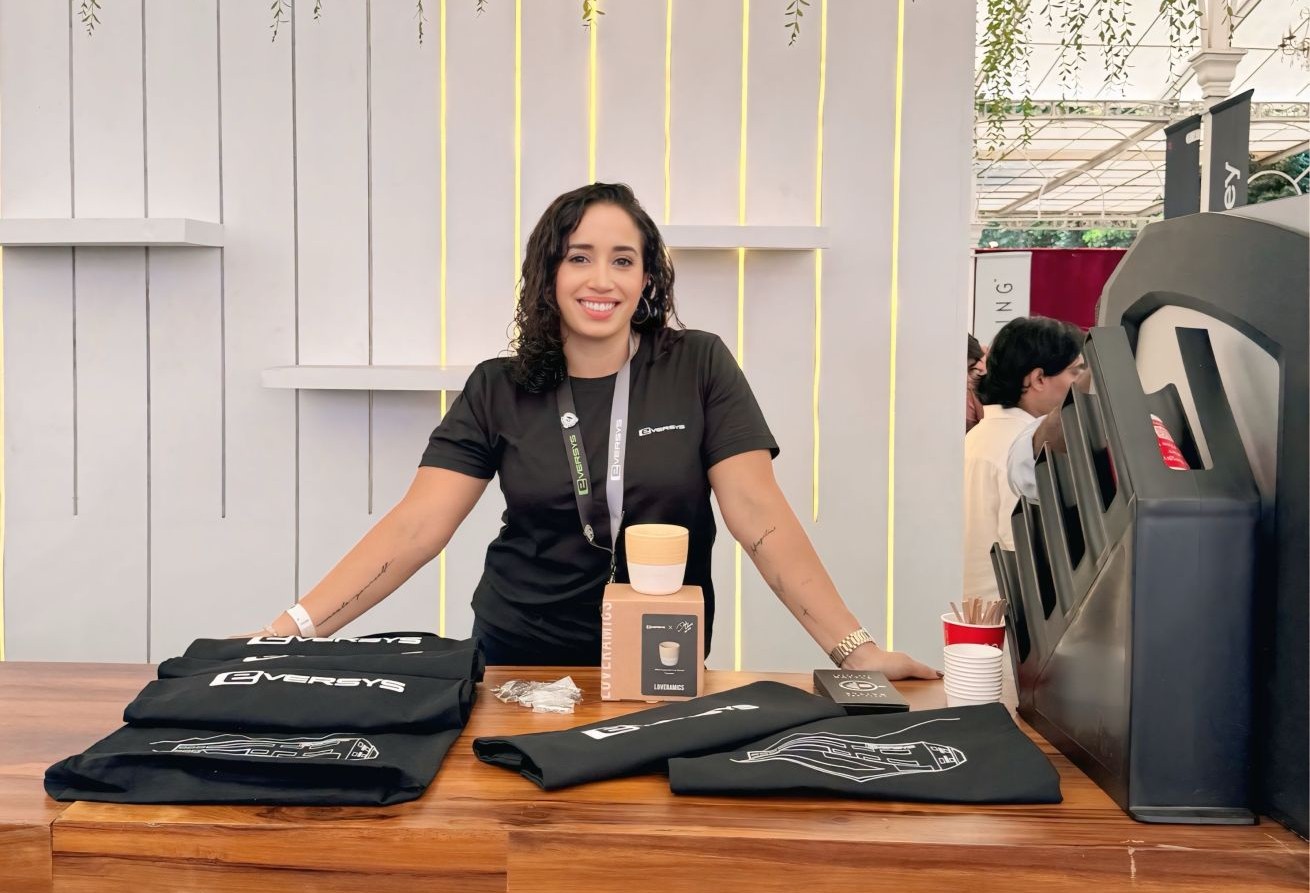
Carolina Gutierrez: In Specialty Coffee, Hospitality Matters More Than Complexity

Author: Carolina Gutierrez
Source: LinkedIn
Date: May 20, 2026

Executive Summary:

  • The best coffee experiences are built on hospitality, connection, simplicity, and humility, not on ego.
  • Consumers rarely build loyalty to a brand simply because they were educated. They return because of how the experience made them feel.
  • People remember experiences far more emotionally than they remember technical details, according to consumer behavior research.
  • Most consumers seek comfort, trust, familiarity, and connection, not complexity.
  • The most successful industries evolved by becoming more accessible, not more intimidating. Wine and craft beer are examples.
  • Specialty coffee sometimes confuses passion with correction, making people feel unwelcome for not knowing enough.
  • The future of specialty coffee belongs to brands that make people feel included first and educated second.

Carolina Gutierrez, a specialty coffee leader focused on coffee quality and education across the Middle East and Africa, recently shared a reflective post on LinkedIn about the state of specialty coffee culture. Her message centered on a simple but often overlooked truth: the best coffee experiences are not built on ego. They are built on hospitality, connection, simplicity, and humility.

Gutierrez observed that while the specialty coffee industry says it wants more people to appreciate high quality coffee, it sometimes makes people feel unwelcome for not knowing enough. She argued that this matters more than many professionals realize. Consumers rarely build loyalty to a brand simply because they were educated. They return because of how the experience made them feel.

The Gap Between Expertise and Accessibility

Gutierrez pointed out that consumer behavior research has shown for years that people remember experiences far more emotionally than they remember technical details. Yet in coffee, professionals sometimes overcomplicate the experience in an attempt to communicate expertise. Processing methods, extraction theory, total dissolved solids, and flavor notes all matter. But most consumers are not searching for complexity. They are searching for comfort, trust, familiarity, and connection.

She emphasized that this is not a weakness in consumer behavior. It is simply human behavior. The most successful industries evolved when they became more accessible, not more intimidating. Wine evolved. Craft beer evolved. The strongest hospitality brands learned how to simplify experiences instead of overcomplicating them. Even companies like Apple built global loyalty by making complex things feel intuitive. Gutierrez believes coffee should learn from that example.

Passion Versus Correction

Gutierrez offered a critical observation about specialty coffee culture. She wrote that specialty coffee sometimes confuses passion with correction. A consumer enjoying sugar, flavored drinks, dark roast, or commercial coffee does not mean they have bad taste. It simply means that is where they are in their journey. People should not feel pressured to understand coffee before they feel welcome in it.

She concluded that complexity may impress professionals, but simplicity is what grows industries. The future of specialty coffee, in her view, will belong to the brands and professionals who make people feel included first and educated second.

Frequently Asked Questions (FAQ)

1. What is the main argument of Carolina Gutierrez’s post?

She argues that specialty coffee should prioritize hospitality, connection, simplicity, and humility over ego and technical expertise to make consumers feel welcome.

2. Why do consumers return to a coffee brand according to Gutierrez?

Consumers return because of how the experience made them feel, not simply because they were educated about coffee.

3. What does consumer behavior research say about memory and emotion?

Research shows that people remember experiences far more emotionally than they remember technical details.

4. What mistake does specialty coffee sometimes make?

Specialty coffee sometimes confuses passion with correction, making people feel unwelcome for not knowing enough about coffee.

5. What industries have successfully evolved by becoming more accessible?

Wine, craft beer, and strong hospitality brands have evolved by simplifying experiences instead of overcomplicating them. Apple also made complex technology feel intuitive.

6. What does Gutierrez believe is the future of specialty coffee?

The future belongs to brands and professionals who make people feel included first and educated second.

Carolina Gutierrez – Specialty Coffee Leader | Coffee Quality & Education Leadership | Driving Growth & Innovation across the Middle East & Africa.
Published on Qahwa World: May 20, 2026

Professional Barista Skills: How the Role Transformed from Drink Maker to Experience Manager

Author: Qahwa World – Dubai
Date: May 17, 2026

Executive Summary

  • The barista role has shifted from a simple drink maker to a quality controller, hospitality professional, and skilled storyteller.
  • Automation does not reduce difficulty; it changes the nature of work, turning baristas into technical monitors and calibrators.
  • Today’s customers are more knowledgeable than ever, raising the stakes for every interaction behind the bar.
  • Staff turnover in hospitality exceeds 70% in the US and reaches 6% monthly in the UK, driven by treating barista roles as temporary.
  • Successful coffee shops invest in clear career paths, treating barista as a long-term craft rather than a stopgap job.
  • Hospitality and emotional intelligence now outweigh technical skills in building customer loyalty and justifying premium pricing.

The Evolution of the Barista Role

Over the past decade, the specialty coffee industry has witnessed a deep transformation in the nature of barista work. The scene no longer revolves solely around leveling a portafilter or pouring a symmetrical tulip. Today, baristas face multiple pressures: customers who follow coffee experts on social media, machines with complex technology, and coffee shops that demand multiple roles simultaneously.

Industry observers compare today’s barista to a chef in a fine dining restaurant. Both require technical mastery, the ability to handle pressure, and a talent for reading customer needs before they are expressed. This shift reflects positive progress in how the profession is valued, but it also places new burdens on those working behind the bar.

Advanced Technical Mastery: Extraction Science and Dynamic Calibration

Technical skills remain the foundation, but they have evolved significantly. It is no longer enough to know how to pull a good espresso shot. A barista must understand why it behaves that way under specific weather conditions or with a particular coffee origin.

Core technical skills include: understanding extraction science and the impact of grind size, temperature, and pressure; mastering latte art as a way to stabilize milk texture rather than just decoration; adjusting recipes for alternative brewing methods (pour-over, filter) based on processing method (natural, washed, honey); and maintaining equipment while troubleshooting issues. In the age of automation, the barista’s role shifts from “machine operator” to “quality assurance manager” who monitors performance and intervenes when necessary.

Dynamic calibration is what separates the professional barista from the beginner. Fixed recipes are the enemy of quality. A successful barista adjusts grind size and dose based on humidity and temperature changes inside the café throughout the day. This requires a trained palate to detect extraction defects (such as channeling or uneven extraction) before the customer complains.

Operational Variable Smart Standard Professional Goal
Water temperature 93°C (199°F) Avoid bitter burning or sharp acidity
Pre-infusion time 4 seconds Ensure even flow and prevent channeling
Grind size adjustment Minimum twice daily Counteract fluctuating indoor humidity

Managing Automation: From Operator to Quality Controller

Many coffee shops, especially in high-volume settings, are turning to automated equipment such as automatic pour-over brewers and milk foamers. Some see this as a threat to barista skill. The reality is different. Automation does not reduce difficulty; it changes the nature of the work. Today’s barista needs to understand machine algorithms, adjust pressure and flow profiles, and maintain equipment precisely to ensure consistent results.

When a machine manages extraction variables or milk steaming automatically, the barista’s role shifts toward monitoring, maintenance, and quality control. Identifying when something is off, understanding why, and fixing the problem requires attention to detail and forward-thinking. The smart barista harnesses technology to reduce waste and raise operational efficiency without compromising the sensory soul of the craft.

Emotional Intelligence and Interactive Hospitality

Research suggests that up to 78% of millennials prefer spending money on memorable experiences over material goods. This reality makes hospitality a critical success factor for specialty coffee shops. The Institute of Customer Service found that most consumers cite service quality as the main factor in whether they return to a business, ranking above price and product.

Emotional intelligence sits at the heart of excellent hospitality. The ability to read a customer’s body language in seconds — are they in a hurry, looking for conversation, or seeking a quiet experience? — handling a stressed customer during rush hour without escalating tension, and maintaining composure during a long queue are professional skills that take time and experience to develop. Additionally, explaining a complex menu in simple language, offering personalized suggestions without condescension, and turning a routine order into an engaging conversation about the customer’s preferences are all essential.

Brands like WatchHouse exemplify the success of a hospitality-first model. After record revenues, the chain aims to reach 100 global locations, where baristas greet guests at the door, seat them, walk them through the menu, and serve drinks tableside. This transforms a routine café visit into something closer to a fine dining experience.

Deep Coffee Knowledge and Storytelling

Today’s customers follow roasters on Instagram and know the difference between Ethiopian heirloom and Colombian pink bourbon. This level of knowledge reduces the burden of “educating” consumers, but it raises the stakes for every interaction. The barista’s role is no longer just providing information but enriching the drinking experience by connecting coffee to its story: the farm, the farmer, the processing method, the altitude, and how each affects the flavor.

The ability to make personalized suggestions with scientific confidence: “This natural Ethiopian will give you bold wild berry notes, while this Colombian offers a beautiful balance of caramel and green apple-like acidity.” Also handling special requests (plant-based milks, decaf, low-acid) with confidence rather than just “yes we can.”

Operational Efficiency and Economic Vision

Professional sustainability means the barista understands how their movements behind the bar affect the café’s profitability. Global coffee shops are not only looking for someone who pours beautiful latte art, but also someone who manages resources intelligently. Workflow optimization — organizing tools and moving smoothly to reduce customer wait time while maintaining the highest quality standards — is an art.

Waste reduction includes precisely adjusting milk quantities and controlling coffee bean waste during morning calibration. These practices directly reduce operational costs. Understanding the basics of drink costing and natural upselling that serves the customer makes the barista a partner in business success, not just an executive employee.

Continuous Learning and Career Paths: Tackling High Turnover

The hospitality sector suffers from high employee turnover. The US Bureau of Labor Statistics reports that the sector has the highest turnover rate in the country, at over 70%. A separate study found that nearly 3 million US hospitality workers left their jobs in early 2024, a figure 204% above the national average quit rate. Meanwhile, in the UK, recent data shows that around 6% of hospitality workers leave their jobs every month.

Most of these problems stem from how roles like barista are perceived. When treated as temporary rather than a long-term, professional position, employers invest less in training and development. This limits career progression, pushing baristas to find other work. The solution lies in creating clear career paths: junior barista, senior barista, head barista, roaster, café manager. Coffee shops that invest in continuous training, positive culture, and competitive pay retain the skilled, passionate people who help their businesses succeed.

Frequently Asked Questions (FAQ)

1. What is the single most important skill for a barista in 2026?

There is no single skill. The professional barista combines technical mastery (extraction science, dynamic calibration) with emotional intelligence (interactive hospitality, pressure management).

2. How has automation changed the barista’s role?

It shifted baristas from machine operators to quality controllers. They now need to understand machine algorithms, perform calibration and maintenance, while focusing on human elements that machines cannot replace.

3. Why are communication and hospitality skills so important today?

Customers are more knowledgeable than ever, and expectations are higher. Excellent service is the number one factor in customer return and justifies premium pricing in specialty coffee shops.

4. What causes high barista turnover in the industry?

The main reason is treating the profession as temporary rather than a career path. This leads to underinvestment in training, development, and competitive pay, pushing talent to seek more stable opportunities.

5. How can a coffee shop retain talented baristas?

By investing in continuous training, creating clear career paths, offering competitive pay, and building a positive workplace culture where baristas feel valued and respected.

6. What separates a professional barista from an average one today?

The professional combines technical excellence (dynamic calibration, extraction science, automation management) with soft skills (hospitality, emotional intelligence, storytelling, and economic awareness).

Author: Coffee Industry Analysis Unit  |
Source: Synthesis of three expert reports (field experience, PDG Jobs analysis, industry research)  |
Publication date: May 17, 2026

Coffee Break Dubai: Government Confidence, Market Shifts, and Hard Truths Facing the Coffee Industry

Dubai — Qahwa World

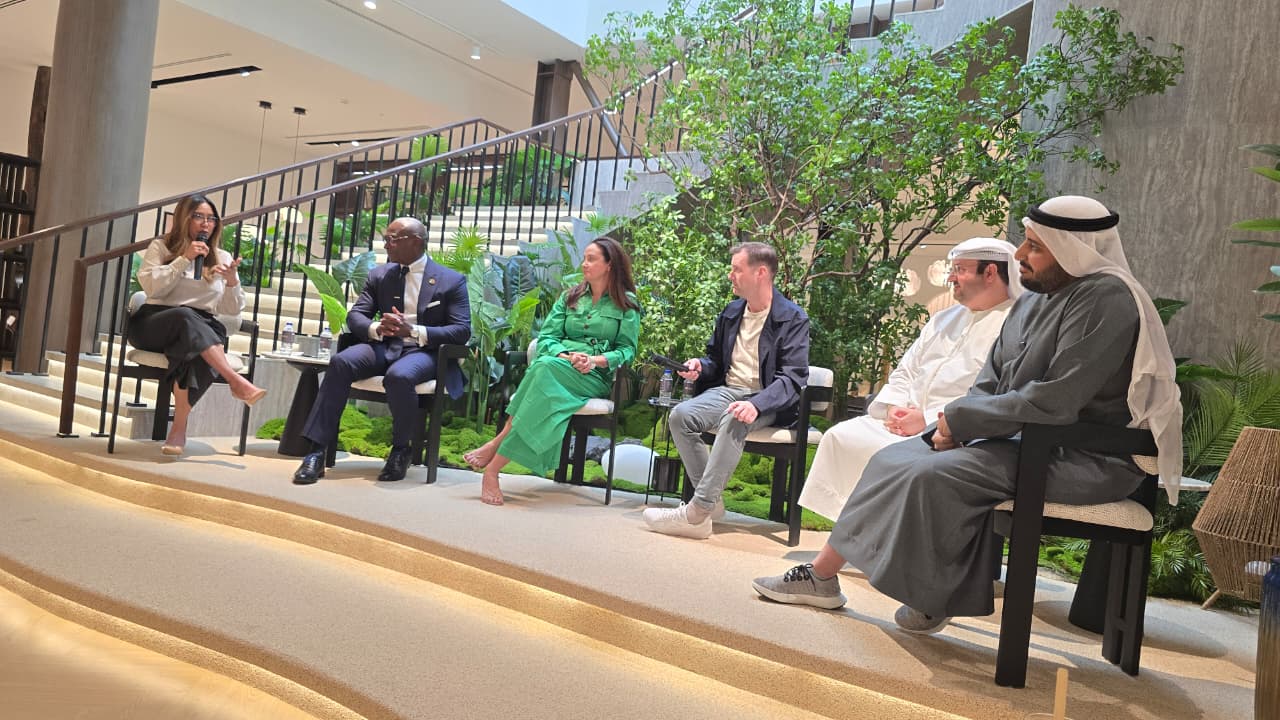
The first Coffee Break forum, held yesterday in Dubai, brought together senior leaders from the coffee, hospitality, logistics, media, and investment sectors to discuss the growing structural pressures facing the global coffee industry.

Organized by Mokha 1450 in partnership with Modora, the event went beyond discussion, offering a detailed real-time reading of how the sector is reacting to overlapping global disruptions.

Despite the complexity of challenges, a consistent theme emerged throughout the sessions: Dubai’s business environment continues to operate with a high level of institutional confidence, repeatedly linked by speakers to government crisis management performance and long-term economic stability.

  • SPEAKERS LIST (FULL PARTICIPANTS)

The session featured a high-level panel including:

  • Abdulla Al Shaibani — Group CEO, Axceed LLC
  • Garfield Kerr — CEO, Mokha 1450 and Former President of the Specialty Coffee Association
  • Khalid Al Mulla — CEO, Dubai Coffee Museum
  • Jennifer Pettinger-Haines — Founder and CEO, The GRIF Collective
  • Paul Clifford — Industry Editor and Analyst
  • Zeena Zalamea — Moderator, Broadcaster and Entrepreneur

GOVERNMENT CONFIDENCE AS A CORE BUSINESS FOUNDATION

A central thread across discussions was the role of government performance during crises, particularly the COVID 19 pandemic.

Speakers described how the UAE maintained operational continuity during global shutdowns, reopened faster than most major economies, and minimized long-term disruption to business ecosystems.

This experience created what participants described as a “structural confidence layer” that continues to shape decision-making today.

Rather than reacting defensively to current market pressures, companies are maintaining operations, focusing on internal stability, and prioritizing workforce wellbeing.

One speaker emphasized that during crises, the primary concern shifted away from business survival toward emotional and organizational stability within teams, supported by confidence in national systems.

  • ABDULLA AL SHAIBANI: LEADERSHIP UNDER STRUCTURAL CHANGE

Abdulla Al Shaibani highlighted that leadership in the current cycle is no longer defined by expansion, but by resilience management.

He emphasized that the priority for landlords and operators alike is stability rather than aggressive growth, stressing that maintaining continuity with tenants and partners is now the key objective.

He also noted that supporting smaller business ecosystems through flexible operational frameworks is essential during periods of uncertainty.

  • GARFIELD KERR: SUPPLY CHAIN DISRUPTION AND INDUSTRY PRESSURE

Garfield Kerr described significant disruption across global coffee logistics, particularly in air freight and container movement.

He explained that shipping costs have increased sharply, forcing businesses to pause shipments, delay projects, and reallocate inventory already positioned at origin.

He added that specialty coffee operators are now managing a fragile balance between cost pressure and quality preservation, especially as green coffee prices continue to rise globally.

  • JENNIFER PETTINGER-HAINES: THE TWO SPEED MARKET

Jennifer Pettinger-Haines presented data analysis covering approximately 400 venues across Dubai, revealing a clear structural divide:

  • Community cafés and neighborhood venues: growth of 30 to 40 percent in some cases
  • Fine dining restaurants: declines reaching 70 to 80 percent

She explained that this divergence reflects a fundamental shift in consumer behavior toward proximity, affordability, and familiarity.

Community driven venues are benefiting from consistent local demand, while high-end restaurants remain heavily dependent on tourism and discretionary spending.

  • PAUL CLIFFORD: PRICING STRATEGY AND BRAND RISK

Paul Clifford warned against aggressive discounting strategies, stating that repeated price reductions can permanently damage brand perception.

Once a brand is positioned at a lower price point, restoring premium positioning becomes significantly more difficult.

He noted that many operators are instead restructuring offerings by simplifying menus, reducing service formats, adjusting portions, and forming supplier collaborations rather than competing through pricing alone.

  • KHALID AL MULLA: LOGISTICS AND SYSTEM STABILITY

Khalid Al Mulla emphasized that government intervention extends beyond regulation into active operational support during crises.

He referenced past interventions that protected businesses from immediate financial collapse and ensured continuity of operations.

He also highlighted current logistics diversification strategies, including alternative shipping routes and regional port redistribution to reduce dependency on single supply corridors.

  • INDUSTRY TRANSFORMATION ACROSS OPERATIONS

Across the sector, businesses are adjusting core operations:

  • Reduced operating hours in line with demand
  • Workforce restructuring
  • Menu redesign due to cost inflation
  • Ingredient substitution and sourcing recalibration
  • Training program expansion

At the same time, companies are investing in internal capability development to prepare for post-crisis recovery cycles.

  • DIFFERENT ECONOMIC REALITIES WITHIN ONE MARKET

Speakers noted a widening gap between companies:

  • Well capitalized operators are investing and repositioning
  • Smaller operators are focused on survival and liquidity management

Overall performance remains below historical averages, with many businesses operating near break-even thresholds.

  • HOSPITALITY ASSET UNDERUTILIZATION

Hotel infrastructure was identified as an underutilized resource due to reduced occupancy rates.

Proposals included repurposing unused spaces into coworking environments, delivery kitchens, and hybrid operational models to improve asset efficiency.

  • SHIFTING CUSTOMER DEMOGRAPHICS

A key strategic concern raised was the under engagement of younger consumer groups.

Speakers noted that this demographic represents a growing opportunity but requires new approaches in branding, product development, and communication strategy.

  • ORIGIN LEVEL PRESSURE IN THE COFFEE CHAIN

At production level, rising costs and low farmer returns continue to threaten long-term sustainability.

Some producers are exiting the industry entirely, while younger generations are increasingly avoiding agricultural participation.

Sustainability investment and fairer value distribution were highlighted as critical structural requirements.

  • OUTLOOK: CONTROLLED OPTIMISM

Despite challenges, sentiment remained cautiously positive.

Most participants expect partial recovery within 12 to 24 months based on historical cycles in hospitality markets.

A widespread view emerged that current disruptions are cyclical rather than structural, shaping investment and operational decisions across the sector.

  • CONCLUSION

The Coffee Break forum in Dubai highlighted an industry under simultaneous global pressures but actively adapting across every layer of its value chain.

From supply chains to consumer behavior, the sector is undergoing structural recalibration.

At the center of this transition is sustained confidence in the UAE’s institutional stability and crisis management capability, which continues to influence strategic decisions across the industry.

Saudi Coffee A Symbol of Generosity That Shapes Cultural Identity

From Makkah to the Desert Majlis Hospitality Traditions and Heritage Flavors in a Special Report by Sayidaty

Dubai – Qahwa World

Sayidaty magazine published a special report highlighting Saudi coffee as one of the most prominent symbols of hospitality and generosity in the Kingdom. The report emphasizes its role as a cultural element that reflects the social and historical identity of Saudi society.

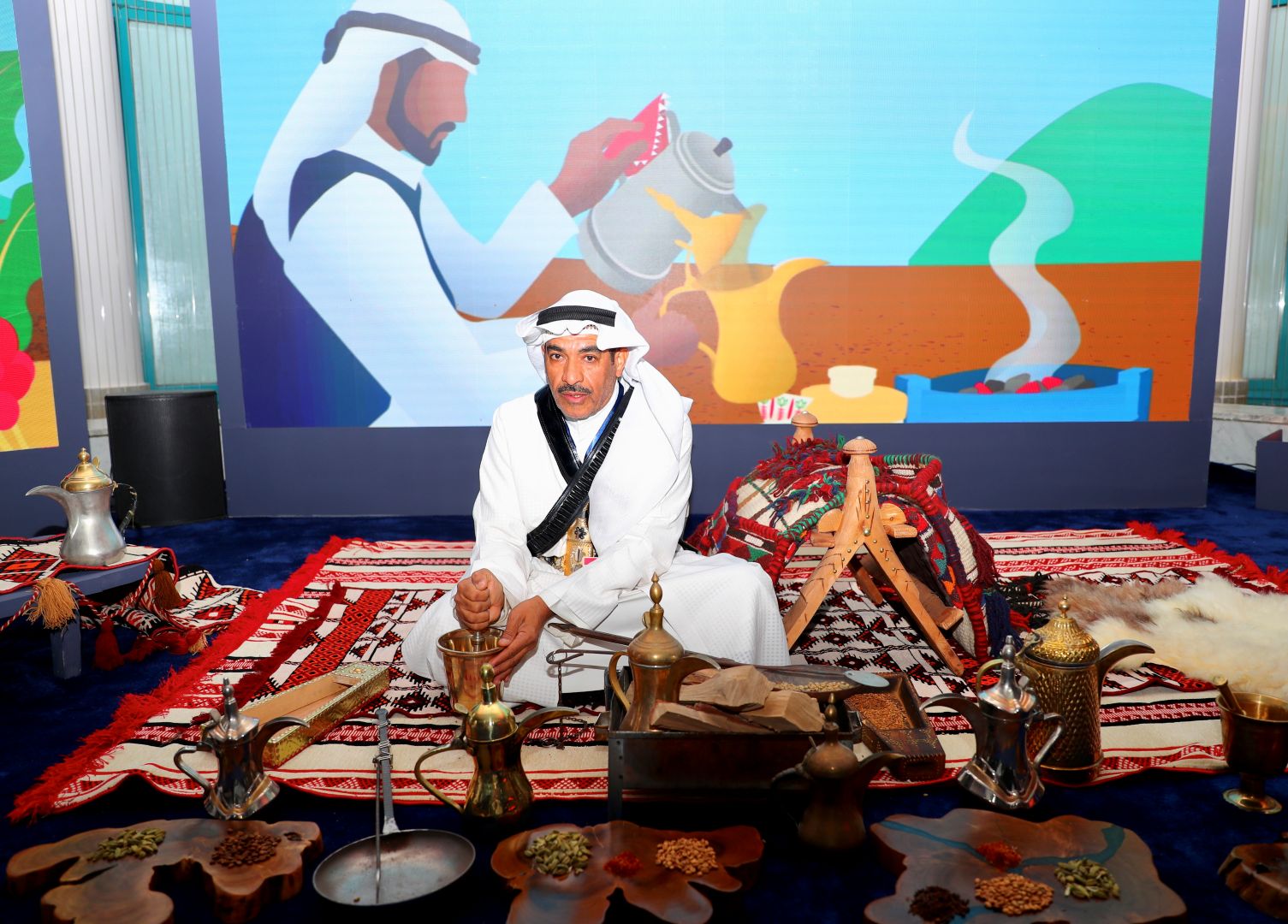
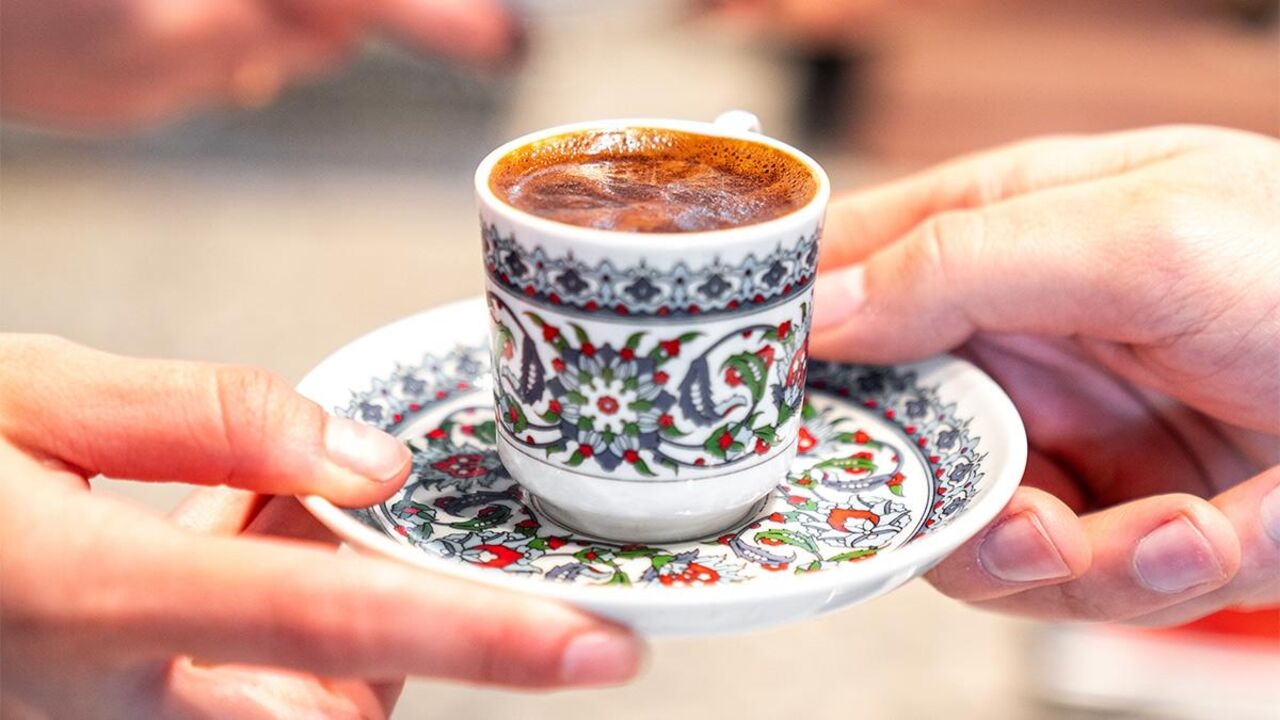
The report explains that Saudi coffee is not simply a traditional drink but a deeply rooted cultural practice connected to authentic hospitality rituals. Its aroma, blended with cardamom and incense, represents the first expression of welcome offered to guests. It also notes that this cultural heritage is included in UNESCO’s list of intangible cultural heritage.

According to the report, engineer Abdullah bin Kalib, an expert in coffee heritage, stated that coffee was not originally the primary beverage of hospitality. Earlier traditions included milk and broth before coffee became central to Arab hospitality culture, particularly in the Arabian Peninsula. He added that coffee first appeared in urban centers, especially Makkah, before spreading to desert communities and becoming part of their social and cultural life.

The report highlights that coffee gatherings known as majlis are more than seating areas. They function as social and cultural spaces where values are transmitted, younger generations learn hospitality practices, and communities exchange news, poetry, and conduct social and commercial discussions.

It also discusses the diversity of Saudi coffee in types and preparation methods, including global varieties such as Arabica and Robusta, as well as the rare Khawlani coffee grown in Jazan, known for its distinctive nutty flavor. Regional differences in roasting and preparation contribute to a wide range of taste profiles across the Kingdom.

The preparation process includes roasting, grinding using the traditional mortar, boiling, and adding spices such as cardamom, saffron, ginger, and cloves before serving it in the traditional dallah according to established hospitality customs.

Serving traditions are also highlighted, where coffee is typically offered starting with the eldest guest or from the right side, reflecting respect and social etiquette deeply rooted in majlis culture.

The report concludes by noting the traditional pairing of coffee with dates, along with modern developments such as electric coffee makers and instant coffee. These innovations have helped expand its use while maintaining its cultural significance, ensuring Saudi coffee remains a living symbol of heritage, identity, and hospitality.

SAMBAZON Brings Organic Açaí to Dubai, Elevating Wellness Culture

Dubai – Qahwa World

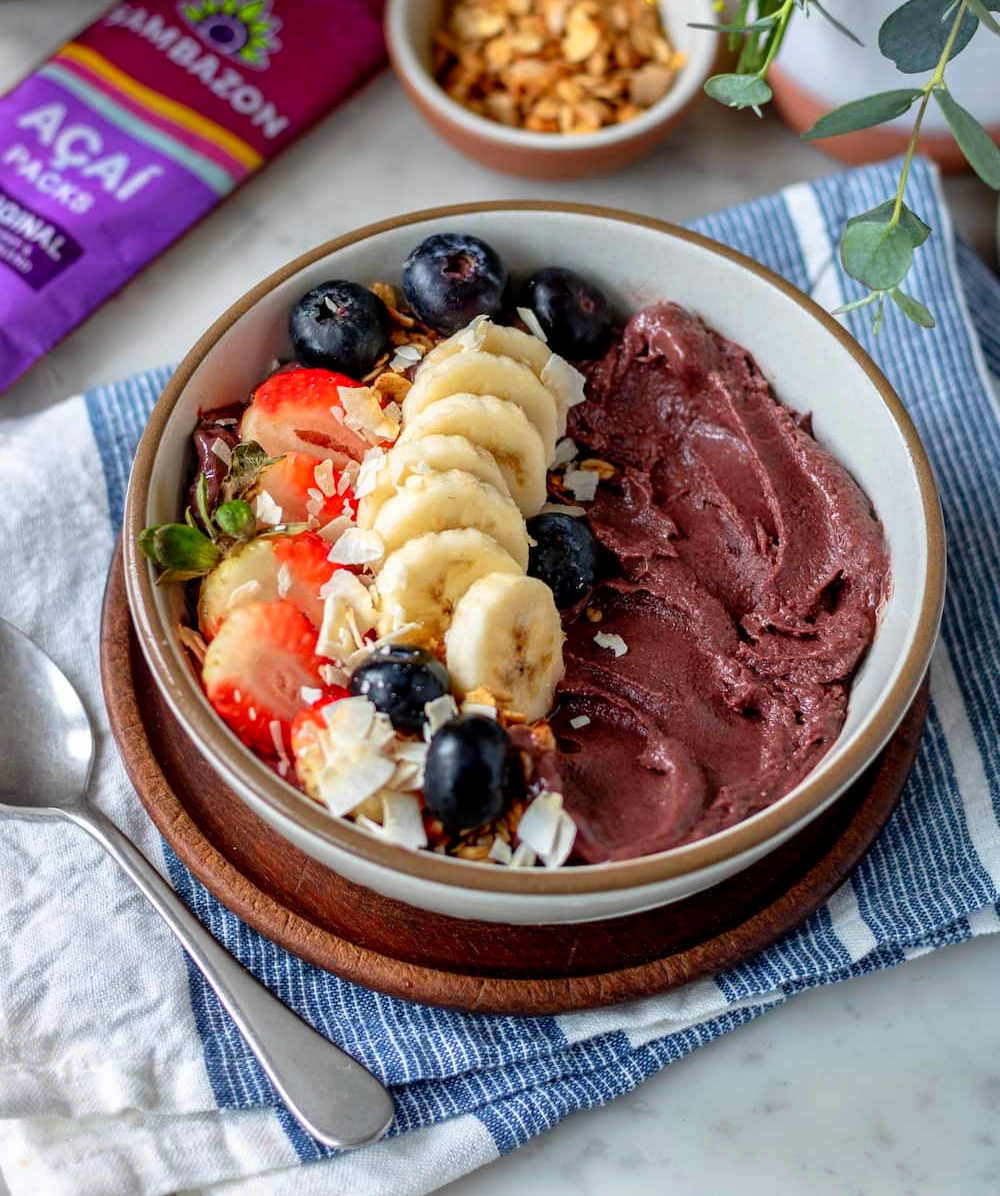
Dubai’s coffee and hospitality scene is embracing the açaí trend, and SAMBAZON is leading the charge. As pioneers of certified organic açaí, the brand is helping cafés, restaurants, and wellness-focused operators elevate their menus while staying committed to sustainability and Fair Trade principles.

On the sidelines of World of Coffee Dubai 2026, Mr. Valter Vale, Director of Marketing – International at SAMBAZON, shared his insights on the brand’s expansion in the Middle East and its vision for the coming years.

“Dubai’s coffee and hospitality community is highly sophisticated and values quality, provenance, and transparency,” Vale told Qahwa World. “Being certified organic and Fair Trade immediately resonates with operators who want to offer something premium and credible. Many partners see SAMBAZON not just as an ingredient, but as a brand that elevates their menu and aligns with the region’s growing focus on wellness and sustainability.”

SAMBAZON’s signature “palm of the tree to the palm of your hand” approach emphasizes long-term partnerships with thousands of small family farmers in the Amazon, ensuring full traceability while reinvesting in the communities that produce the fruit. Vale emphasized that growing demand in the Middle East will never compromise the company’s Fair Trade commitments.

The brand’s presence at World of Coffee Dubai 2026 has opened new conversations around franchising and licensing Açaí Bowl concepts in the region. “We are actively engaged in discussions around franchising SAMBAZON bowl shops in the Middle East,” Vale explained. “While we see long-term potential in non-traditional locations such as airports and universities, our focus is on building the brand thoughtfully and sustainably, anchored by high-quality, permanent stores.”

Beyond business growth, SAMBAZON continues to maintain a strong social mission. Its Fair Trade certification has funded schools, healthcare centers, and community initiatives in the Amazon. Vale noted that as the brand grows in the Middle East, similar local initiatives may be explored, particularly around community wellness and sustainability, with an emphasis on authenticity and collaboration.

Looking ahead, SAMBAZON aims to establish itself as the most trusted açaí and functional superfruit brand in the Middle East over the next five years. Vale outlined the vision: “We want to grow across retail and food service with the right partners, build strong brand equity, and become part of everyday wellness culture in the region, all while staying true to our mission of protecting the Amazon and supporting the communities that make our products possible.”

Founded in 2000, SAMBAZON®—an acronym for Sustainable Management of the Brazilian Amazon—was the first company to introduce certified açaí to the world. The brand supplies organic and Fair Trade-certified açaí products, including smoothie packs and ready-to-eat Açaí Bowls, pioneering transparency from “palm of the tree to the palm of your hand.” Its Fair Trade initiatives have positively impacted thousands of local growers, donating over $1 million to build or renovate schools, healthcare centers, and community facilities.

For more on SAMBAZON in the Middle East, visit sambazon.ae.

Grand Mercure Business Bay Opens in Dubai Under Gulf Hotels Group

Dubai – Qahwa World

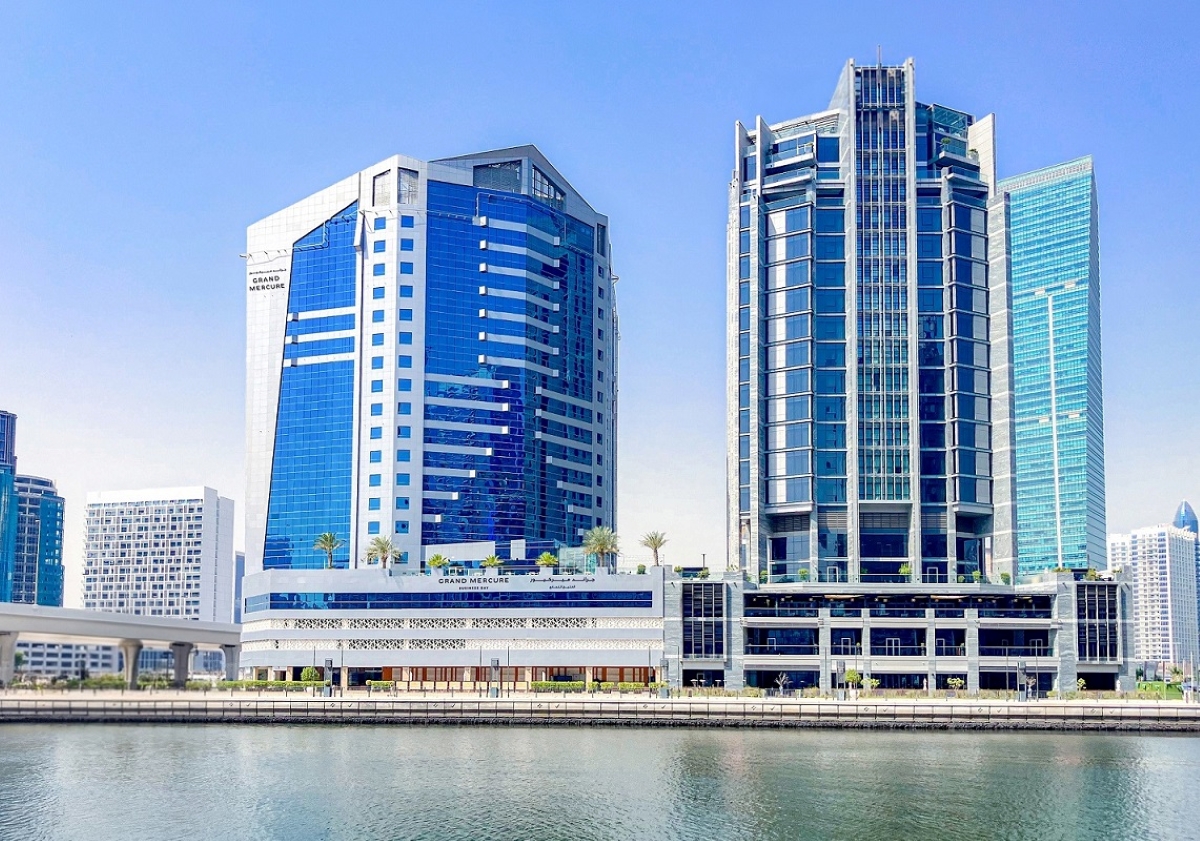
Grand Mercure Business Bay has officially opened its doors in Dubai, marking a new identity for the former Gulf Court Business Bay Hotel, owned and managed by the Gulf Hotels Group (GHG) under the Grand Mercure brand, through a franchise agreement with Accor Group. This launch represents a significant milestone in the hotel’s journey, shaped by Grand Mercure’s unique approach to hospitality, celebrating the beauty of the location while offering the highest standards of luxury and rich cultural experiences that reflect authentic hospitality.

The hotel adheres to world-class hospitality standards and aligns with the character of its vibrant location, showcasing the brand’s philosophy of highlighting local charm through thoughtful details, genuine hospitality, and premium services. The new identity combines modern Dubai vibes with the essence and authenticity of the Business Bay district. Gulf Hotels Group continues to operate the property, leveraging its extensive operational experience, Accor’s strong global presence, loyalty programs, and booking and communication platforms.

Strategically located on Sheikh Zayed Road next to Marasi Drive, in the heart of Business Bay, the hotel is just eight minutes away from Burj Khalifa, Dubai Mall, and the city’s key exhibition and business hubs.

The hotel features 270 renovated rooms and suites designed for maximum comfort while preserving the property’s unique character. It also offers four versatile meeting rooms accommodating up to 90 guests, a business lounge, five restaurants, and recreational facilities. Among its highlights is Mediterranean Muse, inspired by the cuisines of the Mediterranean region, set to open in the first quarter of 2026. Guests can also enjoy an outdoor pool terrace overlooking the Business Bay skyline, offering a peaceful retreat for relaxation and rejuvenation.

Ahmed Janahi, CEO of Gulf Hotels Group, said: “This partnership with Accor represents a strategic step reflecting our shared vision to elevate hospitality experiences. Joining the Grand Mercure brand, alongside our continued management of the hotel, strengthens its position in Dubai’s competitive market. It allows us to benefit from Accor’s prestigious brand and global reach through booking and loyalty platforms, meeting guest expectations, enhancing loyalty, and reflecting Gulf Hotels Group’s ongoing commitment to excellence and innovation in hospitality.”

Raki Phillips, Regional President of Accor’s Midscale, Premium, and Economy Hotels in the Middle East, Africa, and Turkey, added:

“Grand Mercure Business Bay is a notable addition to Accor’s portfolio of premium hotels in the UAE. The brand’s philosophy centers on the stories and essence of its destinations, perfectly embodied by this hotel. Our partnership with Gulf Hotels Group merges local heritage, elegant design, and trusted standards sought by Accor guests. We look forward to welcoming guests to a hotel that reflects Dubai’s identity while providing a fresh and inspiring experience.”

The launch aligns with Gulf Hotels Group’s broader strategy to expand its international portfolio through franchise agreements with leading global brands. It also strengthens the hotel’s position in Business Bay, adding value to the hospitality sector by offering visitors, leisure, and business travelers experiences that reflect refined hospitality, cultural richness, and genuine engagement, particularly as Business Bay continues to grow as one of Dubai’s most dynamic districts. This approach is in line with Accor’s regional vision of delivering culturally distinctive hotels and unique experiences across key destinations in the Middle East.

To celebrate the opening, members of the Accor ALL program will earn four times the reward points on bookings made between February 16 and April 12, 2026, for stays between February 16 and August 9, 2026. Members also enjoy exclusive benefits, including discounts, complimentary upgrades, late check-out, and points redeemable at Accor hotels worldwide.

The European Coffee & Hospitality Awards 2025: Full Winners List

Dubai – Qahwa WORLD

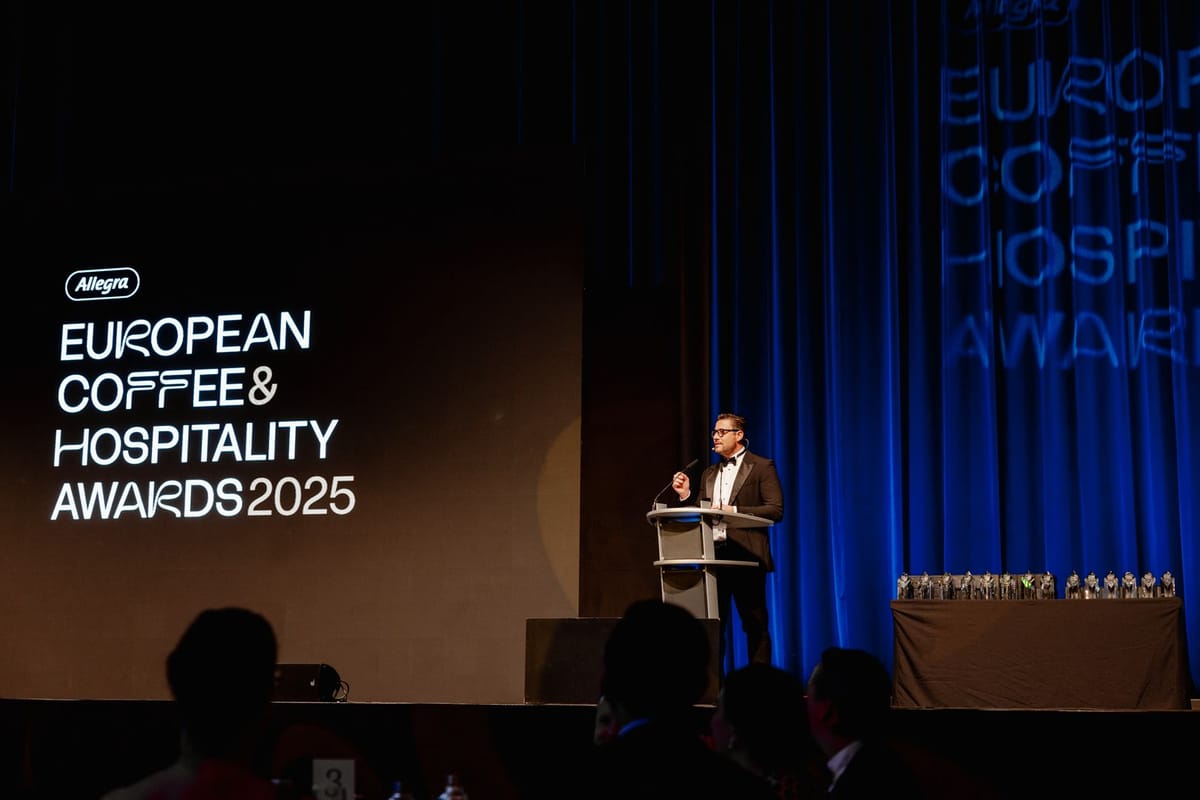
Celebrating excellence from across Europe’s coffee and hospitality industries, senior executives gathered in Berlin for the European Coffee & Hospitality Awards and Gala Dinner on 25 November 2025. In partnership with Coffee Ventures Europe and 5THWAVE, World Coffee Portal proudly reveals this year’s winners.

Following nominations and votes from over 10,000 industry peers, World Coffee Portal is pleased to announce the winners of the European Coffee & Hospitality Awards 2025.

From global powerhouses to pioneering independents, the winners represent the cream of the crop across 15 categories – from Best European Coffee Chain and Best European Specialty Coffee Roaster to Most Sustainable Brand and Matcha Brand of the Year.

“When 10,000 industry professionals cast their votes, they weren’t just participating – they were declaring what excellence means. We are proud to champion the 150 brands they recognised for refusing to be ordinary, and humbled to celebrate the 15 winners who represent the pinnacle of our industry,” said Jeffrey Young, Allegra Group CEO and Founder.

The winners were announced at a Gala Dinner at the JW Marriott Berlin on 25 November 2025, as part of an evening to recognise and celebrate the people, products and businesses pushing the European coffee and hospitality industry to new heights.

Photo credit: Coffee Ventures Europe

European Coffee & Hospitality Awards 2025 – Winners by category

Best European Coffee Chain

  • Winner: WatchHouse

  • Highly commended: % Arabica, Caffè Nero

Best European Food & Bakery Chain

  • Winner: Gail’s

  • Highly commended: Ole & Steen, Zeit für Brot

Best European Hotel Coffee Experience

  • Winner: Soho House

  • Highly commended: The Hoxton Boutique Hotels, The Mandarin Oriental Hotel Group

Best Independent Coffee Shop – Europe

  • Winner: Bonanza Coffee Roastery

  • Highly commended: Friedhats FUKU Cafe, Special Guests

Best European Commercial Coffee Roaster

  • Winner: Lavazza

  • Highly commended: Illy, Löfbergs

Europe’s Best Specialty Coffee Roaster

  • Winner: Caravan Coffee Roasters

  • Highly commended: Manhattan Coffee Roasters, Origin Coffee Roasters

Best European Traditional Coffee Equipment Brand

  • Winner: La Marzocco

  • Highly commended: Slayer, Victoria Arduino

Best European Automatic Coffee Equipment Brand

  • Winner: Eversys

  • Highly commended: La Cimbali, WMF

Best European Food/Beverage Supplier

  • Winner: Monin

  • Highly commended: Beyond The Bean, Nestlé

Most Sustainable Brand – Europe

  • Winner: Origin Coffee Roasters

  • Highly commended: BRITA, Lavazza

Matcha Brand of the Year

  • Winner: Jenki

  • Highly commended: Good & Proper Tea, PerfectTed

Plant-based Supplier of the Year

  • Winner: Oatly

  • Highly commended: Alpro, Minor Figures

Bakery Supplier of the Year

  • Winner: Danish Bakery (Easyfood)

  • Highly commended: Delifrance, La Lorraine

Packaging Supplier of the Year

  • Winner: Tetrapak

  • Highly commended: Duni, SEDA

Home Coffee Equipment Brand of the Year

  • Winner: De’Longhi

  • Highly commended: La Marzocco Home, Sage

The European Coffee & Hospitality Awards, organised by World Coffee Portal, 5THWAVE and Coffee Ventures Europe, are part of the European Coffee Symposium and COHO Expo.

Matcha Gains Momentum as Hospitality Embraces Ritual and Wellness

Dubai, August 27, 2025 (Qahwa World) – Matcha is fast emerging as one of the most influential beverages in the global hospitality industry. Once rooted in the centuries-old tea traditions of Japan, it has now been adopted worldwide as a drink that symbolizes wellness, sustainability, and cultural sophistication. For hotels, cafés, and specialty bars, it is no longer just an alternative to coffee, but a statement of values that align with modern consumer expectations.

In recent years, the pace of change in beverage menus has accelerated. Consumers are increasingly seeking options that provide not only refreshment but also meaning. Matcha, with its history and ritualized preparation, has stepped into that space. It is being served not only in traditional bowls but also as lattes, iced beverages, and innovative cocktails, offering versatility that fits seamlessly into contemporary hospitality.

“Matcha speaks to a deeper need, the desire to slow down and reconnect, even in the midst of a busy day,” said Fabiola Ruggiero, Founder of Cose di Tè. “Its preparation is a quiet ritual. Its flavor is bold, complex, vegetal. It engages the senses — and invites a moment of presence.”

Unlike conventional teas, which are steeped and discarded, matcha is consumed in its entirety. Finely ground from shade-grown leaves, it is rich in antioxidants, amino acids, and slow-release caffeine. This makes it especially appealing to younger generations and professionals seeking calm focus and sustained energy without the spikes often associated with coffee. Nutrition experts also point to its role in supporting wellness trends that emphasize balance and mindfulness.

Ruggiero underlined that matcha is more than a healthy beverage. “It’s rare to find a product that unites health benefits, aesthetic appeal, and storytelling potential. Matcha does all three. That is why it resonates so deeply with today’s guest.”

The storytelling element is particularly relevant for the hospitality sector. By presenting matcha as part of an intentional ritual — where preparation tools are visible, tasting notes are offered, and pairings such as mochi or shortbread are served — operators can elevate the guest experience. Small details, such as presenting matcha with a focus on authenticity and care, are increasingly being recognized as defining aspects of modern luxury.

For venues, the commercial logic is clear. Matcha introduces new revenue streams during off-peak hours, appeals to customers seeking non-coffee options, and positions businesses as forward-thinking. The drink’s vibrant green color and striking presentation also add visual impact in an era where social media presence influences customer decisions. “Matcha is where ancient tradition meets future-conscious living,” Ruggiero said. “It is an invitation to pause, to reconnect, to choose differently.”

Technology is also playing a role in ensuring consistency and quality in matcha-based beverages. The Eagle One machine by Victoria Arduino has been engineered with Steam-by-Wire technology to guarantee precise temperature stability, energy efficiency, and responsive steam control. For baristas, this ensures that milk-based matcha drinks achieve the silky microfoam and balance that complement, rather than overpower, the delicate tea. Such precision has become increasingly important as venues adapt to growing demand for plant-based alternatives such as oat or almond milk.

The integration of matcha into menus reflects a broader shift in hospitality, where tradition and innovation work hand in hand. On one side, the centuries-old ritual of whisking green tea powder into water continues to carry cultural significance. On the other, modern design, technology, and hospitality concepts are helping to reintroduce matcha to new audiences in ways that feel relevant and accessible.

As the global beverage industry adapts to rapid change, matcha has moved far beyond being a temporary trend. Its combination of heritage, health benefits, versatility, and cultural narrative places it firmly at the intersection of wellness and hospitality innovation. For operators seeking to meet evolving consumer expectations, it represents not just another option on the menu, but a strategic choice that signals purpose and progress.